
Château Tanunda
Barossa Valley
Winery in Barossa Valley, Australia
 Book with Pearl
The Read
Heritage Estate Precision
Why go
Château Tanunda is a strong Barossa Valley pick if you want a polished, established Tanunda winery stop rather than a small-producer detour. Plan ahead: booking difficulty is high, and it works better as an anchor visit than a casual add-on. Compare it with St Hallett, Turkey Flat, Langmeil, Peter Lehmann, and John Duval Wines before finalising a tasting day.
About Château Tanunda
Château Tanunda is a Barossa Valley venue with 3 Star Prestige recognition for 2025. Use this guide as a concise decision aid, but for specific logistics, menus, hours, shipping, or visit formats, contact the venue directly.
The dress code is smart casual. Beyond that, specific claims about visit structure, booking difficulty, food, pricing, service style, or shipping arrangements should be checked directly with the venue before you build a day around them.
Book for a premium Barossa stop, not a casual add-on
Because Château Tanunda carries 3 Star Prestige (2025), it is reasonable to treat it as a priority Barossa Valley stop when planning a premium itinerary. The exact reservation process, availability, and visit format should be confirmed directly rather than relying on assumptions.
If you are comparing it with other Barossa Valley options, keep the comparison broad and itinerary-led. For a wider regional view, use the full Barossa Valley guide and decide which venues best match the kind of day you want.
How to fit it into a Barossa itinerary
Use Château Tanunda as one premium point in a Barossa Valley plan, then confirm the practical details before finalising timing. If staying overnight, cross-check the Barossa Valley hotels guide before locking in the day. For meals around the visit, the Barossa Valley restaurants guide is the better planning companion than assuming food will be available at the venue.
For comparison planning, Château Tanunda can be considered alongside John Duval Wines, Langmeil, Peter Lehmann, St Hallett, and Turkey Flat, or alongside other Barossa Valley venues generically. Keep the final schedule flexible until each venue's current hours, booking requirements, and visit options are confirmed directly.
Planning details
- Location
- Château Tanunda, 9 Basedow Rd, Tanunda SA 5352
- Website
- chateautanunda.com
- Phone
- +61 8 8563 3888
The take
The Take
The Vibe
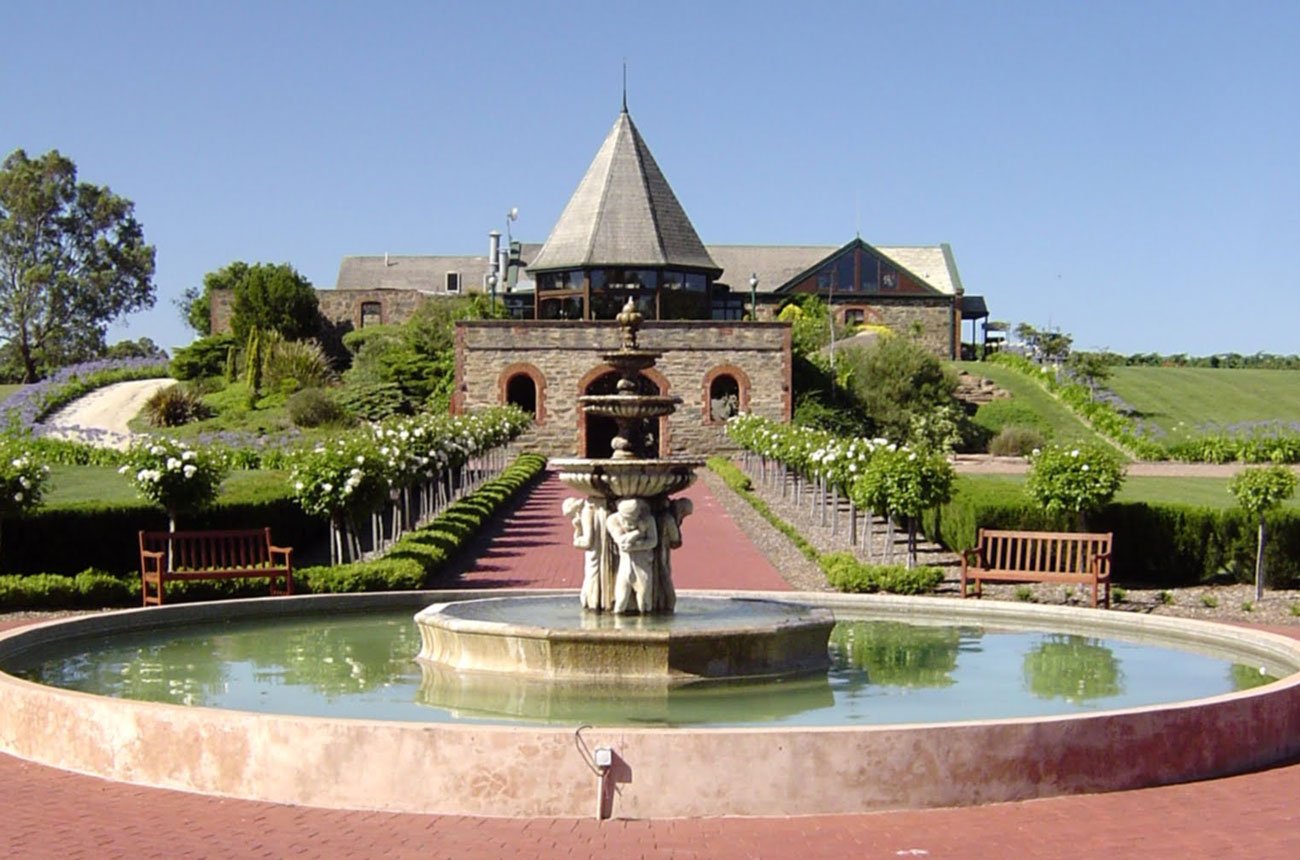
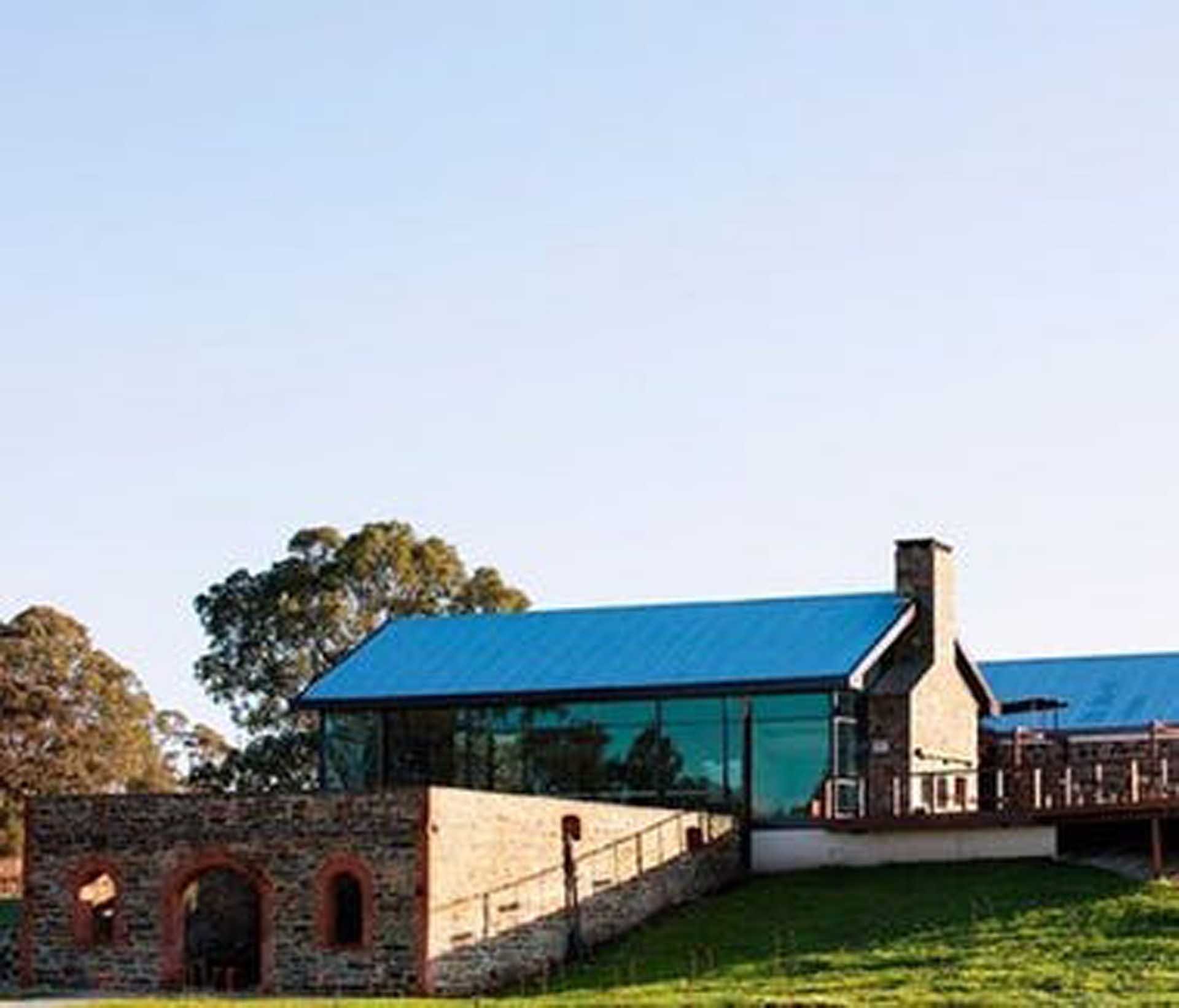
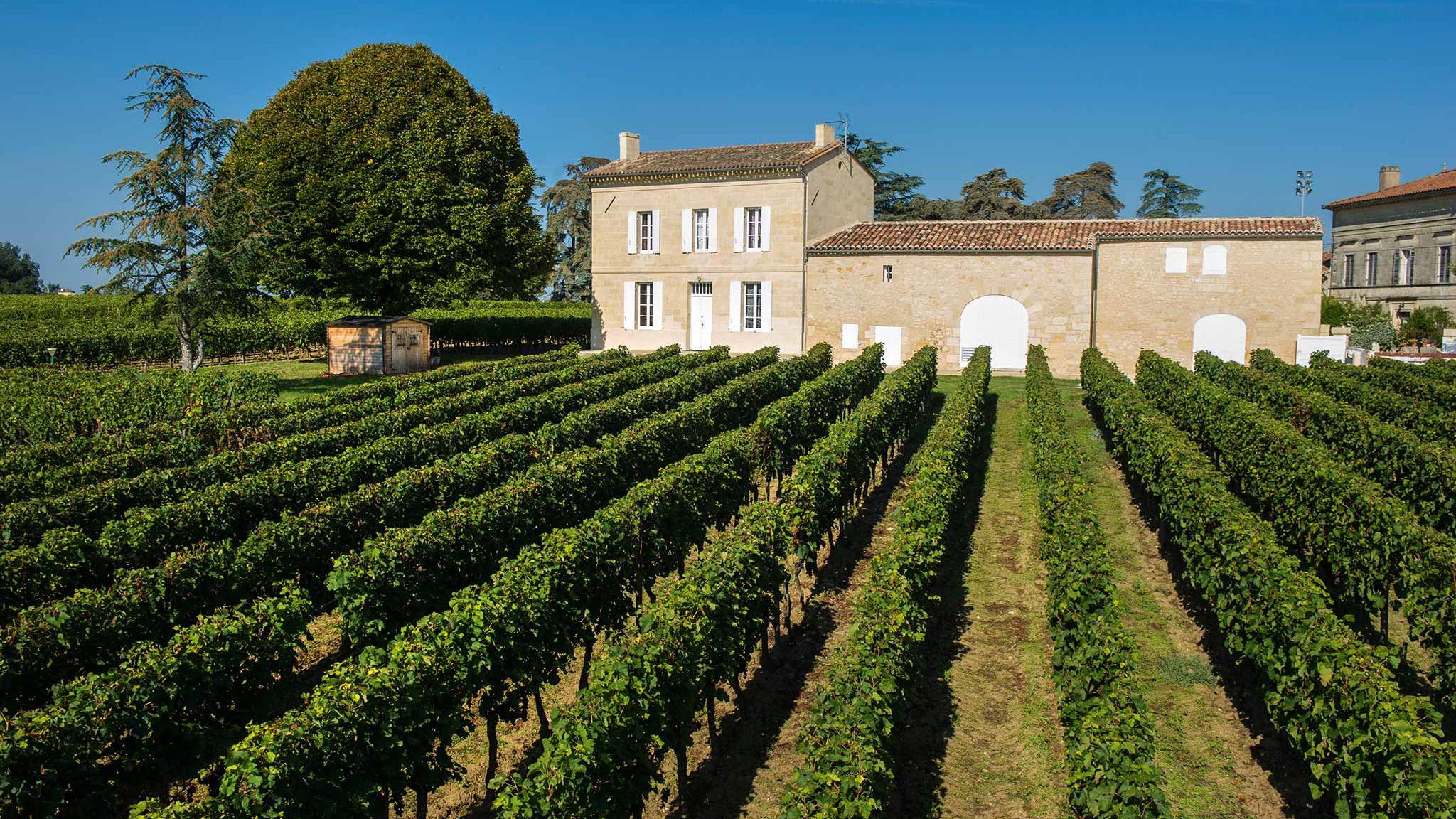
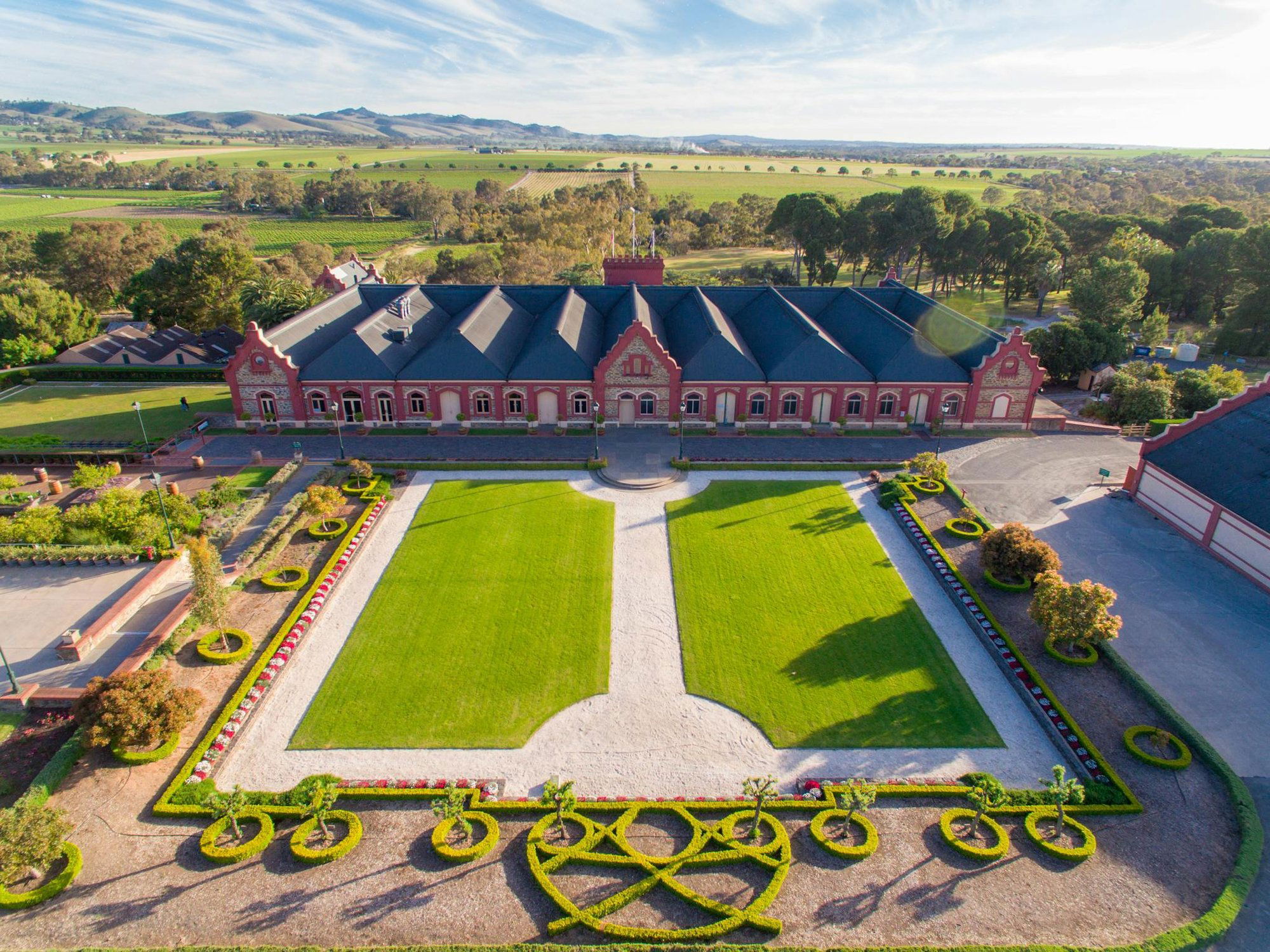
Château Tanunda reads as a statement: a sandstone château from the 1890s that stakes a claim for the Barossa’s place among the world’s great regions. The scale and pitched rooflines feel deliberate and formal rather than playful or minimalist, and the estate’s Pearl 3 Star Prestige rating reinforces that seriousness. Visitors encounter a historic, architecturally confident property where the building itself shapes expectations—this is wine presented with ceremony and depth rather than trend-driven theater. The overall impression is sophisticated and substantial, a place where the setting amplifies the wines’ gravitas.
Best For
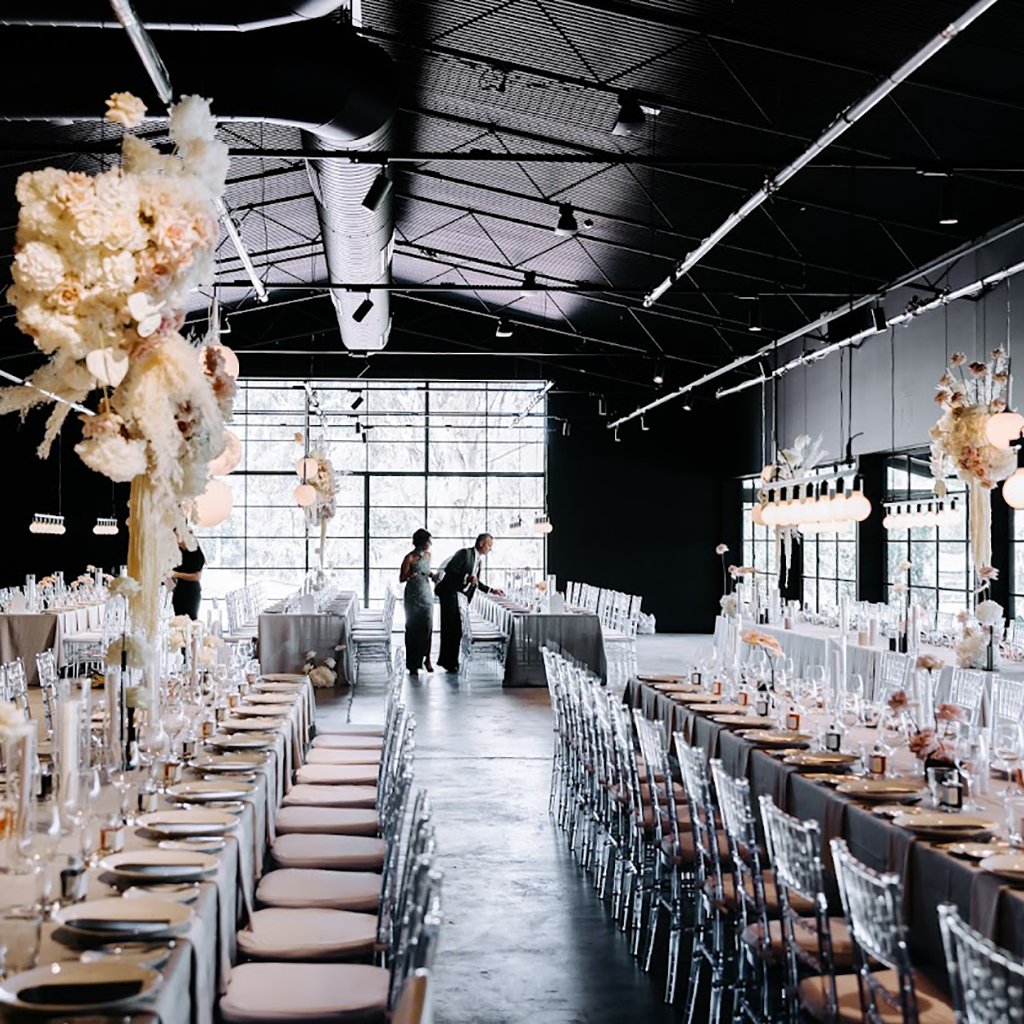
This is a tasting destination you plan for rather than squeeze in. Château Tanunda suits travelers and locals looking for a more formal, educational tasting—especially those interested in depth of range and cellar-driven wines. Its scale and prominence make it appropriate for special occasions and thoughtfully organized group visits, where the architecture and estate presence become part of the experience. Expect a paced tasting that rewards attention: people who prioritize heritage, context, and a sense of place will get the most from a visit here.
Tasting Tips
Allow extra time and plan ahead: the copy emphasizes a tasting that “warrants planning around,” so book in advance when possible. When arranging your visit, indicate that you’re interested in exploring the estate’s range and cellar quality—the property’s prestige and depth are the focal points. Treat the tasting as a destination appointment rather than a quick stop; arriving with a clear window for a seated tasting helps you appreciate the château’s architecture and the narrative behind the wines.
Venue details
Ambiance
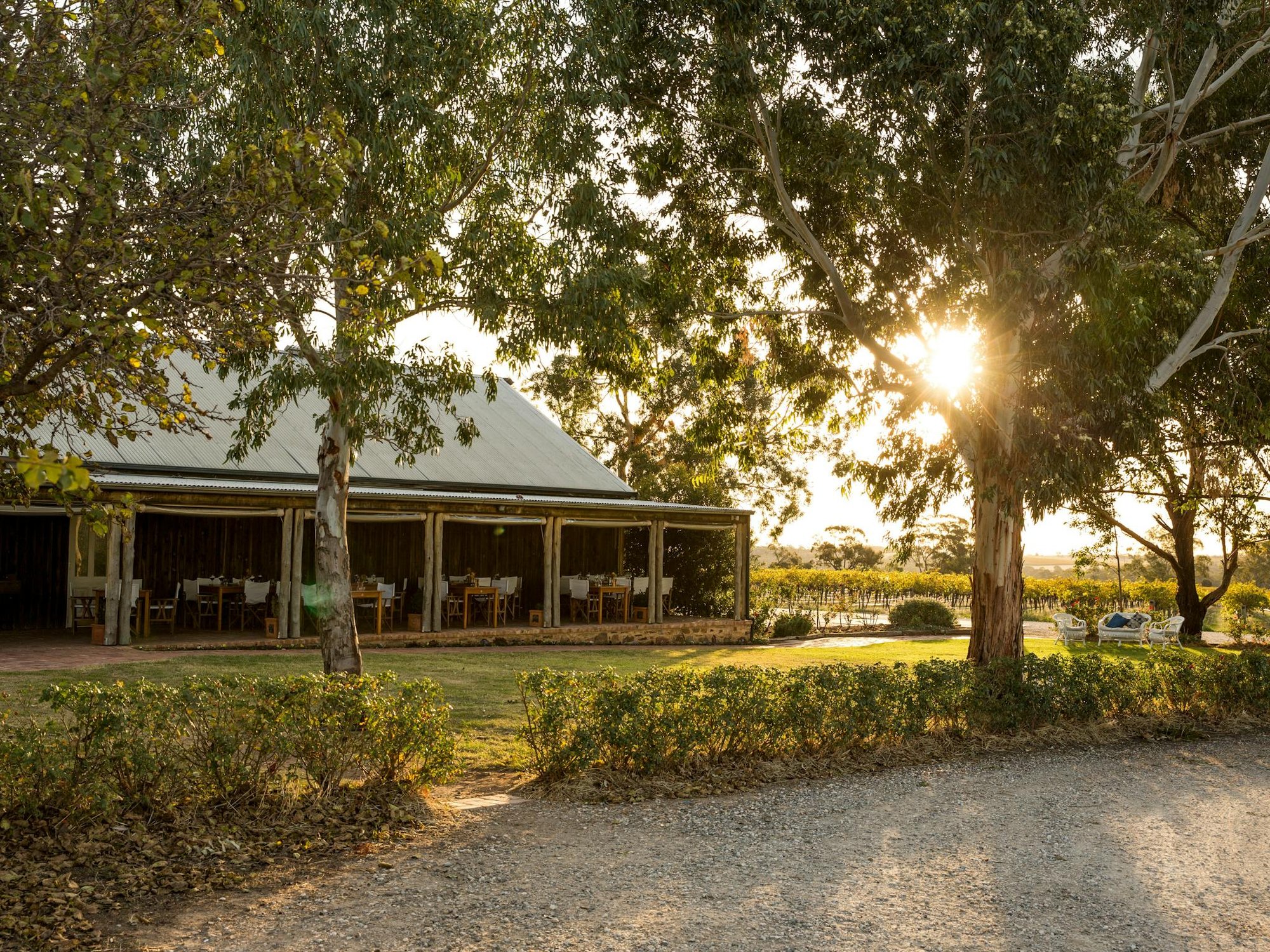
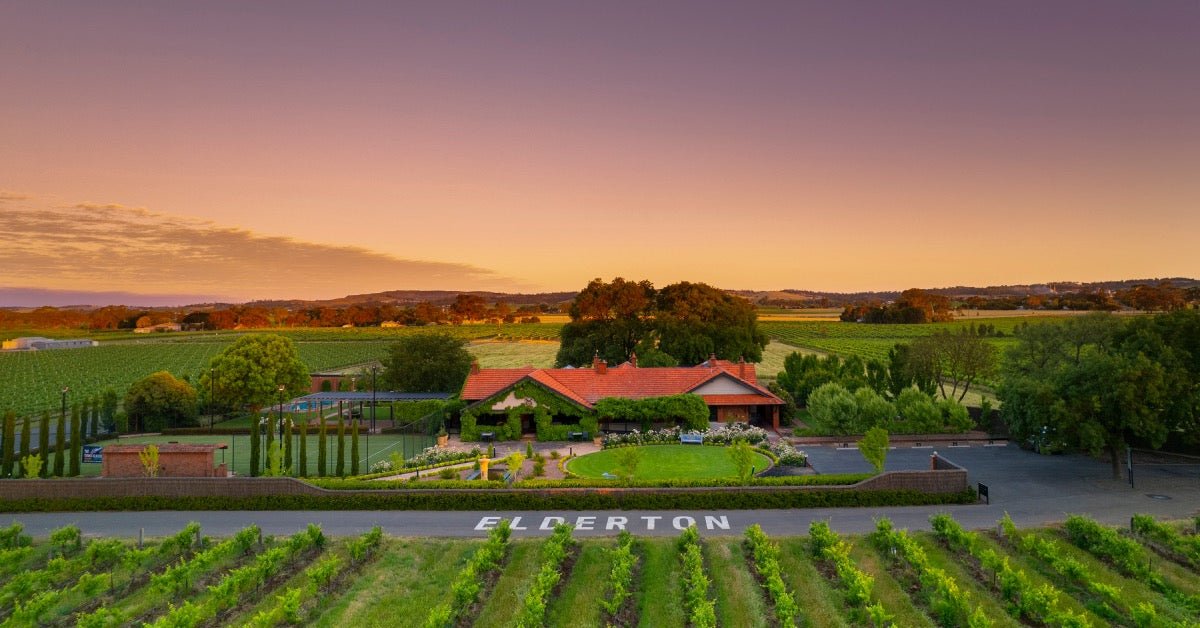
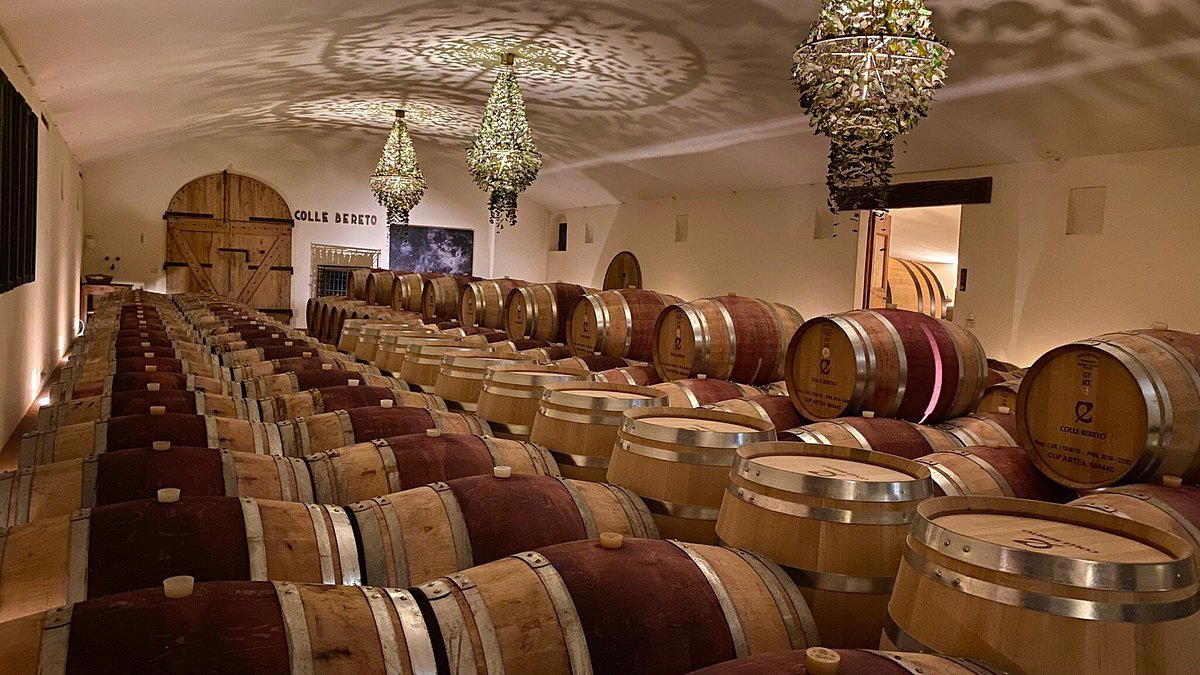
Grand and immersive historic setting amid oak barrels, vineyards, and landscaped gardens, offering an elegant and atmospheric experience.
Tags
Vibe
Best For
Experience
Sourcing
View
At the Vineyard
- Appellation
- Barossa Valley
- Varietals
- Shiraz, Grenache, Cabernet Sauvignon, Riesling, Semillon
- Tour Duration
- 60-90 minutes
- Visits
- By reservation
- Farming
- Sustainable
- Wine Styles
- Still Red, Still White, Sparkling
- Shipping
- Available
- Wine Club
- Available
Know before you go
Know Before You Go
- Getting there
- Château Tanunda, 9 Basedow Rd, Tanunda SA 5352
Planning details
Location
Recognition and awards

Also consider
Where to book if this is full
If Château Tanunda is unavailable, try St Hallett for a classic Barossa red-wine comparison or Langmeil for another established Barossa stop with strong regional context.
For a more focused tasting day, John Duval Wines is the better backup. For a softer-paced visit, Turkey Flat is the easier fit.
Winery context
How Château Tanunda compares in Barossa Valley
Choose Château Tanunda when you want a more formal Tanunda anchor with broad Barossa context. St Hallett is the cleaner cross-shop for visitors focused on classic Barossa red-wine identity, while Turkey Flat is a better fit if the day should feel smaller and more relaxed.
Langmeil and Peter Lehmann make sense for travellers comparing established Barossa names without making the day too complicated logistically. If booking pressure is the deciding factor, do not treat Château Tanunda as the easy fallback; keep at least one of those peers ready as a backup.
John Duval Wines is the sharper choice for drinkers who want a more focused producer-led tasting. Château Tanunda is better for a flagship-style stop with a stronger sense of place in Tanunda; John Duval Wines is better when the priority is bottle assessment over setting.
Explore Barossa Valley
Around this place
Discover more on Pearl
Unlock the full Château Tanunda guide in Pearl, including awards, comparisons, FAQs, planning details, and nearby places.
Compare Château Tanunda
| Venue | Location | Awards |
|---|---|---|
| Château Tanunda | Barossa Valley | 2026 Falstaff Winery Guide |
| St Hallett | Barossa Valley | No published awards |
| Turkey Flat | Barossa Valley | 2026 Falstaff Winery Guide |
| Langmeil | Barossa Valley | No published awards |
| Peter Lehmann | Barossa Valley | 2026 Falstaff Winery Guide |
| John Duval Wines | Barossa Valley | No published awards |
How Château Tanunda Barossa Valley Guide compares with similar nearby venues.
FAQ
Frequently Asked Questions
Do I need a reservation at Château Tanunda?
Because Château Tanunda carries 3 Star Prestige (2025), check directly with the venue before visiting rather than assuming walk-in availability or a particular booking format.
What other venues can I compare with Château Tanunda?
For comparison planning, consider John Duval Wines, Langmeil, Peter Lehmann, St Hallett, and Turkey Flat, or look more broadly at other Barossa Valley venues. Confirm current locations, hours, and visit arrangements directly before setting an itinerary.
When is the best time to visit Château Tanunda?
Plan your visit around venue information, your Barossa Valley travel schedule, and any details Château Tanunda provides directly.
How long should I plan for a visit to Château Tanunda?
Does Château Tanunda offer shipping?
If shipping matters to your visit, contact Château Tanunda directly before you go and confirm any current policy by destination and order type.
Does Château Tanunda serve food?
Plan meals separately unless Château Tanunda confirms current food options directly, and use Barossa Valley dining resources if you need a meal before or after the visit.