




Rocco Forte Hotel de Russie
Campo Marzio, Rome
Hotel in Rome, Italy
 Book with Pearl
The Read
Garden-Anchored Roman Retreat
Why go
A strong choice for a polished Rome celebration stay near Via del Babuino, especially when location and full-service confidence matter. Suite-level spend is worth considering for families and milestone trips; shorter city breaks may be better served by a standard room or a smaller nearby peer.
About Rocco Forte Hotel de Russie
For a Rome celebration where the hotel choice needs to feel polished, Rocco Forte Hotel de Russie is a strong candidate when recognized luxury credentials matter. The accolades are clear: Michelin 2 Keys in 2025 and La Liste Top Hotels 2026 with 96pts.
The practical decision is whether those accolades and the Rocco Forte name are enough to make this the right Rome base for your trip. If you are comparing options, keep the choice focused on fit: a recognized hotel for a premium stay in Rome versus a smaller or different-style property.
Book it for a polished Roman base, not for value hunting
Rocco Forte Hotel de Russie is best framed as a premium Rome hotel with notable recognition rather than as a value play. Michelin 2 Keys and a La Liste Top Hotels 2026 score of 96pts give the clearest basis for considering it, especially for travelers who want a hotel choice with external validation.
Make the comparison on overall fit rather than price alone. Compare it with Babuino 181, Margutta 19, ROMEO Roma, and The First Arte, Rome depending on the kind of Rome stay you want, then confirm current availability, inclusions, and room details directly before booking.
Timing matters more than the room category
For a fixed-date Rome trip, decide first whether Rocco Forte Hotel de Russie is the right level of hotel for the trip, then check the hotel's current terms for your exact dates.
If your Rome plans are fixed, compare options early enough to avoid making the hotel decision under pressure. The First Arte, Rome, Babuino 181, Margutta 19, and ROMEO Roma are natural names to include in the same research set, while Rocco Forte Hotel de Russie stands out for its Michelin 2 Keys and La Liste recognition.
Who should pay for the upgrade
Treat any upgrade as a trip-specific decision: confirm the room size, layout, inclusions, cancellation terms, and total cost before deciding whether the premium is justified.
For broader planning, use Pearl's Rome hotels guide alongside the Rome restaurants guide, Rome bars guide, Rome wineries guide, and Rome experiences guide. Rocco Forte Hotel de Russie is easiest to justify when its recognition and Rome setting match the tone of the trip.
Inside Rocco Forte Hotel de Russie
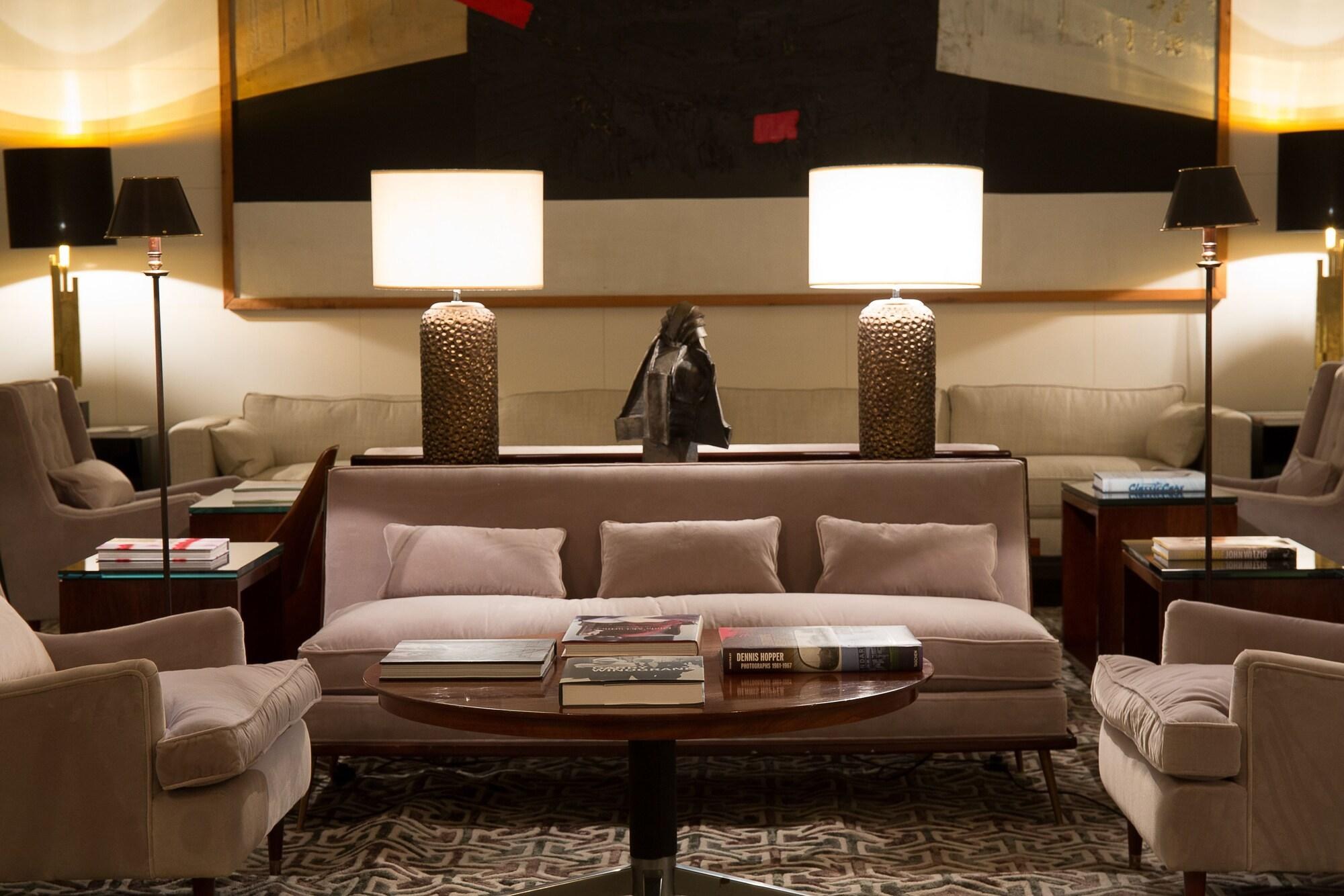
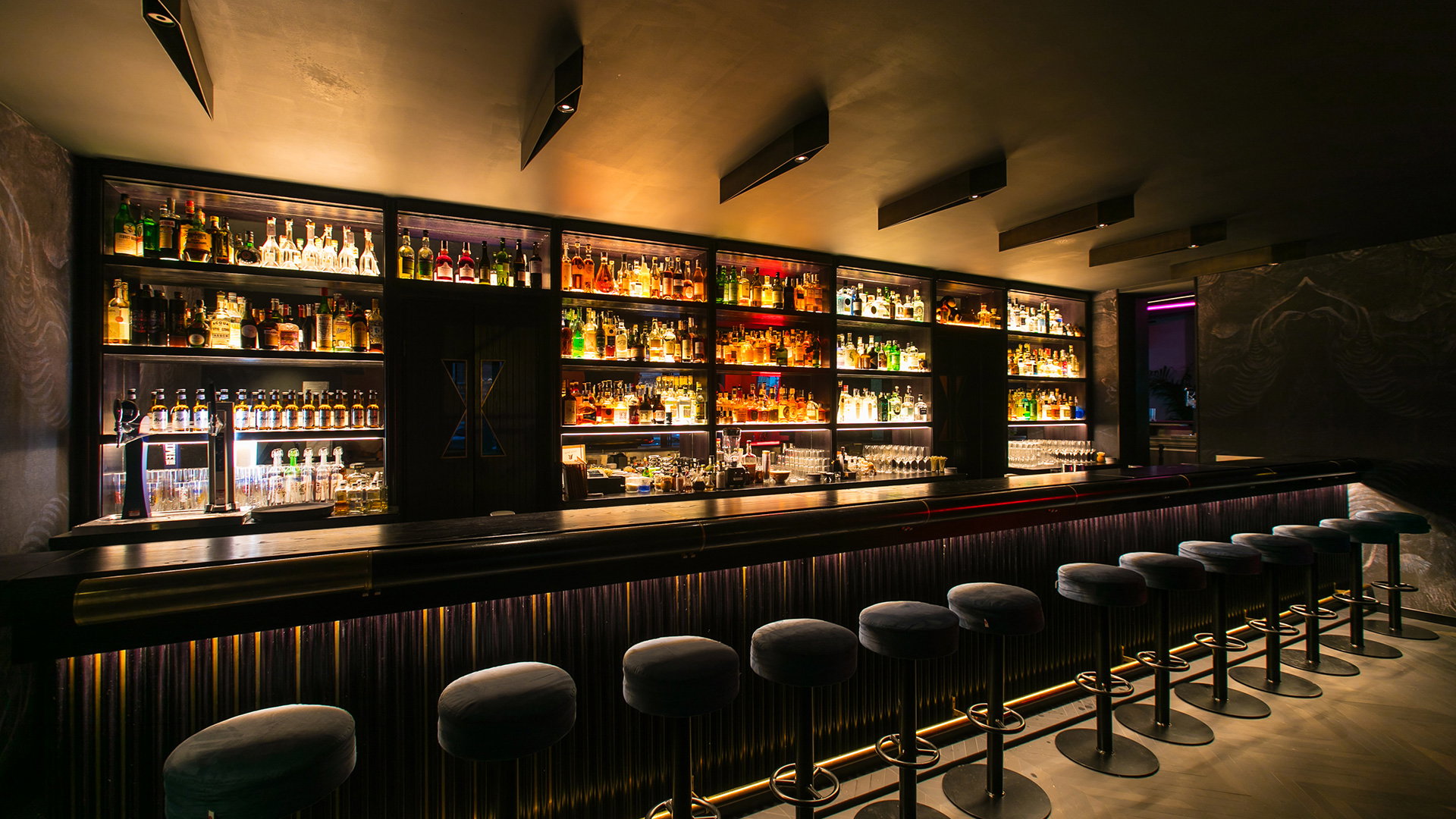
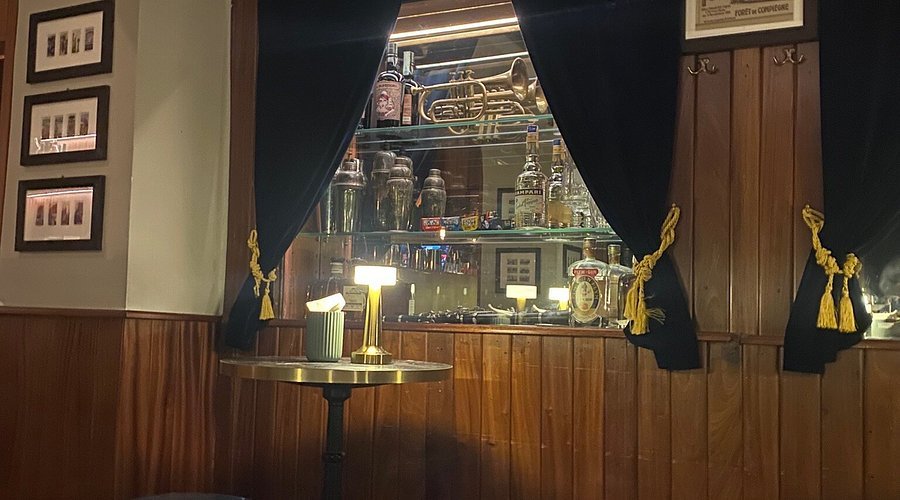
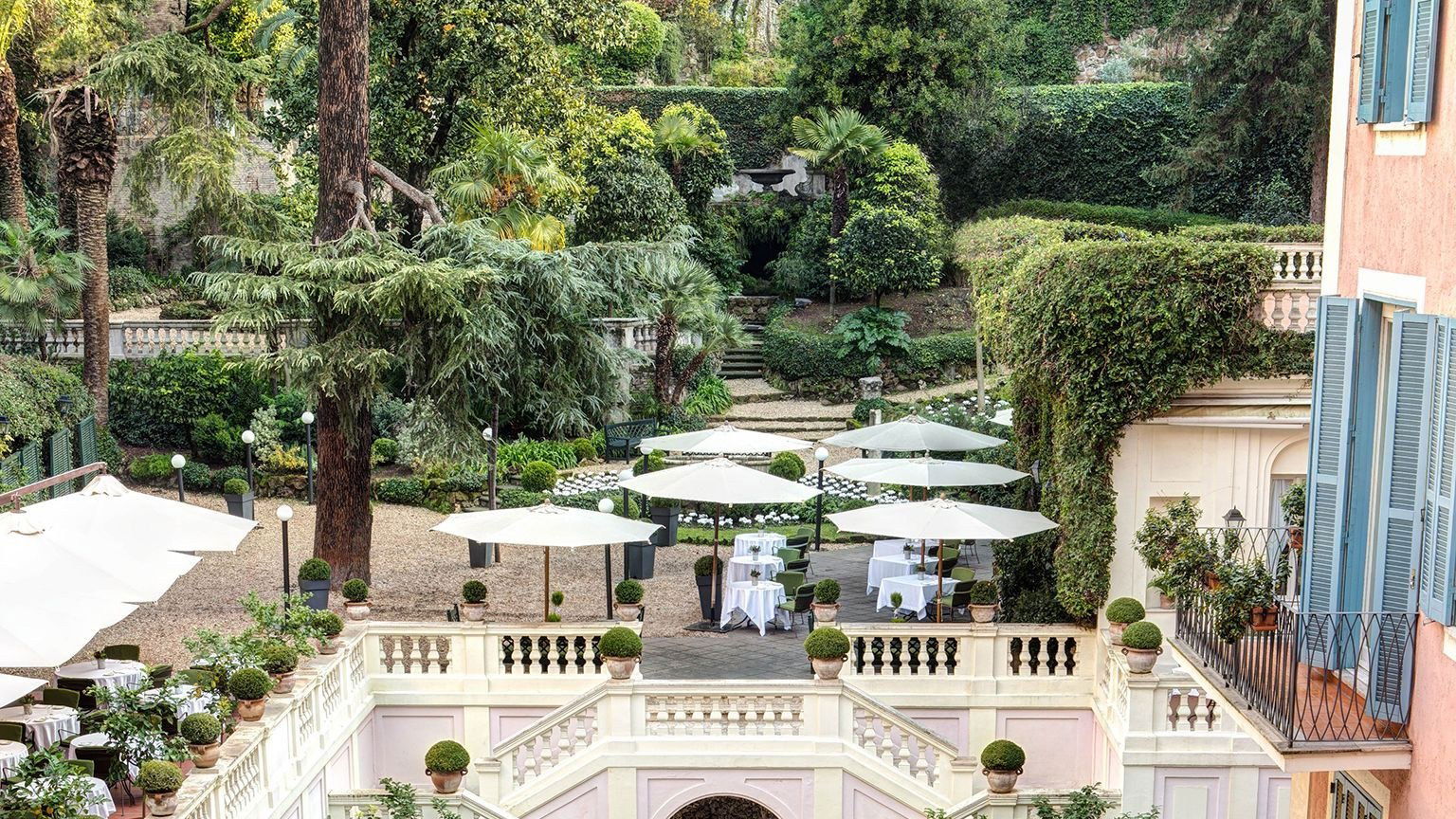
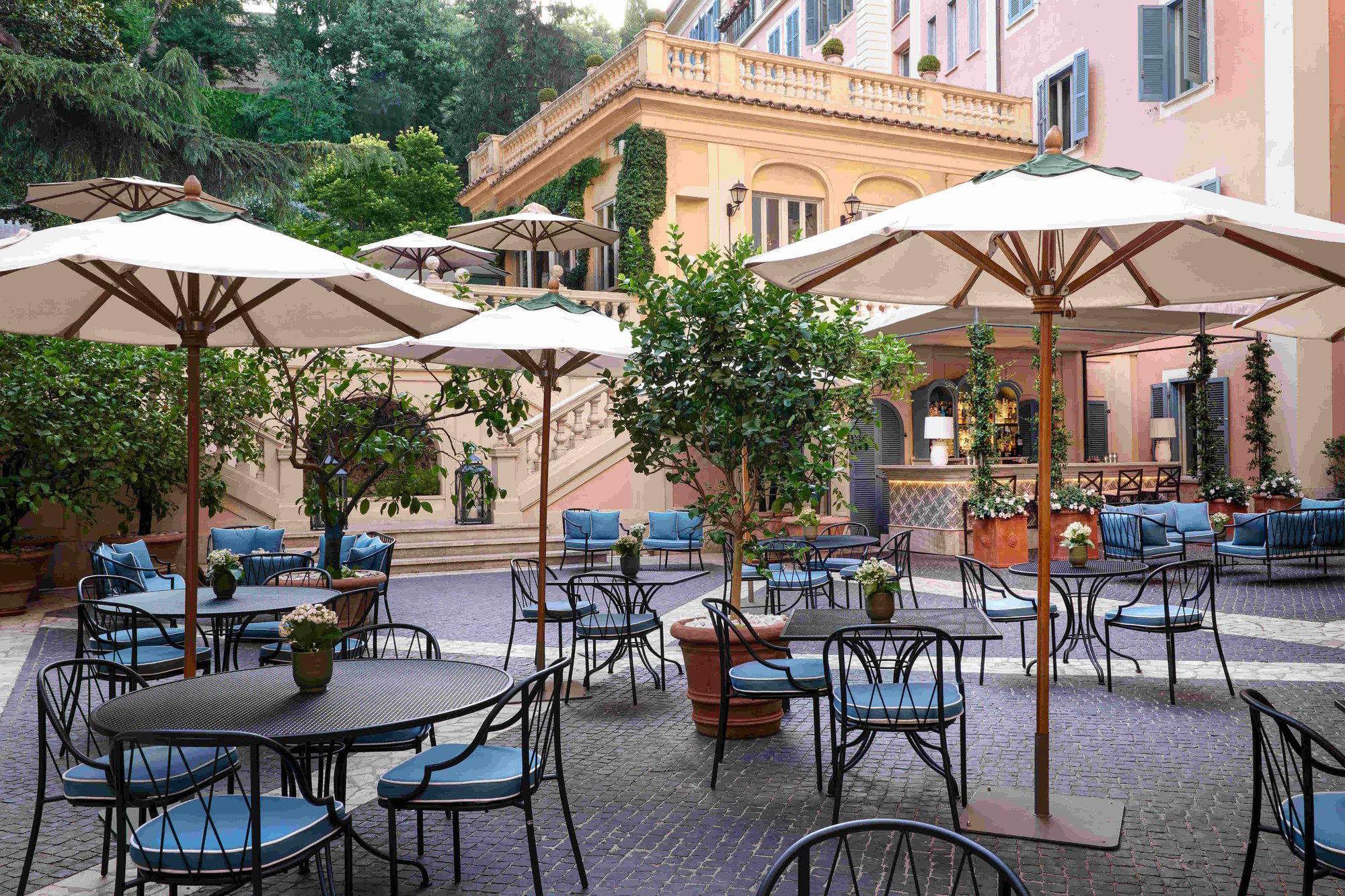 lobby_barStravinskij BarInside the Hotel de Russie on Via del Babuino, Stravinskij Bar occupies one of Rome's most recognisable hotel garden terraces. Ranked #94 in the Top 500 Bars (2025), it draws a consistent local and international crowd to the northern edge of the Spanish Steps quarter. The bar operates at the intersection of old-world hotel tradition and contemporary cocktail standards.
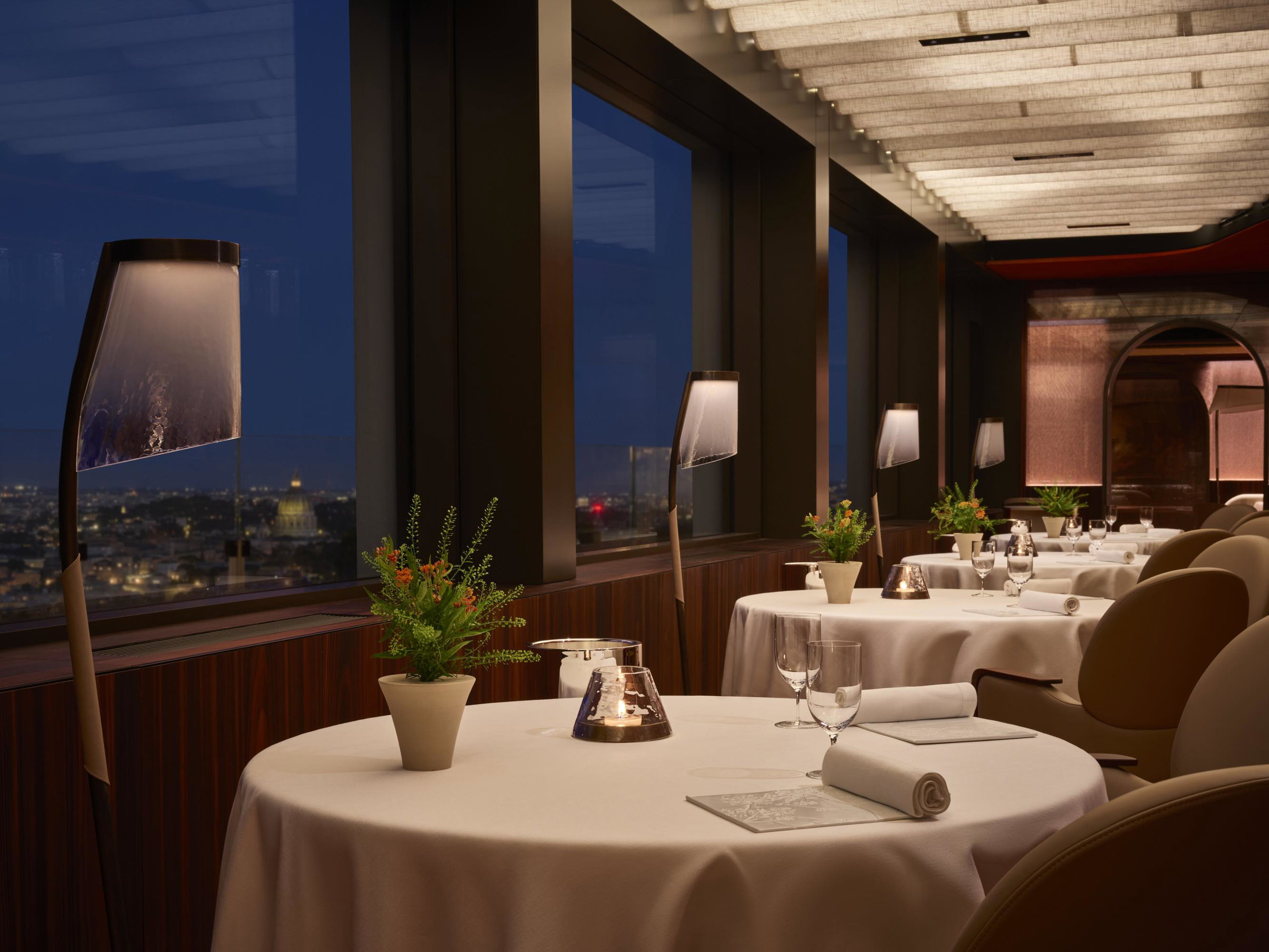
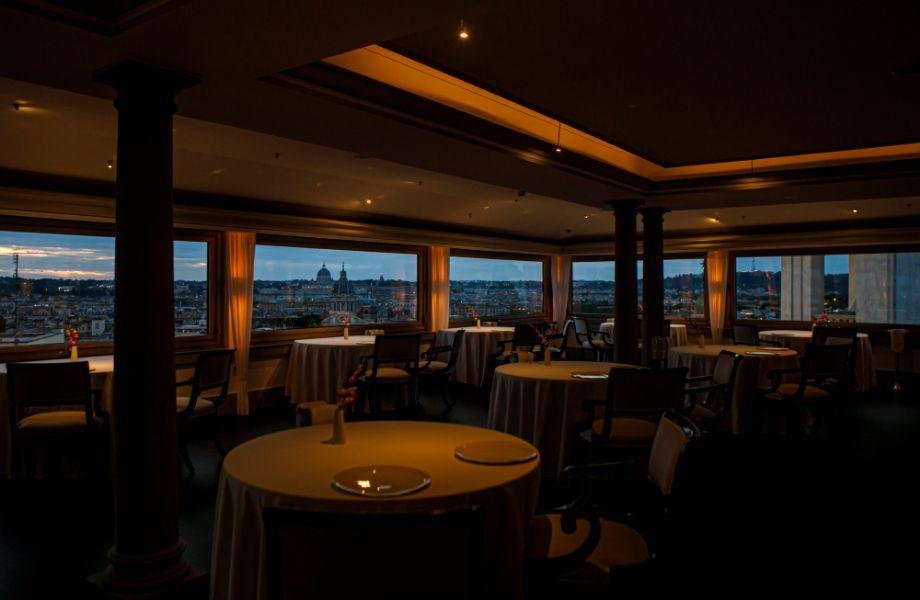
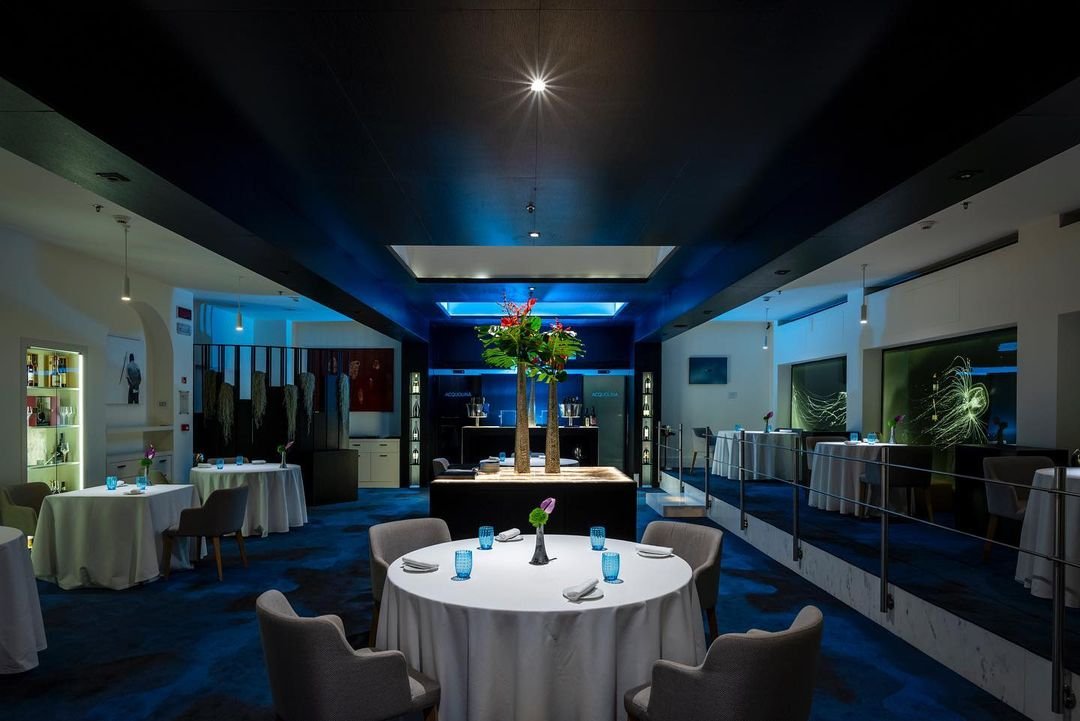
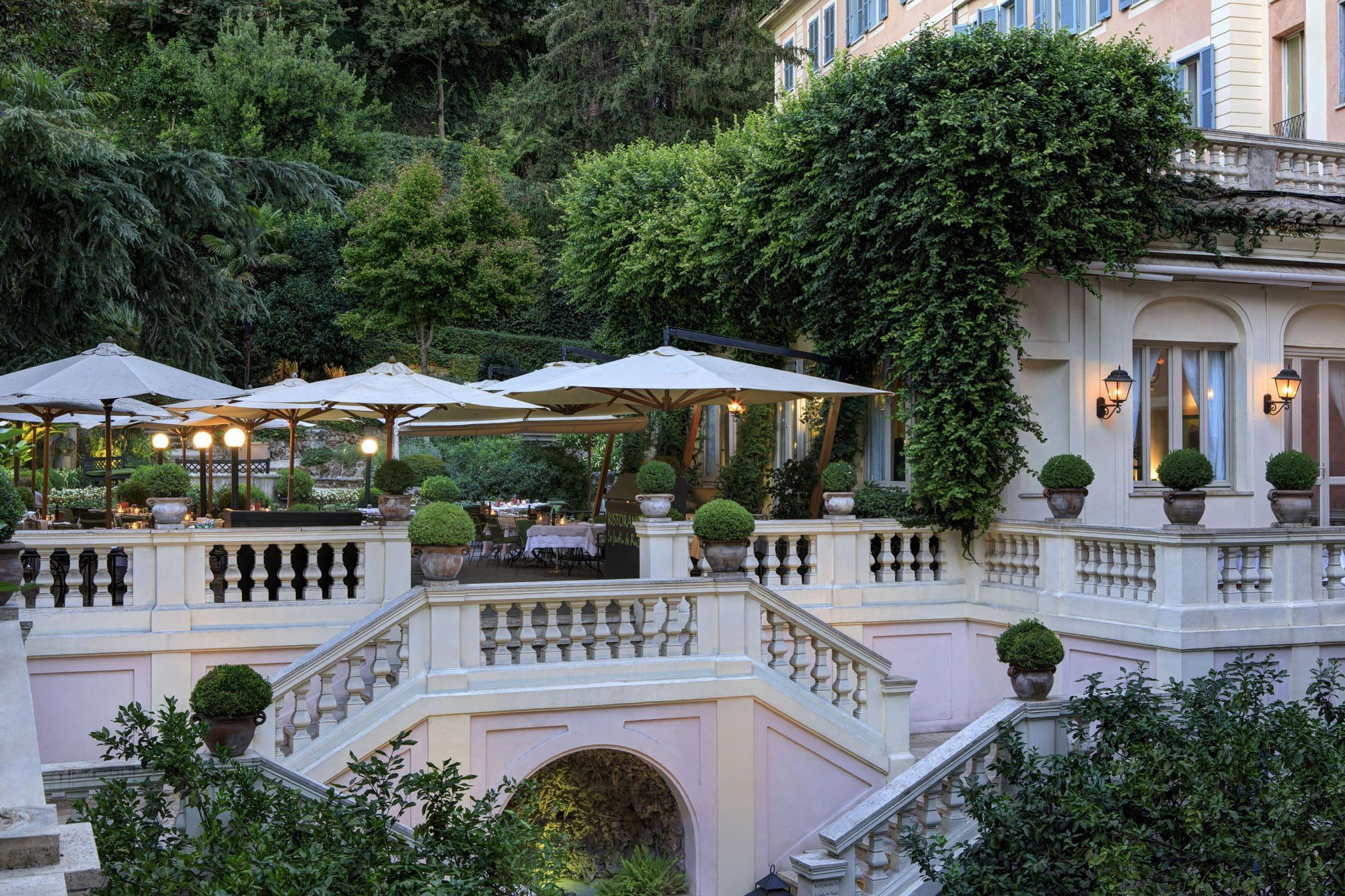 restaurantLe Jardin de RussieLe Jardin de Russie occupies a private internal garden at Hotel de Russie, one of Rome's Rocco Forte addresses, positioned between Piazza del Popolo and Piazza di Spagna. The terrace restaurant, overseen by chef Fulvio Pierangelini, draws a loyal clientele with a menu built around asparagus, truffles, and refined vegetable sauces, alongside vegetarian and vegan options that reflect a broader shift in Roman fine dining.
Planning details
- Location
- Via del Babuino, 9, 00187 Roma RM
- Website
- roccofortehotels.com/hotels-and-resorts/hotel-de-russie
- Phone
- +39 06 328881
The take
The Take
The Vibe
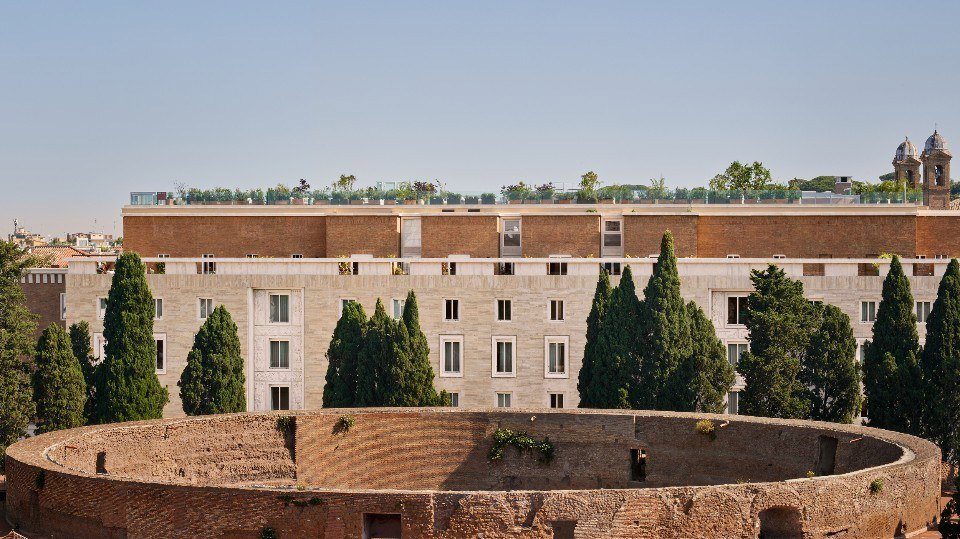
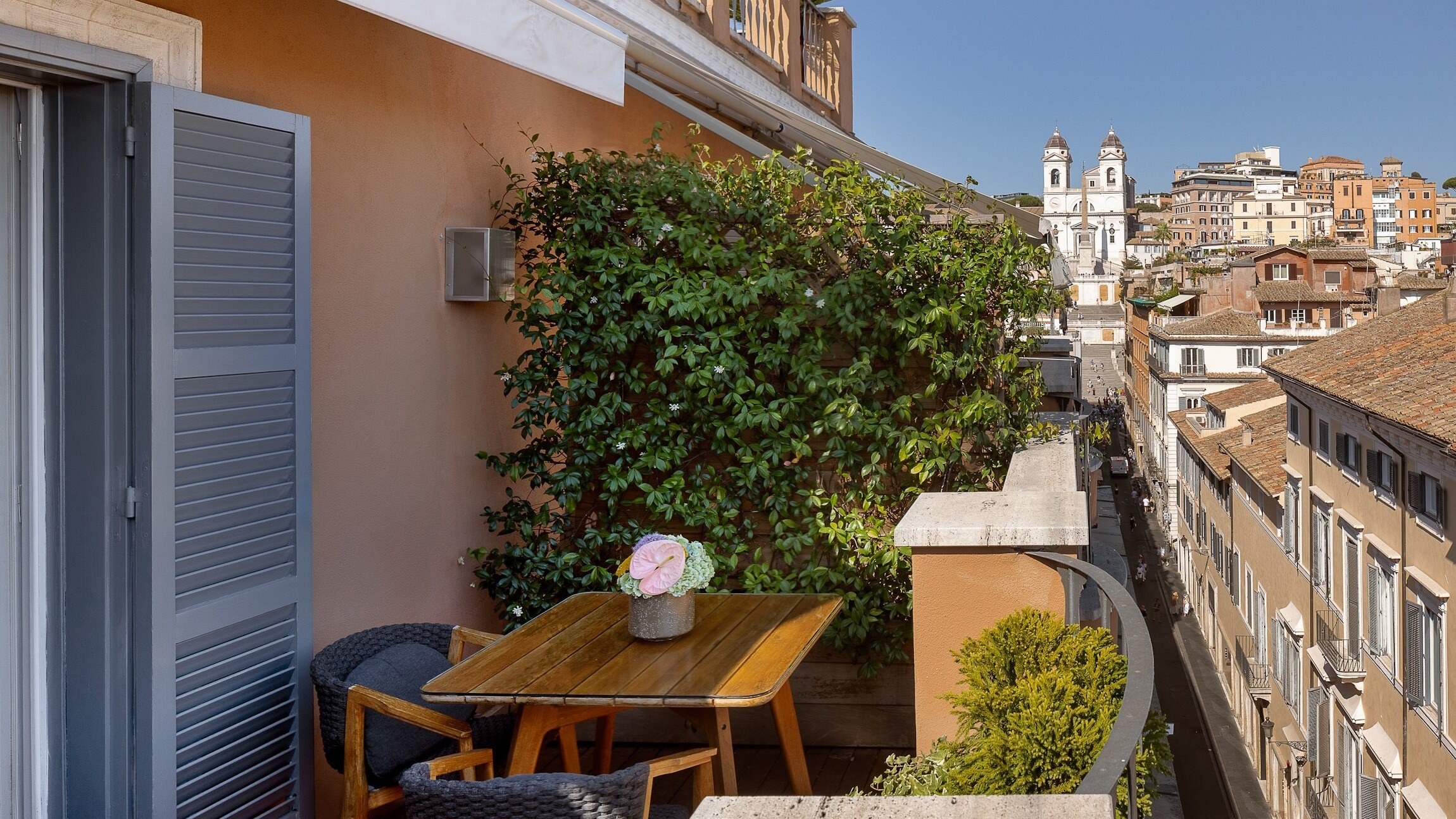
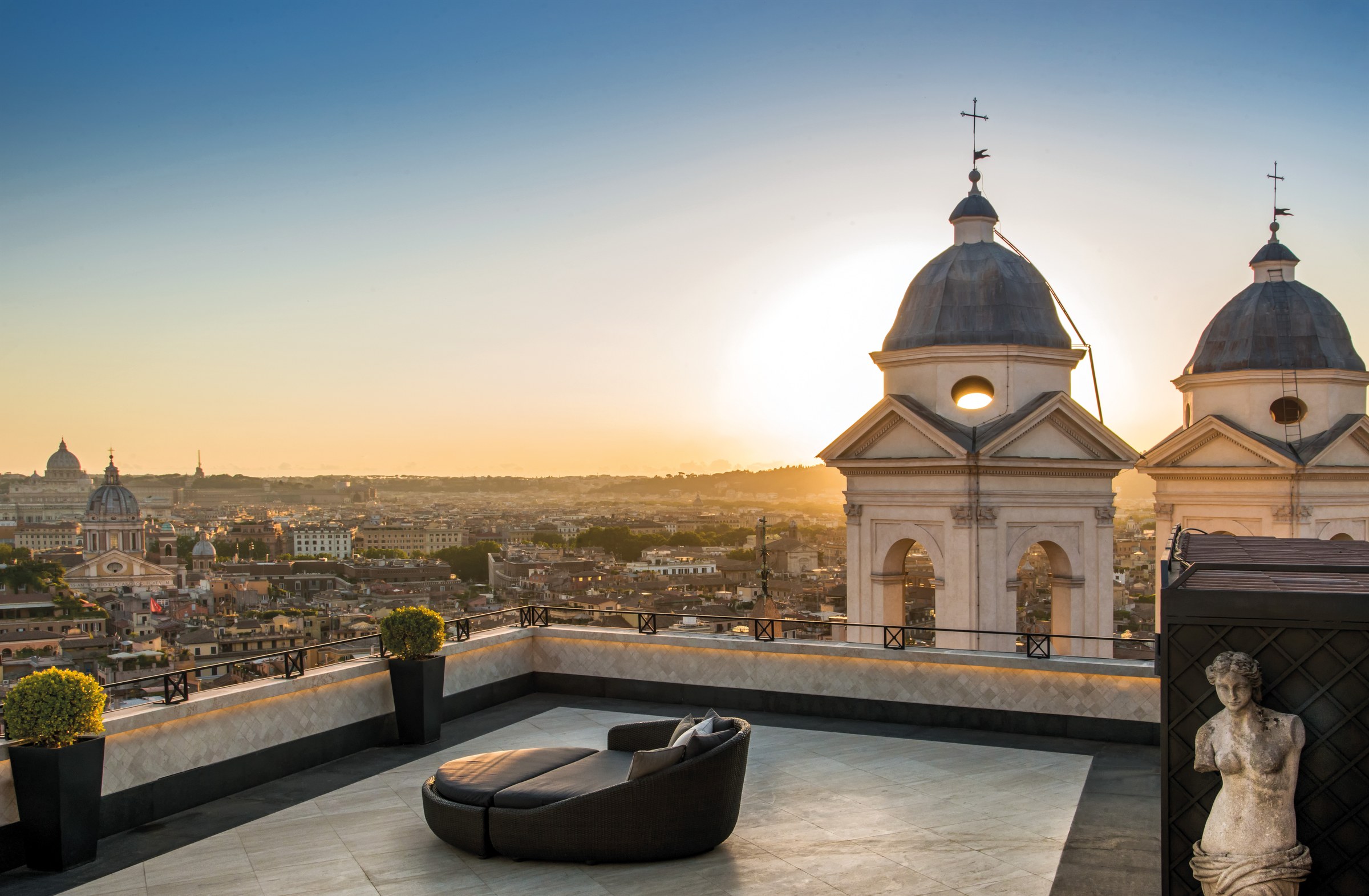
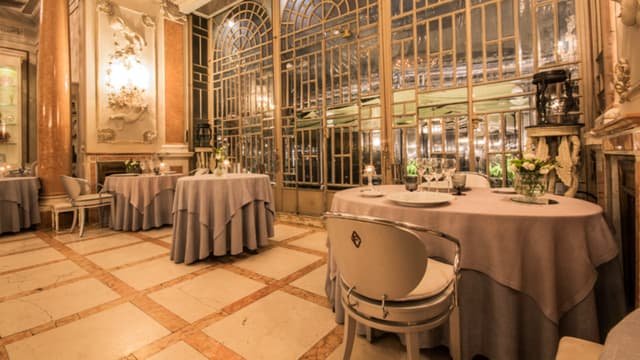
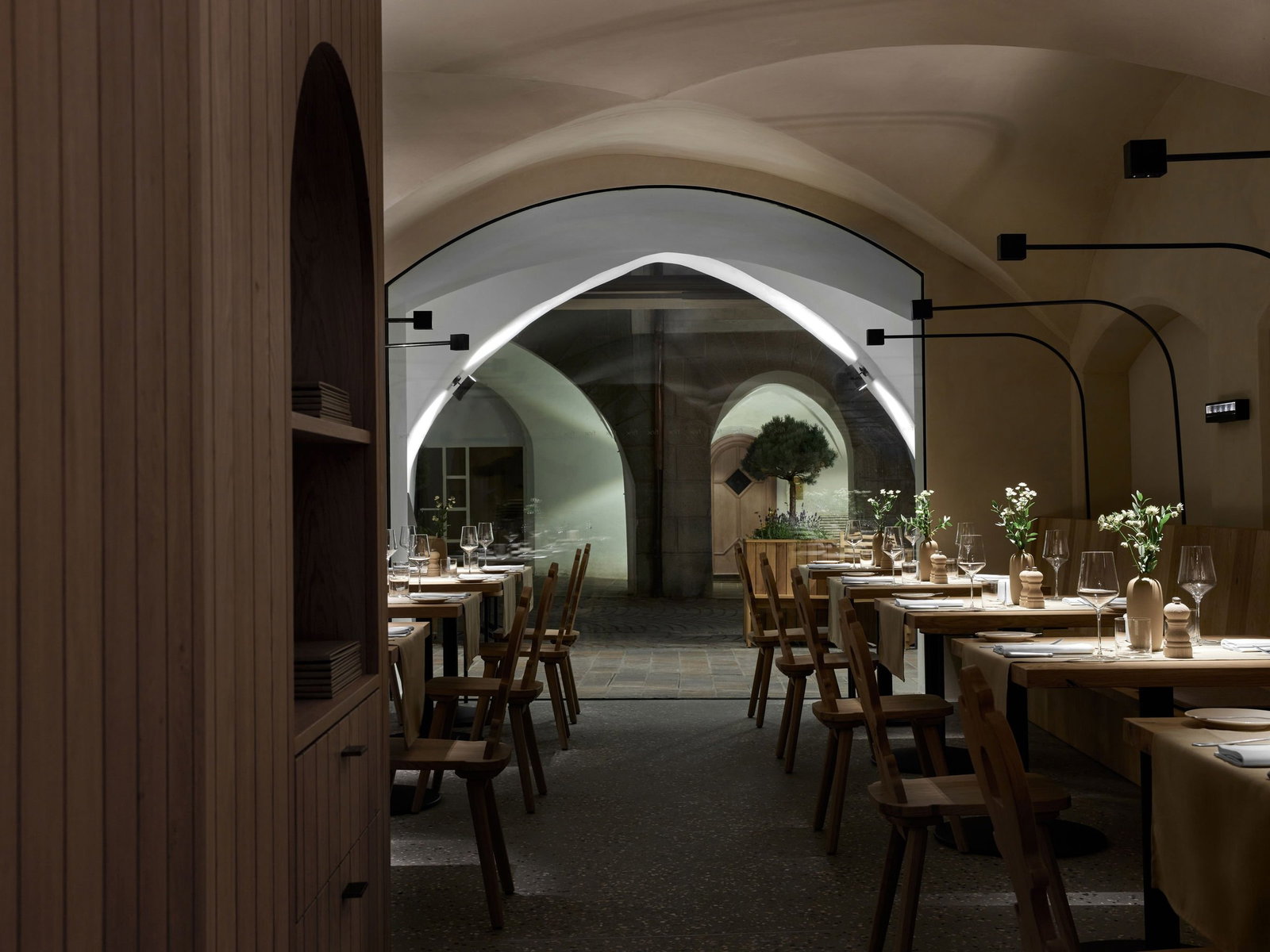
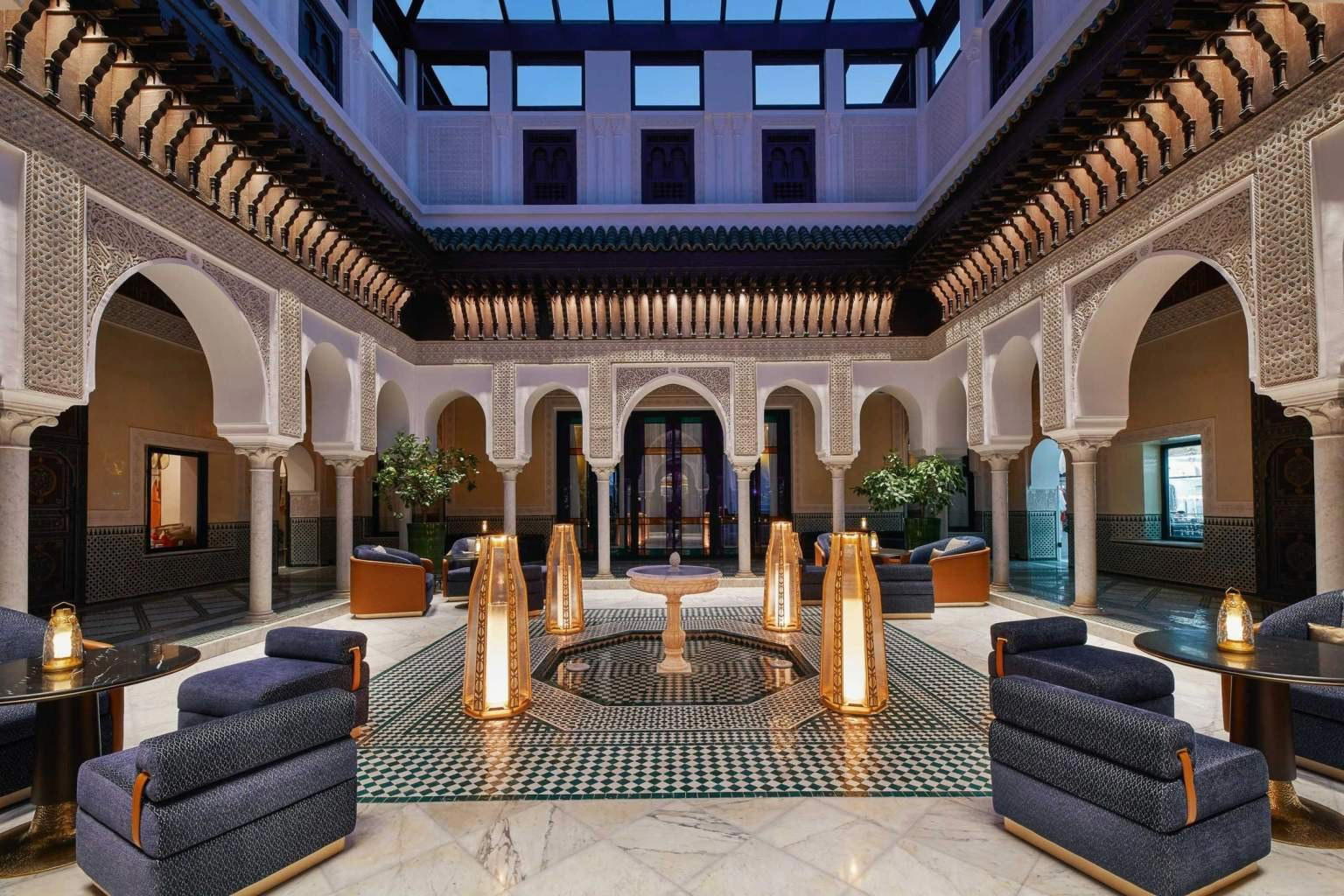
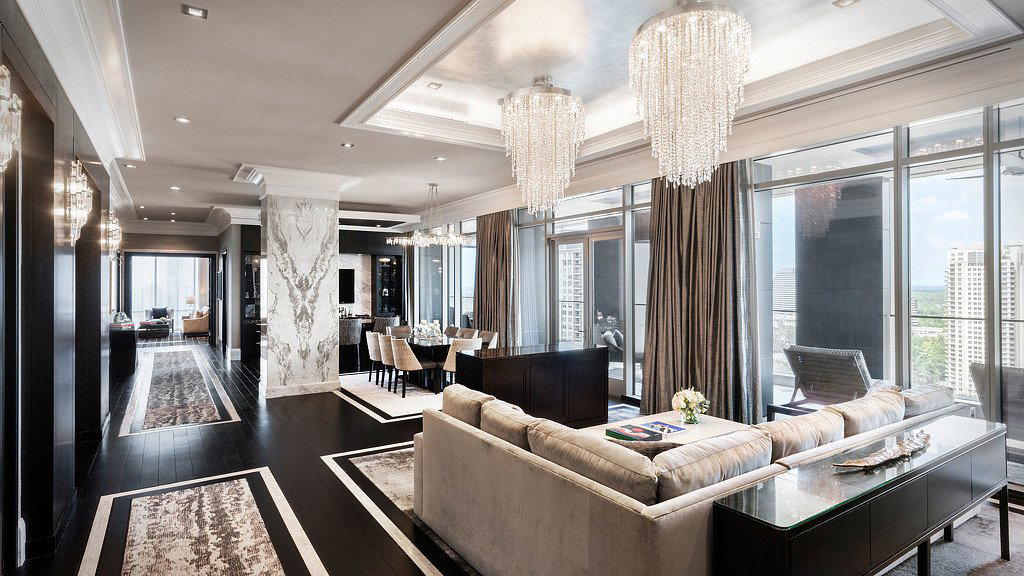
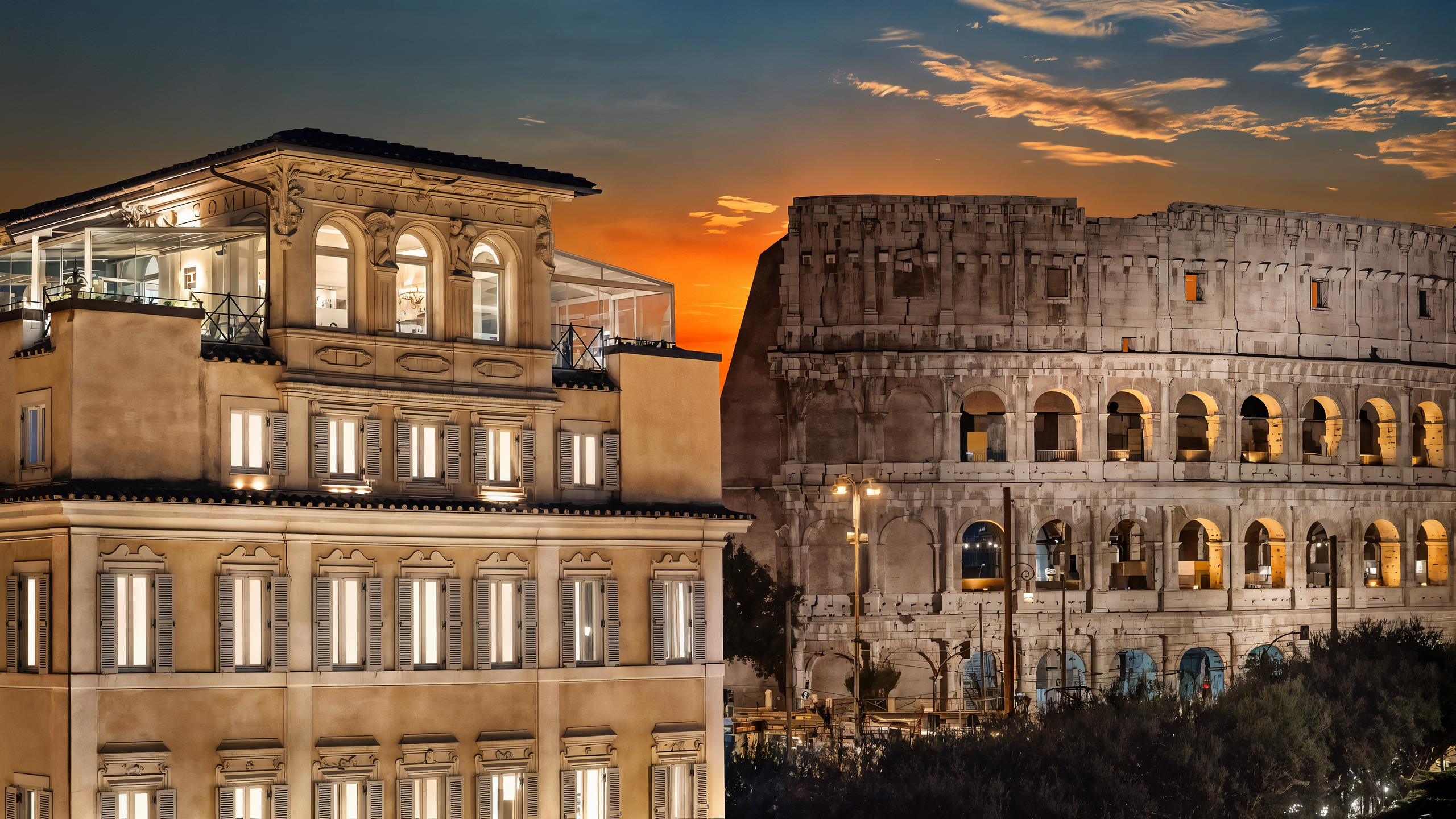
Hotel de Russie presents a restrained, quietly authoritative presence on Via del Babuino. The 1818 façade intentionally withholds spectacle, directing attention inward to a planted 0.7-acre garden that frames views toward the Pincio and Villa Borghese. The property trades flamboyance for continuity and heritage credentials; its calm, discreet approach reads as classic and charming rather than showy. Service and public spaces lean formal and polished, matching the hotel’s peer placement in La Liste and its premium pricing. Overall the mood is historic, serene and scenic — an oasislike retreat tucked behind an unassuming street face.
Best For
Hotel de Russie is best for travelers seeking a quiet, high-end stay in the heart of Rome — particularly couples and guests marking important moments. The sizable private garden and central address make it especially suited to romantic getaways, honeymoons and anniversaries, and to anyone who values heritage, discreet luxury and an escape from the city’s bustle. The Michelin Key recognition signals culinary seriousness, so guests who plan special-occasion dinners will find the hotel an appropriate base. Expect a premium nightly rate and an experience framed by calm, classic hospitality.
Stay Tips
Book early for rooms that prioritize the garden or views of the Pincio and Villa Borghese, as the outdoor space is a defining asset. Expect premium pricing—rooms are cited at approximately $1,864 per night—so plan reservations and cancellations accordingly. Given the property’s Michelin Key status, reserve dining in advance if an in‑house restaurant meal is important to your stay. Request a quieter room and confirm access to the garden when booking; the hotel’s emphasis on discretion means that securing specific room characteristics benefits from direct communication with the property.
Venue details
Ambiance
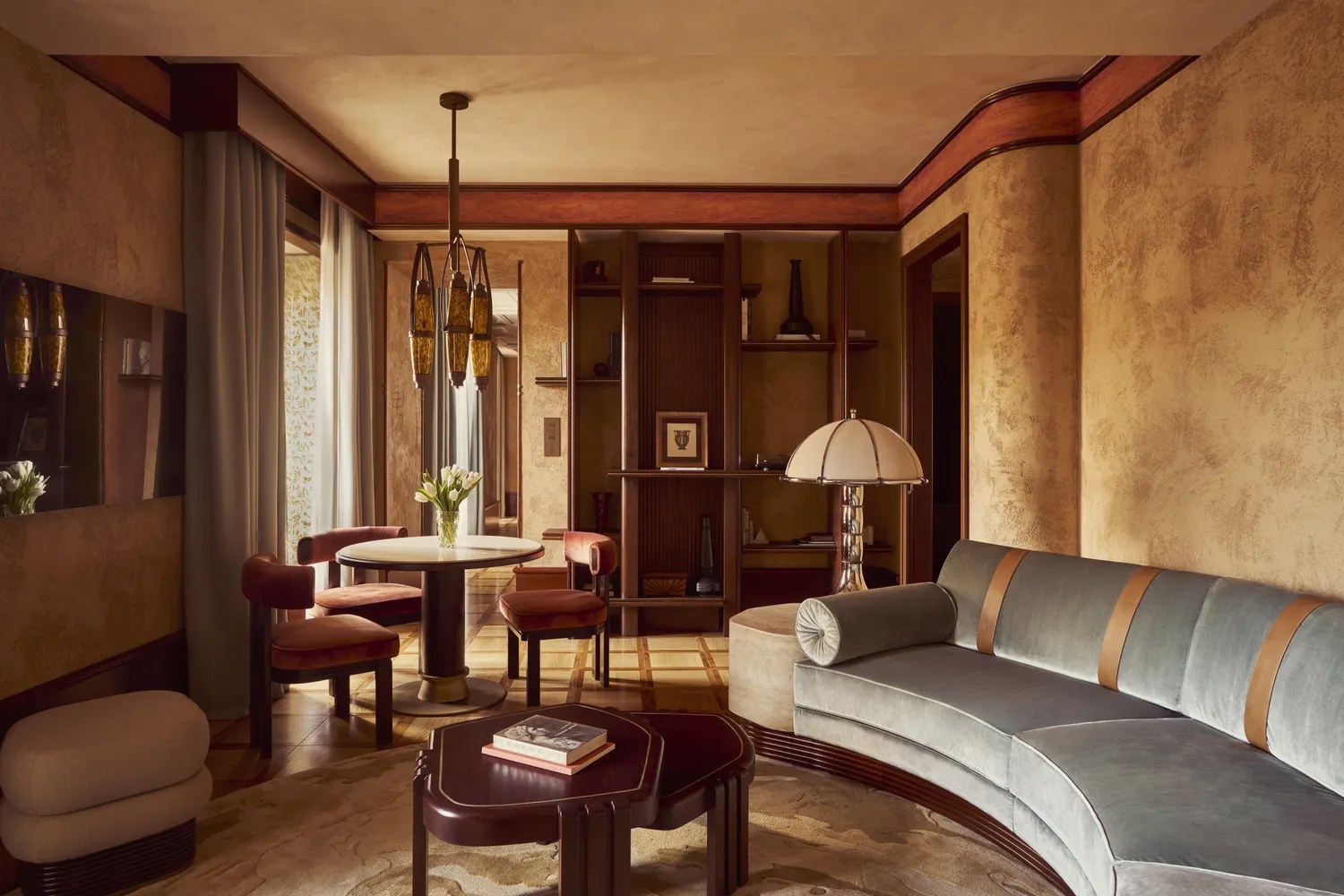
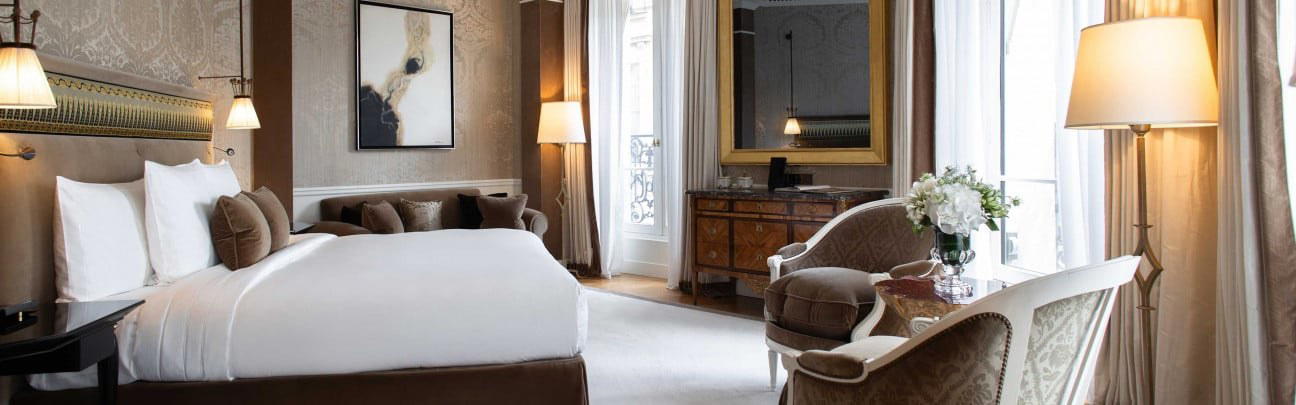
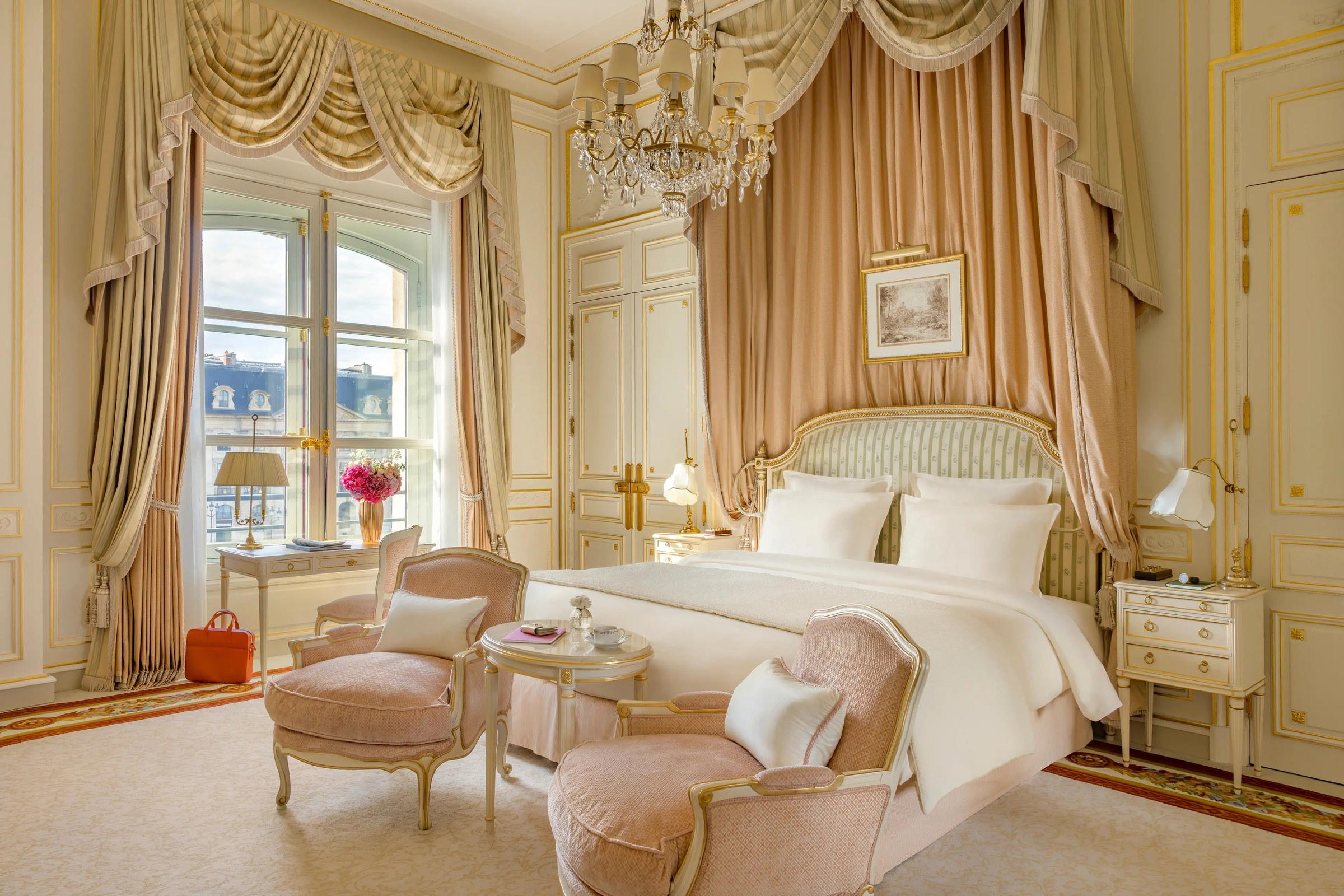
Elegant and serene atmosphere with stylish interiors, lush garden views, and a sense of refined luxury.
Tags
Vibe
Best For
Experience
Amenities
View
Accessibility
About the Stay
- Rooms
- 121
- Check-in
- 15:00
- Check-out
- 12:00
- Property Style
- Luxury Historic Hotel with Secret Gardens
- Design Style
- Classic Italian Elegance with Modern Touches and Individually Decorated Rooms
Know before you go
Know Before You Go
- Getting there
- Via del Babuino, 9, 00187 Roma RM
Planning details
Location
Via del Babuino, 9, 00187 Roma RM · Directions
Recognition and awards



Also consider
If this is full, book these instead
Try The First Arte, Rome first if the trip still needs a luxury feel and central Rome convenience. Choose Babuino 181 if the goal is staying near the same part of town with a more controlled spend.
Hotel context
How It Compares
Against Babuino 181 and Margutta 19, Rocco Forte Hotel de Russie is the safer luxury choice for service depth, occasion travel, and guests who want a more complete hotel experience. The trade-off is value: Babuino 181 is the more practical pick for travelers who want the Via del Babuino area without committing to a full luxury-hotel spend, while Margutta 19 is a better fit for a quieter boutique mood.
ROMEO Roma is the sharper cross-shop for travelers who prefer a newer-feeling luxury stay, while The First Arte, Rome makes more sense for guests who want an art-forward hotel near the same central circuit. Choose Hotel de Russie when the trip is a celebration and predictability matters; choose The First Arte when atmosphere and collection-driven design carry more weight.
If availability is tight, start with Hotel de Russie, a Rocco Forte Hotel, then check The First Arte and ROMEO Roma before dropping to smaller properties. For easiest value logic, Babuino 181 is the cleanest backup; for a more residential-feeling stay, Margutta 19 is the better second choice.
Around this place
Discover more on Pearl
Unlock the full Rocco Forte Hotel de Russie guide in Pearl, including awards, comparisons, FAQs, planning details, and nearby places.
Compare Rocco Forte Hotel de Russie
| Venue | Location | Awards |
|---|---|---|
| Rocco Forte Hotel de Russie | Rome | 2026 Virtuoso Luxury Hotel Collection2026 Forbes 5-StarStar Wine Lists 20262026 La Liste Top Hotels2025 Michelin 2 KeysMichelin 2 Keys 20252024 Michelin 1 Key |
| Hotel de Russie, a Rocco Forte Hotel | Rome | No published awards |
| Babuino 181 | Rome | 2025 Michelin Selected HotelsSmall Luxury Hotels Member 2025 |
| Margutta 19 | Rome | 2025 Michelin Selected HotelsSmall Luxury Hotels Member 2025 |
| ROMEO Roma | Rome | 2025 Esquire Best New Hotels2025 Michelin Selected HotelsSmall Luxury Hotels Member 2025 |
| The First Arte, Rome | Rome | 2026 Virtuoso Luxury Hotel Collection2025 Michelin 1 KeyPreferred Hotels L.V.X. Collection 2025 |




How Rocco Forte Hotel de Russie Rome compares with similar nearby venues.
FAQ
Frequently Asked Questions
How does Rocco Forte Hotel de Russie compare to other hotels?
It is a recognized premium hotel in Rome, with Michelin 2 Keys (2025) and La Liste Top Hotels (2026): 96pts. Compared with Babuino 181, Margutta 19, ROMEO Roma, and The First Arte, Rome, the best choice depends on the specific stay you want, so confirm current rooms, services, and rates directly before booking.
Is Rocco Forte Hotel de Russie family-friendly?
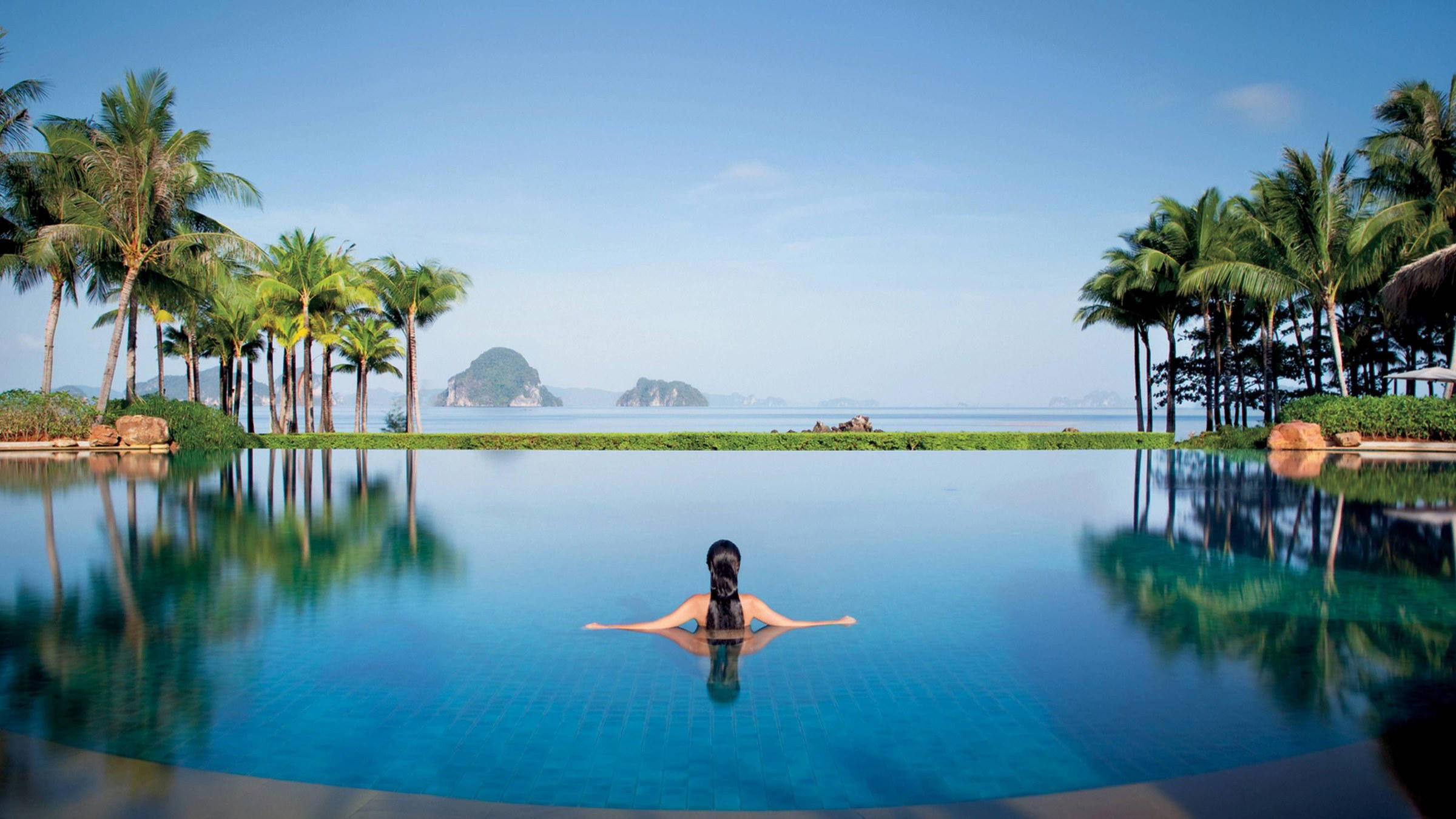
How is the pool and spa at Rocco Forte Hotel de Russie?
When is the best time to book Rocco Forte Hotel de Russie?
If your dates in Rome are fixed, compare Rocco Forte Hotel de Russie with other suitable hotels and confirm current availability, rates, and cancellation terms before committing.
How is the dining at Rocco Forte Hotel de Russie?
If on-site dining matters to your stay, confirm any current on-site dining or bar details, hours, and reservation requirements directly with the hotel; the dress code is smart casual.