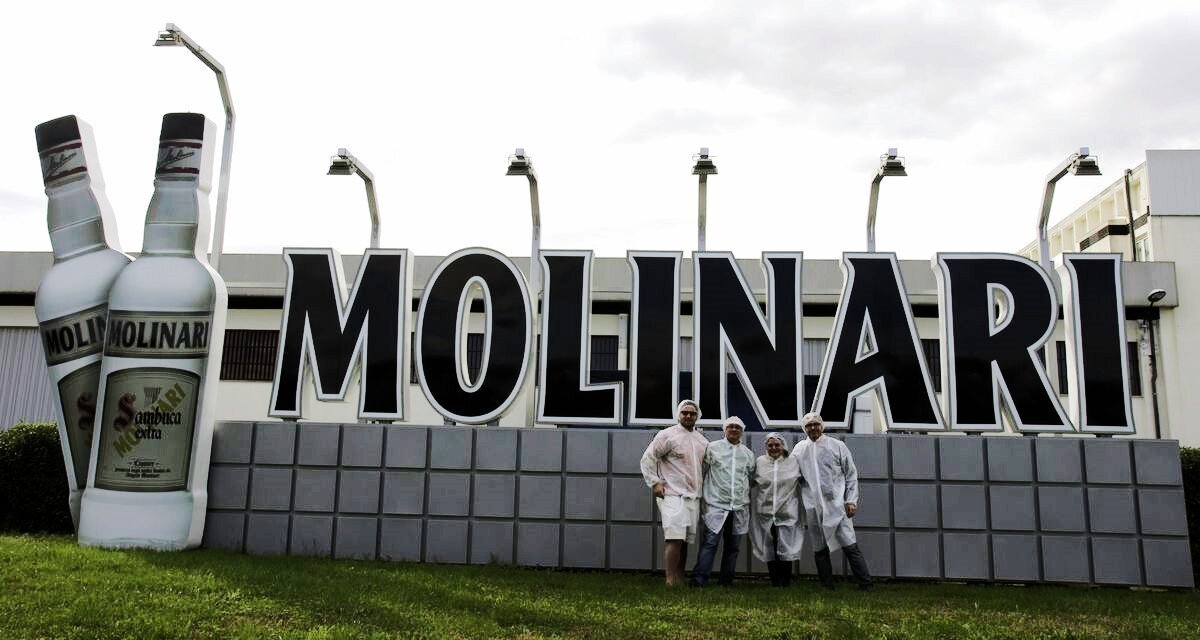
Molinari
Frascati, Rome
Winery in Rome, Italy
 Book with Pearl
The Read
Roman Rooftop Distilling
Why go
Molinari works as a focused Frascati-area stop rather than a full winery-day anchor. Booking is marked hard, verified detail on bottles, tasting format, pricing, group capacity is thin, so it suits flexible travelers who can compare it against Pallini in Rome or larger out-of-metro wine options before committing.
About Molinari
Molinari is a Rome venue with published opening hours and its Pearl 1 Star Prestige recognition for 2025. It works best as a targeted stop, especially if your plans depend on a specific style of visit or a tightly scheduled day in the city.
Plan around the confirmed schedule and contact the venue directly for specifics such as tasting format, menu, bottle list, services, seating, pricing, or group capacity. For a special occasion, avoid assuming a particular experience until those details are confirmed, keep the visit flexible rather than making it the single anchor of the occasion.
Choose this for a focused Rome stop, not a detailed program promised in advance
Molinari’s Rome location, listed hours, Pearl 1 Star Prestige recognition for 2025 make it better suited to a focused, confirmation-led stop than to a plan built on assumptions. If you are comparing other venues, you can also consider Famiglia Cotarella (Falesco), Arnaldo Caprai, Enrico Toro Distilleria (Centerba Toro), Liquoreria Sarandrea, or Pallini as separate planning references, keeping each one distinct rather than treating them as interchangeable experiences.
Plan around the hours
Molinari is listed as open Monday 4:30–8 PM; Tuesday through Saturday 9 AM–1 PM and 4:30–8 PM; and closed Sunday. Those hours are the clearest planning detail available, so they should shape any first draft of an itinerary. Before committing to a celebration plan, confirm the current schedule and any visit requirements directly, then use Rome planning resources alongside the Rome restaurants guide, Rome bars guide, Rome hotels guide, Rome experiences guide.
Planning details
- Location
- Via Cernaia, 8, 00044 Frascati RM, Italy
- Website
- enotecamolinari.eu
The take
The Take
The Vibe
Molinari presents itself through the long, layered history of Frascati and the volcanic Castelli Romani hills. The copy emphasizes a continuity of viticulture dating to Roman times and the imprint of papal estates, so the sense is rooted, classic and quietly historic. The piece frames Molinari within a terroir-first conversation — mineral-rich tufo and pozzolana soils, steep slopes and heat-retaining substrates — giving the winery a scenic, geology-forward personality. Rather than flashy modernity, the description centers on lineage, place and terroir-driven character, positioning Molinari as a producer whose appeal is anchored in the land and regional tradition.
Best For
Molinari is most compelling for readers seeking a deeper understanding of place-driven Italian wine. The write-up repeatedly references volcanic soils, indigenous varieties and a recent Pearl 1 Star Prestige recognition, so it resonates strongly with wine professionals, students of terroir and savvy consumers following Italian regional resurgence. Visitors curious about how Frascati is being repositioned — and those who prioritize geology and viticultural context over trendy tasting-room theatrics — will find Molinari especially relevant. The profile situates the producer as part of a broader conversation about mineral expression and regional reinvention.
Venue details
Ambiance
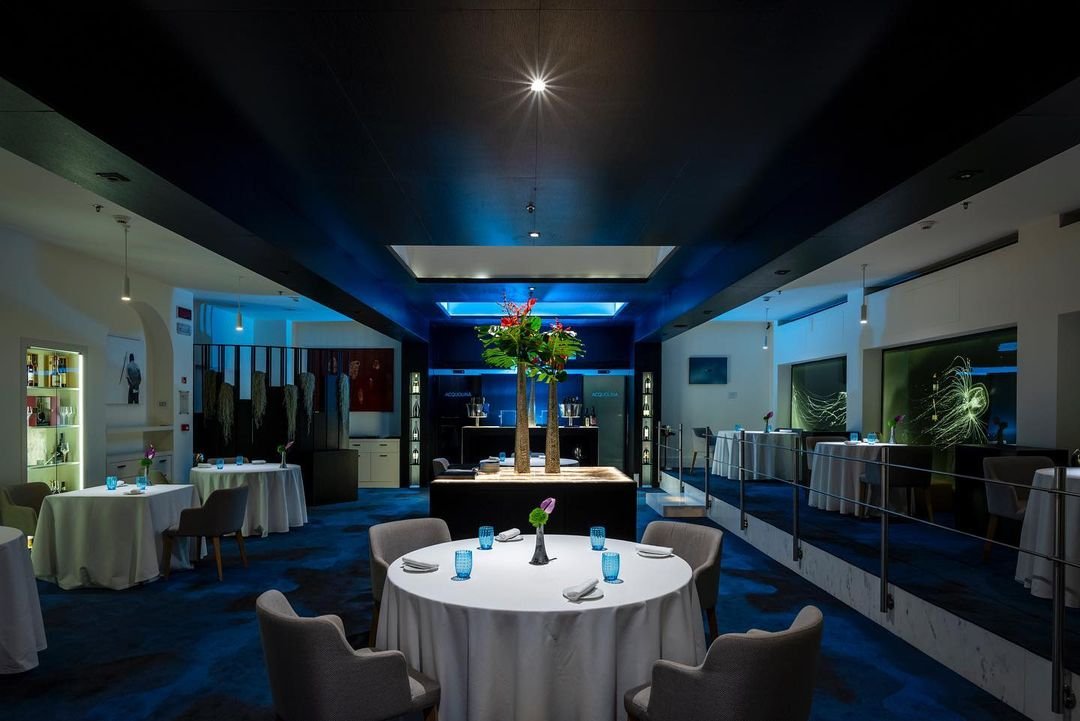
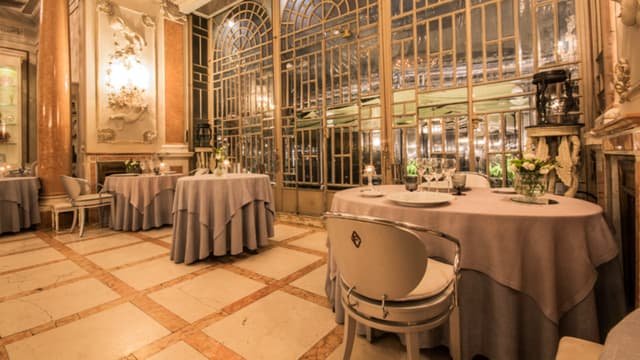
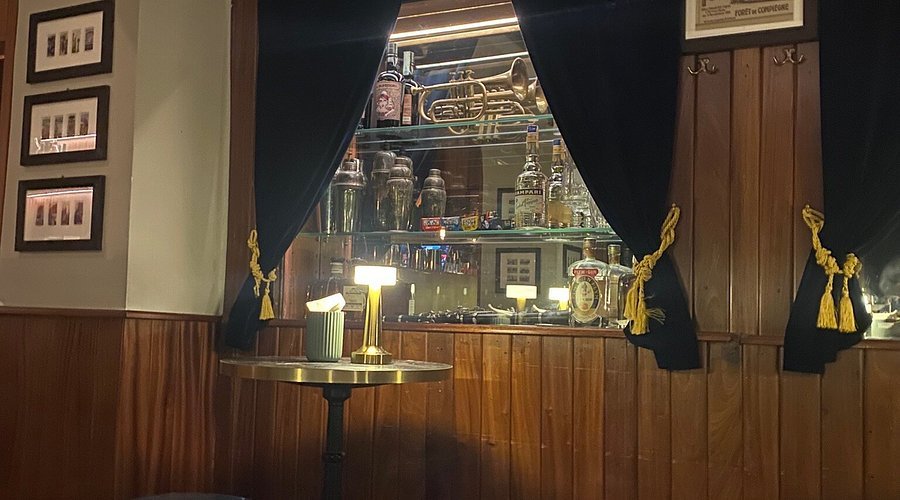
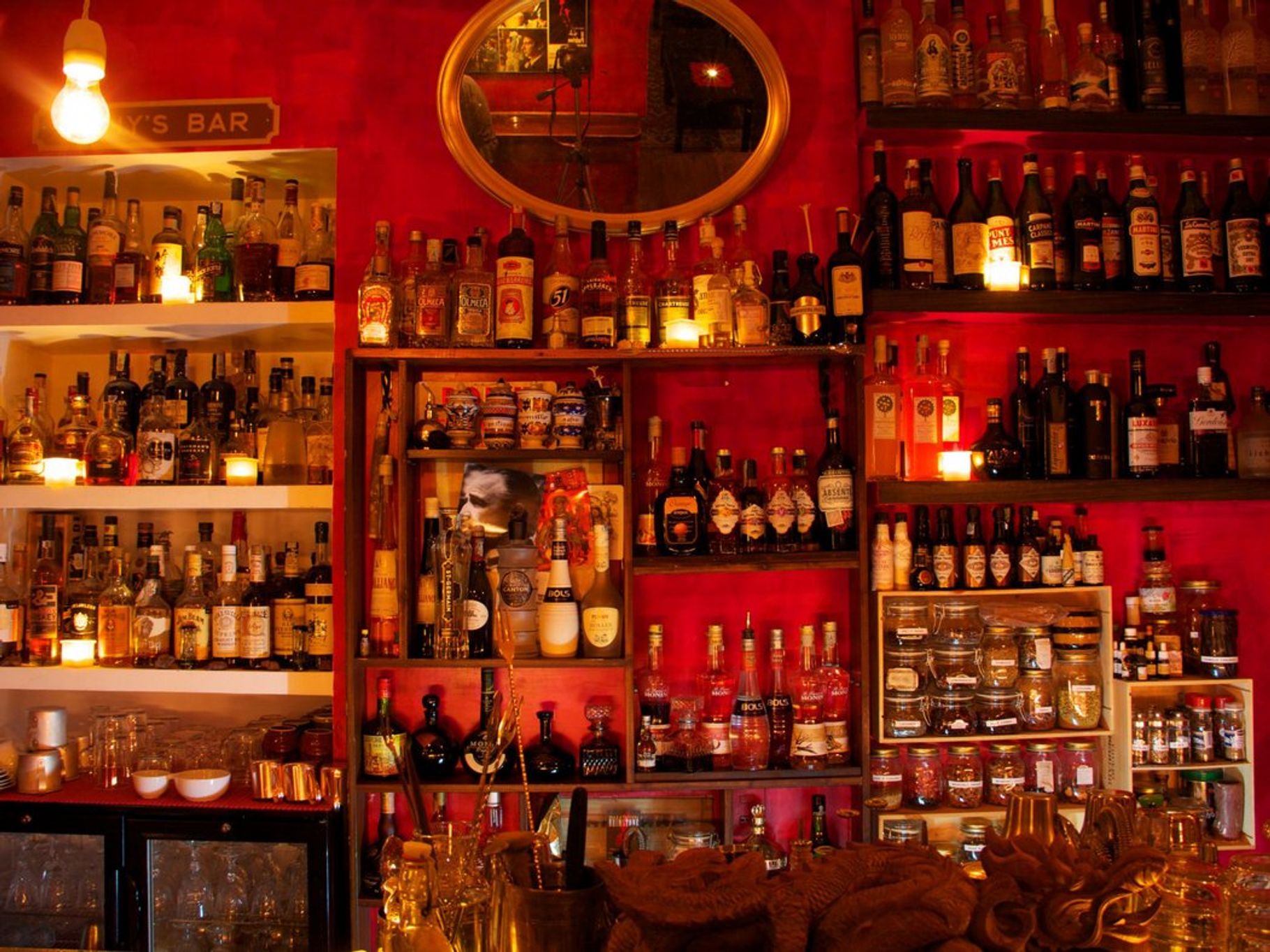
A family-run enoteca and wine bar with a long-established, tradition-forward atmosphere centered on wine selection and food pairings.
Tags
Vibe
Best For
Experience
View
At the Vineyard
- Appellation
- Frascati
- Wine Club
- Not available
Planning details
Location
Via Cernaia, 8, 00044 Frascati RM, Italy · Directions
Also consider
Also Consider
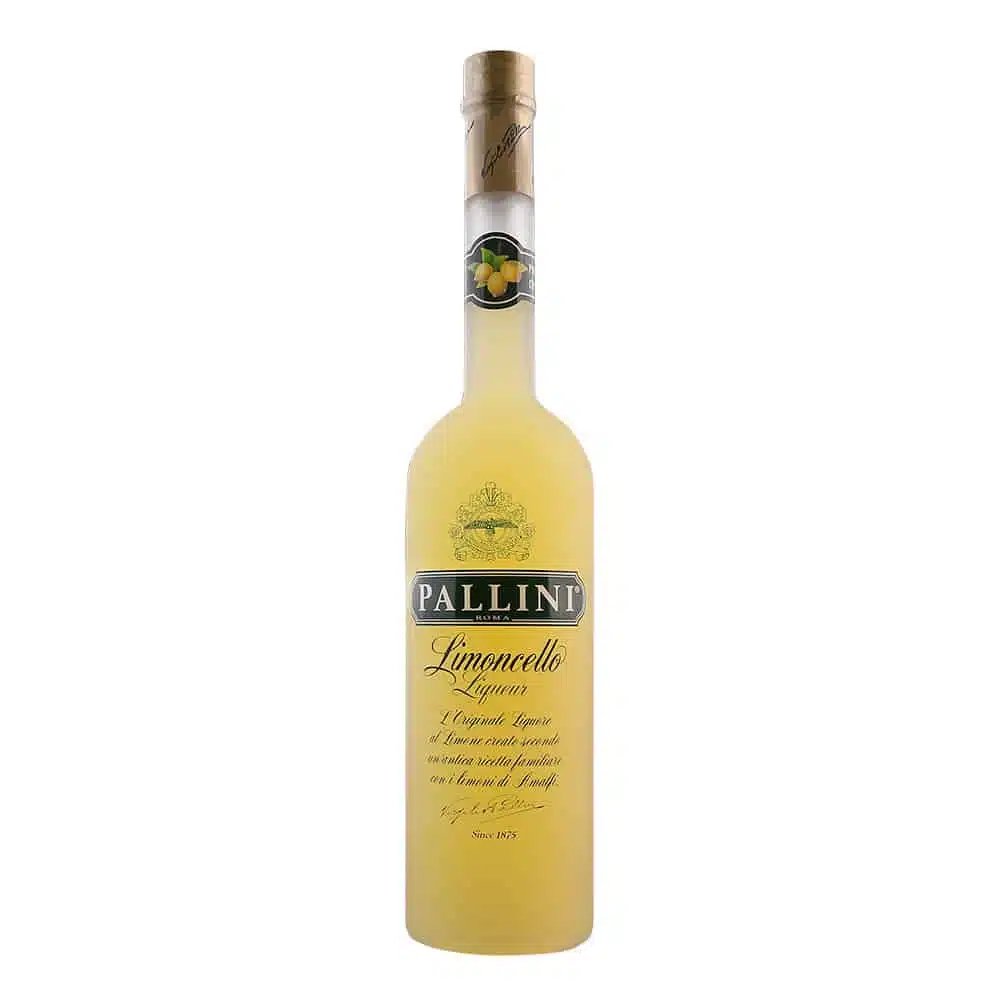
- Pallini, Notable alternative
- Liquoreria Sarandrea, Notable alternative
- Famiglia Cotarella (Falesco), Notable alternative
- Enrico Toro Distilleria (Centerba Toro), Notable alternative
- Arnaldo Caprai, Notable alternative
Winery context
How Molinari compares around Rome
Pallini is the cleaner choice if the priority is staying within Rome and keeping logistics simple. Molinari makes more sense for a Frascati-area plan, but the harder booking signal means it is less forgiving for visitors with a tight celebration schedule.
Famiglia Cotarella (Falesco) and Arnaldo Caprai are stronger cross-shops for travelers who want the outing itself to feel like the point of the day. Choose those over Molinari if leaving the metro area is acceptable and the group wants a more destination-led wine experience.
Liquoreria Sarandrea and Enrico Toro Distilleria (Centerba Toro) are better comparisons for drinkers interested in Italian spirits and liqueur traditions rather than wine alone. Molinari is the more local Frascati play; the others justify the effort when the category focus is broader than bottles from the Rome area.
Around this place
Discover more on Pearl
Unlock the full Molinari guide in Pearl, including awards, comparisons, FAQs, planning details, and nearby places.
Compare Molinari
| Venue | Location | Awards |
|---|---|---|
| Molinari | Rome | No published awards |
| Pallini | Rome | No published awards |
| Liquoreria Sarandrea | Collepardo | No published awards |
| Famiglia Cotarella (Falesco) | Montefiascone | No published awards |
| Enrico Toro Distilleria (Centerba Toro) | Tocco da Casauria | No published awards |
| Arnaldo Caprai | Montefalco | No published awards |
How Molinari Rome compares with similar nearby venues.
FAQ
Frequently Asked Questions
What is Molinari in Rome known for in the details?
Molinari is known for its Rome location, published hours, Pearl 1 Star Prestige recognition for 2025. No specific flagship product, menu, tasting format, price, or service style is confirmed here.
What other venues can I compare with Molinari?
For broader planning, you can compare Molinari with Pallini, Liquoreria Sarandrea, Famiglia Cotarella (Falesco), Enrico Toro Distilleria (Centerba Toro), and Arnaldo Caprai. Treat each as a separate option and confirm current visit details directly before making plans.
Can Molinari handle large groups?
Does Molinari have a membership or club program?
Membership or club program details are not included here. Do not treat membership as a planning reason unless Molinari confirms it directly.
Do I need a reservation at Molinari?
Plan around the listed hours, Monday 4:30–8 PM; Tuesday through Saturday 9 AM–1 PM and 4:30–8 PM; Sunday closed, confirm directly before visiting.