


The Court
Monti, Rome
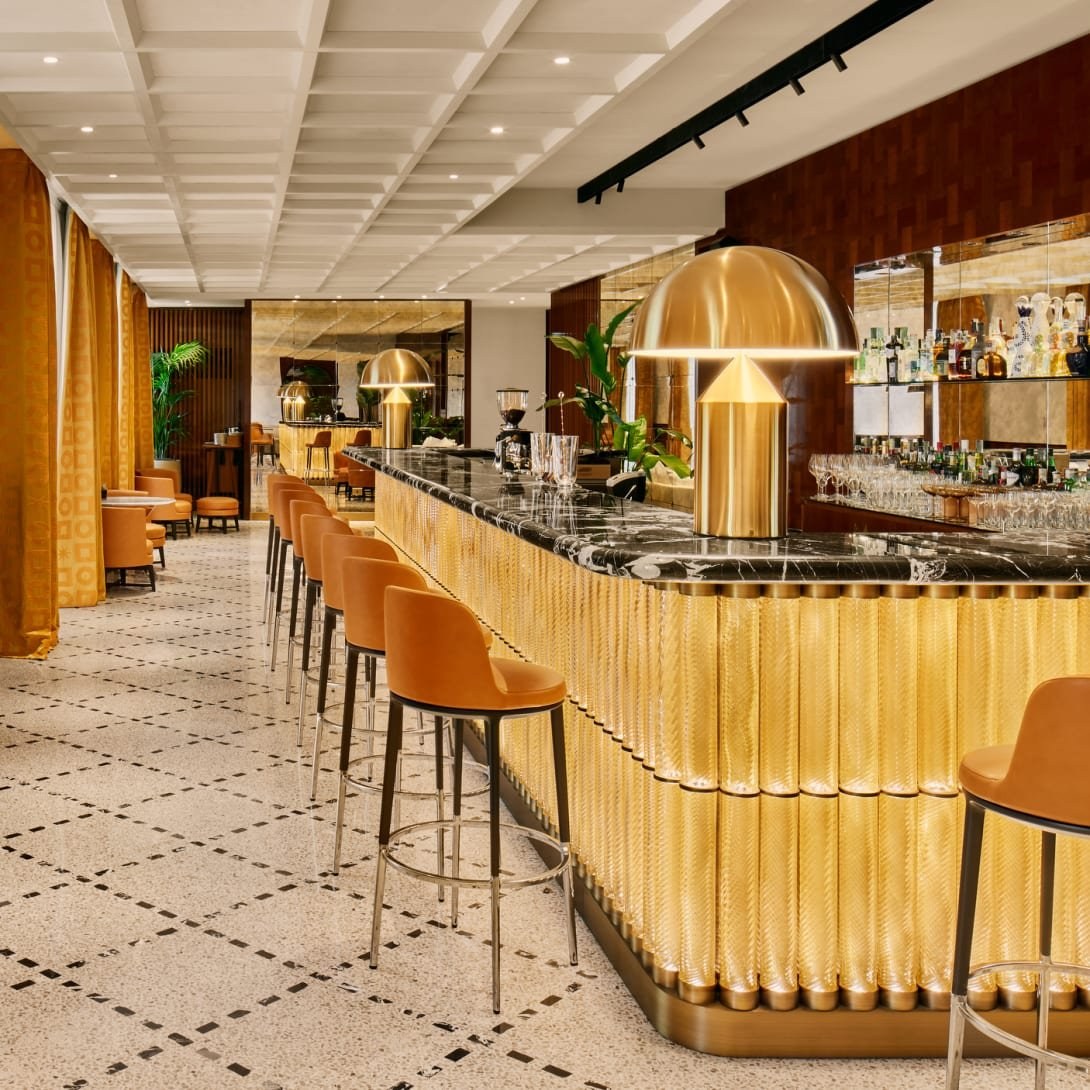
Bar in Rome, Italy
 Book with Pearl
Why go
The Court is worth considering when the Rome plan needs an evening anchor rather than a food-first destination. For a repeat visit, use it for a date or small-group night out; cross-shop Aroma for a formal splurge and Li Rioni a Santiquattro for a more casual Roman meal.
About The Court
The Court is a Rome venue open nightly from 6 PM to 2 AM with a smart casual dress code. Treat it as an evening-plan option. If you are comparing it with other named options, Aroma, Hostaria Isidoro, Li Rioni a Santiquattro, Propaganda Italian Cuisine, and The Race Club are useful names to keep in the same planning set, but confirm current details directly before deciding.
Use this as an after-dark anchor, not the whole Rome plan
Consider The Court when the timing matters: it operates every day from 6 PM to 2 AM, which makes it relevant for an evening or late-night plan in Rome. Plan around those hours and the smart casual dress code, especially if your decision depends on a specific food style, drinks program, menu structure, price point, or service format.
That makes the practical approach direct. Use The Court when you want a Rome venue that fits an after-dark schedule. If your plans depend on dietary accommodations, a particular menu, a specific price range, or a formal format, check the venue's official channels before going.
Who should consider it over other Rome options
Choose The Court when nightly 6 PM to 2 AM hours and a smart casual setting matter most to your plan. If you want to compare it with other Rome options, look at Hostaria Isidoro, Propaganda Italian Cuisine, Li Rioni a Santiquattro, The Race Club, or Aroma, and check the current fit for your specific occasion. For a broader scan, use the Rome restaurants guide, or split the trip planning across Rome bars, Rome hotels, Rome wineries, and Rome experiences.
Planning details
- Location
- Via Labicana, 125, 00184 Roma RM, Italy
- Website
- manfredihotels.com
- Phone
- +39669354581
The take
The Take
The Vibe
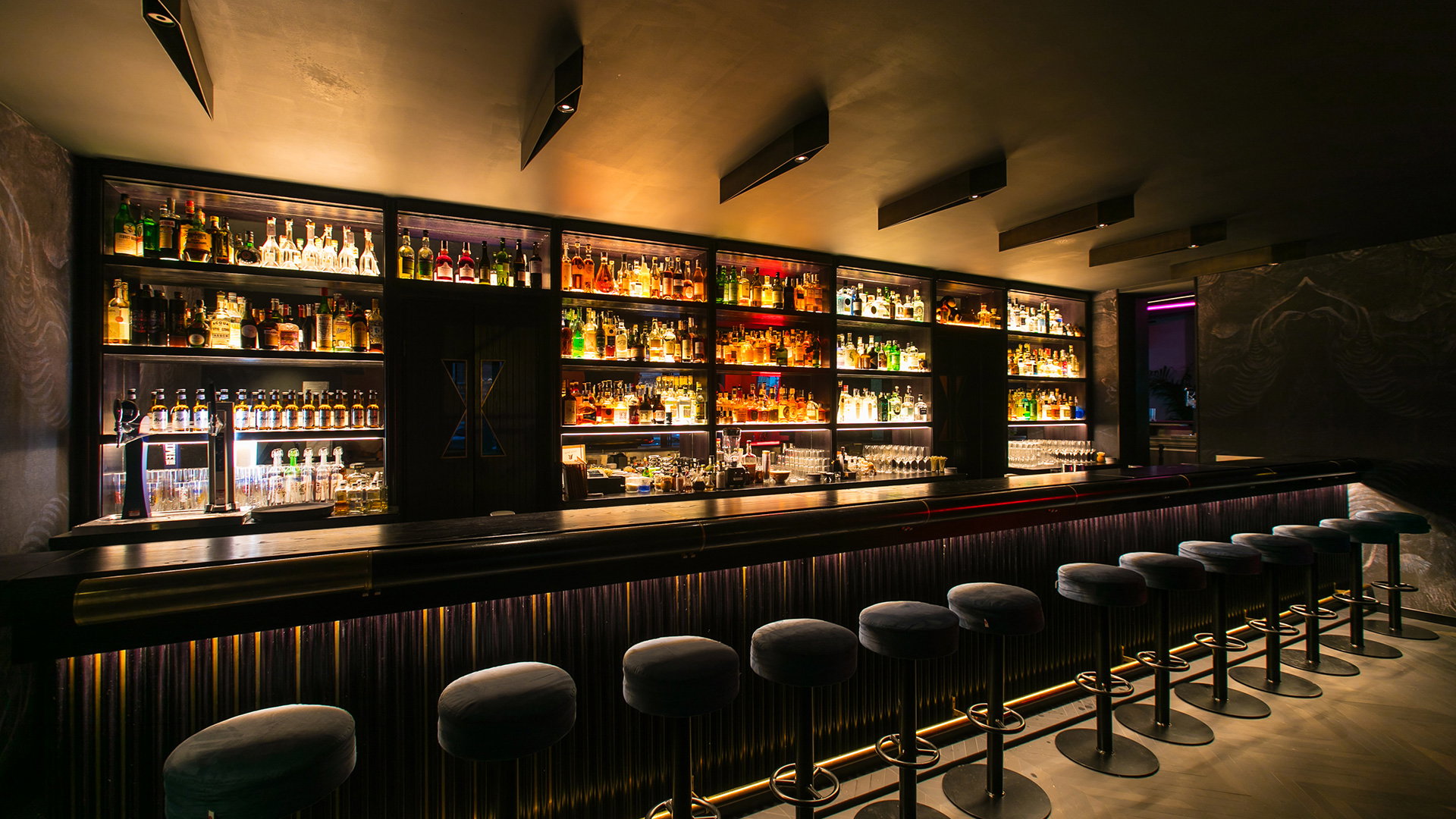
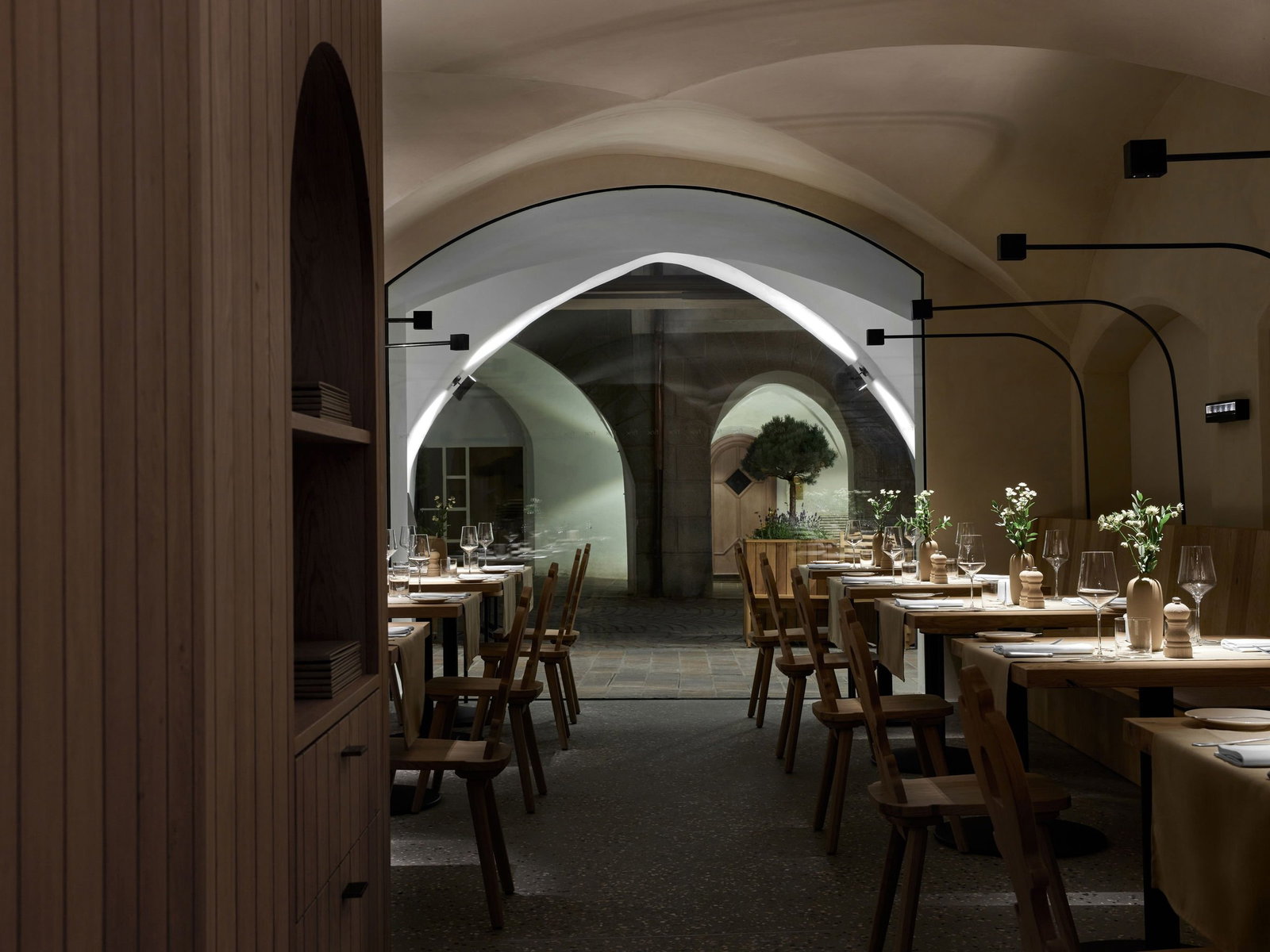
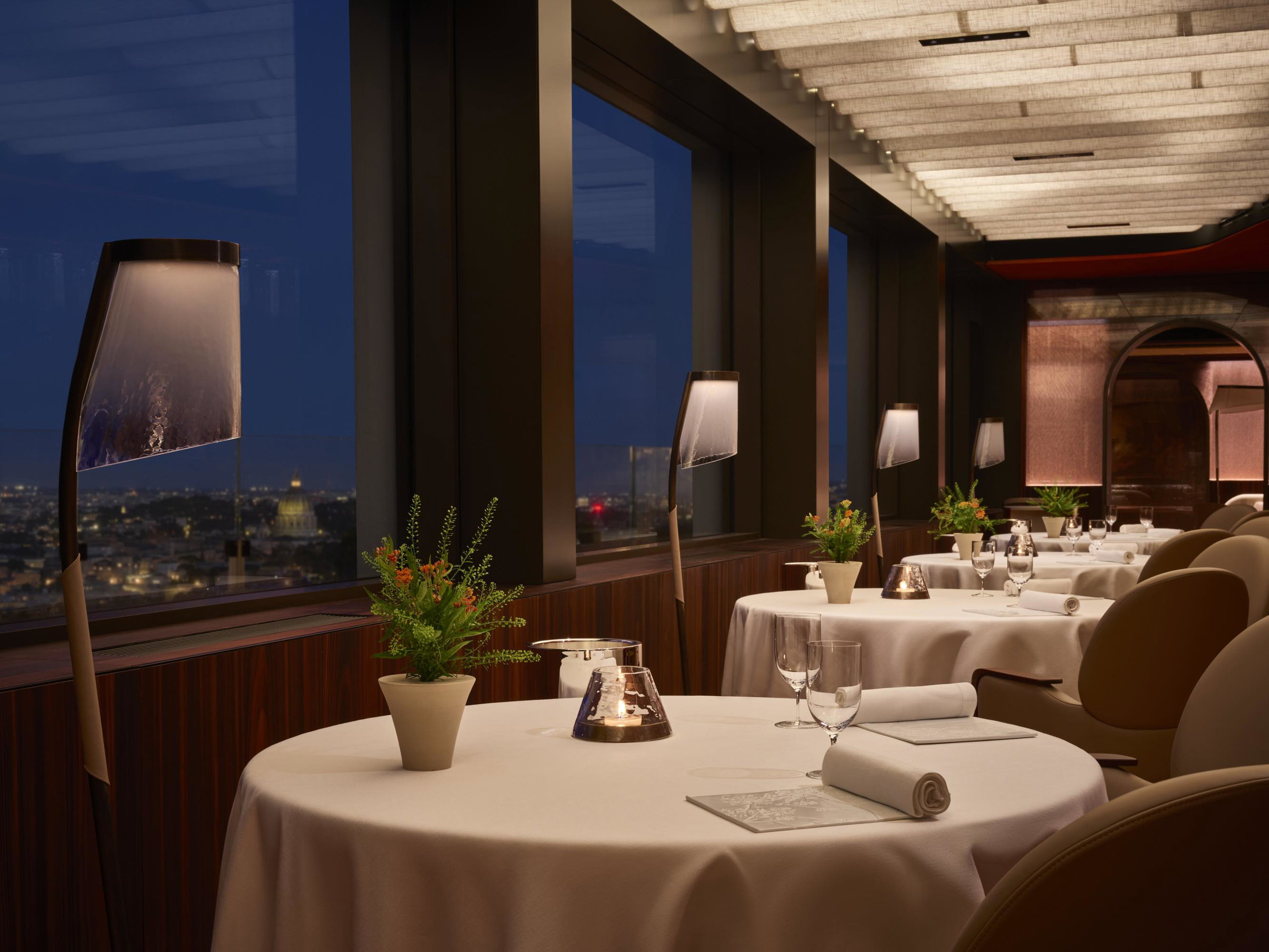
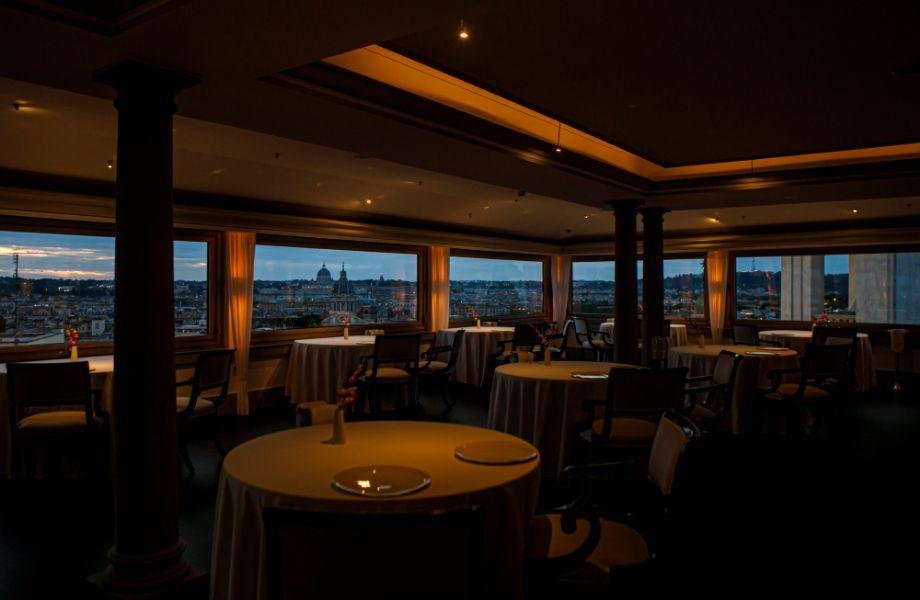
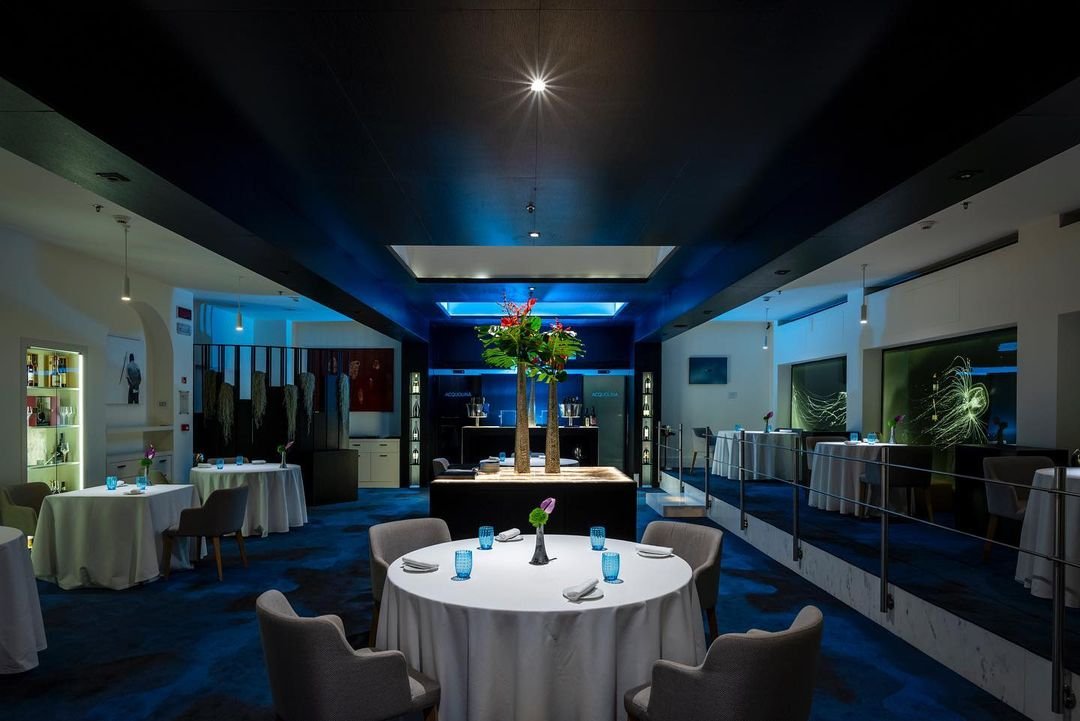
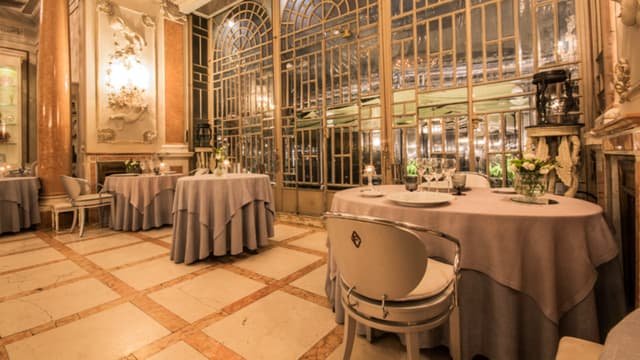
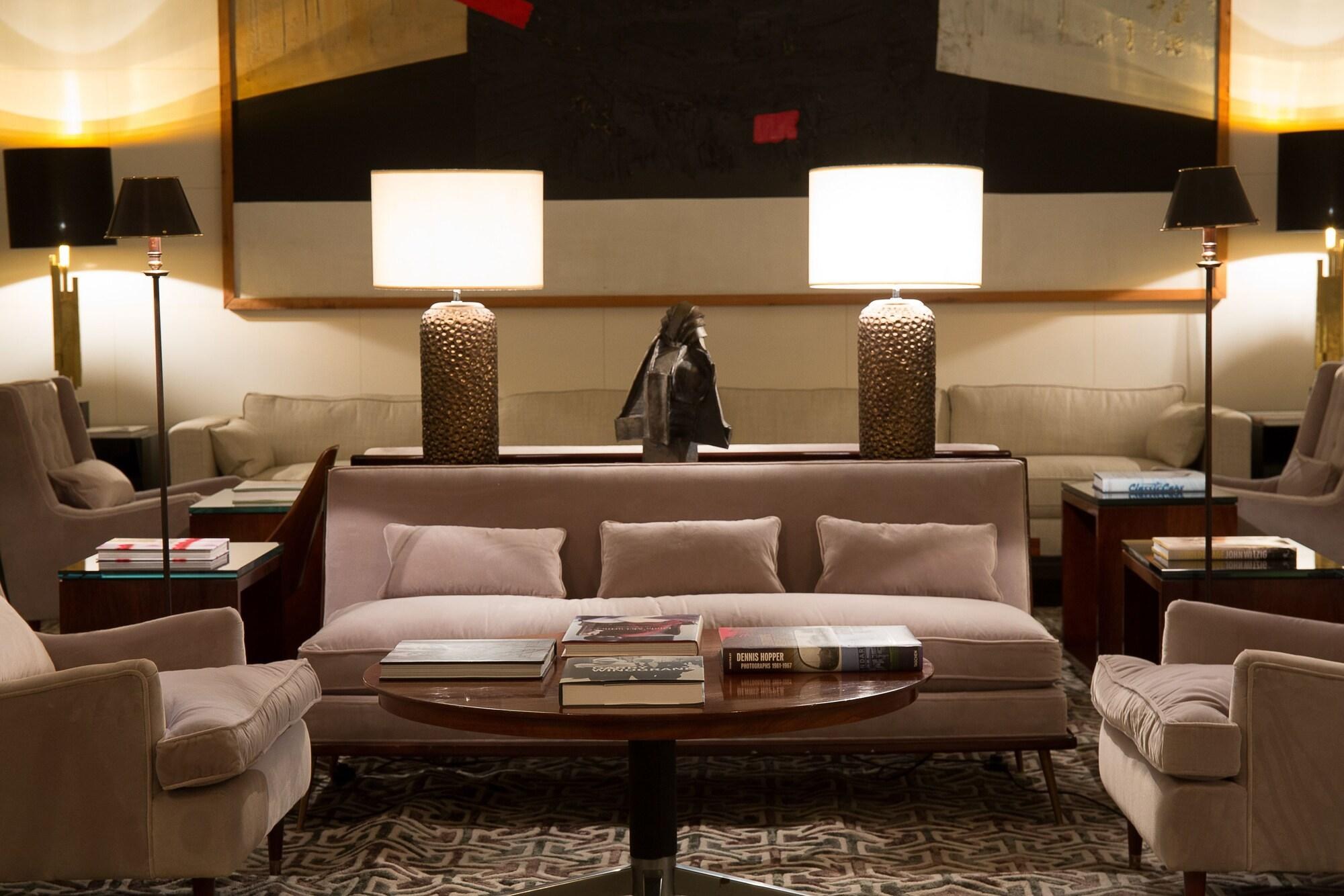
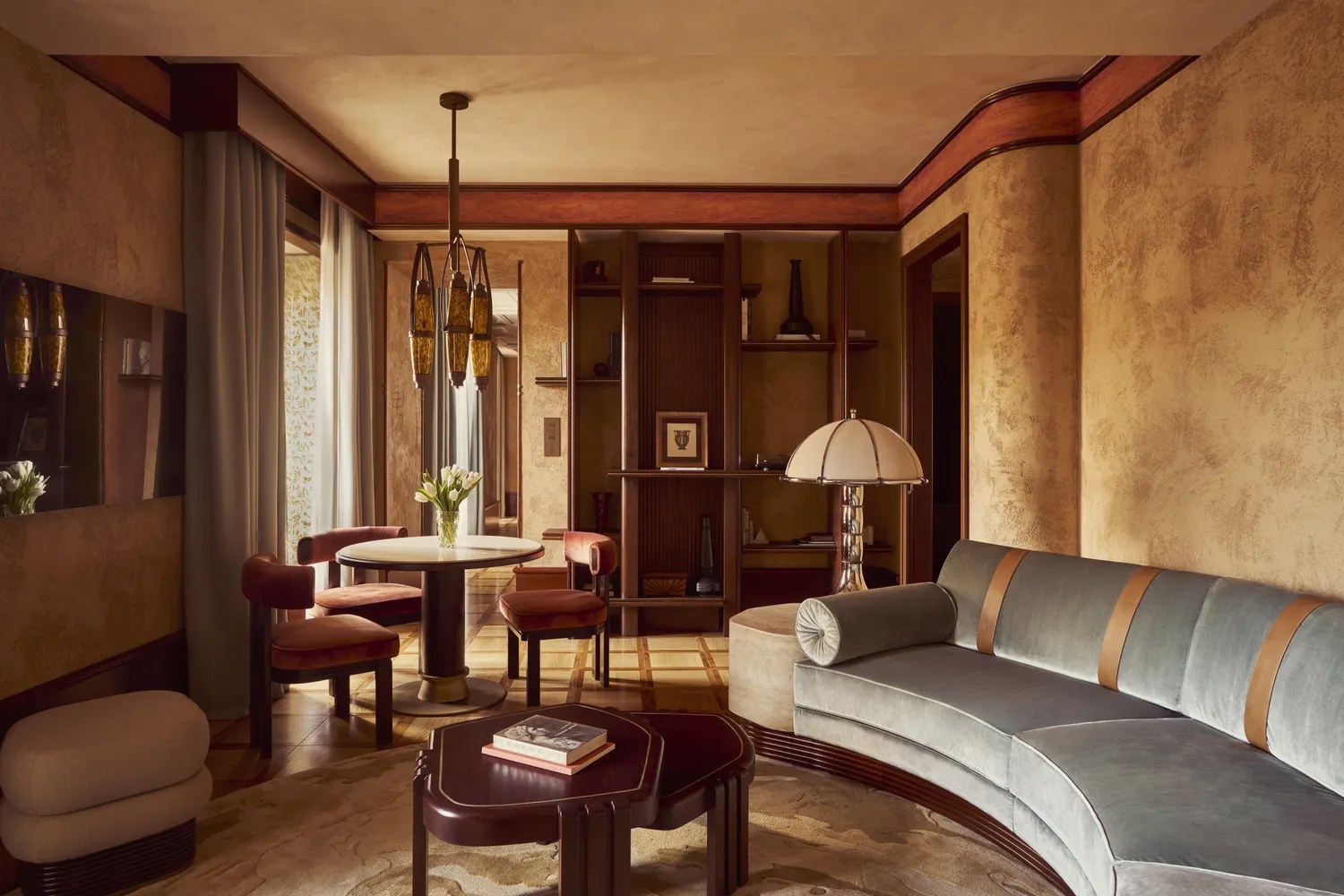
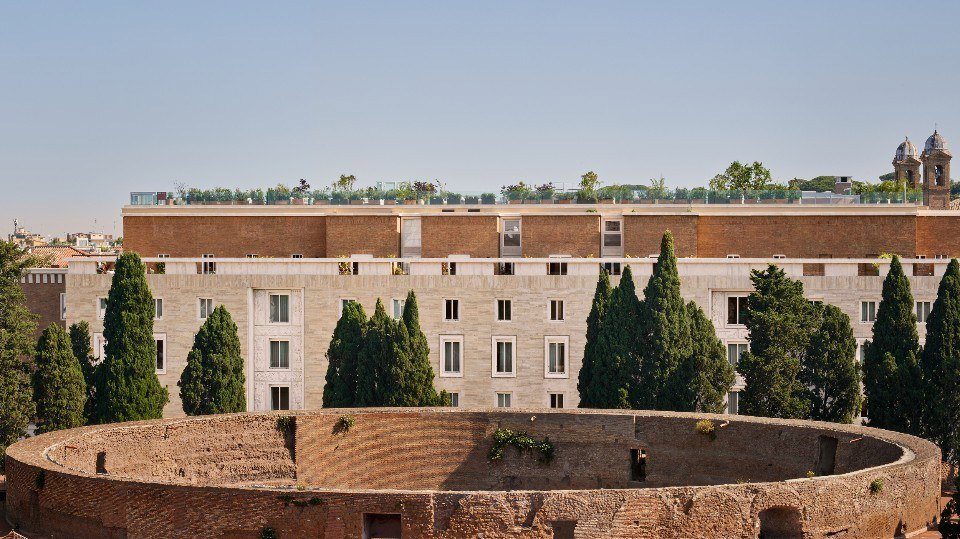
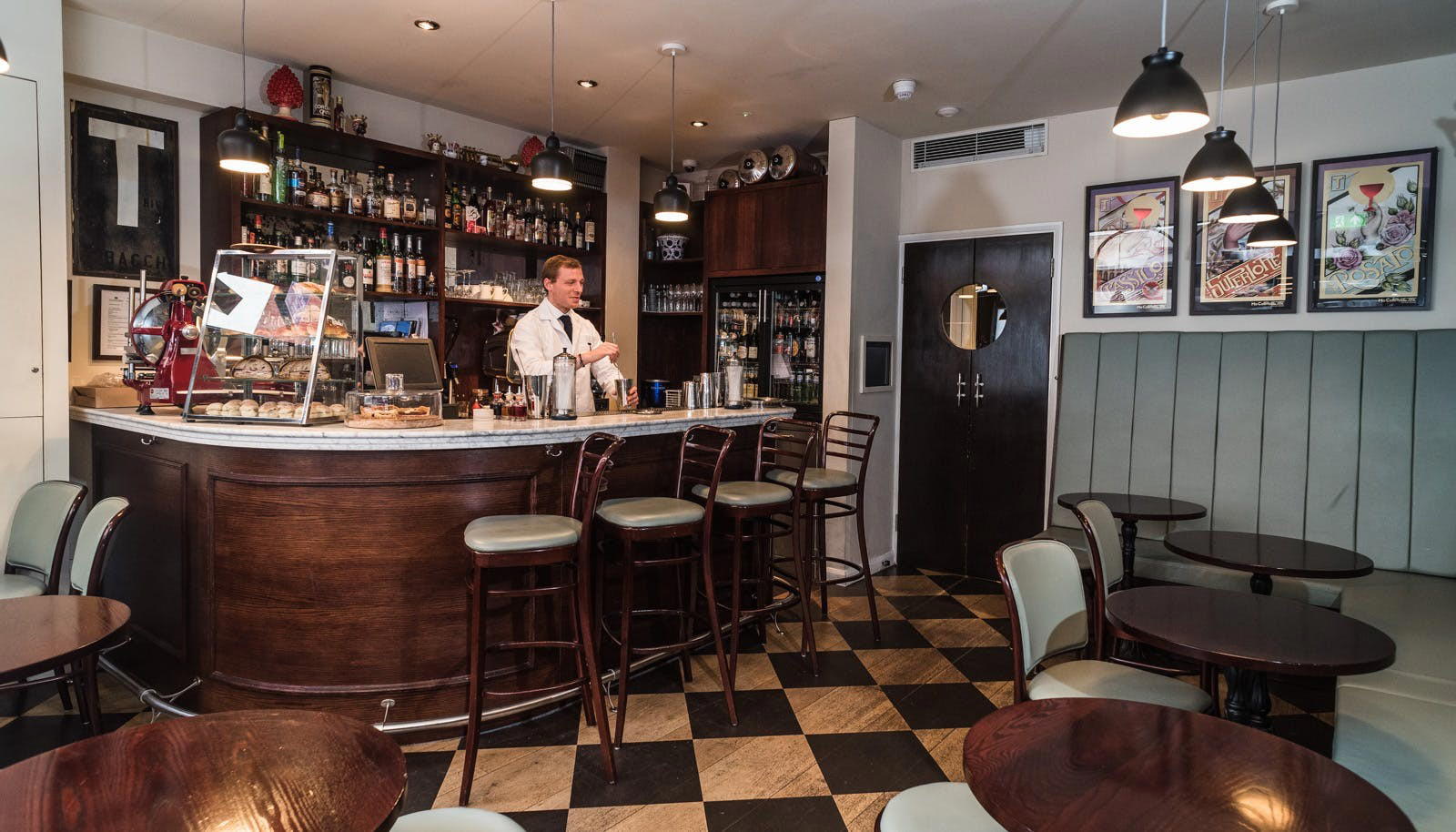
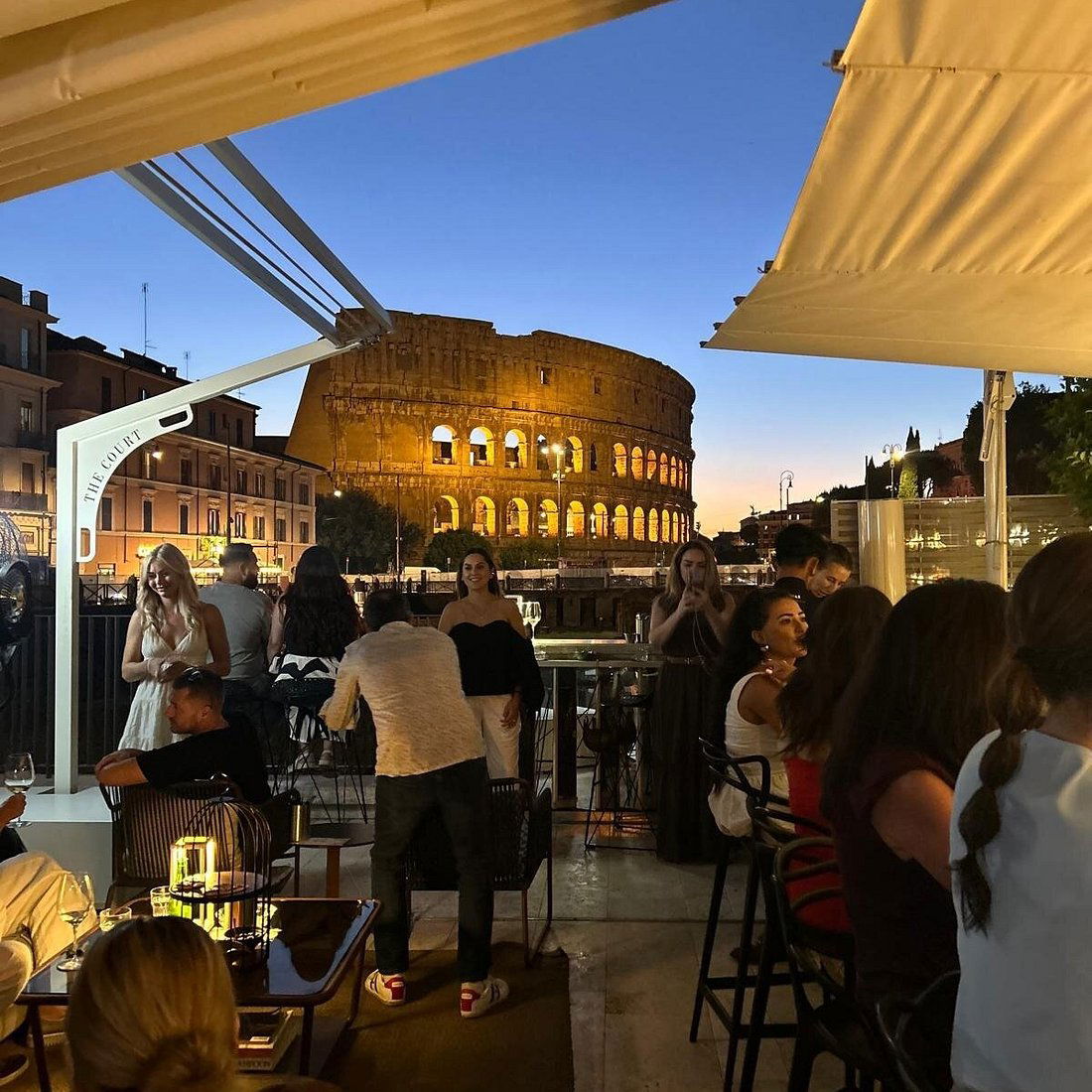
The Court leans into Rome’s weighty setting, positioning its dining room within the shadow of the Colosseum and the city’s historically dense corridors. The atmosphere reads restrained and deliberate: the kitchen favors precision and disciplined pacing rather than theatrical flourish. The room frames the surrounding antiquity, so the locale becomes part of the composition rather than a distraction. Guests encounter an elevated, classic Roman dining experience that privileges measured hospitality and focused cooking; the result feels considered and timeless rather than flashy, making the restaurant read as a serious, place‑aware dining room in the heart of Monti.
Best For
This is a dinner destination suited to diners who want to linger. The Court caters to couples and groups seeking a composed, premium meal rather than a quick bite: the copy emphasizes sequencing, pacing and the traditions of Italian service. Its location by the Colosseum also makes it appealing to visitors who prize a memorable setting alongside rigorous cooking. Staff and kitchen are described as working in concert to avoid rushed service, which makes the restaurant especially appropriate for date nights and special occasions when time and attention to the meal matter.
Ordering Tips
Treat a visit as a full Italian ritual and allow time between courses. The copy advises following the traditional flow — antipasti to set the register, primi to judge pasta and grain work, then secondi to declare the chef’s stance on protein — so start with light starters and move deliberately through primi and secondi. Signal that you want measured pacing, and consider the kitchen’s signatures: Fassona Tartare, Amatriciana and Shaked Carbonara. These dishes showcase the room’s focus on classic technique; ask servers for pacing guidance and order conservatively to preserve space for later courses.
Venue details
Ambiance
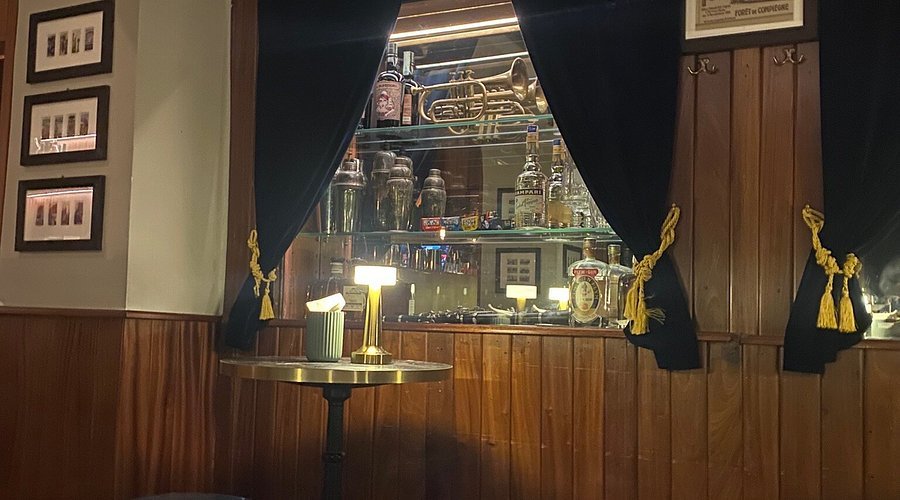
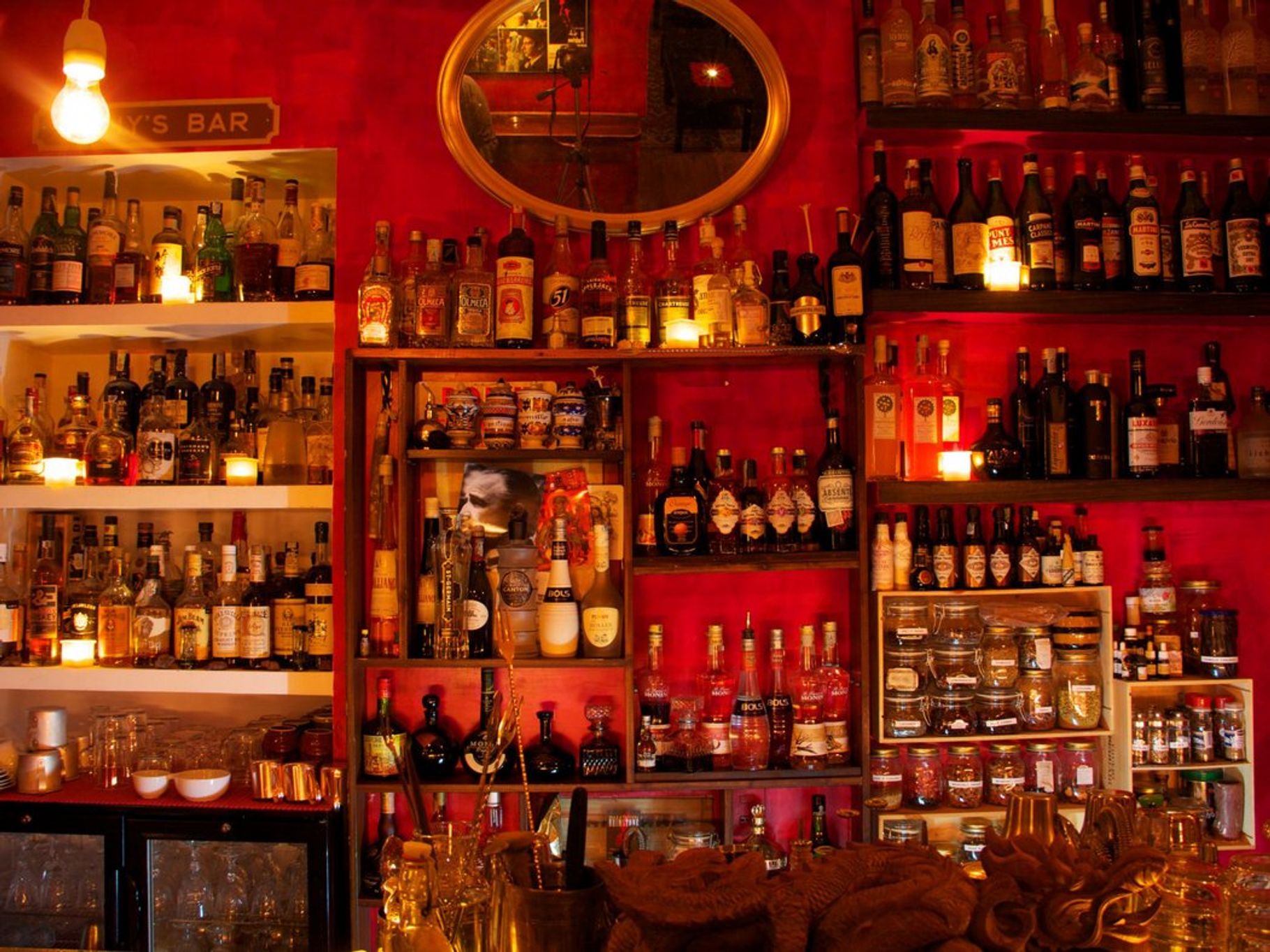
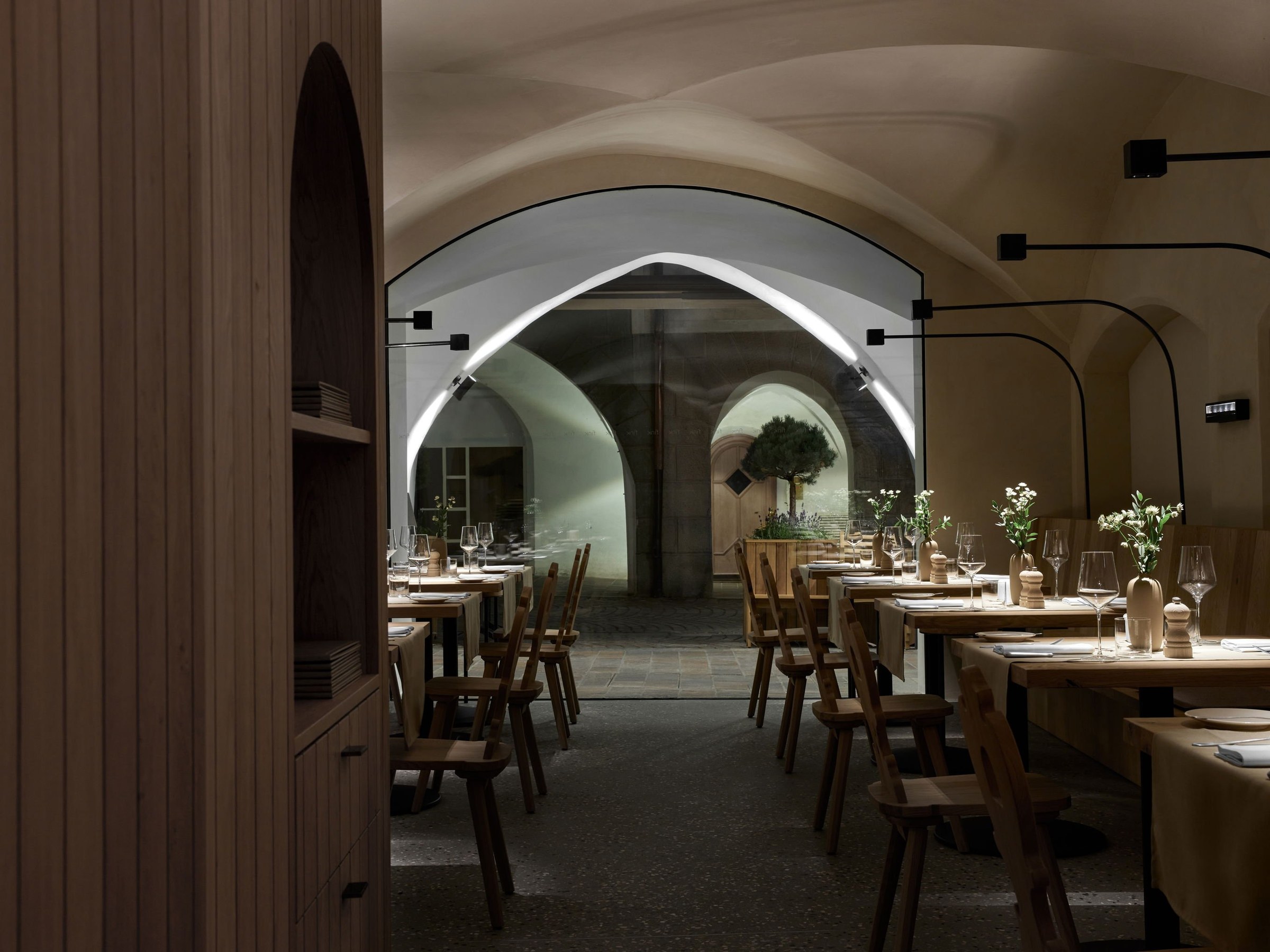
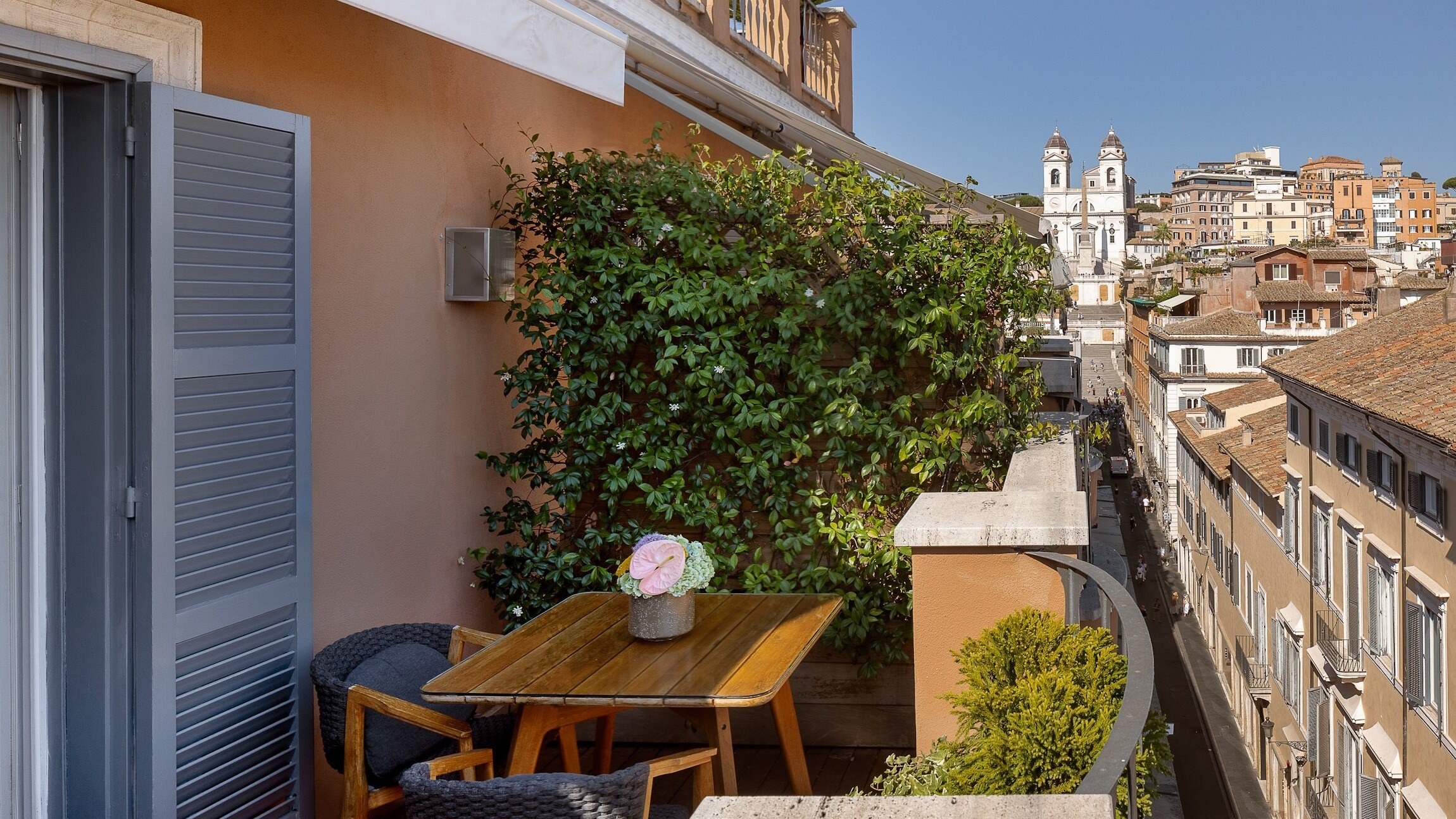
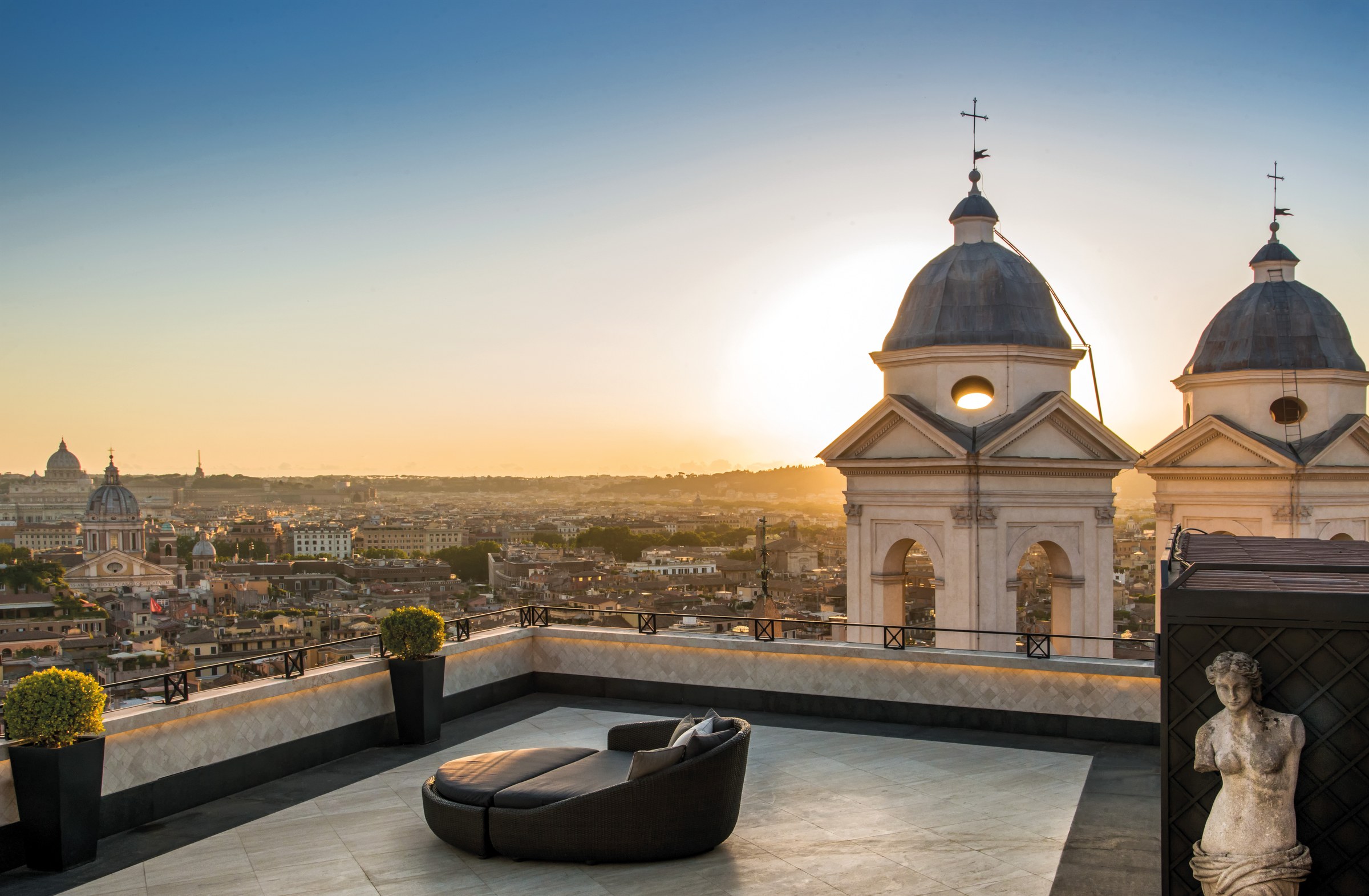
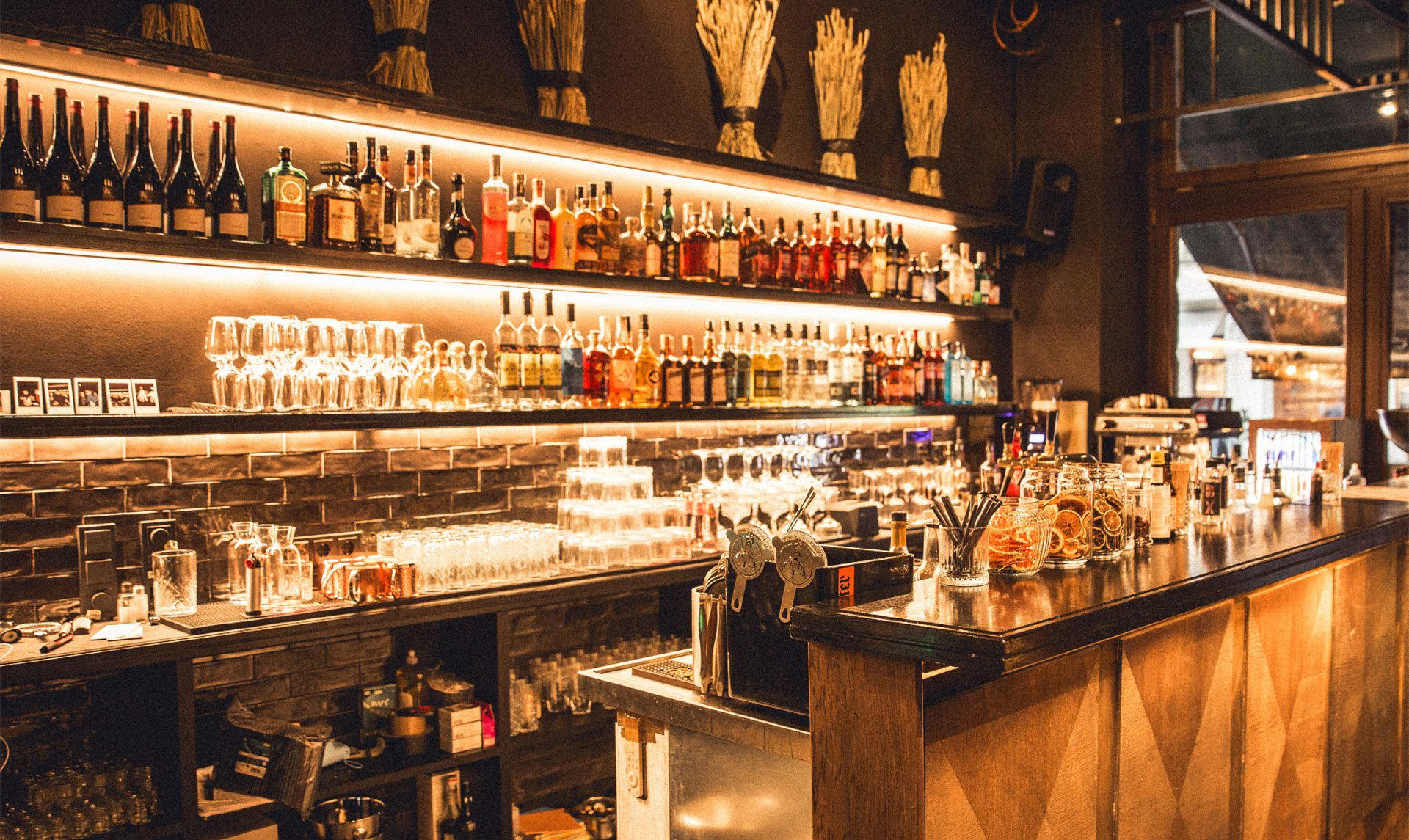
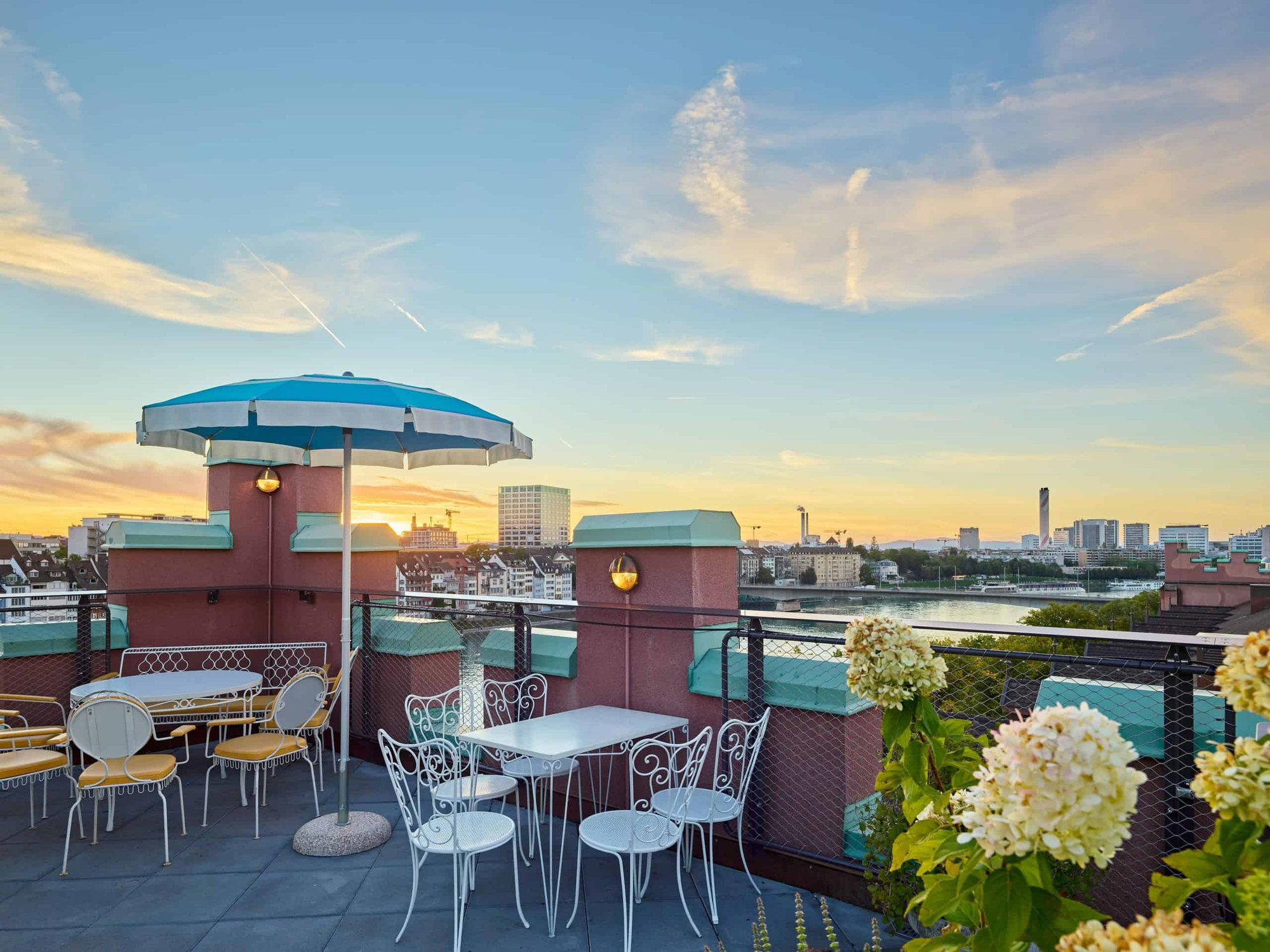
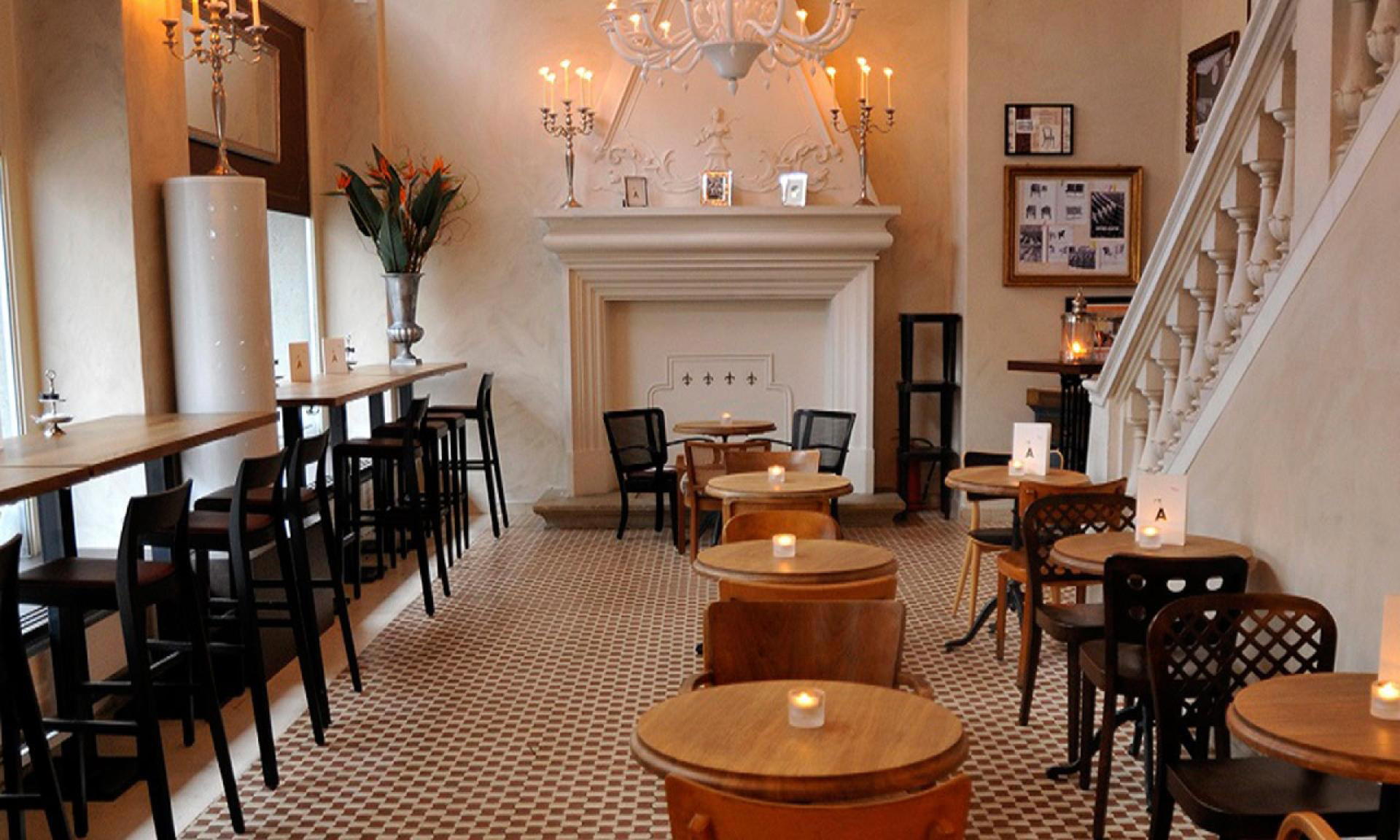
Intimate and sophisticated courtyard atmosphere with elegant lighting, high walls, and spectacular illuminated views of ancient Roman ruins.
Tags
Vibe
Best For
Experience
View
Know before you go
Know Before You Go
- Getting there
- Via Labicana, 125, 00184 Roma RM, Italy
Planning details
Location
Recognition and awards

Also consider
Also Consider
- Aroma, Modern Cuisine, €€€€
- Hostaria Isidoro, Notable alternative
- Li Rioni a Santiquattro, Notable alternative
- Propaganda Italian Cuisine, Notable alternative
- The Race Club, Notable alternative
Bar context
How The Court compares in Rome
Aroma is the clearer choice for a high-spend modern-cuisine dinner, with its €€€€ positioning making it the splurge option in this set. The Court is easier to justify when the brief is evening atmosphere and a more flexible night plan, not a formal meal built around the kitchen.
Hostaria Isidoro, Li Rioni a Santiquattro, and Propaganda Italian Cuisine are better cross-shops when the group wants a restaurant decision first. Pick Li Rioni a Santiquattro for the more casual Rome meal, Propaganda Italian Cuisine for a more contemporary dining brief, and Hostaria Isidoro when a classic sit-down option is the safer group call.
The Race Club is the closest comparison if the night is more about drinks and mood than dinner. Between the two, choose The Court when you want the plan to feel more polished; choose The Race Club when the priority is a bar-led stop and less restaurant framing.
Around this place
Discover more on Pearl
Unlock the full The Court guide in Pearl, including awards, comparisons, FAQs, planning details, and nearby places.
Compare The Court
| Venue | Location | Cuisine | Price | Awards |
|---|---|---|---|---|
| The Court | Rome | , | , | 2026 Pinnacle Guide2026 Falstaff Bar GuideTop 500 Bars 2025 · #100 |
| Aroma | Rome | Modern Cuisine | €€€€ | We're Smart World Top Restaurants 20252025 Michelin Plate |
| Hostaria Isidoro | Rome | , | , | No published awards |
| Li Rioni a Santiquattro | Rome | , | , | No published awards |
| Propaganda Italian Cuisine | Rome | , | , | No published awards |
| The Race Club | Rome | , | , | No published awards |

.png?width=1200&quality=80)
How The Court Rome compares with similar nearby venues.
FAQ
Frequently Asked Questions
Does The Court handle dietary restrictions?
If dietary or allergy accommodations are important, check directly before going. The Court is in Rome, opens daily from 6 PM to 2 AM, and lists a smart casual dress code.
Is The Court good for a solo visit?
If you are planning to go alone, keep the Rome location, daily 6 PM to 2 AM hours, and smart casual dress code in mind; confirm the current setup directly if seating style matters to your visit.
What are alternatives to The Court in Rome?
For comparison planning in Rome, consider Aroma, Hostaria Isidoro, Li Rioni a Santiquattro, Propaganda Italian Cuisine, and The Race Club. Check each venue's current details directly before deciding.
Is daytime or evening better at The Court?
The Court's hours are daily from 6 PM to 2 AM, so evening and late-night planning are the natural fit.