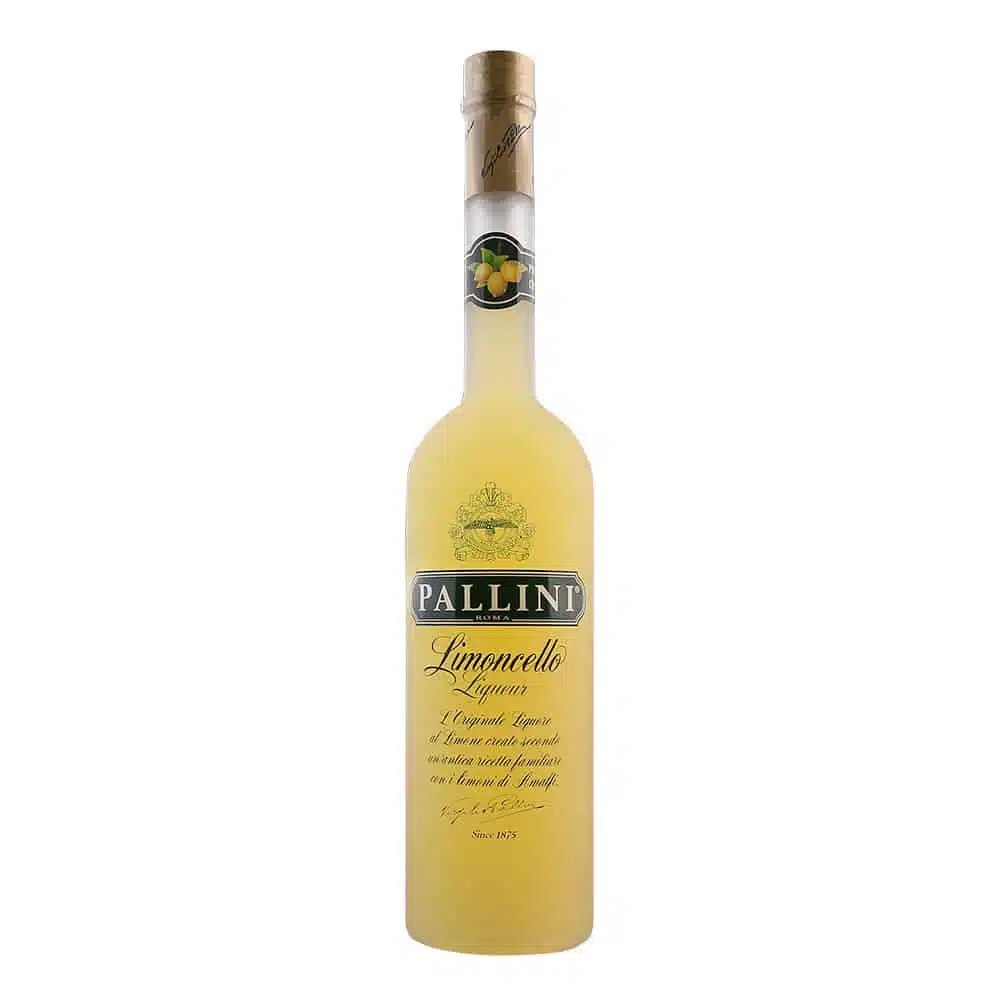
Pallini
Tiburtina, Rome
Winery in Rome, Italy
 Book with Pearl
The Read
Roman Spirits Artistry
Why go
Pallini works as a Rome-based wine stop for curious travelers, but it is not the safest choice for groups or tightly planned tasting itineraries. Its Pearl 1 Star Prestige recognition gives it a reason to be on the shortlist, while the limited public detail makes comparison-shopping essential before committing.
About Pallini
Pallini in Rome has a clear hook: its Pearl 1 Star Prestige recognition for 2025. Approach it as a selective discovery, check practical details directly before making plans.
A Rome venue for explorers, not checklist planners
The case for considering Pallini is strongest for travelers already building a deeper Rome itinerary and comfortable with limited public detail. Cross-check broader planning through Our full Rome restaurants guide, Our full Rome hotels guide, Our full Rome bars guide.
Avoid assuming a specific format, menu, service style, group setup, or visit length before checking directly. For travelers comparing notable Italian names, Pallini can be considered alongside Arnaldo Caprai, Famiglia Cotarella (Falesco), Liquoreria Sarandrea, Molinari, Monteverro without assuming they offer the same experience.
Use it as a selective add-on, not the whole plan
If you are deciding whether Pallini belongs on an itinerary, weigh the Pearl 1 Star Prestige recognition alongside the need to check practical specifics. It works well as a candidate to research further, not as a venue to build a day around without checking current details.
Planning details
- Location
- Via Enrico Pallini, 00149 Roma RM
The take
The Take
The Vibe
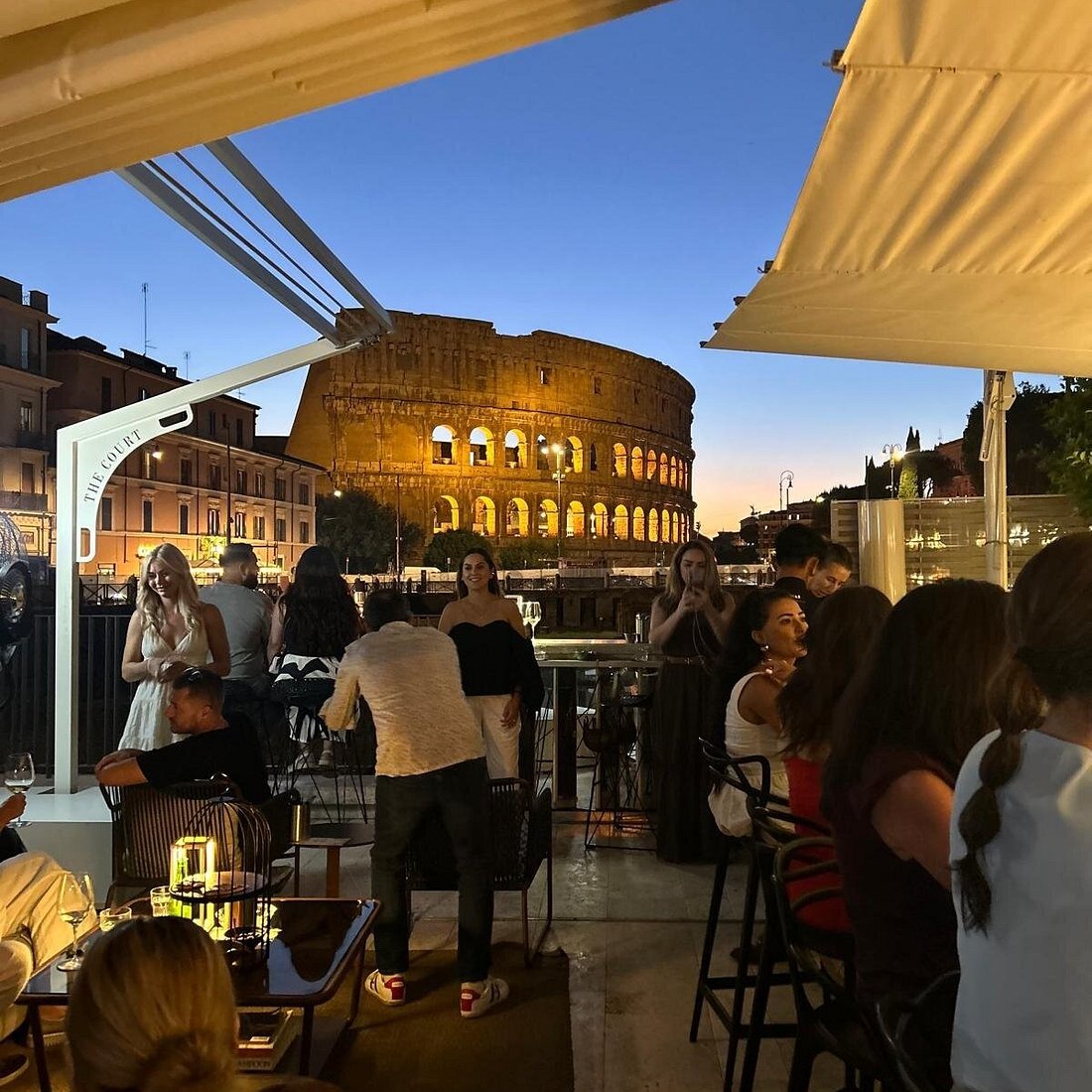
Pallini reads as a prestige-minded, quietly assured venue located in Rome’s western residential belt rather than the tourist-saturated centro storico. Its Pearl 1 Star Prestige recognition signals a focus on material quality and craft, and the description emphasizes an approach that resists trend-chasing. The result is a more relaxed, less hurried atmosphere than the city’s central hotspots, one that privileges careful production and measured service over spectacle. Visiting feels less like a stop on a tourist route and more like an encounter with a considered, credibility-driven entrant in Rome’s evolving drinks and dining landscape.
Best For
Pallini is best for visitors who want a prestige-tier drinking and dining experience outside the tourist core — people who prioritize craft, ingredient quality and a quieter setting. Its placement in a residential part of western Rome means it suits diners willing to add travel time from hotel-heavy areas near Termini or the Vatican. The venue’s recognition and tone make it appropriate for special-occasion evenings or deliberate outings focused on serious drinks and calm service rather than fast-paced, trend-led nights out.
Tasting Tips
Expect a program that emphasizes primary material quality and careful craft rather than faddish menu items. The description suggests operators prioritize longevity and depth over trend-chasing, so lean into core, signature offerings and classics that highlight provenance and production. Because Pallini sits outside central tourist neighborhoods, build extra travel time into your plans and treat the visit as a considered stop rather than a spur-of-the-moment detour. Rely on staff guidance for selections that reflect the venue’s Prestige-level focus on quality.
Venue details
Ambiance
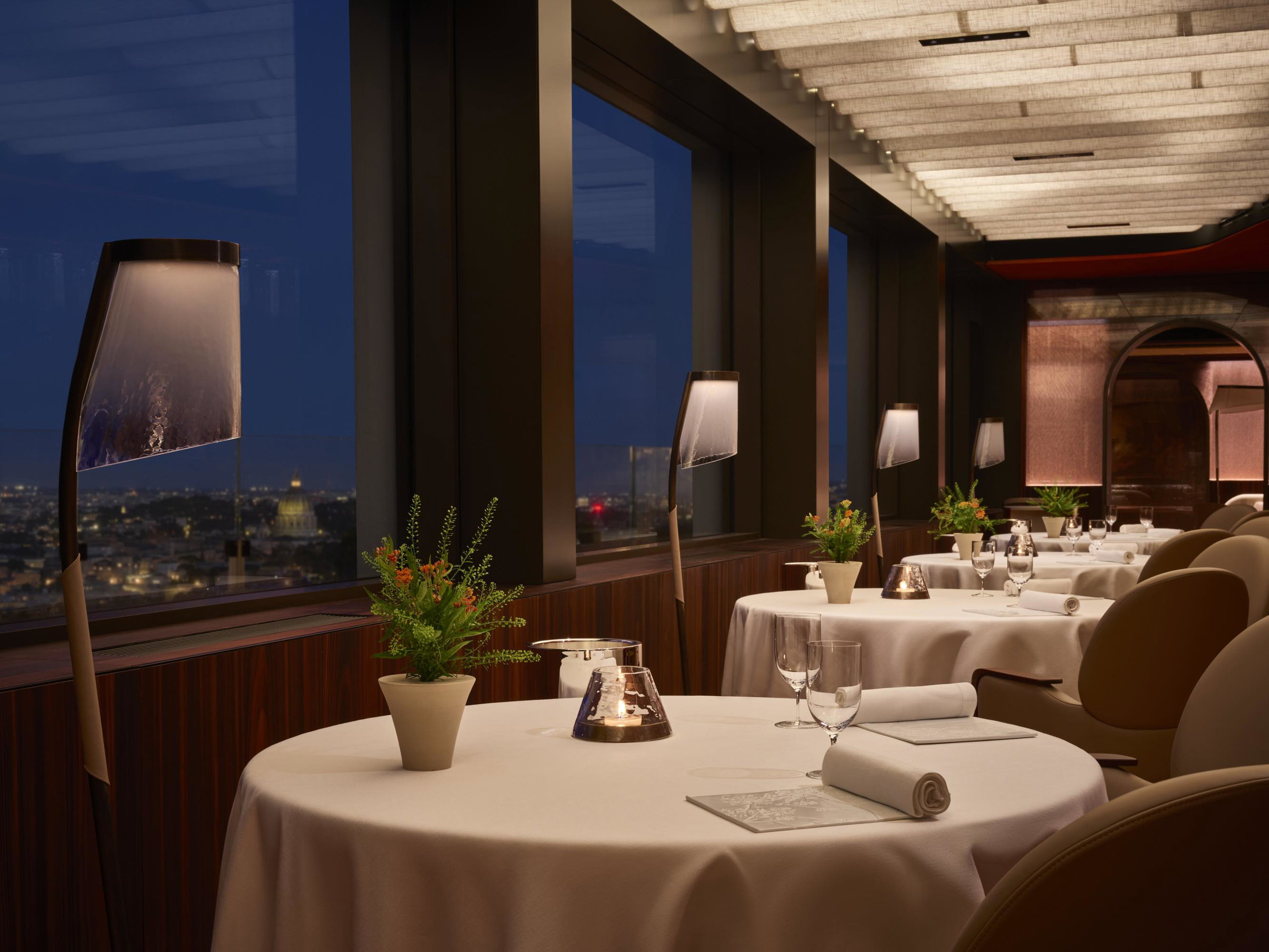
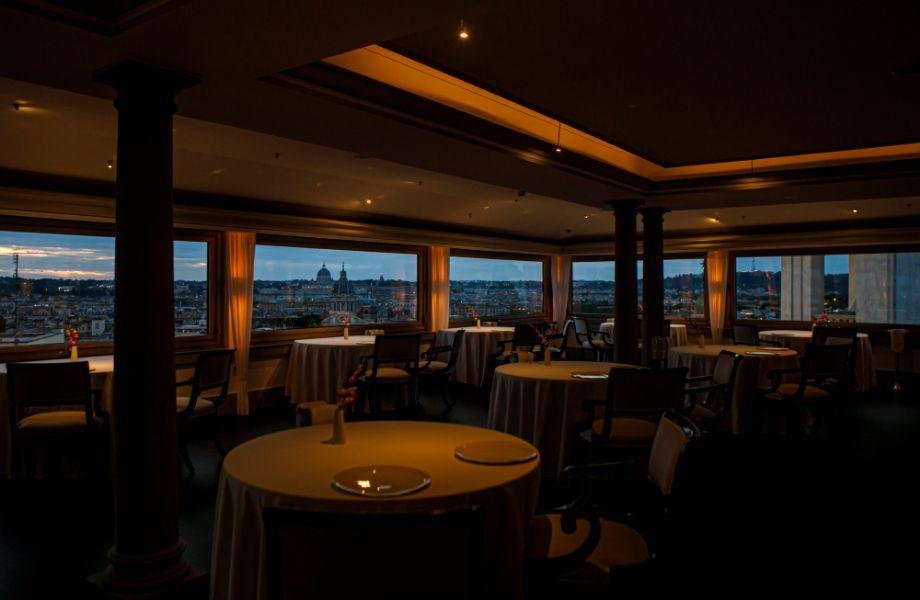
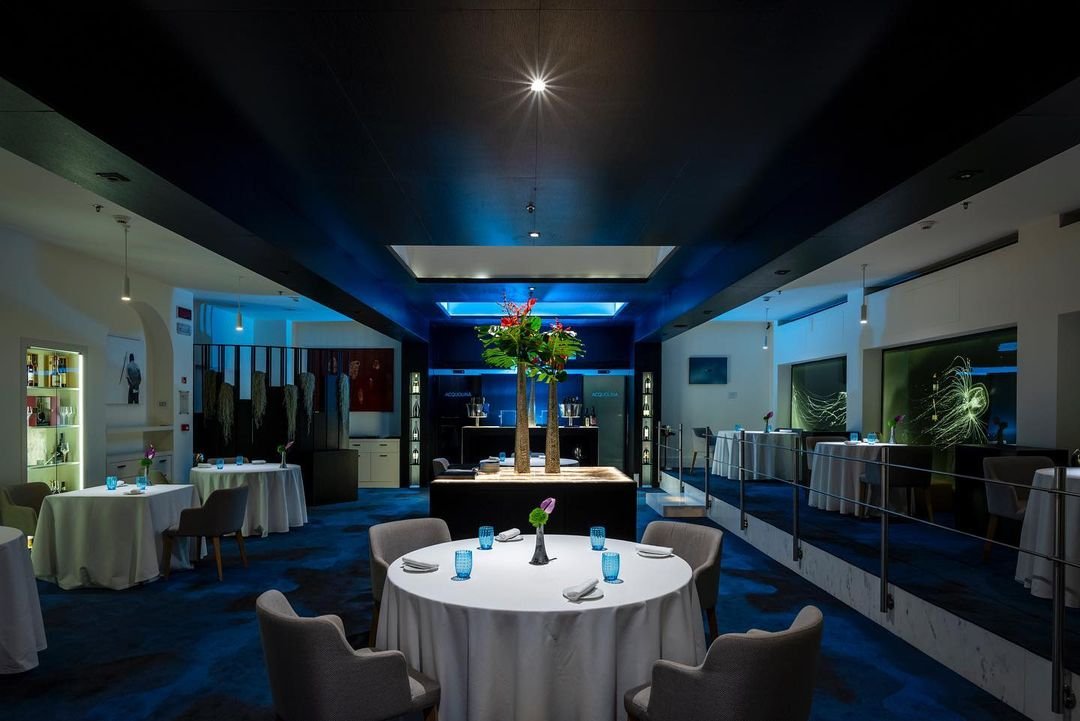
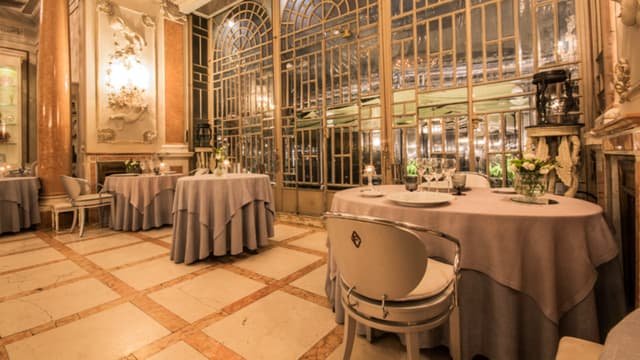
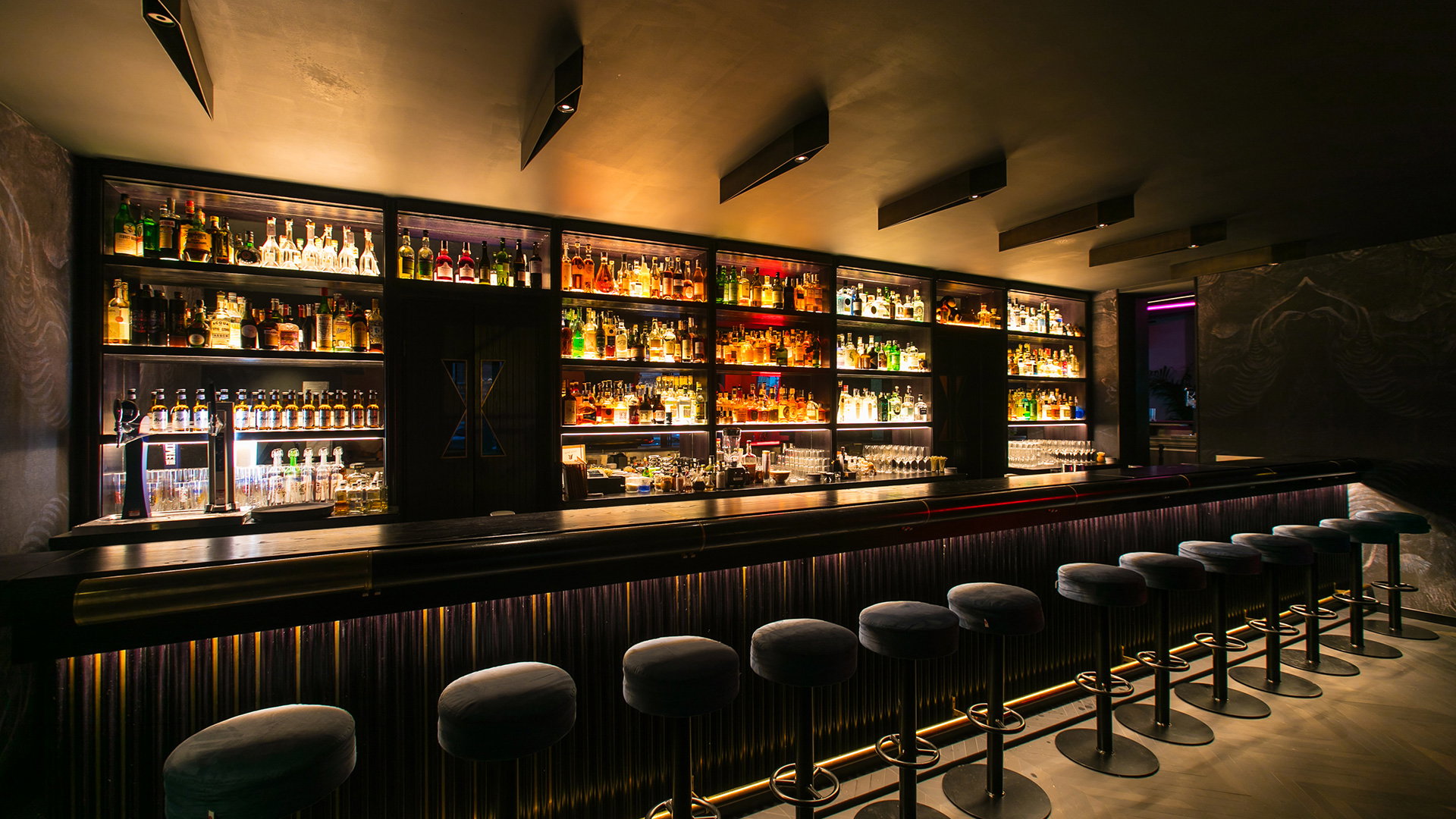
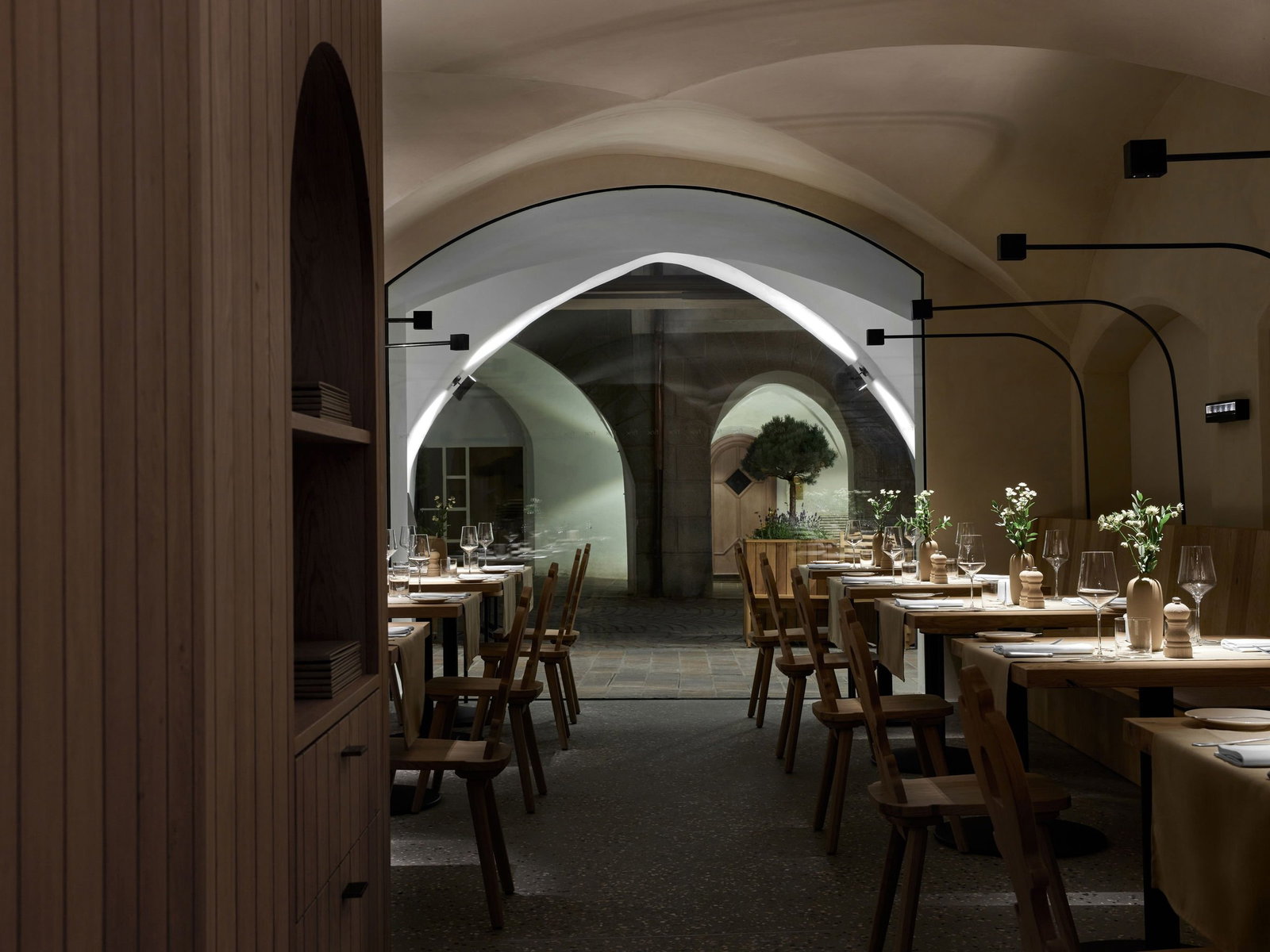
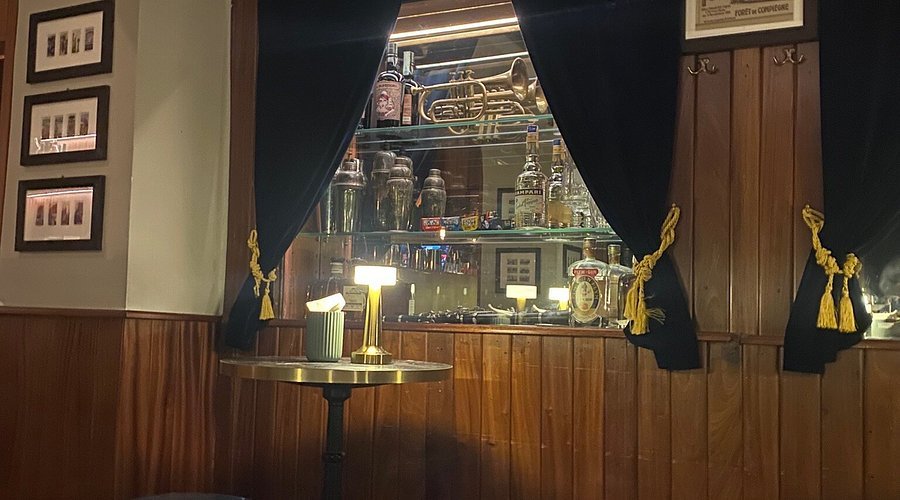
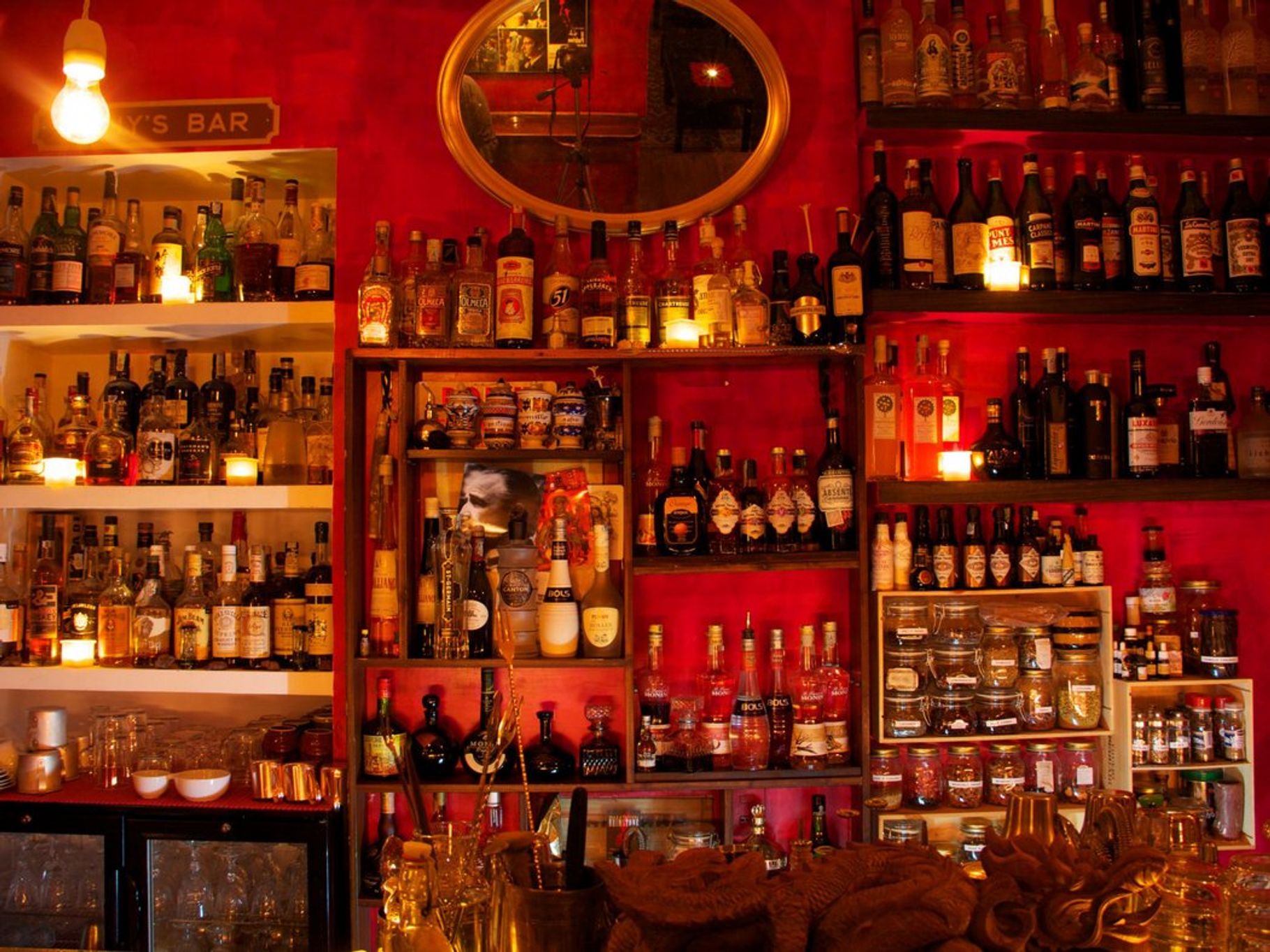
Historic, family-run distillery atmosphere with a modern industrial production setting; the brand presents itself as a living Roman reference point for Italian beverage culture.
Tags
Vibe
Best For
Experience
At the Vineyard
- Wine Club
- Not available
Planning details
Location
Via Enrico Pallini, 00149 Roma RM · Directions
Also consider
Where to look if Pallini is not available
Start with Molinari if the plan needs to stay in Rome. For a broader wine-focused outing beyond the city, compare Famiglia Cotarella (Falesco) and Arnaldo Caprai instead.
Winery context
How Pallini compares for Rome wine planning
Pallini is the pick for a compact Rome-based wine detour, while Molinari is the closest like-for-like cross-shop for readers who want another city option before committing. With Pallini marked as hard to book and with few public details on format or budget, it suits explorers more than travelers who want every part of the visit locked before arrival.
Liquoreria Sarandrea and Famiglia Cotarella (Falesco) make more sense when the priority is a fuller out-of-metro wine day rather than a Rome add-on. Choose them if travel time is part of the plan; choose Pallini if staying inside the city matters more than depth of published visit detail.
Monteverro and Arnaldo Caprai are better suited to readers building a producer-led itinerary outside Rome. Pallini is the more convenient bet, but not the safer one for a polished, fully specified experience.
Around this place
Discover more on Pearl
Unlock the full Pallini guide in Pearl, including awards, comparisons, FAQs, planning details, and nearby places.
Compare Pallini
How Pallini compares for Rome wine planning
Pallini is the pick for a compact Rome-based wine detour, while Molinari is the closest like-for-like cross-shop for readers who want another city option before committing. With Pallini marked as hard to book and with few public details on format or budget, it suits explorers more than travelers who want every part of the visit locked before arrival.
Liquoreria Sarandrea and Famiglia Cotarella (Falesco) make more sense when the priority is a fuller out-of-metro wine day rather than a Rome add-on. Choose them if travel time is part of the plan; choose Pallini if staying inside the city matters more than depth of published visit detail.
Monteverro and Arnaldo Caprai are better suited to readers building a producer-led itinerary outside Rome. Pallini is the more convenient bet, but not the safer one for a polished, fully specified experience.
FAQ
Frequently Asked Questions
Is Pallini in Rome worth considering?
Yes, if you value a clear trust signal: Pallini carries Pearl 1 Star Prestige recognition for 2025. It is a better fit for travelers comfortable checking details directly than for anyone who needs a fully documented format before planning.
Does Pallini serve food?
How long should I plan for a visit to Pallini?
What other names should I compare with Pallini?
For broader comparison, look at Molinari, Liquoreria Sarandrea, Famiglia Cotarella (Falesco), Monteverro, Arnaldo Caprai. Do not assume they are interchangeable; use them as reference points while confirming the details that matter for your itinerary.