










Orient Express La Minerva
Pigna, Rome
Hotel in Rome, Italy
 Book with Pearl
The Read
Grand Tour Permanence
Why go
Orient Express La Minerva is a hotel on Piazza della Minerva in Rome.
About Orient Express La Minerva
For travelers considering a premium Rome stay, Orient Express La Minerva is best framed as a recognition-led hotel choice. Michelin 2 Keys in 2025 and several 2026 hotel recognitions, including Food & Wine ranking it #2 on its global hotels for food and drink list, Prix Versailles World Selection, Condé Nast Hot List Hotels, Town & Country Hotel Awards, and Travel + Leisure It List Hotels, make it stand out.
The practical appeal is Rome itself: this is a hotel for guests who want the property to be part of the trip, not just a place to sleep. If the priority is a city base with notable external recognition, it belongs on the shortlist. If the priority is a different style of stay, compare more broadly before committing.
A Rome hotel for travelers who value recognition
Book this when hotel quality signals and external recognition have value. A Rome base can make a trip feel more deliberate when travelers want the property itself to be part of the experience. The hotel is a better match for guests who value a recognized city stay than for travelers who are choosing only on practical basics.
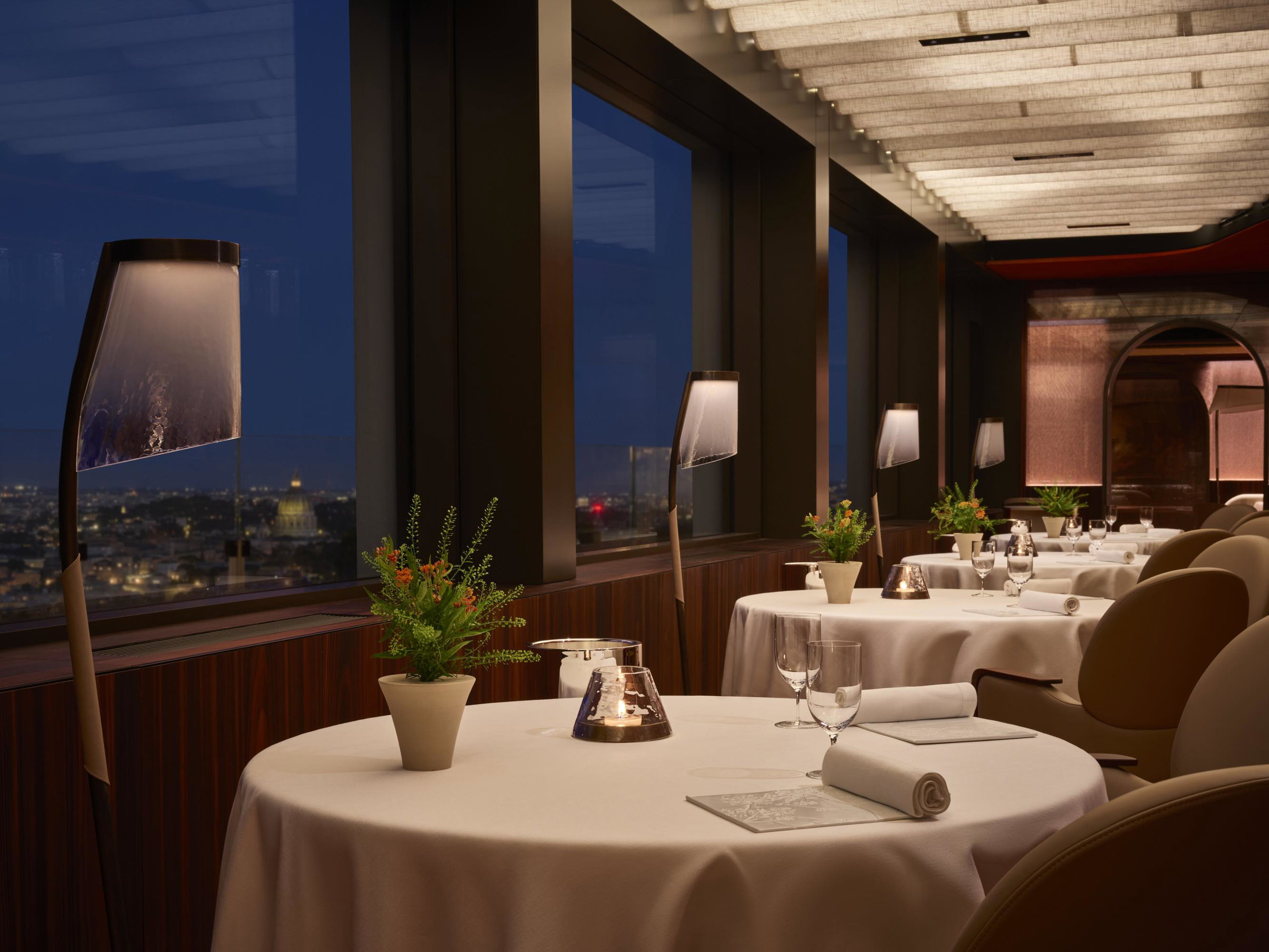
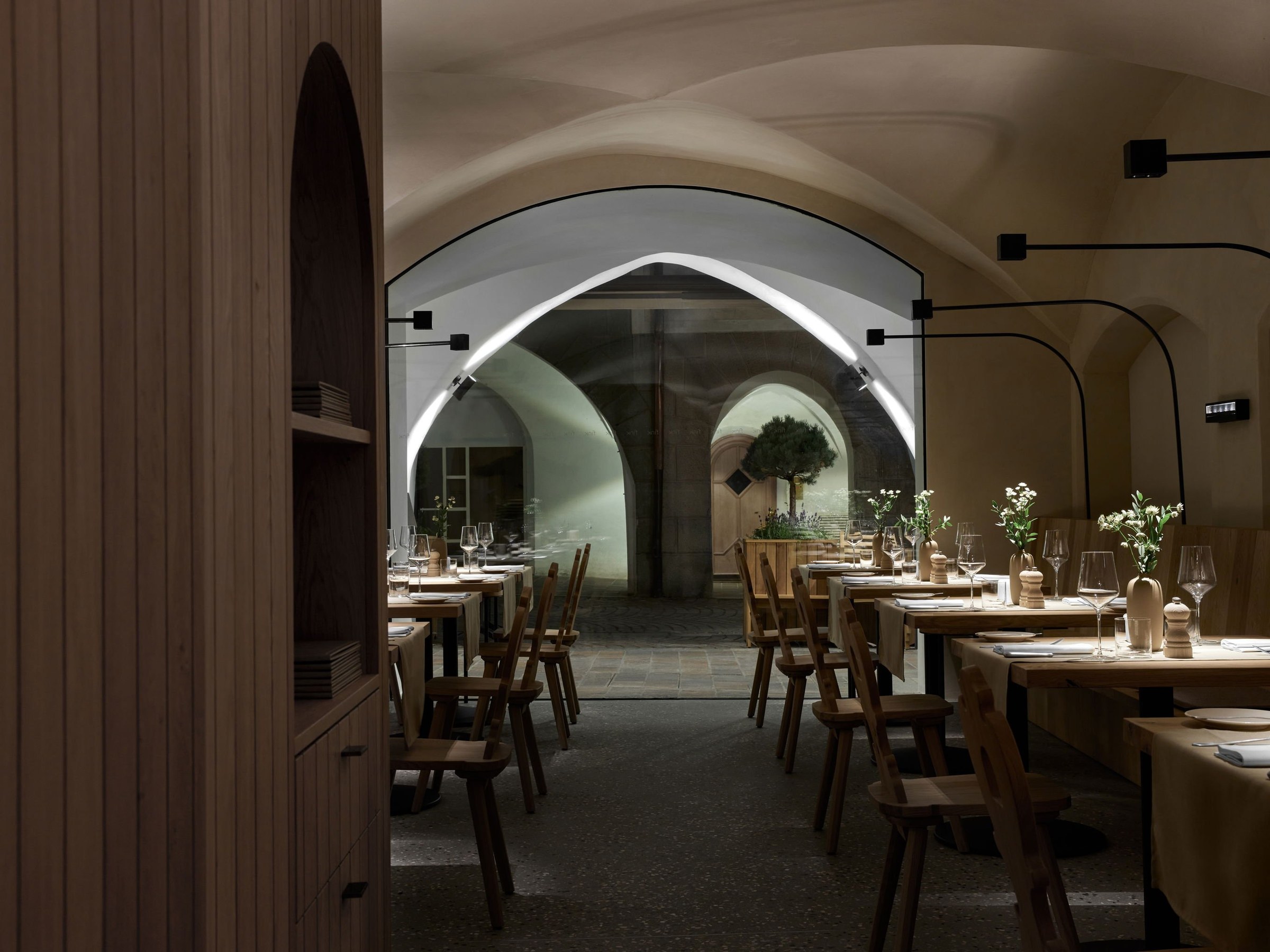
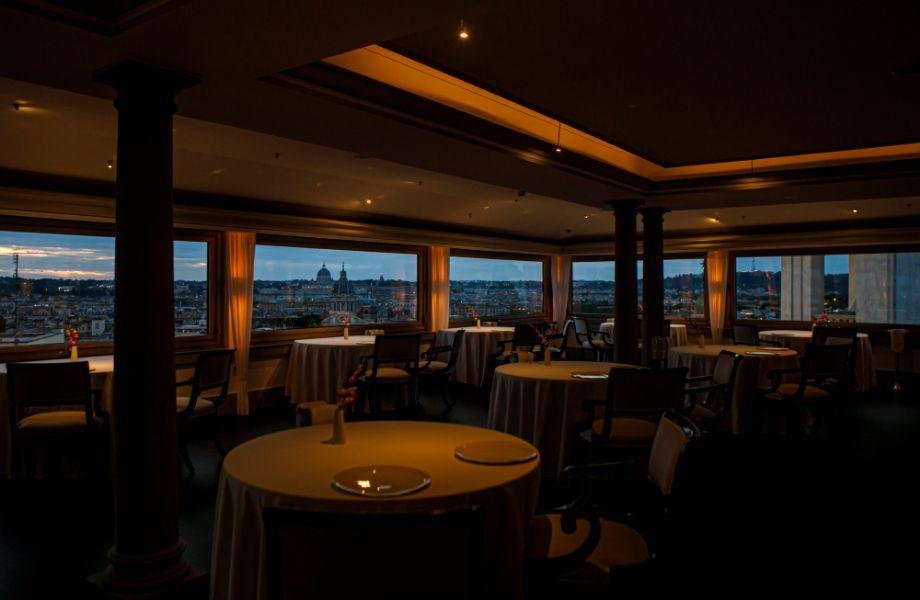
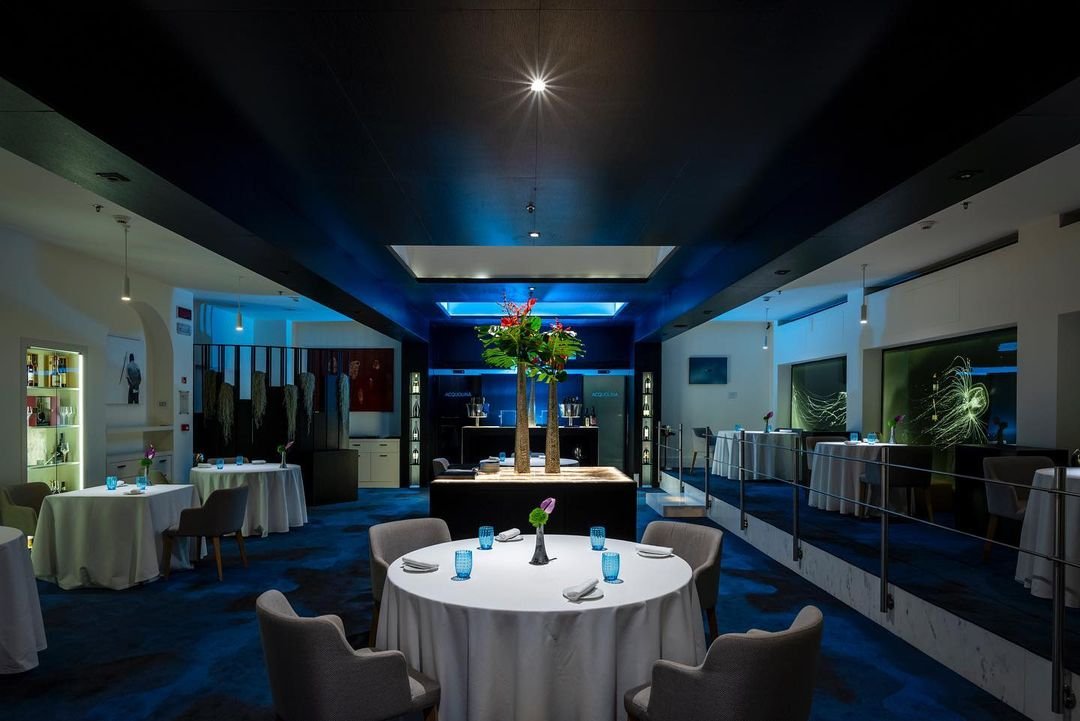
The food-and-drink angle is supported by recognition. Food & Wine placed the hotel at #2 in its 2026 global hotels for food and drink list, which is a useful signal if food and drink are part of the reason to book. For broader planning, use Our full Rome restaurants guide, Our full Rome bars guide, and Our full Rome experiences guide to keep the itinerary tight.
Who should book it, and who should cross-shop instead
Book it if the hotel itself is part of the trip and the group values external recognition. Michelin 2 Keys, Food & Wine's 2026 #2 global hotels for food and drink placement, Prix Versailles World Selection, Condé Nast Hot List Hotels, Travel + Leisure It List Hotels, and Town & Country Hotel Awards together create a strong trust case. The practical reading is simple: this is aimed at guests who want a high-recognition Rome stay. The dress code is smart casual.
Cross-shop if your priorities point toward a different hotel style. Our full Rome hotels guide is the better starting point for a wider sweep, with comparison options such as Argentina Residenza Style Hotel, Hotel Scenario, Martis Palace Hotel Rome, Singer Palace Hotel, and Six Senses Rome depending on the trip style. For a return visit, the stronger move may be to use Orient Express La Minerva as the recognized Rome anchor and keep the rest of the itinerary simple.
Planning details
- Location
- Piazza della Minerva, 69, 00186 Roma RM
- Website
- laminerva.orient-express.com/?goto=fiche_hotel&code_hotel=B914&merchantid=seo-maps-IT-B914&sourceid=aw-cen
- Phone
- +39 06 844299
The take
The Take
The Vibe
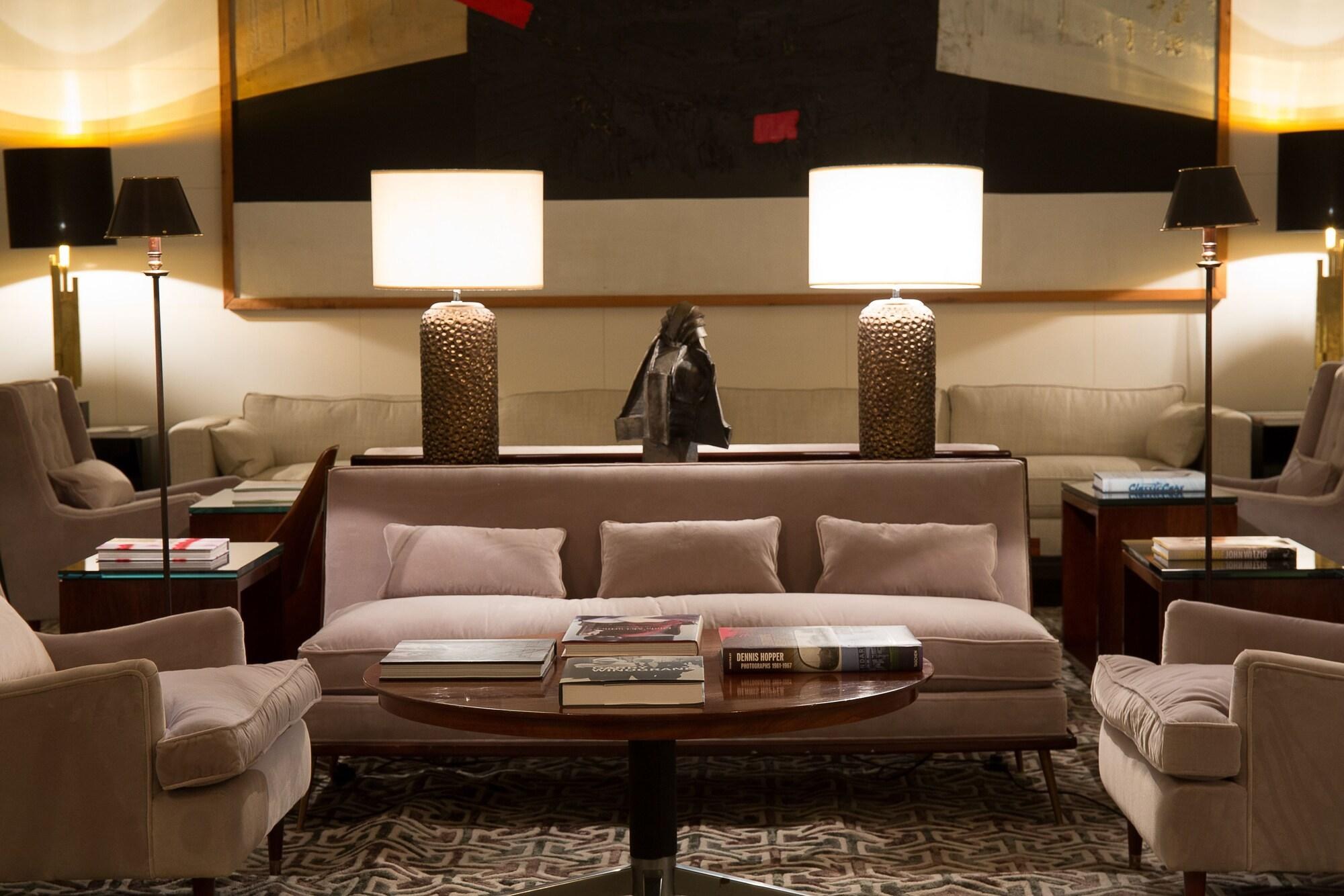
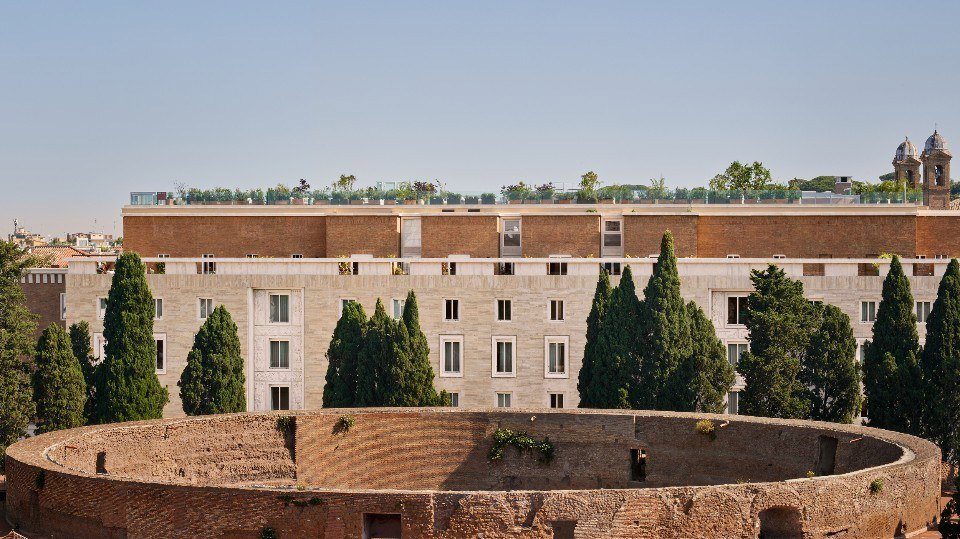
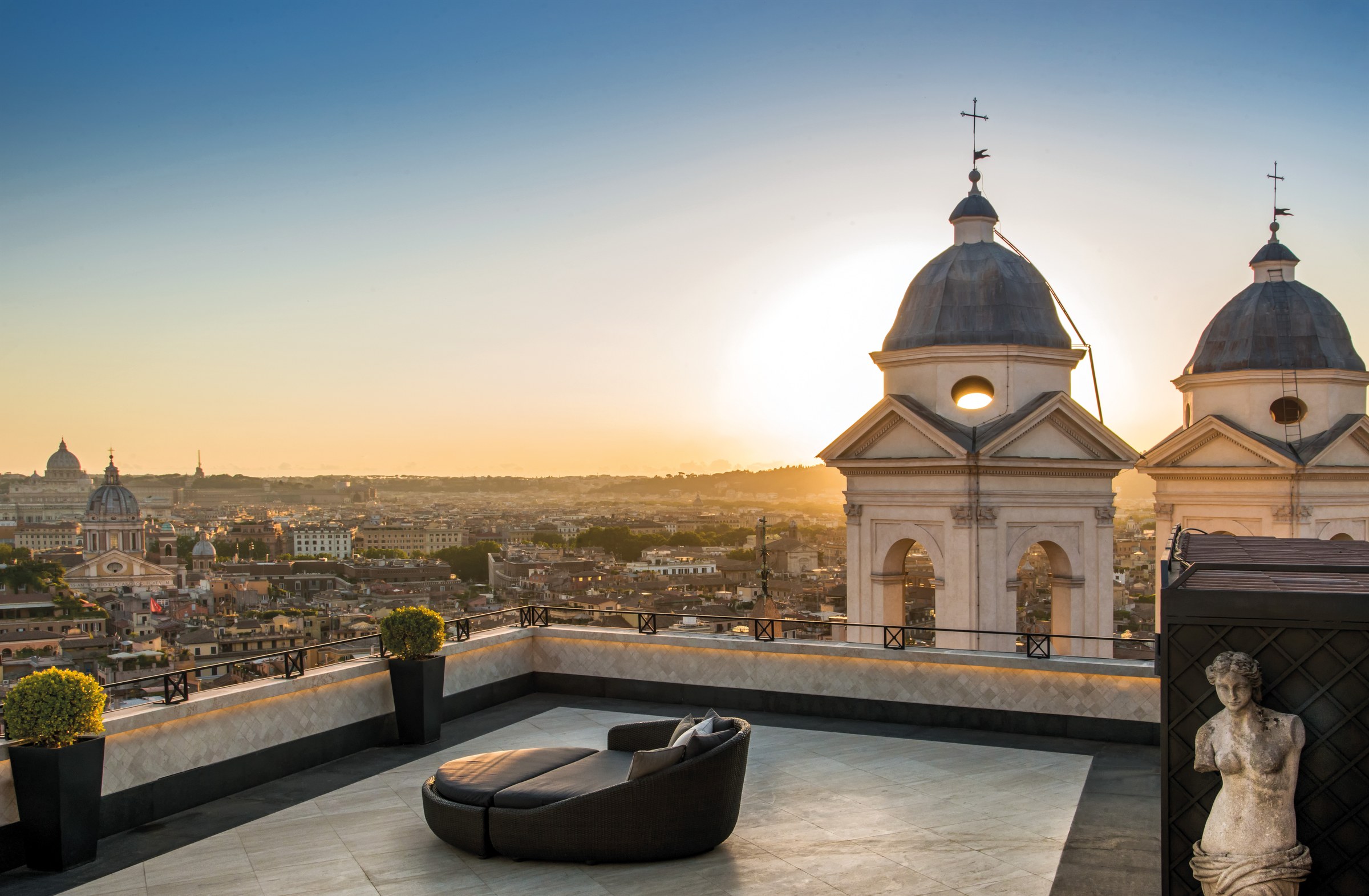
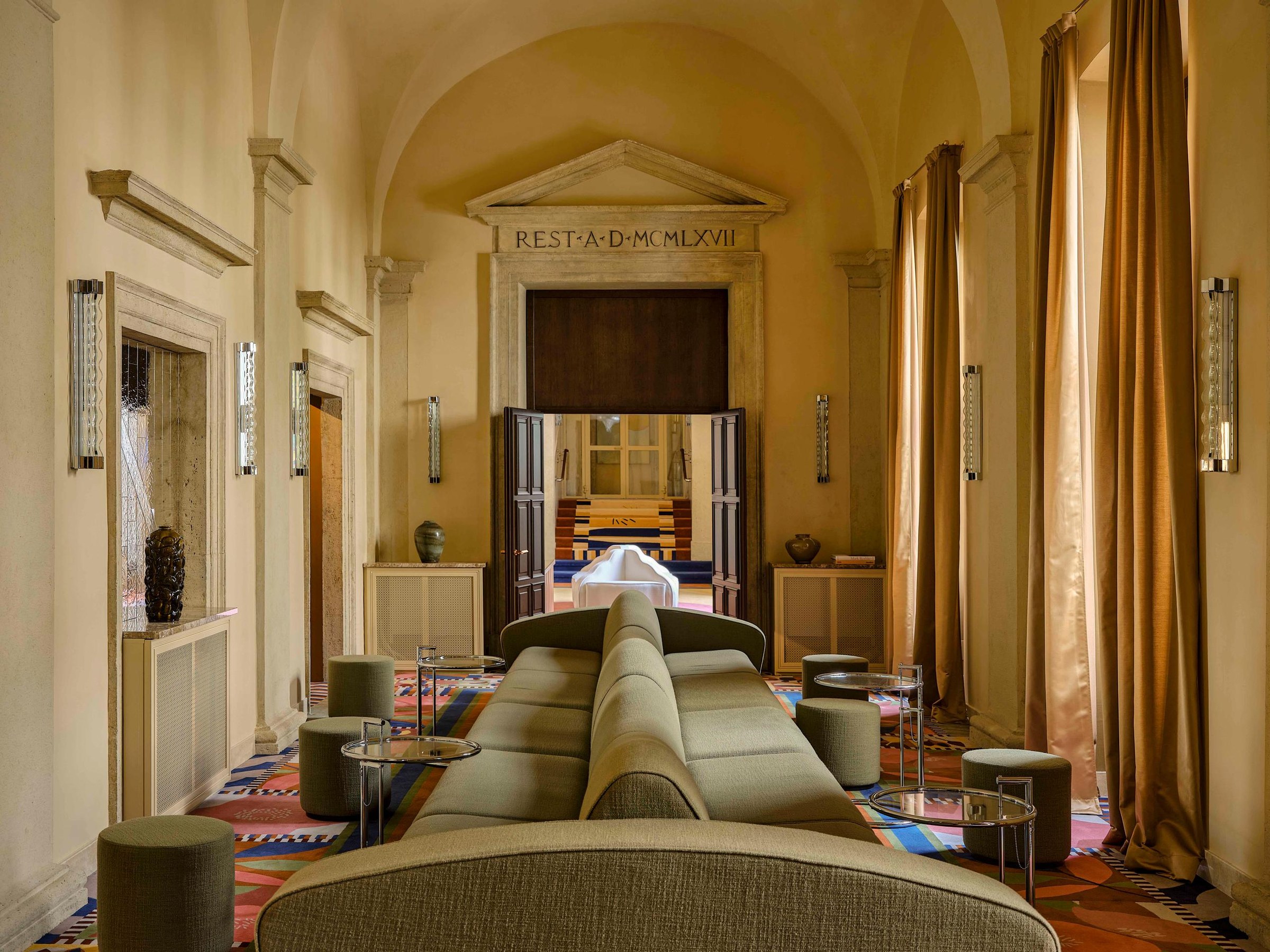
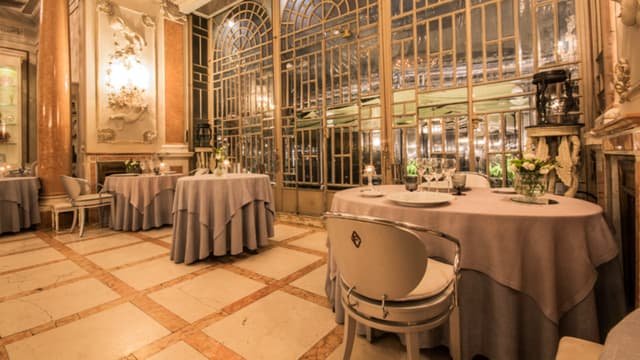
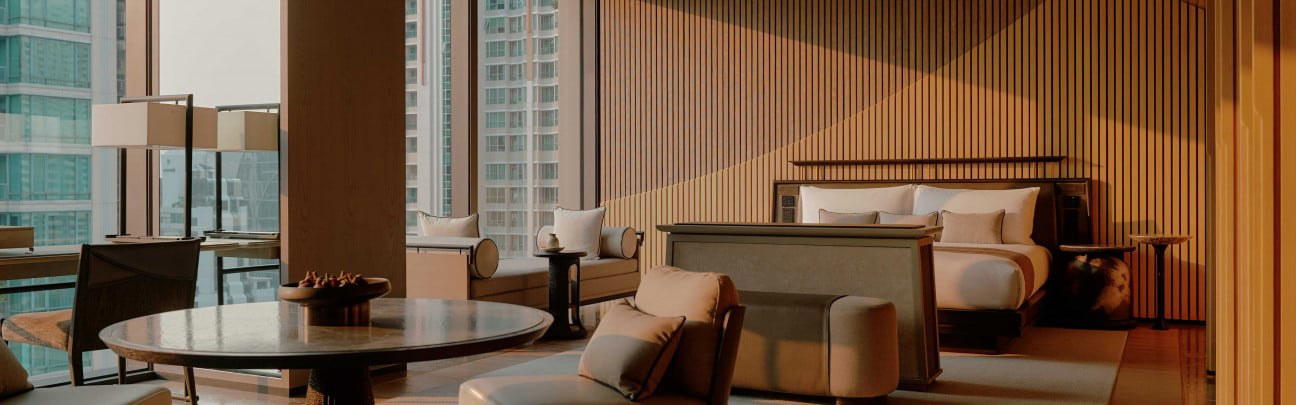
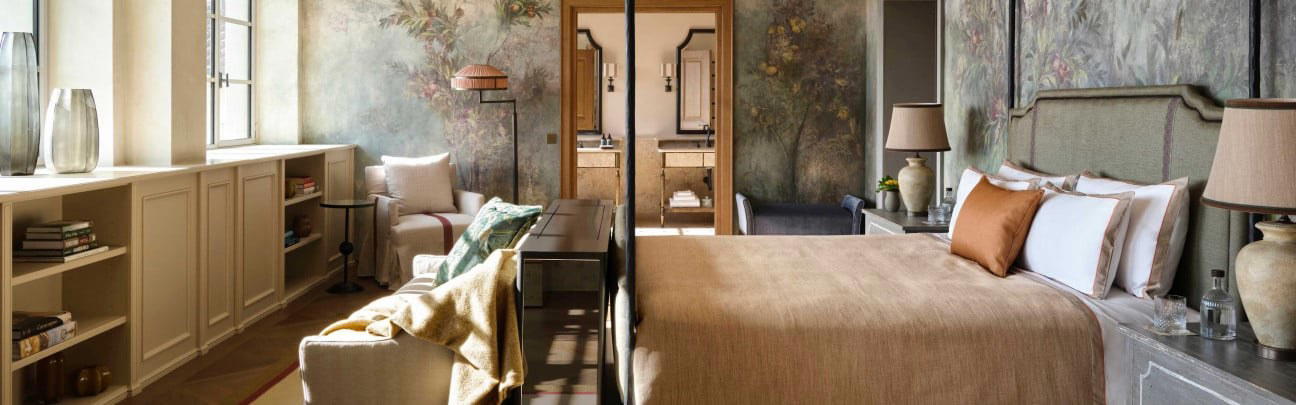
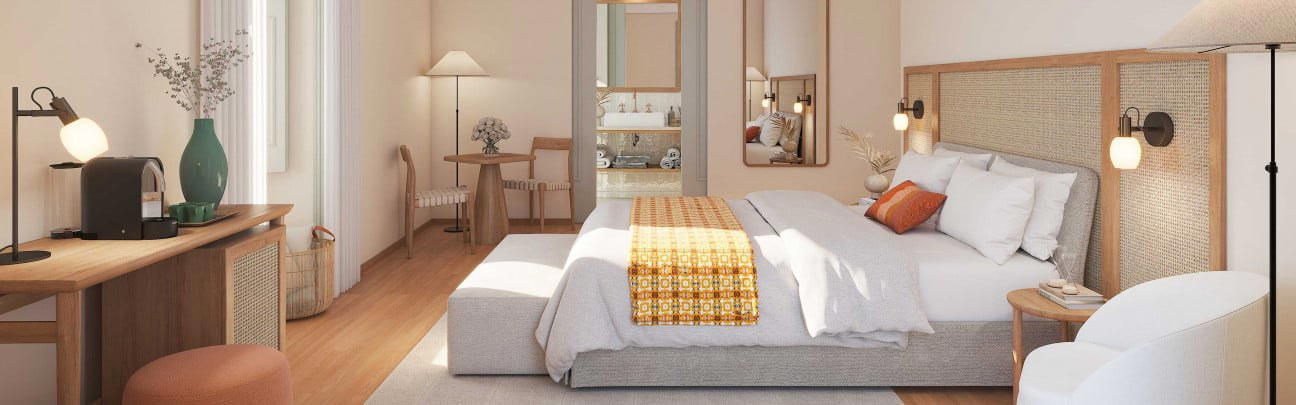
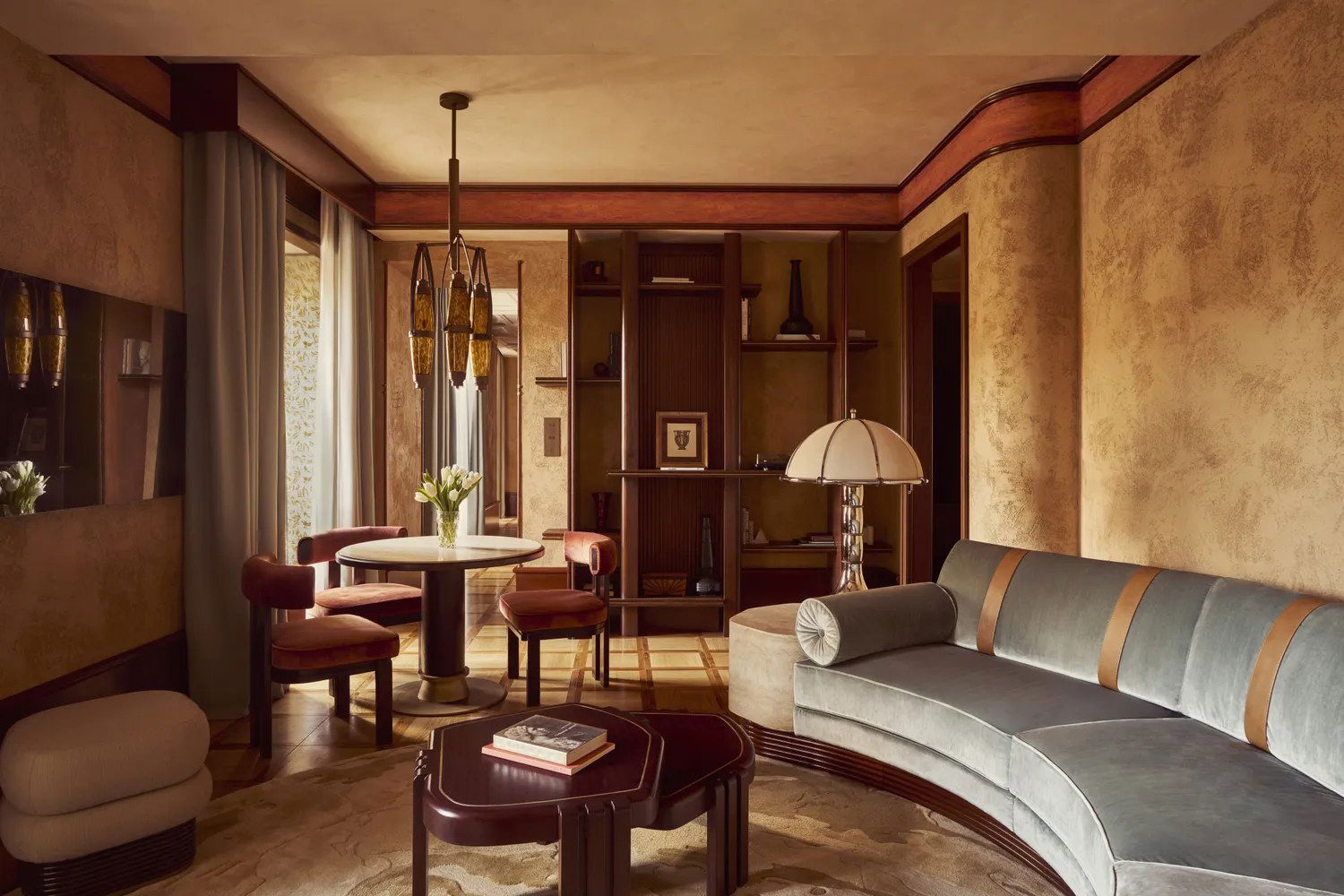
Orient Express La Minerva reads as a hotel where heritage and considered design coexist. Housed in a building dating to 1620 and refreshed by designer Hugo Toro, the property keeps marble statues and Murano chandeliers while layering Art Deco detailing over centuries-old fabric. The hotel's location on Piazza della Minerva places guests at the heart of Rome’s historical circuit — the Pantheon and key civic sites are steps away — so the experience feels anchored in place rather than staged. The Orient Express affiliation amplifies the sense of slow, deliberate luxury, making the hotel feel like a preserved chapter of grand-tour Rome.
Best For
La Minerva suits travelers who prize cultural density and provenance as much as five‑star comforts. History-minded guests and culturally literate travelers appreciate the building’s literary and artistic pedigree, while couples seeking a sumptuous, atmospheric stay find the setting naturally resonant for celebrations. Because the hotel is an Orient Express flagship in Rome’s centro storico, it also works for discerning visitors who want a design-forward, quietly ceremonial base from which to explore the city’s ancient core. Its proximity to key landmarks means sightseeing is effortless; the hotel itself is a principal part of the appeal.
Venue details
Ambiance
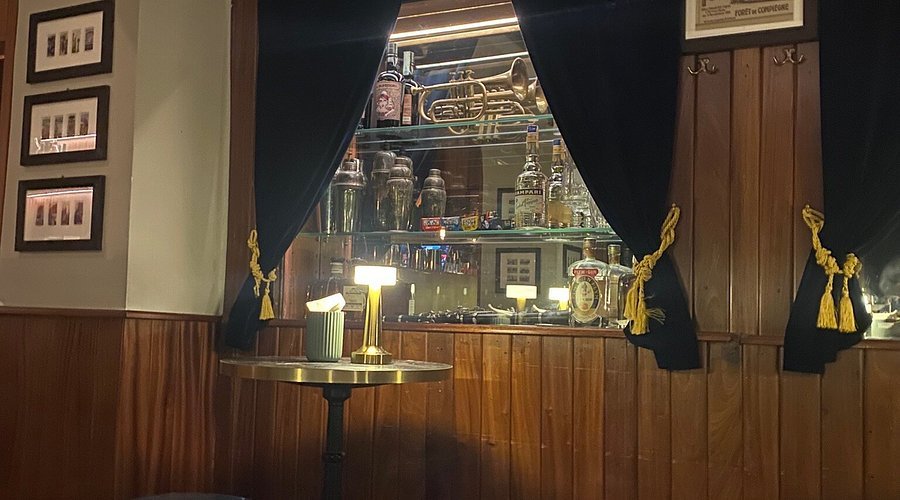
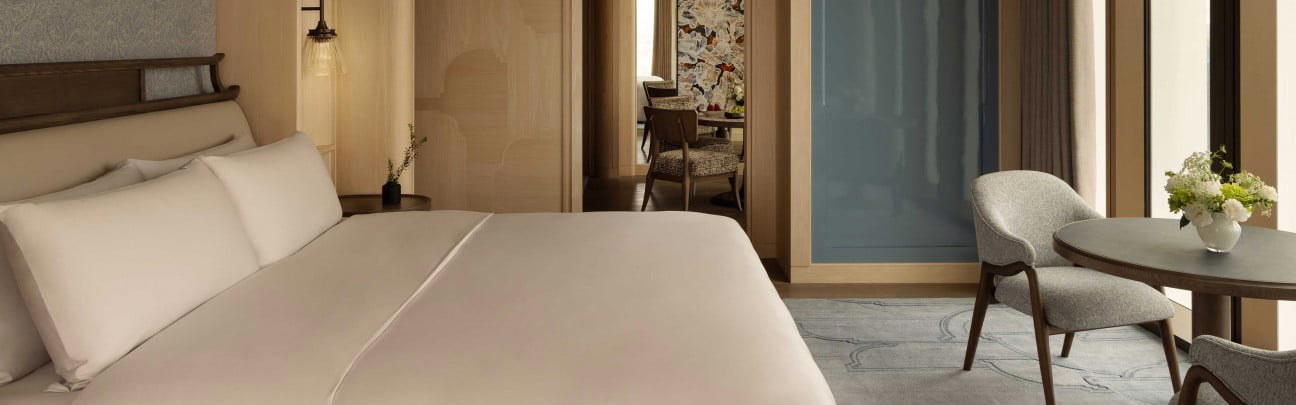
Timeless Art Deco elegance blended with contemporary sophistication, featuring refined lighting and luxurious marble bathrooms.
Tags
Vibe
Best For
Experience
Amenities
View
Accessibility
About the Stay
- Rooms
- 93
- Property Style
- Historic Palace Reimagined with Orient Express Luxury.
- Design Style
- Art Deco with Contemporary Elegance.
Know before you go
Know Before You Go
- Getting there
- Piazza della Minerva, 69, 00186 Roma RM
Planning details
Location
Piazza della Minerva, 69, 00186 Roma RM · Directions
Recognition and awards








Also consider
Also Consider
- Hotel Scenario, Notable alternative
- Argentina Residenza Style Hotel, Notable alternative
- Martis Palace Hotel Rome, Notable alternative
- Singer Palace Hotel, Notable alternative
- Six Senses Rome, Notable alternative
Hotel context
How it compares with central Rome alternatives
Choose Orient Express La Minerva over Hotel Scenario, Argentina Residenza Style Hotel, and Martis Palace Hotel Rome when the hotel is meant to carry part of the trip, not just provide a bed near the sights. The awards profile is much heavier, and the Piazza della Minerva address is hard to beat for travelers who want Rome in compact walking loops. The tradeoff is availability: this is the hardest booking in this set, so families needing multiple rooms should plan early.
Singer Palace Hotel is the cleaner cross-shop for guests who want a polished central stay but may prefer a slightly less high-profile choice. Six Senses Rome is the more direct luxury comparison if wellness, a contemporary feel, and a broader lifestyle-hotel mood matter more than the Orient Express identity and Minerva-side location.
For value, start with Argentina Residenza Style Hotel or Hotel Scenario. For a family trip where convenience, recognition, and on-property dining carry real weight, Orient Express La Minerva is the stronger splurge. For the easiest backup when this is unavailable, Martis Palace Hotel Rome and Singer Palace Hotel are the practical short list.
Around this place
Discover more on Pearl
Unlock the full Orient Express La Minerva guide in Pearl, including awards, comparisons, FAQs, planning details, and nearby places.
Compare Orient Express La Minerva
| Venue | Location | Awards |
|---|---|---|
| Orient Express La Minerva | Rome | 2026 Food & Wine Top 10 Global Hotels for Food and Drink · #22026 World’s 50 Best Hotels 51-100 · #662026 Forbes Soon To Be Rated2026 Virtuoso Luxury Hotel CollectionAFAR 40 Best New Hotels 20262026 Travel + Leisure It List Hotels2026 Conde Nast Traveler Hot List HotelsTown & Country Hotel Awards 2026Hotel World Architecture and Design Award · 2026 |
| Hotel Scenario | Rome | No published awards |
| Argentina Residenza Style Hotel | Rome | No published awards |
| Martis Palace Hotel Rome | Rome | No published awards |
| Singer Palace Hotel | Rome | 2026 Virtuoso Luxury Hotel Collection2025 Michelin 1 Key2024 Michelin 1 Key |
| Six Senses Rome | Rome | 2026 Virtuoso Luxury Hotel Collection2026 Mr & Mrs Smith Luxury Hotels2025 Michelin 1 Key2024 Michelin 1 Key |

How Orient Express La Minerva Rome compares with similar nearby venues.
FAQ
Frequently Asked Questions
How is the dining at Orient Express La Minerva?
Food and drink are one reason to consider the hotel, because Food & Wine ranked it #2 on its 2026 global hotels for food and drink list. That recognition supports the hotel's food-and-drink appeal. If you want a stay where the hotel experience matters as much as the room, this is a stronger play than a generic city base.
Is Orient Express La Minerva family-friendly?
It can still make sense for travelers who value a recognized Rome hotel choice rather than a stay selected for stated family facilities. For a different feel, compare it with Argentina Residenza Style Hotel or Martis Palace Hotel Rome.
Is Orient Express La Minerva good for business travel?
What matters most is its strong external recognition, including Michelin 2 Keys and multiple 2026 hotel recognitions. Six Senses Rome is another Rome option to compare.
How does Orient Express La Minerva compare to other hotels?
Orient Express La Minerva is a strong choice when you want a recognition-led Rome stay. Singer Palace Hotel and Six Senses Rome are natural cross-shops if you want to compare style, while Hotel Scenario and Argentina Residenza Style Hotel may make more sense for a different trip profile. It is the option to consider when the hotel itself is part of the trip.
How is the location of Orient Express La Minerva?
The location is Rome. That matters because the hotel is best understood as a city stay for travelers who want the property to anchor their time in Rome. If location within Rome is your priority, confirm the exact address directly before booking.
Which room category is best at Orient Express La Minerva?
Choose based on your own budget, party size, and how much time you expect to spend at the hotel. If you are treating the stay as a recognition-led booking, it is worth comparing room types directly with the hotel before booking. For a short trip, prioritize the category that best fits your practical needs rather than assuming a specific upgrade is necessary.