




Portrait Roma
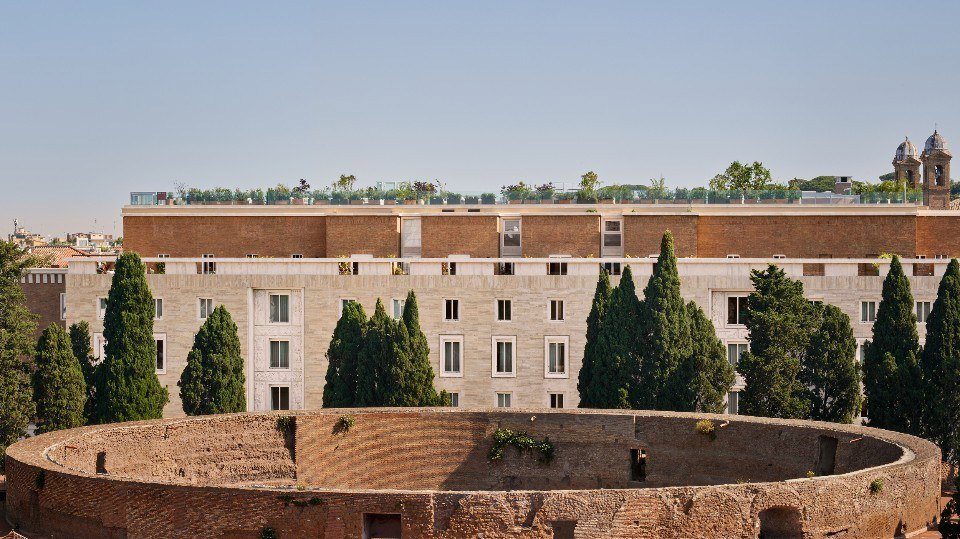
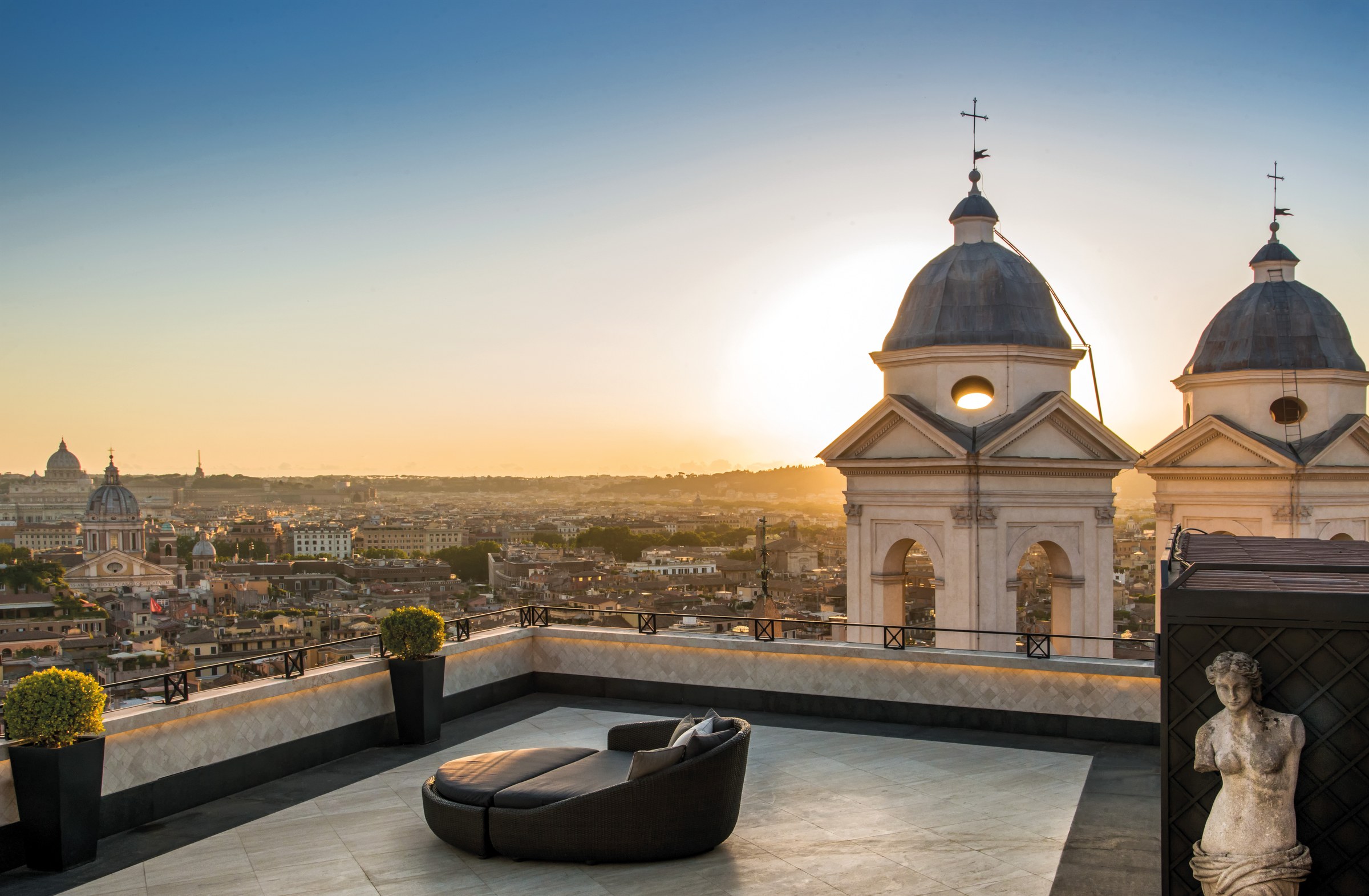
Campo Marzio, Rome
Hotel in Rome, Italy
 Book with Pearl
The Read
Fashion-Quarter Vertical Living
Why go
Portrait Roma is a hotel on Via Bocca di Leone in Rome.
About Portrait Roma
Should you stay at Portrait Roma? Yes if you want a Rome hotel with recognized luxury credentials and are comfortable choosing on credentials rather than a long list of published amenity details. The smarter question is not whether the hotel has third-party validation, but whether that validation matters enough for your trip compared with another Rome stay.
Portrait Roma is best read as a Rome hotel with a strong recognition profile. The signals include Michelin 1 Key recognition, Leading Hotels of the World membership, La Liste Top Hotels recognition, Forbes 4-Star recognition, Virtuoso Luxury Hotel Partner status, and the Mr & Mrs Smith Seal of Approval. Its listed dress code is smart casual.
Choose it for luxury recognition in Rome
The strongest reason to choose this hotel is the external validation. For a first Rome trip, a milestone stay, or a short visit where the booking needs to feel dependable, those third-party signals can be useful when comparing hotels.
Portrait Roma sits in a competitive Rome hotel set. Crossing Condotti and Mario de Fiori 37 Boutique Hotel are worth comparing if you want other Rome options. Hotel d'Inghilterra and Hotel d'Inghilterra - Starhotels Collezione also make sense to review when weighing alternatives. The Inn At The Spanish Steps is another Rome option to consider when comparing Portrait Roma with other stays.
For a broader scan before committing, use our full Rome hotels guide. If the trip is being built around meals, cross-check the hotel choice against our full Rome restaurants guide and our full Rome bars guide, because the best hotel choice depends on how the rest of the trip is planned.
Who should choose it, and who should not
Choose it if this is a milestone Rome stay, a first visit, or a trip where hotel recognition matters. The hotel's recognition from Michelin, Forbes, Virtuoso, Leading Hotels of the World, La Liste, and Mr & Mrs Smith gives it third-party validation, which can be useful when expectations are high.
Skip it if the room is mainly a place to sleep and you do not need those recognition signals. Rome has many hotel options, and the trade-off is often between choosing a more credentialed stay and choosing a simpler base.
Booking should be treated thoughtfully. The practical move is to decide early whether the trip calls for a hotel with a strong recognition profile or simply a Rome address. If the answer is recognized credentials, Portrait Roma is a strong short-list choice. If the answer is only a room for sleeping, compare more broadly before committing.
Planning details
- Location
- V. Bocca di Leone, 23, 00187 Roma RM
- Website
- lungarnocollection.com/portrait-roma
- Phone
- +39 06 6938 0742
The take
The Take
The Vibe
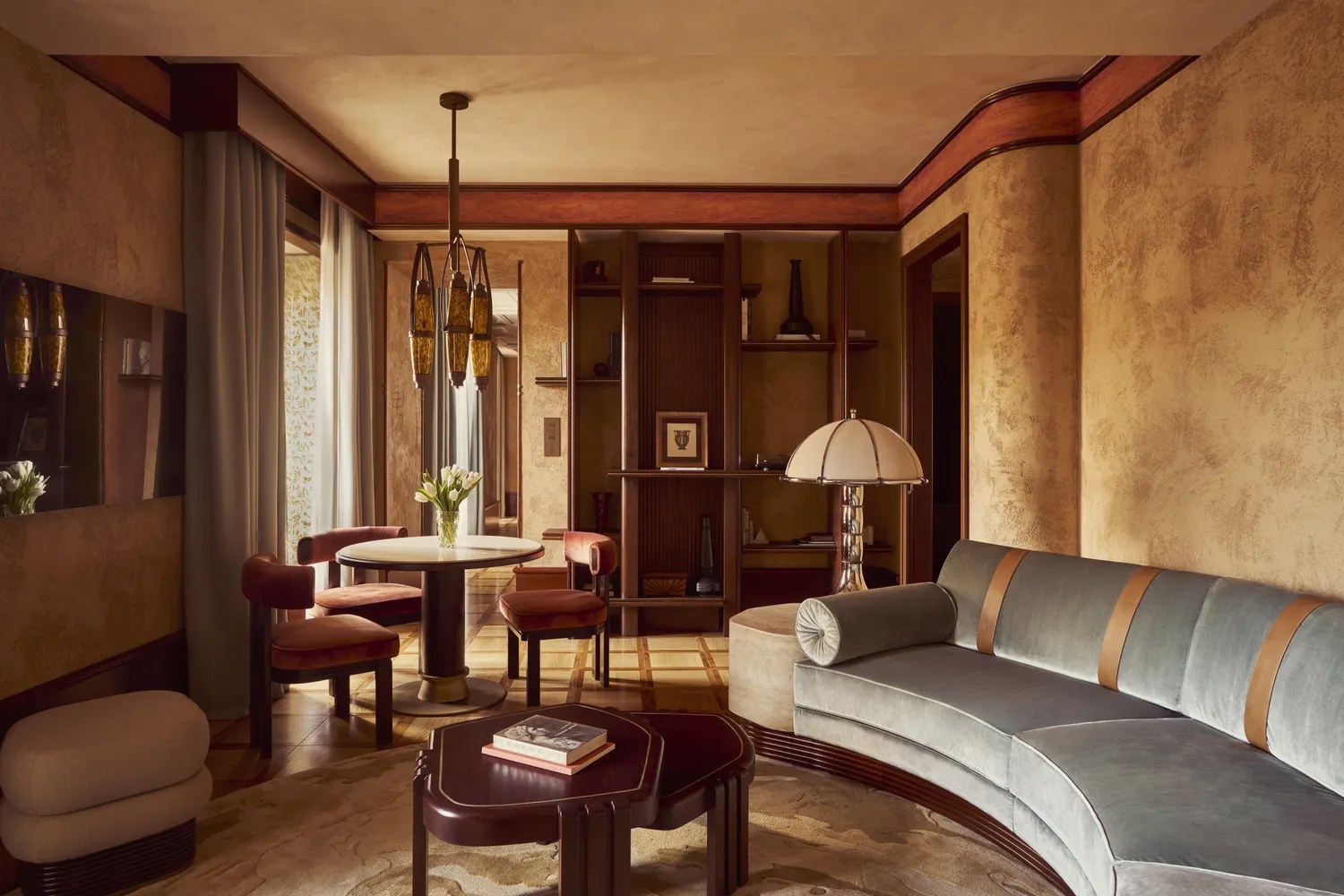
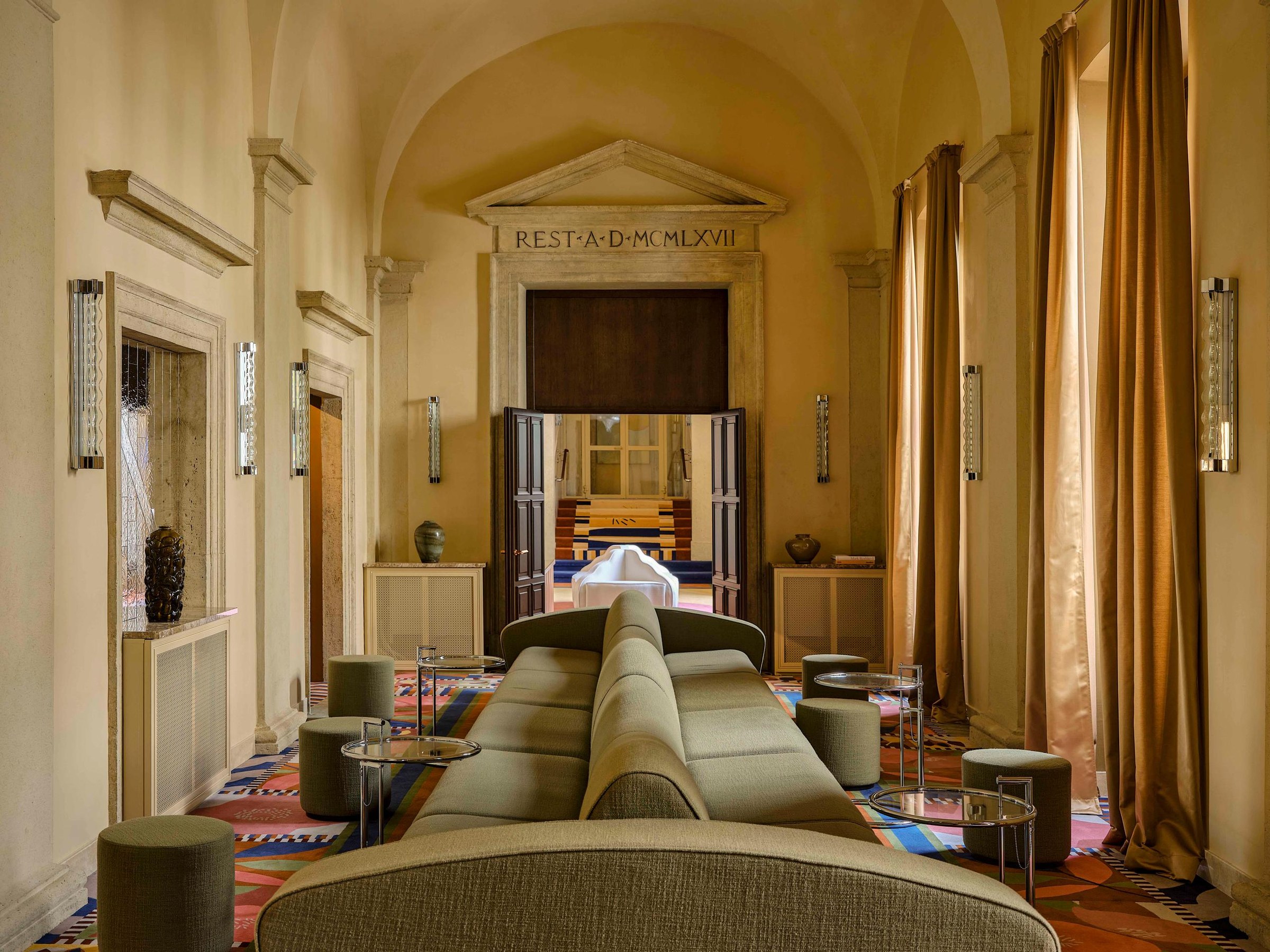
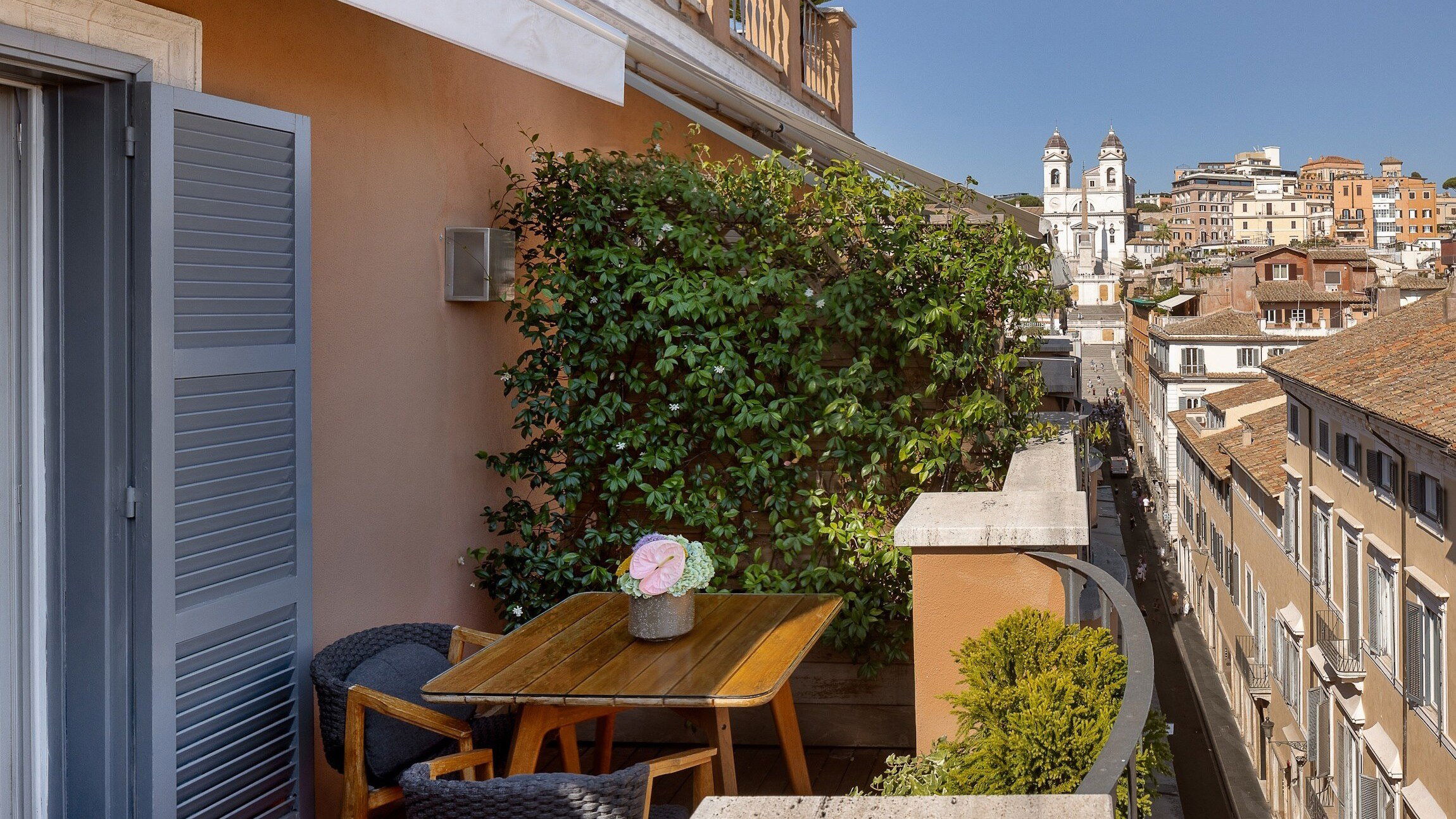
Portrait Roma reads like a private Roman apartment where fashion pedigree and residential restraint converge. Housed in a 19th-century townhouse above the Salvatore Ferragamo men’s store on Via Condotti, the property leans into a design-led, small-scale luxury: just 14 suites deliver an intimate, apartment-like pace rather than the theater of a grand palace. The Lungarno Collection ownership and Ferragamo connection surface in a quietly curated aesthetic, so the stay feels personal and tailored. Awards such as a Michelin Key and La Liste recognition reinforce a high level of polish without sacrificing that domestic, boutique sensibility.
Best For
Portrait Roma is best for couples and travelers seeking a highly curated, intimate luxury stay in the heart of Rome’s high-end shopping district. Its 14-suite scale and residential approach suit romantic getaways, honeymoons and anniversary stays where privacy and refinement matter more than large-hotel amenities. The address above Ferragamo on Via Condotti makes it a natural base for fashion-minded visitors who value proximity to flagship stores and central sightseeing. At this level of awards and membership, guests can expect meticulous service and a quietly exclusive atmosphere.
Stay Tips
The hotel’s small inventory and premium positioning make advance planning essential. Portrait Roma operates with only 14 suites and publishes a nightly rate in the source material (approximately $1,481), so book early to secure preferred dates and specific suite choices. Rely on direct booking channels or the Lungarno Collection to confirm availability and any package offerings tied to awards or memberships. Given the property’s intimate scale and central Via Condotti location, travelers expecting a residential, high-touch experience should reserve well ahead of peak travel periods.
Venue details
Ambiance
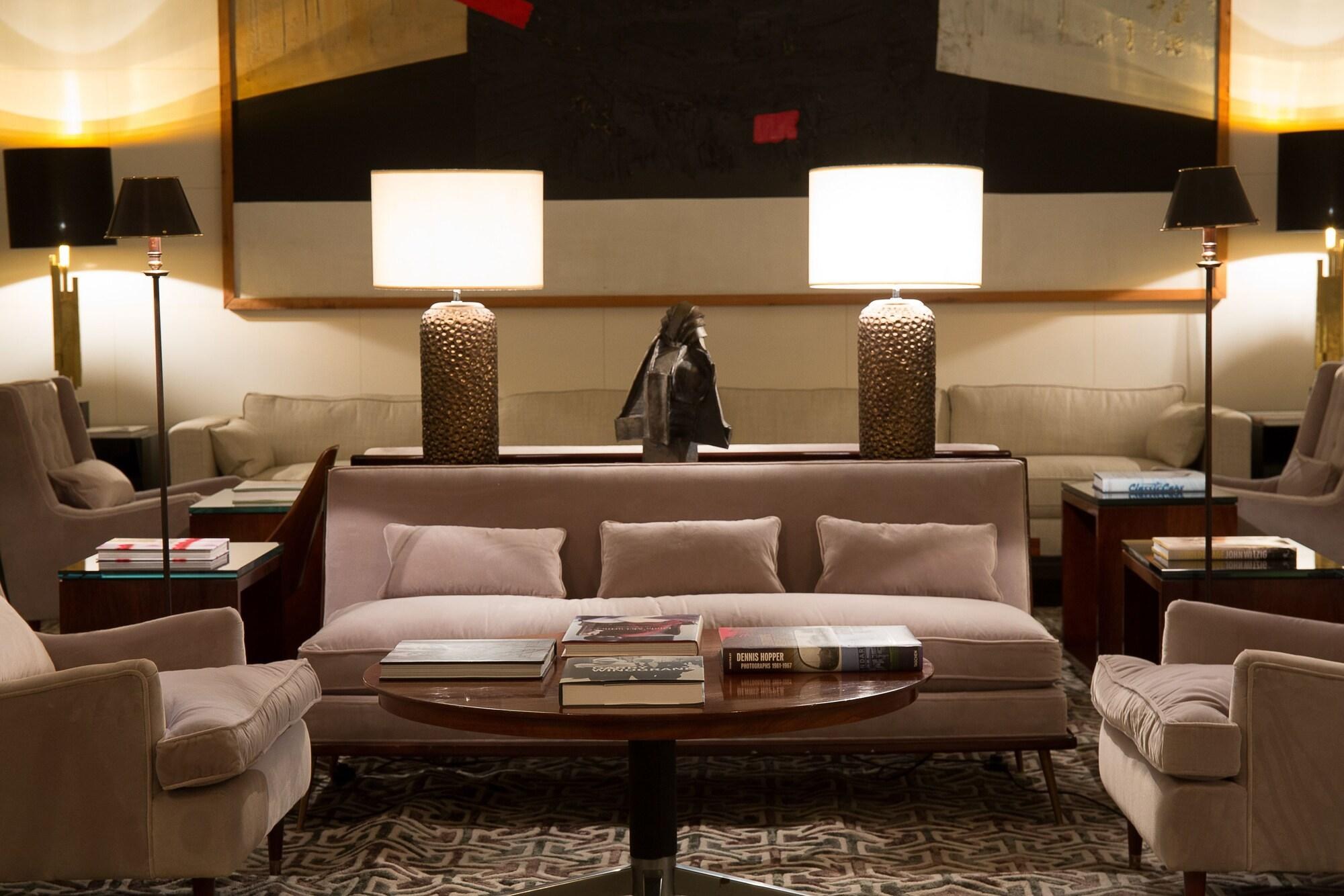
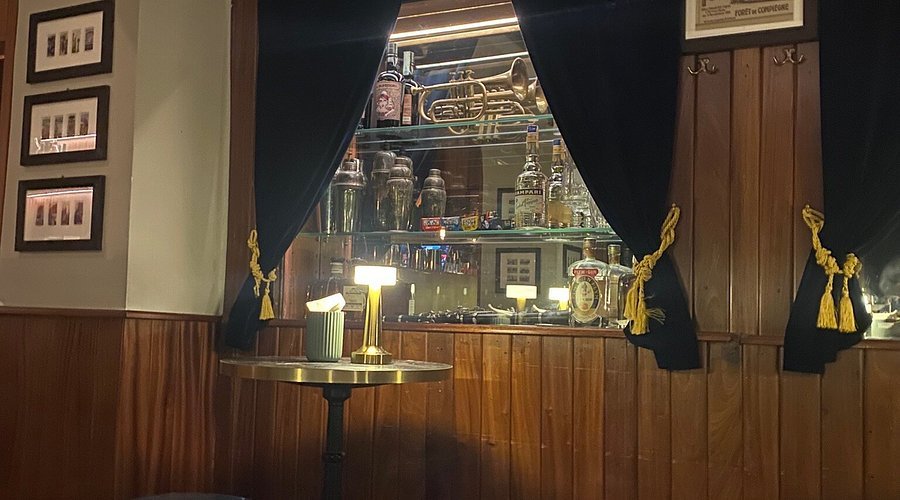
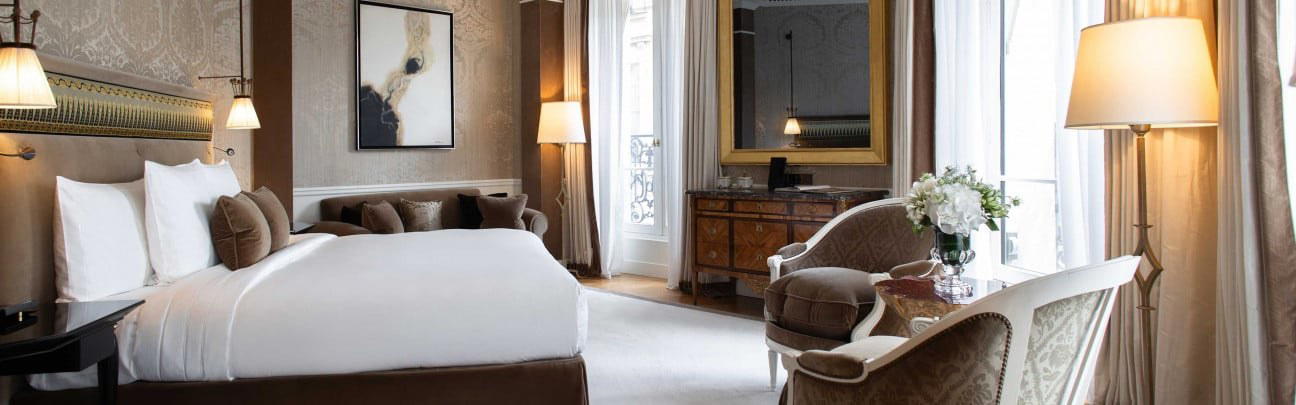
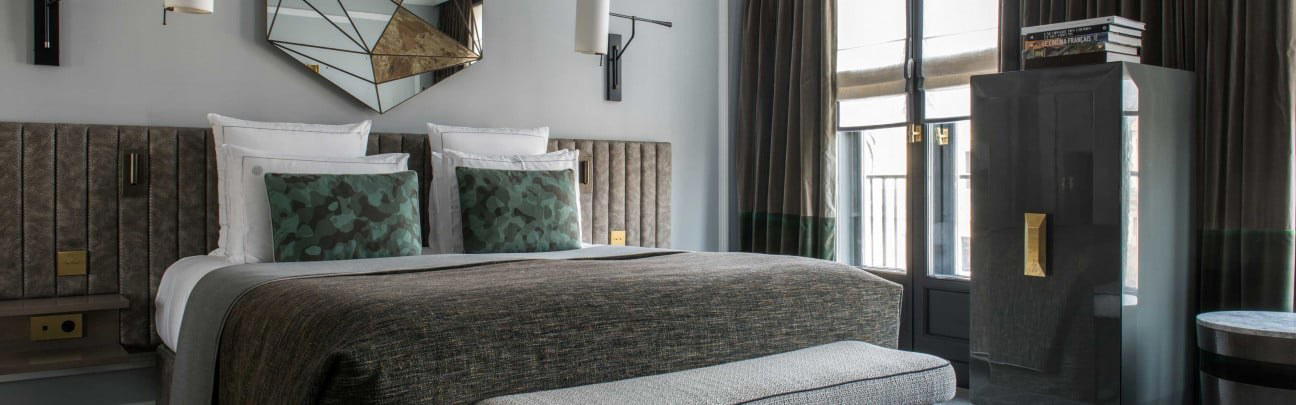
Elegant and intimate atmosphere with subtle gray and white color schemes, abundant leather, dark wood, luxurious soft furnishings, and a warm, homely feel.
Tags
Vibe
Best For
Experience
Amenities
View
Accessibility
About the Stay
- Rooms
- 14
- Property Style
- 5 Star Luxury Boutique Hotel Offering Private Mansion Experience with Tailored Suites.
- Design Style
- Opulent Design Featuring Ferragamo Decorations, Lofty Ceilings, Gray and White Color Scheme, Leather, Dark Wood, and Marble Bathrooms.
Know before you go
Know Before You Go
- Getting there
- V. Bocca di Leone, 23, 00187 Roma RM
Planning details
Location
V. Bocca di Leone, 23, 00187 Roma RM · Directions




Also consider
Also Consider
- Crossing Condotti, Notable alternative
- Hotel d'Inghilterra, Notable alternative
- Hotel d'Inghilterra - Starhotels Collezione, Notable alternative
- The Inn At The Spanish Steps, Notable alternative
- Mario de Fiori 37 Boutique Hotel, Notable alternative
Hotel context
How It Compares
Choose Portrait Roma over Crossing Condotti or Mario de Fiori 37 Boutique Hotel if service depth and luxury validation matter more than keeping the stay lean. Those peers make more sense for travelers who mainly want a central Rome base and do not need the same level of hotel-team support around the trip.
Hotel d'Inghilterra and Hotel d'Inghilterra - Starhotels Collezione are better cross-shops for guests who like a classic hotel atmosphere. Portrait Roma is the stronger fit for a more tailored, service-forward stay; the trade-off is that booking can be harder and the value case depends on how much help you want from the hotel team.
The Inn At The Spanish Steps is the practical fallback if proximity to the Spanish Steps is the main priority. For a milestone stay, Portrait Roma is the higher-confidence choice. For a trip where the room is secondary to sightseeing, the nearby peers may deliver enough convenience with less pressure on the budget.
Around this place
Discover more on Pearl
Unlock the full Portrait Roma guide in Pearl, including awards, comparisons, FAQs, planning details, and nearby places.
Compare Portrait Roma
| Venue | Location | Awards |
|---|---|---|
| Portrait Roma | Rome | 2026 Virtuoso Luxury Hotel Collection2026 Forbes 4-Star2026 Mr & Mrs Smith Luxury HotelsLeading Hotels of the World 20262026 La Liste Top HotelsMichelin 1 Key 20252025 Michelin 1 Key2024 Michelin 1 Key |
| Crossing Condotti | Rome | No published awards |
| Hotel d'Inghilterra | Rome | 2026 Virtuoso Luxury Hotel Collection2026 Forbes 4-Star2025 Michelin Selected HotelsSmall Luxury Hotels Member 2025 |
| Hotel d'Inghilterra - Starhotels Collezione | Rome | No published awards |
| The Inn At The Spanish Steps | Rome | No published awards |
| Mario de Fiori 37 Boutique Hotel | Rome | No published awards |


How Portrait Roma compares with similar nearby venues.
FAQ
Frequently Asked Questions
How is the dining at Portrait Roma?
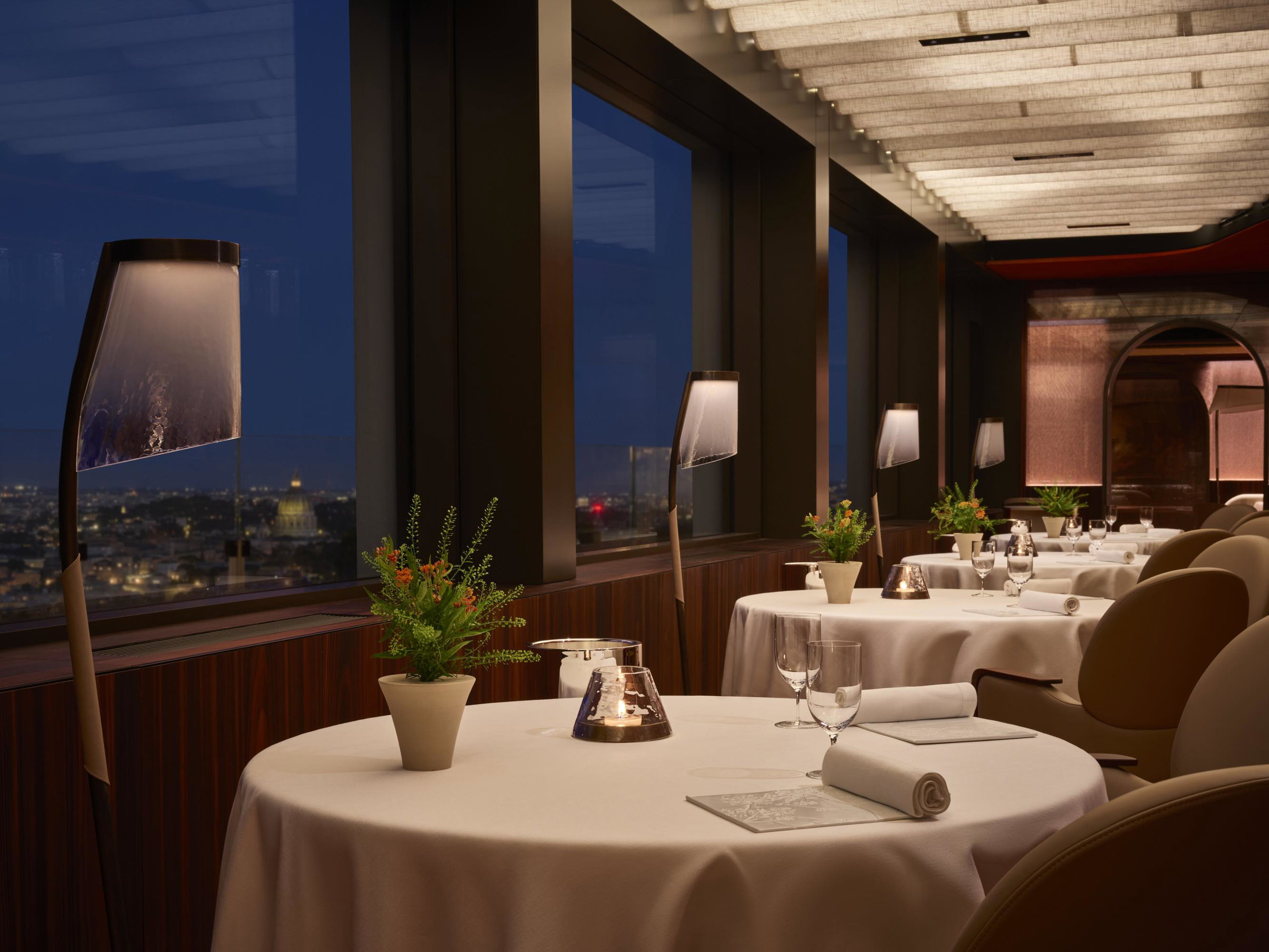
Do not treat Portrait Roma as a dining-first booking. The clearer basis for booking is its Rome location and hotel credentials rather than a specific dining claim.
Do loyalty programs work at Portrait Roma?
Portrait Roma is listed as a Virtuoso Luxury Hotel Partner and a Leading Hotels of the World Member. If you use those channels, check the current booking terms directly before reserving.