




Palazzo Talìa
Colonna, Rome
Hotel in Rome, Italy
 Book with Pearl
The Read
Cinematic Palazzo Conversion
Why go
Palazzo Talìa is a hotel on Via del Nazareno in Rome.
About Palazzo Talìa
Palazzo Talìa is a Rome hotel with third-party recognition for travelers who want a vetted stay rather than choosing only by photographs or booking-site copy. The strongest grounded reason to consider it is its confirmed recognition: Michelin awarded Palazzo Talìa 2 Keys in 2025, and it has also been recognized by Tablet Hotels for Best New Hotel Designs in Europe, AFAR as a Best New Hotels pick, Small Luxury Hotels of the World, and Mr & Mrs Smith.
While recognized for its quality, travelers should always confirm practical details like room sizes, inclusions, service format, dining specifics, and pricing directly with the hotel before committing.
Choose the room tier for a confirmed fit, not assumptions
Room-category strategy should be conservative. Since detailed room sizes or inclusions may not always be readily available, it's safer to avoid stretching for a higher tier unless the booking flow clearly shows a meaningful gain, such as more space, a preferred layout, or another clearly stated benefit. Treat the award profile as a reason to shortlist Palazzo Talìa, not as a substitute for checking the exact room details.
This is especially relevant for travelers comparing several Rome stays. Palazzo Talìa makes the most sense when its recognition is central to the decision. It is less clear as a fit if the priority is a specific room size, a particular service feature, or the lowest available rate, as these details are best confirmed directly with the hotel.
Who should book it, and who should cross-shop
Book Palazzo Talìa if the hotel itself is part of the trip and you want a Rome stay with confirmed hotel recognition. Cross-shop more aggressively if value, a specific stay style, or a simpler base matters more. CasaCau, Maalot Roma, and Daphne - Rome Boutique B & B are other Rome options to consider depending on the kind of trip you are planning.
For a broader hotel search, use Our full Rome hotels guide. For the rest of the trip, also see Our full Rome restaurants guide, Our full Rome bars guide, Our full Rome wineries guide, and Our full Rome experiences guide.
For travelers comparing beyond Palazzo Talìa, keep the shortlist grounded in these facts: the hotel is in Rome, the dress code is smart casual, and recognition includes Michelin 2 Keys, Tablet Hotels, AFAR, Small Luxury Hotels of the World, and Mr & Mrs Smith.
Quick reference: consider Palazzo Talìa for a recognized Rome hotel stay, choose the room tier by clearly shown booking details, and cross-shop if value or a specific room feature matters more than awards recognition.
Planning details
- Location
- Via del Nazareno, 25, 00187 Roma RM
- Website
- palazzotalia.com
- Phone
- +39 06 692521
The take
The Take
The Vibe
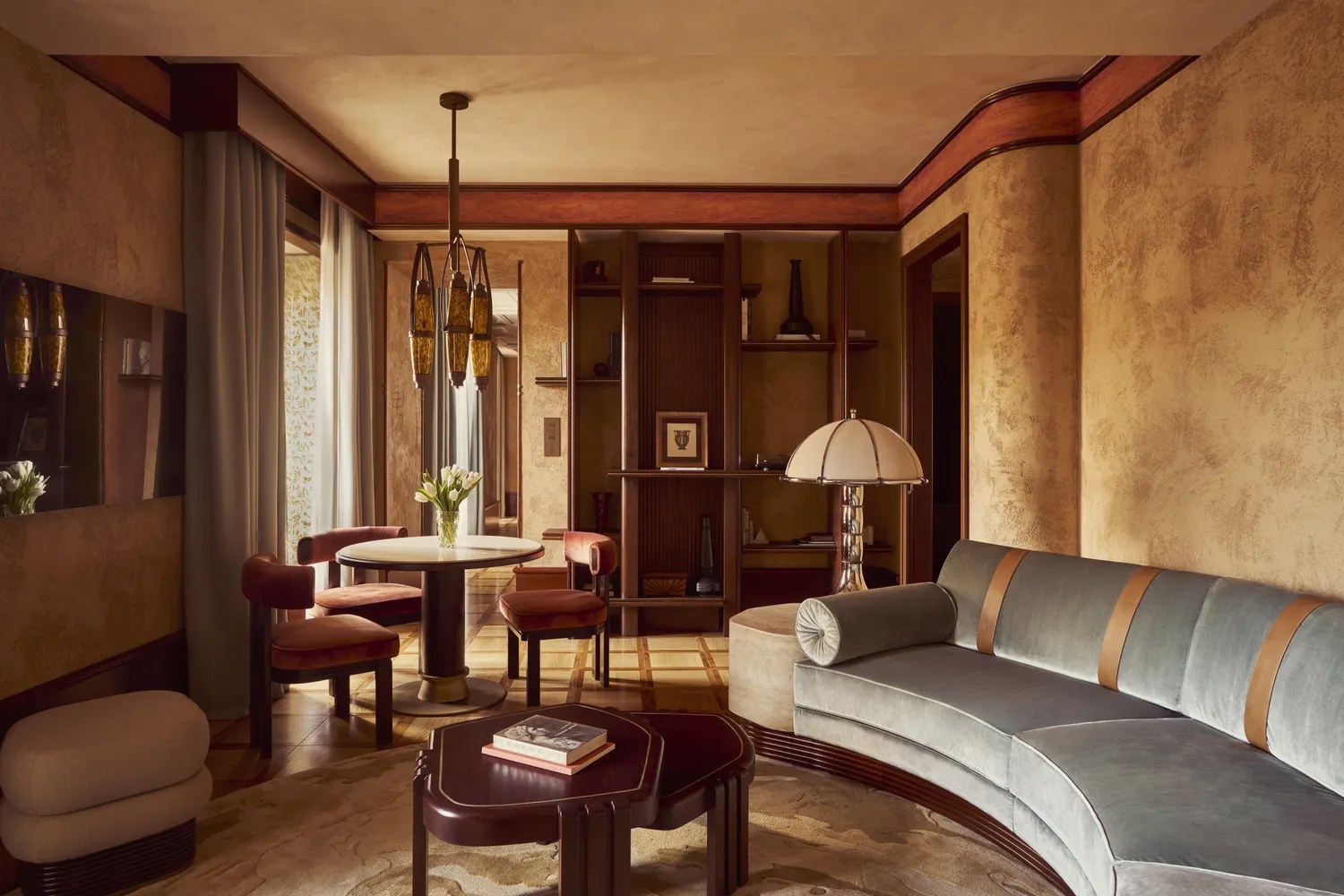
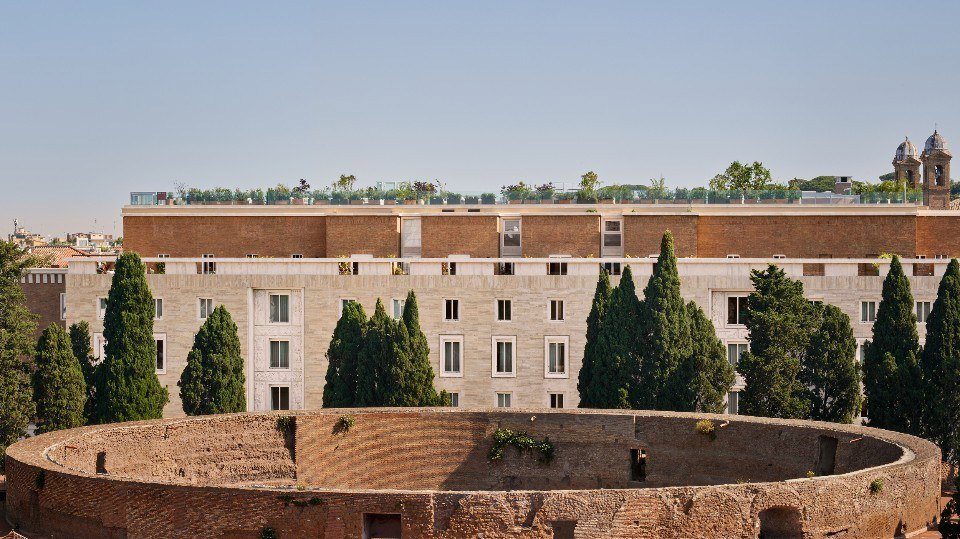
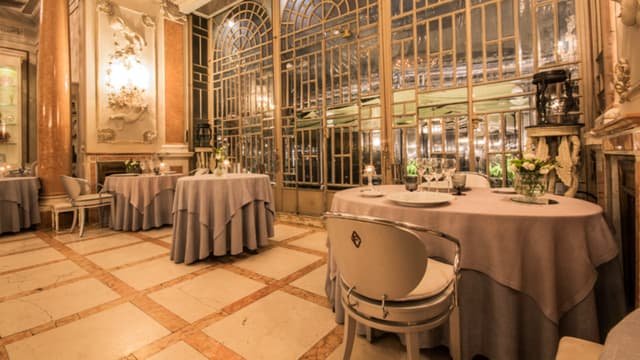
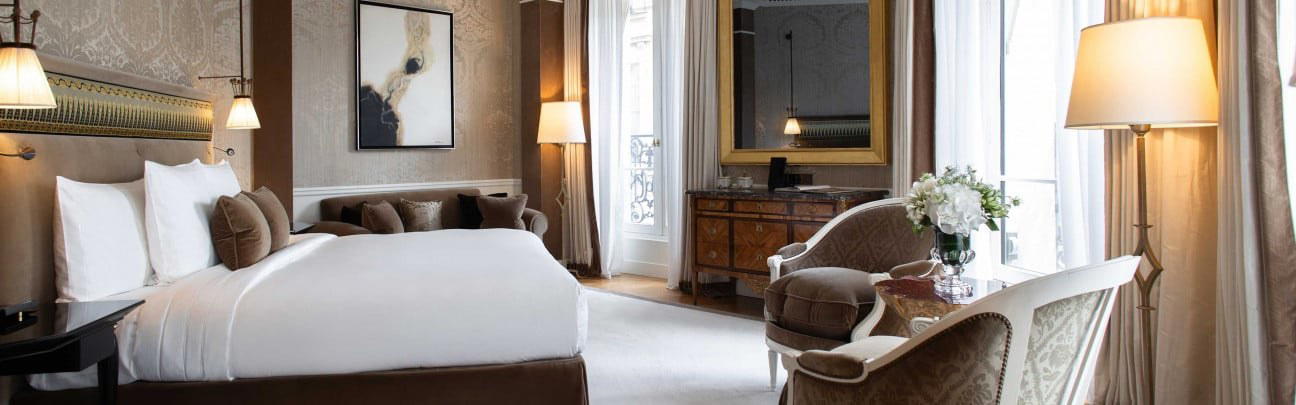
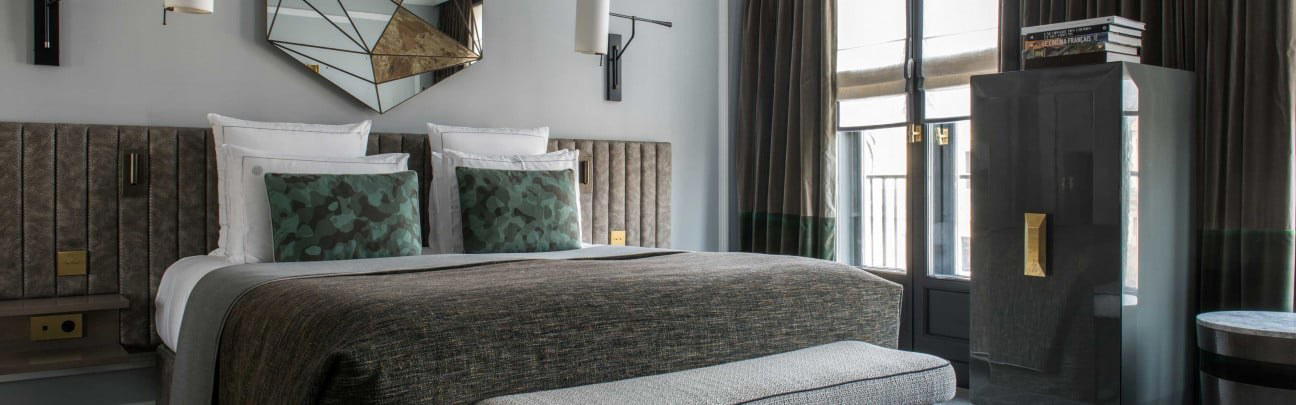
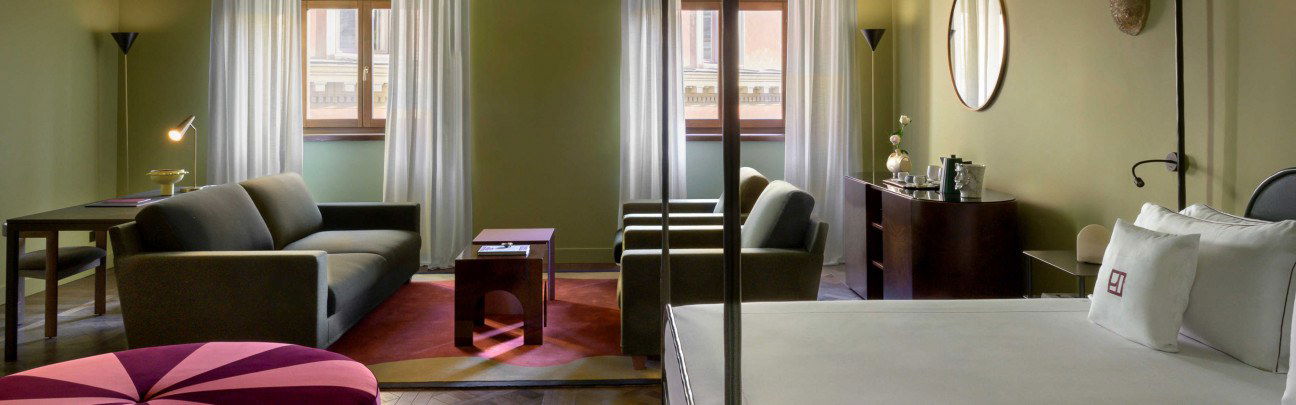
Palazzo Talìa reads as a contemporary, design-forward insertion into a genuine sixteenth-century palazzo. The hotel favors an edited conversion over period reproduction: original architectural bones coexist with contemporary furnishings, custom furniture and curated artworks so that each room reads as its own design statement. With just 26 rooms the property feels intimate and purposeful rather than theatrical, and the director Luca Guadagnino’s involvement gives the place an authorial stamp that separates it from typical five‑star palazzo restorations. It presents a restrained, modern take on Rome’s baroque context rather than a gilded pastiche.
Best For
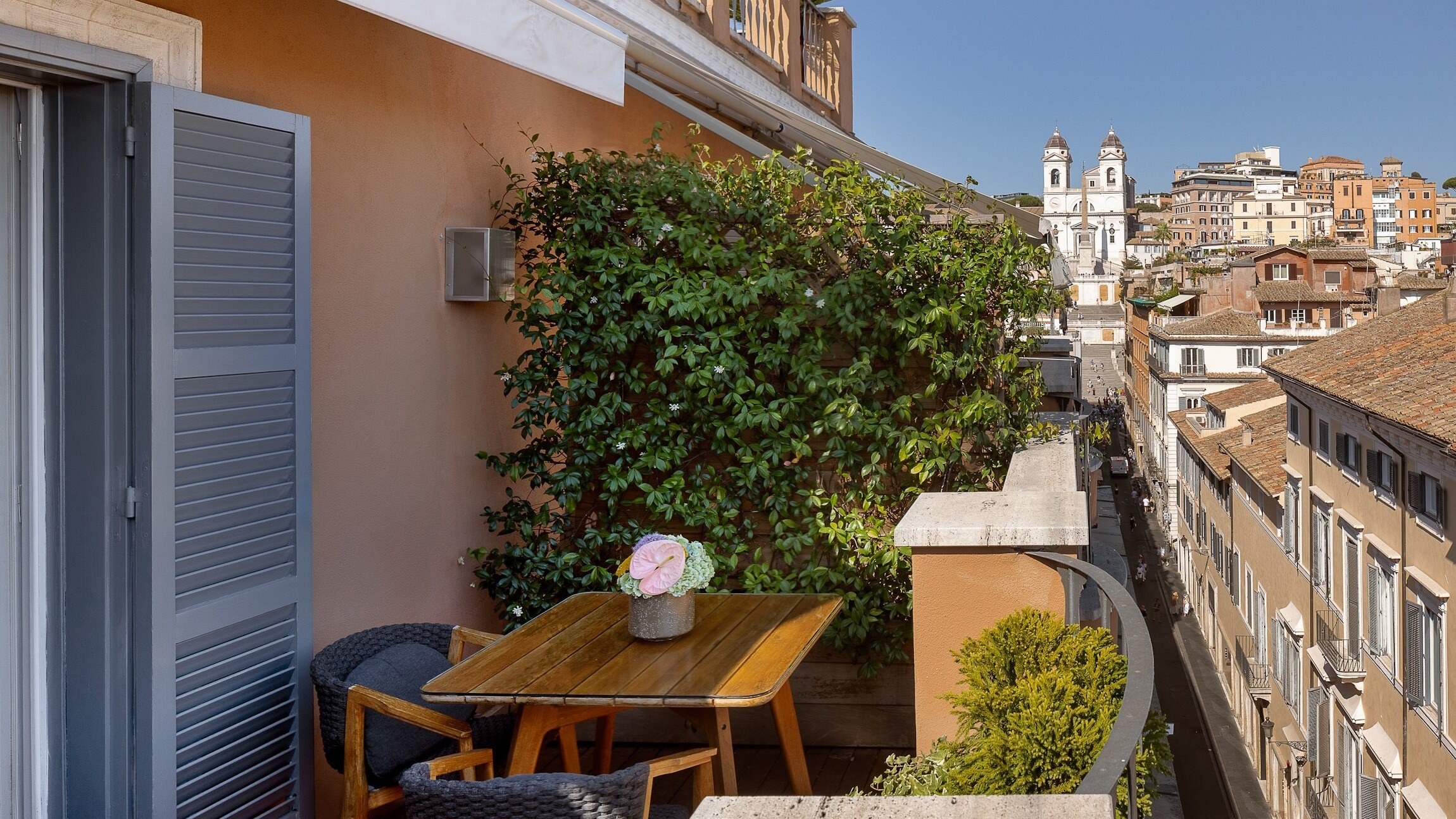
This small, design-focused hotel suits travelers who prioritize proximity to Rome’s major attractions and a thoughtfully curated interior over ornate historic recreation. Located between the Trevi Fountain and Piazza di Spagna, it puts most central sights within easy walking distance, making it a practical base for sightseeing and evening strolls. The property’s boutique scale and considered design appeal to couples and culturally minded visitors looking for an intimate stay; it’s especially fitting for those who appreciate contemporary interventions in a historic setting rather than full period maximalism.
Venue details
Ambiance
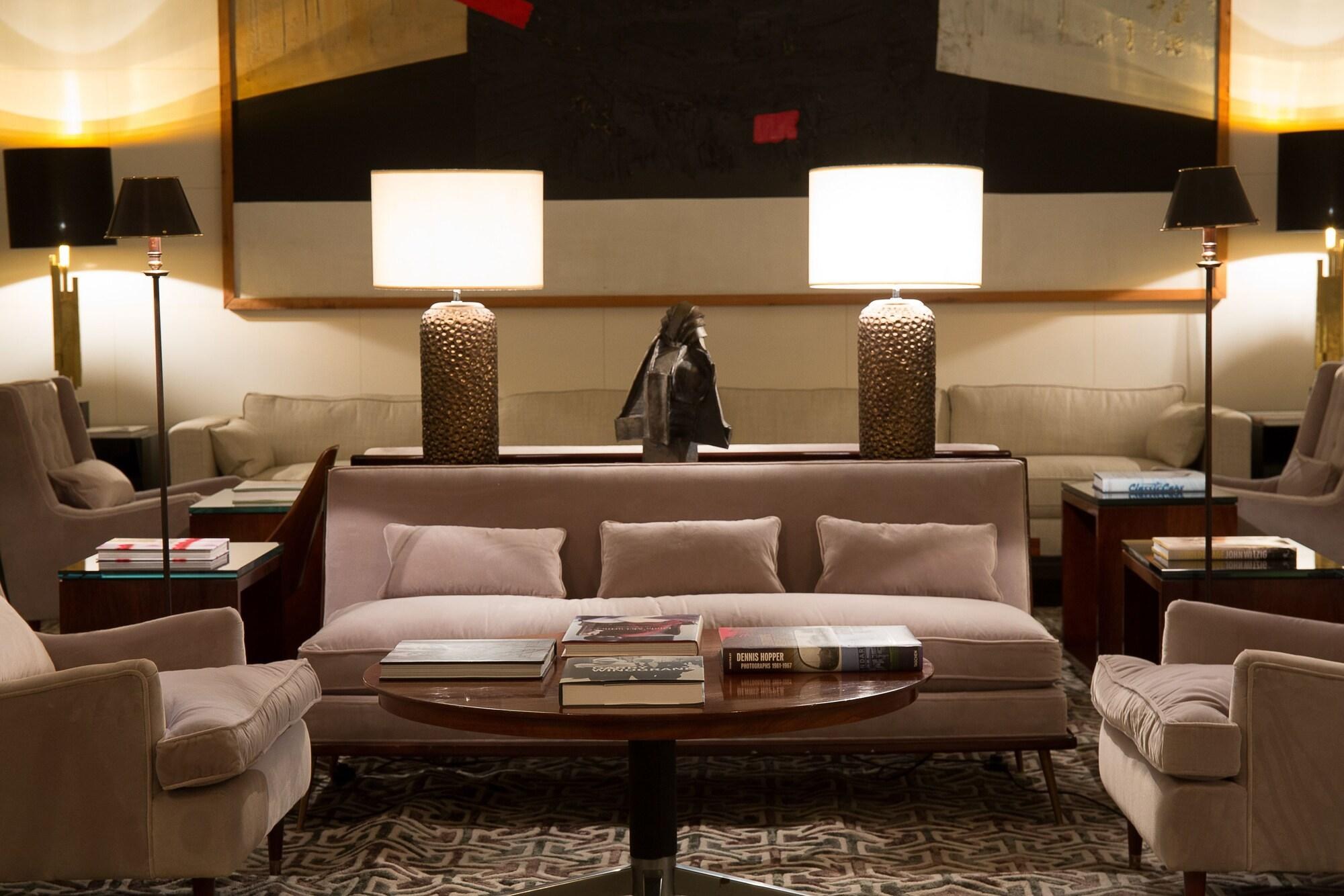
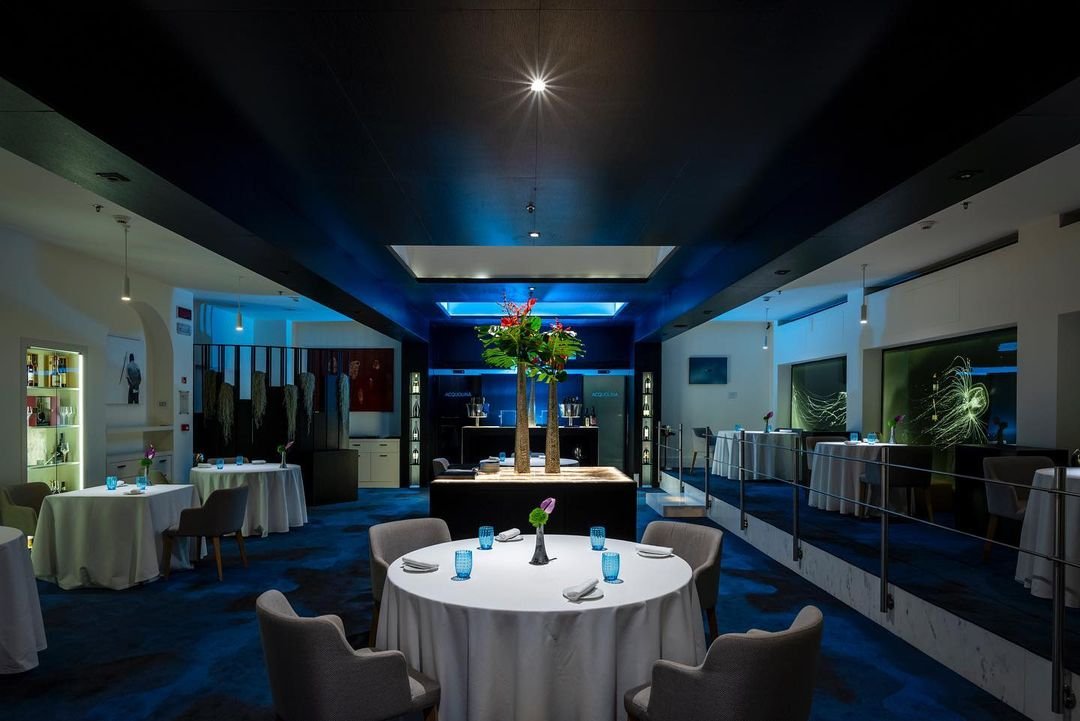
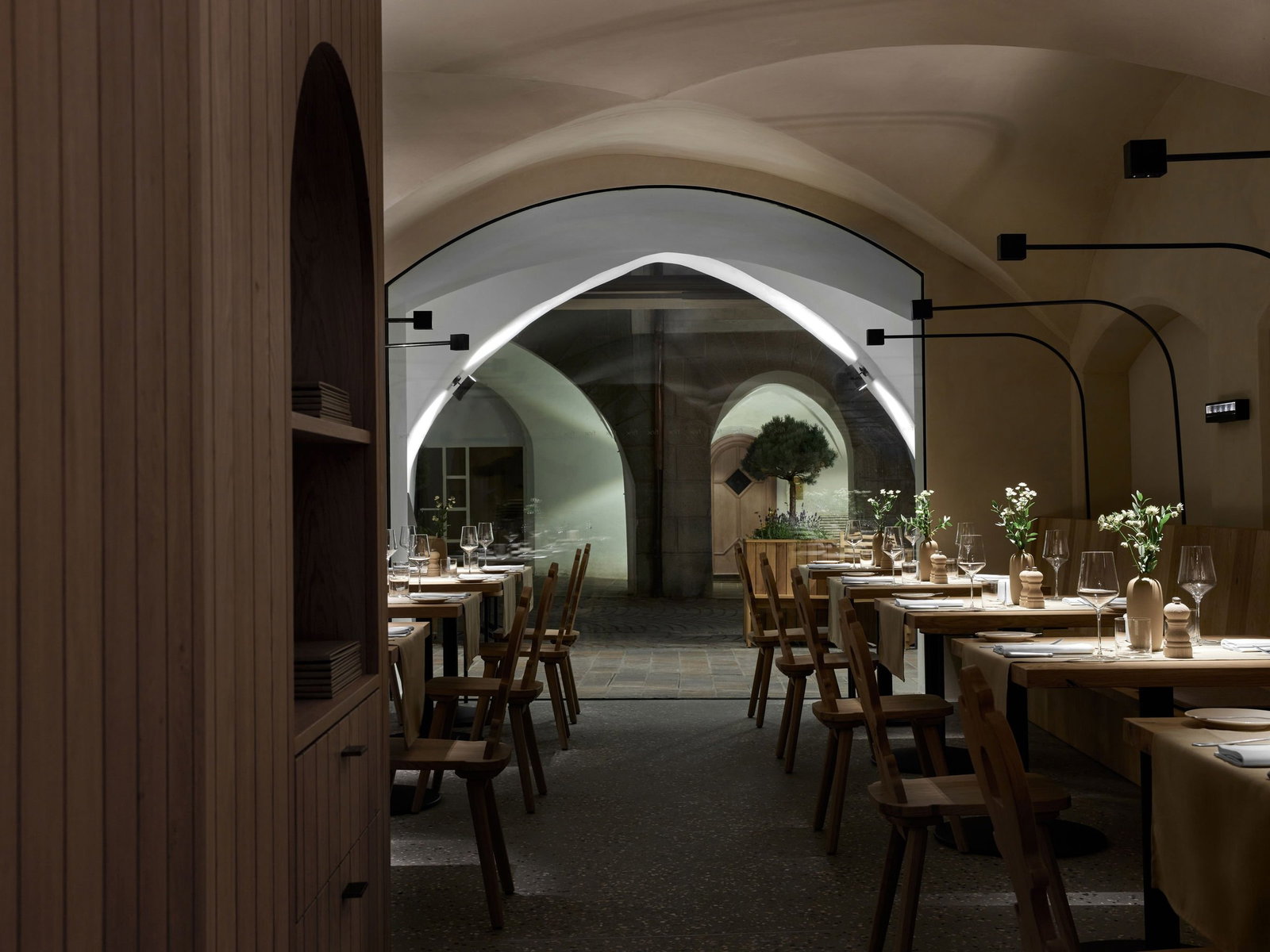
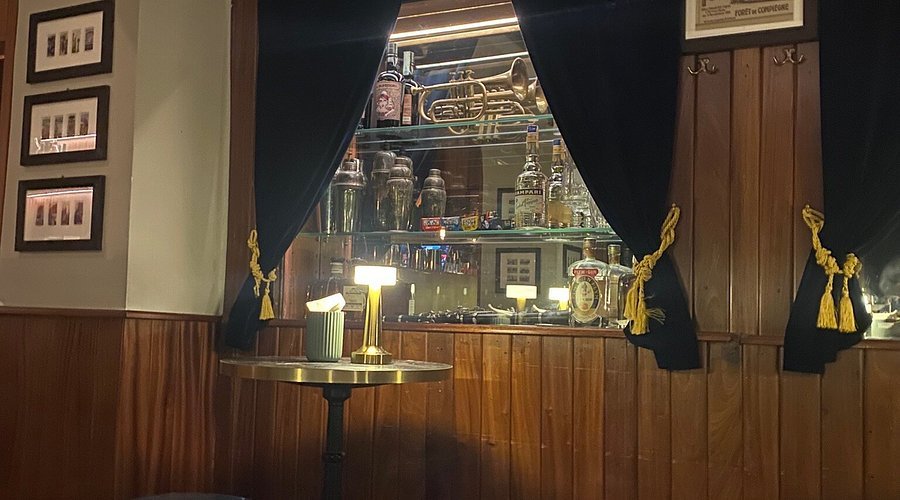
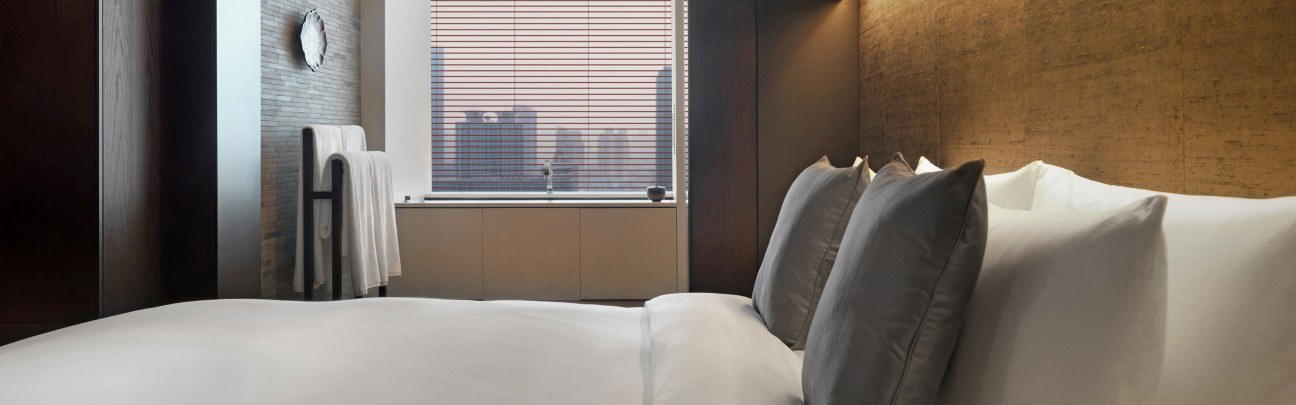
Intimate and enveloping atmosphere with minimalist elegance, rich wood tones, sleek furnishings, and striking artwork; soundproof rooms and tranquil courtyard provide a peaceful retreat amid the city.
Tags
Vibe
Best For
Experience
Amenities
View
Accessibility
About the Stay
- Rooms
- 0
- Property Style
- Restored Renaissance Palace Blending Historical Architecture with Modern Luxury and Informal Elegance.
- Design Style
- Minimalist with Bespoke Italian Craftsmanship, Wrought Iron Canopy Beds, Hand Painted Walls, Eclectic Tiles, and High Ceilings.
Know before you go
Know Before You Go
- Getting there
- Via del Nazareno, 25, 00187 Roma RM
Planning details
Location
Recognition and awards



Also consider
Where to look if rooms are gone
Start with Maalot Roma if the goal is another central boutique hotel with a polished feel. It is the closest practical cross-shop for travelers who want to stay in the same general category rather than move into apartment-style lodging.
Choose CasaCau if space and independence matter more than hotel-service polish. For a simpler, smaller-scale stay, Daphne - Rome Boutique B & B is the more value-minded direction.
Hotel context
How Palazzo Talìa compares in Rome
Choose Palazzo Talìa over CasaCau if hotel recognition, design validation, and a serviced stay matter more than apartment-style independence. CasaCau is the stronger cross-shop for travelers who want more of a self-contained Rome base; Palazzo Talìa is the higher-commitment choice for a polished hotel stay with stronger external validation.
Maalot Roma is the cleanest comparison for travelers who want a central boutique hotel rather than a conventional grand hotel. If availability is tight, Maalot Roma is the first place to check before widening the search. Daphne - Rome Boutique B & B is better for guests who want a lighter, simpler stay and are not paying for a design-hotel profile.
Cross-shop Hotel d'Inghilterra and Hotel d'Inghilterra - Starhotels Collezione if the trip calls for a more classic Rome hotel mood. Palazzo Talìa is the sharper pick for design-led travelers; Hotel d'Inghilterra is the safer direction for guests who prefer a traditional luxury-hotel feel.
Around this place
Discover more on Pearl
Unlock the full Palazzo Talìa guide in Pearl, including awards, comparisons, FAQs, planning details, and nearby places.
Compare Palazzo Talìa
| Venue | Location | Awards |
|---|---|---|
| Palazzo Talìa | Rome | 2026 Mr & Mrs Smith Luxury HotelsTablet Hotels Design Awards 2026: Best New Hotel Designs (Europe)2025 AFAR Best New Hotels2025 Architectural Digest Great Design Hotel Award WinnersMichelin 2 Keys 20252025 Michelin 2 KeysSmall Luxury Hotels Member 2025 |
| CasaCau | Rome | No published awards |
| Maalot Roma | Rome | 2026 Mr & Mrs Smith Luxury Hotels2025 Michelin 1 KeySmall Luxury Hotels Member 20252024 Michelin 1 Key |
| Daphne - Rome Boutique B & B | Rome | No published awards |
| Hotel d'Inghilterra | Rome | 2026 Virtuoso Luxury Hotel Collection2026 Forbes 4-Star2025 Michelin Selected HotelsSmall Luxury Hotels Member 2025 |
| Hotel d'Inghilterra - Starhotels Collezione | Rome | No published awards |




How Palazzo Talìa Rome Hotel Review: Is It Worth It? compares with similar nearby venues.
FAQ
Frequently Asked Questions
When is the best time to book Palazzo Talìa?
Book once your Rome dates and room requirements are clear, and confirm current availability and terms through the hotel or booking channel. Palazzo Talìa's confirmed recognition includes Michelin 2 Keys in 2025, Tablet Hotels Best New Hotel Designs in Europe, AFAR Best New Hotels, Small Luxury Hotels of the World membership, and Mr & Mrs Smith recognition. Hotel d'Inghilterra is another Rome option to review.
Is Palazzo Talìa good for business travel?
It may suit business travelers who want a recognized hotel in Rome, but meeting-room details, workspace specifics, and business-service features should be confirmed directly with the hotel. For comparison, Hotel d'Inghilterra - Starhotels Collezione, CasaCau, and Daphne - Rome Boutique B & B are other Rome stays to review depending on the kind of trip you are planning.
What is Palazzo Talìa known for?
Palazzo Talìa is known for its hotel recognition in Rome, including Michelin 2 Keys in 2025 and recognition from Tablet Hotels, AFAR, Small Luxury Hotels of the World, and Mr & Mrs Smith. The dress code is smart casual.