



Hotel d'Inghilterra
Campo Marzio, Rome
Hotel in Rome, Italy
 Book with Pearl
The Read
Grand Tour Continuity
Why go
A polished central Rome hotel for travelers who value service confidence and a refined historic-center base over resort-style amenities. The Forbes 4-Star, Virtuoso, and Small Luxury Hotels of the World signals make it a safer luxury pick than many independent boutiques, though Portrait Roma and Crossing Condotti are worth comparing for higher-touch or more residential stays.
About Hotel d'Inghilterra
For travelers considering Hotel d'Inghilterra in Rome, its luxury-hotel affiliations and recognition are notable. The hotel is a Small Luxury Hotels of the World member for 2025, has Forbes 4-Star recognition for 2026, and is listed as a Virtuoso Luxury Hotel Partner for 2026.
The verdict: consider it if those third-party credentials matter to your booking decision. They give Hotel d'Inghilterra a clearer recognition profile. While strong, these credentials don't provide details on room size, amenities, rates, or a particular service style. If you are comparing similar stays in Rome, Crossing Condotti, Mario de Fiori 37 Boutique Hotel, Grand Hotel Plaza, Portrait Roma, and The Inn At The Spanish Steps are natural names to review alongside it.
Credentials make the case more than spectacle
The main reason to shortlist this hotel is confidence in its recognition profile. Rome has many hotels, and affiliations can be useful when narrowing a search, especially for travelers who prefer properties with established luxury-hotel networks or partner programs.
That said, details about a specific scene, amenity set, room format, or guest experience are not available beyond the hotel's recognition and smart-casual dress code. For a food-focused itinerary, pair the hotel search with Pearl's Rome restaurants guide; for a broader city plan, use Pearl's Rome hotels guide, Rome bars guide, and Rome experiences guide.
Who should choose it, and who should cross-shop
Choose Hotel d'Inghilterra if a Rome hotel with luxury affiliations is important to you. It may not be the best fit for travelers prioritizing room size, price flexibility, residential-style lodging, or specific facilities. In those cases, compare it with Portrait Roma, The Inn At The Spanish Steps, Crossing Condotti, Mario de Fiori 37 Boutique Hotel, and Grand Hotel Plaza before booking.
Quick reference: shortlist it for a Rome stay backed by Small Luxury Hotels of the World membership, Forbes 4-Star recognition, and Virtuoso Luxury Hotel Partner status. Cross-shop if your decision depends on particular amenities, room layouts, rates, or a specific style of stay.
Planning details
- Location
- V. Bocca di Leone, 14, 00187 Roma RM
- Website
- collezione.starhotels.com/en/our-hotels/hotel-d-inghilterra-rome
- Phone
- +39 06 699811
The take
The Take
The Vibe
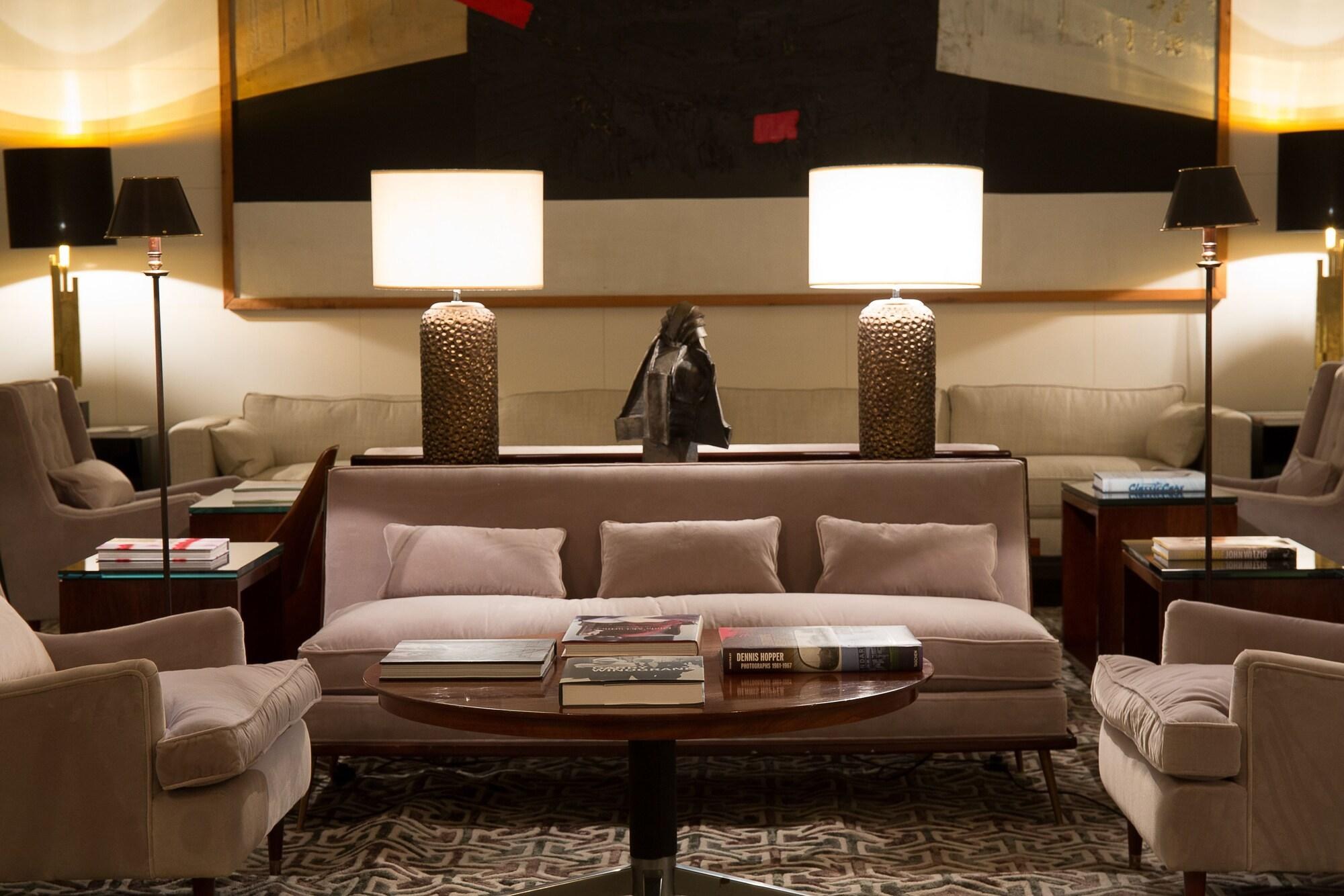
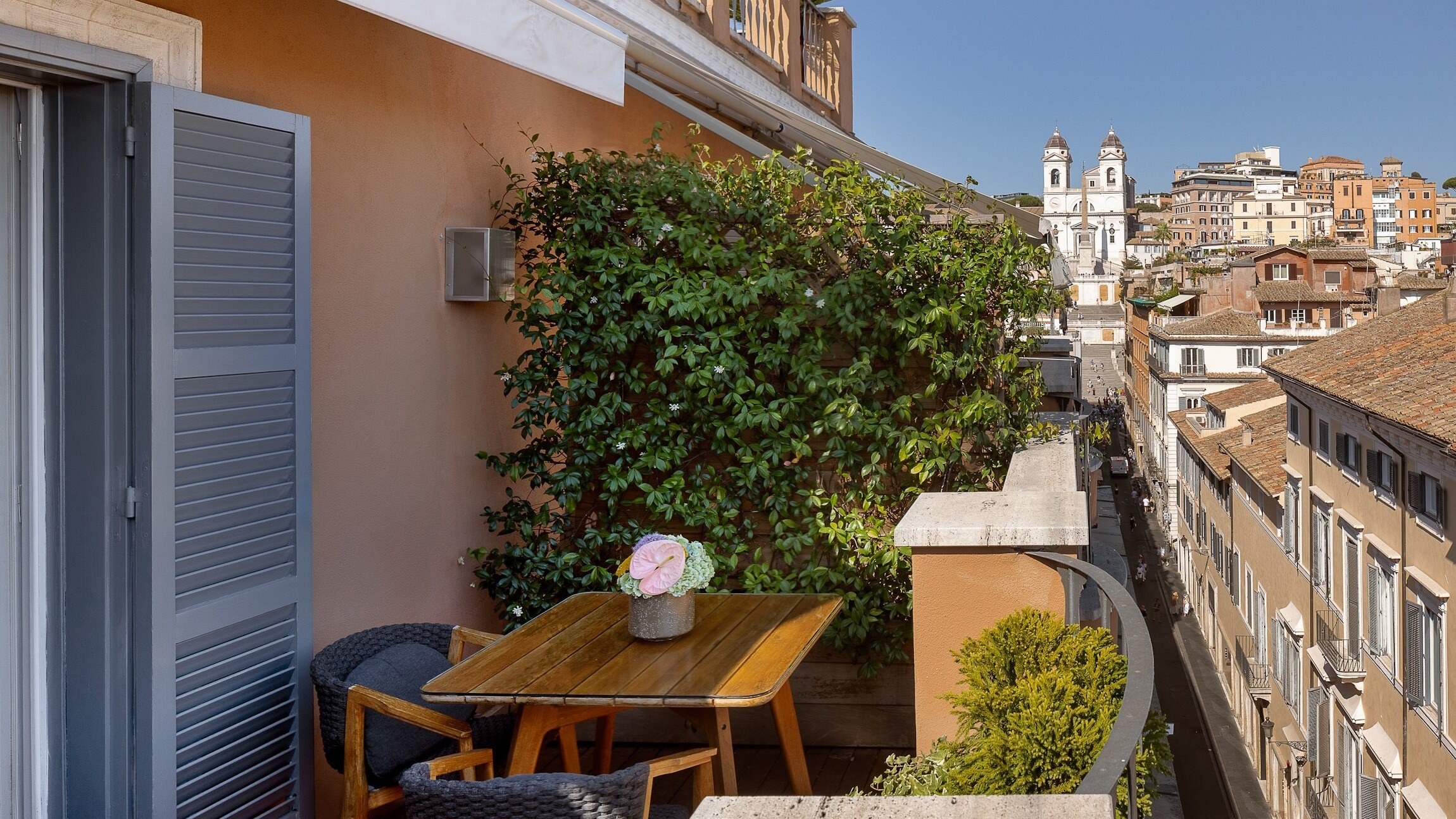
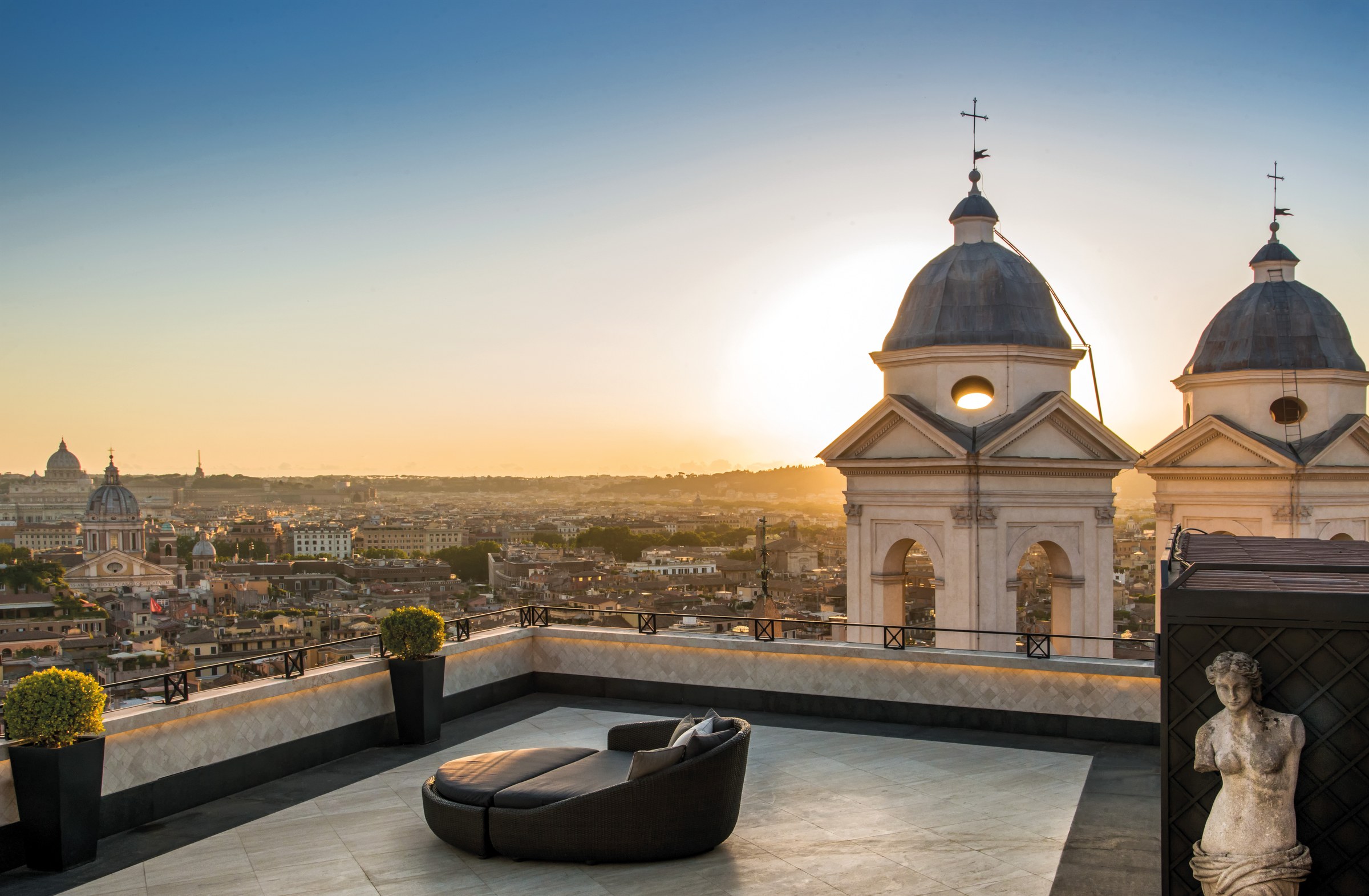
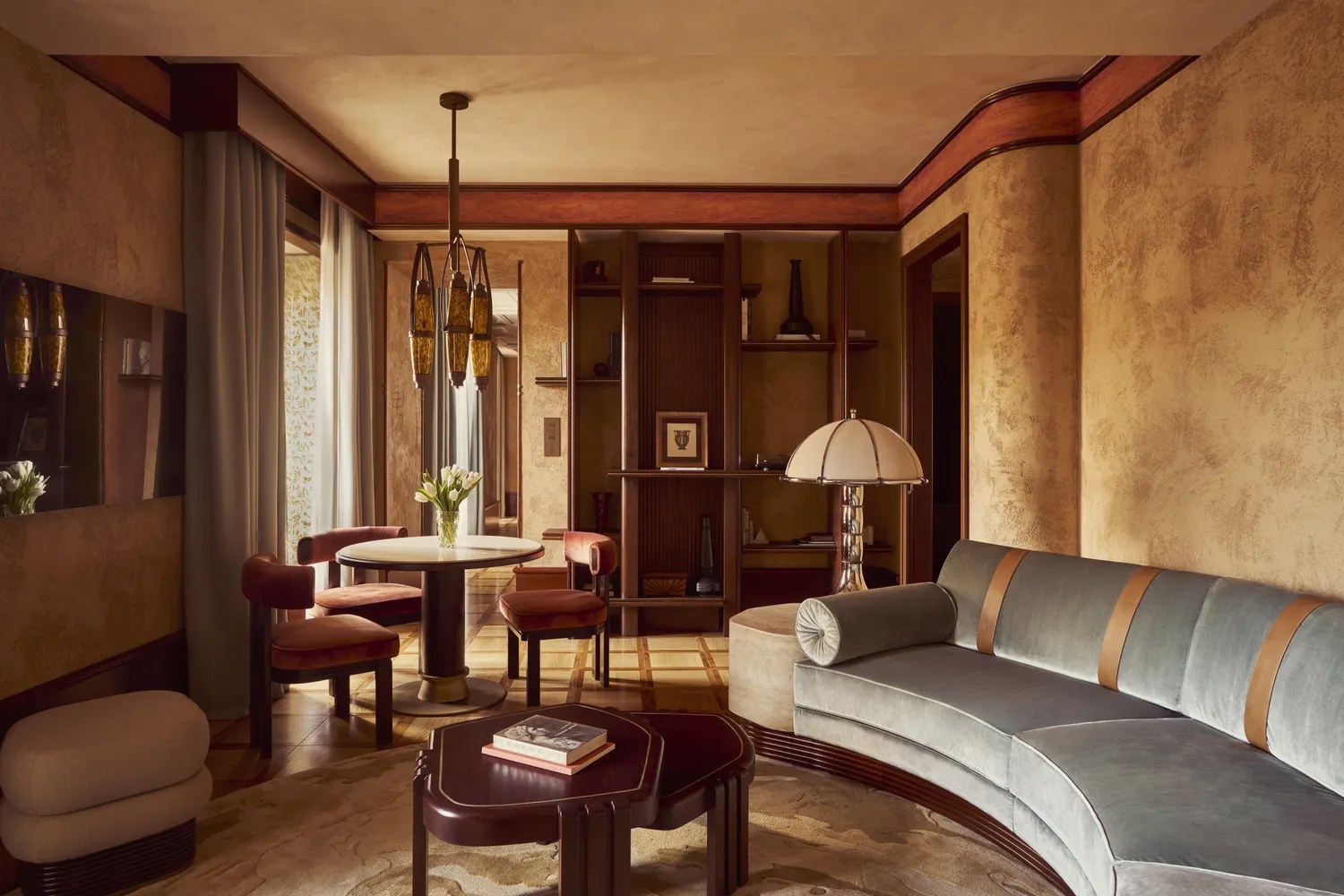
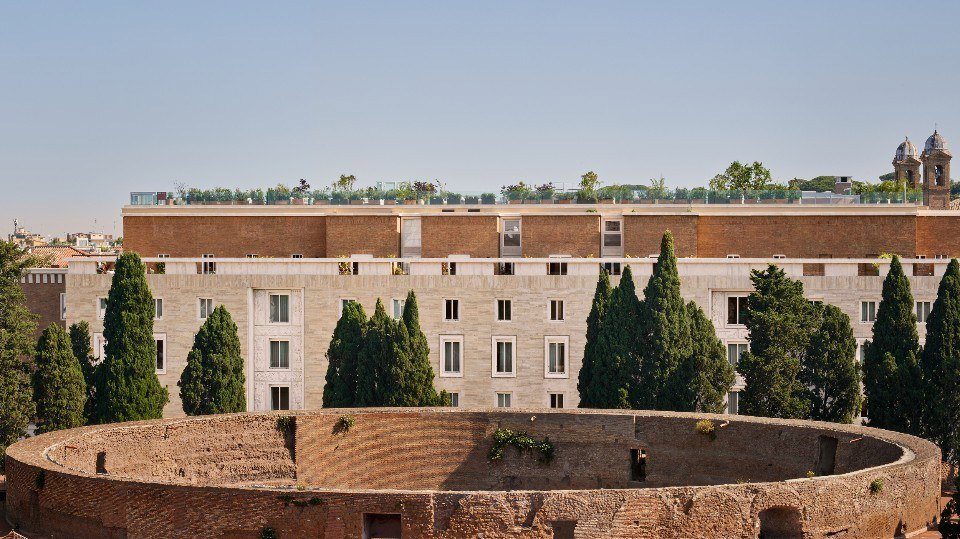
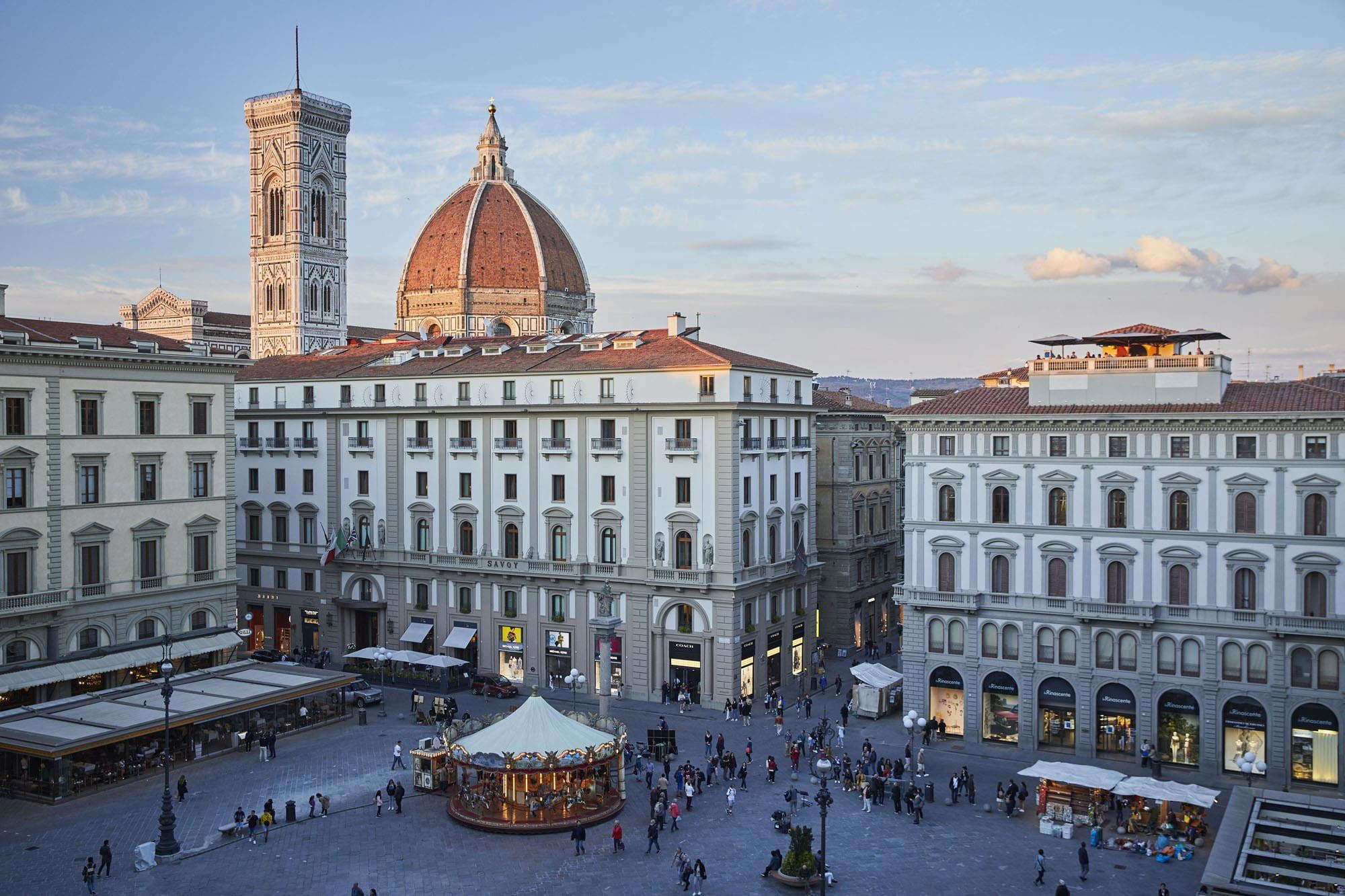
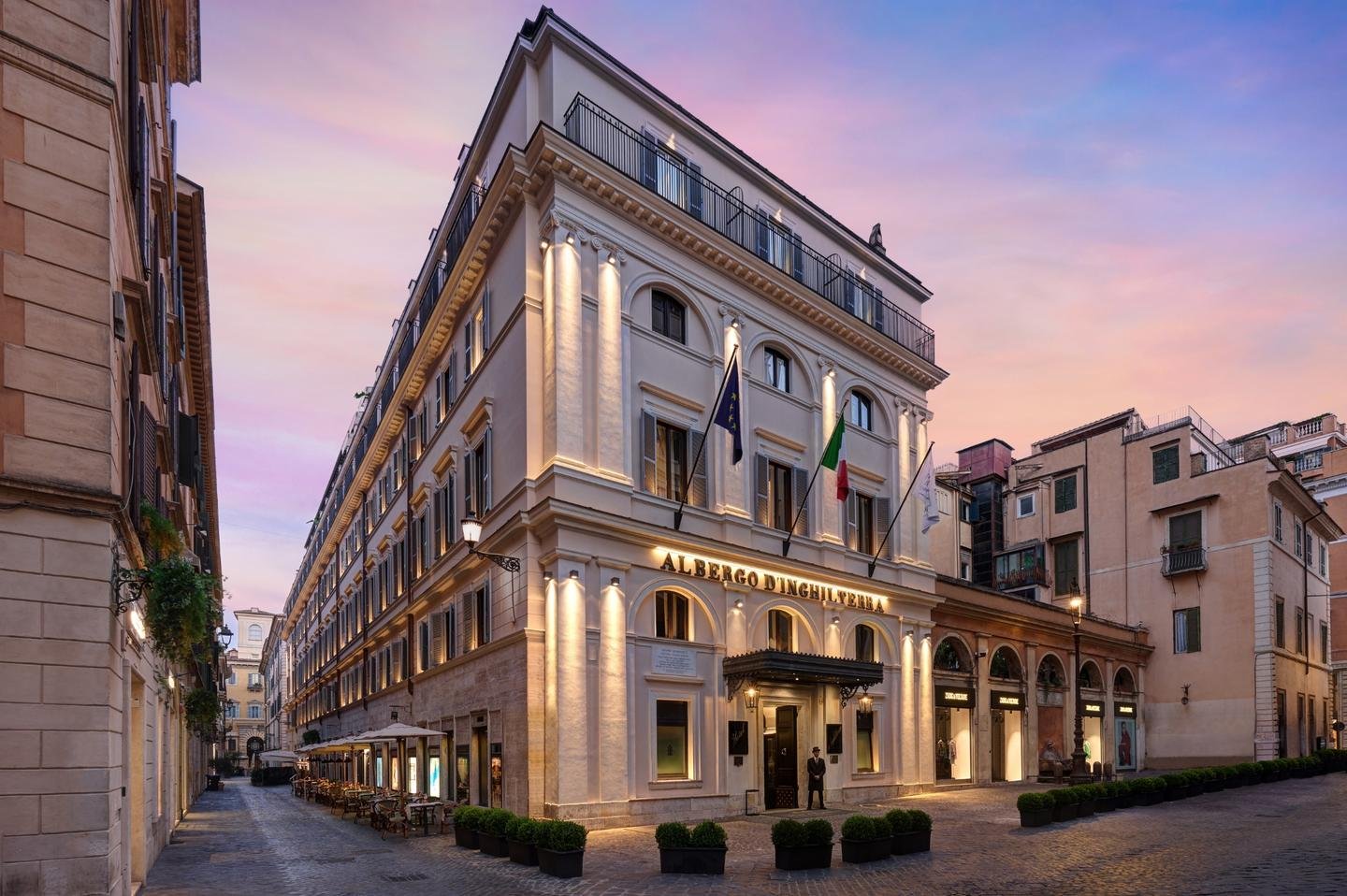
Hotel d'Inghilterra reads like a palazzo that has grown more magnetic with time. Housed in a 16th‑century Roman residence and occupying the same address for over 170 years, the property foregrounds layered history and discreet refinement. A recent, respectful renovation brings updated interiors while preserving the building’s architectural character; rooms are individually styled rather than standardised, which reinforces a boutique, lived‑in sensibility. The hotel’s central placement in the fashion district, steps from Piazza di Spagna and within easy walking distance of the Trevi Fountain and Pantheon, adds an urban, historically drenched charm to an already classic Roman experience.
Best For
This hotel is best for travellers who prioritise location, history and quietly refined luxury. Couples seeking a romantic Rome stay or milestone celebrations appreciate its address by the Spanish Steps and the short walks to major sights. Design‑minded guests and shoppers benefit from the proximity to Via Condotti and the fashion district, while those who value individuality will like the non‑standardised, individually styled rooms. The recent restoration underlines a commitment to comfort without erasing the palazzo’s past, making it a strong pick for visitors who want both authenticity and contemporary hospitality in the city centre.
Venue details
Ambiance
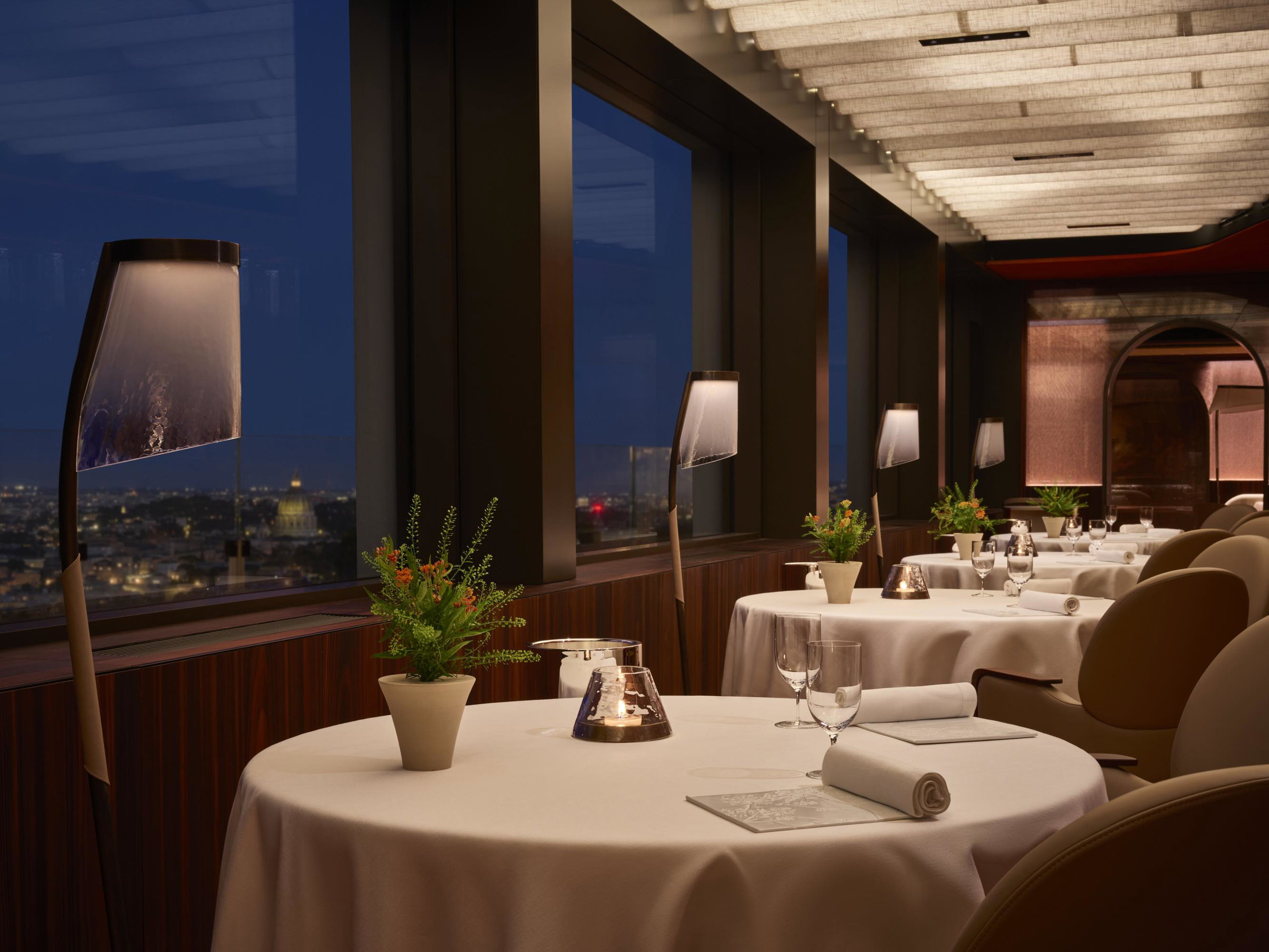
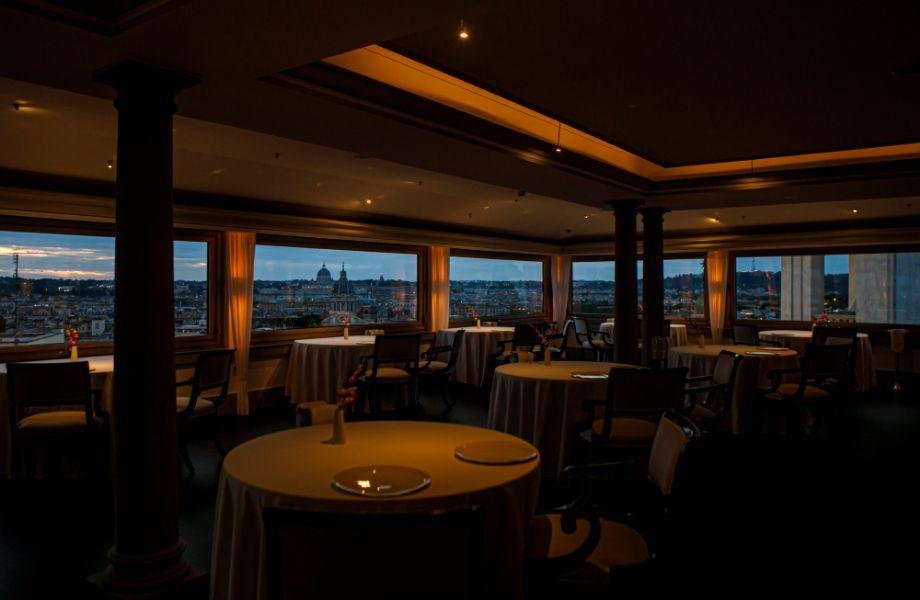
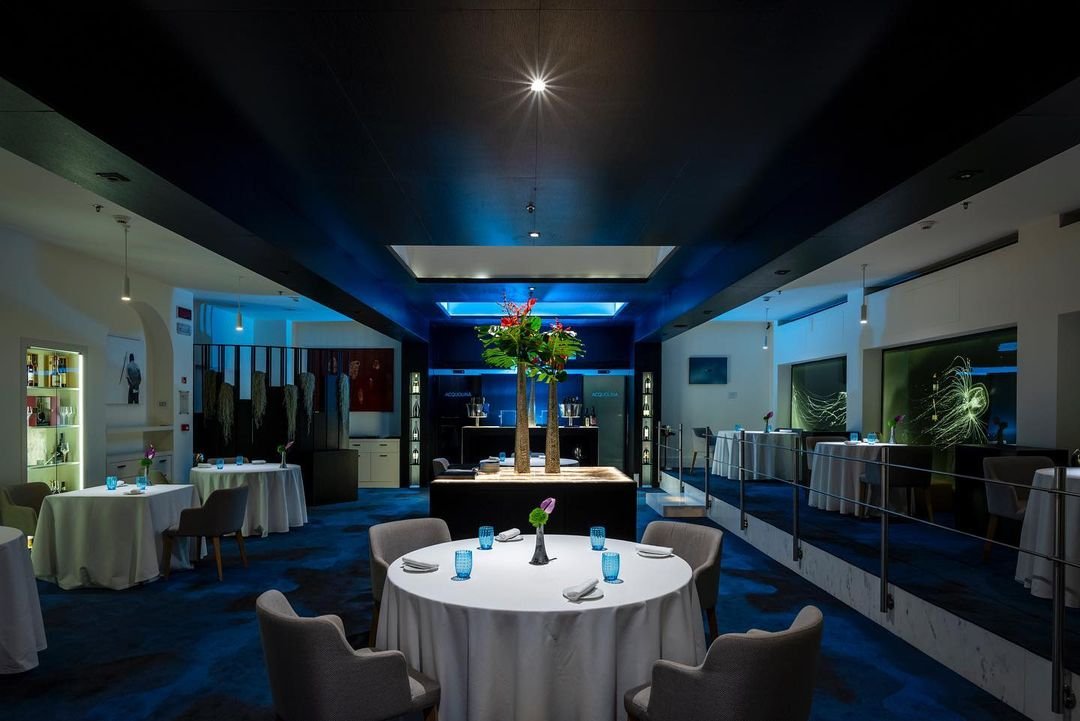
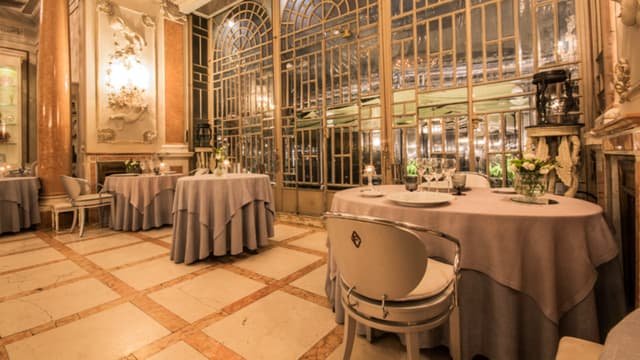
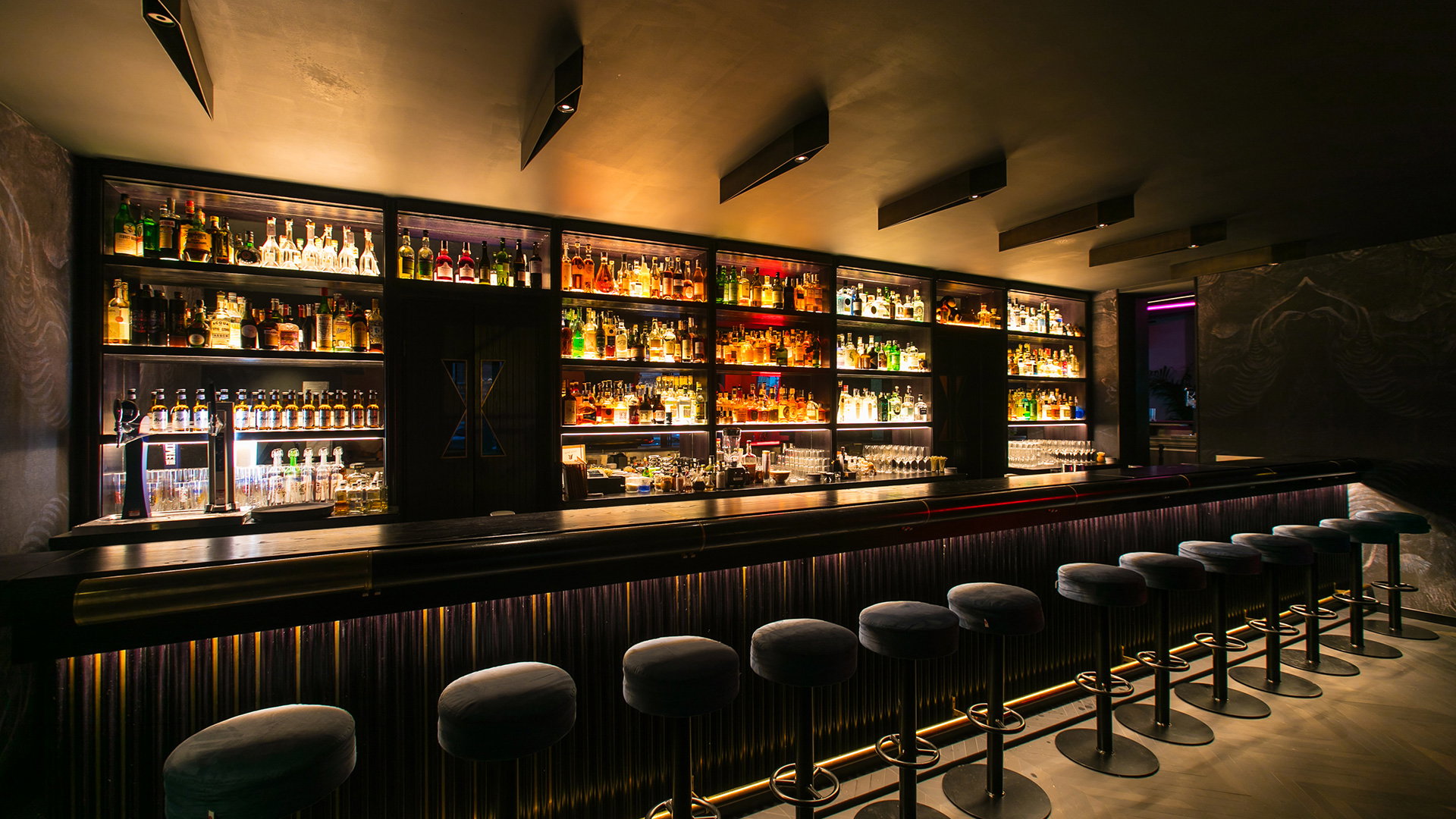
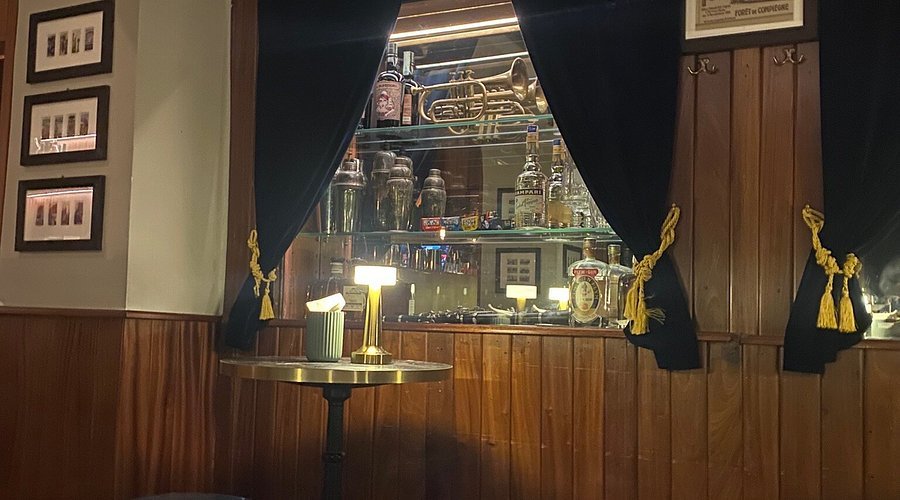
Elegant and timeless with classical charm, tasteful decor, comfortable lighting from Murano chandeliers, and a refined, intimate atmosphere.
Tags
Vibe
Best For
Experience
Amenities
View
Accessibility
About the Stay
- Rooms
- 79
- Check-in
- 15:00
- Check-out
- 11:00
- Property Type
- Heritage hotel
- Property Style
- Historic Aristocratic Mansion with Eclectic Originality and Casual Elegance.
- Design Style
- Classical Renaissance Inspired with Modern Antiques, Murano Chandeliers, and Rich Italian Fabrics.
- Pets
- Allowed
- Cancellation
- Moderate
Know before you go
Know Before You Go
- Getting there
- V. Bocca di Leone, 14, 00187 Roma RM
Planning details
Location
V. Bocca di Leone, 14, 00187 Roma RM · Directions
collezione.starhotels.com/en/our-hotels/hotel-d-inghilterra-rome



Also consider
Where to look if this is unavailable
Try Portrait Roma if the trip can support a higher-touch splurge, or Crossing Condotti if a smaller boutique setup is the better fit. For a more address-driven alternative, compare The Inn At The Spanish Steps.
Hotel context
How it compares in central Rome
Portrait Roma is the splurge cross-shop if the priority is a more intimate, high-touch luxury stay. Hotel d'Inghilterra is the more classic central-hotel choice: better for travelers who want established service signals and a composed base rather than a more residential-feeling format.
Crossing Condotti and Mario de Fiori 37 Boutique Hotel are better comparisons for guests who want boutique scale and a lighter footprint. Choose those if independence and apartment-like pacing matter more than hotel infrastructure. Choose Hotel d'Inghilterra if front-desk support and luxury-hotel recognition are part of the value calculation.
The Inn At The Spanish Steps is the closest address-led alternative, while Grand Hotel Plaza is the grander-feeling peer. For booking difficulty, assume the stronger central options require planning; this one is marked hard, so it is not the easiest fallback during busy Rome dates.
Around this place
Discover more on Pearl
Unlock the full Hotel d'Inghilterra guide in Pearl, including awards, comparisons, FAQs, planning details, and nearby places.
Compare Hotel d'Inghilterra
| Venue | Location | Awards |
|---|---|---|
| Hotel d'Inghilterra | Rome | 2026 Virtuoso Luxury Hotel Collection2026 Forbes 4-Star2025 Michelin Selected HotelsSmall Luxury Hotels Member 2025 |
| Portrait Roma | Rome | 2026 Virtuoso Luxury Hotel Collection2026 Forbes 4-Star2026 Mr & Mrs Smith Luxury HotelsLeading Hotels of the World 20262026 La Liste Top Hotels2026 Michelin 1 Key2025 Michelin 1 Key2024 Michelin 1 Key |
| Crossing Condotti | Rome | No published awards |
| The Inn At The Spanish Steps | Rome | No published awards |
| Grand Hotel Plaza | Rome | No published awards |
| Mario de Fiori 37 Boutique Hotel | Rome | No published awards |




How Hotel d'Inghilterra Rome compares with similar nearby venues.
FAQ
Frequently Asked Questions
How does Hotel d'Inghilterra compare to other hotels?
Choose Hotel d'Inghilterra if you want a Rome hotel with clear third-party luxury signals, including Small Luxury Hotels of the World membership, Forbes 4-Star recognition, and Virtuoso Luxury Hotel Partner status. When comparing it with Portrait Roma, Crossing Condotti, The Inn At The Spanish Steps, Grand Hotel Plaza, and Mario de Fiori 37 Boutique Hotel, focus on the specific room, rate, and benefit details available for your dates.
What credentials does Hotel d'Inghilterra have?
Its credentials include Small Luxury Hotels of the World membership, Forbes 4-Star recognition, and Virtuoso Luxury Hotel Partner status. If booking benefits matter to you, check the terms of your booking channel before you commit.
How is the location of Hotel d'Inghilterra?
Hotel d'Inghilterra is in Rome. Its exact location details are not provided, so compare maps and transit needs directly before booking.
What is check-in like at Hotel d'Inghilterra?
The check-in process is not specified. The hotel does have luxury-hotel affiliations and recognition, but travelers should confirm arrival details directly with the property or booking channel.
When is the best time to book Hotel d'Inghilterra?
Booking difficulty or ideal booking timing is not specified. If you want to stay at Hotel d'Inghilterra in Rome, compare availability and rates for your travel dates before committing.