
Rocco Forte House, Piazza di Spagna Roma
Campo Marzio, Rome
Hotel in Rome, Italy
 Book with Pearl
The Read
Price
$1,500–2,500per night
Why go
Choose Rocco Forte House, Piazza di Spagna Roma if you want a serviced, private-feeling stay near the Spanish Steps rather than a conventional hotel scene. The 2026 Mr & Mrs Smith and Virtuoso recognition support the luxury-service case, but value depends on using the privacy and location enough to justify choosing it over smaller nearby boutiques.
About Rocco Forte House, Piazza di Spagna Roma
For a return trip to Rome, the grounded case for Rocco Forte House, Piazza di Spagna Roma is simple: it is a premium stay in Rome with a smart casual dress code and two clearly stated 2026 recognition signals. That gives the venue a defined place in a shortlist. Beyond that, travelers should avoid assuming specific facilities, room layouts, dining, pricing, or service formats unless they confirm them directly with the property, because those practical details can materially change whether a hotel works for a particular trip.
The Mr & Mrs Smith Seal of Approval and Virtuoso Luxury Hotel Partner recognition for 2026 are the clearest trust signals here. They support considering the venue for travelers who want a premium Rome stay, especially when external luxury-travel affiliations matter in the decision. But they do not verify any particular amenity list, restaurant program, room category, or booking pattern. Treat this as a strong candidate when the name, Rome setting, and luxury affiliations match the trip brief, then confirm the practical details before booking so the final choice rests on both positioning and confirmed fit.
Book this for a premium Rome stay, not for unverified amenities
Rocco Forte House, Piazza di Spagna Roma is best evaluated on the facts that are confirmed: the venue is in Rome, the dress code is smart casual, and it carries the Mr & Mrs Smith Seal of Approval and Virtuoso Luxury Hotel Partner recognition for 2026. Those facts are meaningful, but they should not be stretched into a fuller profile than the available information supports. Specific claims about pools, spas, dining, room count, suite layouts, family facilities, or other on-site features should stay out of the decision unless confirmed separately.
That makes the booking decision more about fit than a long checklist. If a trip depends on particular facilities, accessibility details, meal service, or room configuration, confirm those directly before committing. This is especially important for travelers building an itinerary around comfort, convenience, or very specific in-room expectations, where a single missing detail can affect the whole stay. If the priority is a premium Rome stay with recognizable luxury-travel affiliations, Rocco Forte House, Piazza di Spagna Roma remains a credible option to consider, provided the essentials are checked before money changes hands.
The booking call: compare carefully and verify practical details
There is no booking-difficulty data here, so do not assume it is either easy or hard to secure. The safer approach is to compare availability, cancellation terms, and total cost against the trip's dates, then contact the property or booking channel for any must-have details. That process keeps the decision disciplined: the recognition signals can justify interest, while the booking terms and confirmed particulars determine whether it is the right reservation for this visit.
For broader planning, use our full Rome hotels guide to sense-check location and style before committing. If the stay is built around restaurants or late evenings, pair the hotel choice with our full Rome restaurants guide and our full Rome bars guide. For a hotel-first Rome trip, this is worth considering when the recognition signals and smart casual dress code match what you want, while keeping the operational details separate until they are confirmed.
Quick reference: consider Rocco Forte House, Piazza di Spagna Roma for a premium Rome stay; verify amenities, room details, dining, and booking conditions before deciding.
Part of
Rocco Forte Hotels25 locations on PearlPlanning details
- Location
- 114 Via del Babuino, Piazza di Spagna
The take
The Take
The Vibe
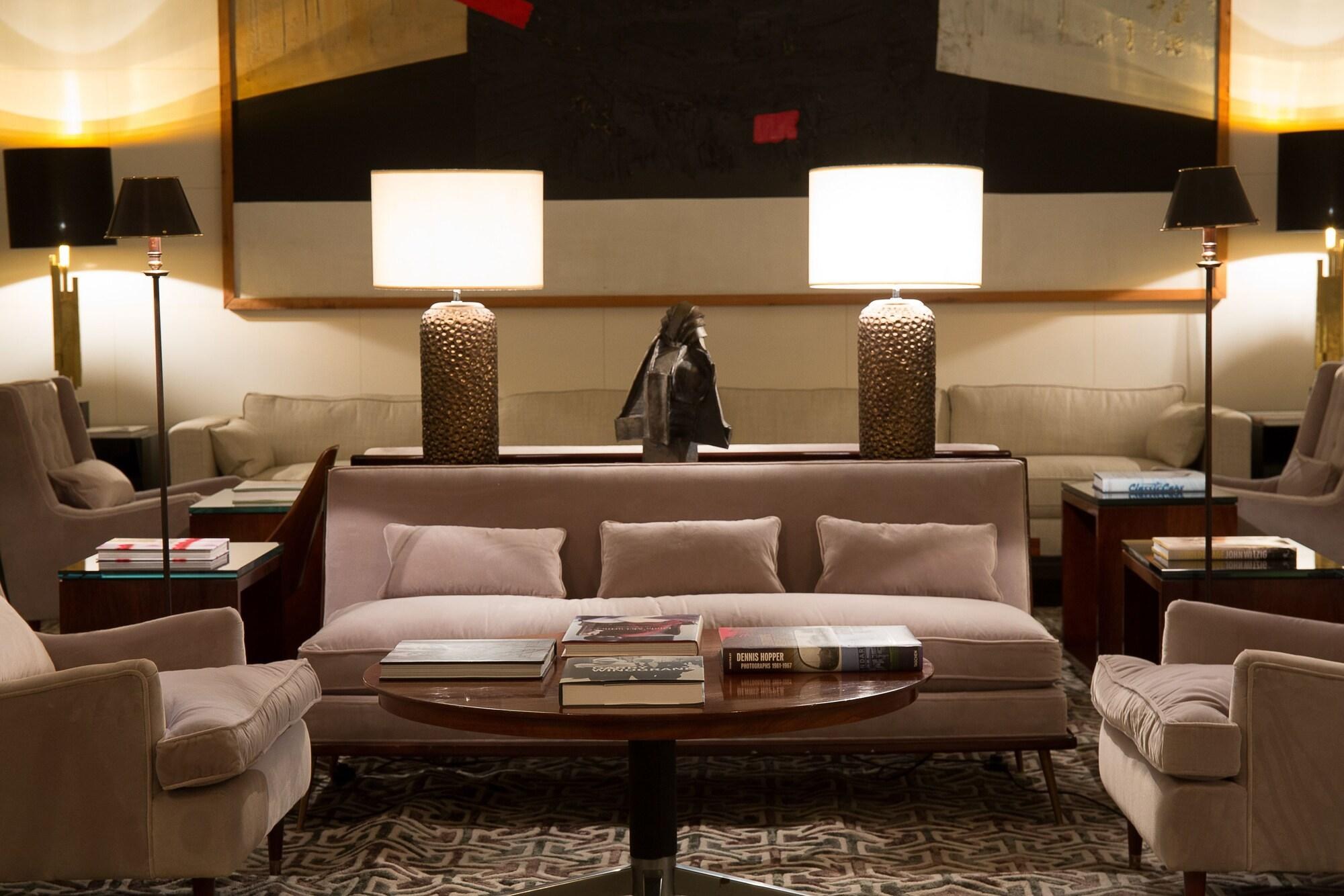
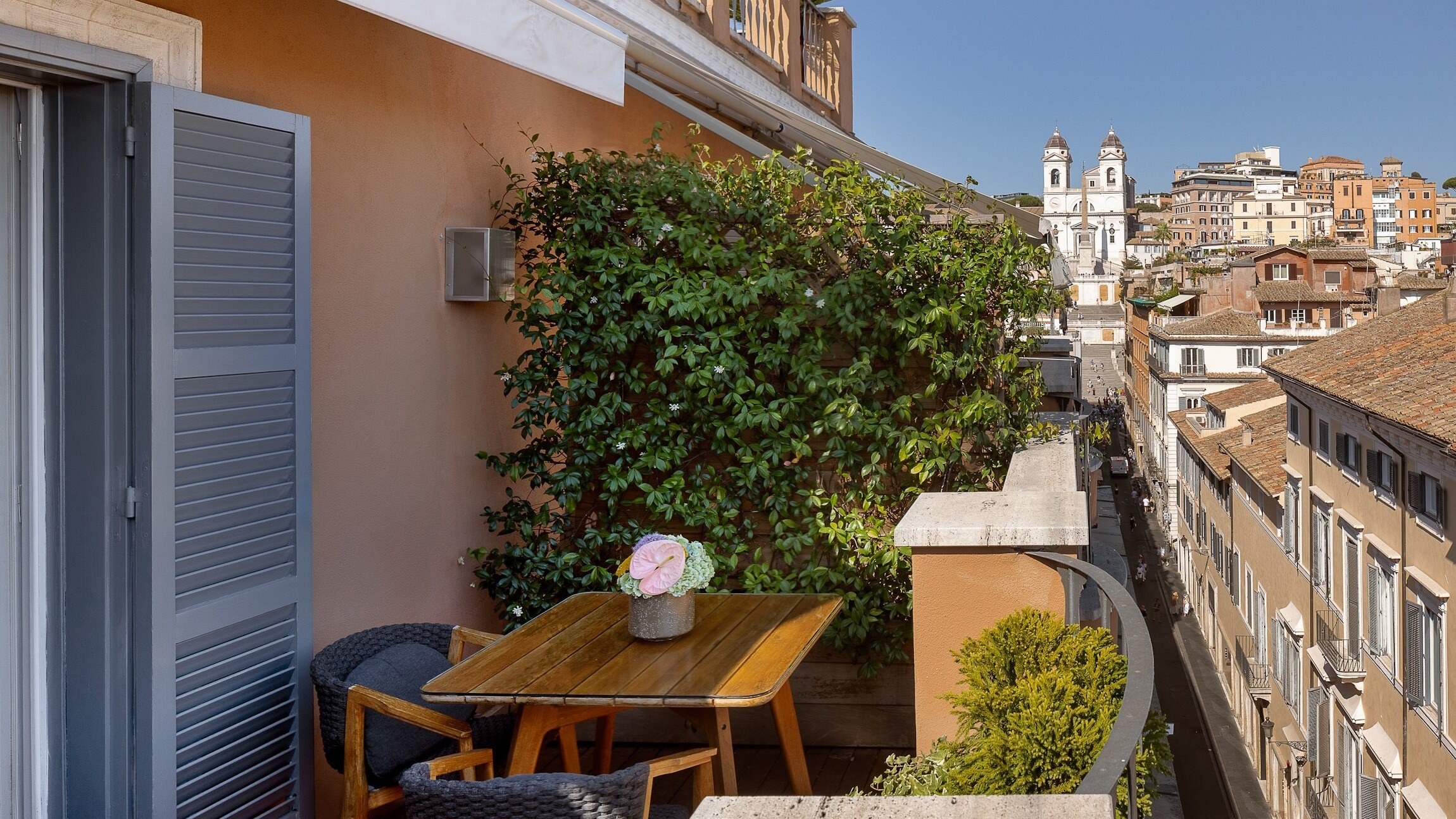
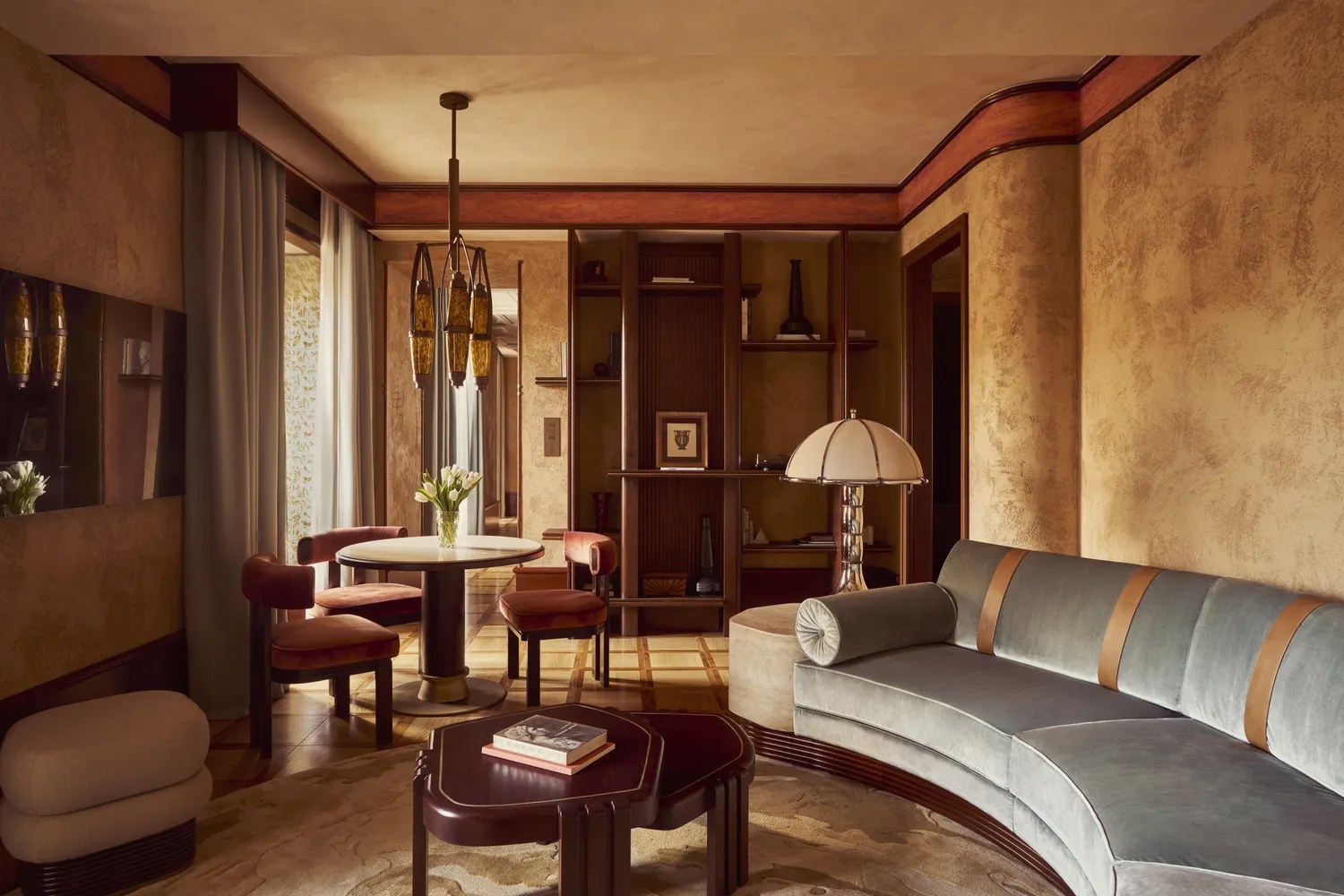
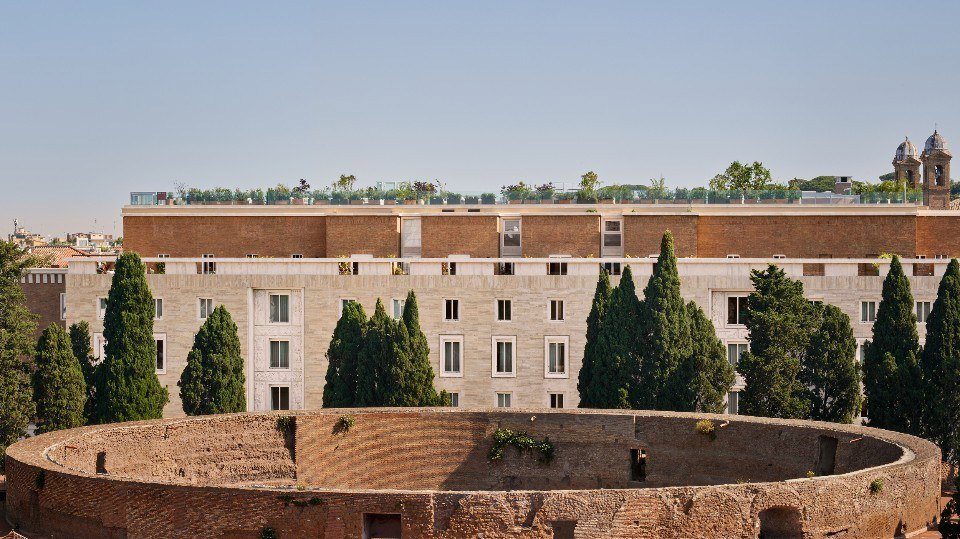
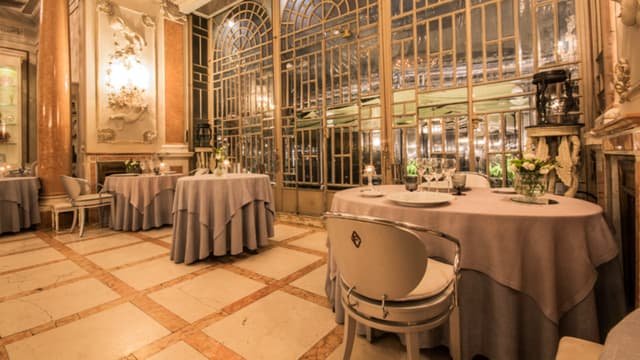
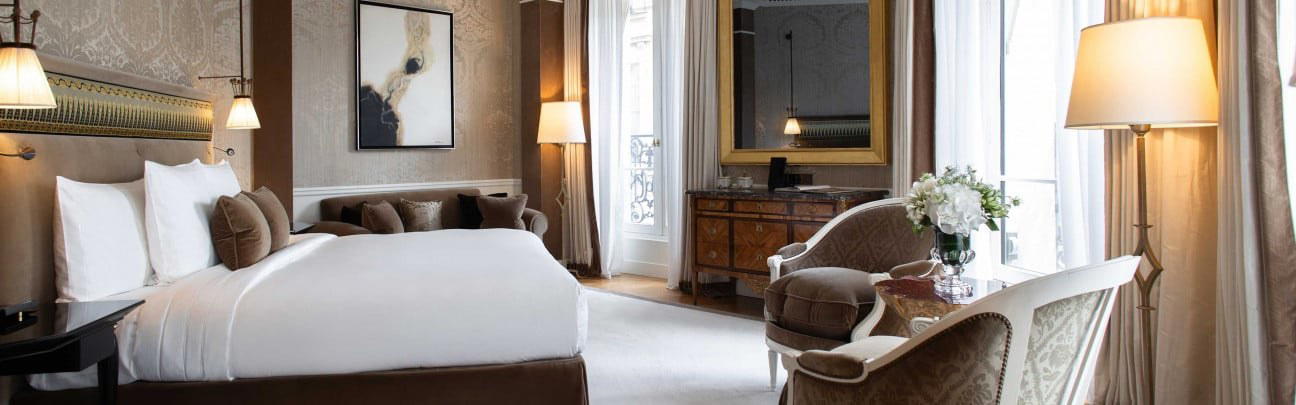
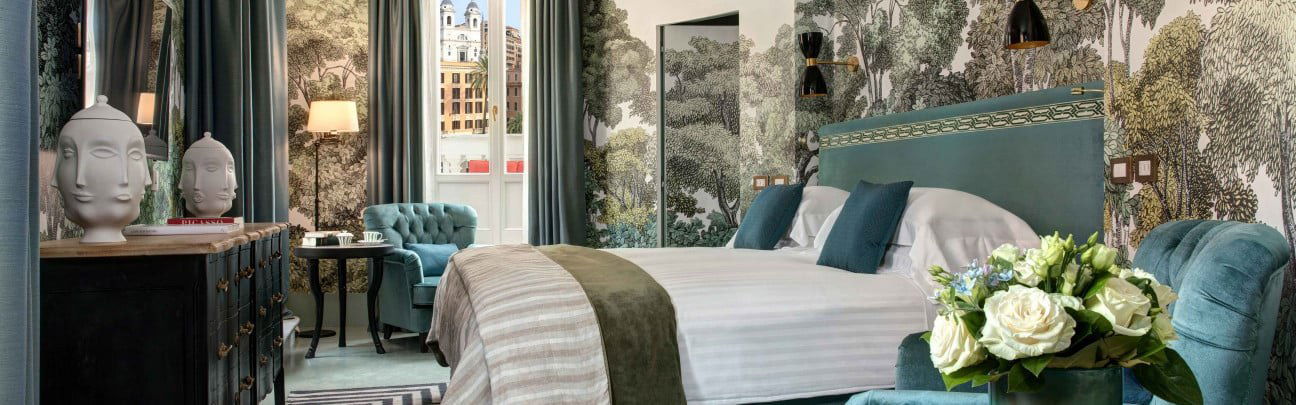
Rocco Forte House at Piazza di Spagna reads like a small-scale palace stay. Housed in an 18th-century palazzo, the property emphasizes residential continuity rather than hotel theatrics: high ceilings, substantial masonry and period proportions give the rooms a weighty, historic presence. Tommaso Ziffer’s theatrical-classical interiors layer textiles and antique furnishings to reinforce that sense of cultivated grandeur. The experience feels intimate and private—five palatial suites inside a single building—so the overall tone is measured, composed and quietly theatrical rather than flashy. It places you in the architectural fabric of Rome’s Tridente rather than apart from it.
Best For
This is best for travelers seeking discreet, highly curated luxury in the heart of Rome’s Tridente. Couples and small-party guests who want a quiet, residential base for exploring the Spanish Steps, nearby galleries and high-end boutiques will find the scale and location ideal. The handful of suites and a dedicated house manager make it particularly suitable for romantic getaways, anniversaries and weekend escapes when privacy and continuity of service matter. It’s less a bustling city hotel than a refined urban pied-à-terre for lingering in the historic centre.
Stay Tips
Book early and treat a reservation here as booking a private residence rather than a typical city hotel: there are only five suites. The property operates on a residential logic and assigns a dedicated house manager, so arranging the stay directly through the hotel or requesting continuity with the house manager will help ensure personalized attention and a smooth arrival. Given the intimate scale, specify any timing or logistical preferences upfront—late requests may be harder to fulfill once occupancy is set.
Venue details
Ambiance
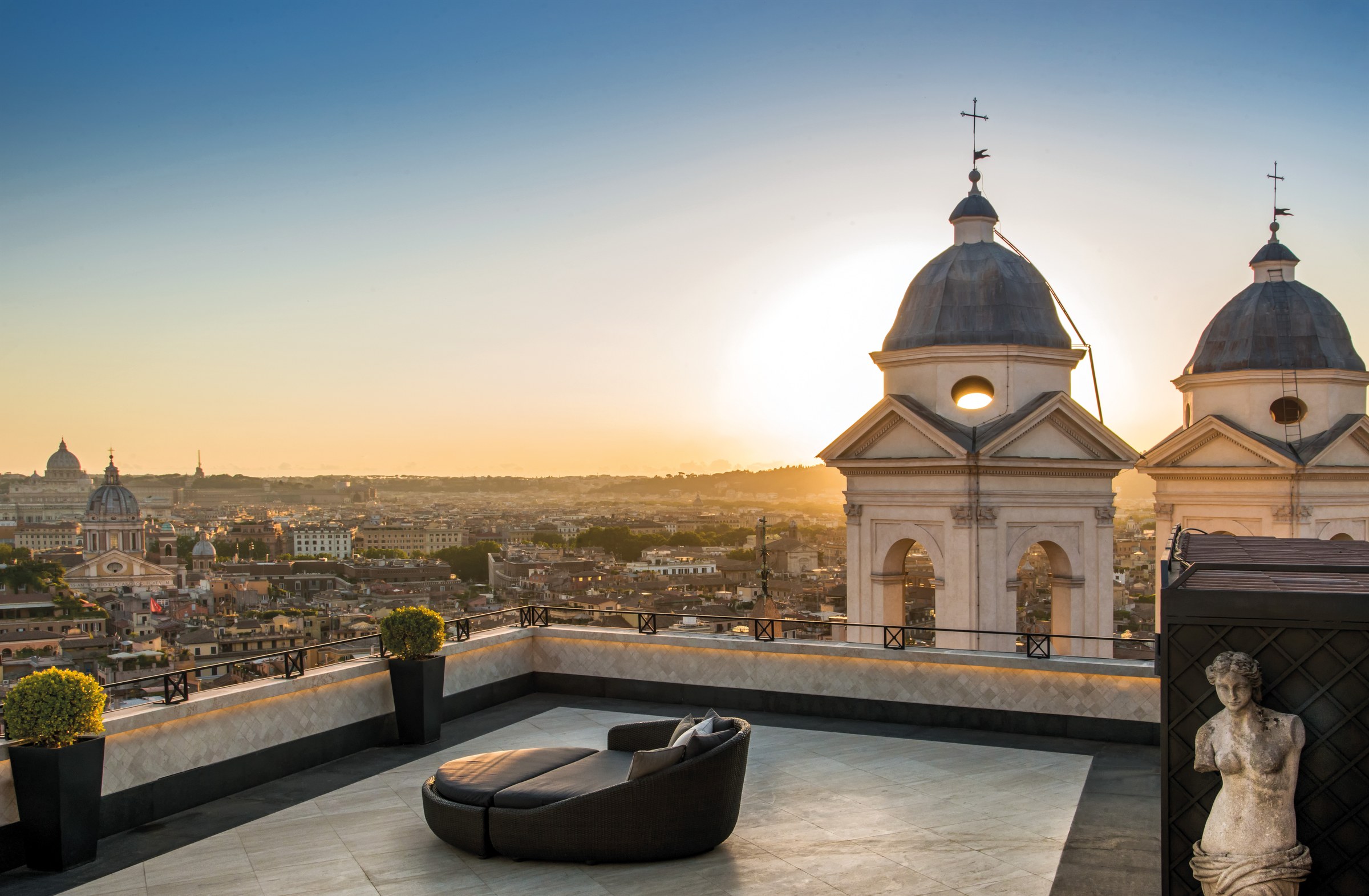
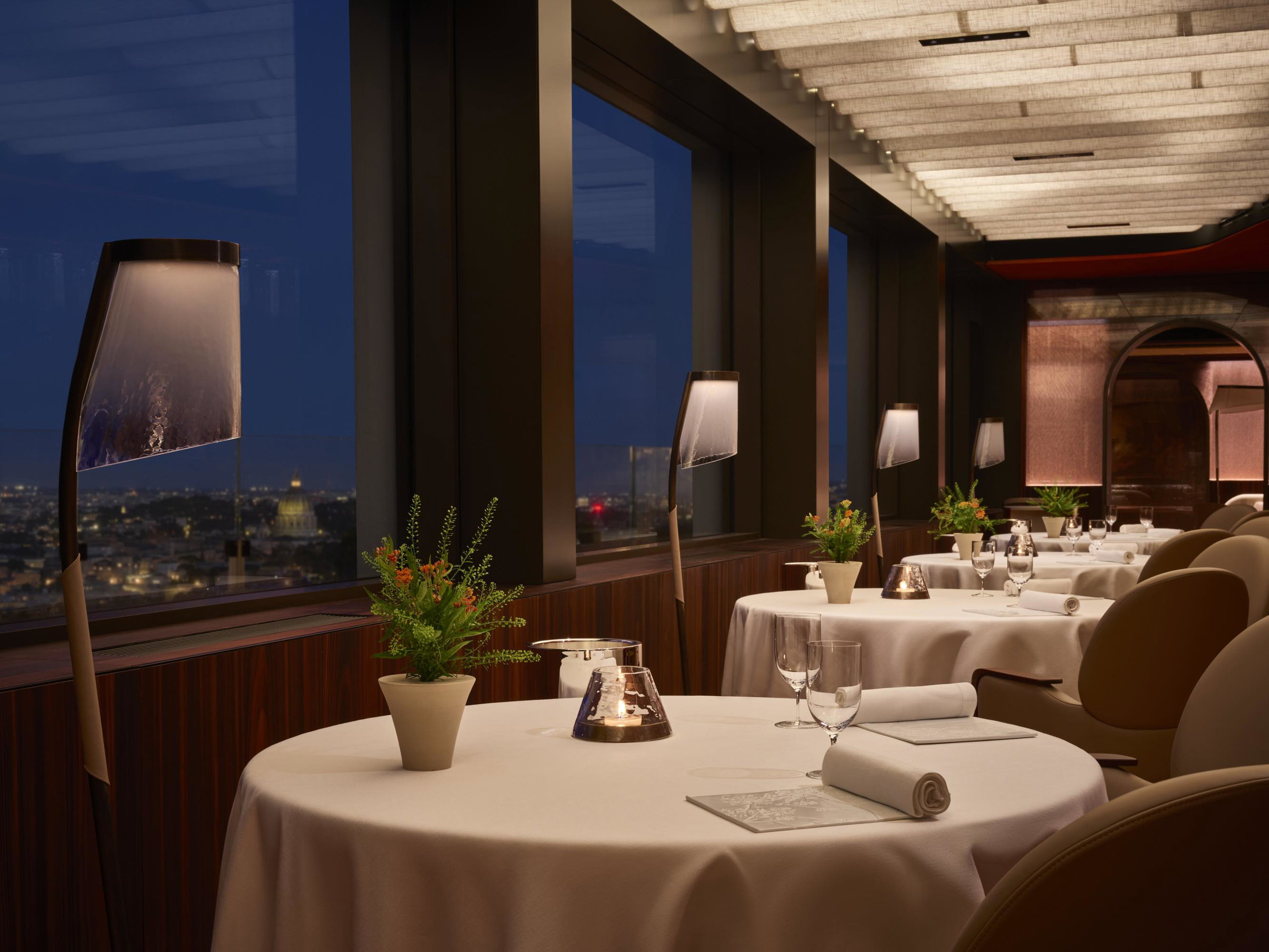
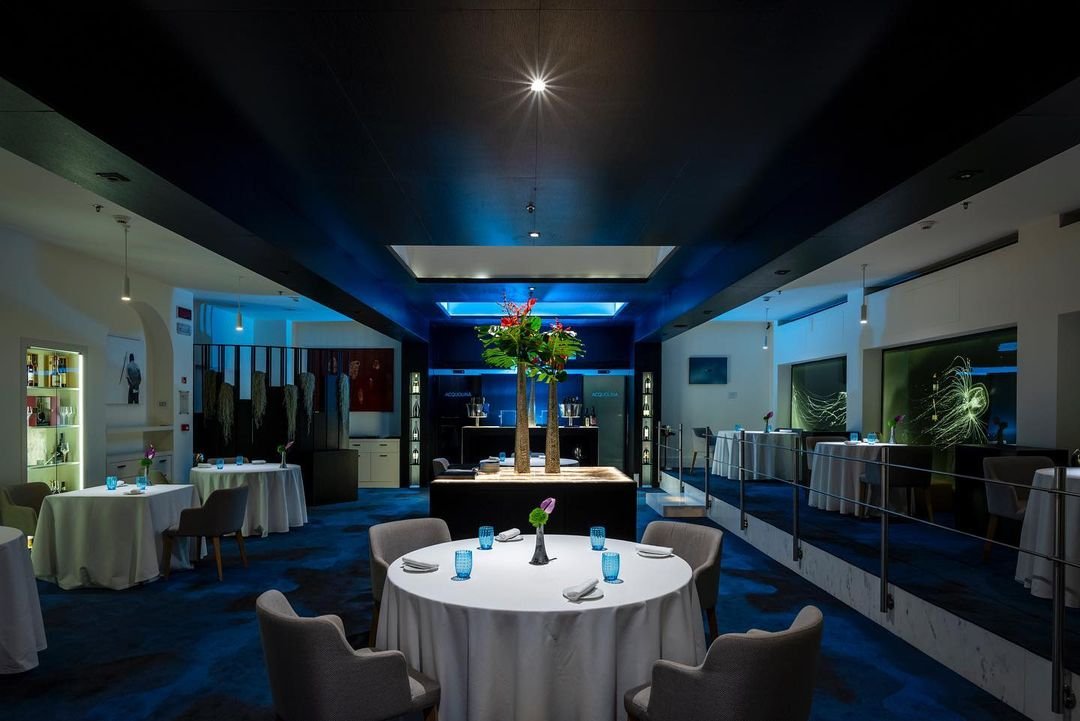
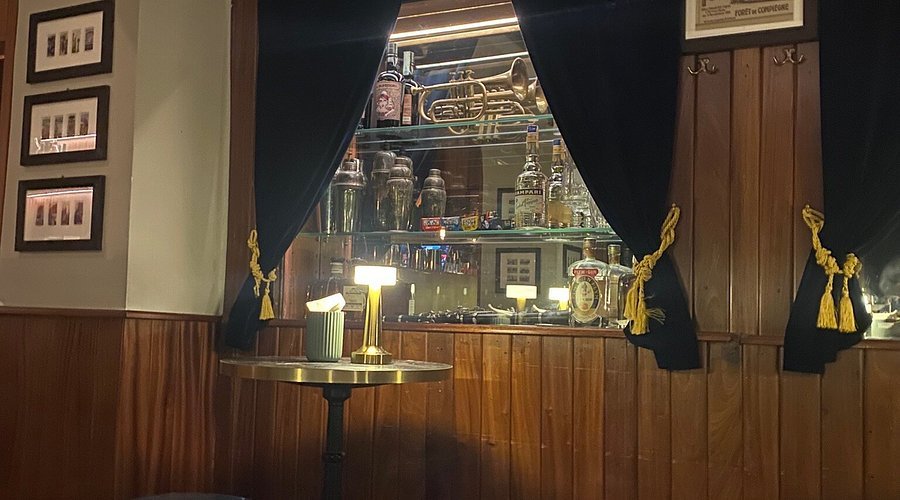
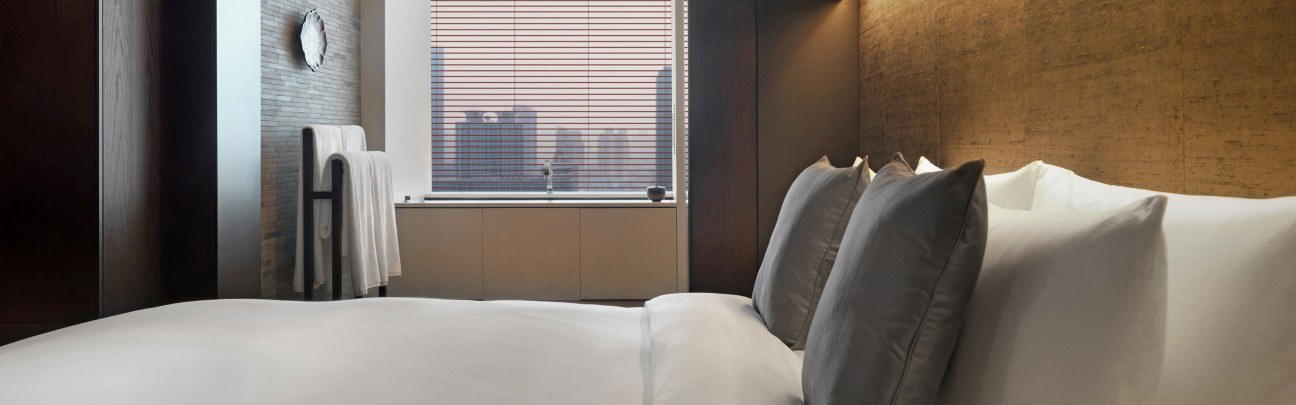
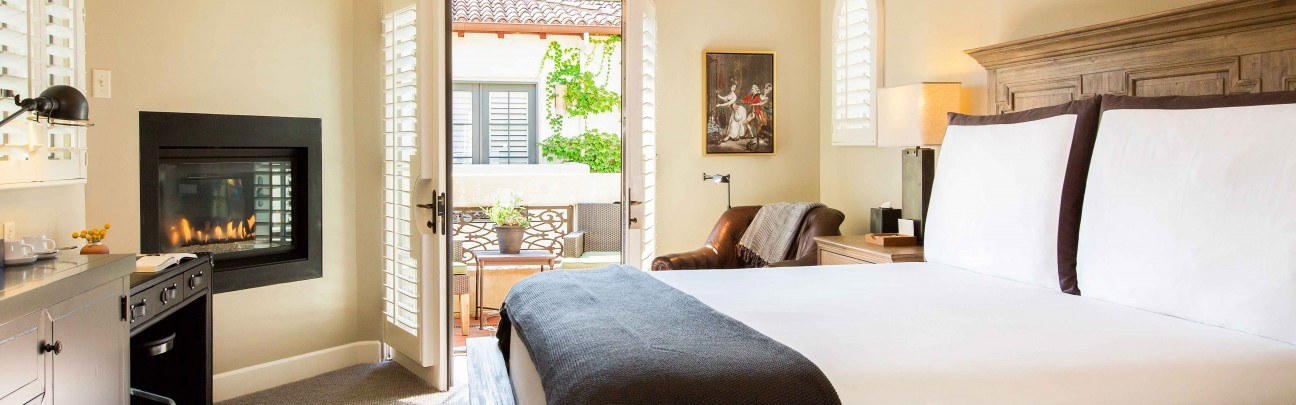
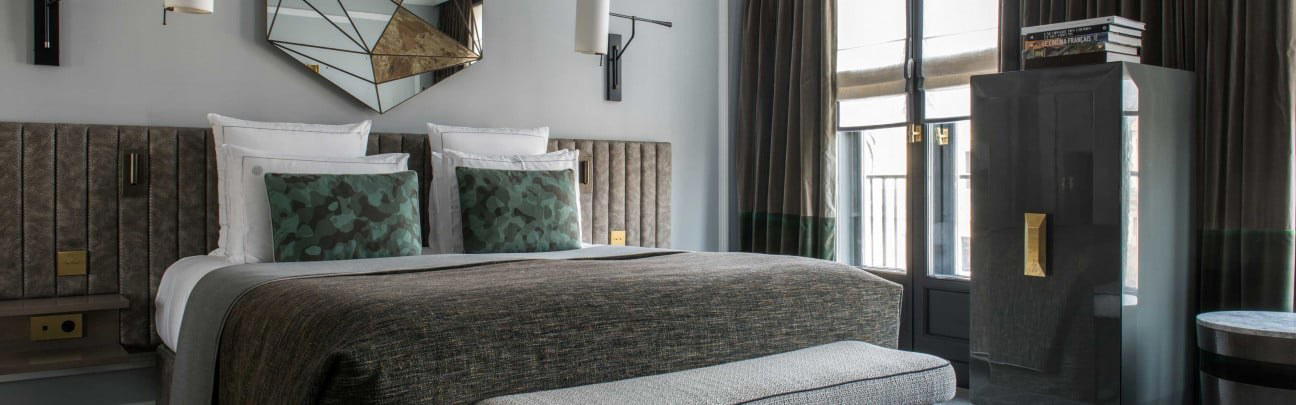
Elegant and opulent with ambient lighting, rich velvet furnishings, stylish artworks, and natural light from panoramic views.
Tags
Vibe
Best For
Experience
Amenities
View
Accessibility
About the Stay
- Rooms
- 5
- Check-in
- 15:00
- Check-out
- 12:00
- Property Type
- Palace hotel
- Property Style
- Contemporary Roman Palazzo Apartments Blending Tradition with Luxury.
- Design Style
- Opulent Baroque Inspired Elegance by Tommaso Ziffer with Rich Fabrics and Antiques.
- Pool
- Yes
- Spa
- Yes
- Pets
- Allowed
Know before you go
Know Before You Go
- Getting there
- 114 Via del Babuino, Piazza di Spagna
Planning details
Location
114 Via del Babuino, Piazza di Spagna · Directions
Recognition and awards

Also consider
Where to look if this does not fit
If the rate feels hard to justify for a short stay, start with Crossing Condotti or Mario de Fiori 37 Boutique Hotel. Both make more sense for travelers who want the Spanish Steps area without paying primarily for serviced-residence privacy.
If the brief is polished luxury in the same part of Rome, compare against Portrait Roma. It is the more natural alternative for guests who want a boutique-hotel feel rather than a private-house format.
Hotel context
How it compares near Piazza di Spagna
Rocco Forte House, Piazza di Spagna Roma is the stronger pick if you want serviced-residence privacy with luxury handling near the Spanish Steps. Mario de Fiori 37 Boutique Hotel and Crossing Condotti are better cross-shops for travelers who want a smaller boutique stay and are more focused on room value than a residence-style setup.
The Inn At The Spanish Steps is the practical comparison if being directly around the Spanish Steps is the main brief. Choose it when location outweighs privacy. Portrait Roma is the sharper rival for guests who want a polished luxury-boutique feel in the same general orbit; compare final rates closely before deciding.
Casa Fabbrini Boutique B & B makes more sense for travelers who prefer a smaller, more intimate stay and do not need the same luxury-service positioning. Rocco Forte House is easiest to justify for families, longer stays, and repeat Rome visitors who will value privacy and staff coordination.
Around this place
Discover more on Pearl
Unlock the full Rocco Forte House, Piazza di Spagna Roma guide in Pearl, including awards, comparisons, FAQs, planning details, and nearby places.
Compare Rocco Forte House, Piazza di Spagna Roma
| Venue | Location | Awards |
|---|---|---|
| Rocco Forte House, Piazza di Spagna Roma | Rome | 2026 Virtuoso Luxury Hotel Collection2026 Mr & Mrs Smith Luxury Hotels |
| Mario de Fiori 37 Boutique Hotel | Rome | No published awards |
| Crossing Condotti | Rome | No published awards |
| The Inn At The Spanish Steps | Rome | No published awards |
| Portrait Roma | Rome | 2026 Virtuoso Luxury Hotel Collection2026 Forbes 4-Star2026 Mr & Mrs Smith Luxury HotelsLeading Hotels of the World 20262026 La Liste Top Hotels2026 Michelin 1 Key2025 Michelin 1 Key2024 Michelin 1 Key |
| Casa Fabbrini Boutique B & B | Rome | No published awards |





How Rocco Forte House, Piazza di Spagna Roma compares with similar nearby venues.
FAQ
Frequently Asked Questions
Is Rocco Forte House, Piazza di Spagna Roma family-friendly?
Family-specific facilities should be confirmed directly with the property before booking.
How is the pool and spa at Rocco Forte House, Piazza di Spagna Roma?
Pool and spa details should be checked on the venue's official channels before you book.
Is Rocco Forte House, Piazza di Spagna Roma good for business travel?
The confirmed facts are that the venue is in Rome, has a smart casual dress code, and carries 2026 Mr & Mrs Smith Seal of Approval and Virtuoso Luxury Hotel Partner recognition. If you need meeting rooms, workspaces, or business services, confirm them before booking.
Which room category is best at Rocco Forte House, Piazza di Spagna Roma?
Choose only after confirming the current options, occupancy limits, bedding, and any features that matter for your trip.
How does Rocco Forte House, Piazza di Spagna Roma compare to other options?
Use it as one option to compare with Casa Fabbrini Boutique B & B, Crossing Condotti, Mario de Fiori 37 Boutique Hotel, Portrait Roma, and The Inn At The Spanish Steps. The differentiators here are the smart casual dress code and the 2026 Mr & Mrs Smith Seal of Approval and Virtuoso Luxury Hotel Partner recognition; confirm current amenities and rates before choosing among them.
When is the best time to book Rocco Forte House, Piazza di Spagna Roma?
Book according to your travel dates, cancellation needs, and rate tolerance, and confirm any essential stay details before committing. The 2026 Mr & Mrs Smith Seal of Approval and Virtuoso Luxury Hotel Partner credentials support considering it as a premium Rome option.