


ROMEO Roma
Campo Marzio, Rome
Hotel in Rome, Italy
 Book with Pearl
The Read
Hadid-Inflected Roman Hospitality
Why go
ROMEO Roma is a strong pick for travelers who want a central Rome base with recent third-party recognition, including Small Luxury Hotels of the World membership, MICHELIN hotel selection, and Esquire Best New Hotels notice. It makes the most sense when booked through a channel that can improve value with perks, rather than as a purely price-led stay.
About ROMEO Roma
ROMEO Roma is a Rome hotel with a clear third-party recognition story in 2025. The public signals are its Small Luxury Hotels of the World membership, its MICHELIN Guide hotel selection, and its inclusion in Esquire's Best New Hotels. For travelers comparing premium stays in Rome, the safest reason to keep it on the shortlist is that combination of confirmed credentials rather than any claim about facilities, neighborhood specifics, or on-property programming.
The strongest reason to choose it is trust. In the same year, ROMEO Roma was listed as a Small Luxury Hotels of the World member, selected by the MICHELIN Guide for hotels, and named by Esquire among its Best New Hotels. That combination gives the hotel a concise recognition profile for travelers who want more than a name and a Rome location. The dress code is smart casual, which also helps set expectations for the tone of the stay.
A Rome stay that makes more sense through credentials
The practical value case should start with what is confirmed: ROMEO Roma is in Rome and has recognition from Small Luxury Hotels of the World, the MICHELIN Guide, and Esquire. If booking benefits, breakfast, late checkout, cancellation terms, or room-category treatment matter to your trip, verify those details directly through the booking channel before assuming they apply.
For a traveler weighing premium Rome hotels, the decision is fairly clear: choose ROMEO Roma if recent recognition and a smart-casual hotel signal carry more weight than a lowest-price search. If the trip depends on specific facilities, a particular service format, or detailed on-property amenities, confirm those points before committing, because those details are not part of the information here.
Where it sits against other Rome hotel options
Against other Rome options, ROMEO Roma reads as a hotel with a clear 2025 recognition profile. The First Arte, Rome, Palazzo Ripetta, Hotel Locarno, Babuino 181, and Boutique Hotel Anahì are natural names to compare when building a Rome hotel shortlist, but ROMEO Roma's distinction is its combination of Small Luxury Hotels of the World membership, MICHELIN Guide hotel selection, and Esquire Best New Hotels recognition.
For value control, compare rates and booking terms across Boutique Hotel Anahì, Babuino 181, Hotel Locarno, Palazzo Ripetta, and The First Arte, Rome. ROMEO Roma is the better fit when the decision is driven by its confirmed recognition profile; another Rome option may make more sense if budget, room type, or a different hotel mood matters more.
For broader planning, use Pearl's Rome hotels guide alongside the Rome restaurants guide, Rome bars guide, Rome wineries guide, and Rome experiences guide. The short version: ROMEO Roma is a yes for travelers who want a Rome hotel with confirmed 2025 recognition. It is less compelling if the main goal is the lowest room spend or if you need details on specific amenities before booking.
Inside ROMEO Roma
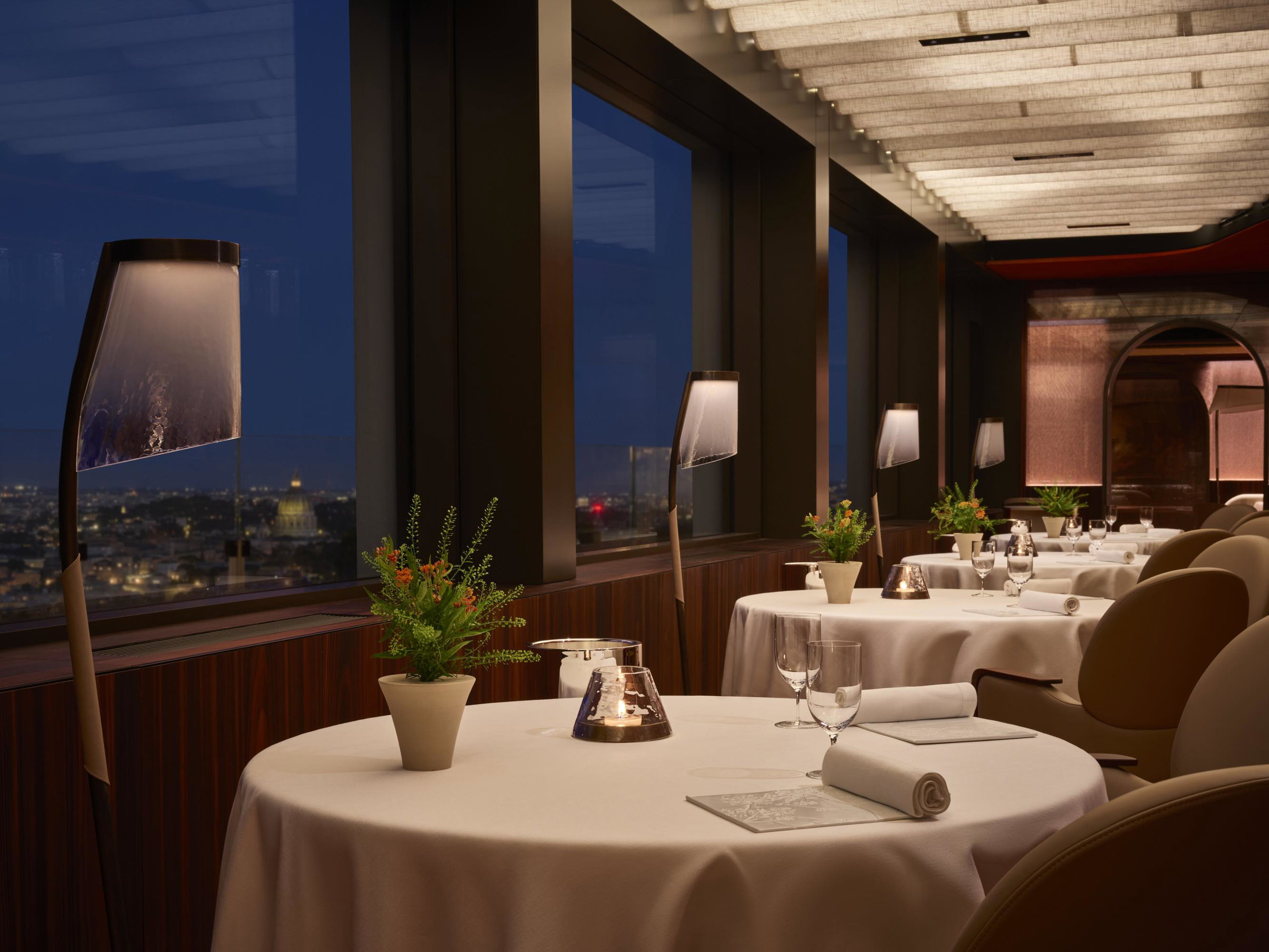
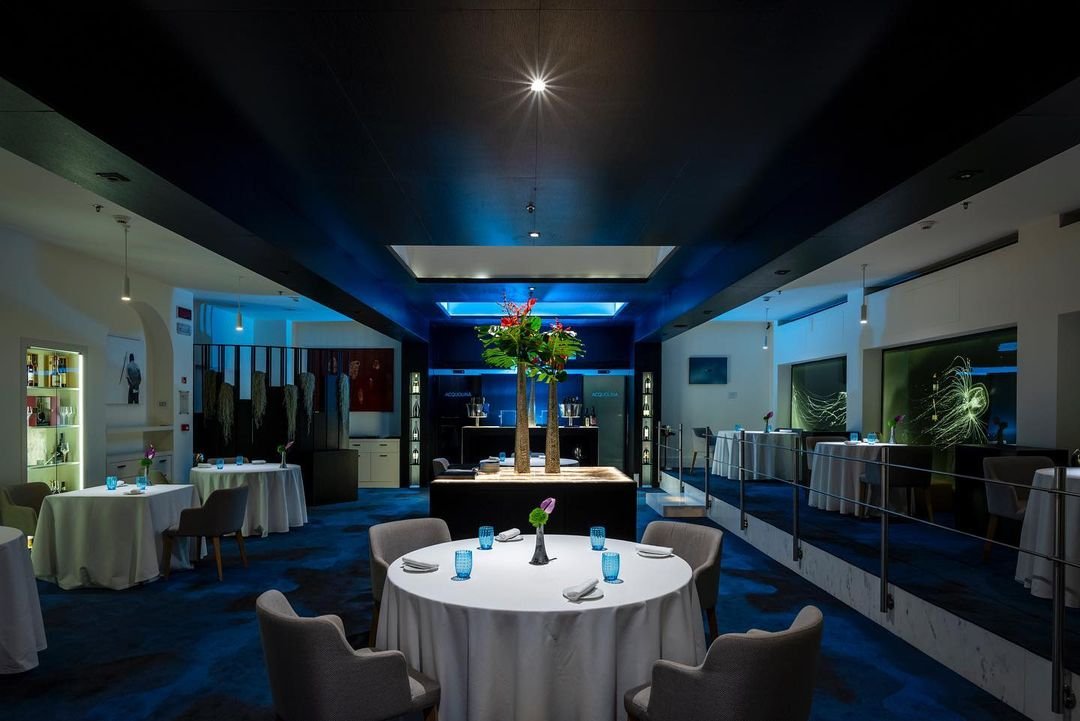
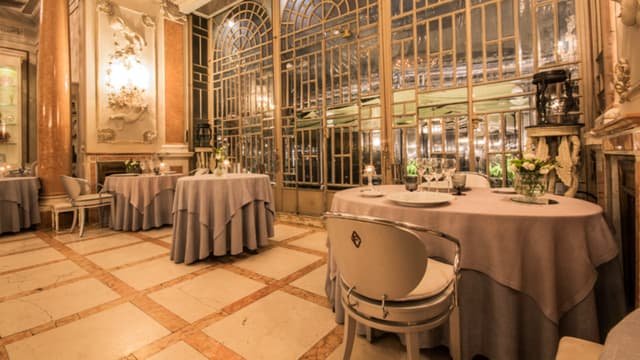
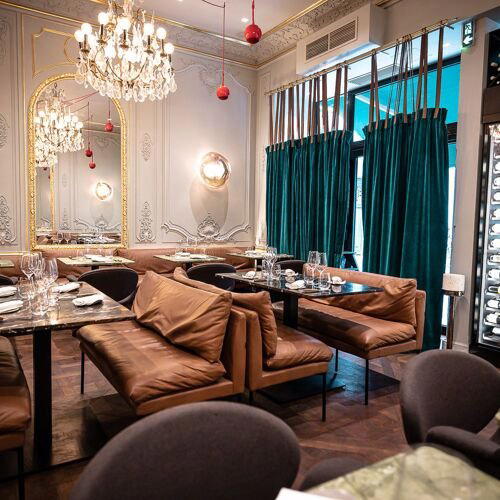 restaurantIl Ristorante Alain Ducasse RomaInside ROMEO Roma, a 17th-century palazzo steps from Piazza del Popolo, Il Ristorante Alain Ducasse occupies a Zaha Hadid-designed dining room of ebony panelling and marble. The kitchen, led by Jacopo Iualè, works with Mediterranean ingredients through the Ducasse network's rigorous product-first approach. A Michelin Plate holder at the €€€€ tier, it sits in a small cohort of Rome fine-dining rooms where architectural ambition and culinary ambition operate in parallel.
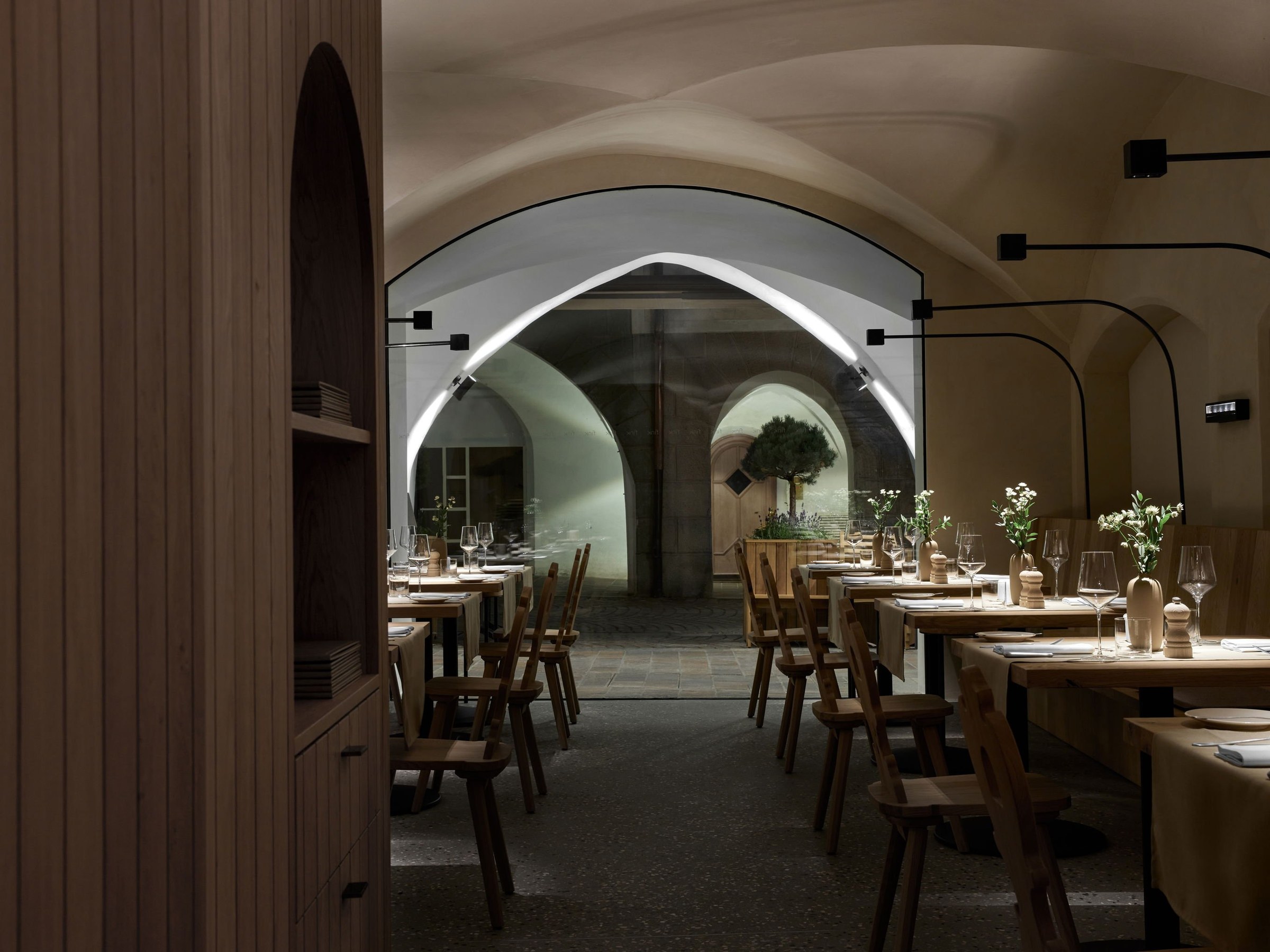
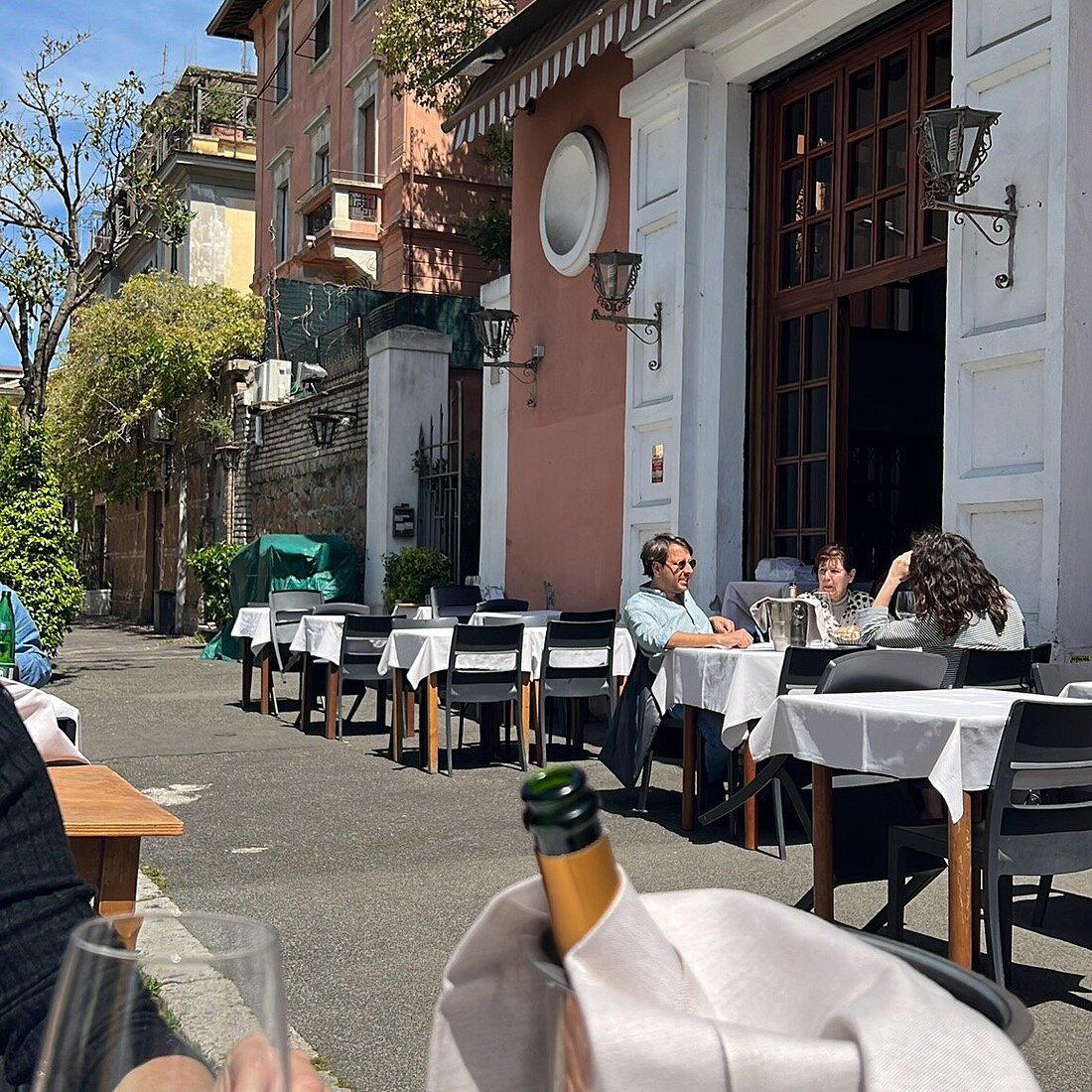 otherIl CortileOn Via Emilia in Rome's Sallustiano quarter, Il Cortile occupies the kind of address where the city's business and diplomatic circuits converge with its restaurant scene. The setting places it within a tier of Roman dining that serves a local professional clientele rather than tourist foot traffic, making it a reliable reference point for anyone tracing the capital's mid-to-upper dining register.
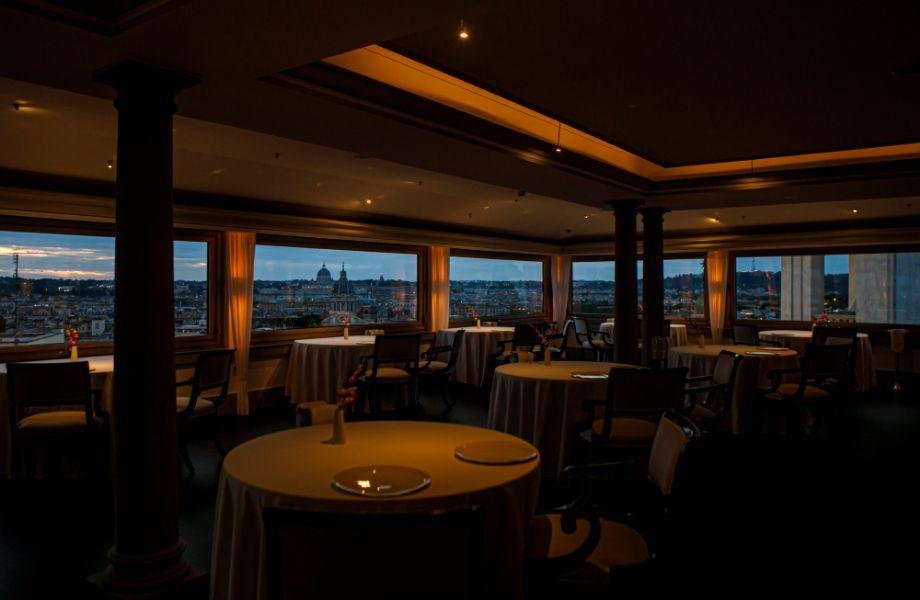
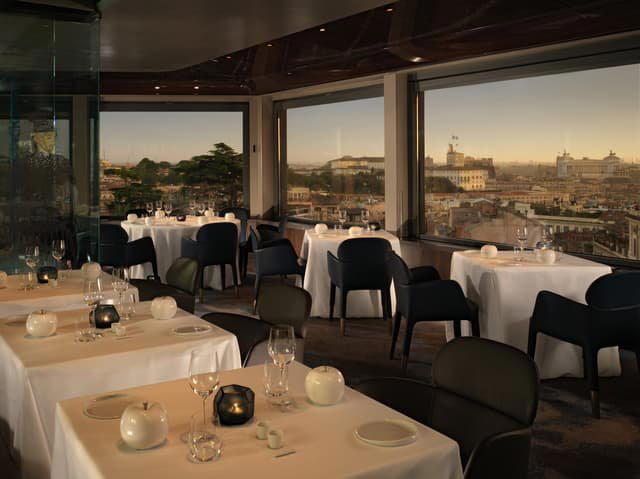 rooftop_barLa TerrazzaLa Terrazza belongs to Rome’s polished modern-Italian tier, where regional memory matters more than theatrical reinvention. Fabio Ciervo’s kitchen is framed by Michelin Plate recognition in 2024 and 2025, placing the restaurant among the city’s formal dining rooms for travelers who want contemporary Italian cooking with a Roman address and a controlled, high-comfort setting.
Planning details
- Location
- Via di Ripetta, 246, 00186 Roma RM
- Website
- theromeocollection.com/it/romeo-roma
- Phone
- +39 06 4554 5000
The take
The Take
The Vibe
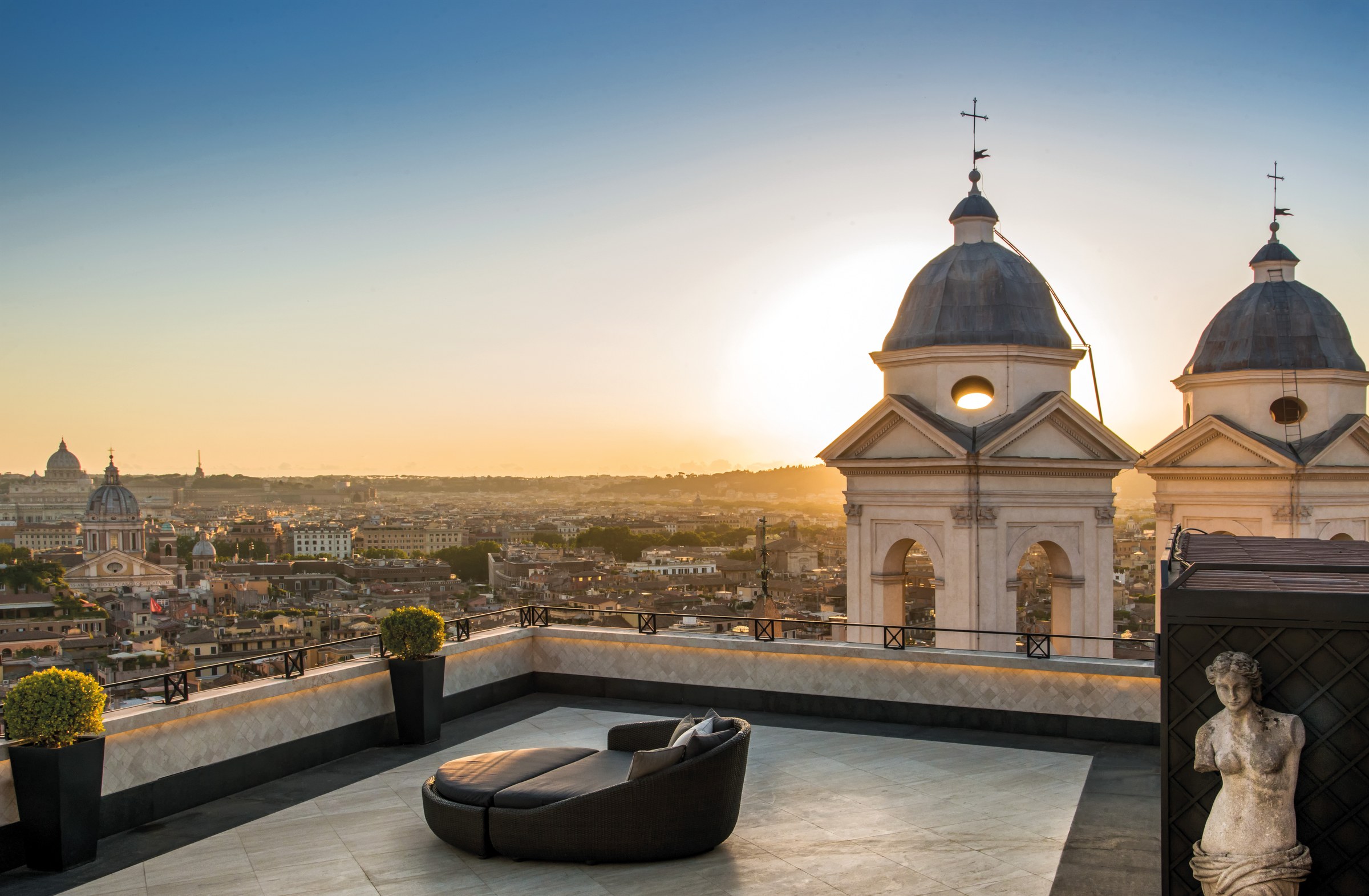
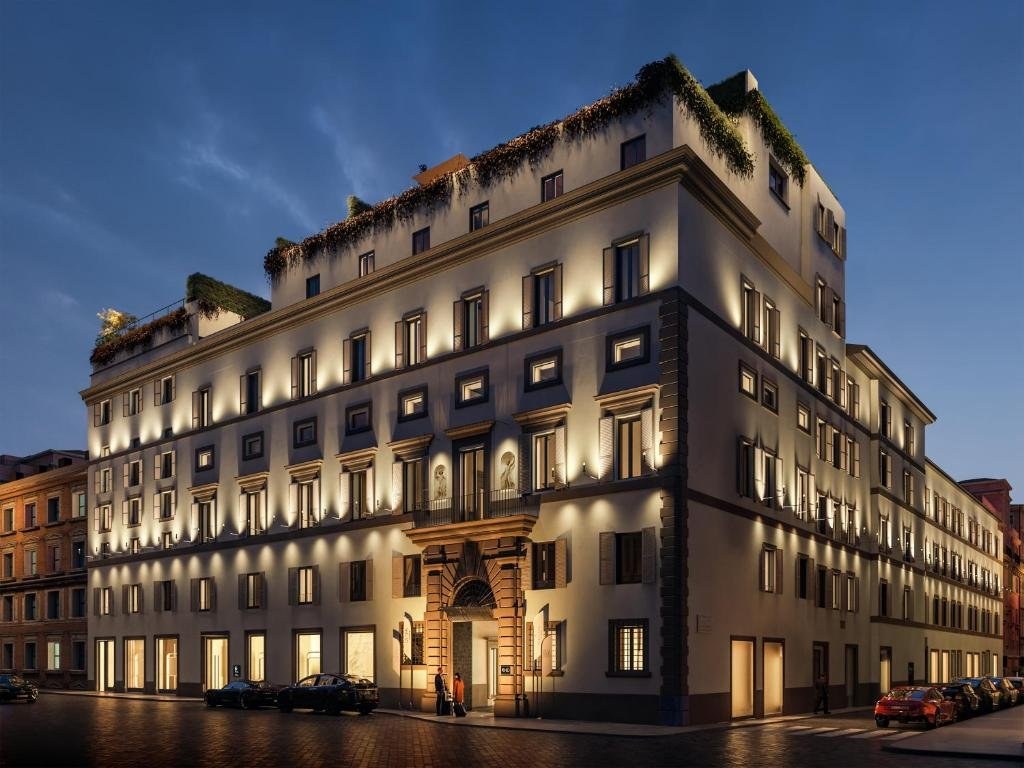
ROMEO Roma stages a deliberate dialogue between old and new: Zaha Hadid’s fluid, contemporary interventions are woven into a restored 16th‑century palazzo, producing a rare architectural tension in Rome. The hotel reads as a curated artwork more than a neutral backdrop — the building itself is presented as the principal argument — and that identity informs everything from circulation to finishes. Despite five‑star infrastructure and international scale, the property resists easy categorisation, standing apart from both grand classical addresses and smaller design‑forward independents. The result feels purposeful, quietly bold and historically grounded rather than merely decorative.
Best For
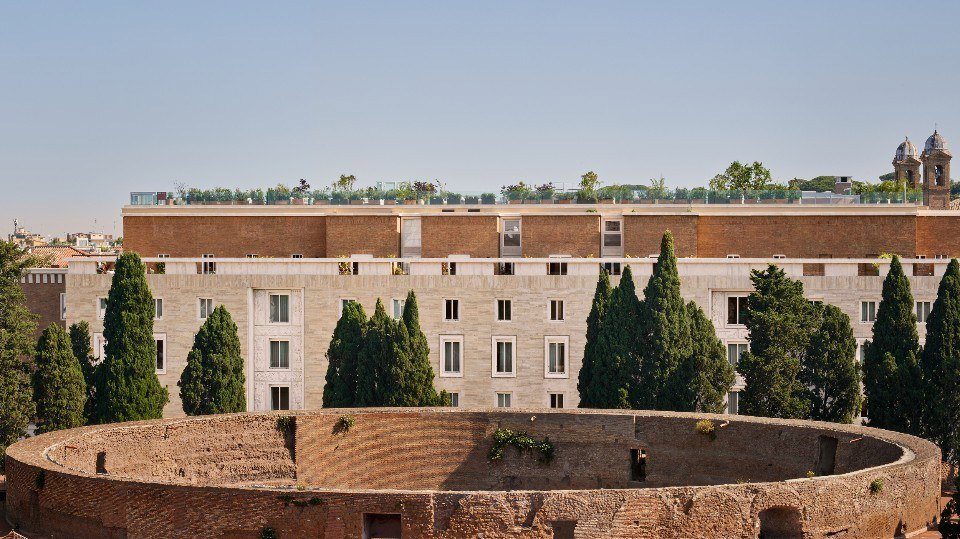
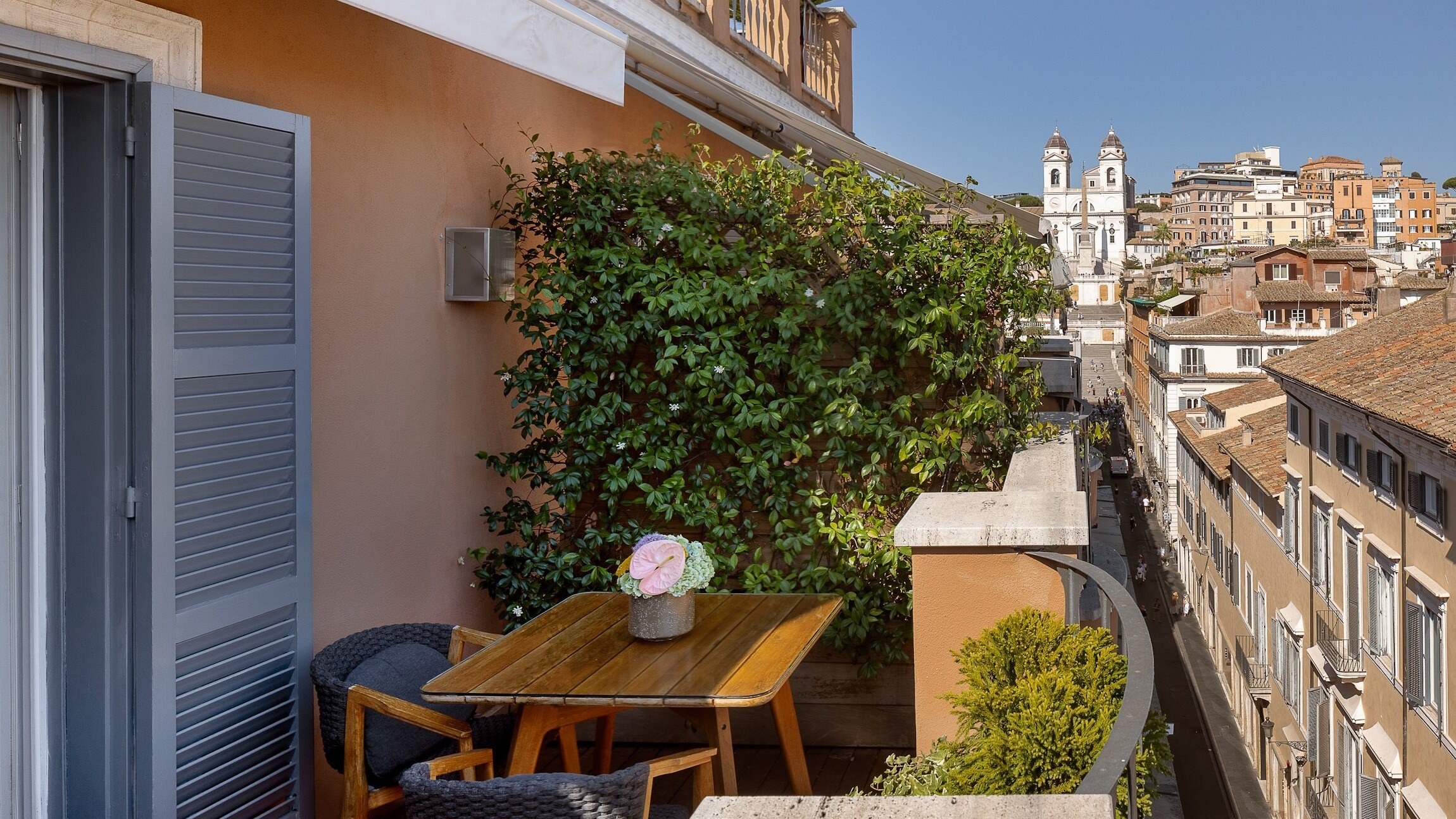
ROMEO Roma is best for travelers who prize architecture and luxury in equal measure and for couples seeking a formally romantic stay: it is already framed as a destination for romantic getaways, honeymoons and anniversaries. The hotel’s location on Via di Ripetta near Piazza del Popolo also makes it convenient for short walks into the centro storico, allowing guests to pair museum and sightseeing time with a design‑forward base. Guests who appreciate hotels that act as cultural statements — where interiors and building form are part of the experience — find ROMEO especially rewarding.
Stay Tips
When booking, prioritise encountering the building as the experience: allow time to explore both the contemporary Hadid interventions and the restored palazzo fabric so you can appreciate the intended contrast. Reserve early during high seasons — the property’s distinct architectural identity and five‑star positioning suggest steady demand — and plan short walking excursions to Piazza del Popolo and the surrounding centro storico to contextualise the stay. Keep expectations on design and scale rather than boutique intimacy: ROMEO trades on its status as a hotel‑as‑architecture rather than a conventional historic inn.
Venue details
Ambiance
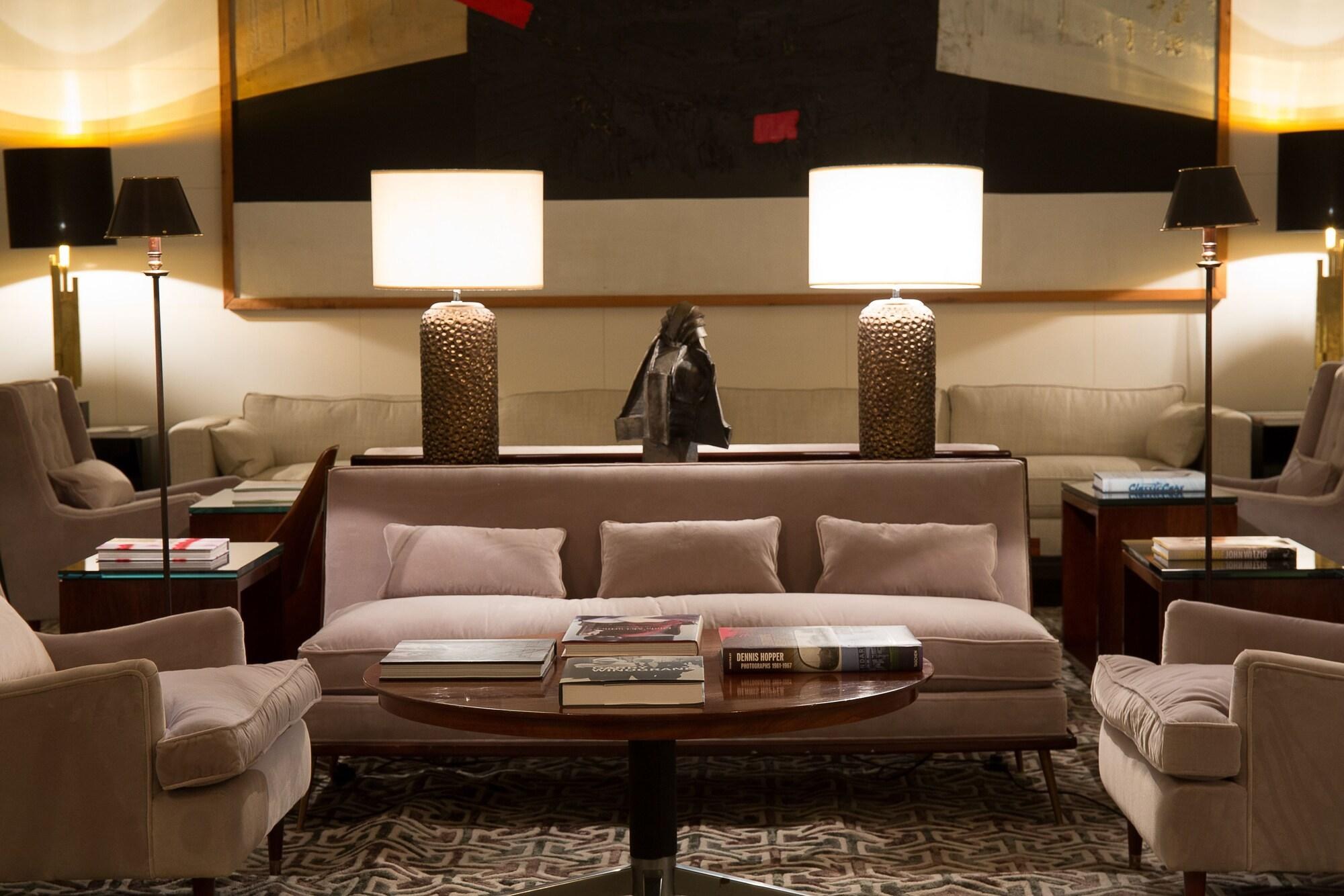
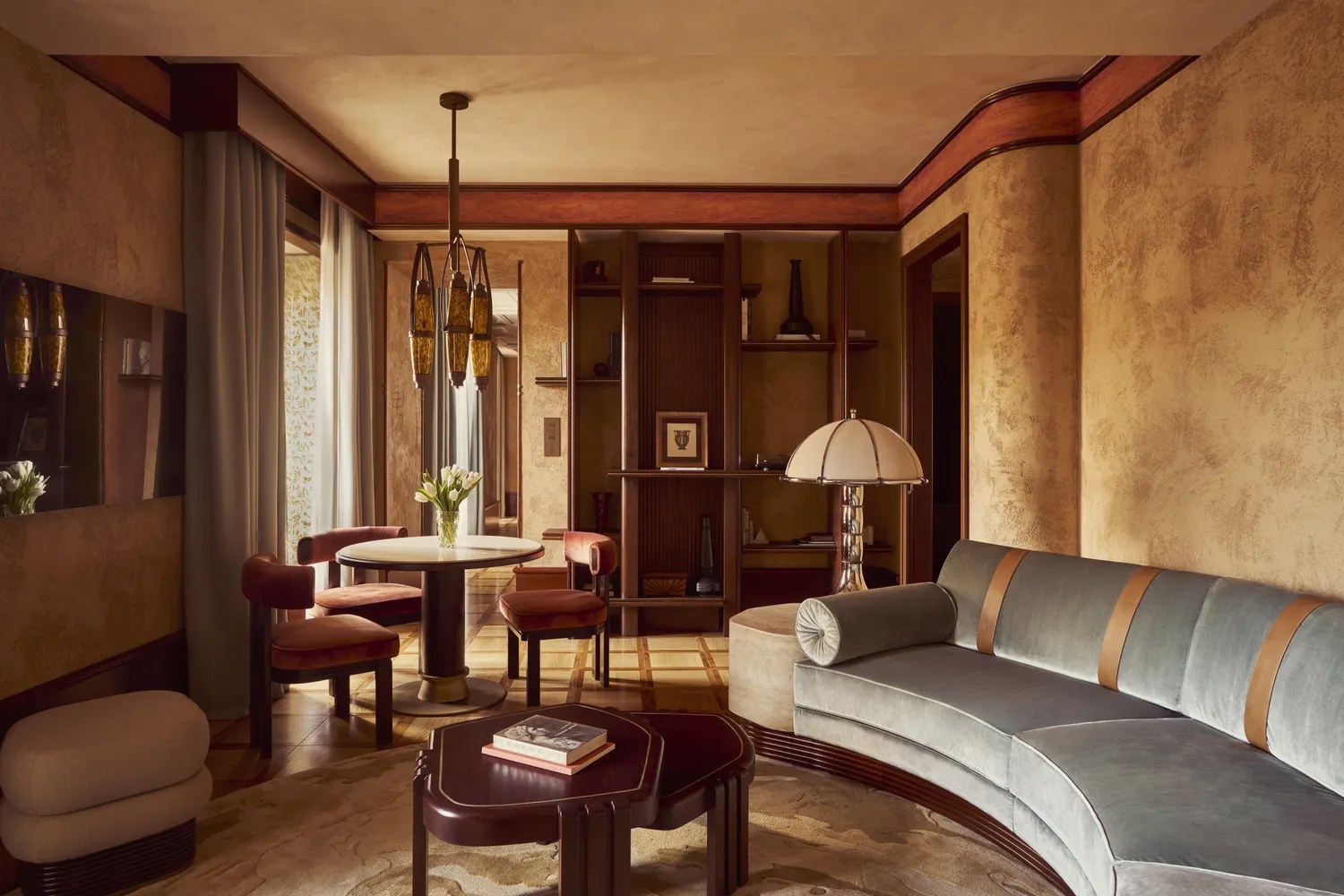
Lively yet calm with innovative use of space, curated artworks, soft lighting, and fluid architectural lines creating an elegant, artistic atmosphere.
Tags
Vibe
Best For
Experience
Amenities
View
Accessibility
About the Stay
- Rooms
- 74
- Check-in
- 15:00
- Check-out
- 12:00
- Property Style
- Contemporary Luxury Palace Blending Historic Palazzo with Avant Garde Architecture
- Design Style
- Zaha Hadid Inspired Fluid, Futuristic Design with Renaissance Frescoes
Know before you go
Know Before You Go
- Getting there
- Via di Ripetta, 246, 00186 Roma RM
Planning details
Location
Recognition and awards


Also consider
Where to look if ROMEO Roma is not the right fit
Choose The First Arte, Rome if the stay should lean more art-forward while staying in a similar central-Rome bracket. Choose Hotel Locarno if atmosphere and a more established Rome hotel mood matter more than recent recognition.
Hotel context
How ROMEO Roma compares in central Rome
ROMEO Roma is the newer, more recognition-driven choice in this group. Compared with The First Arte, Rome, it is the cleaner pick for travelers prioritizing recent hotel validation over a more established art-hotel identity. Choose The First Arte if the art-led hotel feel is the point of the trip; choose ROMEO Roma if current awards and a fresh central-Rome stay carry more weight.
Palazzo Ripetta and Hotel Locarno are better cross-shops for guests who want atmosphere and a stronger old-Rome mood. ROMEO Roma is better for a traveler who wants the confidence of 2025 recognition and is less tied to a classic palazzo narrative. Booking difficulty is listed as easy, so it is also a practical fallback when the better-known central options are tight.
For value, compare it against Boutique Hotel Anahì and Babuino 181. Those make more sense if the hotel is mainly a sleeping base near the historic core. ROMEO Roma is the stronger splurge when location, newness, and recognized hotel credentials matter enough to justify paying beyond a simple boutique-room choice.
Around this place
Discover more on Pearl
Unlock the full ROMEO Roma guide in Pearl, including awards, comparisons, FAQs, planning details, and nearby places.
Compare ROMEO Roma
| Venue | Location | Awards |
|---|---|---|
| ROMEO Roma | Rome | 2025 Esquire Best New Hotels2025 Michelin Selected HotelsSmall Luxury Hotels Member 2025 |
| The First Arte, Rome | Rome | 2026 Virtuoso Luxury Hotel Collection2025 Michelin 1 KeyPreferred Hotels L.V.X. Collection 2025 |
| Palazzo Ripetta | Rome | No published awards |
| Boutique Hotel Anahì | Rome | No published awards |
| Hotel Locarno | Rome | 2026 La Liste Top Hotels2025 Michelin 1 Key2024 Michelin 1 Key |
| Babuino 181 | Rome | 2025 Michelin Selected HotelsSmall Luxury Hotels Member 2025 |




How ROMEO Roma compares with similar nearby venues.
FAQ
Frequently Asked Questions
How does ROMEO Roma compare to other Rome hotels?
Pick ROMEO Roma if you want a 2025 credential stack: Small Luxury Hotels of the World Member, Esquire Best New Hotels, and MICHELIN Guide Hotels Selected. The First Arte, Rome, Palazzo Ripetta, Hotel Locarno, Boutique Hotel Anahì, and Babuino 181 are natural Rome names to compare when checking rates, room types, and booking terms.
How is the pool and spa at ROMEO Roma?
Do not assume specific pool or spa details from the information here. The clearest confirmed signals are ROMEO Roma's Small Luxury Hotels of the World membership, MICHELIN Guide hotel selection, Esquire Best New Hotels recognition, and smart-casual dress code. If wellness facilities matter, confirm them directly before booking.
When is the best time to book ROMEO Roma?
Book when the rate, room type, and cancellation terms work for your Rome trip. ROMEO Roma has confirmed 2025 recognition from Small Luxury Hotels of the World, the MICHELIN Guide, and Esquire, so it is worth comparing early with Boutique Hotel Anahì, Babuino 181, Hotel Locarno, Palazzo Ripetta, and The First Arte, Rome.
Do loyalty programs work at ROMEO Roma?
ROMEO Roma is a Small Luxury Hotels of the World member. Any specific loyalty-style benefits, partner perks, or booking-channel inclusions should be checked directly at the time of booking rather than assumed.
How is the location of ROMEO Roma?
ROMEO Roma is in Rome. For planning, compare it with other Rome hotels such as The First Arte, Rome, Palazzo Ripetta, Hotel Locarno, Boutique Hotel Anahì, and Babuino 181, and confirm the exact location details through your booking source before travel.