

Margutta 19
Campo Marzio, Rome
Hotel in Rome, Italy
 Book with Pearl
The Read
Roman Street Mythology
Why go
Margutta 19 is worth booking if you want a quiet, design-led Rome base rather than a large luxury hotel. Its Small Luxury Hotels of the World membership and MICHELIN Guide hotel selection give useful quality signals; cross-shop Hotel de Russie for a grander service setup or Babuino 181 for a more direct city-hotel alternative.
About Margutta 19
Margutta 19 is a Rome hotel to consider if you want a stay with recognized credentials. Before you commit, confirm the current room details, facilities, and booking terms directly.
Margutta 19 is a Small Luxury Hotels of the World Member (2025) and is selected in the MICHELIN Guide hotel selection (2025). Those recognitions are useful context, but they should not be stretched into specific promises about service style, room count, dining, spa facilities, or other features.
A Rome base for travelers who value recognized credentials
Margutta 19 is best assessed as a Rome hotel with notable hotel recognition. If the trip is built around time in Rome, it can belong on the shortlist, provided the practical details match what you need.
The dress code is smart casual. Travelers should check current policies and on-property features directly with the hotel or booking channel, especially if specific facilities, accessibility details, family arrangements, dining options, or other trip-critical services matter.
Where it fits against other hotel choices
If you are comparing Margutta 19 with Babuino 181, keep the decision grounded in current booking details rather than assumptions about atmosphere or service format. The better choice depends on room availability, current rates, inclusions, and the exact stay requirements.
Rocco Forte Hotel de Russie and Hotel de Russie, a Rocco Forte Hotel are also natural names to review when planning a hotel stay. Use the comparison to clarify what matters most: recognition, room type, facilities, service expectations, and the terms attached to the reservation.
Casa Fabbrini Boutique B & B and ROMEO Roma may also appear in the same research set for travelers considering distinctive places to stay. Margutta 19’s key points are its Rome location, smart casual dress code, Small Luxury Hotels of the World Member (2025), and MICHELIN Guide hotel selection (2025).
Quick reference: choose Margutta 19 if those credentials and a Rome stay fit your plans; compare other options if you need more detail on facilities, services, room categories, or trip-specific requirements before booking.
Planning details
- Location
- Via Margutta, 19, 00187 Roma RM
- Website
- romeluxurysuites.com/margutta-19
- Phone
- +39 06 9779 7979
The take
The Take
The Vibe
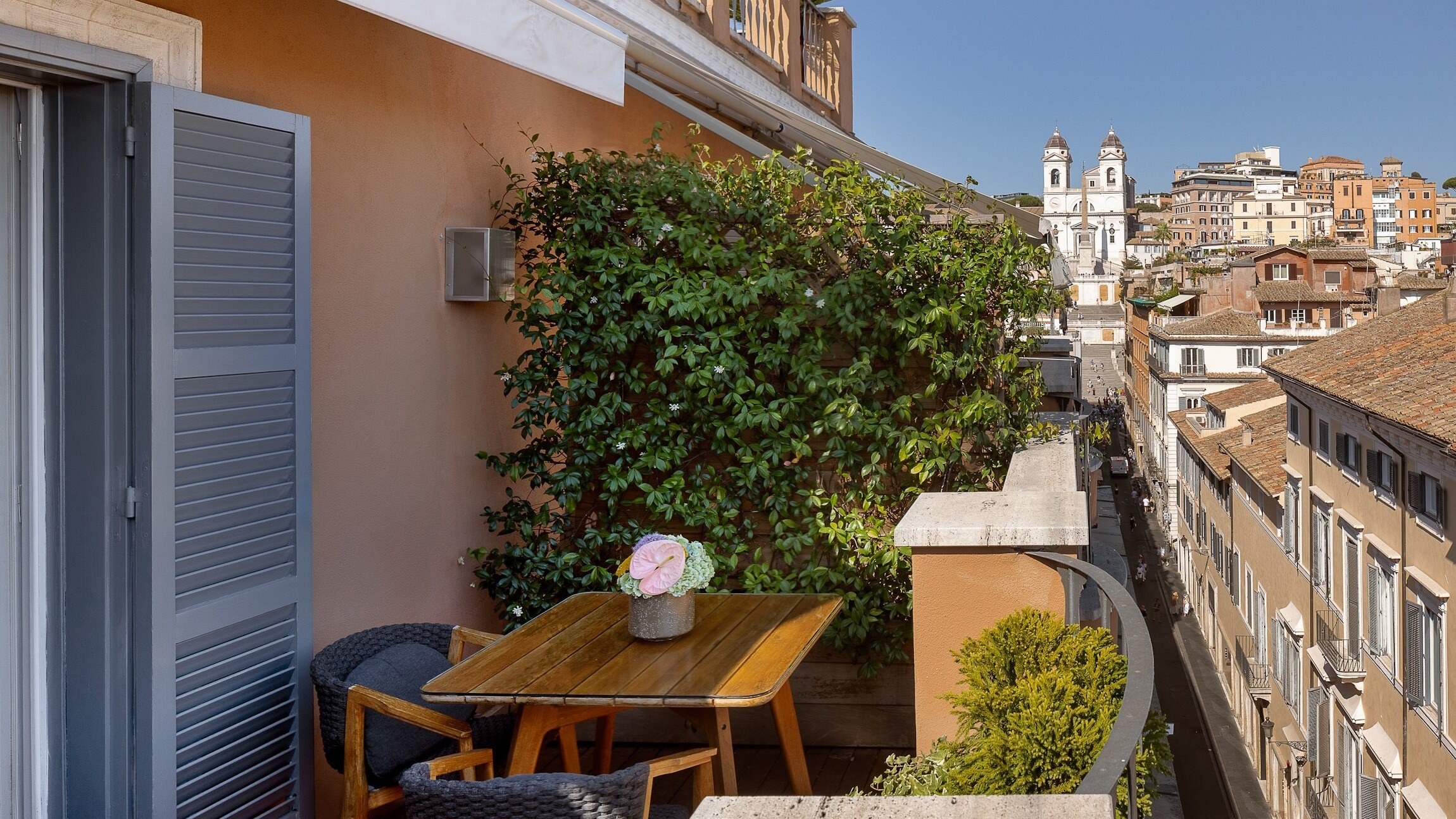
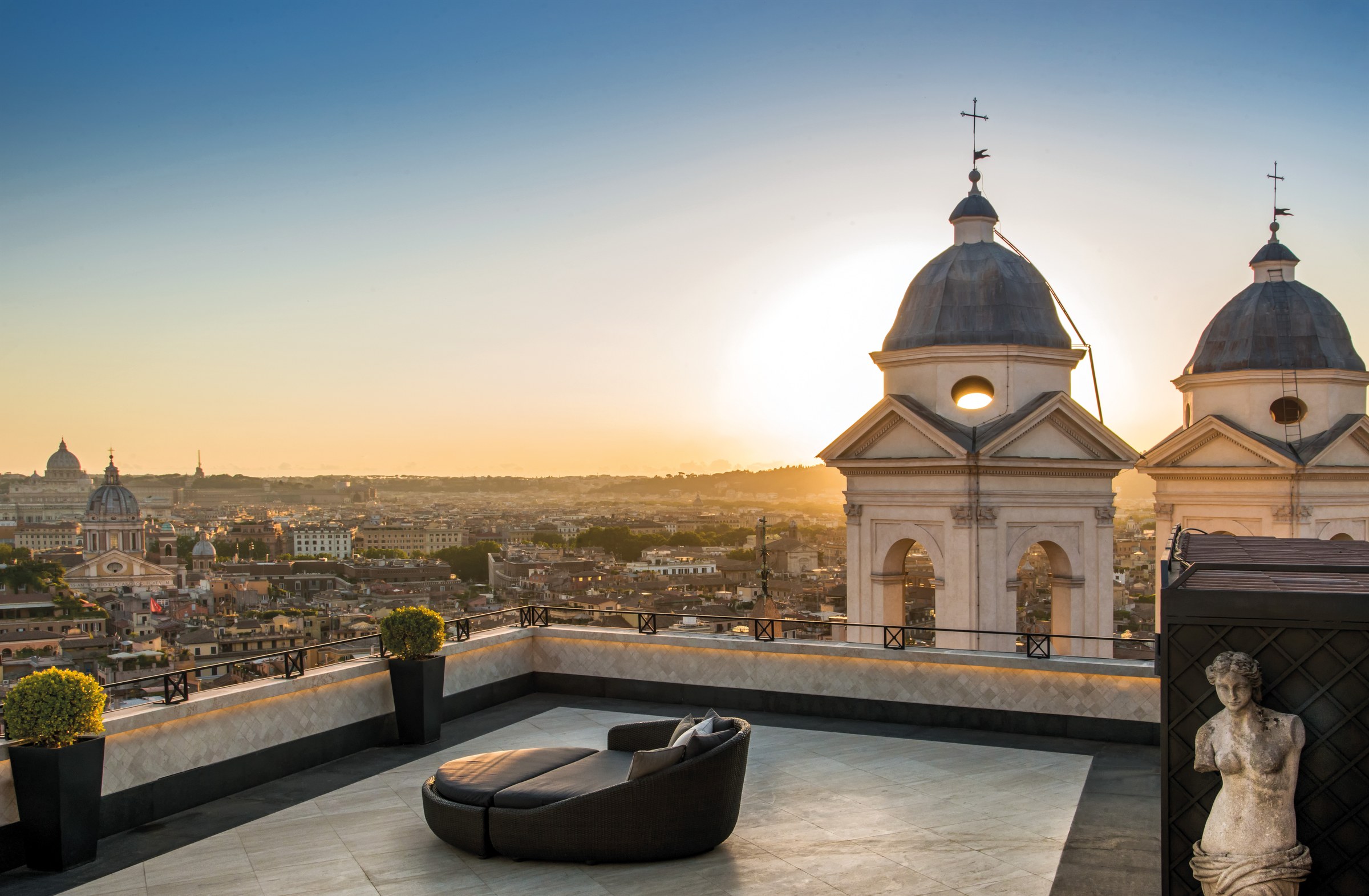
Margutta 19 sits on a quietly storied lane where generations of artists and intellectuals have left an unmistakable imprint. The hotel reads as part of that continuum: understated facades, shuttered windows and iron-grilled portals create a lived-in, quietly charming ambiance rather than a staged historic set. Moments of stillness replace the tourist bustle of the Spanish Steps a block away, and occasional glimpses into private courtyards reinforce the sense of an intimate urban enclave. The result is a serene, historically rooted stay that privileges subtle character and cultural provenance over flash.
Best For
This is a stay for travelers who prize proximity to Rome’s landmarks without the attendant noise: the Spanish Steps are under five minutes on foot, but the hotel sits on a calmer, artist‑filled street. It suits culturally minded guests and repeat visitors to the city who appreciate authentic architectural texture, small-scale streets and an atmosphere shaped by creative history. Guests seeking a quiet base with immediate access to central sights and a distinctly historic, residential feel find this address especially well matched to their needs.
Venue details
Ambiance
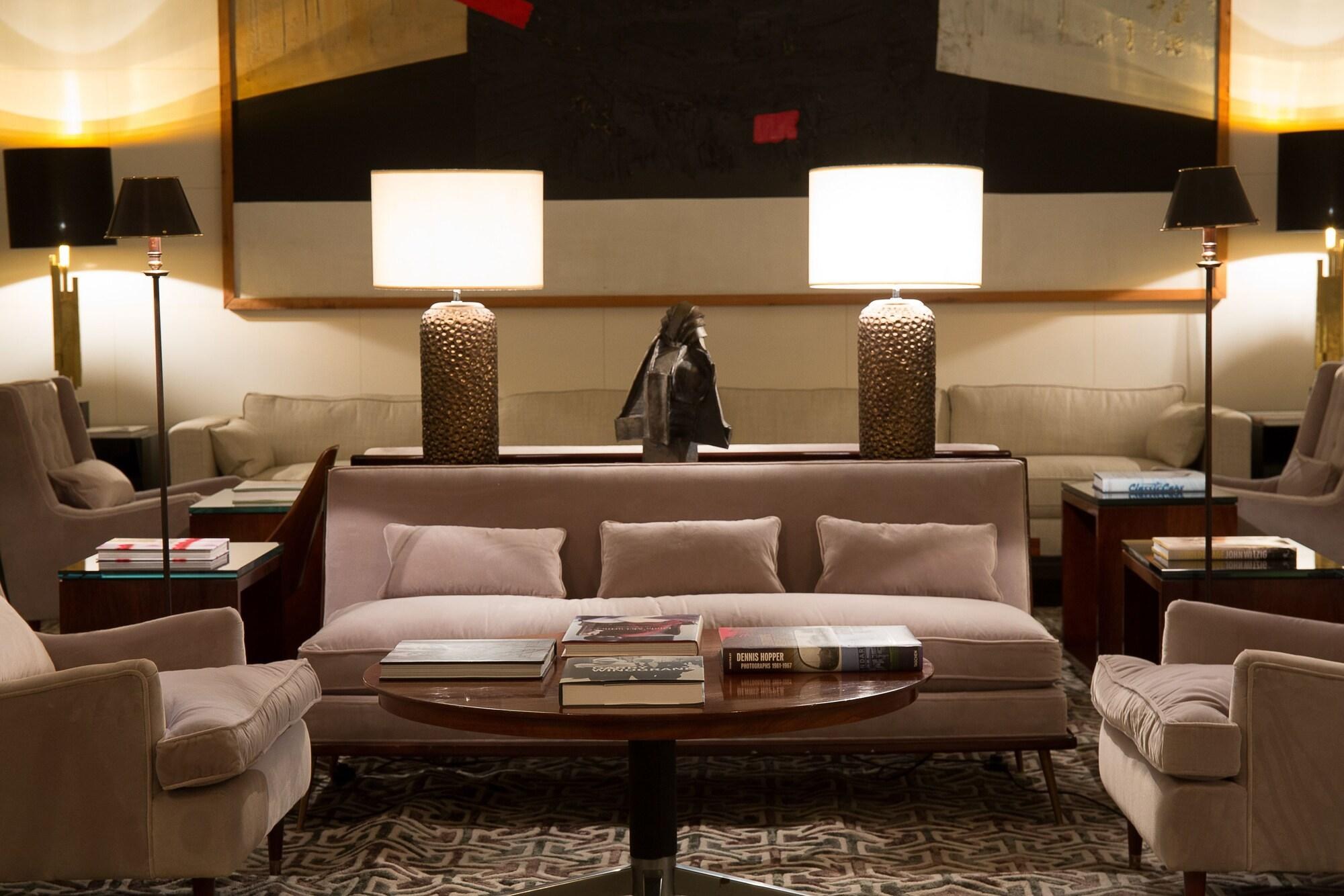
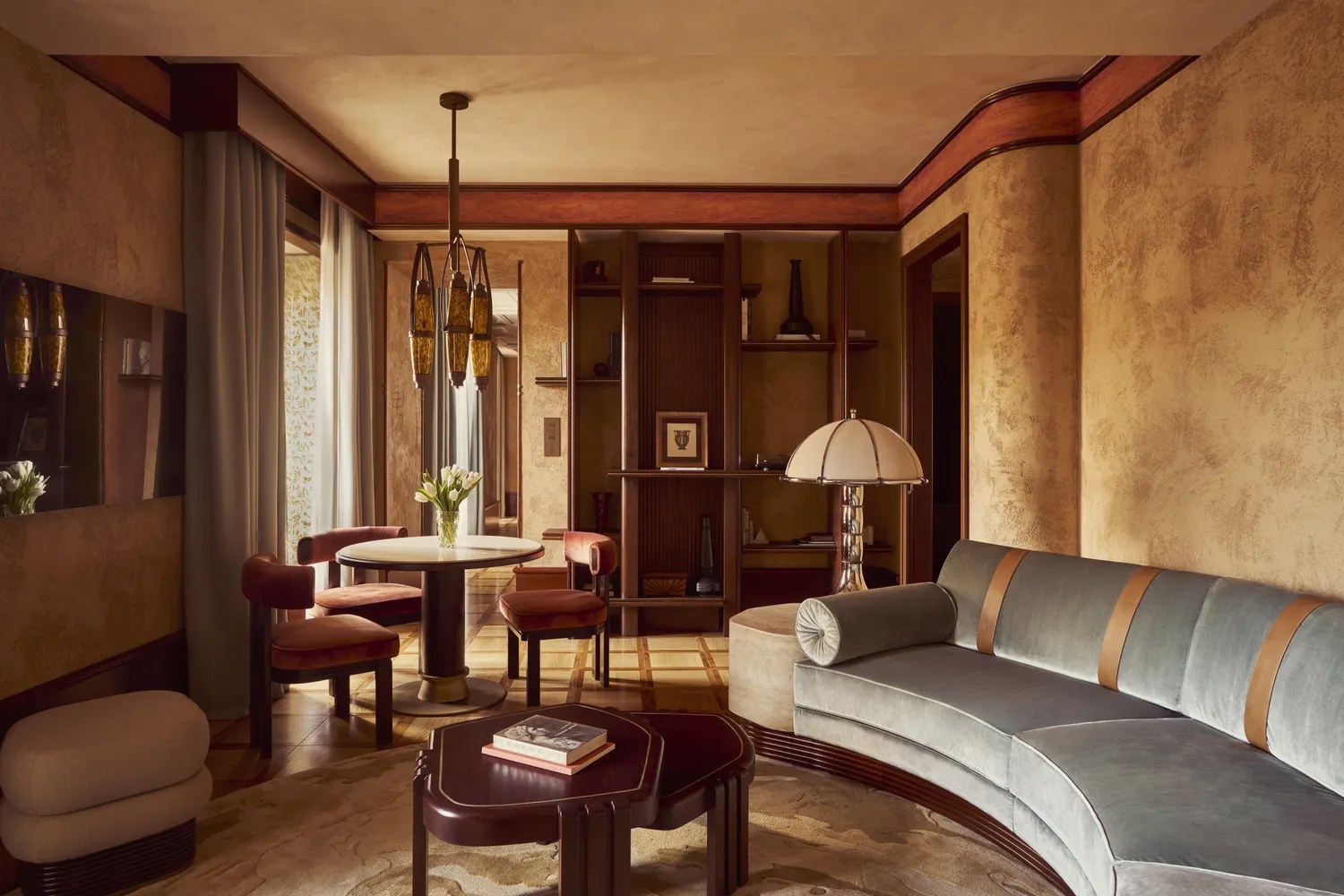
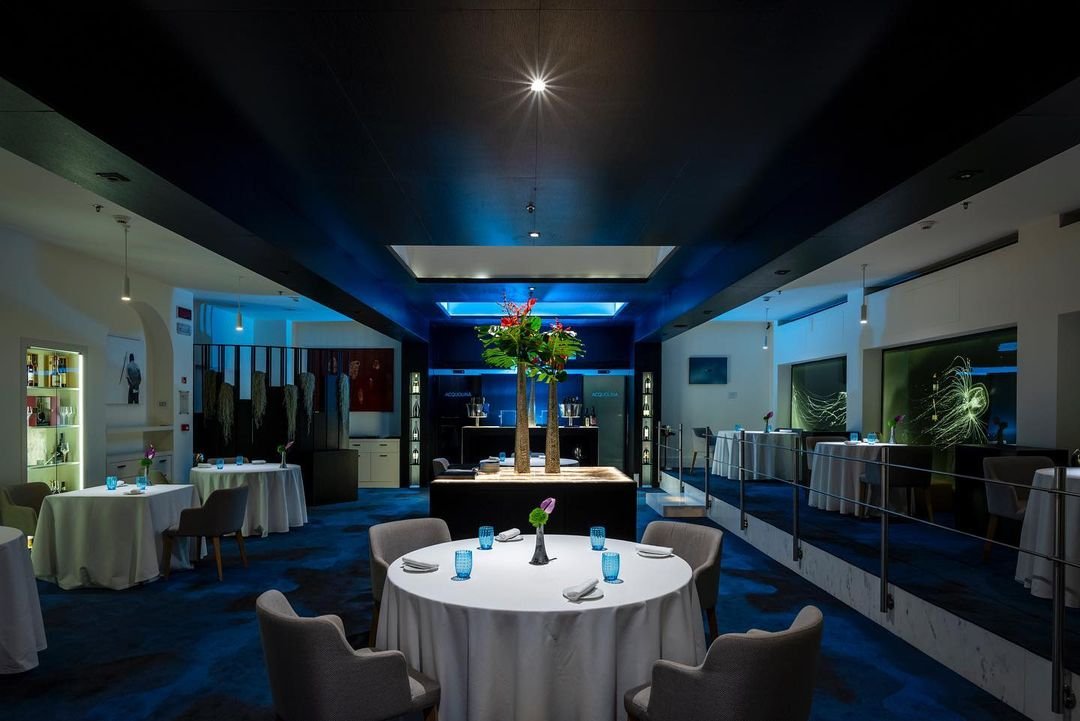
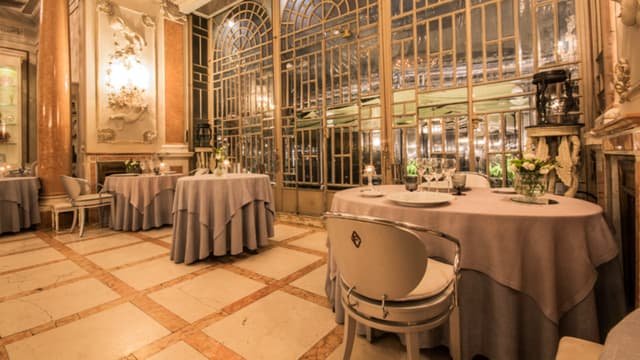
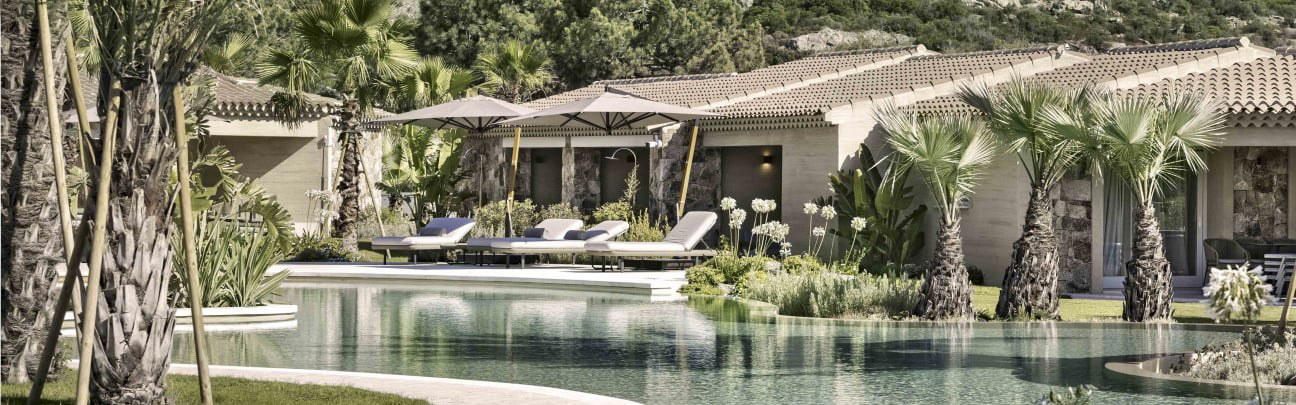
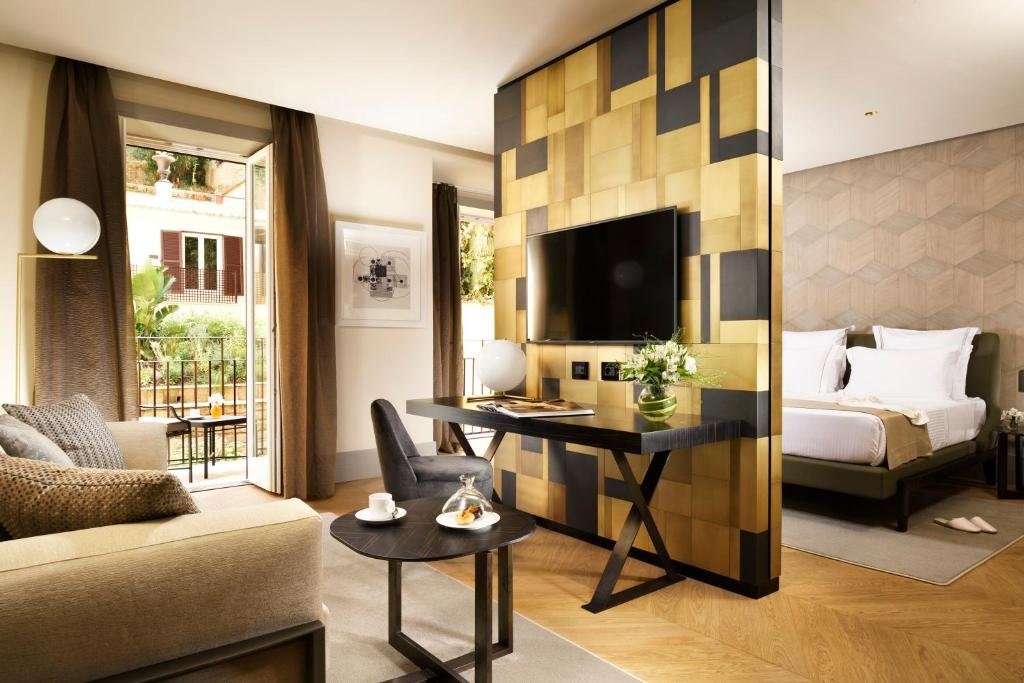
Serene and sophisticated with elegant Italian design, marble bathrooms, soft pastel tones, and a tranquil garden providing respite from Rome's bustling streets.
Tags
Vibe
Best For
Experience
Amenities
View
Accessibility
About the Stay
- Rooms
- 16
- Check-in
- 15:00
- Check-out
- 12:00
- Property Style
- Contemporary Italian Luxury in a Historic Palazzo with Refined Minimalist Elegance and Curated Art Gallery Aesthetic.
- Design Style
- Modern Italian with Pastel Accents, Marble Finishes, Freestanding Tubs, and Carefully Sourced Furnishings Reflecting the Artistic Heritage of via Margutta.
Know before you go
Know Before You Go
- Getting there
- Via Margutta, 19, 00187 Roma RM
Planning details
Location
Recognition and awards

Also consider
Also Consider
- Babuino 181, Notable alternative
- Rocco Forte Hotel de Russie, Notable alternative
- Hotel de Russie, a Rocco Forte Hotel, Notable alternative
- Casa Fabbrini Boutique B & B, Notable alternative
- ROMEO Roma, Notable alternative
Hotel context
Margutta 19 is the discreet boutique pick in this Rome set: better for travelers who want atmosphere, calm, and a central base than for those chasing a big-hotel scene. Babuino 181 is the closest practical cross-shop if you want a similar neighborhood rhythm with a more conventional city-hotel feel.
Rocco Forte Hotel de Russie and Hotel de Russie, a Rocco Forte Hotel are the stronger choices for a grander service operation and a more visible luxury-hotel ambiance. Margutta 19 makes more sense if value for money means paying for quietness and location rather than a larger amenity platform.
Casa Fabbrini Boutique B & B is the softer, more intimate alternative, while ROMEO Roma is the one to compare if contemporary design is the priority. For booking difficulty, Margutta 19 should be the less stressful target than the more famous luxury names, making it a useful first choice when the trip needs a polished Rome base without turning the hotel into the whole plan.
Around this place
Discover more on Pearl
Unlock the full Margutta 19 guide in Pearl, including awards, comparisons, FAQs, planning details, and nearby places.
Compare Margutta 19
| Venue | Location | Awards |
|---|---|---|
| Margutta 19 | Rome | 2025 Michelin Selected HotelsSmall Luxury Hotels Member 2025 |
| Babuino 181 | Rome | 2025 Michelin Selected HotelsSmall Luxury Hotels Member 2025 |
| Rocco Forte Hotel de Russie | Rome | 2026 Virtuoso Luxury Hotel Collection2026 Forbes 5-StarStar Wine Lists 20262026 La Liste Top Hotels2025 Michelin 2 Keys2024 Michelin 1 Key |
| Hotel de Russie, a Rocco Forte Hotel | Rome | No published awards |
| Casa Fabbrini Boutique B & B | Rome | No published awards |
| ROMEO Roma | Rome | 2025 Esquire Best New Hotels2025 Michelin Selected HotelsSmall Luxury Hotels Member 2025 |







How Margutta 19 Rome compares with similar nearby venues.
FAQ
Frequently Asked Questions
What is check-in like at Margutta 19?
Confirm arrival time, early check-in options, luggage storage, and any identification or payment requirements directly with Margutta 19 before travel.
Do loyalty programs work at Margutta 19?
Margutta 19 is a Small Luxury Hotels of the World Member (2025). Confirm any loyalty benefits, booking-channel perks, or eligibility rules directly through the hotel or the program before booking.
How is the location of Margutta 19?
Margutta 19 is in Rome. Travelers should check the exact map position and transport plans through their booking source before confirming a stay.
How is the pool and spa at Margutta 19?
If pool or spa facilities matter for your trip, confirm the current on-property amenities directly with Margutta 19 before booking.
How does Margutta 19 compare to other hotels?
When comparing Margutta 19 with Babuino 181, Rocco Forte Hotel de Russie, Hotel de Russie, a Rocco Forte Hotel, Casa Fabbrini Boutique B & B, or ROMEO Roma, rely on current room details, facilities, rates, policies, and inclusions. Margutta 19’s key points are its Rome location, smart casual dress code, Small Luxury Hotels of the World Member (2025), and MICHELIN Guide hotel selection (2025).
Which room category is best at Margutta 19?
Choose based on current size, layout, view, bedding, cancellation terms, and any needs that matter to your stay.
Is Margutta 19 family-friendly?
Travelers with children should confirm room occupancy, bedding, connecting-room options, and any age-related policies directly with Margutta 19 before booking.