



The Rome EDITION
Trevi, Rome
Hotel in Rome, Italy
 Book with Pearl
Why go
Book The Rome EDITION if a central Rome address and contemporary luxury-hotel feel matter more than classic palazzo atmosphere. Its Forbes 4-Star, Star Wine List, Virtuoso, and MICHELIN Guide hotel recognition help justify putting it on a first-timer shortlist, but value-sensitive travelers should compare W Rome, Baglioni Hotel Regina, and InterContinental Rome Ambasciatori Palace before committing.
About The Rome EDITION
The Rome EDITION is a Rome luxury-hotel option with recognition from Forbes, Star Wine List, Virtuoso, and the MICHELIN Guide hotel selection. These signals indicate its luxury-hotel positioning, but do not specify details like room types, dining formats, prices, services, or neighborhood advantages.
Book for a recognized Rome hotel, not for specific details
The Rome EDITION stands out in Rome's luxury hotel market. It is listed with Forbes 4-Star recognition for 2026, Star Wine List recognition for 2026, Virtuoso Luxury Hotel Partner status for 2026, and MICHELIN Guide Hotels Selected recognition for 2025.
Those signals are useful, but they should not be stretched into claims about a particular cuisine, room category, service style, or exact location beyond Rome. Travelers should confirm any trip-specific details directly before booking, especially if the stay depends on dining, accessibility, room layout, or other practical requirements.
The right guest is a traveler who values recognized luxury signals
For travelers comparing premium stays in Rome, The Rome EDITION is best understood as a recognized hotel with a smart casual dress code and multiple external luxury or hospitality signals. That makes it a credible candidate for guests who want a vetted Rome hotel rather than an independent choice.
It is not automatically the right choice for every luxury traveler. Guests comparing styles and positioning can also look at Baglioni Hotel Regina, InterContinental Rome Ambasciatori Palace, W Rome, Aleph Rome Hotel, Curio Collection by Hilton, or Room Mate Filippo. The clean recommendation: keep The Rome EDITION on the shortlist when its recognition matters, and verify any detailed preferences directly before committing.
Part of
EDITION Hotels39 locations on PearlInside The Rome EDITION
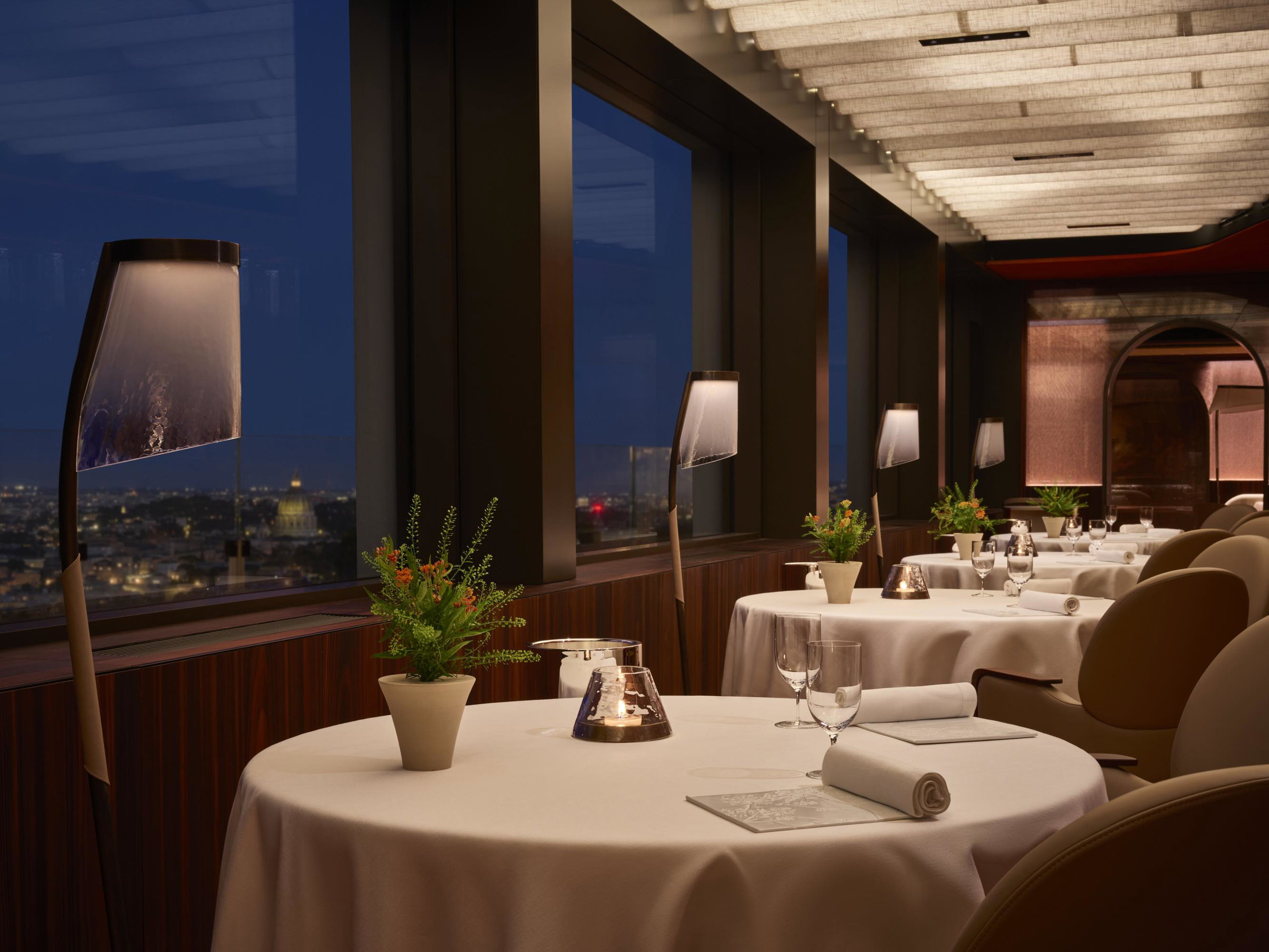
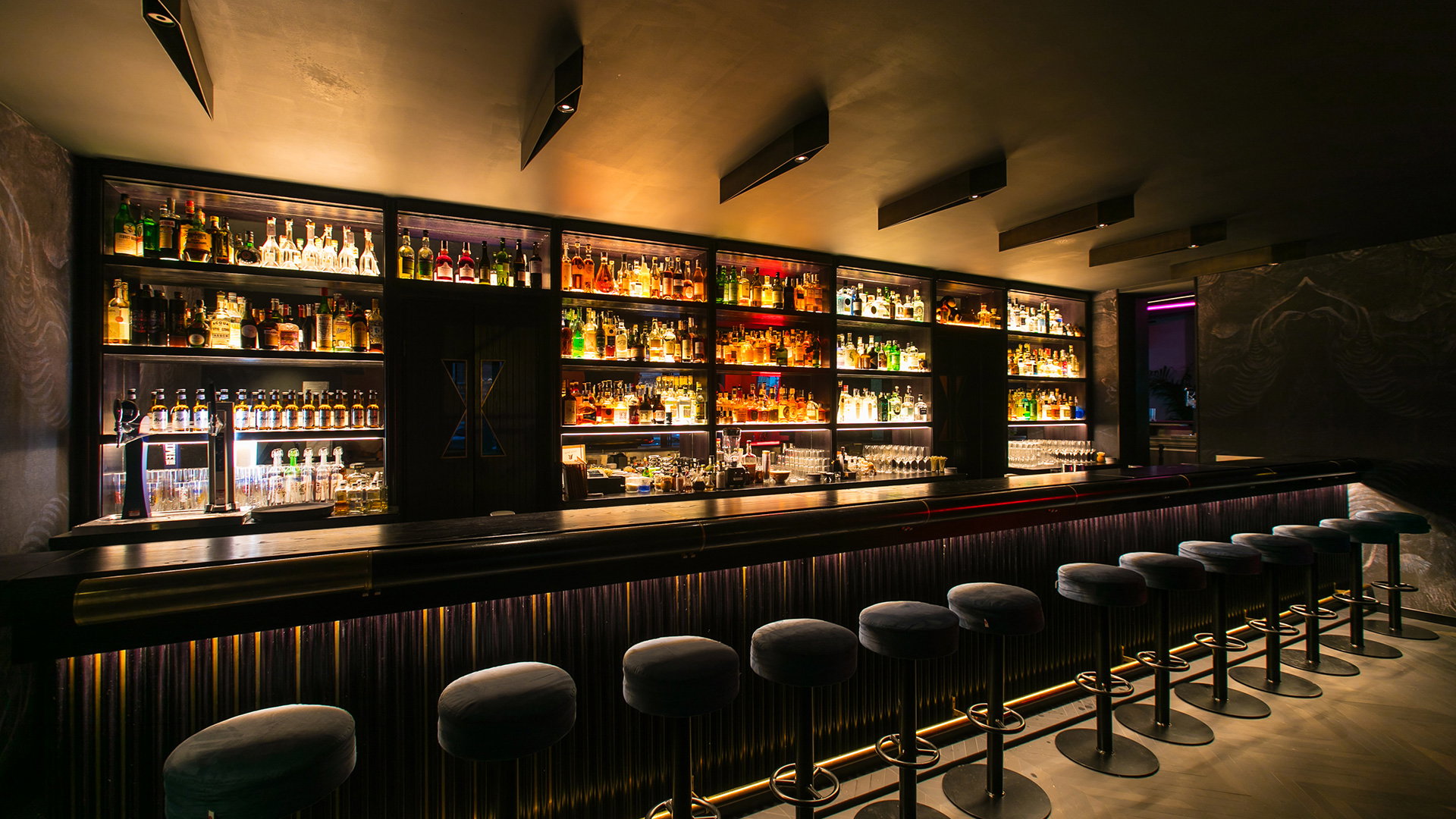
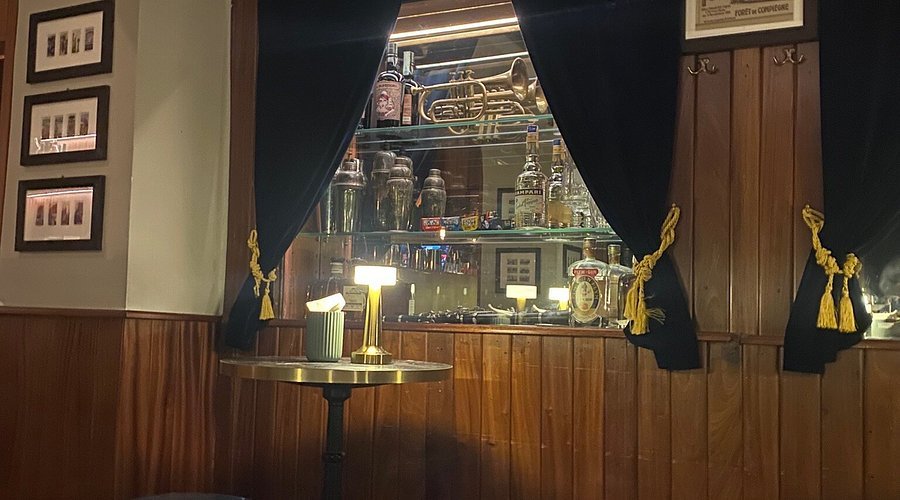
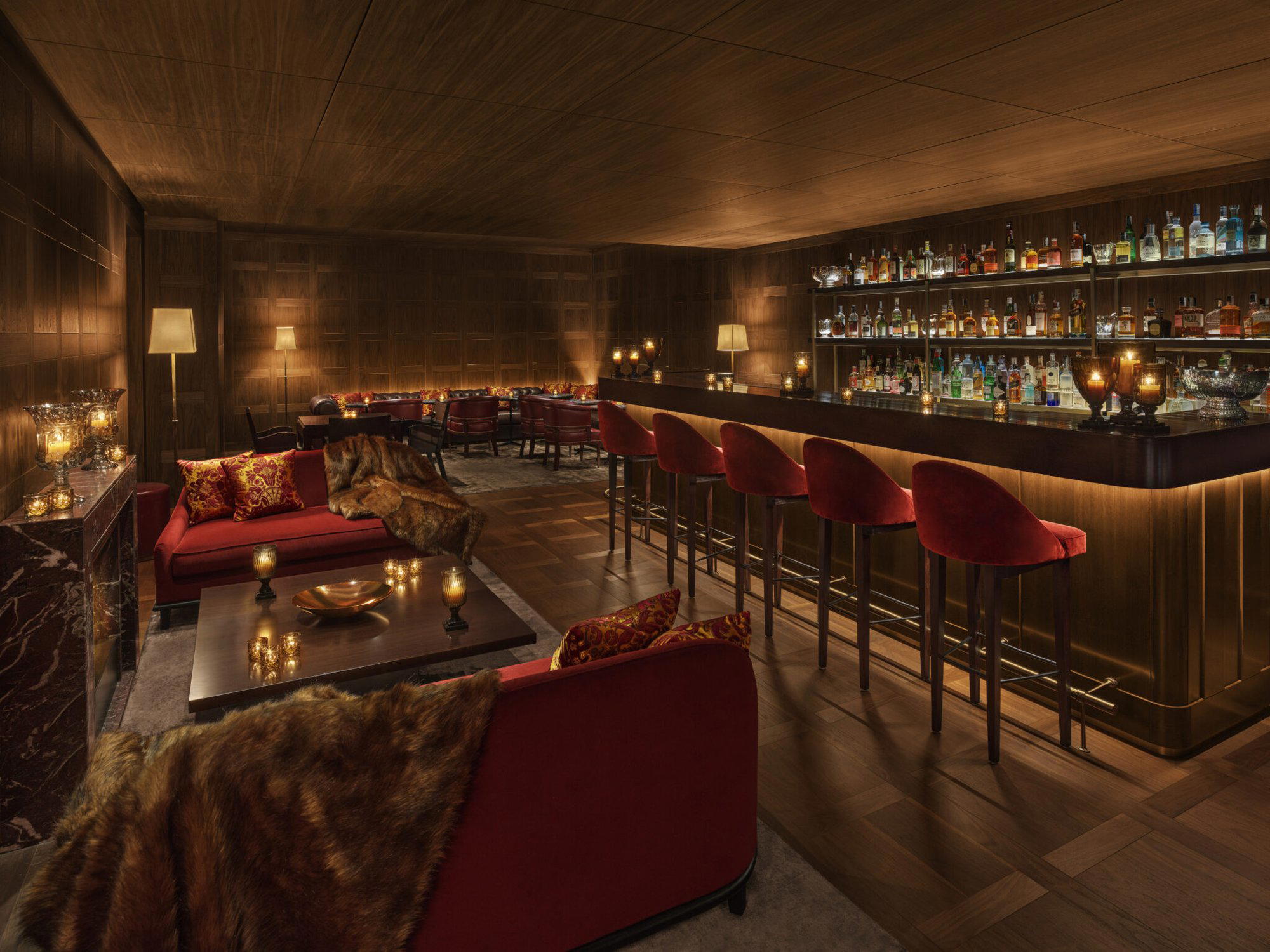 barPunch Room at Edition RomePunch Room at Edition Rome holds a place in the World's 500 Best Bars at number 369 for 2025, positioning it among Rome's most formally recognised cocktail programs. Housed within the Edition hotel on Salita di San Nicola da Tolentino, the bar brings the Punch Room format to the Italian capital with a focus on refined punch-led drinking in a composed, hotel-bar register.
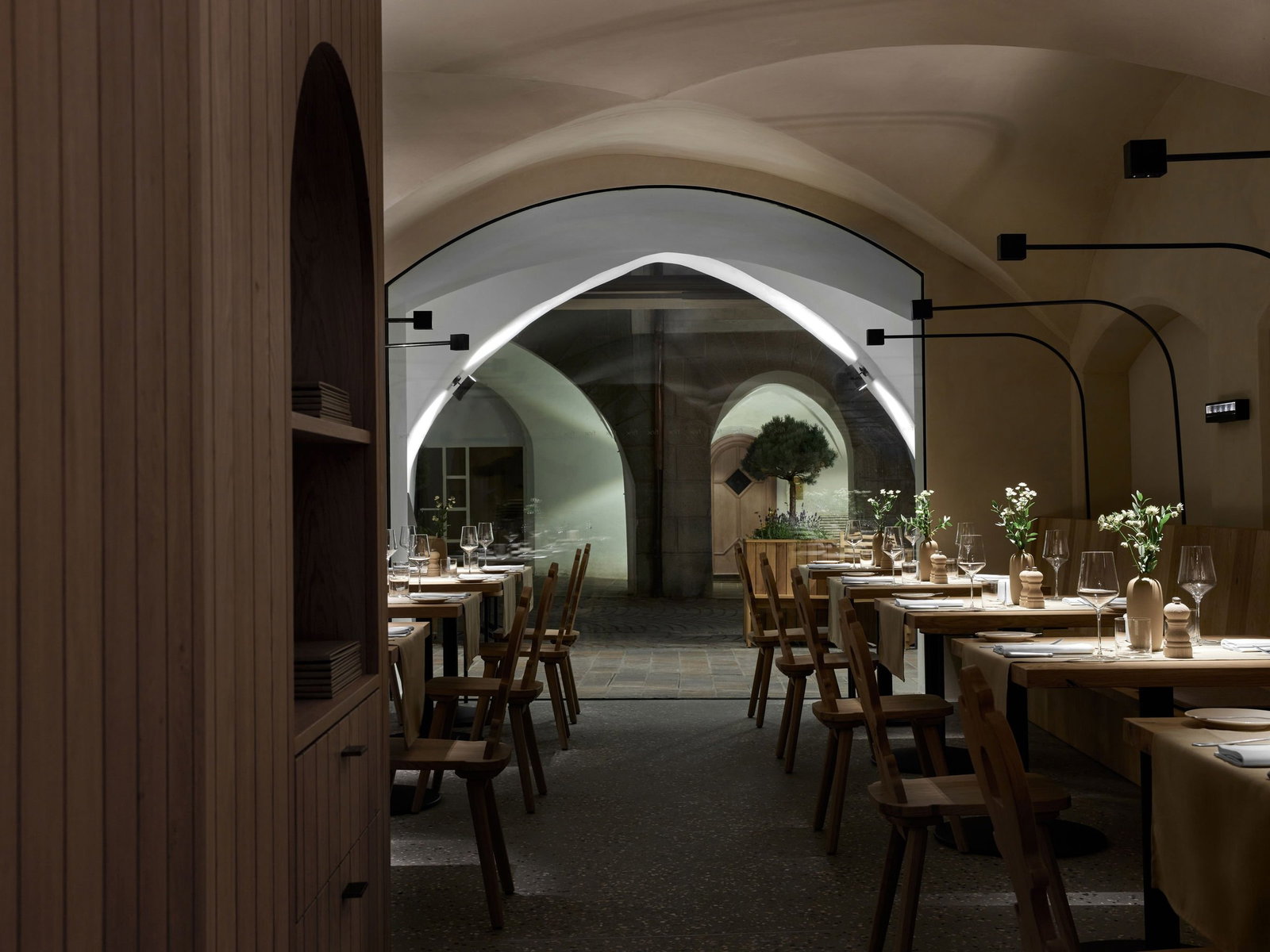
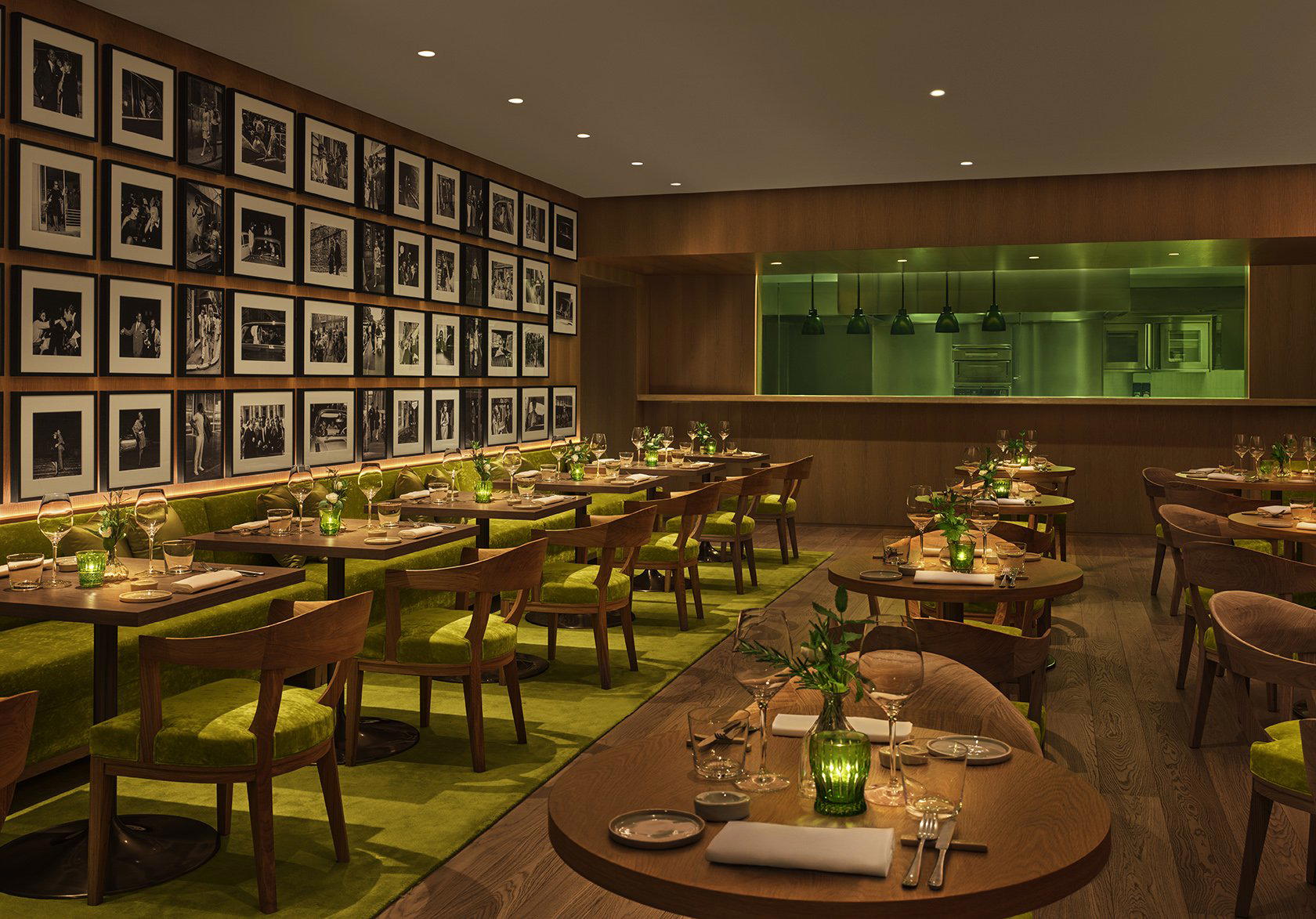 restaurantAnima Ristorante RomaAnima Ristorante Roma occupies the ground floor of The Rome EDITION hotel in the Tridente district, placing it among the capital's hotel dining rooms that have moved well beyond lobby-adjacent convenience. The address positions it near Rome's premium restaurant tier, where the competition includes Michelin-recognized kitchens with serious creative ambitions.
Planning details
- Location
- Salita di San Nicola da Tolentino 14, 00187 Italy
- Website
- editionhotels.com/rome
- Phone
- 39-06-45249000
The take
The Take
The Vibe
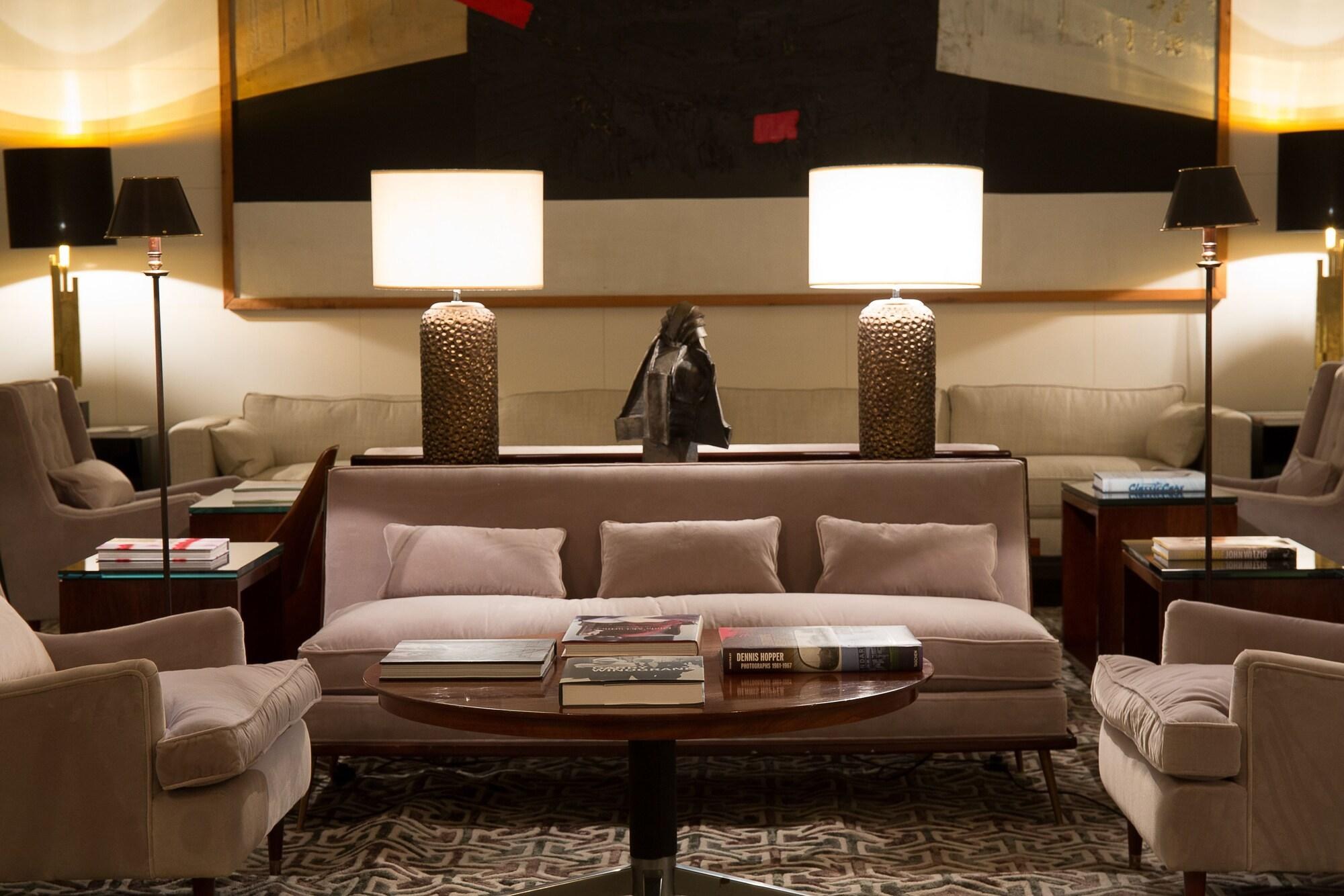
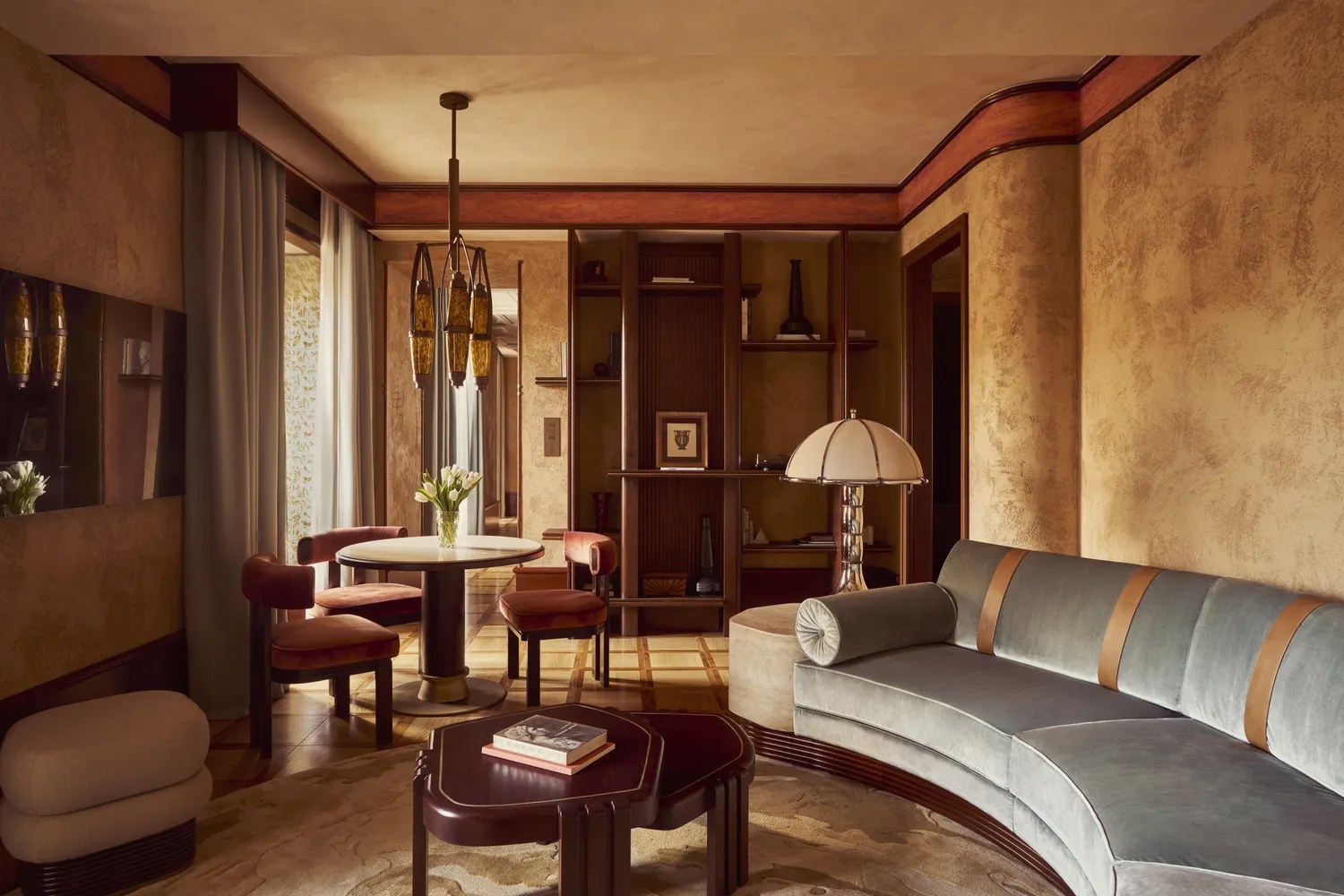
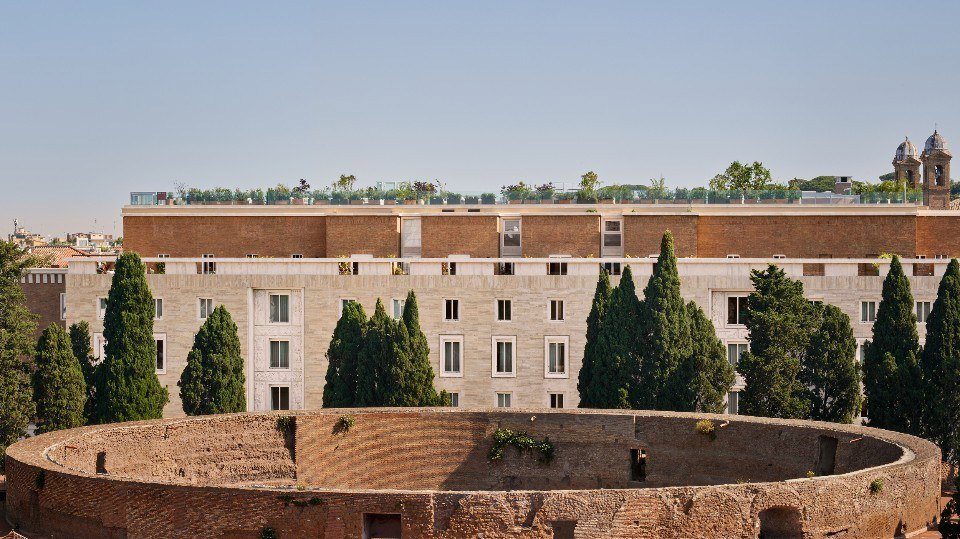
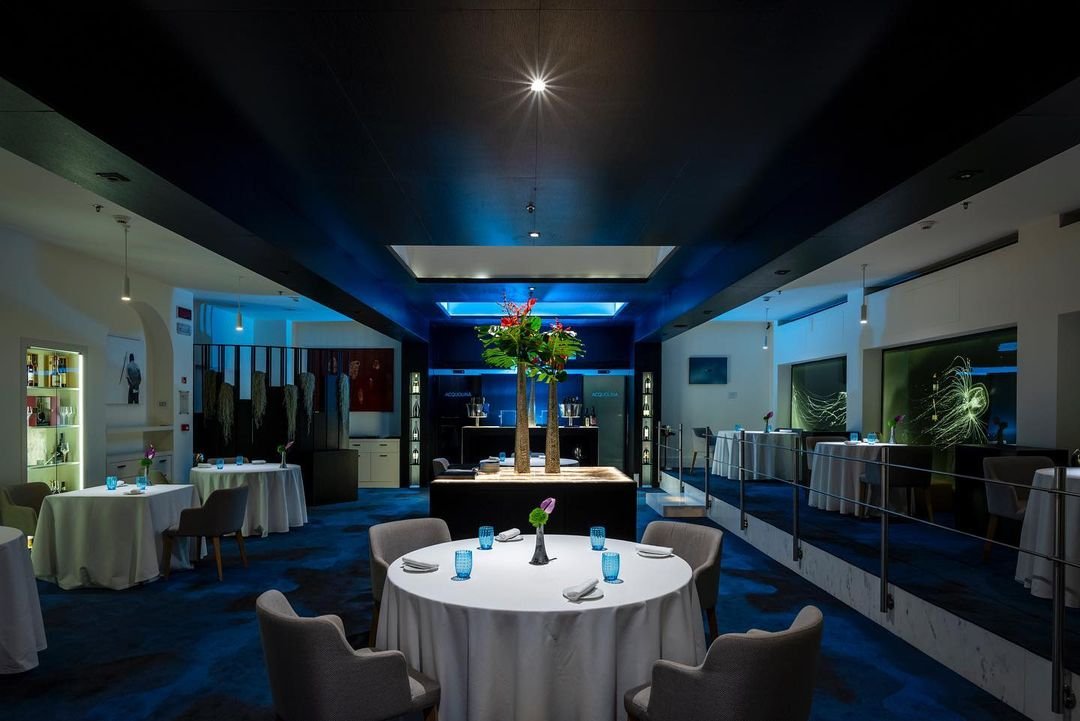
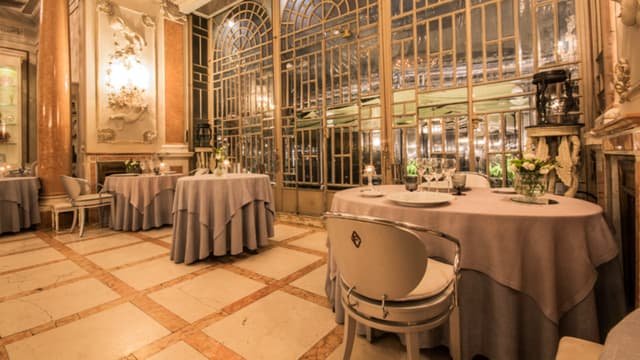
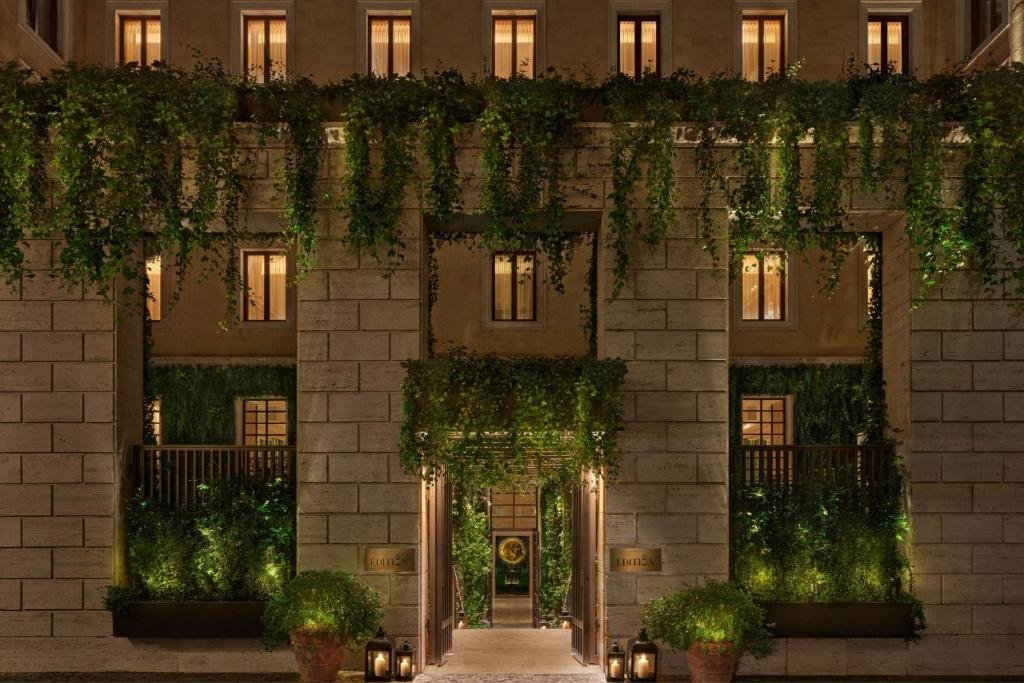
The Rome EDITION presents a restrained, design-forward take on Roman luxury that privileges material clarity and calm over historic ornament. Where neighbouring grand hotels signal pedigree with frescoes and antiques, this property deploys walnut herringbone floors, custom furniture, and carefully modulated natural light to create an atmosphere of considered understatement. The result is a serene, minimalist environment that still nods to Italian craft without resorting to period pastiche. Its rooms feel quietly luxurious and deliberately composed, appealing to travelers who value modern discipline and a composed, low-key expression of Rome’s storied glamour.
Best For
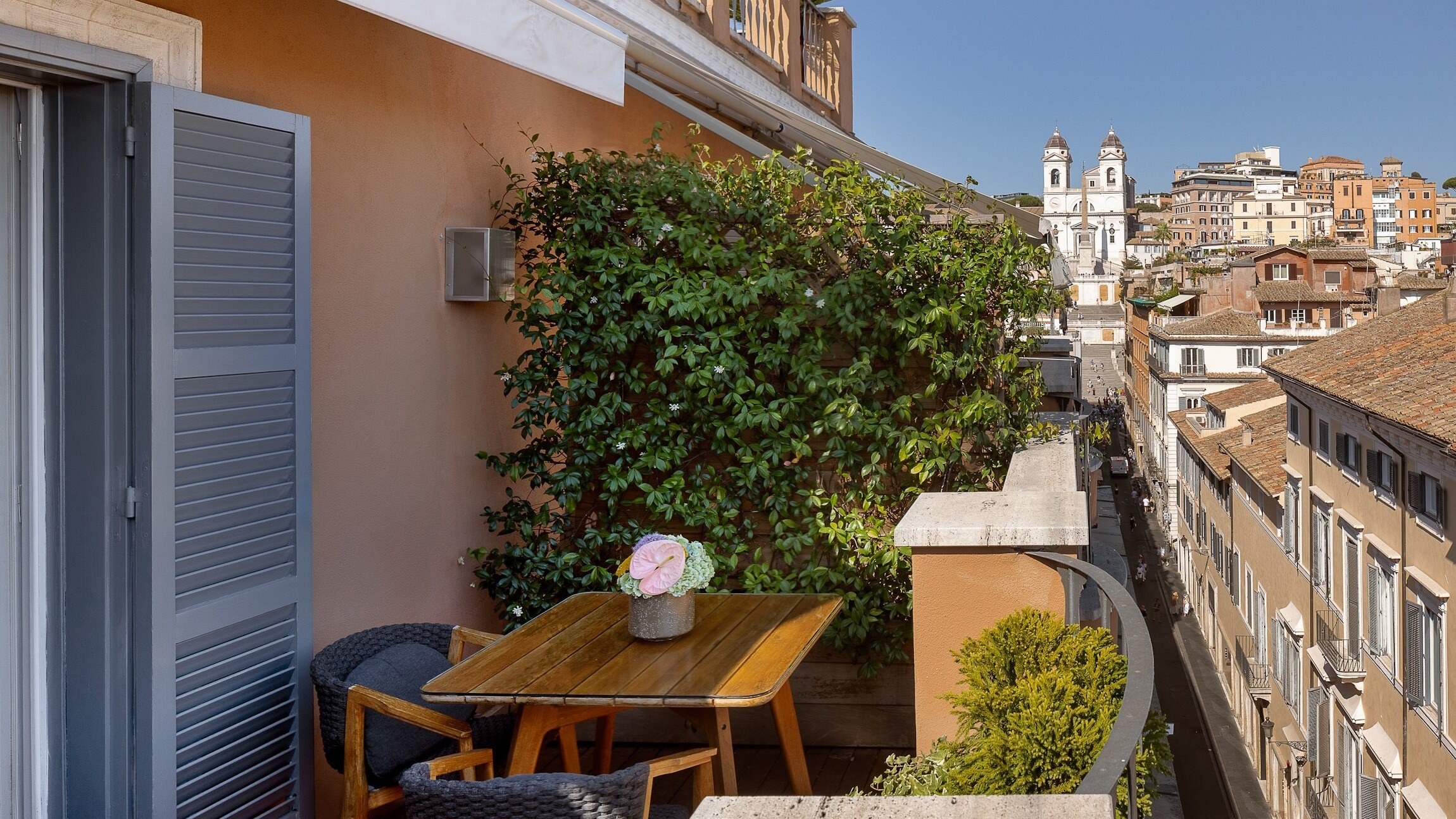
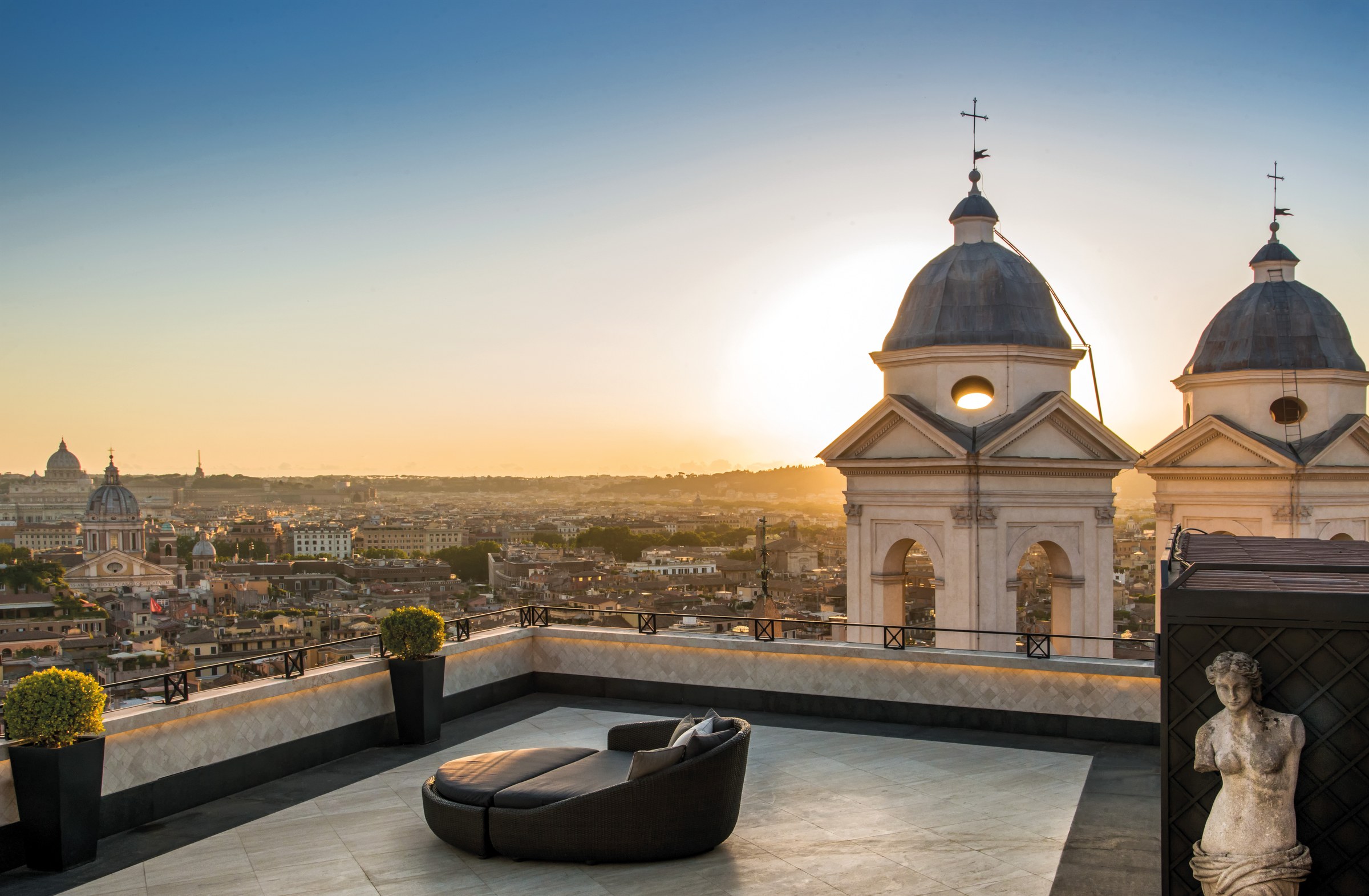
This hotel suits travelers seeking a central Rome base with a quiet, design-led sensibility. Couples find it appealing for romantic getaways and honeymoons thanks to its intimate scale and the evocative context of Via Veneto’s dolce vita heritage reframed through contemporary interiors. Business travelers benefit from the genuinely central address—near Piazza Barberini and the Spanish Steps—while being set back from busy pedestrian thoroughfares. The restrained, restful atmosphere also makes it a strong pick for weekend escapes when visitors want proximity to landmarks without the hustle of the main tourist drag.
Venue details
Ambiance
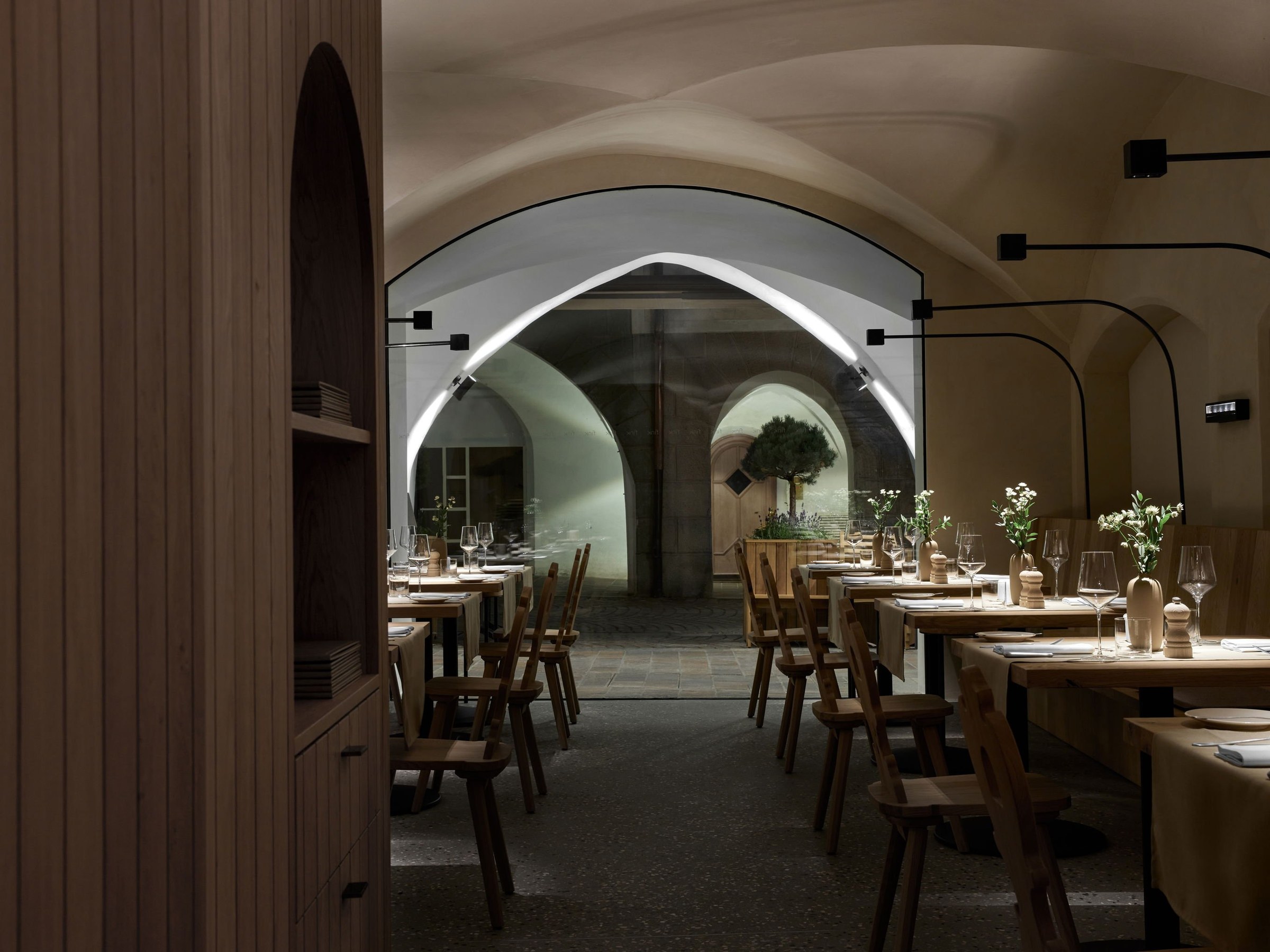
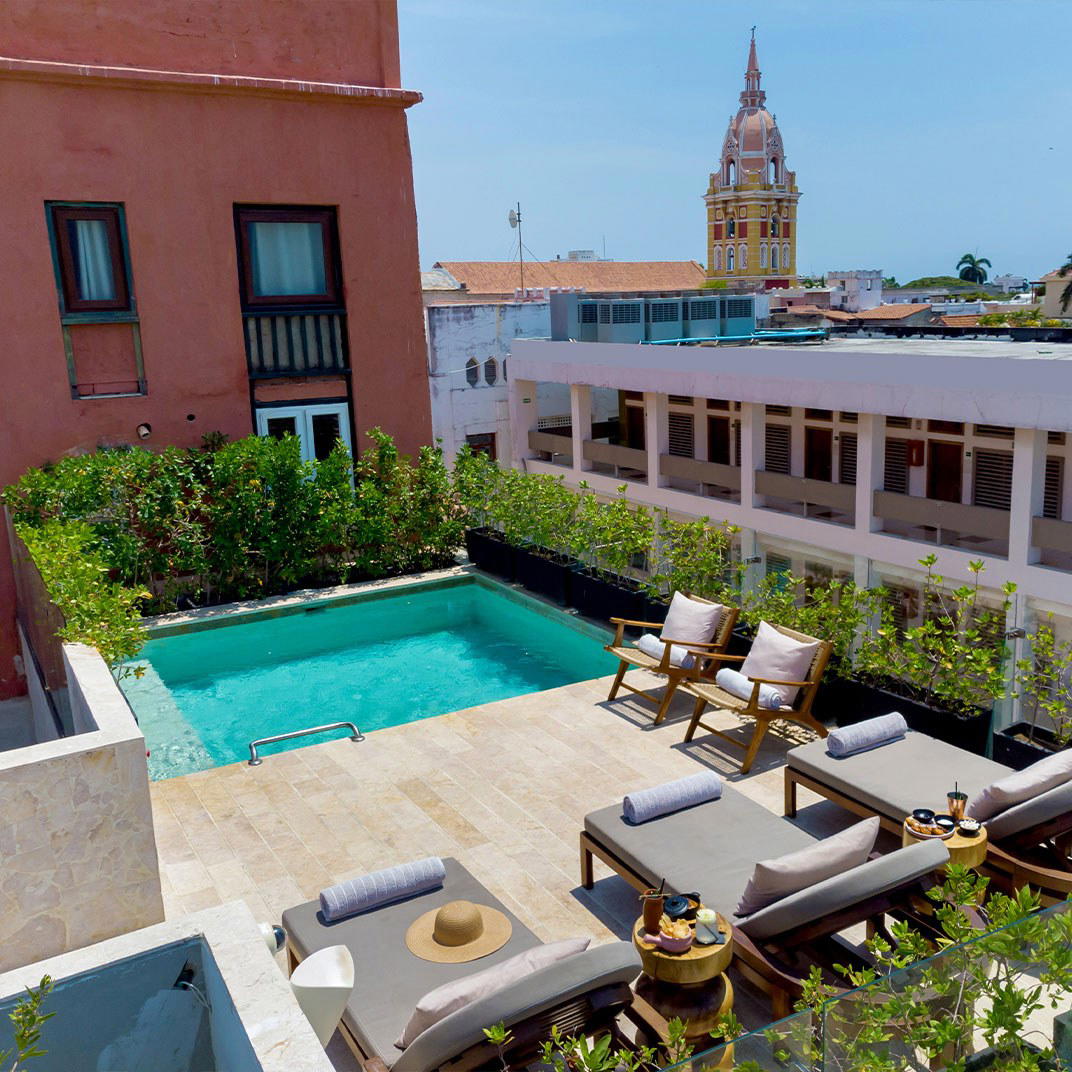
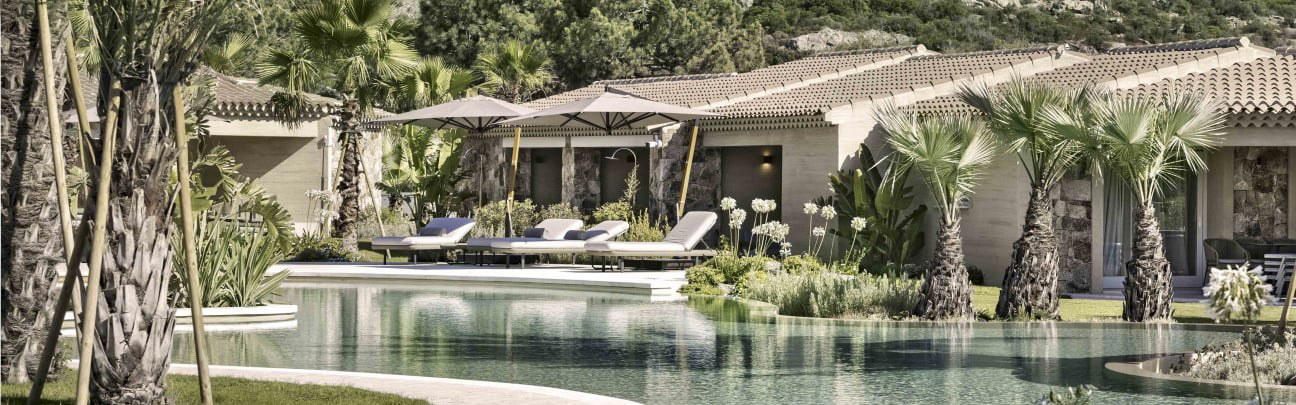
Sophisticated and tranquil with modern decor, lush greenery, natural light, and a serene courtyard oasis.
Tags
Vibe
Best For
Experience
Amenities
View
Accessibility
About the Stay
- Rooms
- 93
- Check-in
- 15:00
- Check-out
- 11:00
- Property Type
- Boutique hotel
- Property Style
- Modern Luxury Boutique in 1930s Architecture with Lush Garden Oasis
- Design Style
- Stylish Modern with Custom Furniture, Walnut Wood, Minimalist Opulence
- Pool
- Yes
- Pets
- Allowed
- Cancellation
- Moderate
Know before you go
Know Before You Go
- Getting there
- Salita di San Nicola da Tolentino 14, 00187 Italy
Planning details
Location
Recognition and awards



Also consider
Where to look if it is full
If The Rome EDITION is not available, check W Rome first for a similarly modern hotel mood. For a more classic Roman stay, move to Baglioni Hotel Regina or InterContinental Rome Ambasciatori Palace.
Hotel context
How it compares with nearby Rome luxury hotels
The Rome EDITION is the sharper pick for travelers who want a contemporary, design-led base in central Rome and are willing to deal with harder booking pressure. W Rome is the closer cross-shop for a lifestyle-hotel mood, while Baglioni Hotel Regina and InterContinental Rome Ambasciatori Palace make more sense if the trip calls for a classic Roman hotel atmosphere.
For value discipline, Aleph Rome Hotel, Curio Collection by Hilton and Room Mate Filippo are the practical alternatives to check before paying the EDITION premium. Choose The Rome EDITION when the address, recognition, and modern room feel are worth prioritizing; choose the peers when availability, softer pricing, or a less scene-led stay matters more.
Around this place
Discover more on Pearl
Unlock the full The Rome EDITION guide in Pearl, including awards, comparisons, FAQs, planning details, and nearby places.
Compare The Rome EDITION
| Venue | Location | Awards |
|---|---|---|
| The Rome EDITION | Rome | 2026 Virtuoso Luxury Hotel Collection2026 Forbes 4-StarStar Wine Lists 20262025 Michelin Selected Hotels |
| Aleph Rome Hotel, Curio Collection by Hilton | Rome | No published awards |
| InterContinental Rome Ambasciatori Palace | Rome | No published awards |
| W Rome | Rome | No published awards |
| Baglioni Hotel Regina | Rome | 2026 Forbes Recommended2026 Virtuoso Luxury Hotel CollectionLeading Hotels of the World 20262025 Forbes 4-Star |
| Room Mate Filippo | Rome | No published awards |

How The Rome EDITION compares with similar nearby venues.
FAQ
Frequently Asked Questions
Which room category is best at The Rome EDITION?
Room categories, sizes, views, or quietness are not specified. Choose based on the room details shown at the time of booking, and confirm directly with the hotel if space, layout, or a particular room feature is important. The hotel's recognition includes Forbes 4-Star recognition, MICHELIN Guide Hotels Selected status, Star Wine List recognition, Virtuoso partner status, and a smart casual dress code.
When is the best time to book The Rome EDITION?
Booking windows, seasonal demand, or price patterns are not specified. If your Rome dates are fixed, compare available rates and cancellation terms before booking. For any special requirements, confirm directly with the hotel rather than relying on assumptions about peak periods or last-minute availability.
What is check-in like at The Rome EDITION?
Check-in time, arrival procedures, or early check-in options are not specified. Treat The Rome EDITION as a recognized Rome hotel and confirm arrival details directly before travel, especially if your schedule is tight or you need a particular arrangement.
How is the location of The Rome EDITION?
The Rome EDITION is in Rome. A street address, neighborhood, landmark position, or transport details are not provided, so location-sensitive travelers should confirm the exact practical fit before booking. If you are comparing other Rome hotels, Baglioni Hotel Regina and InterContinental Rome Ambasciatori Palace are natural alternatives to review alongside it.
How is the dining at The Rome EDITION?
Restaurant names, cuisine, menus, meal periods, or service format are not specified. Star Wine List recognition for 2026 is a related signal, along with a smart casual dress code. If dining is central to the stay, confirm current restaurant and bar details directly and compare the overall hotel fit with W Rome or InterContinental Rome Ambasciatori Palace.