
Qiushui Villa
Hangzhoushi, Hangzhou
Hotel in Hangzhou, China
 Book with Pearl
The Read
Lakeside Villa Restoration
Price
$1,500–2,500per night
Why go
Qiushui Villa is worth considering if the trip is centered on West Lake and a quieter villa-style stay matters more than big-hotel infrastructure. For business travel, it suits lighter schedules and low-key stays better than conference-heavy itineraries. Compare it with larger Hangzhou peers if loyalty benefits, multiple outlets, or central corporate convenience are priorities.
About Qiushui Villa
Qiushui Villa is a Hangzhou venue, a Small Luxury Hotels of the World Member in 2025, with a smart-casual dress code. Travelers should avoid assuming specific facilities, dining formats, room categories, prices, or business services unless checked directly with the venue.
That makes Qiushui Villa best evaluated as a premium Hangzhou option where the practical decision depends on the details you check before booking. If your trip requires specific amenities, meeting support, dining arrangements, or accessibility needs, confirm them with the venue rather than relying on assumptions from the name or category.
Good fit for travelers who verify the details in advance
The Hangzhou setting and 2025 Small Luxury Hotels of the World Member recognition give Qiushui Villa a clear luxury-hotel context. For the exact stay experience, check the current room, facility, and service details directly.
The safest comparison is needs-based. If you require a hotel with specific facilities or services, compare Qiushui Villa with other premium Hangzhou options before committing.
Use it as a carefully checked Hangzhou option, not an assumptions-based booking
Qiushui Villa is easiest to consider when its core profile is enough to start a shortlist: Hangzhou location, smart-casual dress code, and Small Luxury Hotels of the World Member status in 2025. It is harder to recommend for travelers who need specifics on facilities, dining, or business support before they book.
For broader planning, use Our full Hangzhou hotels guide to compare the city's premium options. If the trip also needs dining or after-hours planning, pair the hotel decision with Our full Hangzhou restaurants guide and Our full Hangzhou bars guide. The practical verdict: consider Qiushui Villa if its profile appeals, but check the current operational details directly before choosing it over another Hangzhou hotel.
Planning details
- Location
- No, 59 北山街西湖区杭州市浙江省310025
- Phone
- +86 571 8766 0000
The take
The Take
The Vibe
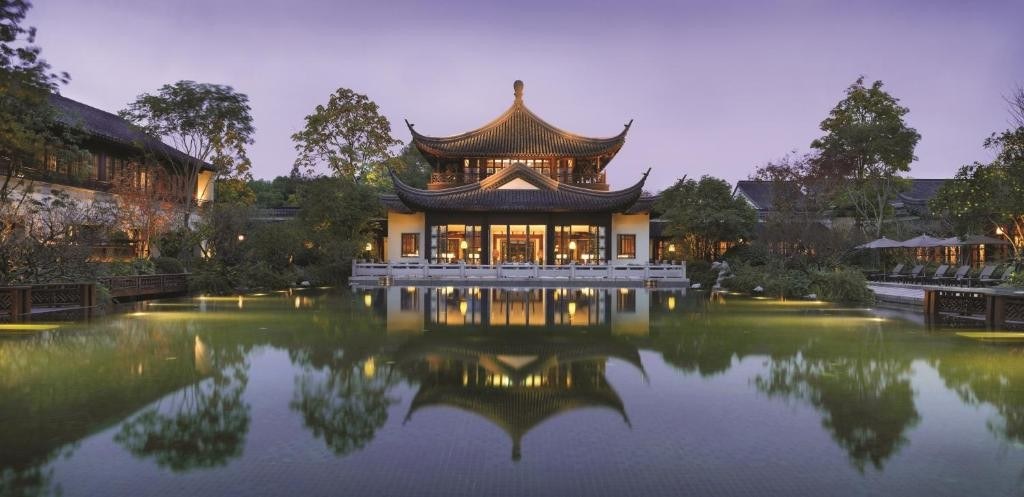
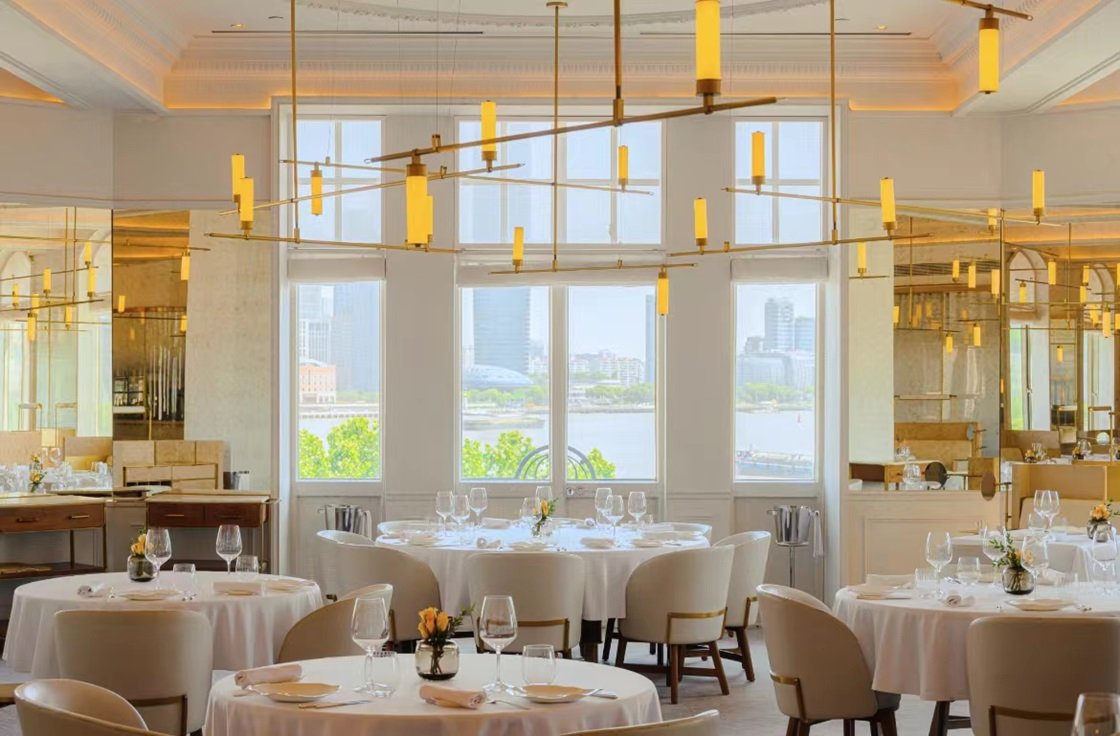
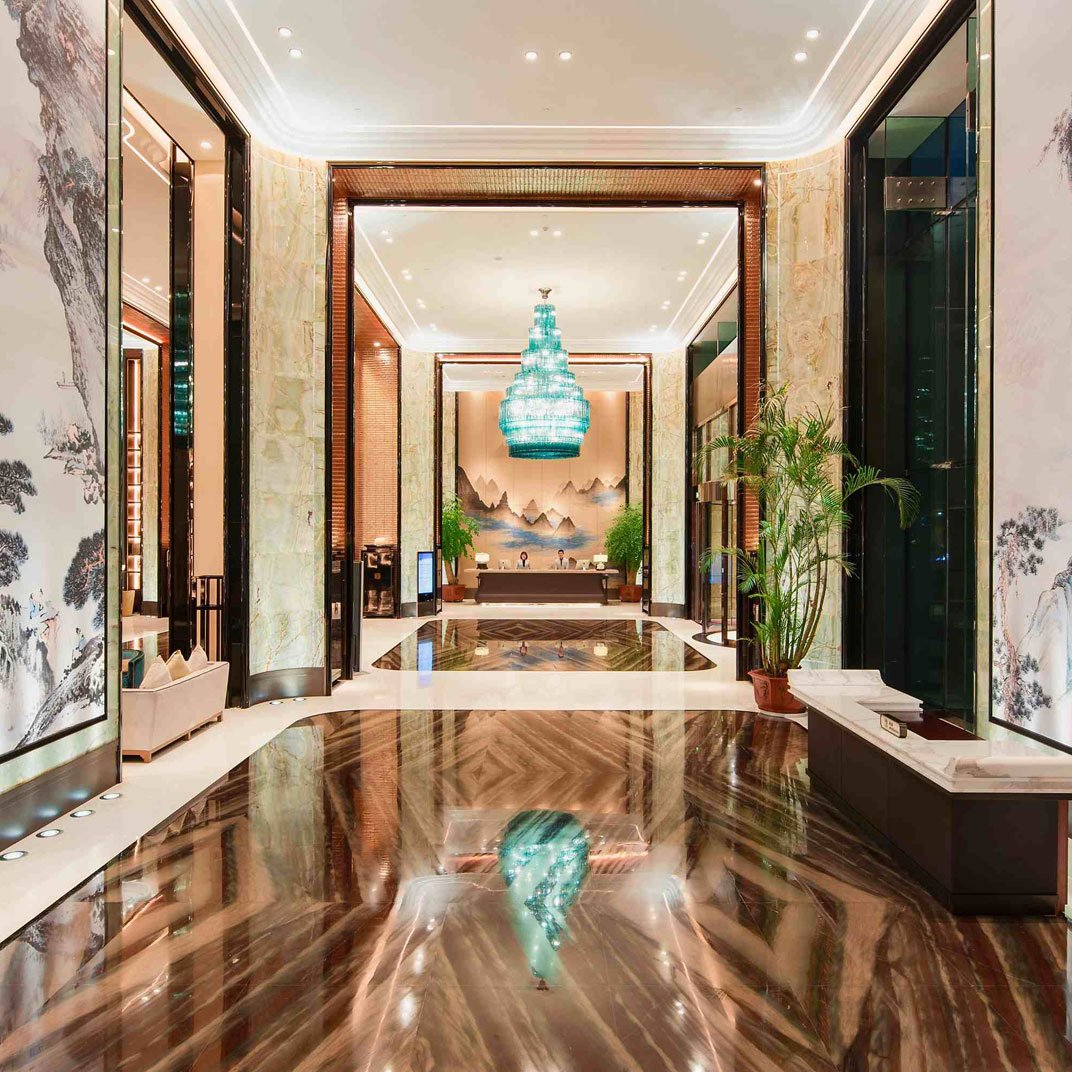
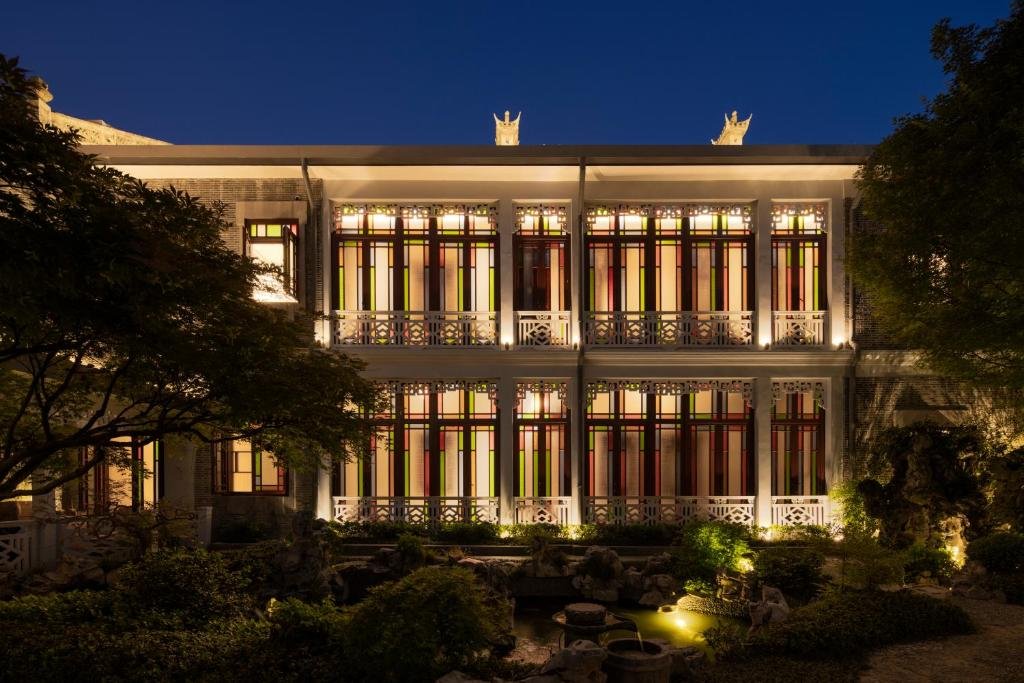
Qiushui Villa presents a measured, heritage-forward hospitality that privileges place and pace. Set on Beishan Street along the north shore of West Lake, the restored century-old villa frames arrivals through stone walls, garden gates and camphor trees. The property arranges a visit as a sequence of thresholds — gate to courtyard to interior — that intentionally slows movement and emphasizes quiet observation. The result is a historically rooted, classic charm: rooms and public spaces that feel cultivated rather than showy, inviting guests to lean into a serene, contemplative stay where the architecture and garden setting do as much storytelling as the service.
Best For
Qiushui Villa is particularly well suited to intimate, celebratory escapes where quiet and setting matter. Its small-footprint, heritage character and attentive service make it a natural fit for honeymoons, romantic getaways, anniversaries and thoughtful weekend escapes. Guests who prioritize atmosphere over amenity breadth — those seeking a place that reads like a private house by West Lake rather than a large resort — find the villa especially rewarding. The measured pacing of arrival and meal rituals rewards visitors who come with time and an appetite for place-driven hospitality.
Stay Tips
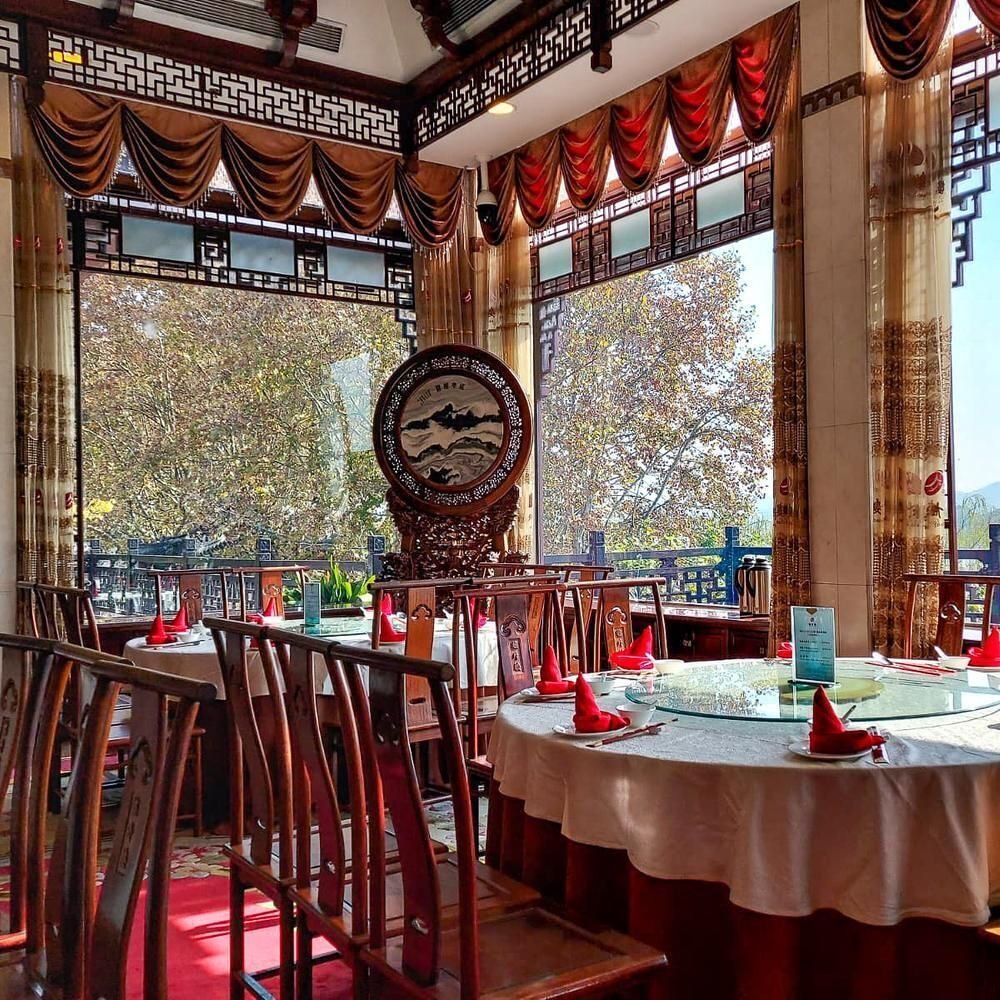
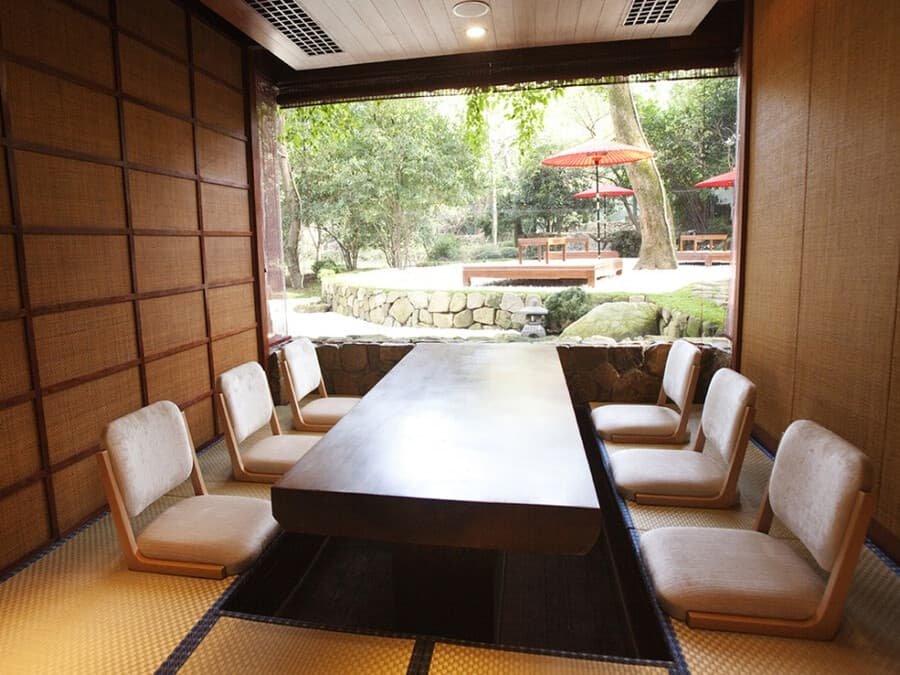
The property emphasizes ritual and pacing, so plan your visit without rushing. Allow extra time before dining to move through the villa's thresholds — linger at the gate and in the courtyard to absorb the setting before you sit. Treat the meal as an unfolding experience rather than a quick service: accept the staff's rhythm and avoid scheduling tight plans immediately after dinner. If a specific table in the garden-facing courtyard matters to you, mention it when booking, since the layout and transitions are central to the villa's dining design.
Venue details
Ambiance
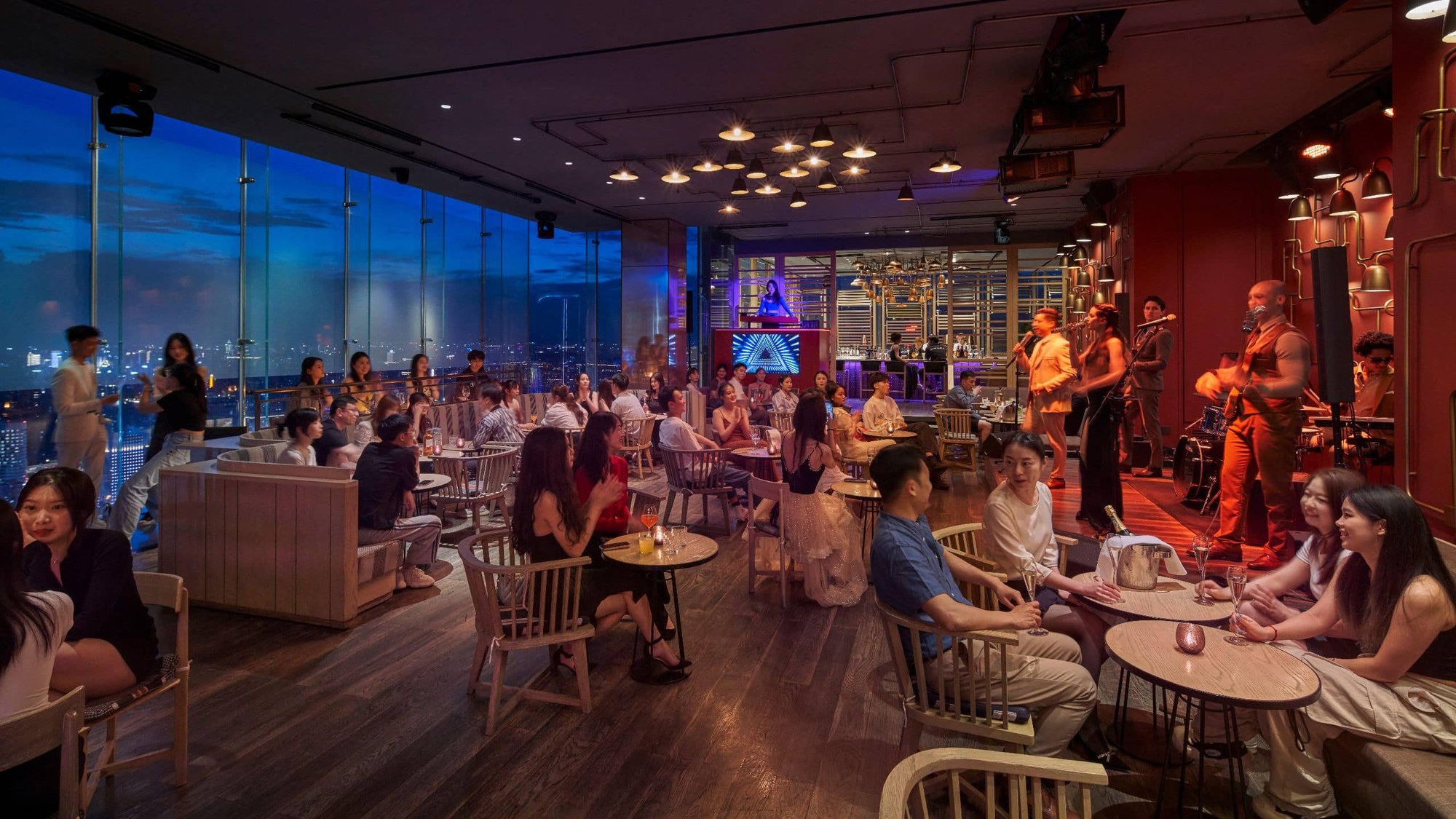
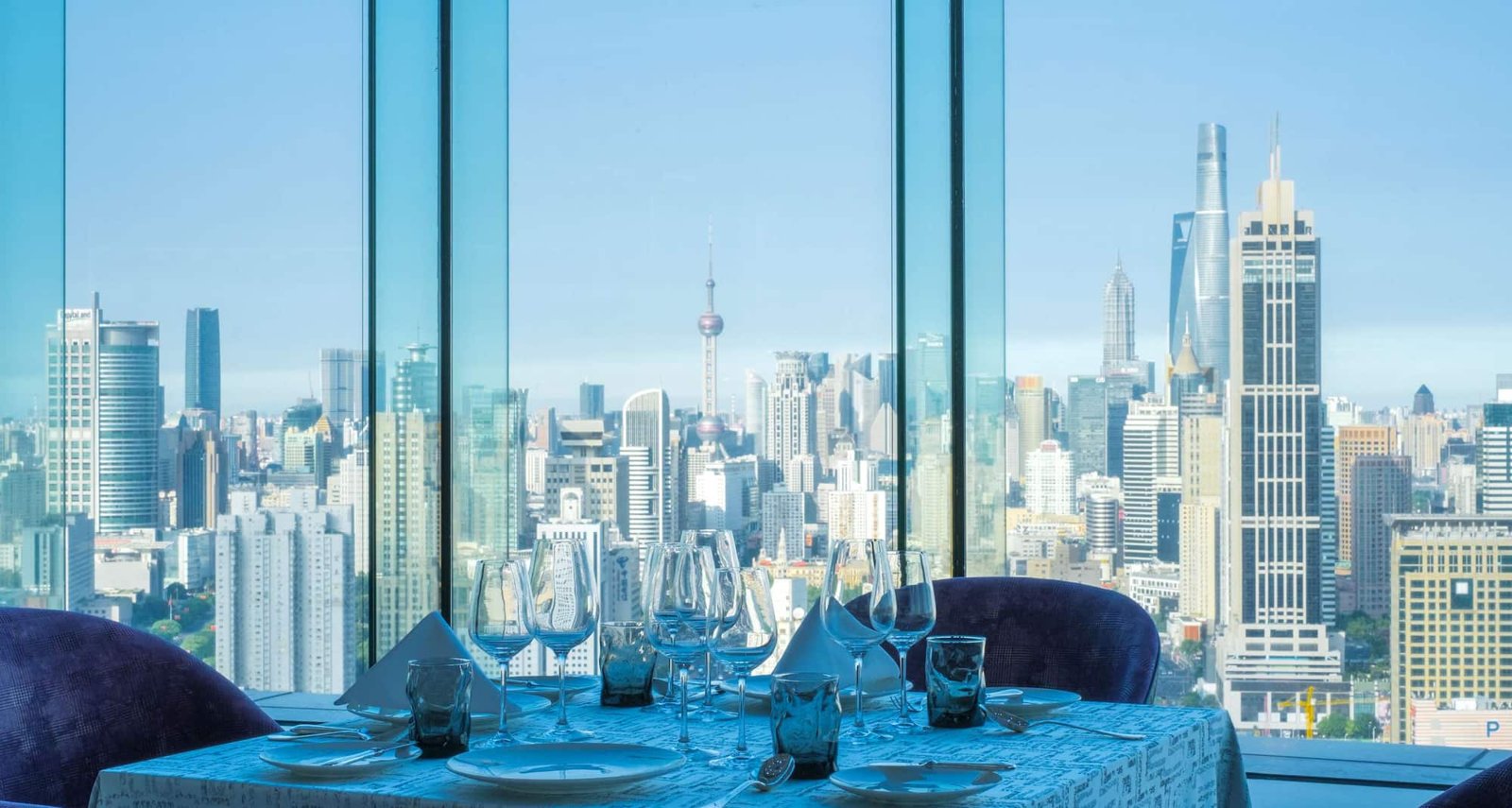
Relaxing and serene with beautiful lake views, central garden of statues and koi ponds, and a peaceful atmosphere praised for privacy and tranquility.
Tags
Vibe
Best For
Experience
Amenities
View
Accessibility
About the Stay
- Rooms
- 11
- Check-in
- 14:00
- Check-out
- 12:00
- Property Type
- Boutique hotel
- Property Style
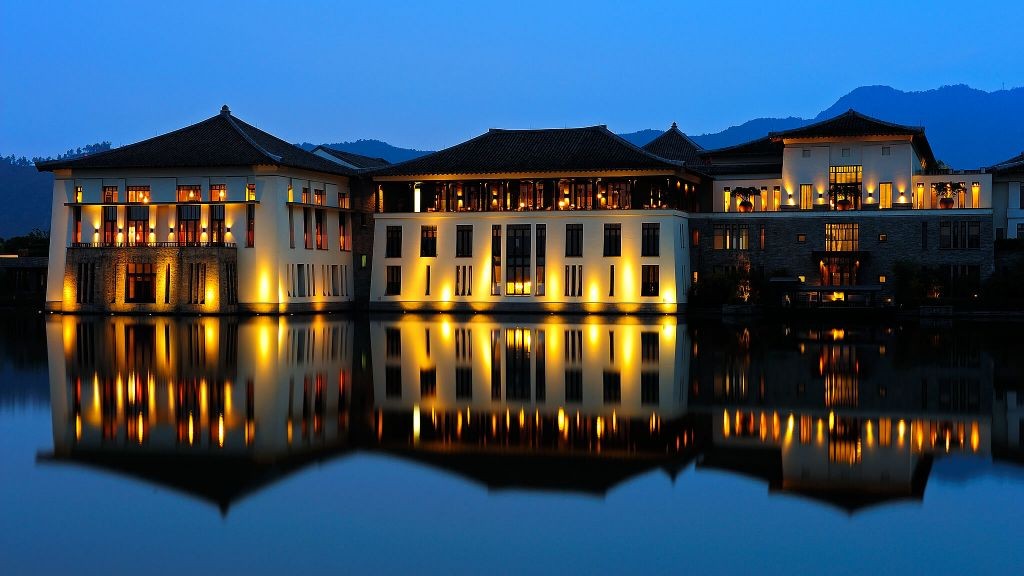
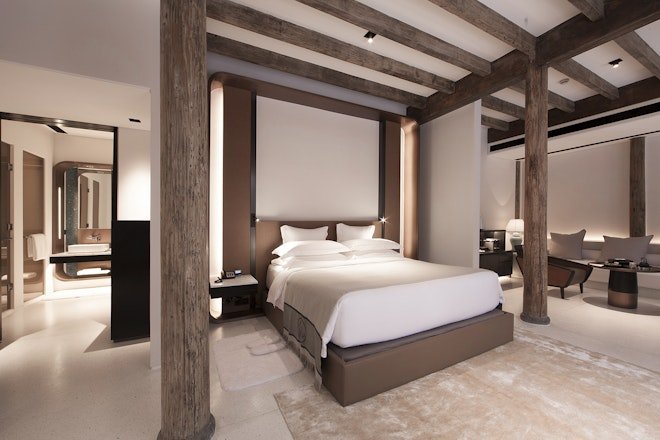
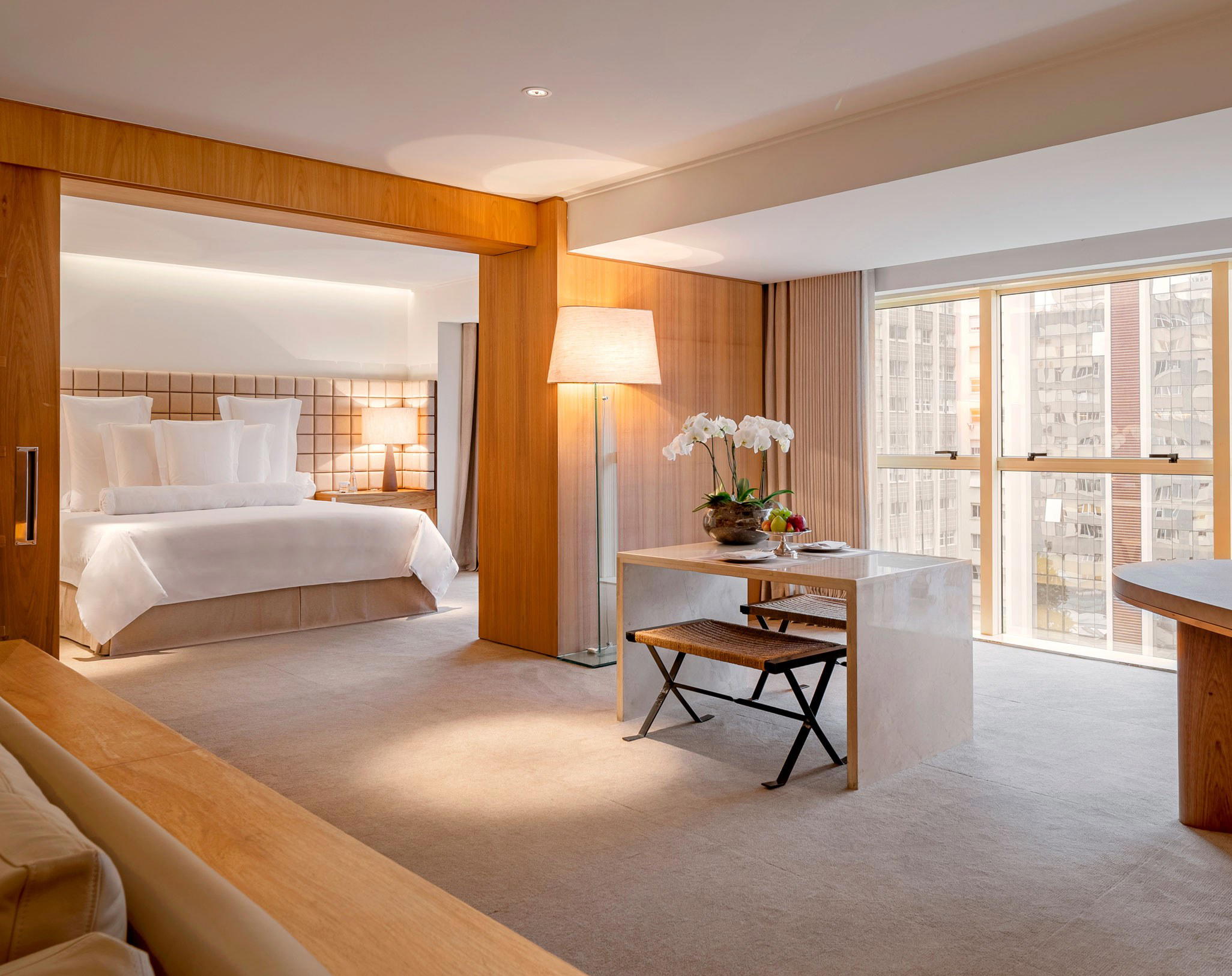
- Historic Villa Blending Jiangnan Architecture with Contemporary Luxury
- Design Style
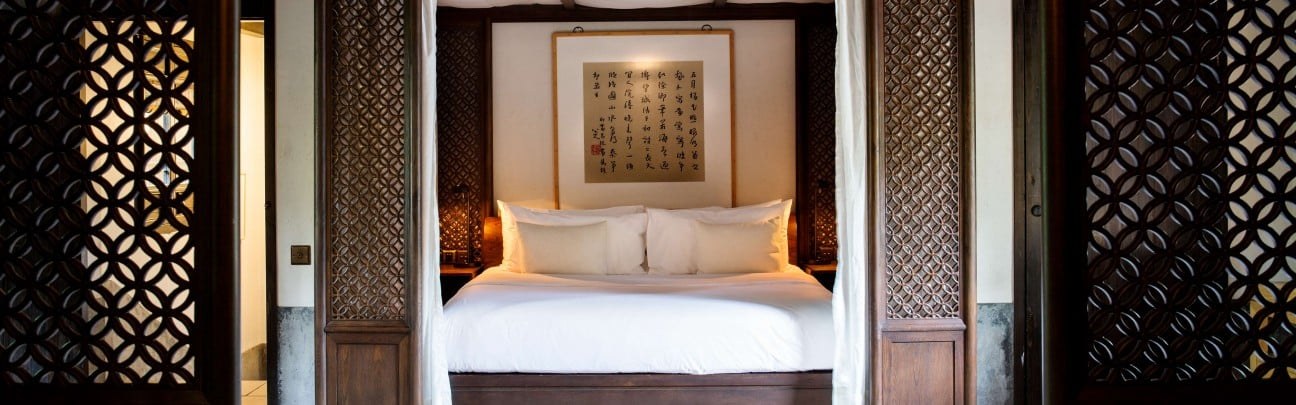
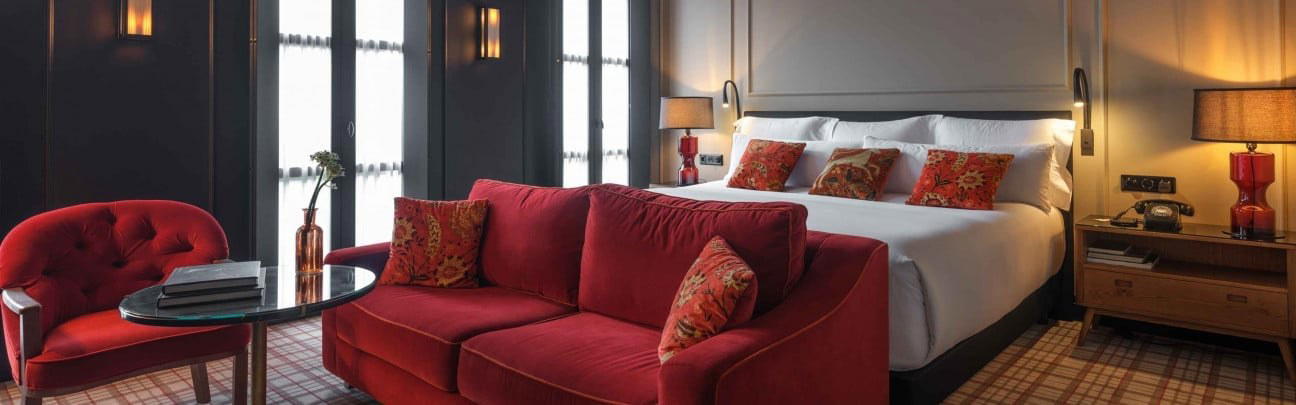
- Classical Chinese with Modern Touches and Antique Furniture
- Breakfast
- Included
- Airport Transfer
- Available
- Pool
- Yes
- Spa
- Yes
Know before you go
Know Before You Go
- Getting there
- No, 59 北山街西湖区杭州市浙江省310025
Planning details
Location
No, 59 北山街西湖区杭州市浙江省310025 · Directions
Recognition and awards

Also consider
Also Consider
- Midtown Shangri-La, Hangzhou, Notable alternative
- Park Hyatt Hangzhou, Notable alternative
- Four Seasons Hotel Hangzhou at Hangzhou Centre, Notable alternative
- Four Seasons Hotel Hangzhou at West Lake, Notable alternative
- Seven Villas, Notable alternative
Hotel context
How Qiushui Villa compares in Hangzhou
Choose Qiushui Villa if the priority is a quieter West Lake-adjacent stay with a smaller-property feel. It has the boutique positioning signal that comes with Small Luxury Hotels of the World membership, which helps justify considering it against larger names, but it is not the default choice for travelers who want a full corporate-hotel setup.
Midtown Shangri-La, Hangzhou and Park Hyatt Hangzhou are the safer cross-shops for business travelers who value brand familiarity, scale, and central-city convenience. Pick those over Qiushui Villa when the schedule is meeting-heavy or when predictable work-trip services matter more than a quieter setting.
For a more direct luxury comparison, look at Four Seasons Hotel Hangzhou at Hangzhou Centre if city access is the priority, or Four Seasons Hotel Hangzhou at West Lake if the lake setting matters but a larger service platform is still important. Seven Villas is the closer stylistic cross-shop for readers drawn to smaller-scale ambiance rather than a branded tower experience.
Explore Hangzhou
Around this place
Discover more on Pearl
Unlock the full Qiushui Villa guide in Pearl, including awards, comparisons, FAQs, planning details, and nearby places.
Compare Qiushui Villa
| Venue | Location | Awards |
|---|---|---|
| Qiushui Villa | Hangzhou | Small Luxury Hotels Member 2025 |
| Midtown Shangri-La, Hangzhou | Hangzhou | 2026 Forbes Recommended2025 Forbes Recommended |
| Park Hyatt Hangzhou | Hangzhou | 2026 Forbes Recommended2026 Michelin Guide New Hotels2025 Michelin Selected Hotels2025 Forbes Recommended |
| Four Seasons Hotel Hangzhou at Hangzhou Centre | Hangzhou | No published awards |
| Four Seasons Hotel Hangzhou at West Lake | Hangzhou | 2026 Virtuoso Luxury Hotel Collection2026 Forbes Recommended2026 La Liste Top Hotels2026 Michelin 2 Keys2025 Forbes 4-StarWorld Travel Awards 20252025 Michelin 2 KeysFour Seasons Hotels |
| Seven Villas | Hangzhou | 2026 Relais Chateaux Hotels2025 Relais Chateaux Award |









How Qiushui Villa Hangzhou compares with similar nearby venues.
FAQ
Frequently Asked Questions
How is the location of Qiushui Villa?
Qiushui Villa is in Hangzhou. Travelers should confirm the exact address and transfer needs through the venue's official channels. For comparison planning, Midtown Shangri-La, Hangzhou and Four Seasons Hotel Hangzhou at Hangzhou Centre may also be worth reviewing.
Which room category is best at Qiushui Villa?
Choose only after checking the current room descriptions, views, size, and inclusions directly with the venue. If you want to compare a broader premium-hotel setup in Hangzhou, Park Hyatt Hangzhou is another option to review.
How is the dining at Qiushui Villa?
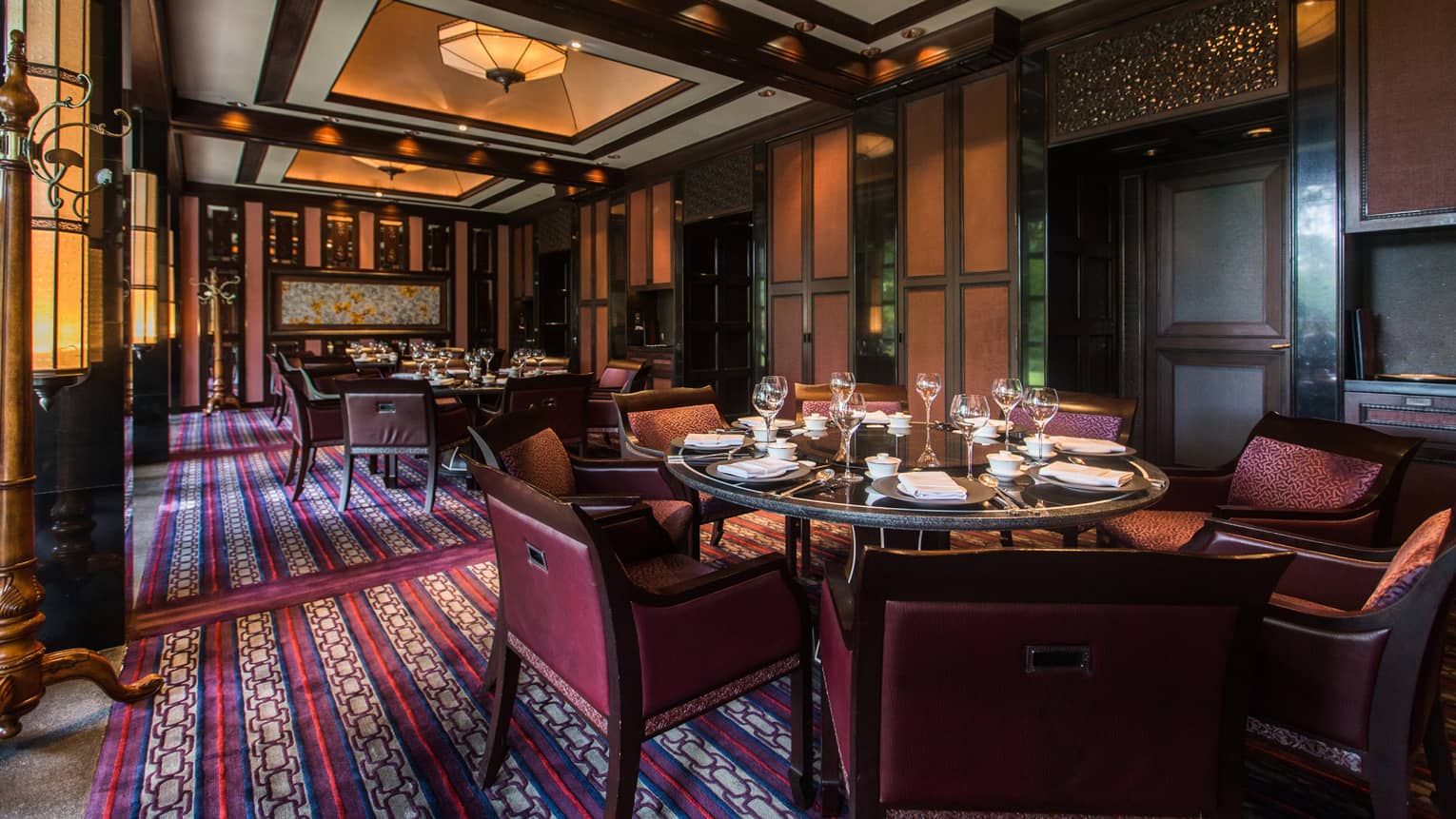
Qiushui Villa has a smart-casual dress code. Check cuisine, menus, opening hours, and service format directly with Qiushui Villa. If dining is a major priority, compare current information with other Hangzhou options such as Four Seasons Hotel Hangzhou at West Lake or Park Hyatt Hangzhou.
What is check-in like at Qiushui Villa?
Confirm arrival procedures, timing, and any special requests directly with Qiushui Villa before booking. If a clearly documented hotel process is important, Midtown Shangri-La, Hangzhou is another premium Hangzhou option to compare.
How does Qiushui Villa compare to other Hangzhou hotels?
Qiushui Villa's profile includes a Hangzhou location, smart-casual dress code, and Small Luxury Hotels of the World Member status in 2025. Compare it with Four Seasons Hotel Hangzhou at West Lake, Four Seasons Hotel Hangzhou at Hangzhou Centre, Midtown Shangri-La, Hangzhou, Park Hyatt Hangzhou, and Seven Villas based on the current facilities, room details, dining options, and logistics each property offers.
Is Qiushui Villa good for business travel?
It may work for some business travelers. Confirm meeting support, workspace needs, transport logistics, and arrival details directly before booking. Park Hyatt Hangzhou and Midtown Shangri-La, Hangzhou are also premium Hangzhou options to compare.