




Four Seasons Hotel Hangzhou at West Lake
Hangzhoushi, Hangzhou
Hotel in Hangzhou, China
 Book with Pearl
The Read
Garden-Pavilion Immersion
Why go
Four Seasons Hotel Hangzhou at West Lake is the safer splurge for a celebration stay in Hangzhou, especially if West Lake pacing matters more than a lower nightly rate. Its case is helped by La Liste Top Hotels (2026), Forbes 4-Star (2025), and World Travel Awards 2025 Leading Boutique Hotel recognition. Choose suite-level only when the room is part of the occasion.
About Four Seasons Hotel Hangzhou at West Lake
Should you book Four Seasons Hotel Hangzhou at West Lake? Yes: amid Hangzhou's lake-focused hotel scene, this is the safer splurge for a celebration stay where service predictability matters more than chasing the lowest nightly rate. It is not the clever choice for travelers who will spend little time at the hotel, but it makes sense when the room, pacing, and setting need to carry the occasion.
Upgrade only when the room is part of the occasion
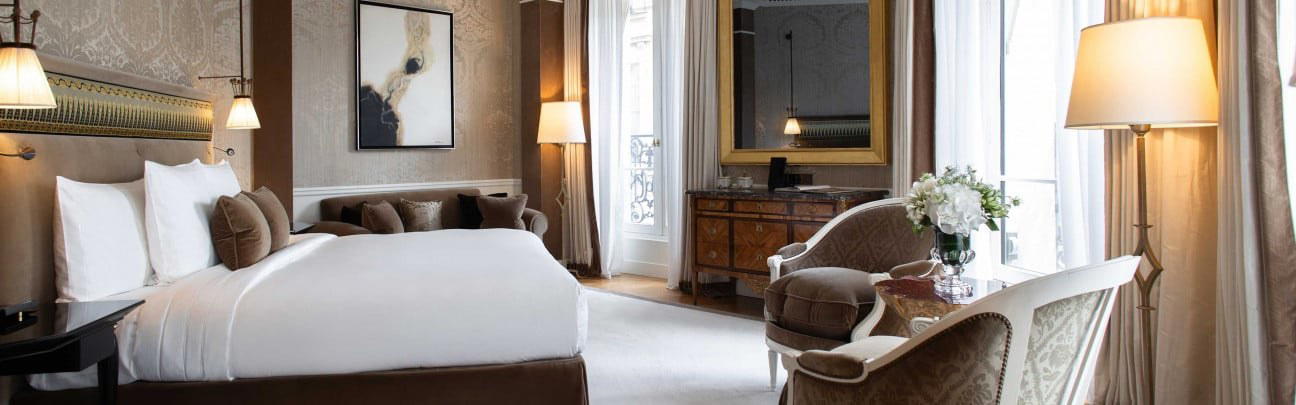
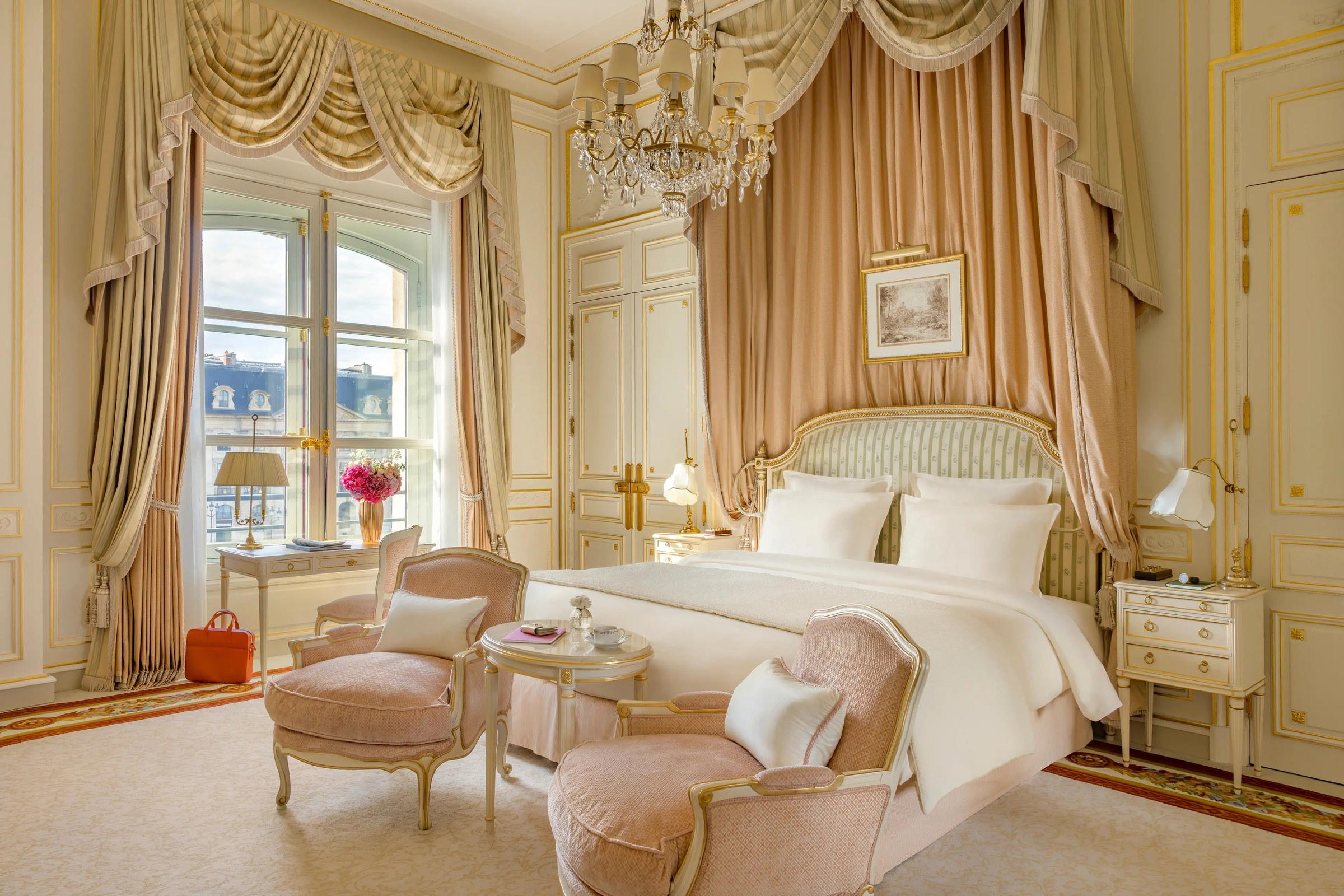
The deciding question is not whether the hotel is polished; it is how much of the trip will happen inside the room. Standard rooms make sense for guests using the stay as a base for lake walks, temple visits, tea-country time, and meals around the city. Suite-level becomes easier to justify for anniversaries, proposals, family celebrations, or business hosting where extra space changes how the stay works.
The Four Seasons service model is the real safety net here. For a special occasion, that matters: fewer variables, a higher expectation of staff consistency, and a format that feels easier to trust than an independent boutique when the trip has pressure attached. The trade-off is value. If the suite premium forces cuts elsewhere in the itinerary, the standard room is the smarter play.
Choose it for West Lake pacing, not a packed city schedule
This stay is strongest when the itinerary is built around West Lake rather than constant movement across Hangzhou. The setting suits slower mornings, low-friction transfers to lake-focused plans, and evenings where staying in can be part of the point. For guests planning back-to-back meetings, shopping, or late dinners in busier commercial areas, a more central city hotel may fit the schedule better.
The hotel is also a better fit for couples and small family groups than for travelers trying to maximize room count on a fixed budget. With no need to chase novelty, the recommendation is simple: pay for this when the stay itself is the gift. If the hotel is mostly a place to sleep, compare other Hangzhou options before committing to suite-level pricing.
For broader context, the Hangzhou hotels guide is the right place to weigh this against other city stays, while the Hangzhou restaurants guide helps build the dining side around it.
Inside Four Seasons Hotel Hangzhou at West Lake
Planning details
- Location
- 5 Ling Yin Lu, Xi Hu Qu, Hang Zhou Shi, Zhe Jiang Sheng, 310058
- Website
- fourseasons.com/zh/hangzhou
- Phone
- +86 571 8829 8888
The take
The Take
The Vibe
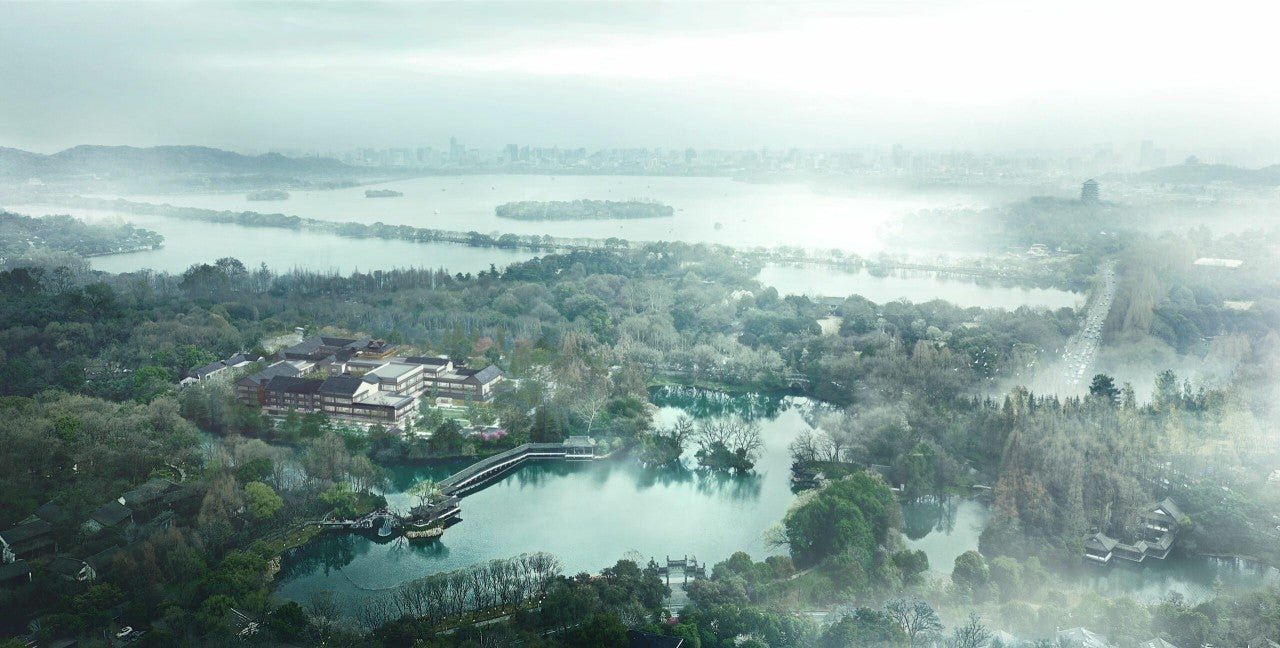
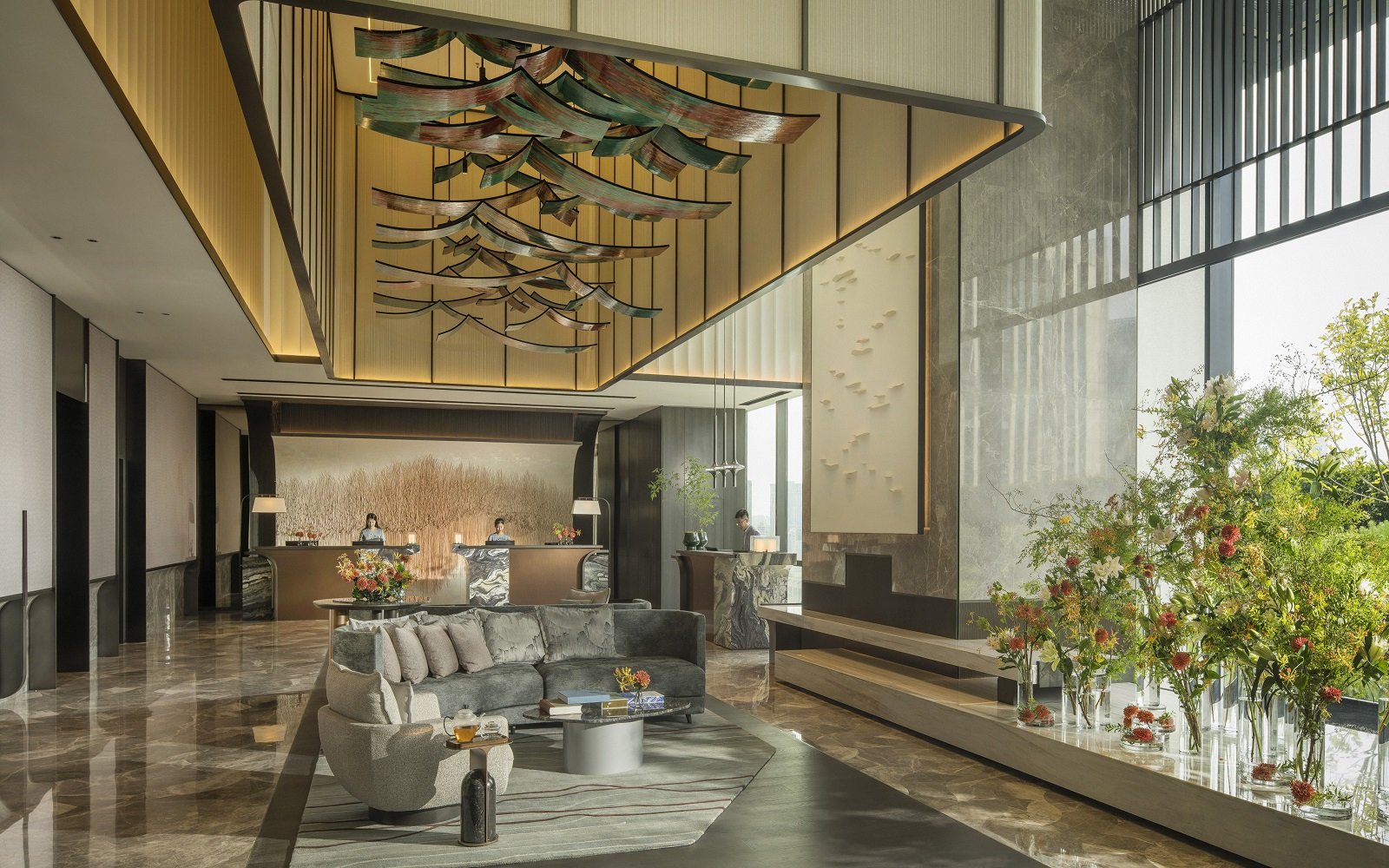
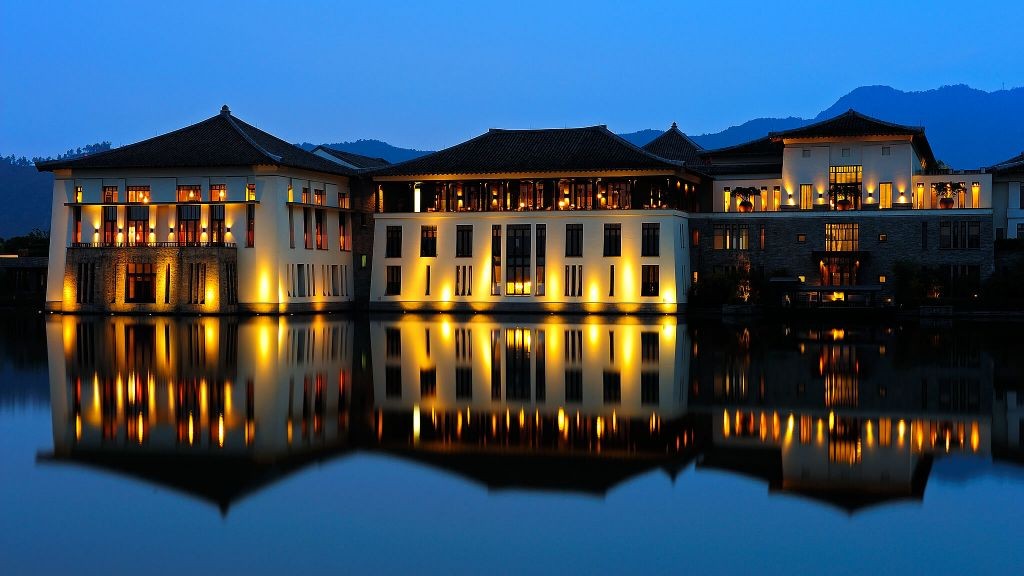
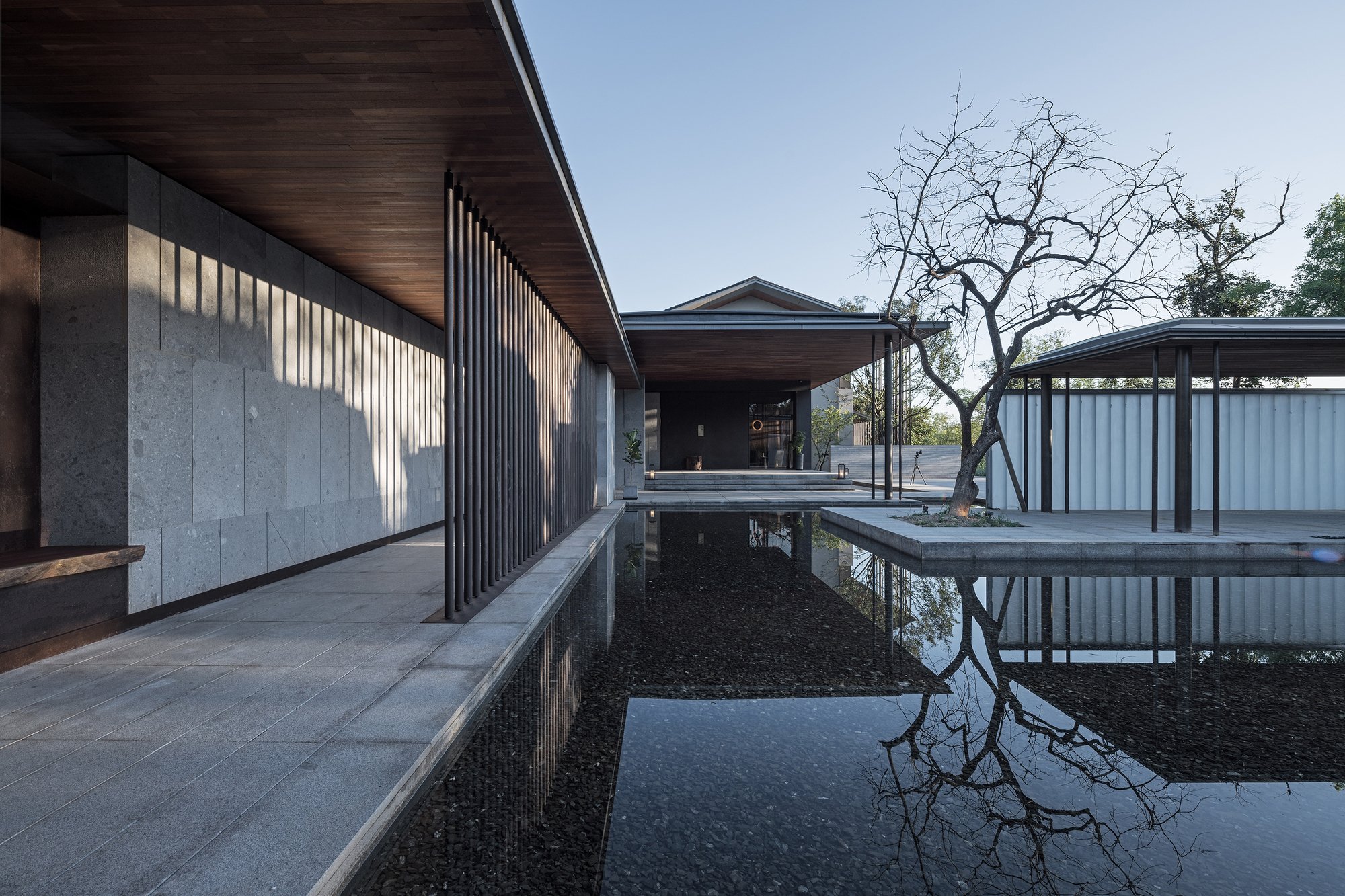
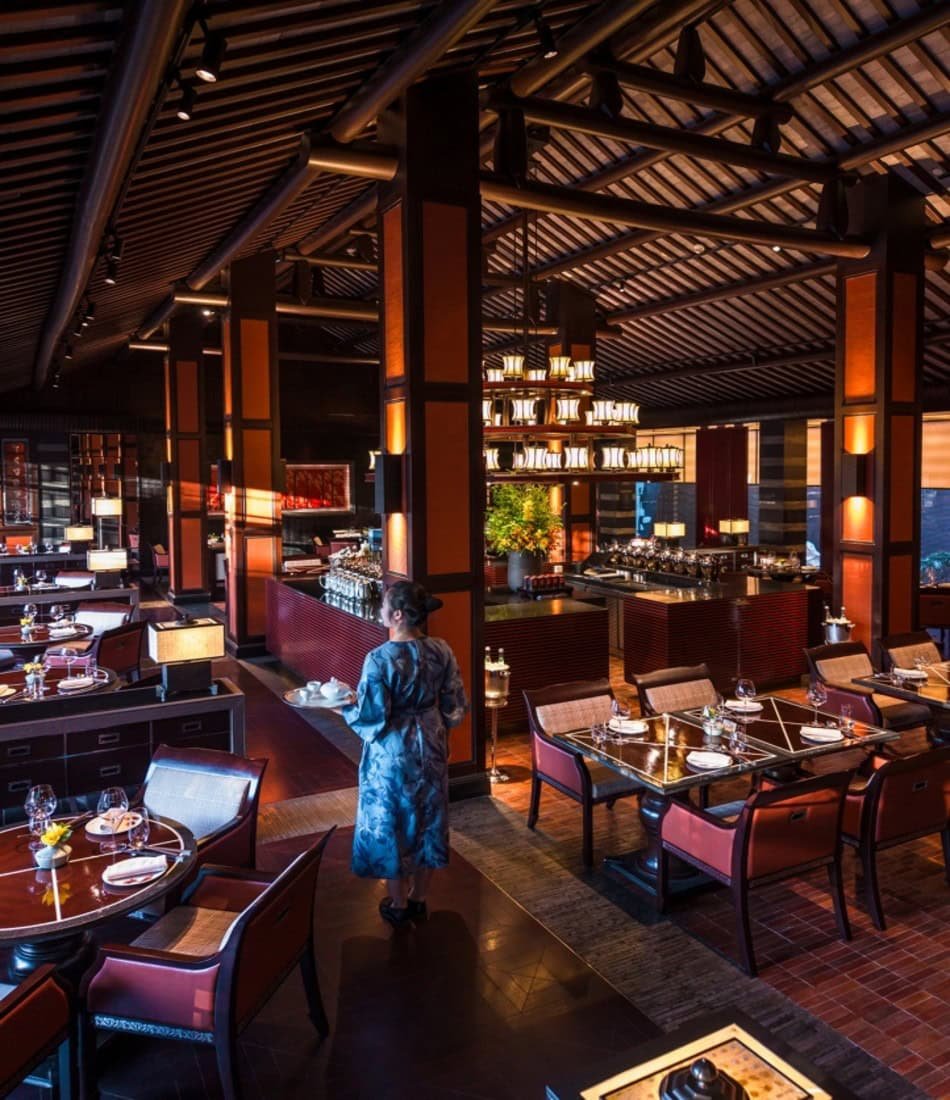
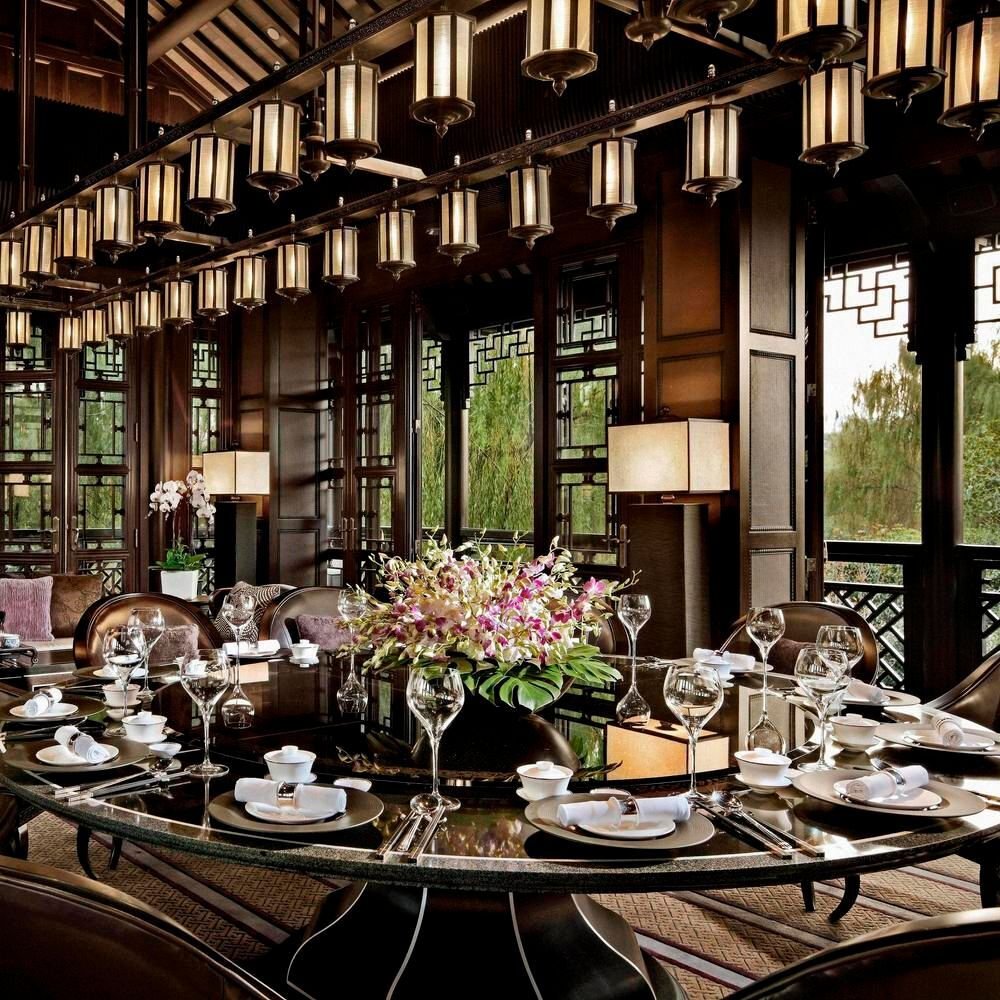
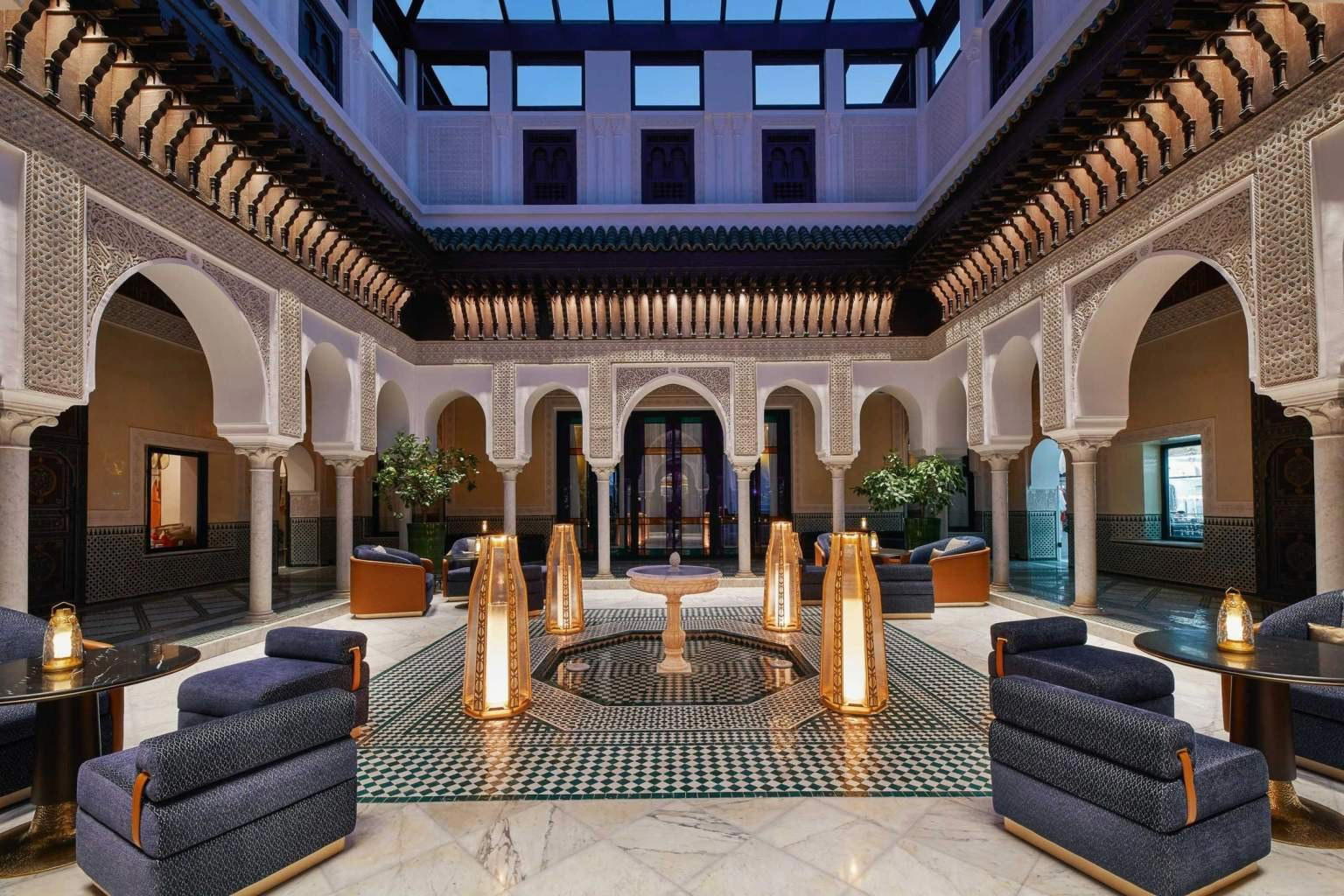
The hotel reads as a restrained, classical compound set within West Lake’s storied landscape. Low-slung white pavilions, dark-tiled pagoda rooflines and courtyard walls tuck into camphor trees, producing a quietly atmospheric sense of place that deliberately mirrors the surrounding temples and causeways. The property’s horizontal scale, 78 rooms spread across two floors and 17 acres, emphasizes an intimate, historic character rather than contemporary verticality. Recognition from Forbes and La Liste underscores a quietly luxurious temperament: the design favors cultural continuity and understatement over flash, so the experience feels serene, rooted and distinctly of its setting.
Best For
This is a setting for slow, contemplative stays: honeymoons, anniversaries and wellness-focused retreats play to its strengths. The estate’s compact scale and gardened courtyards create a private-feeling retreat within Hangzhou’s UNESCO-designated West Lake district, while the continual presence of mist and historic sightlines makes it especially appealing for travelers seeking a peaceful, culturally resonant escape. Families and small groups who appreciate gardens and ground-level access also find the layout accommodating; the property’s low-rise composition rewards guests who want to move easily between rooms, courtyards and the lake-adjacent landscape.
Stay Tips
Inventory is intentionally limited: the hotel has just 78 rooms distributed across two floors, set within 17 acres, so book well in advance: especially for weekend stays or holiday periods. Dawn mist from West Lake blurs the lake and the hotel’s garden ponds, making the setting most evocative in the morning. Because the property prioritizes horizontal, garden-forward architecture over high-rise viewpoints, allow extra time to wander the courtyards and estate grounds to experience the hotel’s principal charms.
Venue details
Ambiance
Peaceful and serene with beautiful gardens, soundproof rooms, and a calm, elegant atmosphere enhanced by traditional Chinese elements and natural surroundings.
Tags
Vibe
Best For
Experience
Amenities
View
Accessibility
About the Stay
- Rooms
- 78
- Check-in
- 15:00
- Check-out
- 12:00
- Property Type
- Palace hotel
- Property Style
- Imperial Chinese Garden Resort
- Design Style
- Chinoiserie with Modern Elegance
- Airport Transfer
- Available
- Pool
- Yes
- Spa
- Yes
- Families
- Welcome
- Cancellation
- Moderate
Know before you go
Know Before You Go
- Getting there
- 5 Ling Yin Lu, Xi Hu Qu, Hang Zhou Shi, Zhe Jiang Sheng, 310058
Planning details
Location
5 Ling Yin Lu, Xi Hu Qu, Hang Zhou Shi, Zhe Jiang Sheng, 310058 · Directions





Also consider
If this is full, cross-shop these first
Amanfayun is the first alternative for a retreat-oriented Hangzhou stay. It makes more sense than forcing a suite-level rate here if quiet pacing matters more than the Four Seasons service frame.
Park Hyatt Hangzhou is the practical city-luxury fallback for meetings, shopping, or late dinners. Pick it when West Lake downtime is not the core of the trip.
Hotel context
How it compares with Hangzhou's luxury hotel choices
Choose Four Seasons for the most reliable special-occasion play among these Hangzhou options: brand consistency, hard booking demand, and stronger award signals make it easier to justify when the stay has to feel controlled. Qiushui Villa and Seven Villas are better cross-shops if the priority is a smaller boutique feel and the rate gap is meaningful, but they do not carry the same international-brand safety case.
Amanfayun is the closest alternative for travelers who want the stay to feel retreat-led rather than hotel-polished. If rates are similar, Four Seasons is the safer pick for a family celebration or business-adjacent stay; Amanfayun is the better comparison when quiet, seclusion, and a slower rhythm matter more than conventional service predictability.
Midtown Shangri-La, Hangzhou and Park Hyatt Hangzhou make more sense for travelers whose days point toward urban meetings, shopping, or late city plans. Four Seasons wins when West Lake is the anchor and suite-level space will be used; if the room is mainly for sleeping, the city-hotel alternatives are the more practical value check.
Explore Hangzhou
Around this place
Discover more on Pearl
Unlock the full Four Seasons Hotel Hangzhou at West Lake guide in Pearl, including awards, comparisons, FAQs, planning details, and nearby places.
Compare Four Seasons Hotel Hangzhou at West Lake
Where it sits among Hangzhou luxury hotels
Use this as the West Lake celebration choice when the rate is close to Amanfayun, Park Hyatt Hangzhou, or Midtown Shangri-La, Hangzhou. The value case is strongest when the booking is tied to an anniversary, proposal, family milestone, or business hosting need, not a sleep-only itinerary.
For smaller-scale alternatives, compare Qiushui Villa and Seven Villas. They are the rational checks if suite-level pricing feels stretched. If the trip depends on a polished, low-risk hotel experience, Four Seasons remains the safer call.
FAQ
Frequently Asked Questions
How is the pool and spa at Four Seasons Hotel Hangzhou at West Lake?
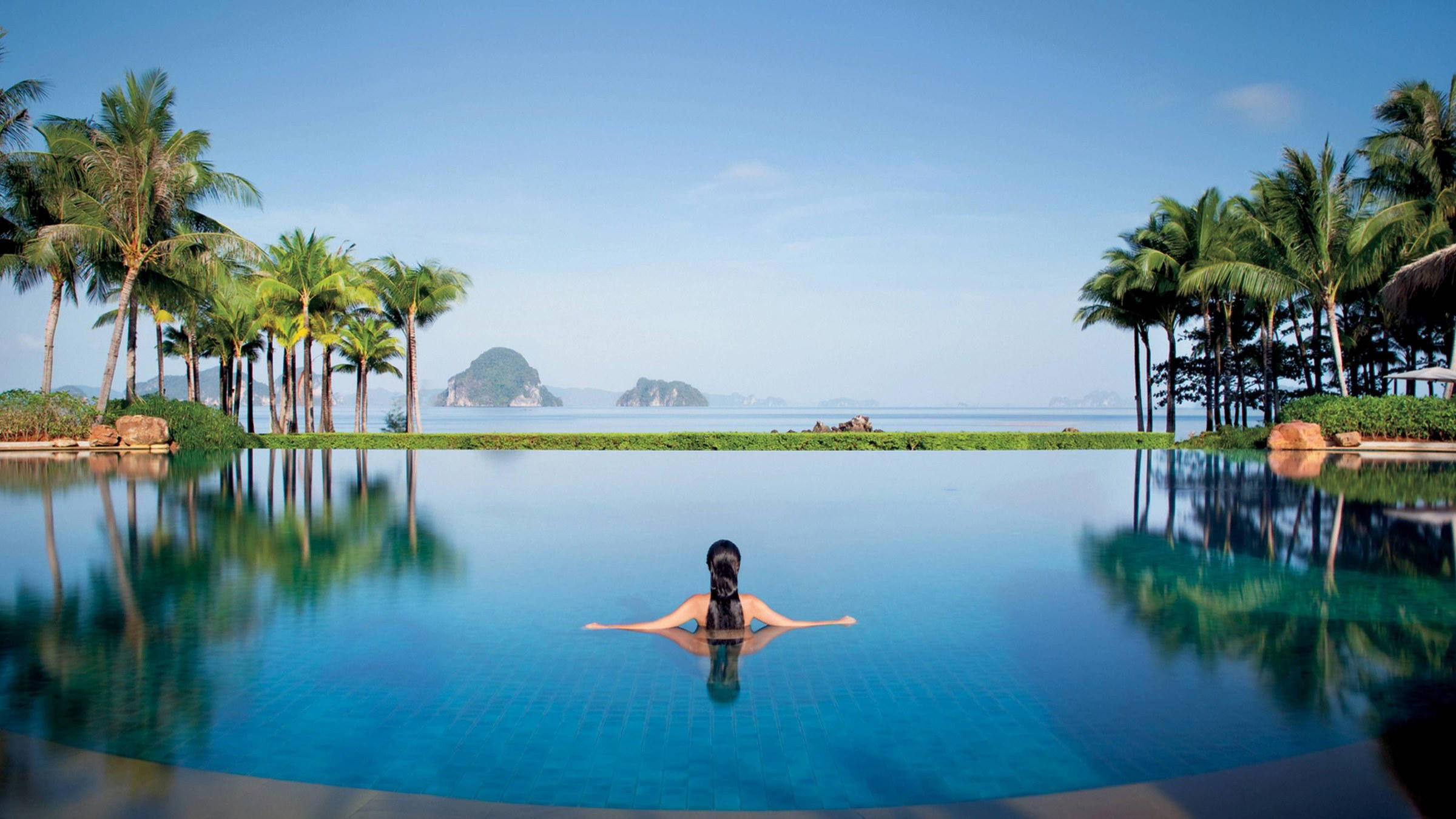
Treat the pool and spa as a reason to stay if the trip is built around slow days near West Lake. The hotel’s Forbes 4-Star (2025) and La Liste Top Hotels score of 91 points suggest a service level that fits a longer, lower-key stay. If the plan is to be out all day, those amenities matter less.
When is the best time to book Four Seasons Hotel Hangzhou at West Lake?
Book earlier for weekends and any stay centered on West Lake, because this is the kind of hotel people choose for a slower pace rather than a quick overnight. The address at 5 Ling Yin Lu puts it in a strong leisure position, so demand is likely to cluster around relaxed travel dates. For a calmer check-in experience, weekdays are the safer choice.
How does Four Seasons Hotel Hangzhou at West Lake compare to nearby hotels?
Pick this for a quieter West Lake stay; choose Midtown Shangri-La, Hangzhou if you want a more central city base, and Park Hyatt Hangzhou if you want a different luxury tower-hotel feel. Qiushui Villa and Seven Villas lean more toward intimate, destination-style stays, while Amanfayun is the stronger pick for a retreat-like setting. This Four Seasons suits travelers who want the brand standard without being in the middle of a packed city schedule.
Which room category is best at Four Seasons Hotel Hangzhou at West Lake?
The room choice should follow how much time will be spent inside the hotel. Standard rooms make sense for short stays, but the property reads as a place where a higher room category pays off if the room is part of the occasion. For two travelers planning a slower West Lake stay, a room with more space is the cleaner choice.
How is the location of Four Seasons Hotel Hangzhou at West Lake?
The location is strong for West Lake pacing and less useful for a packed cross-city itinerary. The address, 5 Ling Yin Lu, Xi Hu Qu, places it in Hangzhou’s West Lake area, which suits mornings and slower movement rather than constant transfers. If the trip is centered on the lake, this location makes sense.