
Vallie Hotel
Xiaoshanshi, Hangzhou
Hotel in Hangzhou, China
 Book with Pearl
The Read
Agricultural Heritage Lodging
Price
$500–750per night
Why go
Vallie Hotel is a better pick for repeat Hangzhou visitors seeking a quieter independent-luxury stay than for first-timers chasing maximum West Lake convenience. Its 2025 Small Luxury Hotels of the World membership gives it a useful trust signal, but the value case depends heavily on seasonal pricing against larger luxury peers.
About Vallie Hotel
Vallie Hotel is a hotel in Hangzhou. Its clearest positioning detail is its Small Luxury Hotels of the World membership in 2025; beyond that, specific claims about room categories, dining, service style, amenities, rates, or exact location should be confirmed directly before booking.
Use the SLH membership as a general signal, not as a guarantee of a particular room size, restaurant program, or resort-style experience. The dress code is smart casual, which is useful to know when planning the stay.
Confirm details, avoid assumptions
Vallie Hotel may be worth considering if you are comparing premium stays in Hangzhou and want an option with SLH membership. Confirm the practical points that matter to your trip before committing.
Before booking, check current rates, room inclusions, cancellation terms, dining availability, and arrival logistics directly with the hotel or your booking channel. If you are comparing alternatives, look at Vallie Hotel alongside Amanfayun, Four Seasons Hotel Hangzhou at West Lake, Hotel Indigo Hangzhou Uptown, Qiushui Villa, and Seven Villas based on your own priorities.
The rate-to-experience sweet spot depends on your trip
The value case depends on the offer available for your dates. Compare the final price, included benefits, and booking terms rather than assuming that SLH membership alone determines the overall experience.
For broader planning, use a Hangzhou hotels guide to see how Vallie Hotel fits alongside other premium options in the city. If the trip needs dining depth around the city, pair the hotel search with Our full Hangzhou restaurants guide rather than expecting the hotel choice alone to solve the itinerary.
Inside Vallie Hotel
Planning details
- Location
- NO.85, 3 之江路上城区杭州市浙江省310053
- Phone
- +86 571 8106 0055
The take
The Take
The Vibe
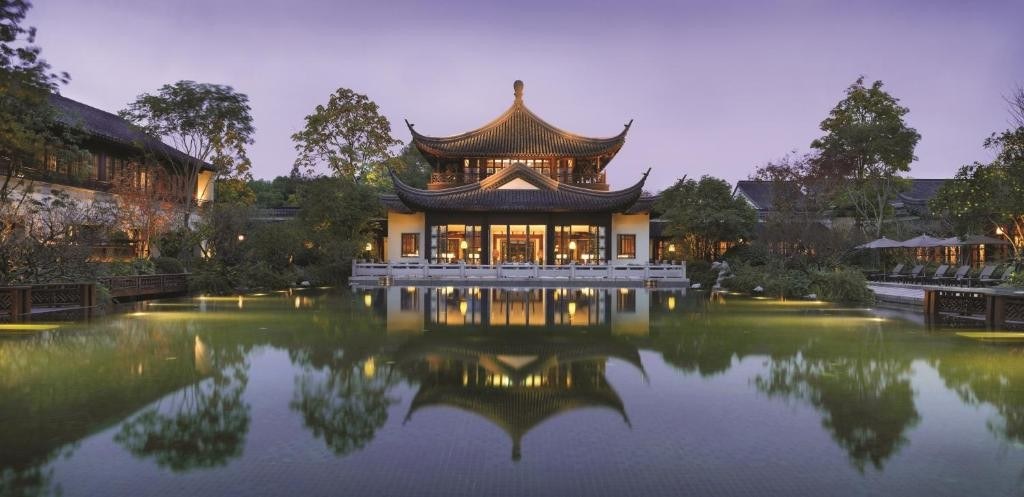
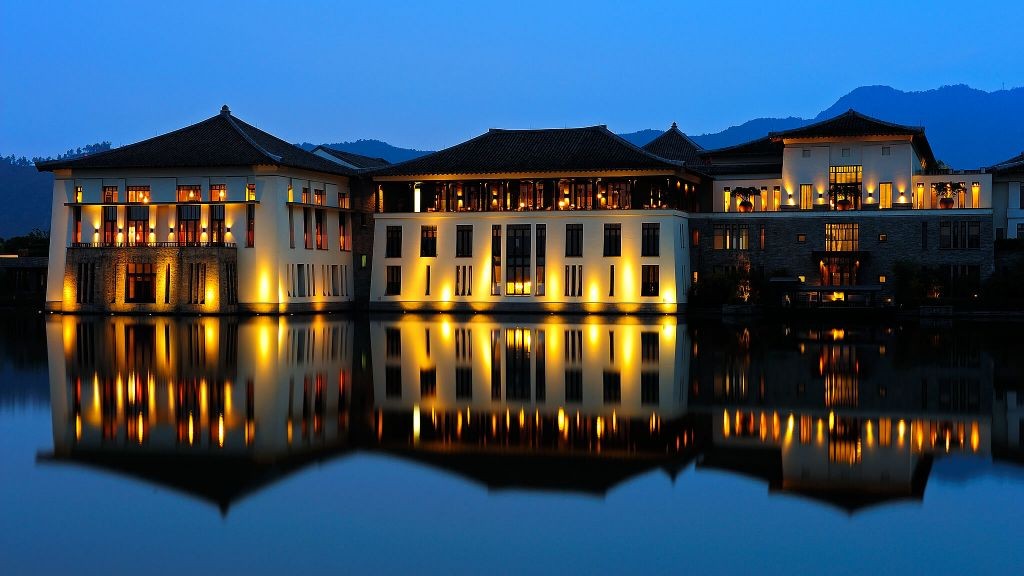
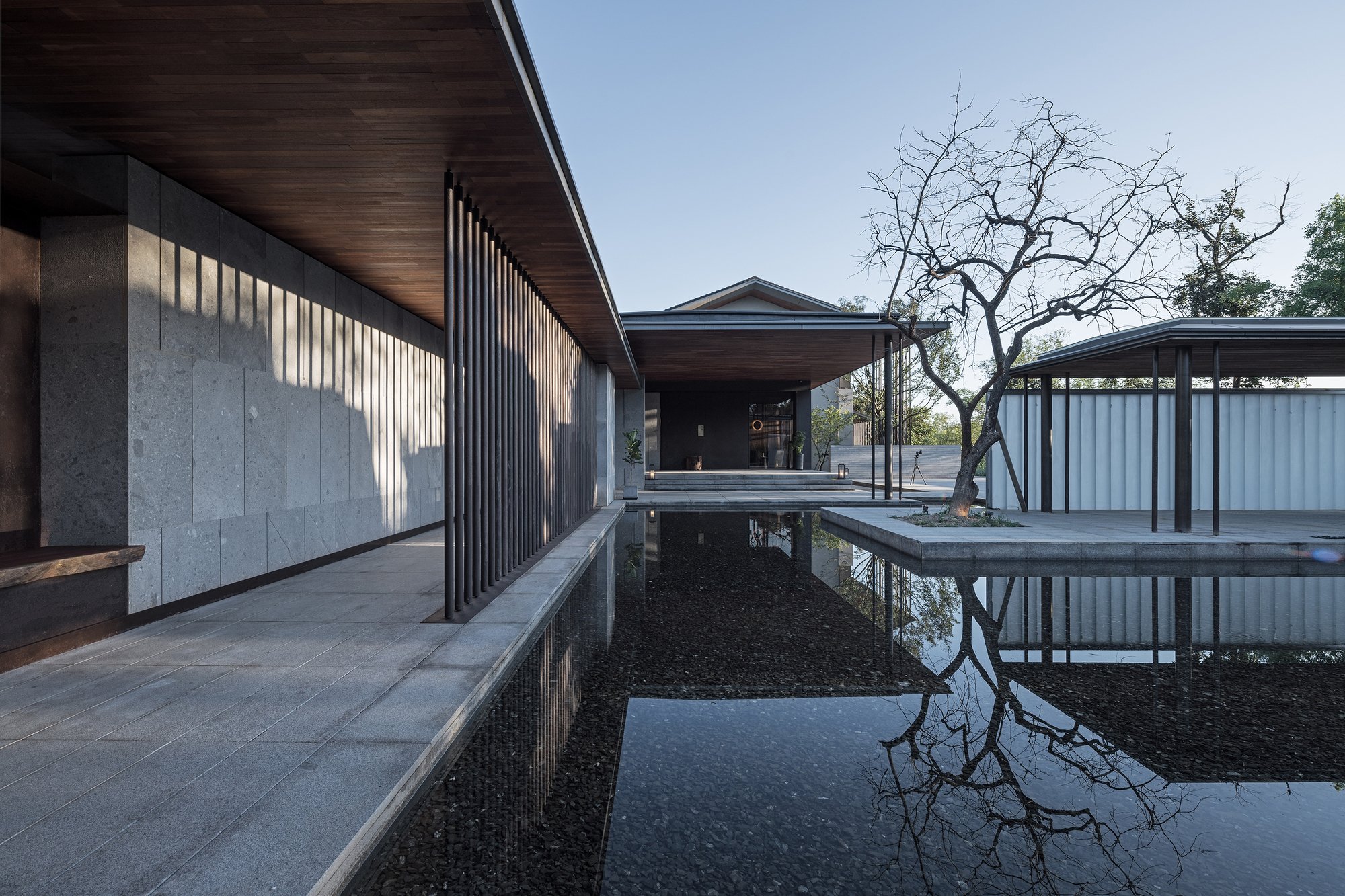
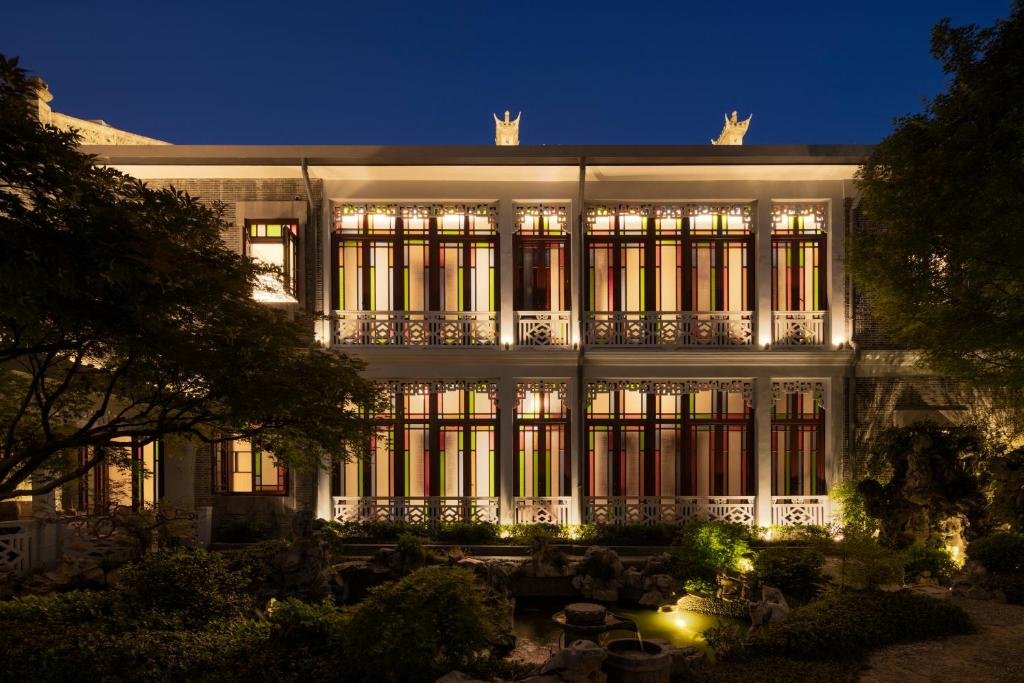
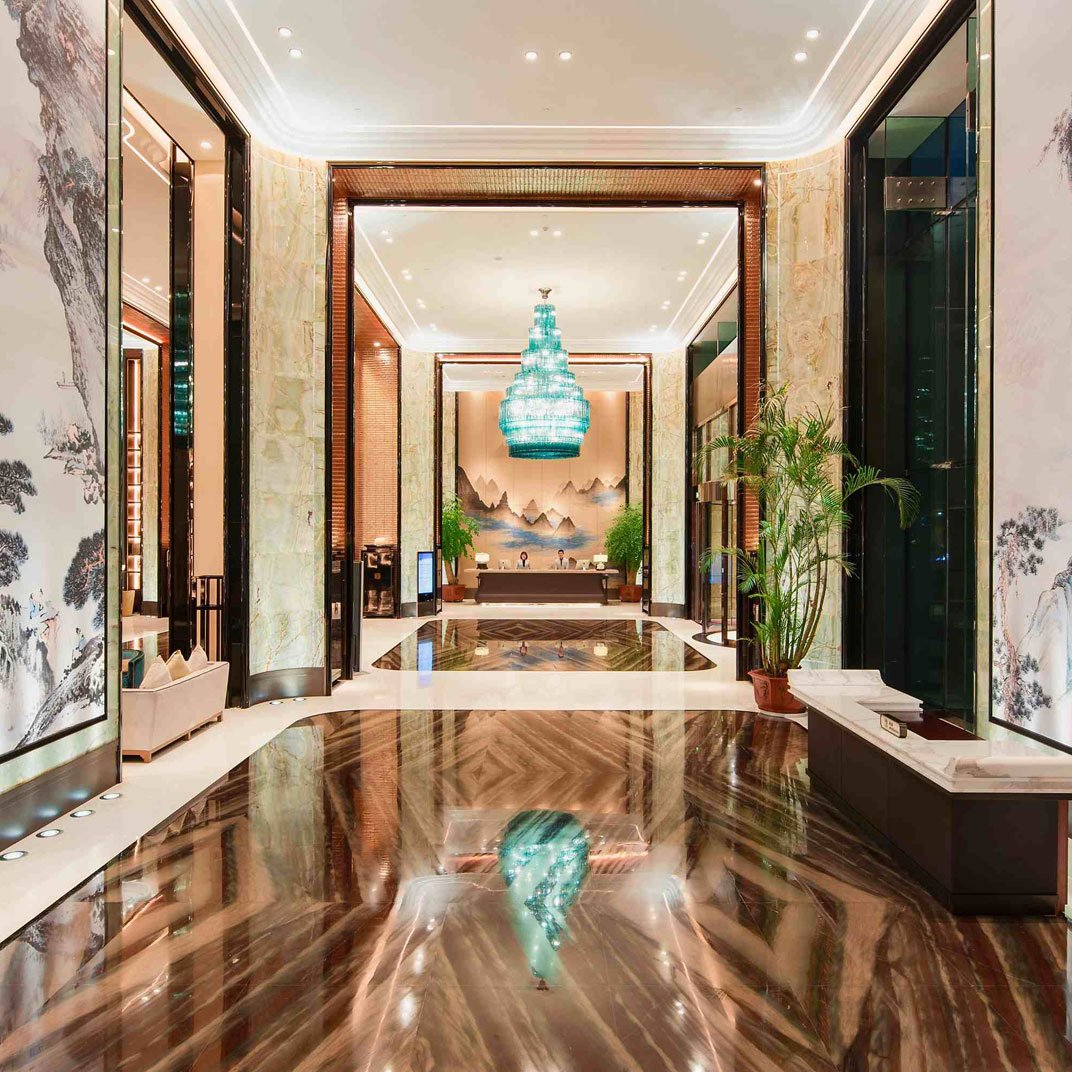
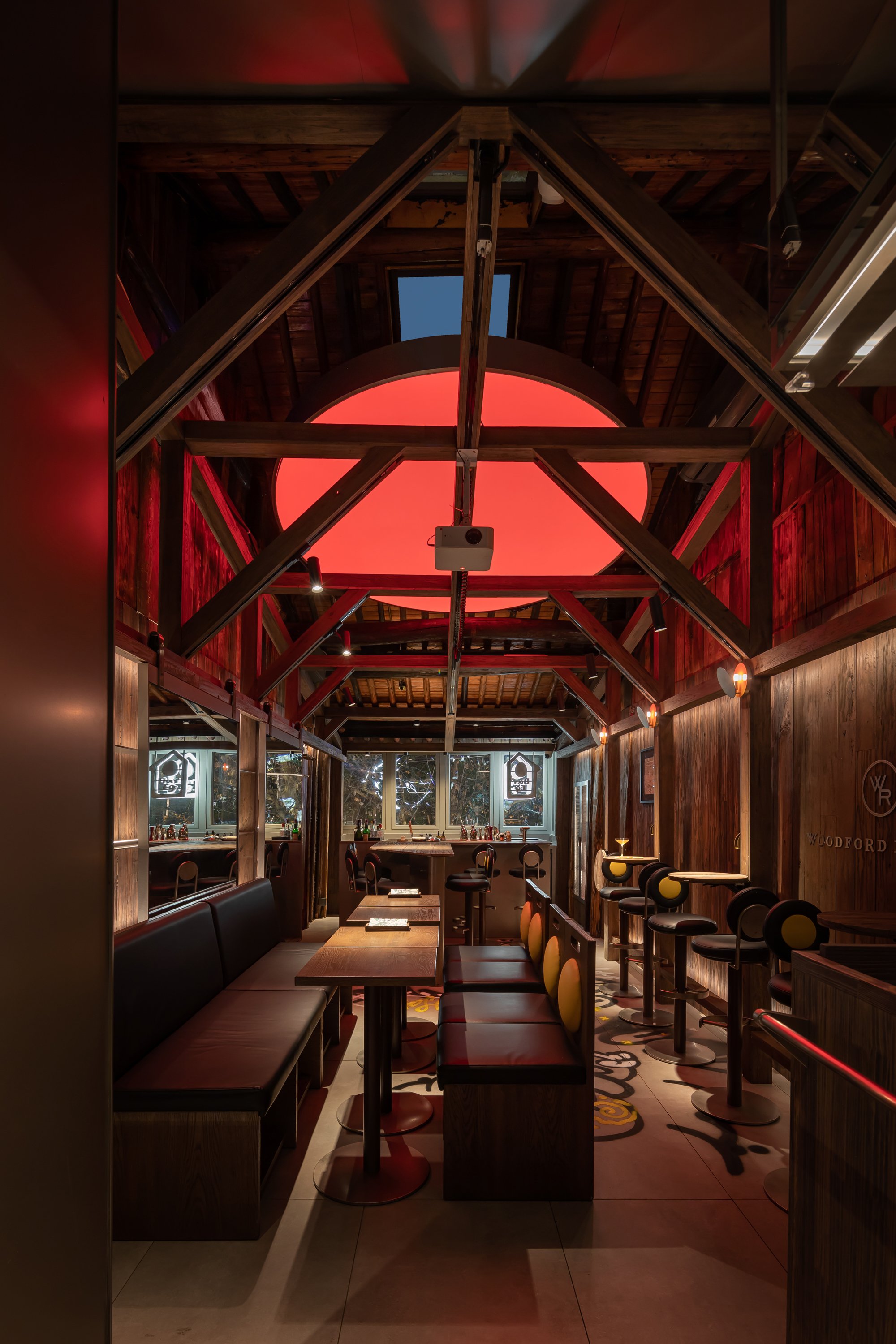
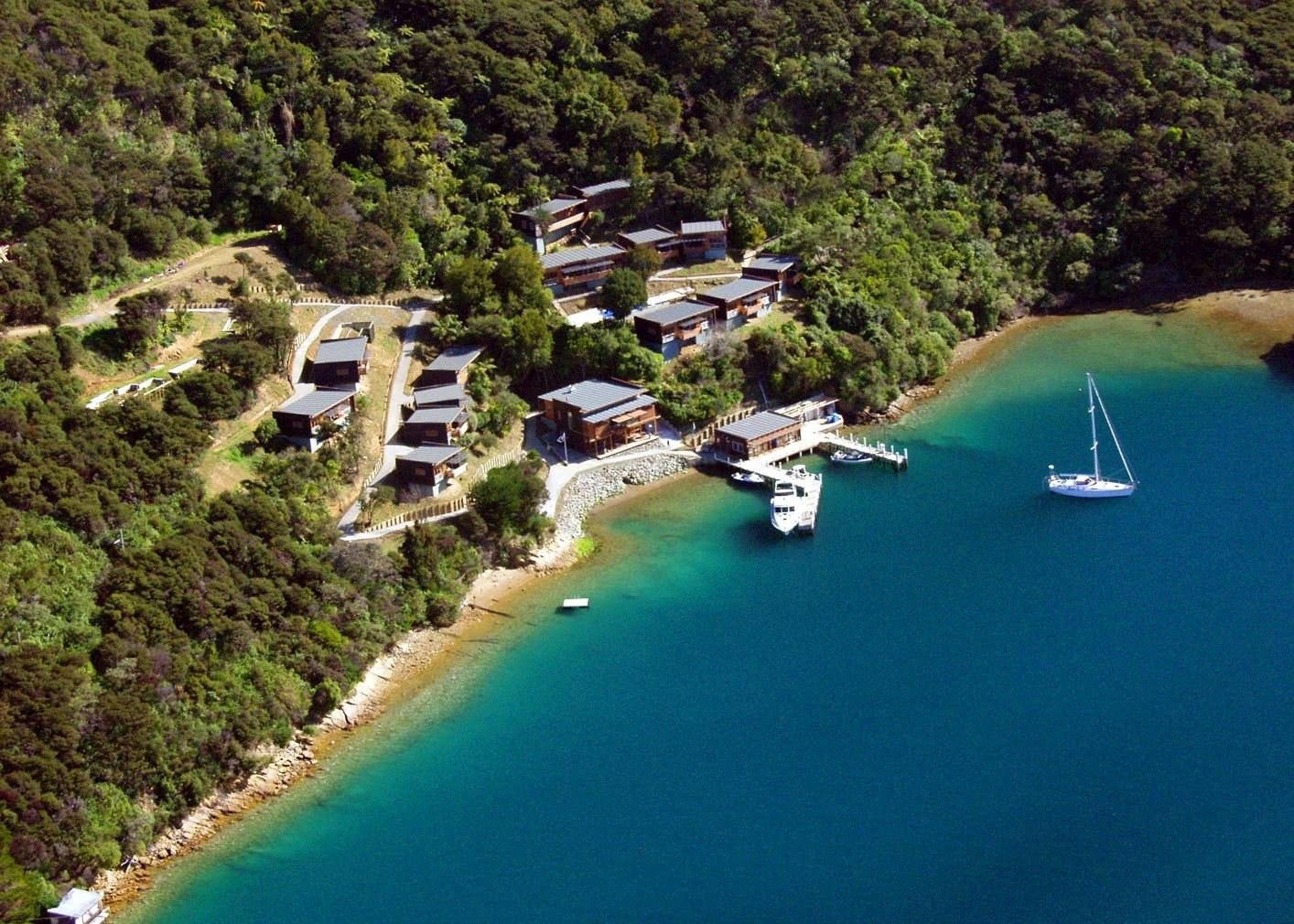
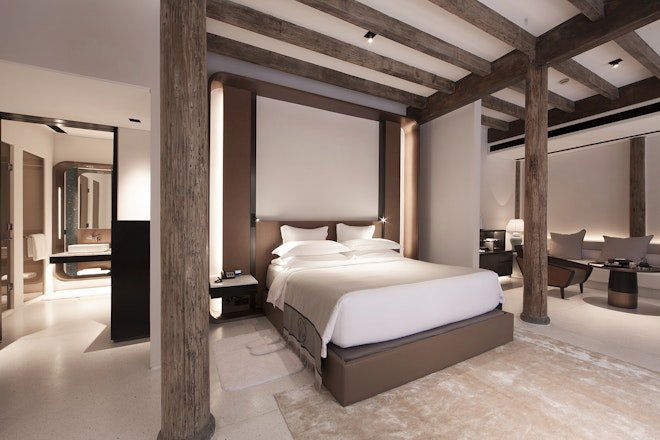
Vallie Hotel reads like a small settlement reclaimed by the surrounding hills: low-slung buildings, materials that have mellowed into the landscape, and a spatial logic derived from working tea farms. The property leans into its agricultural past rather than resort excess, so the feel is quietly rustic and historically rooted. Its position at the edge of Liuhe Pagoda Culture Park amplifies a sense of remoteness from the busier West Lake circuit—guests arrive for forested slopes, tea cultivation, and the long view of cultural layers that date back to the Northern Song era.
Best For
This is a place for travelers who want a quieter, landscape-forward alternative to Hangzhou’s lakefront hotels. It suits visitors interested in local history and the agricultural rhythms of tea country, and anyone seeking a contemplative base for exploring the Liuhe Pagoda and nearby parkland. Because Vallie deliberately positions itself away from the main tourist circuit, it works well for short restorative stays or weekend breaks where the setting—not flashy amenities—is the primary draw.
Venue details
Ambiance
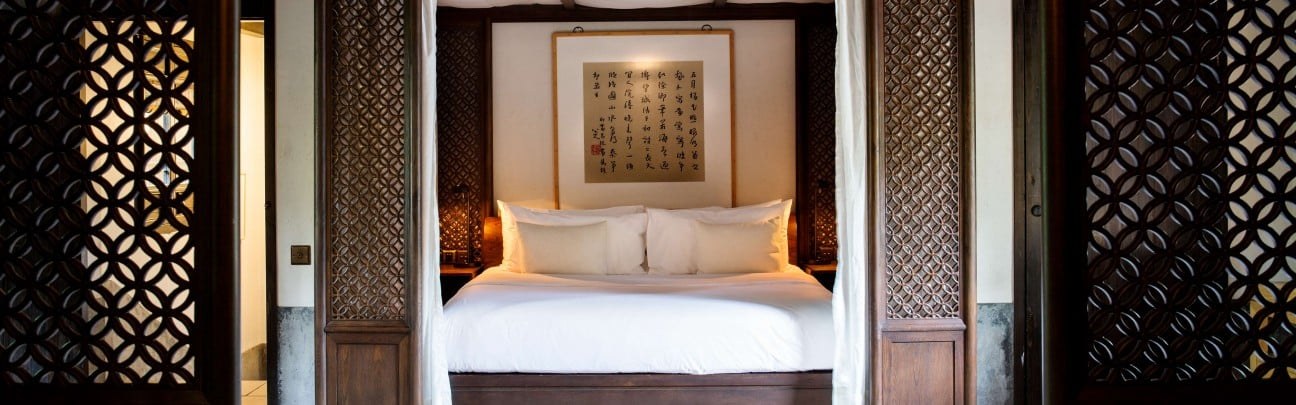
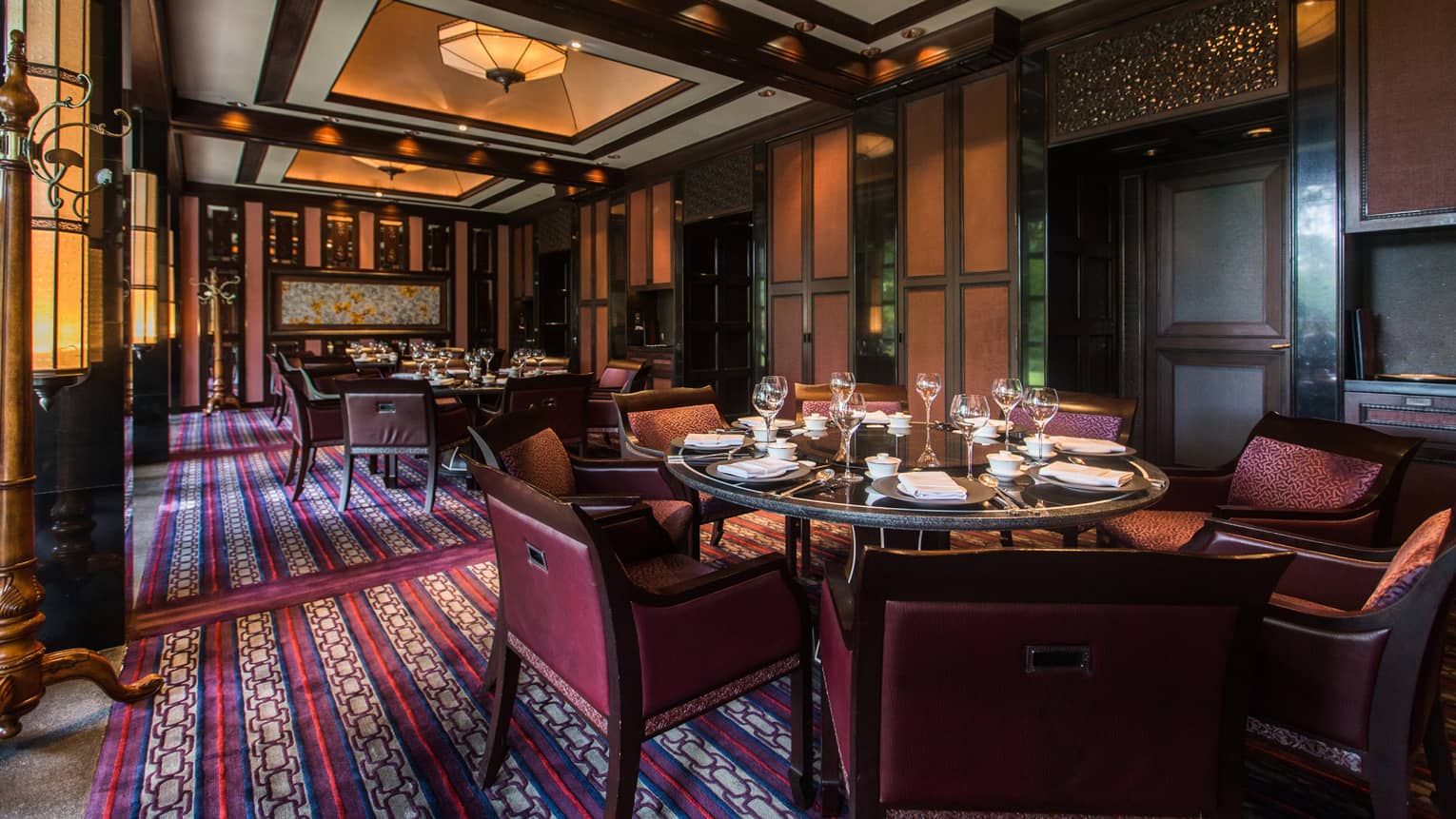
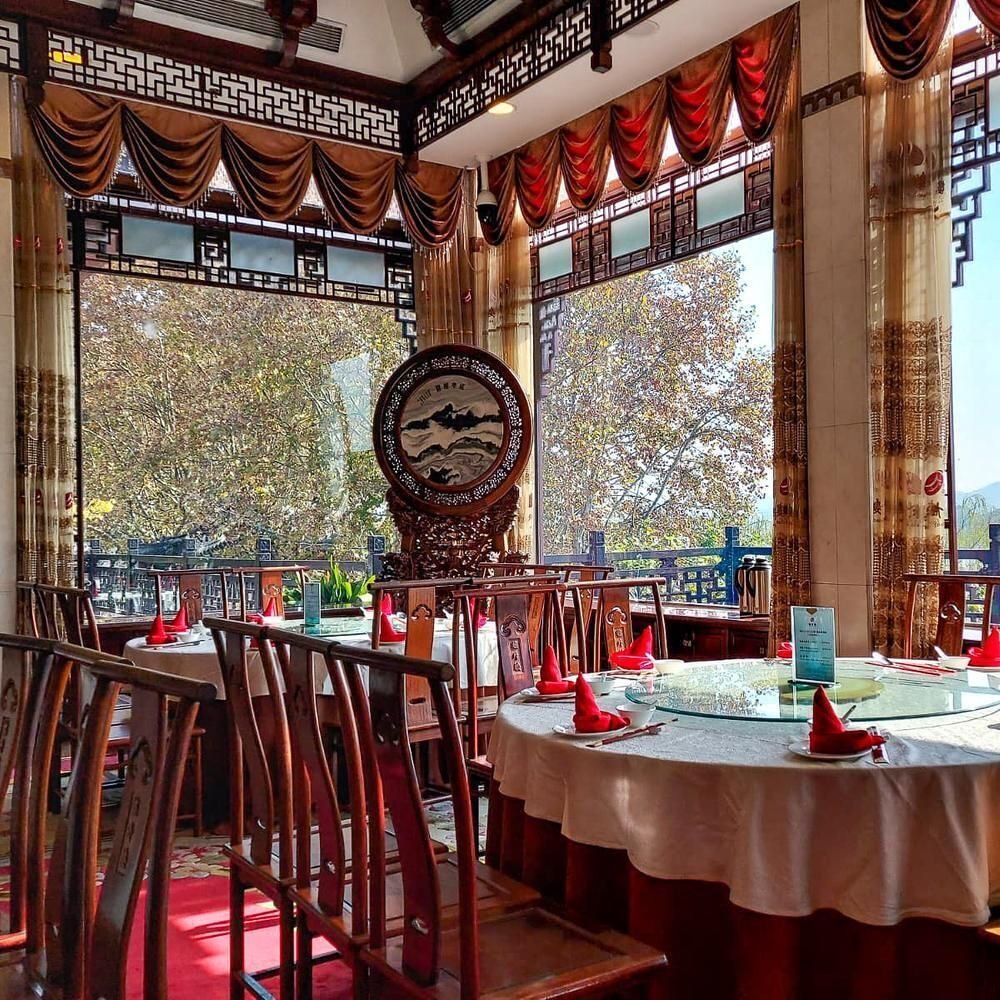
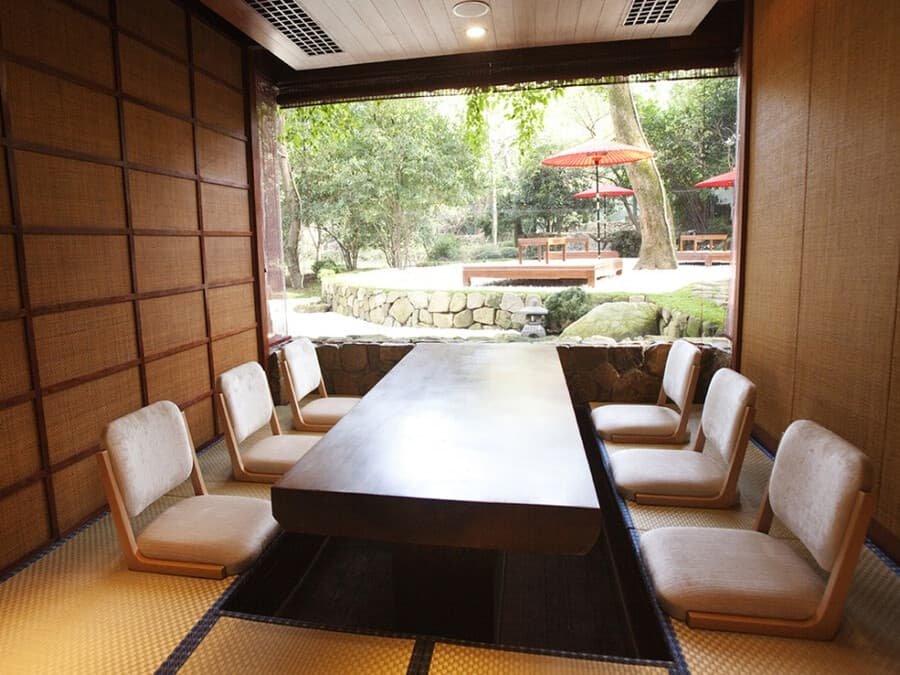
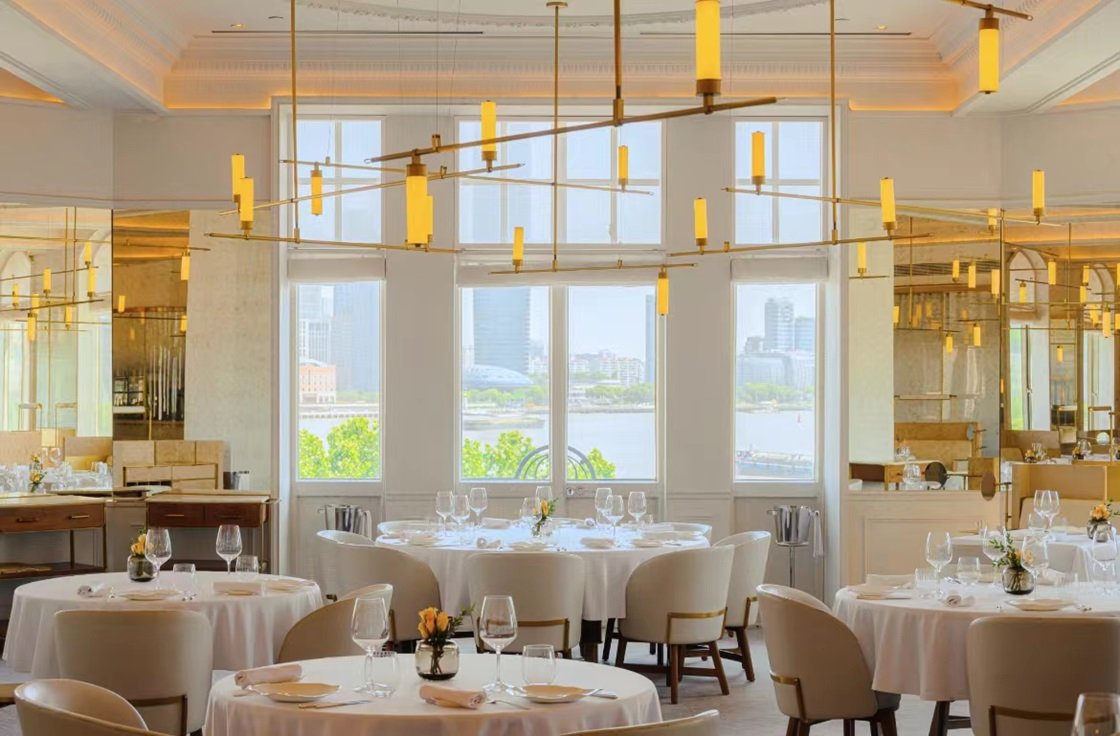
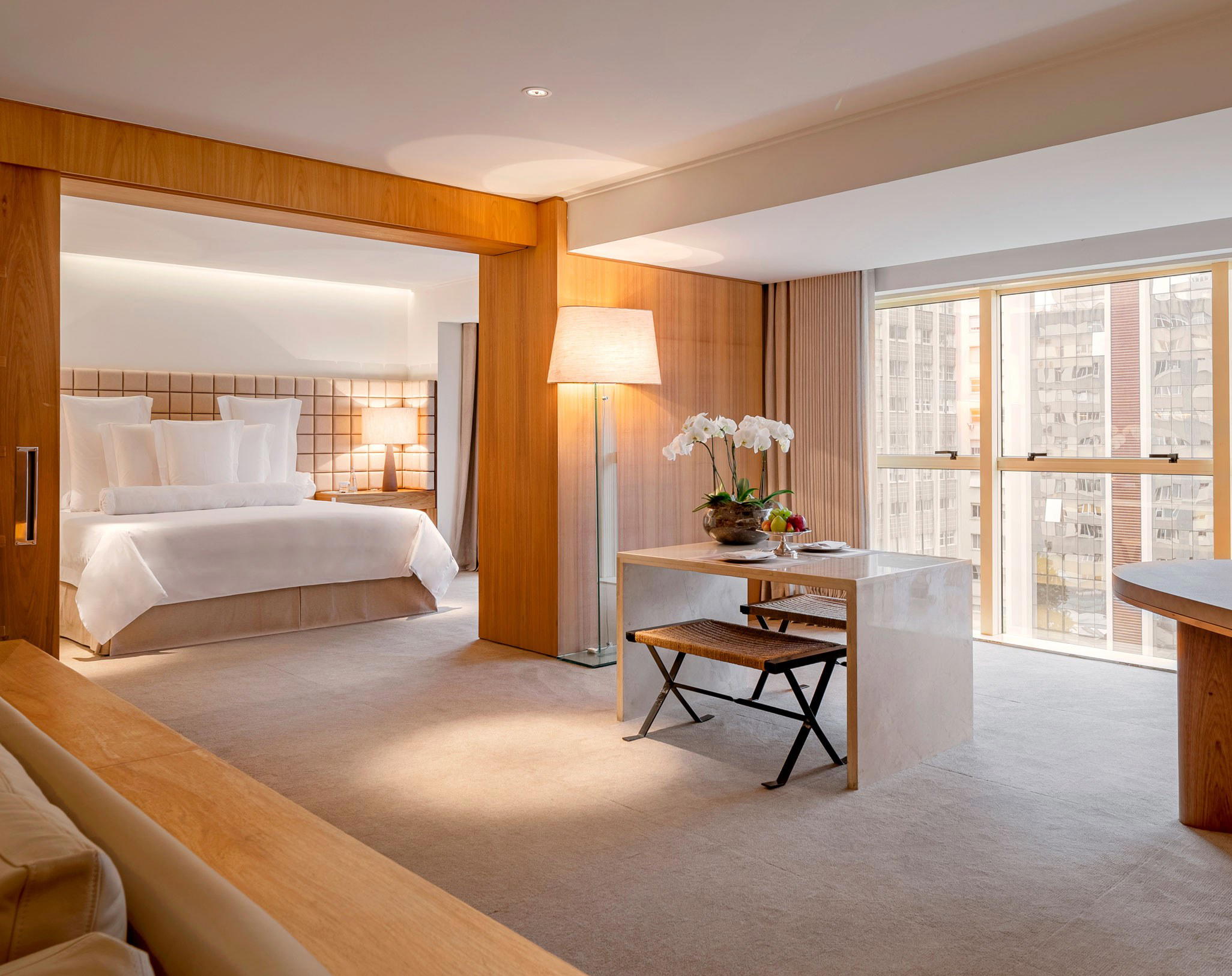
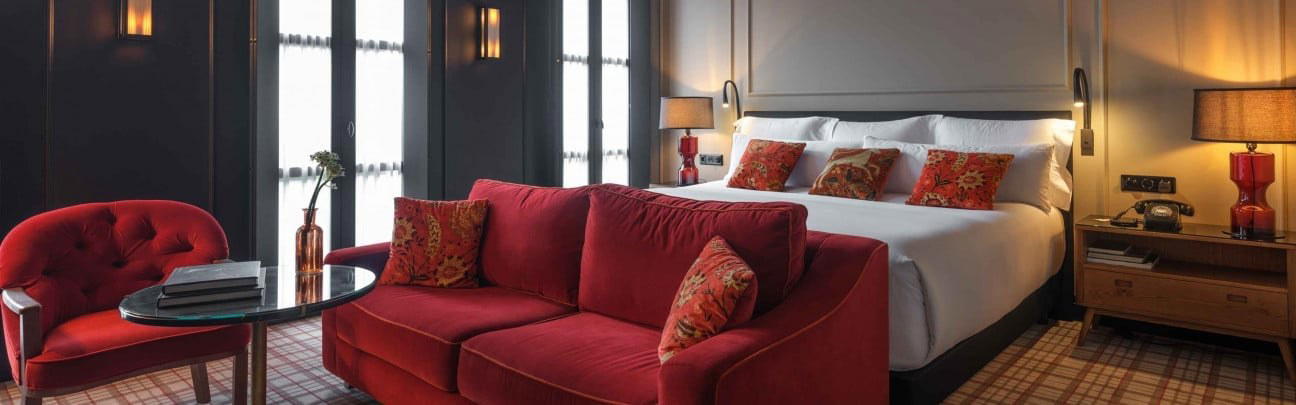
Calm and relaxing with minimalist furnishings, white linens, exposed wooden beams, and a tranquil forest atmosphere.
Tags
Vibe
Best For
Amenities
About the Stay
- Rooms
- 0
- Check-in
- 15:00
- Check-out
- 12:00
- Property Type
- Boutique hotel
- Property Style
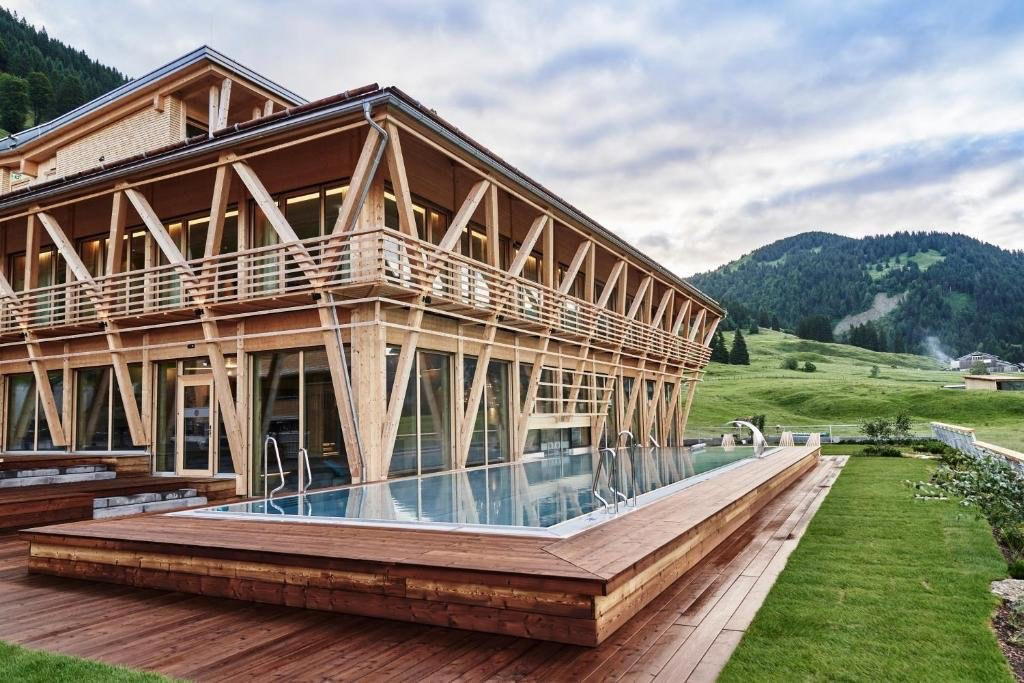
- Tranquil Forest Retreat in Repurposed Tea Farmer Buildings
- Design Style
- Minimalist with Exposed Wooden Beams and Modest Refinement
- Pool
- Yes
- Spa
- Yes
Know before you go
Know Before You Go
- Getting there
- NO.85, 3 之江路上城区杭州市浙江省310053
Planning details
Location
NO.85, 3 之江路上城区杭州市浙江省310053 · Directions
Recognition and awards

Also consider
Also Consider
- Hotel Indigo Hangzhou Uptown, Notable alternative
- Seven Villas, Notable alternative
- Four Seasons Hotel Hangzhou at West Lake, Notable alternative
- Amanfayun, Notable alternative
- Qiushui Villa, Notable alternative
Hotel context
How it compares in Hangzhou
Choose Vallie Hotel when the rate is clearly below the city's heavier luxury names and the goal is a quieter independent stay. Four Seasons Hotel Hangzhou at West Lake is the stronger call for travelers who want a polished lake-focused luxury setup and are willing to pay for that scale; Vallie is more compelling when intimacy and a softer mood matter more than a full resort machine.
Amanfayun is the more atmospheric splurge if the stay itself is the trip and the budget allows it. Seven Villas and Qiushui Villa are the better cross-shops for travelers prioritising a smaller, quieter Hangzhou feel over brand familiarity. Vallie Hotel sits in that same decision set, with the added credibility of Small Luxury Hotels of the World membership in 2025.
If booking ease and a more familiar lifestyle-hotel format matter, Hotel Indigo Hangzhou Uptown is the practical alternative to price-check first. If the rates are close, pick based on trip style: Hotel Indigo for a more conventional urban stay, Vallie Hotel for a calmer independent-luxury bet, and Four Seasons or Amanfayun when the hotel needs to carry more of the experience.
Explore Hangzhou
Around this place
Discover more on Pearl
Unlock the full Vallie Hotel guide in Pearl, including awards, comparisons, FAQs, planning details, and nearby places.
Compare Vallie Hotel
| Venue | Location | Awards |
|---|---|---|
| Vallie Hotel | Hangzhou | Small Luxury Hotels Member 2025 |
| Hotel Indigo Hangzhou Uptown | Hangzhou | No published awards |
| Seven Villas | Hangzhou | 2026 Relais Chateaux Hotels2025 Relais Chateaux Award |
| Four Seasons Hotel Hangzhou at West Lake | Hangzhou | 2026 Virtuoso Luxury Hotel Collection2026 Forbes Recommended2026 La Liste Top Hotels2026 Michelin 2 Keys2025 Forbes 4-StarWorld Travel Awards 20252025 Michelin 2 KeysFour Seasons Hotels |
| Amanfayun | Hangzhou | 2026 Virtuoso Luxury Hotel Collection2026 Forbes Recommended2026 Mr & Mrs Smith Luxury Hotels2026 La Liste Top Hotels2025 Forbes Recommended2025 Michelin Selected HotelsAman Hotels |
| Qiushui Villa | Hangzhou | Small Luxury Hotels Member 2025 |










How Vallie Hotel Hangzhou compares with similar nearby venues.
FAQ
Frequently Asked Questions
How is the location of Vallie Hotel?
Do loyalty programs work at Vallie Hotel?
Vallie Hotel is a member of Small Luxury Hotels of the World for 2025. Confirm any booking benefits, earning options, or loyalty-related terms through your reservation channel.
What is check-in like at Vallie Hotel?
Vallie Hotel is a hotel in Hangzhou, but specific check-in procedures and arrival services vary. Confirm check-in time, identification requirements, and transport details before arrival.
Is Vallie Hotel family-friendly?
Family-specific facilities and policies should be confirmed directly. If traveling with children or a larger group, confirm room setup, extra-bed policies, and any age-related rules directly before booking.
How does Vallie Hotel compare to other hotels?
Vallie Hotel's clearest differentiator is its 2025 Small Luxury Hotels of the World membership. For comparison, consider Amanfayun, Four Seasons Hotel Hangzhou at West Lake, Hotel Indigo Hangzhou Uptown, Qiushui Villa, and Seven Villas, then compare current rates, booking terms, and facilities.
When is the best time to book Vallie Hotel?
The best time to book depends on your dates, budget, and cancellation needs. Check current availability and compare the offer with other Hangzhou options before committing.