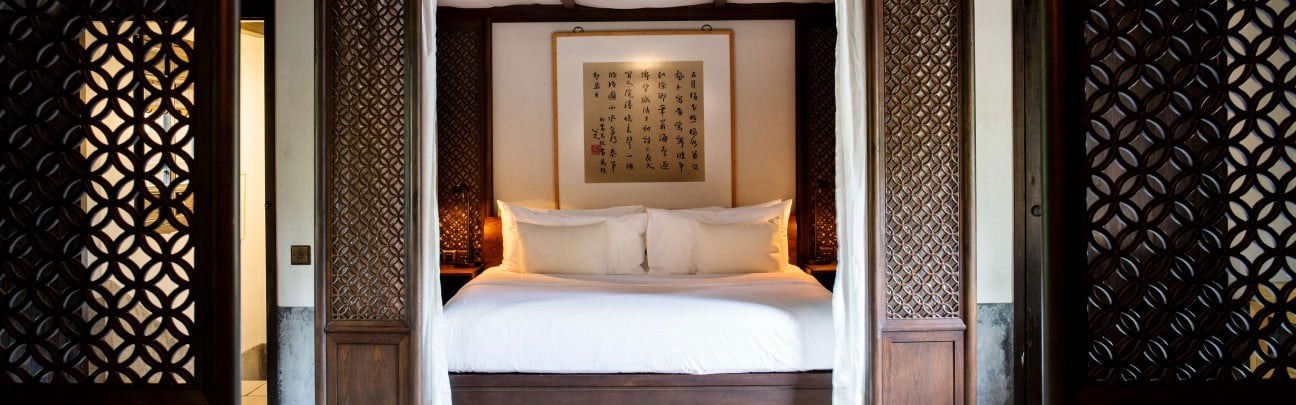





Amanfayun
Hangzhoushi, Hangzhou
Hotel in Hangzhou, China
 Book with Pearl
The Read
Living Village Preservation
Why go
Amanfayun is worth prioritizing if the Hangzhou trip calls for a quiet Xihu retreat with serious hotel recognition rather than a central city base. It suits couples, families, and multigenerational travelers who value calm pacing; compare Four Seasons Hotel Hangzhou at West Lake if immediate urban convenience matters more.
About Amanfayun
Amanfayun is a hotel in Hangzhou with a smart-casual dress code and several strong recognition signals. For travelers comparing premium stays in the city, consider it when you want Amanfayun specifically, and verify the practical details that matter for your dates before booking.
The recognition profile is strong: La Liste Top Hotels lists Amanfayun at 93 points for 2026, with Forbes Recommended (2026), Virtuoso Luxury Hotel Partner (2026), Mr & Mrs Smith Seal of Approval (2026), and MICHELIN Guide, Hotels Selected (2025) also attached. Those are the safest facts to rely on when deciding whether the hotel belongs on a Hangzhou shortlist.
Best considered through confirmed recognition and direct planning
Amanfayun may appeal to travelers considering a premium hotel choice in Hangzhou, but specific family facilities, room configurations, children's amenities, and service details should be confirmed directly before booking. If your stay depends on particular logistics, compare the practical fit with Four Seasons Hotel Hangzhou at West Lake before committing.
The recognition profile supports the case without needing to oversell it: La Liste Top Hotels lists it at 93 points for 2026, with Forbes Recommended, Virtuoso Luxury Hotel Partner, Mr & Mrs Smith Seal of Approval, and MICHELIN Guide Hotels Selected recognition also attached. That matters because the strongest information here is the hotel recognition rather than a broad list of published facilities.
Where it sits among Hangzhou hotel options
Against Banyan Tree Hangzhou, Seven Villas, Hangzhou Muh Shoou Xixi Hotel, Vallie Hotel, and Four Seasons Hotel Hangzhou at West Lake, Amanfayun stands out most clearly through its recognition profile. Beyond that, compare current availability, rates, room needs, and the kind of Hangzhou base you want.
Book timing and availability should be checked directly for your dates. If the group needs multiple rooms, holiday dates, or specific arrival arrangements, confirm Amanfayun's current terms before building the rest of the itinerary around it.
The main reason not to book is mismatch. Travelers who need a hotel where every practical detail is visible before inquiry may be happier elsewhere in Hangzhou. Travelers who want Amanfayun's recognition profile and a smart-casual hotel choice in Hangzhou should keep it on the list. For broader planning, use our full Hangzhou hotels guide alongside the city's restaurants guide.
Part of
Aman46 locations on PearlInside Amanfayun
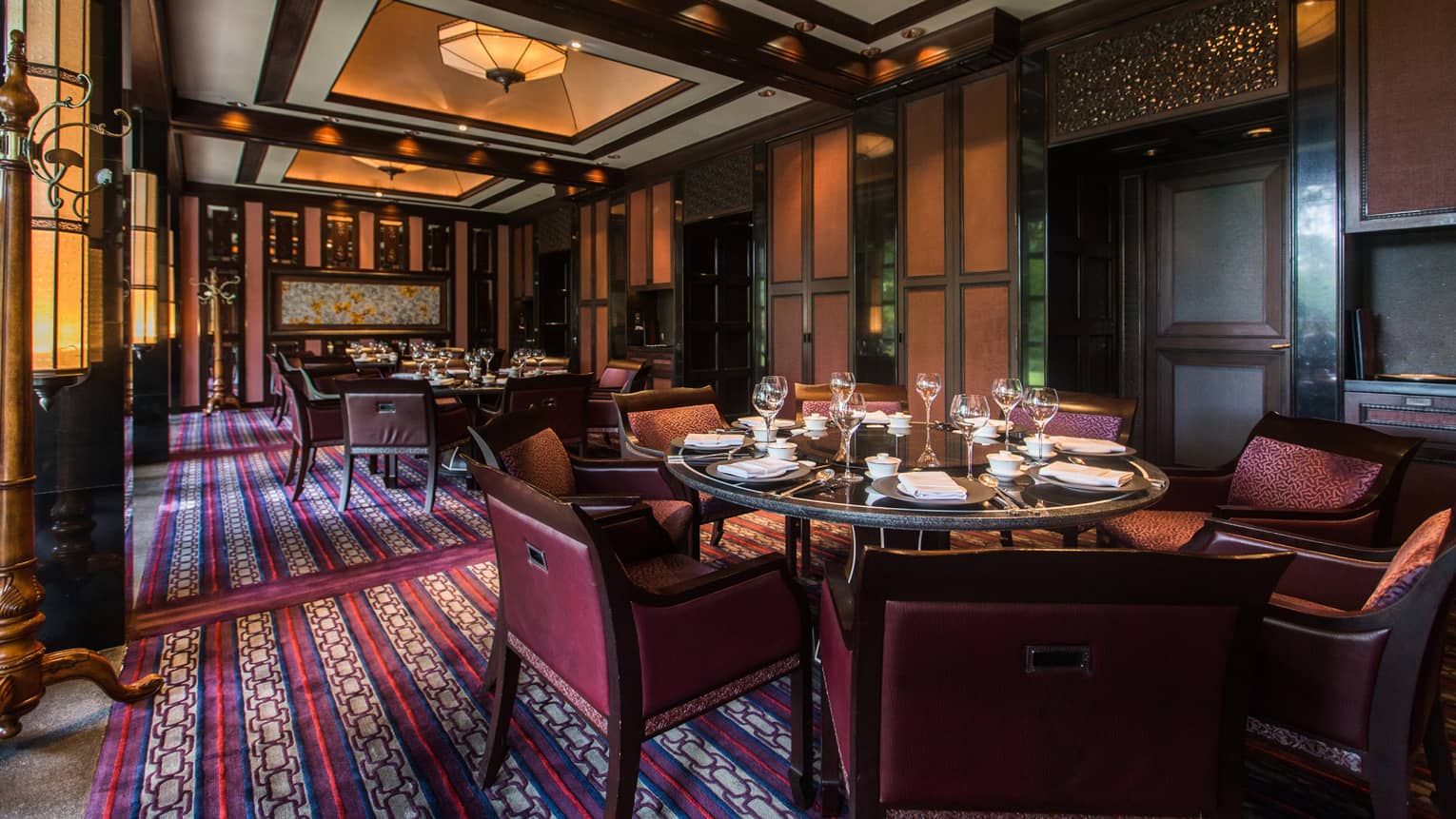
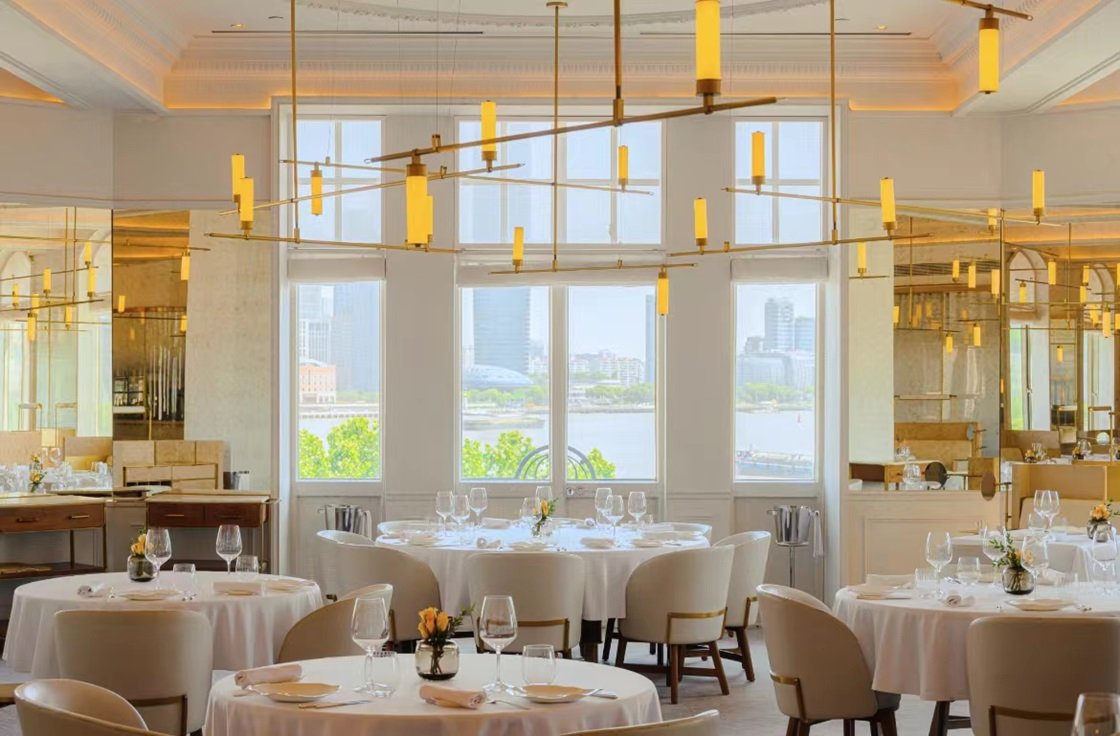
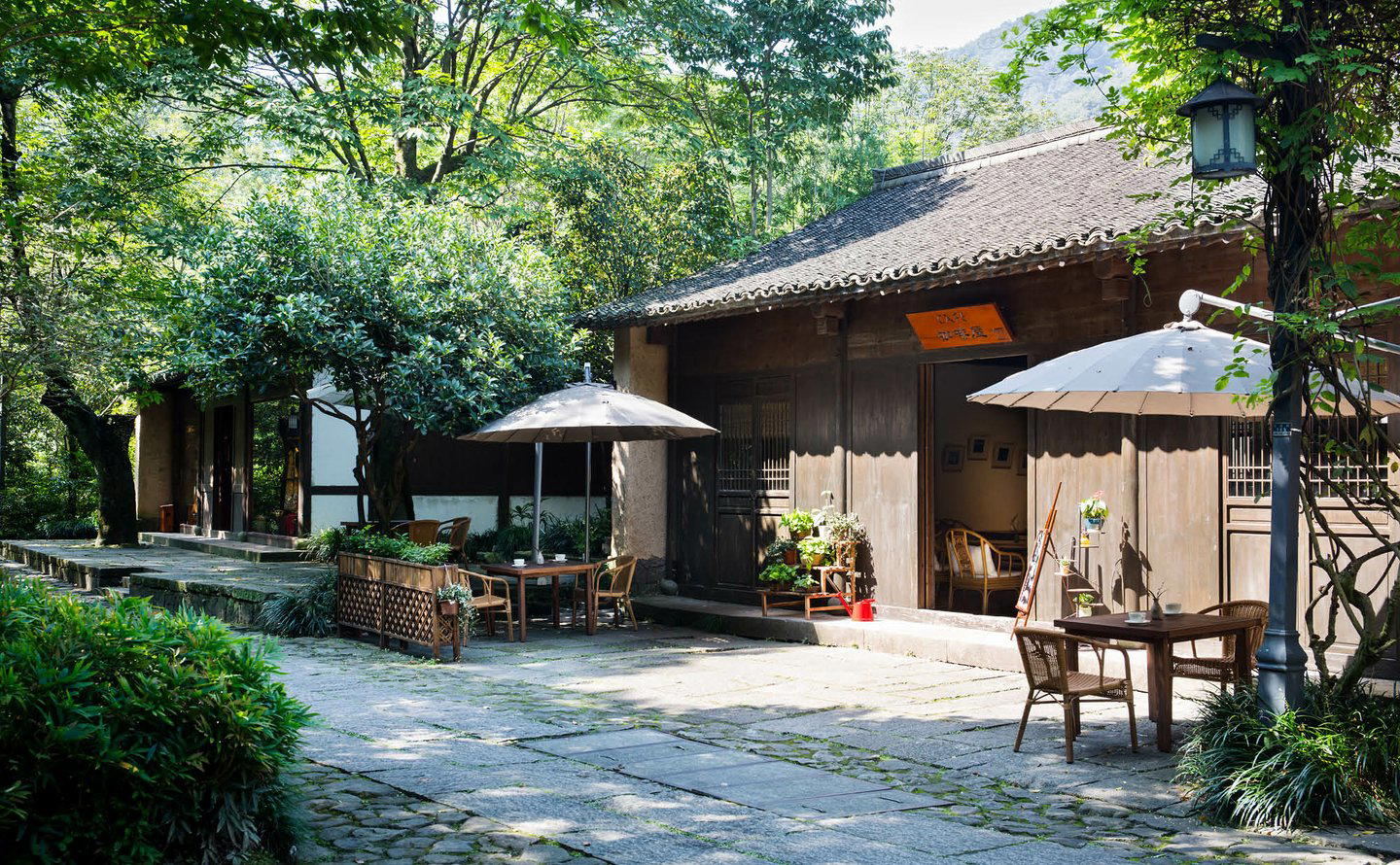 restaurantHangzhou House at AmanfayunSet within Amanfayun's preserved Tang dynasty village on the forested western edge of West Lake, Hangzhou House occupies a position where setting and sourcing are inseparable. The kitchen draws on Zhejiang's agricultural traditions, placing it alongside the serious Hangzhou dining addresses rather than hotel-restaurant afterthoughts. For anyone moving through the city's premium dining circuit, it warrants attention.
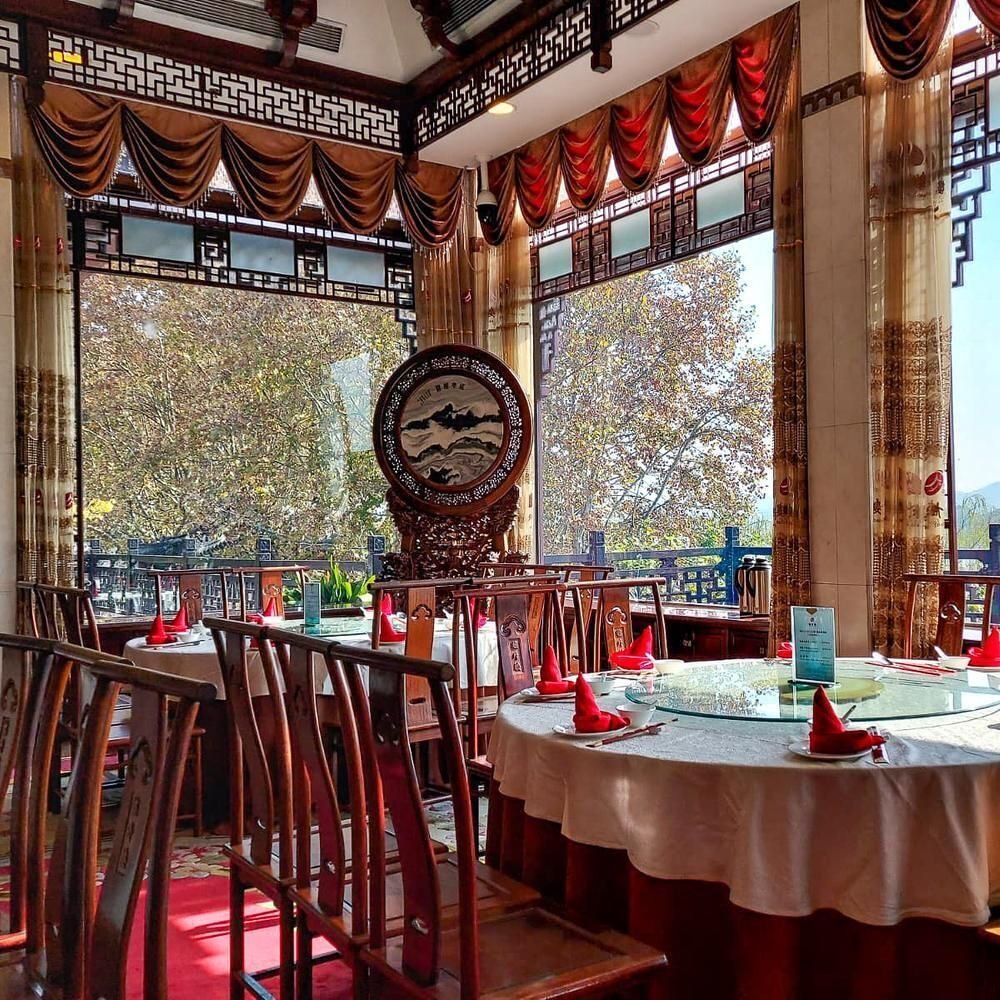
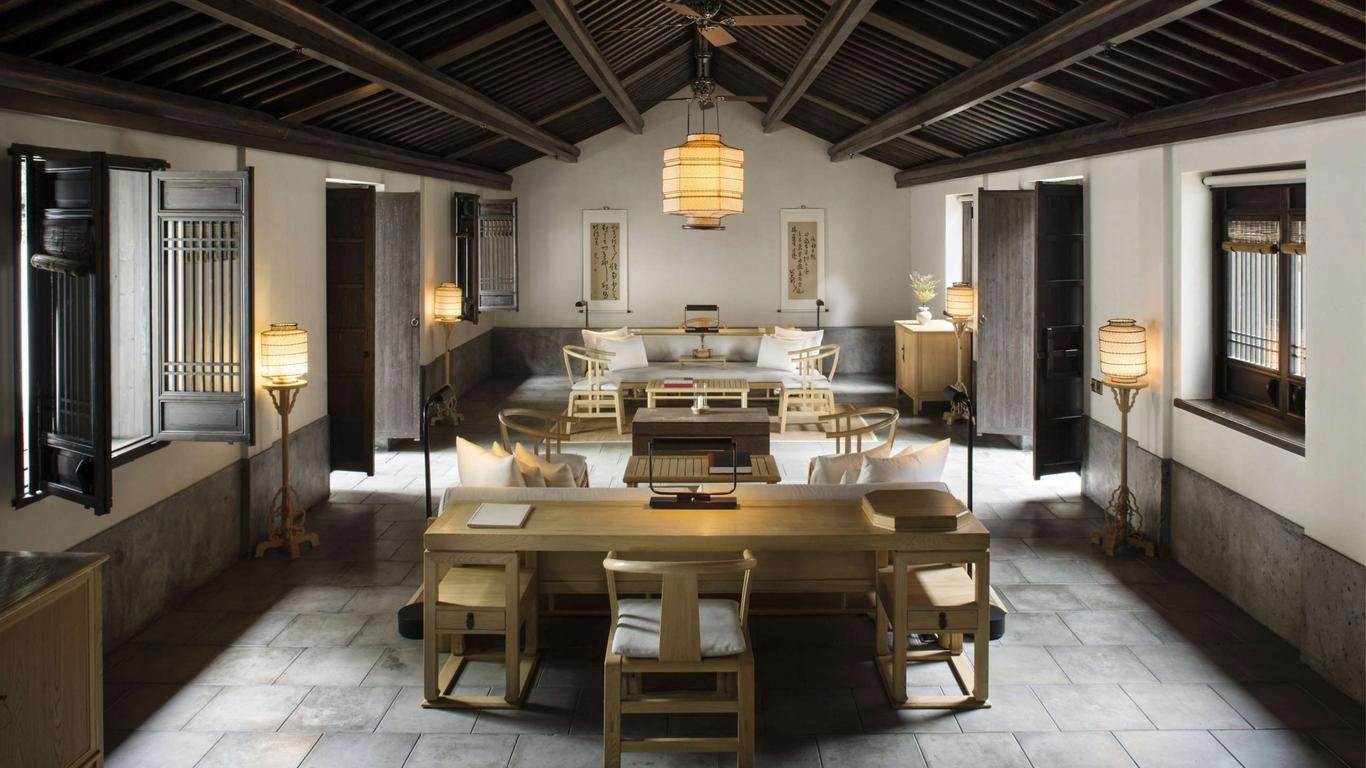 restaurantAmanfayunRanked #355 in Asia by Opinionated About Dining in 2024 and climbing to #375 in 2025, Amanfayun occupies a distinctive position among Hangzhou's Zhejiang dining establishments, set within the West Lake area's storied bamboo groves. Under Chef Mon Chai Ling, the kitchen works within a communal Chinese format that rewards groups willing to commit to the full banquet rhythm.
Planning details
- Location
- Xihu, Hangzhou, China, 310058
- Website
- aman.com/zh-cn/resorts/amanfayun
- Phone
- +86 571 8732 9999
The take
The Take
The Vibe
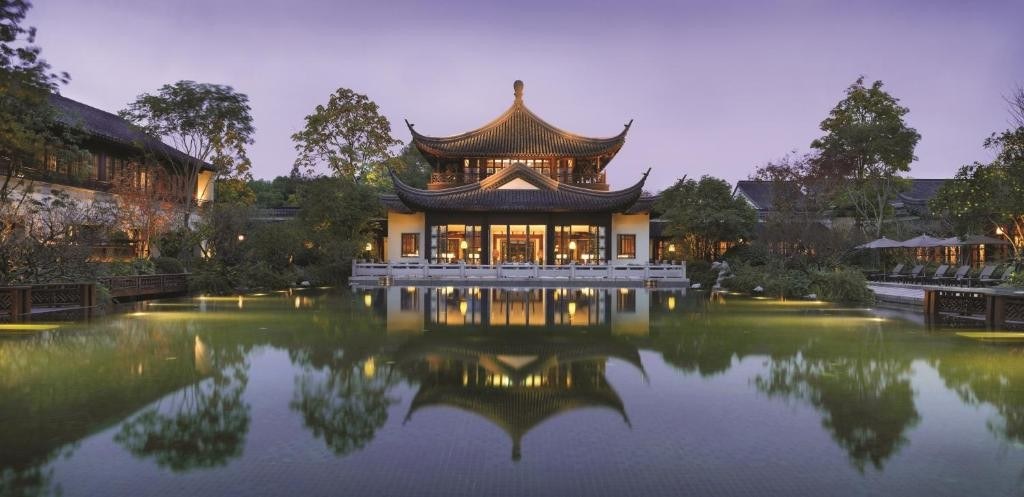
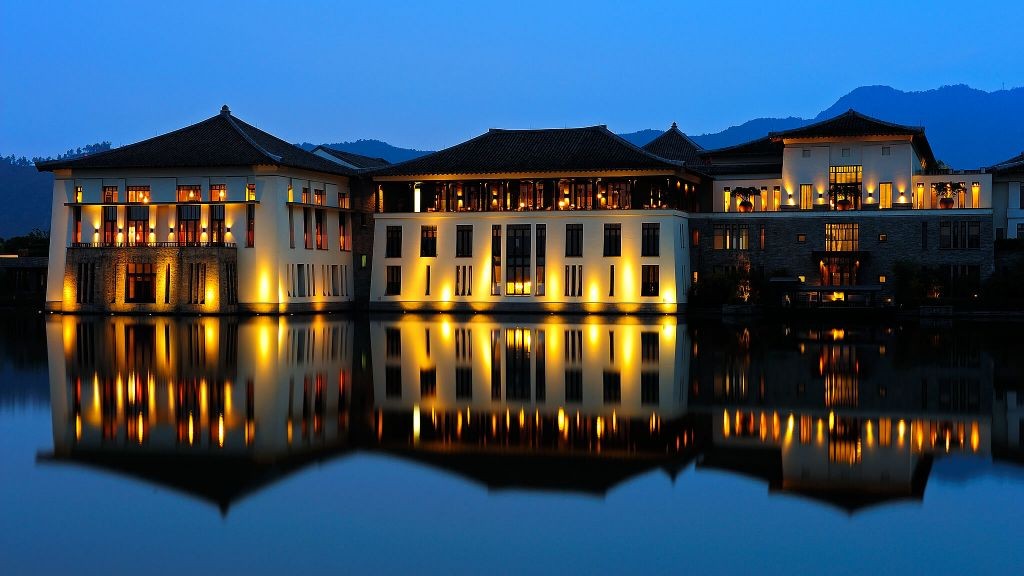
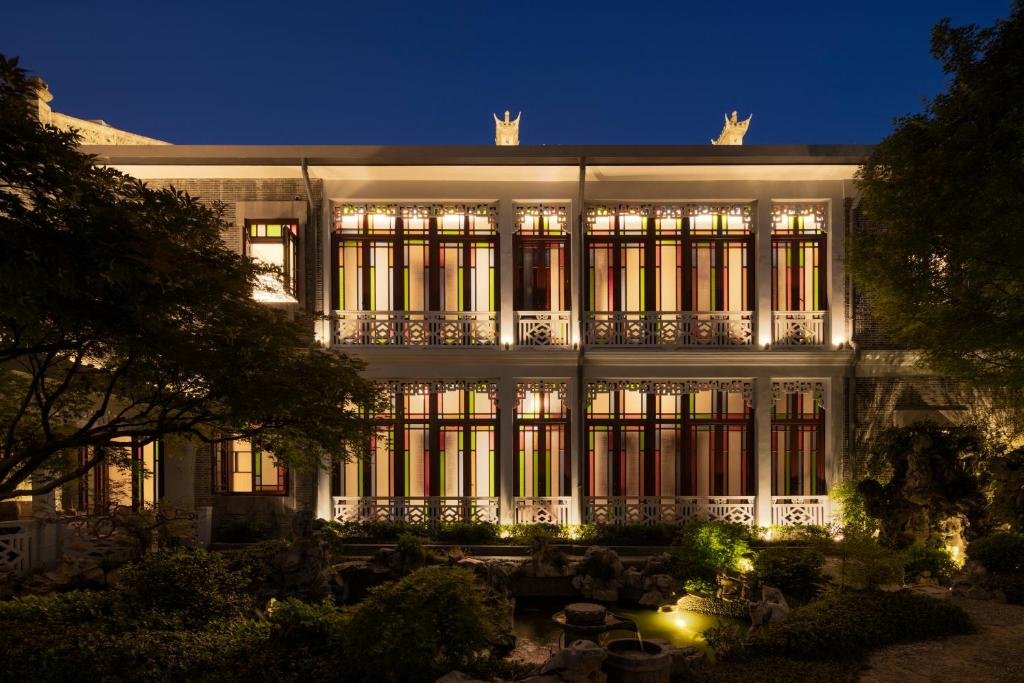
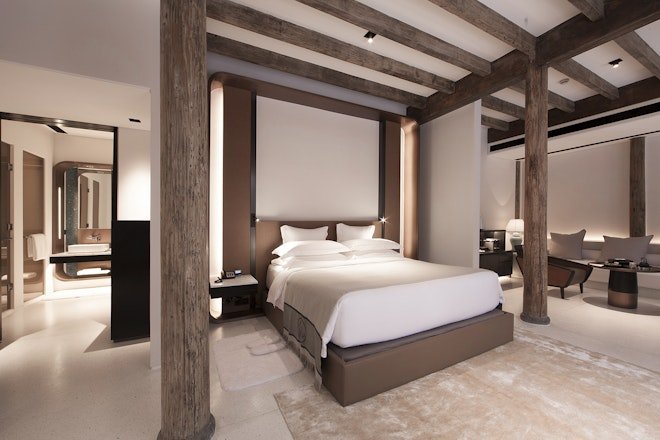
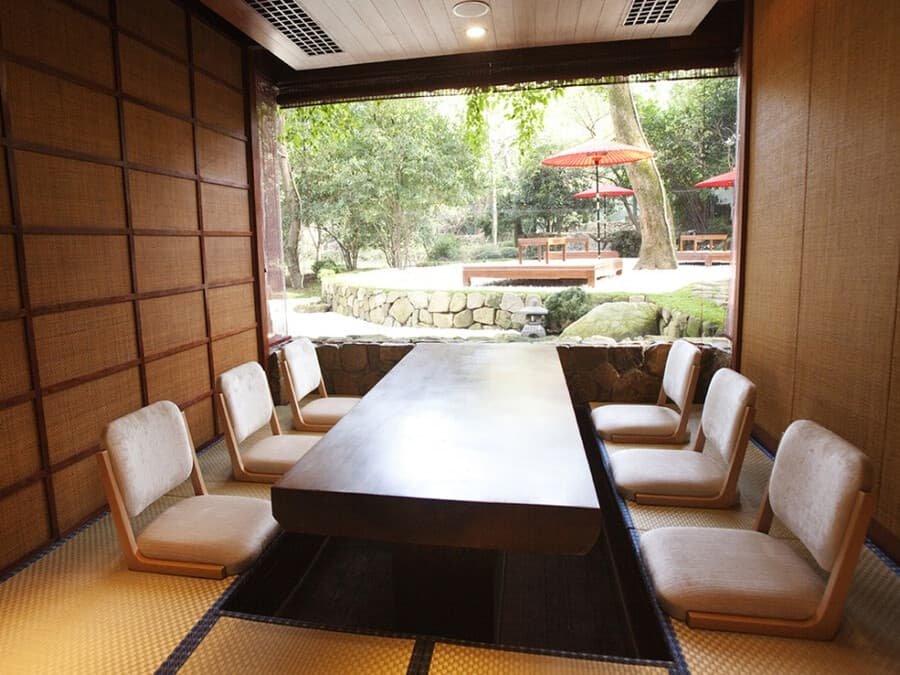
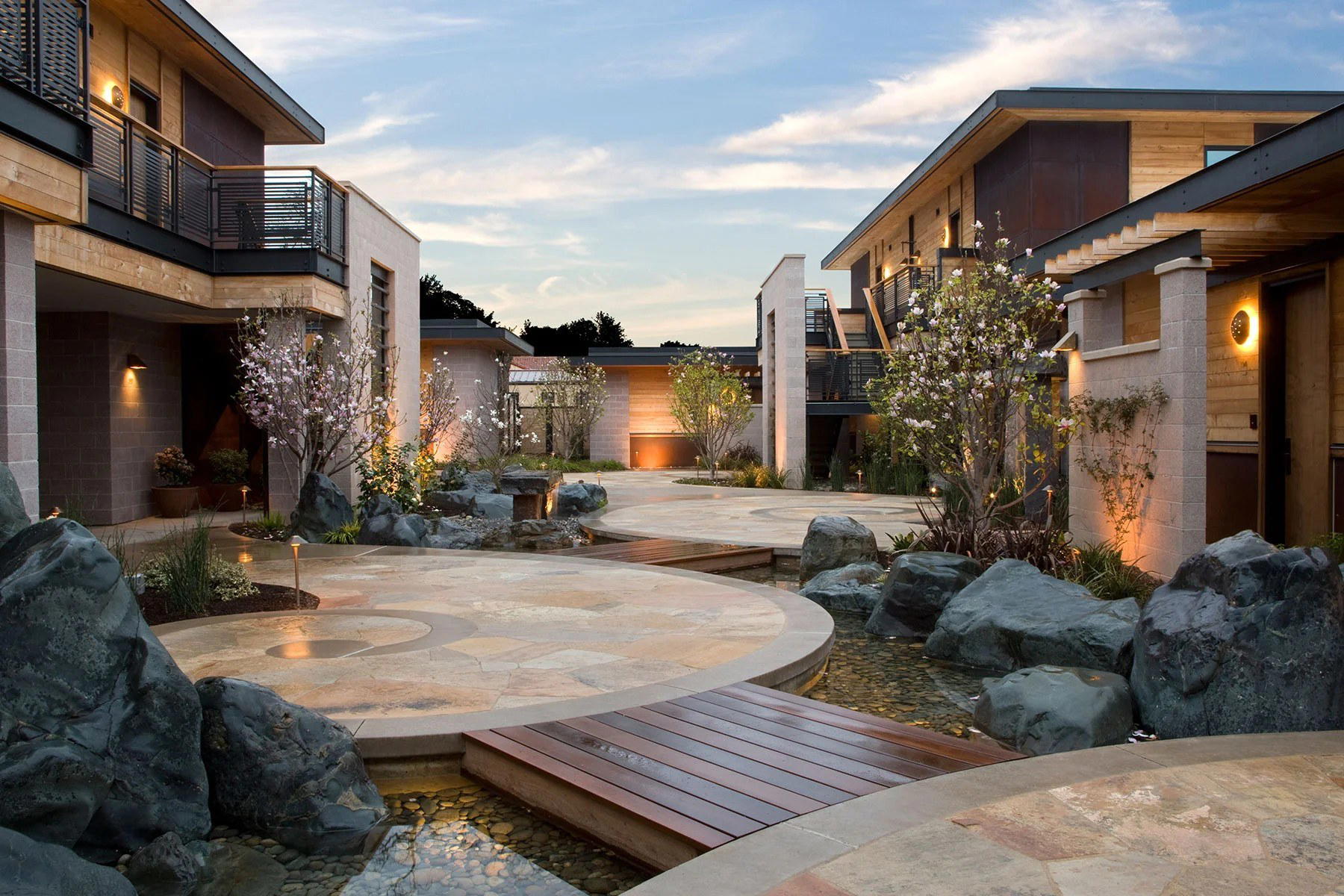
Amanfayun presents itself as a living slice of Chinese history: the resort inhabits authentic Ming- and Qing-era stone dwellings that were restored rather than recreated. The architecture reads as an exercise in restraint and conservation, so the experience feels quietly cinematic—less a modern resort and more a village whose original character is preserved. Set in a valley behind West Lake and flanked by botanical gardens and temple complexes, the property is secluded and contemplative. Guests encounter a calm, historically grounded atmosphere where structure and site feel inseparable, and the sense of place—ancient stone, narrow lanes and temple approaches—dominates the stay.
Best For
This is an excellent choice for travellers seeking a culturally immersive, low-key luxury escape. Romantic getaways, honeymooners and couples celebrating anniversaries will appreciate the secluded, cinematic village setting and proximity to Lingyin Temple and Yongfu Temple. The resort also suits guests who value conservation-minded architecture and quiet reflection—wellness-oriented visitors who prize serenity and a deep sense of history will find the location especially fitting. Cultural-minded visitors who want easy access to the West Lake precinct while staying somewhere genuinely historic will also be well served.
Venue details
Ambiance
Tranquil and serene with moody lighting, natural fabrics, tree-shaded nooks, fragrant air, and meandering stone pathways.
Tags
Vibe
Best For
Experience
Amenities
View
Accessibility
About the Stay
- Rooms
- 46
- Check-in
- 14:00
- Check-out
- 13:00
- Property Style
- Traditional Chinese Village Resort
- Design Style
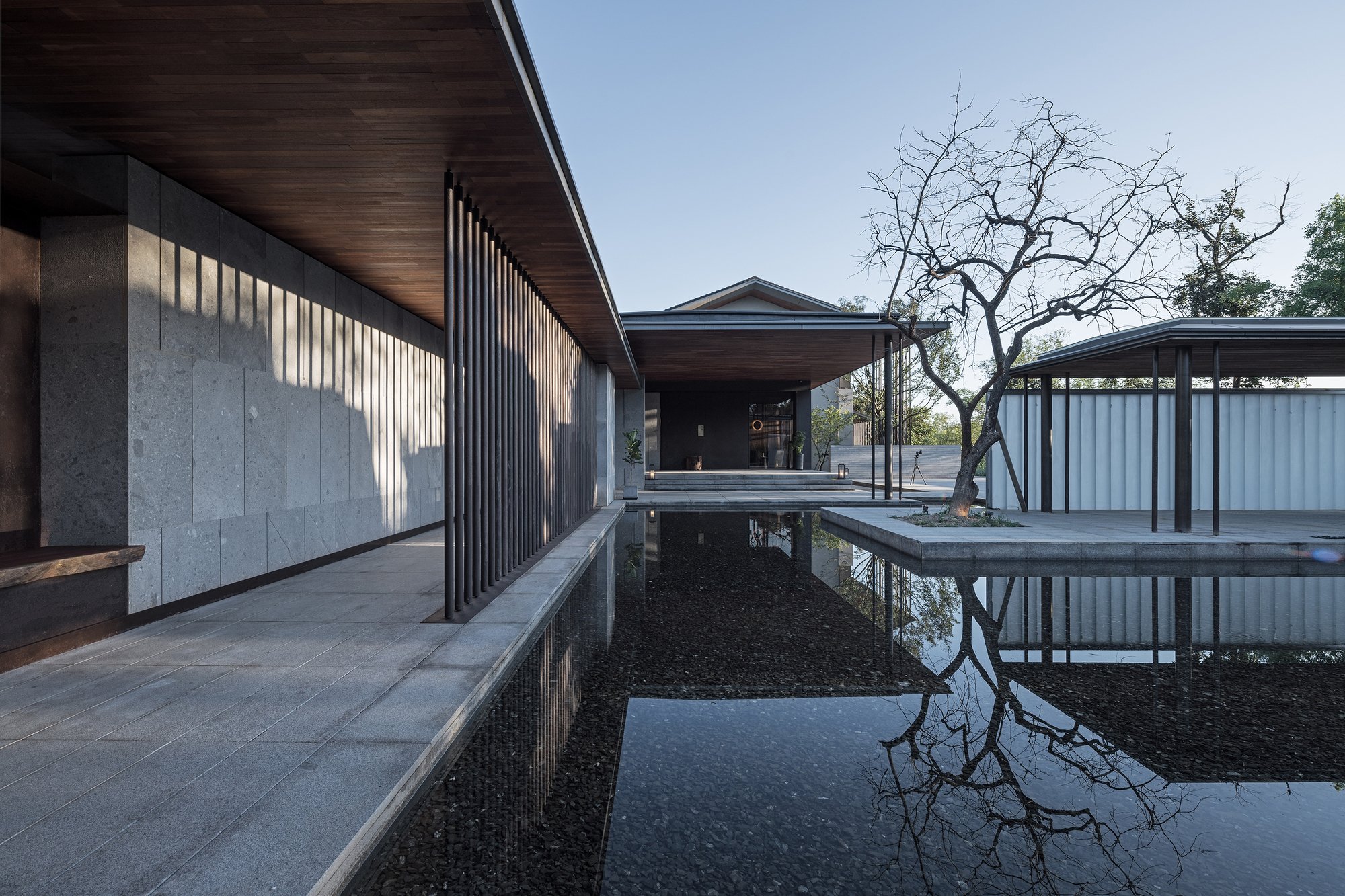
- Neutral Cream Tones with Blonde Wood Furnishings and Moody Lighting
Know before you go
Know Before You Go
- Getting there
- Xihu, Hangzhou, China, 310058
Planning details
Location




Also consider
Also Consider
- Four Seasons Hotel Hangzhou at West Lake, Notable alternative
- Banyan Tree Hangzhou, Notable alternative
- Seven Villas, Notable alternative
- Hangzhou Muh Shoou Xixi Hotel, Notable alternative
- Vallie Hotel, Notable alternative
Hotel context
How it compares in Hangzhou
Amanfayun is the splurge-oriented, retreat-first pick in this group. Four Seasons Hotel Hangzhou at West Lake is the cleaner comparison for travelers who want a lake-focused luxury stay with a more conventional big-hotel feel, while Amanfayun is better for guests who want privacy, quiet, and a slower family rhythm.
Banyan Tree Hangzhou is the stronger cross-shop if the brief is resort comfort in Hangzhou without committing to the Aman style. Seven Villas may appeal to travelers who want a smaller-feeling stay, but Amanfayun has the advantage for those who want the reassurance of Aman Resorts plus multiple 2026 hotel-recognition signals.
If availability is tight, compare Hangzhou Muh Shoou Xixi Hotel and Vallie Hotel for a quieter Hangzhou alternative. They are more useful as backups than like-for-like substitutes: choose them if the rate or booking window at Amanfayun does not work, but stay with Amanfayun if the trip depends on a polished, low-noise luxury base.
Explore Hangzhou
Around this place
Discover more on Pearl
Unlock the full Amanfayun guide in Pearl, including awards, comparisons, FAQs, planning details, and nearby places.
Compare Amanfayun
| Venue | Location | Awards |
|---|---|---|
| Amanfayun | Hangzhou | 2026 Virtuoso Luxury Hotel Collection2026 Forbes Recommended2026 Mr & Mrs Smith Luxury Hotels2026 La Liste Top Hotels2025 Forbes Recommended2025 Michelin Selected HotelsAman Hotels |
| Four Seasons Hotel Hangzhou at West Lake | Hangzhou | 2026 Virtuoso Luxury Hotel Collection2026 Forbes Recommended2026 La Liste Top Hotels2025 Forbes 4-StarWorld Travel Awards 20252025 Michelin 2 KeysFour Seasons Hotels |
| Banyan Tree Hangzhou | Hangzhou | 2025 Michelin Selected Hotels2025 Forbes 4-Star |
| Seven Villas | Hangzhou | 2026 Relais Chateaux Hotels2025 Relais Chateaux Award |
| Hangzhou Muh Shoou Xixi Hotel | Hangzhou | Small Luxury Hotels Member 2025 |
| Vallie Hotel | Hangzhou | Small Luxury Hotels Member 2025 |





How Amanfayun Hangzhou compares with similar nearby venues.
FAQ
Frequently Asked Questions
How is the pool and spa at Amanfayun?
Specific pool and spa details should be confirmed directly with Amanfayun before booking around wellness plans. The grounded case for the hotel is its Hangzhou location, smart-casual dress code, and recognition including MICHELIN Guide, Hotels Selected (2025) and Forbes Recommended (2026).
Do loyalty programs work at Amanfayun?
Specific loyalty-program earning or redemption details should be confirmed directly. The clearest trust signals are Virtuoso Luxury Hotel Partner (2026), Forbes Recommended (2026), and MICHELIN Guide, Hotels Selected (2025). If loyalty benefits matter, confirm the current booking channel and benefits directly before reserving.
When is the best time to book Amanfayun?
What is check-in like at Amanfayun?
How does Amanfayun compare to nearby hotels?
Choose Amanfayun if its recognition profile is the strongest fit for your Hangzhou stay. Four Seasons Hotel Hangzhou at West Lake, Banyan Tree Hangzhou, Seven Villas, Hangzhou Muh Shoou Xixi Hotel, and Vallie Hotel are also worth weighing based on current availability, rates, location preferences, and the practical details you need.