

Banyan Tree Hangzhou
Yuhangxian, Hangzhou
Hotel in Hangzhou, China
 Book with Pearl
The Read
Villa-Scale Wellness Retreat
Why go
Banyan Tree Hangzhou is worth considering for a slower Xi Hu District stay where the hotel is part of the trip, not just a bed. Forbes 4-Star and MICHELIN hotel selection in 2025 make it a lower-risk luxury choice, but compare Amanfayun and Four Seasons Hotel Hangzhou at West Lake if heritage setting or West Lake positioning matters more.
About Banyan Tree Hangzhou
Two 2025 hotel signals matter here: Forbes 4-Star recognition and MICHELIN Guide hotel selection. In Hangzhou's hotel set, that puts Banyan Tree Hangzhou in a recognized-hotel conversation without making it the automatic choice for every traveler. The right booking case depends on whether those signals, the Banyan Tree Hangzhou name, and the Hangzhou setting match the trip you are planning.
For a first visit, the decision comes down to how much of the trip should be anchored by the hotel itself. If the plan involves a busy schedule around Hangzhou, compare the location and logistics carefully before booking. If the trip is meant to move at a slower pace, Banyan Tree Hangzhou may be a stronger fit, as it features 2025 Forbes 4-Star recognition, 2025 MICHELIN Guide hotel selection, and a smart-casual dress code.
Choose this for a recognized Hangzhou hotel
Banyan Tree Hangzhou is best evaluated as a recognized hotel in Hangzhou. It may suit travelers who value third-party recognition, but it is less useful for travelers who need a tightly specified stay based on room details, amenities, prices, or neighborhood positioning before inquiry. In that scenario, compare Hangzhou hotel options carefully before committing.
Room-category optimization is still a practical question to ask before booking. The safest rule is simple: do not pay up for a category based on assumptions. Confirm the room, inclusions, and total trip fit directly before making the booking decision.
Where the recognition helps the decision
The Forbes 4-Star and MICHELIN Guide hotel mentions are useful because they reduce some uncertainty. They do not guarantee that this is the right hotel for every traveler, but they do provide external recognition for Banyan Tree Hangzhou in 2025. That matters in Hangzhou, where travelers may be choosing between recognized hotels and other hotel options.
Against that field, Banyan Tree Hangzhou is easier to recommend for guests who want a recognized Hangzhou hotel and are comfortable confirming the finer details before booking. For another cross-shop, Amanfayun is a natural comparison. Four Seasons Hotel Hangzhou at West Lake is another reference point, while Hangzhou Muh Shoou Xixi Hotel, Qiushui Villa, and Seven Villas may also belong on a broader shortlist depending on the style of stay desired.
Who should book it
Book this if the recognition is enough to make Banyan Tree Hangzhou a serious candidate and you are willing to verify the stay details that matter to you directly. The strongest guest profile is a traveler seeking a recognized Hangzhou hotel rather than one choosing purely on price, a specific dining program, or a fully documented amenity list. Skip it if the priority is maximum certainty on budget, facilities, room format, or exact location details before inquiry.
For broader planning, pair this decision with Pearl's Hangzhou restaurants guide and other Hangzhou travel research. Travelers comparing hotels in the city can also look at other recognized Hangzhou options generically before deciding.
Planning details
- Location
- 21 Zi Jin Gang Lu, Xi Hu Qu, Hang Zhou Shi, Zhe Jiang Sheng, 310013
- Website
- banyantree.com
- Phone
- +86 571 8586 0000
The take
The Take
The Vibe
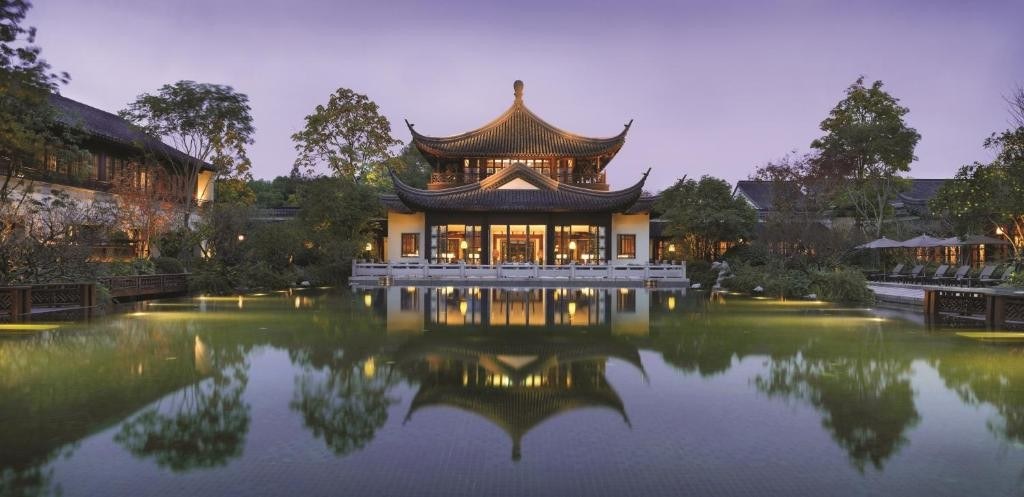
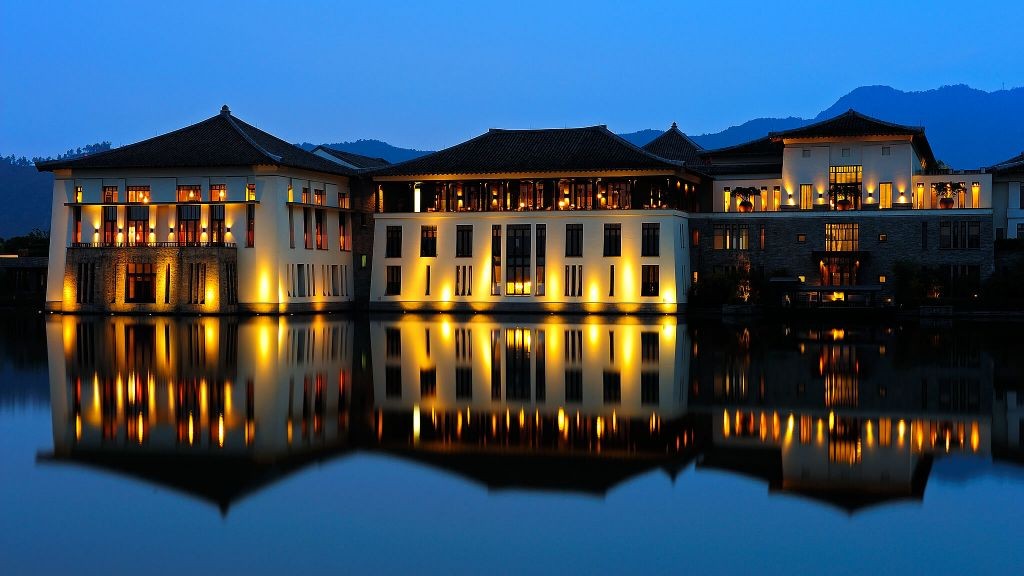
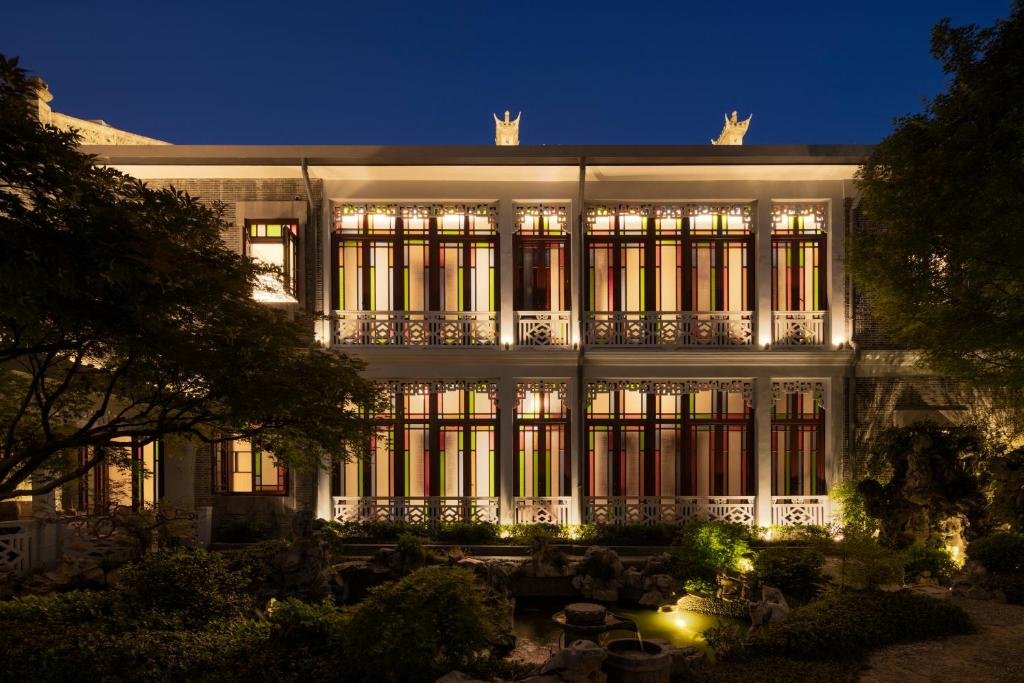
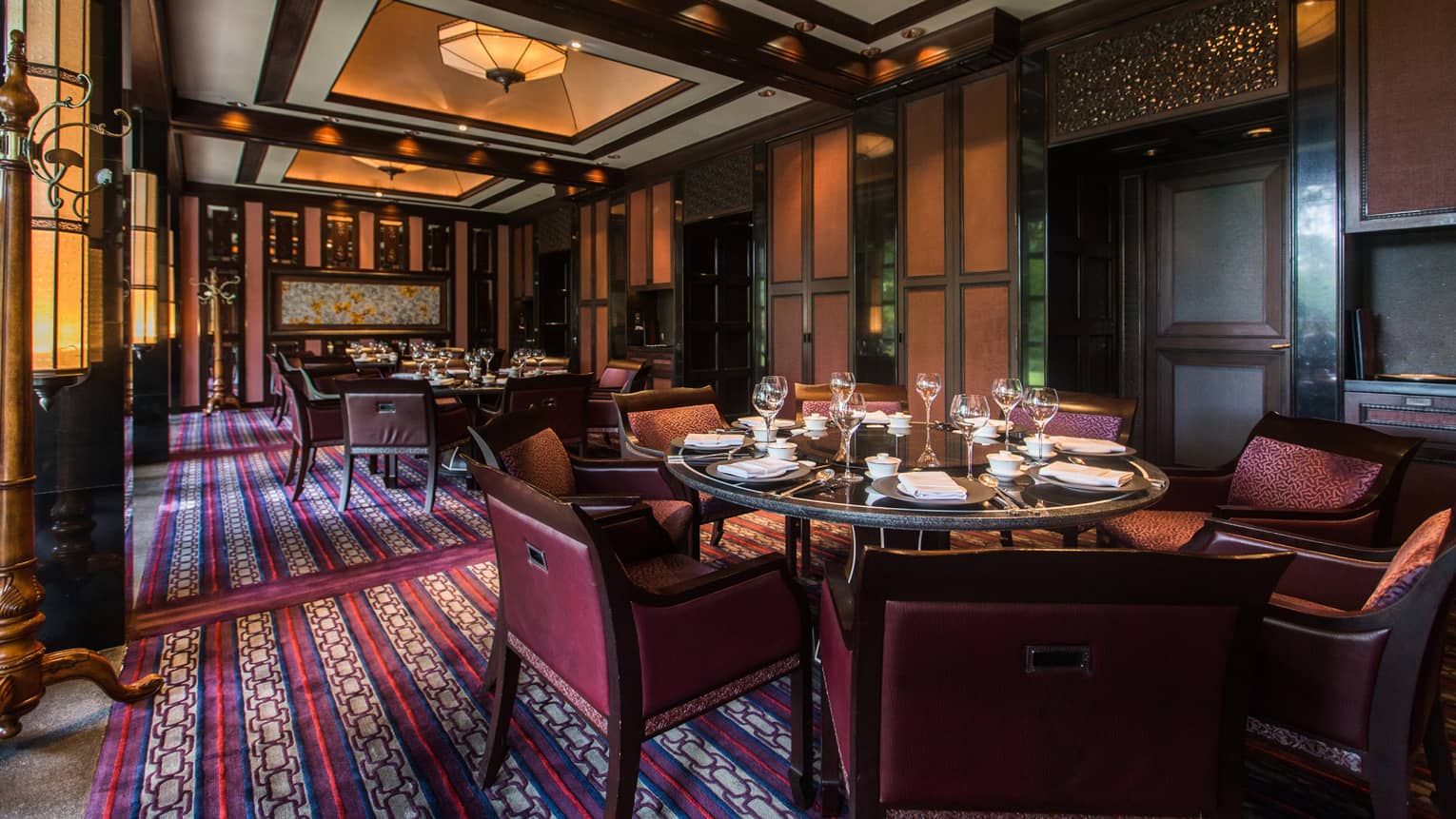
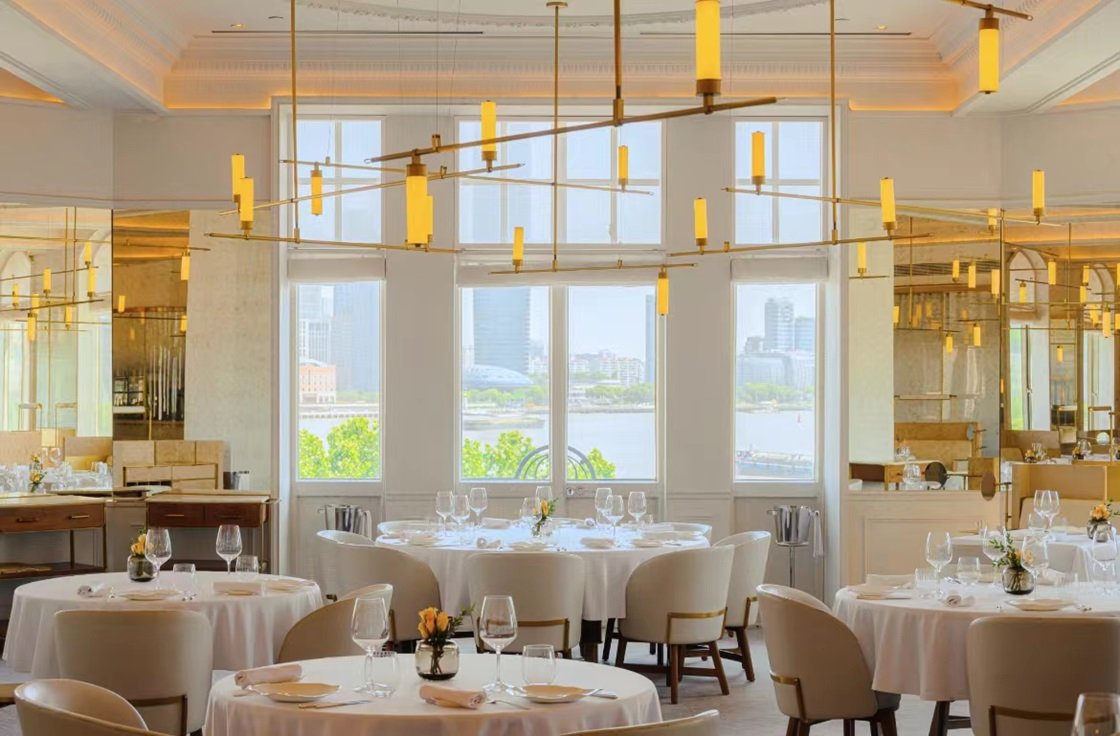
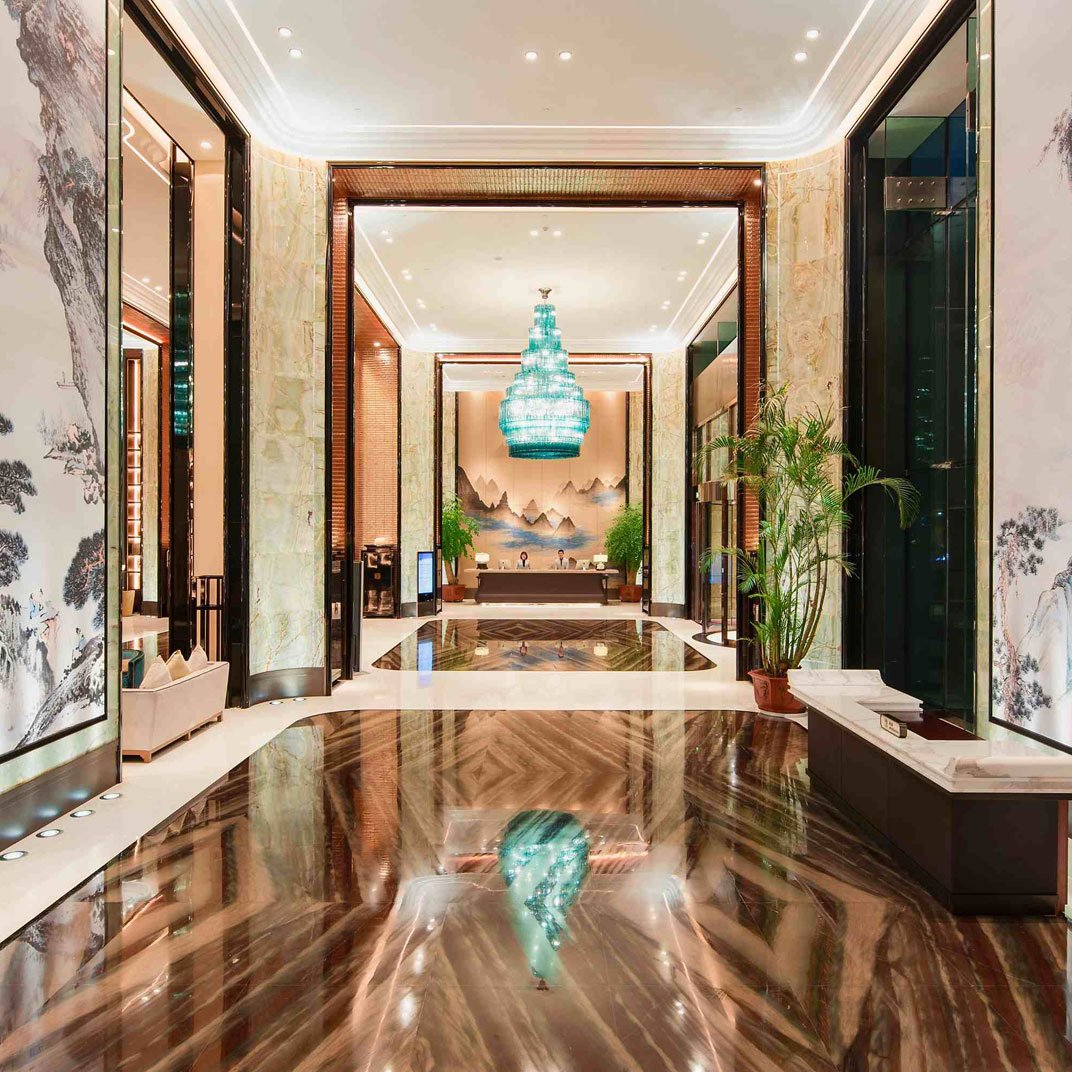
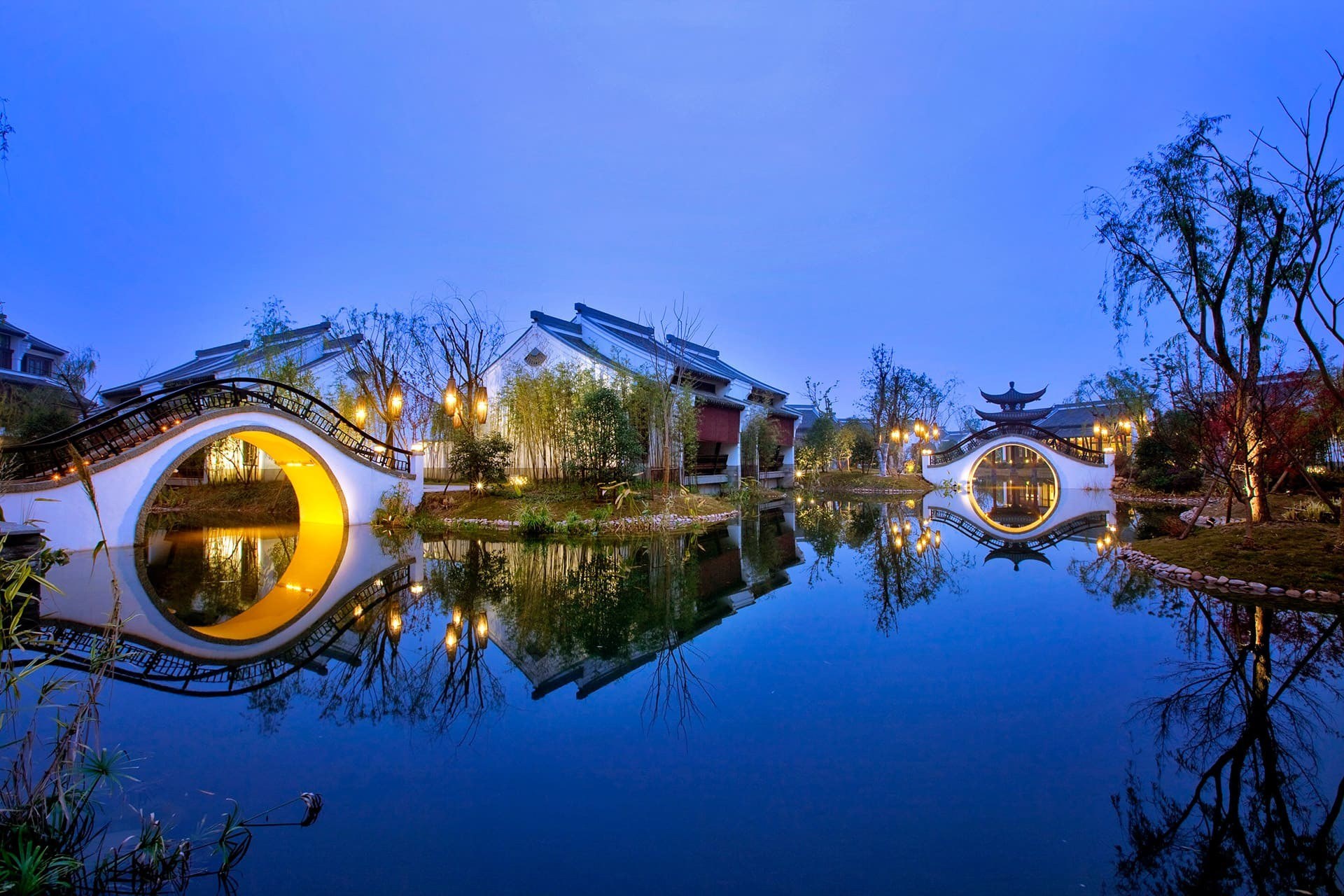
Banyan Tree Hangzhou foregrounds cultural specificity and landscape over urban convenience. Low-rise ivory villas cluster around a private lake, and the architecture intentionally reads like a Song-dynasty ink painting. Interiors—high-beam ceilings, standing lamps and crimson-hued rugs—lean on Han antiques to set a quietly refined tone. The overall effect is deliberately measured and intimate: this is a lakeside compound that feels more like a secluded cultural estate than a city hotel. Guests encounter a restrained, classical aesthetic that privileges seclusion, tradition and the relationship between built form and water.
Best For
This property is best for travelers who place the environment at the center of the stay. It appeals to couples and culturally minded guests seeking seclusion in a lakeside setting, and to anyone looking for a resort-like alternative to urban towers. Because the hotel emphasizes heritage architecture, private-villa layouts and a curated dining programme, it suits weekend escapes and special occasions where the setting is part of the experience. It is less about meetings or urban hustle and more about slow, landscape-led stays.
Stay Tips
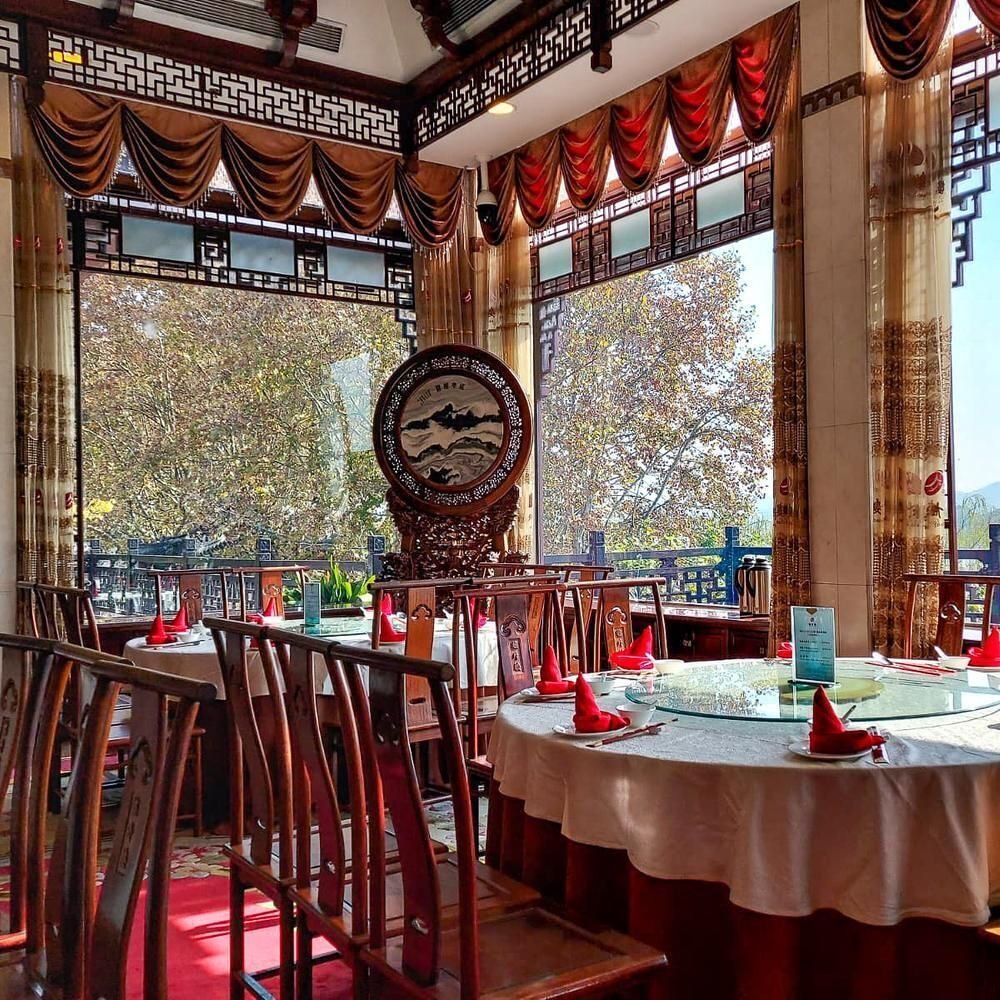
The hotel's three restaurants make a point of interpreting Zhejiang and Hangzhou culinary traditions, so focus on regional classics when you dine. Order signature local dishes called out in the hotel's description—Dongpo pork and West Lake fish in vinegar gravy—so you can judge the property's take on time-honored flavors. Treat meals as an opportunity to sample different editorial approaches across the outlets, and ask restaurant staff about ingredient provenance and the chef’s approach to Zhejiang techniques to better understand how the cuisine connects to the lakeside setting.
Venue details
Ambiance
Tranquil and elegant with lush gardens, water features, and oriental touches creating a serene, pampered atmosphere.
Tags
Vibe
Best For
Experience
Amenities
View
Accessibility
About the Stay
- Rooms
- 73
- Check-in
- 15:00
- Check-out
- 12:00
- Property Style
- Seasonally Themed Luxury Suites and Villas Blending Traditional Jiangnan Style with Modern Comforts in a Wetland Paradise.
- Design Style
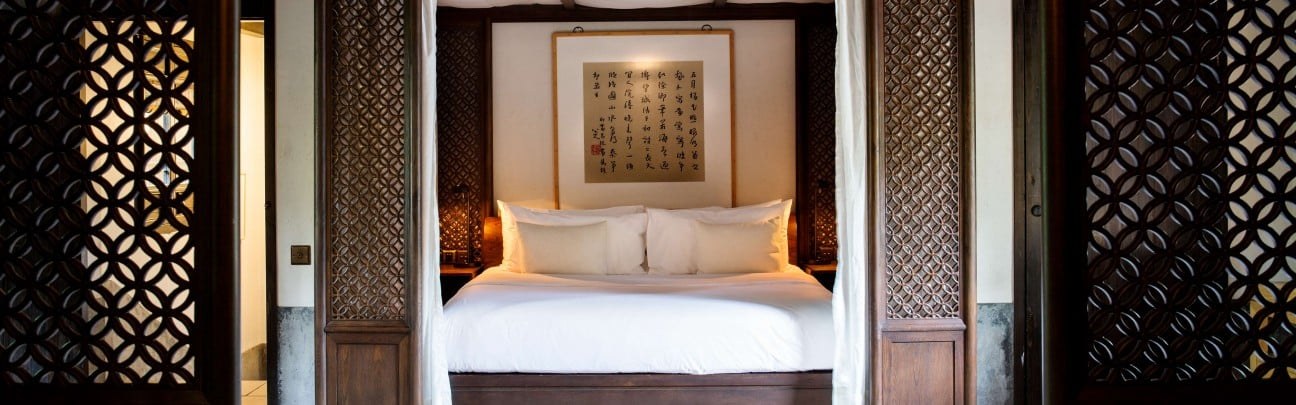
- Traditional Jiangnan with Dark Wood, Carved Furnishings, Hand Painted Silk, and Seasonal Color Schemes.
Know before you go
Know Before You Go
- Getting there
- 21 Zi Jin Gang Lu, Xi Hu Qu, Hang Zhou Shi, Zhe Jiang Sheng, 310013
Planning details
Location
21 Zi Jin Gang Lu, Xi Hu Qu, Hang Zhou Shi, Zhe Jiang Sheng, 310013 · Directions
Recognition and awards

Also consider
Also Consider
- Amanfayun, Notable alternative
- Hangzhou Muh Shoou Xixi Hotel, Notable alternative
- Four Seasons Hotel Hangzhou at West Lake, Notable alternative
- Qiushui Villa, Notable alternative
- Seven Villas, Notable alternative
Hotel context
How it compares in Hangzhou
Amanfayun is the better cross-shop if the priority is a heritage-style retreat with a stronger sense of place. Banyan Tree Hangzhou is the more practical pick for travelers who want a recognized luxury hotel in Xi Hu District with a retreat rhythm, while Four Seasons Hotel Hangzhou at West Lake is the safer choice for guests who want the West Lake luxury address to do more of the work.
Hangzhou Muh Shoou Xixi Hotel is the sharper comparison for design-minded travelers looking around the Xixi side of the city. If value for money is the deciding factor, compare live rates carefully: Banyan Tree Hangzhou makes more sense when the stay includes spa, pool, and downtime, not when the room is only a base for sightseeing.
Qiushui Villa and Seven Villas are better fits for travelers who want a smaller-scale stay. Choose Banyan Tree Hangzhou when brand infrastructure and recognized service standards matter more than boutique intimacy. For easier planning across the city, use it as the retreat option on a shortlist that also includes Amanfayun for atmosphere and Four Seasons for West Lake positioning.
Explore Hangzhou
Around this place
Discover more on Pearl
Unlock the full Banyan Tree Hangzhou guide in Pearl, including awards, comparisons, FAQs, planning details, and nearby places.
Compare Banyan Tree Hangzhou
| Venue | Location | Awards |
|---|---|---|
| Banyan Tree Hangzhou | Hangzhou | 2025 Michelin Selected Hotels2025 Forbes 4-Star |
| Amanfayun | Hangzhou | 2026 Virtuoso Luxury Hotel Collection2026 Forbes Recommended2026 Mr & Mrs Smith Luxury Hotels2026 La Liste Top Hotels2025 Forbes Recommended2025 Michelin Selected HotelsAman Hotels |
| Hangzhou Muh Shoou Xixi Hotel | Hangzhou | Small Luxury Hotels Member 2025 |
| Four Seasons Hotel Hangzhou at West Lake | Hangzhou | 2026 Virtuoso Luxury Hotel Collection2026 Forbes Recommended2026 La Liste Top Hotels2025 Forbes 4-StarWorld Travel Awards 20252025 Michelin 2 KeysFour Seasons Hotels |
| Qiushui Villa | Hangzhou | Small Luxury Hotels Member 2025 |
| Seven Villas | Hangzhou | 2026 Relais Chateaux Hotels2025 Relais Chateaux Award |








How Banyan Tree Hangzhou compares with similar nearby venues.
FAQ
Frequently Asked Questions
How is the pool and spa at Banyan Tree Hangzhou?
The hotel's recognition includes Forbes 4-Star (2025) and MICHELIN Guide, Hotels Selected (2025), so travelers who care about particular facilities should confirm them directly before booking.
What is Banyan Tree Hangzhou known for?
Banyan Tree Hangzhou is a Hangzhou hotel with Forbes 4-Star recognition in 2025 and MICHELIN Guide hotel selection in 2025. The dress code is smart casual.
Where is Banyan Tree Hangzhou located?
Banyan Tree Hangzhou is located in Hangzhou.