
Hangzhou Muh Shoou Xixi Hotel
Yuhangxian, Hangzhou
Hotel in Hangzhou, China
 Book with Pearl
The Read
Wetland-Integrated Architecture
Why go
Hangzhou Muh Shoou Xixi Hotel is a good fit if you want a calmer Xixi-side base rather than a high-visibility West Lake address. Booking is listed as easy, which helps for shorter-planning trips, but choose it for setting and availability rather than detailed published amenities or price positioning.
About Hangzhou Muh Shoou Xixi Hotel
Hangzhou Muh Shoou Xixi Hotel is a hotel in Hangzhou and is identified as a Small Luxury Hotels of the World member for 2025. It is best approached as a candidate to compare carefully before booking, especially if amenities, pricing, room categories, or service specifics are important to your stay.
Before booking, confirm current rates, room types, facilities, policies, and the exact setting directly. Its clearest appeal is its Hangzhou location and Small Luxury Hotels of the World membership; confirm details such as neighborhood fit, dining, family facilities, and service format directly.
Choose it for a Hangzhou stay with SLH recognition
The key distinction for Hangzhou Muh Shoou Xixi Hotel is its Small Luxury Hotels of the World membership in 2025. If that affiliation matters to your trip, it belongs on a shortlist of premium Hangzhou hotels to review.
For comparison, travelers may also look at Amanfayun, Banyan Tree Hangzhou, Four Seasons Hotel Hangzhou at West Lake, Qiushui Villa, or Seven Villas. Compare the properties on current availability, facilities, and the location that best fits your itinerary.
Who should skip it
Skip it if you need detailed pre-booking certainty on amenities, room categories, pricing, family facilities, dining, or service style. In that case, confirm those details directly or compare it with other premium Hangzhou options such as Amanfayun, Banyan Tree Hangzhou, Four Seasons Hotel Hangzhou at West Lake, Qiushui Villa, or Seven Villas.
Planning details
- Location
- Near Tianmushan Road (No.33 Shoudi, 余杭区杭州市浙江省310023
- Phone
- +86 571 8585 1688
The take
The Take
The Vibe
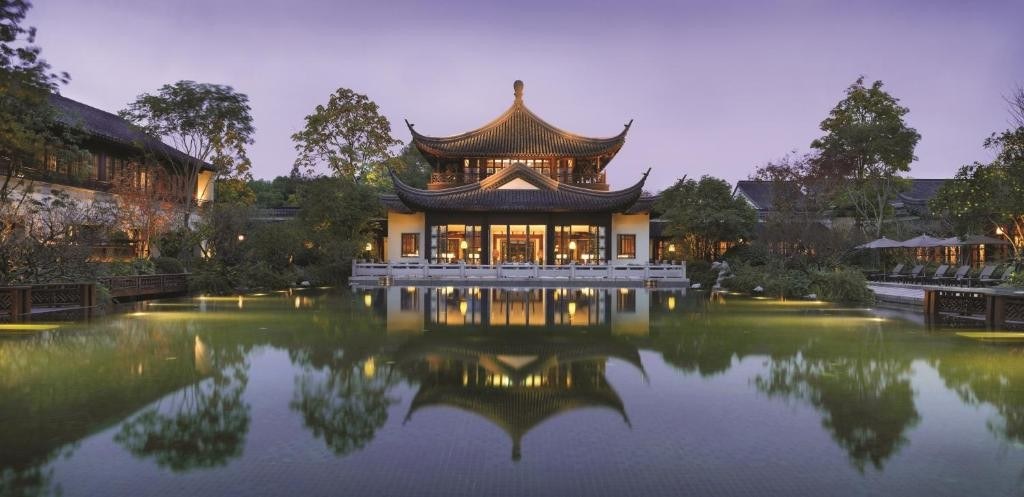
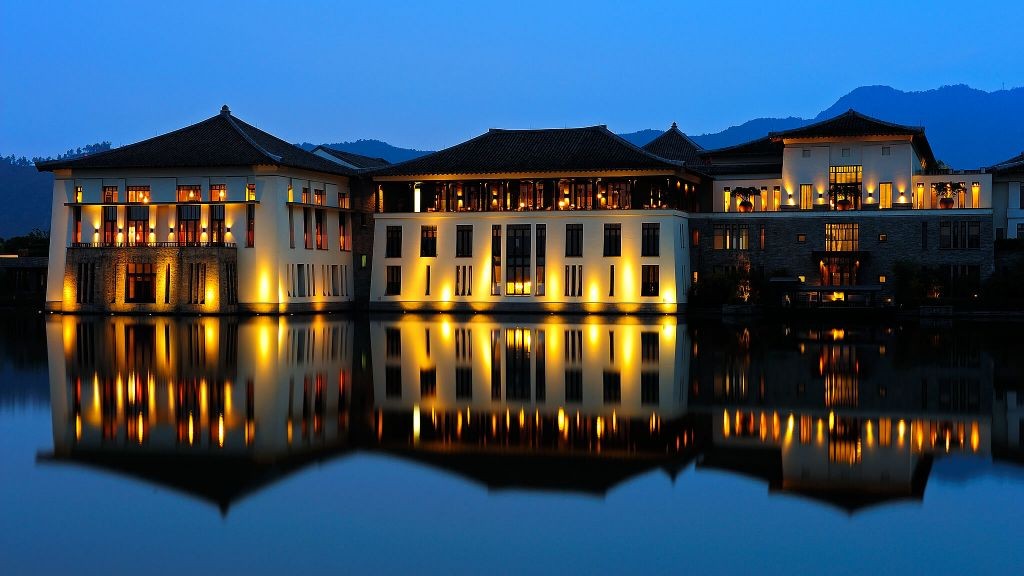
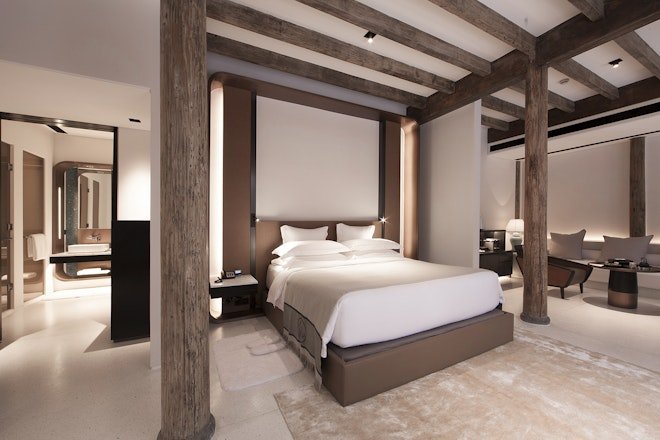
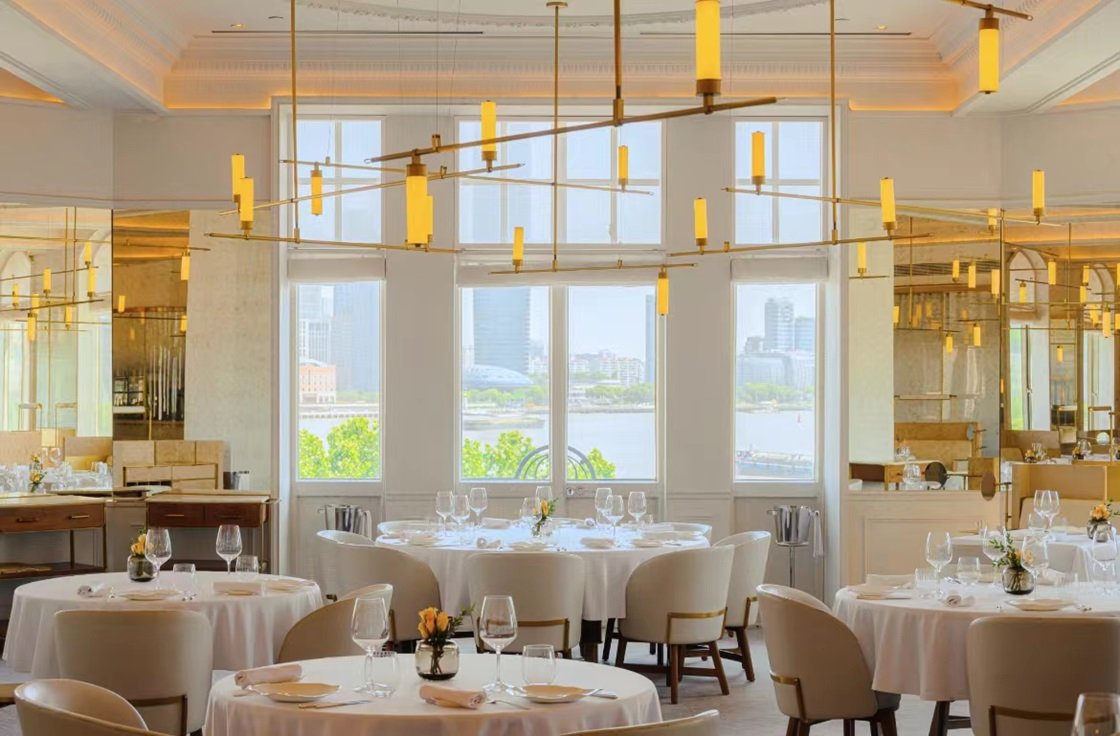
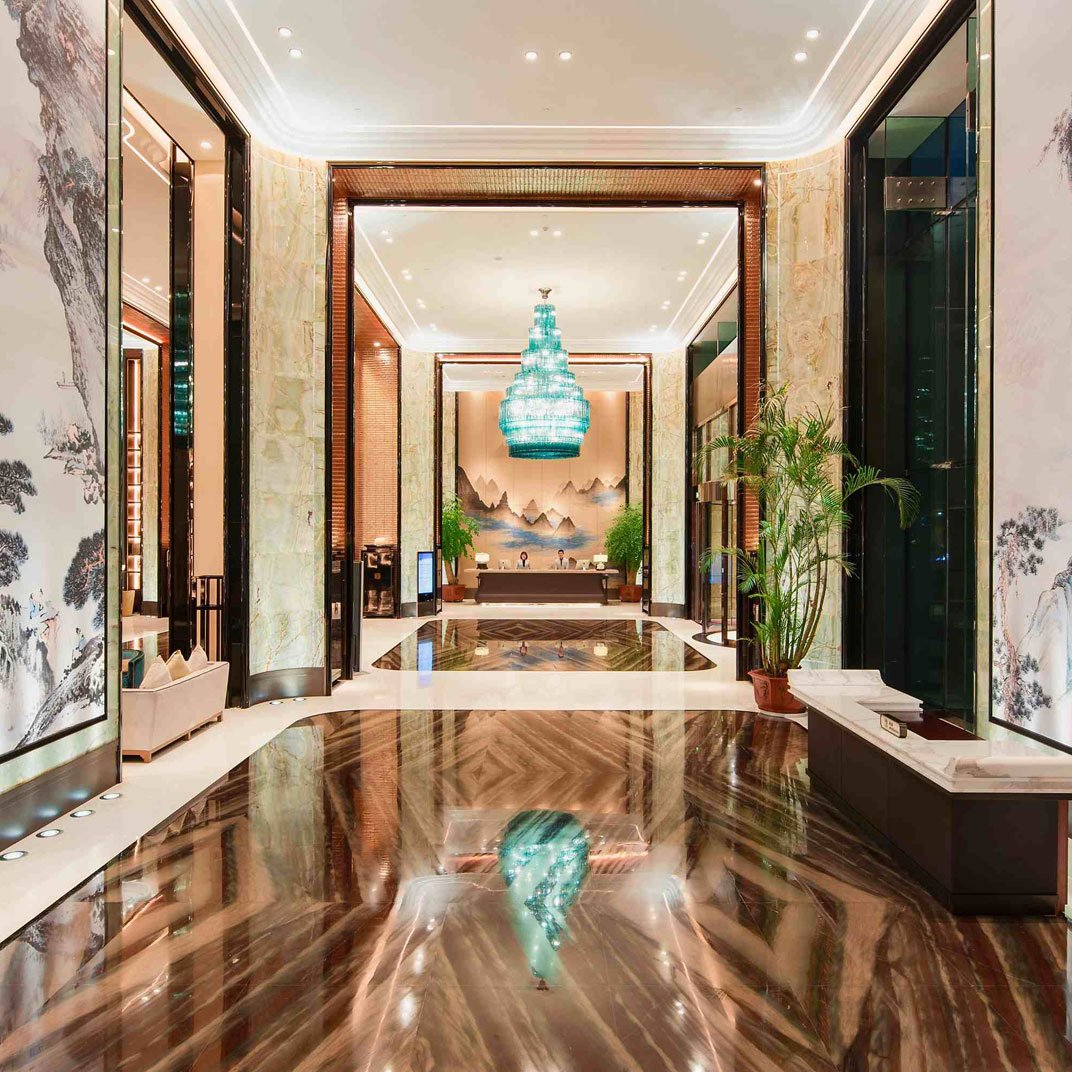
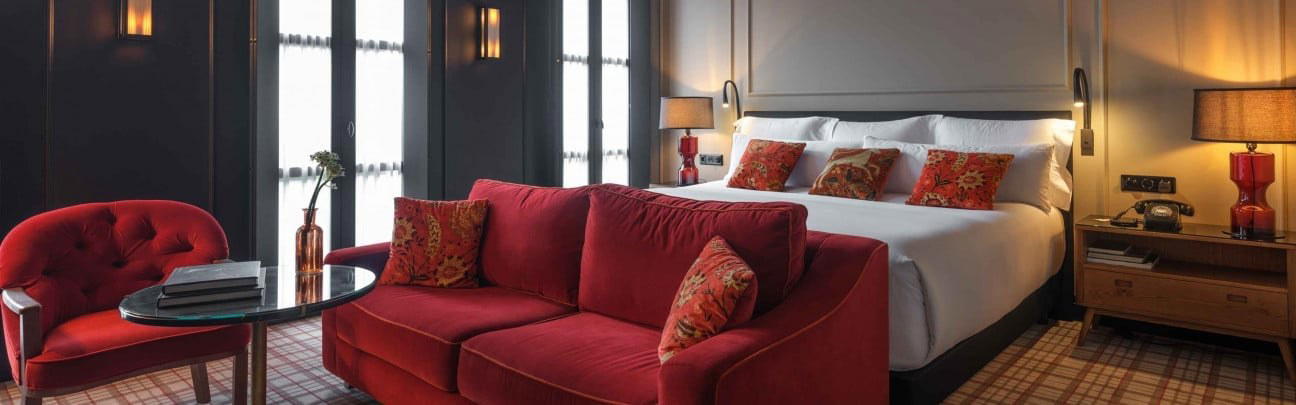
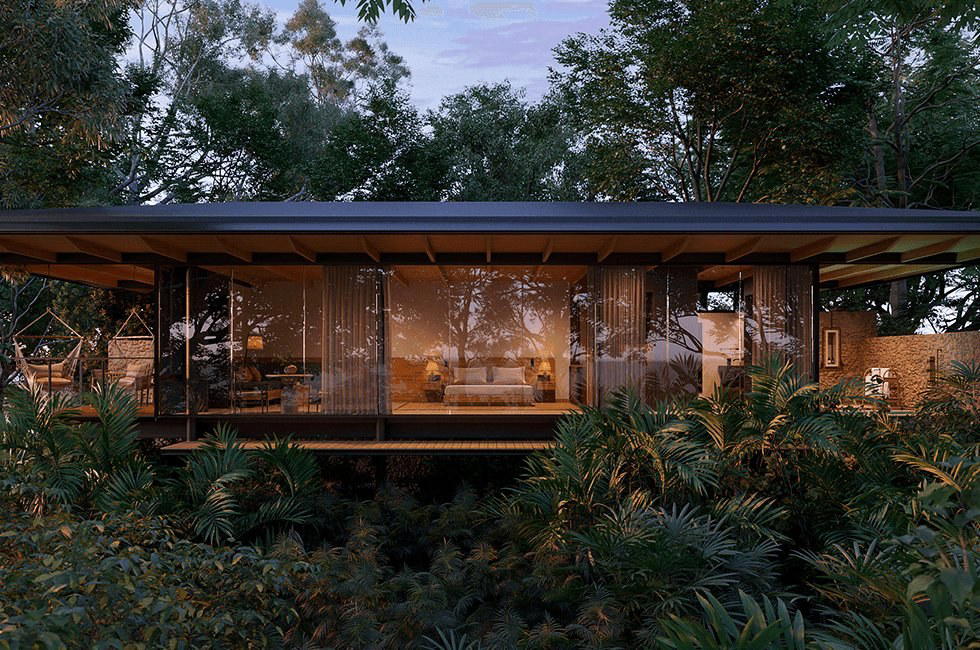
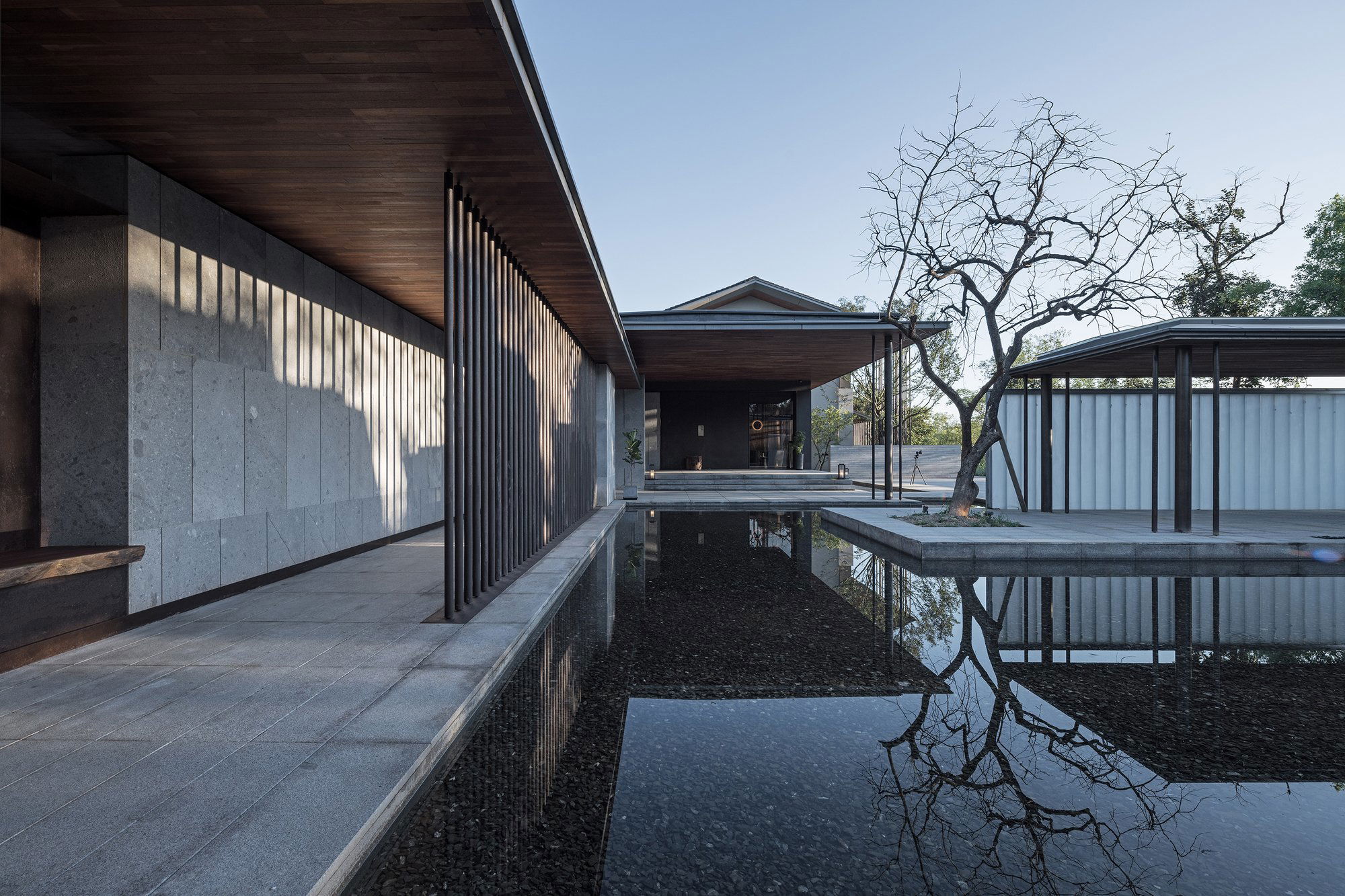
Muh Shoou Xixi reads as a hotel that lets the wetland set the tone. Design choices — open-sided structures, pools of still water and materials like weather-worn stone and water-washed marble — prioritize the site's natural rhythms over architectural enclosure. Ancient persimmon trees are integrated into circulation so the building feels threaded through the landscape rather than imposed upon it. The result is a quietly considered property: modern in its restraint but earthy in texture, calm in atmosphere and focused on a lived relationship with the Xixi ecosystem rather than theatrical luxury.
Best For
The hotel suits travelers who seek a low-key, restorative stay rooted in place. Because the design emphasizes indoor-outdoor flow and environmental integration, it works well for short restorative breaks and weekend escapes where nature is part of the experience. The quiet, site-driven approach also makes it a good fit for couples looking for a peaceful romantic getaway or visitors prioritizing sustainability-minded hospitality. Guests who want to experience Hangzhou beyond the more trafficked West Lake hotels will find the property’s relationship to the wetland its defining attraction.
Stay Tips
Allow extra time in your itinerary to move through the property and its grounds rather than treating it as merely a place to sleep; the design intent is experienced in circulation, water features and tree-lined paths. Pack layers and comfortable shoes for outdoor strolls through the wetland-adjacent gardens and open-sided spaces. If sustainability and landscape integration matter to you, ask staff about site features and how the hotel engages with the Xixi ecosystem — the description emphasizes that environmental integration is central to the design, so guided context can enhance your stay.
Venue details
Ambiance
Quiet, restorative, and scenic, with a calm wetland atmosphere shaped by open-sided architecture, water views, and minimal, natural materials.
Tags
Vibe
Best For
Experience
Amenities
View
Accessibility
About the Stay
- Rooms
- 43
- Check-in
- 15:00
- Check-out
- 12:00
- Property Style
- Design Led Luxury Hotel with Strong Site Specific Architecture and Indoor Outdoor Living.
- Design Style
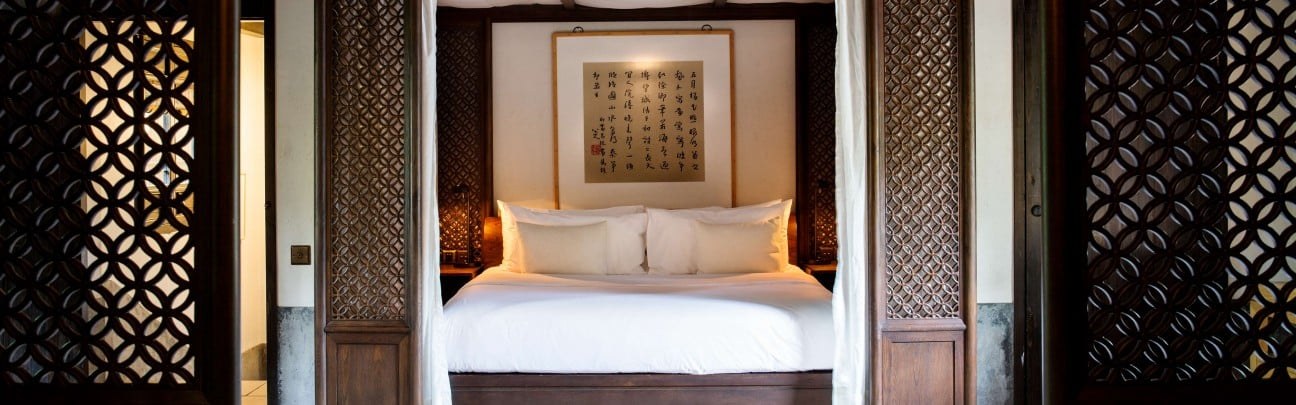
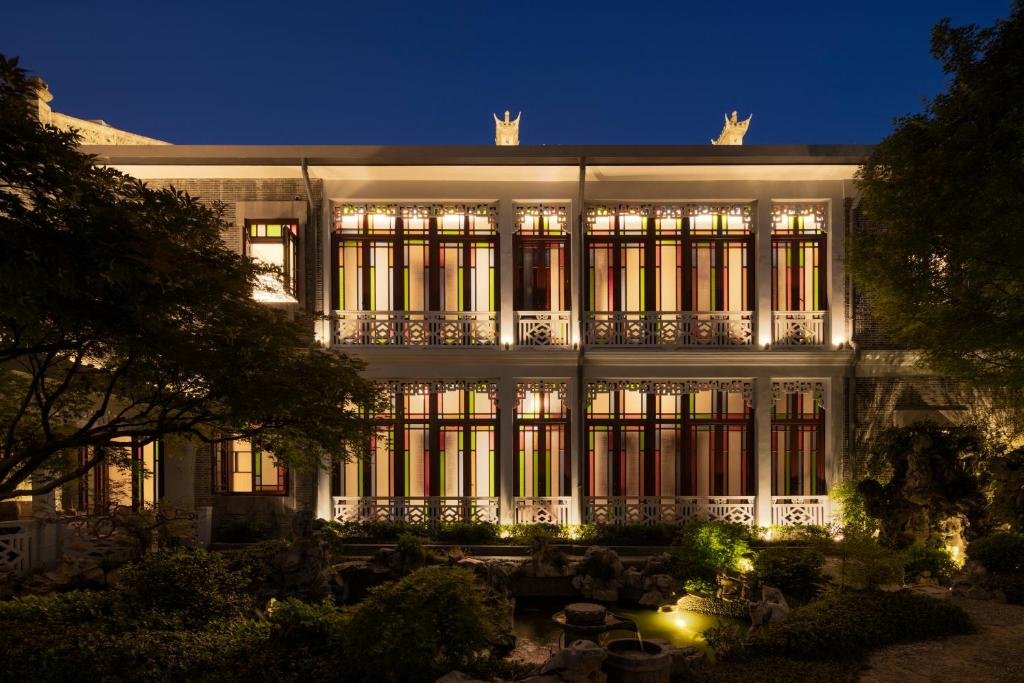
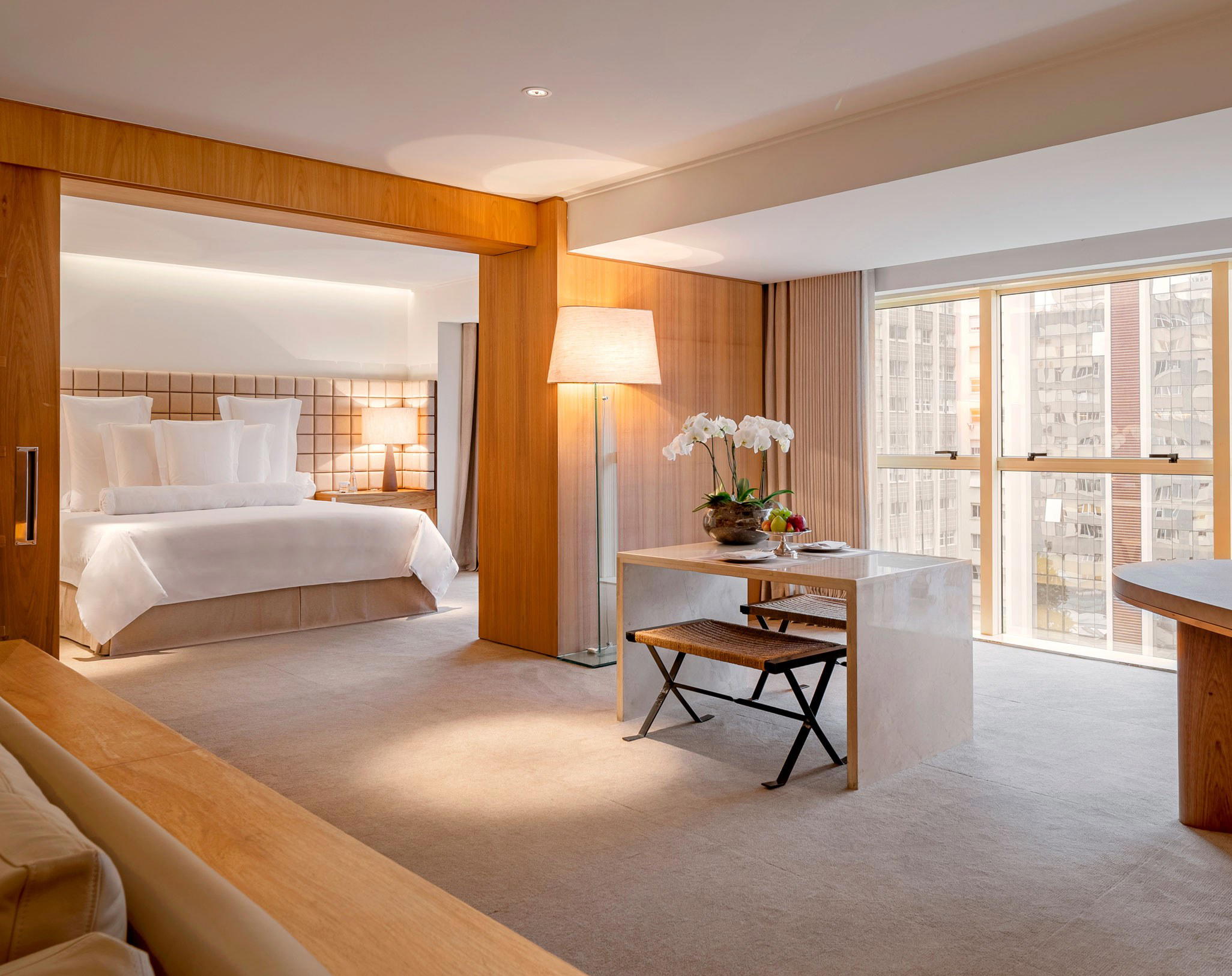
- Modern Minimalist Design Integrated with the Wetland Landscape, Using Flowing Lines, Glass Walls, Weather Worn Stone, Wooden Accents, and Water Washed Marble.
Know before you go
Know Before You Go
- Getting there
- Near Tianmushan Road (No.33 Shoudi, 余杭区杭州市浙江省310023
Planning details
Location
Near Tianmushan Road (No.33 Shoudi, 余杭区杭州市浙江省310023 · Directions
Recognition and awards

Also consider
Also Consider
- Banyan Tree Hangzhou, Notable alternative
- Amanfayun, Notable alternative
- Four Seasons Hotel Hangzhou at West Lake, Notable alternative
- Seven Villas, Notable alternative
- Qiushui Villa, Notable alternative
Hotel context
How it compares in Hangzhou
Banyan Tree Hangzhou is the closest comparison for travelers set on the Xixi area. Choose Hangzhou Muh Shoou Xixi Hotel if availability is the main problem and an easier booking matters; choose Banyan Tree Hangzhou if you want the more familiar resort name in the same broad location category.
Amanfayun is the stronger pick for a destination-resort stay where the hotel itself is the reason for the trip. Four Seasons Hotel Hangzhou at West Lake is the safer choice for lake access, service expectations, and first-time Hangzhou trips built around classic sightseeing. Hangzhou Muh Shoou Xixi Hotel is better for guests who want a quieter base and do not need the address premium.
Seven Villas and Qiushui Villa make sense for travelers comparing smaller-scale stays in Hangzhou. Use them as cross-shops if atmosphere matters more than brand infrastructure; keep Hangzhou Muh Shoou Xixi Hotel on the list when easy booking and Xixi calm are the deciding factors.
Explore Hangzhou
Around this place
Discover more on Pearl
Unlock the full Hangzhou Muh Shoou Xixi Hotel guide in Pearl, including awards, comparisons, FAQs, planning details, and nearby places.
Compare Hangzhou Muh Shoou Xixi Hotel
| Venue | Location | Awards |
|---|---|---|
| Hangzhou Muh Shoou Xixi Hotel | Hangzhou | Small Luxury Hotels Member 2025 |
| Banyan Tree Hangzhou | Hangzhou | 2025 Michelin Selected Hotels2025 Forbes 4-Star |
| Amanfayun | Hangzhou | 2026 Virtuoso Luxury Hotel Collection2026 Forbes Recommended2026 Mr & Mrs Smith Luxury Hotels2026 La Liste Top Hotels2025 Forbes Recommended2025 Michelin Selected HotelsAman Hotels |
| Four Seasons Hotel Hangzhou at West Lake | Hangzhou | 2026 Virtuoso Luxury Hotel Collection2026 Forbes Recommended2026 La Liste Top Hotels2025 Forbes 4-StarWorld Travel Awards 20252025 Michelin 2 KeysFour Seasons Hotels |
| Seven Villas | Hangzhou | 2026 Relais Chateaux Hotels2025 Relais Chateaux Award |
| Qiushui Villa | Hangzhou | Small Luxury Hotels Member 2025 |









How Hangzhou Muh Shoou Xixi Hotel: Hangzhou SLH Member compares with similar nearby venues.
FAQ
Frequently Asked Questions
How is the location of Hangzhou Muh Shoou Xixi Hotel?
Hangzhou Muh Shoou Xixi Hotel is in Hangzhou. Confirm the exact location directly before booking, especially if your itinerary depends on being close to a specific area or attraction.
Is Hangzhou Muh Shoou Xixi Hotel family-friendly?
What is Hangzhou Muh Shoou Xixi Hotel known for?
Hangzhou Muh Shoou Xixi Hotel is a Hangzhou hotel and a Small Luxury Hotels of the World member for 2025.
Where is Hangzhou Muh Shoou Xixi Hotel located?
Hangzhou Muh Shoou Xixi Hotel is located in Hangzhou.