
Seven Villas
Hangzhoushi, Hangzhou
Hotel in Hangzhou, China
 Book with Pearl
The Read
Hillside Garden Seclusion
Price
$500–750per night
Why go
Seven Villas is a quieter Xihu District choice for travelers who want a West Lake-oriented Hangzhou stay rather than a large urban hotel. Its 2026 Relais & Châteaux award signal supports the shortlist case, but room-category value depends on the actual rate and inclusions. Compare it closely with Four Seasons Hotel Hangzhou at West Lake and Amanfayun before paying for an upgrade.
About Seven Villas
For a return trip to Hangzhou, Seven Villas is worth considering as a hotel shortlist option when you want to compare it with other premium stays in the city. Approach it as a property to investigate carefully rather than a hotel to book on assumptions about rooms, facilities, dining, or setting.
Seven Villas is in Hangzhou, and the dress code is smart casual. Before committing, confirm the exact address, room type, inclusions, cancellation terms, and any services that matter for your trip directly with the hotel or booking channel. Seven Villas may suit travelers who prefer to make a more selective hotel choice, but the decision should rest on trip-specific details rather than assumptions.
Choose the room for confirmed details, not assumptions
The practical play is to avoid overpaying for an upgrade unless the room you are offered clearly adds something you value and the hotel confirms it in writing. For the safest value position, compare the actual room descriptions available for your dates before deciding. Entry-level and higher-category rooms should be judged by confirmed inclusions, cancellation rules, and total price.
Seven Villas is associated with a Relais Chateaux Award (2026), which is a useful recognition point to note. That does not automatically make it the right choice for every traveler, and it should not replace the usual checks on the stay itself. Confirm the room type, any meal inclusions, service details, dress expectations, and policies before booking.
Where it fits in a Hangzhou hotel shortlist
Seven Villas belongs on a Hangzhou shortlist alongside other named options such as Amanfayun, Four Seasons Hotel Hangzhou at West Lake, Hotel Indigo Hangzhou Uptown, Qiushui Villa, and Vallie Hotel. The fairest comparison is based on the rate, room, location details, and policies for your dates rather than assumed amenities or atmosphere.
This is a sensible shortlist pick, not an automatic splurge. Use the Hangzhou setting, smart casual dress code, and Relais Chateaux Award (2026) as starting points, then compare the actual booking terms against other hotels before paying for an upper tier.
Inside Seven Villas
Planning details
- Location
- 1, Xi Hu Qu, Ba Pan Ling Lu, 1号CN 浙江省 杭州市 邮政编码: 310007
- Website
- sevenvillahotel.co.za
- Phone
- +27 11 384 4900
The take
The Take
The Vibe
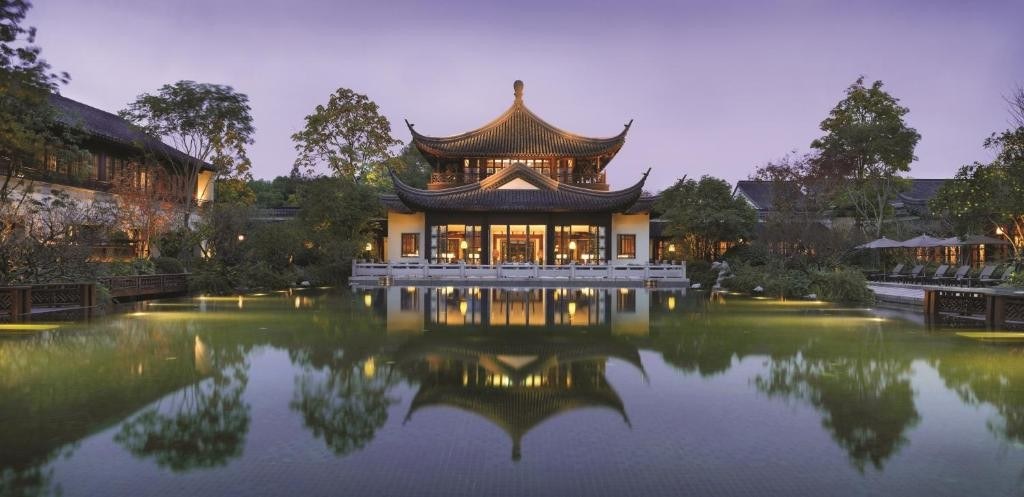
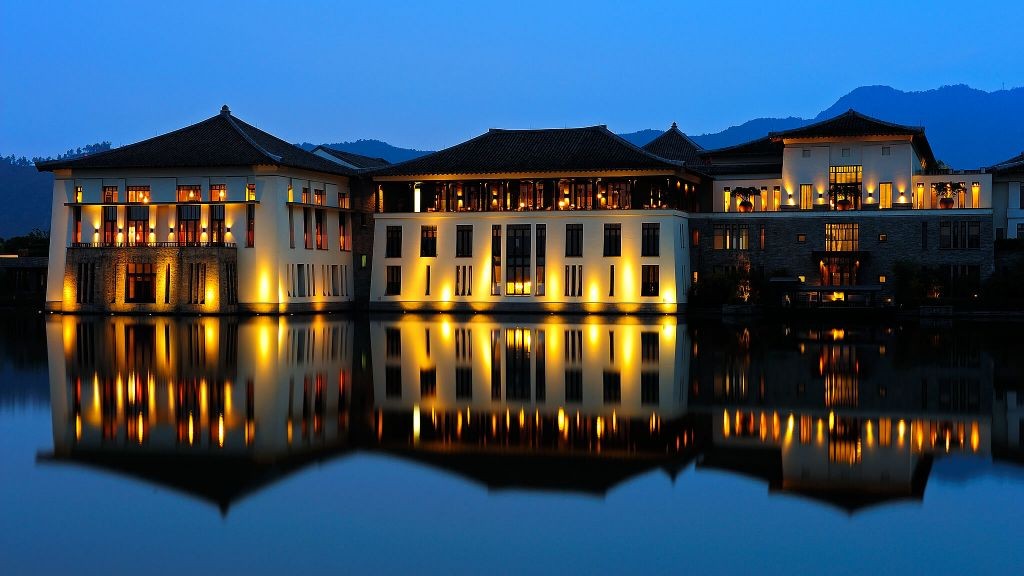
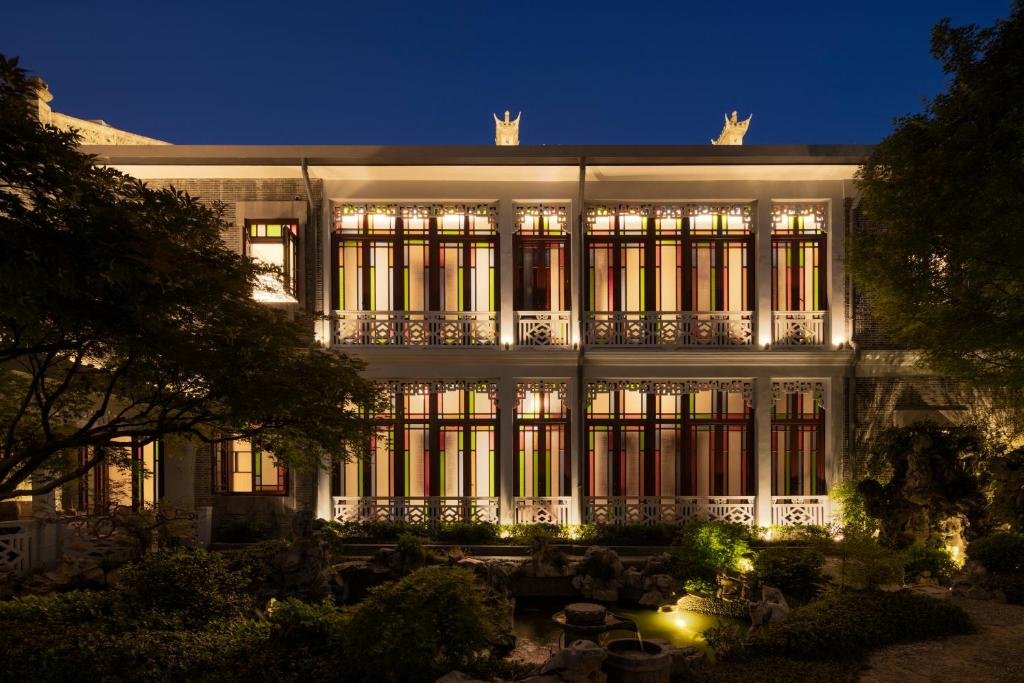
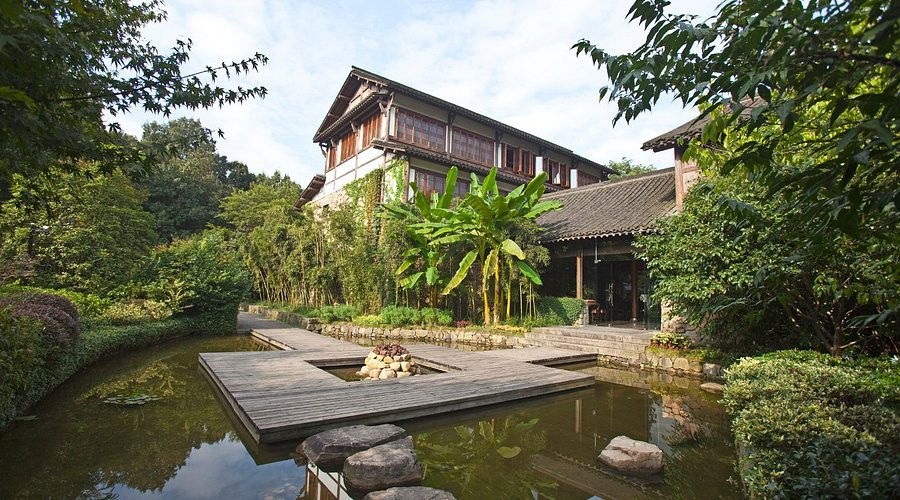
Seven Villas presents a restrained, classical calm that centers the garden and the lake rather than spectacle. The property leans into traditional Chinese garden principles—borrowed scenery, controlled sightlines and planted ponds—to create deliberate pockets of silence and contemplation. Intimate and refined, the hotel feels smaller and more rooted than the large branded resorts around West Lake; it’s built around the experience of landscape, not hospitality theater. Guests encounter a serene, classical sensibility: measured sightlines, quiet paths and the steady presence of water and green that together cultivate a contemplative stay.
Best For
This hotel suits travelers who prioritize a quietly curated landscape experience over large-scale resort amenities. If you want to spend time wandering gardens, listening to the silence around ponds and using proximity to West Lake as your centerpiece, Seven Villas delivers that kind of stay. It’s a sensible choice for couples or solo travelers seeking calm, contemplative lodging close to the lake, and for anyone comparing the louder, full-service flagships with smaller, garden-focused alternatives in Hangzhou’s hospitality scene.
Stay Tips
Think of Seven Villas as a deliberate contrast to the big-name lakeside resorts: book it when a peaceful, garden-forward stay is your priority rather than spa menus or rooftop bars. The description provides the exact location (Bapanling Road No. 1 in Xi Hu; GPS 30.2289, 120.1328), which is useful for navigation around West Lake’s many properties. When choosing between properties in Hangzhou, weigh whether you want the rooted silence and designed sightlines here or the broader service offerings of larger hotels; the write-up flags that distinction as the key booking consideration.
Venue details
Ambiance
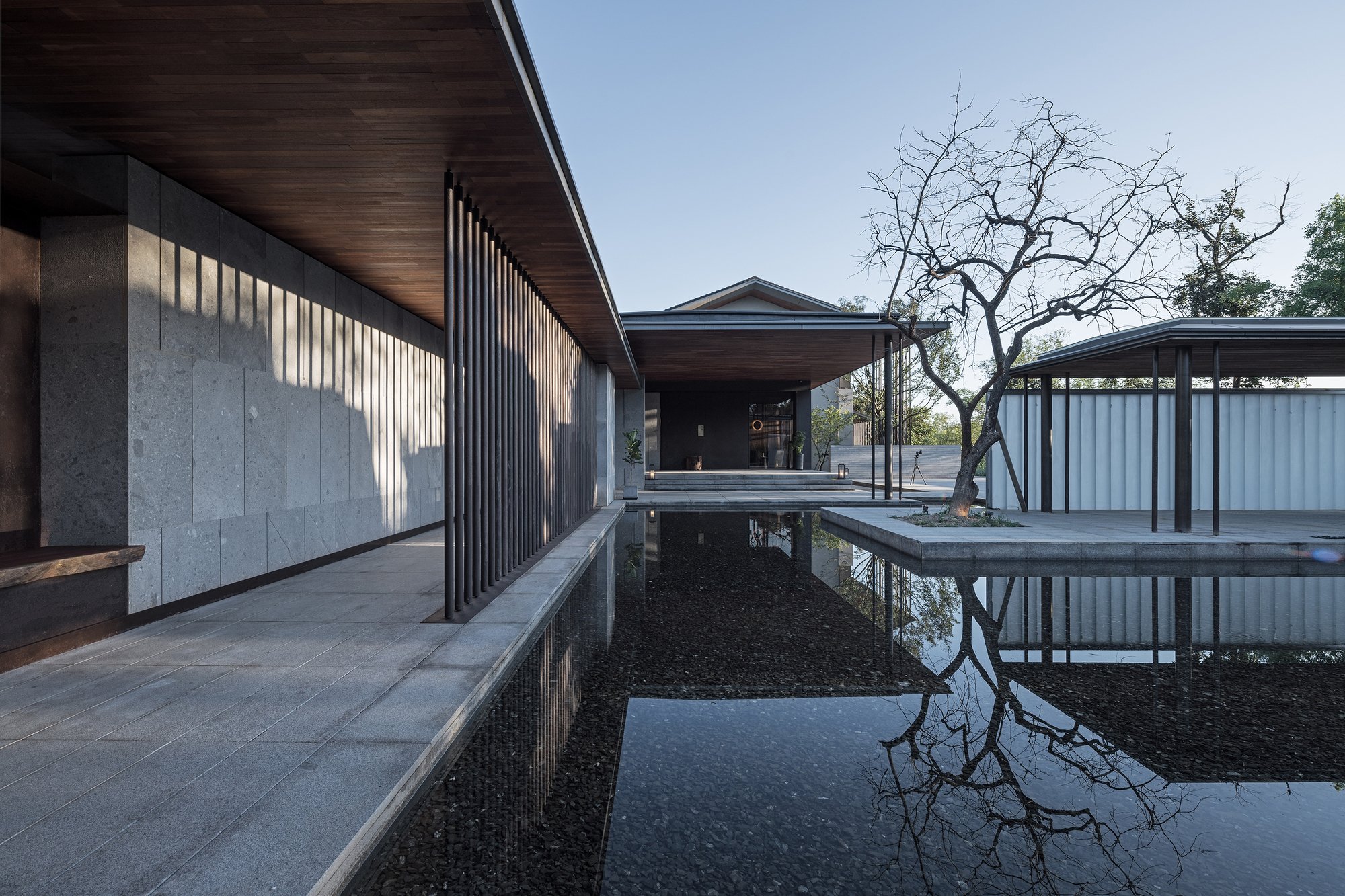
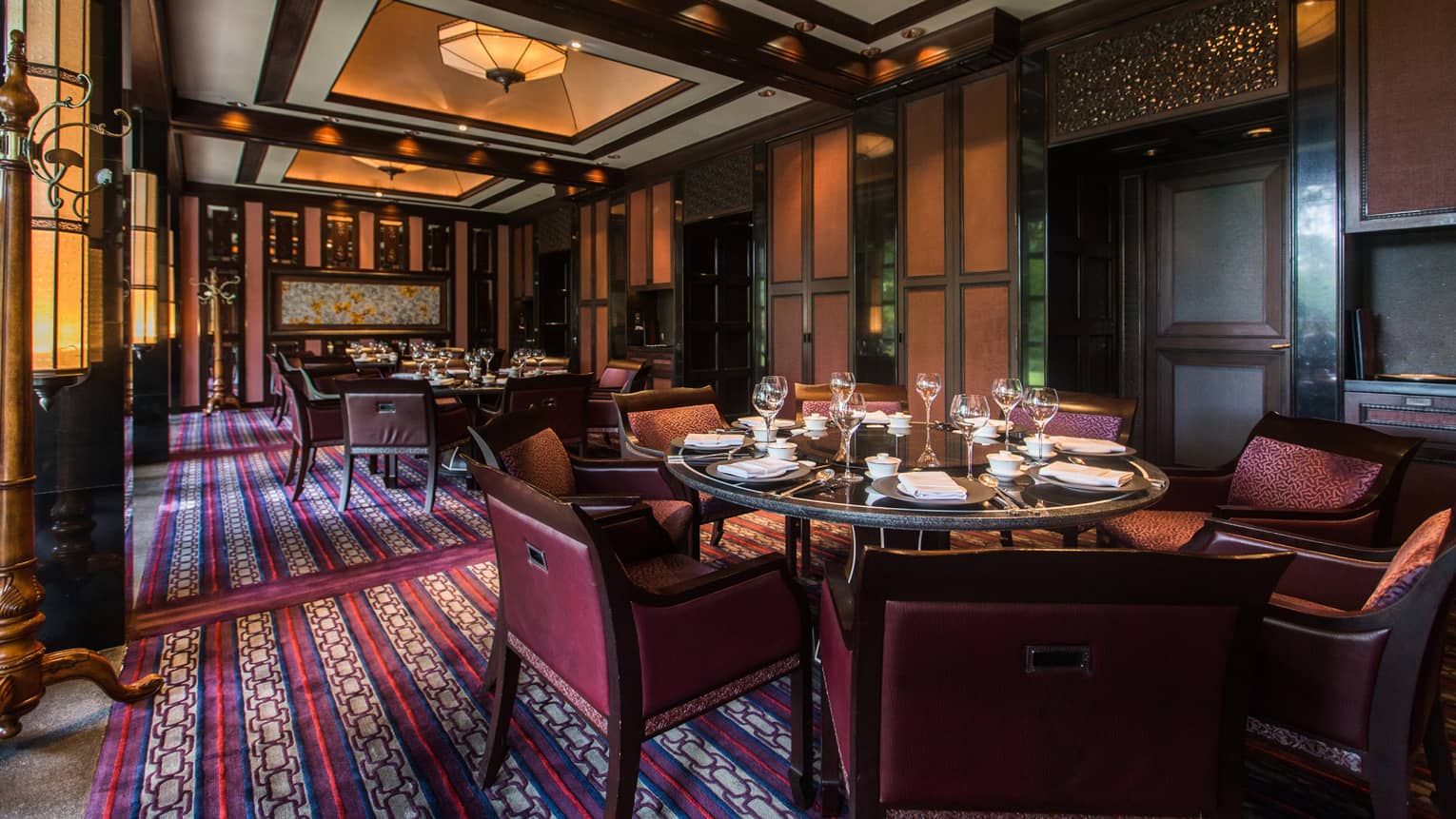
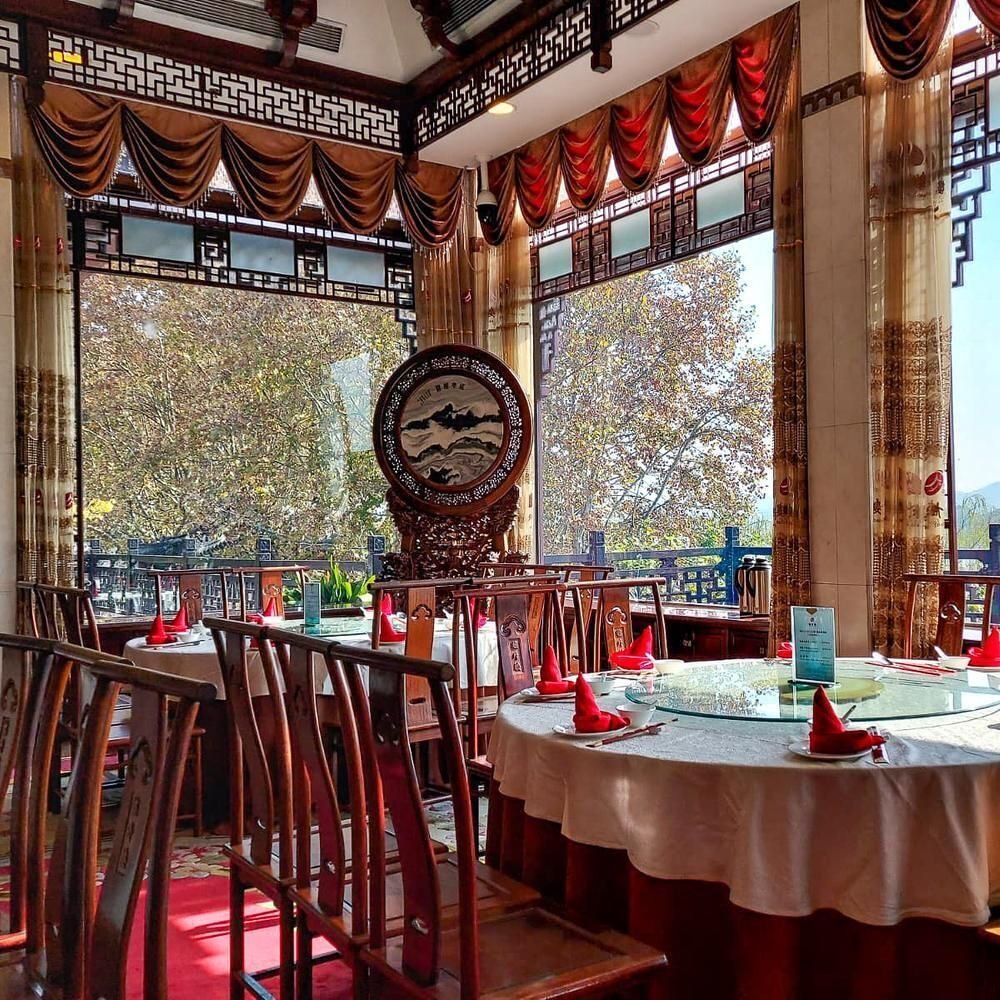
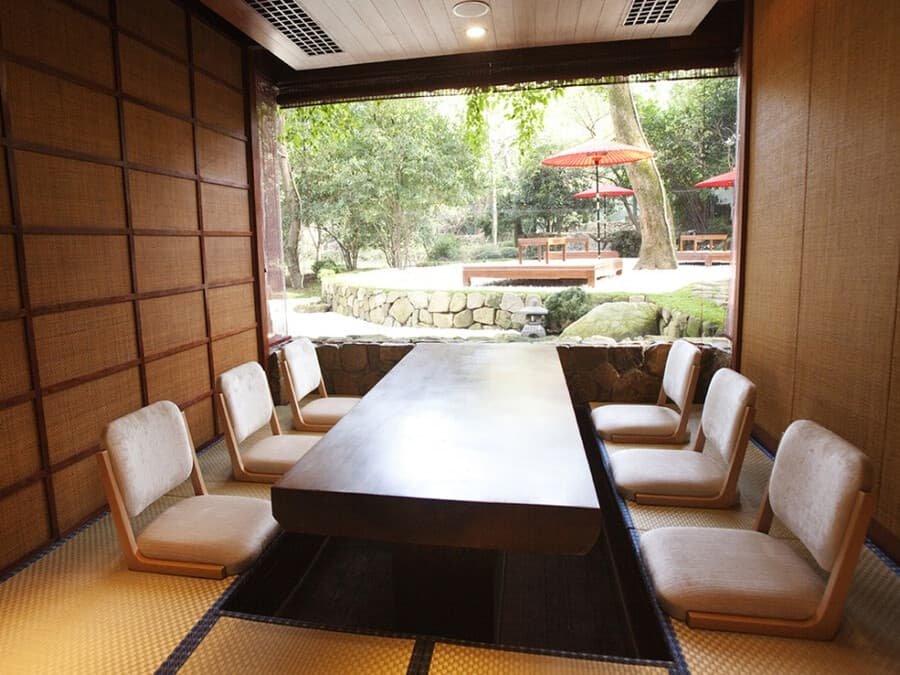
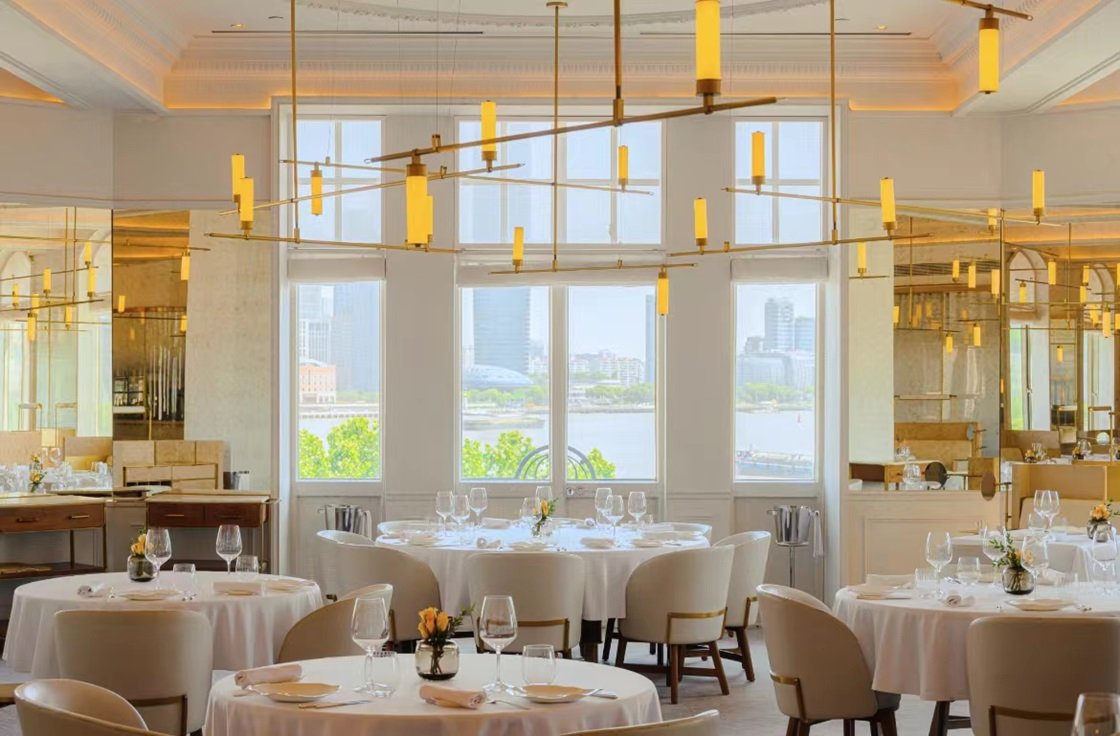
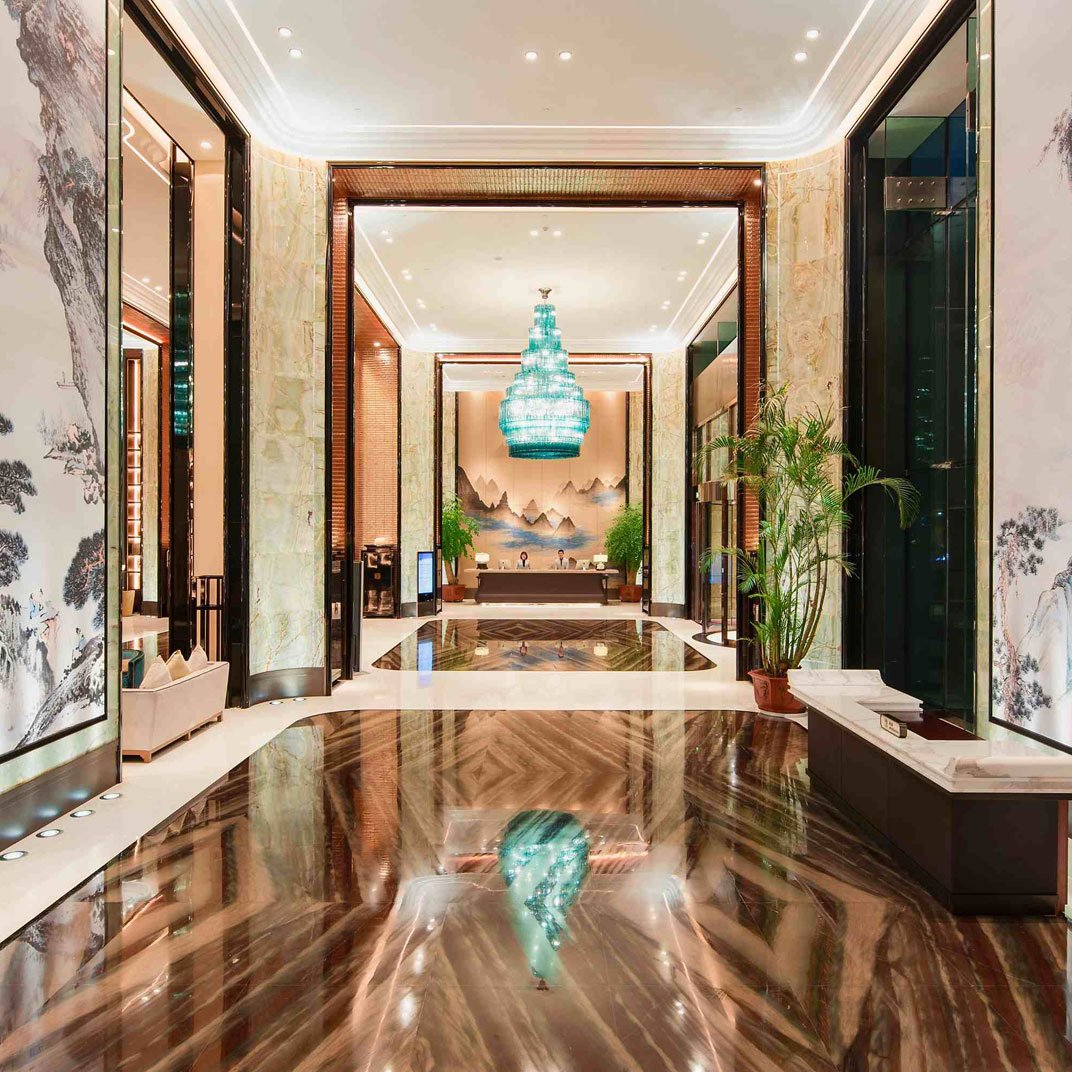
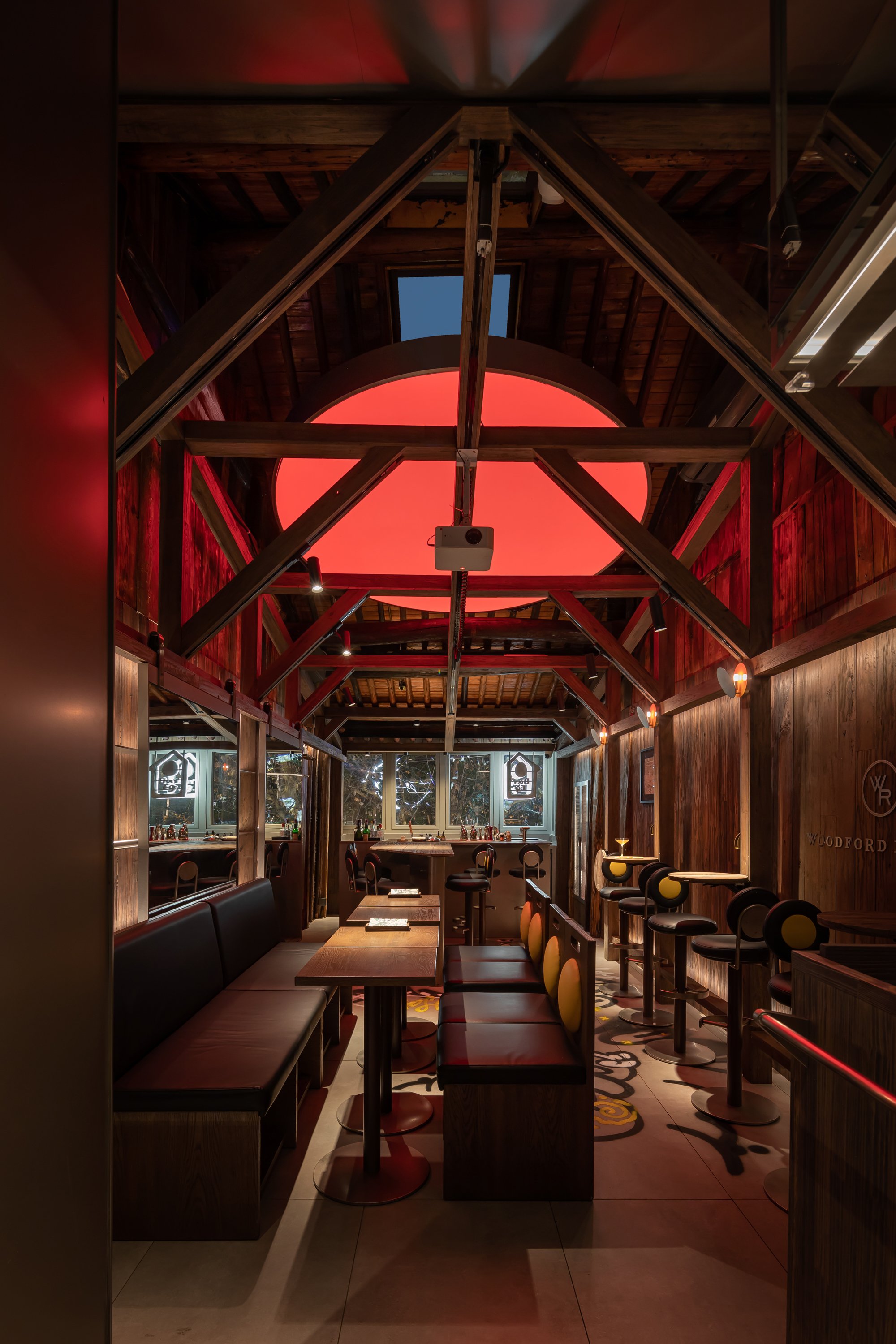
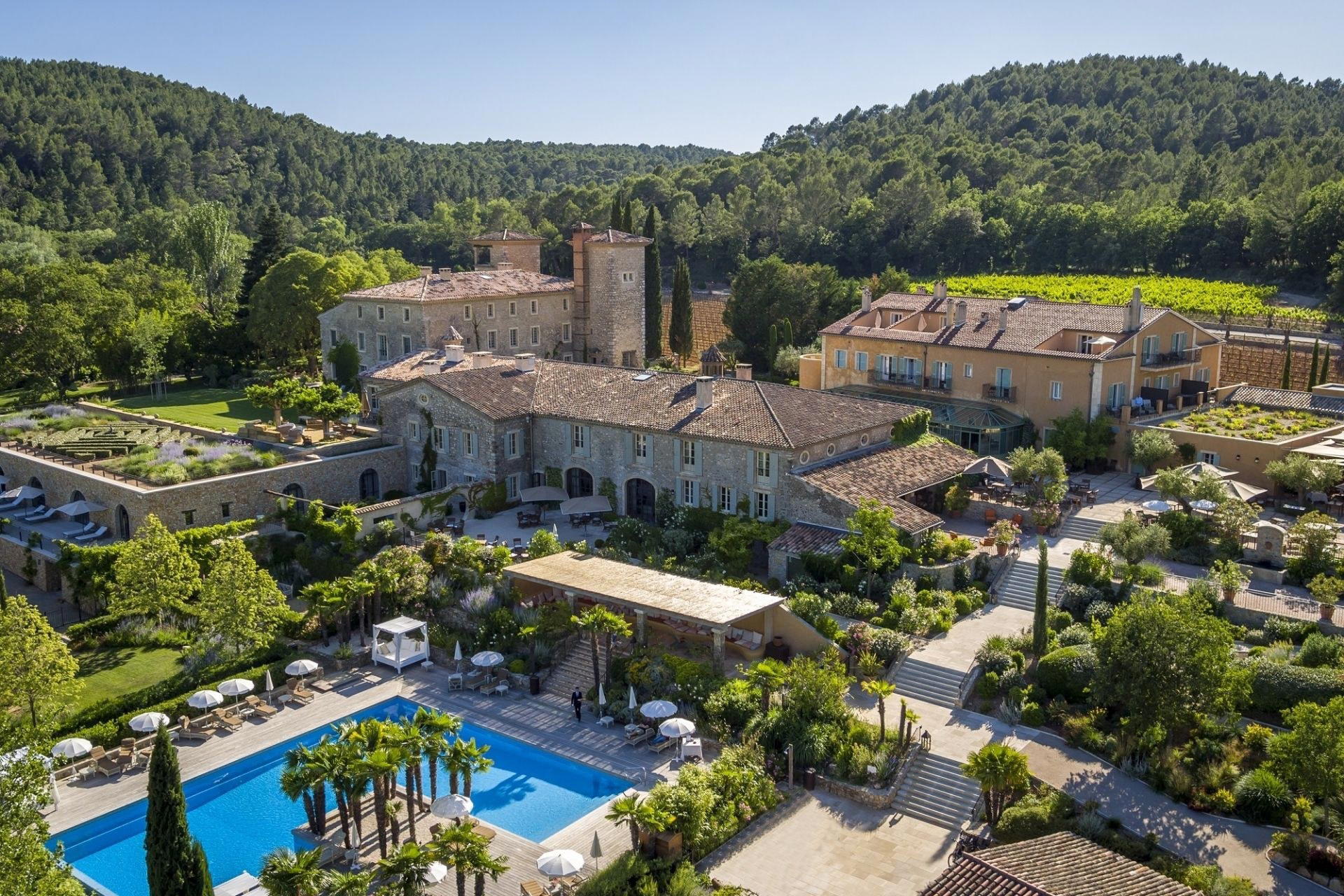
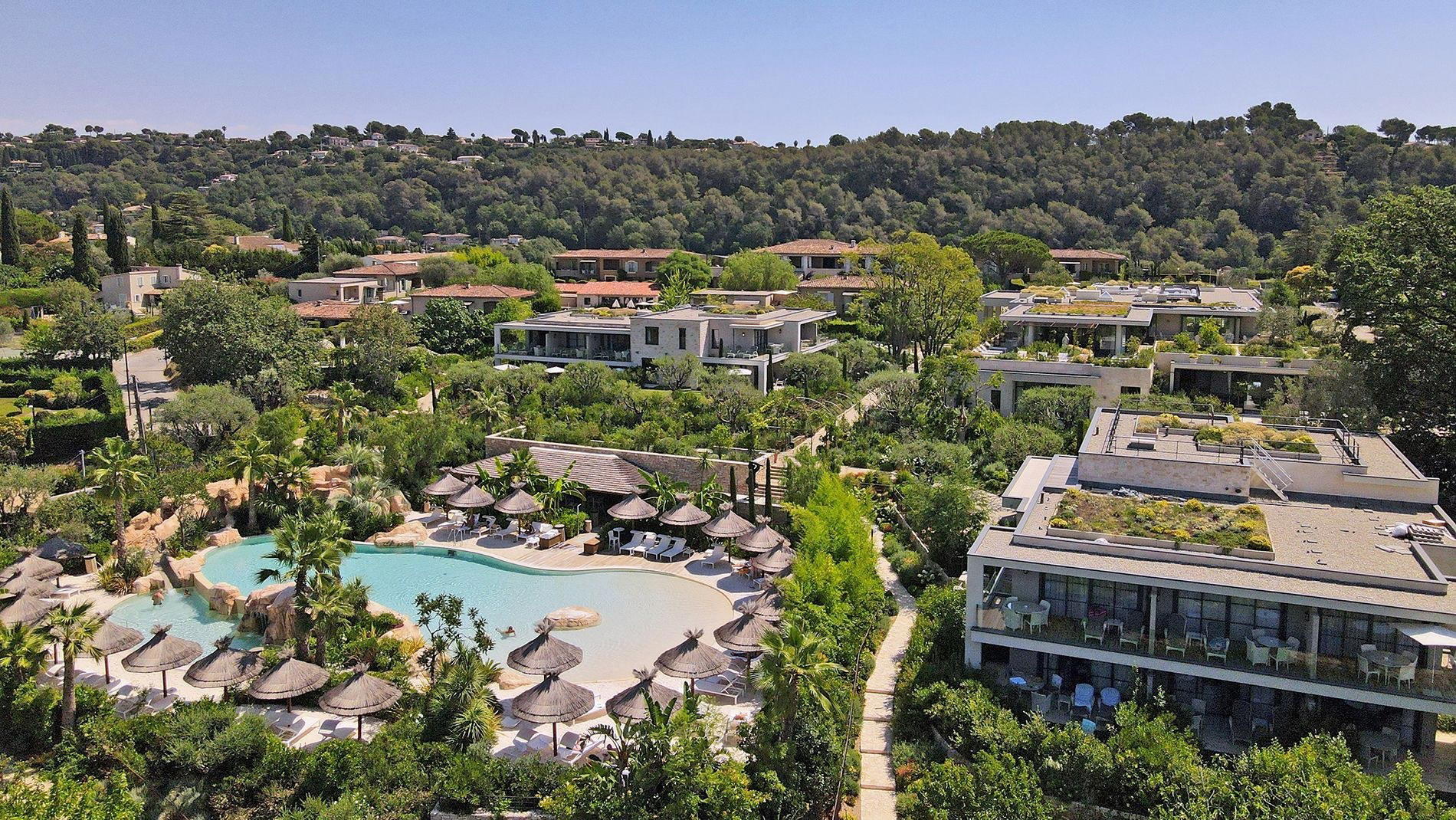
Tranquil Zen atmosphere with natural light through glass walls, manicured lawns, wooden architecture, and a sense of calm inspired by classic Chinese and Japanese design.
Tags
Vibe
Best For
Experience
Amenities
View
About the Stay
- Rooms
- 9
- Check-in
- 14:00
- Check-out
- 12:00
- Property Type
- Boutique hotel
- Property Style
- Intimate Relais & Chateaux Resort with Seven Traditional Chinese Villas in a Forested West Lake Setting.
- Design Style
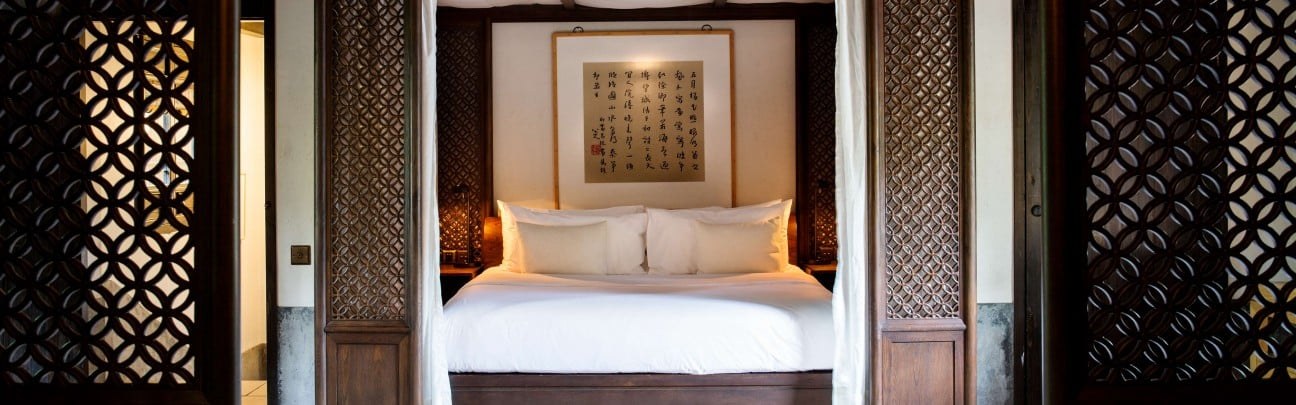
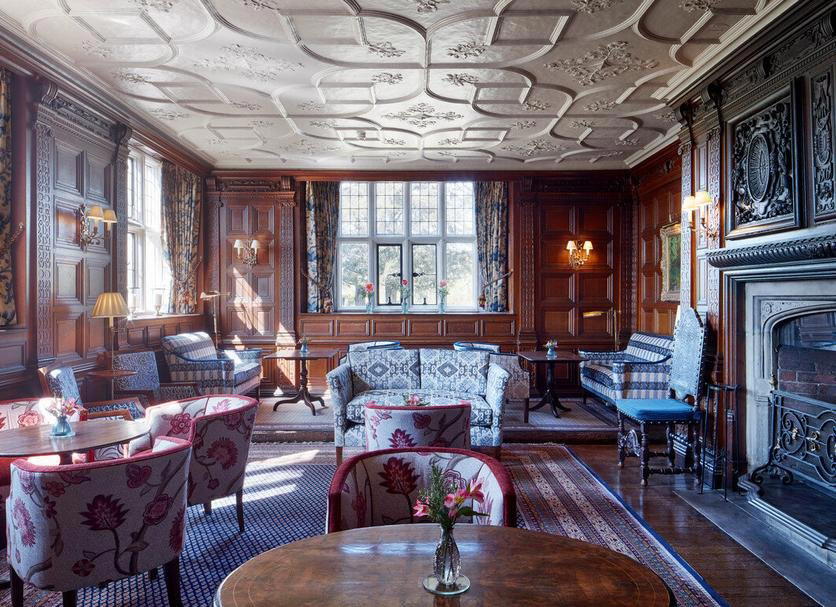
- Classic Chinese Ming Qing and Modern Japanese Zen with Rosewood Furniture, Tatami Floors, and Garden Integrated Layouts.
- Spa
- Yes
- Cancellation
- Moderate
Know before you go
Know Before You Go
- Getting there
- 1, Xi Hu Qu, Ba Pan Ling Lu, 1号CN 浙江省 杭州市 邮政编码: 310007
Planning details
Location
1, Xi Hu Qu, Ba Pan Ling Lu, 1号CN 浙江省 杭州市 邮政编码: 310007 · Directions
Recognition and awards

Also consider
Also Consider
- Four Seasons Hotel Hangzhou at West Lake, Notable alternative
- Vallie Hotel, Notable alternative
- Hotel Indigo Hangzhou Uptown, Notable alternative
- Amanfayun, Notable alternative
- Qiushui Villa, Notable alternative
Hotel context
How Seven Villas compares in Hangzhou
Seven Villas is the more intimate West Lake-area pick, while Four Seasons Hotel Hangzhou at West Lake is the safer choice for travelers who want a larger luxury setup and broader amenities. If rates are close, Four Seasons is the lower-risk option for first-time visitors; Seven Villas is more compelling for return travelers who value a quieter scale and do not need a resort-style operation.
Amanfayun is the stronger alternative if the trip is about retreat atmosphere and a deeper sense of removal from central Hangzhou. Qiushui Villa belongs in the same conversation for travelers focused on heritage character, while Seven Villas should win when the available room rate and category feel more practical for a West Lake base.
For easier, more urban stays, Hotel Indigo Hangzhou Uptown and Vallie Hotel are better cross-shops if price sensitivity, simpler logistics, or a less rarefied mood matter more than small-hotel atmosphere. Seven Villas is the one to choose for a slower leisure stay; pick the larger or more urban peers when predictability and facilities matter more.
Explore Hangzhou
Around this place
Discover more on Pearl
Unlock the full Seven Villas guide in Pearl, including awards, comparisons, FAQs, planning details, and nearby places.
Compare Seven Villas
| Venue | Location | Awards |
|---|---|---|
| Seven Villas | Hangzhou | 2026 Relais Chateaux Hotels2025 Relais Chateaux Award |
| Four Seasons Hotel Hangzhou at West Lake | Hangzhou | 2026 Virtuoso Luxury Hotel Collection2026 Forbes Recommended2026 La Liste Top Hotels2026 Michelin 2 Keys2025 Forbes 4-StarWorld Travel Awards 20252025 Michelin 2 KeysFour Seasons Hotels |
| Vallie Hotel | Hangzhou | Small Luxury Hotels Member 2025 |
| Hotel Indigo Hangzhou Uptown | Hangzhou | No published awards |
| Amanfayun | Hangzhou | 2026 Virtuoso Luxury Hotel Collection2026 Forbes Recommended2026 Mr & Mrs Smith Luxury Hotels2026 La Liste Top Hotels2025 Forbes Recommended2025 Michelin Selected HotelsAman Hotels |
| Qiushui Villa | Hangzhou | Small Luxury Hotels Member 2025 |









How Seven Villas Hangzhou compares with similar nearby venues.
FAQ
Frequently Asked Questions
How is the dining at Seven Villas?
Treat Seven Villas as a hotel choice first, and confirm any restaurant, breakfast, or dining information directly before booking. The recognition point to note is the Relais Chateaux Award (2026).
Which room category is best at Seven Villas?
Choose based on room details for your dates. Upgrades only make sense if the booking channel or hotel clearly confirms what the higher category adds, such as view, size, inclusions, or cancellation terms.
When is the best time to book Seven Villas?
Book when your Hangzhou dates are firm and the room type, rate, inclusions, and cancellation terms are clear. Avoid relying on assumptions about availability or seasonal demand.
Is Seven Villas good for business travel?
It may work for a business trip if the location, room, and services match your schedule. If convenience is the priority, compare the exact booking details with another Hangzhou option such as Hotel Indigo Hangzhou Uptown.
Is Seven Villas family-friendly?
Do loyalty programs work at Seven Villas?
Do not choose Seven Villas on the assumption of points or status benefits. If loyalty benefits matter, compare current terms with other Hangzhou hotels such as Four Seasons Hotel Hangzhou at West Lake or Hotel Indigo Hangzhou Uptown, and check official channels before booking.
What is check-in like at Seven Villas?
Confirm check-in time, deposit requirements, identification rules, and any arrival instructions directly with Seven Villas before travel. Vallie Hotel or Hotel Indigo Hangzhou Uptown can be considered as other Hangzhou references when comparing practical stay details.