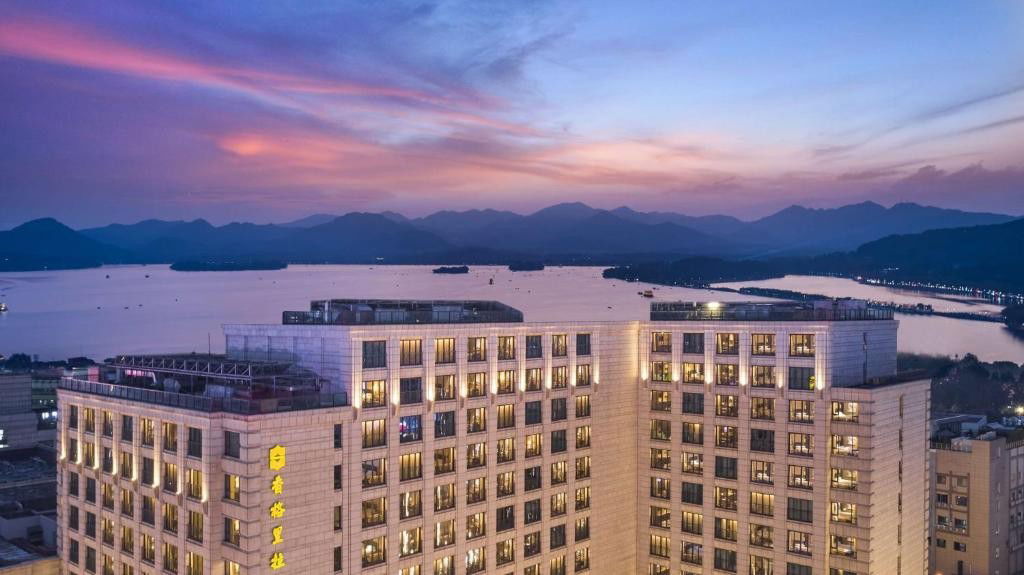

Midtown Shangri-La, Hangzhou
Hangzhoushi, Hangzhou
Hotel in Hangzhou, China
 Book with Pearl
The Read
Lakeside Heritage Positioning
Price
$100–200per night
Why go
A practical central Hangzhou choice for first-timers who want a polished international hotel base rather than a resort-style escape. Standard rooms make the clearest value case for short city stays; suites are easier to justify for families, work-heavy trips, or longer itineraries with real in-room time.
About Midtown Shangri-La, Hangzhou
Midtown Shangri-La, Hangzhou is a Hangzhou property with Forbes Recommended recognition for 2026. For travelers comparing premium options in the city, consider it alongside other Hangzhou properties, then compare current availability and the practical needs of your trip before booking. That makes the venue easiest to assess as a credible candidate rather than as an automatic answer, especially when the missing details may be the details that shape the experience for a particular traveler.
The confirmed dress code is smart casual, and the confirmed external recognition is Forbes Recommended for 2026. Beyond that, details such as room category, amenities, dining format, and on-property services should be confirmed directly before you commit. In practical terms, that means using the recognition as a starting point, then checking the visit-specific questions that determine whether the property fits your plans, your companions, and the way you expect to use it.
Choose this for a Hangzhou stay with confirmed recognition
Midtown Shangri-La, Hangzhou is best considered by travelers who want a recognized premium property in Hangzhou and prefer to make the final choice based on live availability and trip purpose. The Forbes Recommended 2026 recognition is a useful quality signal, but it should not replace checking the details that matter for your visit. A recognition like this can help narrow the field, particularly in a city with several premium options, but it does not answer every practical question a guest may have before booking.
The practical booking advice is to match the property to your itinerary. If your trip requires specific room features, family arrangements, facilities, dining plans, or accessibility needs, confirm those directly with the property before booking. If the main requirement is a Hangzhou property with confirmed recognition and a smart casual standard, Midtown Shangri-La, Hangzhou belongs on the shortlist. The stronger approach is to separate what is from what is not: the recognition and dress code are confirmed, while the finer points of the visit should be treated as booking questions rather than assumptions.
Where it sits against Hangzhou's premium options
For comparison within Hangzhou, look at Four Seasons Hotel Hangzhou at West Lake, Qiushui Villa, Seven Villas, Park Hyatt Hangzhou, and Four Seasons Hotel Hangzhou at Hangzhou Centre. Midtown Shangri-La, Hangzhou should be weighed against those options based on the kind of visit you want, the dates available, and the details each property can confirm for your trip. This is especially important when several venues may appear similar at first glance: the right choice often comes down to what can actually be booked, what can be confirmed in advance, and which property best matches the purpose of the visit.
First-timers should also pressure-test the broader itinerary before deciding. If the property choice is central to the trip, compare several premium Hangzhou options before booking. If the venue is one part of a wider city schedule, focus on confirmed recognition, dress code, availability, and the practical requirements of your visit. For wider planning, use the Hangzhou restaurants guide and other Hangzhou planning resources as next checks.
Part of
Shangri-La66 locations on PearlPlanning details
- Location
- Kerry Centre 6 Changshou Road, Yan An Lu, 湖滨 Xia Cheng Qu, Hang Zhou Shi, Zhe Jiang Sheng, 310006
- Website
- shangri-la.com/hangzhou/midtownshangrila
- Phone
- +86 571 8733 8888
The take
The Take
The Vibe
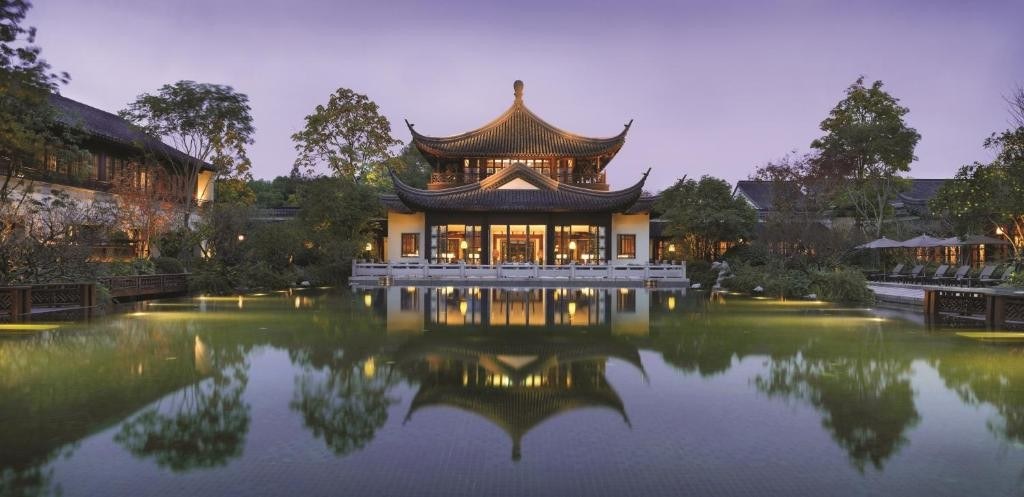
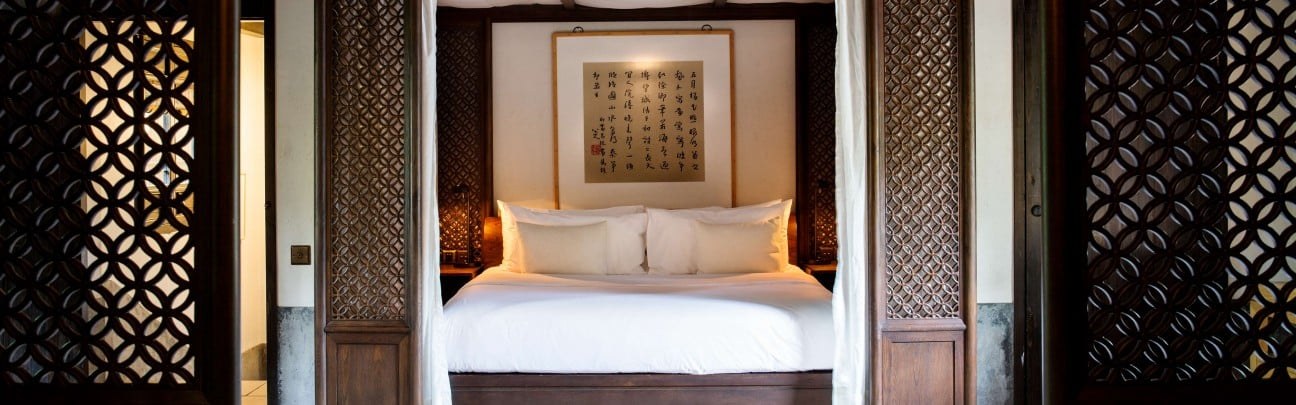
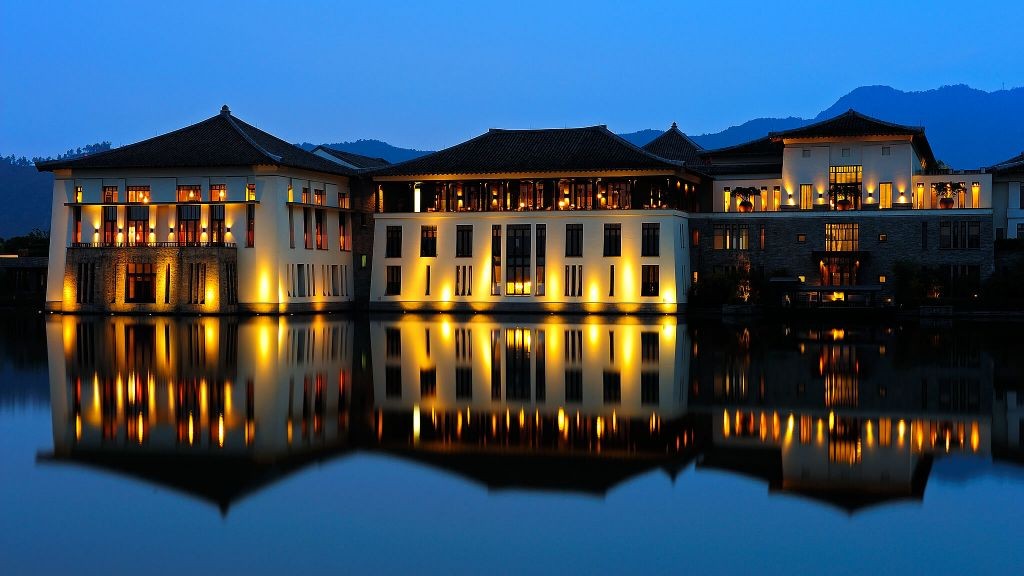
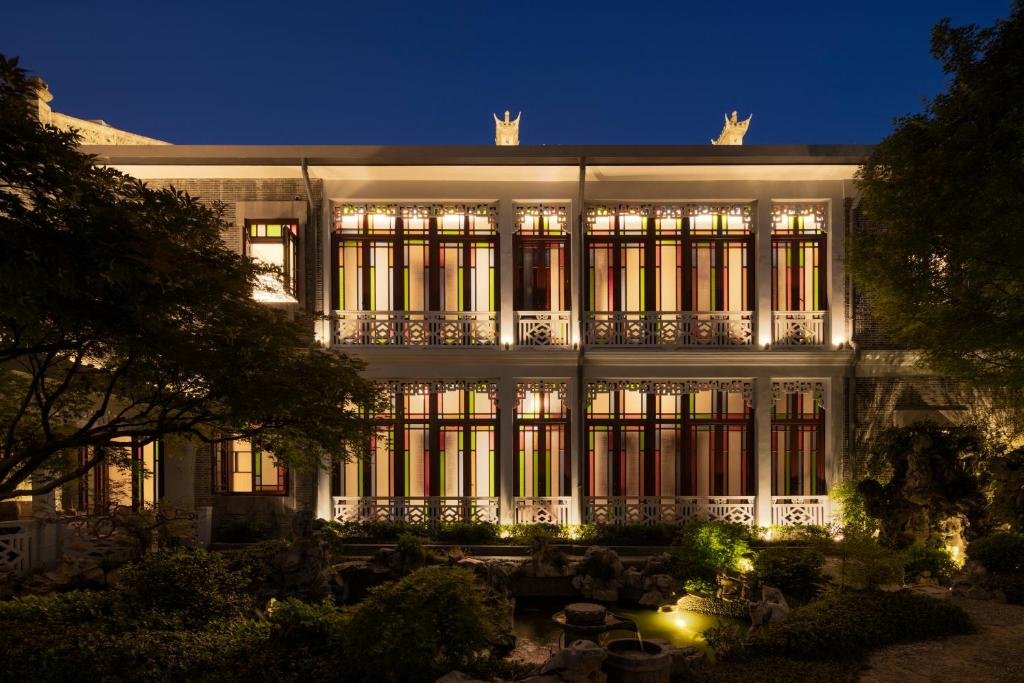
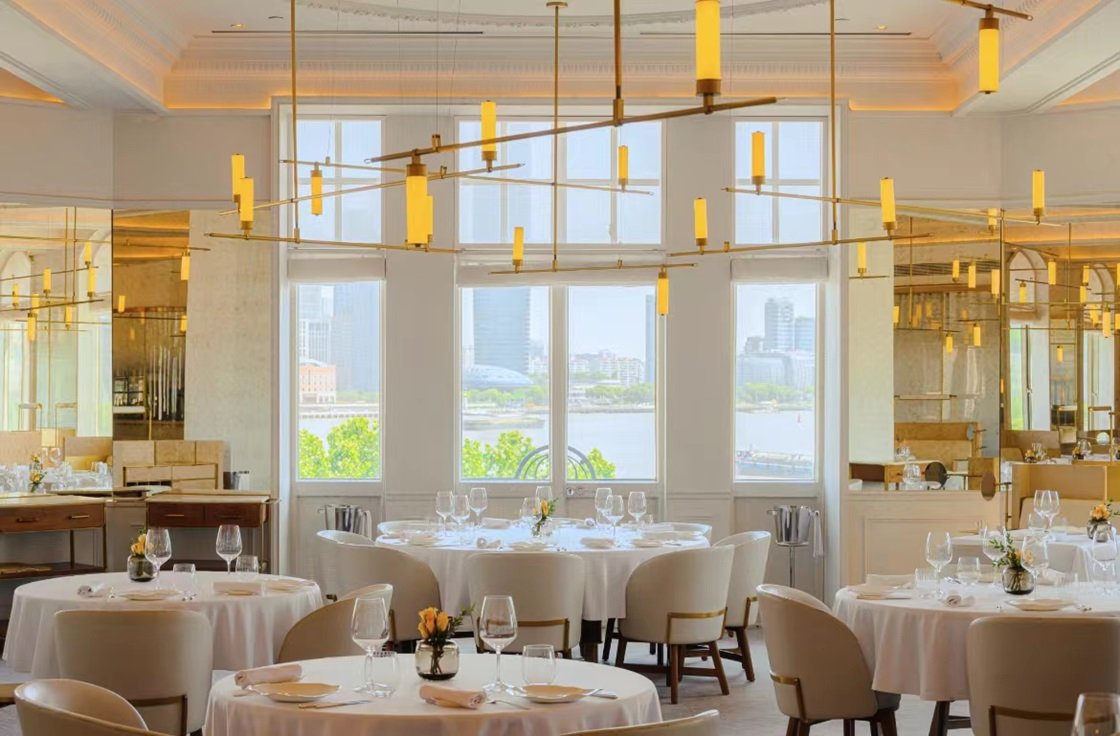
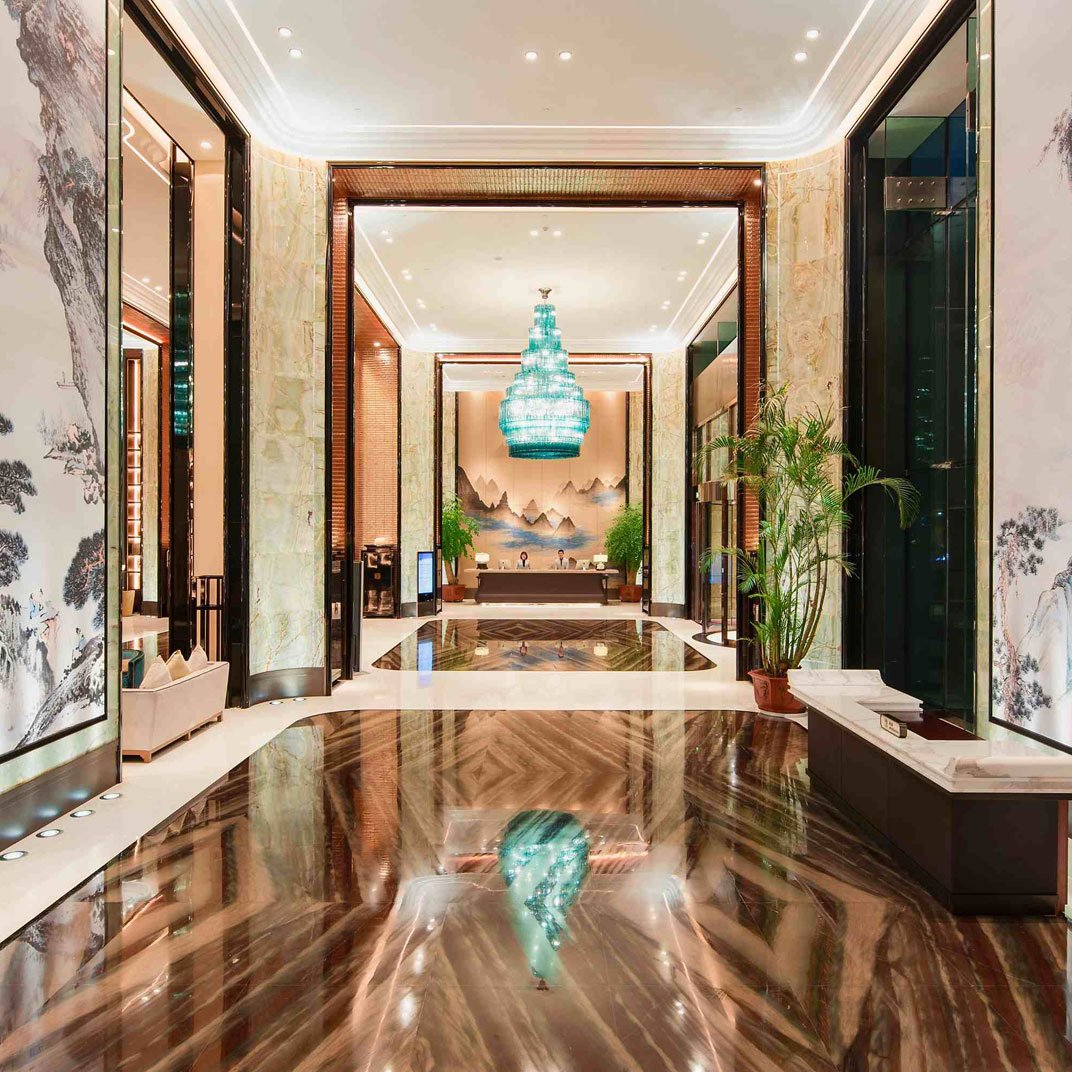
Midtown Shangri‑La positions its contemporary architecture and high ceilings as a stage for West Lake’s legacy. The lobby sets a composed tone — a custom chandelier refracts light like the lake’s surface, and contemporary art sits alongside traditional silk screens and classical Chinese landscape paintings. The result is a thoughtfully framed encounter with Hangzhou’s cultural past and present: polished, scenically minded design that nods to tradition without feeling antique. Guests experience a refined, visually layered environment that interprets the lake through modern hotel design rather than literal historic replication.
Best For
This hotel suits travelers who want immediate access to both West Lake’s cultural attractions and the city’s business infrastructure. Its placement in the Kerry Centre makes it practical for business trips that require transport and commercial amenities, while the lake‑oriented design and artful public spaces lend themselves to romantic getaways. Families also benefit from the location’s walkability to Hangzhou’s most visited cultural sites, offering easy daytime exploration with comfortable, centrally located accommodations for returning guests.
Venue details
Ambiance
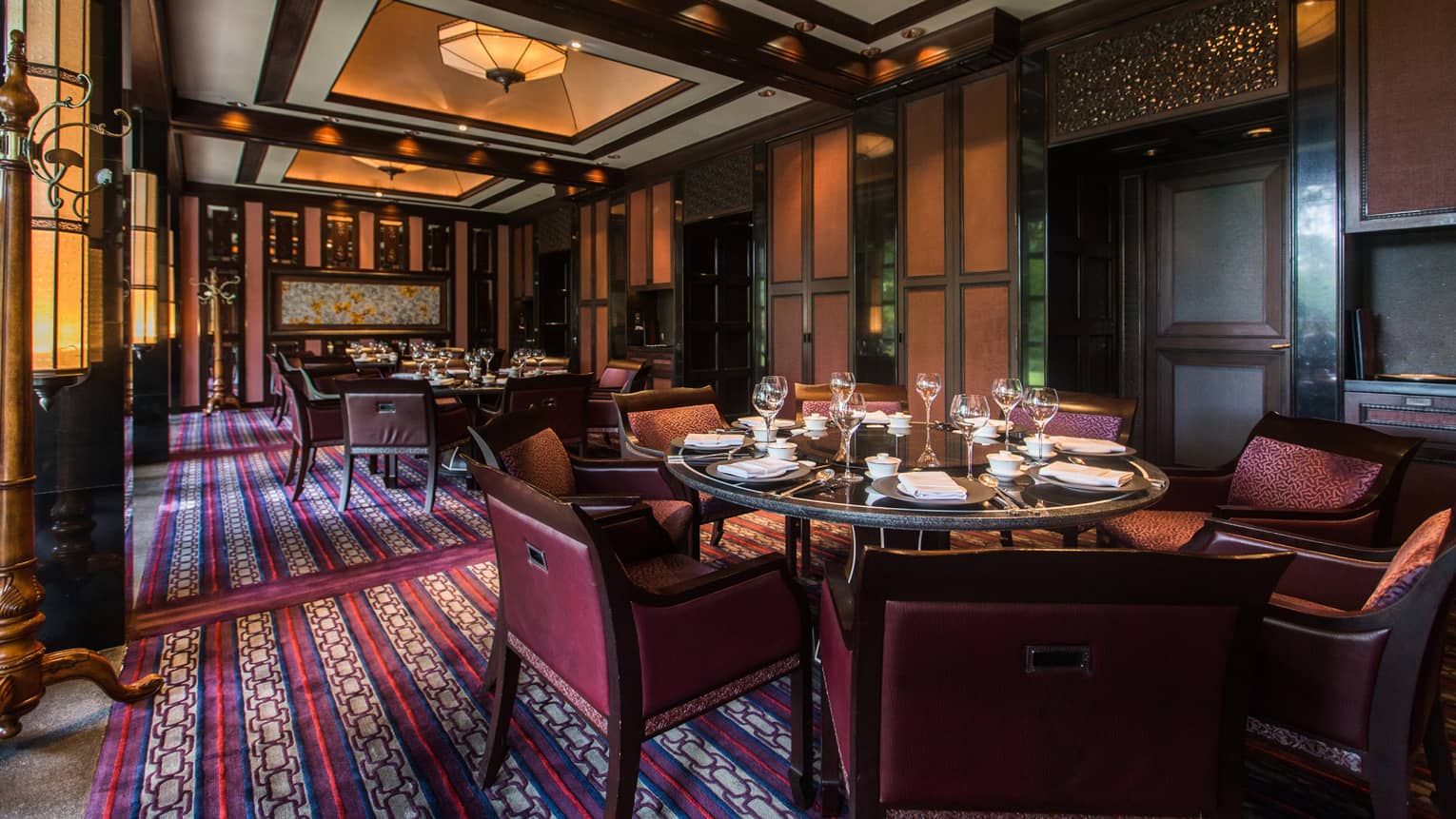
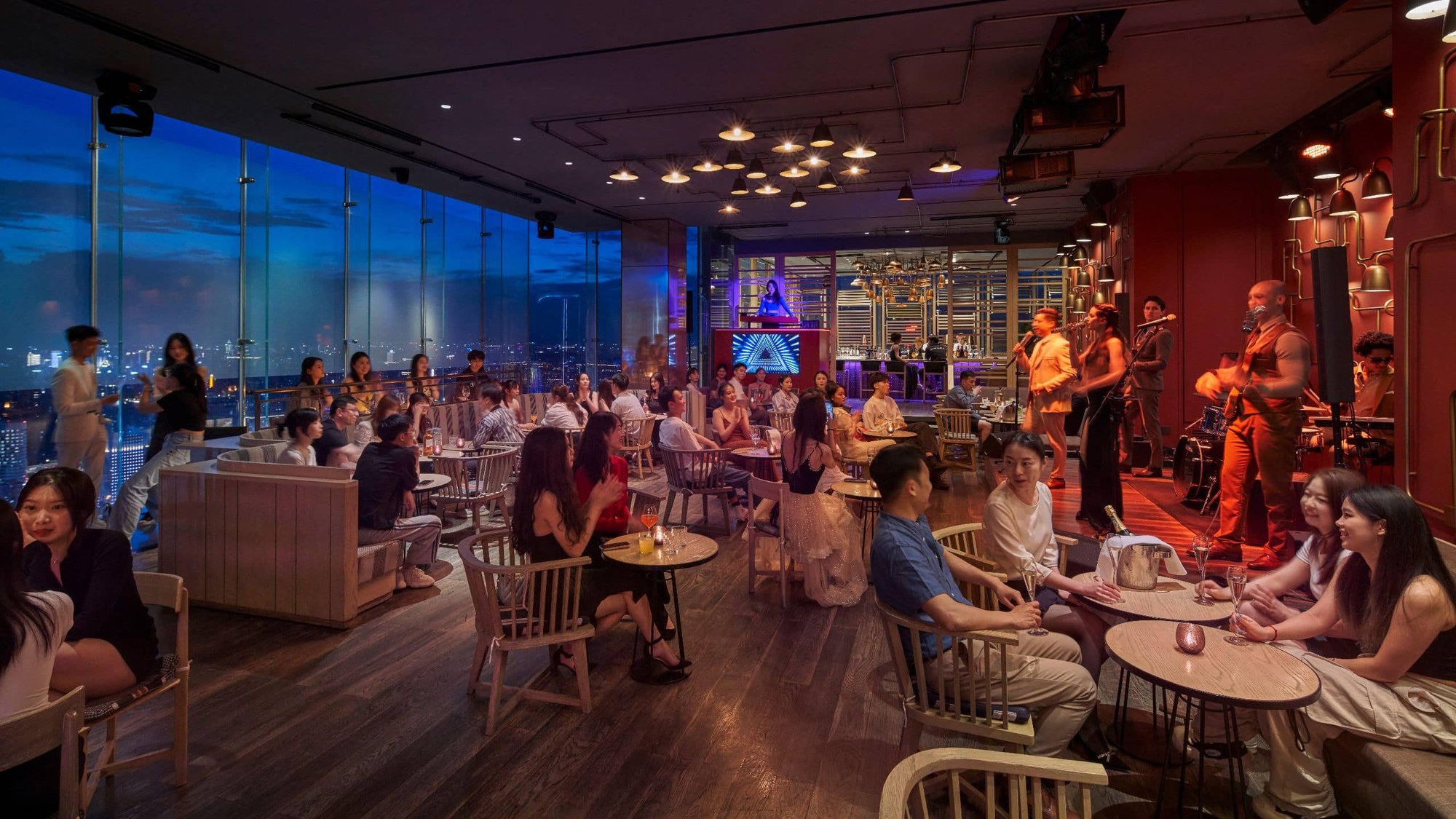
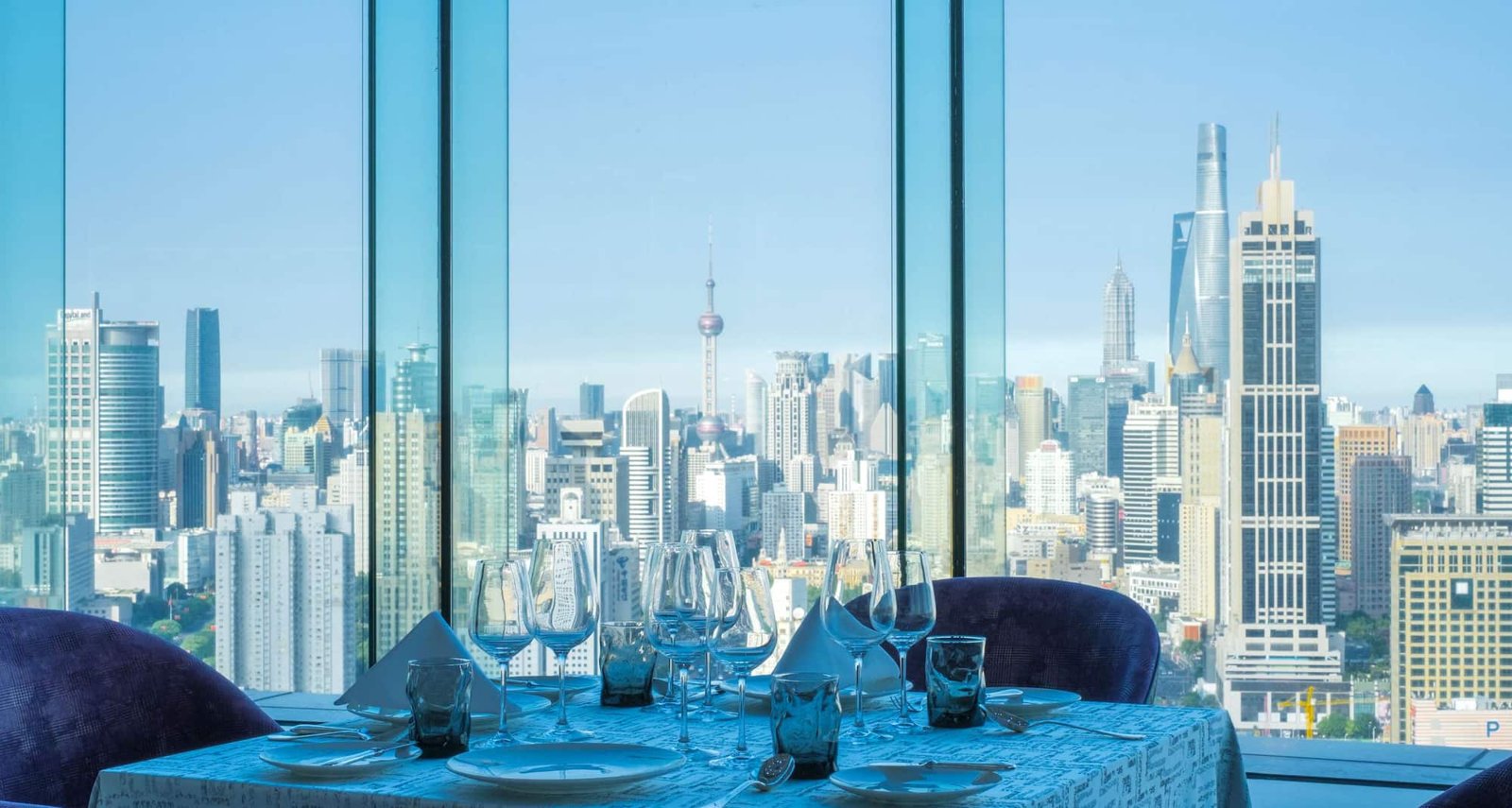
Elegant and modern atmosphere with warm hospitality, spacious rooms featuring contemporary décor, plush comforts, and floor-to-ceiling windows offering city or lake views.
Tags
Vibe
Best For
Experience
Amenities
View
Accessibility
About the Stay
- Rooms
- 417
- Check-in
- 14:00
- Check-out
- 12:00
- Property Style
- Modern Luxury Hotel in Mixed Use Complex
- Design Style
- Contemporary Elegant with Subtle Luxury Details
- Airport Transfer
- Available
- Pool
- Yes
- Spa
- Yes
- Families
- Welcome
- Cancellation
- Moderate
Know before you go
Know Before You Go
- Getting there
- Kerry Centre 6 Changshou Road, Yan An Lu, 湖滨 Xia Cheng Qu, Hang Zhou Shi, Zhe Jiang Sheng, 310006
Planning details
Location
Kerry Centre 6 Changshou Road, Yan An Lu, 湖滨 Xia Cheng Qu, Hang Zhou Shi, Zhe Jiang Sheng, 310006 · Directions
Recognition and awards

Also consider
Also Consider
- Qiushui Villa, Notable alternative
- Four Seasons Hotel Hangzhou at Hangzhou Centre, Notable alternative
- Park Hyatt Hangzhou, Notable alternative
- Four Seasons Hotel Hangzhou at West Lake, Notable alternative
- Seven Villas, Notable alternative
Hotel context
How It Compares
Midtown Shangri-La, Hangzhou is the practical city-base choice in this set. Choose it over Qiushui Villa or Seven Villas if the trip is built around meetings, shopping, or moving around central Hangzhou rather than staying somewhere villa-like and quiet. Qiushui Villa and Seven Villas are the better cross-shops for atmosphere; Midtown Shangri-La is the easier call for convenience.
Against Four Seasons Hotel Hangzhou at Hangzhou Centre and Park Hyatt Hangzhou, the decision is mainly brand fit and rate discipline. If pricing is close, compare room size, cancellation terms, and whether the stay needs a more design-forward feel. If Midtown Shangri-La prices lower for the same dates, it becomes a sensible value play for guests who prioritize reliability over scene.
Four Seasons Hotel Hangzhou at West Lake is the stronger choice when the stay is meant to revolve around West Lake ambiance. Midtown Shangri-La, Hangzhou is better when location efficiency matters more than a retreat mood. If this property is tight on availability, cross-shop Four Seasons Hotel Hangzhou at Hangzhou Centre for another central luxury option, or Park Hyatt Hangzhou for a city-hotel alternative.
Explore Hangzhou
Around this place
Discover more on Pearl
Unlock the full Midtown Shangri-La, Hangzhou guide in Pearl, including awards, comparisons, FAQs, planning details, and nearby places.
Compare Midtown Shangri-La, Hangzhou
| Venue | Location | Awards |
|---|---|---|
| Midtown Shangri-La, Hangzhou | Hangzhou | 2026 Forbes Recommended2025 Forbes Recommended |
| Qiushui Villa | Hangzhou | Small Luxury Hotels Member 2025 |
| Four Seasons Hotel Hangzhou at Hangzhou Centre | Hangzhou | No published awards |
| Park Hyatt Hangzhou | Hangzhou | 2026 Forbes Recommended2026 Michelin Guide New Hotels2025 Michelin Selected Hotels2025 Forbes Recommended |
| Four Seasons Hotel Hangzhou at West Lake | Hangzhou | 2026 Virtuoso Luxury Hotel Collection2026 Forbes Recommended2026 La Liste Top Hotels2026 Michelin 2 Keys2025 Forbes 4-StarWorld Travel Awards 20252025 Michelin 2 KeysFour Seasons Hotels |
| Seven Villas | Hangzhou | 2026 Relais Chateaux Hotels2025 Relais Chateaux Award |








How Midtown Shangri-La, Hangzhou compares with similar nearby venues.
FAQ
Frequently Asked Questions
Which room category is best at Midtown Shangri-La, Hangzhou?
Choose based on the space, bedding, and view details shown for your exact dates. Confirm any specific layout, floor, or in-room feature directly before booking.
Are pool or spa details for Midtown Shangri-La, Hangzhou?
When is the best time to book Midtown Shangri-La, Hangzhou?
Book when your Hangzhou dates and requirements are firm. The Forbes Recommended 2026 recognition makes it worth comparing early with other premium Hangzhou properties.
Is Midtown Shangri-La, Hangzhou family-friendly?
If you are traveling with children, confirm bedding, room configuration, and any relevant services directly with the property before booking. Qiushui Villa and Seven Villas are also worth comparing for a Hangzhou visit.
How is the dining at Midtown Shangri-La, Hangzhou?
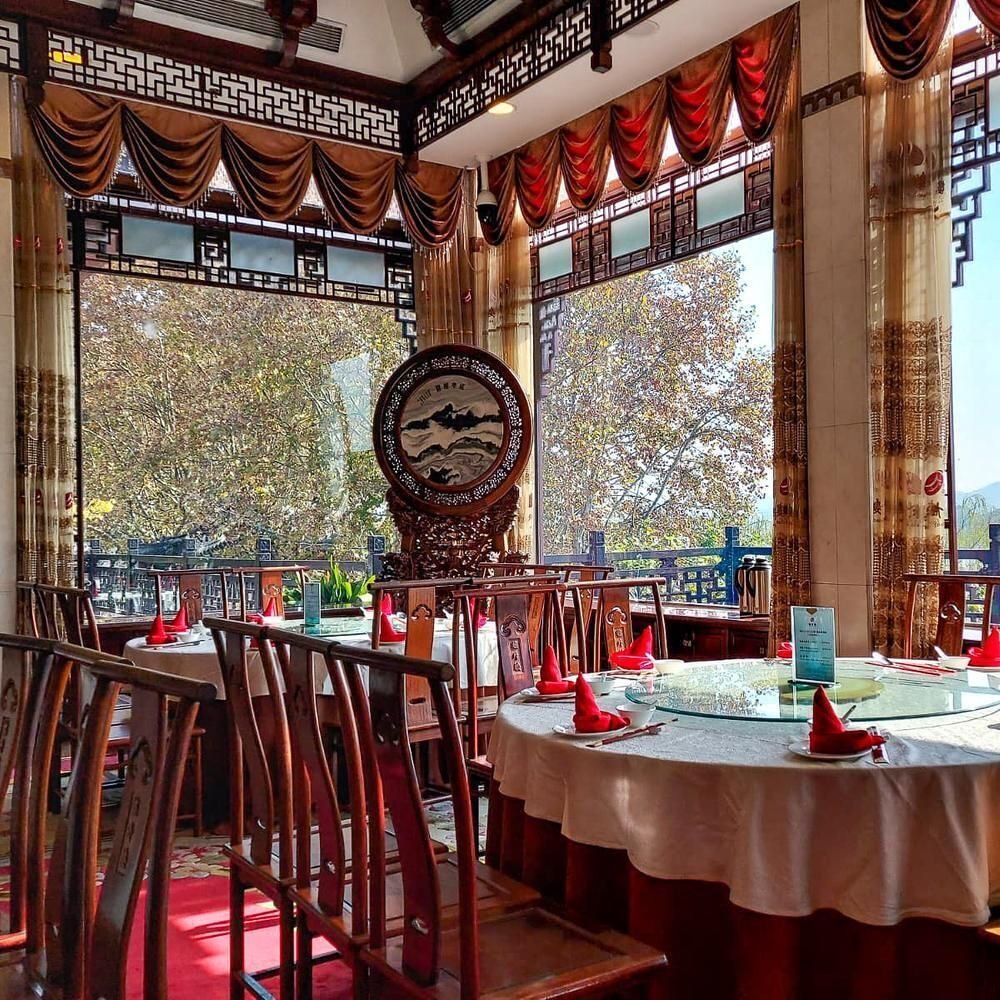
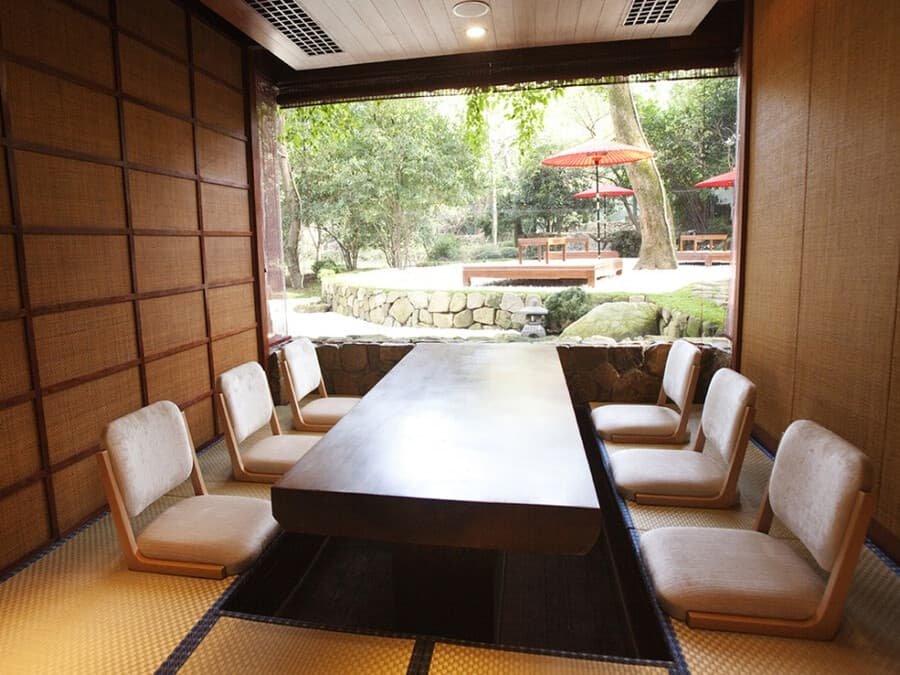
If restaurants, breakfast, dietary needs, or meal timing matter for your visit, confirm the current dining options directly with the property and use other dining in Hangzhou for general context.
Do loyalty programs work at Midtown Shangri-La, Hangzhou?
How is the location of Midtown Shangri-La, Hangzhou?
Midtown Shangri-La, Hangzhou is in Hangzhou. Confirm the exact location against your itinerary before booking. For comparison, Four Seasons Hotel Hangzhou at West Lake, Four Seasons Hotel Hangzhou at Hangzhou Centre, and Park Hyatt Hangzhou are other premium Hangzhou options to review.