

Colgin Cellars
St. Helena
Winery in St. Helena, United States
 Book with Pearl
The Read
Allocation-Only Napa Cabernet
Why go
Colgin Cellars is a serious St. Helena choice for collectors and repeat Napa visitors, not a casual drop-in tasting. Prioritize it if wine access matters more than food, flexible timing, or a broad hospitality format; choose an easier St. Helena winery if this is a first-trip itinerary or a group day.
About Colgin Cellars
Colgin Cellars is a St. Helena venue. Allison Tauziet is listed as chef/owner, the dress code is smart casual, and the venue holds Pearl 4 Star Prestige recognition for 2025.
Book for the confirmed profile, not unverified extras
The safest expectation is to rely only on what is confirmed: Colgin Cellars is in St. Helena, has a smart casual dress code, Allison Tauziet is listed as chef/owner, and the venue carries Pearl 4 Star Prestige recognition for 2025.
If the goal is a meal, a specific hospitality format, or a broader plan in town, compare options through our full St. Helena restaurants guide. You can also use our full St. Helena wineries guide while confirming details directly with each venue.
Where it fits in a St. Helena return trip
Use Colgin Cellars as a St. Helena stop to research carefully, especially if Pearl 4 Star Prestige recognition and a smart casual setting are meaningful to your planning. Other names to compare include Brand Napa Valley, Chappellet Winery, David Arthur Vineyards, Gandona Estate, and Ovid Napa Valley.
For the rest of the trip, use our full St. Helena hotels guide, our full St. Helena bars guide, and our full St. Helena experiences guide to keep the day realistic. The practical takeaway: Colgin Cellars is best evaluated on its St. Helena profile and Pearl 4 Star Prestige recognition.
Planning details
- Location
- St Helena, CA 94574
- Website
- colgincellars.com
The take
The Take
The Vibe
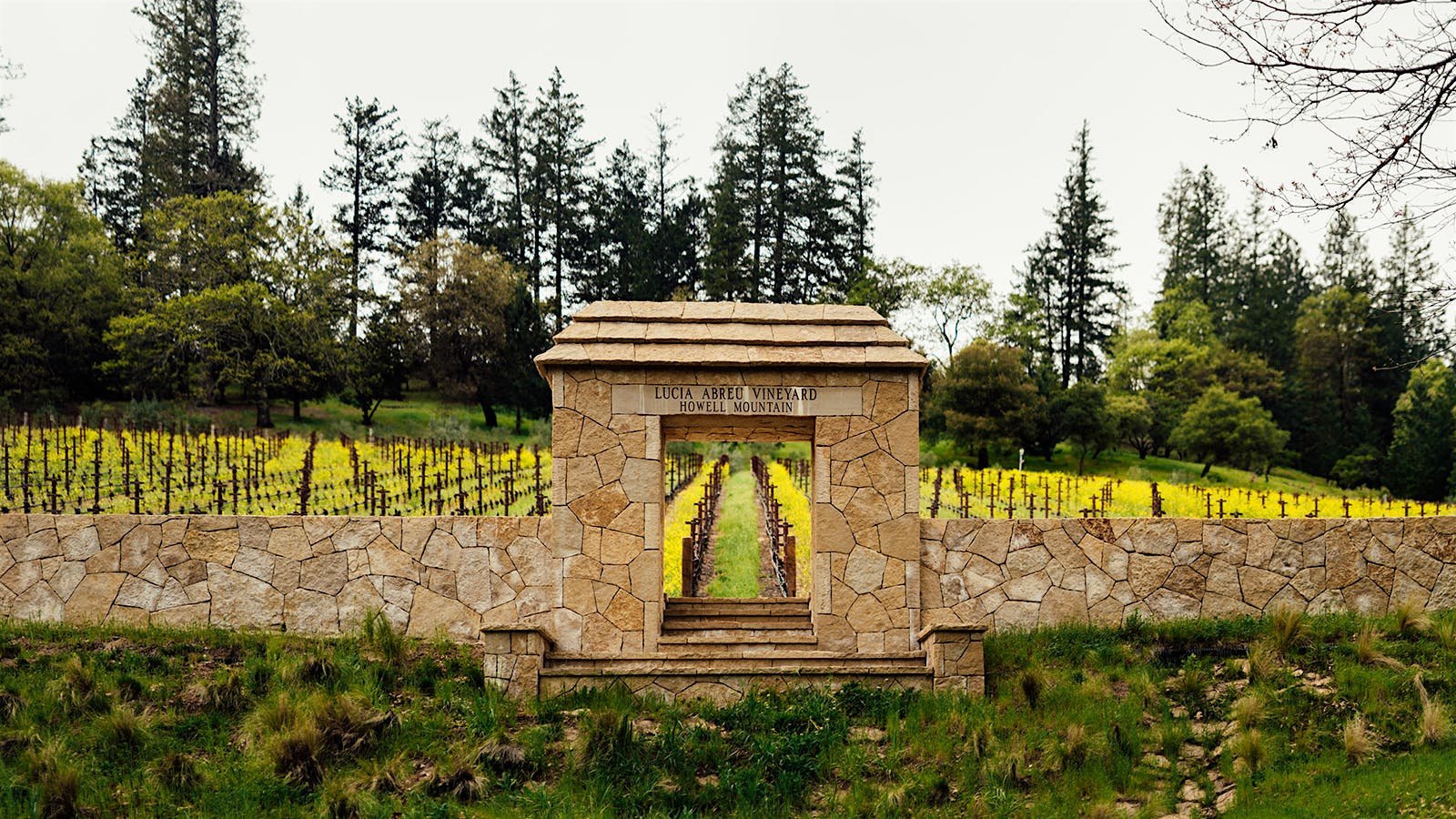
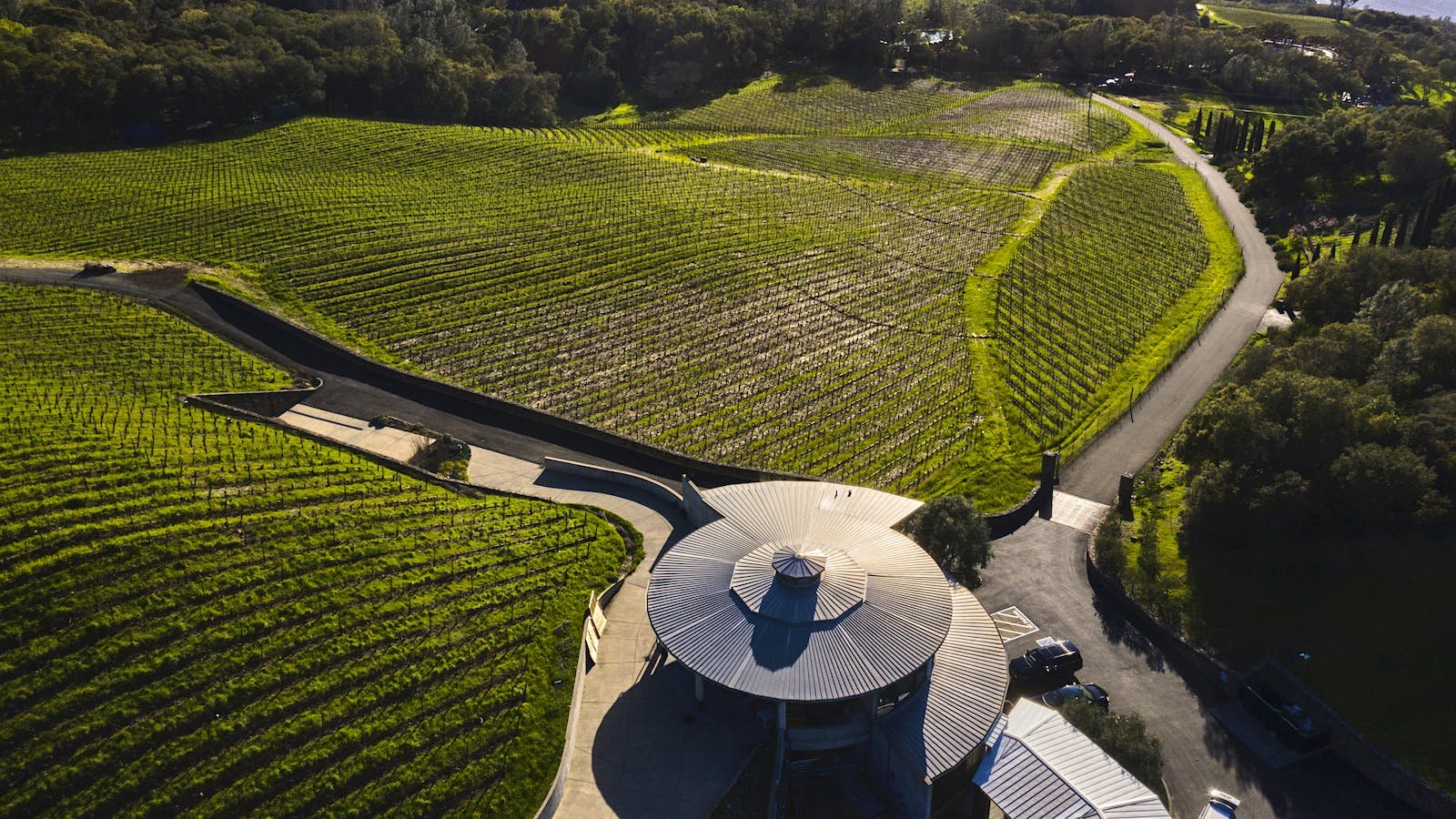
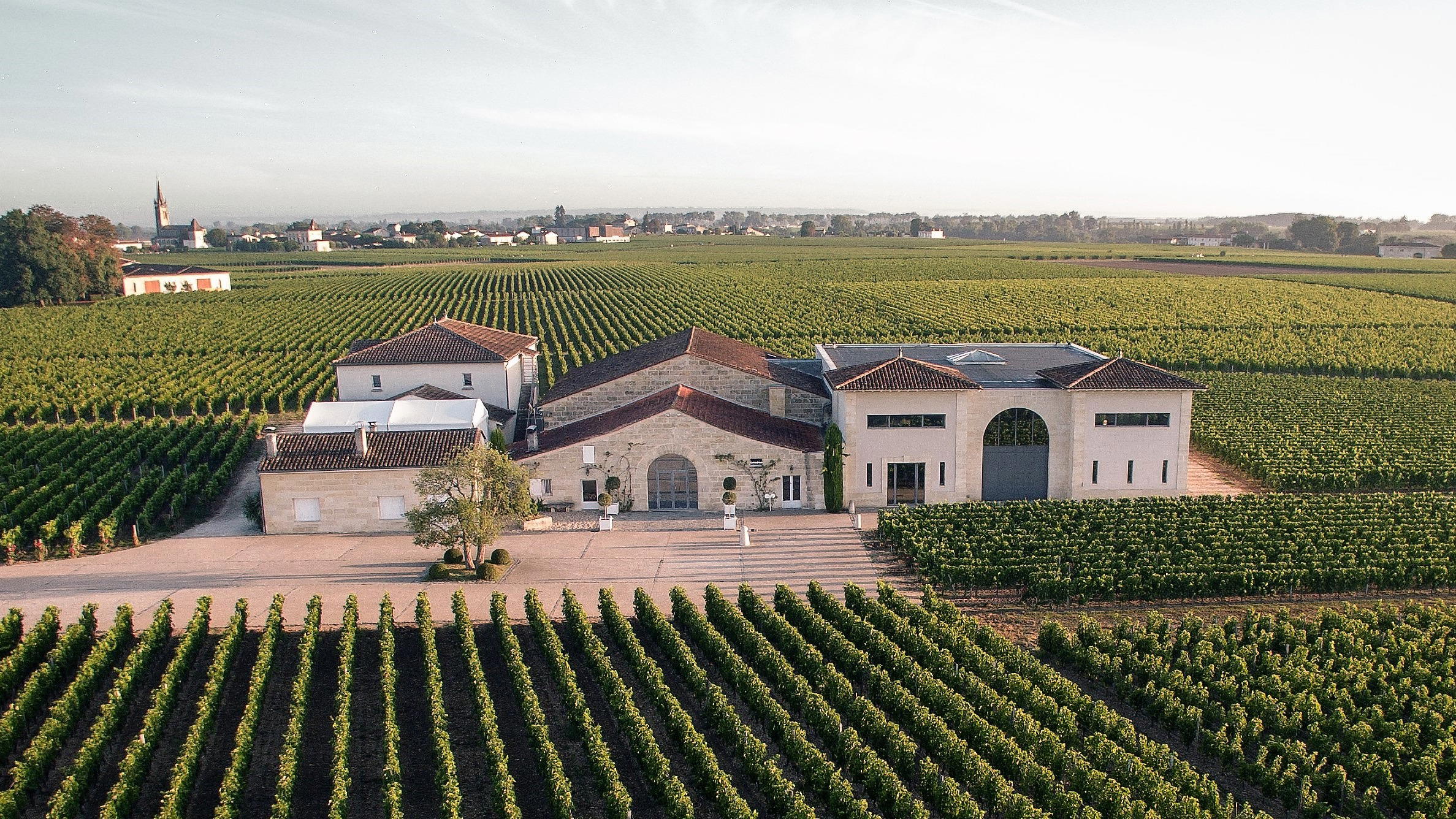
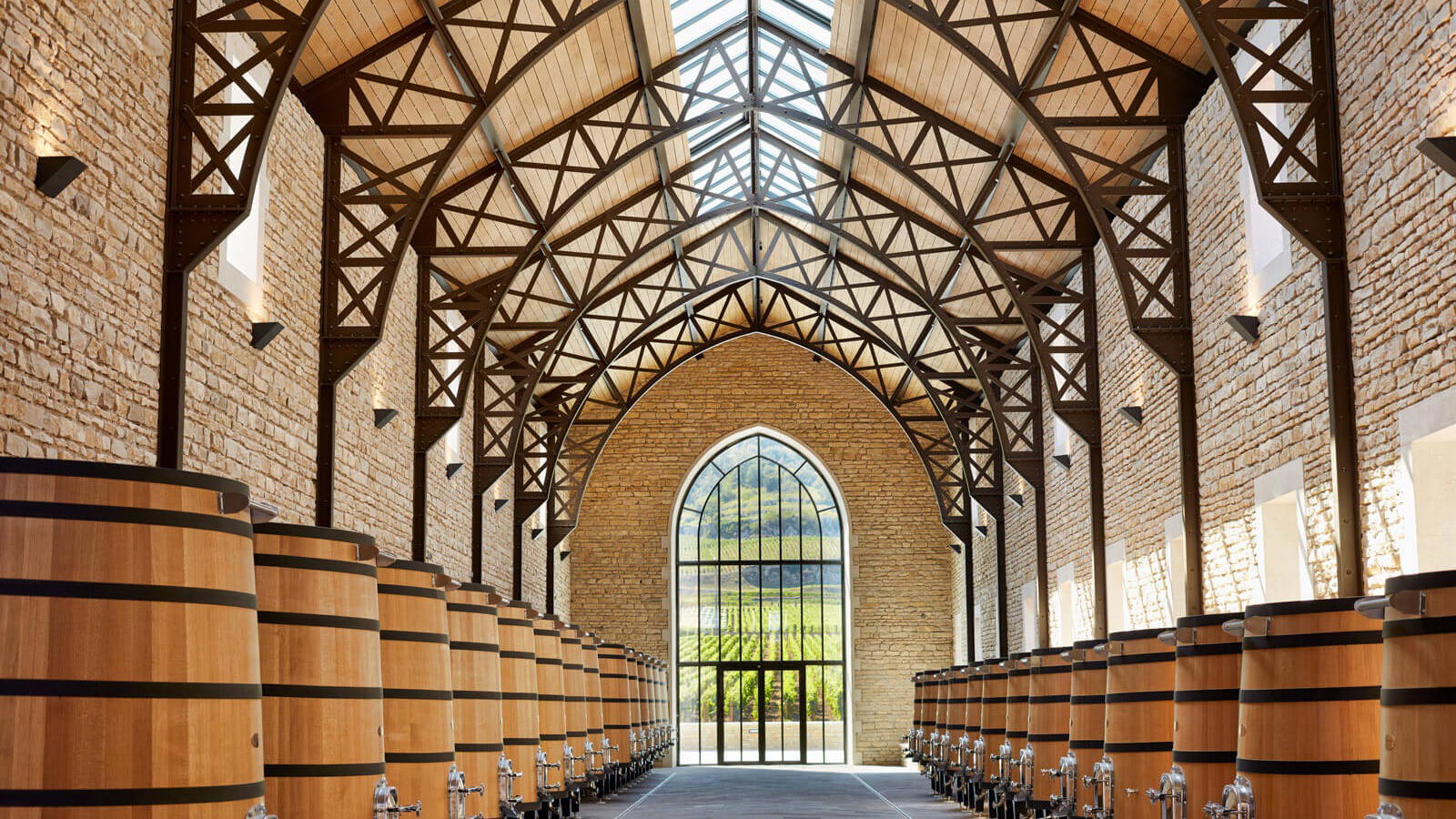
Colgin Cellars presents a discreet, collector-focused presence in St. Helena that reads more like a private estate than a public tasting room. The estate's emphasis on scarcity, critical acclaim, and a decades-long production history creates a quiet, classic atmosphere where the work of winemaking takes precedence over tourism. Visitors who do gain access encounter restrained, serious hospitality that mirrors the wines' market positioning: deliberate, refined, and quietly authoritative. The property feels like a hidden tier of Napa, intentionally low-profile and made for familiar guests and collectors rather than casual drive-by visitors.
Best For
Colgin is best suited to serious collectors, celebratory purchases, and anyone seeking a deeper, production-focused tasting. The house operates on allocation and critical recognition rather than retail exposure, so it's ideal for wine-focused education—assessing vintage consistency and a coherent winemaking vision under Allison Tauziet—and for special-occasion buying when provenance and pedigree matter. This is not a casual stop on a tasting itinerary; the estate's model favors arranged appointments and focused tastings with clients engaging the wine at a collector level rather than sightseeing.
Tasting Tips
Arrange access well in advance and use official channels: Colgin's production 'moves almost entirely through allocation lists' and the estate 'does not position itself as a drop-in destination.' Expect to coordinate through the winery or your merchant to secure allocations or a tasting visit. Frame inquiries around allocation availability and vintage interest rather than asking about walk-in options. If you represent a collector or are pursuing a purchase, be prepared to discuss allocation history or provenance to facilitate conversations with the cellar staff.
Venue details
Ambiance
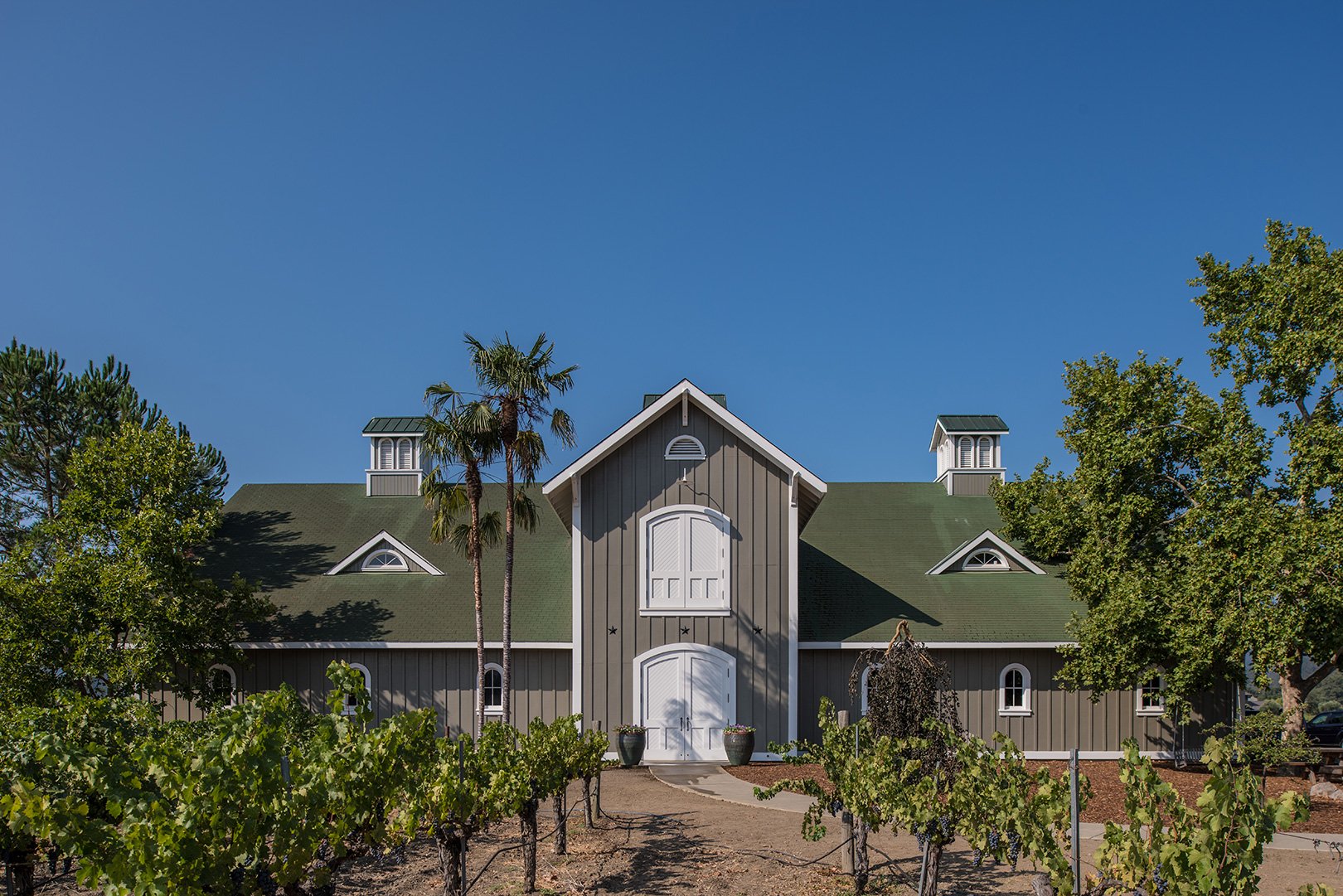
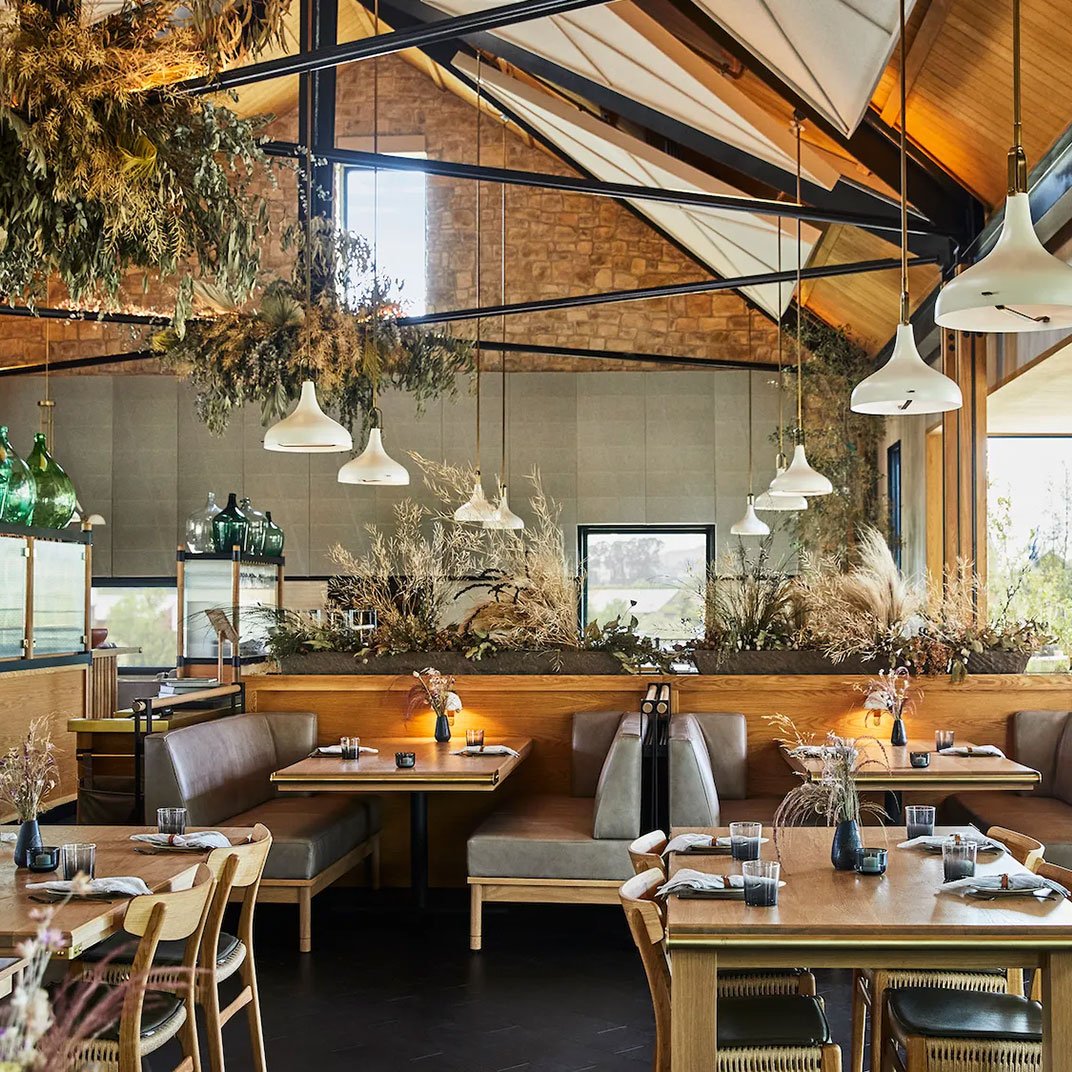
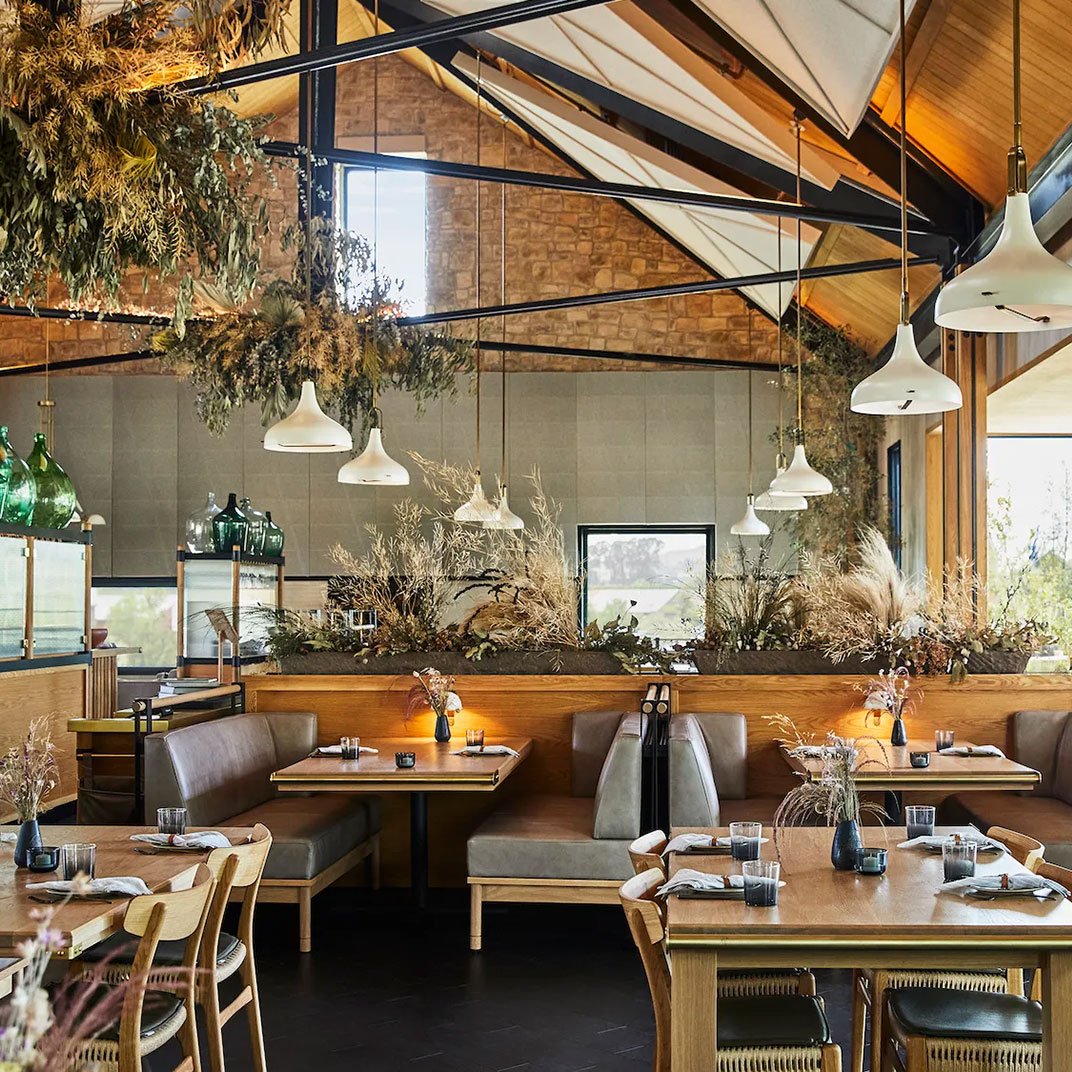
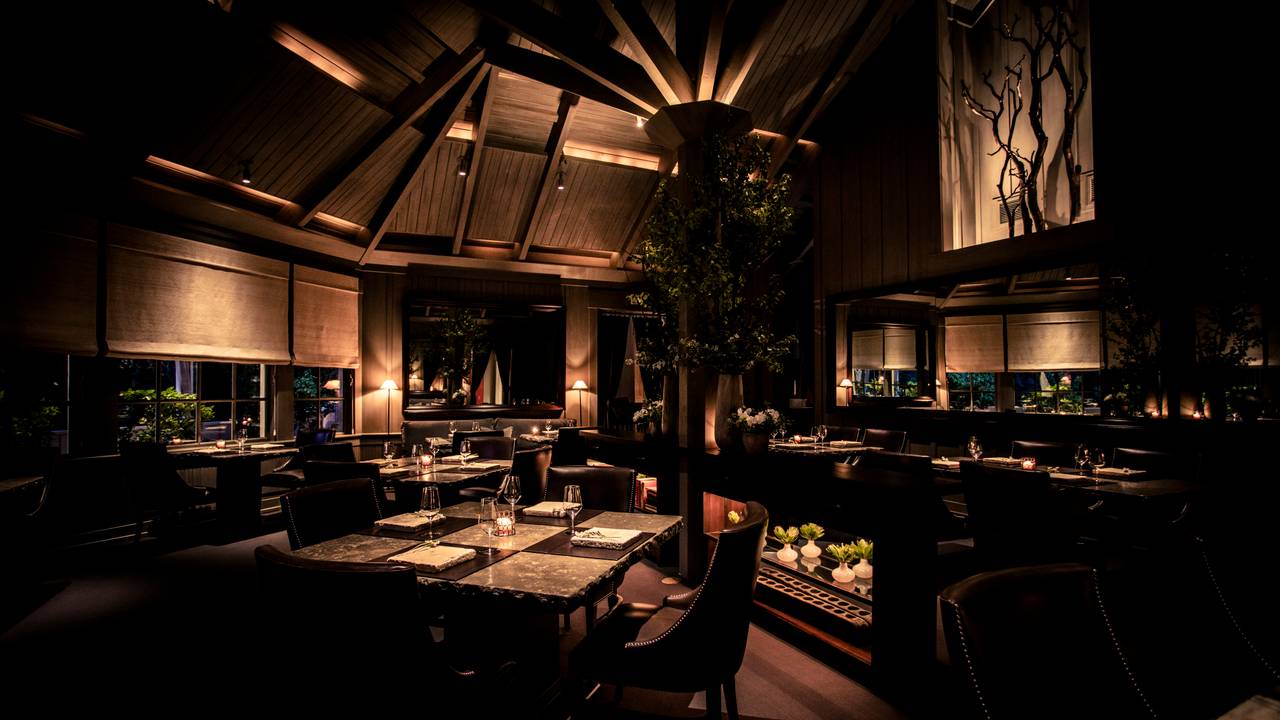
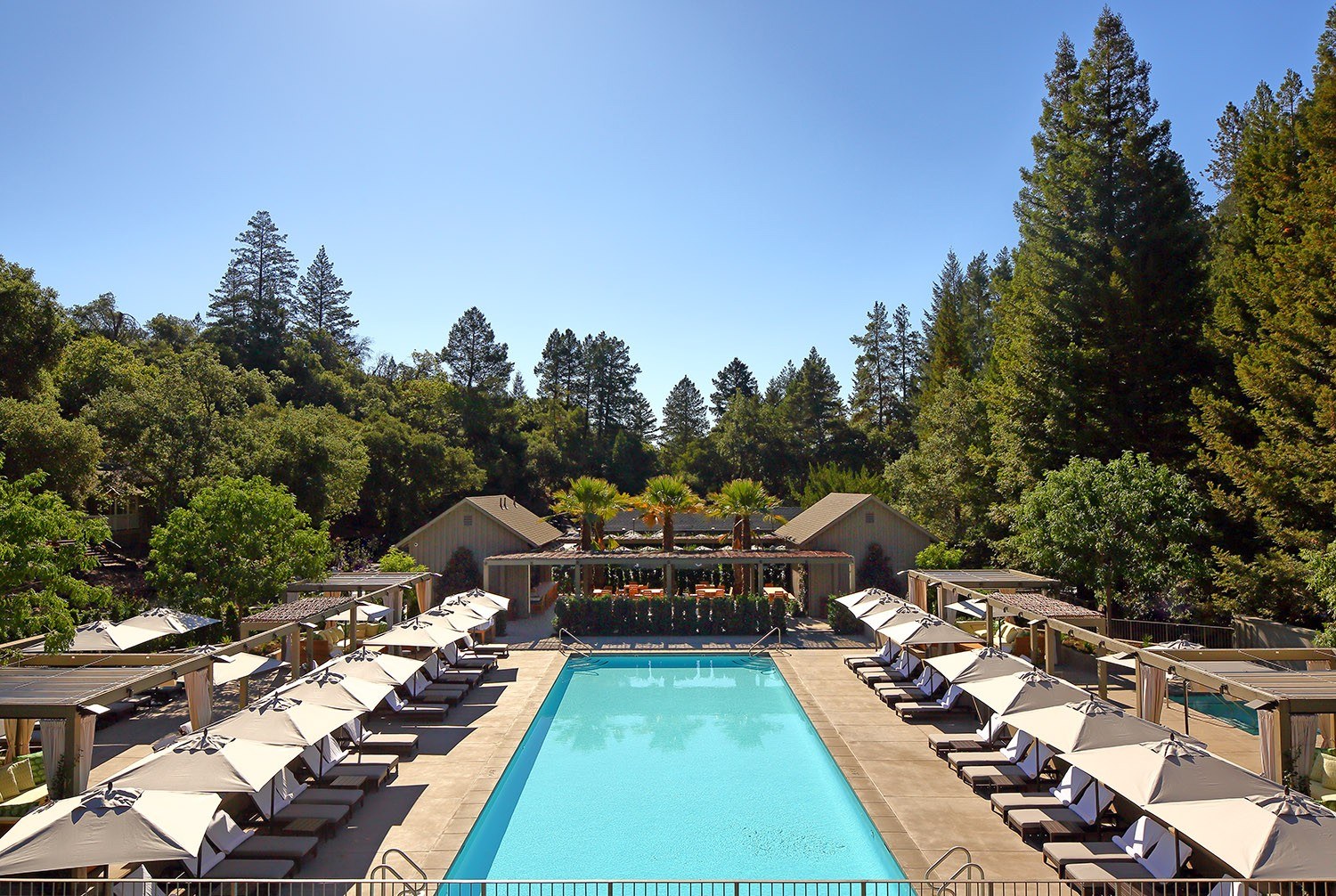
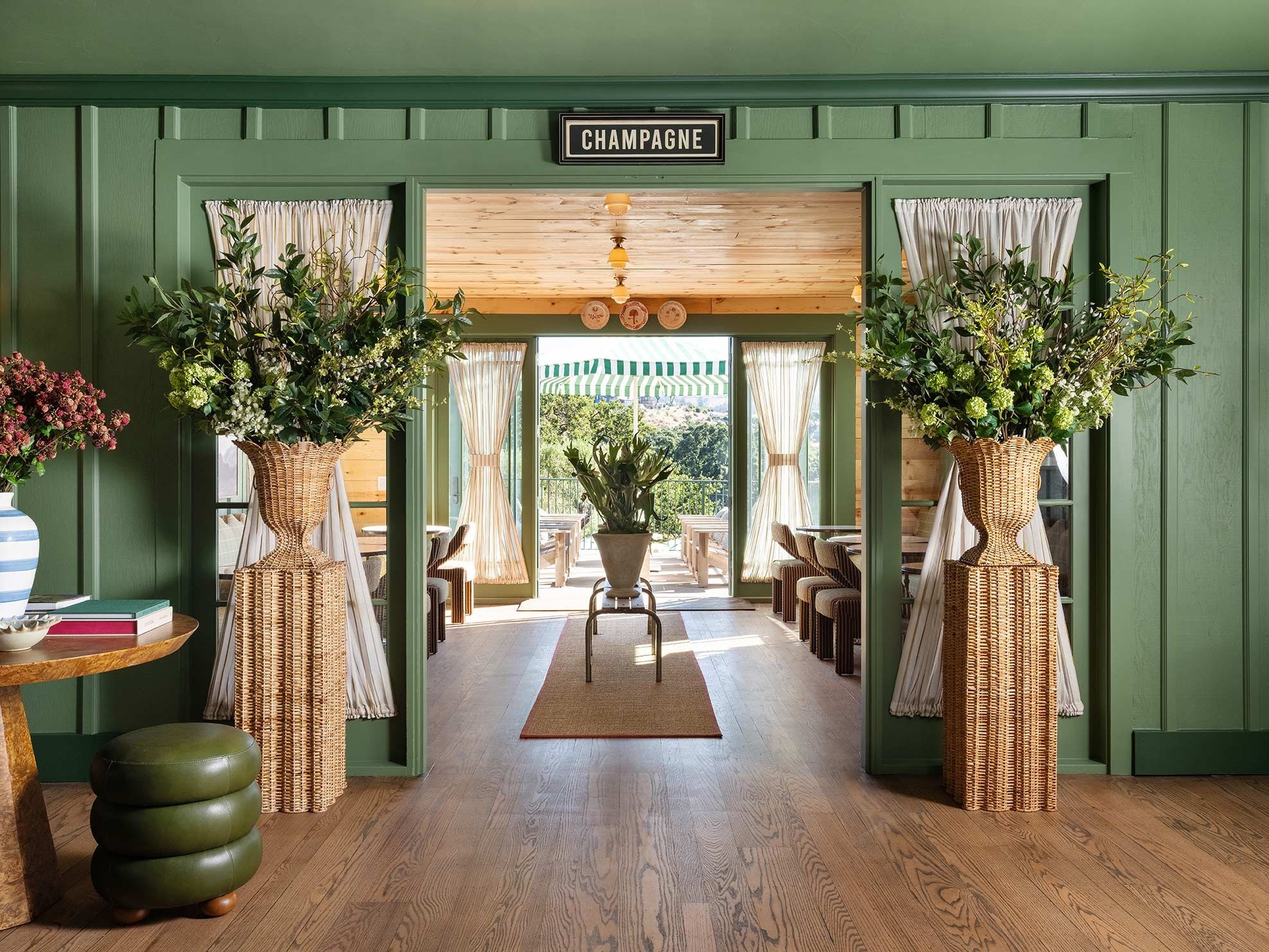
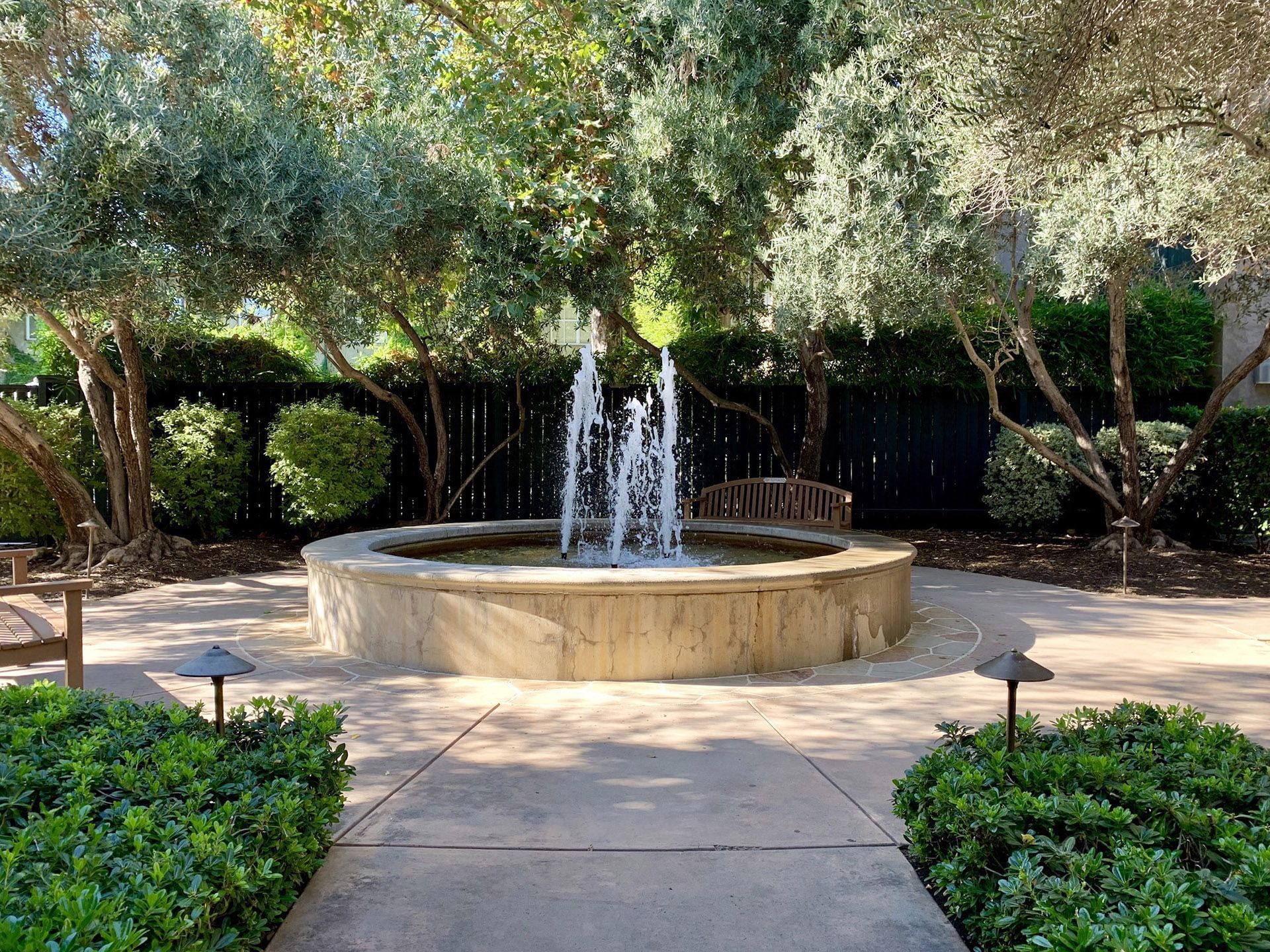
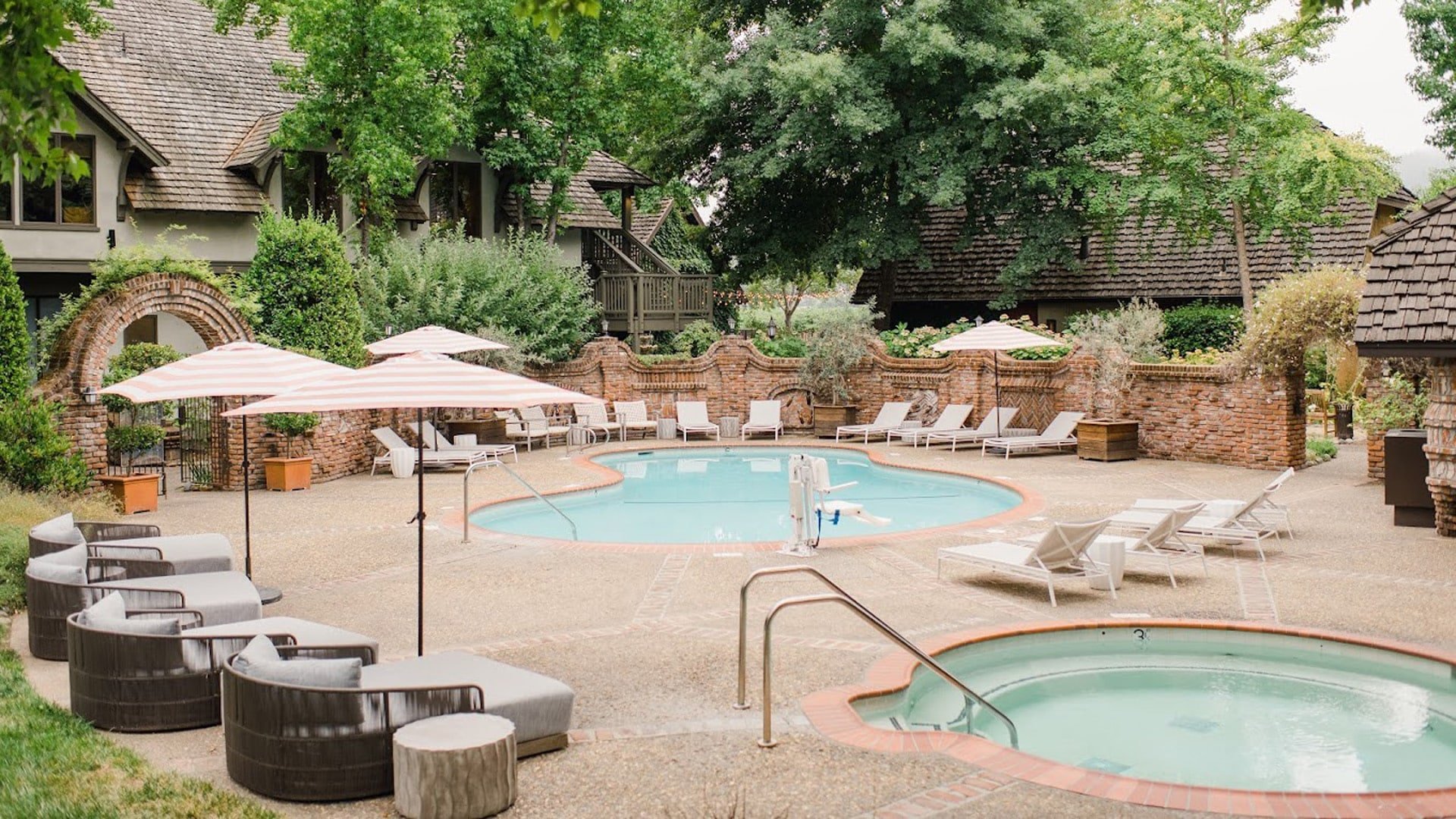
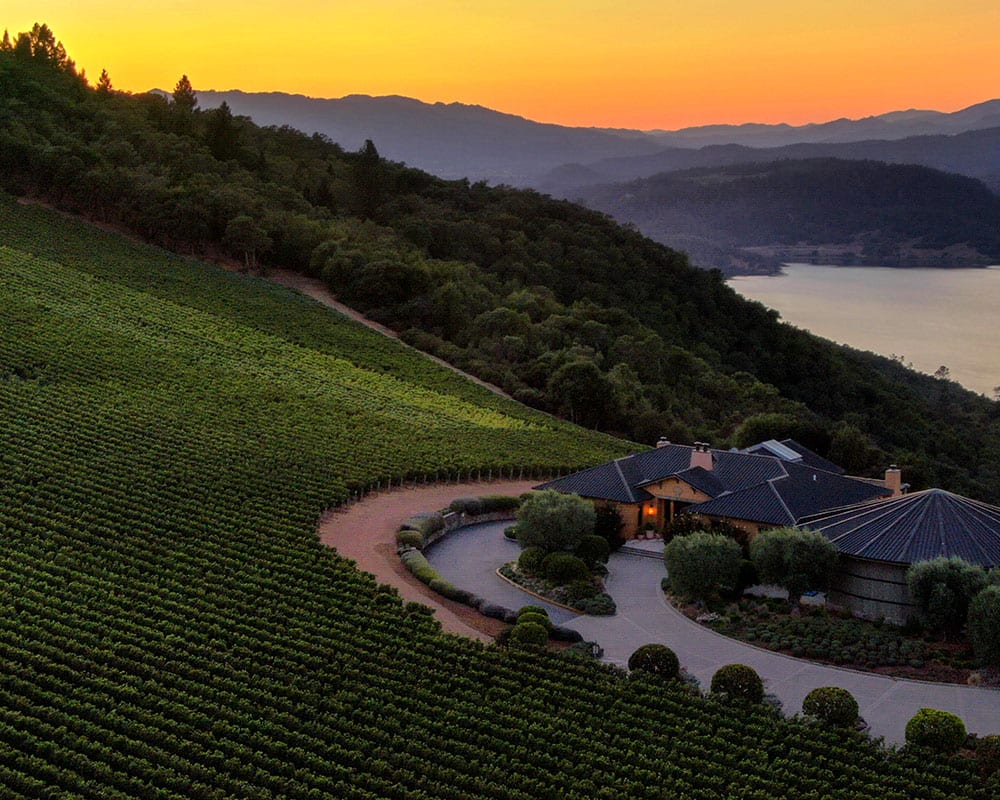
Intimate and elegant atmosphere blending luxury estate design with natural hillside beauty, offering a sense of exclusivity and connection to the land.
Tags
Vibe
Best For
Experience
Sourcing
View
At the Vineyard
- Appellation
- Napa Valley AVA
- Varietals
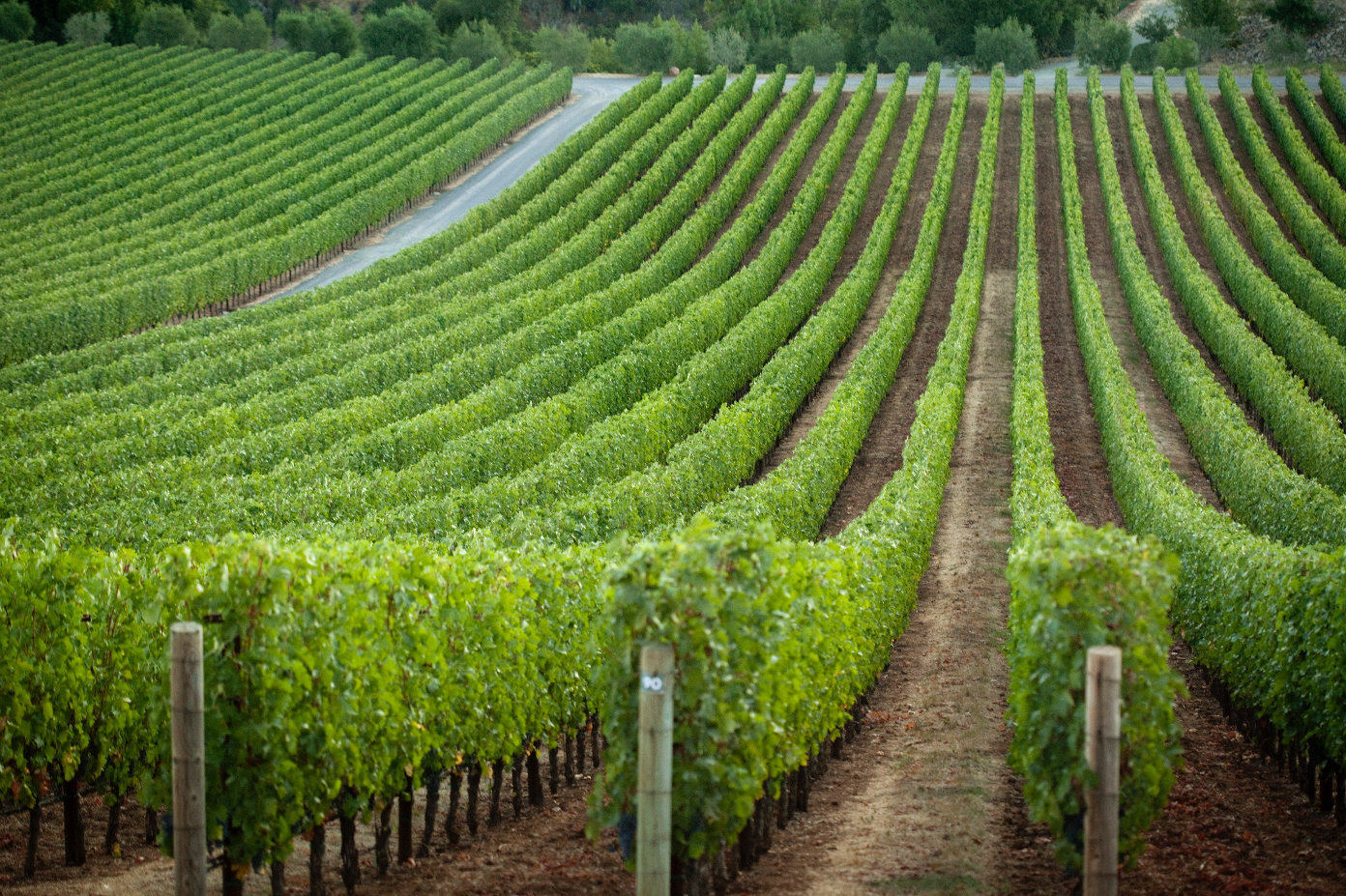
- Cabernet Sauvignon, Cabernet Franc, Merlot, Petit Verdot, Syrah
- Visits
- By appointment only
- Farming
- Sustainable
- Production
- Small producer
- Wine Styles
- Still Red
- Wine Club
- Available
Know before you go
Know Before You Go
- Getting there
- St Helena, CA 94574
Planning details
Location
St Helena, CA 94574 · Directions
Recognition and awards

Also consider
Also Consider
- David Arthur Vineyards, Notable alternative
- Gandona Estate, Notable alternative
- Brand Napa Valley, Notable alternative
- Ovid Napa Valley, Notable alternative
- Chappellet Winery, Notable alternative
Winery context
How it compares in St. Helena
Colgin Cellars is the high-intent, hardest-to-secure option in this set. Choose it when the priority is serious Napa collecting and a focused wine appointment. David Arthur Vineyards and Chappellet Winery are better cross-shops for visitors who want a St. Helena winery day that feels less constrained by access and easier to fit into a broader itinerary.
Gandona Estate, Brand Napa Valley, and Ovid Napa Valley sit closer to Colgin Cellars for guests chasing a more exclusive Napa experience. The difference is practical: if availability is the deciding factor, do not build the whole day around one request. Put one of these on the same shortlist so the trip still works if the preferred appointment does not come through.
For value, Chappellet Winery is the safer recommendation because it is more useful for mixed groups and first-time Napa visitors. For ambiance and collector appeal, Colgin Cellars is the stronger target, but only for travelers who are comfortable planning around a difficult booking and treating the visit as the main event rather than one stop among many.
Around this place
Discover more on Pearl
Unlock the full Colgin Cellars guide in Pearl, including awards, comparisons, FAQs, planning details, and nearby places.
Compare Colgin Cellars
| Venue | Location | Awards |
|---|---|---|
| Colgin Cellars | St. Helena | 2026 Falstaff Winery Guide2025 Pearl 4 Star Prestige |
| David Arthur Vineyards | St. Helena | No published awards |
| Gandona Estate | St. Helena | No published awards |
| Brand Napa Valley | St. Helena | 2025 Pearl 3 Star Prestige |
| Ovid Napa Valley | St. Helena | 2026 Falstaff Winery Guide |
| Chappellet Winery | St. Helena | 2026 Falstaff Winery Guide |
How Colgin Cellars St. Helena compares with similar nearby venues.
FAQ
Frequently Asked Questions
What is Colgin Cellars known for?
Colgin Cellars is a St. Helena venue recognized with Pearl 4 Star Prestige in 2025. Allison Tauziet is listed as chef/owner, and the dress code is smart casual.
Where is Colgin Cellars located?
Colgin Cellars is located in St. Helena.
How can I contact Colgin Cellars?
Use the venue's official channels to confirm current contact details, availability, and visit information.