Book with Pearl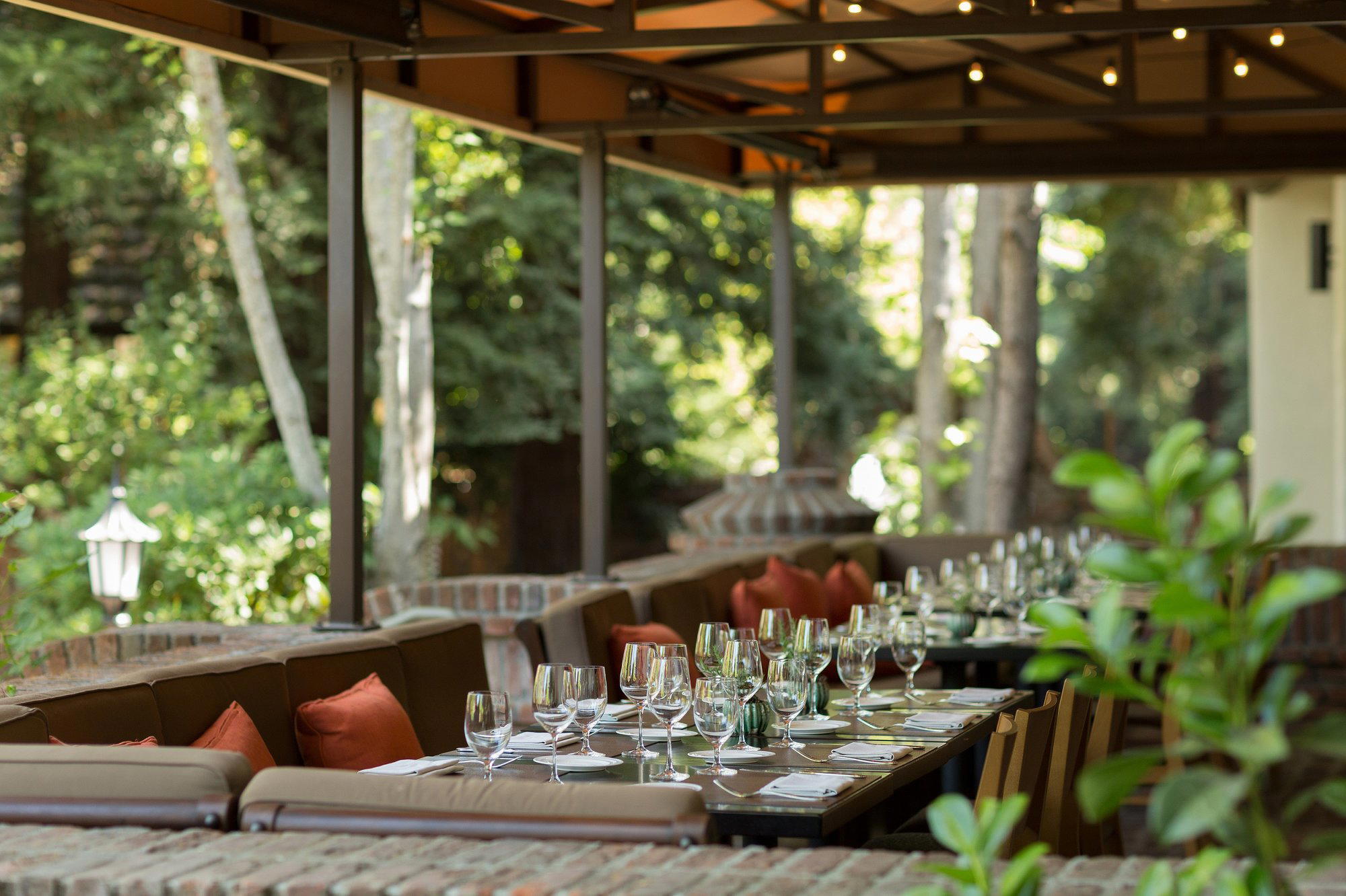












One Main Cigar Dinner: Foundation Cigars x Spring Mountain
Harvest Inn’s October cigar dinner in St. Helena pairs Foundation Cigars with Spring Mountain Vineyard wines, a farm-to-table dinner, and live music.

St. Helena
Hotel in St. Helena, United States
Tudor Revival Rooms, Redwoods and Vineyard Views
Price
$300–500per night
Why go
Harvest Inn is a smart St. Helena choice for wine-country travelers who want atmosphere and access without committing to a full resort stay. Its Conde Nast Best Hotels #15 recognition in 2025 gives it a clear trust signal, but the value depends on season and rate: compare closely against Southbridge Napa Valley and Wydown Hotel for town-first trips.
Harvest Inn is a St. Helena hotel to consider when the priority is staying in St. Helena rather than choosing a property based on specific service style, amenity set, or dining program. Harvest Inn is in St. Helena, the dress code is smart casual, and it has been recognized as Conde Nast Best Hotels #15 (2025).
The most reliable way to evaluate Harvest Inn is to consider it as a St. Helena lodging option and confirm current room types, services, amenities, and booking terms directly before reserving. For broader planning, pair this page with Our full St. Helena hotels guide and Our full St. Helena restaurants guide.
The strongest grounded reason to consider Harvest Inn is simple: it is a hotel in St. Helena. That makes it relevant for travelers comparing places to stay in the area, but there is no basis here for specific claims about room layouts, service format, restaurants, spa facilities, pools, or other on-property features.
Keep the booking decision practical. Confirm the room category, cancellation terms, current amenities, and any service needs directly with the hotel. If you are comparing St. Helena hotel options, Southbridge Napa Valley and Wydown Hotel are names to review as part of the same planning process.
Value should come down to the quoted rate, the exact room offered, and whether staying in St. Helena fits the trip. The Conde Nast recognition in 2025 is a positive signal, but it should not replace checking the current booking terms and hotel details.
The verdict: Harvest Inn is worth considering for travelers who want a St. Helena hotel with a smart casual dress code and Conde Nast Best Hotels #15 (2025) recognition. If the trip depends on specific amenities, dining, wellness facilities, or a particular service style, verify those details directly before booking. For a broader comparison Alila Napa Valley, Meadowood Napa Valley, and Auberge du Soleil, Auberge Collection alongside Harvest Inn.
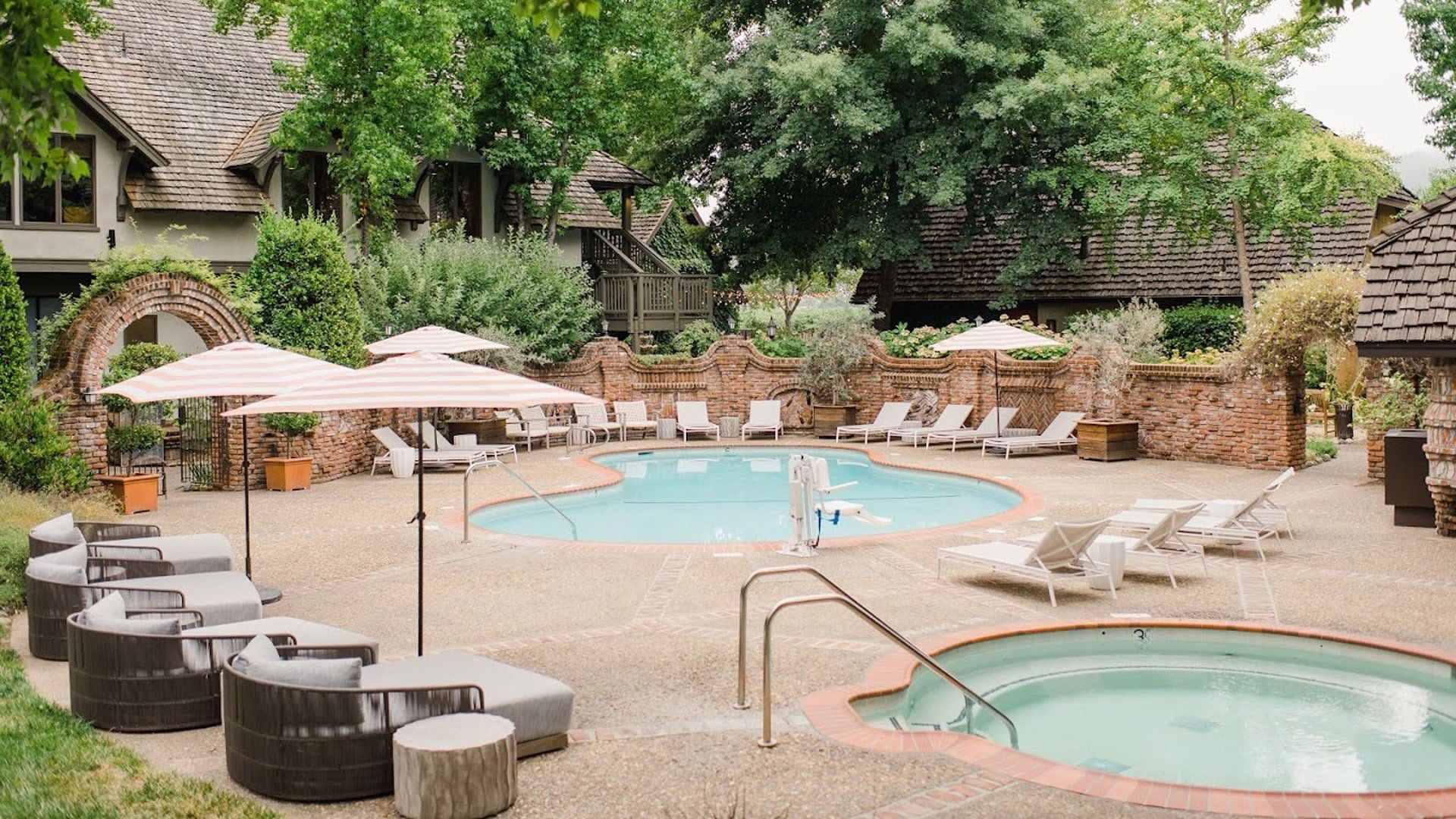
Harvest Inn reads as an intimate, garden-focused escape that plays to a slower Napa Valley rhythm. Cottage-style rooms sit across landscaped grounds and several room orientations offer vineyard-facing outlooks, so the property relies on its natural setting and attentive staffing rather than headline amenities. The tone is quietly sophisticated: recognition from Condé Nast underscores consistent service and standards while the scaled-down format keeps the experience personal. Guests encounter a calm, charming atmosphere where the landscape and careful service do most of the work, making it feel more like a private retreat than a conventional resort.
This is a property for travelers who prioritize a quiet, small-scale hotel experience over sprawling resort amenities. It suits couples and leisure travelers seeking an intimate, attentive stay in the heart of St. Helena — especially those planning weekend escapes or celebratory trips. The inn’s location at the edge of the walkable core makes it convenient for going out to nearby restaurants and tasting rooms without always needing a car. It’s also appropriate for repeat visitors and anyone who values consistent service and a garden- and vineyard-centered setting.
Book ahead and plan logistics: wineries in this part of St. Helena 'tend toward appointment-only tastings,' so make tasting and dinner reservations in advance. If a view matters, request a vineyard-facing orientation when you reserve, since the description highlights vines visible from several room types. Expect an intimate property with fewer on-site amenities than a grand resort, so lean into nearby restaurants and tasting rooms in town. Finally, travelers who prefer not to think about every detail will feel most comfortable here — if you want a bustling, activity-rich resort, consider alternatives.
Warm, inviting, and tranquil with golden light throughout spacious rooms; the property evokes a cozy cottage village atmosphere with lush gardens, fountains, and a storybook aesthetic.
Against Southbridge Napa Valley and Wydown Hotel, Harvest Inn is the better pick when atmosphere matters as much as access. Southbridge and Wydown make more sense for travelers who want a tighter town-center hotel decision and fewer reasons to pay for a grounds-forward wine-country setting.
Alila Napa Valley and Meadowood Napa Valley are stronger choices for a resort-led stay where the property is the main event. Harvest Inn is easier to justify when the day is built around tastings and dinners rather than long on-property blocks. If budget flexibility is high and service depth is the priority, those peers deserve a harder look.
Auberge du Soleil, Auberge Collection is the splurge cross-shop for travelers who want a more polished luxury frame outside St. Helena. Harvest Inn is the more practical St. Helena answer when location, wine-country mood, and rate discipline matter more than a destination-resort statement.
Unlock the full Harvest Inn guide in Pearl, including awards, comparisons, FAQs, planning details, and nearby places.
| Venue | Location | Awards |
|---|---|---|
| Harvest Inn | St. Helena | 2025 Conde Nast Best Hotels · #15 |
| Southbridge Napa Valley | St. Helena | Small Luxury Hotels Member 2025 |
| Wydown Hotel | St. Helena | No published awards |
| Alila Napa Valley | St. Helena | 2026 Forbes 4-Star2026 Virtuoso Luxury Hotel CollectionStar Wine Lists 20262025 Michelin Selected Hotels2025 Forbes 4-Star |
| Meadowood Napa Valley | St. Helena | 2026 Virtuoso Luxury Hotel Collection2026 Forbes 5-Star2026 Vogue Best Hotels in Napa ValleyStar Wine Lists 20262026 Relais Chateaux Hotels2026 La Liste Top Hotels2026 Michelin 3 Keys2025 Michelin 3 Keys2025 Relais Chateaux Award |
| Auberge du Soleil, Auberge Collection | Rutherford | No published awards |
How Harvest Inn St. Helena compares with similar nearby venues.
Harvest Inn may work for a business trip if staying in St. Helena is the priority. Confirm specific business amenities, meeting facilities, and work-friendly services directly before reserving. Southbridge Napa Valley is another hotel to compare.
Check-in times and procedure should be confirmed directly with Harvest Inn before travel, especially if you expect to arrive early or late. If you are comparing stay formats, Wydown Hotel is another option to review.
Do not choose Harvest Inn for loyalty-program value unless you have confirmed the hotel's current terms for your booking. The grounded positives are its St. Helena location and its Conde Nast Best Hotels #15 (2025) recognition. If points or status benefits are central to the trip, compare terms carefully with Alila Napa Valley and Meadowood Napa Valley.
If wellness amenities are important, check directly with Harvest Inn before booking and compare current offerings with Meadowood Napa Valley and Auberge du Soleil, Auberge Collection.
If on-property dining is important, check the hotel's current information directly. If food is a major priority for the trip, compare Harvest Inn with other dining and hotel options in and around St. Helena, including Auberge du Soleil, Auberge Collection.
Harvest Inn is in St. Helena. For travelers comparing St. Helena stays, it can be reviewed alongside Southbridge Napa Valley and Wydown Hotel; for a broader hotel comparison, Meadowood Napa Valley is another name to consider.
Pearl events
Public events currently associated with this Pearl venue.
Harvest Inn’s October cigar dinner in St. Helena pairs Foundation Cigars with Spring Mountain Vineyard wines, a farm-to-table dinner, and live music.
Harvest Inn’s One Main Cigar Dinner pairs Ferio Tego cigars with Stag’s Leap Wine Cellars, Harvest Table dinner, and live music in St. Helena.
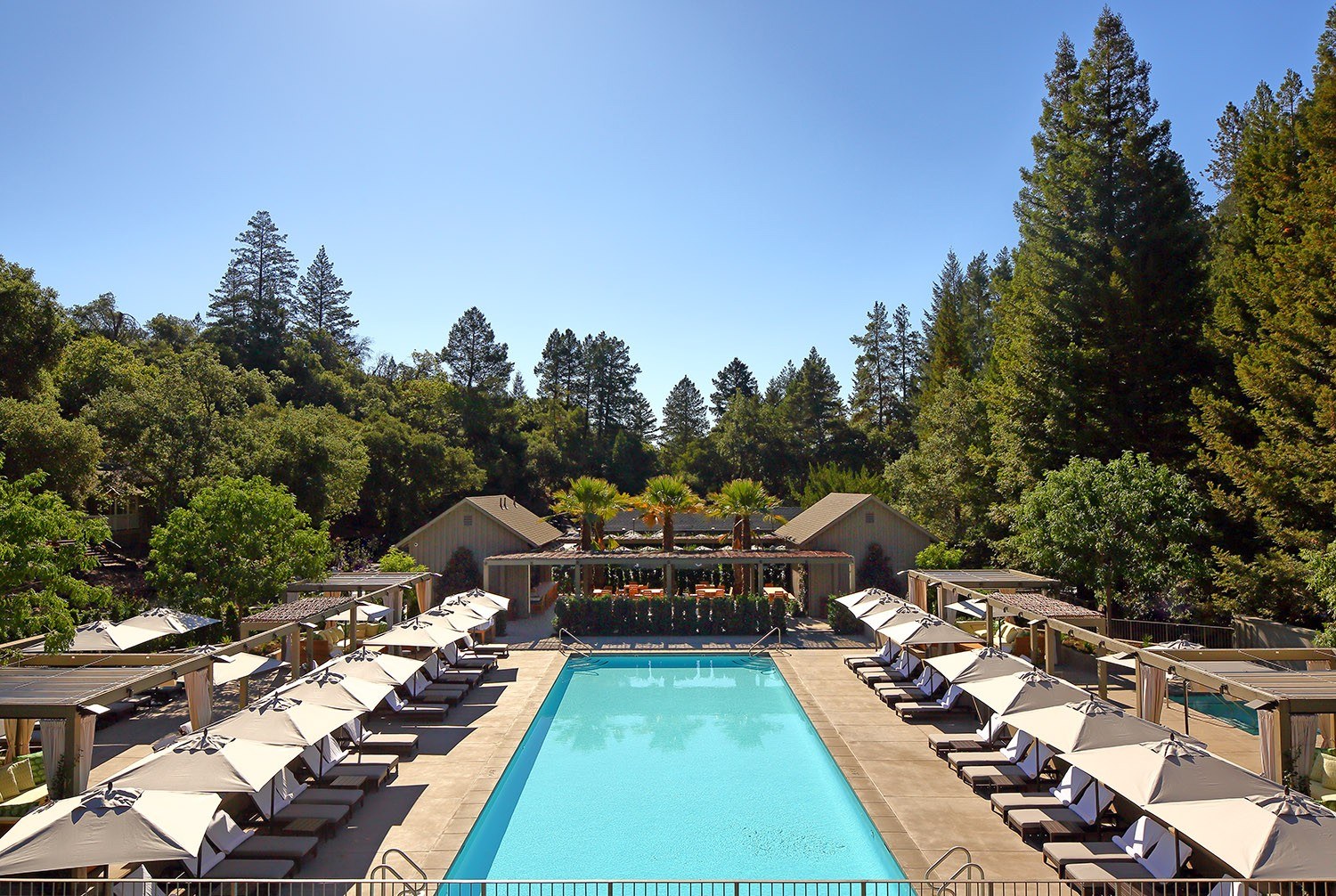 Meadowood Napa ValleySt. HelenaMeadowood Napa Valley is a hotel on Meadowood Lane in St. Helena.
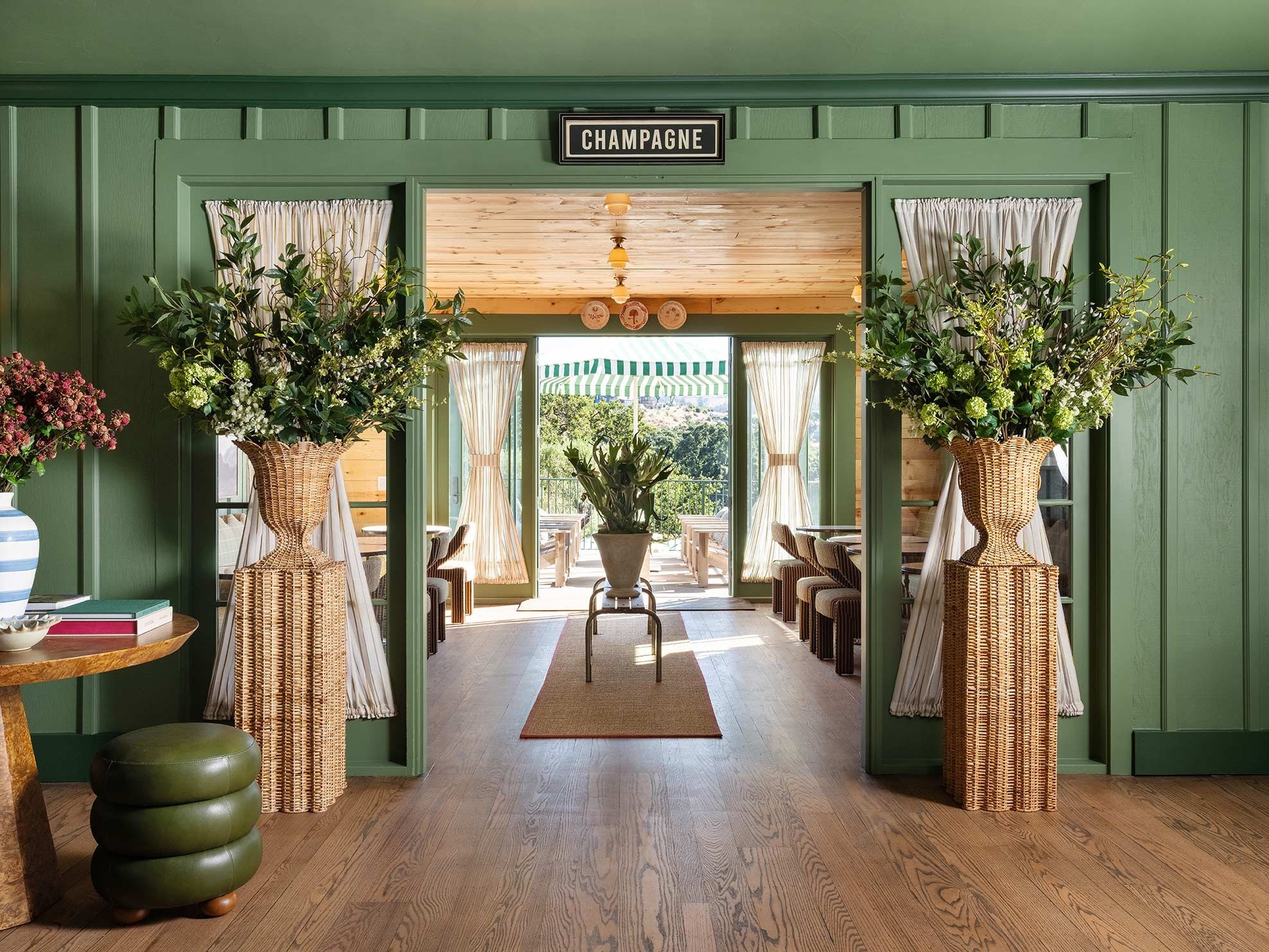 Le Petit Pali St. HelenaSt. HelenaA strong St. Helena pick for travelers who want a design-led small hotel rather than a full Napa resort. Choose it for…
 Alila Napa ValleySt. HelenaAlila Napa Valley is worth targeting for a St. Helena wine-country stay when the hotel itself matters, especially for…
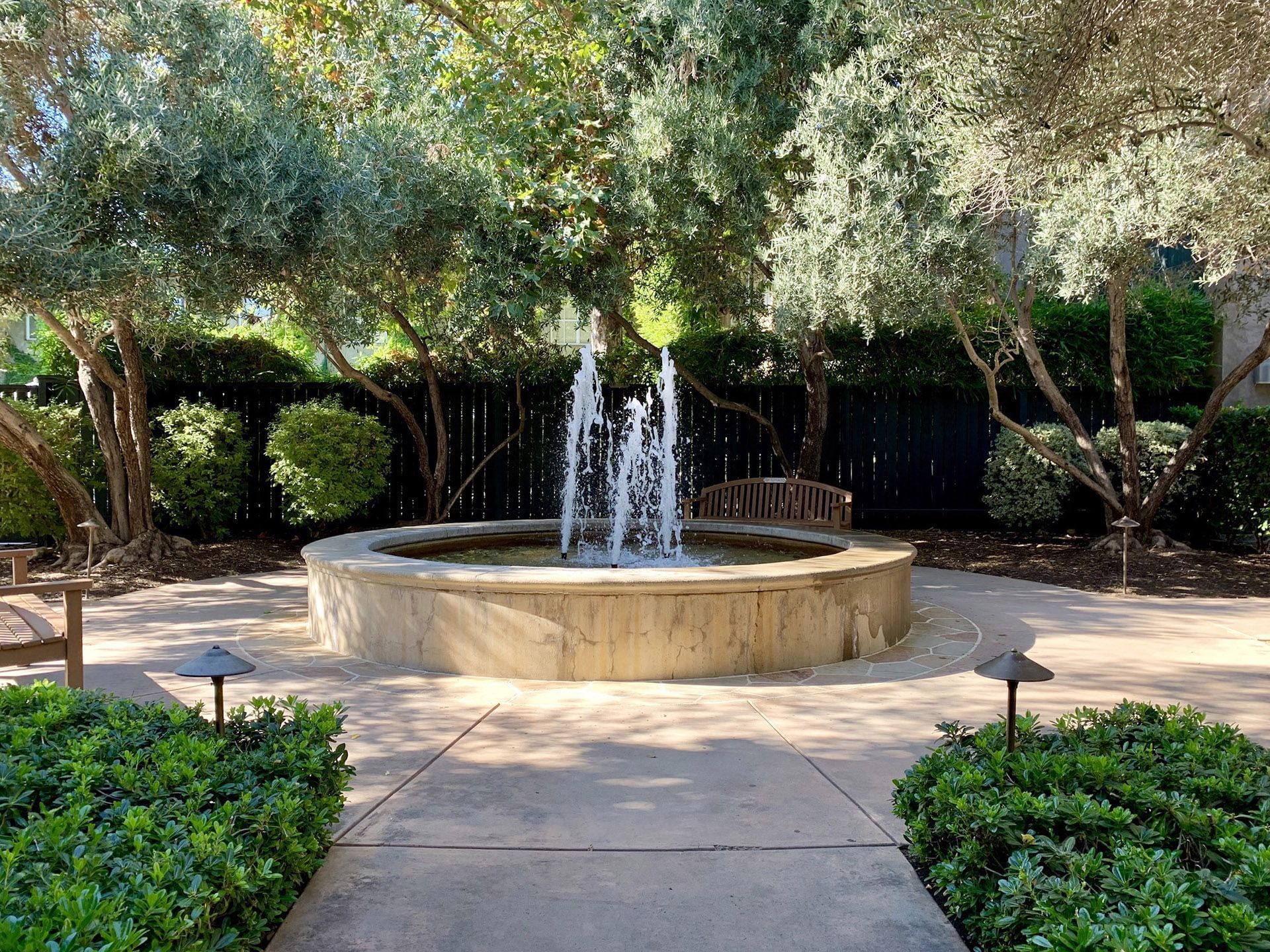 Southbridge Napa ValleySt. HelenaSouthbridge Napa Valley is the practical pick for travelers who want a St. Helena base close to the center of town…
 Inn St. HelenaSt. HelenaBook Inn St. Helena for a small, historic Main Street bed-and-breakfast stay where breakfast and walkability carry the…
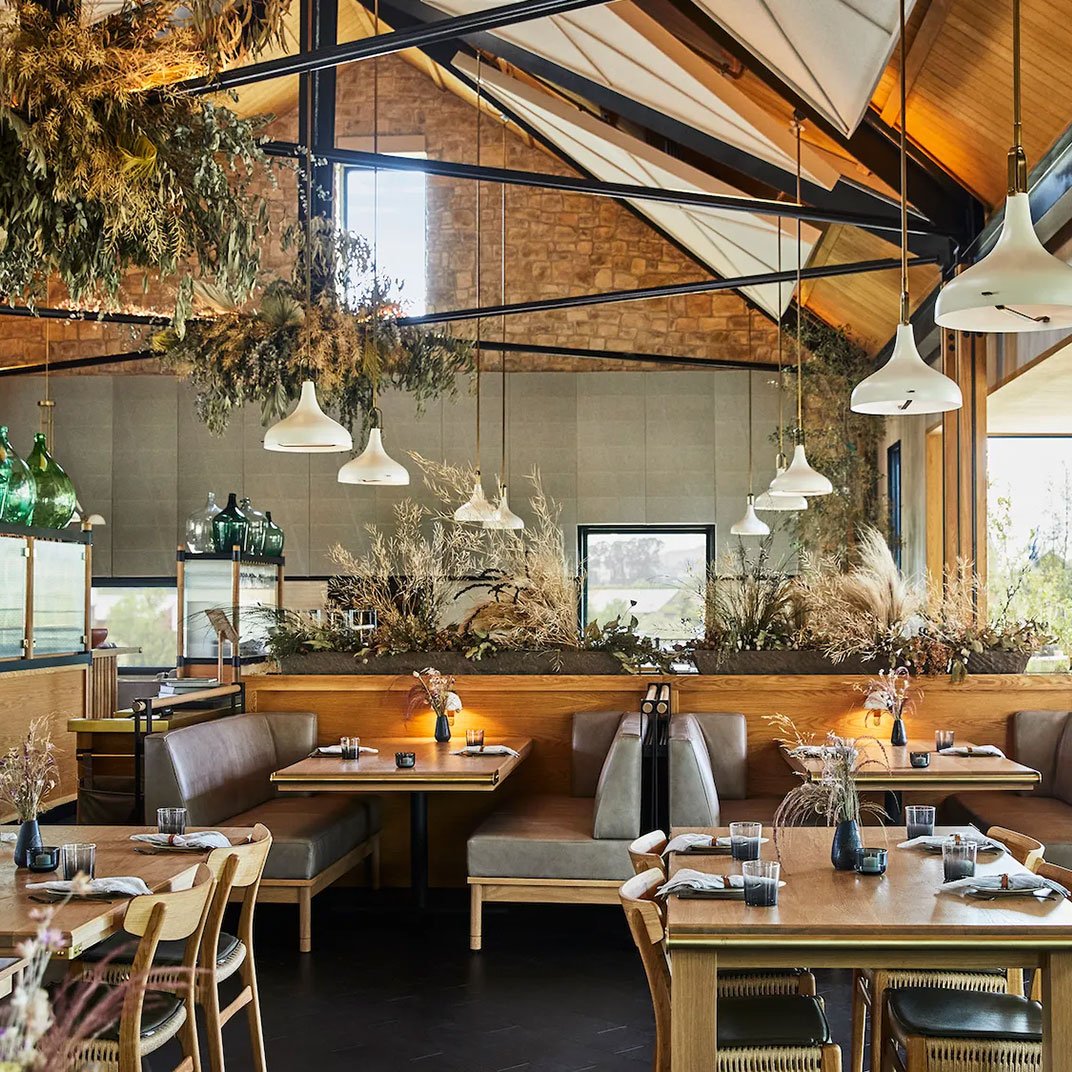 Press RestaurantSt. HelenaPress Restaurant is a restaurant on St. Helena Highway in Napa Valley.
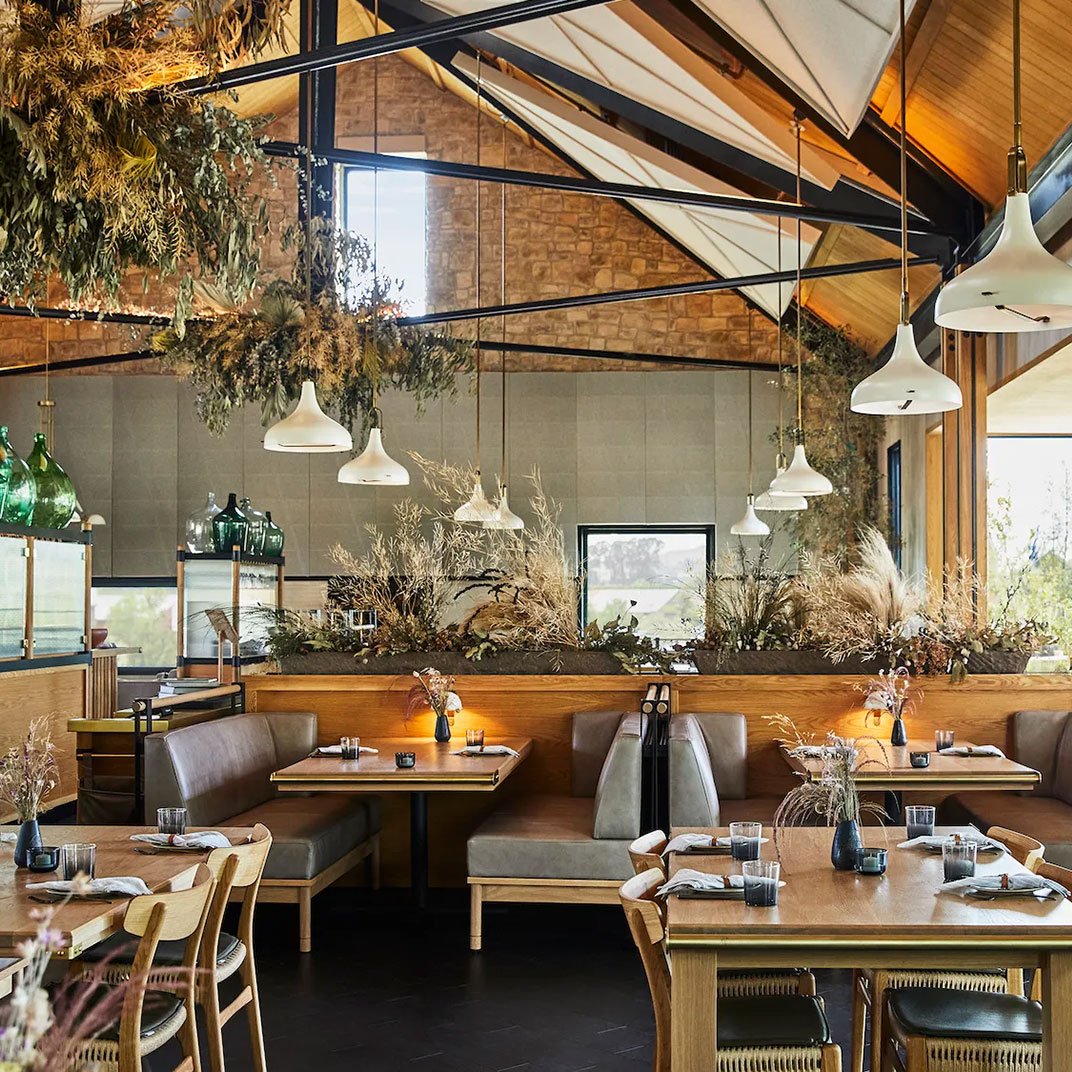 Charter OakSt. HelenaCharter Oak is the most repeatable quality meal in St. Helena: live-fire New American cooking, a 1,010-bottle wine…
 Farmstead at Long Meadow RanchSt. HelenaFarmstead at Long Meadow Ranch earns consecutive Michelin Plate recognition and a 4.6 from over 1,600 reviews for a…
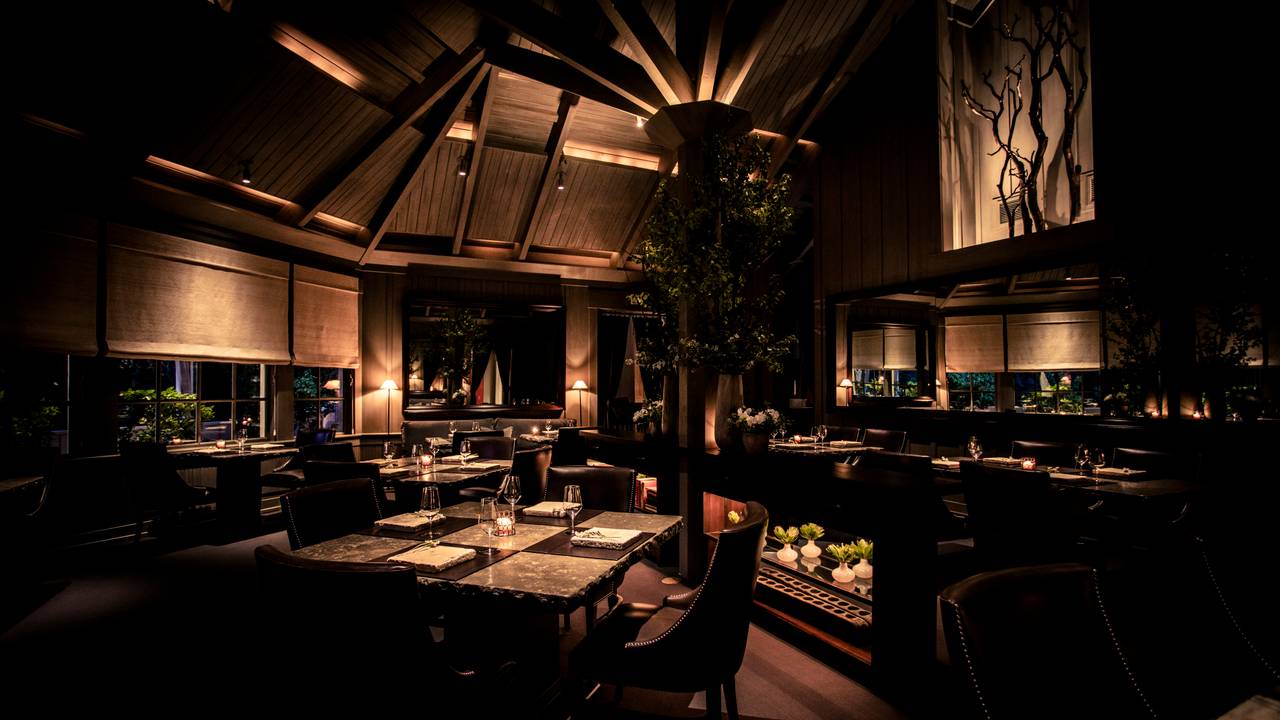 The Restaurant at MeadowoodSt. HelenaThe Restaurant at Meadowood has been closed since the 2020 Glass Fire destroyed the dining room, with no confirmed…
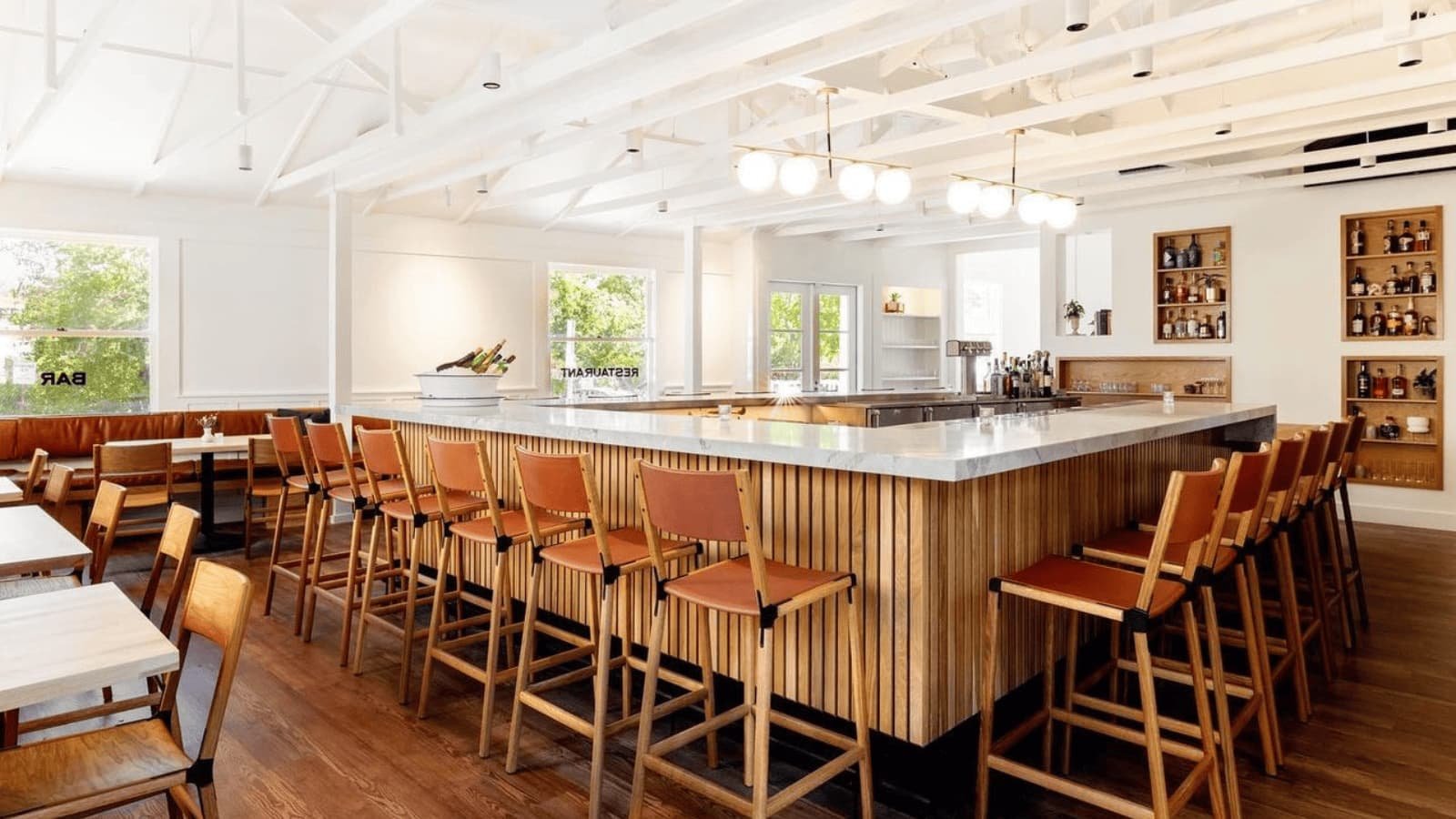 Charlie's Napa ValleySt. HelenaA Wine Enthusiast-recognized neighborhood restaurant on Railroad Avenue where wine-country dining skips the ceremony.…
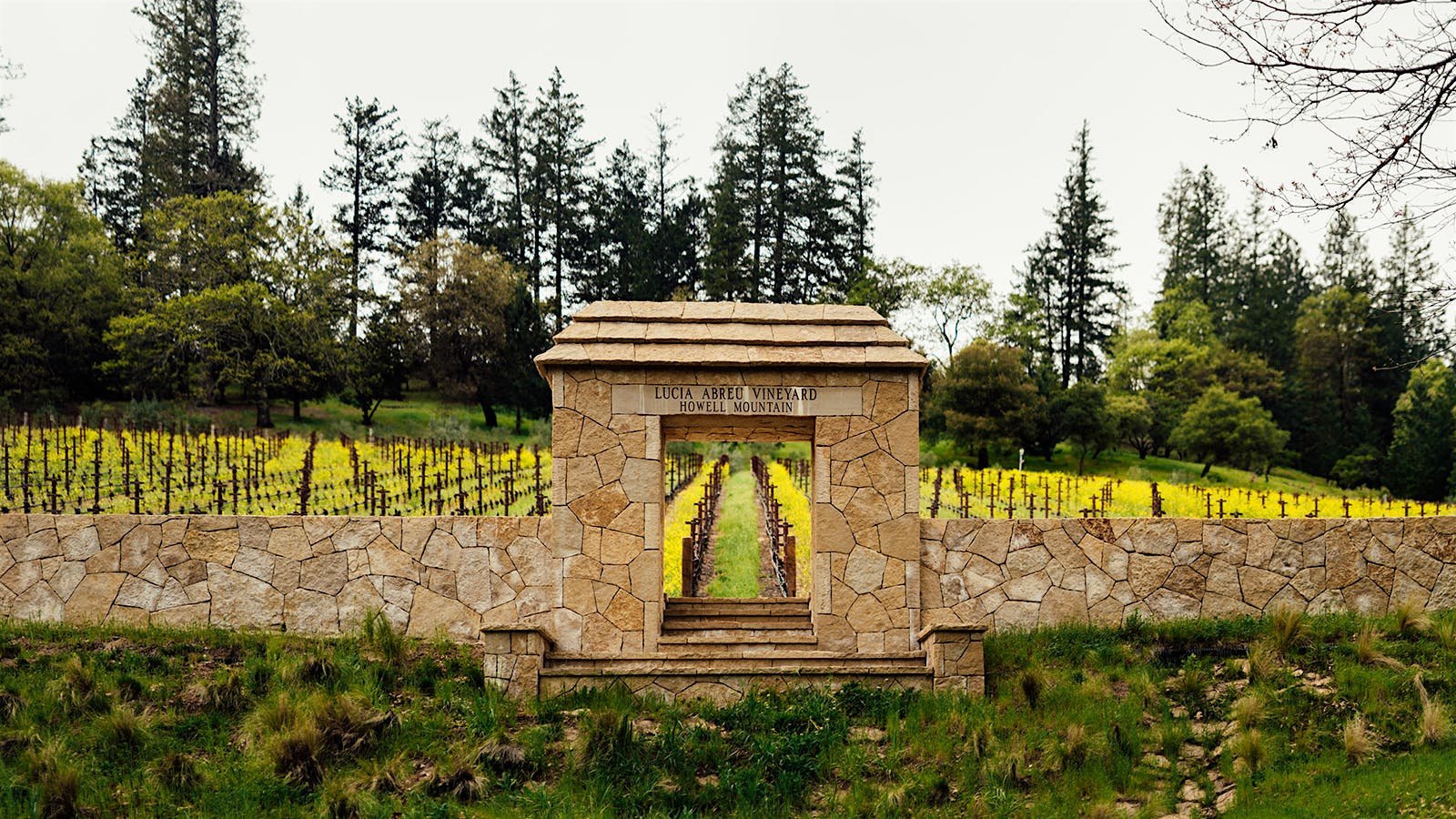 Abreu VineyardsSt. HelenaAbreu Vineyards is a serious St. Helena choice for collectors and repeat Napa visitors, not a casual tasting-room…
 Bryant Family VineyardSt. HelenaBryant Family Vineyard is a strong choice for Napa collectors who value scarcity and producer prestige over a casual…
 Colgin CellarsSt. HelenaColgin Cellars is a serious St. Helena choice for collectors and repeat Napa visitors, not a casual drop-in tasting.…
 Continuum EstateSt. HelenaContinuum Estate is the right St. Helena choice for collectors and special-occasion Napa trips built around serious…
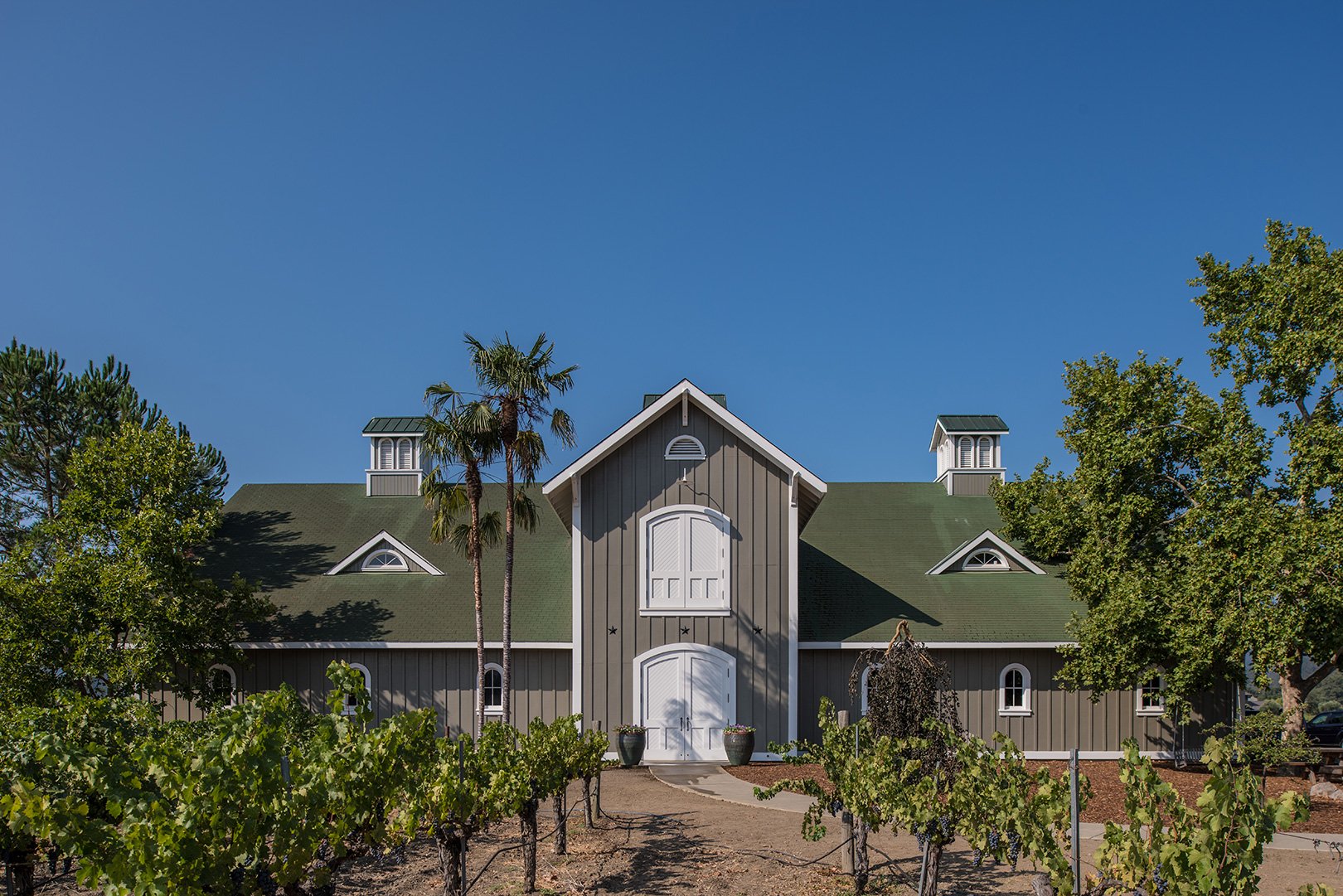 Corison WinerySt. HelenaAgainst larger St. Helena stops, Corison Winery is the sharper choice for a focused, wine-led tasting rather than a…
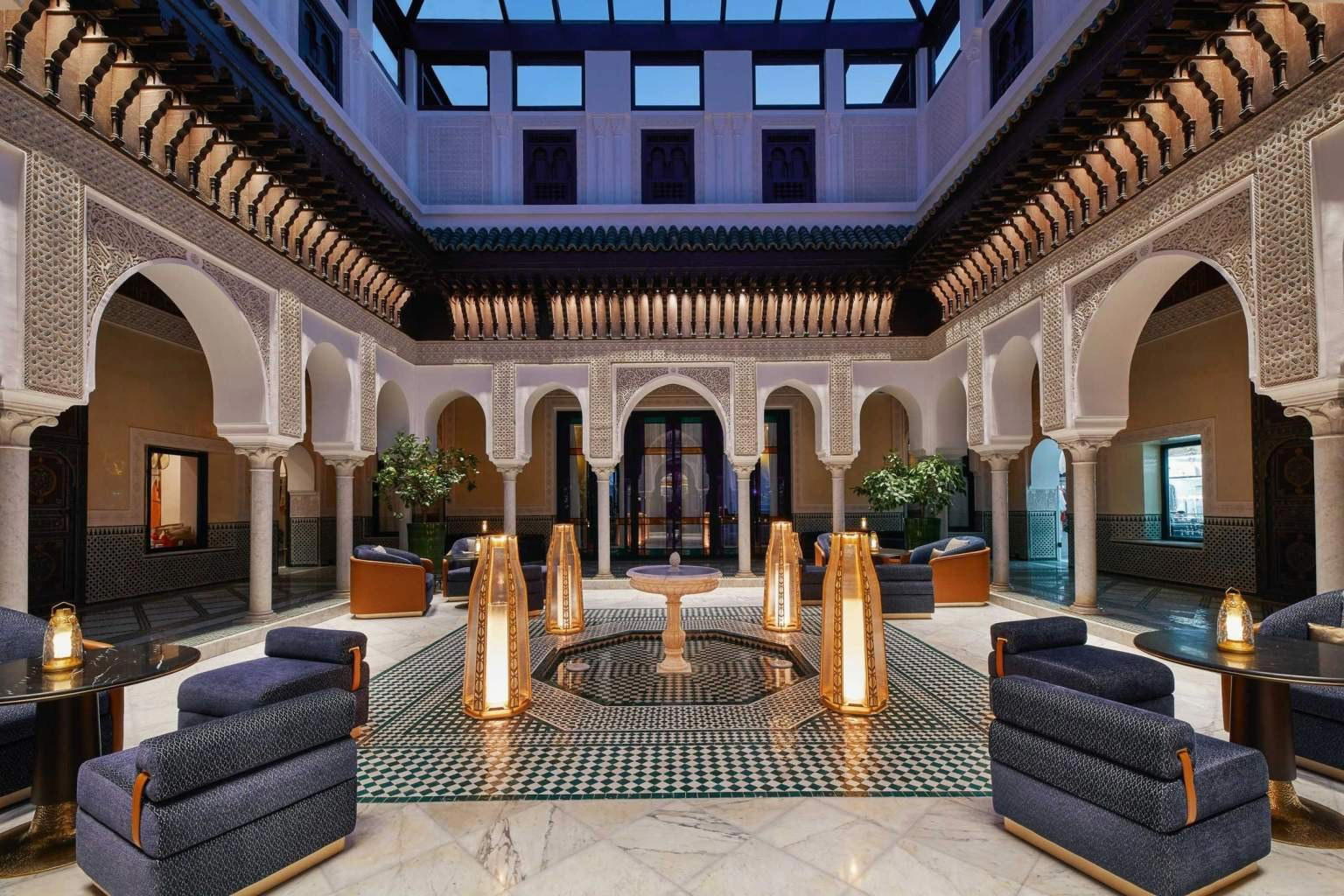 La MamouniaMarrakechLa Mamounia is a hotel and spa in Marrakech with rooms, suites, riads, restaurants, and bars.
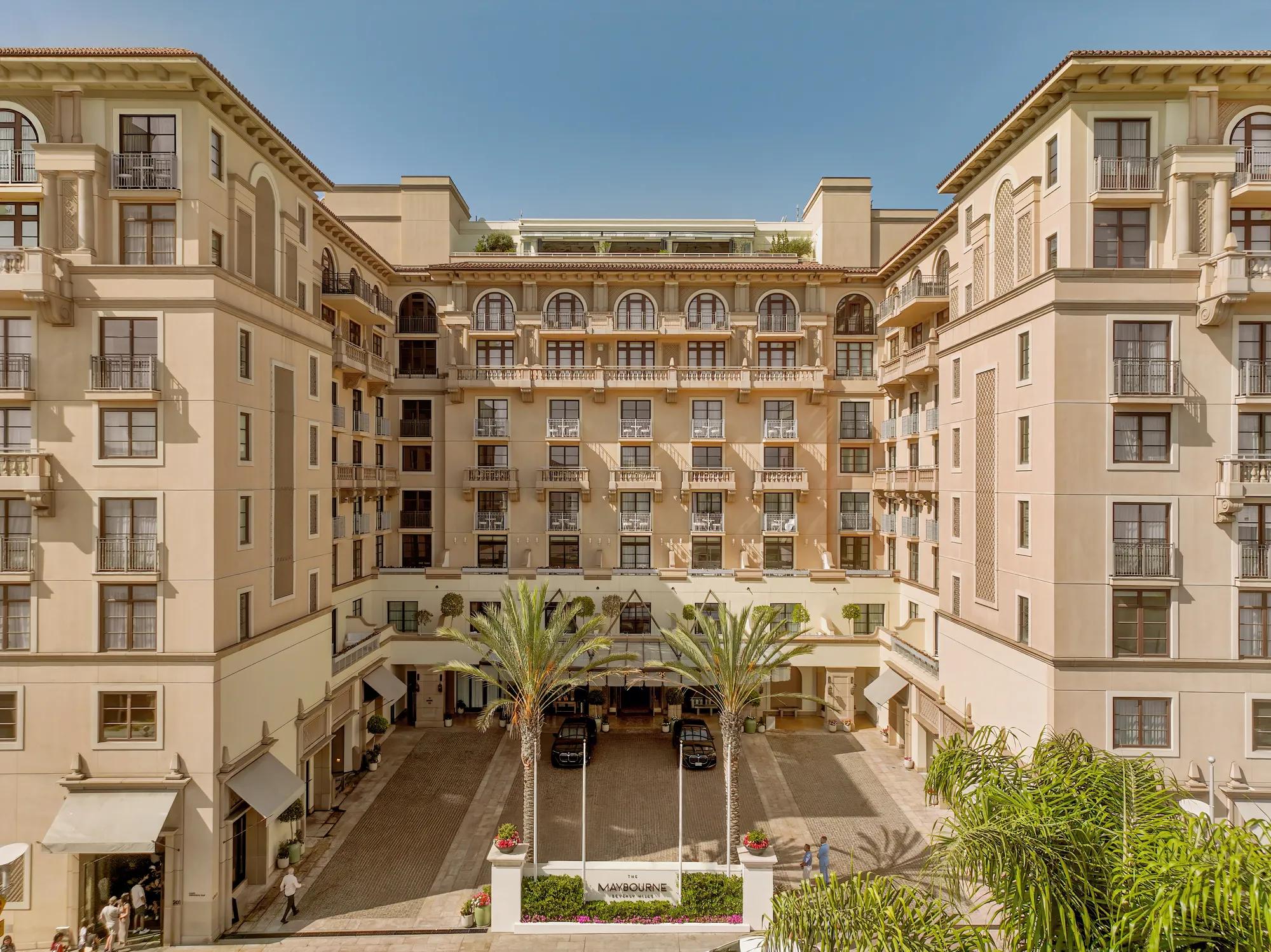 The Maybourne Beverly HillsLos AngelesThe Maybourne Beverly Hills is a hotel in central Beverly Hills, California.
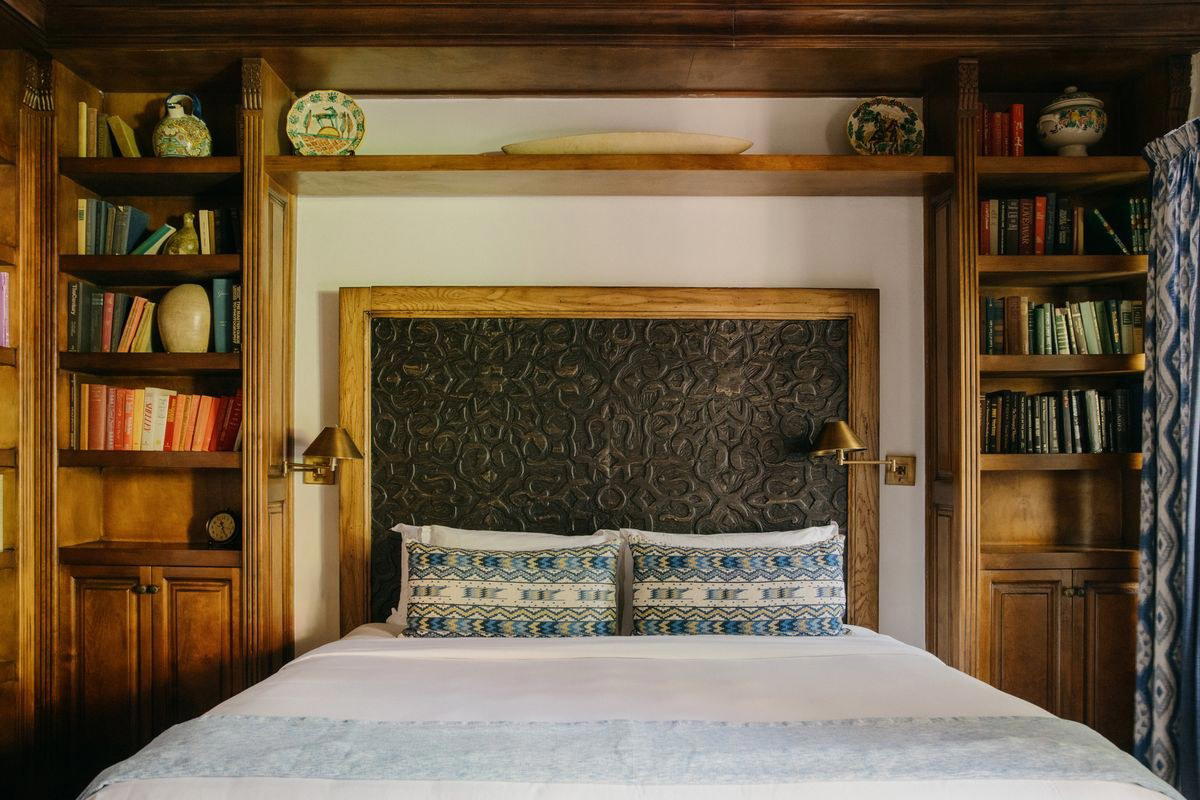 Casa de Sierra Nevada, A Belmond Hotel, San Miguel de AllendeSan Miguel de AllendeCasa de Sierra Nevada is a Belmond hotel in central San Miguel de Allende, Mexico.
 Fogo Island InnJoe Batt's ArmFogo Island Inn is a hotel in Joe Batt's Arm, Newfoundland and Labrador.
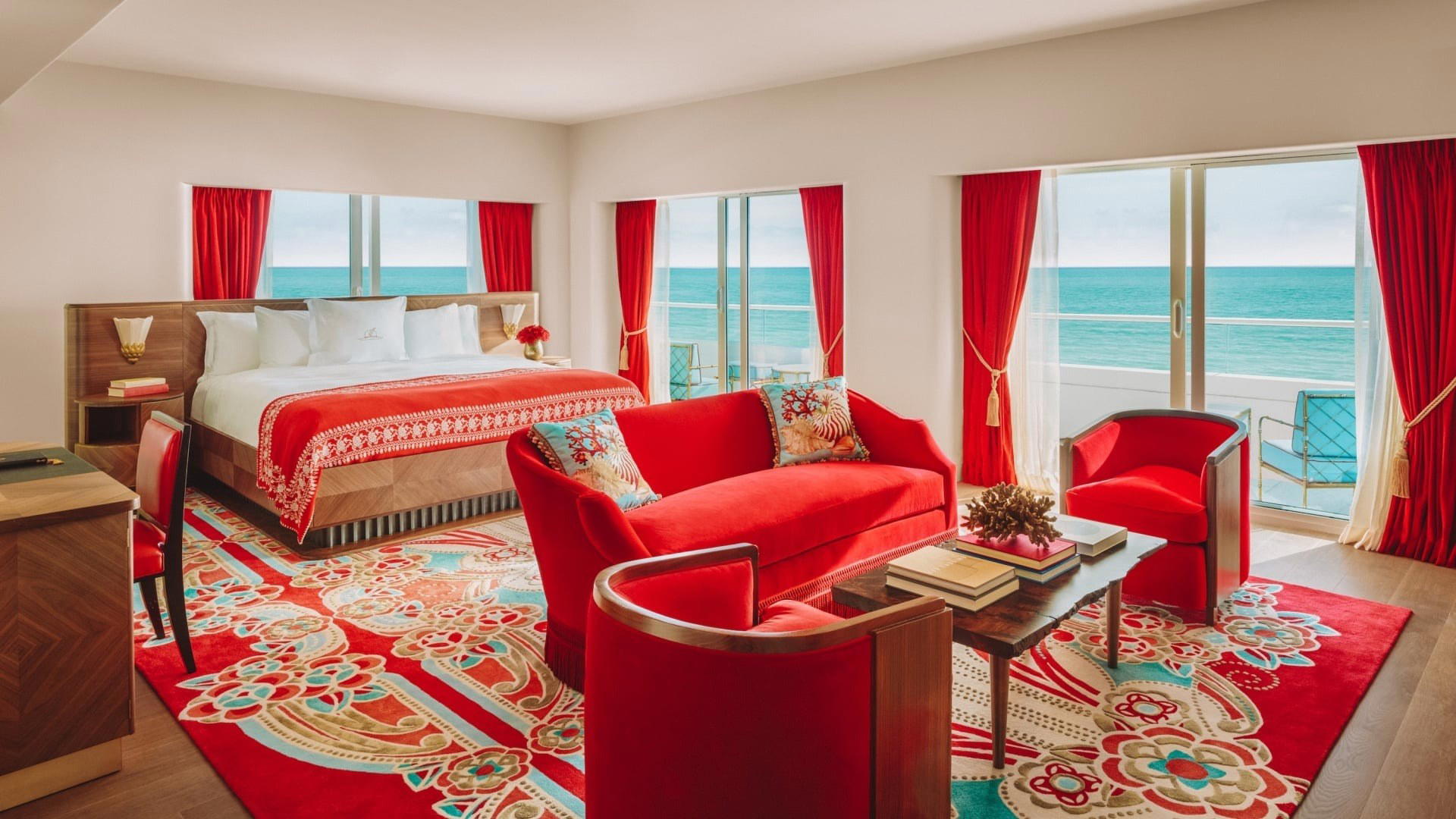 Faena Hotel Miami BeachMiamiFaena Hotel Miami Beach is a hotel on Collins Avenue in Miami Beach.