
Brand Napa Valley
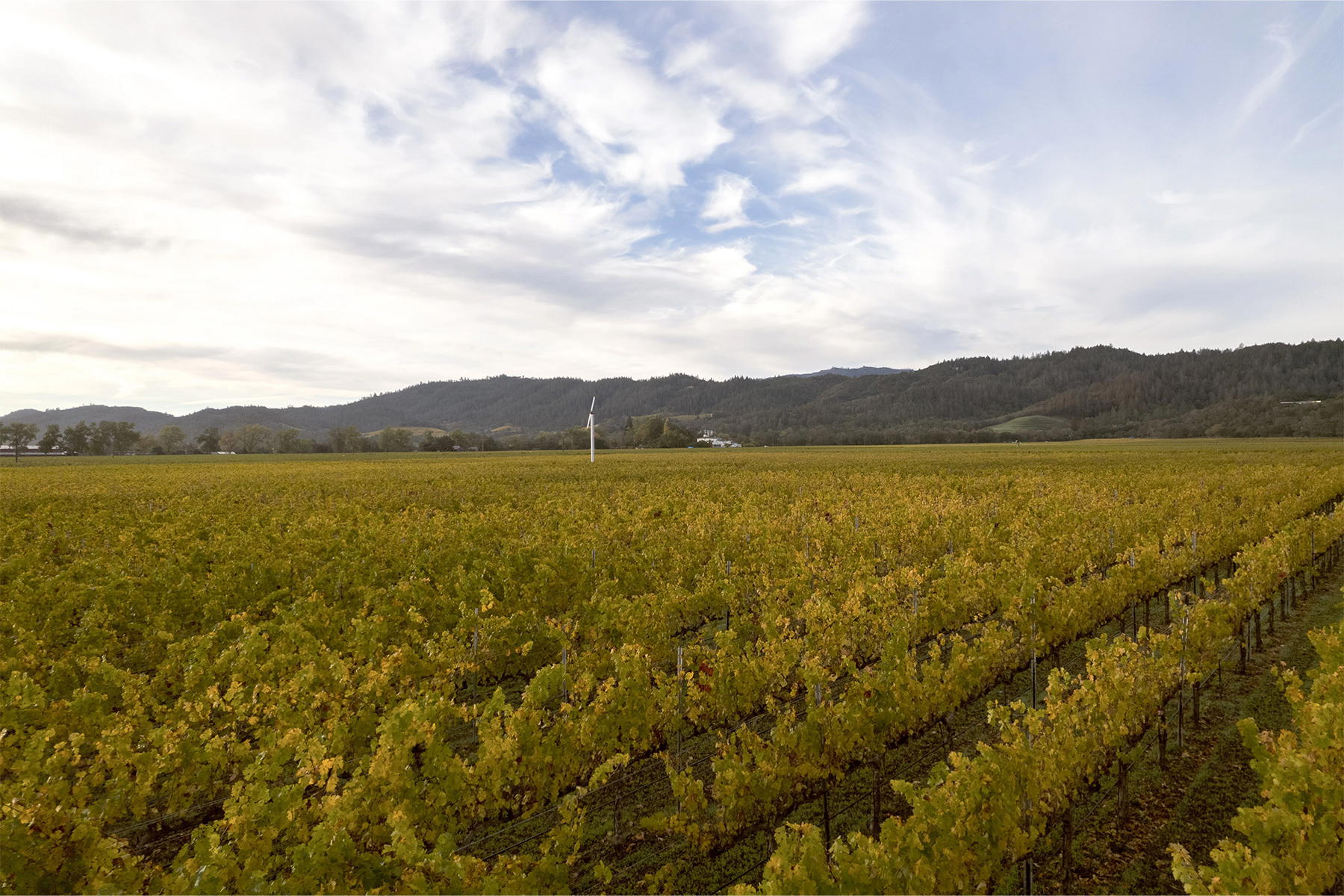
Pritchard Hill, St. Helena
Winery in St. Helena, United States
 Book with Pearl
The Read
Hillside Allocation Precision
Why go
Brand Napa Valley is the right target for a Cabernet-focused St. Helena itinerary, especially for collectors who prefer a quieter, appointment-led winery day over a casual tasting crawl. Access is the main constraint, so plan around the visit first, then add lunch or one nearby winery rather than overloading the schedule.
About Brand Napa Valley
Brand Napa Valley is a St. Helena venue with Joe Harden listed as chef/owner. Pearl recognizes it with 3 Star Prestige in 2025, and the dress code is smart casual.
If Brand Napa Valley is part of a St. Helena itinerary, confirm the current booking process, timing, and any on-site details with the venue itself.
A St. Helena venue with confirmed recognition
Brand Napa Valley is in St. Helena, Joe Harden is identified as chef/owner, the dress code is smart casual, and the venue holds Pearl 3 Star Prestige for 2025. Those details are enough to treat it as a premium stop, but not enough to assert a specific menu, tasting structure, bottle lineup, price point, or service style.
Because no public format, food program, hours, or price structure is confirmed, plan the rest of the day conservatively. Leave room around any confirmed booking, avoid stacking too many time-sensitive plans back to back, and use St. Helena as the base for nearby logistics. For broader planning, the full St. Helena wineries guide is the useful starting point, with nearby dining, hotels, bars, and experiences covered in the St. Helena restaurants guide, hotels guide, bars guide, and experiences guide.
Plan the day around confirmed details
Brand Napa Valley is best approached with direct confirmation rather than assumptions. Before you build an itinerary around it, verify whether the venue is accepting visits, what timing applies, what attire is expected beyond smart casual, and whether any food, beverage, or special-service details are available for your date.
If the goal is a flexible St. Helena day, keep alternatives in mind and avoid relying on specifics that have not been confirmed. If the goal is to include Brand Napa Valley specifically, make it a deliberate part of the schedule once the venue has confirmed the practical details.
Planning details
- Location
- 90 Long Ranch Rd, St Helena, CA 94574
- Website
- brandnapavalley.com
- Phone
- +1 707-963-1199
The take
The Take
The Vibe
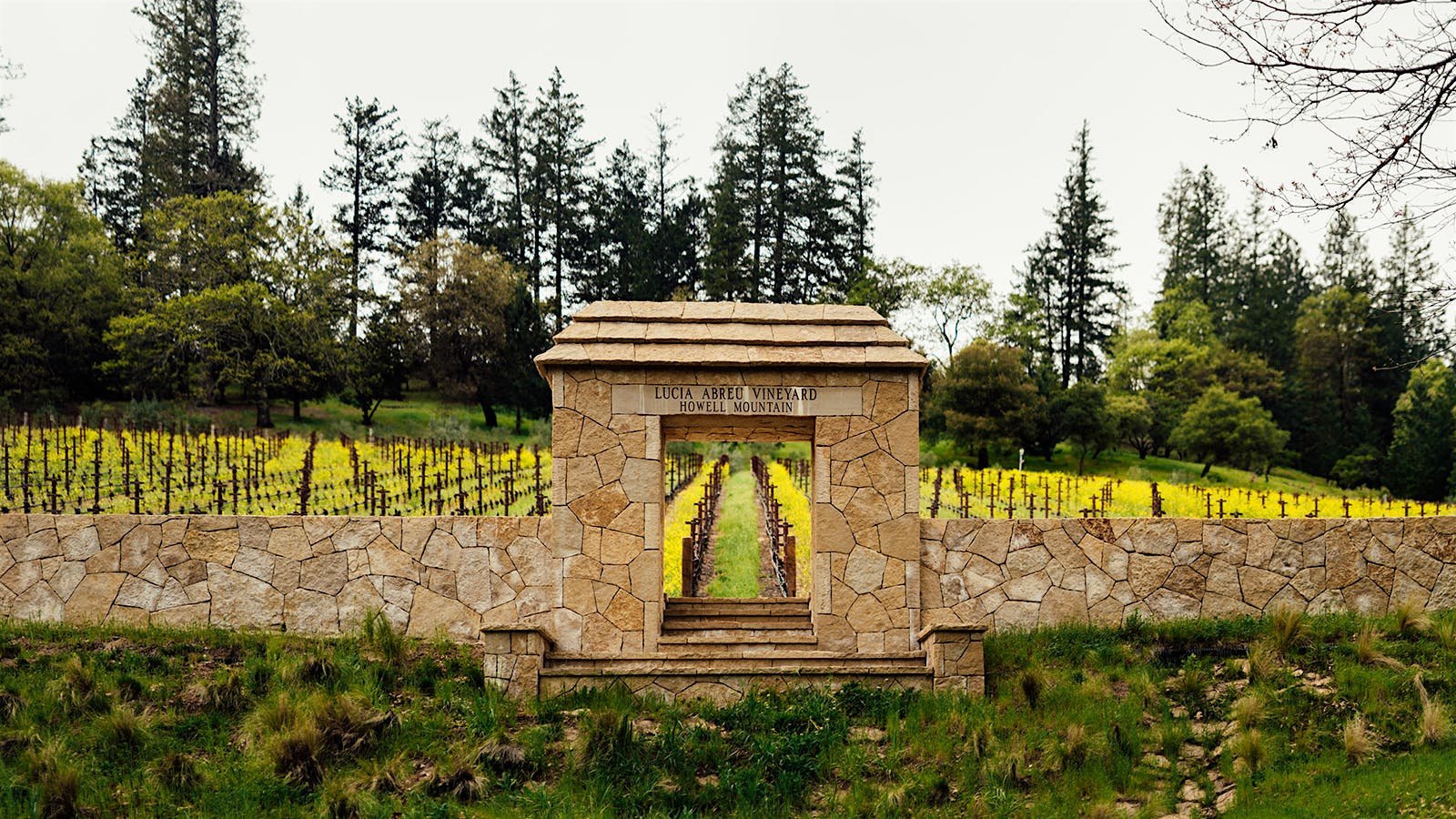
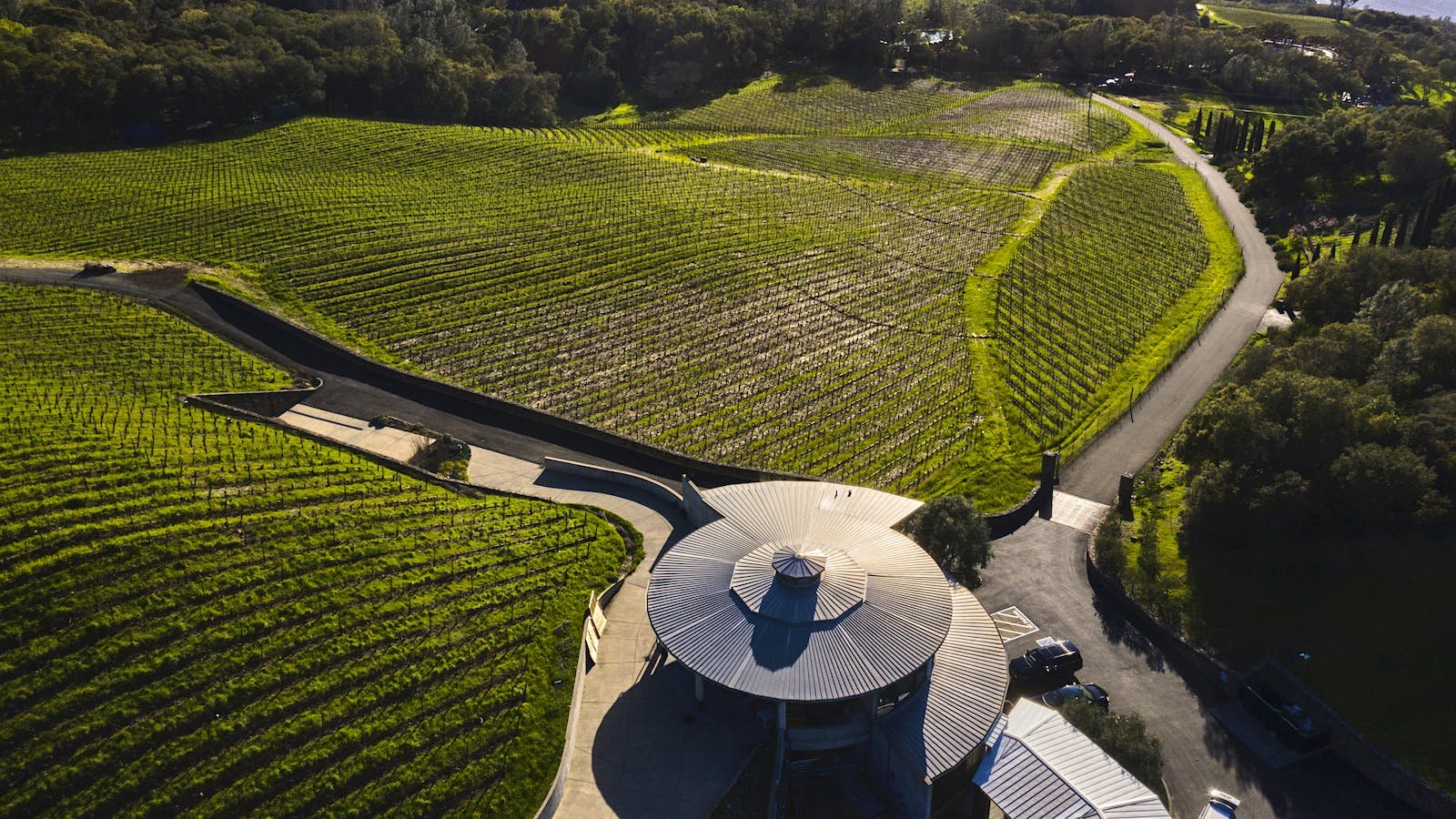
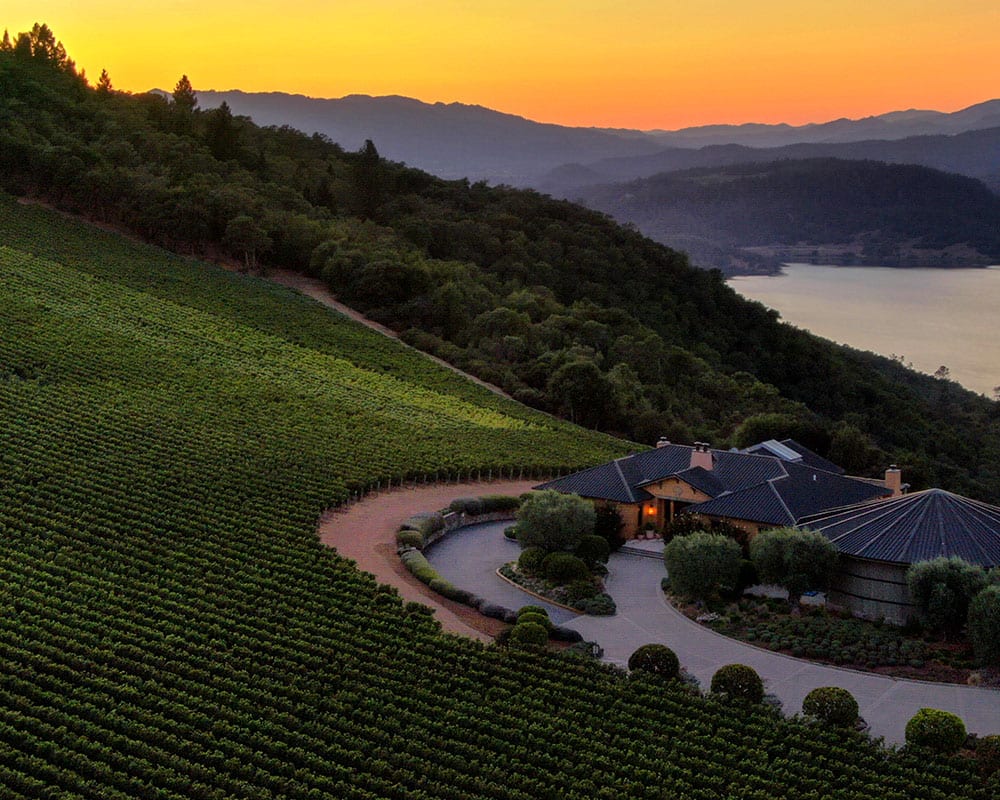
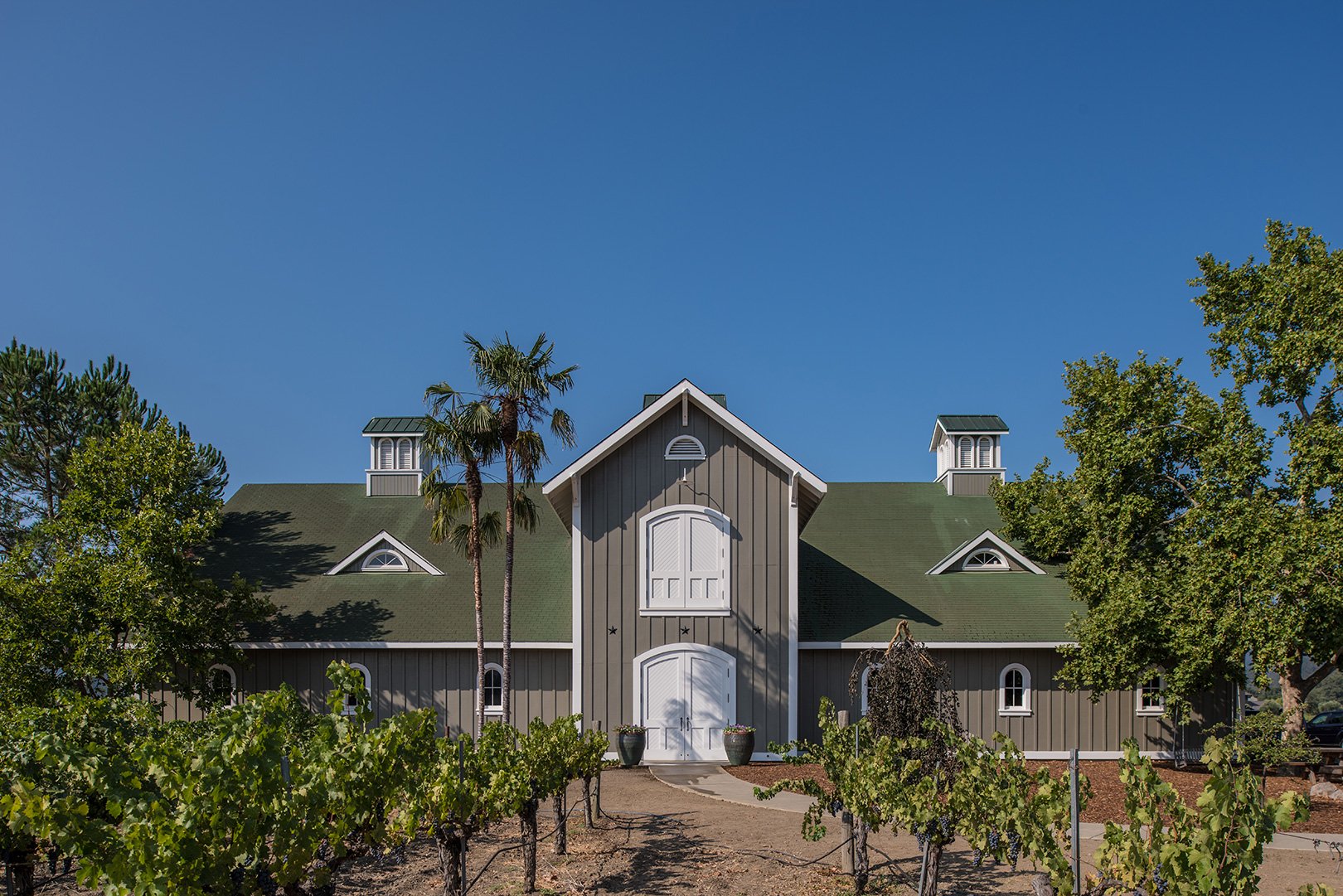
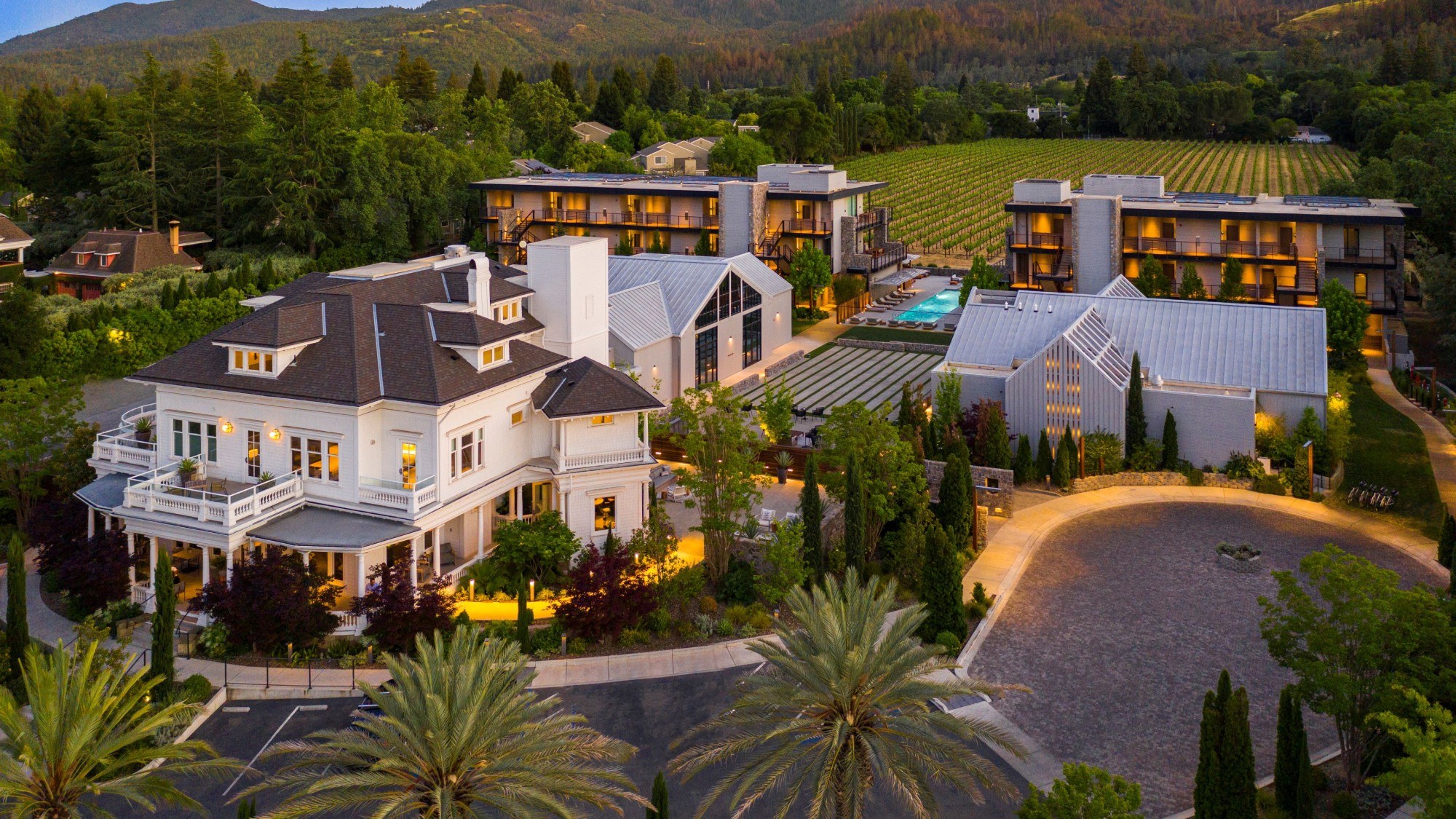
Brand Napa Valley presents as a focused, small-production estate that privileges the wine above spectacle. Set on Long Ranch Road rather than the busy Highway 29 corridor, the property aligns with a cohort of allocation-driven, appointment-only houses where visits are deliberate and curated. The narrative emphasizes craft and consistency—underscored by the 2025 Pearl 3 Star Prestige designation—so the atmosphere reads as understated, serious, and quietly exclusive. This is a tasting experience for people who want precision and refinement rather than high-traffic tasting-room energy.
Best For
Brand Napa Valley is best suited to visitors seeking an educational and intentional tasting rather than a casual drop-in. The estate’s appointment-shaped visits and allocation-focused operations make it a natural fit for wine education, collectors checking on allocated releases, and couples or small parties celebrating special occasions or romantic getaways. Guests who prefer structured encounters with winemakers or winery staff—rather than loud, walk-in rooms—will find Brand’s approach and small-production focus well matched to their expectations.
Tasting Tips
Book an appointment in advance and expect a structured, appointment-based tasting rather than spontaneous drop-ins. The winery operates within a small-production, allocation-driven model, so inquire about availability and any allocation lists before you go. Given the estate’s location on Long Ranch Road away from Highway 29, confirm directions and arrival details with the host. Mention the Pearl 3 Star Prestige designation if you want context on the lineup, and plan for a tasting that emphasizes consistency and craft over casual sampling.
Venue details
Ambiance
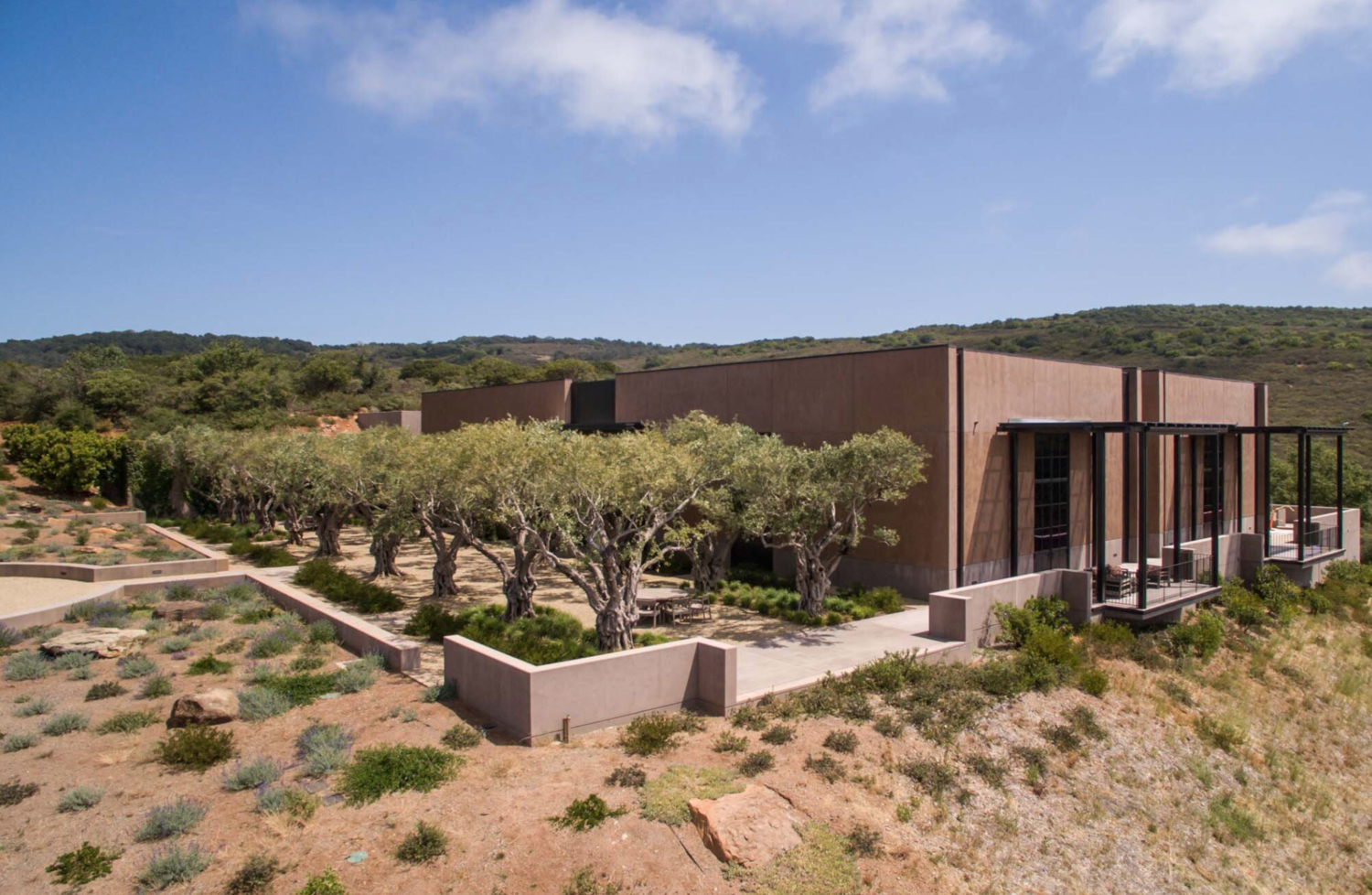
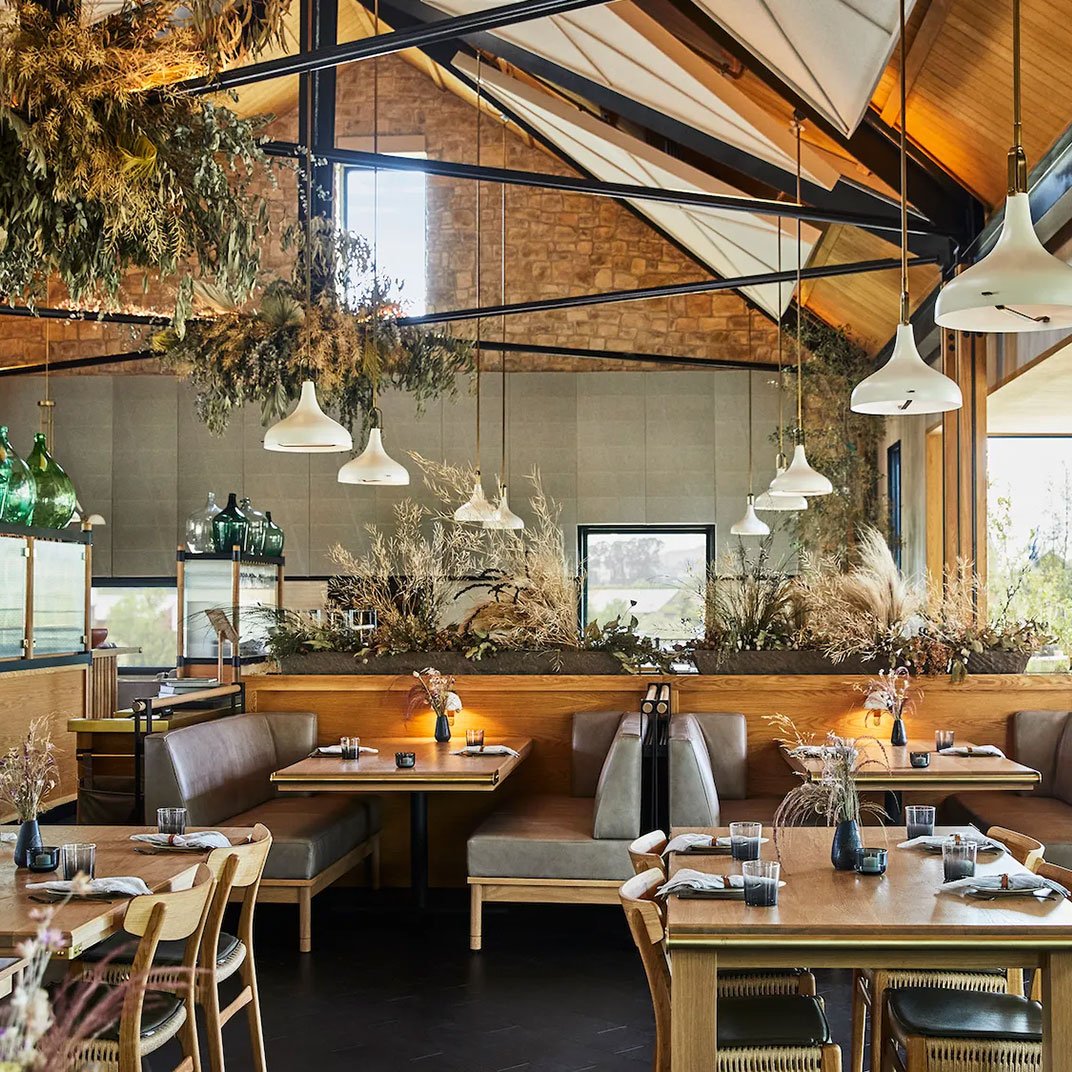
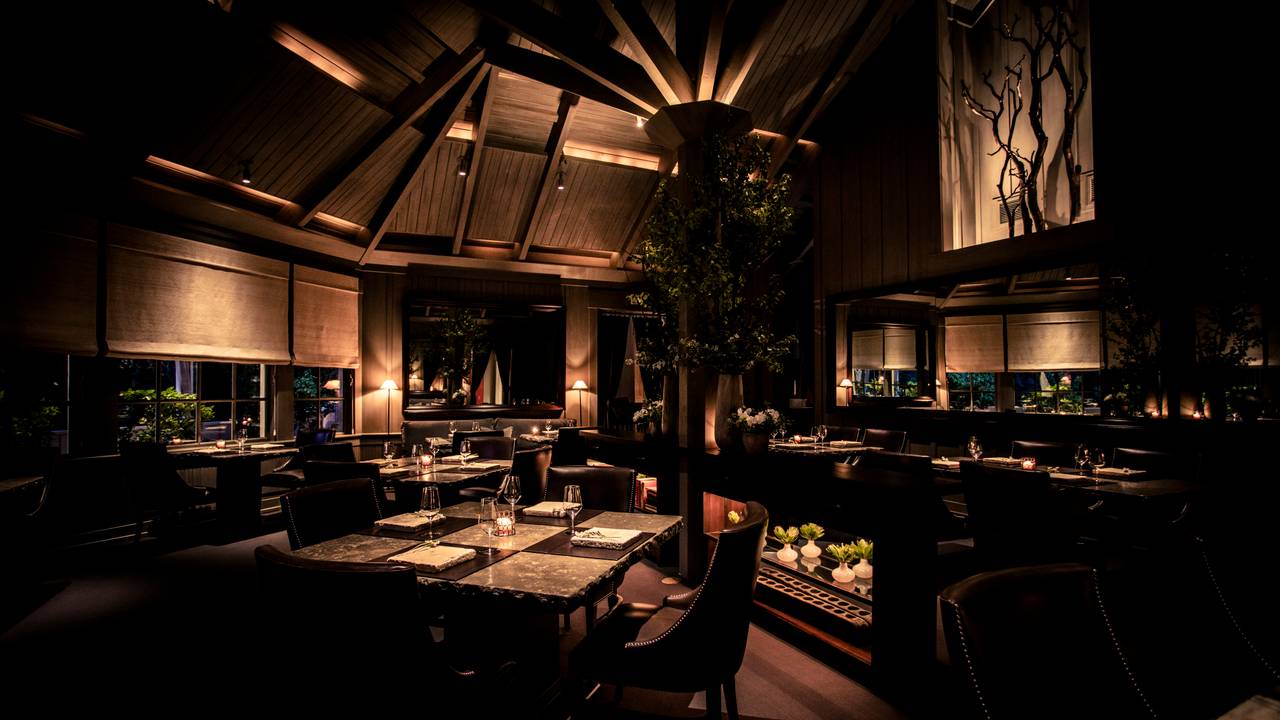
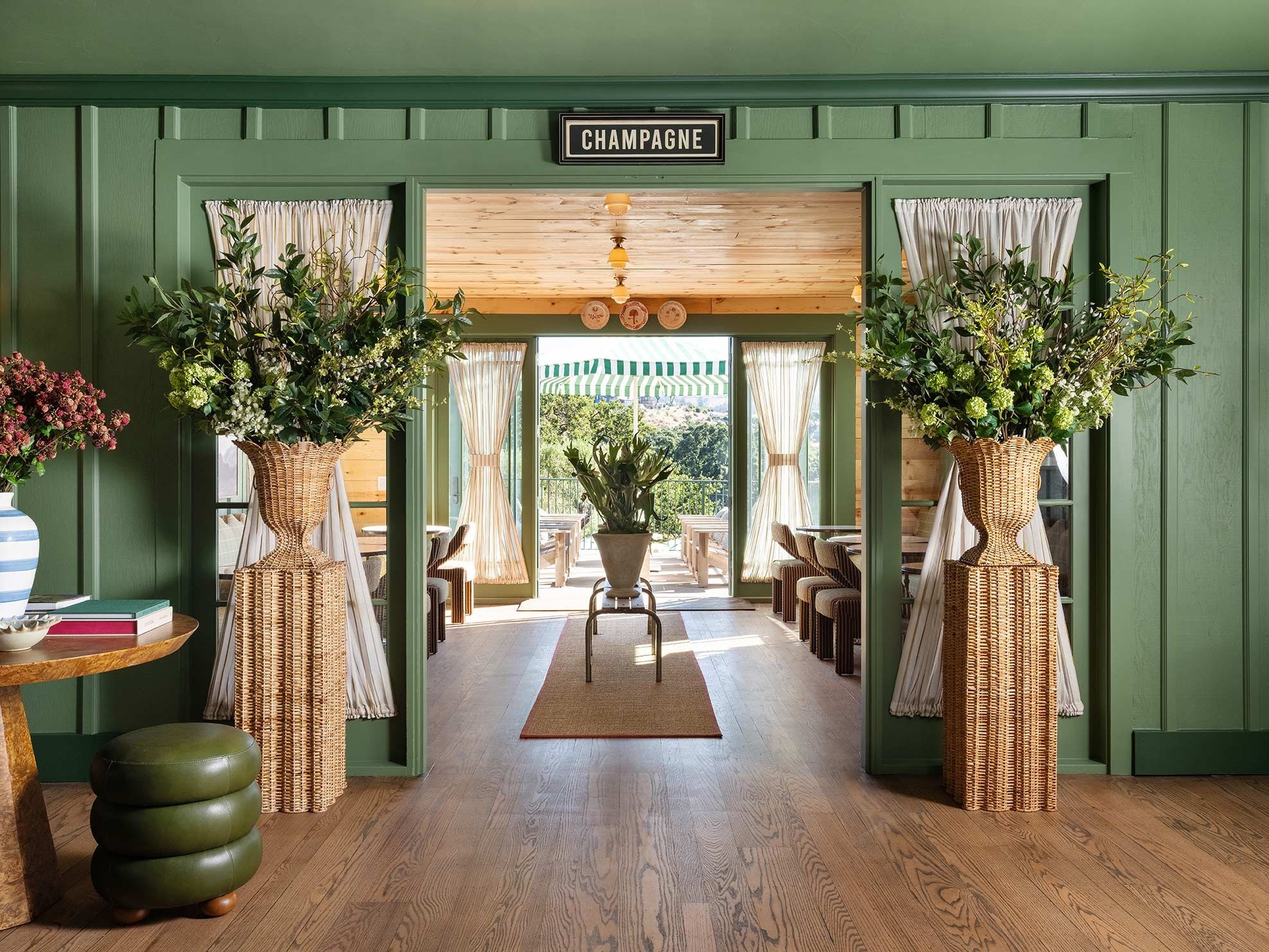
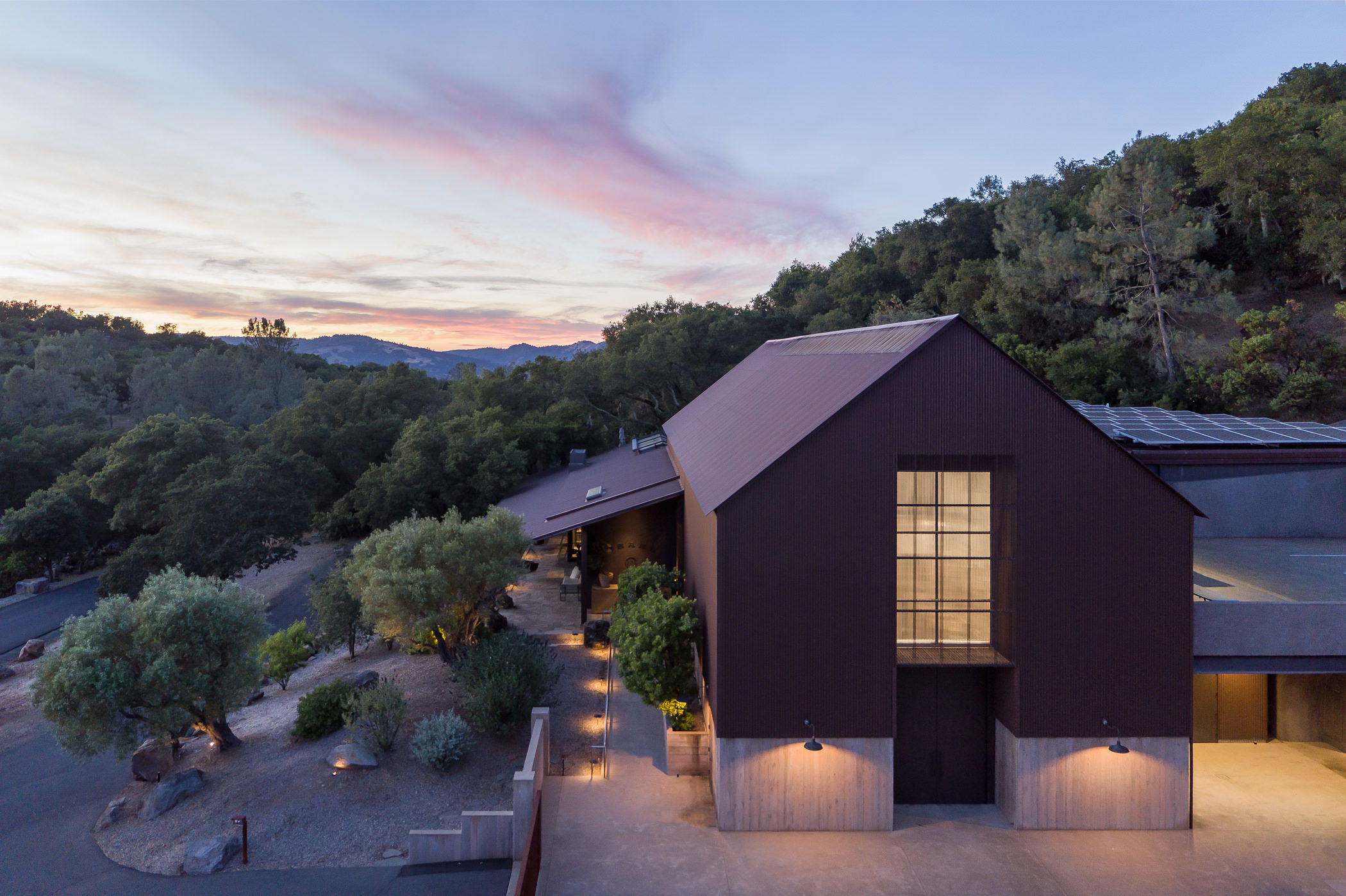
Thoughtfully appointed tasting salon and cave wine library with attention to detail; mountain terroir creates muscular, texturally-driven wines built to age.
Tags
Vibe
Best For
Experience
Sourcing
View
At the Vineyard
- Appellation
- Napa Valley AVA
- Varietals
- Cabernet Sauvignon, Cabernet Franc, Petit Verdot, Falanghina
- Visits
- By appointment only
- Farming
- Biodynamic
- Wine Styles
- Still Red
- Food Pairing
- Offered
- Wine Club
- Available
Know before you go
Know Before You Go
- Getting there
- 90 Long Ranch Rd, St Helena, CA 94574
Planning details
Location
Recognition and awards
Also consider
Also Consider
- David Arthur Vineyards, Notable alternative
- Colgin Cellars, Notable alternative
- Gandona Estate, Notable alternative
- Miner Family Winery, Notable alternative
- Dalla Valle Vineyards, Notable alternative
Winery context
Among St. Helena peers, Brand Napa Valley is the pick for a focused, high-end Cabernet itinerary where the appointment itself is the point. David Arthur Vineyards and Colgin Cellars sit in the same serious-collector lane, so the better choice comes down to access and how narrow a wine focus the group wants. For travelers who want a less pressured day, Miner Family Winery is the more practical cross-shop.
Gandona Estate and Dalla Valle Vineyards are better comparisons for guests prioritizing a prestige Napa setting over convenience. Brand Napa Valley makes more sense when the day is built around depth and privacy; Miner Family Winery makes more sense when the group needs a winery that fits more easily into a broader St. Helena schedule.
For value, do not judge this set like casual tasting rooms. The better question is opportunity cost: if one hard-to-secure appointment defines the day, Brand Napa Valley belongs on the shortlist. If the group wants range, flexibility, or a lighter commitment, start with Miner Family Winery and keep the more access-sensitive producers for a collector-specific trip.
Around this place
Discover more on Pearl
Unlock the full Brand Napa Valley guide in Pearl, including awards, comparisons, FAQs, planning details, and nearby places.
Compare Brand Napa Valley
| Venue | Location | Awards |
|---|---|---|
| Brand Napa Valley | St. Helena | 2025 Pearl 3 Star Prestige |
| David Arthur Vineyards | St. Helena | No published awards |
| Colgin Cellars | St. Helena | 2026 Falstaff Winery Guide2025 Pearl 4 Star Prestige |
| Gandona Estate | St. Helena | No published awards |
| Miner Family Winery | Oakville | No published awards |
| Dalla Valle Vineyards | Napa | 2026 Falstaff Winery Guide2025 Pearl 4 Star Prestige |

How Brand Napa Valley compares with similar nearby venues.
FAQ
Frequently Asked Questions
When is the best time to visit Brand Napa Valley?
Brand Napa Valley is in St. Helena and holds Pearl 3 Star Prestige for 2025, so plan deliberately and confirm timing directly with the venue.
How long should I plan for a visit to Brand Napa Valley?
If you are building a St. Helena itinerary around Brand Napa Valley, leave enough flexibility for the venue's confirmed timing and any details shared by the team.
What is Brand Napa Valley known for?
Brand Napa Valley is known for its St. Helena location, Joe Harden as chef/owner, smart casual dress code, and Pearl 3 Star Prestige recognition for 2025. Confirm any current offerings directly with Brand Napa Valley before your visit.
Are there membership or visitor details for Brand Napa Valley?
Consider making plans only after confirming the current terms, availability, and practical details directly with Brand Napa Valley.
Does Brand Napa Valley serve food?
Do not plan around on-site food unless Brand Napa Valley confirms it for your visit.