Koguma
Kaiseki · Ginza, Tokyo
Restaurant in Tokyo, Japan
 Book with Pearl
The Read
Chef
Hirotaka Koiwa
Why go
Book Koguma if the goal is serious Ginza kaiseki without needing a flashy room or a broad menu. The case rests on chef Hirotaka Koiwa’s focused Japanese cooking and 2026 recognition from Opinionated About Dining; cross-shop Mibu for a more lore-driven kaiseki choice or Ginza Fujiyama if staying in Ginza is the priority.
About Koguma
Ginza in 2026 can make kaiseki feel like a binary choice: either grand ceremony or inaccessible counter culture. This is the reset: Koguma is better read as a focused Ginza kaiseki choice for diners who care about technical Japanese cooking more than theatrical luxury. The visual cue is the address itself, up on the third floor of a Ginza building rather than presented as a street-level showpiece, which suits the kind of meal to book when the food is the point.
Ginza kaiseki for diners who want precision over performance
The reason to consider this table is the kitchen’s kaiseki focus under Hirotaka Koiwa. With no à la carte positioning or casual format attached, the decision is simple: book if the appeal is a composed Japanese meal where seasonality, pacing, and restraint matter. Skip it if the goal is a flexible night out, a broad menu, or a room chosen mainly for social energy.
For an explorer working through Tokyo’s serious Japanese restaurants, this sits in the deeper end of the category rather than the easy crowd-pleaser lane. It is built on whether a kaiseki meal in Ginza, led by a named chef and recognized by Opinionated About Dining in 2026, is the experience being sought.
Who should book, and who should cross-shop
Book this for a quiet, food-led dinner, a solo or two-person kaiseki plan, or a special occasion where the meal matters more than the room’s spectacle. Larger groups, diners with strict dietary needs, or anyone needing full certainty on format before committing should compare alternatives first.
Against nearby kaiseki peers, the choice comes down to mood and access. Mibu is the more lore-heavy name for diners chasing Tokyo kaiseki history. Ginza Fujiyama is the most natural cross-shop if staying in the same neighborhood matters. Iyuki, Hirosaku, and Mitaka are better comparisons when the priority is finding another serious Japanese meal in Tokyo rather than anchoring the night specifically in Ginza.
Planning details
- Location
- Japan, 〒104-0061 Tokyo, Chuo City, Ginza, 5 Chome−5−13 坂口ビル 3F
- Reservations
- Book on Omakase
- Website
- ginza-koguma.com
- Phone
- +81 3-5537-7444
Venue details
Ambiance
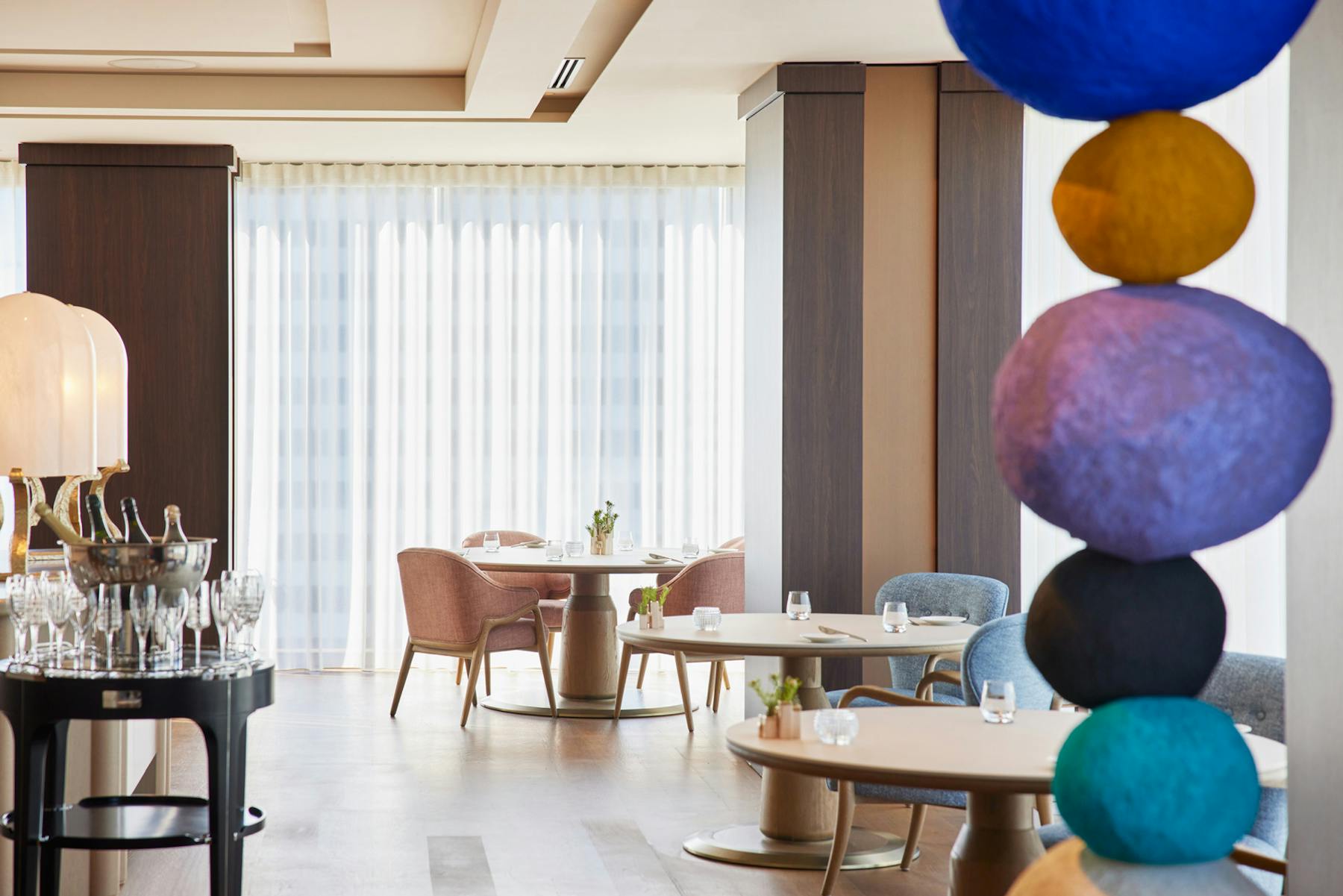
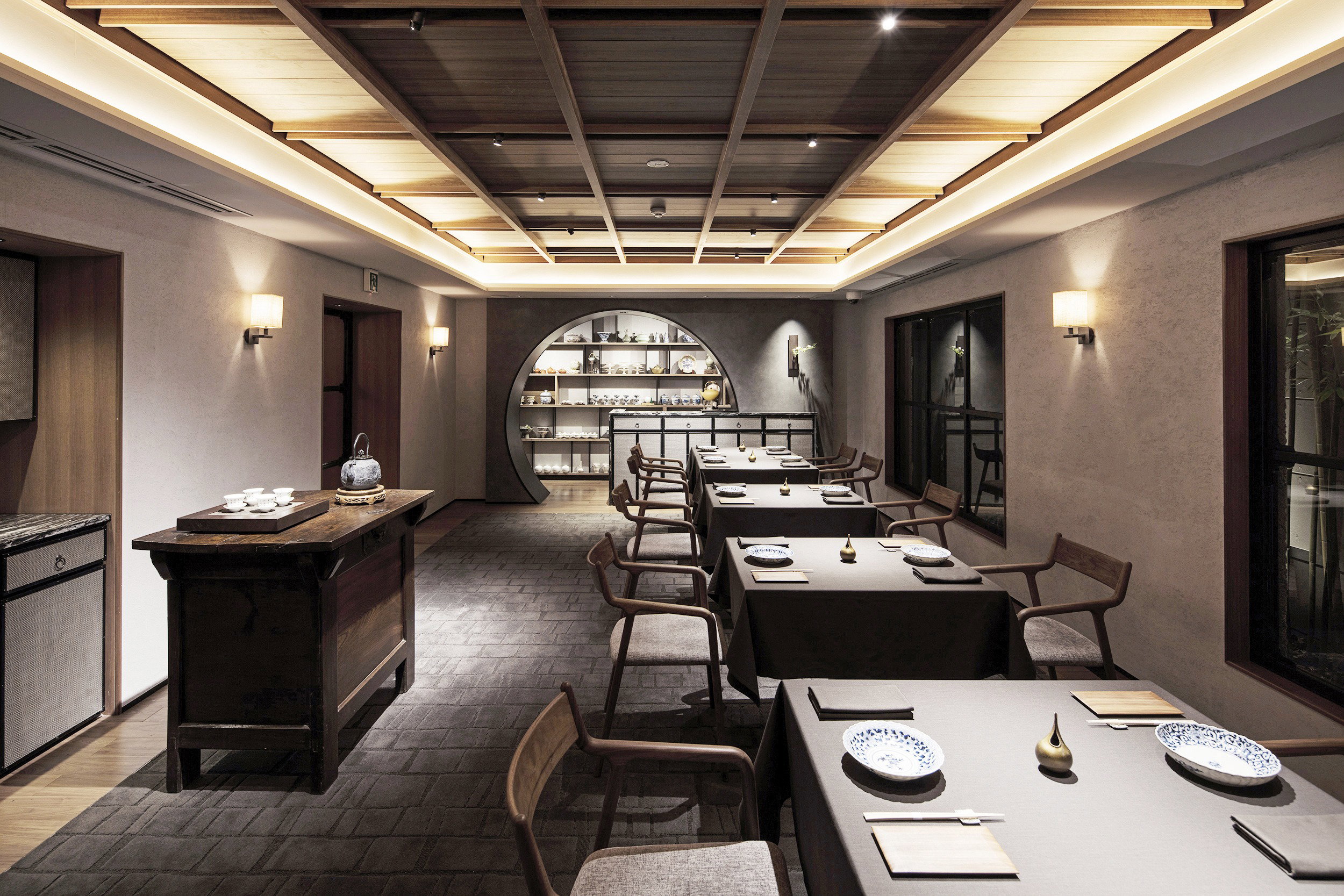
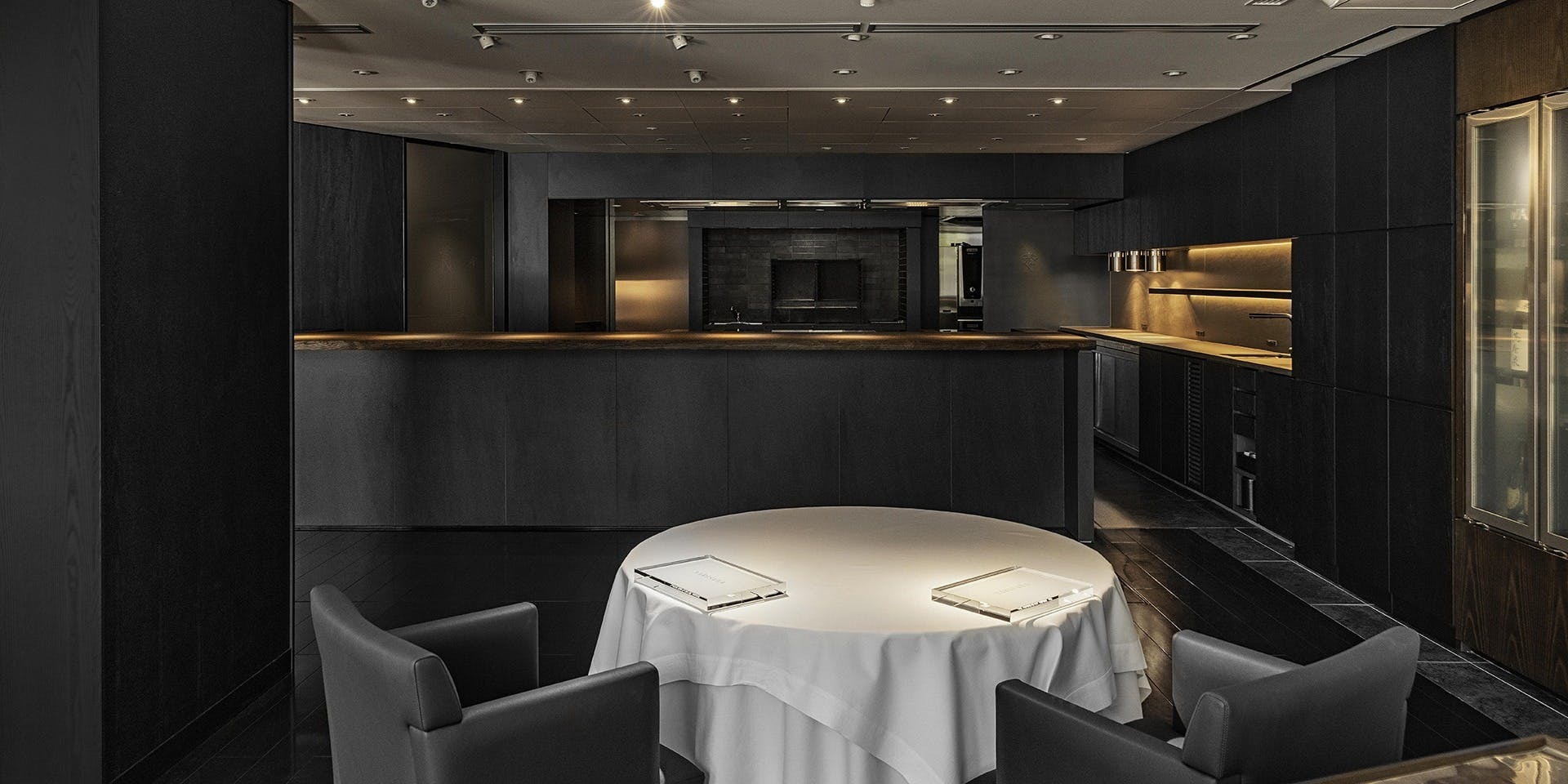
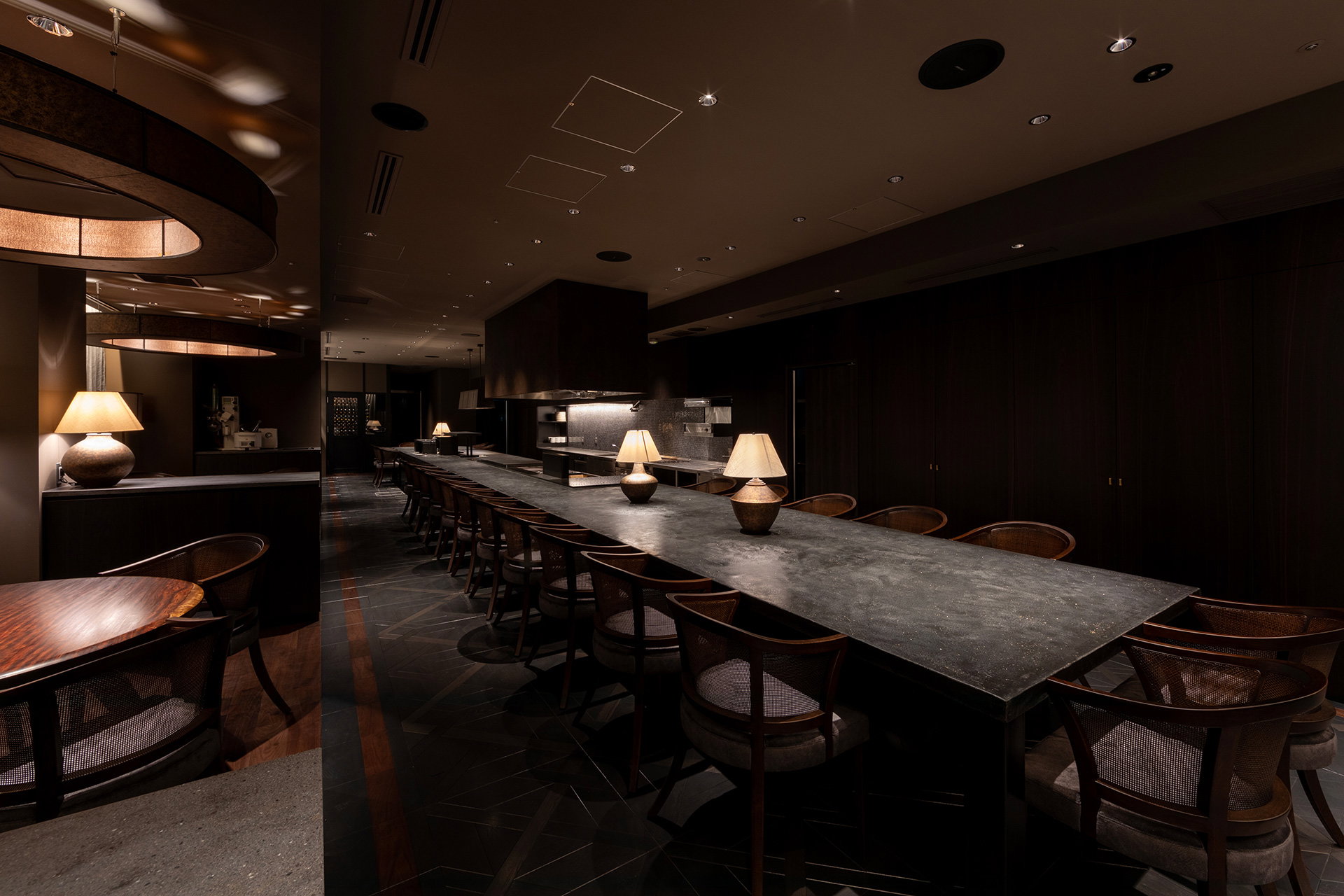
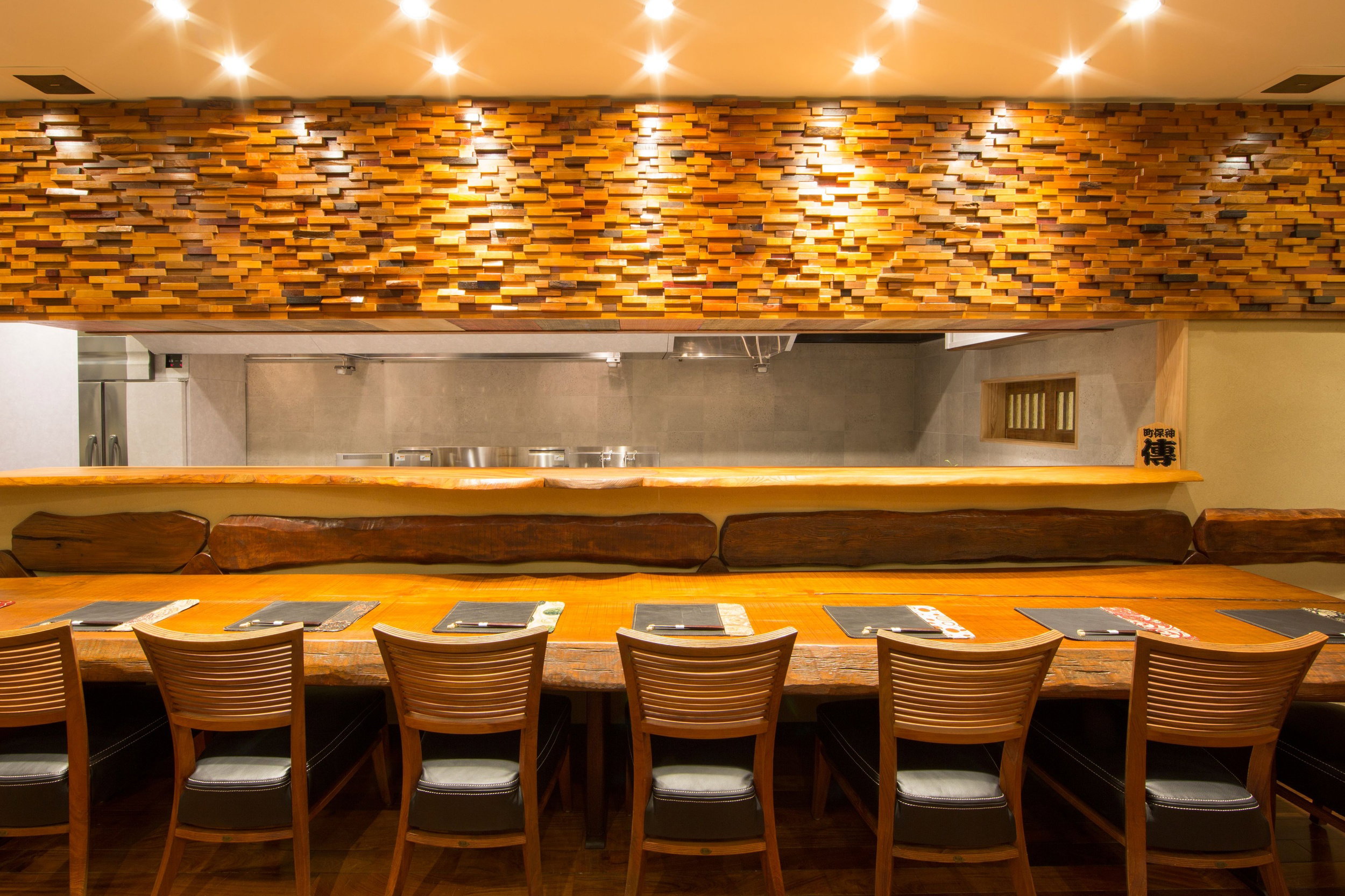
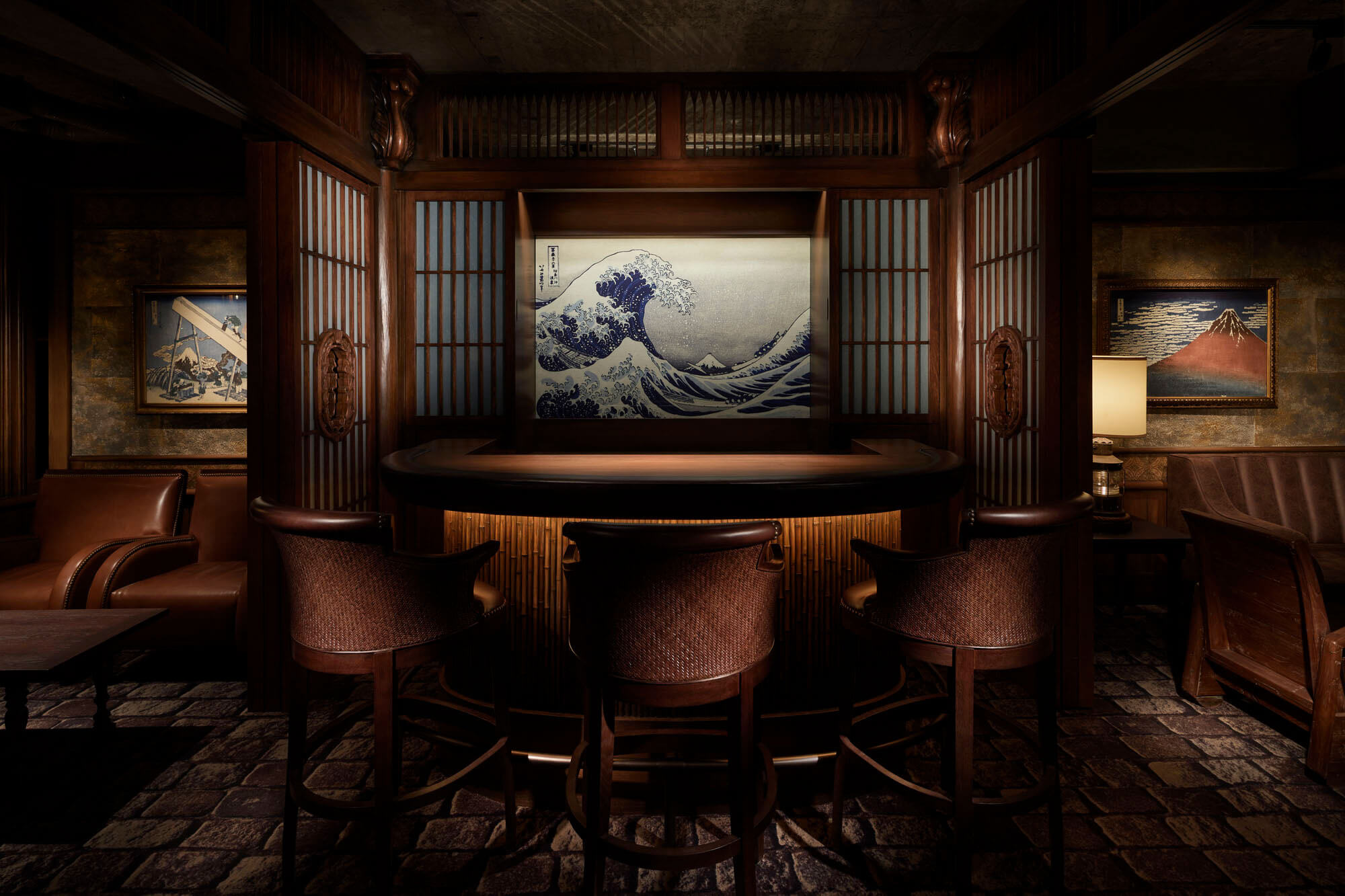
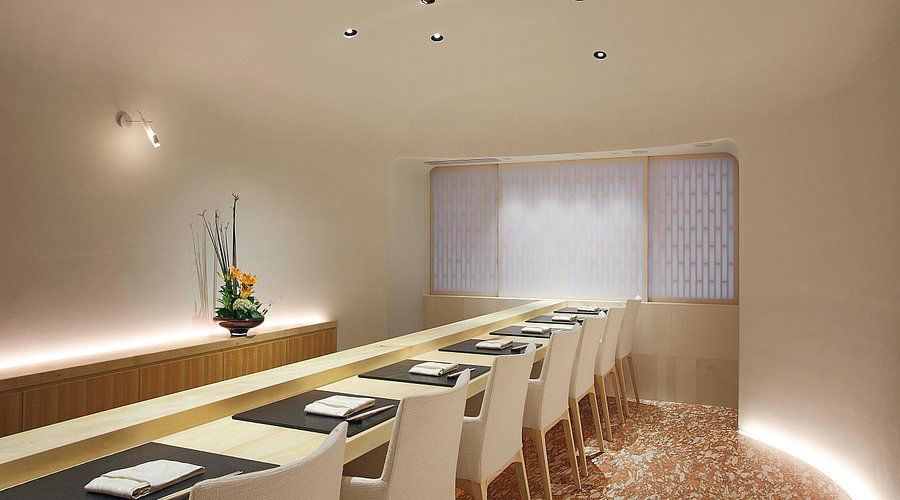
An intimate, polished Ginza setting with counter seating and private rooms, suited to a quiet, formal Japanese dining experience.
Tags
Vibe
Best For
Experience
Sourcing
At the Table
- Service Style
- Formal
- Meal Pacing
- Extended Experience
- Kitchen
- Seasonal
- Menu Format
- Set menu, Counter dining
- Private Dining
- Available
- Opened
- 2014
Know before you go
Know Before You Go
- Getting there
- Japan, 〒104-0061 Tokyo, Chuo City, Ginza, 5 Chome−5−13 坂口ビル 3F
Planning details
Location
Japan, 〒104-0061 Tokyo, Chuo City, Ginza, 5 Chome−5−13 坂口ビル 3F · Directions
Also consider
Where to look if Koguma is not the fit
Try Ginza Fujiyama first if the evening needs to stay in Ginza and the cuisine brief is still kaiseki. Choose Mibu if the priority is a more reputation-led Tokyo kaiseki reservation.
Restaurant context
How Koguma compares with Tokyo kaiseki peers
Koguma is the tighter Ginza pick for diners who want kaiseki technique without making the room or reputation the whole point. Mibu is the better fit if the priority is a more storied Tokyo kaiseki name, while Ginza Fujiyama is the cleanest cross-shop for staying in Ginza.
For value, the comparison concerns what kind of evening is being bought. Koguma makes sense for a focused chef-led kaiseki meal; Iyuki, Hirosaku, and Mitaka are useful alternatives if location flexibility matters more than being in Ginza.
Booking difficulty is marked easy here, which gives Koguma a practical edge for travelers building a Tokyo dining plan without turning every meal into a reservation project. Choose Mibu for reputation, Ginza Fujiyama for the closest neighborhood comparison, and Koguma when access plus serious kaiseki is the smarter trade.
Explore Tokyo
Around this place
Discover more on Pearl
Unlock the full Koguma guide in Pearl, including awards, comparisons, FAQs, planning details, and nearby places.
Compare Koguma
How it compares
Koguma is the practical Ginza kaiseki choice when the brief is serious Japanese cooking with easier access. Mibu is the stronger pick for diners prioritizing Tokyo kaiseki lore, while Ginza Fujiyama is the closest neighborhood cross-shop.
Iyuki, Hirosaku, and Mitaka make sense when the plan is a wider Tokyo kaiseki search rather than a Ginza-specific booking. Koguma is the better call when reservation ease and focused kaiseki matter more than chasing a harder-to-secure name.
FAQ
Frequently Asked Questions
Is Koguma good for solo dining?
Yes, this suits solo dining if the goal is a focused kaiseki meal in Tokyo rather than a social, high-energy room. A solo guest will usually get more out of a chef-led format like this than a larger group.
What should I wear to Koguma?
Aim for polished, dinner-appropriate clothing. A kaiseki restaurant in Ginza, Tokyo, especially one with an OAD 2026 recommendation, is not the place for very casual outfits.
Is Koguma good for a special occasion?
Yes, this works well for a special occasion when the meal matters more than spectacle. The OAD Top Restaurants in Japan Recommended (2026) listing gives it a clear trust signal, and kaiseki in Ginza fits a quieter celebration.
What are alternatives to Koguma in Tokyo?
Use Mibu or Ginza Fujiyama if you want a similar kaiseki decision in Tokyo, and check Iyuki or Hirosaku for other comparison points. Mitaka is another useful peer if you are cross-shopping by format rather than mood.
Can Koguma accommodate groups?
Small groups are the safer bet, and parties of two will be the easiest fit for a kaiseki meal in Ginza. Larger groups should confirm space before planning, since this format usually works better for a compact table setup.