.png?width=1200&quality=80)
Shimogamo Ichima
Sushi · Sakyō, Kyoto
Restaurant in Kyoto, Japan
 Book with Pearl
The Read
Temari Counter Tradition
Price
$30–50per person
Dress
Smart Casual
Why go
Shimogamo Ichima is a Michelin Plate-recognised sushi restaurant in Kyoto's Sakyo Ward specialising in temari sushi — small, hand-shaped pieces rooted in the city's geisha dining tradition. At ¥¥¥, it sits a tier below Kyoto's kaiseki rooms and is easy to book, making it a practical choice for a focused, seasonally-minded sushi experience without the reservation pressure of the city's most sought-after tables.
About Shimogamo Ichima
The Verdict
Shimogamo Ichima is worth revisiting for the breadth of its evening à la carte menu and the seasonal changes within its temari sushi. The format is unusually specific in Kyoto's sushi scene, while Michelin Plate recognition in both 2024 and 2025 confirms that it is more than a novelty. Lunch offers the more structured introduction; dinner gives returning guests room to follow their interests.
What Shimogamo Ichima Actually Is
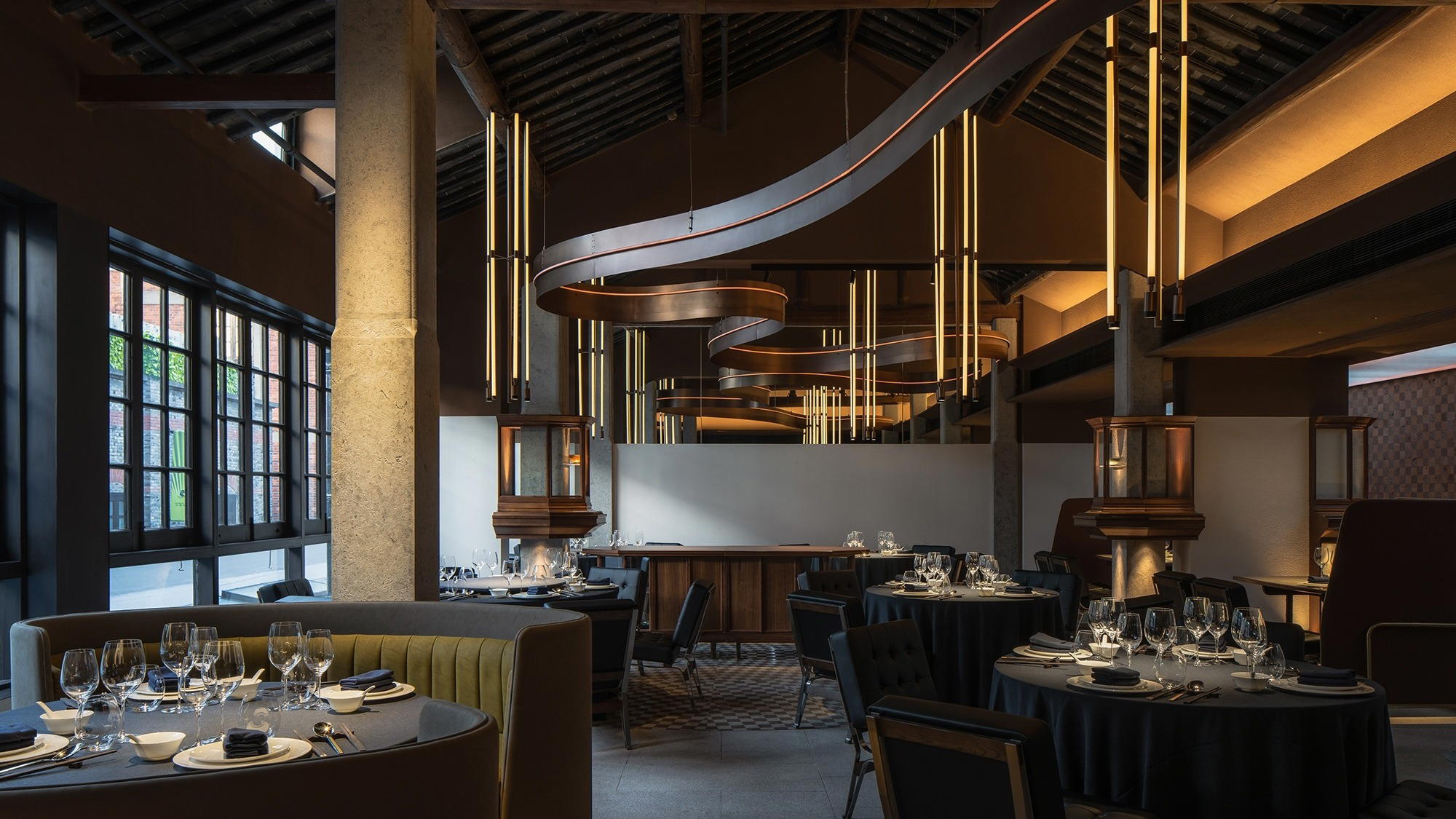
Shimogamo Ichima sits in Sakyo Ward at 62 Shimogamo Miyakawacho, on a quieter residential stretch away from Gion and Nishiki. The atmosphere is calm rather than theatrical: this is not a counter-style omakase room built around a chef's performance, but a composed neighbourhood restaurant with a technically considered approach. Conversation carries easily, and the unhurried pacing suits a return visit.
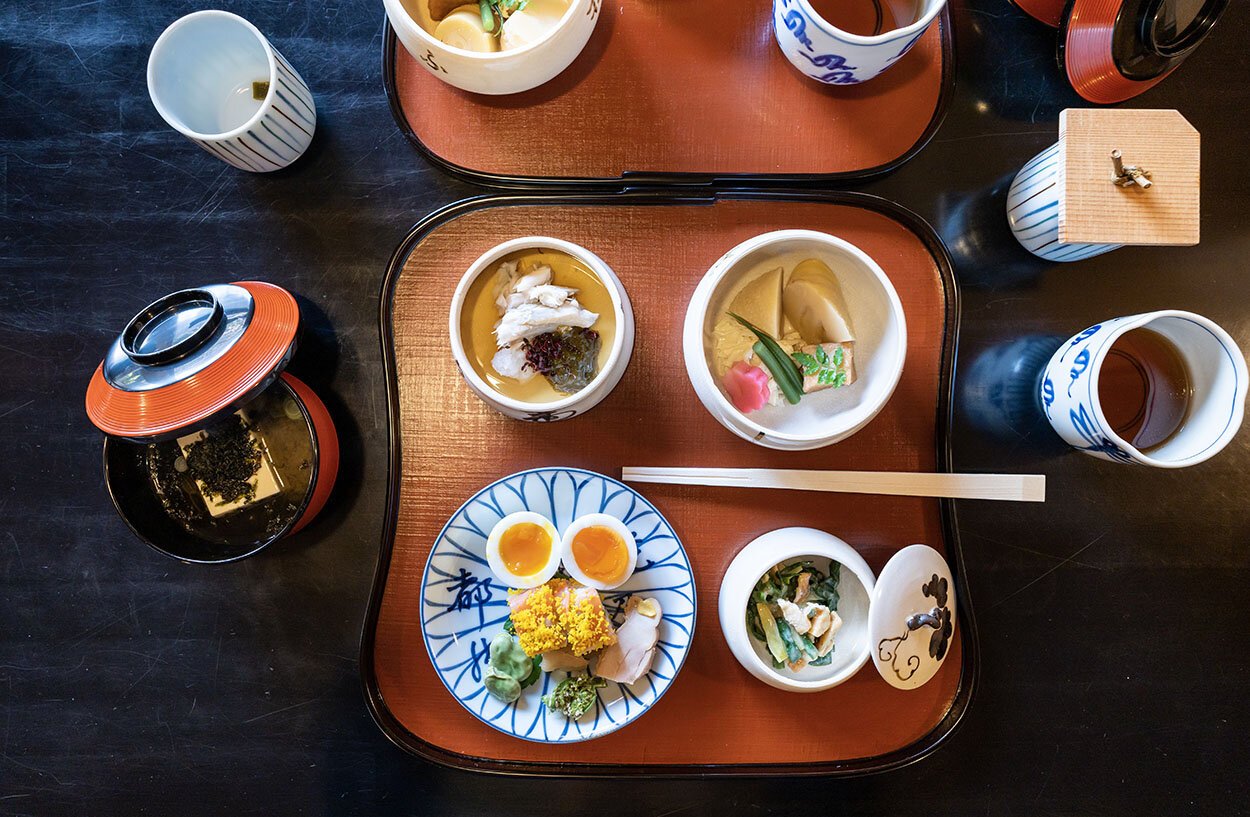
The concept draws on a Kyoto tradition. The chef's grandfather developed the temari format by emulating the craftsmanship of saikuzushi, shaping sushi small enough for geisha and maiko to eat in a single bite without disrupting their appearance. The pieces are small and round, formed gently by hand, with rice that breaks apart softly rather than holding the firmer structure associated with Edomae-style sushi. Sea bream, tuna, and shrimp are among the options, alongside a considerably wider range.
Seasonality gives the menu a reason to revisit at a different time of year. Mackerel sushi appears in autumn, while steamed sushi is offered in winter. A return in November or December after a spring or summer visit can therefore bring a meaningfully different selection.
The Evening À La Carte Question
The evening format is the restaurant's clearest advantage for repeat visitors. Shimogamo Ichima offers a comprehensive range of à la carte items at night, moving away from a fixed progression and allowing you to return to the temari sushi while exploring the rest of the menu. It can also suit a later evening, when many Kyoto restaurants at this price tier have closed or stopped taking orders. Check current hours directly before booking.
At ¥¥¥, Shimogamo Ichima sits below Kyoto's ¥¥¥¥ kaiseki rooms. You spend less than at Gion Sasaki or Ifuki, while getting a focused, format-specific meal rather than a full kaiseki progression. For visitors seeking a Kyoto sushi experience without the commitment of a ¥¥¥¥ evening, the positioning is straightforward.
Within Kyoto's sushi category, Sushi Rakumi, Izugen, Izuu, KASHIWAI, and Kikunoi Sushi Ao offer useful points of comparison. Outside Kyoto, Harutaka in Tokyo and Sushi Shikon in Hong Kong show the format at a higher investment level, while Shoukouwa in Singapore provides a regional reference.
For a wider Kyoto itinerary, see our full Kyoto restaurants guide, alongside hotels, bars, wineries, and experiences. In Kansai, HAJIME in Osaka and akordu in Nara are further options; elsewhere in Japan, consider Goh in Fukuoka, 1000 in Yokohama, and 6 in Okinawa.
Booking and Practical Notes
Booking difficulty is rated easy. Advance booking is still advisable, but a week out is likely sufficient for most travel dates. No booking method is confirmed, so contact the restaurant directly or use a concierge service if you need assistance with Japanese-language reservations. Booking difficulty is rated easy, though autumn foliage season in November warrants earlier planning.
Planning details
- Location
- 62 Shimogamo Miyakawacho, Sakyo Ward, Kyoto, 606-0801, Japan
- Website
- shimogamosaryo.co.jp
- Phone
- +81 75-701-5185
The take
The Take
The Vibe
Shimogamo Ichima presents a quietly refined take on Kyoto sushi, centering the room and menu on the exacting tradition of temari sushi. The interior and service read restrained rather than performative, matching the measured pace of the surrounding Sakyo Ward. Rather than Tokyo-style theatrical counters, the restaurant emphasizes hand-shaped, single-bite pieces that reflect centuries of courtly taste and craft. The effect is serene and intimate — a small, historically grounded place where precision, composure, and restraint shape both what you eat and how you experience it.
Best For
This is a place for attentive, low-key dining: ideal for solo meals where a single-bite temari can be appreciated, for quiet date nights focused on craft and conversation, and for family visits that favor composed, shareable bites over boisterous group dining. The restaurant’s small scale and emphasis on refined, ceremonial forms make it best suited to parties that value calm, ritualized eating rather than noisy celebrations or large gatherings. It rewards guests who want a measured, traditional Kyoto sushi experience.
Ordering Tips
Lean into the specialties: temari sushi is the defining piece and the clearest expression of the restaurant’s approach, so order it to understand the concept. Chirashi sushi appears on the menu as a related, composed option if you prefer a bowl format, and the omakase nigiri—when offered—gives a fuller sense of the chef’s hand. Expect precise, single-bite servings focused on balance and tradition; choose a sequence that lets you taste several temari varieties rather than one large portion, and approach service with the quiet attention the place embodies.
Venue details
Ambiance
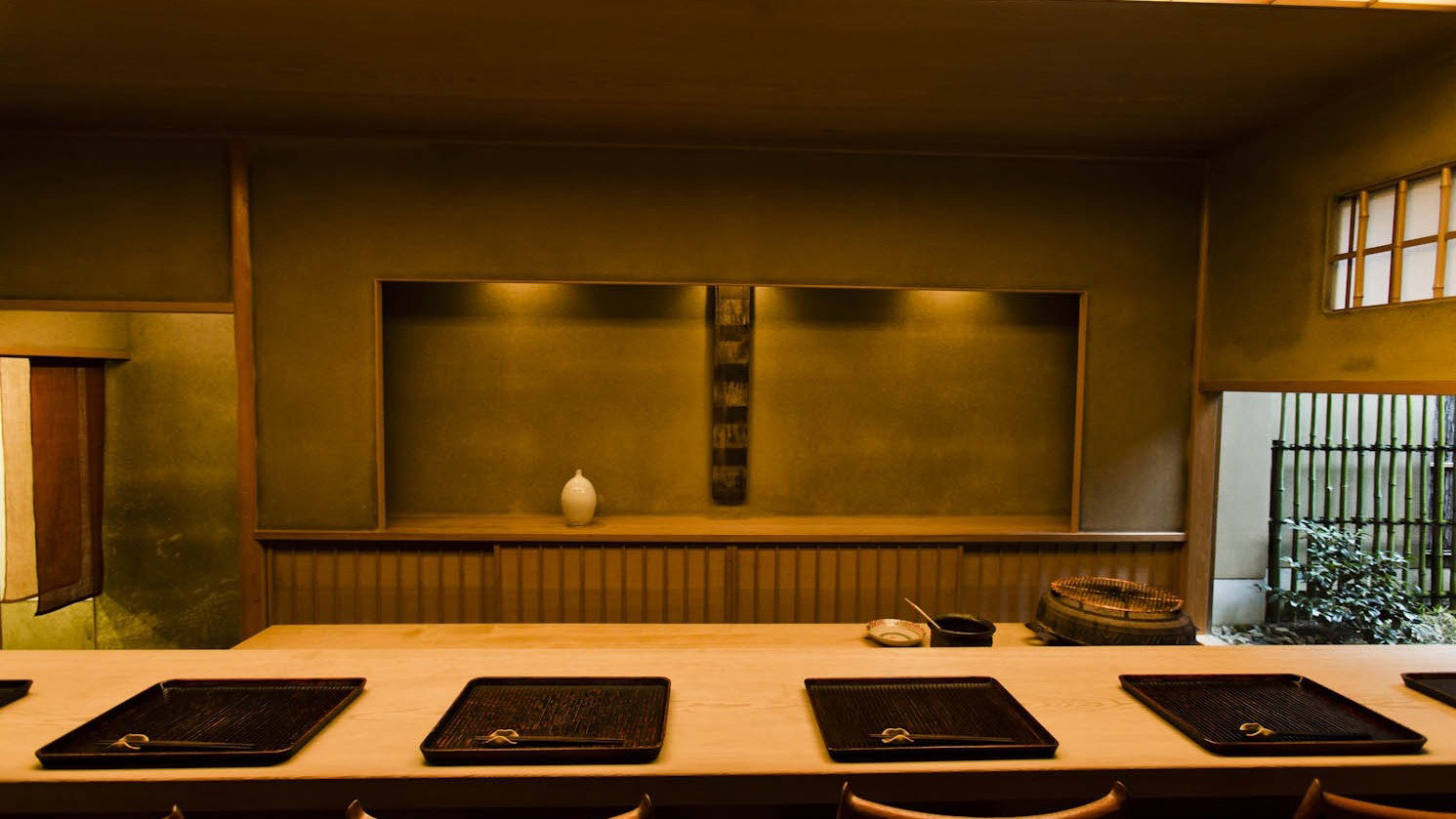
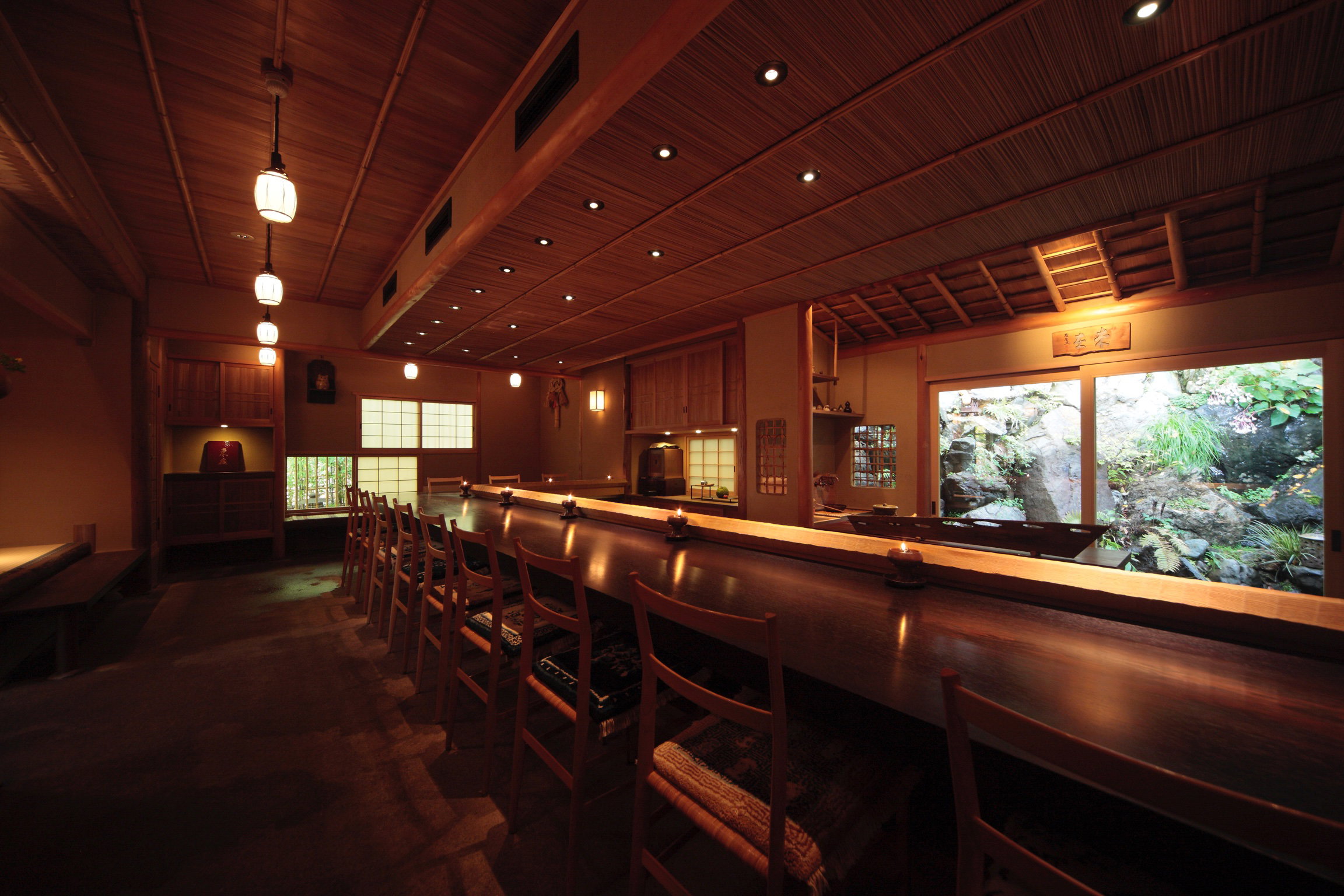
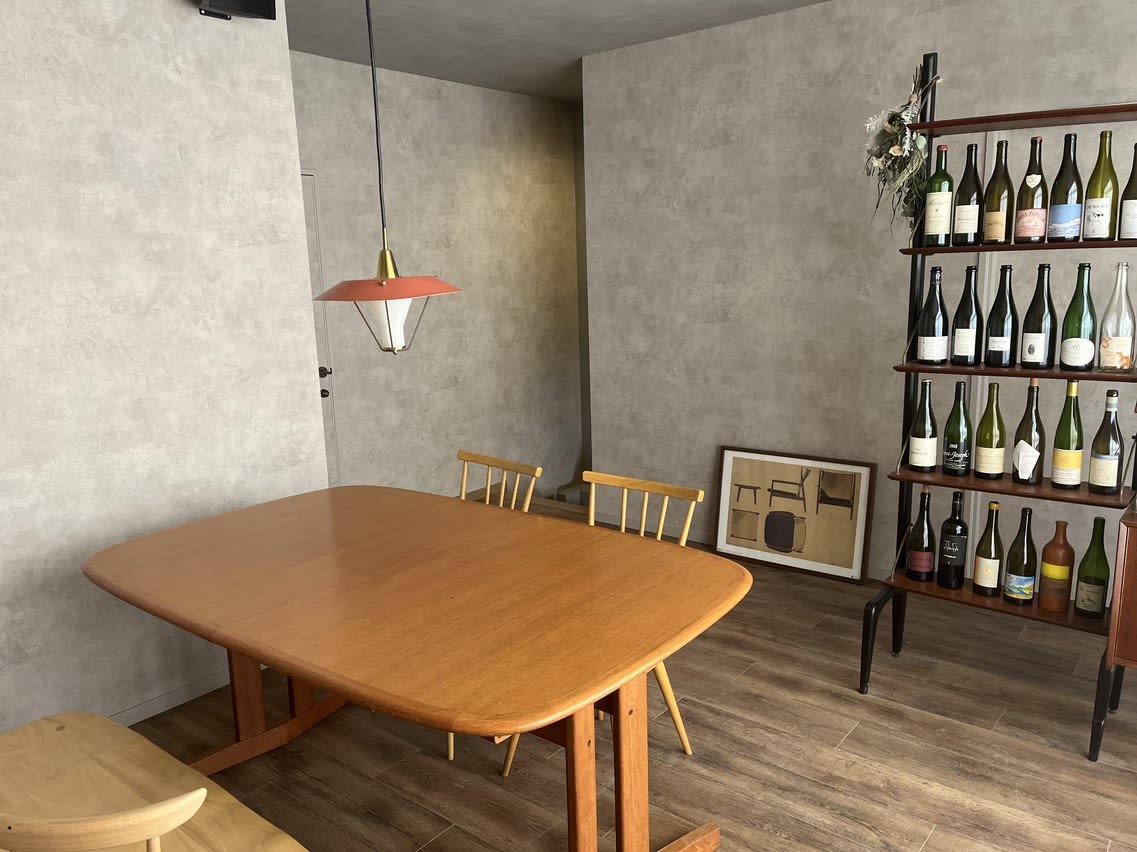
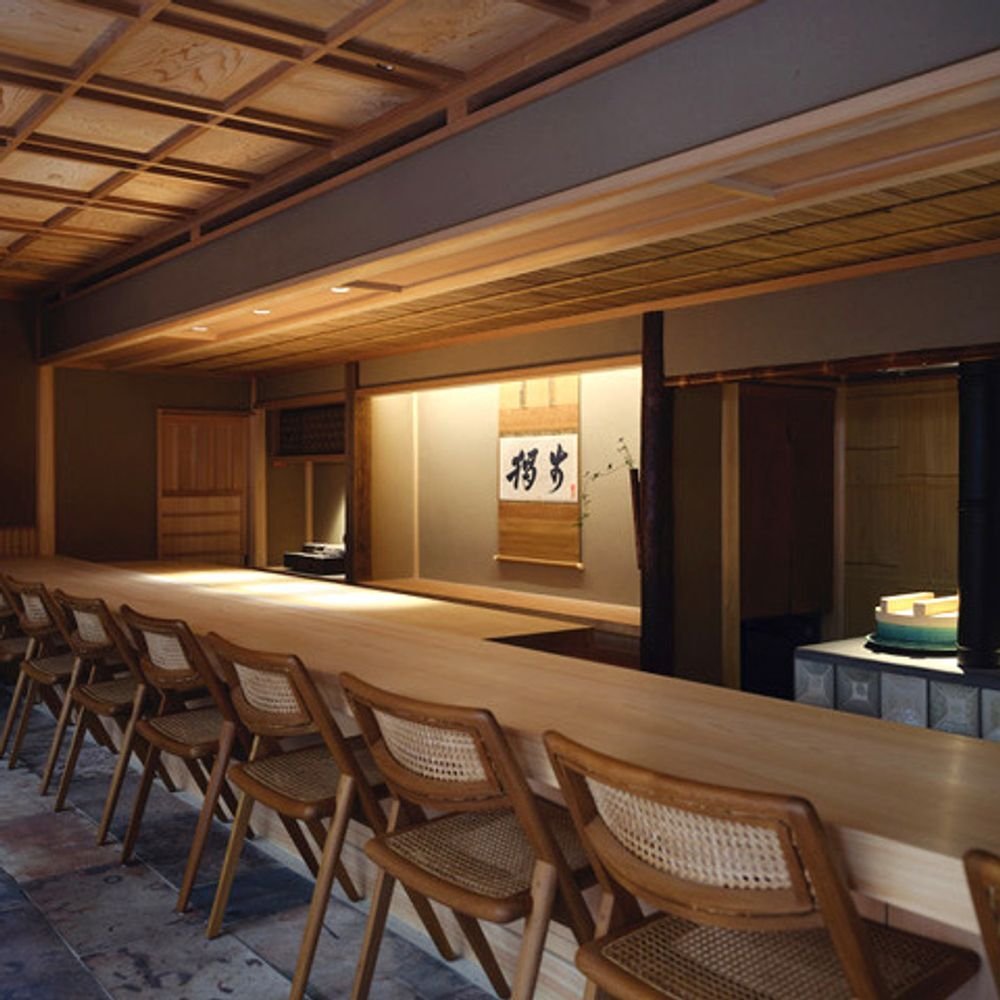
Cozy Japanese atmosphere with relaxing wood grain counter seats and tatami rooms in a serene residential area.
Tags
Vibe
Best For
Sourcing
At the Table
- Dress Code
- Smart Casual
- Noise Level
- Quiet
- Service Style
- Upscale Casual
- Meal Pacing
- Leisurely
- Capacity
- Intimate
- Kitchen
- Traditional
- Menu Format
- A la carte, Omakase, Counter dining
- Wine Program
- Curated
- Drinks Focus
- Sake, Wine
- Private Dining
- Available
Signature Dishes
- temari sushi
- chirashi sushi
- omakase nigiri sushi
Know before you go
Know Before You Go
- Getting there
- 62 Shimogamo Miyakawacho, Sakyo Ward, Kyoto, 606-0801, Japan
Planning details
Location
62 Shimogamo Miyakawacho, Sakyo Ward, Kyoto, 606-0801, Japan · Directions
Recognition and awards
Also consider
Also Consider
- Gion Sasaki, Kaiseki, Japanese, ¥¥¥¥
- cenci, Italian, ¥¥¥
- Ifuki, Kaiseki, ¥¥¥¥
- Kyokaiseki Kichisen, Japanese, ¥¥¥¥
- SEN, French, Japanese, ¥¥¥¥
Restaurant context
Against Kyoto's ¥¥¥¥ kaiseki rooms, Shimogamo Ichima's case is simple: you are getting a more focused, format-specific experience for less money. Gion Sasaki and Ifuki both operate at a higher price tier and deliver the full kaiseki progression that defines Kyoto fine dining at its most elaborate. If that multi-course structure and the ceremony around it are what you want, neither Shimogamo Ichima nor any sushi-focused room at ¥¥¥ will substitute. But if you want a genuinely Kyoto-specific sushi experience in a calm setting with room to order à la carte in the evening, Shimogamo Ichima is the more practical booking, and significantly easier to secure.
Kyokaiseki Kichisen and SEN are both ¥¥¥¥ options for visitors who want the highest-register Kyoto dining available and are willing to plan further ahead. Kichisen in particular carries the kind of reservations pressure and formal expectations that suit a specific type of special-occasion trip rather than a flexible itinerary. For most visitors building a multi-day Kyoto trip who want one strong sushi meal without the lead time or spend of a kaiseki commitment, Shimogamo Ichima is the more immediately accessible answer.
cenci matches Shimogamo Ichima on price tier but occupies a completely different register: Italian cooking in Kyoto rather than anything rooted in local sushi tradition. If you have already done a sushi-focused meal earlier in your trip and want variety at a similar spend level, cenci is the more logical pivot. But for a meal that is specifically Kyoto in its culinary DNA, Shimogamo Ichima's temari format gives you something the Italian and French-influenced rooms in the city cannot replicate.
Explore Kyoto
Around this place
Discover more on Pearl
Unlock the full Shimogamo Ichima guide in Pearl, including awards, comparisons, FAQs, planning details, and nearby places.
Compare Shimogamo Ichima
| Venue | Cuisine | Price | Booking Difficulty | Awards |
|---|---|---|---|---|
| Shimogamo Ichima | Sushi | ¥¥¥ | Easy | 2026 Michelin Plate2025 Michelin Plate2024 Michelin Plate |
| Gion Sasaki | Kaiseki, Japanese | ¥¥¥¥ | Unknown | 2026 Tabelog Bronze · #3862026 OAD Top Restaurants in Japan RecommendedMichelin Guide Kyoto Osaka 20262026 La Liste Top RestaurantsTabelog 100 - Japanese cuisine - WEST - 2025 · #132025 OAD Top Restaurants in Japan Ranked · #2462025 Tabelog Silver2025 Michelin 3 Stars2025 La Liste Top Restaurants |
| cenci | Italian | ¥¥¥ | Unknown | 2026 Tabelog Bronze · #442026 Asia's 50 Best Restaurants · #762026 OAD Top Restaurants in Japan Highly RecommendedMichelin Guide Kyoto Osaka 2026Tabelog 100 - Italian - WEST - 2025 · #632025 Asia's 50 Best Restaurants · #632025 OAD Top Restaurants in Japan Ranked · #1682025 Tabelog Bronze2024 OAD Top Restaurants in Japan Ranked · #135 |
| Ifuki | Kaiseki | ¥¥¥¥ | Unknown | 2026 OAD Top Restaurants in Japan Ranked · #1222026 Tabelog Bronze · #128Michelin Guide Kyoto Osaka 20262026 La Liste Top RestaurantsTabelog 100 - Japanese cuisine - WEST - 2025 · #622025 OAD Top Restaurants in Japan Ranked · #1002025 La Liste Top Restaurants2025 Tabelog Bronze2025 Michelin 2 Stars |
| Kyokaiseki Kichisen | Japanese | ¥¥¥¥ | Unknown | 2026 Tabelog Bronze · #1752026 OAD Top Restaurants in Japan Highly RecommendedMichelin Guide Kyoto Osaka 20262025 OAD Top Restaurants in Japan Ranked · #1862025 Michelin 2 Stars2025 La Liste Top Restaurants2024 OAD Top Restaurants in Japan Ranked · #1422024 Michelin 2 Stars2023 OAD Top Restaurants in Japan Ranked · #136 |
| SEN | French, Japanese | ¥¥¥¥ | Unknown | 2026 Tabelog Bronze · #3952026 OAD Top Restaurants in Japan RecommendedMichelin Guide Kyoto Osaka 20262026 Michelin PlateTabelog 100 - Japanese cuisine - WEST - 2025 · #652025 Michelin Plate2025 Tabelog Bronze2024 OAD Top Restaurants in Japan Ranked · #3622024 Michelin Plate |







How Shimogamo Ichima stacks up against the competition.
FAQ
Frequently Asked Questions
How far ahead should I book Shimogamo Ichima?
Booking difficulty is rated easy, so a few days to one week out should be sufficient for most visits. Book further ahead for weekend evenings or autumn, when the seasonal mackerel sushi is on offer.
Is Shimogamo Ichima good for a special occasion?
Yes, particularly if the occasion suits a focused, intimate format. The temari sushi tradition here traces back to the chef's grandfather crafting single-bite sushi for geisha and maiko, which gives the meal a clear sense of occasion without tipping into performative fine dining. At ¥¥¥ pricing, it lands at a level appropriate for a meaningful dinner without the pressure of the city's highest-end kaiseki rooms.
What should a first-timer know about Shimogamo Ichima?
The core of the menu is temari sushi — small, hand-shaped rounds covering sea bream, tuna, shrimp, and more, designed so the rice breaks apart gently in the mouth. Seasonal formats matter here: mackerel sushi appears in autumn, steamed sushi in winter. Evenings open up a broader à la carte selection, so if you want to explore beyond temari, dinner is the right session to book.
What are alternatives to Shimogamo Ichima in Kyoto?
For kaiseki at a higher price point, Kyokaiseki Kichisen is the city's most decorated option. Gion Sasaki and Ifuki offer strong seasonal cooking in the Gion corridor if you want to stay closer to the tourist centre. cenci and SEN cover more contemporary formats if temari-style sushi is not your priority. Shimogamo Ichima sits in a different category — it is specialist, seasonal, and easier to access than most of the above.
Is Shimogamo Ichima good for solo dining?
The temari format — small individual pieces, à la carte options in the evening — suits solo dining well. There is no minimum spend or tasting-menu obligation that would make a solo visit feel wasteful. Sakyo Ward's quieter setting also makes it a comfortable choice for a solo traveller who wants a considered meal away from Kyoto's busier dining corridors.
Is Shimogamo Ichima worth the price?
At ¥¥¥, it is priced below Kyoto's top kaiseki rooms and delivers something those rooms do not: a specialist temari sushi format with documented seasonal depth and a Michelin Plate in both 2024 and 2025. If your interest is in Kyoto's sushi tradition rather than its kaiseki tradition, the value case is solid. If you are comparing against a full kaiseki experience, the formats are different enough that it is not a straight swap.
Is the tasting menu worth it at Shimogamo Ichima?
The venue data confirms a comprehensive à la carte selection in the evenings alongside the core temari sushi range, but specific tasting menu formats and pricing are not publicly documented. What is clear is that the temari sushi itself — sea bream, tuna, shrimp, and seasonal additions — is the reason to come. If you want a structured multi-course progression, book for the evening and work through the à la carte range rather than waiting on a set menu confirmation.