.png?width=128&height=128&quality=80)
Senda
Japanese · Shimogyō, Kyoto
Restaurant in Kyoto, Japan
 Book with Pearl
The Read
Fukui Eel Heritage
Price
¥¥¥
Dress
Smart Casual
Why go
Senda is a Michelin Plate-recognised Japanese restaurant near Kitano Tenmangu Shrine in Kyoto, built around unagi dishes and a sourcing philosophy rooted in the chef's Fukui heritage. At ¥¥¥ with easy booking, it delivers a composed, provenance-driven dinner at a price point well below most of Kyoto's kaiseki competition. The evening kabayaki, made with the family recipe, is the reason to visit.
About Senda
Senda, Kyoto; Pearl Verdict
There is a particular kind of Kyoto restaurant that earns its reputation not through grand gestures but through accumulated precision: the right dipping sauce, the right plum, the right provenance on every element of the menu. Senda, tucked into Shimogyo Ward near Kitano Tenmangu Shrine, is that kind of place. The verdict: if you are in Kyoto for Japanese cooking that carries genuine biographical weight, Senda is worth booking.
Portrait: What You Are Actually Booking
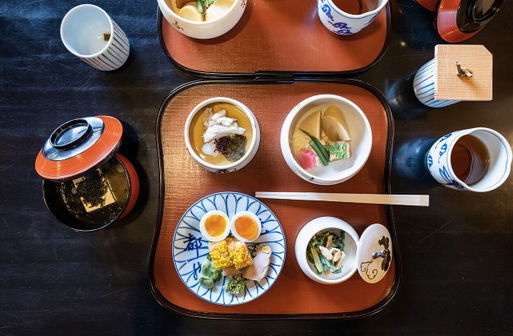
Senda sits in Hakubaicho; White Plum Town, a neighbourhood shaped by its proximity to Kitano Tenmangu, the shrine dedicated to Sugawara no Michizane, whose association with plum blossoms is embedded in Kyoto's cultural memory. The restaurant does not ignore this context. Ume appears on bowls of stewed items, unripe plums sourced from a former classmate of the chef are used in frozen desserts. That connection between place, season, menu is not decorative; it is the structural logic of the kitchen.
The format divides cleanly by time of day. Lunch centres on grilled unagi over rice. Dinner builds toward the kabayaki, unagi basted with a dipping sauce drawn directly from the family eel restaurant in Fukui that chef Ryuji Senda grew up helping to run. His father and elder brother had both apprenticed in Kyoto, his own path to this city followed that lineage. The kabayaki at dinner is the piece the Michelin inspectors single out, it is the dish to order if you are sitting down for the evening meal. The sake programme draws from Wakasa, the coastal region of Fukui, keeping the provenance of the room consistent.
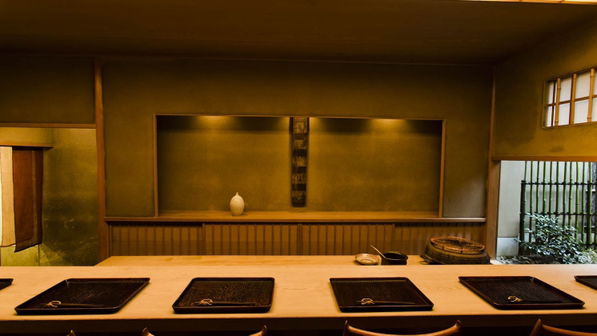
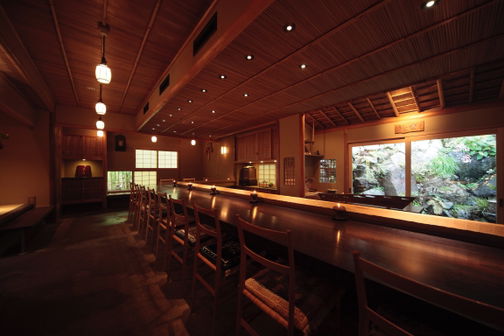
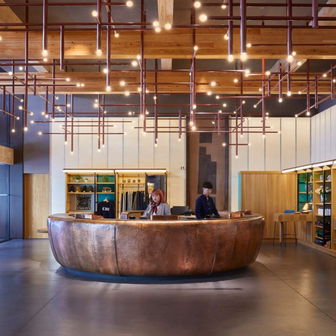
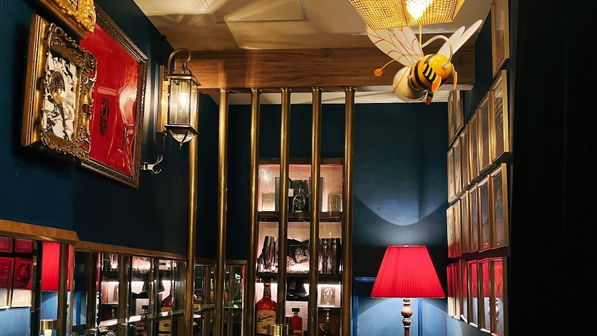
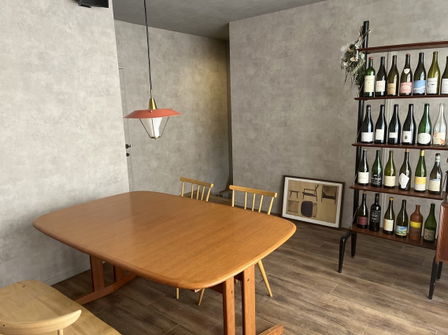
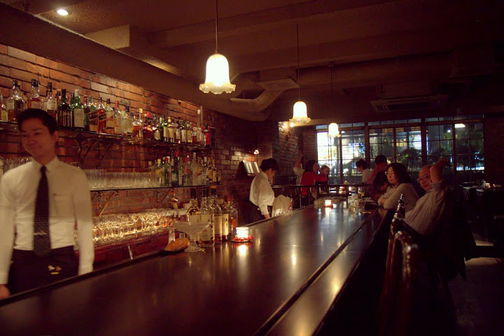
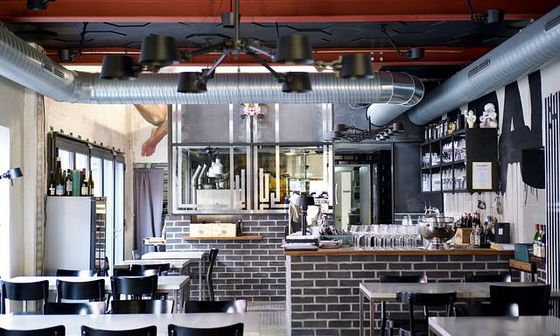
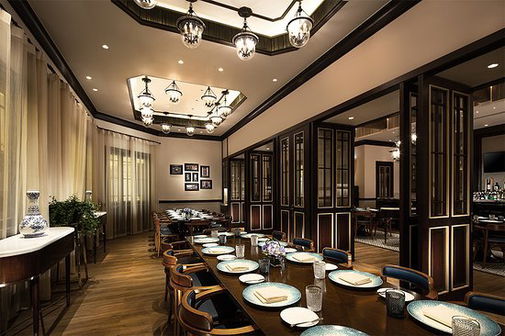
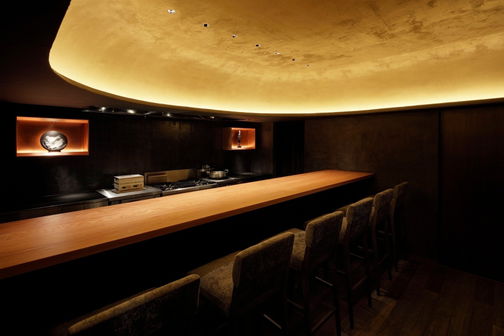
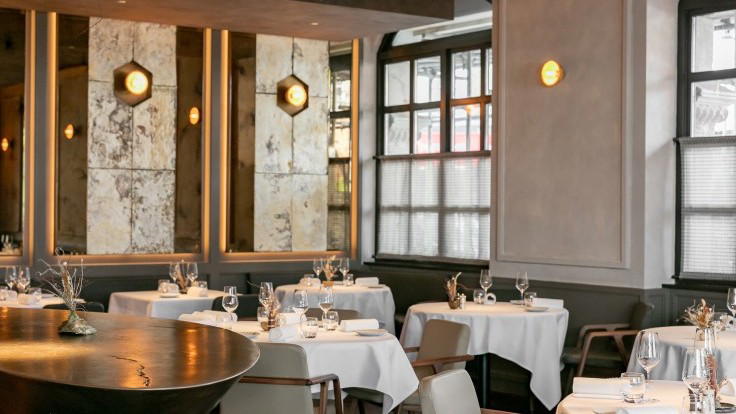
The atmosphere here is calibrated rather than performative. Near Kitano Tenmangu, particularly during plum blossom season in late February and March, the surrounding streets carry a low, contemplative energy that the dining room reflects. Senda is not a loud room. It is not the kind of place where energy builds through the evening in the way it might at a more urban izakaya or a counter restaurant in Gion. For a food-focused visitor wanting to eat and think rather than eat and be seen, that register is a feature, not a limitation. Come expecting an evening of composed, unhurried service rather than theatrical presentation.
Service philosophy is consistent with that mood. Senda's mentors, as noted in its Michelin record, emphasised the use of fresh seasonal ingredients and the meanings behind arrangements, a tradition-first approach that tends to produce attentive but unobtrusive service rather than the kind of explanatory theatre you encounter at higher-priced kaiseki rooms. At ¥¥¥, you are not paying for an elaborate front-of-house production. What you get instead is cooking with clear personal stakes behind it: a chef using his family's sauce, sourcing plums from an old classmate, pulling sake from his home prefecture. That intimacy of supply chain is, for many diners, more valuable than polish.
Booking is direct by Kyoto standards. There is no evidence of the months-long waitlists that define rooms like Kyokaiseki Kichisen or the allocation systems of Kyoto's elite kaiseki tier. Pearl rates booking difficulty as Easy, which at this price point and this quality level is a meaningful advantage. If you are already planning time around Kitano Tenmangu, particularly a visit during plum blossom season, building dinner at Senda into the same day requires minimal logistical effort.
For explorers building a broader Japan itinerary, Senda occupies a specific and useful slot: it is a ¥¥¥ Japanese restaurant in Kyoto with a Michelin Plate, a demonstrable sourcing philosophy, a signature dish that has a verifiable family story behind it. That combination is harder to find than it sounds. If you are also eating in Tokyo, Myojaku and Azabu Kadowaki represent the capital's version of this kind of cooking. Further afield, HAJIME in Osaka and akordu in Nara give you different registers of the same deep-provenance approach. For Kyoto itself, see our full Kyoto restaurants guide, and check our Kyoto hotels guide if you are planning an overnight stay near Shimogyo Ward.
The neighbourhood also rewards exploration beyond the meal. Kitano Tenmangu holds a flea market on the 25th of each month, the streets of Hakubaicho have a lower tourist density than Gion or Higashiyama. Arriving early and walking before dinner is the practical approach if this is your first visit to the area. For bars after dinner, our Kyoto bars guide covers the options within reach.
The comparison group for Senda's price tier also includes Kikunoi Roan and Kodaiji Jugyuan, both strong alternatives if your priority is kaiseki format rather than the eel-centred menu Senda leads. Isshisoden Nakamura and Gion Matayoshi are further options if you want to compare Kyoto Japanese cooking before committing. Senda's advantage over all of them is the combination of price tier, booking ease, a menu structured around a single clear culinary identity rather than the broader canvas of a full kaiseki progression.
If the unagi kabayaki and the plum dessert are the dishes you come for, this is a room that delivers on both. At ¥¥¥, with a Michelin Plate and easy availability, Senda is one of the more accessible quality bookings in Kyoto. Book the dinner service for the full experience.
Planning details
- Location
- Japan, 〒600-8103 Kyoto, Shimogyo Ward, Shiogamacho, 379 坂田ビル 379
- Website
- kyoto-sen.com
- Phone
- +81 75-361-8873
The take
The Take
The Vibe
Senda occupies a quietly assured corner of Shimogyo, where neighbourhood history and restrained attention to craft shape the room. The dining feels deliberate—specific and purposeful rather than theatrical—so the experience favors focused cooking over broad kaiseki ambition. The Michelin Plate nod and consistent review scores underline a refined, measured approach: dishes aim for clarity and repeatable excellence rather than spectacle. The surrounding plum-blossom associations and the calmer tempo of Hakubaicho contribute to a composed, understated atmosphere that rewards diners who come for concentrated, thoughtfully executed Japanese cuisine.
Best For
This is a restaurant for quiet, attentive meals—the kind of place people return to when they want a reliable, refined experience. It suits date night and special occasions for small parties who prize intimacy and discreet service, and it also appeals to visitors who are seeking a local specialist rather than a tourist spectacle. Compared with busier Kyoto corridors, Senda’s setting and manner make it ideal for diners who prefer calm, contemplative dinners, repeat visits to test the craft over time, and meals centered on a few standout preparations rather than an encyclopedic tasting.
Ordering Tips
Look to what the restaurant is known for rather than an expansive a la carte spread: the signature eel rice is highlighted for a reason and is a sensible starting point. The Michelin Plate status signals a focused menu built around doing a few things very well, so concentrate on those highlights and let the kitchen set the tone. Because the neighbourhood and the restaurant prioritize repeat, purposeful dining, expect a composed pace and dishes that reward attention; treat the visit as a deliberate culinary moment rather than a rushed stop.
Planning details
Location
Japan, 〒600-8103 Kyoto, Shimogyo Ward, Shiogamacho, 379 坂田ビル 379 · Directions
Recognition and awards
.png?width=144&height=144&quality=80)
Also consider
Also Consider
- Gion Sasaki; Kaiseki, Japanese, ¥¥¥¥
- cenci; Italian, ¥¥¥
- Ifuki; Kaiseki, ¥¥¥¥
- Kyokaiseki Kichisen; Japanese, ¥¥¥¥
- SEN; French, Japanese, ¥¥¥¥
Restaurant context
At ¥¥¥, Senda sits a full tier below most of its named Kyoto competition. Gion Sasaki, Ifuki, Kyokaiseki Kichisen, and SEN all operate at ¥¥¥¥, with booking difficulty and price premiums to match. If your priority is the full kaiseki format; multiple courses, elaborate seasonal progression, high-touch front-of-house service; then Gion Sasaki or Kyokaiseki Kichisen are the stronger choices, but you will pay significantly more and plan further ahead. Senda does not compete on that axis. It competes on focused identity: a single culinary heritage, a signature dish, a price point that makes the meal accessible without feeling like a compromise.
cenci is the most direct price-tier peer at ¥¥¥, though the comparison is stylistic rather than culinary; Italian cooking in Kyoto versus eel and plum-focused Japanese. If you are choosing between the two for a single evening, the deciding factor is format preference rather than quality differential. cenci suits diners who want European structure; Senda suits those who came to Kyoto for Japanese cooking with a specific regional identity. For that audience, Senda is the clearer choice at this price.
Among the ¥¥¥¥ options, SEN offers the French-Japanese hybrid if you want a more eclectic evening, while Ifuki is the stronger pick if traditional kaiseki form matters most. But if you are working with a ¥¥¥ budget and want a Michelin-recognised Japanese dinner in Kyoto that is genuinely easy to book, Senda has no direct competition in its peer set. That combination; quality credential, clear menu identity, low booking friction; makes it the practical recommendation for most visitors to Shimogyo Ward.
Explore Kyoto
Around this place
Discover more on Pearl
Unlock the full Senda guide in Pearl, including awards, comparisons, FAQs, planning details, and nearby places.
Compare Senda
| Venue | Cuisine | Price | Booking Difficulty | Awards |
|---|---|---|---|---|
| Senda | Japanese | ¥¥¥ | Easy | 2026 Michelin Plate2025 Michelin Plate2024 Michelin Plate |
| Gion Sasaki | Kaiseki, Japanese | ¥¥¥¥ | Unknown | 2026 Tabelog Bronze · #3862026 OAD Top Restaurants in Japan RecommendedMichelin Guide Kyoto Osaka 20262026 La Liste Top RestaurantsTabelog 100 - Japanese cuisine - WEST - 2025 · #132025 OAD Top Restaurants in Japan Ranked · #2462025 Tabelog Silver2025 Michelin 3 Stars2025 La Liste Top Restaurants |
| cenci | Italian | ¥¥¥ | Unknown | 2026 Tabelog Bronze · #442026 Asia's 50 Best Restaurants · #762026 OAD Top Restaurants in Japan Highly RecommendedMichelin Guide Kyoto Osaka 2026Tabelog 100 - Italian - WEST - 2025 · #632025 Asia's 50 Best Restaurants · #632025 OAD Top Restaurants in Japan Ranked · #1682025 Tabelog Bronze2024 OAD Top Restaurants in Japan Ranked · #135 |
| Ifuki | Kaiseki | ¥¥¥¥ | Unknown | 2026 OAD Top Restaurants in Japan Ranked · #1222026 Tabelog Bronze · #128Michelin Guide Kyoto Osaka 20262026 La Liste Top RestaurantsTabelog 100 - Japanese cuisine - WEST - 2025 · #622025 OAD Top Restaurants in Japan Ranked · #1002025 La Liste Top Restaurants2025 Tabelog Bronze2025 Michelin 2 Stars |
| Kyokaiseki Kichisen | Japanese | ¥¥¥¥ | Unknown | 2026 Tabelog Bronze · #175Michelin Guide Kyoto Osaka 20262025 OAD Top Restaurants in Japan Ranked · #1862025 Michelin 2 Stars2025 La Liste Top Restaurants2024 OAD Top Restaurants in Japan Ranked · #1422024 Michelin 2 Stars2023 OAD Top Restaurants in Japan Ranked · #136 |
| SEN | French, Japanese | ¥¥¥¥ | Unknown | 2026 Tabelog Bronze · #3952026 OAD Top Restaurants in Japan RecommendedMichelin Guide Kyoto Osaka 2026Tabelog 100 - Japanese cuisine - WEST - 2025 · #652025 Tabelog Bronze2024 OAD Top Restaurants in Japan Ranked · #3622024 Michelin 1 Star2023 OAD Top Restaurants in Japan Highly Recommended |
.png?width=1200&quality=80)








Comparing your options in Kyoto for this tier.
FAQ
Frequently Asked Questions
Is Senda good for a special occasion?
Yes, it's a more personal choice than a grand hotel dining room. The format centers on an elegant appetiser course and family-recipe unagi kabayaki; the kind of dinner that has a specific identity rather than generic prestige. At ¥¥¥ pricing with a Michelin Plate (2025), it's priced for a serious occasion without requiring the full Kichisen-level outlay.
Can Senda accommodate groups?
Group suitability is not documented in available data, so confirm directly before booking. Given the restaurant's neighbourhood-scale profile in Hakubaicho and its focused, chef-driven menu, this reads as a venue suited to intimate parties of 2–4 rather than large group dinners.
Does Senda handle dietary restrictions?
Dietary accommodation details are not documented for Senda. The menu is built around unagi as a centrepiece; grilled eel at lunch, kabayaki at dinner; so pescatarians and non-eel eaters should confirm options ahead of visiting. Guests with strict dietary needs should reach out before booking.
Is the tasting menu worth it at Senda?
The dinner format, which leads with an elegant seasonal appetiser course and closes on eel kabayaki basted in a family recipe passed down from the chef's parents' Fukui restaurant, has a clear point of view. At ¥¥¥, it sits well below Kyoto's top kaiseki tier. If structured Japanese dining around a single ingredient done with precision is your format, the value case is solid.
What are alternatives to Senda in Kyoto?
For high-end kaiseki with more formal ceremony, Kyokaiseki Kichisen sets the ceiling for Kyoto dining but at a significantly higher price. cenci and Ifuki are worth considering if you want a more contemporary approach to Japanese ingredients. Gion Sasaki suits diners who want a more convivial, less ingredient-specific kaiseki experience. SEN is a closer comparison for those prioritising a neighbourhood-scale, chef-driven format.
Is Senda worth the price?
At ¥¥¥, Senda is priced at the mid-tier of Kyoto's serious dining options, sitting well below restaurants like Kichisen. The draw is specific: a Michelin Plate-recognised dinner built around family-recipe unagi kabayaki, seasonal ume motifs, Fukui-sourced sake. If that combination aligns with what you want from Kyoto dining, the price-to-specificity ratio works in its favour.