.png?width=1200&quality=80)

Ginza Nominokoji Yamagishi
Izakaya · Chūō, Tokyo
Restaurant in Tokyo, Japan
 Book with Pearl
The Read
Kappo-Rooted Izakaya
Price
¥¥¥
Why go
A Kyoto kappo-origin izakaya on the tenth floor in Ginza 7-chome, earning Michelin Plates in 2024 and 2025. Evenings begin with a fixed set of four Kyoto-sourced courses, then open to à la carte ordering across oden, gyoza, and noodles, with no hard close time. At ¥¥¥, it is one of the more credible mid-range options in the neighbourhood for diners who want structure with flexibility.
About Ginza Nominokoji Yamagishi
A Kyoto Kappo Outpost in Ginza, Priced at ¥¥¥
At the ¥¥¥ price tier, Ginza Nominokoji Yamagishi sits in comfortable mid-range territory for Ginza dining — enough to signal serious intent without the commitment of a ¥¥¥¥ omakase counter. What you get for that spend is a structured start: a set of four opening courses that arrive without negotiation, arranged with the kind of care you'd expect from a venue with direct roots in Kyoto's kappo tradition. From there, the evening is yours to direct, choosing from à la carte items across oden, baked gyoza, squid fried noodles, and eventually, if you go the distance, curry rice or ramen to close. The format rewards diners who stay late and eat broadly. If you want a tightly controlled tasting arc, this isn't your room — but if you want a Kyoto-inflected izakaya session that can run as long as you like, Yamagishi delivers.
The Venue
Yamagishi is the Tokyo branch of one of Kyoto's most-visited kappo restaurants. The address is the tenth floor of a building in Ginza 7-chome, which already tells you something: this isn't a street-level walk-in spot. The room sits above the noise of the neighbourhood, and the atmosphere reflects that, quieter in the early evening, more lively as the night progresses and the à la carte ordering builds momentum. For a first visit, arrive before 8 PM if you want a more measured pace. After 10 PM, the energy shifts and conversation becomes harder work. The late hours are a feature, not an accident: the venue is explicitly designed to accommodate drop-ins without strict time pressure, which is unusual for Ginza and part of what makes it worth noting.
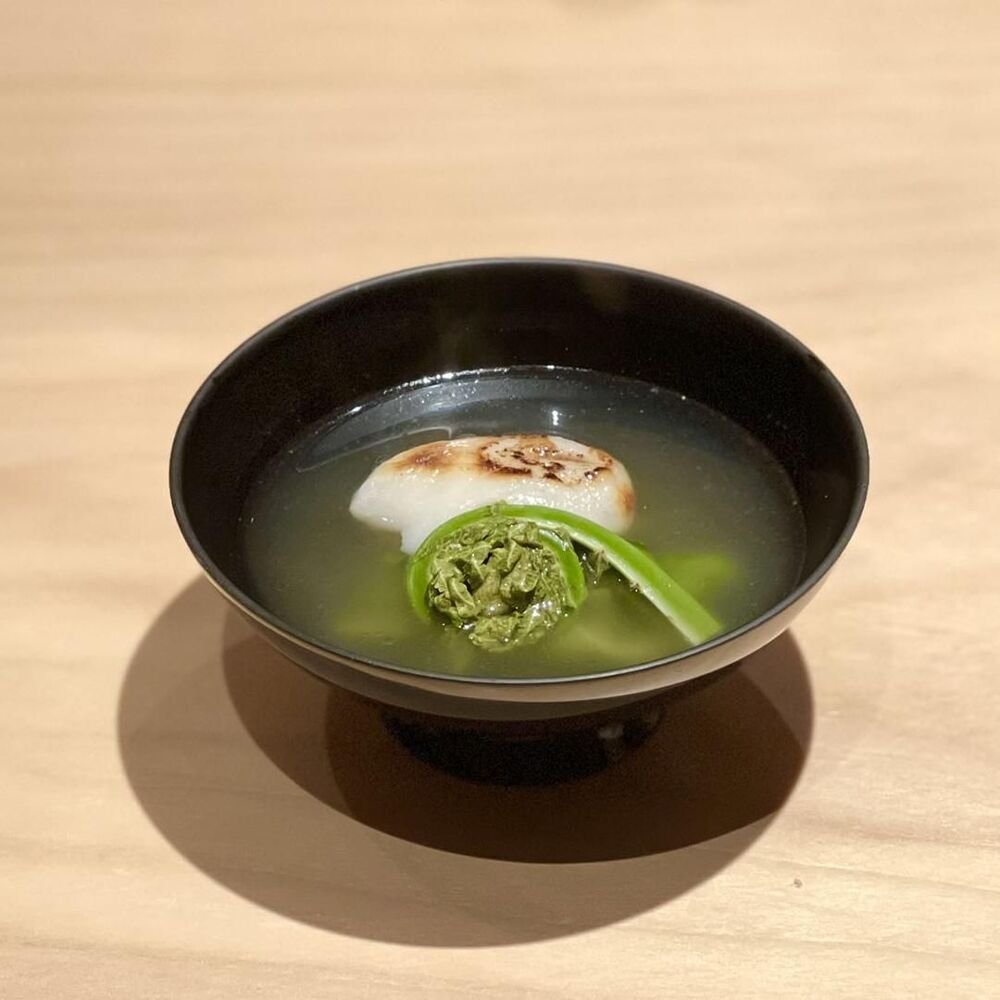
The Kyoto connection is not decorative. Ingredients are sourced from Nishiki Market, the covered market that supplies much of Kyoto's professional kitchen trade, and even the water used is drawn from Kyoto sources. For a first-timer, this framing matters: you are eating a Kyoto izakaya experience in central Tokyo, not a generic Ginza gastropub. The opening set of four courses, which typically includes decoratively arranged sashimi and soup, signals this immediately. The presentation has more finesse than a neighbourhood izakaya would bother, and the sourcing justifies a price point that sits above casual.
The Michelin Plate recognition in both 2024 and 2025 confirms that the kitchen is operating at a consistent standard worth acknowledging. A Plate is not a star, but it is Michelin's signal that this is a good restaurant, a credible marker that the food quality clears a meaningful bar. For a venue in this format and at this price, two consecutive Plates in Tokyo's dense and competitive dining environment is a reliable trust signal.
How the Evening Progresses
Structure at Yamagishi follows a rhythm that first-timers should understand before they sit down. The kitchen begins with the fixed set of four opening items; treat this as the kitchen's statement of intent, not a preamble to skip through. These dishes carry the Kyoto ethos most clearly: precise, composed, ingredient-led. After the set, the pace shifts to your control. The à la carte section is where most diners spend the majority of their time and budget, working through items like oden (the simmered broth dish that Kyoto executes with particular restraint), baked gyoza, and squid fried noodles. None of these are simple pub food in this context; the sourcing and the kitchen's kappo background mean the execution sits a level above what the category implies.
Closing dishes, curry rice and ramen, function as a late-night anchor, the kind of carb-heavy finish that makes extended izakaya sessions viable. This is a deliberate structural choice, common in Japan's late-night dining culture, and Yamagishi commits to it fully. If you're coming for a quick dinner and an early exit, you'll miss the point of the format. Build two to three hours into your evening, order widely, and treat the late-hours policy as an invitation rather than a footnote. For more late-night Tokyo options, see our full Tokyo restaurants guide.
Booking and Logistics
Booking at Yamagishi is rated Easy, which in Ginza terms means you are not competing against a lottery-style reservation system. The late-hours policy and the drop-in culture the venue actively promotes means there is more flexibility here than at most Ginza addresses. That said, a reservation for early evening on weekends is still advisable, the tenth-floor location and the Michelin recognition mean the room fills faster than the casual format might suggest. No phone or website data is listed here, so your most reliable path is through a hotel concierge or a dining reservation service if you are visiting from outside Japan. For travel planning context, our full Tokyo hotels guide and our full Tokyo bars guide are useful companions.
Who Should Book
Yamagishi is a strong choice for first-time visitors to Tokyo who want a structured but flexible introduction to izakaya dining at a quality level above the casual end. The Kyoto sourcing and the kappo lineage give it a credibility that generic izakaya venues lack, and the fixed opening set removes the paralysis of a full à la carte menu for those unfamiliar with the format. It works well for solo diners and pairs; the late-hours policy and the à la carte freedom mean the evening can be calibrated to your appetite and pace. For solo izakaya dining elsewhere in Tokyo, Daikanyama Issai Kassai is worth comparing, and Ginza Shimada offers a different style of Ginza evening at a similar tier.
If Kyoto-origin dining is a priority for your trip, it is worth comparing Yamagishi against the source: Gion Sasaki in Kyoto operates in a different register entirely, and the contrast is instructive. For izakaya-style experiences outside Tokyo, Benikurage in Osaka and Berangkat in Kyoto are useful reference points. Further afield, Hakata Hotaru and Hakata Issou round out the picture of regional Japanese dining styles available in Tokyo itself. If your evening starts earlier and you want a coffee stop before dinner, Kan Coffee Fujifuji is nearby. For broader Japan planning, HAJIME in Osaka, akordu in Nara, Goh in Fukuoka, 1000 in Yokohama, and 6 in Okinawa are all covered on Pearl. You can also explore Tokyo wineries and Tokyo experiences for a fuller picture of the city.
FAQ
What should I order at Ginza Nominokoji Yamagishi?
- Let the kitchen lead with the fixed opening set of four courses, do not try to skip or rush this portion. It is where the Kyoto sourcing and kappo technique show most clearly.
- From the à la carte section, oden, baked gyoza, and squid fried noodles are listed as key items. Order across multiple categories rather than doubling down on one.
- If you are staying late, close with curry rice or ramen. These are designed as finishing dishes, not mains.
Does Ginza Nominokoji Yamagishi handle dietary restrictions?
- The venue's format centres on traditional izakaya and Kyoto kappo preparations, including sashimi, oden, gyoza, and squid dishes, so pescatarian and omnivore diets align well with the menu structure. Strict vegetarian or vegan guests will find the à la carte options limited by the cuisine type.
- If dietary needs are specific, contact the venue in advance through a hotel concierge or reservation service; direct phone or website details are not listed here.
Is the tasting menu worth it at Ginza Nominokoji Yamagishi?
- The opening set of four courses is not a full tasting menu in the kaiseki sense, it is a structured entry point followed by open à la carte ordering. If you are looking for a curated, progression-led tasting experience, RyuGin operates in that register at ¥¥¥¥.
- At ¥¥¥, Yamagishi's hybrid format, fixed start, free à la carte middle, late close, is worth the price for diners who want flexibility within a quality framework. It is not worth it if you want a fully controlled tasting arc from start to finish.
Can Ginza Nominokoji Yamagishi accommodate groups?
- The venue is on the tenth floor of a Ginza office building, which typically means a contained dining room rather than a sprawling floor plan. The late-hours policy and the izakaya format make it practical for group dining, especially where appetites and pacing vary.
- For groups of four or more, contacting through a concierge is advisable. The easy booking difficulty rating suggests availability is generally manageable, but group logistics at a Ginza address warrant advance planning.
Is Ginza Nominokoji Yamagishi worth the price?
- At ¥¥¥, yes, if izakaya is your format. The Kyoto sourcing, the kappo lineage, and two consecutive Michelin Plates place this well above the average izakaya at this price tier in Ginza.
- If you are comparing against ¥¥¥¥ venues like Harutaka or Florilège, the experience is structurally different, Yamagishi is about breadth and late-night freedom, not technical precision or single-format depth.
Is Ginza Nominokoji Yamagishi good for solo dining?
- Yes. The izakaya format, the à la carte flexibility, and the late-hours policy make solo dining practical and comfortable. You can order at your own pace and stay as long as you like without the social pressure of a fixed tasting menu.
- For solo diners who want a more counter-focused experience, Daikanyama Issai Kassai is an alternative worth considering.
Planning details
- Location
- Japan, 〒104-0061 Tokyo, Chuo City, Ginza, 7 Chome−3−6 銀座髙木ビル 10階
- Website
- omakase.in/r/rk300300
- Phone
- +81 3-5537-3510
The take
The Take
The Vibe
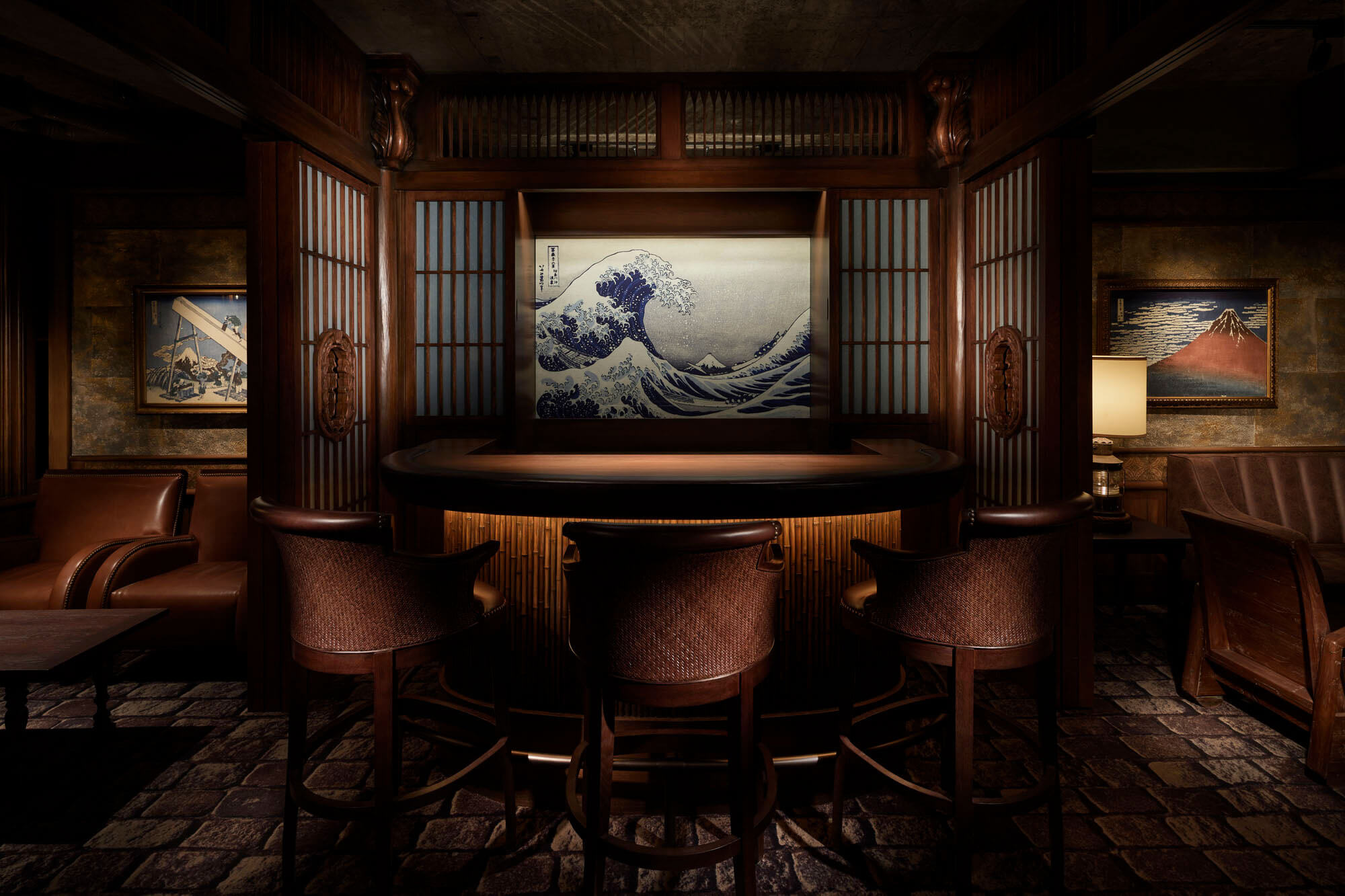
Ginza Nominokoji Yamagishi presents an intimate, quiet dining atmosphere high above the neighbourhood bustle. The tenth-floor setting—reached by a narrow lift and corridor—removes the room from street-level noise and cultivates a deliberate, inward focus. Its kappo lineage and market-driven sourcing give the space a classic Japanese seriousness, while Michelin Plate recognition places it among Ginza's more scrutinised, sophisticated izakaya. The result is an experience that feels polished without the formality of full kaiseki counters: restrained, attentive and quietly refined, ideal for diners who value provenance and composed service over loud, volume-driven izakaya energy.
Best For
This refined izakaya is best suited to evening dining occasions that favour intimacy and conversation. The room’s removed, high-floor location and its elevated ingredient standards make it a strong choice for date nights, business dinners and small special occasions where a quieter, more considered meal is desired. Pricing and recognition position it above mass-market pubs yet more accessible than high-end omakase counters, so it works for guests seeking a thoughtful, market-led dinner without the formality or cost of multi-star kaiseki counters in Ginza.
Ordering Tips
The kitchen leans on kappo tradition and a clear market provenance, so prioritise dishes that highlight seasonal, market-sourced ingredients—the restaurant’s supply chain and Nishiki Market ties are central to its identity. Expect thoughtfully prepared plates rather than the loud, high-volume izakaya staples; this is a venue where ingredient quality and technique matter. Reservations are advisable for evening service given the small, high-floor room and its positioning within Ginza’s competitive dining landscape.
Venue details
Ambiance
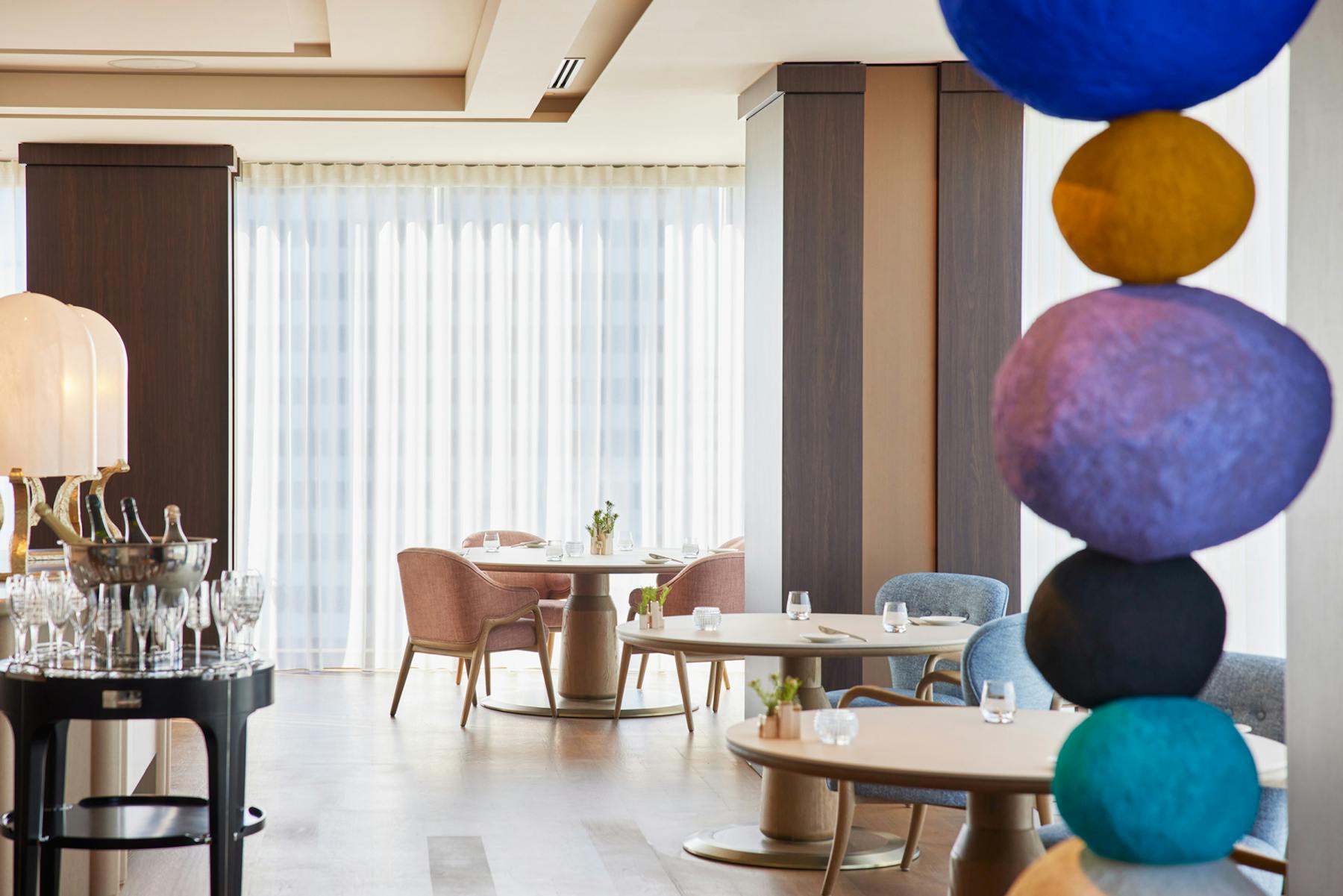
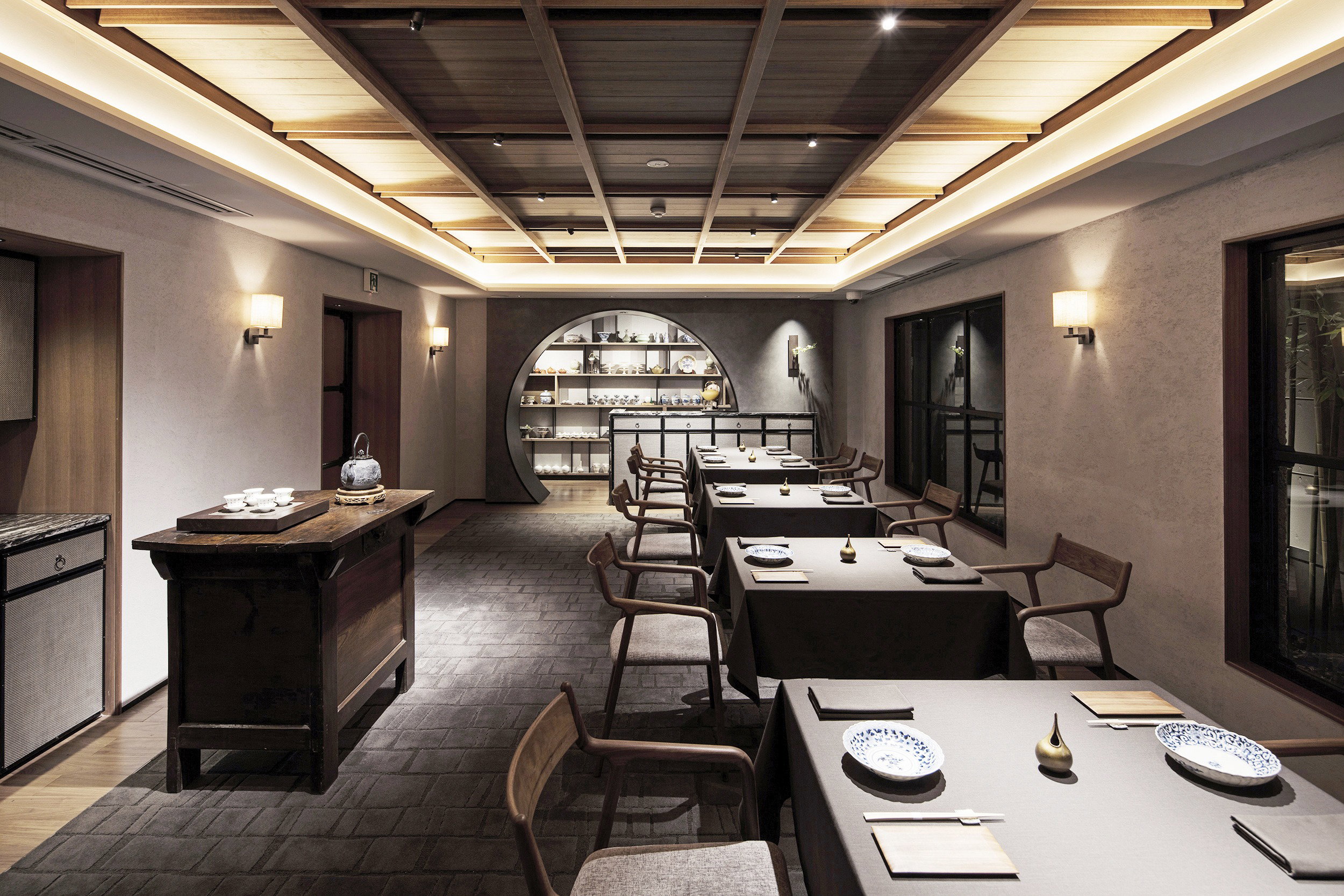
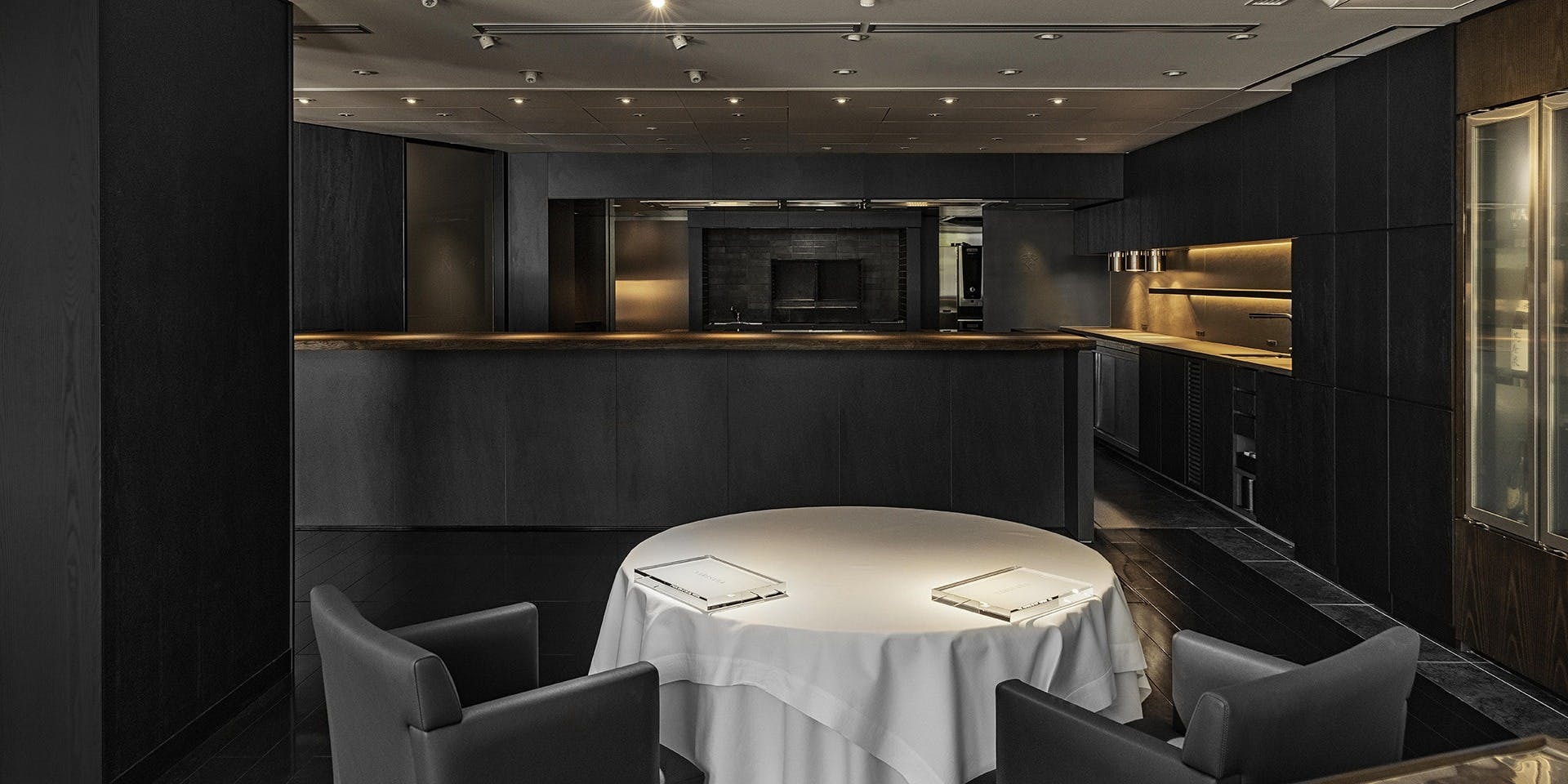
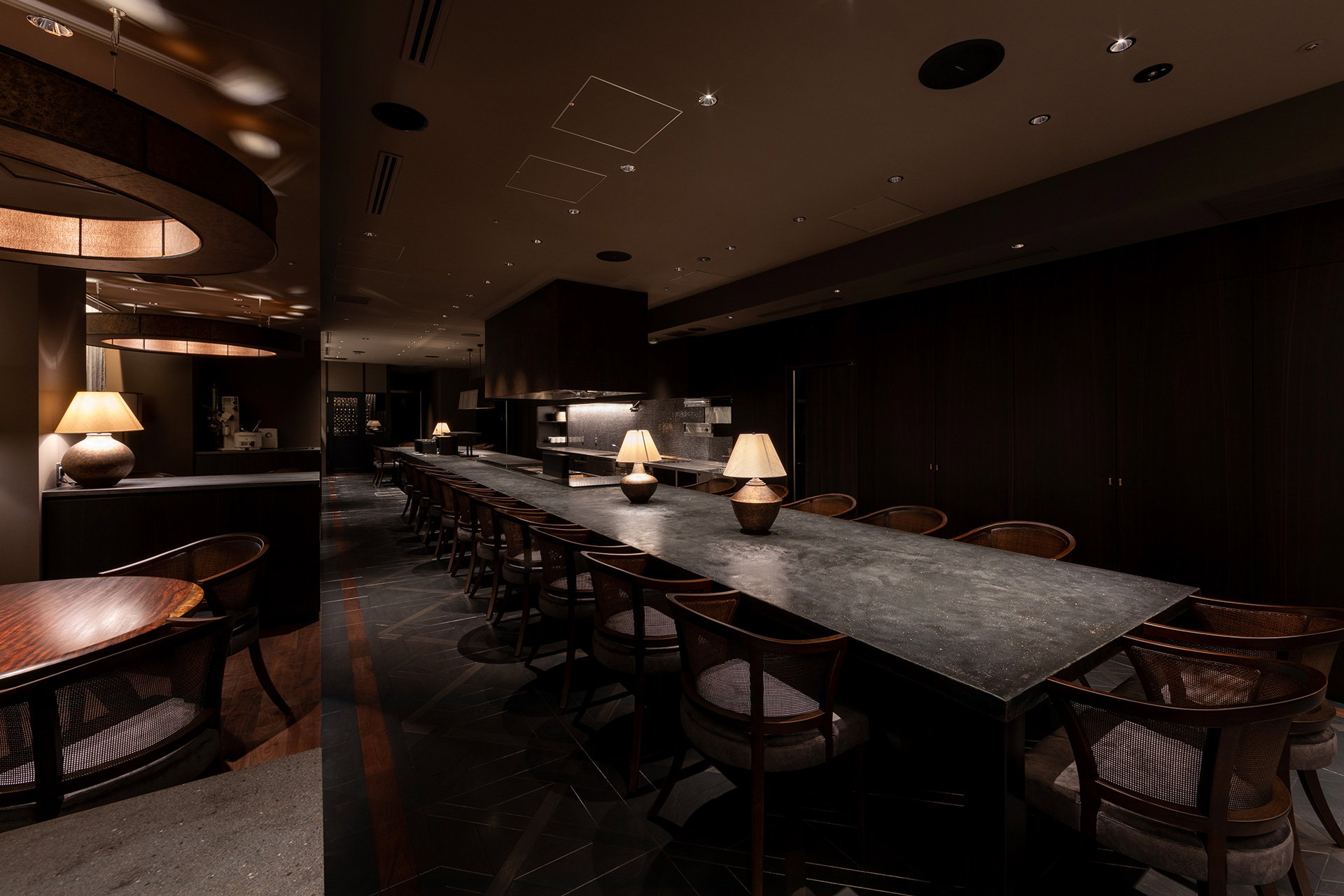
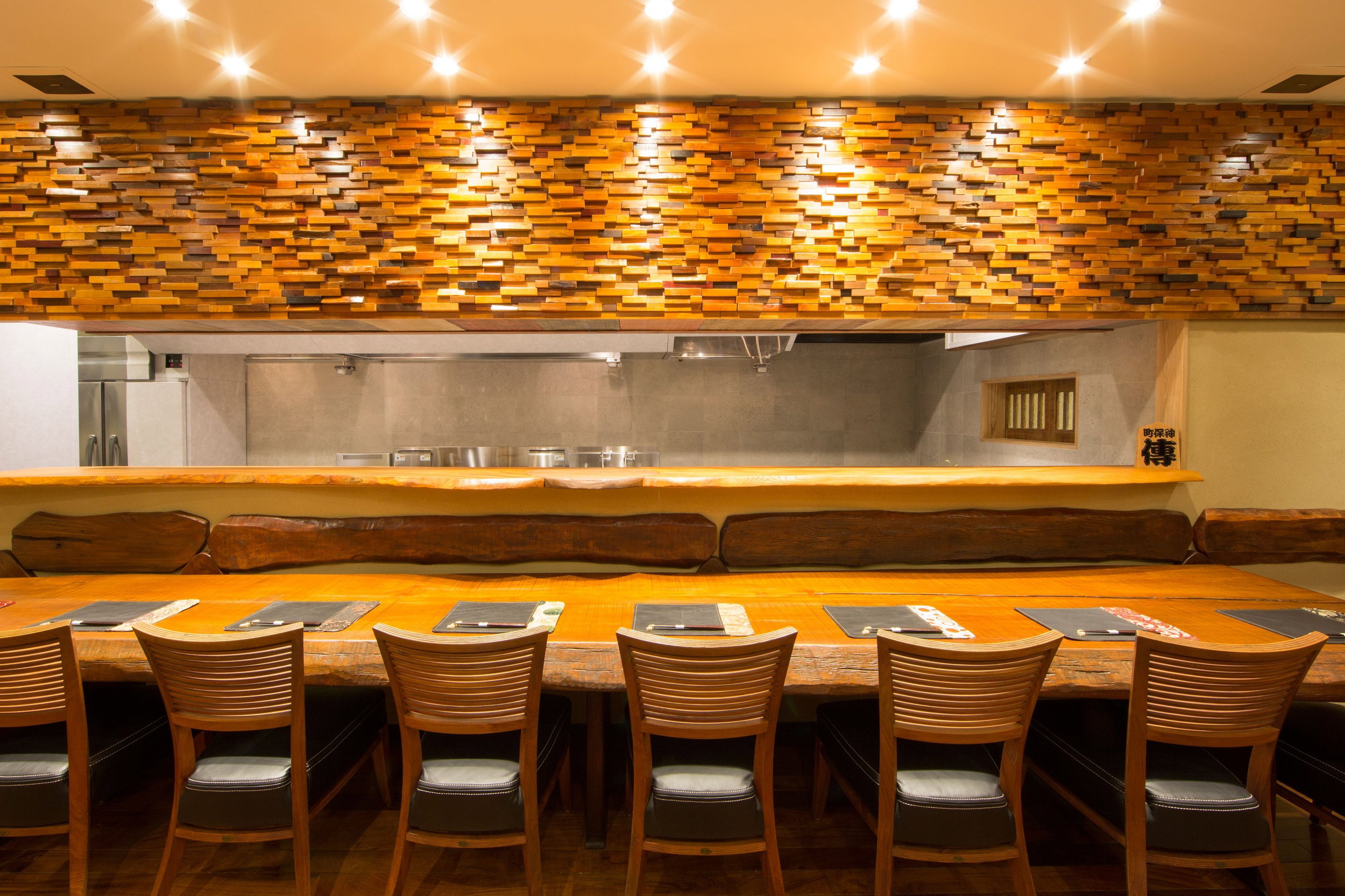
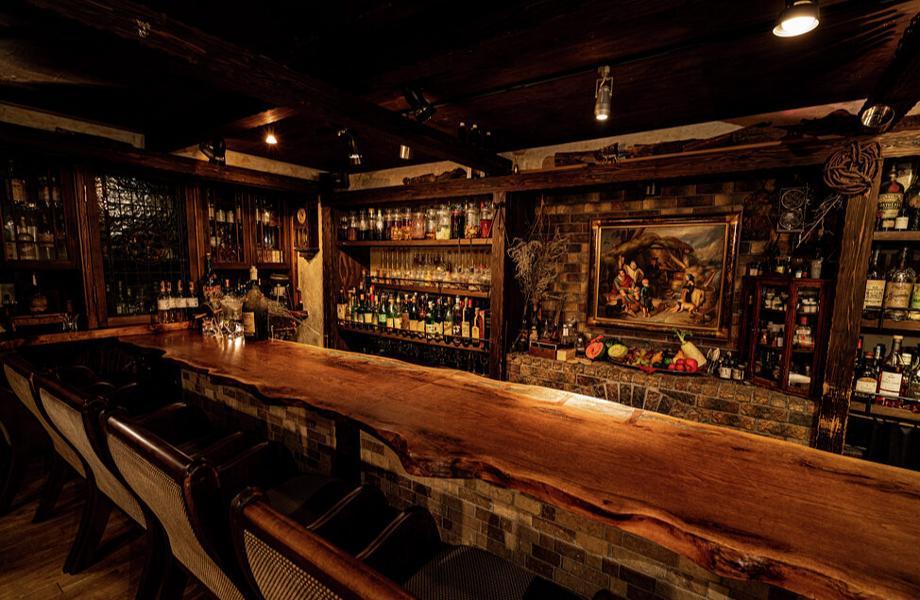
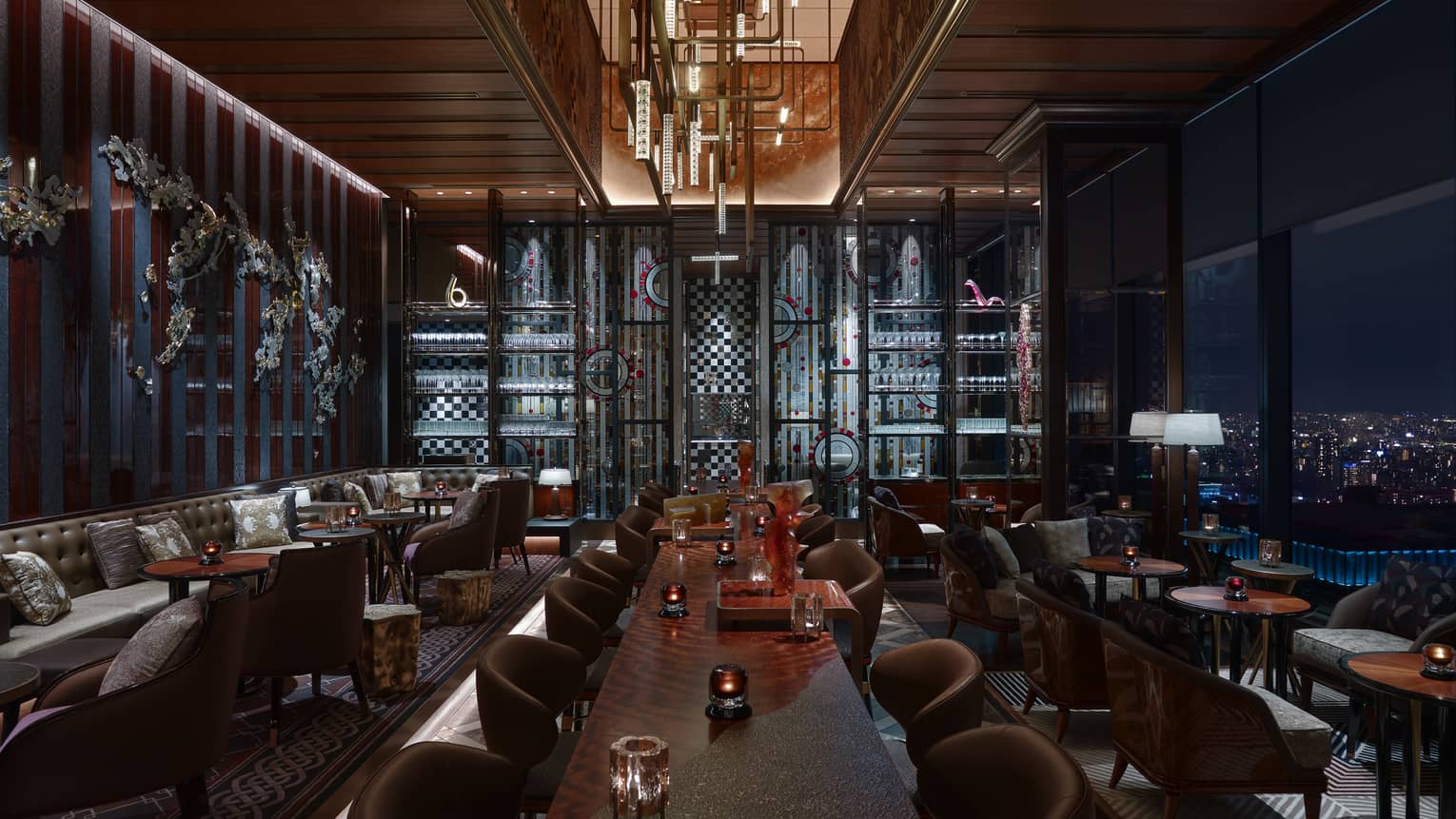
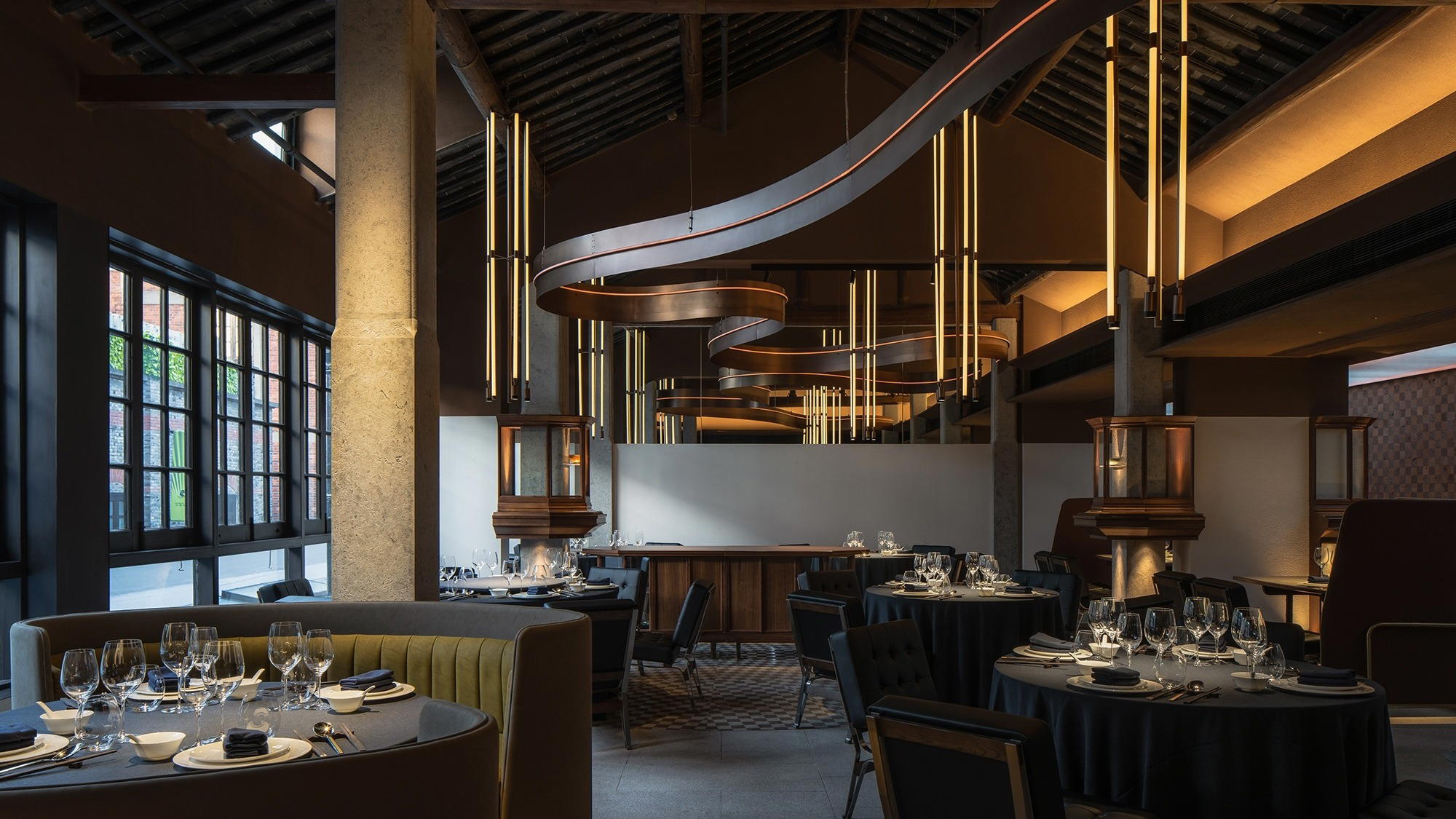
An upscale space wrapped in the warmth of wood, with a live open-kitchen atmosphere and views over the Ginza streetscape.
Tags
Vibe
Best For
Experience
Sourcing
View
At the Table
- Noise Level
- Lively
- Service Style
- Upscale Casual
- Meal Pacing
- Leisurely
Signature Dishes
- Oden
- Gyoza
- Squid noodles
- Late-night curry rice
Know before you go
Know Before You Go
- Getting there
- Japan, 〒104-0061 Tokyo, Chuo City, Ginza, 7 Chome−3−6 銀座髙木ビル 10階
Planning details
Location
Japan, 〒104-0061 Tokyo, Chuo City, Ginza, 7 Chome−3−6 銀座髙木ビル 10階 · Directions
Recognition and awards
Also consider
Also Consider
- Harutaka, Sushi, ¥¥¥¥
- RyuGin, Kaiseki, Japanese, ¥¥¥¥
- L'Effervescence, French, ¥¥¥¥
- HOMMAGE, Innovtive French, French, ¥¥¥¥
- Florilège, French, ¥¥¥
Restaurant context
Ginza Nominokoji Yamagishi at ¥¥¥ sits in a different decision category from most of its Ginza-area peers. Against Harutaka (¥¥¥¥, sushi omakase) or RyuGin (¥¥¥¥, kaiseki), Yamagishi asks less of your budget and less of your schedule, but it also delivers a less architecturally precise experience. If you are choosing between them, the question is format: Harutaka and RyuGin are single-course-driven evenings where the kitchen controls everything; Yamagishi gives you a Kyoto-quality starting point and then hands the evening back to you. For first-timers who want to explore Japanese dining without committing to a full omakase or kaiseki, Yamagishi is the lower-risk entry point.
Against the French venues in this tier, the comparison is less direct but still useful. L'Effervescence, HOMMAGE, and Florilège all operate at ¥¥¥¥ with tightly structured tasting menus and high service formality. If your evening requires that kind of controlled progression, those venues are the right call. Yamagishi at ¥¥¥ is the right call if you want something more casual in energy but still grounded in serious sourcing and technique, a Kyoto izakaya evening rather than a French dining room.
Within the izakaya category specifically, Yamagishi's Michelin Plate credentials and Kyoto provenance give it an edge over generic Ginza izakaya options in the same price band. The easy booking difficulty and late-hours flexibility make it more accessible than any of the ¥¥¥¥ comparisons. If you are building a multi-night Tokyo itinerary and want to balance one high-commitment dinner (RyuGin or Harutaka) with a more relaxed evening, Yamagishi is the sensible complement rather than the main event.
Explore Tokyo
Around this place
Discover more on Pearl
Unlock the full Ginza Nominokoji Yamagishi guide in Pearl, including awards, comparisons, FAQs, planning details, and nearby places.
Compare Ginza Nominokoji Yamagishi
| Venue | Cuisine | Awards | Booking Difficulty |
|---|---|---|---|
| Ginza Nominokoji Yamagishi | Izakaya | 2026 Michelin PlateTabelog 100 - Izakaya - EAST - 2025 · #202025 Michelin Plate2024 Michelin Plate | Easy |
| Harutaka | Sushi | 2026 Tabelog Silver · #312026 OAD Top Restaurants in Japan Ranked · #1282026 Michelin 3 Stars2026 La Liste Top RestaurantsTabelog 100 - Sushi - TOKYO - 2025 · #372025 Asia's 50 Best Restaurants · #762025 OAD Top Restaurants in Japan Ranked · #1172025 La Liste Top Restaurants2025 Tabelog Bronze | Unknown |
| RyuGin | Kaiseki, Japanese | 2026 OAD Top Restaurants in Japan Ranked · #802026 Tabelog Bronze · #3772026 Michelin 3 Stars2026 La Liste Top RestaurantsTabelog 100 - Japanese cuisine - TOKYO - 2025 · #212025 OAD Top Restaurants in Japan Ranked · #542025 Michelin 3 Stars2025 La Liste Top Restaurants2025 The Best Chef Three Knives | Unknown |
| L'Effervescence | French | 2026 Tabelog Silver · #682026 OAD Top Restaurants in Japan Ranked · #103Star Wine Lists 20262026 Black Pearl 2 Diamond2026 Relais Chateaux Restaurants2026 La Liste Top Restaurants2026 Michelin 3 Stars2025 Asia's 50 Best Restaurants · #692025 OAD Top Restaurants in Japan Ranked · #92 | Unknown |
| HOMMAGE | Innovtive French, French | 2026 Tabelog Bronze · #1232026 OAD Top Restaurants in Japan Highly Recommended2026 Michelin 2 StarsTabelog 100 - French - TOKYO - 2025 · #762025 Asia's 50 Best Restaurants · #782025 OAD Top Restaurants in Japan Ranked · #1752025 Michelin 2 Stars2025 The Best Chef One Knife2025 La Liste Top Restaurants | Unknown |
| Florilège | French | 2026 Asia's 50 Best Restaurants · #312026 Tabelog Bronze · #712026 OAD Top Restaurants in Japan Ranked · #1242026 Black Pearl 1 Diamond2026 Michelin 2 Stars2026 La Liste Top Restaurants2025 Asia's 50 Best Restaurants · #172025 World's 50 Best Restaurants · #36Tabelog 100 - French - TOKYO - 2025 · #68 | Unknown |












Key differences to consider before you reserve.
FAQ
Frequently Asked Questions
What should I order at Ginza Nominokoji Yamagishi?
The kitchen sets the opening four-item sequence for you, which typically includes sashimi and soup dishes — let that play out before ordering à la carte. From the à la carte list, the oden, baked gyoza dumplings, and squid fried noodles are documented house offerings. Curry rice or ramen are the conventional closing moves here, and at ¥¥¥ per head, working through that full arc gives you the best return on the meal.
Does Ginza Nominokoji Yamagishi handle dietary restrictions?
The venue's format centres on traditional izakaya and Kyoto kappo preparations, including sashimi, oden, gyoza, and squid dishes, so pescatarian and omnivore diets align well with the menu structure. Strict vegetarian or vegan guests will find the à la carte options limited by the cuisine type. If you have specific requirements, check with the venue in advance through a hotel concierge or reservation service.
Is the tasting menu worth it at Ginza Nominokoji Yamagishi?
The opening set of four dishes is not a full tasting menu in the conventional sense — the meal opens with a fixed set of four dishes, then shifts to à la carte. That opening set is the closest thing to a curated sequence, and it is worth letting it run before you order freely. At ¥¥¥, this hybrid structure gives you more control over spend than a locked omakase format would, which makes it a better fit if you want to eat lightly or want to match pace to the evening rather than commit to a fixed bill upfront.
Can Ginza Nominokoji Yamagishi accommodate groups?
The venue is on the tenth floor of a Ginza office building, which typically means a contained dining room rather than a sprawling floor plan — confirm capacity with the restaurant before bringing a large party. The à la carte format after the opening set works well for groups with varying appetites, and the late-hours policy means you are not under pressure to turn the table quickly. For a private dining situation, this is not the venue; for a convivial group dinner without the stress of an early last-order cut-off, it is a practical option in Ginza.
Is Ginza Nominokoji Yamagishi worth the price?
At ¥¥¥ in Ginza, Yamagishi sits in the mid-range for the neighbourhood but delivers a format rooted in one of Kyoto's most-visited kappo restaurants, with ingredients sourced from Nishiki Market and two consecutive Michelin Plate recognitions (2024 and 2025). That combination of provenance and accessible booking makes it a stronger value proposition than comparably priced Ginza venues that offer less culinary lineage. If you are weighing it against a splurge omakase, this is the more flexible, lower-commitment option — but the quality floor is meaningfully above a standard izakaya.
Is Ginza Nominokoji Yamagishi good for solo dining?
Yes — the à la carte format after the opening set means you control portion count and spend, which suits solo diners better than a fixed multi-course commitment. The late-hours policy also removes timing pressure, so you can arrive after a long day without racing a last-order deadline. At ¥¥¥, a solo meal that runs through the opening set plus two or three à la carte dishes is a reasonable bill by Ginza standards, and the Michelin Plate recognition gives confidence that the solo experience is not an afterthought.