

Tabelog 100: Best Soba Restaurants in West Japan 2025
Tabelog 100 (Hyakumeiten) Soba - WEST selection for 2025. Tabelog publishes these as source-ordered lists of 100 restaurants.

Venues on this list
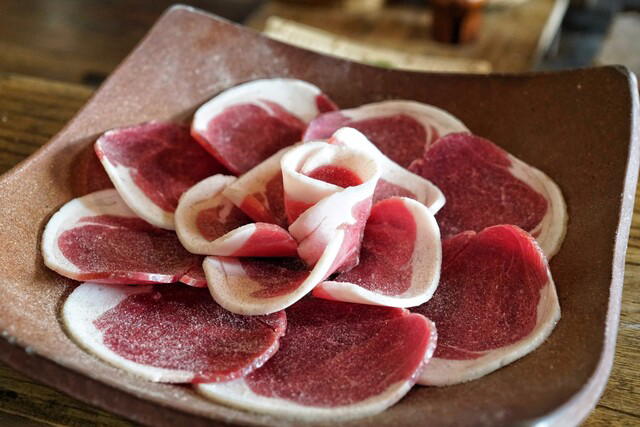
Juuwari Soba Dokoro Yamadori
Sanda, Japan
A Tabelog 2025 Soba WEST 100 house restaurant in Sanda's Shimozukise hills, working with 100% buckwheat flour and meat pairings. Lunch runs JPY 4,000–JPY 4,999, dinner JPY 10,000–JPY 14,999, cash only. No reservations, no website; phone for dinner, arrive early for lunch.
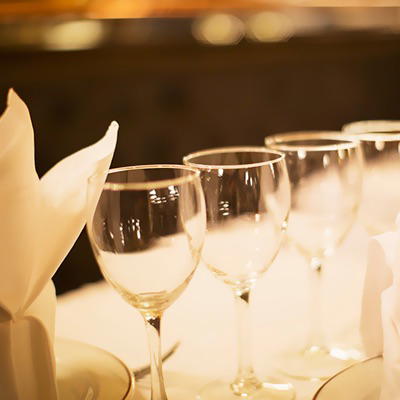
Soba Saishoku Ichinyoan
Nara, Japan
Book Soba Saishoku Ichinyoan for a quiet, focused soba meal in Nara, especially if the occasion values restraint over variety. Michelin Guide Nara 2026 Plate recognition gives it a credible quality signal, but groups wanting a broader menu or drinks-led night should compare alternatives first.
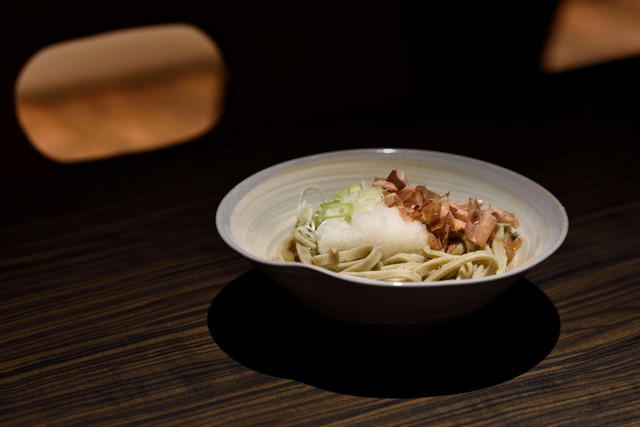
Soba Yasutake
Fukui, Japan
Stone-ground 100% buckwheat soba in a 50-seat house restaurant, earning three Tabelog WEST 100 spots (2022, 2024, 2025) at JPY 1,000–1,999. Weekday lunch requires no reservation if you arrive before 1:30 PM; weekend lunch is walk-in only and fills fast. Service is straightforward; order, eat, pay; without omakase polish, which suits the price.
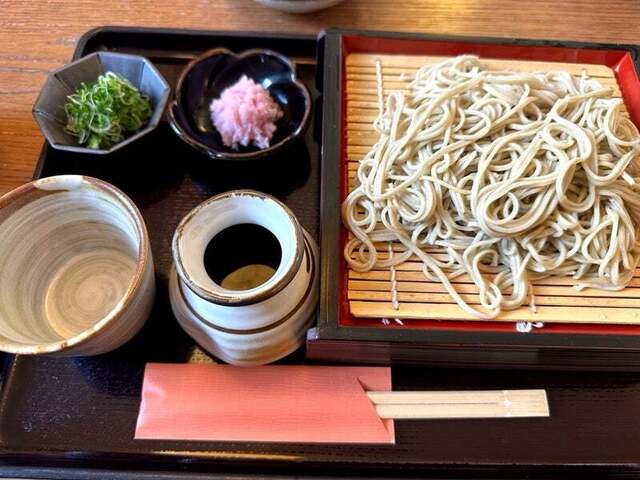
Inui
Osaka, Japan
Inui is a 14-seat soba specialist in suburban Habikino, earning Tabelog 100 recognition two years running for buckwheat noodles priced at JPY 1,000–1,999. Open only Thursday through Saturday for lunch (walk-in only, no reservations), it draws regulars willing to queue for hand-cut technique and stone-milled texture; worth the trip if soba quality outweighs convenience for you.
Teuchi Soba Yabukin
Fukuoka, Japan
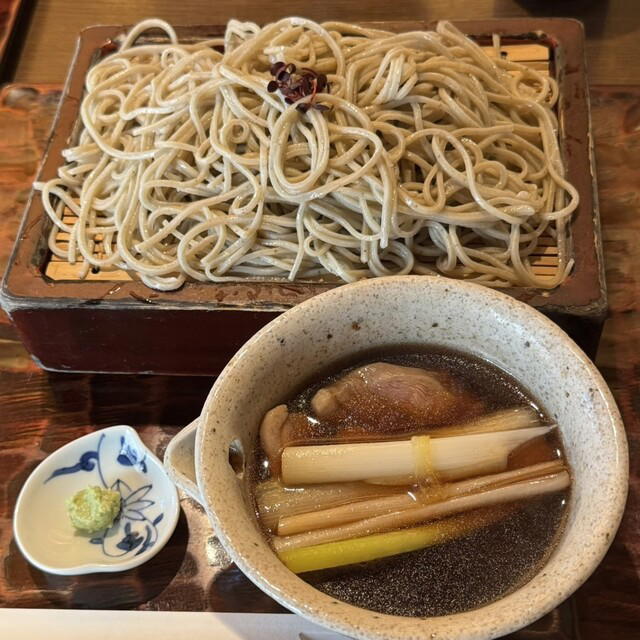
A Tabelog 100 – Soba WEST selection operating from a converted Daimyo townhouse, Teuchi Soba Yabukin hand-cuts buckwheat noodles daily using seasonal regional blends. At JPY 1,000–1,999 for lunch and JPY 4,000–4,999 for dinner, it delivers consistent technique in a quieter setting than most Fukuoka options. Reservations accepted; walk-ins accommodated when space permits.
Tenjin Boumarushin
Kagoshima, Japan
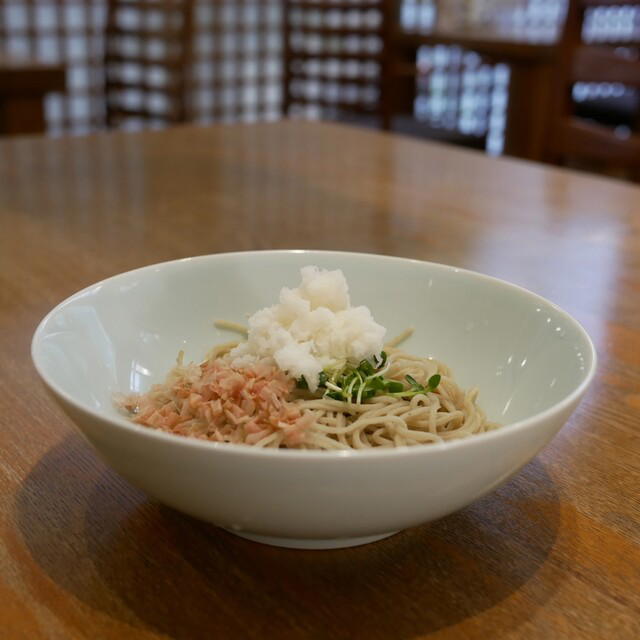
Book a week ahead for this Tabelog 100 Soba WEST specialist in Kagoshima, where hand-cut buckwheat noodles run JPY 1,000–2,999 and the format prioritizes turnover over theater. Cash-only, no private rooms, and worth it if you want technical soba at a fair price.
Sobadokoro Toki
Osaka, Japan
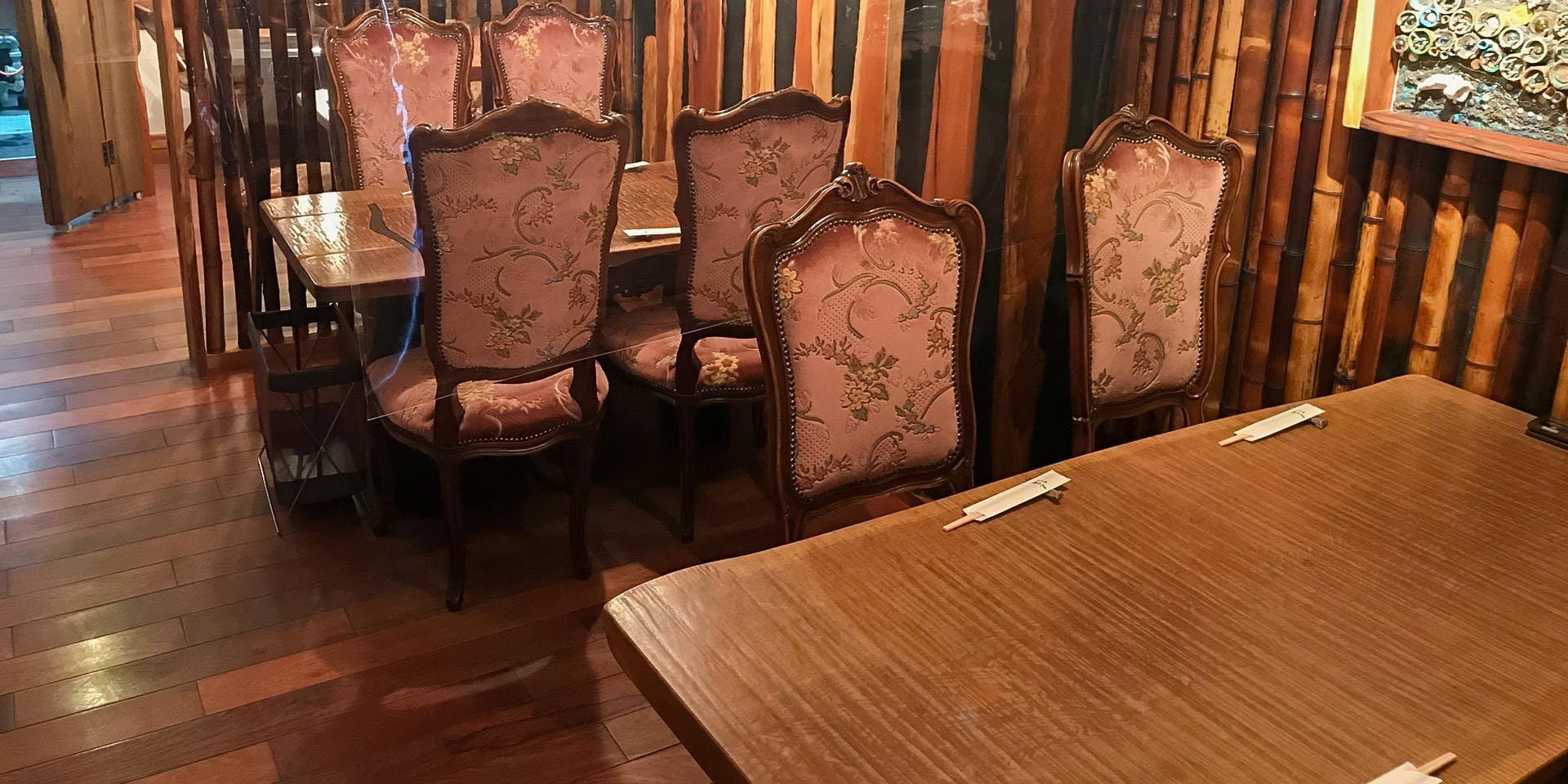
Sobadokoro Toki holds a 2025 Michelin Bib Gourmand and delivers seasonal soba; oyster and white miso in winter, chilled curry soba in summer; at ¥ prices in Osaka's Kitashinchi district. A broad menu of sake-friendly appetizers makes it a viable dinner destination, not just a lunch stop. Easy to book, low financial risk, high return for the price.
Roan Oosaka doujima ten
Osaka, Japan
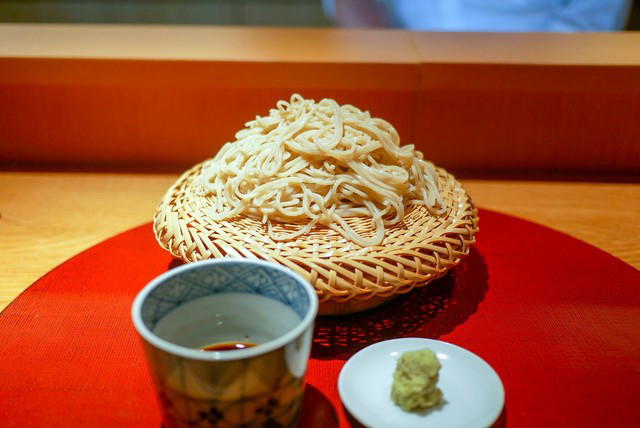
Tabelog 100 (Soba – WEST) specialist in Kitashinchi serving Hokkaido and Nagano buckwheat noodles with sake pairings until 1 AM, six nights a week. Private rooms and counter seating at JPY 2,000–2,999 per person; Osaka's most affordable recognized soba option with late-night hours and walk-in availability before 8 PM.
Shitennoji Hayauchi
Osaka, Japan
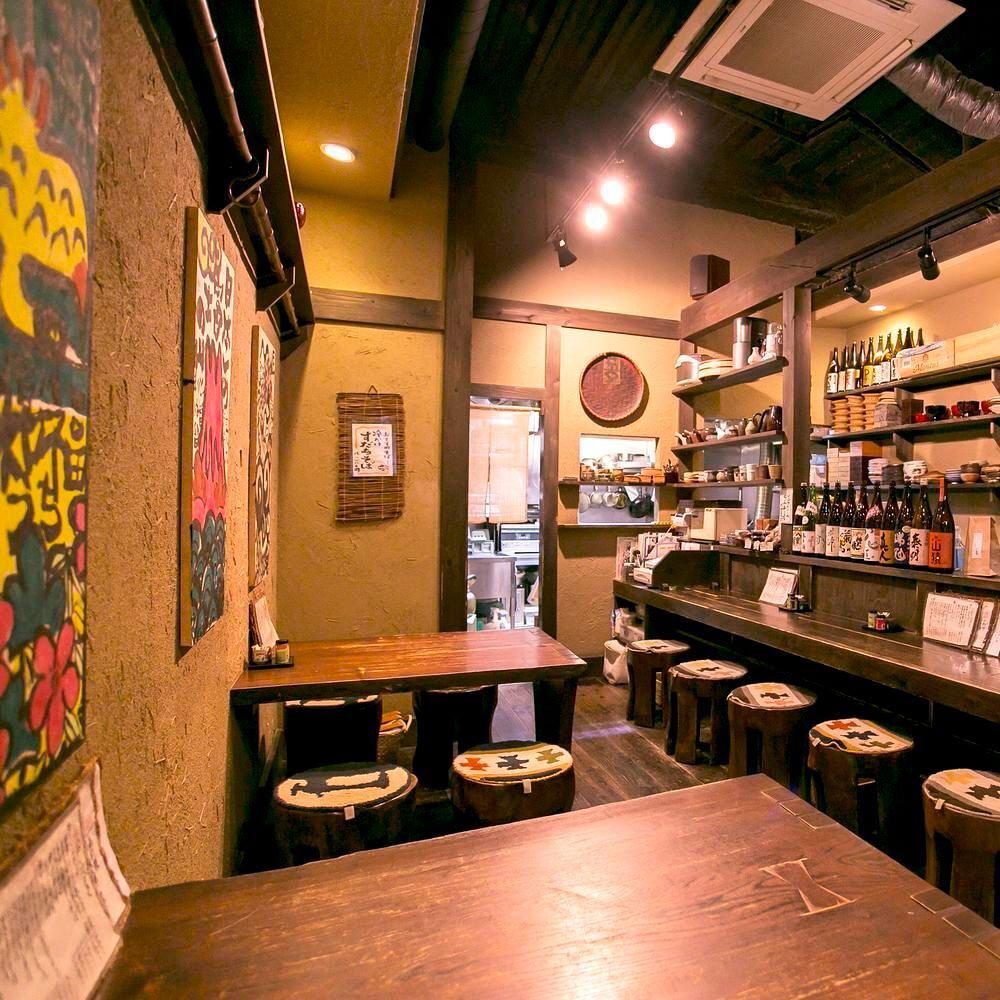
Two-time Michelin Bib Gourmand winner in Osaka's Tennoji Ward, Shitennoji Hayauchi serves fine-ground seiro and coarse-ground inaka soba from a folk-art interior of earthen walls and potter-made crockery. At the ¥ price tier with a queue before opening most lunchtimes, it is one of the clearest value decisions in the city. Reserve ahead for the soba tray with snacks.
Urushiya
Echizen, Japan
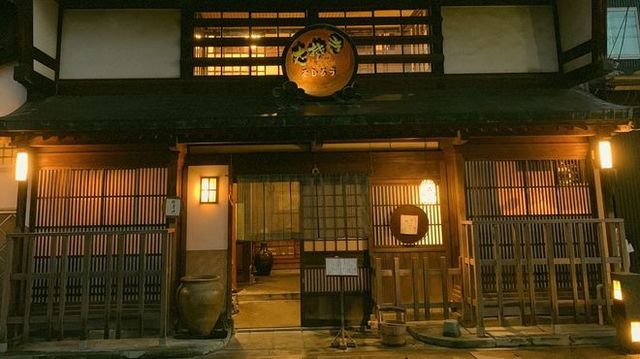
A Tabelog 100 – Soba – WEST – 2025 honoree in Echizen, Urushiya offers buckwheat noodles and multi-course Japanese dining in a 50-seat house-restaurant format. Lunch runs JPY 1,000–JPY 1,999; dinner stretches to JPY 4,000–JPY 4,999. Private rooms accommodate banquets of 4–20, and the sake-forward beverage program pairs well with the kitchen's tempura and fish courses. Book ahead for evening service and weekend slots.
Teuchisoba Kanei
Kyoto, Japan
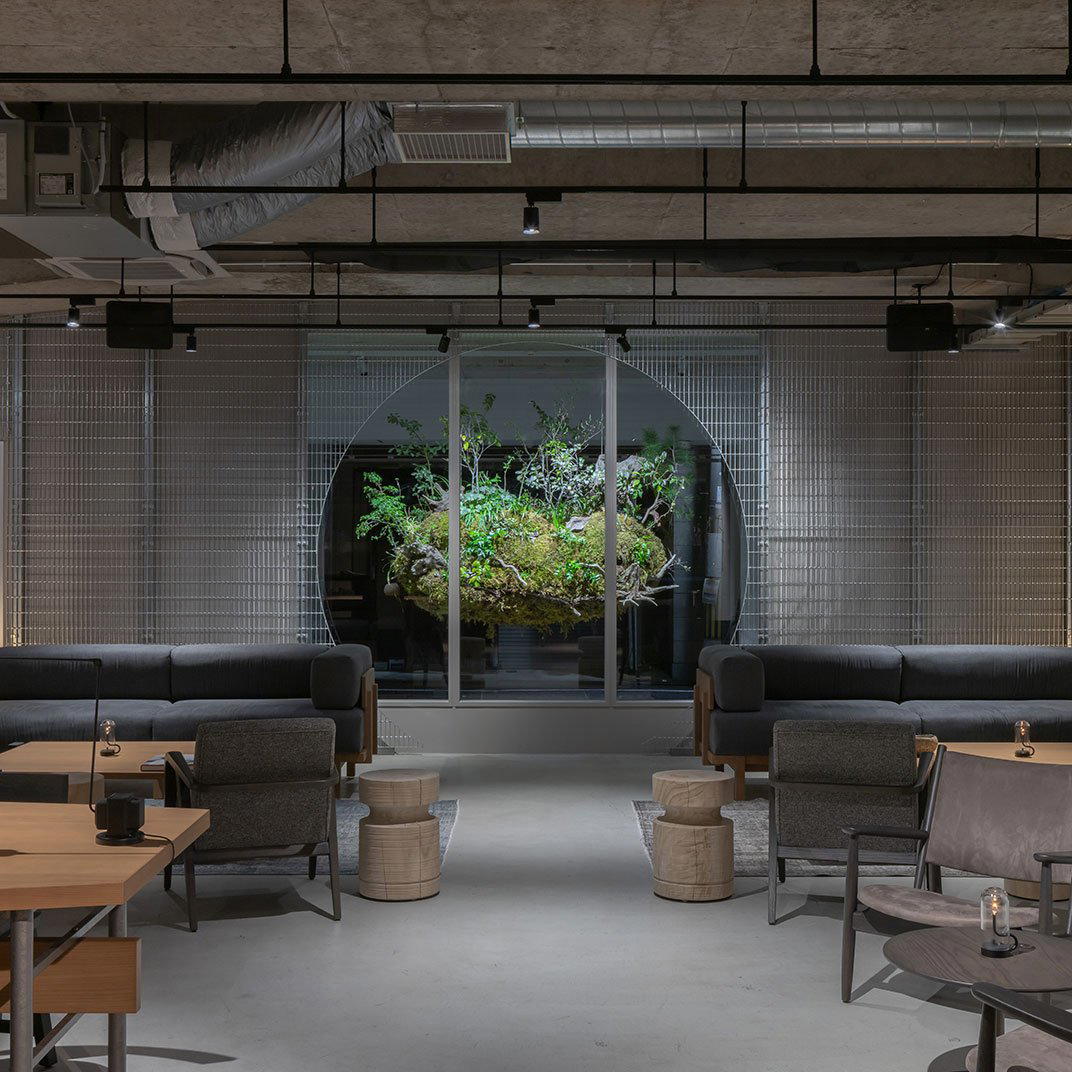
Teuchisoba Kanei is a Michelin Bib Gourmand soba shop in Kyoto's Kita Ward, earning back-to-back recognition in 2024 and 2025 at the single-¥ price tier. The kitchen uses 100% buckwheat flour for its zaru soba, served in a preserved machiya setting on Kuramaguchi-dori. For quality-accredited, low-cost dining in Kyoto, this is among the clearest value propositions in the city.
Saijo Soba Kinoe
Saijo, Japan
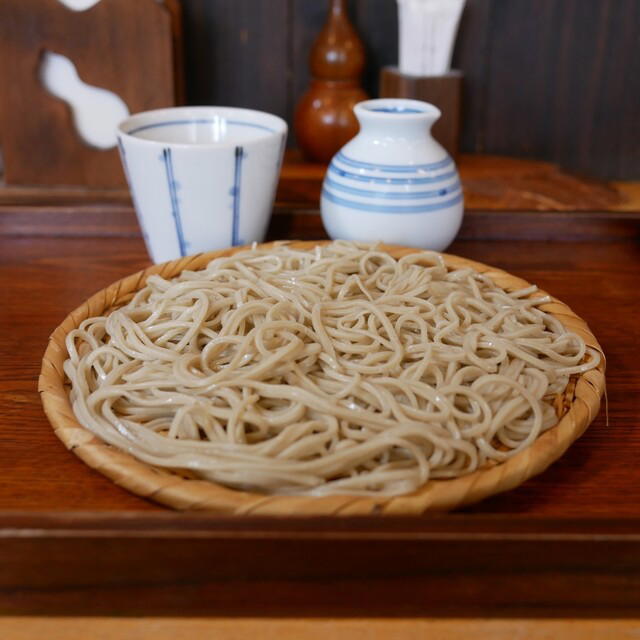
Tabelog 100 soba counter (2024–2025) serving cold and warm buckwheat noodles at JPY 1,000–1,999 lunch, about half the cost of Saijo's upscale peers. No reservations; counter seats twelve; parking available. Arrive by 11 AM weekends or accept a queue. Closes Sunday.
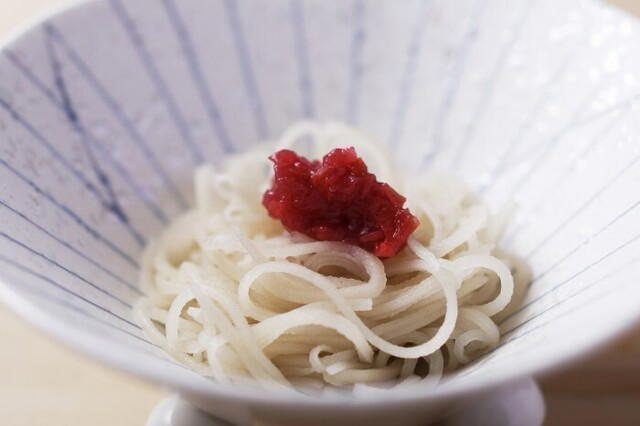
Soba Kiri Kanbee
Fukuoka, Japan
An eight-seat counter near Ropponmatsu station where hand-cut soba noodles anchor an omakase-style progression with sake pairings and seasonal tempura. Tabelog 100 Best Soba (West) recognition in 2024 and 2025 confirms the technical precision, while dinner pricing at JPY 8,000–9,999 positions it as a special-occasion venue rather than a quick noodle stop. The perfume ban and 7:30 PM last-entry rule enforce the intimate, deliberate pacing.
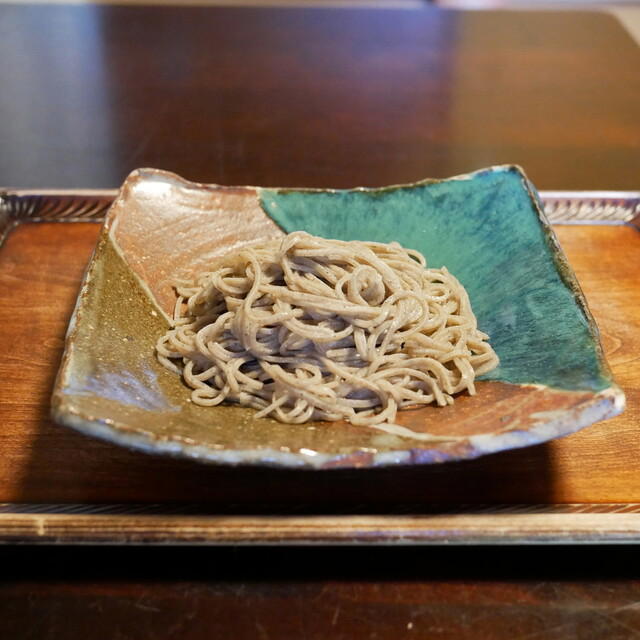
Soan
Hakusan, Japan
Walk-in soba shop in residential Hakusan, recognized on Tabelog 100 five times since 2017. Hand-cut buckwheat noodles at JPY 1,000–1,999 per head, served in tatami rooms with parking. No reservations since 2023; arrive before noon or risk sell-out. Cash only, family-friendly, best for groups willing to queue for neighborhood pricing and technical consistency.
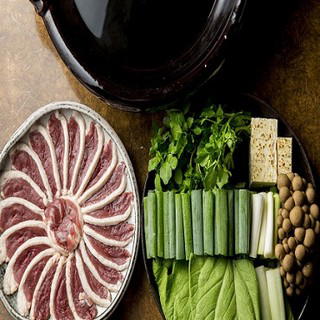
Hinai Matomi
Fukuoka, Japan
Tabelog 100 West Soba honoree since 2017, this Takasago counter specialist pairs hand-cut buckwheat noodles with hot pot courses at JPY 10,000–14,999 dinner (JPY 2,000–2,999 lunch). Eight counter seats face the preparation line; private rooms accommodate groups up to twelve. Dinner requires advance reservation, lunch accepts walk-ins for parties under five. Cash only.
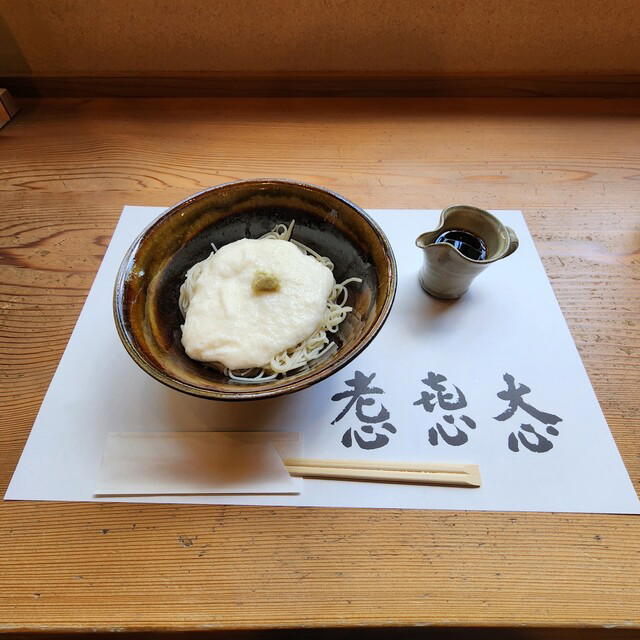
Ryuhei Soba
Kyoto, Japan
Ryuhei Soba earned back-to-back Tabelog 100 (Soba – WEST) selections starting in 2024, a rare recognition for a 2023 newcomer. At JPY 1,000–1,999, it delivers technically competent hand-cut buckwheat noodles in a quiet suburban setting; but walk-in-only access, limited hours (closed Tuesday and Wednesday, ending before 6 PM), and minimal menu context mean you'll need to plan your day around the visit. Worth it if precision soba at this price tier is your goal; skip it if you want flexibility or a more layered dining experience.
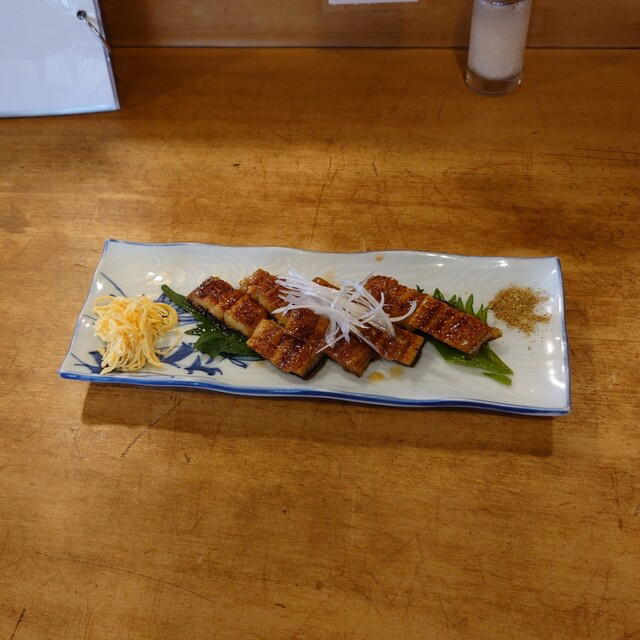
Sara Soba Nagisa An
Otsu, Japan
A lunch-only soba specialist in Otsu, Sara Soba Nagisa An serves hand-cut buckwheat noodles, saba sushi, and donburi in a quiet tatami room. Recognized in Tabelog 100 - Soba - WEST - 2025, it operates Wednesday through Sunday until the day's noodles sell out (usually by 2:30 PM). At JPY 1,000 to JPY 1,999, it's a practical midday option for families and repeat visitors seeking calm, cash-only craft noodles without evening hours.
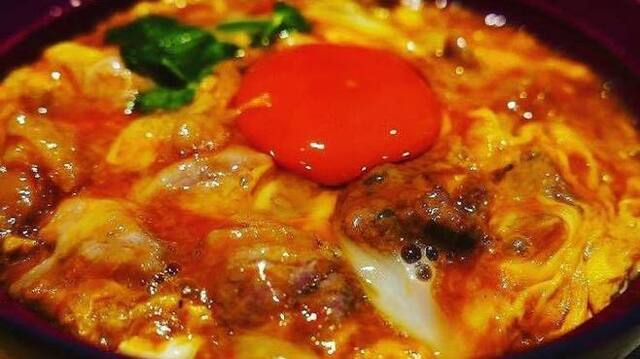
Kodou
Osaka, Japan
Tabelog 100 soba spot in Toyonaka serving handmade buckwheat noodles and a duck-focused dinner program with a curated sake list. Lunch runs ¥1,000–1,999, dinner ¥6,000–7,999. Quieter than central Osaka, with tatami rooms for groups and a family-friendly lunch format. Reserve ahead for dinner; walk-ins work for weekday lunch.
Soba Tokoro Shimizu
Miyazaki, Japan
A Miyazaki soba house with seven Tabelog 100 selections since 2017, offering in-house milled buckwheat noodles and rare-centered Kagoshima shrimp tempura at JPY 1,000–2,999. Lunch delivers the best value for evaluating noodle quality; dinner expands to multi-course combinations with sake pairings. Reservations are straightforward except on Saturdays and public holidays.
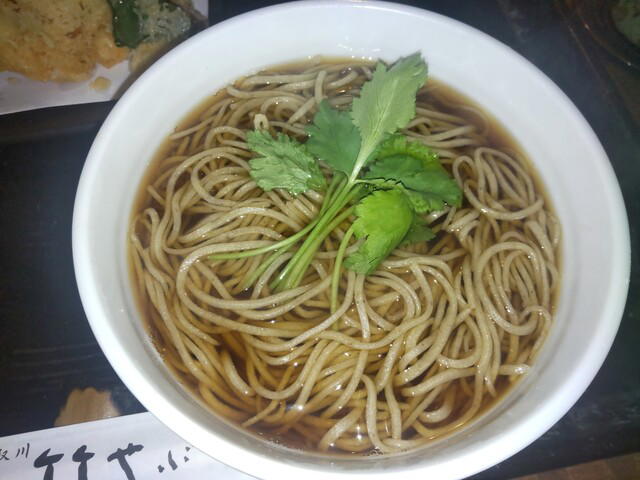
Tedorigawa Takeyabu
Nomi, Japan
Hand-cut soba in rural Nomi, open lunch-only and selected for Tabelog 100 Soba WEST in 2024 and 2025. Expect JPY 2,000–2,999 per head, a 22-seat dining room, and buckwheat that changes character with the harvest. Reservations required for all services except lunch; book two to three weeks ahead for weekends.
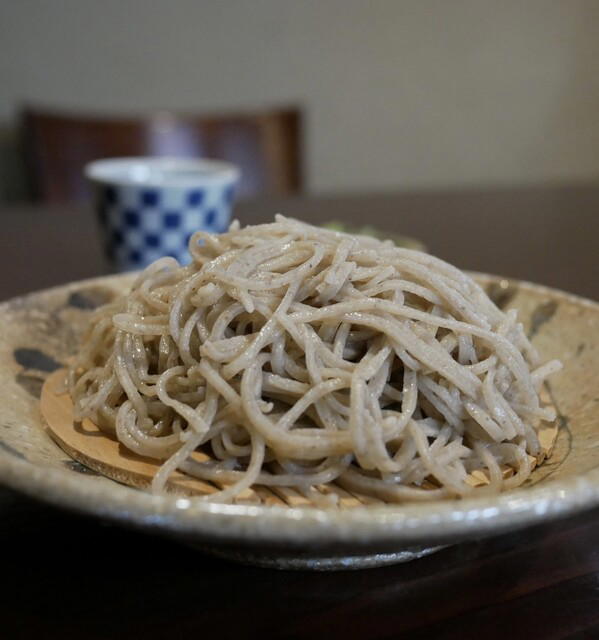
Teuchi Soba Mitani
Nagahama, Japan
A Tabelog-recognized soba specialist 4 minutes from Nagahama Station, offering hand-rolled buckwheat noodles at ¥1,000–¥1,999. Counter seating provides a direct view of noodle preparation; the venue accepts reservations and closes when the daily supply sells out. Strong value for travelers prioritizing craft over polish.
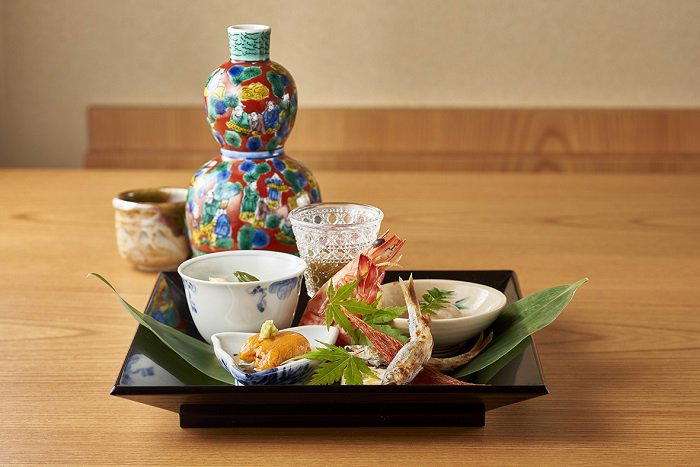
Soba Rojina
Kyoto, Japan
Soba Rojina is a Michelin Bib Gourmand-recognised soba specialist in central Kyoto, earning back-to-back awards in 2024 and 2025. The owner-chef mills 100% buckwheat in-house on a hand-built stone mortar, and the ¥ price tier makes this one of Kyoto's clearest value calls. Book it for a focused, low-cost meal that punches well above its price.
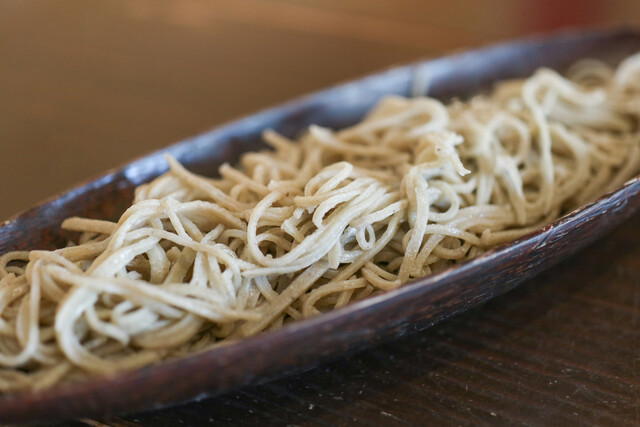
Soba Kiri Momoyo Zuki
Nara, Japan
A fourteen-seat soba specialist three minutes from Kintetsu Nara station, named to Tabelog's 2025 Soba WEST 100. Fresh-milled buckwheat noodles and sharp dashi-forward dipping broth served at lunch (JPY 1,000-JPY 1,999) and weekend dinners (JPY 2,000-JPY 2,999). Walk-ins only, cash only, no reservations.
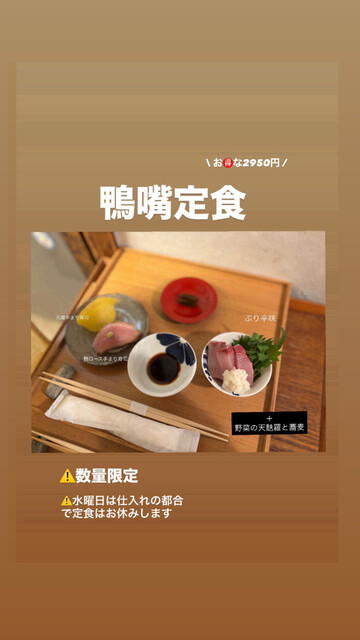
Soba Kiri Kamonohashi
Osaka, Japan
A house-converted soba specialist in Kitatanabe with an eight-seat tatami counter and three consecutive Tabelog 100 placements. The focus is hand-cut buckwheat noodles, quiet service, and a no-children policy. Best for soba purists who don't need flexible seating or fast turnover.
Awaji Okina
Awaji, Japan
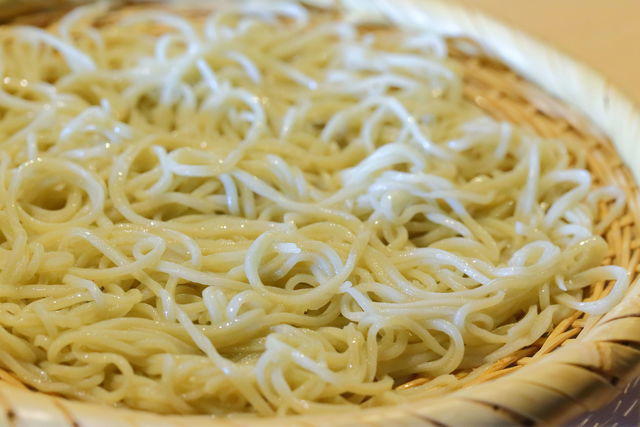
Awaji Okina works for a low-spend, daytime meal in Awaji, especially if you want something with Tabelog 100 #25 recognition in 2025 without committing to a major splurge. It is a better fit for lunch-focused explorers than for special-occasion diners seeking a long evening format.
Do Sanjin Ashiya ten
Ashiya, Japan
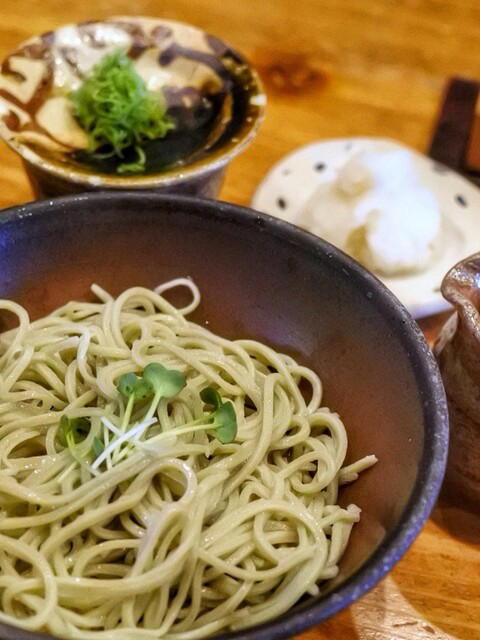
Do Sanjin Ashiya ten earned <em>Tabelog 100 – Soba – WEST</em> recognition three years running (2022, 2024, 2025) for cold buckwheat noodles priced at ¥2,000–¥2,999 per head. The 28-seat room opened in 2002 and handles walk-ins at off-peak hours, making it easier to book than Tokyo's award-holding soba counters.
Soba Tokoro Fujimura
Higashiomi, Japan
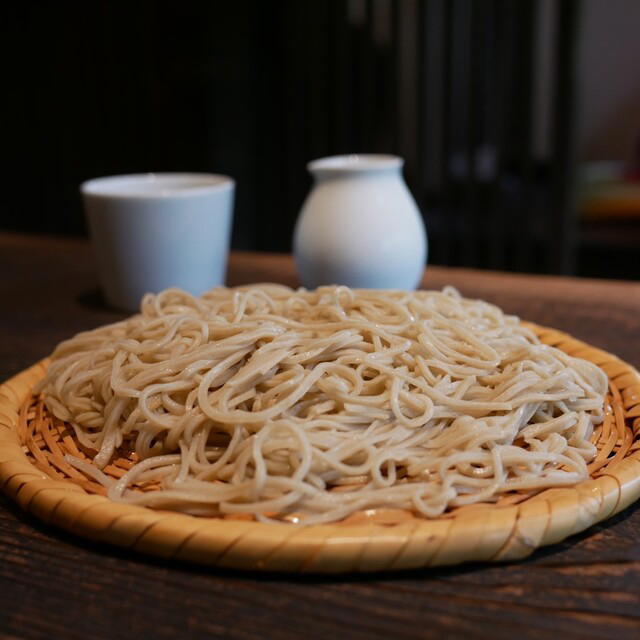
Tabelog 100 Soba WEST 2025 selection at JPY 1,000–1,999, operating Wednesday–Saturday lunches only in a rural Shiga house restaurant. Cash-only, walk-in service with 26 seats and parking for 10 cars. Worth the detour for buckwheat specialists who can align their schedule with the narrow service window.
Kenzou Soba
Yoshida-gun, Japan
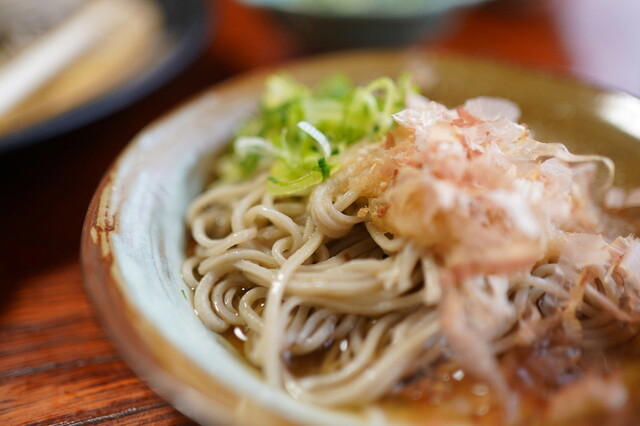
A Tabelog 100 soba house in Fukui's Eiheiji district serving hand-cut 100% buckwheat noodles at JPY 1,000–JPY 2,999. The owner's two Grand Prize wins at the All Japan Amateur Soba Making Championship refine the technical level above the modest pricing. Open only until sold out during lunch hours; cash-only, family-friendly, and built around Fukui's signature Oroshi Soba tradition.
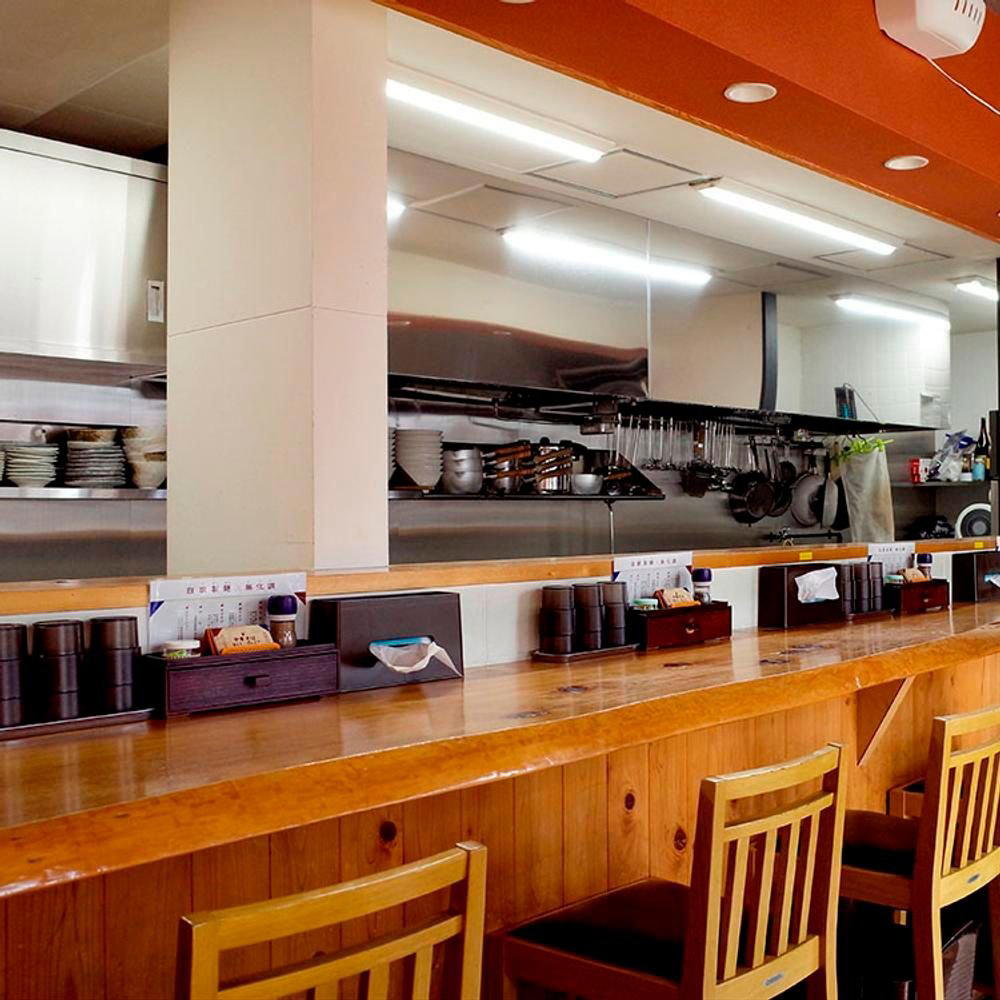
Nidaime Izumosoba Dandan
Nara, Japan
Nidaime Izumosoba Dandan has earned back-to-back Michelin Plate recognition in 2024 and 2025 at a ¥¥ price point; making it the strongest value proposition among Michelin-noted restaurants in Nara. A specialist soba counter with a defined regional lineage, it is the clear first call for food-focused travellers who want a technically serious, affordable midday meal near Nara's temple circuit.
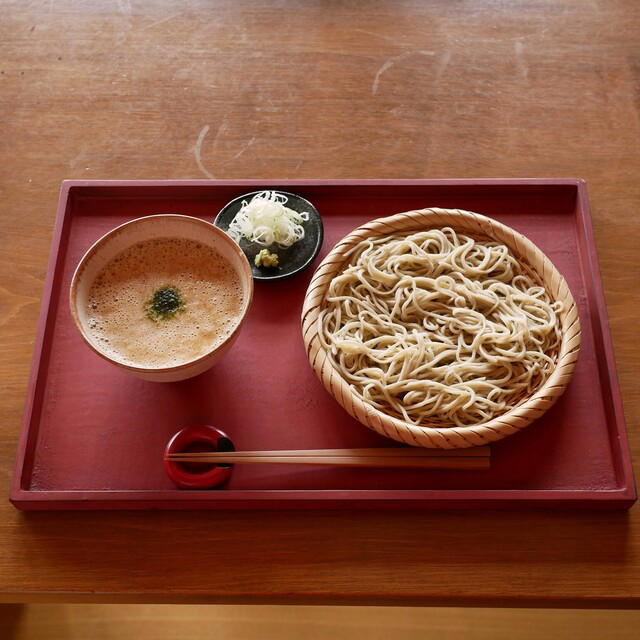
Satsuki Okinadaruma
Kitsuki, Japan
A 12-seat soba house in Kitsuki's Morie district, recognized in Tabelog's Soba WEST 100 list for 2024 and 2025. Lunch runs JPY 1,000–1,999 with Beppu Bay views and hand-cut buckwheat noodles; dinner shifts to reservation-only courses. Cash-only, limited parking, and a 1.2 km walk from the nearest bus stop; but the coastal setting and consistent execution justify the detour.
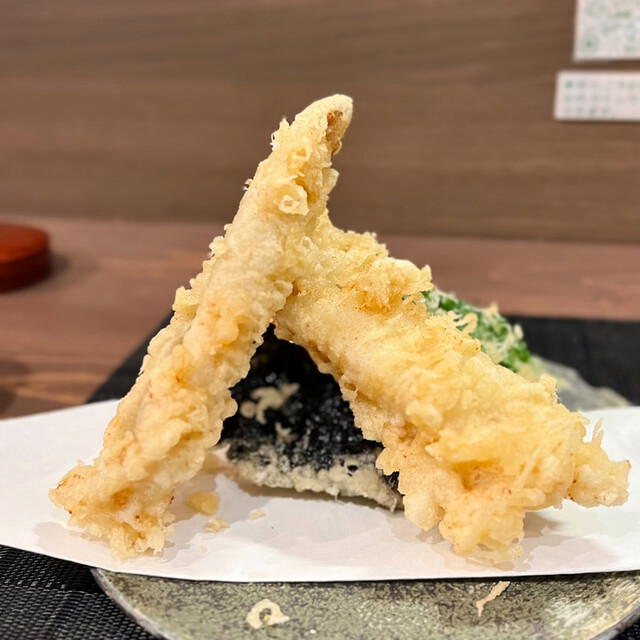
Soba Mae Nakate Touha
Kobe, Japan
An eight-seat Nakayamatedori counter delivering hand-milled soba at two daily services; JPY 1,000–1,999 lunch and JPY 3,000–3,999 dinner; that earned Tabelog 100 West 2025 recognition. The morning and midday format mirrors evening rigor, making lunch the value route for grain-focused technique; dinner layers in sake pairings without inflating the core preparation. Solo-friendly, cash-only, and easier to book than Kobe's kaiseki tier.
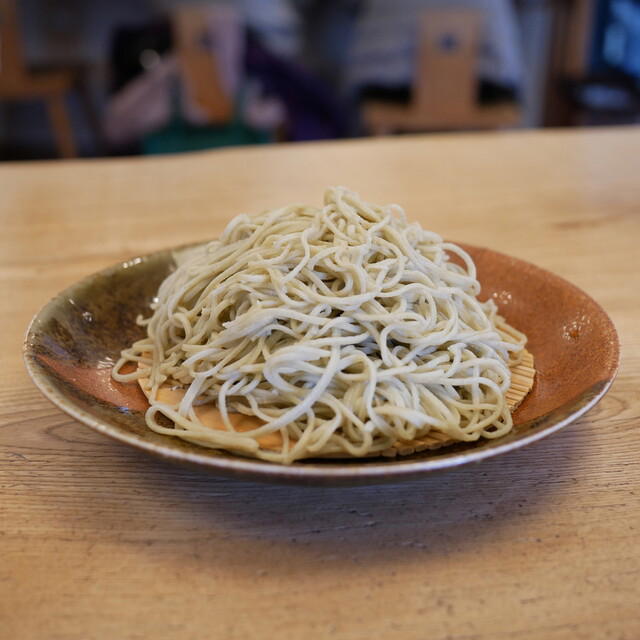
Teuchi Soba Noda
Osaka, Japan
Hand-cut soba specialist in Katano earning Tabelog 100 WEST honors since 2017, serving JPY 1,000–1,999 noodles at lunch and reservation-only hot-pot courses at dinner. The 16-seat format splits between a four-stool counter and two group tables, with private bookouts for eight or more. PayPay-only payment and no English website keep operations straightforward.
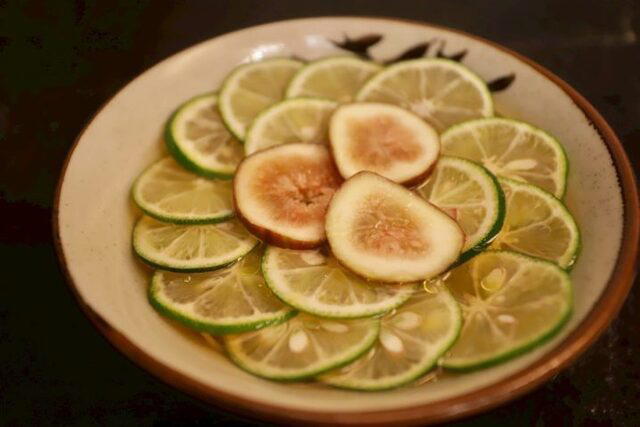
suba
Kyoto, Japan
A stand-up soba counter in Shimogyo-ku that earned two consecutive Tabelog 100 recognitions while keeping most bowls under JPY 2,000. No reservations, no ceremony; just technically solid buckwheat noodles in a format that suits solo diners and couples moving between Kyoto's temple circuits. Better value than sit-down kaiseki when you want a fast, well-executed lunch.
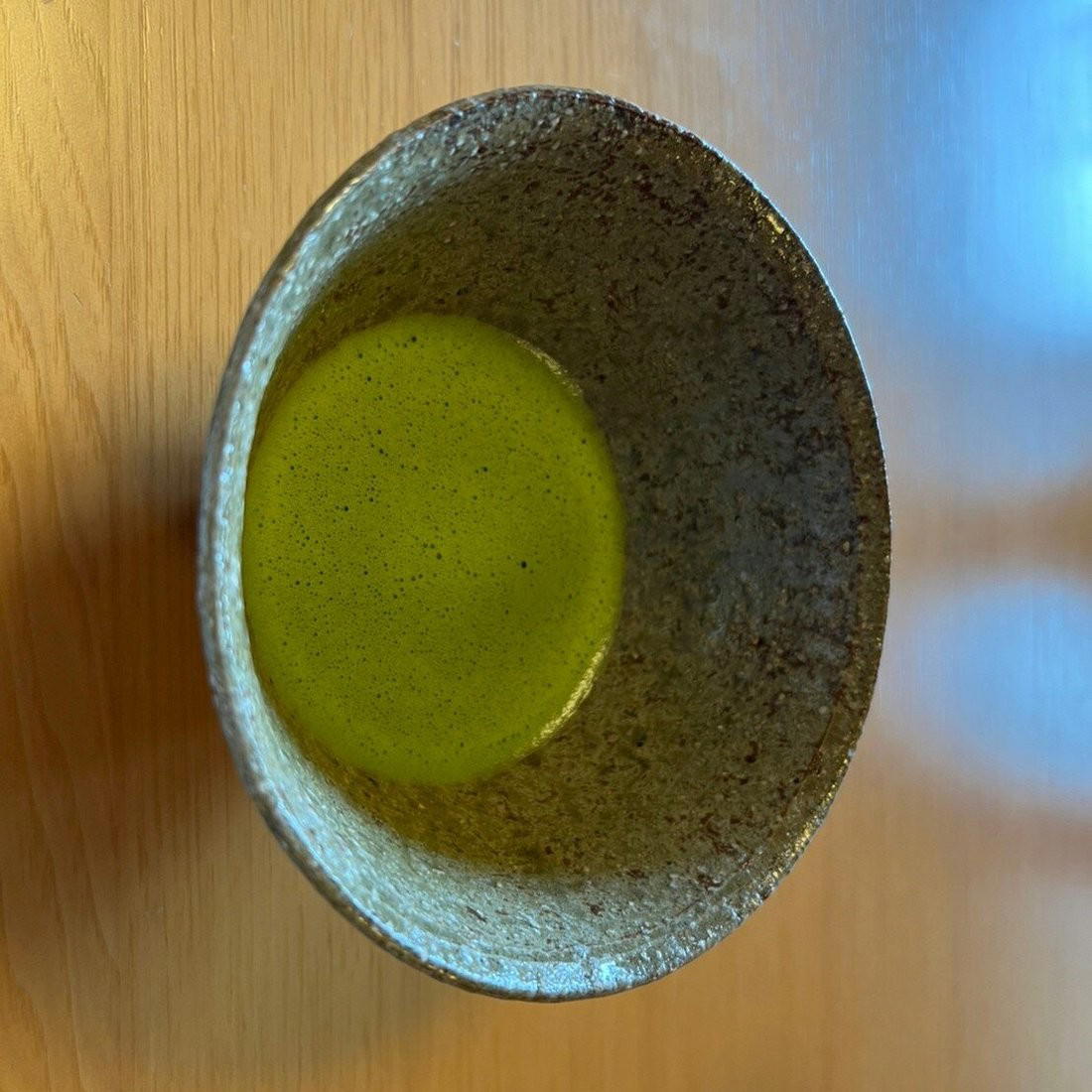
Roan Matsuda Sasayama
Hyogo, Japan
Roan Matsuda Sasayama is a Tabelog Bronze-recognised soba and Japanese course restaurant in rural Tamba-Sasayama, Hyogo, with consecutive awards from 2017 through 2026. Dinner runs JPY 10,000–14,999; lunch JPY 6,000–7,999. Reservations required by the day before; cash only. Worth the rural detour for serious soba enthusiasts, particularly pairs and small groups using the private tatami rooms.
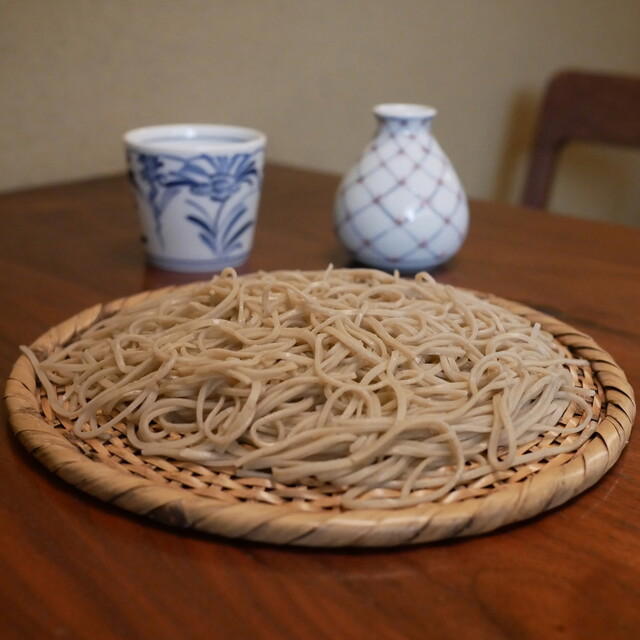
Kitanosaka Kobayashi
Kobe, Japan
Hand-cut soba at JPY 2,000–2,999 in an 18-seat Nakayamatedori shop, earning back-to-back Tabelog 100 Soba WEST nods (2024, 2025). Lunch-only Sundays; evening service Wednesday–Saturday until sell-out. Cash only, reservations by phone, and a five-minute walk from Sannomiya stations.
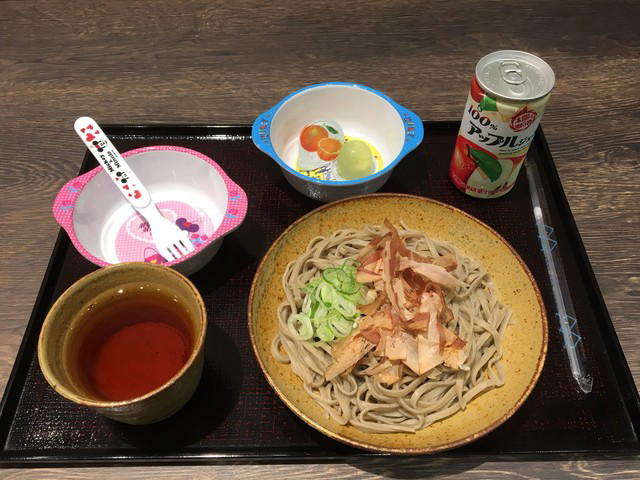
Amida Soba Fuku no I
Fukui, Japan
Choose Amida Soba Fuku no I for an easy, good-value soba meal in Fukui rather than a formal special-occasion dinner. The Tabelog 100 #36 recognition in 2025 makes it a credible casual pick, especially for solo diners or travelers who want a focused local meal without a major spend.
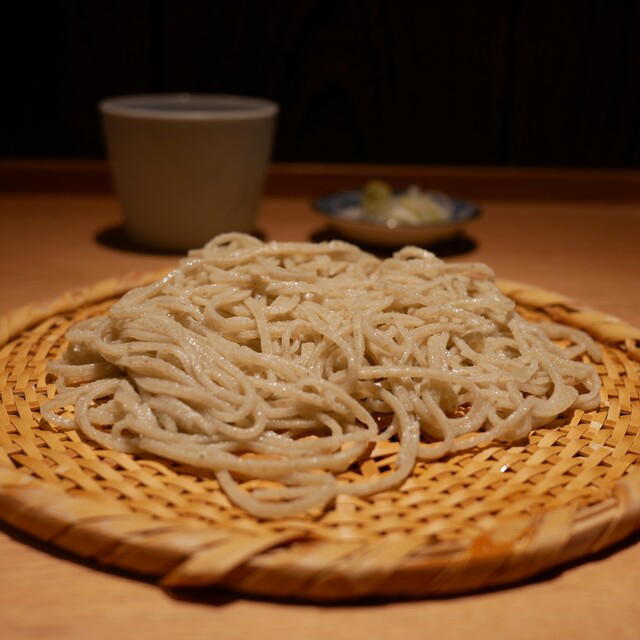
Sobaya Nikola
Kyoto, Japan
A Tabelog 100 soba restaurant in Kamigyo-ku that pairs hand-cut buckwheat noodles with a sake-forward izakaya format. Dinner (JPY 8,000–9,999) justifies the spend with appetizers and pairings; lunch (JPY 2,000–2,999) delivers the noodle craft at a fraction of the cost. Reserve one to two weeks ahead for weekend evenings; weekday lunch sees lighter demand. Cash only, 20 seats, no preschool children.
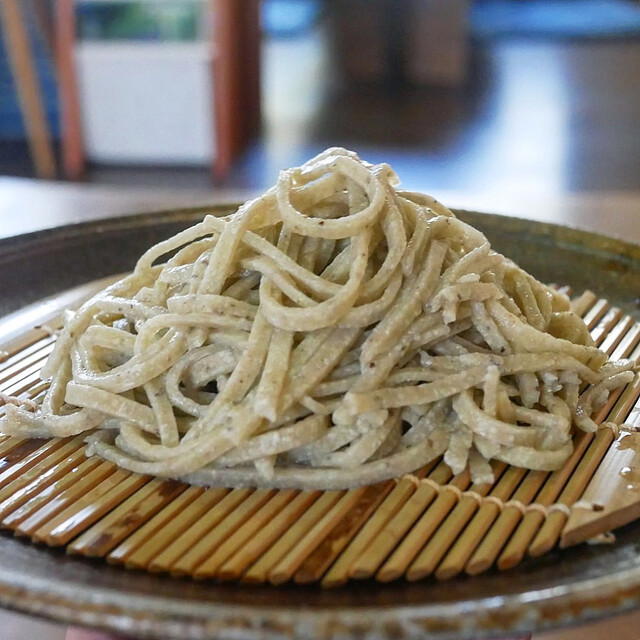
Soba Kura Tanigawa
Echizen, Japan
A walk-in-only soba shop in residential Echizen, holding a Tabelog 100 - Soba - WEST designation for two years running. The lunch-only format and JPY 1,000 to JPY 1,999 price range deliver value, but the no-reservation policy and limited hours mean you need to arrive early or risk missing service. The tatami room is family-friendly, the space is calm, and the focus is squarely on buckwheat noodles and Fukui sake; nothing more.
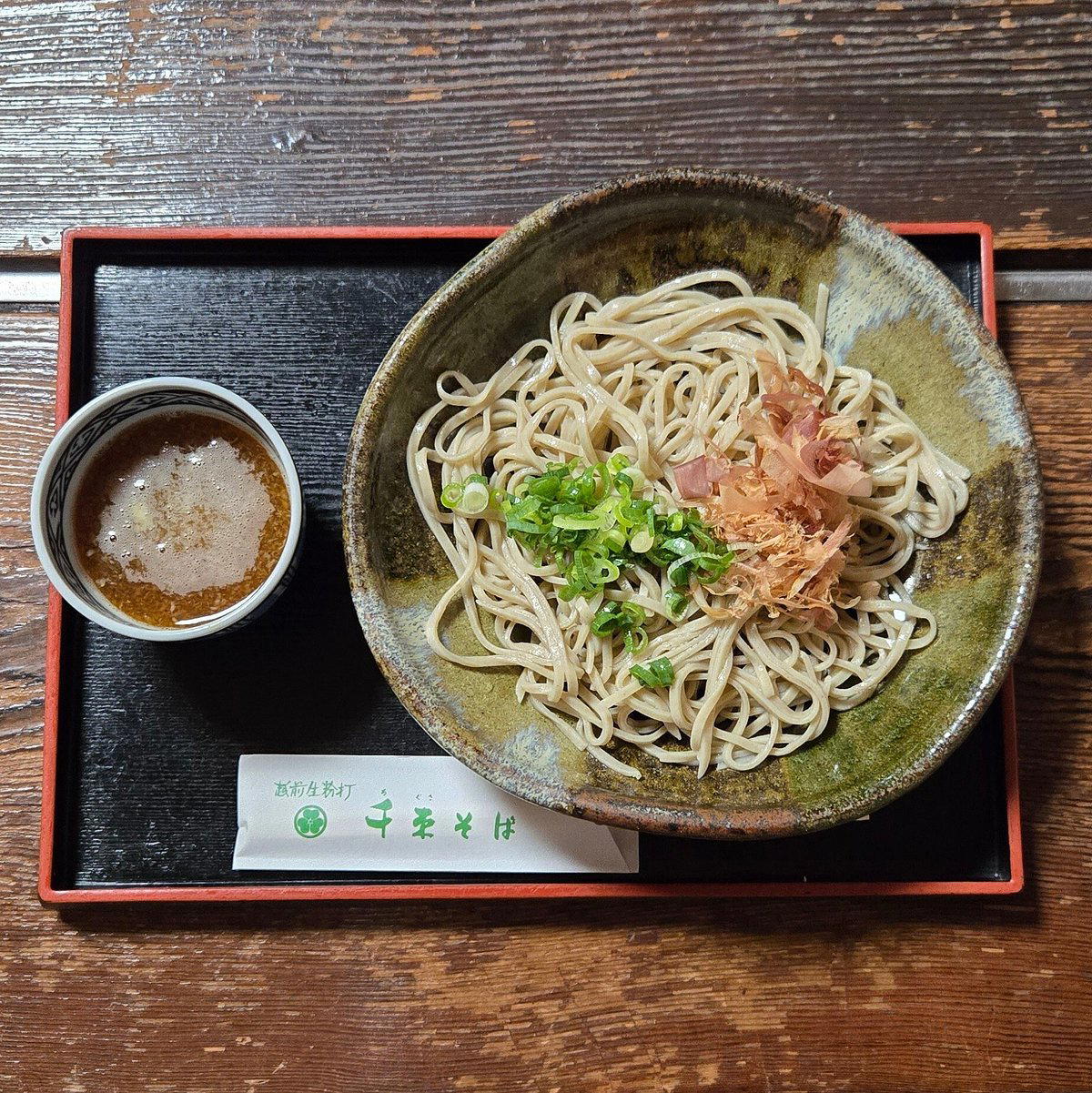
Chigusa Soba
Tsuruga, Japan
Chigusa Soba is worth booking as a focused, low-spend Tsuruga lunch rather than a dressed-up occasion meal. Go when soba is the point, keep the order simple, and choose a more ambitious peer if the room, pacing, or celebration factor matters more.
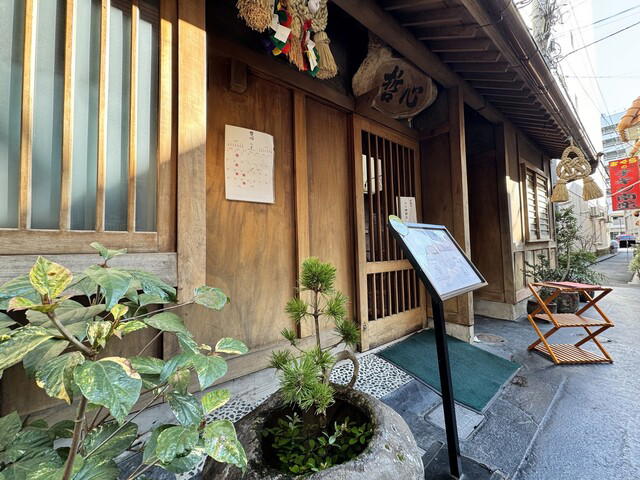
Soba ya Tesshin
Miyazaki, Japan
This Tabelog 100 Soba (West) 2025 selection in central Miyazaki delivers hand-cut buckwheat noodles at JPY 2,000–2,999 for lunch, operating since 1984 with a two-level layout that accommodates solo diners at the counter and families upstairs. Reservations are available, and the lunch-only schedule (Tuesday–Sunday, 11:00 AM–2:30 PM) makes timing straightforward. Quality sits between budget neighborhood spots and premium special-occasion venues.
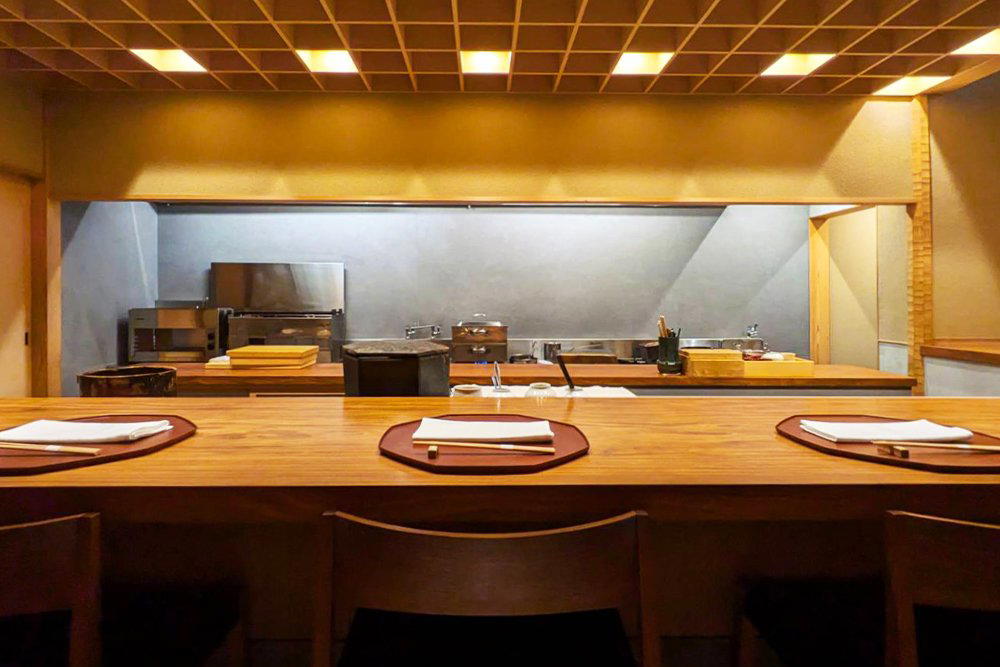
Ogawa
Kyoto, Japan
Ogawa in Nakagyo Ward delivers Kyoto cuisine centred on dashi, seasonal vegetables, and clay-pot rice in a kappo setting that is more relaxed than a formal kaiseki house. It is a sound choice for two diners who want ingredient-focused cooking without the ceremony of Kyoto's top-tier kaiseki rooms, and it books more easily than comparable addresses in the city.
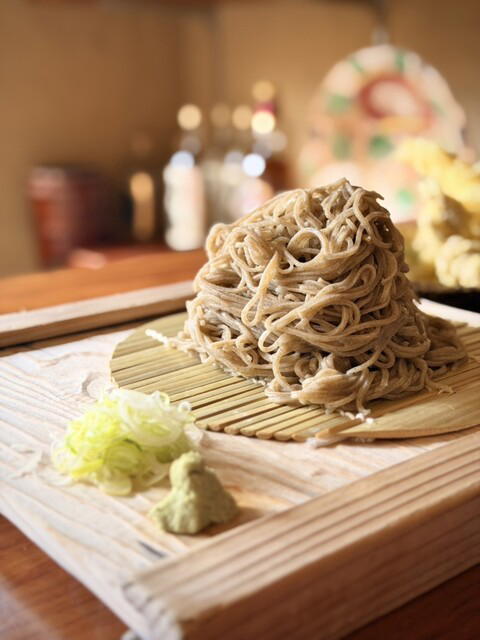
Soba Kiri Oshiro
Osaka, Japan
Tabelog 100 West 2025 soba counter near Tsurugaoka Station serving hand-cut buckwheat noodles at JPY 2,000–JPY 2,999 until daily inventory sells out. No reservations, cash only, and closes early afternoon. Walk-ins arrive by 11 AM Wednesday through Sunday; the quiet, residential setting suits solo diners and pairs willing to gamble on availability.
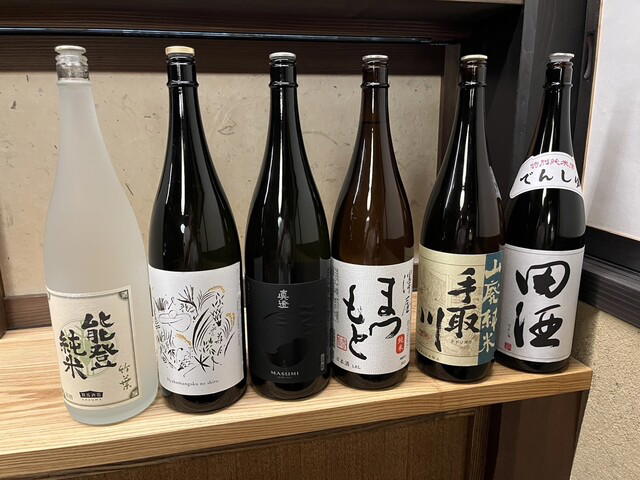
Teuchi Soba Koyori
Kanazawa, Japan
Handmade soba in a century-old kominka, recognized by Tabelog 100 for Western Japan. Lunch runs JPY 2,000–2,999, with Togakushi buckwheat ground daily and served in bocchi-mori style. Same-day reservations accepted by phone, and takeout travels well. Open Tuesday–Saturday, 11 AM–2 PM.
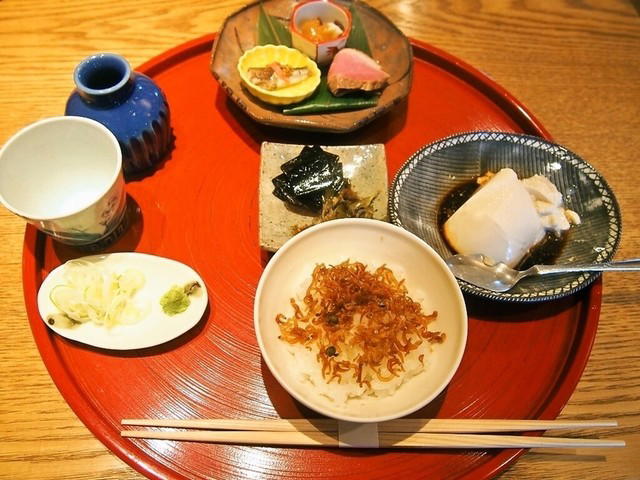
Atari Ya
Osaka, Japan
Tabelog 100 Soba WEST 2025 honoree near Higashimikuni Station, offering hand-cut buckwheat noodles at JPY 2,000-JPY 3,999 without the multi-week booking windows of Tokyo's top counters. The 21-seat space welcomes families and solo diners alike, with counter and table seating in a relaxed, non-smoking room.
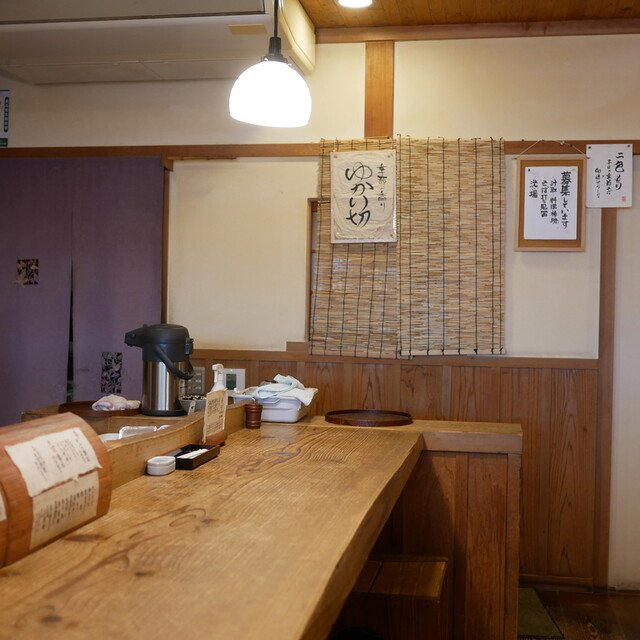
Asago
Fukuoka, Japan
Asago is Fukuoka's most consistently awarded soba counter, holding the Tabelog Soba Top 100 designation every year from 2018 to 2025 and a Tabelog score of 4.00. Lunch is walk-in at JPY 2,000–2,999; the evening Omakase Course (from JPY 6,000) requires a reservation and cash payment. Eight counter seats only; book ahead for dinner.
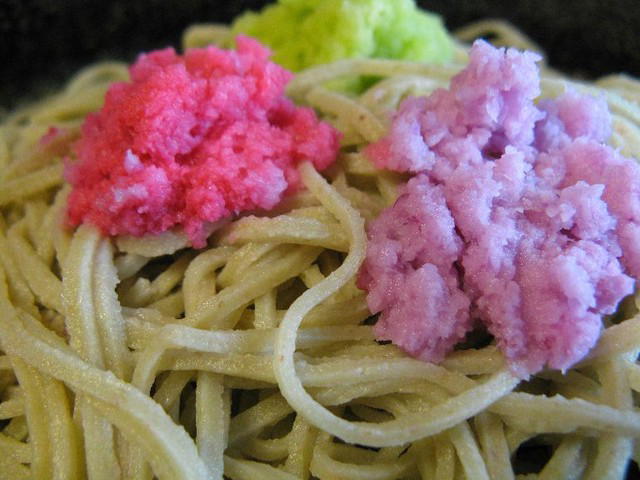
Soban Chi
Tanba, Japan
Soban Chi is the Tanba pick for a quieter Japanese meal that feels considered without requiring a full luxury-restaurant spend. It is strongest for pairs, solo diners, and intimate occasions; larger groups should confirm fit carefully or compare it with Torinago and Yanagimachi.
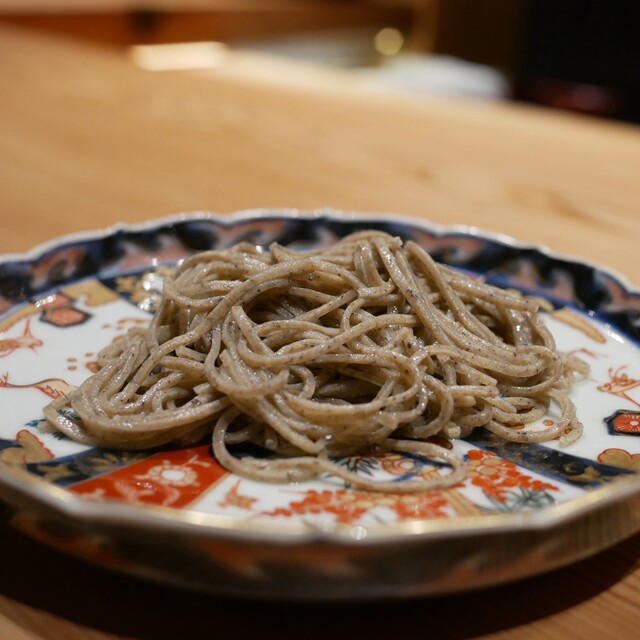
Kuchi Iwa
Toyama, Japan
Reservation-only soba omakase in a residential Higashiiwasemachi house, selected for Tabelog 100 Soba WEST 2025. Dinner-only format at JPY 10,000–14,999 pairs hand-cut noodles with curated sake rather than wine. Book via Instagram or Facebook; no phone or walk-ins. Worth it for sake-driven buckwheat progression, less so for casual or wine-focused meals.
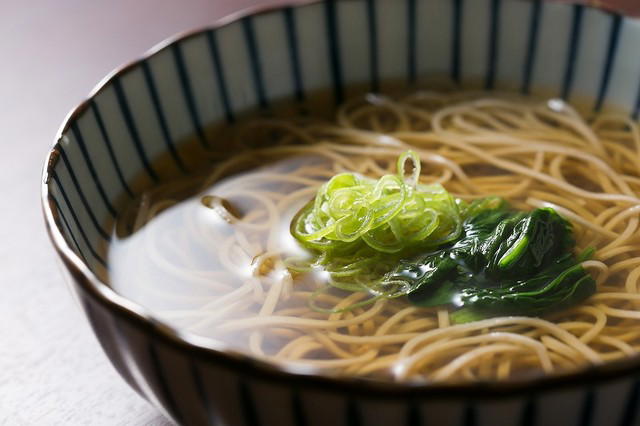
Soba Ozaki
Fukuoka, Japan
Handcrafted soba and tempura in a quiet 21-seat Kego room, recognized in Tabelog 100 - Soba - WEST - 2025. Dinner averages JPY 3,000–3,999, lunch drops below JPY 1,000. Table reservations available weekdays and weekends from 3 PM for up to 8 guests; counter seats suit solo diners seeking buckwheat technique observation. Cash-only, closed Tuesday and Wednesday.
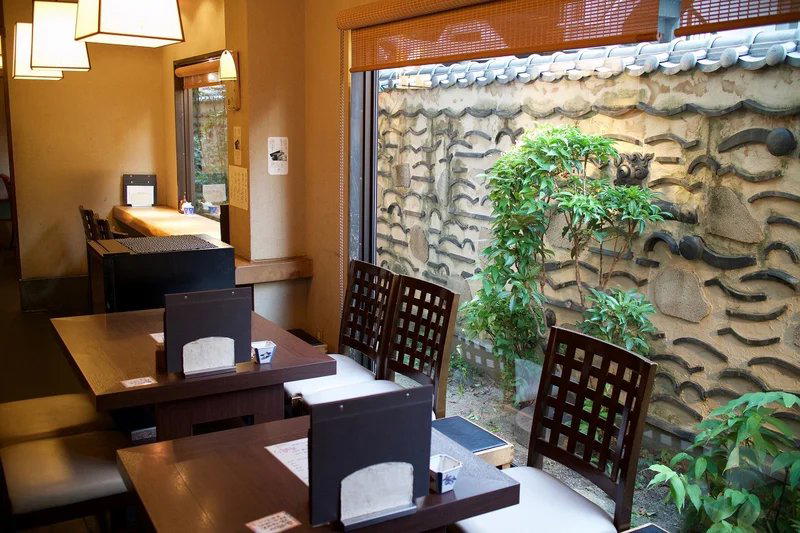
Shinshu Soba Murata
Fukuoka, Japan
A Tabelog Soba 100 WEST honoree three times over, Shinshu Soba Murata delivers Shinshu-style buckwheat noodles and tempura at JPY 1,000–2,999 in a 70-seat Gion dining room with counter, tatami, and private-room seating. The award-list pedigree comes without the usual booking battle or high-end price tag, making it a practical choice for lunch or early dinner near Kushida Shrine.
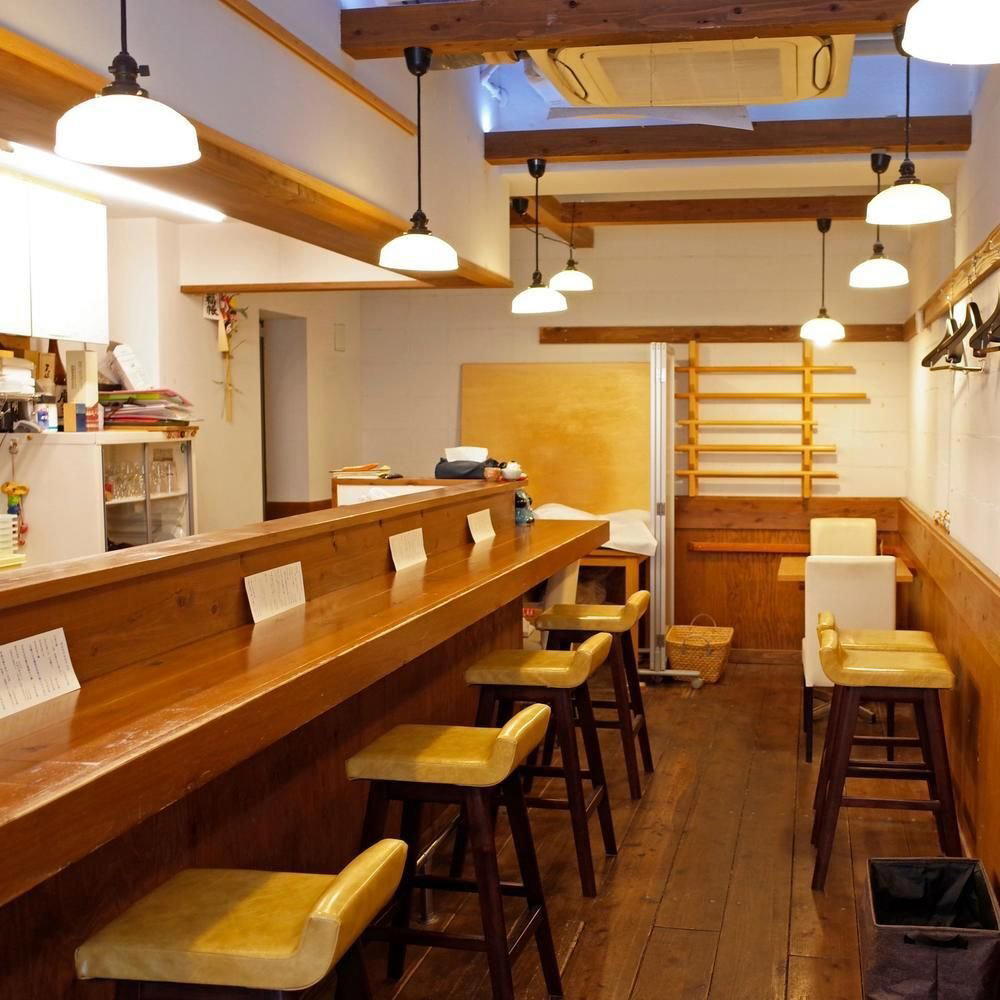
Sobakiri Arabompu
Osaka, Japan
A Michelin Bib Gourmand soba specialist in Osaka's Kita Ward, Sobakiri Arabompu is one of the city's clearest value decisions at the ¥ price tier. Counter seats overlooking chef Aaron Israel's soba preparation are the main draw. Book the Soba Zanmai set for a first visit and request the counter when you reserve.
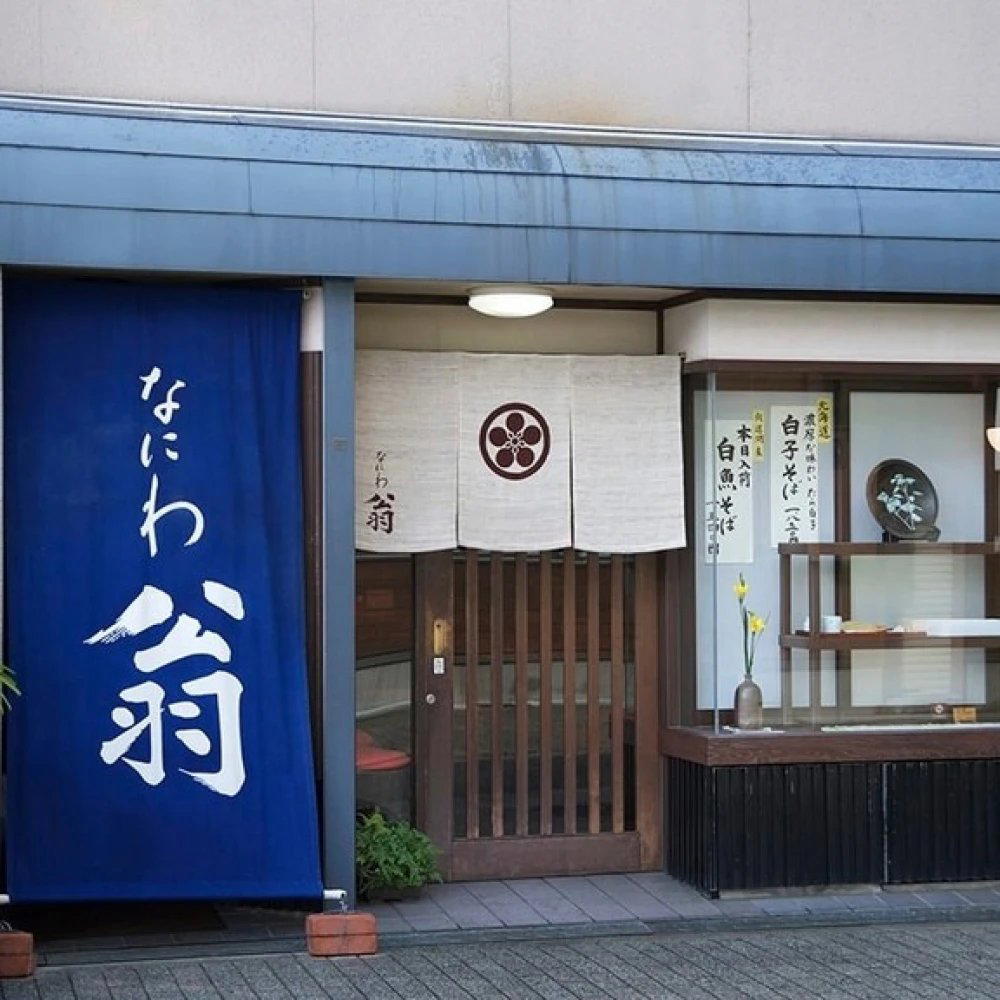
Naniwa Okina
Osaka, Japan
A Michelin Bib Gourmand soba restaurant in Osaka's Kita Ward, Naniwa Okina combines Yamanashi noodle technique with an Osaka kombu-dashi tradition passed down three generations. At single-¥ pricing, it's one of the most credentialed-per-yen meals in the city and easy to book.
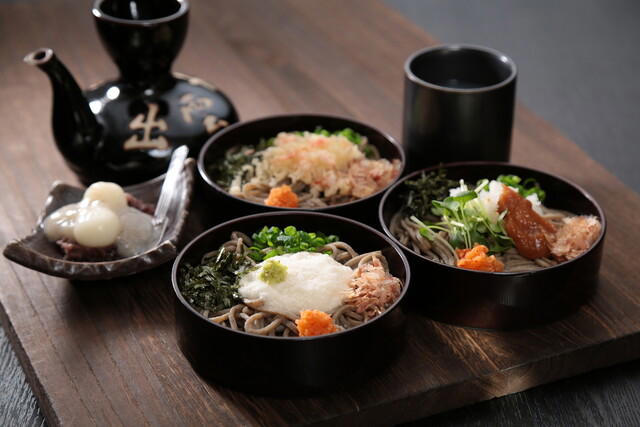
Suna Ya
Izumo, Japan
A Tabelog 100 Soba (West) 2025 selection near Izumo Taisha shrine, serving <em>juwari</em> buckwheat noodles with rich dashi at JPY 1,000–1,999. The 22-seat second-floor room offers views of the shrine approach, no-reservation walk-in seating, and technically precise soba that punches above its price tier. Arrive before 1 PM on weekends to avoid waits and sold-out inventory.
Sarrasin
Fukuyama, Japan
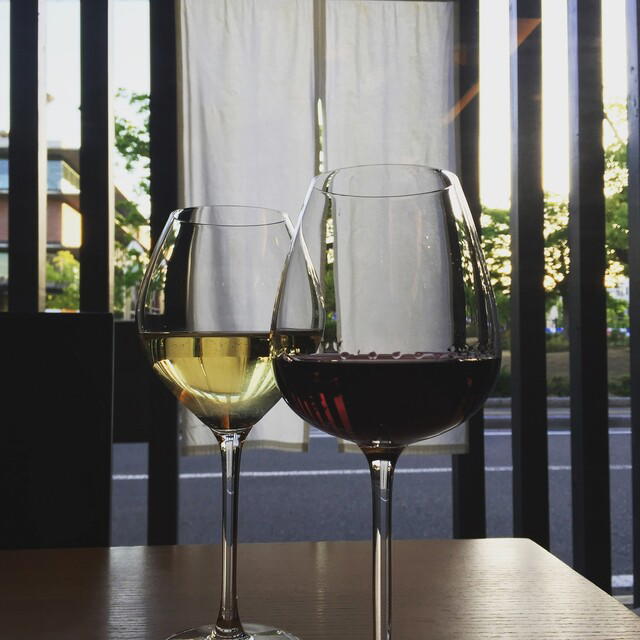
A Tabelog 100 Soba West selection since 2022, this husband-and-wife operation mills buckwheat in-house and builds its dinner menu around Kawachi duck sourced directly from Hiroshima. Lunch offers casual duck tsuke soba sets at JPY 1,000–1,999, while evening courses run JPY 8,000–9,999 and require advance booking. The duck-forward format and strict no-buckwheat-allergy policy make this better suited to committed soba enthusiasts than casual drop-ins.
Teuchi Soba Sushi Imafuku
Kyoto, Japan
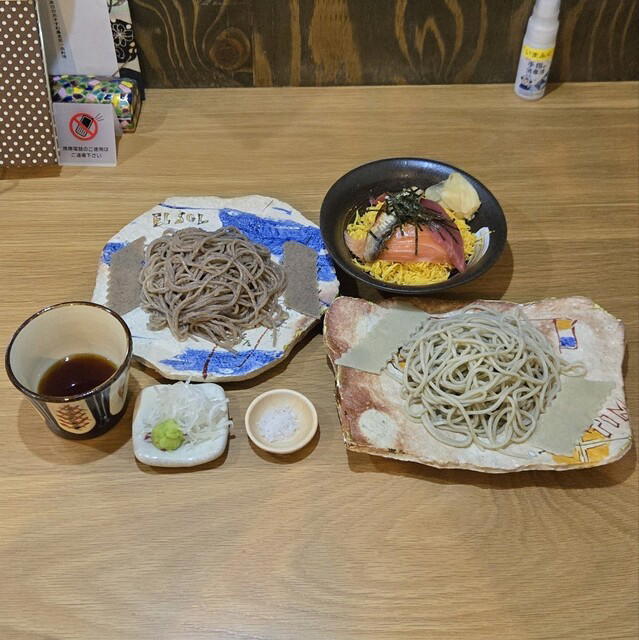
Teuchi Soba Sushi Imafuku combines hand-milled soba and sushi in a 10-seat Fushimi Ward room, recognized on Tabelog's 2025 Soba WEST 100 list. Lunch runs JPY 2,000–2,999 for noodle sets; dinner omakase (JPY 20,000–29,999) pairs both formats with sake. Ingredient sourcing drives the menu, and the no-perfume policy protects buckwheat aroma. Walk-ins work after 12:30 PM; dinner requires advance booking.
Soba Kiri Tensho
Osaka, Japan
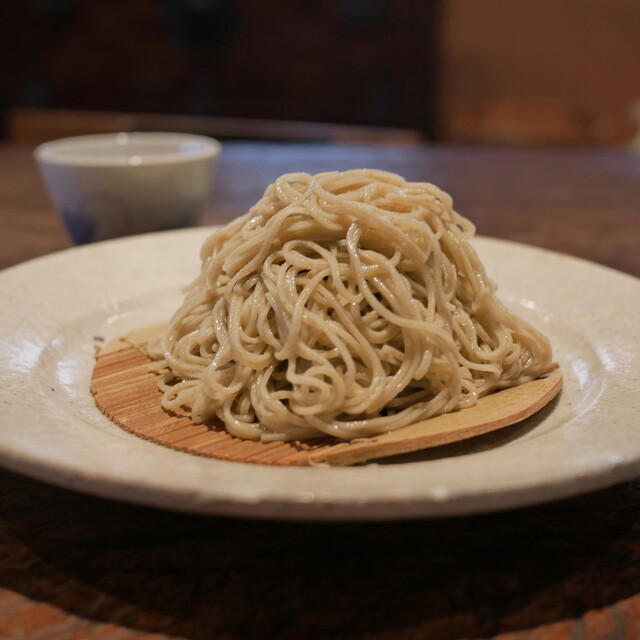
Award-listed soba specialist in residential Hirakata, 30 minutes northeast of central Osaka. Tabelog 100 - Soba - WEST 2022, 2024, 2025. Lunch-only, no reservations, JPY 1,000 - JPY 1,999. Cash only, closes when ingredients run out. Quiet room, strict photography rules, children under 8 not permitted. Worth the trip if soba technique matters more than location convenience.
Sekka Sanbo
Kumamoto, Japan
A Tabelog 100 Soba (West) 2025 pick serving hand-milled buckwheat noodles at JPY 1,000–1,999 in a 19-seat Kamitoricho counter shop. No reservations, cash-only, closes Wednesday. Best October through February for seasonal buckwheat depth; arrive at opening to avoid waits.
Teuchi Soba Yusan
Tokushima, Japan
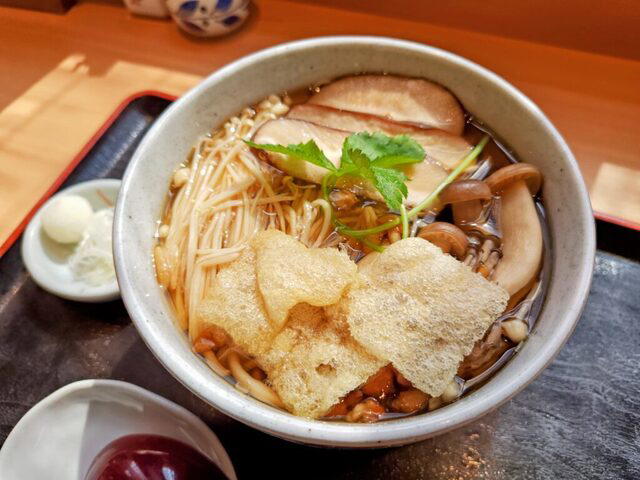
A Tabelog 100 Soba WEST repeat selection (2024, 2025) serving handmade buckwheat noodles at JPY 1,000 to JPY 1,999 per lunch. The 18-seat shop near Tokushima's Cultural Forest Park operates Tuesday through Saturday with no reservations, PayPay-only payment, and sake pairings for regulars who treat soba as an unhurried midday ritual.
Edo Soba Wabisuke
Fukuoka, Japan
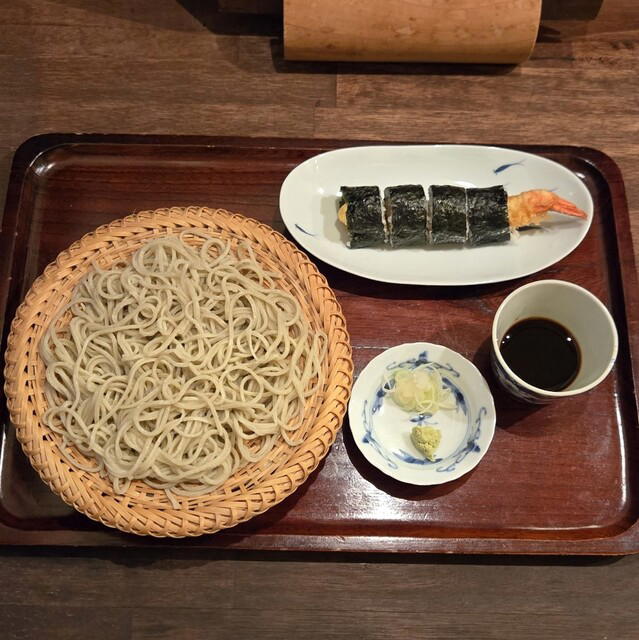
Edo Soba Wabisuke delivers Tabelog 100–worthy hand-milled soba at JPY 1,000–1,999 in a no-frills, 12-seat counter format. Cash-only, walk-ins welcome until ingredients sell out, and technically sound enough to compete with pricier Fukuoka specialists. Book early for lunch; expect a local crowd and zero English assistance.
Soba Kappou Soba Fuji
Osaka, Japan
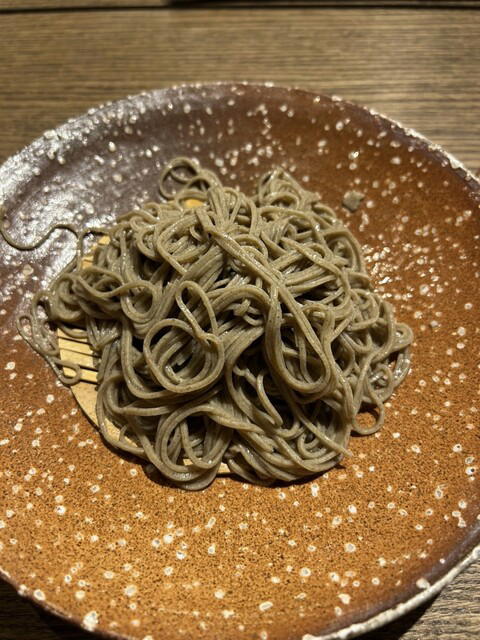
Soba Kappou Soba Fuji in Toyonaka earned its 2025 Tabelog 100 Soba WEST spot with technically precise buckwheat noodles and a kappou-style menu that layers in seasonal hot pot, grilled fish, and sake pairings. At JPY 2,000–2,999 for lunch and JPY 4,000–6,000 for dinner, it's a neighborhood anchor for adults seeking craft soba in a quiet, no-kids dining room; book dinner for the full experience or walk in at lunch for the set menu.
Sobabito Aki
Osaka, Japan
Tabelog 100-recognized soba specialist in Fushimimachi serving hand-cut buckwheat noodles alongside sake and izakaya plates at JPY 1,000–3,999. The house-restaurant format includes a ground-floor counter and bookable tatami rooms for groups, with lunch walk-in service and dinner reservations required. Three minutes from Kitahama Station.
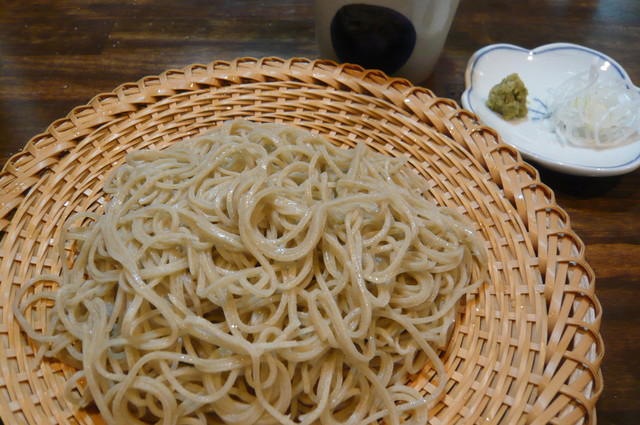
Ebishi
Osaka, Japan
A thirteen-seat Kitahama soba counter with back-to-back Tabelog 100 West recognition, Ebishi earns its place through buckwheat sourcing and evening sake pairings rather than lunch-rush novelty. Counter seats offer sightlines to noodle-making; evening reservations unlock a fuller izakaya menu. Cash-only, closed Tuesday and Saturday, with dinner requiring phone reservations for full-menu service.
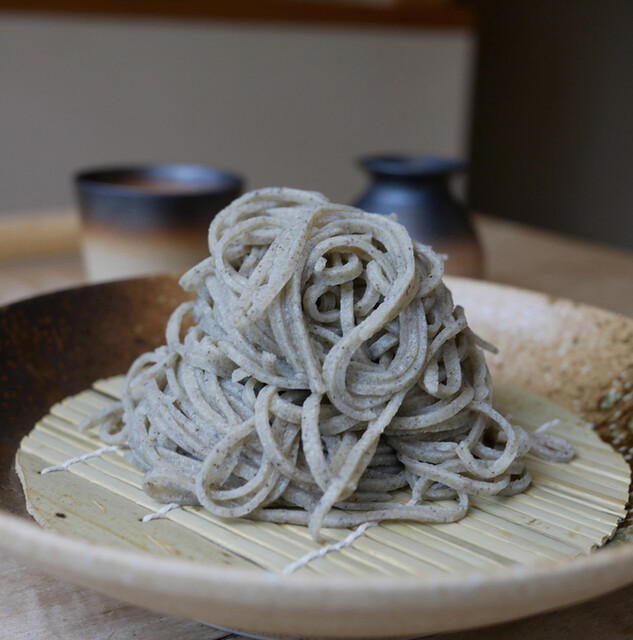
Jun Soba Ippuan
Nita-gun, Japan
Jun Soba Ippuan in rural Shimane serves 100% buckwheat noodles at JPY 1,000–1,999, earning three Tabelog 100 Soba WEST selections (2022, 2024, 2025). The lunch-only format (11 AM–3 PM, closed Thursdays) prioritizes freshly milled, hand-cut <em>jun-soba</em> that's best enjoyed in the 40-seat dining room rather than taken away. Worth the detour if you're touring the region and want nationally recognized soba without Tokyo pricing.
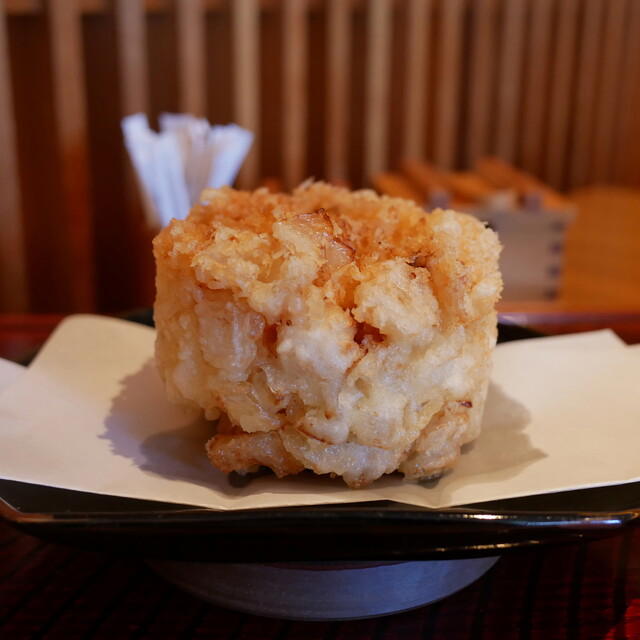
Kamezou
Sabae, Japan
Kamezou is a 20-seat soba specialist in Sabae earning Tabelog 100 recognition three times for hand-cut buckwheat noodles at JPY 1,000–JPY 1,999. Counter seating and tatami rooms accommodate solo diners and groups, with lunch served daily (except Tuesday) and dinner available weekends only. Worth booking for regional noodle quality at mid-tier pricing.
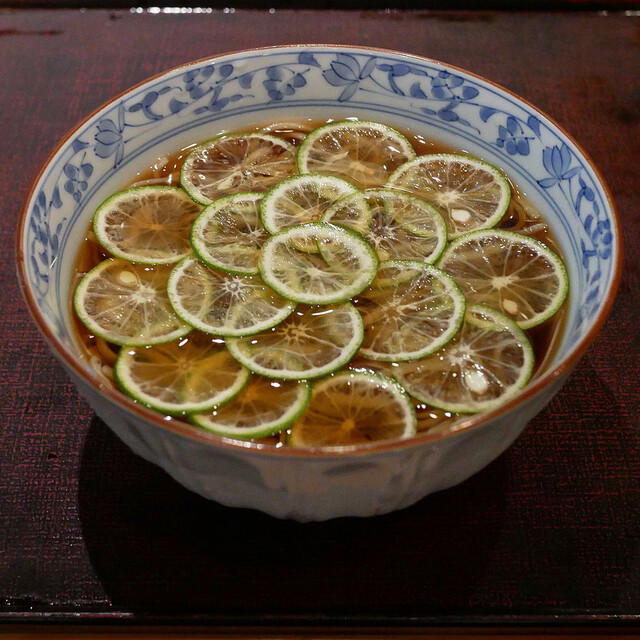
Teuchi Soba Maro
Matsuyama, Japan
Hand-cut soba in a 28-seat walk-in format, two-time Tabelog 100 Soba WEST honoree, priced at JPY 1,000–1,999 for lunch and dinner. Counter seating and private tatami rooms accommodate solo diners through groups of four, with shochu-focused drinks and no reservation system. Credit cards accepted only above JPY 5,000; bring cash for most visits.
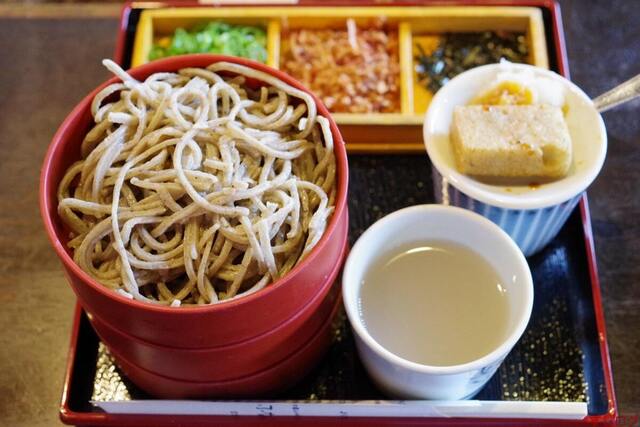
China Sanchi Soba Kobo Funatsu
Matsue, Japan
A Tabelog Soba WEST 100 house restaurant serving straightforward buckwheat noodles and tempura at JPY 1,000-1,999, no reservations required. Open Tuesday-Sunday for lunch only (11 AM-2:30 PM), with 40 seats, parking, and a focus on regional execution rather than fine-dining polish. Walk-ins work best near opening, cash only.
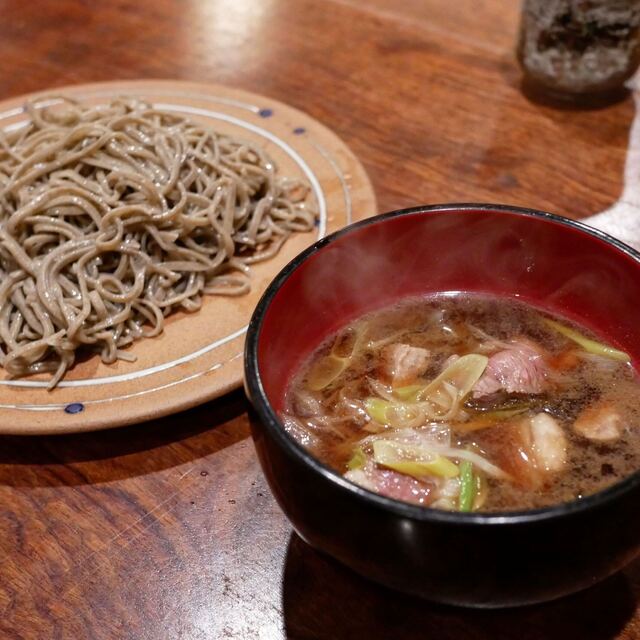
Yaoki
Kobe, Japan
Tabelog 100 soba specialist serving hand-cut buckwheat noodles at JPY 1,000–JPY 2,999 in a 14-seat room that allows smoking and conversation. Book three to five days ahead for weekend dinner, or walk in on weekdays for technical precision without Tokyo's formality or premium pricing.
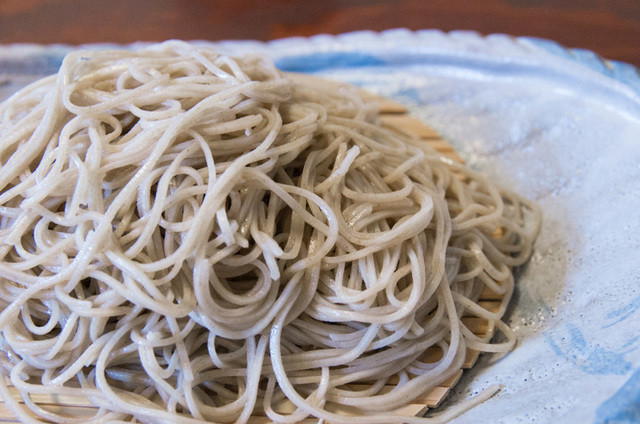
Shubaku
Kyoto, Japan
Hand-cut soba and sake pairings in a 20-seat Uji house restaurant, three minutes from Keihan Uji Station. Tabelog Soba WEST 100 for 2024 and 2025, with lunch and dinner both priced JPY 1,000–1,999; roughly half the cost of central Kyoto soba specialists. Walk-ins only, closed Mondays and Fridays, open 11:30 AM–3 PM Tuesday through Sunday.
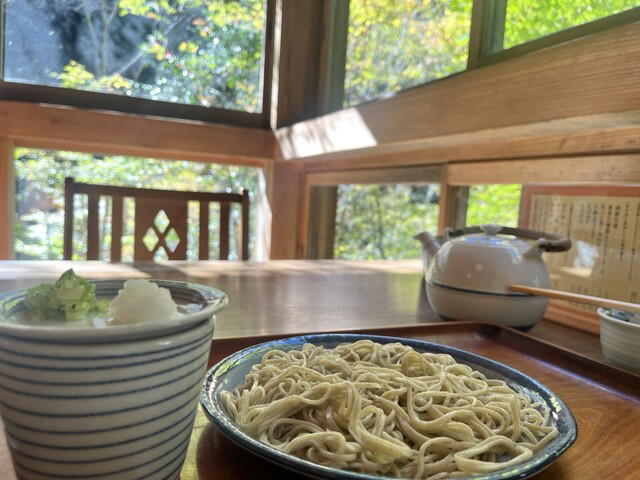
Teuchi Soba Tokiya
agawaguninochou, Japan
Reservation-only soba specialist in rural Kochi, recognized in Tabelog Soba WEST "Tabelog 100" 2025. Hand-cut noodles at JPY 1,000–JPY 1,999, served lunch-only in a seven-seat riverside counter with strict group-size limits. Book one week ahead by phone; no walk-ins and cash only.
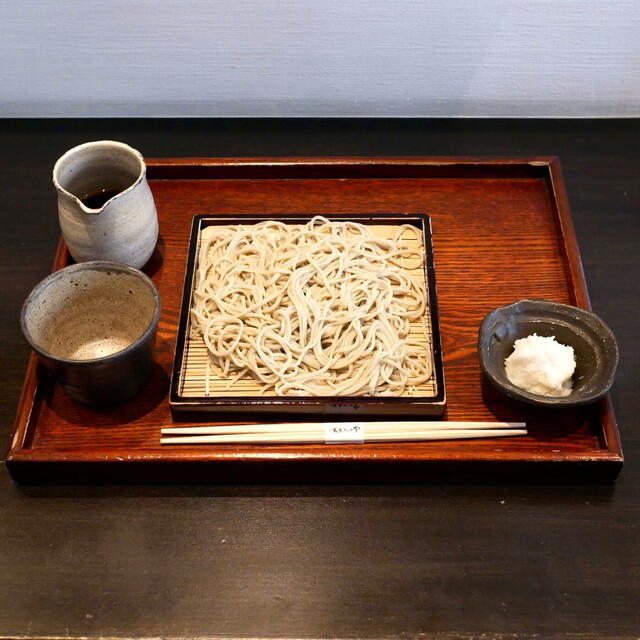
Soba Kiri Gin
Hiroshima, Japan
Tabelog 100 Soba (WEST) 2025 recognition at under JPY 2,000 per head makes this house restaurant in Hiroshima's Danbara district the city's best-value hand-cut noodle stop. Lunch-only service (11:30 AM to 3 PM, closed Wednesdays) and cash-only payment require planning, but the pricing and technical skill justify the constraints for soba specialists.
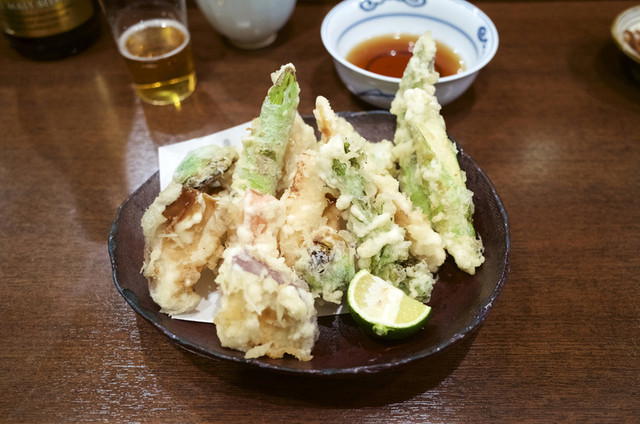
Sarashina Fujii
Kanazawa, Japan
Tabelog Soba 100 (WEST) 2025 counter serving buckwheat noodles with sake and shochu in Kakinokibatake. Lunch walk-in only at JPY 2,000–JPY 2,999, dinner reservations at JPY 3,000–JPY 3,999. Cash-only, counter seating, sells out early. Solo and pairs fit best; limited group space.
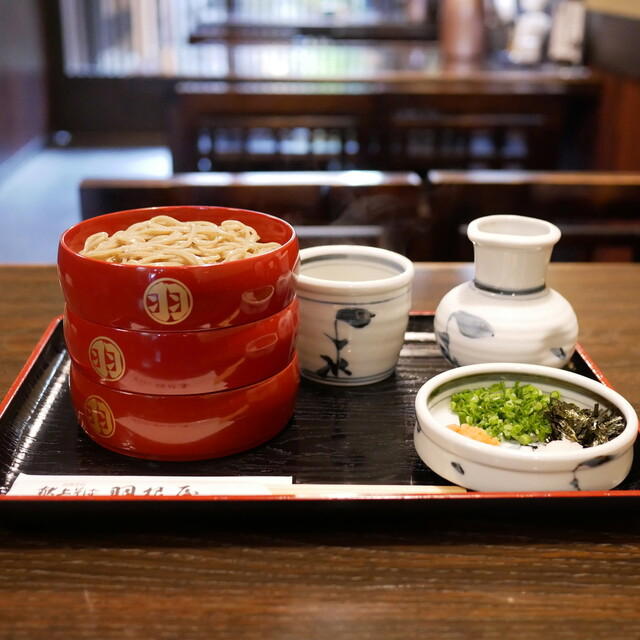
Kenjo Soba Haneya Honten
Izumo, Japan
Tabelog 100–recognized soba shop serving hand-milled buckwheat in traditional three-tiered warigo format since the late Edo period. At JPY 1,000–1,999, it offers certified quality without the wait times or premium pricing of smaller competitors, though the 80-seat room trades ambiance for throughput. Best for travelers prioritizing consistency and convenience over intimate dining.
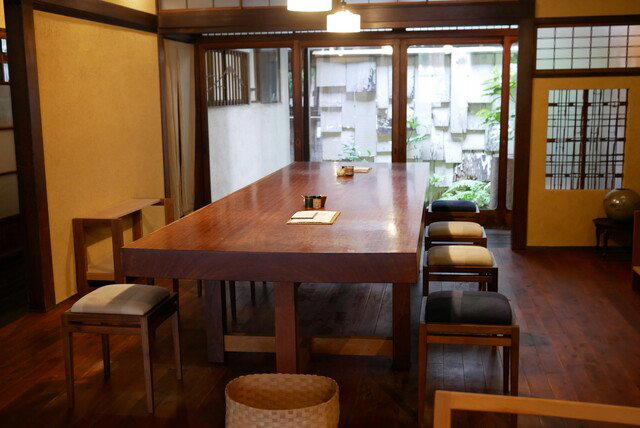
Soba Kiri masa
Osaka, Japan
A 20-seat Utsubohonmachi soba shop earning consecutive Tabelog 100 (Soba WEST) recognition, masa splits its value proposition cleanly: JPY 1,000–1,999 lunches offer the format's core appeal, while JPY 2,000–2,999 dinners add seasonal depth for a moderate premium. No reservations, cash only, and a strict no-photography policy keep the focus on handcut buckwheat noodles in a calm, no-frills counter setting. Arrive early or risk selling out.
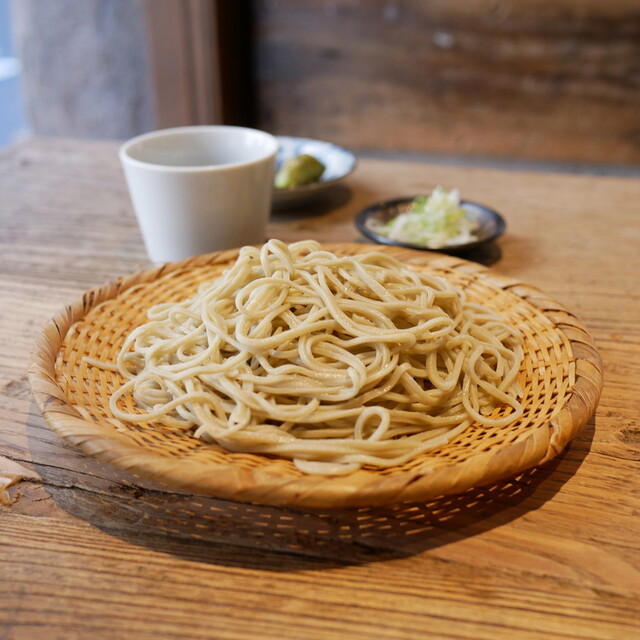
Shuhari Tanimachi yonchome ten
Osaka, Japan
Tabelog 100 soba house in Tanimachi serving hand-cut buckwheat noodles and seasonal tempura at JPY 1,000–1,999 lunch, JPY 3,000–3,999 dinner. Counter and table seating for 40, no lunch reservations, dinner books 3–5 days ahead. Award-tier technique without Tokyo pricing.
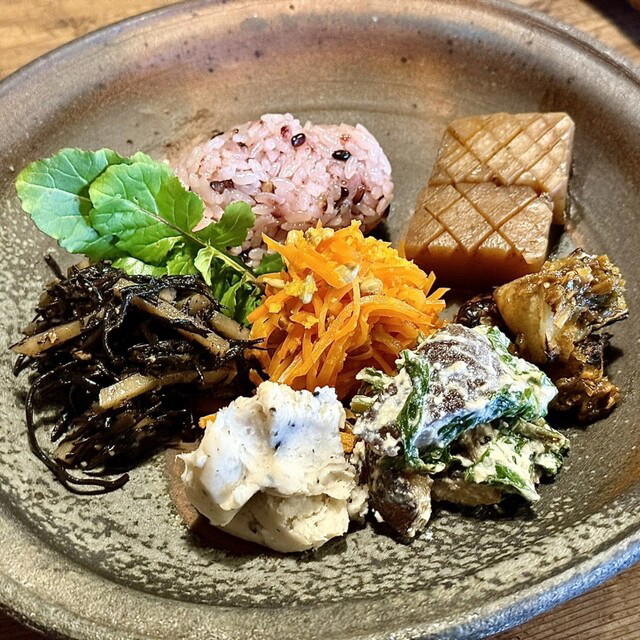
Soba Kiri Tsutaya
Osaka, Japan
A Tabelog 100 Soba WEST 2025 house restaurant an hour north of Osaka city, serving hand-cut buckwheat noodles at JPY 3,000–3,999 in a remote mountain setting. Phone-only reservations (4–7 PM) and portion booking are mandatory; soba sells out daily. Worth the rural drive if you value off-grid atmosphere and technical execution, but skip it if convenience or spontaneity matters more.
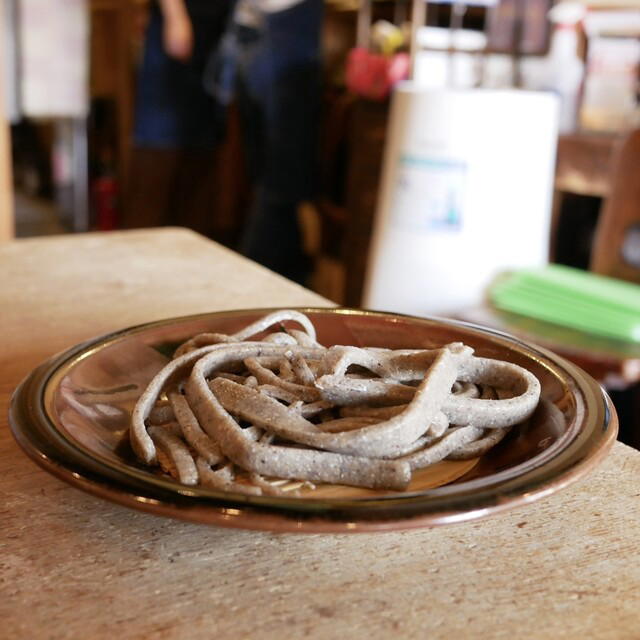
Teuchi Soba Hayashi
Kitakatsuragi-gun, Japan
Tabelog 100 Soba WEST recognition at ¥1,000–1,999 per head, with hand-beaten buckwheat noodles and private dining for groups up to 20. The rural Nara setting trades urban polish for award-level technique at half the cost of Kyoto's known houses. Book weekday evenings for private reservations; weekends fill early and close when soba sells out.
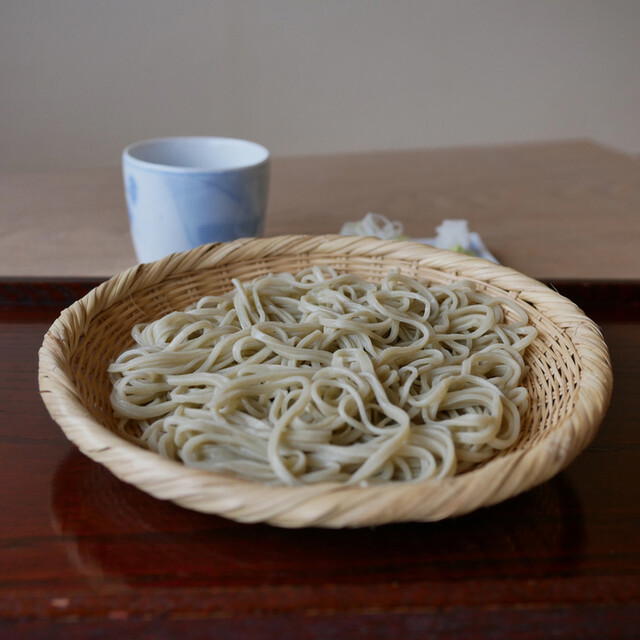
Teuchi Soba Iyo Okina
Iyo-gun, Japan
Teuchi Soba Iyo Okina is the practical pick in Iyo-gun when the brief is focused soba at an accessible spend, not a long celebration meal. Its 2025 Tabelog 100 recognition gives it a stronger quality signal than a casual noodle stop, but groups wanting a broader menu or more occasion energy should cross-shop nearby peers.
Teuchi Soba Hanamomo
Kyoto, Japan
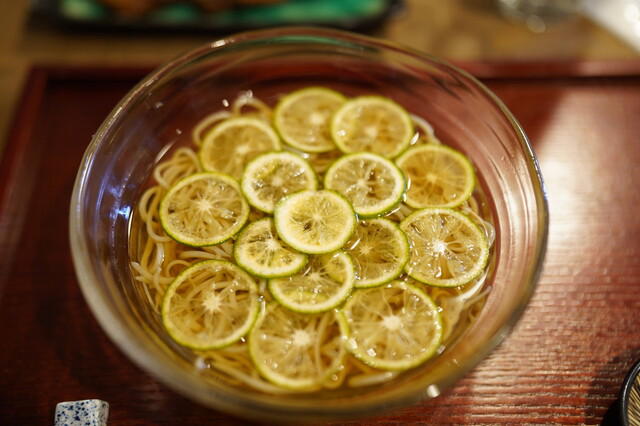
Hand-cut buckwheat noodles in a no-reservations house restaurant, ranked 77th in Tabelog's Soba WEST 100 for 2025. JPY 1,000–1,999 per head buys technically sound soba at a fraction of Kyoto's top-tier soba prices, but walk-in logistics and cash-only payment mean you'll need flexibility and patience during peak hours.
Gen
Nara, Japan
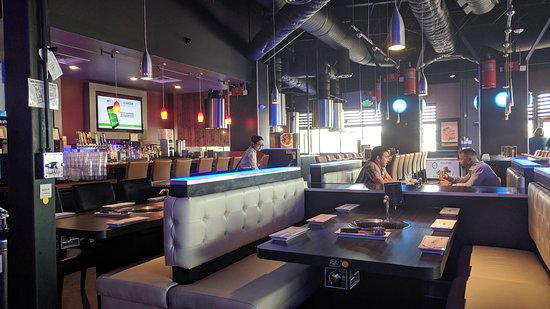
Book Gen when soba is the point of the meal, not a backup plan between Nara sightseeing stops. The higher price tier makes sense for a small celebration, date, or solo lunch built around focused noodle craft; groups and diners wanting broad menu choice should look elsewhere.
Ayamedo
Osaka, Japan
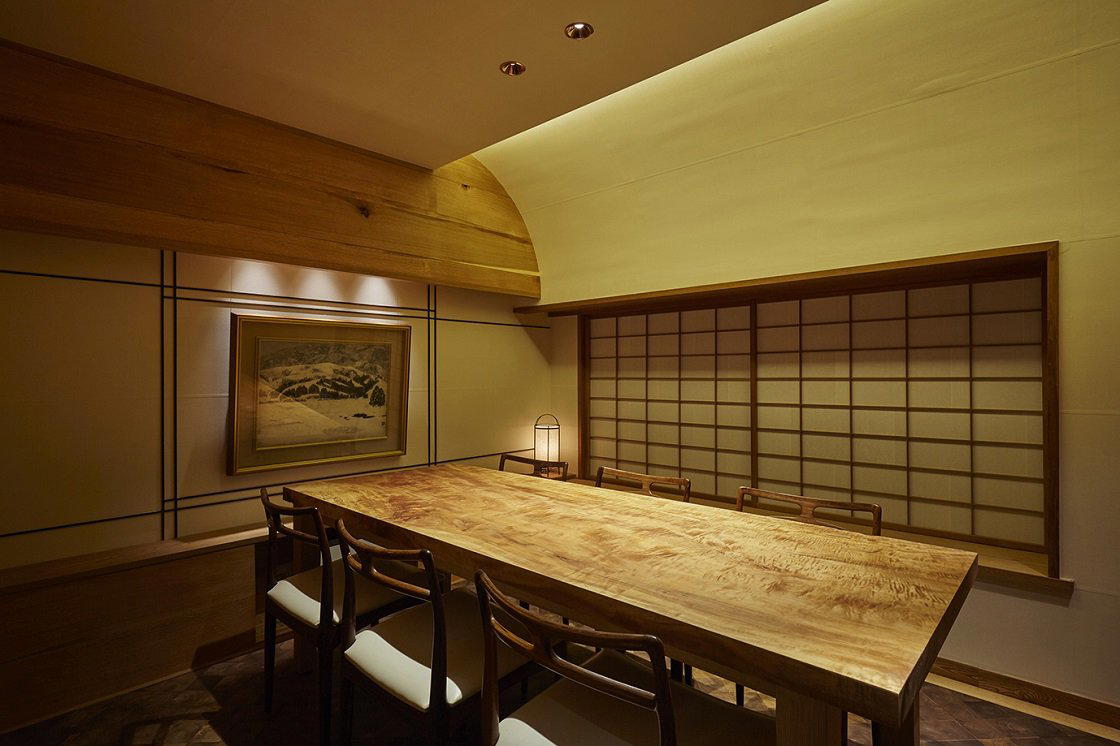
Ayamedo holds a Michelin Bib Gourmand for 2024 and 2025; back-to-back recognition that makes this ¥-tier soba house in Osaka's Chuo Ward one of the most straightforward value decisions in the city. The setting is a former merchant house with a Showa-era atmosphere, the soba is served generously on wicker draining baskets, and the side dishes; miso-preserved tofu, buckwheat dumplings, duck bowls; make a full meal worth building. Book a few days ahead for weekdays; further out for weekends.
Teuchi Kamiyo Soba
Matsue, Japan
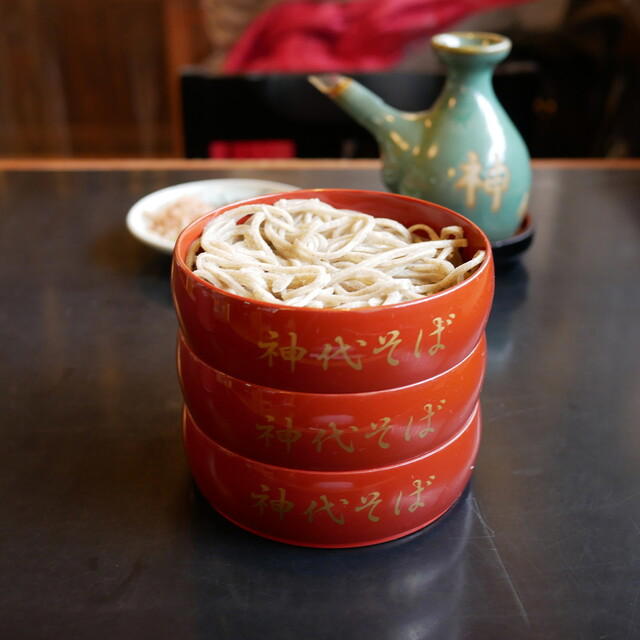
Hand-cut soba in a house restaurant, earning Tabelog 100 - Soba WEST recognition from 2021 through 2025. At JPY 1,000–1,999 for lunch, this no-reservation spot delivers award-level buckwheat technique at neighborhood pricing. Arrive by 11:30 AM before the daily supply sells out; parking available behind the restaurant.
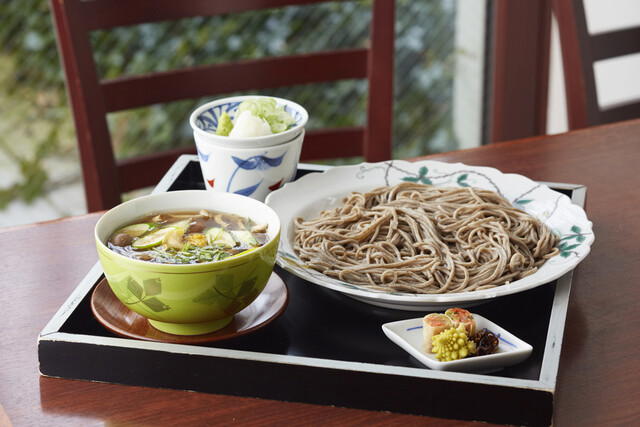
Jintsu Cho Tamura
Toyama, Japan
Named to <em>Tabelog 100 – Soba – WEST – 2025</em>, this lunch-only specialist offers six varieties of stone-milled 100% buckwheat soba (Hokkaido, Fukui, Toyama, Kyushu, Yamagata, plus a rotating seasonal option) at JPY 1,000–1,999. Diners choose the flour; the kitchen mills and prepares each bowl to order. No reservations accepted; arrive early or expect a short wait during peak lunch hours.
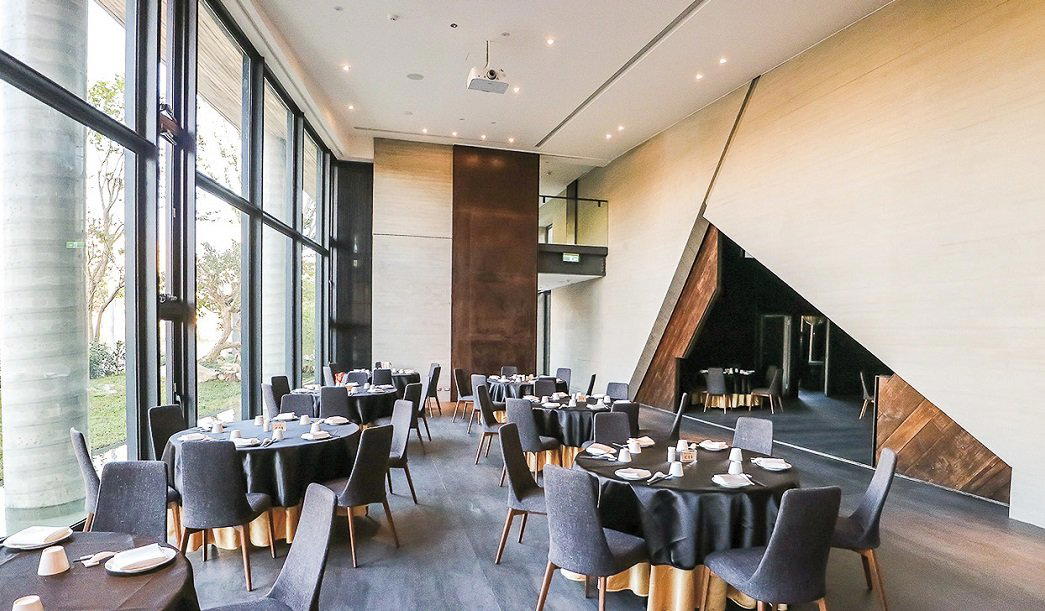
Soba Takama
Osaka, Japan
Soba Takama holds two consecutive Michelin Bib Gourmand awards (2024 and 2025) at a single-¥ price point, making it one of the most straightforward value decisions in Kita Ward. The kitchen serves mori and inaka soba with Kansai-style kombu dashi, in generous portions that fully satisfy. Book for lunch; walk-ins appear to be the norm.
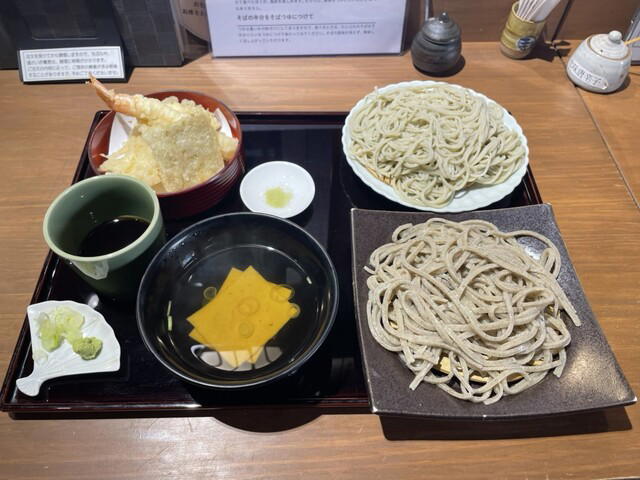
Juuwari Teuchi Soba Dokoro Dodomomo
Hikone, Japan
Hand-cut 100% buckwheat soba in a compact Hikone dining room, recognized on Tabelog's 2024 and 2025 WEST 100 lists. Lunch-only service (JPY 1,000–1,999), parking for 18 cars, and reservations accepted. Worth the drive for travelers circling Lake Biwa who want craft soba without Kyoto's crowds.
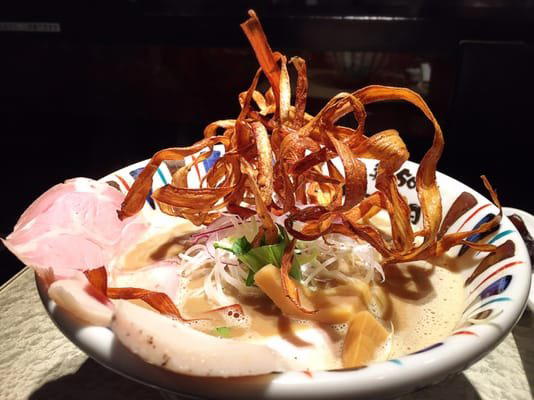
Sobakiri Imose
Osaka, Japan
Sobakiri Imose is an easy yes for affordable, focused soba in Osaka, especially for solo diners or low-key dates. It is not the pick for a wine-led celebration or long dinner, but it offers a clear value case for anyone who wants a serious noodle meal without making the booking feel complicated.
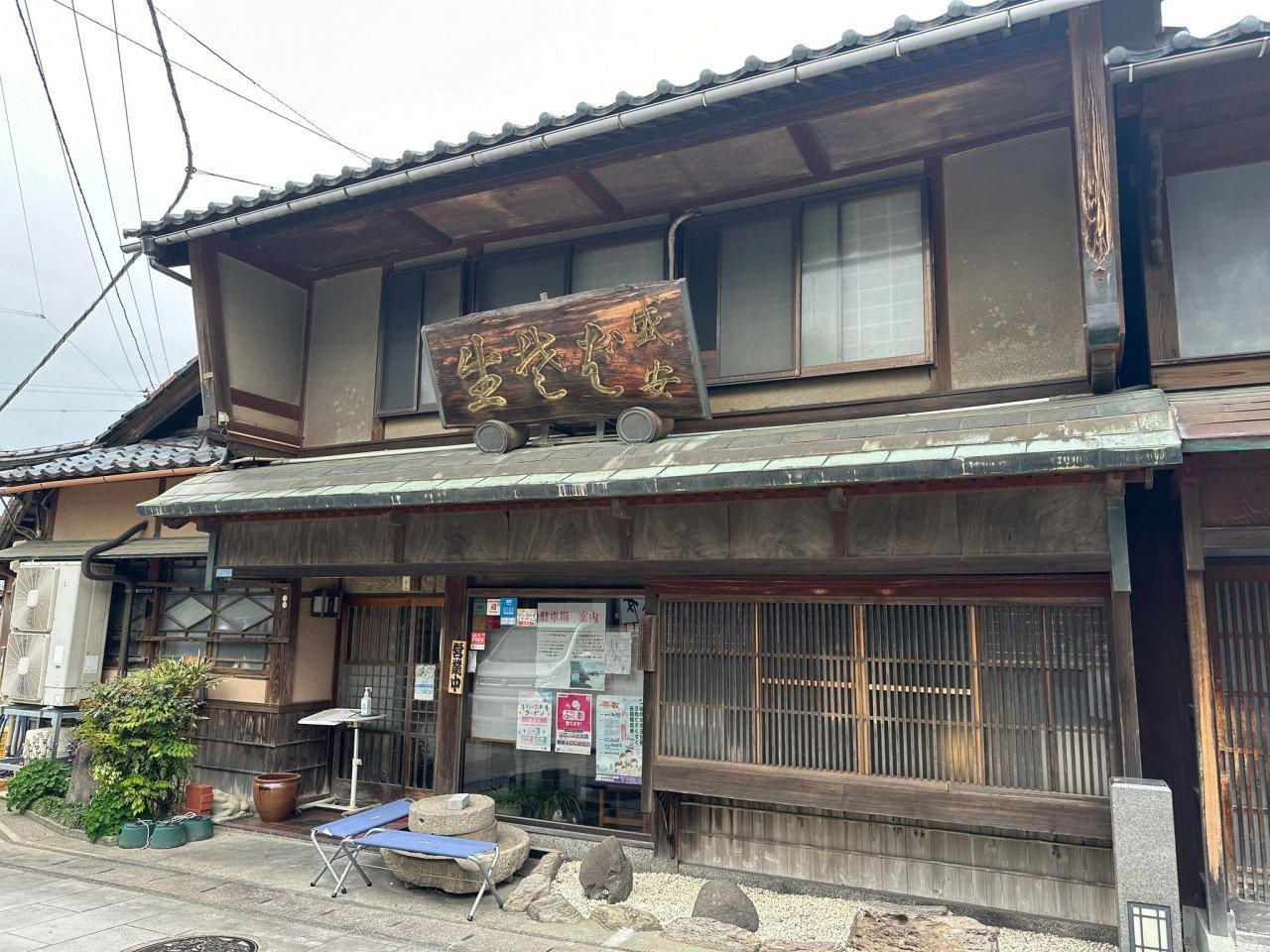
そば処盛安
Sakai, Japan
Book そば処盛安 for a concise, credible soba meal in Sakai rather than a long wine-led dinner. Lunch is the stronger play, with weekend dinner as a narrower option. It suits solo diners and couples better than larger groups, and the Tabelog 100 recognition gives it a stronger signal than a casual drop-in spot.
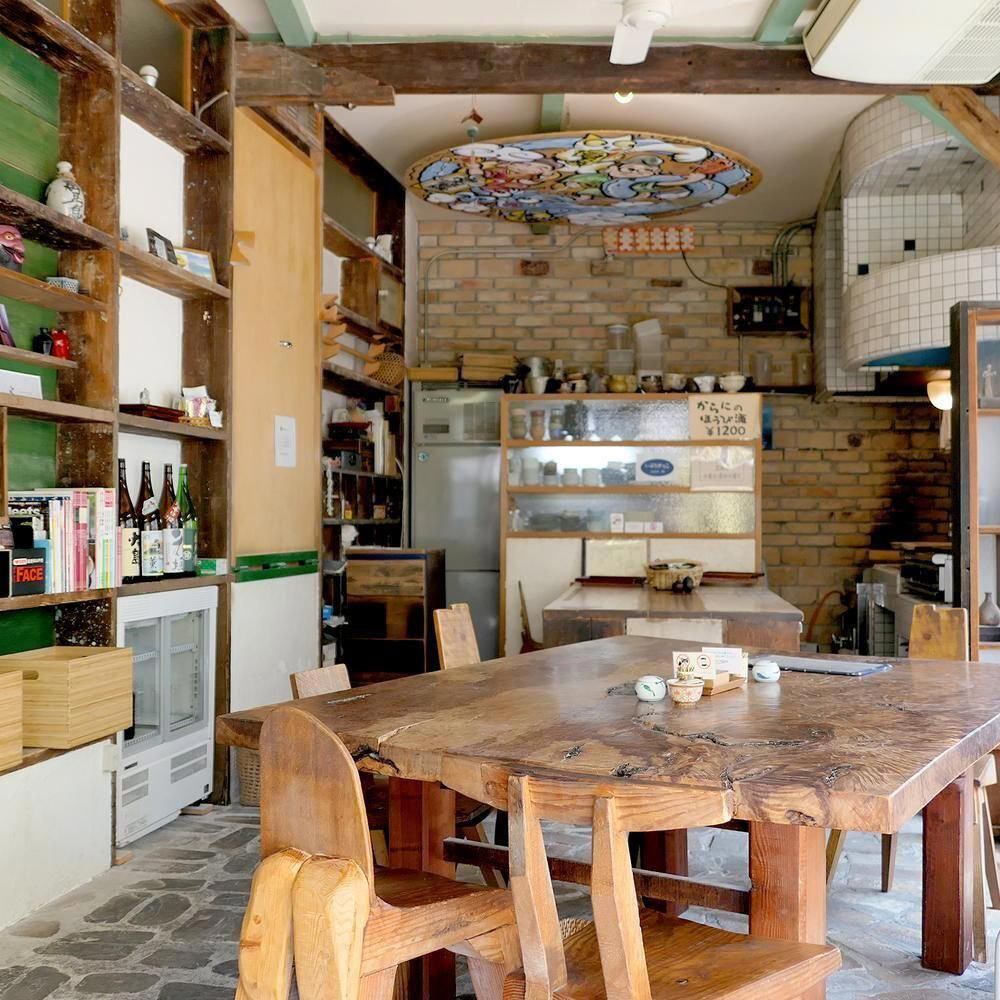
Sobakiri Karani
Osaka, Japan
Sobakiri Karani holds back-to-back Michelin Bib Gourmand recognition (2024–2025) and is the most straightforward high-confidence soba booking in Osaka at the ¥ price tier. The whimsical timber-and-art interior, sake-forward appetisers, and dual-cut coarse-ground noodles make it the right call for a relaxed dinner that punches well above its price point.
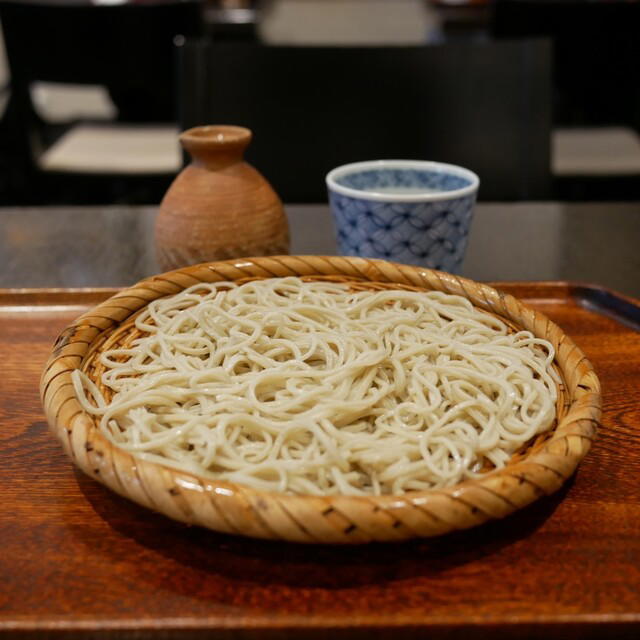
Osaka Matsushita
Osaka, Japan
A 16-seat soba specialist in Nakazakicho that earned back-to-back Tabelog 100 selections for Western Japan, Osaka Matsushita delivers technically accomplished buckwheat noodles and a curated sake program at under JPY 4,000 for dinner. Open until 8 PM six days a week, it's a practical late-evening option when you want quality noodles without kaiseki formality.
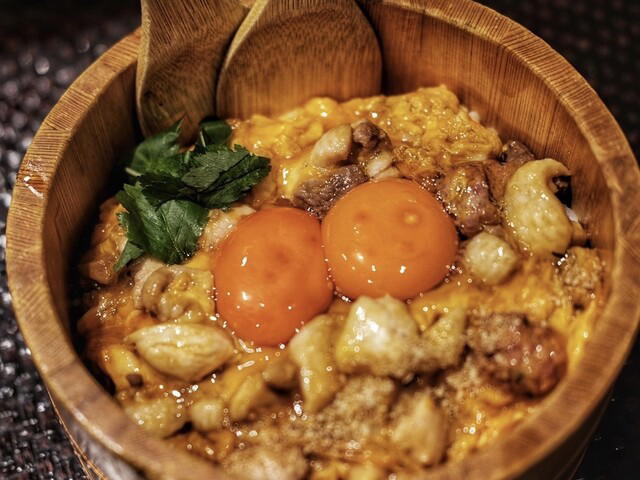
Kamo to Kamoshi Kodou
Osaka, Japan
A sommelier-run soba and duck izakaya in Suita that splits its identity: affordable handmade noodles and oyakodon at lunch (JPY 1,000–JPY 1,999), then duck hot pot, fermented vegetables, and a curated saké program at dinner (JPY 6,000–JPY 7,999). Named to the Tabelog 100 Soba WEST list in 2025, with 58 seats including private rooms and tatami seating.
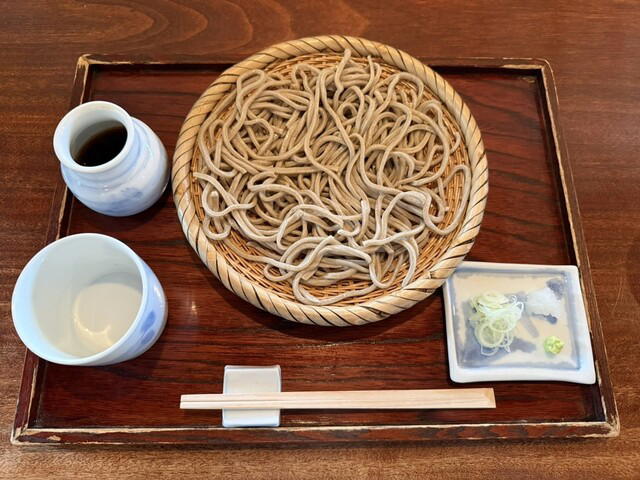
Daruma
Toyama, Japan
A lunch-only soba and tempura shop in Toyama's Kurose Kitamachi neighborhood, recognized twice by Tabelog 100 for western Japan. No reservations required, cash-only payment, and meals stay under JPY 2,000 per person. The 20-seat dining room combines tatami and counter seating with on-site parking, open 11:30 AM to 2:30 PM Monday through Wednesday and Saturday through Sunday.
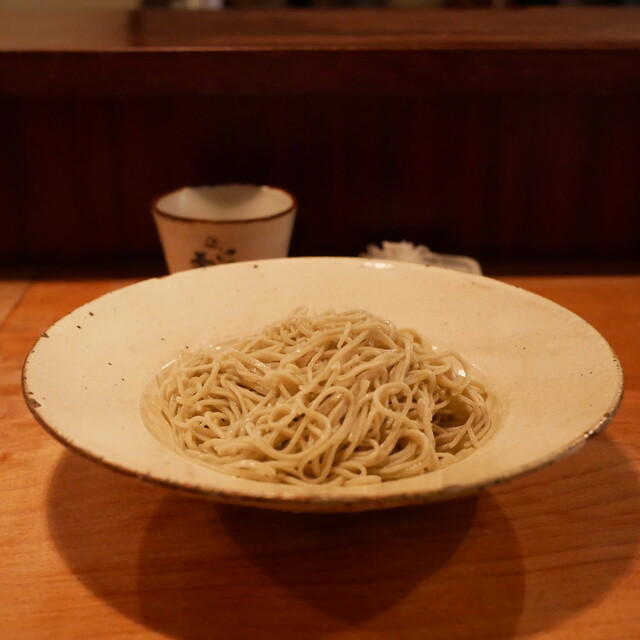
Matsumoto
Kyoto, Japan
A seven-seat soba counter in Nakagyo-ku requiring sake or wine with every meal. Tabelog Soba WEST 100 recognition since 2022 signals technical skill, but the alcohol-mandatory policy and cash-only payment narrow its appeal. Book two to three weeks ahead if you value beverage pairing alongside buckwheat noodles.
Sobakiri Gaku
Osaka, Japan
Sobakiri Gaku holds a Michelin Bib Gourmand (2024 and 2025) for cold, Kanto-style soba served at a counter in central Osaka's Chuo Ward; and it charges only ¥ for the privilege. Chef Yuto Kuroda's ni-hachi noodles are built for texture and fragrance, not broth. Easy to book, focused in format, and strong value for food-curious travellers.
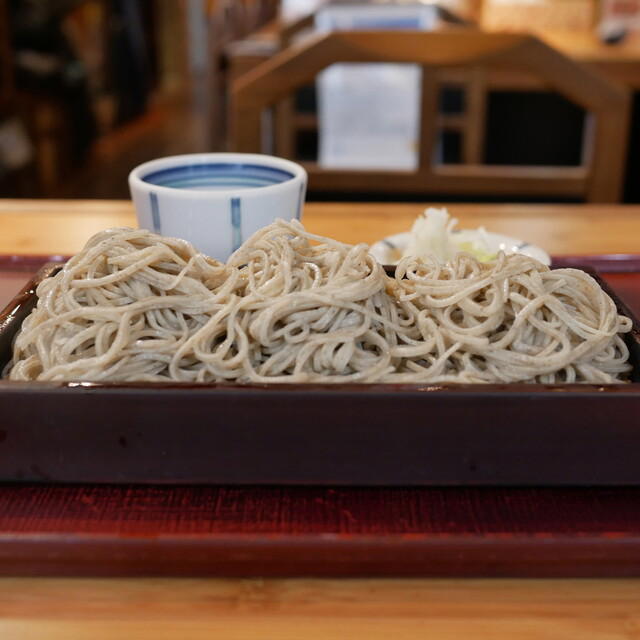
Kyuan
Kobe, Japan
A 18-seat soba house five minutes from JR Hyogo Station with five Tabelog 100 selections since 2018. Walk-in only, open 11:30 AM until sold out (often by 1:15 PM weekends), JPY 1,000 – JPY 2,999. No reservations, no children, cash only. Counter seating and tables available.
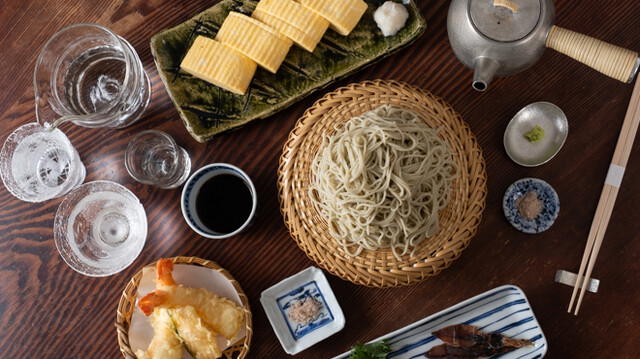
Makino
Osaka, Japan
Tabelog 100 Soba WEST 2025 selection in Fukushima Ward that splits its identity between lunchtime noodle counter (JPY 1,000 – JPY 1,999) and evening sake-focused izakaya (JPY 5,000+). Strong buckwheat credentials but limited menu depth. Lunch offers better value; dinner suits groups who want to drink. No reservations at lunch, one-drink minimum at dinner.
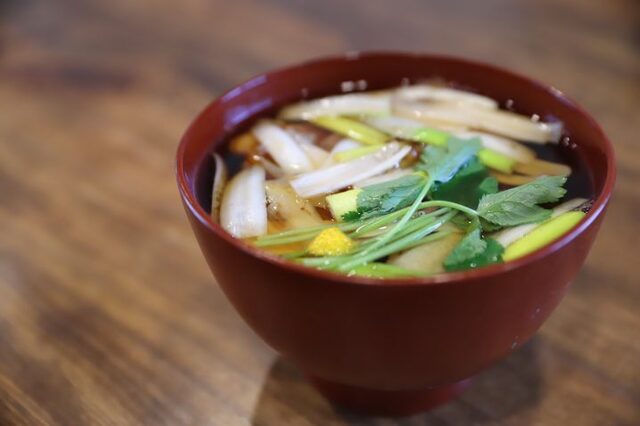
Soba-ya Kida
Osaka, Japan
A Tabelog 100 – Soba WEST 2025 selection in a converted Toyonaka house, fifteen minutes from Momoyamadai Station, serving buckwheat noodles at JPY 1,000–2,999 with no reservations. Walk-in only, closed Tuesdays, families welcome; bring cash and arrive early for lunch or dinner service.
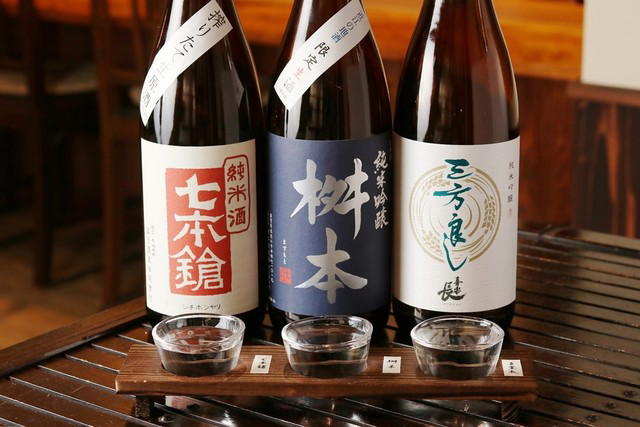
Teuchi Soba Sobaya Sumikura
Otsu, Japan
Tabelog 100–recognized soba specialist in a converted riverside inn, serving daily hand-cut buckwheat noodles and Shiga sake at ¥1,000–¥3,999. Walk-in lunch only, with private rooms available for groups. Eight-minute walk from Ishiyamadera Station, parking for eight cars. Quieter and more focused than temple-district counters, less formal than kaiseki rooms; solid technical craft without ceremony.
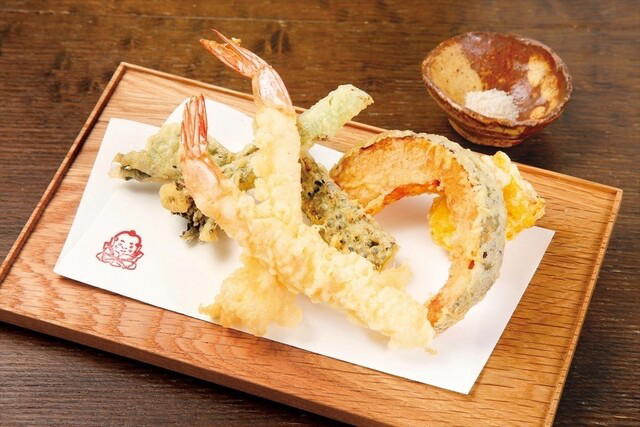
Fukusuke
Tonami, Japan
Lunch-only soba specialist in a converted Kurobe farmhouse, named to Tabelog's 2025 Soba WEST 100. Hand-milled domestic buckwheat served as <em>kake</em> or <em>seiro</em> for JPY 1,000–1,999, with weekday reservations available and weekends first-come. Worth the detour for travelers in Toyama Prefecture, but format is farmhouse-casual, not multi-course kaiseki.
Ichie An
Kobe, Japan
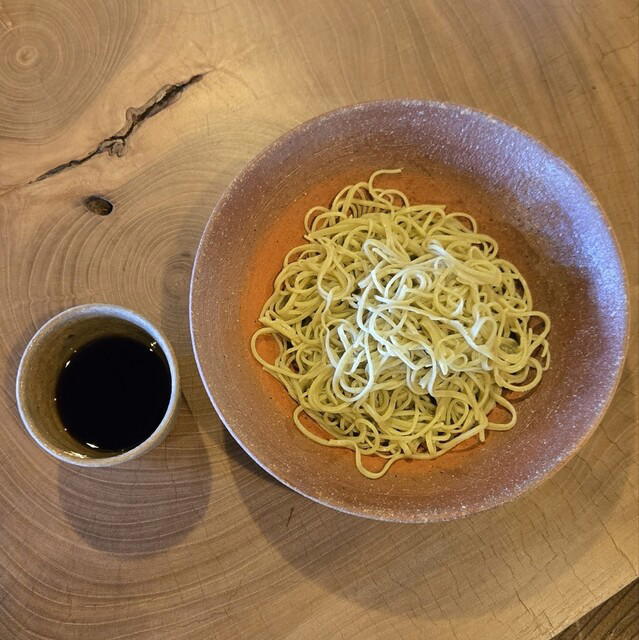
Tabelog 100-recognized soba house in rural Tamba-Sasayama, open lunch-only until sold out with no reservations accepted. JPY 1,000 to JPY 1,999 for handmade buckwheat noodles in a converted house setting. Requires early arrival and cash payment, but delivers award-level quality at the region's lowest price point.
Kyouya
Fukui, Japan
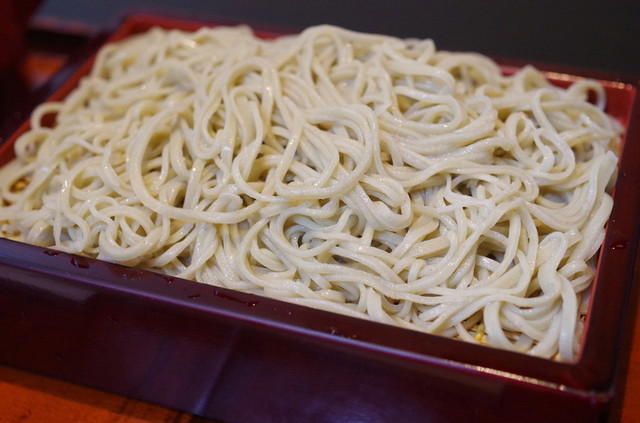
A Tabelog 100 soba house in Fukui's Wadanaka district, Kyouya delivers hand-cut buckwheat noodles with technical precision at JPY 1,000–2,999. The 32-seat space; counter, tables, and tatami rooms; runs efficiently without ceremony, offering family-friendly logistics, straightforward parking, and a sake selection emphasizing Fukui Prefecture labels. Lunch fills fast (no reservations); dinner service runs short hours on weekends only.
Udo An
Osaka, Japan
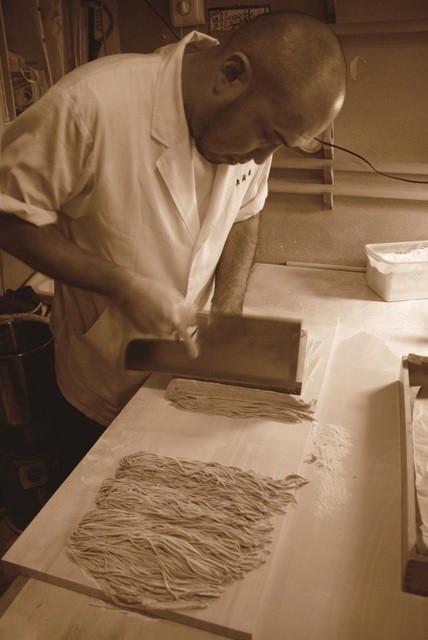
Basement soba specialist recognized on the 2025 Tabelog 100 (WEST) list, offering walk-in lunch service that closes when noodles sell out and evening izakaya sessions pairing Fukui buckwheat with sake. Counter seating and semi-private space for groups, with a minimum spend policy at dinner and a smoking-friendly atmosphere.
Overview
Tabelog 100 - Soba - WEST - 2025 is an authoritative ranking of the top 100 soba restaurants in West Japan, compiled annually by Tabelog, Japan’s premier restaurant review platform. It highlights the finest soba eateries from regions including Kansai, Chugoku, and Shikoku, reflecting both traditional craftsmanship and innovative approaches.
Since its inception, Tabelog has become Japan’s most trusted source for restaurant ratings, leveraging millions of user reviews to identify culinary excellence. The Tabelog 100 - Soba - WEST - 2025 list specifically spotlights the rich soba culture of West Japan, a region renowned for its unique buckwheat varieties and regional noodle-making techniques. This list not only celebrates longstanding soba masters but also emerging chefs innovating within this traditional cuisine, offering an essential guide for gourmands and travelers seeking authentic and exceptional soba experiences.
For discerning food travelers and soba enthusiasts, the Tabelog 100 - Soba - WEST - 2025 list is an indispensable resource. This carefully curated selection reveals the pinnacle of soba craftsmanship across West Japan, from the bustling streets of Osaka to the serene landscapes of Shikoku. Each restaurant featured represents a commitment to quality, tradition, and innovation, providing Pearl’s readers with a definitive guide to some of Japan’s most revered soba experiences.
Quick Facts
- Publisher
- Tabelog (Kakaku.com, Inc.)
- Year
- 2025
- Coverage
- West Japan (Kansai, Chugoku, Shikoku)
- Items
- 100 Soba Restaurants
- Frequency
- Annual
About This Edition
The 2025 edition of the Tabelog 100 - Soba - WEST reflects evolving trends such as the resurgence of heirloom buckwheat varieties and a growing emphasis on seasonal, locally sourced ingredients. Notably, this year’s list introduces several new entrants from emerging food hubs in Hyogo and Okayama Prefectures, signaling a broader recognition of regional diversity. The edition also highlights a subtle shift toward soba served in contemporary, minimalist settings, blending tradition with modern aesthetics.
Frequently Asked Questions
What is Tabelog 100 - Soba - WEST - 2025?
How are honorees selected?
How often is this list updated?
How can I find these on Pearl?
How many of these have you visited?
Find out on Pearl and keep score across every place in Tabelog 100 - Soba - WEST - 2025.