

Teuchisoba Kanei
Soba · Kita, Kyoto
Restaurant in Kyoto, Japan
 Book with Pearl
The Read
100% Buckwheat Precision
Price
¥
Dress
Casual
Why go
Teuchisoba Kanei is a Michelin Bib Gourmand soba shop in Kyoto's Kita Ward, earning back-to-back recognition in 2024 and 2025 at the single-¥ price tier. The kitchen uses 100% buckwheat flour for its zaru soba, served in a preserved machiya setting on Kuramaguchi-dori. For quality-accredited, low-cost dining in Kyoto, this is among the clearest value propositions in the city.
About Teuchisoba Kanei
Should You Book Teuchisoba Kanei?
If you are weighing a soba lunch in Kyoto against the city's many kaiseki options, Teuchisoba Kanei makes the case for simplicity done with precision. Kaiseki at Gion Sasaki or Ifuki will cost you four to six times as much and demand a great deal more advance planning. Kanei, priced at the single-¥ tier, has earned consecutive Michelin Bib Gourmand recognition in 2024 and 2025; the Guide's signal that a restaurant delivers quality well above what its price suggests. That combination of accessibility and credential is why this shop on Kuramaguchi-dori deserves your attention, especially if you are in Kyoto's Kita Ward and want a meal that feels genuinely local rather than curated for visitors.
The Setting
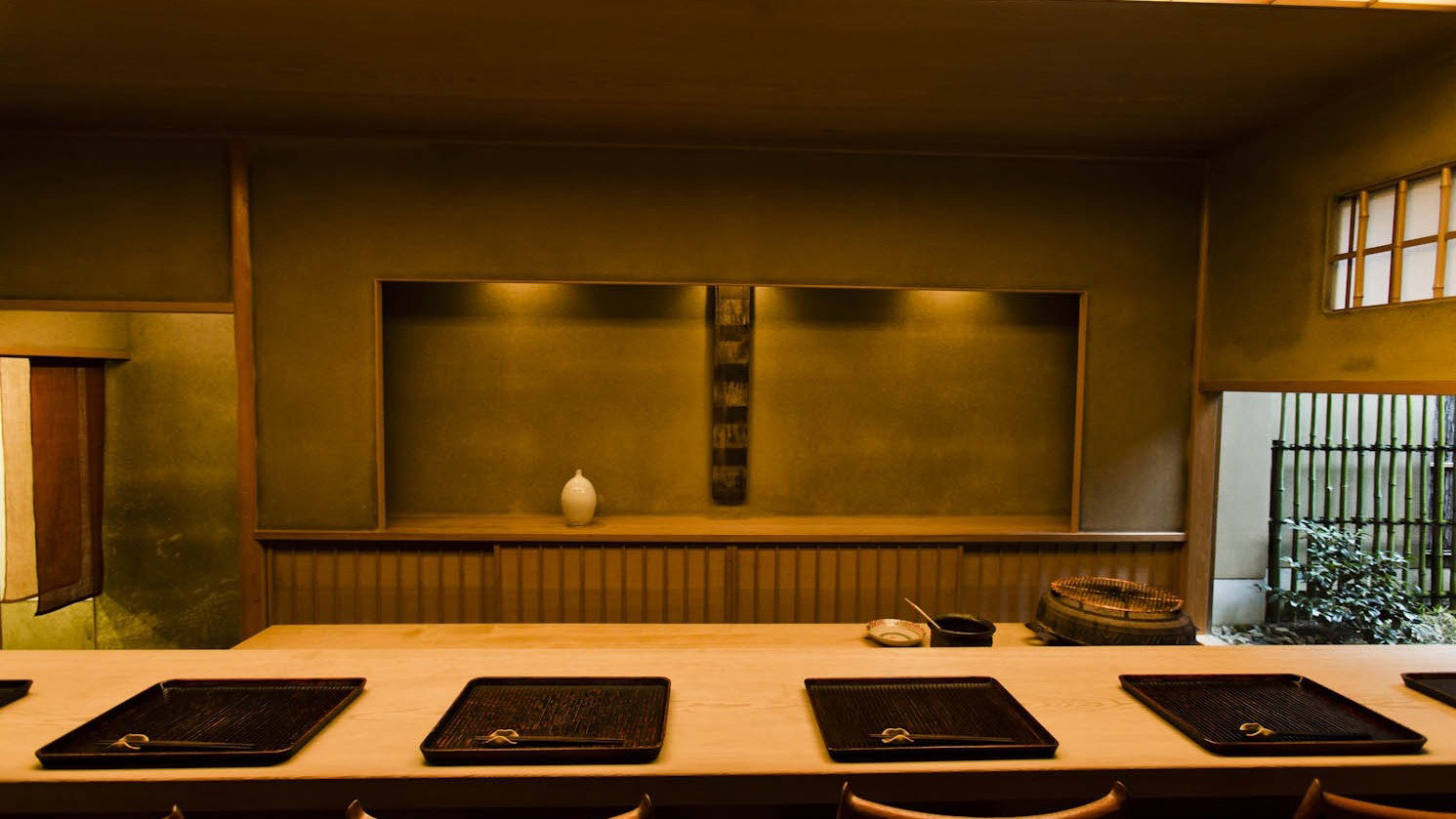
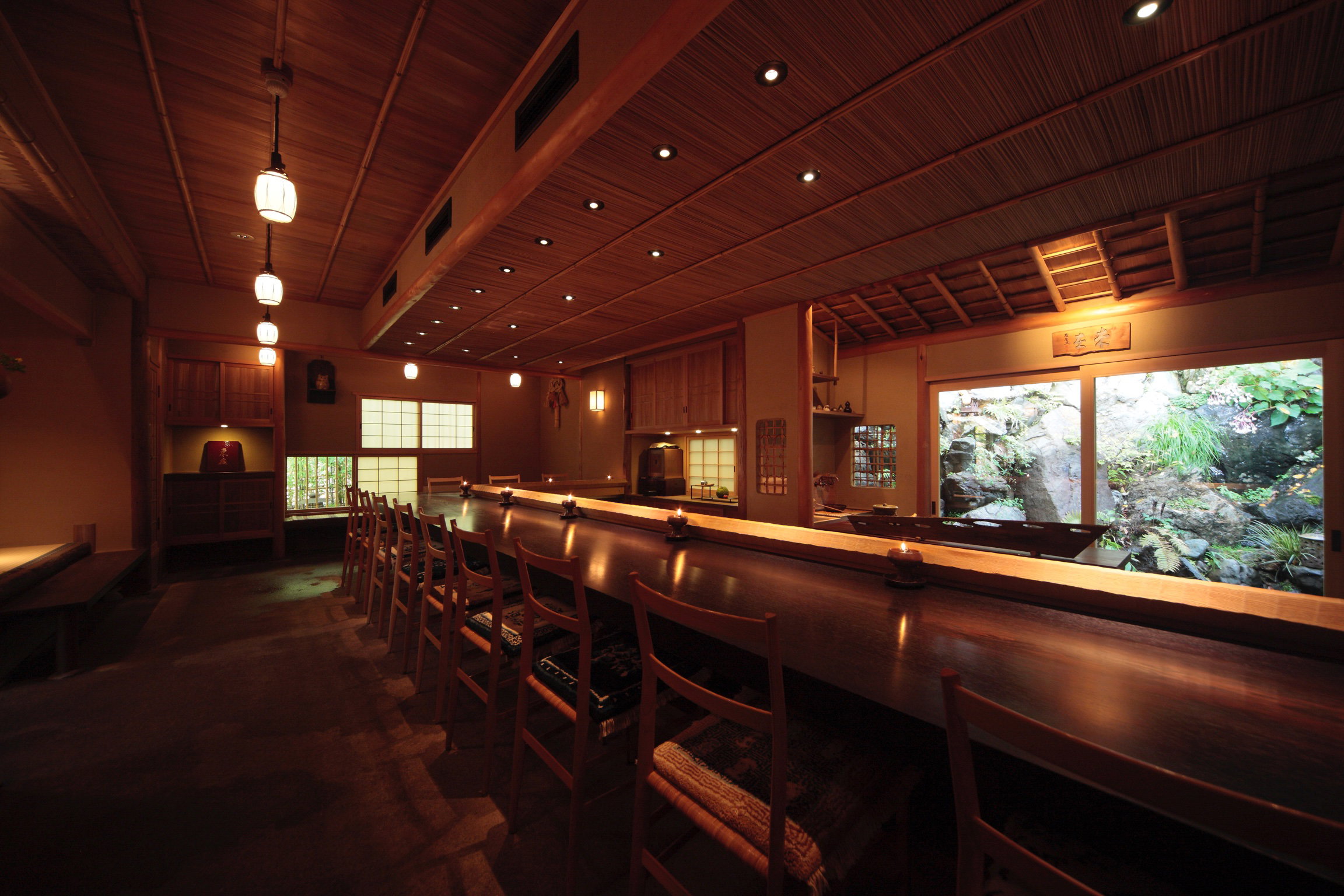
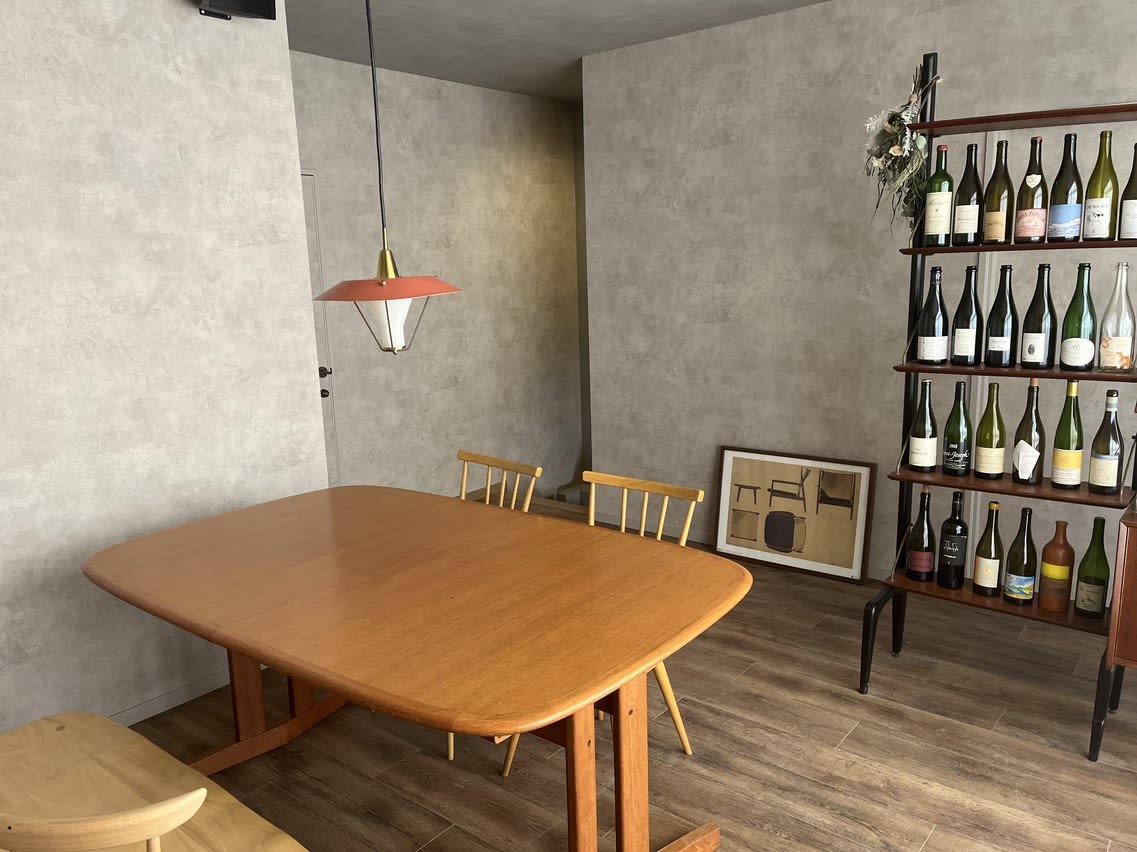
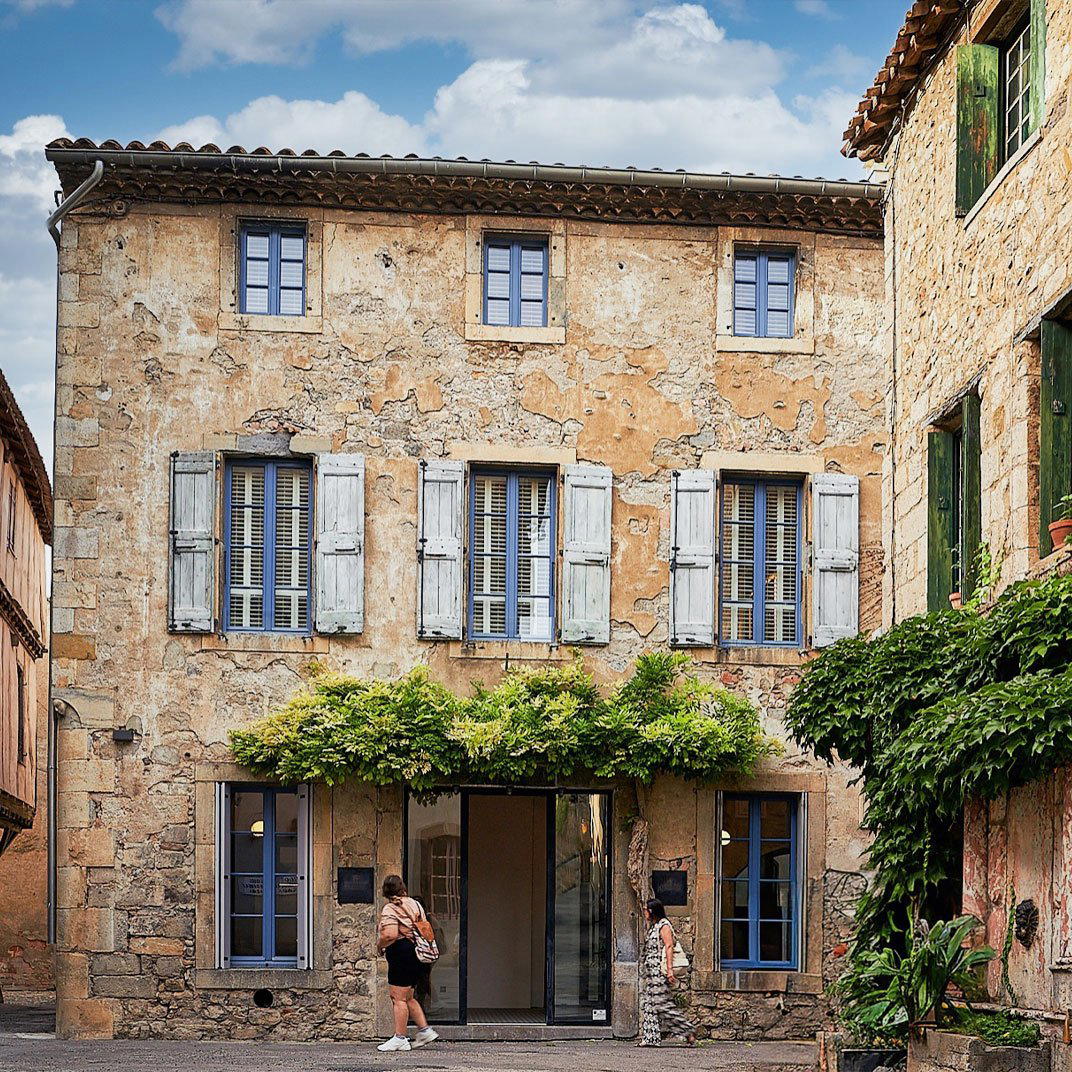
The visual cue comes the moment you push through the noren curtain: an earth-floor entrance, tatami seating in one section, wooden-floor tables in another, the kind of unhurried atmosphere that old machiya-row buildings produce almost automatically. This is not a restaurant that has been styled to look traditional; it is simply old, the room shows it. For a special lunch with a partner or a reflective solo meal after a morning at Daitoku-ji (a short walk north), the setting provides something most of Kyoto's mid-range dining options cannot: a room that genuinely belongs to the neighbourhood rather than performing for it. The visual calm here is the first signal that the food will be served without theatre, which suits the soba format well.
What You Are Eating
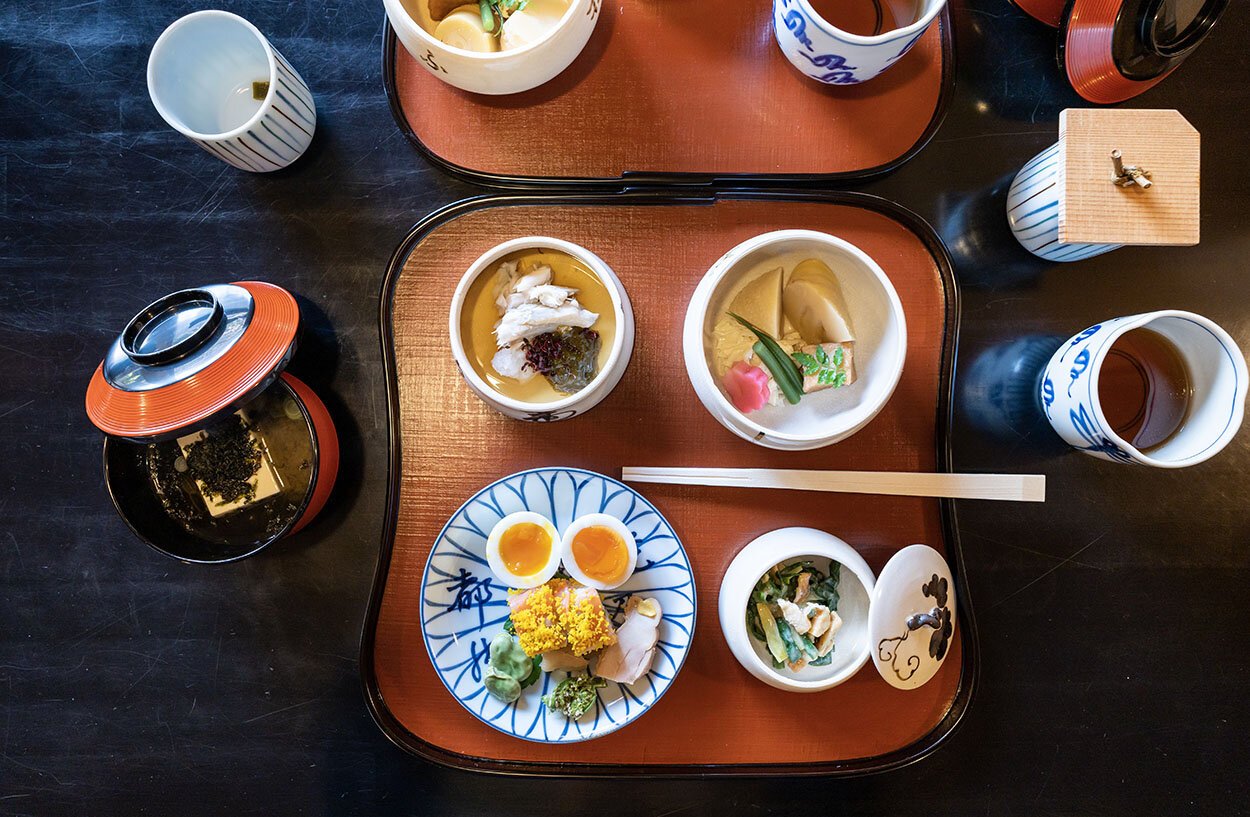
The kitchen works in 100% buckwheat flour, juwari soba, which produces a noodle with more pronounced aroma and a slightly coarser texture than blended varieties. Zaru soba, the benchmark order, arrives on a bamboo draining basket with dipping sauce. A sharkskin grater and a stick of fresh wasabi come to the table so you can prepare the condiment yourself while you wait, which gives the meal a small participatory quality that suits a slow, attentive lunch. Beyond the zaru, the menu extends to buckwheat tofu and buckwheat red-bean soup, both of which use the same core ingredient across different registers. For soba purists, the 100% buckwheat commitment is the detail that matters most, it is a stricter approach than many shops take, the Michelin recognition suggests the execution justifies it. If you want to compare this approach against other serious soba rooms in Japan, Akasaka Sunaba in Tokyo and Ayamedo in Osaka offer useful reference points.
A Note on the Wine and Drink Program
Kanei's format, a traditional soba shop at the ¥ price tier, means the drink program is not the reason to book. Soba shops in Japan typically offer cold beer, hot or cold green tea, occasionally sake, with the food taking full precedence. The correct pairing logic here is cold dashi-based dipping sauce and fresh wasabi, not a curated beverage list. If drink program depth is a priority for your meal, this is not the category where Kanei competes; the kaiseki rooms in Kyoto's higher price tiers address that need. Kanei's value sits entirely in the quality of its noodle work and the integrity of its setting.
Booking and Practical Details
Booking difficulty is rated Easy, which reflects the accessible format: walk-in is the standard approach for most soba shops at this tier, though arriving at off-peak hours, mid-morning opening or mid-afternoon if lunch service extends, reduces any waiting. The address is 11-1 Murasakino Higashifujinomoricho, Kita Ward, placing it on Kuramaguchi-dori in a stretch of preserved machiya houses. Hours and a direct booking contact are not confirmed in available data, so check current operating details before you travel. The single-¥ price tier means a full meal per person will remain among the most affordable quality-accredited options in Kyoto. There is no dress code expectation, come as you would for any casual neighbourhood lunch. Tatami seating is available, which means removing shoes; if mobility is a consideration, request a wooden-floor table. For broader context on eating and staying in the city, see our full Kyoto restaurants guide, our full Kyoto hotels guide, and our full Kyoto bars guide. If you are planning a wider Kansai itinerary, HAJIME in Osaka and akordu in Nara are worth adding to your list.
Pearl's Verdict
Two consecutive Bib Gourmand awards at a single-¥ price point is a strong signal in any city. In Kyoto, where the temptation is always to spend more and book further ahead, Teuchisoba Kanei is a reminder that the leading argument for a meal is sometimes just the quality of one ingredient, prepared with care, in a room that has not changed in decades. Book it for a slow weekday lunch. Bring someone you want to talk to, or go alone and eat at your own pace. Either works here.
Other Kyoto Soba and Noodle Options Worth Knowing
If you are building a broader itinerary around Kyoto's traditional dining, Honke Owariya is the city's most historically documented soba establishment and worth comparing directly. Chikuyuan Taro no Atsumori and Gombei cover different parts of the noodle category if your group has varied preferences. For something further from the traditional format, Itsutsu and Juu-go offer alternative angles on Kyoto's mid-range dining. Beyond Kyoto, Harutaka in Tokyo, Goh in Fukuoka, 1000 in Yokohama, and 6 in Okinawa are Pearl-tracked restaurants worth your time if you are moving across Japan. For planning beyond restaurants, see our full Kyoto wineries guide and our full Kyoto experiences guide.
Planning details
- Location
- 11-1 Murasakino Higashifujinomoricho, Kita Ward, Kyoto, 603-8223, Japan
- Website
- home.att.ne.jp/sigma/oldmoon/tuki/tukipage/sobaya_kansai_kyoto/kanei/kanei.html
- Phone
- +81 75-441-8283
The take
The Take
The Vibe
Teuchisoba Kanei reads like a quietly preserved corner of Kyoto. Tucked behind a noren and entered via an earth-floor threshold, the restaurant sits within a row of machiya townhouses and retains a domestic, low-key atmosphere. Inside you find tatami seating, low tables and a deliberate hush that keeps attention on the food rather than theatrics. The consecutive Bib Gourmand nods underline a commitment to quality executed without excess. The overall impression is historic and serene: an intimate, charming place where traditional textures and restrained service let the soba itself take center stage.
Best For
This is a place for diners who want to focus on soba craftsmanship rather than a multi-course spectacle. The Bib Gourmand recognition signals dependable, moderately priced excellence, and the quiet, tatami-lined interior makes it well suited to mindful, unhurried meals. It appeals to visitors who value authenticity — the preserved machiya setting and the emphasis on technique — and to local regulars seeking a refined but approachable alternative to Kyoto’s formal kaiseki houses. Expect a measured, culinary-first experience rather than loud service or casual bustle.
Ordering Tips
Start by sampling the kitchen’s signature soba preparations to understand the house style: duck soba and zarusoba are highlighted favourites, and the menu also lists soba tofu and yakimiso. If available, try the 100% buckwheat (juwari) soba to taste the pronounced earthiness and the shorter, more brittle texture the description emphasizes. Given the compact, domestic dining room and counter focus, order deliberately and savour each course—this is a place where technique and ingredient nuance are the point of the meal.
Venue details
Ambiance
Serene and traditional Japanese atmosphere with minimal decoration, no background music, and a pin-drop quiet environment. Lit naturally with warm tones from the historic wooden interior.
Tags
Vibe
Best For
Experience
Sourcing
At the Table
- Dress Code
- Casual
- Noise Level
- Quiet
- Service Style
- Casual
- Meal Pacing
- Standard
- Capacity
- Intimate
Signature Dishes
- duck soba
- zarusoba
- soba tofu
- yakimiso
Planning details
Location
11-1 Murasakino Higashifujinomoricho, Kita Ward, Kyoto, 603-8223, Japan · Directions
home.att.ne.jp/sigma/oldmoon/tuki/tukipage/sobaya_kansai_kyoto/kanei/kanei.html
Also consider
Also Consider
- Gion Sasaki; Kaiseki, Japanese, ¥¥¥¥
- cenci; Italian, ¥¥¥
- Ifuki; Kaiseki, ¥¥¥¥
- Kyokaiseki Kichisen; Japanese, ¥¥¥¥
- Kyo Seika; Chinese, ¥¥¥
Restaurant context
Teuchisoba Kanei occupies a different tier entirely from most of Kyoto's recognised restaurants. Gion Sasaki, Ifuki, and Kyokaiseki Kichisen are all kaiseki rooms at the ¥¥¥¥ tier; the right choice if multi-course seasonal cuisine, private-room service, a lengthy booking lead time are what your occasion calls for. Kanei is the right choice if you want Michelin-recognised quality without any of that overhead. Two consecutive Bib Gourmand awards confirm the kitchen is not simply cheap; it is cheap and good, which is a narrower category in Kyoto than the volume of restaurants might suggest.
cenci and Kyo Seika sit at ¥¥¥ and cover Italian and Chinese formats respectively; useful if your group's preference runs away from Japanese cuisine, but not direct competitors to a soba shop. For a mid-week lunch where the goal is a genuinely local, unhurried meal in a traditional room, Kanei has no obvious rival at its price point in the Kita Ward area.
The practical booking difference is also relevant. The ¥¥¥¥ kaiseki rooms typically require weeks of advance planning and may be Japanese-language only for reservations. Kanei's Easy booking rating means you can plan it on shorter notice, which makes it a reliable option to anchor a day around Daitoku-ji or Kitano Tenmangu without building your itinerary weeks in advance. If your Kyoto schedule is already heavy with higher-spend experiences, Kanei earns its place as the lunch that costs very little and concedes almost nothing in quality.
Explore Kyoto
Around this place
Discover more on Pearl
Unlock the full Teuchisoba Kanei guide in Pearl, including awards, comparisons, FAQs, planning details, and nearby places.
Compare Teuchisoba Kanei
| Venue | Price | Awards |
|---|---|---|
| Teuchisoba Kanei | ¥ | Michelin Guide Kyoto Osaka 20262026 Bib GourmandTabelog 100 - Soba - WEST - 2025 · #112025 Michelin Bib Gourmand2024 Michelin Bib Gourmand |
| Gion Sasaki | ¥¥¥¥ | 2026 Tabelog Bronze · #3862026 OAD Top Restaurants in Japan RecommendedMichelin Guide Kyoto Osaka 20262026 La Liste Top RestaurantsTabelog 100 - Japanese cuisine - WEST - 2025 · #132025 OAD Top Restaurants in Japan Ranked · #2462025 Tabelog Silver2025 Michelin 3 Stars2025 La Liste Top Restaurants |
| cenci | ¥¥¥ | 2026 Tabelog Bronze · #442026 Asia's 50 Best Restaurants · #762026 OAD Top Restaurants in Japan Highly RecommendedMichelin Guide Kyoto Osaka 2026Tabelog 100 - Italian - WEST - 2025 · #632025 Asia's 50 Best Restaurants · #632025 OAD Top Restaurants in Japan Ranked · #1682025 Tabelog Bronze2024 OAD Top Restaurants in Japan Ranked · #135 |
| Ifuki | ¥¥¥¥ | 2026 OAD Top Restaurants in Japan Ranked · #1222026 Tabelog Bronze · #128Michelin Guide Kyoto Osaka 20262026 La Liste Top RestaurantsTabelog 100 - Japanese cuisine - WEST - 2025 · #622025 OAD Top Restaurants in Japan Ranked · #1002025 La Liste Top Restaurants2025 Tabelog Bronze2025 Michelin 2 Stars |
| Kyokaiseki Kichisen | ¥¥¥¥ | 2026 Tabelog Bronze · #1752026 OAD Top Restaurants in Japan Highly RecommendedMichelin Guide Kyoto Osaka 20262025 OAD Top Restaurants in Japan Ranked · #1862025 Michelin 2 Stars2025 La Liste Top Restaurants2024 OAD Top Restaurants in Japan Ranked · #1422024 Michelin 2 Stars2023 OAD Top Restaurants in Japan Ranked · #136 |
| Kyo Seika | ¥¥¥ | Tabelog 100 - Chinese cuisine - WEST - 2026 · #762026 Tabelog Bronze · #2162026 OAD Top Restaurants in Japan Recommended2026 Michelin 1 Star2025 OAD Top Restaurants in Japan Ranked · #3262025 Tabelog Bronze2024 OAD Top Restaurants in Japan Ranked · #3042024 Michelin Plate2024 Michelin 1 Star |
.png?width=1200&quality=80)







.png?width=1200&quality=80)
Side-by-side comparison to help you decide where to book.
FAQ
Frequently Asked Questions
What should I wear to Teuchisoba Kanei?
Come as you are. Teuchisoba Kanei is a traditional neighbourhood soba shop on Kuramaguchi-dori at the single-¥ price tier; there is no dress expectation beyond clean and comfortable. Note that the seating includes tatami areas, so shoes you can slip off easily are practical.
What should I order at Teuchisoba Kanei?
Start with zaru soba: the 100% buckwheat juwari noodles are the reason the kitchen holds two consecutive Michelin Bib Gourmand awards, the sharkskin grater and fresh wasabi stick let you control intensity. The buckwheat tofu and buckwheat red-bean soup are documented menu additions worth ordering alongside the main bowl if you want a fuller sitting.
Can I eat at the bar at Teuchisoba Kanei?
The venue is set up with tatami seating and tables on wooden floors rather than a conventional counter bar. For solo diners or pairs, a table is the standard format here; arrival timing matters more than seating preference at a shop like this.
Is the tasting menu worth it at Teuchisoba Kanei?
Teuchisoba Kanei is not a tasting-menu format venue. The value case is built around individual soba dishes at a single-¥ price point, not a set progression. Two Bib Gourmand awards confirm the kitchen earns that value; order the zaru soba plus one or two buckwheat side dishes and you have the full picture for well under ¥2,000.
Can Teuchisoba Kanei accommodate groups?
The traditional house setting with tatami seating and wooden-floor tables suits small groups reasonably well, but this is a neighbourhood soba shop rather than a bookable event space. Groups of more than four should arrive early or check ahead; walk-in is the standard approach at this tier, peak lunch slots fill without much warning.
Is Teuchisoba Kanei good for solo dining?
Yes, it is one of the better solo lunch calls in the Kita Ward area. The traditional soba-shop format is built for quick, focused meals; you are there for the 100% buckwheat noodles and fresh-grated wasabi, not a shared-table social event. Two Bib Gourmand awards at a single-¥ price point means the solo spend is low and the quality floor is well documented.