

Ogawa
Nakagyō, Kyoto
Restaurant in Kyoto, Japan
 Book with Pearl
The Read
Dashi-Rooted Kappo
Price
$200–300per person
Dress
Smart Casual
Why go
Ogawa in Nakagyo Ward delivers Kyoto cuisine centred on dashi, seasonal vegetables, and clay-pot rice in a kappo setting that is more relaxed than a formal kaiseki house. It is a sound choice for two diners who want ingredient-focused cooking without the ceremony of Kyoto's top-tier kaiseki rooms, and it books more easily than comparable addresses in the city.
About Ogawa
Should You Book Ogawa?
Yes, if you want Kyoto cuisine that takes dashi and seasonal vegetables seriously without the ceremony-heavy formality of a full kaiseki house. Ogawa sits in Nakagyo Ward and delivers a cooking style shaped by both ryotei discipline and kappo informality: a combination that makes for a more relaxed evening than you will find at Gion Sasaki or Kikunoi Honten, without sacrificing the ingredient focus that defines serious Kyoto cooking.
What Ogawa Does Well
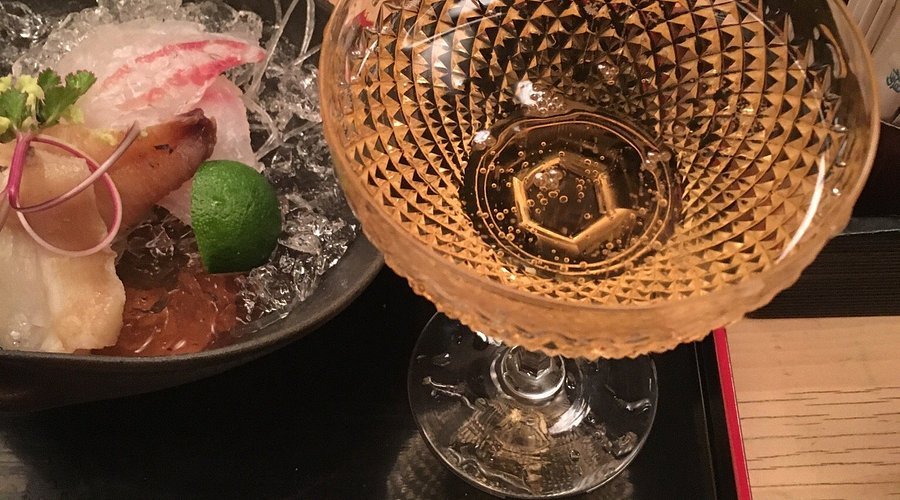
The kitchen's emphasis falls squarely on dashi and vegetables: the foundations of Kyoto cuisine, rather than on theatrical plating or protein-led set pieces. Boiled vegetables and ground soup appear as side dishes, served both cold and warm in the same meal, which signals a chef who understands temperature and texture as tools rather than afterthoughts. Rice is cooked in clay pots, a method that rewards patience and produces a result noticeably different from steam-table alternatives. Preserved items, sweetened soy-simmered accompaniments, dried mullet roe, peppered crepe, round out the meal with complexity that comes from time and technique, not imported luxury ingredients.
That sourcing philosophy is worth naming directly: this is a kitchen that justifies its price through the quality of its vegetable and dashi work, not through premium seafood or wagyu. For the food-focused traveller who has already eaten at Hyotei or Mizai and wants a different register, less formal, more personal, Ogawa is the logical next stop in Kyoto. It also makes a coherent addition to a wider Japan itinerary that includes HAJIME in Osaka or akordu in Nara.
The Space
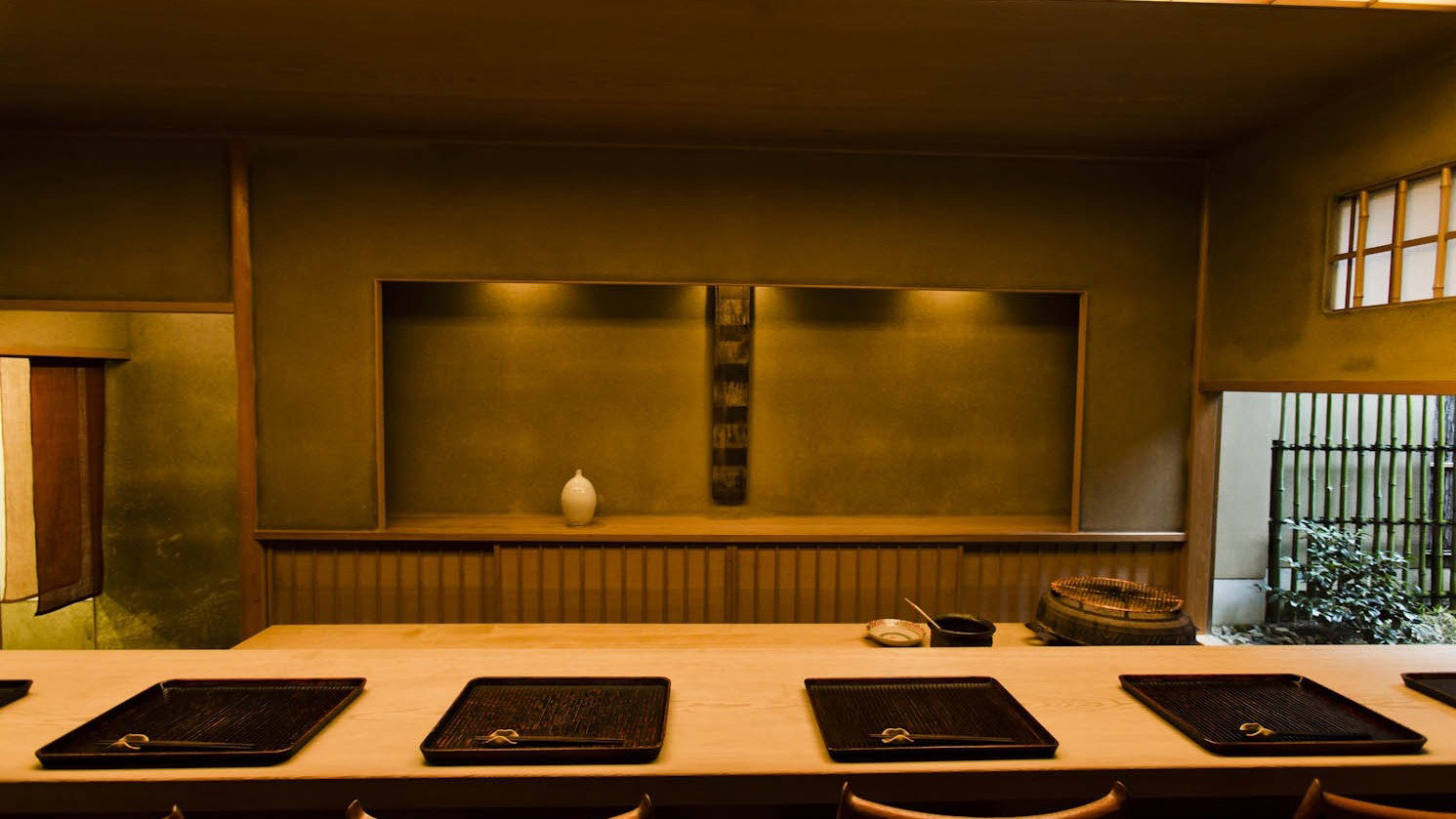
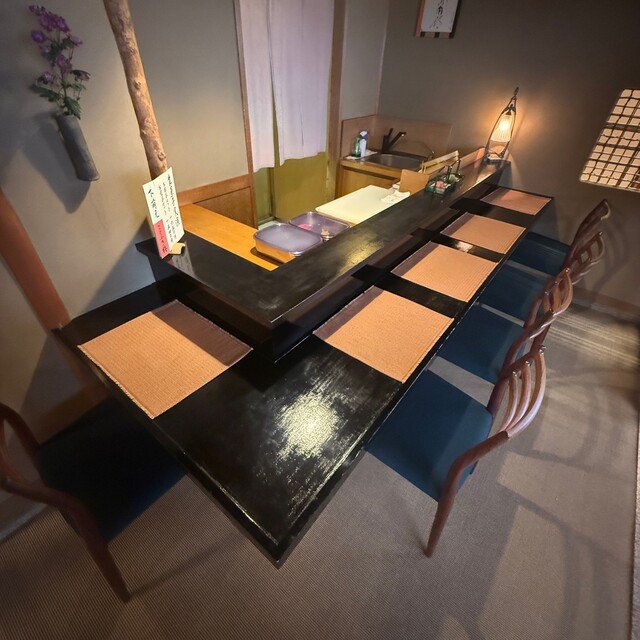
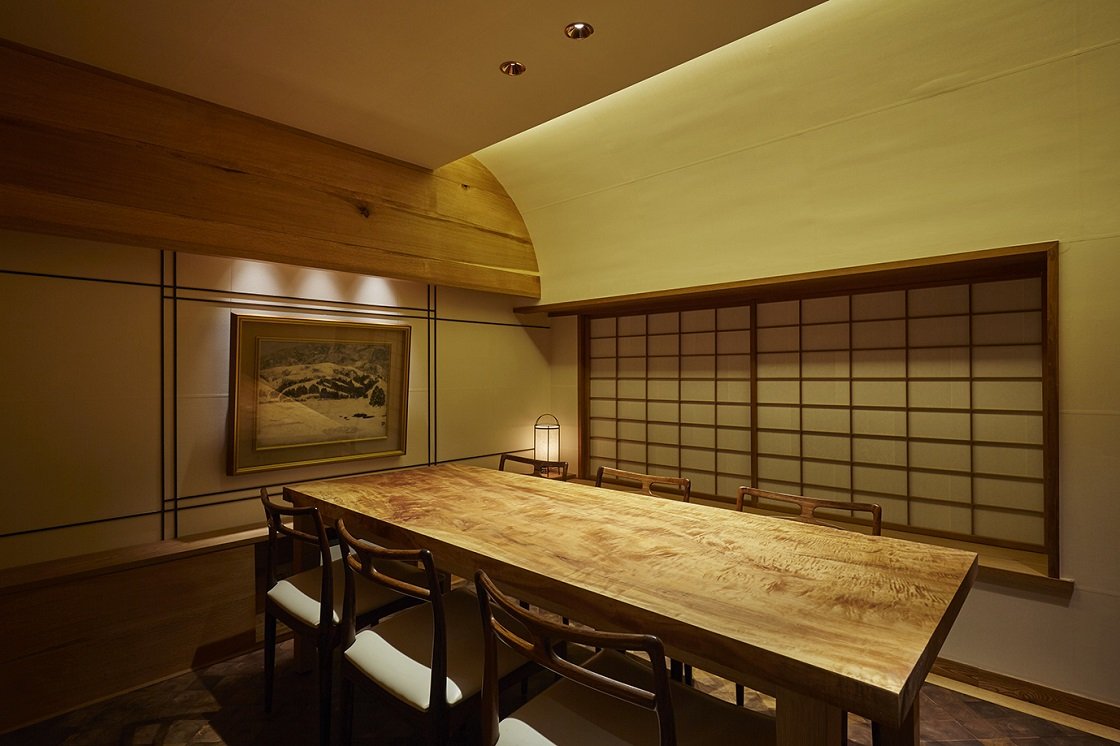
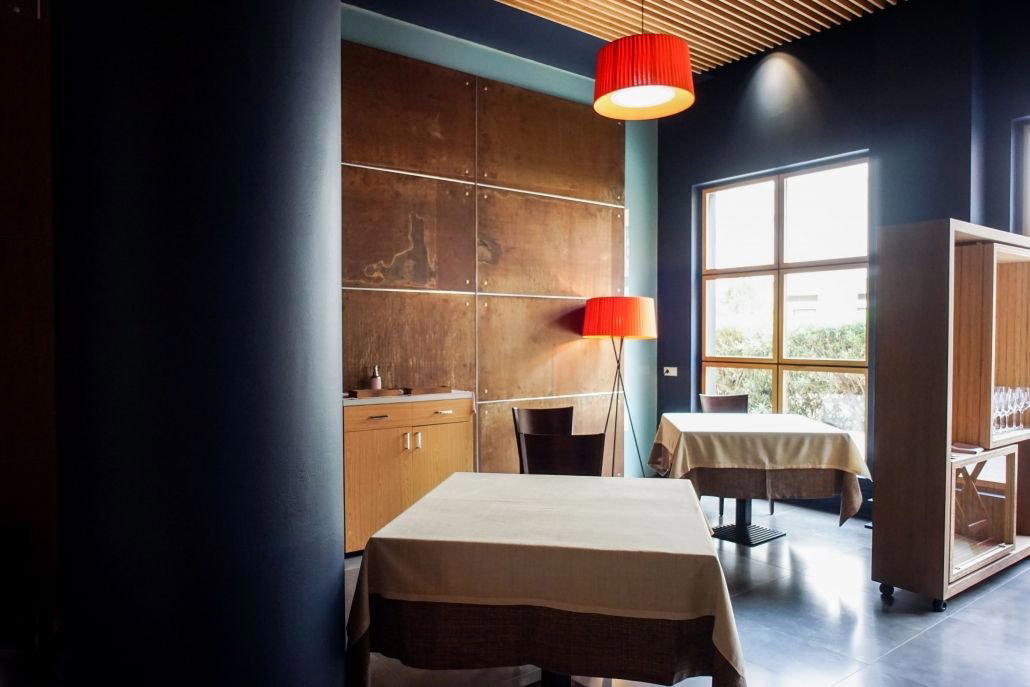
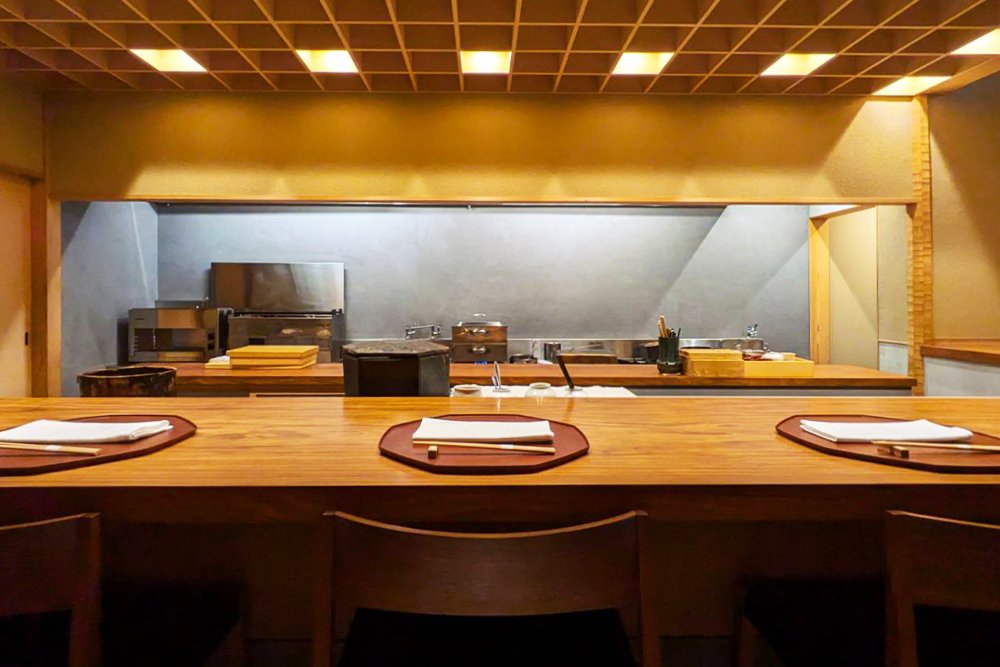
The address, 515 Anenishinotoincho, Nakagyo Ward, places Ogawa in the central part of Kyoto, away from the tourist-dense corridors of Gion. The setting reads as intimate rather than grand: the scale and seating configuration reflect the kappo tradition, where counter dining creates a direct relationship between chef and guest. This is not the room you book for a large group celebration; it works well for two people who want to eat close to the cooking and pay attention to what arrives in front of them.
Booking and Logistics
Ogawa falls into the easy-to-book tier relative to Kyoto's most competed-for tables. That said, Nakagyo Ward kappo spots with this level of intent do fill, particularly during cherry blossom (late March to mid-April) and autumn foliage (early to mid-November) seasons, when Kyoto's restaurant capacity tightens across the board. Book ahead if your travel dates fall in those windows. For context on how Ogawa fits within Kyoto's wider dining options, see our full Kyoto restaurants guide. If you are planning the broader trip, our Kyoto hotels guide and experiences guide are useful companions.
Practical Details
| Detail | Ogawa | Gion Sasaki | Ifuki |
|---|---|---|---|
| Price tier | ¥¥¥¥ | ¥¥¥¥ | |
| Cuisine | Kyoto / Kappo | Kaiseki | Kaiseki |
| Booking difficulty | Easy | Harder | Harder |
| Setting | Intimate, counter | Formal | Formal |
| Leading for | 2 diners, ingredient focus | Occasion dining | Occasion dining |
How It Compares
See the full comparison section below.
Pearl Picks: More Dining in Japan
- Isshisoden Nakamura, long-standing Kyoto Japanese
- Harutaka in Tokyo, precision-led counter dining
- Goh in Fukuoka, creative Japanese outside Kyoto
- 1000 in Yokohama, destination dining south of Tokyo
- 6 in Okinawa, a different register of Japanese cooking
- Le Bernardin in New York City, for comparison with ingredient-led Western fine dining
- Lazy Bear in San Francisco, counter dining with a similar chef-guest dynamic
- Kyoto bars guide for post-dinner options
- Kyoto wineries guide
Planning details
- Hours
- Monday: 6–9 p.m. · Tuesday: 12–2 p.m., 6–9 p.m.
- Location
- 515 Anenishinotoincho, Nakagyo Ward, Kyoto, 604-8273, Japan
- Reservations
- Book on Omakase
- Website
- kyoto-ogawa.com
- Phone
- +81 75-211-6005
The take
The Take
The Vibe
Ogawa sits squarely between the ceremonial precision of Kyoto's kaiseki houses and the immediate, hands-on spirit of kappo. The dining room centers on a counter where the chef cooks in view, producing a quietly refined experience that leans on tradition rather than theatricality. The cooking privileges dashi and vegetables, the structural pillars of kyo-ryori, so the impression is one of restrained craftsmanship: subtle, exacting, and quietly affecting. Service removes the stiffness of formal ritual without drifting into casualness, resulting in an experience that feels historically rooted, thoughtfully composed, and intimately paced.
Best For
This is a place for diners who want to engage with Kyoto's culinary logic: people who appreciate the delicacy of vegetable-forward courses, the nuance of well-made dashi, and the immediacy of a chef working at a counter. It suits solo guests who enjoy conversation with the cook as well as small pairs celebrating a special meal. The format favors focused, attentive dining rather than boisterous group gatherings, making it ideal for quiet splurges, culinary study, or anyone seeking a measured, tradition-minded meal in Nakagyo Ward.
Ordering Tips
Embrace the kappo sensibility: the menu is prepared around what interests the cook on a given day, so trust the chef’s sequence and pacing rather than assembling disparate à la carte plates. Expect vegetable-led courses and delicate dashi-driven flavors; lighter, seasonally directed preparations are the point. Because the format is counter-led and conversational, ask the chef about provenance or technique if you want context: the staff is positioned to explain choices in real time. Avoid large, loud parties; the setting rewards engaged, attentive dining.
Venue details
Ambiance
Lively yet serene L-shaped counter atmosphere with full kitchen view, warm and focused on authentic Kyoto essence.
Tags
Vibe
Best For
Experience
Sourcing
At the Table
- Dress Code
- Smart Casual
- Noise Level
- Quiet
- Service Style
- Formal
- Meal Pacing
- Leisurely
- Capacity
- Intimate
- Kitchen
- Traditional
- Menu Format
- Omakase, Counter dining
- Drinks Focus
- Sake
- Dietary
- Halal
Know before you go
Know Before You Go
- Getting there
- 515 Anenishinotoincho, Nakagyo Ward, Kyoto, 604-8273, Japan
Planning details
Hours
- Monday
- 6–9 p.m.
- Tuesday
- 12–2 p.m., 6–9 p.m.
- Wednesday
- 6–9 p.m.
- Thursday
- 12–2 p.m., 6–9 p.m.
- Friday
- 12–2 p.m., 6–9 p.m.
- Saturday
- 12–2 p.m., 6–9 p.m.
- Sunday
- Closed
Location
515 Anenishinotoincho, Nakagyo Ward, Kyoto, 604-8273, Japan · Directions
Recognition and awards
Also consider
Also Consider
- Gion Sasaki: Kaiseki, Japanese, ¥¥¥¥
- cenci: Italian, ¥¥¥
- Ifuki: Kaiseki, ¥¥¥¥
- Kyokaiseki Kichisen: Japanese, ¥¥¥¥
- SEN: French, Japanese, ¥¥¥¥
Restaurant context
Ogawa sits in a different register from Gion Sasaki and Kyokaiseki Kichisen. Both of those are full kaiseki experiences at ¥¥¥¥ with the formal service and room scale to match. If occasion dining with maximum ceremony is the brief, either outranks Ogawa on that dimension. But if you want proximity to the cooking and a meal built around dashi and vegetables rather than a procession of courses, Ogawa makes a stronger case.
Ifuki is the closest like-for-like competitor in terms of format, intimate, chef-led, kappo-adjacent, but also sits at ¥¥¥¥ with harder booking. Ogawa is easier to secure a table at and, based on available data, positions itself around the craft of everyday Kyoto ingredients rather than premium luxury goods, which makes it a better choice for diners who find value in technique over spectacle. SEN, the French-Japanese option in the peer set, is worth considering if you want a Western structural frame applied to Japanese seasonal produce: a meaningfully different experience from Ogawa's straight Kyoto approach. cenci at ¥¥¥ is the most affordable peer and the right call if budget is a genuine factor, though its Italian orientation puts it in a separate category entirely.
For most food-focused visitors to Kyoto who have limited nights and want to understand what Kyoto cuisine actually tastes like at its core, Ogawa is a better introduction than the grand kaiseki rooms, and easier to get into than Ifuki. Book Gion Sasaki or Kyokaiseki Kichisen for the full formal occasion; book Ogawa when you want the cooking to do the talking without the surrounding apparatus.
Explore Kyoto
Around this place
Discover more on Pearl
Unlock the full Ogawa guide in Pearl, including awards, comparisons, FAQs, planning details, and nearby places.
Compare Ogawa
| Venue | Location | Cuisine | Awards | Price |
|---|---|---|---|---|
| Ogawa | Kyoto | Michelin Guide Kyoto Osaka 20262026 Michelin 1 StarTabelog 100 - Soba - WEST - 2025 · #41 | ||
| Gion Sasaki | Kyoto | Kaiseki, Japanese | 2026 Tabelog Bronze · #3862026 OAD Top Restaurants in Japan RecommendedMichelin Guide Kyoto Osaka 20262026 La Liste Top RestaurantsTabelog 100 - Japanese cuisine - WEST - 2025 · #132025 OAD Top Restaurants in Japan Ranked · #2462025 Tabelog Silver2025 Michelin 3 Stars2025 La Liste Top Restaurants | ¥¥¥¥ |
| cenci | Kyoto | Italian | 2026 Tabelog Bronze · #442026 Asia's 50 Best Restaurants · #762026 OAD Top Restaurants in Japan Highly RecommendedMichelin Guide Kyoto Osaka 2026Tabelog 100 - Italian - WEST - 2025 · #632025 Asia's 50 Best Restaurants · #632025 OAD Top Restaurants in Japan Ranked · #1682025 Tabelog Bronze2024 OAD Top Restaurants in Japan Ranked · #135 | ¥¥¥ |
| Ifuki | Kyoto | Kaiseki | 2026 OAD Top Restaurants in Japan Ranked · #1222026 Tabelog Bronze · #128Michelin Guide Kyoto Osaka 20262026 La Liste Top RestaurantsTabelog 100 - Japanese cuisine - WEST - 2025 · #622025 OAD Top Restaurants in Japan Ranked · #1002025 La Liste Top Restaurants2025 Tabelog Bronze2025 Michelin 2 Stars | ¥¥¥¥ |
| Kyokaiseki Kichisen | Kyoto | Japanese | 2026 Tabelog Bronze · #1752026 OAD Top Restaurants in Japan Highly RecommendedMichelin Guide Kyoto Osaka 20262025 OAD Top Restaurants in Japan Ranked · #1862025 Michelin 2 Stars2025 La Liste Top Restaurants2024 OAD Top Restaurants in Japan Ranked · #1422024 Michelin 2 Stars2023 OAD Top Restaurants in Japan Ranked · #136 | ¥¥¥¥ |
| SEN | Kyoto | French, Japanese | 2026 Tabelog Bronze · #3952026 OAD Top Restaurants in Japan RecommendedMichelin Guide Kyoto Osaka 20262026 Michelin PlateTabelog 100 - Japanese cuisine - WEST - 2025 · #652025 Michelin Plate2025 Tabelog Bronze2024 OAD Top Restaurants in Japan Ranked · #3622024 Michelin Plate | ¥¥¥¥ |






.png?width=1200&quality=80)
How Ogawa Kyoto compares with similar nearby venues.
FAQ
Frequently Asked Questions
What should I wear to Ogawa?
Treat it as a dressed-up dinner rather than formal occasion wear. Ogawa sits in a kappo format, which sits below the ceremonial register of kaiseki houses like Kyokaiseki Kichisen, so a jacket is appropriate but not mandatory. Clean, considered clothing that respects the setting is the practical rule.
Can Ogawa accommodate groups?
Kappo counters in Nakagyo Ward typically run small: assume a tight seat count and limited flexibility for large parties. For larger gatherings, a kaiseki house with private rooms is a more reliable format.
What are alternatives to Ogawa in Kyoto?
For a more formal kaiseki experience, Kyokaiseki Kichisen sets the reference point in Kyoto. Gion Sasaki offers kappo with greater profile and harder-to-get reservations. cenci and Ifuki are worth considering if you want a more contemporary interpretation of Kyoto produce. SEN covers a different price register. Ogawa fits between those extremes: less ceremony than Kichisen, less competition for seats than Gion Sasaki.
Is Ogawa good for a special occasion?
Yes, provided the occasion calls for understated rather than theatrical. The chef's stated philosophy, that the meal itself disappears but the occasion stays in memory, points toward a considered, personal dining experience rather than a grand production. Clay pot rice and handcrafted side dishes make for a meaningful meal without the stiffness of full kaiseki ritual.
How far ahead should I book Ogawa?
Book at least two to three weeks out as a baseline, earlier if you're travelling during peak Kyoto periods like late March through April or November. Ogawa sits in an easier tier to secure than Gion Sasaki, but Nakagyo kappo spots with this level of intent fill up. If you're coordinating a Japan trip around dining, lock it in before you book flights.