

Soba Rojina
Soba · Nakagyō, Kyoto
Restaurant in Kyoto, Japan
 Book with Pearl
The Read
Hand-Ground Juwari Precision
Price
$10–20per person
Dress
Casual
Why go
Soba Rojina is a Michelin Bib Gourmand-recognised soba specialist in central Kyoto, earning back-to-back awards in 2024 and 2025. The owner-chef mills 100% buckwheat in-house on a hand-built stone mortar, and the ¥ price tier makes this one of Kyoto's clearest value calls. Book it for a focused, low-cost meal that punches well above its price.
About Soba Rojina
The Verdict
At the ¥ price tier, Soba Rojina is one of the clearest value decisions you can make in Kyoto. If you want to eat well without committing to a multi-course blowout, book here.
What You're Getting
The visual anchor at Soba Rojina is the process itself. That detail matters practically: juwari soba (100% buckwheat, no wheat flour added) is structurally more fragile and more expressive than blended noodles, and the slow-grinding method is specifically designed to preserve aromatic compounds that heat and speed would destroy. What arrives in the bowl is the direct result of that workflow: not a claim on a menu, but something you can trace back to the room you're sitting in.
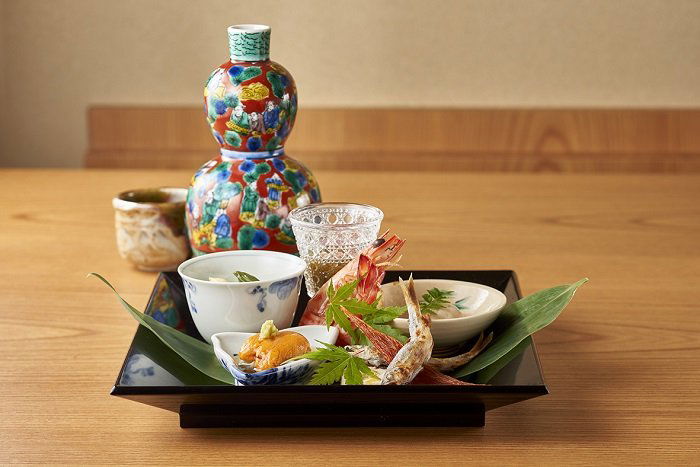
Before the soba, Rojina serves Kyoto-style appetisers built for pairing with alcohol: tofu topped with yuba, and manganji togarashi with jako. These are not filler courses. Yuba (soy milk skin) and manganji peppers are both Kyoto produce staples with genuine regional character, and they function as a considered lead-in rather than a generic amuse-bouche. If you're the kind of eater who wants to understand what a place is about, these starters tell you a lot.
The format here suits solo diners and pairs better than large groups. Come with one or two people, take your time with the pre-soba appetisers, and let the pacing work for you rather than against it.
Late-Night Relevance
The combination of alcohol-pairing appetisers and a compact menu format makes it structurally well-suited to an evening slot rather than a lunch rush. In Kyoto, where many higher-end restaurants close early or require timed seatings, a casual soba shop with an izakaya-adjacent pre-course structure often runs longer. Confirm hours directly before planning a late dinner around it.
How It Compares
Soba Rojina sits at the opposite end of the price spectrum from Kyoto's kaiseki houses. Gion Sasaki, Ifuki, and Kyokaiseki Kichisen are all ¥¥¥¥ experiences built around multi-course kaiseki: serious commitments in time, money, and advance booking. cenci at ¥¥¥ and SEN at ¥¥¥¥ operate in entirely different registers. Rojina is the choice when you want precision craft at a price that doesn't require planning around. Within Kyoto's soba category specifically, consider also Honke Owariya (one of the city's oldest soba houses) and Chikuyuan Taro no Atsumori for direct comparisons. For soba in other Japanese cities, Akasaka Sunaba in Tokyo and Ayamedo in Osaka offer useful reference points.
Booking and Logistics
Booking difficulty is rated Easy. The address is 691 Maruyacho, Nakagyo Ward, central Kyoto, reachable on foot from most accommodation clusters in the ward. Walk-in may be viable given the easy booking rating, but for a specialist shop with this level of recognition, confirming in advance is the smarter move.
| Venue | Cuisine | Price | Booking Difficulty |
|---|---|---|---|
| Soba Rojina | Soba | ¥ | Easy |
| Honke Owariya | Soba | ¥¥ | Moderate |
| Gombei | Japanese | ¥ | Easy |
| Itsutsu | Japanese | ¥¥ | Moderate |
Pearl Picks Nearby
For more options: Our full Kyoto restaurants guide | Kyoto hotels | Kyoto bars | Kyoto wineries | Kyoto experiences
Planning details
- Hours
- Monday: Closed · Tuesday: 11:30 AM–2 PM, 5:30–7:30 PM
- Location
- 691 Maruyacho, Nakagyo Ward, Kyoto, 604-0917, Japan
- Website
- roujina.jp
- Phone
- +81 75-286-9242
The take
The Take
The Vibe
Soba Rojina presents a restrained, classic Kyoto sensibility where process is the point. The audible, slow grinding of buckwheat on a stone mortar sets a deliberate tempo that prioritizes craft over flourish. The tone is measured and focused rather than theatrical; the kitchen treats grain processing as the central act, and that discipline carries through the dining room. Rojina’s commitment to juwari (100 percent buckwheat) reinforces a quiet, artisanal atmosphere: flavors are earthy and direct, and the room rewards attentive eating rather than loud, social bustle.
Best For
This is a destination for diners who come to experience soba as a craft rather than to chase elaborate presentation. The menu’s commitment to juwari and the visible attention to milling attract guests who appreciate technical skill and ingredient-first cooking. Recognition from the Michelin Guide as a Bib Gourmand underscores its appeal to value-minded food lovers who still want a high level of mastery. It suits solo diners and small groups seeking a calm, focused meal where the grain’s character takes center stage.
Ordering Tips
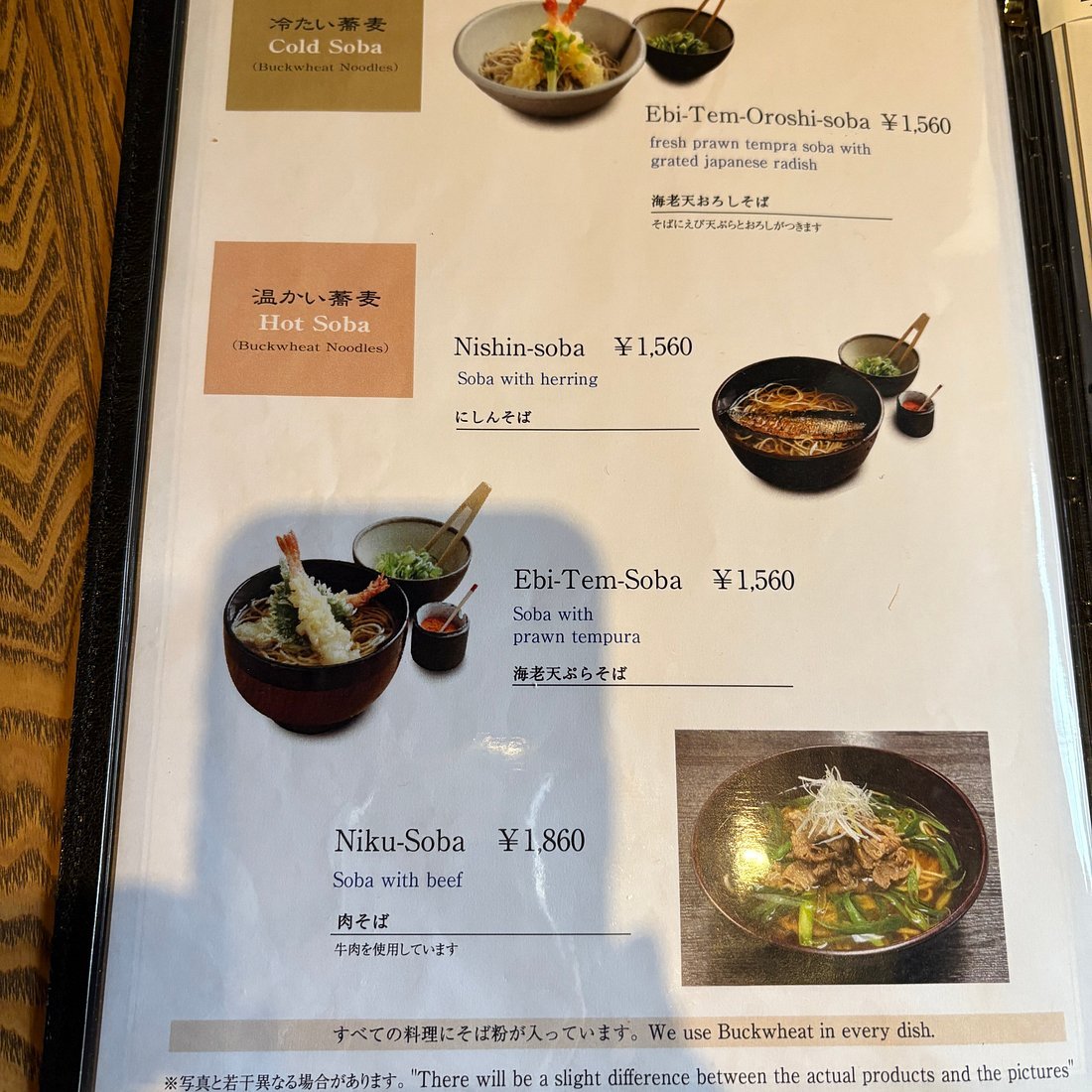
Order to taste the house's juwari offerings: the restaurant commits to 100 percent buckwheat, which delivers a distinctly nutty, earthy noodle. Signature plates to seek out include the Hari Soba (Sudachi), Kamo Seiro and the Iberiko Buta Tsukejiru; these showcase different pairings and broths that highlight the buckwheat foundation. Given the emphasis on freshly milled grain and texture, prioritize noodle-focused dishes rather than heavy accompaniments to appreciate the purity of flavor the chef is aiming to present.
Venue details
Ambiance
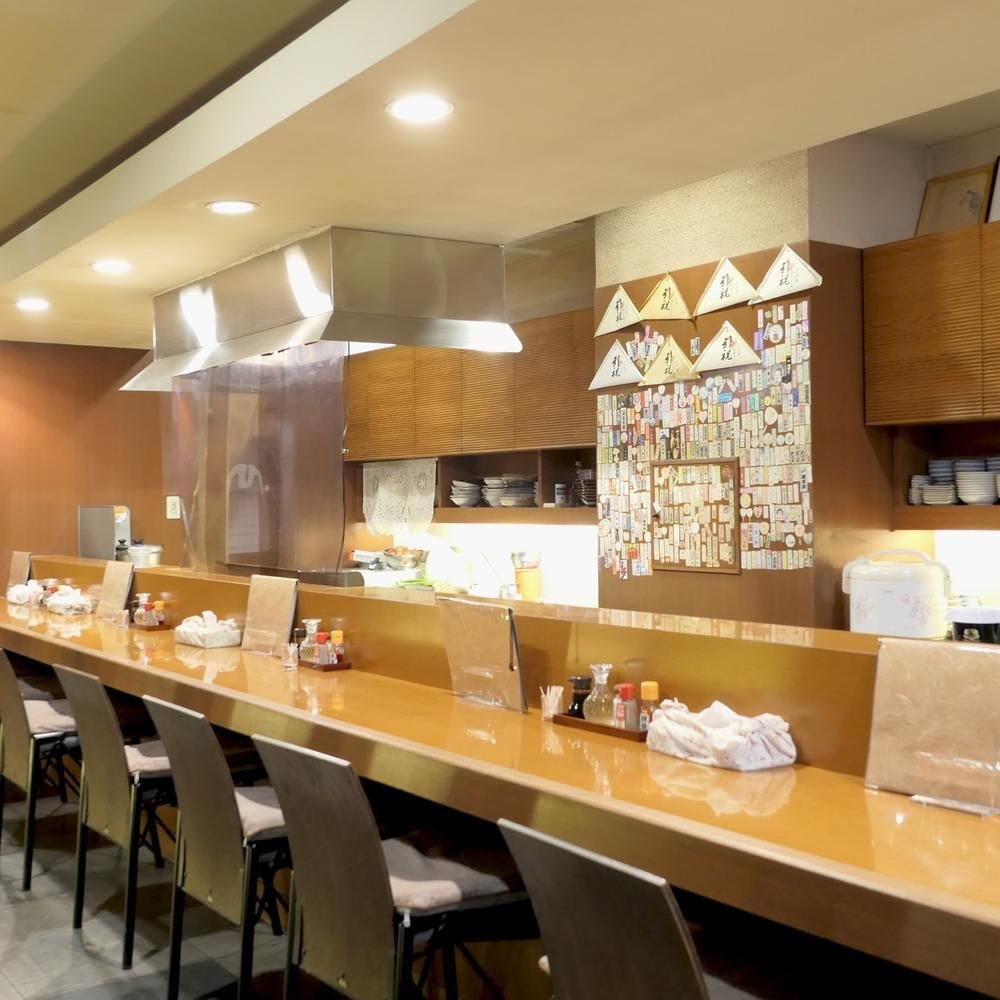
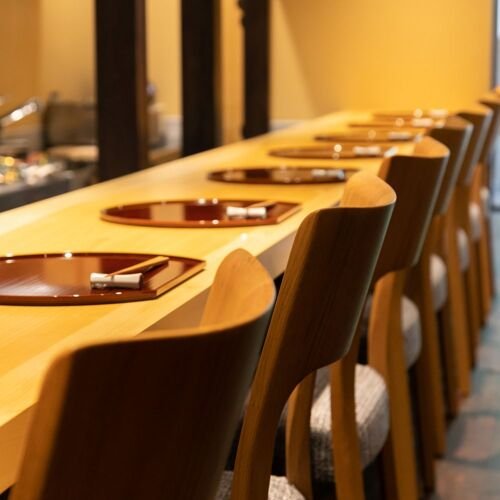
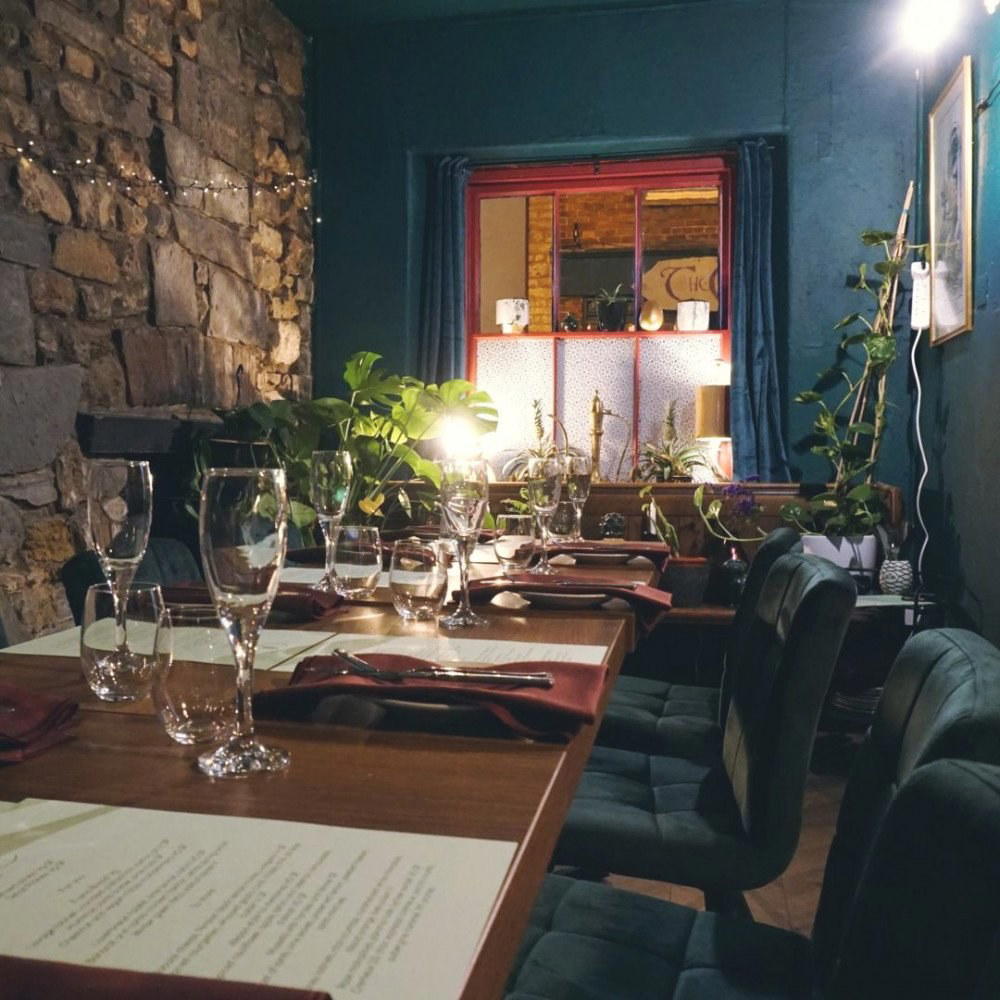
Small authentic Japanese space with counter seating where buckwheat grinding sounds fill the air, creating a relaxing traditional atmosphere.
Tags
Vibe
Best For
Sourcing
At the Table
- Dress Code
- Casual
- Noise Level
- Quiet
- Service Style
- Casual
- Meal Pacing
- Standard
- Capacity
- Intimate
- Kitchen
- Traditional
- Menu Format
- A la carte
- Drinks Focus
- Sake
Signature Dishes
- Hari Soba (Sudachi)
- Kamo Seiro
- Iberiko Buta Tsukejiru
Know before you go
Know Before You Go
- Getting there
- 691 Maruyacho, Nakagyo Ward, Kyoto, 604-0917, Japan
Planning details
Hours
- Monday
- Closed
- Tuesday
- 11:30 AM–2 PM, 5:30–7:30 PM
- Wednesday
- 11:30 AM–2 PM, 5:30–7:30 PM
- Thursday
- 11:30 AM–2 PM, 5:30–7:30 PM
- Friday
- 11:30 AM–2 PM, 5:30–7:30 PM
- Saturday
- 11:30 AM–2 PM, 5:30–7:30 PM
- Sunday
- 11:30 AM–2 PM, 5:30–7:30 PM
Location
Also consider
Also Consider
- Gion Sasaki: Kaiseki, Japanese, ¥¥¥¥
- cenci: Italian, ¥¥¥
- Ifuki: Kaiseki, ¥¥¥¥
- Kyokaiseki Kichisen: Japanese, ¥¥¥¥
- SEN: French, Japanese, ¥¥¥¥
Restaurant context
Soba Rojina sits at ¥ in a Kyoto dining scene dominated at the recognised end by ¥¥¥¥ kaiseki houses. Gion Sasaki, Ifuki, and Kyokaiseki Kichisen are multi-course commitments requiring advance planning and serious budget allocation. If your goal is a long, occasion-dinner format, those are the right calls. If you want Michelin-recognised quality without the outlay or the booking effort, Rojina is the answer.
cenci at ¥¥¥ and SEN at ¥¥¥¥ operate in Italian and French-Japanese registers respectively: both strong, but neither is competing with Rojina on format or intent. For a food-focused traveller who wants to eat across different meal types during a Kyoto trip, Rojina works as the casual, technically serious option that doesn't require an evening's commitment or a reservation made weeks out.
Within the soba category specifically, Rojina's back-to-back Bib Gourmand recognition is the clearest differentiator against other affordable Kyoto options. The in-house stone milling and juwari-only approach are specific production choices that most soba shops in the city do not make. If craft process matters to you as much as the bowl itself, Rojina is the more considered pick over a generic soba lunch stop.
Explore Kyoto
Around this place
Discover more on Pearl
Unlock the full Soba Rojina guide in Pearl, including awards, comparisons, FAQs, planning details, and nearby places.
Compare Soba Rojina
| Venue | Price | Booking Difficulty | Awards |
|---|---|---|---|
| Soba Rojina | ¥ | Easy | Michelin Guide Kyoto Osaka 20262026 Bib GourmandTabelog 100 - Soba - WEST - 2025 · #222025 Michelin Bib Gourmand2024 Michelin Bib Gourmand |
| Gion Sasaki | ¥¥¥¥ | Unknown | 2026 Tabelog Bronze · #3862026 OAD Top Restaurants in Japan RecommendedMichelin Guide Kyoto Osaka 20262026 La Liste Top RestaurantsTabelog 100 - Japanese cuisine - WEST - 2025 · #132025 OAD Top Restaurants in Japan Ranked · #2462025 Tabelog Silver2025 Michelin 3 Stars2025 La Liste Top Restaurants |
| cenci | ¥¥¥ | Unknown | 2026 Tabelog Bronze · #442026 Asia's 50 Best Restaurants · #762026 OAD Top Restaurants in Japan Highly RecommendedMichelin Guide Kyoto Osaka 2026Tabelog 100 - Italian - WEST - 2025 · #632025 Asia's 50 Best Restaurants · #632025 OAD Top Restaurants in Japan Ranked · #1682025 Tabelog Bronze2024 OAD Top Restaurants in Japan Ranked · #135 |
| Ifuki | ¥¥¥¥ | Unknown | 2026 OAD Top Restaurants in Japan Ranked · #1222026 Tabelog Bronze · #128Michelin Guide Kyoto Osaka 20262026 La Liste Top RestaurantsTabelog 100 - Japanese cuisine - WEST - 2025 · #622025 OAD Top Restaurants in Japan Ranked · #1002025 La Liste Top Restaurants2025 Tabelog Bronze2025 Michelin 2 Stars |
| Kyokaiseki Kichisen | ¥¥¥¥ | Unknown | 2026 Tabelog Bronze · #1752026 OAD Top Restaurants in Japan Highly RecommendedMichelin Guide Kyoto Osaka 20262025 OAD Top Restaurants in Japan Ranked · #1862025 Michelin 2 Stars2025 La Liste Top Restaurants2024 OAD Top Restaurants in Japan Ranked · #1422024 Michelin 2 Stars2023 OAD Top Restaurants in Japan Ranked · #136 |
| SEN | ¥¥¥¥ | Unknown | 2026 Tabelog Bronze · #3952026 OAD Top Restaurants in Japan RecommendedMichelin Guide Kyoto Osaka 20262026 Michelin PlateTabelog 100 - Japanese cuisine - WEST - 2025 · #652025 Michelin Plate2025 Tabelog Bronze2024 OAD Top Restaurants in Japan Ranked · #3622024 Michelin Plate |
.png?width=1200&quality=80)






.png?width=1200&quality=80)
A quick look at how Soba Rojina measures up.
FAQ
Frequently Asked Questions
Does Soba Rojina handle dietary restrictions?
The core menu is built around juwari soba, 100% buckwheat, no wheat flour, which makes it a genuine option for anyone avoiding gluten in the noodle itself. That said, the kitchen also serves Kyoto-style appetisers and alcohol-pairing dishes, so cross-contamination risk and full ingredient details are worth confirming directly on arrival. Severe allergen requirements are harder to manage at small owner-operated soba shops of this format.
What should I order at Soba Rojina?
The juwari soba is the reason to come: 100% buckwheat, ground on a stone mortar the chef made himself, with no wheat filler. Before the soba, the kitchen serves traditional Kyoto appetisers including tofu with yuba and manganji togarashi with jako, both designed to pair with alcohol. Order those first if you want the full progression the kitchen intends.
Can Soba Rojina accommodate groups?
Small owner-operated soba shops in Kyoto typically seat 10–20 covers, so large groups are rarely practical without advance arrangement. Booking difficulty is rated Easy, which suggests walk-ins and small parties are the norm here. If you're coming as a group of four or more, call ahead or enquire in person at the address.
Is the tasting menu worth it at Soba Rojina?
Soba Rojina doesn't operate a formal tasting menu in the kaiseki sense. The format is more sequential: Kyoto appetisers first, then the soba. At the ¥ price tier with two consecutive Michelin Bib Gourmand awards (2024, 2025), the value case is clear: this is not a high-ticket omakase decision, it's an easy yes.
Is Soba Rojina worth the price?
Yes, straightforwardly. A ¥ price point combined with Michelin Bib Gourmand recognition in both 2024 and 2025 puts Rojina among the clearest value decisions in Kyoto dining. For context, comparable Kyoto experiences at Gion Sasaki or Kyokaiseki Kichisen run ¥¥¥¥: Rojina delivers Michelin-quality at a fraction of the outlay.
Is Soba Rojina good for solo dining?
Yes: owner-operated soba counters in this format are well-suited to solo diners. The process-focused experience (the stone grinding, the buckwheat fragrance, the sequential appetisers) works as well for one as for two. Booking difficulty is Easy, so there's no penalty for a last-minute solo booking.
What should a first-timer know about Soba Rojina?
The kitchen serves juwari soba, pure buckwheat, no wheat flour, which has a more textured, earthier character than blended soba. Expect Kyoto-style appetisers before the noodles arrive; these are part of the intended experience, not optional extras. The shop is at 691 Maruyacho, Nakagyo Ward, central Kyoto, and is easy to reach on foot from most accommodation in the area.