
Restaurant in Kyoto, Japan
Gombei
350Pearl PointsGion's best-value bowl, Michelin-recognised.

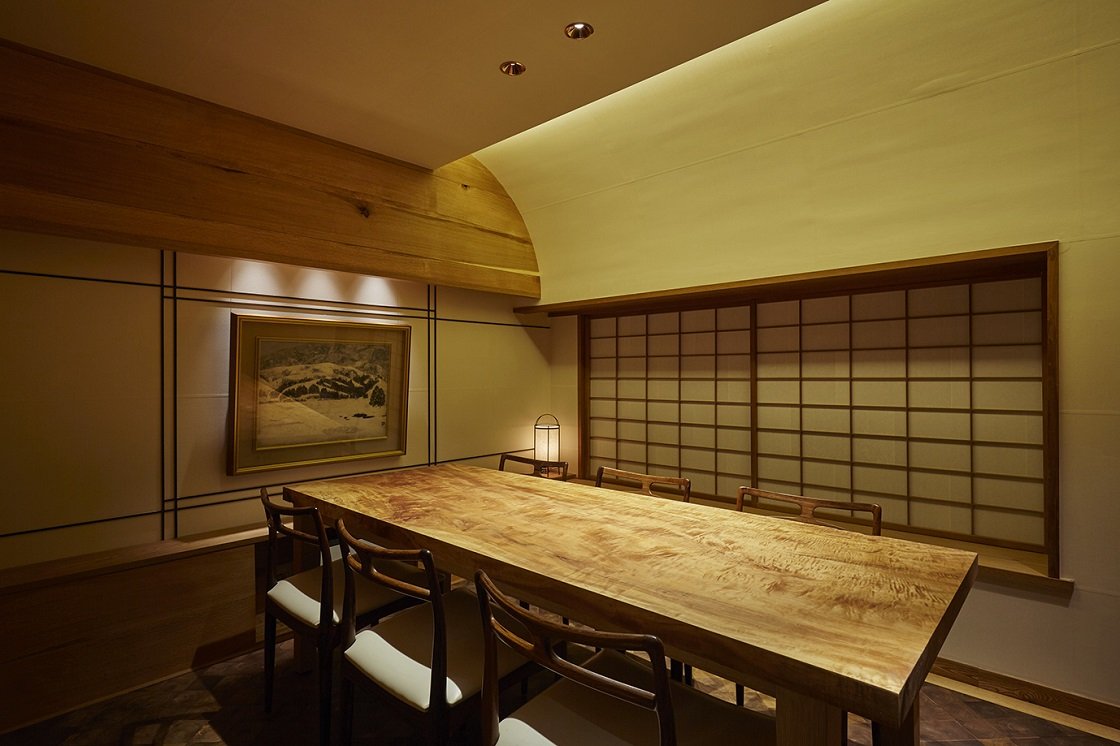
About Gombei
Gombei holds a Michelin Bib Gourmand (2025) and charges ¥ per head, making it one of the strongest value propositions in Kyoto's Gion district. The kitchen specialises in soba and udon in the Kyoto style — soft noodles built to absorb the dashi — with kitsune, keiran, and tanuki preparations all worth ordering. Easy to book, casual in dress, and embedded in the neighbourhood's cultural fabric.
Gombei, Kyoto — Verdict
At ¥ per head, Gombei is among the most accessible ways to eat well in Kyoto's Gion district. The Michelin Bib Gourmand recognition in 2025 confirms what the neighbourhood has long known: this is a kitchen producing food that punches well above its price point. If you have been once and ordered the kitsune udon, come back for the keiran and the soba — the menu rewards return visits, and the Gion address keeps it relevant as a between-temples lunch or a low-key dinner that does not require a reservation months in advance.
Portrait
Gombei sits at 254 Gionmachi Kitagawa in Higashiyama Ward, a part of Kyoto that draws both tourist traffic and a loyal local crowd. The cuisine is soba and udon, prepared in the Kyoto style: noodles boiled softer than you will find in Tokyo, built to absorb the dashi rather than resist it. That approach is not a concession to local taste, it is the taste, and it reflects how noodle culture developed differently in a city where the broth has always done most of the work.
The Bib Gourmand, awarded for 2025, is Michelin's signal that a restaurant delivers genuine quality at a price that does not require justification. For a soba-and-udon house in Gion, that credential carries weight. It puts Gombei in a different category from the tourist-facing noodle shops around Higashiyama, and closer in spirit to places like Honke Owariya, which has been serving soba in Kyoto for considerably longer. If you are already familiar with Gombei's kitsune, the 2025 Bib Gourmand is a reason to trust your instincts and go deeper into the menu.
The menu structure is worth reading carefully. Udon comes first, which signals where the kitchen's identity is rooted. The kitsune preparation comes in two forms: one with chopped tofu, the other with tofu simmered in sweetened soy sauce. These are not variations on the same dish, they read differently, and if you are returning, ordering both for comparison is a reasonable use of the price point. The keiran, a warm udon dish finished with a starch-thickened sauce of soft scrambled eggs and ginger, is the option most likely to surprise a repeat visitor who has only worked through the kitsune side of the menu. The ginger and egg combination, carried in a sauce that clings to the softened noodle, is a specifically Kyoto construction.
Tanuki preparation, udon or soba with deep-fried tempura pieces rather than tofu, is mentioned in Michelin's own notes as something fans do not automatically associate with Gombei, which makes it worth ordering if you want to move past the obvious choices. The soba versions of the menu's key dishes give you a point of comparison against the udon, and at this price tier, ordering across both noodle types is not an extravagance.
Gombei's historical association with Kyoto's kabuki actors, geisha, and maiko is a matter of record rather than marketing. Gion is the neighbourhood where that culture is most concentrated, and a noodle house in this postcode with that kind of clientele history has a different standing than one operating a few blocks further from the district's centre. For a returning visitor, that context is useful shorthand: this is a place embedded in Kyoto's working professional culture, not a recreation of it.
For soba specifically in Japan, the comparison set is instructive. Akasaka Sunaba in Tokyo and Ayamedo in Osaka represent what soba culture looks like in the two other major cities. Gombei is doing something distinct from both: the Kyoto soft-boil, the emphasis on dashi absorption, the udon-first menu structure. If you have eaten soba primarily in Tokyo and want to understand how the same noodle tradition diverges when you move west, Gombei is a direct answer to that question.
If you are planning further around Kyoto's noodle and Japanese food scene, Chikuyuan Taro no Atsumori, Itsutsu, Juu-go, and Saryo Tesshin are all worth adding to the same trip. For broader Kyoto planning, see our full Kyoto restaurants guide, hotels guide, bars guide, wineries guide, and experiences guide. If you are moving between Japanese cities on this trip, HAJIME in Osaka, Harutaka in Tokyo, akordu in Nara, Goh in Fukuoka, 1000 in Yokohama, and 6 in Okinawa each represent what the Pearl network looks like across the country.
Practical Details
Gombei is at 254 Gionmachi Kitagawa, Higashiyama Ward, Kyoto. Booking difficulty is rated Easy, which means walk-in is a realistic option, particularly outside peak tourist season. At the ¥ price tier, you are looking at a meal that sits comfortably within a casual lunch or early dinner budget. Hours and phone are not confirmed in our current data, check locally before visiting, particularly on public holidays in the Gion area. Dress code is casual; this is a noodle house, not a formal dining room.
Quick reference: Gombei, 254 Gionmachi Kitagawa, Higashiyama Ward, Kyoto. ¥ price tier. Michelin Bib Gourmand 2025. Easy to book. Casual dress.
Ratings
- Google: 3.9 / 5 (614 reviews)
- Michelin: Bib Gourmand (2025)
Frequently Asked Questions
Is Gombei worth the price?
Yes, clearly. At the ¥ price range, Gombei is one of the few Michelin Bib Gourmand-recognised spots in Kyoto where you can eat well without planning around a budget. The Bib Gourmand designation specifically flags good food at a moderate price, so the value case here is externally verified, not just implied.
Is the tasting menu worth it at Gombei?
Gombei is not a tasting-menu venue. The format is à la carte soba and udon, which is part of what keeps prices low and queues moving. If you want a multi-course kaiseki experience in Gion, Gion Sasaki or Kyokaiseki Kichisen are the appropriate comparison. Gombei is the right call when you want a focused, well-executed bowl rather than a full production dinner.
Does Gombei handle dietary restrictions?
The menu is built around dashi-based broths and noodles, which typically contain fish stock in traditional Japanese preparations — so strict vegetarians and vegans should confirm before ordering. The database does not document allergy accommodation procedures, so raise any restrictions directly with staff on arrival. The soba and udon format is naturally gluten-relevant for coeliac visitors.
What should I wear to Gombei?
Gombei is a casual noodle restaurant in Higashiyama Ward. Clean, comfortable clothes are appropriate — there is no dress expectation beyond what you would wear to a neighbourhood lunch spot. Given its Bib Gourmand status and location near Gion's tourist corridor, you will find visitors in everything from walking shoes to yukata.
What are alternatives to Gombei in Kyoto?
For value-focused eating in Kyoto, Kyo Seika and Ifuki are relevant alternatives depending on cuisine preference. If you want to step up to a full kaiseki experience in the same Gion area, Gion Sasaki is the name most often cited at the serious end, and Kyokaiseki Kichisen for a more formal multi-course format. Gombei holds its own as the go-to for Bib Gourmand-level noodles specifically.
What should a first-timer know about Gombei?
Booking difficulty is rated Easy, so walk-in is a realistic option, but Gombei's location in Gion's tourist corridor means it draws consistent foot traffic. The menu leads with udon before soba, which signals where the kitchen's focus sits. The 'keiran' dish — warm udon with a soft scrambled egg and ginger starch sauce — is explicitly called out in Michelin's own notes on the restaurant, so it is the obvious reference point for a first visit.
Is Gombei good for a special occasion?
Not in the formal sense. Gombei is a noodle restaurant, not a destination for anniversary dinners or business entertaining. That said, if your occasion is a low-key Kyoto lunch with historical atmosphere — the restaurant is noted as a favourite of kabuki actors, geisha, and maiko — it carries more cultural weight than most spots at this price point. For a true special-occasion dinner in the area, Gion Sasaki or Kyokaiseki Kichisen are the more fitting choices.
Location
254 Gionmachi Kitagawa, Higashiyama Ward, Kyoto, 605-0073, Japan
Kyoto, Japan
Compare Gombei
| Venue | Cuisine | Awards | Booking Difficulty |
|---|---|---|---|
| Gombei | Soba | Easy | |
| Gion Sasaki | Kaiseki, Japanese | Michelin 3 Star | Unknown |
| cenci | Italian | Michelin 1 Star, World's 50 Best | Unknown |
| Ifuki | Kaiseki | Michelin 2 Star | Unknown |
| Kyokaiseki Kichisen | Japanese | Michelin 2 Star | Unknown |
| Kyo Seika | Chinese | Michelin 1 Star | Unknown |
Comparing your options in Kyoto for this tier.
Also Consider
- Gion Sasaki, Kaiseki, Japanese, ¥¥¥¥
- cenci, Italian, ¥¥¥
- Ifuki, Kaiseki, ¥¥¥¥
- Kyokaiseki Kichisen, Japanese, ¥¥¥¥
- Kyo Seika, Chinese, ¥¥¥
Gombei operates in a different tier from most of Kyoto's well-known dining names. Gion Sasaki, Ifuki, and Kyokaiseki Kichisen are all ¥¥¥¥ kaiseki rooms where the meal is a structured, multi-course commitment. Gombei at ¥ is doing something categorically different: a focused noodle menu, casual seating, easy booking, and a Bib Gourmand that validates the quality without requiring a significant financial commitment. If your Kyoto trip already includes one kaiseki dinner, Gombei is the right call for lunch or a second evening where you want to eat well without the ceremony.
cenci at ¥¥¥ and Kyo Seika at ¥¥¥ sit in the mid-price range and offer Italian and Chinese menus respectively, neither overlaps with what Gombei does. If you are building a week of eating in Kyoto and want variety across cuisines and price points, Gombei fills the affordable Japanese slot with more credibility than most options at its price tier. The Bib Gourmand is the differentiator: it is Michelin's specific endorsement for value-driven quality, and in Gion, that signal is meaningful.
For soba and udon specifically, Honke Owariya is the closest direct competitor in Kyoto, a longer-established name with a different style. Between the two, Gombei is the easier booking and the more accessible entry point. If you want the deepest historical roots in Kyoto noodle culture, Honke Owariya has the edge on provenance. If you want the Bib Gourmand credential and a Gion address with a strong menu for return visitors, Gombei is the practical choice.
Recognized By

Explore Kyoto
Save or rate Gombei on Pearl
Keep this venue in your Pearl passport, rate it after you visit, and track it alongside every other place you collect.