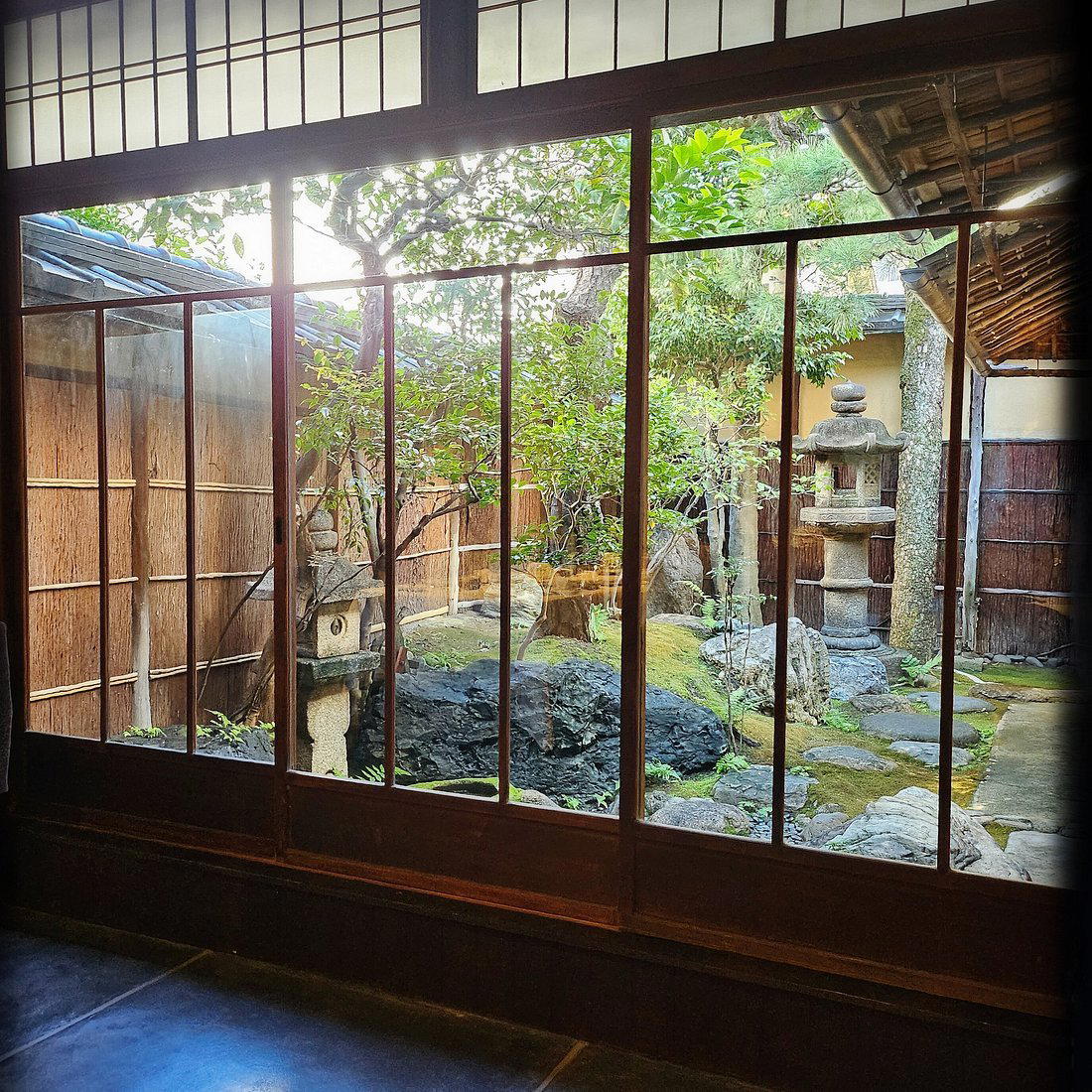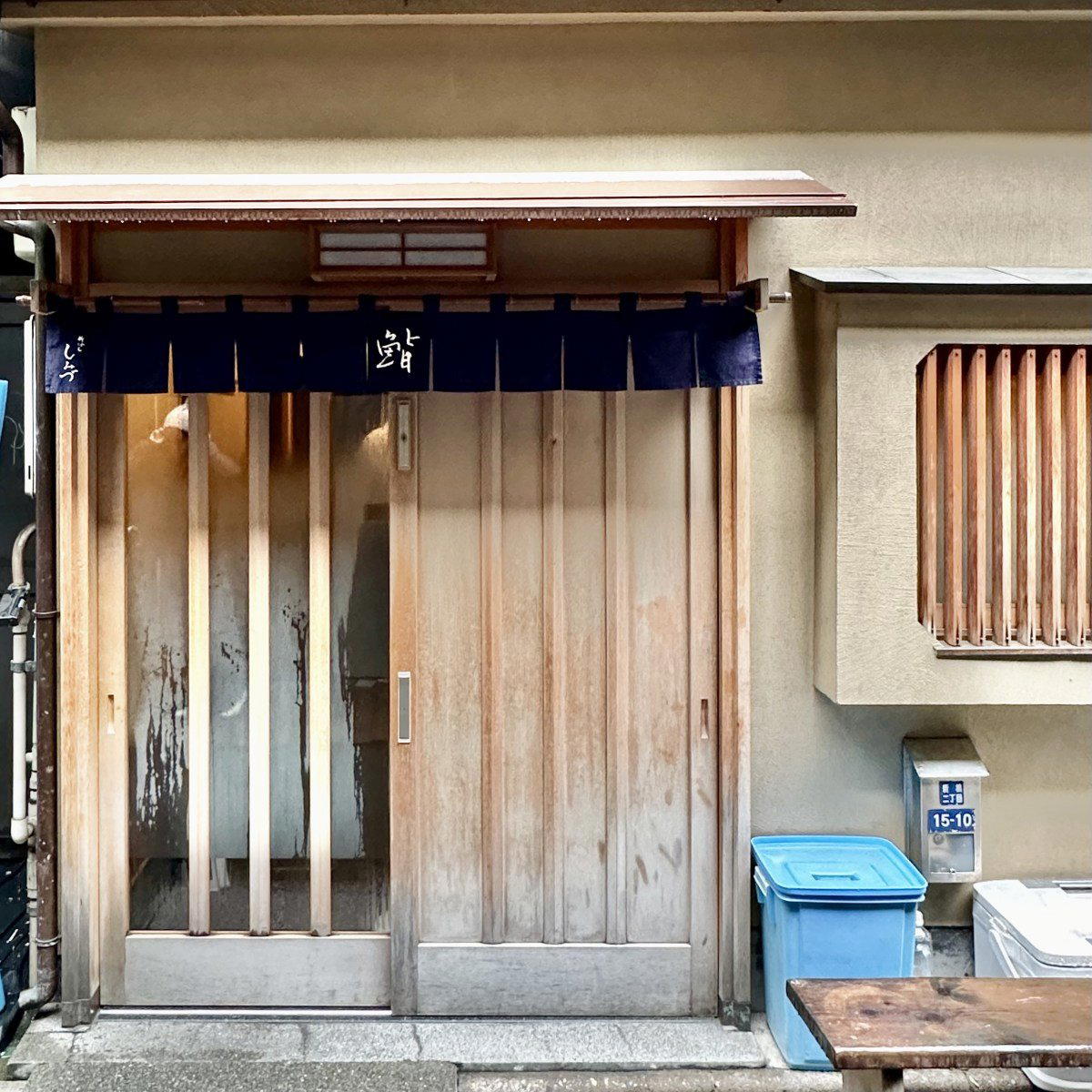

Asago
Chūō, Fukuoka
Restaurant in Fukuoka, Japan
 Book with Pearl
The Read
Sarashina Counter Precision
Price
$50–100per person
Dress
Smart Casual
Why go
Asago is Fukuoka's most consistently awarded soba counter, holding the Tabelog Soba Top 100 designation every year from 2018 to 2025 and a Tabelog score of 4.00. Lunch is walk-in at JPY 2,000–2,999; the evening Omakase Course (from JPY 6,000) requires a reservation and cash payment. Eight counter seats only: book ahead for dinner.
About Asago
Verdict: One of Fukuoka's Most Awarded Soba Counters: Worth the Trip if You Book Right
Asago is not difficult to get into by the standards of Fukuoka's most competitive restaurants, but the 8-seat counter means any delay in planning costs you. Reservations are only accepted for the evening Omakase Course (from 17:00, last seating 18:00), so if you want a guaranteed seat at dinner, call ahead. Lunch is walk-in only: and at JPY 2,000–2,999 per head, it is one of the most accessible entry points into Tabelog-recognised soba in western Japan. The omakase dinner runs JPY 6,000–7,999 listed, though reviewer-reported spending trends JPY 10,000–14,999 once sake is added.
Portrait
Asago has operated in Fukuoka's Shirogane neighbourhood since February 2003, building a record that few soba specialists in western Japan can match. The restaurant has been selected for the Tabelog Soba WEST "Top 100" every year from 2018 through 2025, earned Tabelog Bronze in both 2025 and 2026, and holds a Tabelog score of 4.00. For context, earning a 4.00 on Tabelog requires sustained high-volume positive reviews over years; this is not a new-opening score.
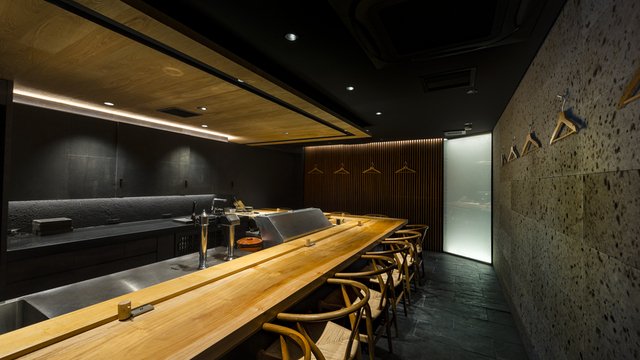
The format is a counter of 8 seats, no private rooms. The cuisine is Sarashina soba, a style associated with refined, pale noodles made from the core of the buckwheat grain, cleaner and more delicate than country-style soba. Sake (nihonshu) is available, which matters if you are planning an evening omakase. The space is relaxed, making it a practical choice for a special occasion that does not require a dress code or advance-ceremony planning.
For a celebration dinner, the omakase format from 17:00 is the right call. The structured course gives you more time and more dishes than a lunch visit, and the sake pairing option adds a layer that a solo soba bowl at lunch does not. Families with children and strollers are explicitly welcome, which is unusual for an 8-seat counter at this award level, a practical note if you are travelling with young children.
One practical consideration that affects the special-occasion case: Asago does not accept credit cards, electronic money, or QR code payments. Cash only. This is not uncommon at small Japanese counters at this tier, but it will catch visitors off guard if they have not prepared. Bring enough yen to cover JPY 15,000 per head on the high end if sake is part of your evening.
On the question of whether the food travels, Asago does not appear to offer takeout or delivery, which is consistent with the format. Freshly made soba degrades quickly once separated from its serving environment; the counter experience is the product here. If you need something portable, this is not the right venue. For sit-down soba at a Tabelog-recognised level in Fukuoka, Asago is the address.
Closed Tuesdays (and Mondays on a non-fixed schedule. Hours are 11:30–20:00 on open days. Parking is available for two small cars in front of the building, useful if you are coming from outside the Yakuin area. The restaurant is a 3-minute walk from Yakuin Station on the Nishitetsu Tenjin Omuta Line.
Asago sits in Fukuoka's Chuo Ward dining corridor alongside a broader set of serious restaurants worth knowing. For French at a comparable award level, Goh is the reference point in the city. For kaiseki and Japanese cuisine with similar counter discipline, Chiso Nakamura is worth comparing. If you are building a multi-day Fukuoka itinerary, see our full Fukuoka restaurants guide, hotels guide, bars guide, and experiences guide.
Japan's broader soba counter scene provides useful calibration. The Tabelog 100 designation for soba is the clearest national benchmark in this category, Asago's unbroken run from 2018 to 2025 puts it in the same tier of sustained recognition as serious counter restaurants elsewhere in Japan. If you have visited high-level soba counters in Tokyo or Kyoto, Asago operates at that level of intention, with the additional value of Fukuoka pricing. For other Pearl-tracked Japan venues worth comparing across categories, see HAJIME in Osaka, Gion Sasaki in Kyoto, and akordu in Nara.
Practical Details
Reservations: Required for the Omakase Course (17:00 onwards, last seating 18:00); lunch is walk-in only. Phone: 092-526-4582. Budget: Lunch JPY 2,000–2,999; Dinner JPY 6,000–7,999 (reviewer-reported spend JPY 10,000–14,999 with sake). Payment: Cash only, no cards, no electronic money, no QR codes. Hours: Mon, Wed, Thu, Fri, Sat, Sun 11:30–20:00; closed Tuesday and some Mondays (confirm ahead). Seats: 8 counter seats only; no private rooms. Parking: Space for two small cars on-site. Dress: No code. Smoking: Non-smoking throughout.
More in Fukuoka and Across Japan
If you are exploring Fukuoka's dining options more broadly, see Chikamatsu for sushi, Bekk for a different counter experience, and CUCCAGNA for Italian. Further afield in Japan, Harutaka in Tokyo, 1000 in Yokohama, and 6 in Okinawa are Pearl-tracked counters worth adding to a Japan itinerary. For international reference points in the counter-dining category, Atomix in New York City and Le Bernardin in New York City represent the tasting-menu counter format at a global level. Fukuoka's full drinking and accommodation options are covered in our bars guide, hotels guide, and wineries guide.
Planning details
- Hours
- Monday: 11:30 - 20:00 · Wednesday: 11:30 - 20:00
- Location
- Japan, 〒810-0012 Fukuoka, Chuo Ward, Shirogane, 1 Chome−4−14 原ビル 1F
- Website
- facebook.com/akamachayaasago
- Phone
- +81 92-526-4582
The take
The Take
The Vibe
Asago reads like a quiet, highly focused craft workshop for soba rather than a bustling izakaya or flashy dining room. The writing emphasizes technical mastery and long-accumulated precision, and its sustained inclusion in national Tabelog lists gives the place a refined, serious air. Service is counter-forward and attentive to the noodle craft, so the experience feels intimate and deliberately paced. The atmosphere favors listening to the small rituals of soba production and tasting subtle textures: an understated, sophisticated counter restaurant for people who care about technique and ingredient-driven simplicity.
Best For
Asago suits diners who want a concentrated soba experience: solo diners and couples seeking a quiet, intimate outing are particularly well matched to the counter format. It sits between casual city staples and formal fine dining, so it appeals to guests who appreciate technical precision without the trappings of multi-course haute cuisine. Food-focused visitors and those exploring regional soba styles will find the venue rewarding: its reputation (Tabelog Soba 100, award recognition) signals a specialist destination worth visiting specifically for the noodles.
Ordering Tips
Prioritize sarashina soba, made from the grain's pale inner core, to taste the delicate sweetness and fine texture that distinguish the style. The menu also lists juwari soba and duck soba as signatures, making them natural second choices to compare fuller, earthier buckwheat expressions and a richer protein pairing. Center your visit on the noodles themselves and let the soba speak for the kitchen's technique.
Venue details
Ambiance
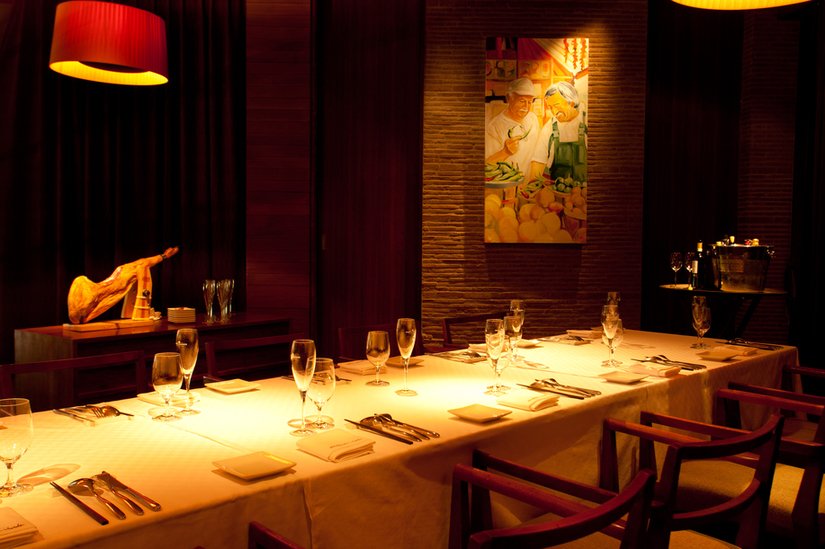
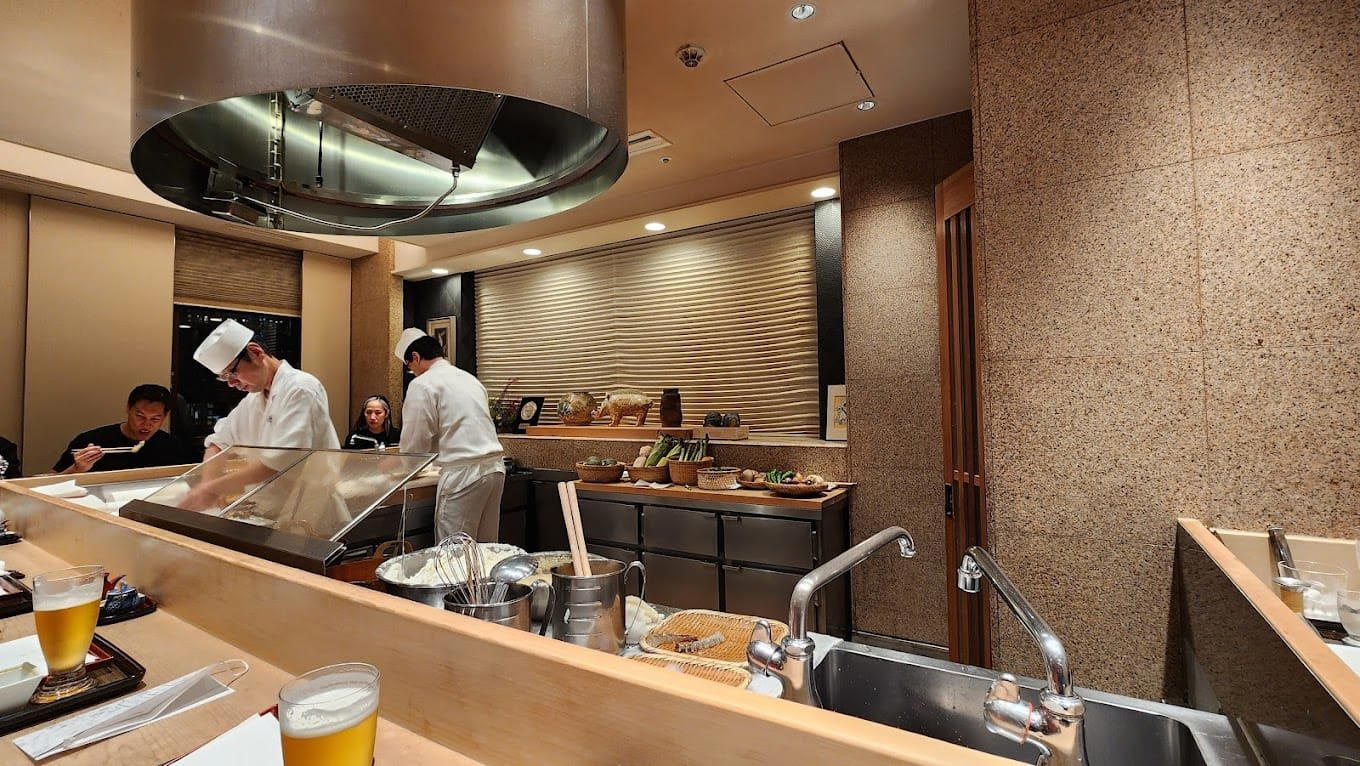
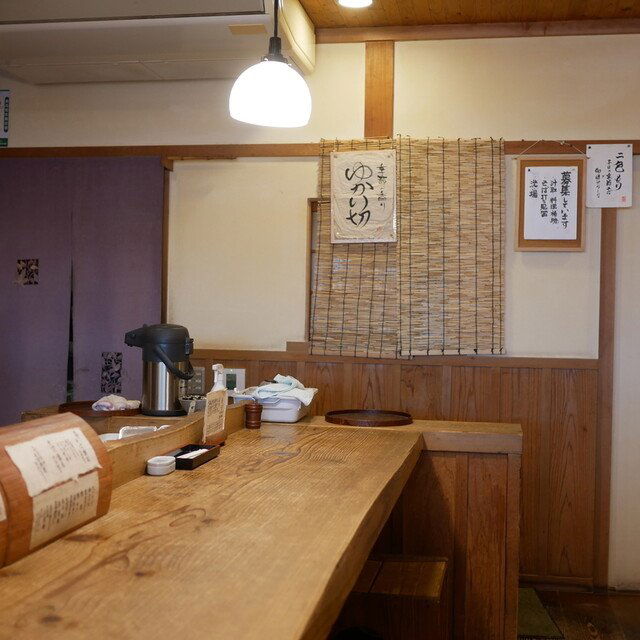
Warm wooden counter seating in a relaxing, intimate space with an open kitchen where the chef personally crafts dishes.
Tags
Vibe
Best For
Experience
At the Table
- Dress Code
- Smart Casual
- Noise Level
- Conversational
- Service Style
- Counter Service
- Meal Pacing
- Leisurely
- Capacity
- Intimate
- Kitchen
- Traditional
- Menu Format
- Omakase, A la carte
- Dietary
- Vegetarian friendly
Signature Dishes
- sarashina soba
- juwari soba
- duck soba
Know before you go
Know Before You Go
- Getting there
- Japan, 〒810-0012 Fukuoka, Chuo Ward, Shirogane, 1 Chome−4−14 原ビル 1F
Planning details
Hours
- Monday
- 11:30 - 20:00
- Wednesday
- 11:30 - 20:00
- Thursday
- 11:30 - 20:00
- Friday
- 11:30 - 20:00
- Saturday
- 11:30 - 20:00
- Sunday
- 11:30 - 20:00
Location
Japan, 〒810-0012 Fukuoka, Chuo Ward, Shirogane, 1 Chome−4−14 原ビル 1F · Directions
Recognition and awards
Also consider
Also Consider
- Chikamatsu: Sushi, Sushi
- Gahoujin 我逢人: Sushi, Sushi
- Genkiippai: Ramen, Ramen
- Matsuyama: Western, Western
- Mihara Tofuten: Tofu, Tofu
Restaurant context
Against Fukuoka's other serious counters, Asago occupies a different category entirely from the sushi-focused venues. Chikamatsu and Gahoujin 我逢人 are both sushi destinations: higher per-head spend, more complex booking logistics, and a format built around fish quality and knife work. If you are choosing between an Asago soba dinner and a sushi omakase, these are different experiences: Asago is the better choice if you want a refined, lower-commitment evening at a nationally recognised level, particularly at lunch where no reservation is needed and the price is under JPY 3,000.
For sheer value, Asago compares favourably against Genkiippai on a different axis: ramen and soba serve different moods and meal contexts, but both sit in the range of Fukuoka's most recognised casual-to-mid counters. Asago's Tabelog 4.00 score and its unbroken Top 100 run give it a stronger credential at the quality tier. Mihara Tofuten is worth considering for a tofu-focused lunch if you want to build a day around traditional Japanese ingredients across multiple stops: the two venues are not in direct competition but complement each other for a Japanese food itinerary in Fukuoka.
For a special occasion dinner where the format matters, Matsuyama (Western) and Asago sit at opposite ends of the cuisine spectrum but similar in booking ease. If your guest prefers European-style courses, Matsuyama is the call. If the occasion is about experiencing a high-level Japanese craft counter in a relaxed setting with sake, Asago is more appropriate and meaningfully less expensive than either of Fukuoka's top sushi counters.
Explore Fukuoka
Around this place
Discover more on Pearl
Unlock the full Asago guide in Pearl, including awards, comparisons, FAQs, planning details, and nearby places.
FAQ
Frequently Asked Questions
Can I eat at the bar at Asago?
Yes: it is the only option. Asago runs an 8-seat counter with no table seating and no private rooms. Every guest sits at the counter, which makes the format intimate but inflexible. If you dislike counter dining, this is not the right venue.
What should a first-timer know about Asago?
Come with cash: credit cards, electronic money, and QR payments are all declined. Lunch (from 11:30) is walk-in only and priced around JPY 2,000–2,999 per head. If you want the omakase course, available from 17:00, you need a phone reservation in advance; last seating is 18:00. Asago has held a spot on the Tabelog Soba Top 100 every year since 2018, so expect demand to outpace its 8-seat capacity.
How far ahead should I book Asago?
For the dinner omakase course, book as early as your schedule allows: the 8-seat counter fills quickly and reservations are accepted by phone (092-526-4582). Lunch requires no reservation, but arriving close to the 11:30 opening improves your chances of a seat. Note that Monday closures are not fixed.
Is Asago good for solo dining?
Yes, and it is one of the better formats for it. A counter-only, 8-seat room is a natural fit for solo diners: there is no awkwardness around table minimums or wasted space. At lunch, you can walk in and spend around JPY 2,000–2,999 without a reservation. The Tabelog score of 4.00 and consecutive Top 100 soba appearances since 2018 make it a credible solo stop for anyone serious about soba in Fukuoka.