Sobakiri Gaku
Soba · Chūō, Osaka
Restaurant in Osaka, Japan
 Book with Pearl
The Read
Kanto-Trained Cold Soba
Price
$20–30per person
Chef
Yuto Kuroda
Dress
Smart Casual
Why go
Sobakiri Gaku holds a Michelin Bib Gourmand (2024 and 2025) for cold, Kanto-style soba served at a counter in central Osaka's Chuo Ward: and it charges only ¥ for the privilege. Chef Yuto Kuroda's ni-hachi noodles are built for texture and fragrance, not broth. Easy to book, focused in format, and strong value for food-curious travellers.
About Sobakiri Gaku
Verdict: A focused, affordable soba counter worth seeking out in Osaka's Chuo Ward
Sobakiri Gaku is easy to get into, booking difficulty is rated low, but that doesn't mean you should be casual about planning your visit. This is a small counter-only room, and it has held a Michelin Bib Gourmand for at least two consecutive years (2024 and 2025), which means it draws a disproportionate number of informed diners relative to its size. Book ahead rather than banking on a walk-in, and go knowing exactly what you're in for: cold soba, a precise dipping sauce, and a room that has been designed to let the noodle speak.
For food-focused travellers passing through Osaka, this is the kind of stop that earns its place on an itinerary. It is priced at the lowest tier, a single ¥, so cost is not a barrier. The question is whether soba, served cold and without broth, is the format you want. If it is, Sobakiri Gaku makes a strong case for itself.
The Room and the Format
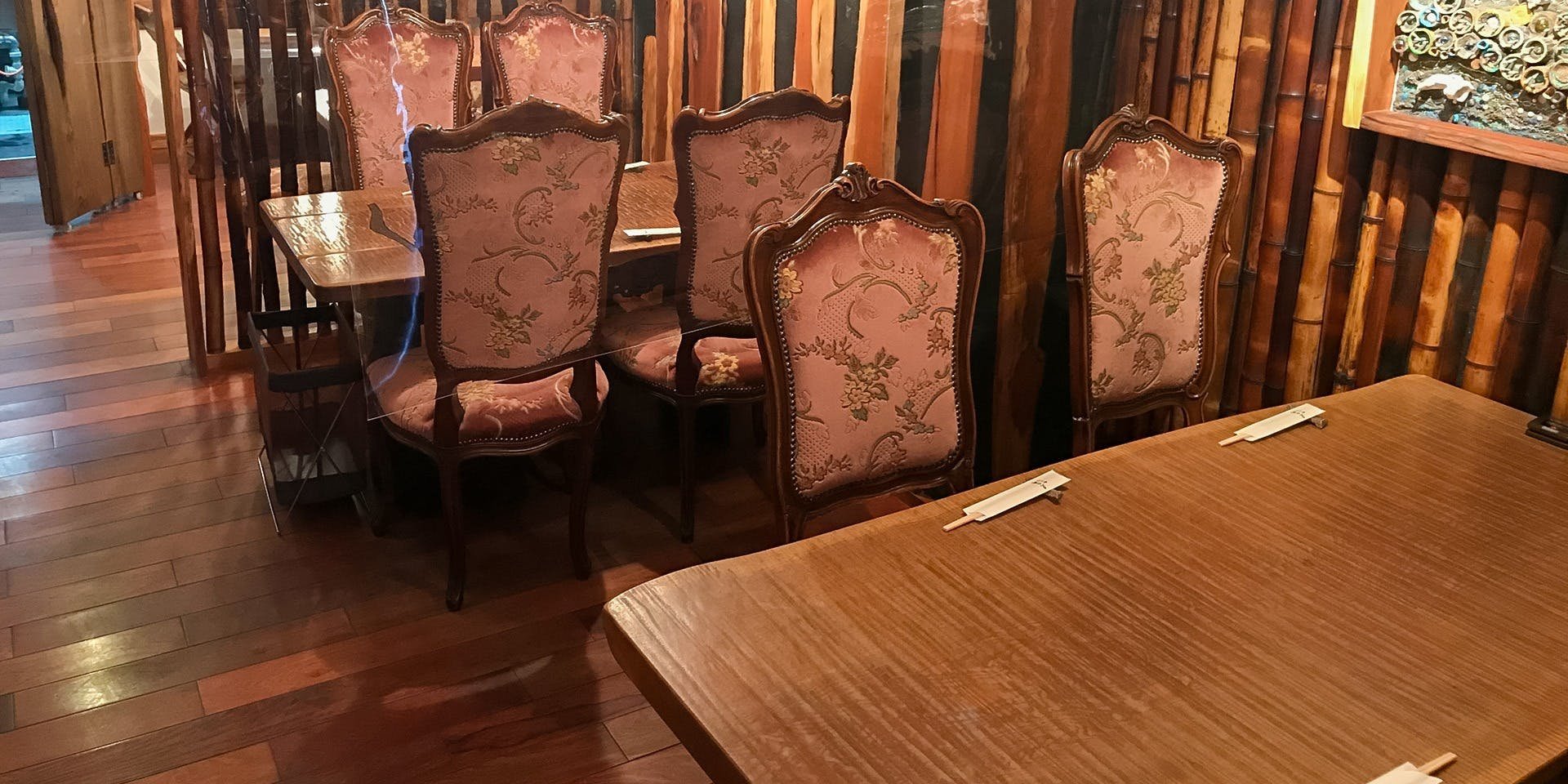
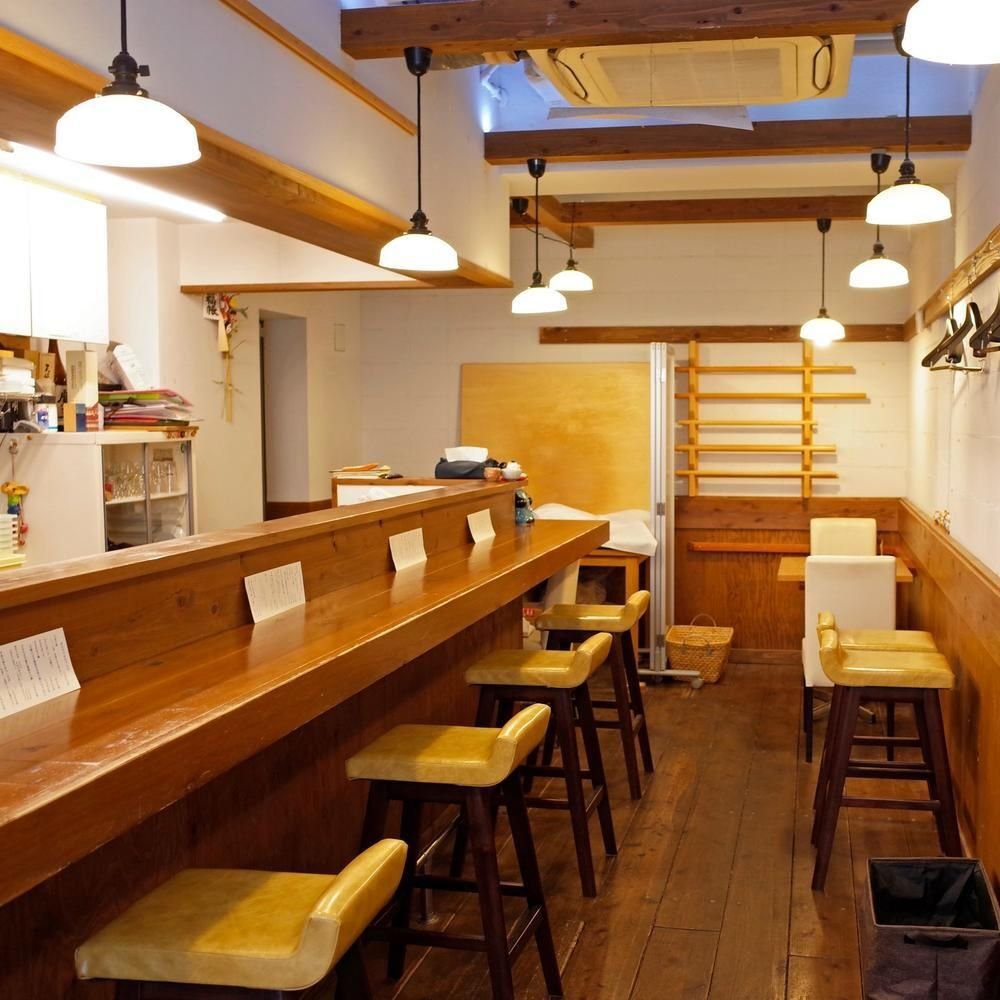
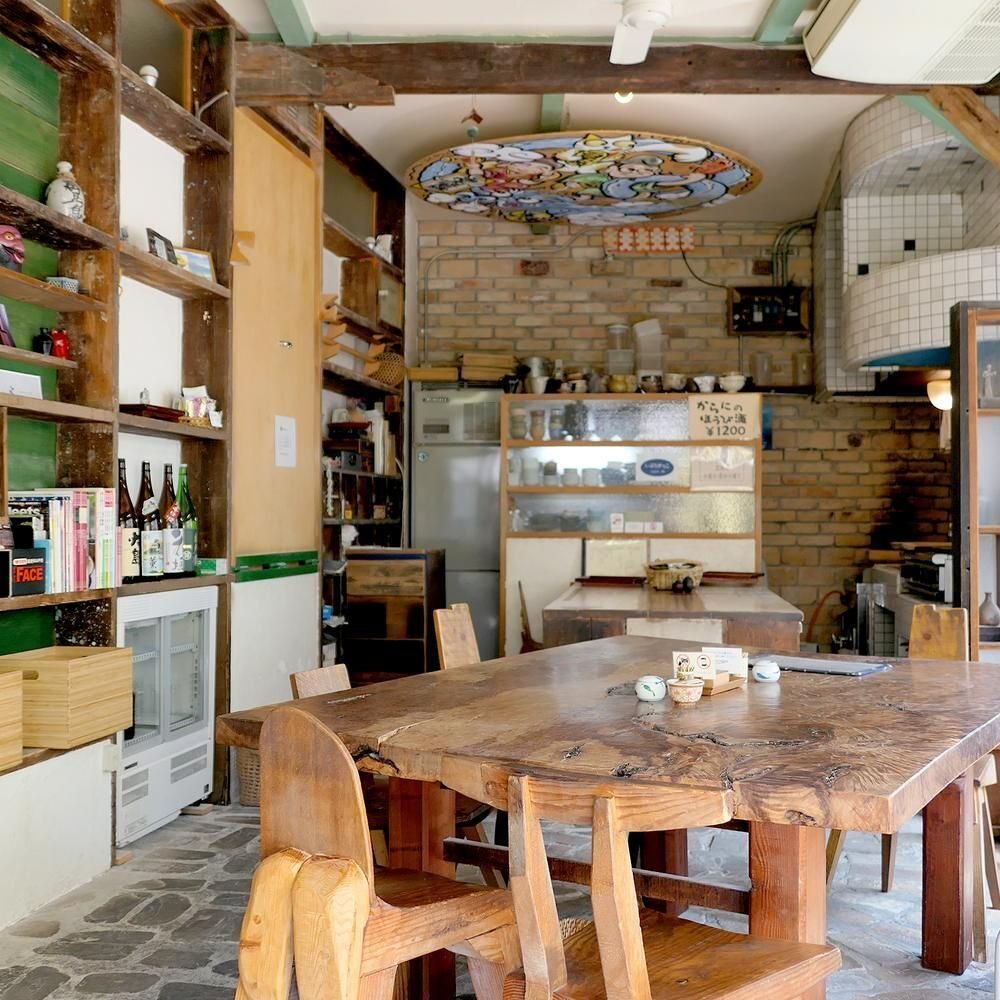
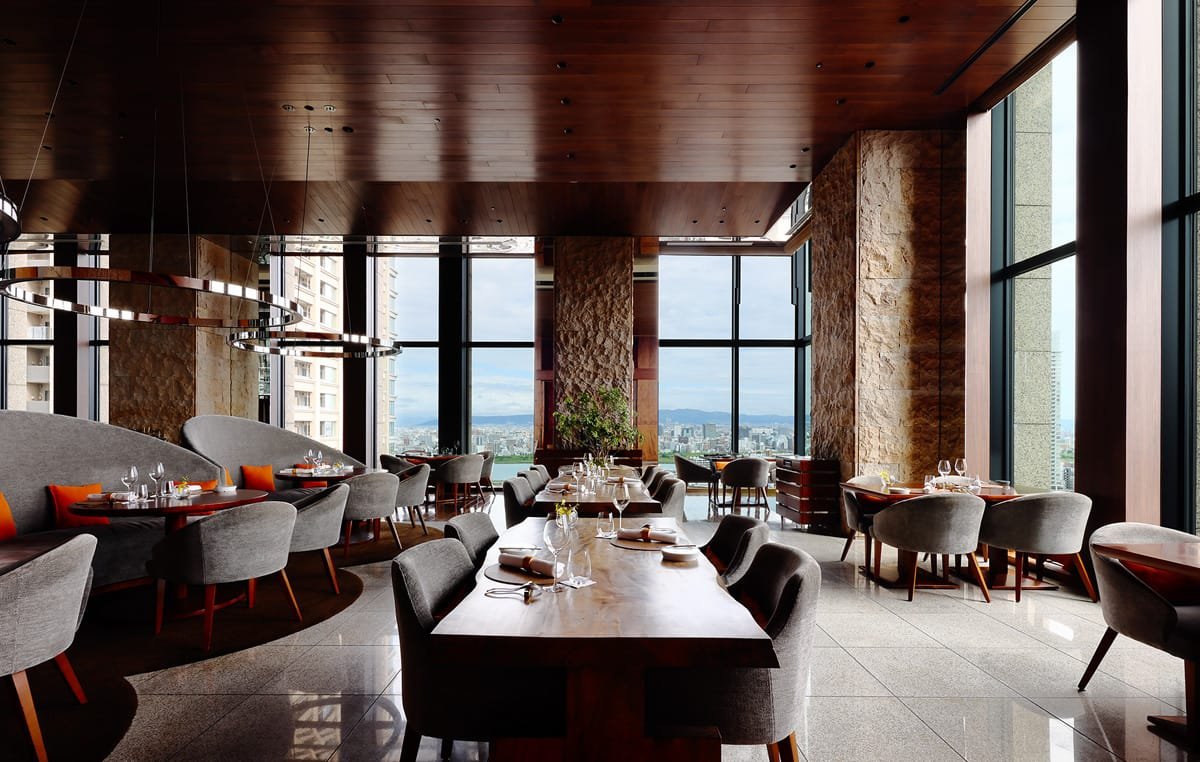
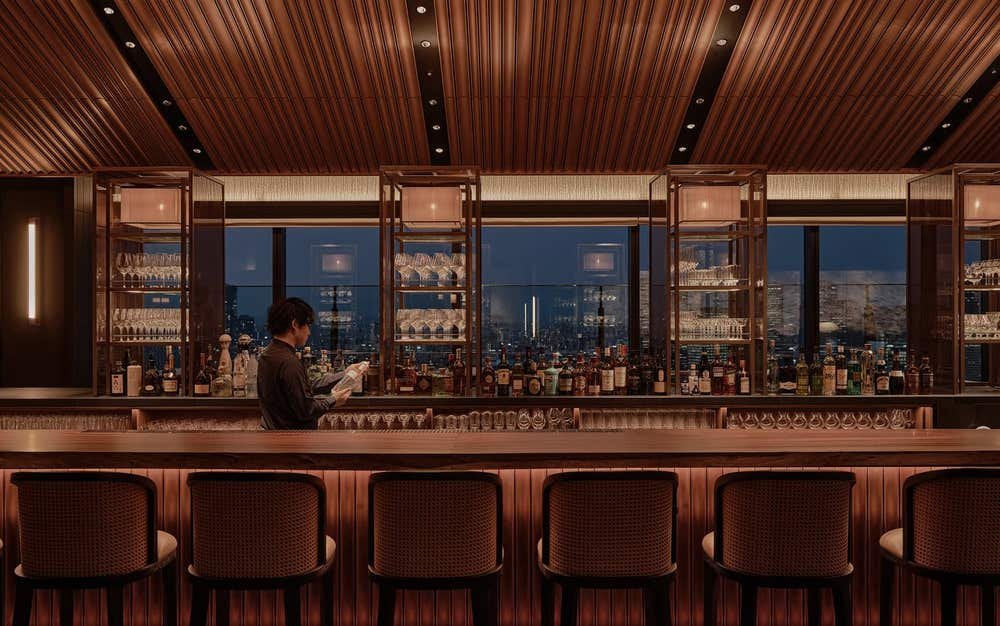
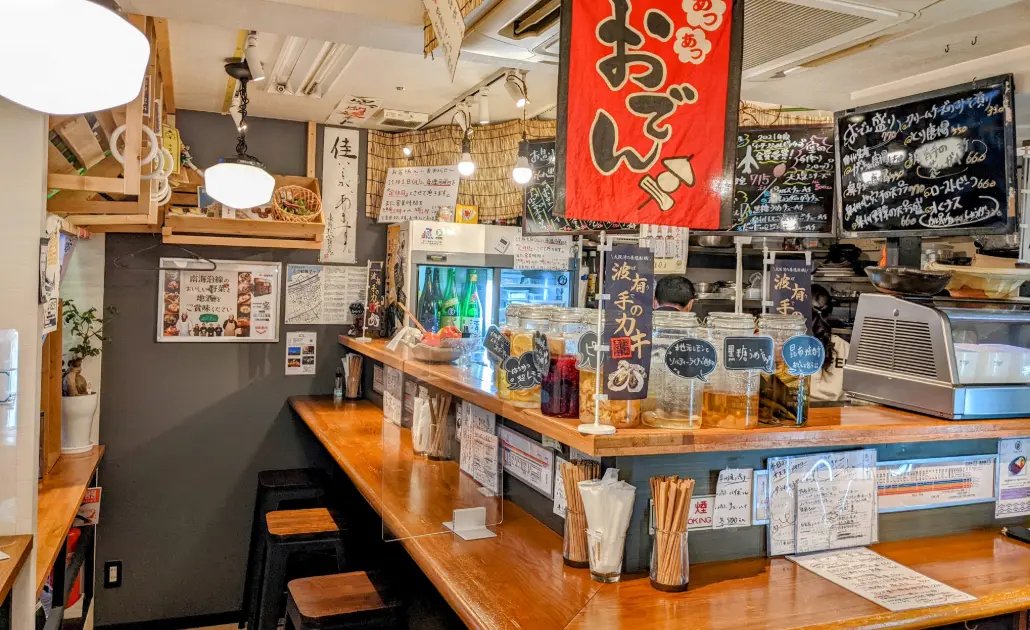
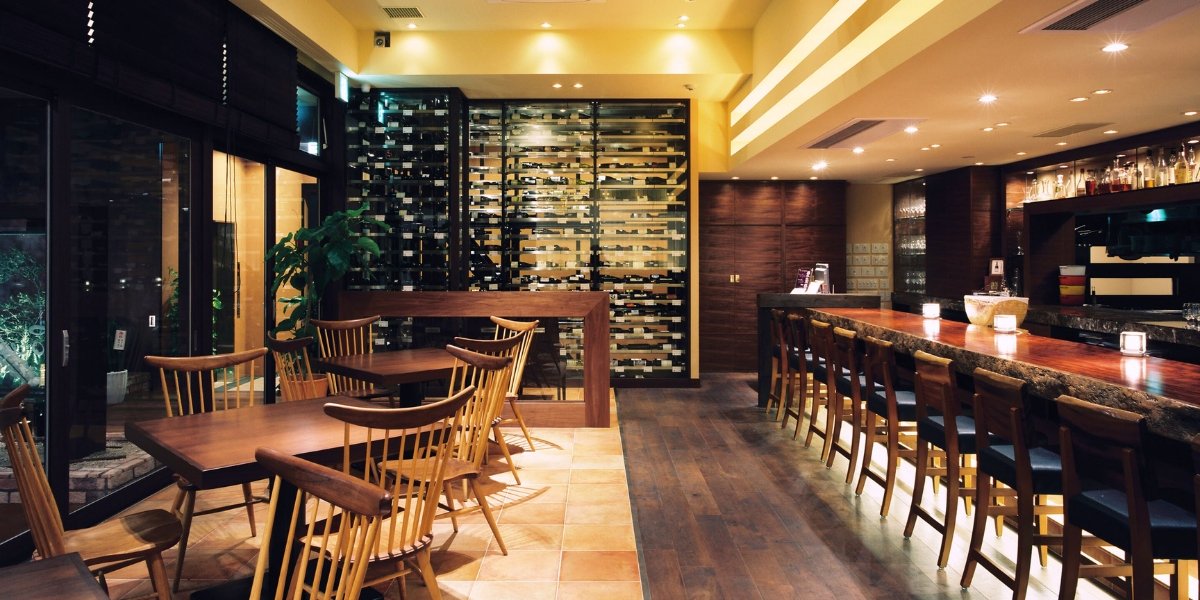
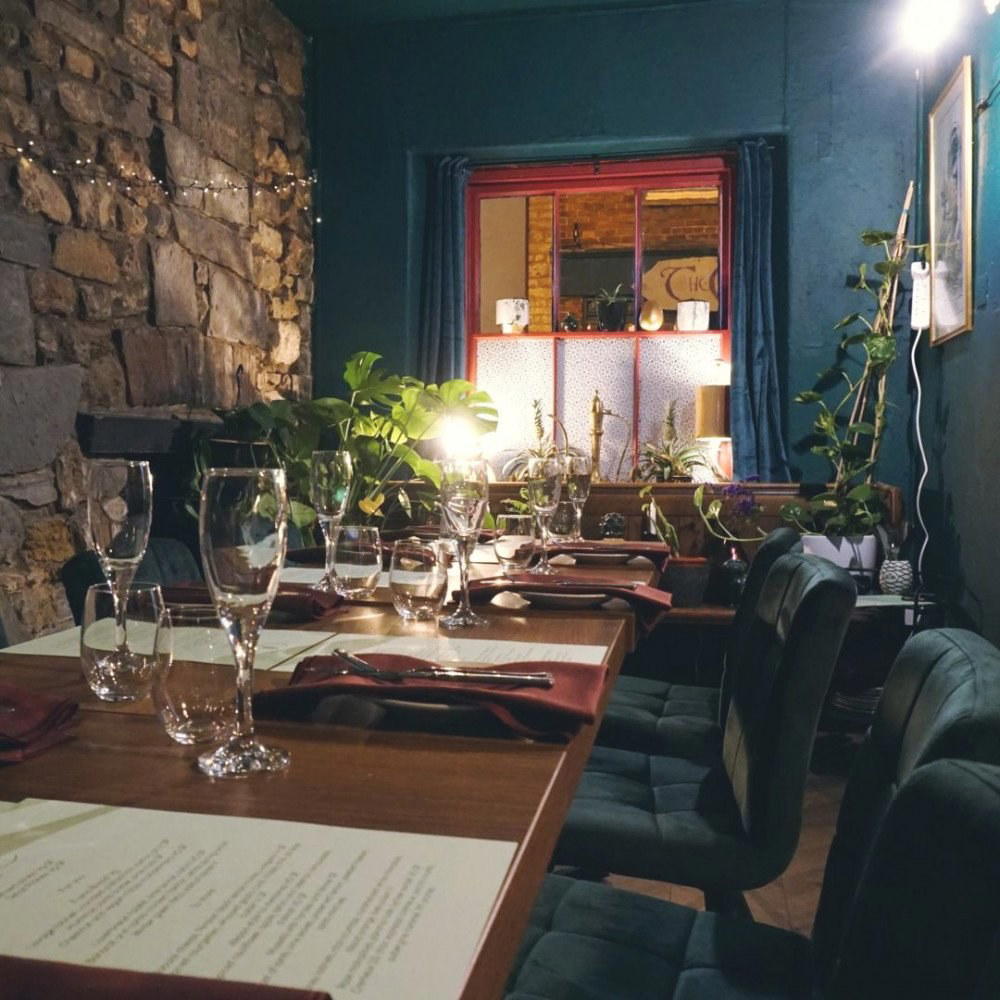
The interior at Sobakiri Gaku is counter seating only, finished with natural materials in a modern register. Visually, it reads as considered without being precious, clean lines, warm textures, nothing competing with the food. For solo diners or pairs, the counter format works well. For groups of three or more, the absence of table seating is worth factoring in before you book: this is not the venue for a celebratory gathering that needs elbow room or conversational privacy.
There is no private dining room here. The counter is the entire experience, and everyone in the room is eating the same format. That is not a weakness, it is a deliberate editorial choice. Chef Yuto Kuroda trained in the Kanto tradition, and the menu reflects that discipline: soba served cold on wicker baskets, presented so that texture, translucency, and grain fragrance register before anything else touches the palate. The ni-hachi blend, 80% buckwheat to 20% wheat flour, is chosen specifically for the way it achieves a clean translucency while holding structural integrity. The dipping sauce, made with kaeshi (soy sauce, sugar, and mirin), is rich and carries the Kanto influence directly into the bowl.
This is a deliberate contrast to the warmer, soup-forward soba styles more common in western Japan. If you are exploring Osaka's soba options more broadly, Naniwa Okina, Ayamedo, Shitennoji Hayauchi, Soba Takama, and Sobadokoro Toki are all worth comparing. For Tokyo soba benchmarks, Akasaka Sunaba and Azabukawakamian offer a useful frame of reference for the Kanto style that informs Kuroda's approach.
The Name and the Commitment
Gaku translates as 'mountain and sky', a framing the chef uses to describe an ongoing commitment to higher standards rather than a fixed destination. That context is worth having, not because it changes the meal, but because it signals the seriousness behind what could otherwise read as a simple, inexpensive noodle counter. The Bib Gourmand recognition in both 2024 and 2025 is the external validation: Michelin's inspectors found quality here that exceeded what the price point would lead you to expect.
Who Should Book
Sobakiri Gaku is the right call for food-focused travellers who want a high-quality, low-cost lunch or dinner in central Osaka, specifically those with an interest in the craft of soba. The ¥ price tier means you can eat well here without it functioning as a budget compromise, it is priced this way because soba, done properly, does not require expensive ingredient lists. The Bib Gourmand is Michelin's explicit signal that the value-to-quality ratio is strong.
Solo diners and pairs are the natural audience. The counter format is suited to focused eating and, if you are inclined, watching the preparation. Groups wanting a shared-table experience or a private room for a special occasion should look elsewhere in Osaka's dining landscape. For that kind of setting, Kashiwaya Osaka Senriyama or Taian offer kaiseki formats with the space and ceremony that a celebration warrants.
If you are building a broader Kansai itinerary, Sobakiri Gaku pairs naturally with a visit to Gion Sasaki in Kyoto or akordu in Nara for a regional sweep of serious cooking at different price points. See also our full Osaka restaurants guide for a wider view of the city's dining options, alongside our Osaka hotels guide, bars guide, wineries guide, and experiences guide.
Ratings
- Awards: Michelin Bib Gourmand 2024, 2025
Know Before You Go
- Address
- 7 Chome-1-54 Tanimachi, Chuo Ward, Osaka, 542-0012, Japan
- Cuisine
- Soba (cold, ni-hachi style, Kanto-influenced)
- Price tier
- ¥, among the most accessible Michelin-recognised venues in Osaka
- Seating
- Counter only; no private dining room
- Leading for
- Solo diners, pairs, food-focused travellers
- Booking difficulty
- Easy, but book ahead given the counter size and Bib Gourmand profile
- Chef
- Yuto Kuroda
- Awards
- Michelin Bib Gourmand 2024 and 2025
More to Explore in Japan
Planning details
- Hours
- Monday: Closed · Tuesday: 11:30 AM–2 PM, 6–8:30 PM
- Location
- 7 Chome-1-54 Tanimachi, Chuo Ward, Osaka, 542-0012, Japan
- Website
- instagram.com/gakuu_soba
- Phone
- +81 6-7708-1515
The take
The Take
The Vibe
Sobakiri Gaku presents a quiet, highly focused take on soba in Tanimachi. The room reads as modern Japanese minimalism (natural materials, counter seating and a deliberate absence of visual noise) so the experience centers on texture, grain and technique rather than theatrics. Chef Yuto Kuroda’s ni-hachi approach and the ritual of cold noodles served on wicker baskets reinforce a measured, sophisticated atmosphere. It feels intentionally restrained: a small, serious counter that asks you to slow down and pay attention to the noodle as craftsmanship rather than background dining.
Best For
This is a destination for diners who prize technical precision over spectacle. The counter layout and focused service make it especially well suited to solo diners and intimate two-top evenings where conversation thins around the food. Sobakiri Gaku also rewards special-occasion meals for people who want a disciplined, ingredient-forward experience: think careful soba blending and pristine tempura rather than boisterous group dining. Expect a deliberate, contemplative meal that centers on the noodle and its preparation.
Ordering Tips
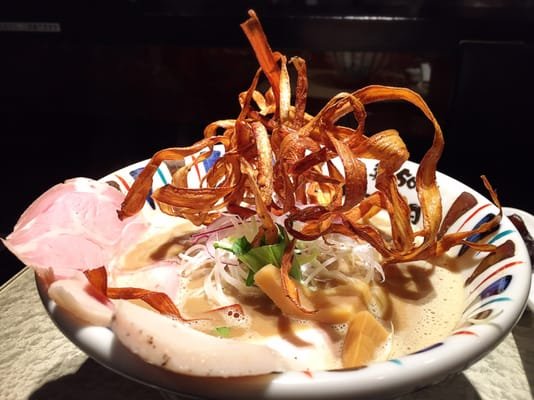
Lean into the house signatures: try the もりそば (cold soba on a wicker basket) to judge the ni-hachi translucency and the 天ぷら盛り for contrast in texture; the 炙り〆鯖寿司 is a recommended starter. Sit at the counter to appreciate the kneading and cutting technique and to experience the service rhythm firsthand. The menu and interior signal a quiet, reverent approach to soba: avoid large, loud groups and come ready to focus on the subtleties of grain, temperature and timing.
Venue details
Ambiance
Soft lighting with fine-grained wood interiors, hushed and serene atmosphere with an open counter showcasing the chef's precise movements.
Tags
Vibe
Best For
Experience
Sourcing
At the Table
- Dress Code
- Smart Casual
- Noise Level
- Quiet
- Service Style
- Upscale Casual
- Meal Pacing
- Leisurely
- Capacity
- Intimate
- Kitchen
- Traditional
- Menu Format
- A la carte, Counter dining
- Drinks Focus
- Sake program
Signature Dishes
- 炙り〆鯖寿司
- もりそば
- 天ぷら盛り
Know before you go
Know Before You Go
- Getting there
- 7 Chome-1-54 Tanimachi, Chuo Ward, Osaka, 542-0012, Japan
Planning details
Hours
- Monday
- Closed
- Tuesday
- 11:30 AM–2 PM, 6–8:30 PM
- Wednesday
- 11:30 AM–2 PM, 6–8:30 PM
- Thursday
- 11:30 AM–2 PM, 6–8:30 PM
- Friday
- 11:30 AM–2 PM, 6–8:30 PM
- Saturday
- 11:30 AM–2 PM, 6–8:30 PM
- Sunday
- Closed
Location
7 Chome-1-54 Tanimachi, Chuo Ward, Osaka, 542-0012, Japan · Directions
Also consider
Also Consider
- HAJIME: French, Innovative, ¥¥¥¥
- La Cime: French, ¥¥¥¥
- Kashiwaya Osaka Senriyama: Japanese, ¥¥¥
- Taian: Kaiseki, Japanese, ¥¥¥
- Fujiya 1935: Innovative, ¥¥¥¥
Restaurant context
Sobakiri Gaku occupies a different tier entirely from most of Osaka's Michelin-recognised dining. HAJIME, La Cime, and Fujiya 1935 are all ¥¥¥¥ venues built around tasting menus, long evenings, and serious spend. Sobakiri Gaku is ¥, counter-only, and focused entirely on soba. These venues are not in competition: they answer different questions. If your Osaka visit includes one high-spend tasting menu dinner, HAJIME's innovative French-Japanese format and La Cime's precision make the strongest cases. Sobakiri Gaku is what you do for lunch on the same trip.
Against Japanese-format peers, Kashiwaya Osaka Senriyama and Taian sit at ¥¥¥ and deliver kaiseki experiences with the space, ceremony, and course structure suited to special occasions or group dining. If you need a private or group setting, either of those two handles it in ways Sobakiri Gaku simply cannot: there is no private room and no table seating. But for value-conscious, food-focused solo diners or pairs, Sobakiri Gaku's back-to-back Bib Gourmand awards at a fraction of the price make it the stronger per-yen proposition.
Within the soba category specifically, Sobakiri Gaku's Michelin recognition sets it apart from most competitors in Osaka. The Kanto-trained approach to cold soba and kaeshi sauce is a specific style choice: if you want to compare it against Tokyo soba benchmarks, Akasaka Sunaba and Azabukawakamian operate in a similar tradition. For Osaka soba alternatives without the Michelin flag, Naniwa Okina and Sobadokoro Toki are the natural comparisons.
Explore Osaka
Around this place
Discover more on Pearl
Unlock the full Sobakiri Gaku guide in Pearl, including awards, comparisons, FAQs, planning details, and nearby places.
Compare Sobakiri Gaku
| Venue | Awards | Price |
|---|---|---|
| Sobakiri Gaku | Michelin Guide Kyoto Osaka 20262026 Bib GourmandTabelog 100 - Soba - WEST - 2025 · #912025 Michelin Bib Gourmand2024 Michelin Bib Gourmand | ¥ |
| HAJIME | Star Wine Lists 2026 · #12026 Tabelog Bronze · #922026 OAD Top Restaurants in Japan Ranked · #98Michelin Guide Kyoto Osaka 20262026 La Liste Top RestaurantsTabelog 100 - Innovative / Creative cuisine - 2025 · #692025 Asia's 50 Best Restaurants · #832025 OAD Top Restaurants in Japan Ranked · #87We're Smart World Top Restaurants 2025 | ¥¥¥¥ |
| La Cime | 2026 Asia's 50 Best Restaurants · #132026 OAD Top Restaurants in Japan Ranked · #1492026 Tabelog Bronze · #231Michelin Guide Kyoto Osaka 20262026 La Liste Top Restaurants2025 Asia's 50 Best Restaurants · #82025 World's 50 Best Restaurants · #44Tabelog 100 - French - WEST - 2025 · #932025 OAD Top Restaurants in Japan Ranked · #123 | ¥¥¥¥ |
| Kashiwaya Osaka Senriyama | 2026 Tabelog Bronze · #1682026 OAD Top Restaurants in Japan Recommended2026 Relais Chateaux RestaurantsMichelin Guide Kyoto Osaka 20262026 La Liste Top RestaurantsTabelog 100 - Japanese cuisine - WEST - 2025 · #772025 OAD Top Restaurants in Japan Ranked · #1552025 Relais Chateaux Award2025 Michelin 3 Stars | ¥¥¥ |
| Taian | 2026 OAD Top Restaurants in Japan RecommendedMichelin Guide Kyoto Osaka 20262026 La Liste Top Restaurants2025 OAD Top Restaurants in Japan Ranked · #2042025 La Liste Top Restaurants2025 Michelin 3 Stars2024 OAD Top Restaurants in Japan Ranked · #1912024 Michelin 3 Stars2023 OAD Top Restaurants in Japan Highly Recommended | ¥¥¥ |
| Fujiya 1935 | 2026 Tabelog Bronze · #752026 OAD Top Restaurants in Japan RecommendedMichelin Guide Kyoto Osaka 20262026 La Liste Top Restaurants2025 Michelin 2 Stars2025 Tabelog Silver2025 La Liste Top Restaurants2024 OAD Top Restaurants in Japan Ranked · #2392024 Michelin 2 Stars | ¥¥¥¥ |
.png?width=1200&quality=80)









Key differences to consider before you reserve.
FAQ
Frequently Asked Questions
What should a first-timer know about Sobakiri Gaku?
Seating is counter only, so this is a solo or two-person format: don't bring a group expecting a table. Chef Yuto Kuroda's soba is served cold on wicker baskets rather than in soup, which is the whole point: you're tasting the grain's fragrance and texture directly. The dipping sauce reflects his Kanto training, which gives it a richer, soy-forward character than you'd find at a typical Osaka soba-ya. At ¥ pricing with two consecutive Michelin Bib Gourmand wins (2024 and 2025), the value-to-quality ratio is hard to beat in central Osaka.
Is Sobakiri Gaku good for a special occasion?
For a low-key, food-focused occasion with a partner or close friend, yes: two Michelin Bib Gourmand years running gives it enough credibility to mark a moment. That said, counter seating at ¥ pricing means the setting is intimate and considered rather than celebratory. If you need a private room, a long multi-course meal, or a wine list, Taian or La Cime in Osaka serve that purpose far better. Sobakiri Gaku works best as a special lunch rather than a formal dinner occasion.
How far ahead should I book Sobakiri Gaku?
Booking difficulty is rated low, so you don't need weeks of lead time the way you would for Taian or Kashiwaya. A few days ahead is typically sufficient, though Michelin Bib Gourmand recognition since 2024 has lifted its profile, so midweek visits carry less risk than weekend peak hours.
Is the tasting menu worth it at Sobakiri Gaku?
Sobakiri Gaku is a soba specialist, not a multi-course tasting menu venue: the format centres on cold ni-hachi soba served with kaeshi dipping sauce, not a progression of dishes. At ¥ pricing, the question isn't whether a tasting menu justifies the cost; it's whether focused, high-craft soba is what you're after. If you want a full kaiseki or tasting progression, Fujiya 1935 or La Cime are the appropriate options in Osaka. Come here for precision soba, not a long meal.
What should I order at Sobakiri Gaku?
The soba itself is the reason to be here: ni-hachi style (80% buckwheat, 20% wheat), served cold on wicker baskets with kaeshi dipping sauce. Chef Kuroda's stated goal is a translucency in the noodle that signals correct hydration and technique, so paying attention to that texture is the point of the visit. The kitchen operates around the soba, so order accordingly rather than treating secondary items as the focus.