

2026 Falstaff Winery Guide: The Ultimate Wine Authority — Page 87
Falstaff's 2026 Wineries guide.

Venues on this list
Bóna Winery
Nove Zamky, Slovakia
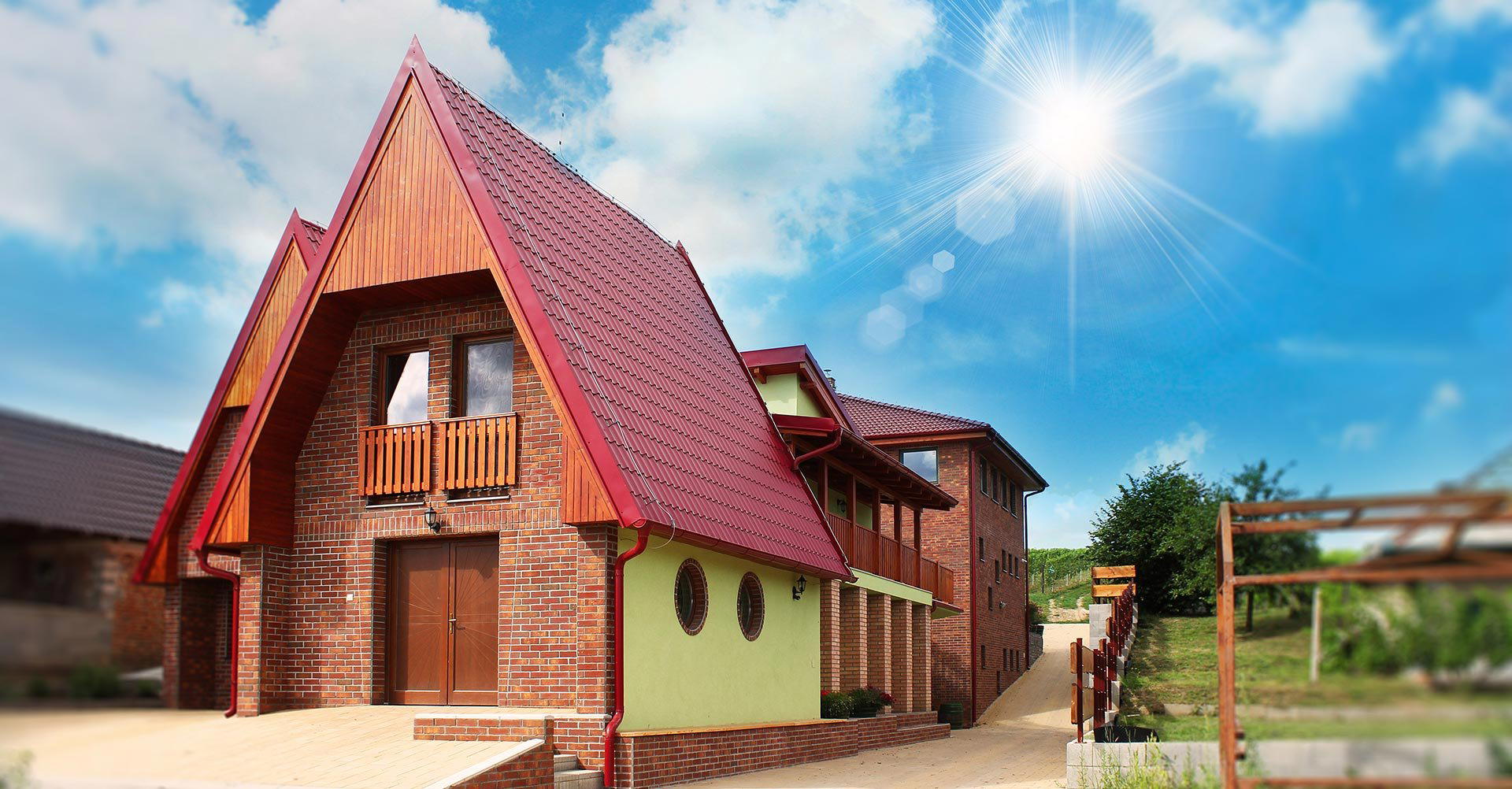
Bóna Winery is worth booking if you want a small-format Southern Slovakia tasting rather than a polished, high-volume cellar door. The 20-person room makes it better for couples, small groups, and special occasions, especially if you care about guided context. Falstaff Listed in 2026, it offers a credible $$ stop for wine drinkers curious about estate-grown local styles.
Bonnigal-Bodet
Limeray, France
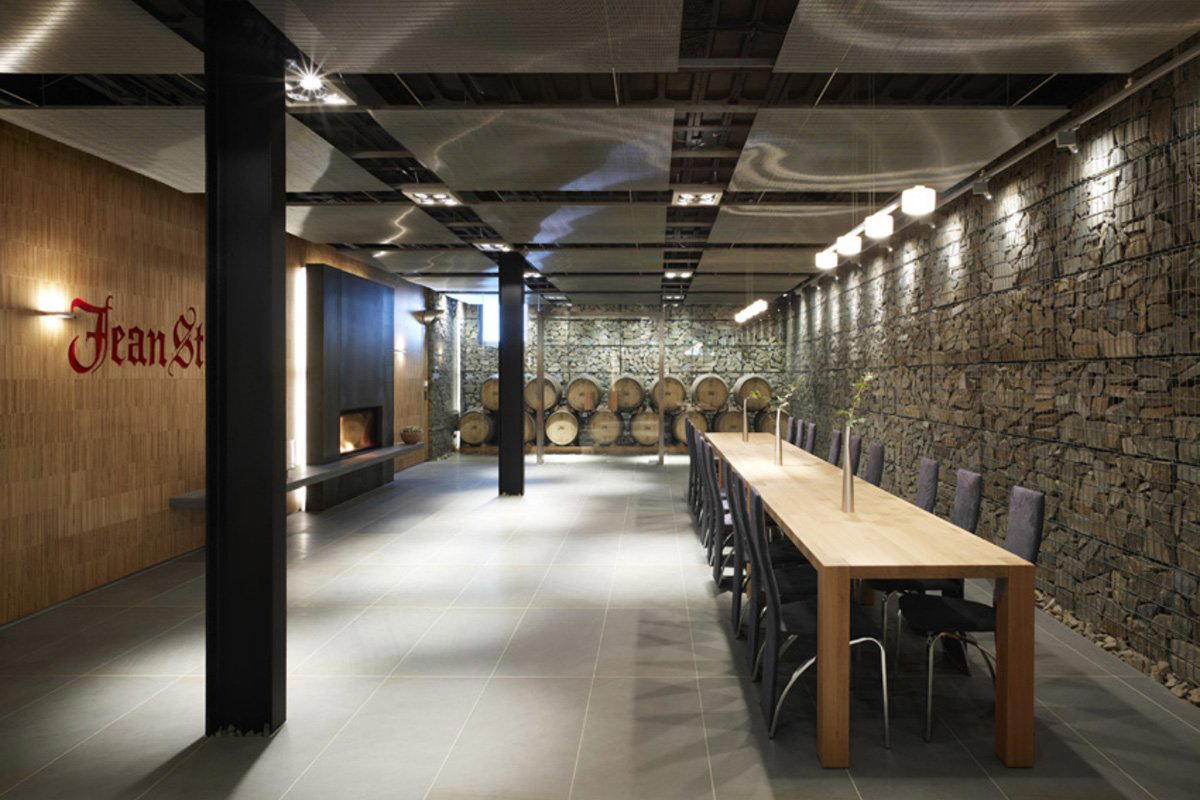
Book Bonnigal-Bodet if the point of the visit is production depth rather than polished wine-tourism theatre. This $$ Loire estate is strongest for Chenin Blanc, Sauvignon Blanc, organic and biodynamic farming, and a quiet rural tasting near Amboise; it is less suited to large groups or travelers who want a heavily programmed hospitality setup.
Domaine Faiveley
Nuits-Saint-Georges, France
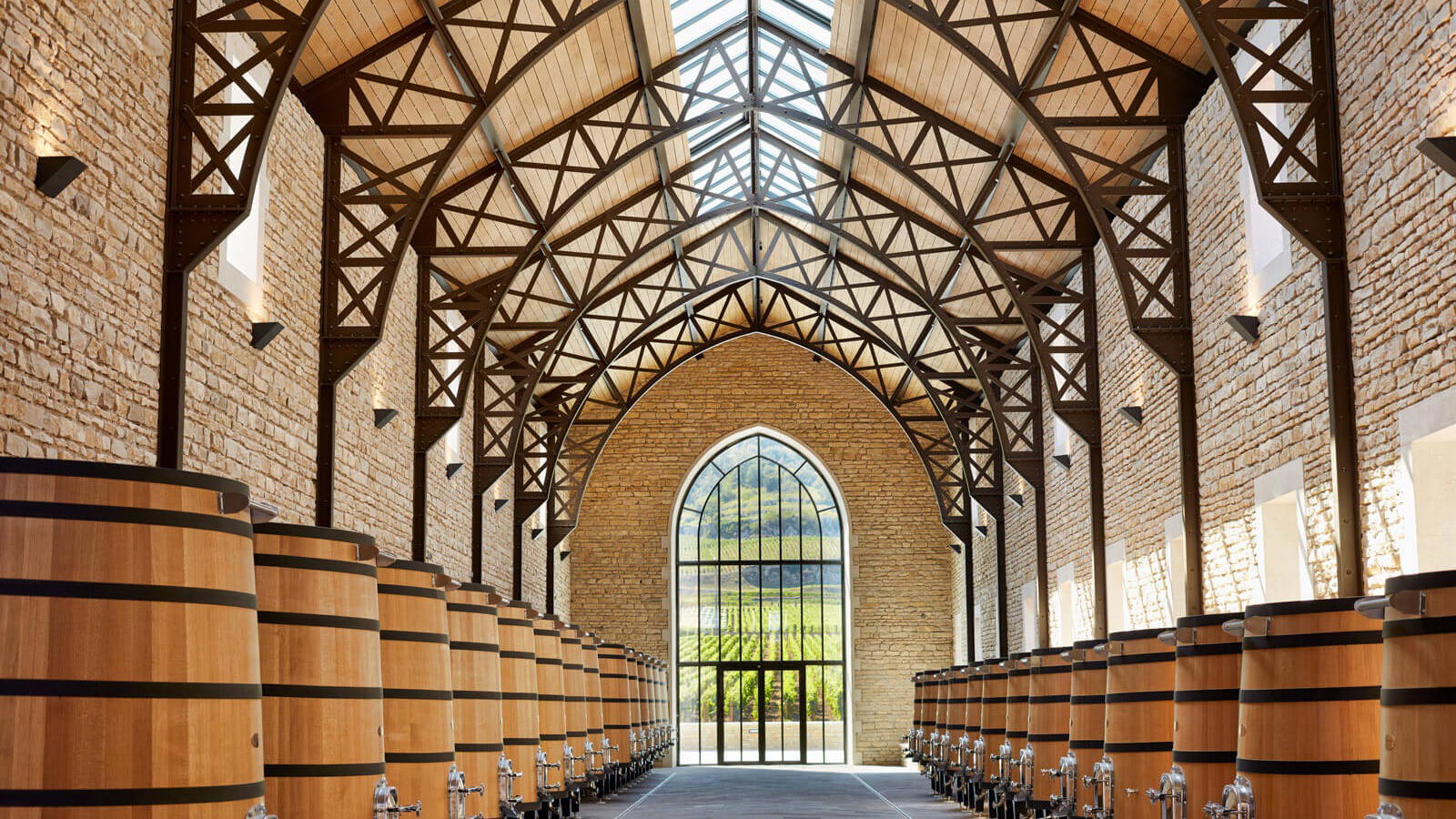
Domaine Faiveley is a winery on Rue du Tribourg in Nuits-Saint-Georges.
Domaine Butticaz en Dézaley
Puidoux, Switzerland
Book Domaine Butticaz en Dézaley if the goal is a focused Lavaux appointment built around Chasselas and Dézaley Grand Cru context. It suits serious wine travelers better than casual walk-in tasters, with Falstaff 3 Stars in 2026 adding a useful quality signal and appointment-only access making advance planning essential.
Fyrmonia Organic Winery
Ruban, France
Fyrmonia Organic Winery is worth booking if the goal is an intimate Ruban-area tasting rather than a large estate visit. Expect a small farmhouse setting, a focused Fűr vineyard-hill story, and a portfolio where Kékfrankos, Riesling, Pinot noir, Frizzante, and aromatic whites show an emerging producer still defining its range.
Giant Steps
Yarra Valley, Australia
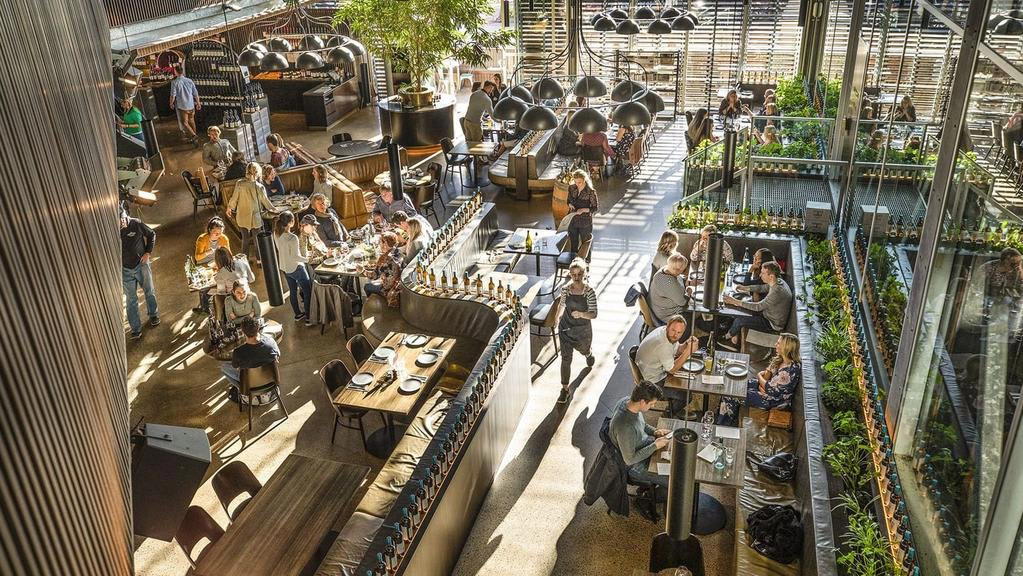
Giant Steps is worth prioritizing if your Yarra Valley day is built around serious wine rather than a long estate lunch. Make it the anchor stop in Healesville, then compare it with TarraWarra Estate, Oakridge Wines, Levantine Hill, Dominique Portet, or Four Pillars Distillery depending on whether the group wants wine, food, scenery, or a spirits detour.
Domaine de Fischer
Bougy Villars, Switzerland
Worth considering for a quiet, wine-first Vaud stop if Féchy Grand Cru context matters more than a formal food-pairing program. Domaine de Fischer is Falstaff Listed for 2026 and suits small groups looking for heritage, estate-grown fruit, and a traditional Swiss family-estate feel rather than a high-service tasting-room setup.
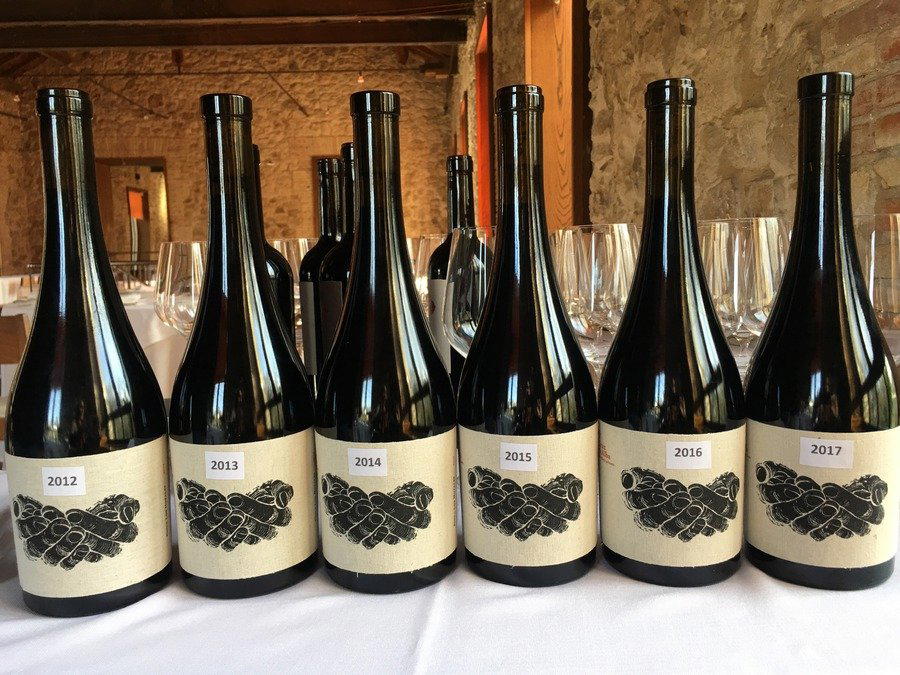
Bodegas Cruz de Alba
Quintanilla de Onésimo, Spain
A serious Ribera del Duero winery option for travellers who are planning a wine-focused day in Quintanilla de Onésimo, not a casual walk-in stop. Bodegas Cruz de Alba works if estate context matters and the schedule can be arranged in advance; less suitable for groups that need simple, confirmed logistics.
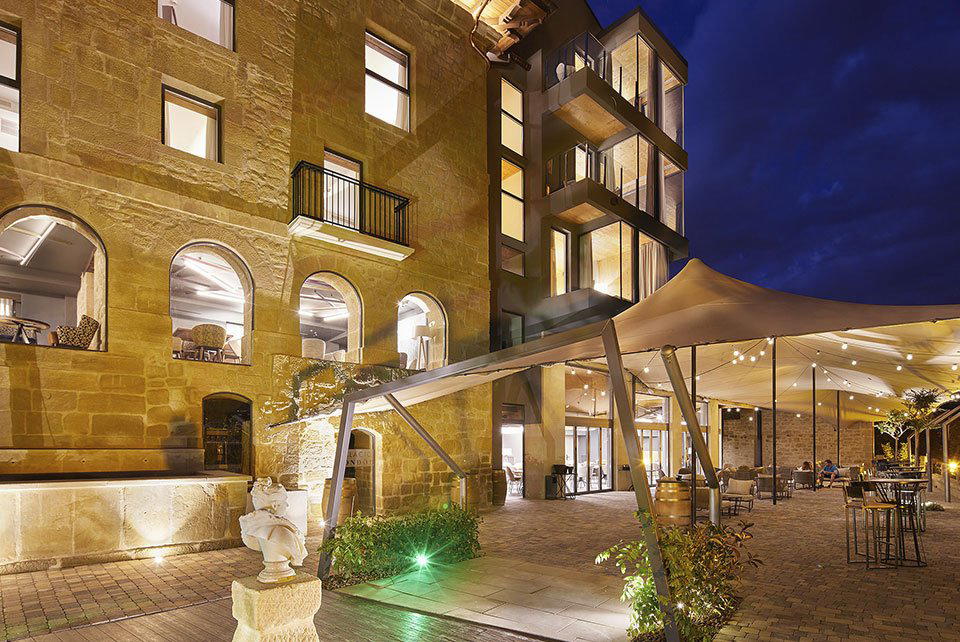
Bodegas del Marqués de Vargas
Logroño, Spain
Book this for a deeper Rioja estate visit rather than a casual tasting-room stop. Bodegas del Marqués de Vargas is strongest for travelers who care about vineyard context, mature vines, parcel work, and a classic château-style setting near Logroño. It is less suited to flexible walk-up planning or groups looking for a quick social pour.
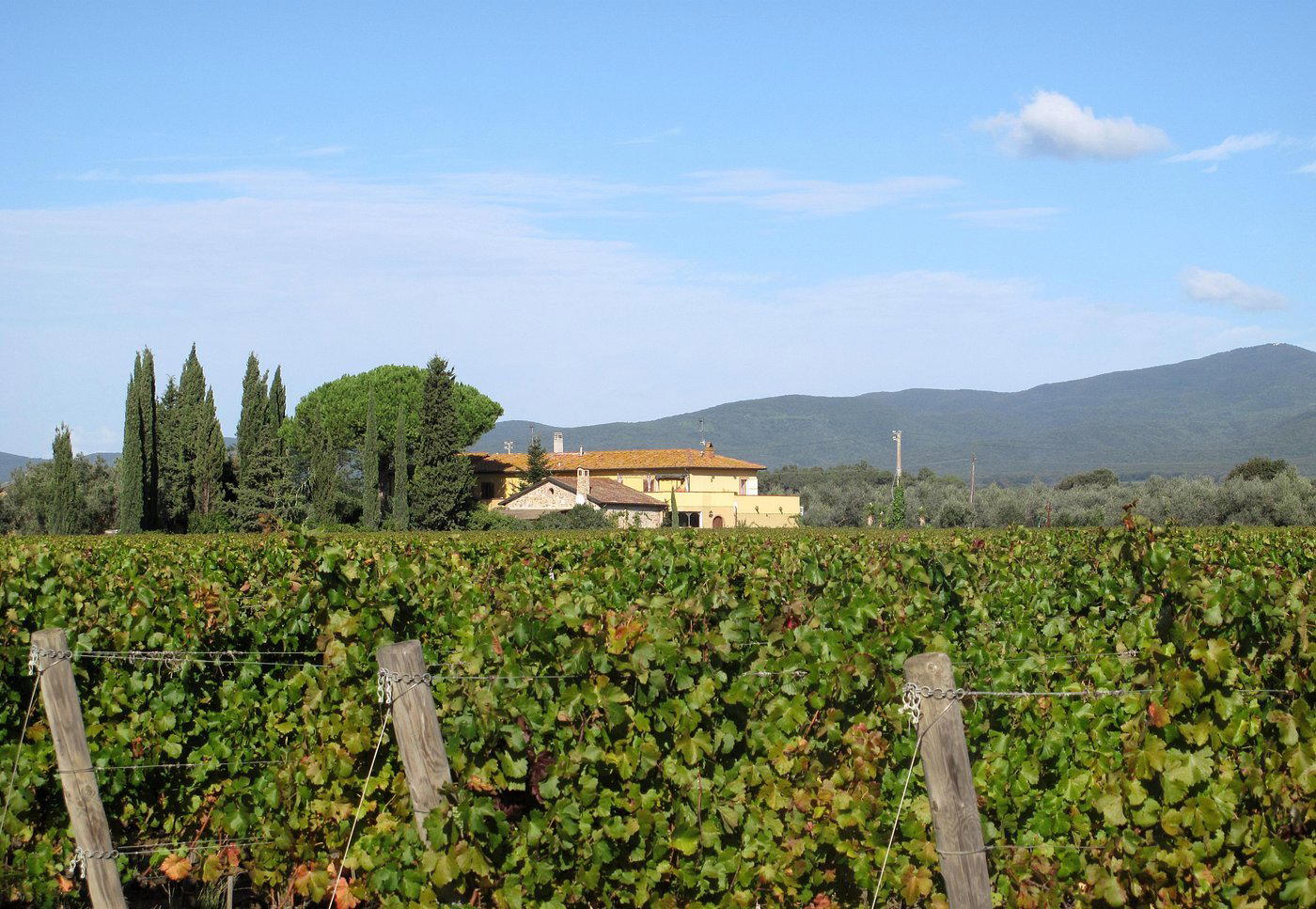
Batzella
Castagneto Carducci, Italy
Batzella is worth booking if you want a quiet Bolgheri tasting where the vineyard setting helps explain the wines. The appeal is educational rather than showy: Cabernet-focused bottles, small-estate scale, and a relaxed cellar-and-vineyard format in Castagneto Carducci.
Ktima Foundi
Strantza Naoussa, Greece
Book Foundi Estate if the priority is traditional Naoussa Xinomavro in a quiet, family-run setting. The value is less about luxury hospitality and more about understanding a classic local style, then choosing bottles with aging potential. It is a strong fit for couples and serious wine drinkers, less ideal for large groups seeking a high-production tasting experience.
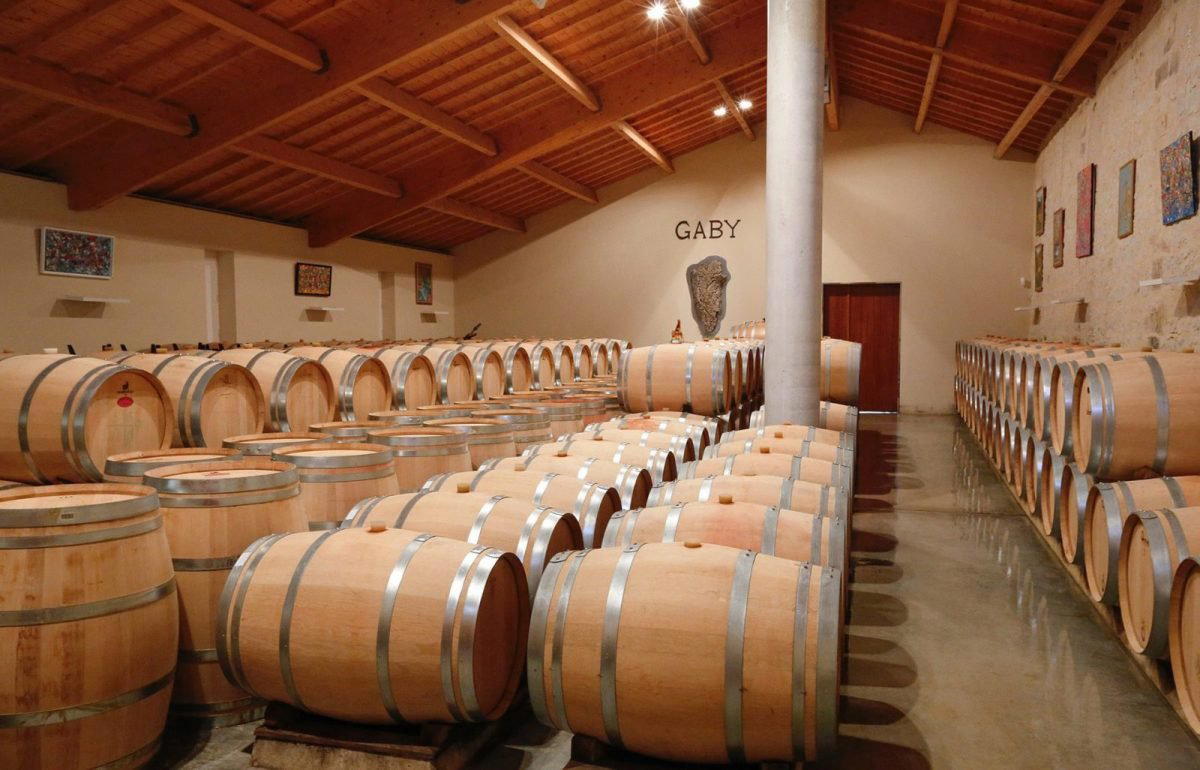
Château Gaby
Fronsac, France
For 2026 Fronsac planning, Château Gaby works when the goal is a calm château setting with credible winery recognition rather than a heavily choreographed tasting. It suits a date, anniversary, or client-friendly wine stop, especially if paired with a broader Fronsac route.
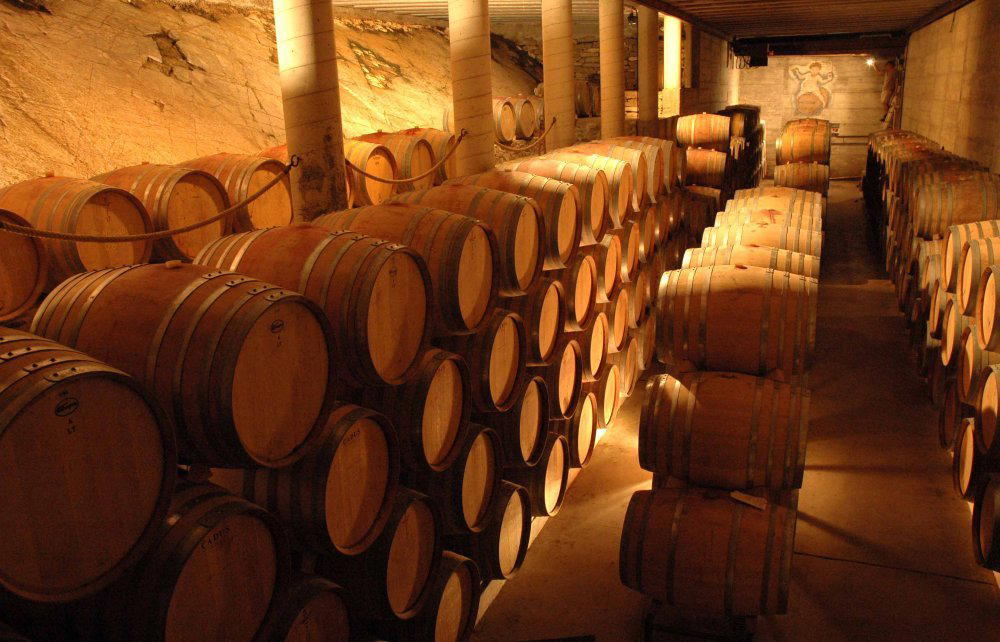
Clos Mogador
Gratallops, Spain
Prioritize Clos Mogador if the trip is about serious Priorat access, not casual tasting-room convenience. It is a better fit for allocation-minded drinkers and focused wine travelers than for large groups or food-led itineraries; build the Gratallops day around the confirmed slot first, then add meals, lodging, and backup winery options.
Gallo Sonoma
Healdsburg, United States
A practical Healdsburg wine stop for travelers who want Sonoma context without making one tasting the whole point of the day. Gallo Sonoma has Falstaff recognition for 2026, so it has a credible signal, but the better play is to use it as a flexible slot within a broader Healdsburg itinerary.
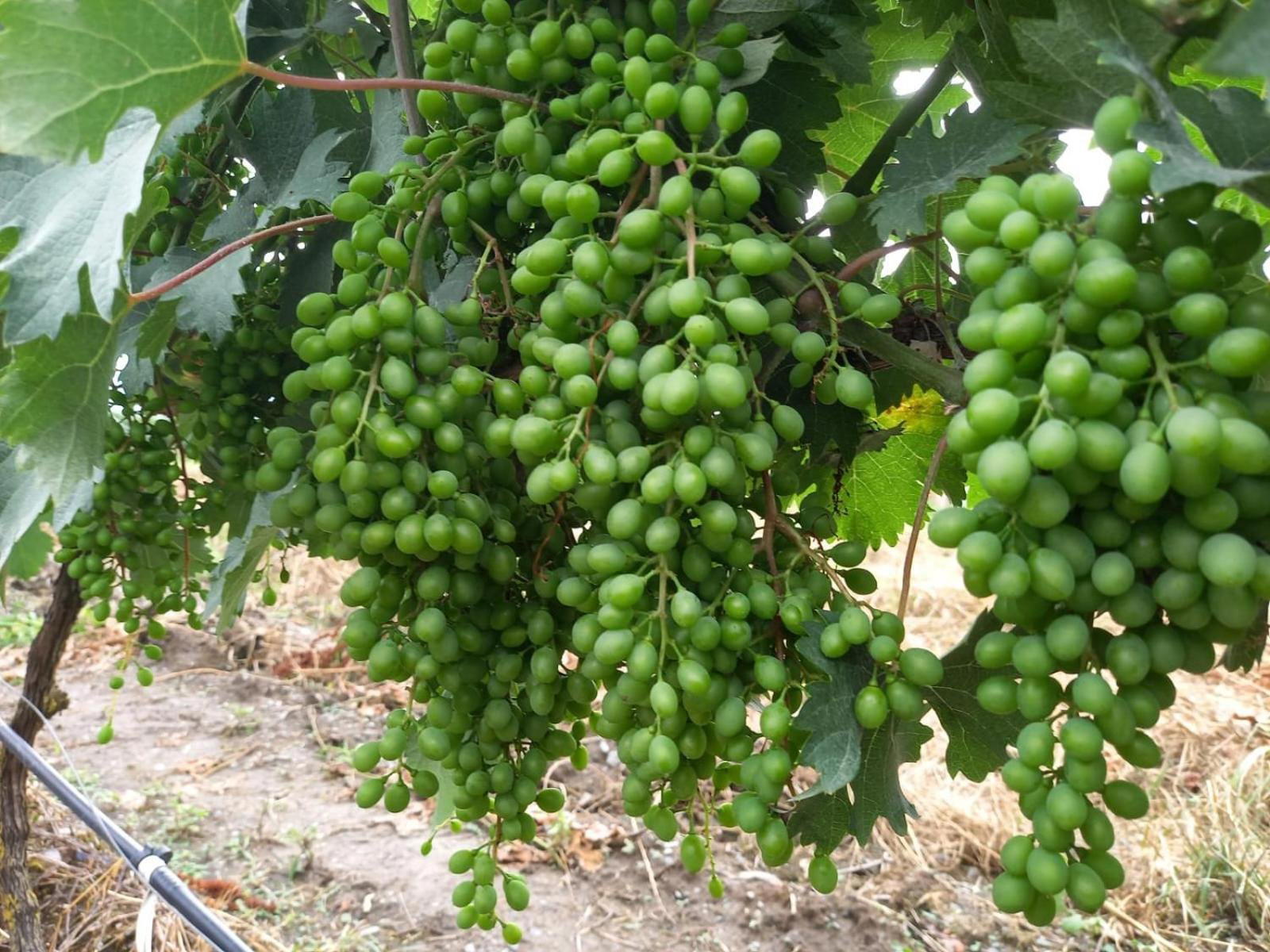
Chateau Gremisio
Imereti, Georgia
Book Chateau Gremisio if you want a relaxed Georgian qvevri wine stop with guesthouse energy, food, and fortress views. It is better for a slow half-day or overnight than a quick technical tasting, with the clearest draw being its Krakhuna-based 2019 Qvevri Amber Dry and intimate rural setting.
Château Labadie
Begadan, France
Château Labadie works as a Begadan wine stop if your priority is credible Médoc context rather than a fully documented visitor program. Its Falstaff Listed recognition for 2026 is the main trust signal; treat any wine club or allocation decision as a terms-first purchase, not an automatic yes.
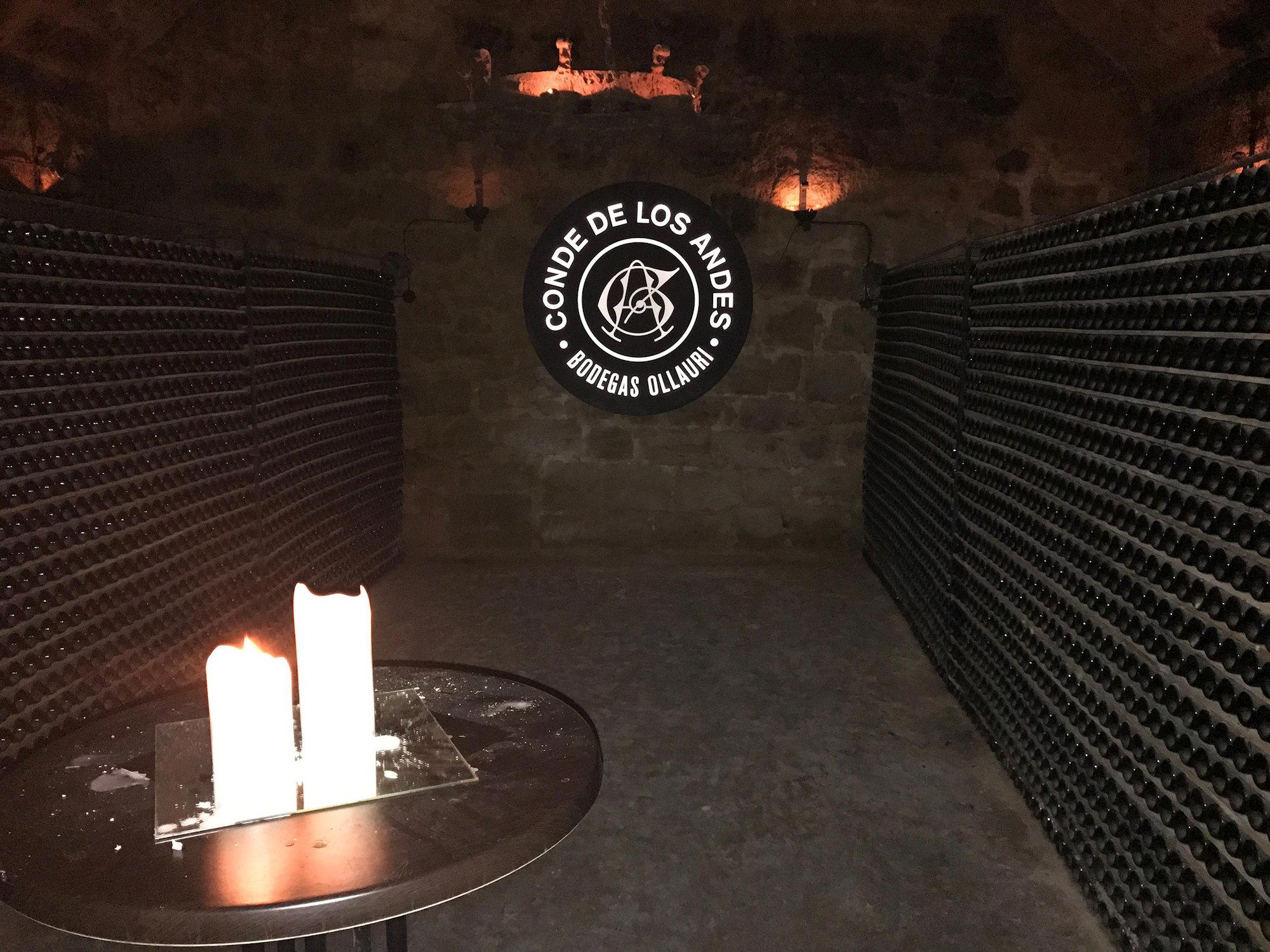
Bodegas Ortubia
Villalba De Rioja, Spain
Book Bodegas Ortubia if the goal is a serious, traditional Rioja visit rather than a polished tourism stop. The appeal is estate-grown fruit, barrel-aged Tempranillo and Macabeo/Viura, and a family cellar with Falstaff 3 Stars recognition for 2026. It suits wine-focused couples or small groups who value substance over hospitality gloss.
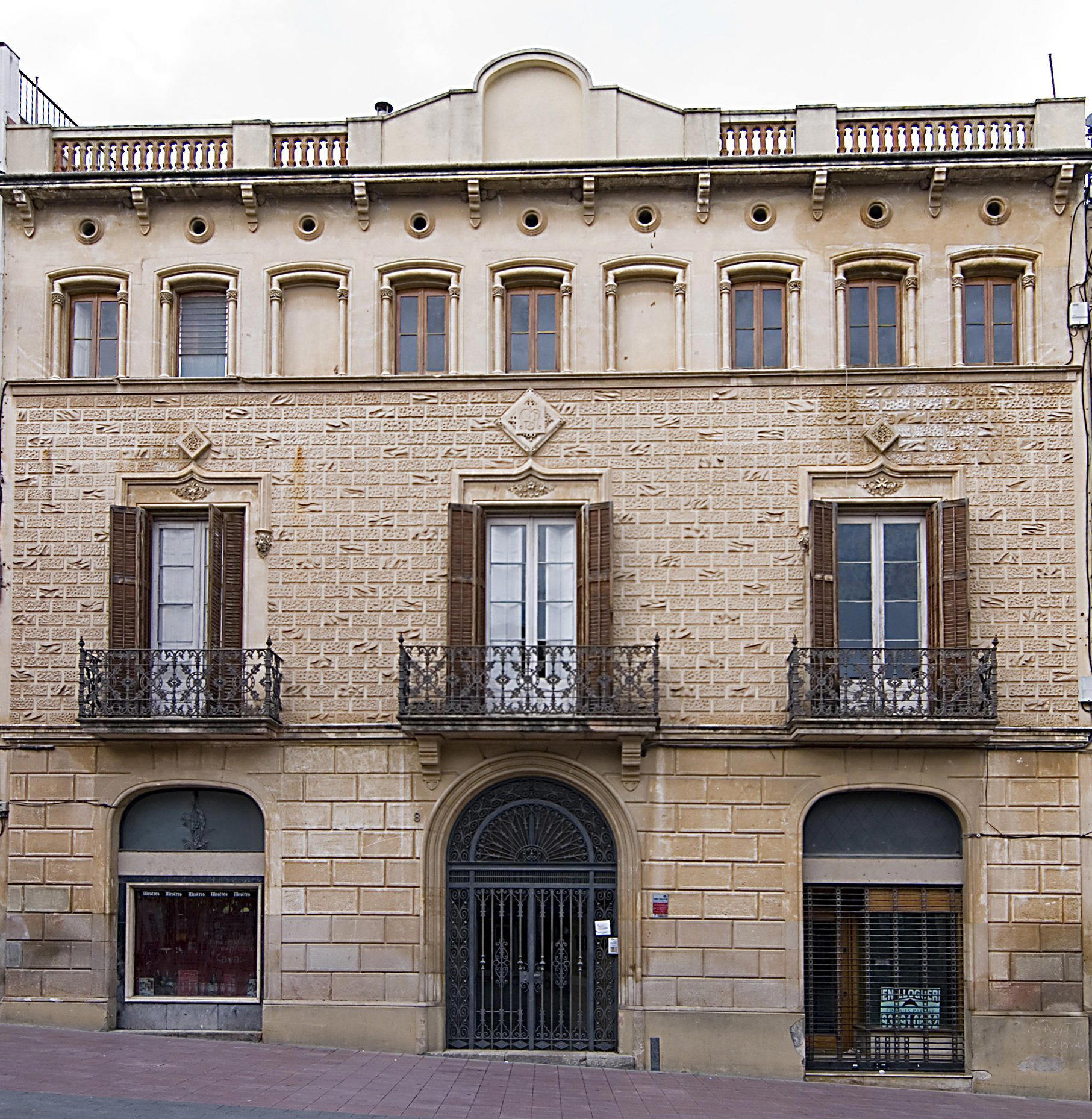
Cavas Mestres
St Sadurni D Anoia, Spain
Book Cavas Mestres if the priority is serious cava in a historic Sant Sadurní cellar setting, not a glossy visitor-center stop. The draw is long ageing, Brut Nature history, indigenous grapes, and a town-square location that suits a focused wine day more than a leisurely estate outing.
Jean-François et Benjamin Chevalley – Domaine de la Chenalettaz
En Dezaley, Switzerland
A strong choice for a romantic or special-occasion Lavaux tasting if you want personal hosting and a clear explanation of Chasselas, Saint-Saphorin, and Dézaley Grand Cru. The value is less about a formal food program and more about direct family hospitality, hillside setting, and Falstaff-recognized wine credibility.
Bioweinbau Oberkofler
Maria Bild, Austria
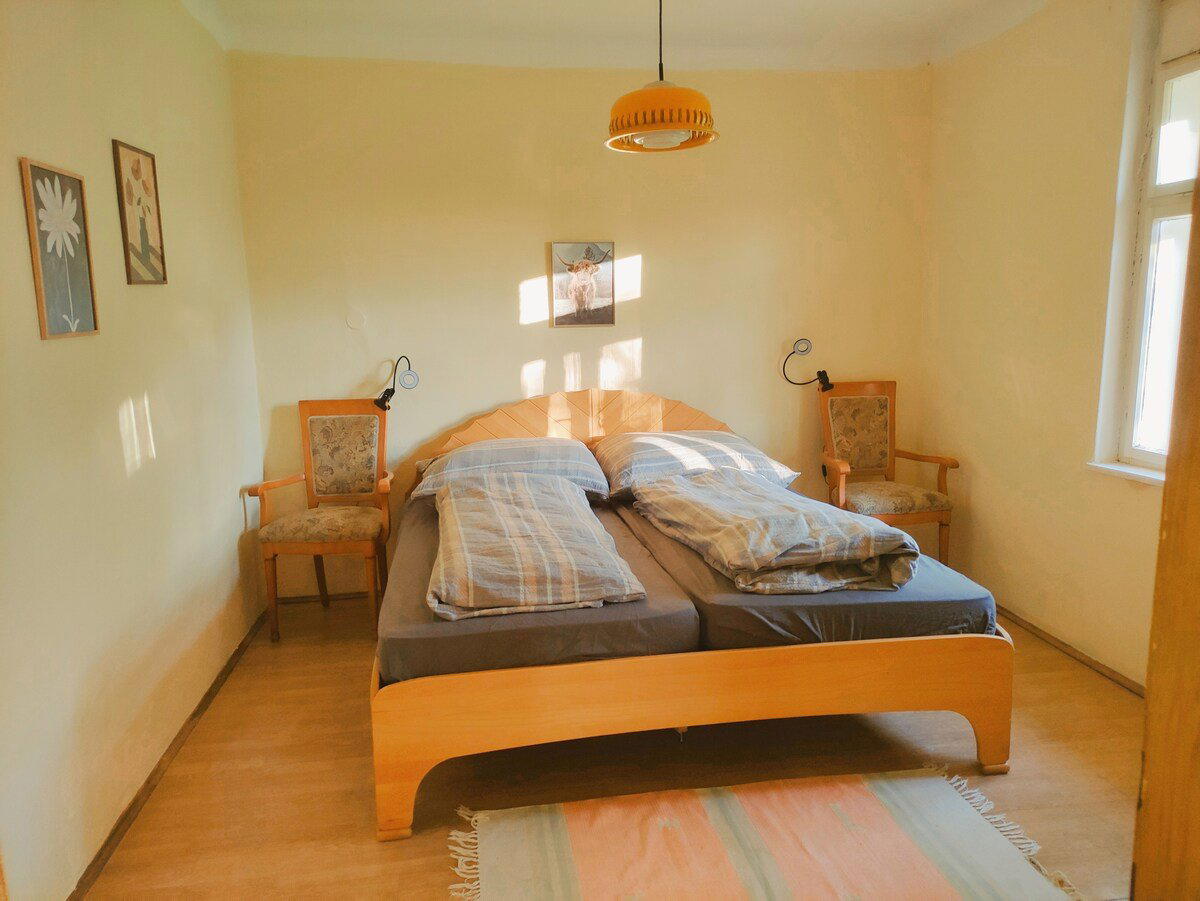
A practical pick for a quiet Maria Bild wine stop in 2026, especially if the aim is to explore smaller Burgenland producers rather than plan a formal cellar-door event. Bioweinbau Oberkofler makes the most sense as part of a wider regional tasting route, with value judged through local comparison rather than published price signals.
Montevertine
Radda in Chianti, Italy
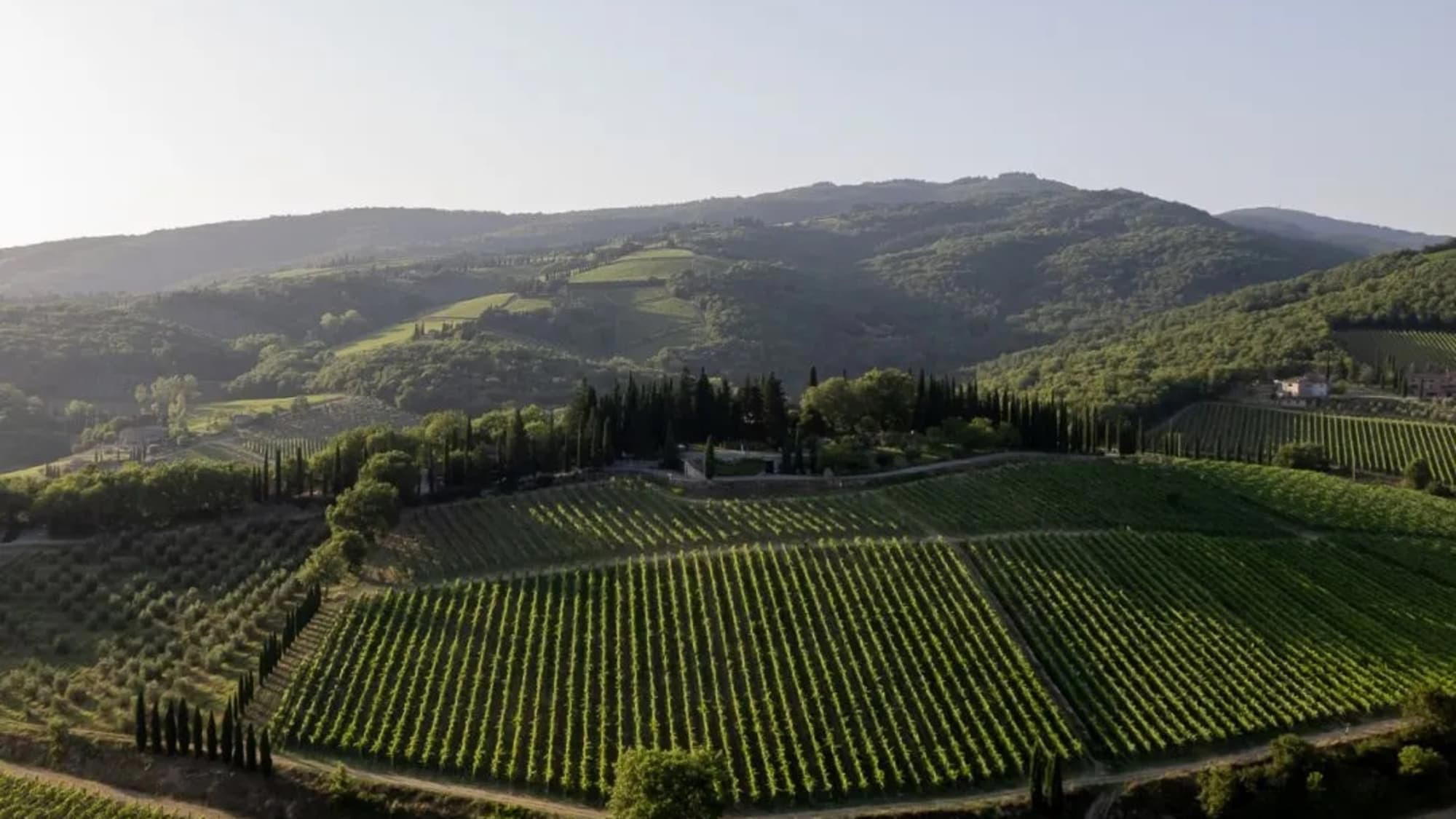
Prioritise Montevertine if your Radda in Chianti plan is built around serious Sangiovese rather than casual cellar-door browsing. It is a high-demand, appointment-minded winery where a private or upgraded tasting is the version to chase if available; choose a larger estate if your group wants a broader visitor setup.
Domaine de Grangeneuve
Roussas, France
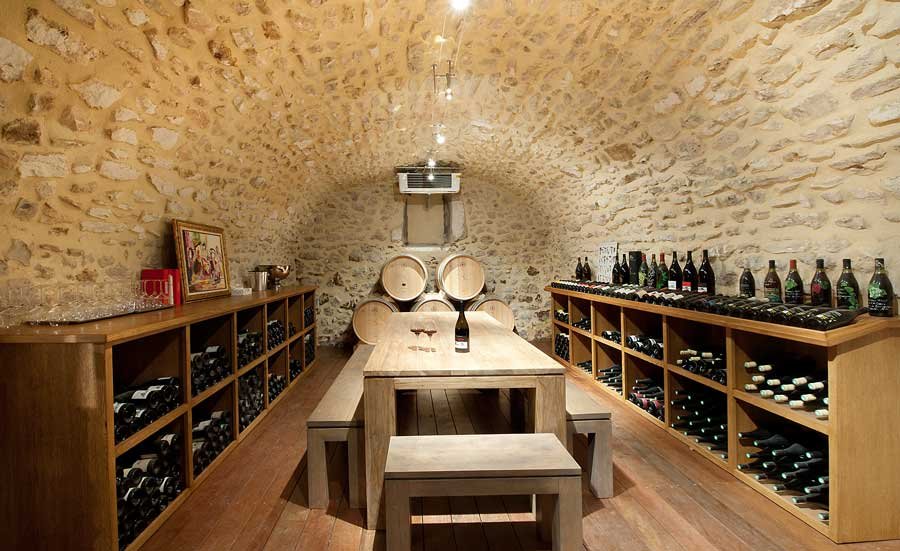
Domaine de Grangeneuve works as a flexible Roussas wine stop, mainly because of its Falstaff Listed recognition for 2026. Treat it as part of a broader itinerary rather than the only anchor of the day, especially if group size, food, shipping, or tasting access need to be confirmed in advance.
Enclos de Viaud
Saint-Christophe-des-Bardes, France
A focused Lalande-de-Pomerol pick for travelers who want small-estate Right Bank detail rather than a large visitor-center experience. Enclos de Viaud is strongest for Merlot-focused drinkers interested in parcel work, gravel-limestone soils, and barrel-led vinification; it is less suited to anyone seeking a broad tasting menu or highly built-out hospitality format.
Demeter Weingut Klaus Vorgrimmler
Freiburg im Breisgau, Germany
Book Demeter Weingut Klaus Vorgrimmler if the priority is a focused, appointment-only Baden wine visit built around Demeter biodynamic farming, vegan production, and dry Spätburgunder and Weissburgunder. It is a strong fit for serious wine travelers seeking small-estate context near Freiburg, but not for groups wanting fixed hours, food service, or a conventional tasting-room setup.
Diemersdal Wine Estate
Cape Town, South Africa
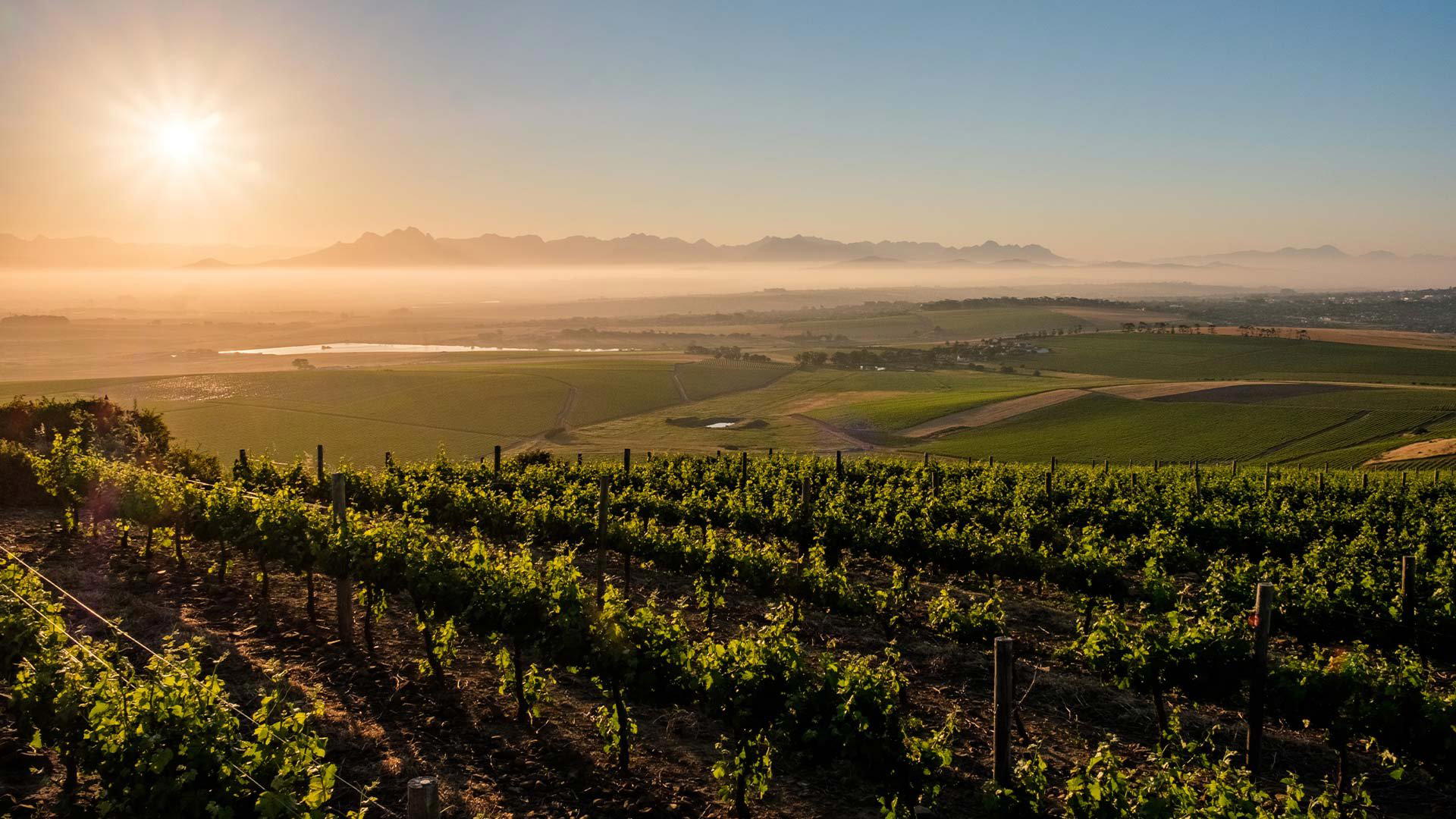
Diemersdal Wine Estate is worth prioritising if Durbanville is the focus of a Cape Town wine day and the plan needs a serious estate rather than a casual stop. Booking pressure is high, so confirm timing and any food-pairing format before building the day around it, especially for groups.
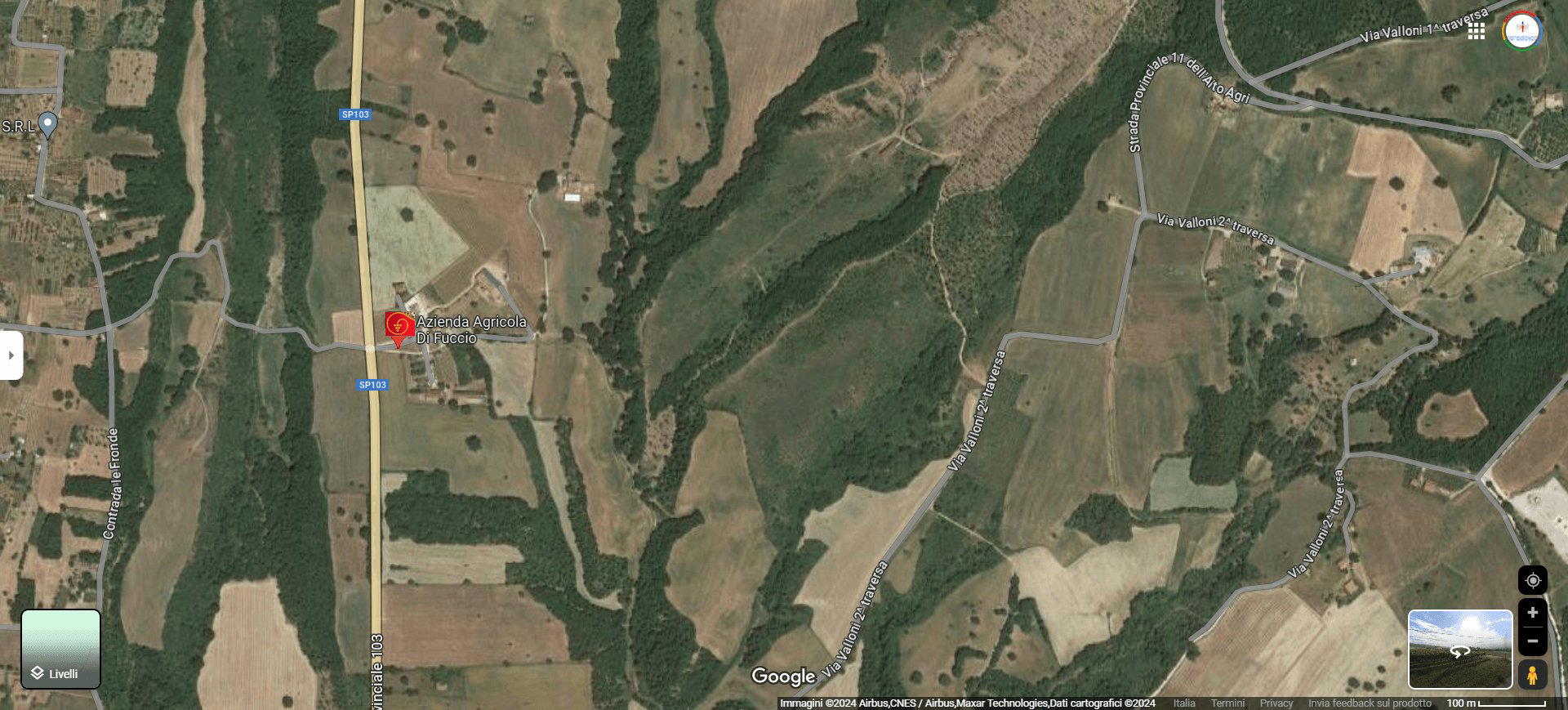
Azienda Agricola Di Fuccio
Viggiano, Italy
Worth booking if you want a quiet, family-run Alta Val d’Agri winery visit focused on distinctive bottles rather than a polished tasting-room production. The main draws are the Fiano-Jusana white and the two Merlot-Cabernet-Aglianico reds, especially La Preta for a more structured bottle to take away.
Finca Las Moras
Maipú, Argentina
Finca Las Moras is worth considering only if the appointment gives access to a focused private tasting or portfolio session. The draw is its modern San Juan wine identity, Pedernal Valley connection, export scale, and 2026 Falstaff listing, not a clearly defined Maipú tourism setup. Casual visitors should prioritize winery stops with more transparent hospitality.
Fattoria Casa di Terra
Bolgheri, Italy
A strong first-timer choice for Bolgheri if you want a relaxed estate tasting rather than a luxury hospitality production. Fattoria Casa di Terra works well for visitors who care about vineyard setting, family ownership, and an accessible introduction to DOC Bolgheri and IGT Toscana wines.
Domaine de Gachet
Libourne, France
Domaine de Gachet is worth planning for if the goal is classic Lalande-de-Pomerol rather than a polished visitor-center experience. Expect a traditional family-estate feel, Merlot-Cabernet Franc reds, accessible bottle pricing from €9, appointment-only access, and recognition including Falstaff Listed 2026 plus a Gold medal for the 2016 vintage at Concours International de Lyon.
Enotria
London, United Kingdom
Enotria works if the goal is serious wine and spirits context, not a casual London tasting-room visit. Its value is in trade access, portfolio depth, and education, with a premium price signal and appointment-led format that suits hospitality buyers, collectors, and focused wine travellers better than walk-in visitors.
Garagenweingut Betz
Frickenhausen Am Main, Germany
A strong choice for curious wine drinkers, not for anyone seeking a polished tasting-room circuit. Garagenweingut Betz is small, organic, and hands-on, with Franconian Silvaner, orange wine, and low-volume production as the draw. The private-tasting case is strongest if the goal is producer context and vineyard detail rather than food, views, or a long social stop.
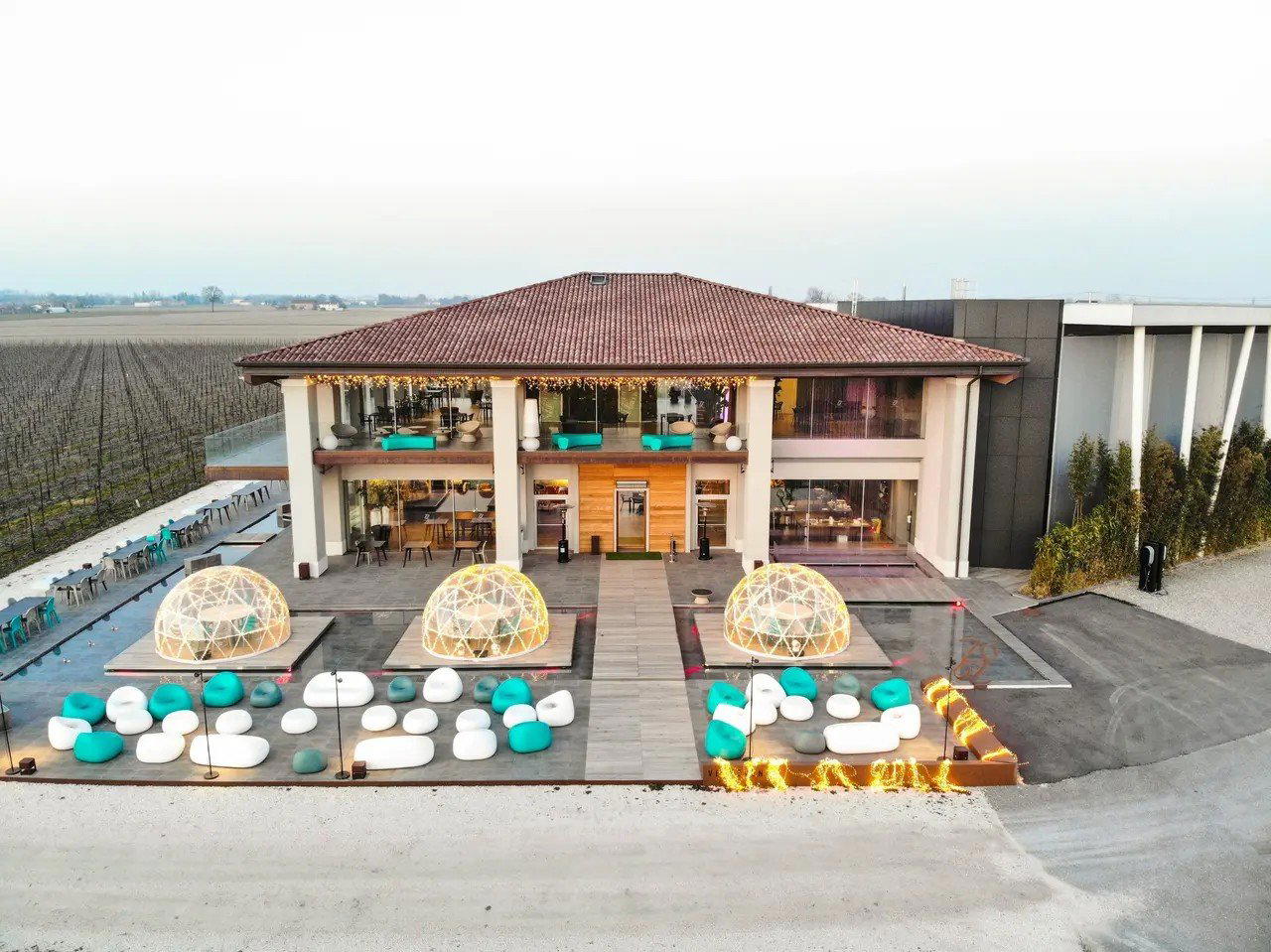
Cantina VentiVenti
Medolla, Italy
Cantina VentiVenti is a strong Medolla pick for travelers who want an organic, producer-led view of Lambrusco and Pignoletto rather than a generic winery stop. Book for the estate-grown sparkling wines, relaxed countryside tasting room, and value if native grapes and Metodo Classico technique are the point of the visit.
Jagdhof Fleischhacker
Illmitz, Austria
Book Jagdhof Fleischhacker if you want a relaxed Illmitz winery-pension where lodging and wine tasting fit into the same Lake Neusiedl trip. The strongest value is the personal, small-scale format and recognized Burgenland wines; skip it if you need a formal club structure, published tasting fees, or a restaurant-led experience.
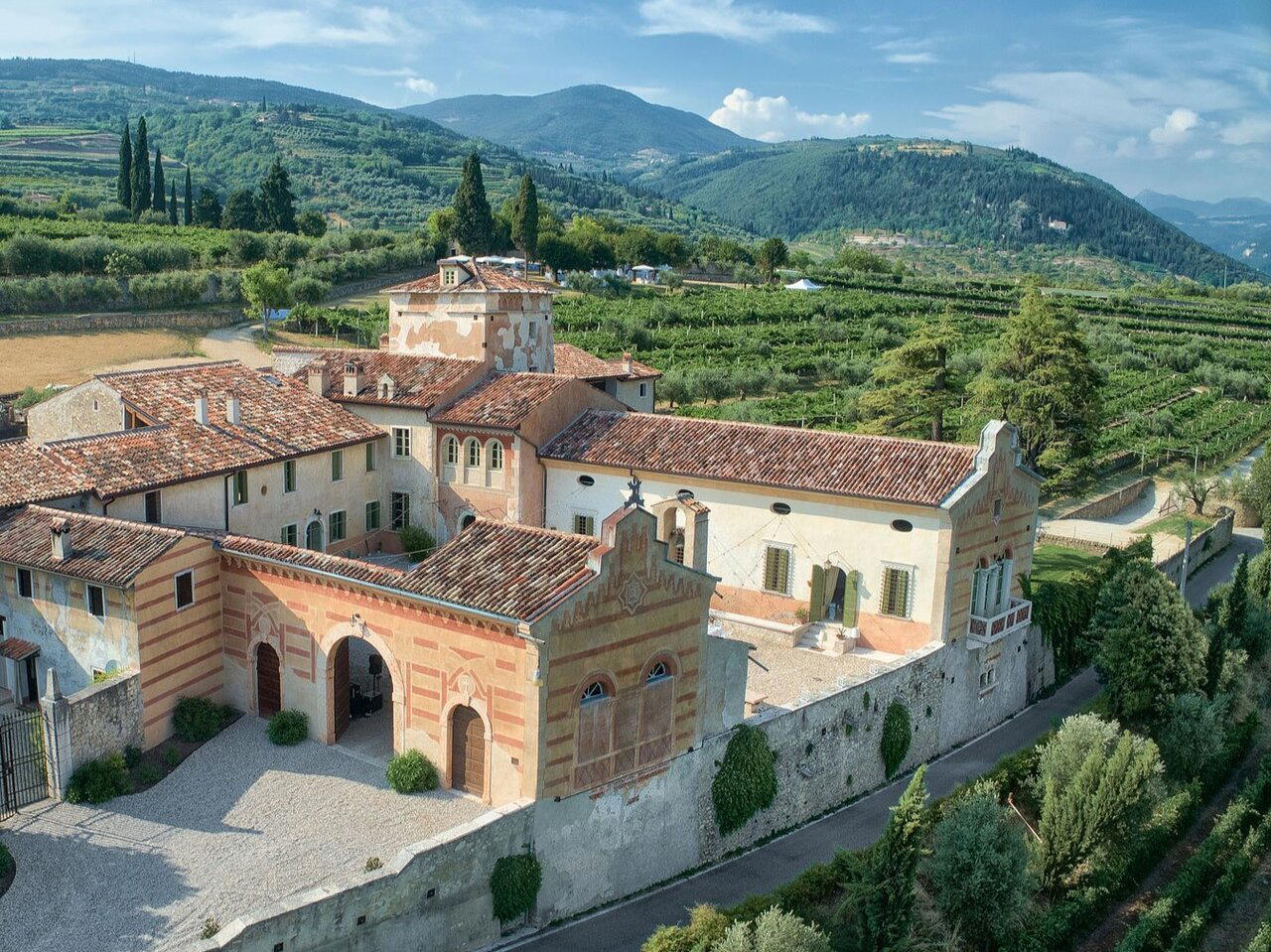
Brigaldara
San Pietro In Cariano, Italy
Brigaldara is worth prioritizing if the goal is a serious Valpolicella winery visit in San Pietro in Cariano, backed by Falstaff 4 Stars for 2026. Treat it as a wine-focused appointment rather than a restaurant alternative, since food service, hours, pricing, and group capacity are not confirmed here.
Château La Garde - Dourthe
Blanquefort Cedex, France
A strong pick for wine travelers who want a soil-led Pessac-Léognan tasting rather than a casual cellar-door stop. Château La Garde - Dourthe is worth prioritizing for its Mosaïc tasting, estate-grown Bordeaux blends, Terra Vitis certification, and premium-but-not-trophy price positioning; less compelling if food or spontaneous walk-in tasting is the main goal.
Château Les Belles Murailles
Saint Loubes, France
Château Les Belles Murailles is a better fit for classic Bordeaux drinkers than for visitors chasing a polished tasting-room itinerary. Expect a quiet, traditional Saint-Loubès estate mood, Merlot-led red wine, French oak aging, and a family-domain story dating back to 1896. Worth considering as part of a wider Bordeaux wine day, not as the only anchor stop.
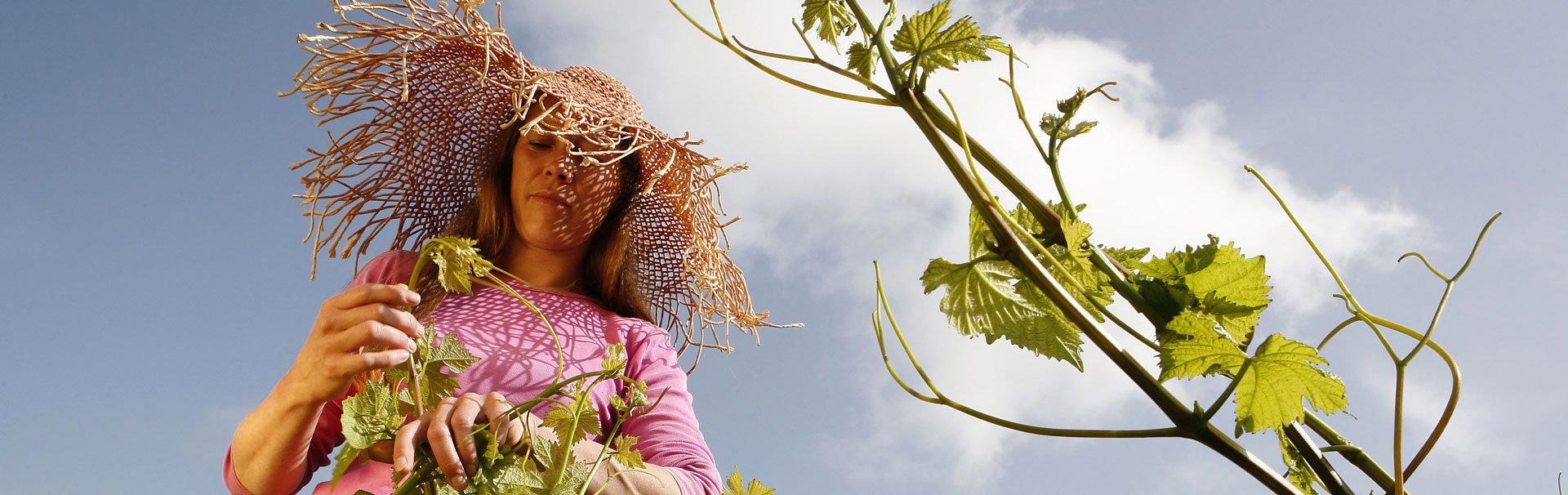
Champagne Maletrez Frédéric
Chamery, France
Is Champagne Maletrez Frédéric worth adding to a Chamery wine day? Yes, if the goal is regional context and a quieter grower-style stop rather than a large-house visitor experience. Falstaff listing adds a useful credibility signal, but plan this as one part of a broader Chamery itinerary, not the whole day.
Domaine de Baal
Zahle, Lebanon
Book Domaine de Baal if the priority is a focused Bekaa Valley winery visit built around organic farming, low-intervention cellar work, and a small portfolio rather than a big hospitality setup. It is better suited to natural-wine drinkers and wine travelers who want production context than to visitors looking for dining, events, or a broad tasting lineup.
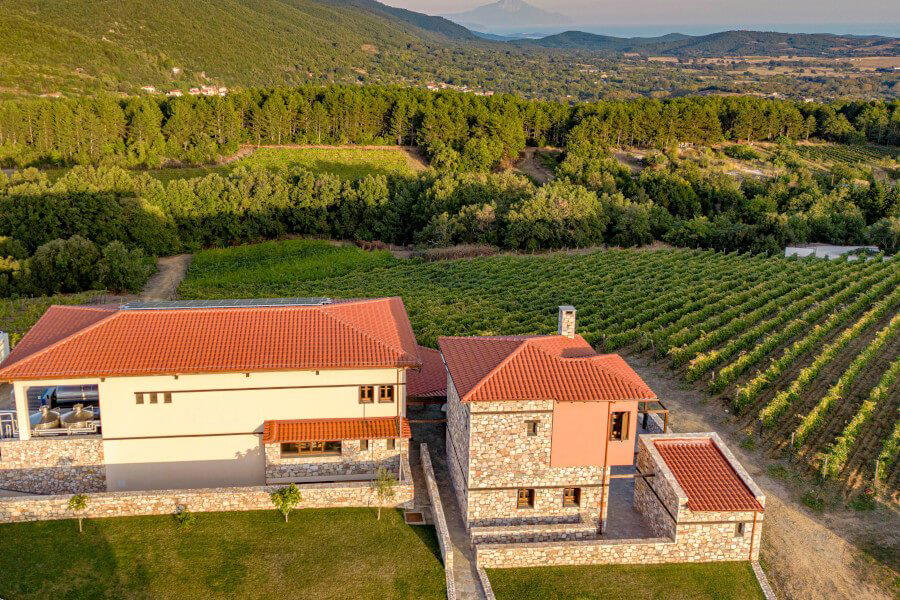
Akrathos Newlands Winery
Panagia, Greece
Akrathos Newlands Winery is a serious Panagia choice for wine travellers who care more about producer context than easy drop-in logistics. Prioritise it if the winery is the main purpose of the day; choose a broader Halkidiki or Greece drinks route if the group wants a lighter, more casual tasting stop.
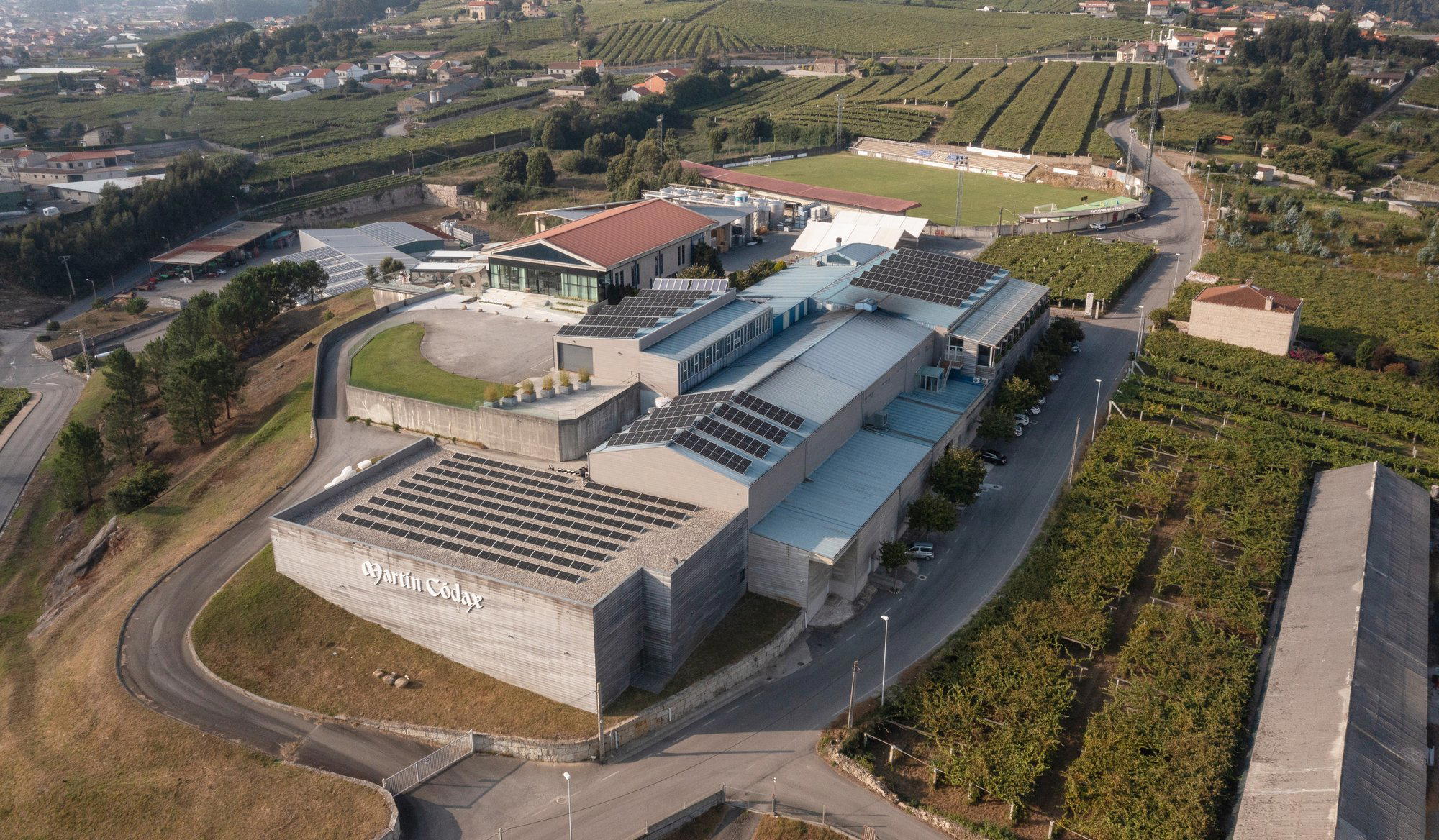
Bodegas Martín Códax
Cambados, Spain
Book Bodegas Martín Códax if the priority is a high-profile Albariño stop in Cambados rather than a small, intimate cellar visit. It works well as the orientation tasting for a Rías Baixas wine day, especially before a seafood-focused meal in town. Confirm any food format before planning around pairings.
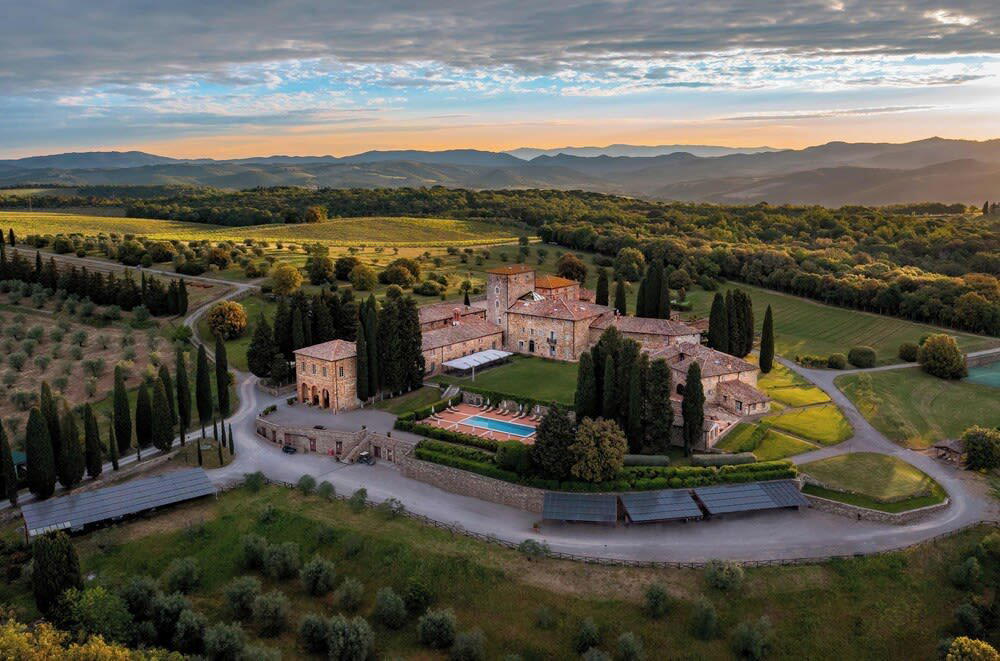
Borgo Scopeto
Montalcino, Italy
Worth considering if a Tuscany wine stop should also deliver a polished countryside stay. Borgo Scopeto is better for travelers who want Chianti Classico context, Sangiovese, historic relais atmosphere, and scenic downtime than for those focused only on Brunello cellar-hopping around Montalcino.
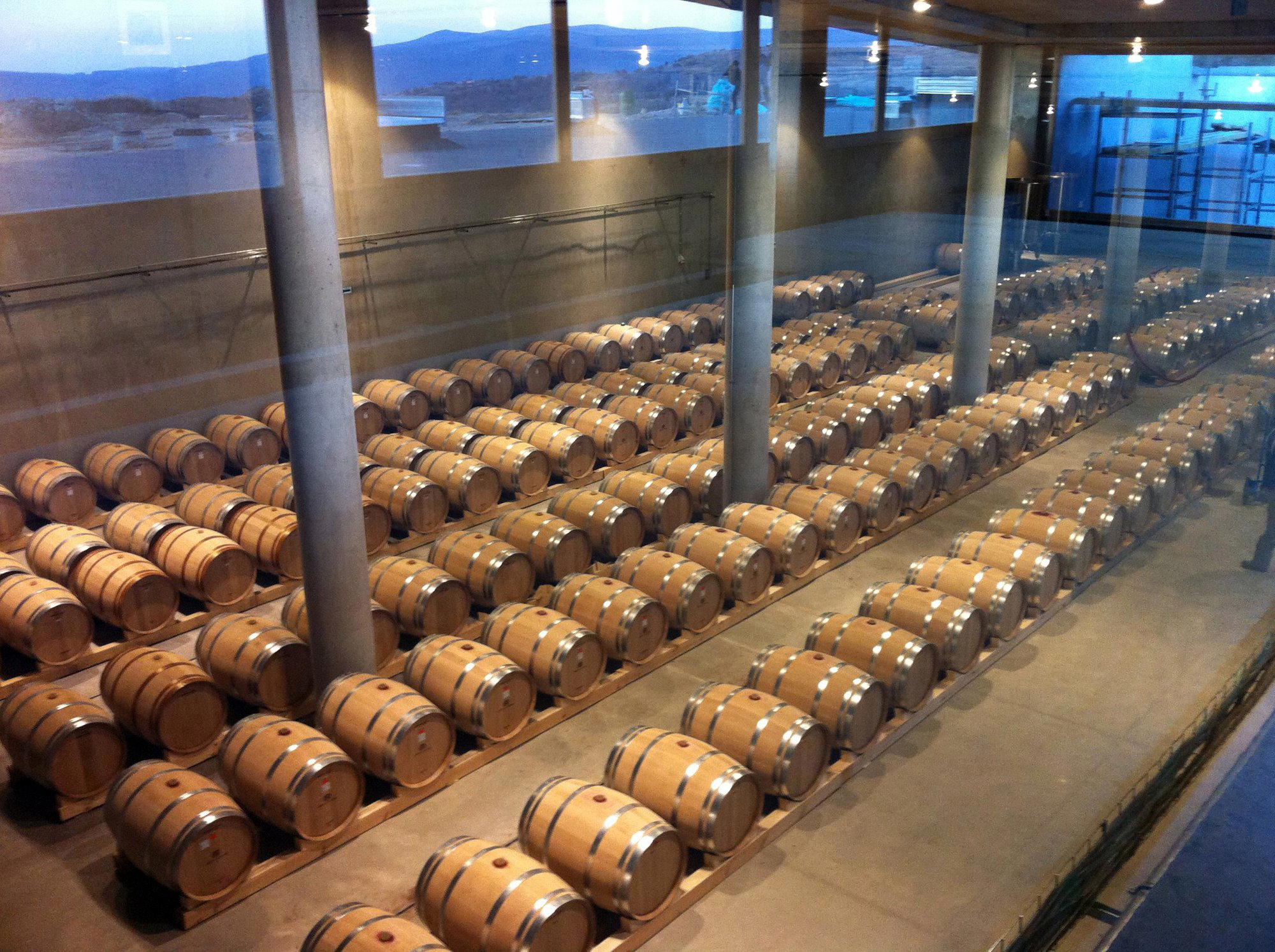
Angel's Estate
Stara Zagora, Bulgaria
Angel's Estate is a good Stara Zagora winery pick if the goal is a serious, production-led look at the Thracian Lowlands rather than a glossy tasting-room afternoon. Go for estate-vineyard context, a broad red-and-white portfolio, and a working cellar feel; skip it if the priority is confirmed food pairings or a highly designed hospitality experience.
Domaine de Cause
Soturac, France
Book Domaine de Cause if the goal is a private, context-heavy Cahors Malbec visit rather than a casual tasting-room stop. The draw is the family-led vertical tasting around Lalande Cavagnac, old-vine 100% Malbec, and a quiet rural setting; skip it if the group needs broad variety, guaranteed food service, or a large visitor operation.
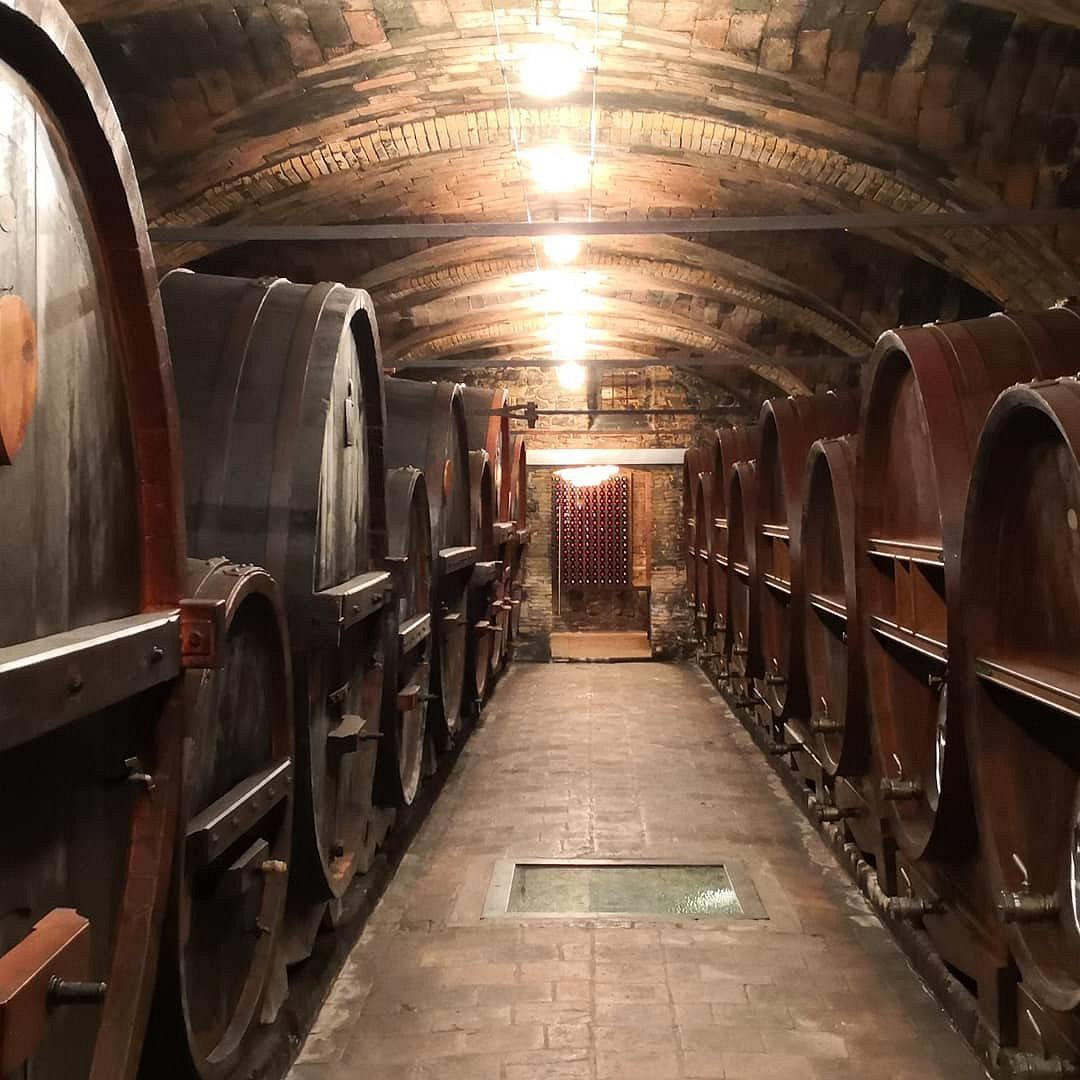
Cantine de Biase
Castronuovo Di Sant Andrea, Italy
Book Cantine de Biase if you want a grounded Basilicata wine stop shaped by Pollino National Park, organic estate farming, and a rustic family-run format. It is better for curious wine travelers than for guests seeking a polished tasting-room showcase, with Falstaff recognition adding credibility to the detour.
How many of these have you visited?
Find out on Pearl and keep score across every place in 2026 Falstaff Winery Guide.