

2026 Falstaff Winery Guide: The Ultimate Wine Authority — Page 88
Falstaff's 2026 Wineries guide.

Venues on this list
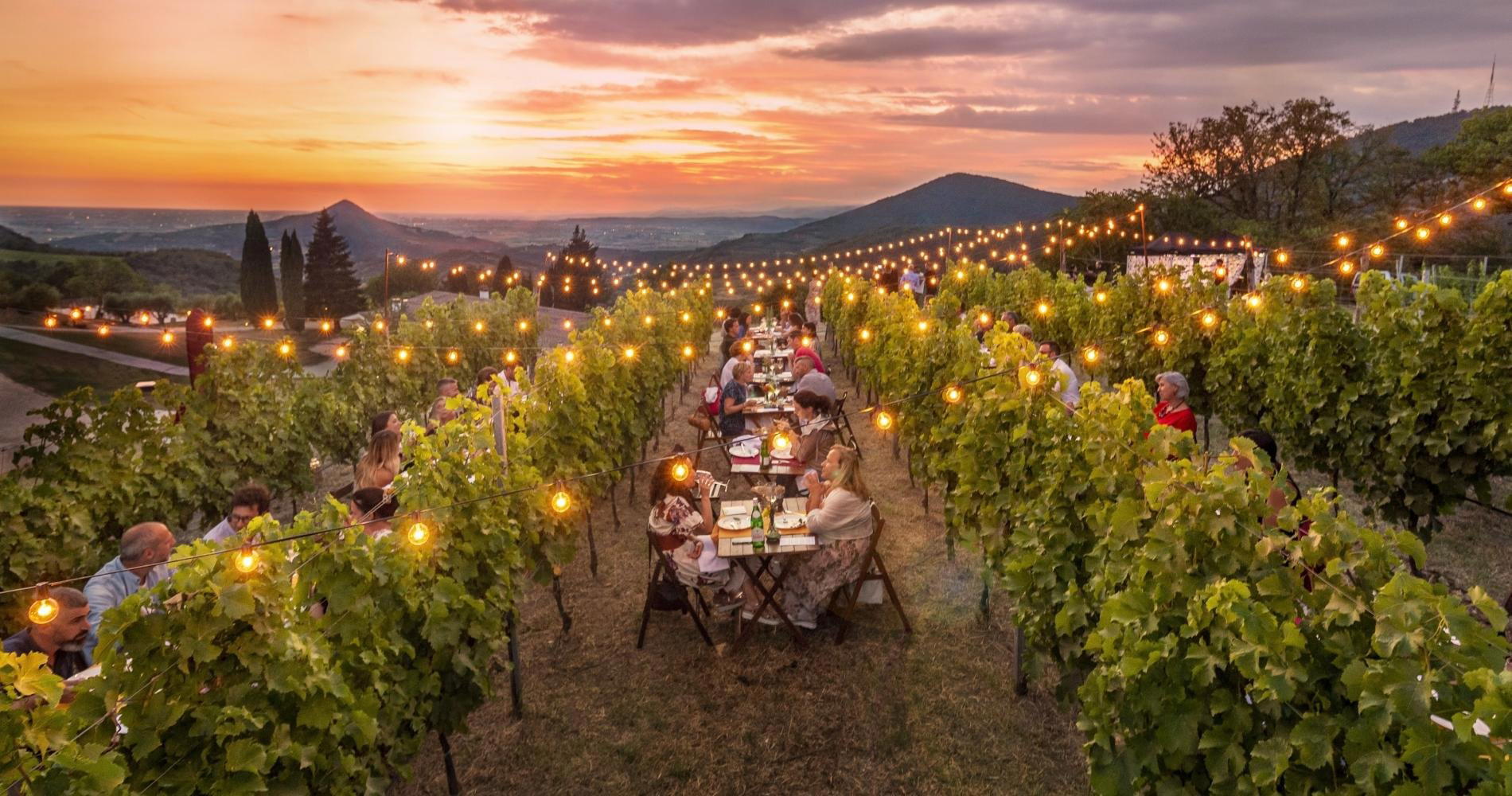
Cantina Colli Euganei
Vo, Italy
A practical, good-value winery stop in Vo for understanding the Euganean Hills through DOC and DOCG wines. Book it if breadth, regional context, and accessible pricing matter more than boutique atmosphere or luxury hospitality.
Delaforce
Vila Nova de Gaia, Portugal
Delaforce is worth booking if your Vila Nova de Gaia plan is about Port history, aged Tawny, and cellar context rather than a food-led tasting. The strongest reason to go is the house’s blending heritage, 2026 Falstaff listing, and long association with 10-year and 20-year Tawny styles.
Domaine Guiberteau
Saint Just Sur Dive, France
A focused Loire-side winery stop for travellers who care more about producer depth than a turnkey hospitality setup. Booking is listed as easy, and its Falstaff 2026 listing gives it a useful trust signal, but plan food, group logistics, and onward stops separately.
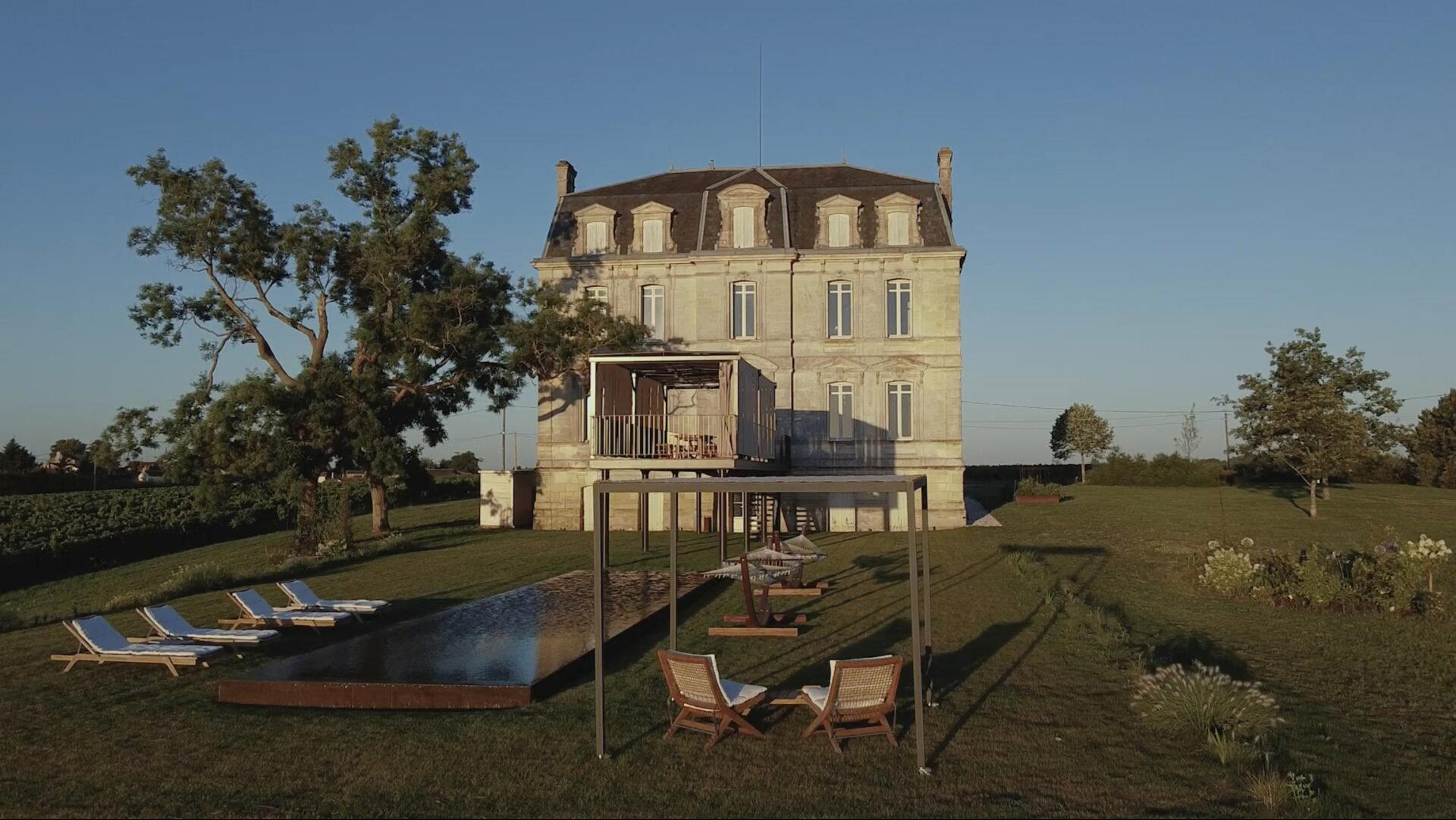
Château Tour des Termes
Saint-Estèphe, France
Château Tour des Termes is a strong pick for Bordeaux drinkers who want Saint-Estèphe structure with a softer Merlot-led profile. The appeal is in the production choices: mature vines, selective grand vin sourcing, sustainable certifications, and Cru Bourgeois Supérieur status. Treat it as a bottle-led producer rather than a guaranteed full-service winery visit.
Château Marquis d’Alesme-Becker
Margaux, France
Prioritise Château Marquis d’Alesme-Becker if the goal is a serious Margaux winery stop with recognised château credibility, not a food-centred outing. Treat it as a wine-first appointment and build lunch, hotels, and any second tasting around the booking window.
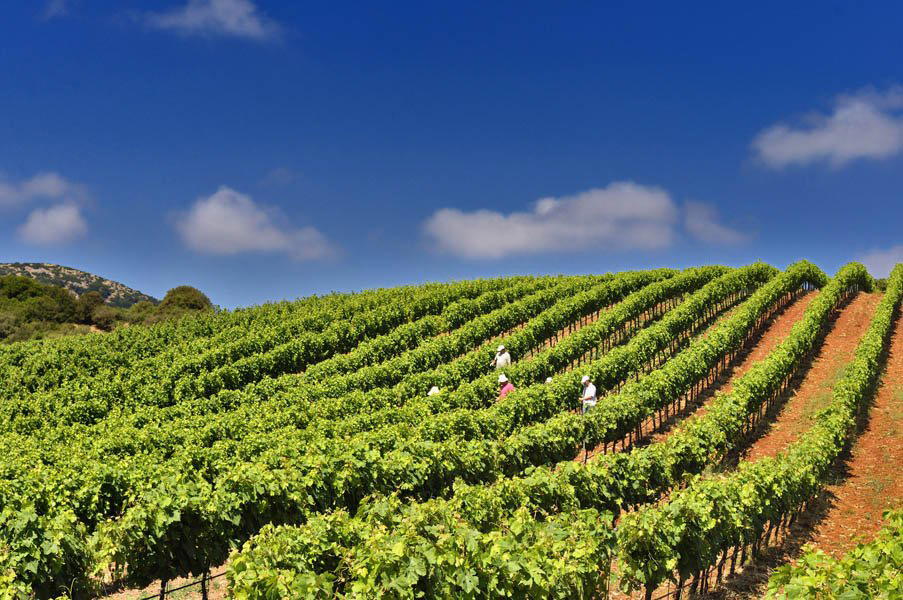
Antonopoulos Vineyards
Patras, Greece
Antonopoulos Vineyards works for a wine-first Patras itinerary, especially if the goal is Achaea context rather than a distillery-led drinks stop. It is less suitable for casual drop-ins or groups that need highly visible visitor logistics, so treat it as a planned excursion and cross-shop easier Patras options if certainty matters.
Corte Bravi
Sant'Ambrogio di Valpolicella, Italy
Corte Bravi is a practical Valpolicella stop for travelers who want a quieter winery visit in Sant'Ambrogio di Valpolicella rather than a full-day destination. Its Falstaff Listed 2026 recognition gives it a credible wine signal, but confirm tasting, food, and group details before building an itinerary around it.
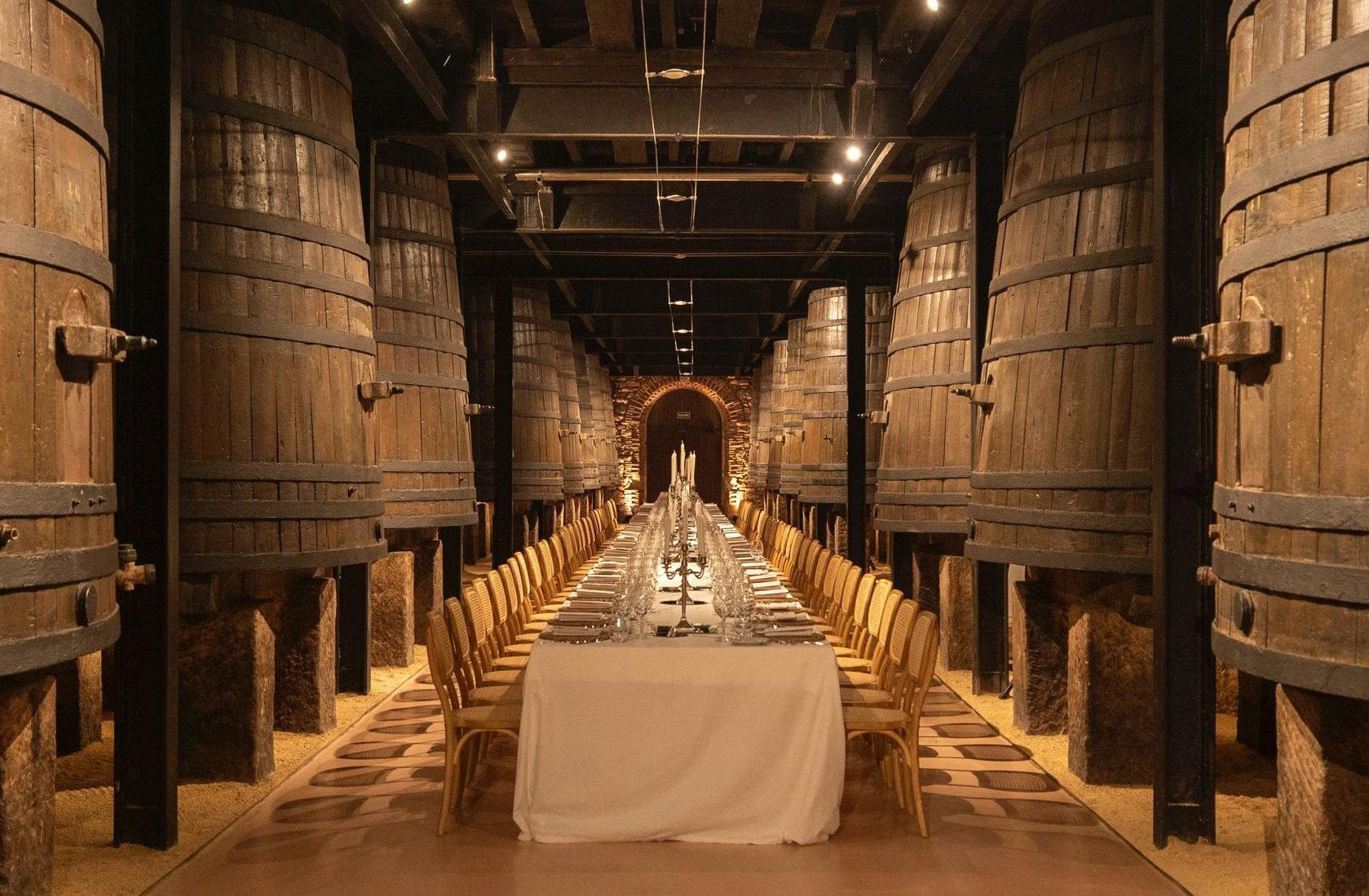
Bodegas Miguel Merino
Briones, Spain
Bodegas Miguel Merino is worth prioritizing if the goal is serious Rioja research rather than a casual tasting stop. The Falstaff 4 Stars recognition gives it a clear credibility signal, but any wine club or allocation decision should be judged on whether focused Rioja access fits the buyer’s cellar, not on a one-off travel impulse.
Brandlin
St. Helena, United States
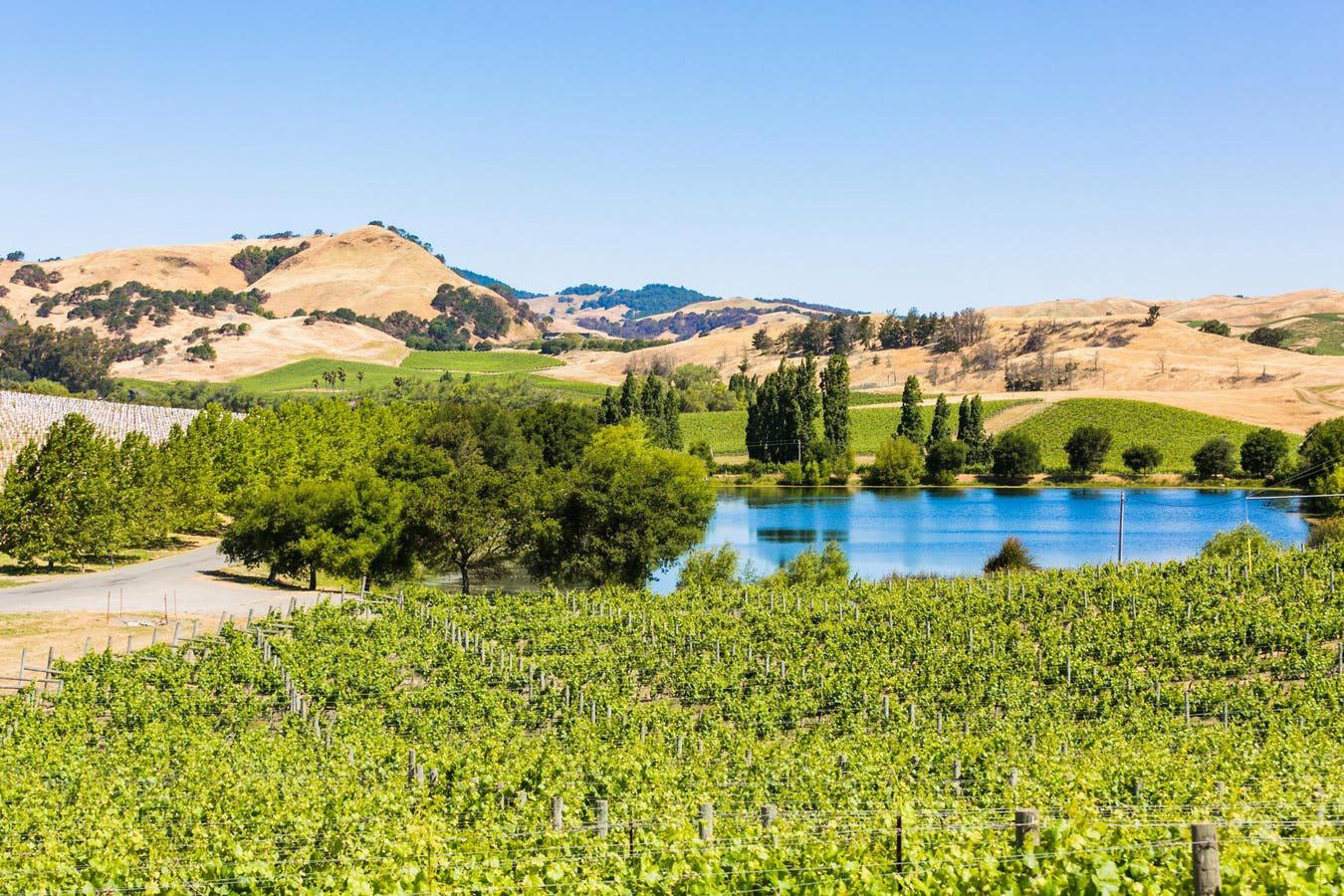
Worth it for first-time Napa visitors who want a focused Mount Veeder Cabernet tasting in a polished seated setting. At $75 per person, Brandlin makes the strongest case for small groups interested in estate-grown mountain wines, sustainability credentials, and a quieter guided format rather than a broad, casual tasting-room circuit.
Château Carmenère
Queyrac, France
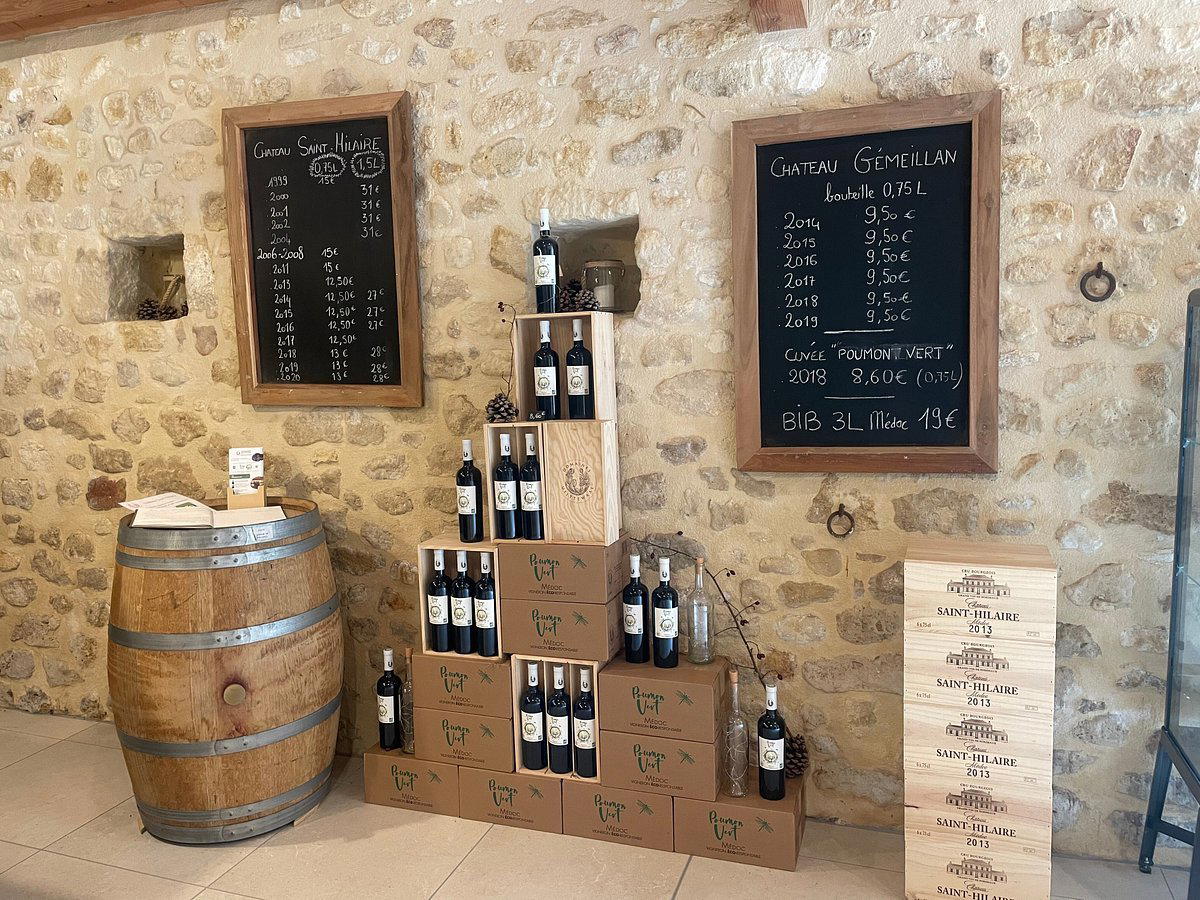
Château Carmenère is worth booking for a personal Médoc tasting built around an uncommon Carmenère-led production story rather than grand château formality. Go for owner-led context, estate-grown wines, and a relaxed Queyrac setting; skip it if the priority is a highly polished luxury tasting room. Falstaff Listed in 2026, it suits couples, small celebrations, and wine-curious guests who want substance over ceremony.
Domaine Coquard Loison Fleurot
Flagey-Echézeaux, France
A serious Côte de Nuits choice for Burgundy collectors, Domaine Coquard Loison Fleurot is better treated as a focused Pinot Noir appointment than a hospitality-driven tasting stop. Go for Grand Cru context, estate-grown production, and cellar-minded reds; skip it if the priority is food pairings or an easy casual visit.
Château Brande-Bergère
Les Eglisottes Et Chalaures, France
Château Brande-Bergère works if you want a quieter Bordeaux Supérieur estate visit rather than a high-polish Saint-Émilion-style stop. The draw is its long vineyard history, 8-hectare hillside setting, classic Merlot-Cabernet blend focus, and accessible price tier. Book for red-wine context and potential direct purchases, not for a broad hospitality program.
Quinta da Aveleda
Penafiel, Portugal
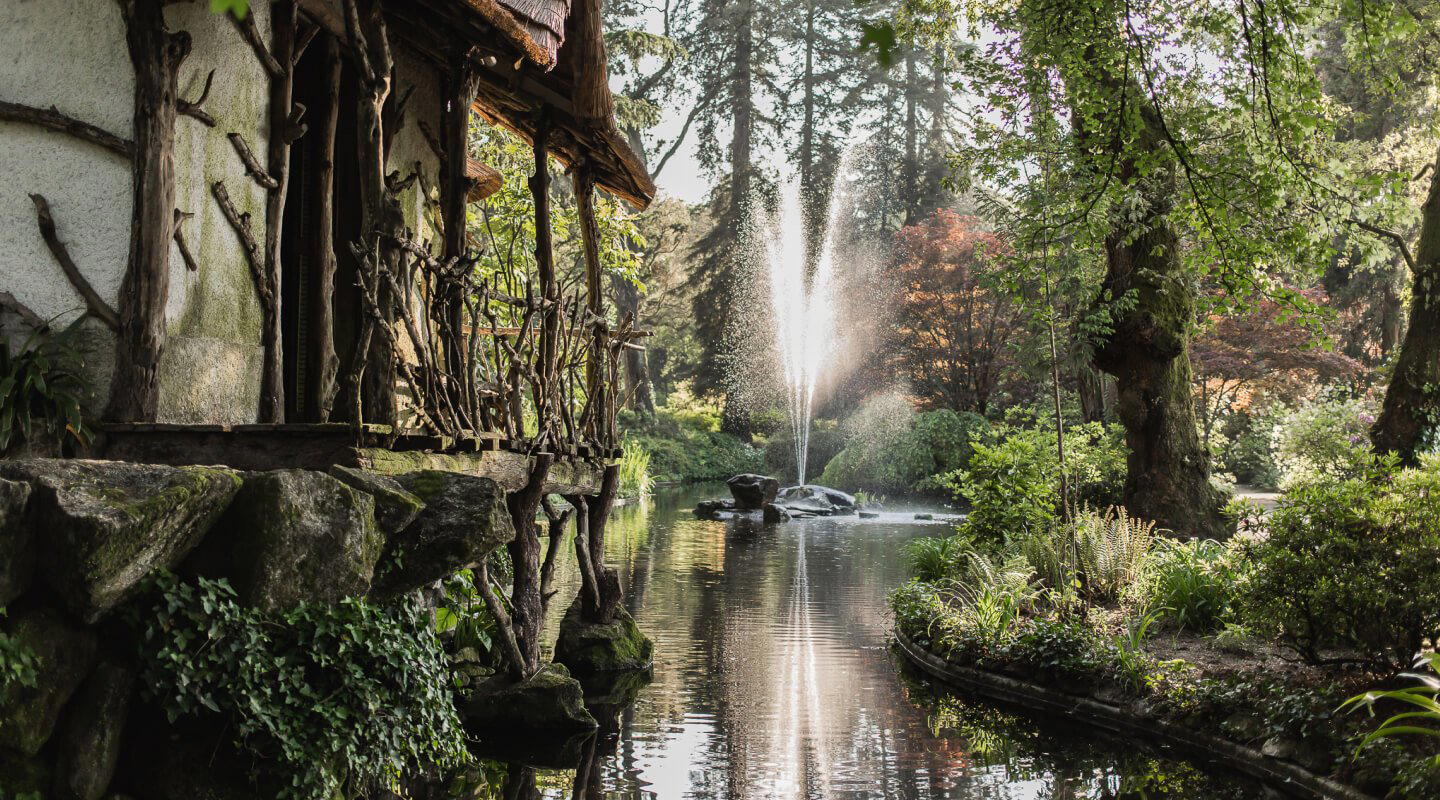
Quinta da Aveleda is the Penafiel pick for travelers who want an estate-led Vinho Verde visit rather than another Gaia Port lodge. It is harder to treat casually than Sandeman, Taylor's Port, or Ramos Pinto, so plan around availability and make it the anchor of the day.
Axial Vinos
Almonacid De La Sierra, Spain
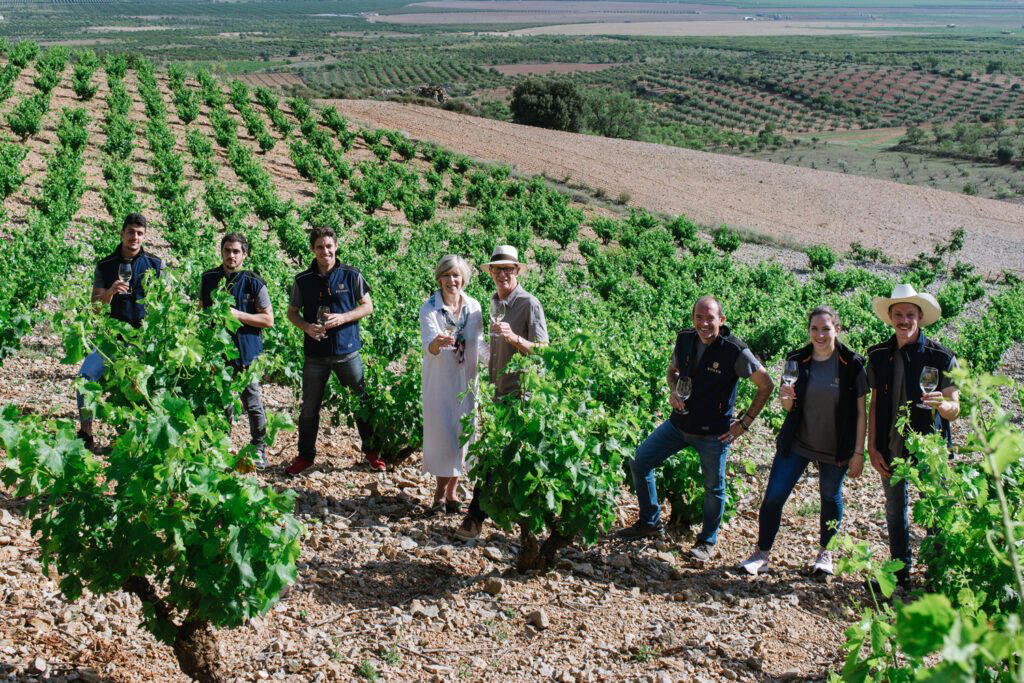
Axial Vinos works for serious Garnacha drinkers who want a production-led view across Cariñena, Campo de Borja, and Navarra. It is appointment only and rated $$, with Falstaff 2 Stars in 2026, so treat it as a planned wine stop rather than a casual tasting-room visit.
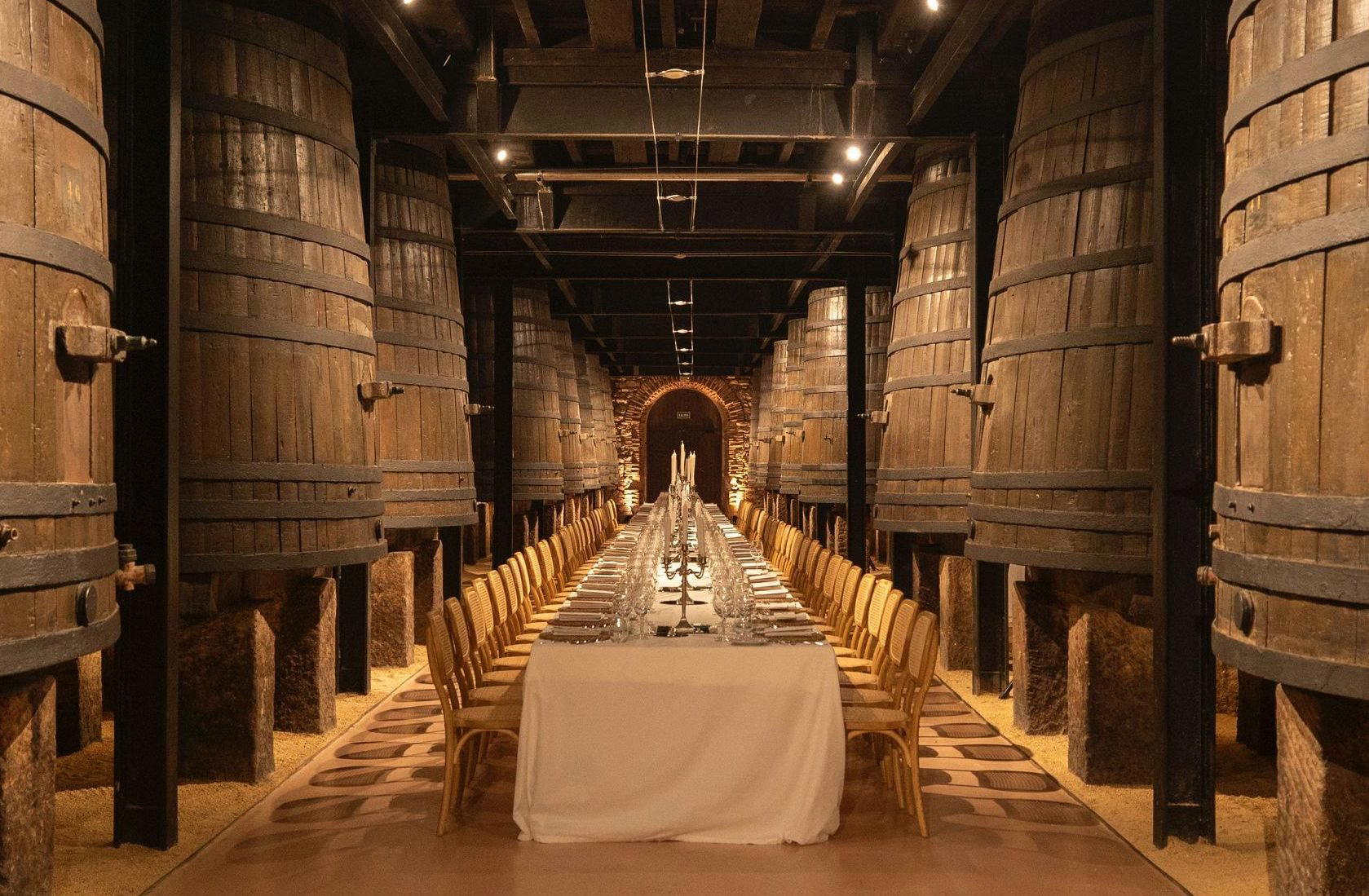
Bodegas Valdelacierva
Navarrete, Spain
Bodegas Valdelacierva is a worthwhile Navarrete target for Rioja-focused travelers who care more about wine credibility than a fully packaged estate visit. Its Falstaff 2 Stars recognition for 2026 gives it a clear trust signal, but plan with flexibility because visitor logistics are not the main selling point.
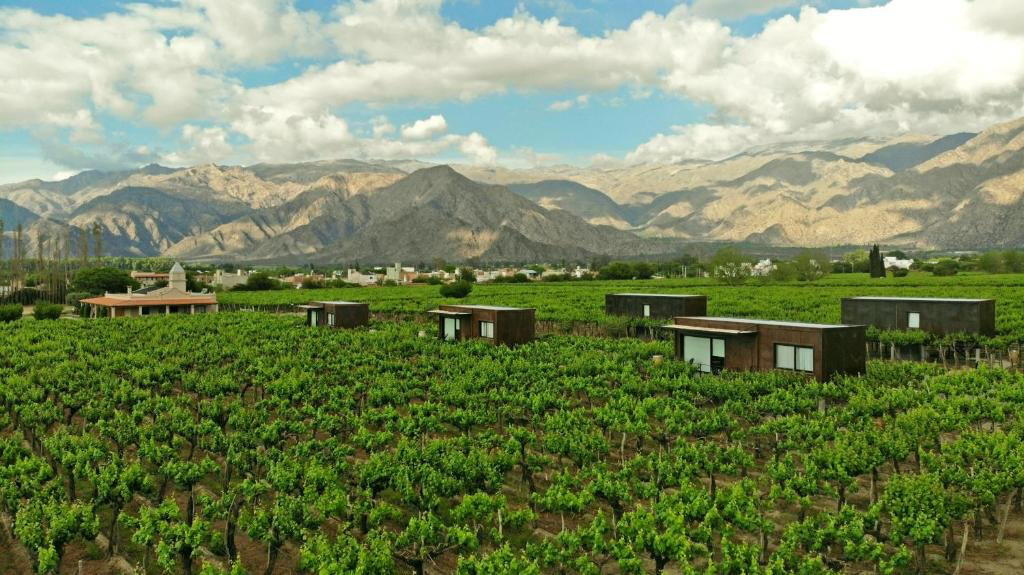
El Porvenir de Cafayate
Cafayate, Argentina
El Porvenir de Cafayate is the better call for travellers who want a planned, higher-touch winery stop in town rather than a loose tasting crawl. It is harder to secure than casual Cafayate alternatives, so first-timers should prioritise a reservation-style plan and cross-shop Bodega Nanni or Domingo Hermanos if flexibility matters more.
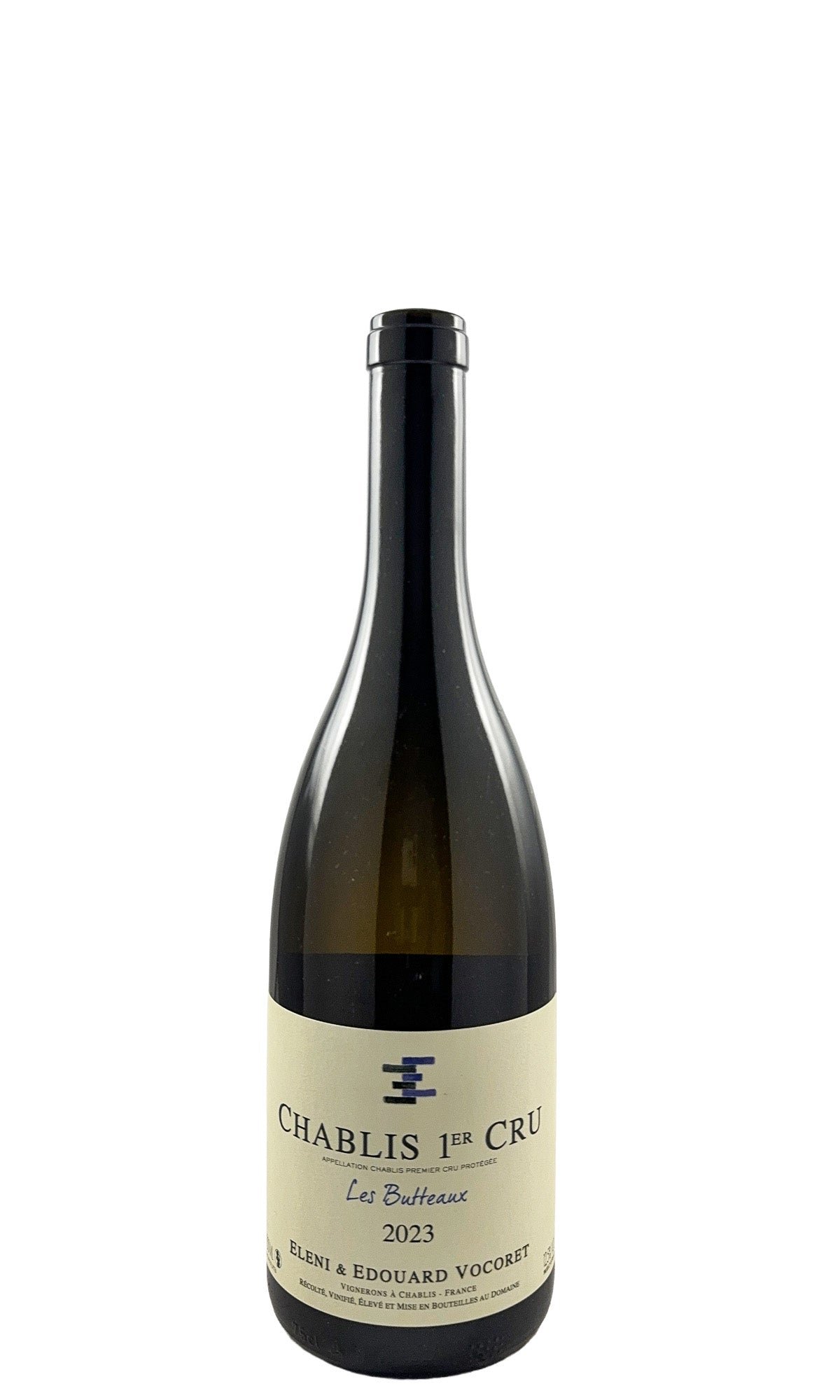
Domaine Eleni & Edouard Vocoret
Chablis, France
Prioritise Domaine Eleni & Edouard Vocoret if the Chablis trip is about depth rather than a casual tasting-room circuit. It is a better fit for small, prepared groups than for large itineraries, with Domaine Dauvissat better for trophy collecting and La Chablisienne likely easier for a broader, more accessible visit.
Domaine Chatelain
Saint-Andelain, France
Domaine Chatelain is a sensible Saint-Andelain pick for travelers who want a Pouilly-Fumé stop rooted in place rather than a heavily staged wine-tourism experience. Falstaff listing in 2026 gives it a useful recognition signal, but plan flexibly because visitor-facing details are sparse.
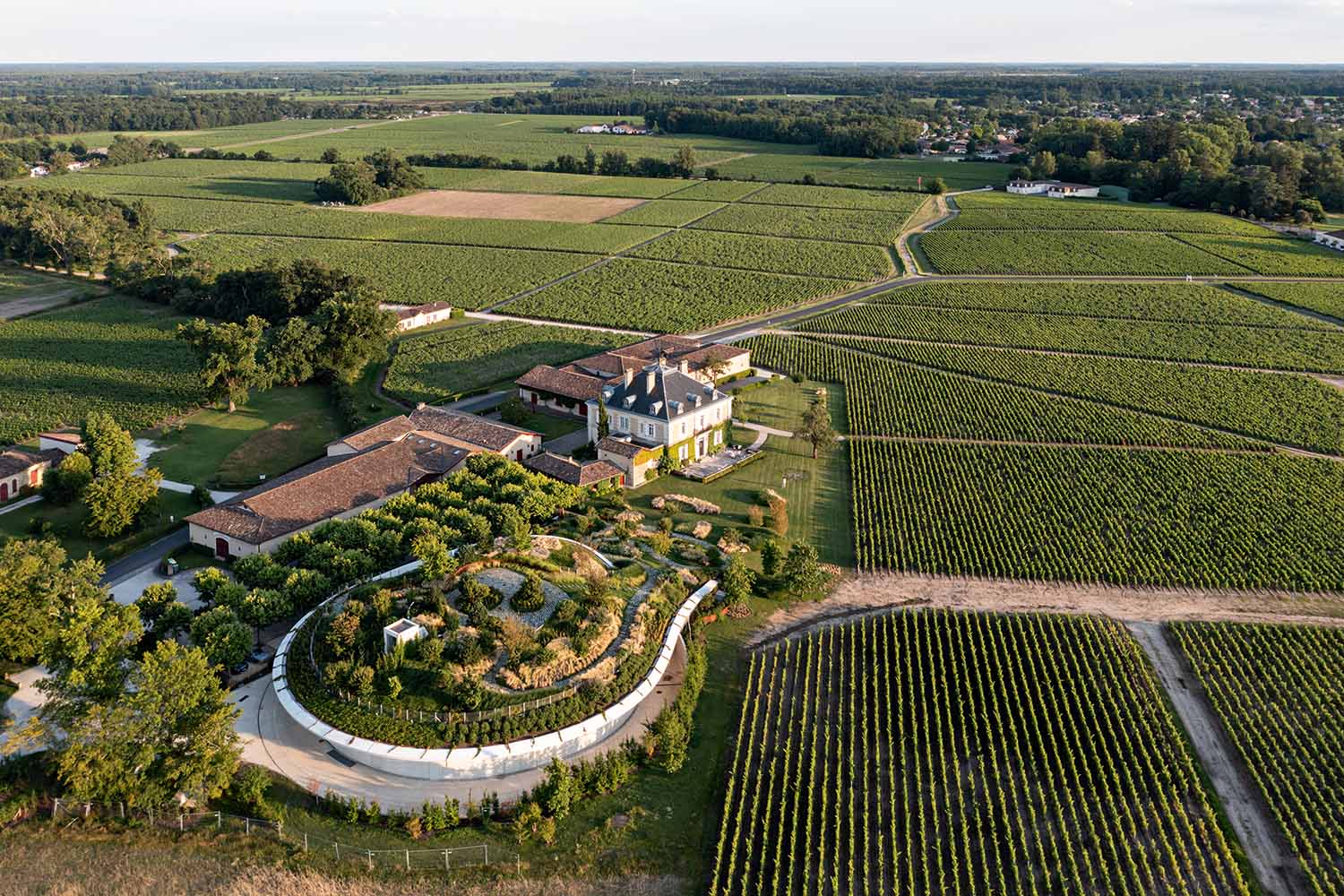
Château Haut-Bailly
Léognan, France
Prioritise Château Haut-Bailly if the goal is a serious Léognan wine appointment with deep Bordeaux history, not a casual drop-in tasting. Access is highly constrained, so build the day around confirmed availability and keep the rest of the itinerary light. Domaine de Chevalier is the closest listed fallback for staying within Léognan.
Château Doyac
Saint Seurin De Cadourne, France
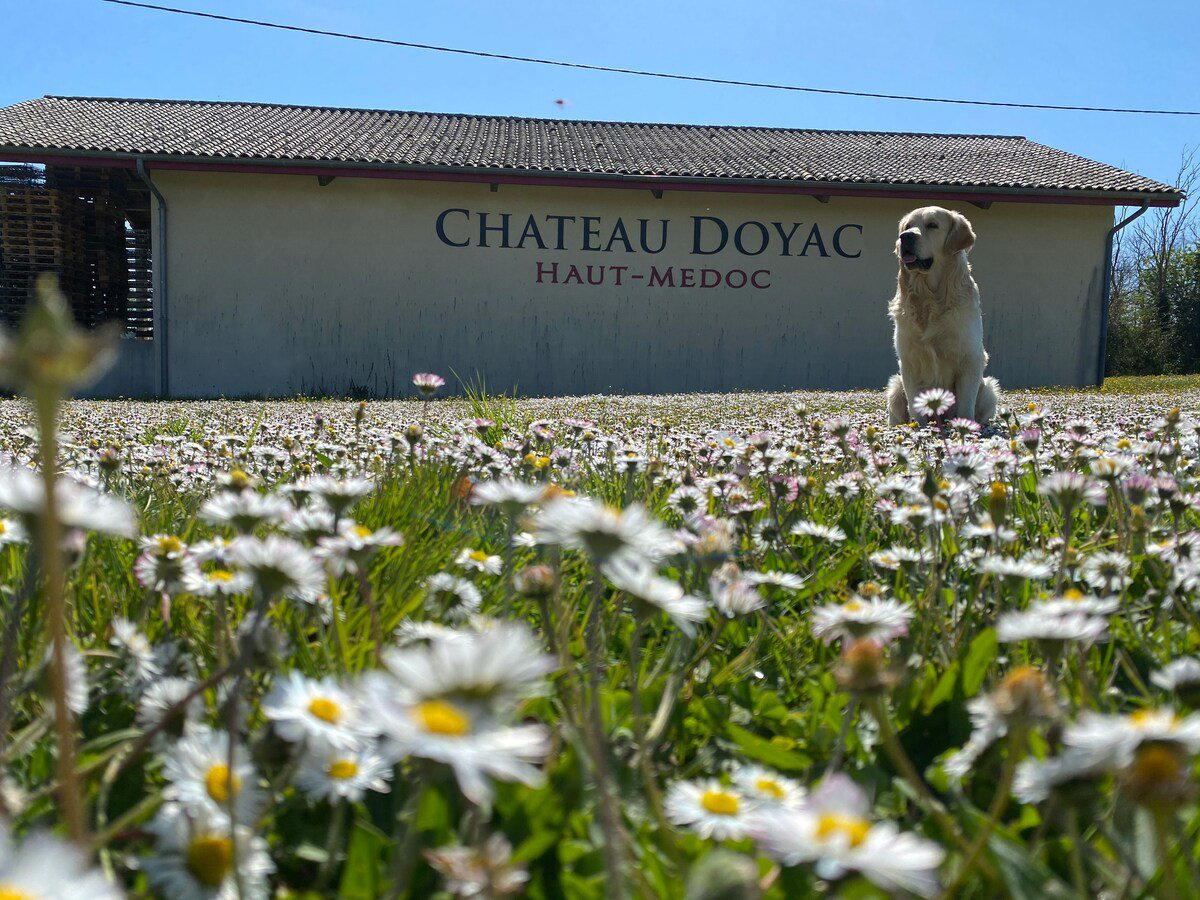
Château Doyac works as part of a Saint Seurin de Cadourne winery route, especially for first-time Médoc visitors who want regional context rather than a single-destination spectacle. Its 2026 Falstaff listing gives it a useful recognition signal, but the smarter move is to compare it with nearby estates and plan the day around several tastings.
Di Majo Norante
Campomarino, Italy
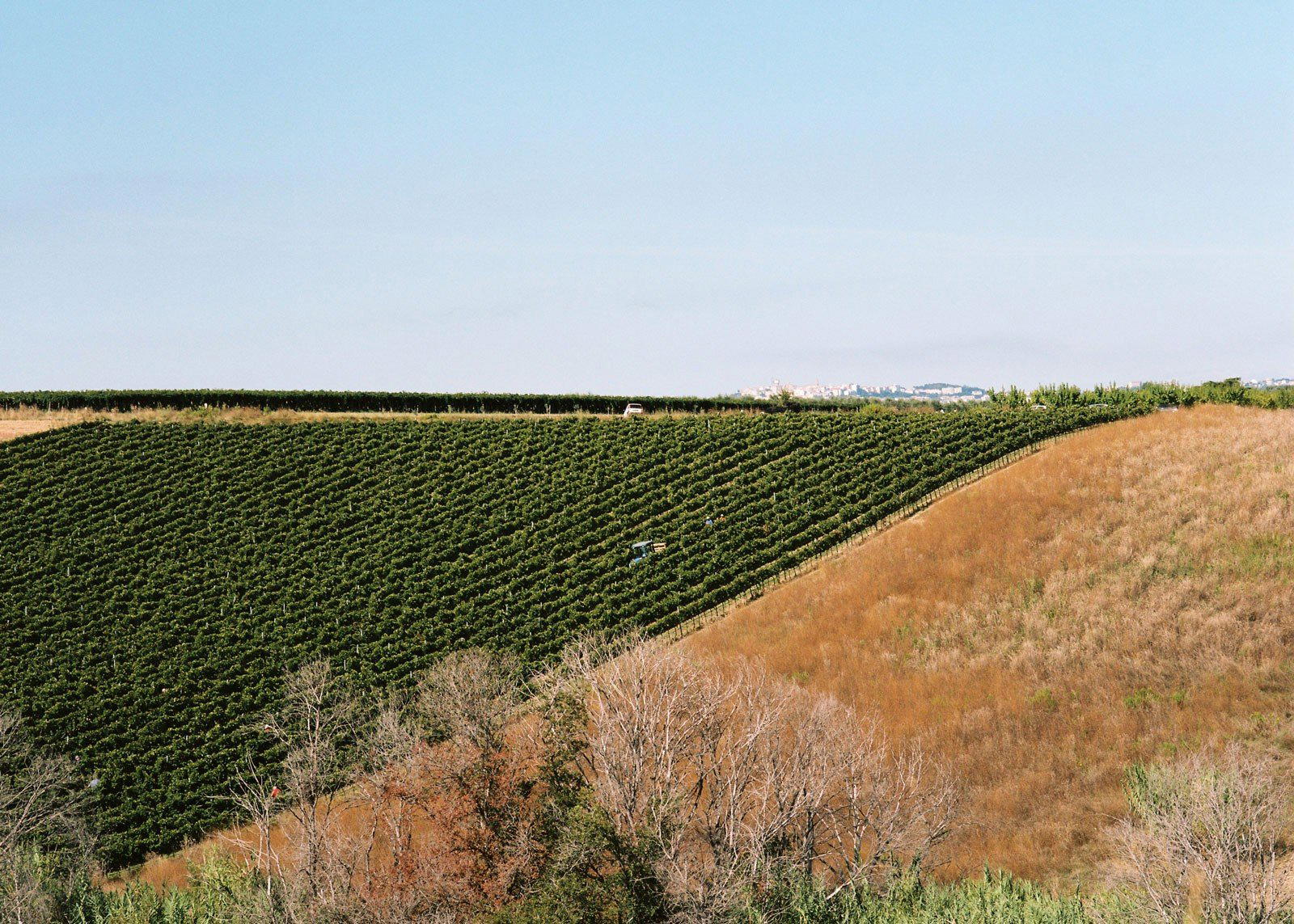
Di Majo Norante is worth prioritising if the trip is about understanding Molise wine from Campomarino rather than securing a fully detailed hospitality package. The 2026 Falstaff 4 Stars rating gives it a credible reason to be on a regional wine itinerary, but plan food, timing, and group logistics separately before building the day around it.
Château de Haute-Serre
Cieurac, France
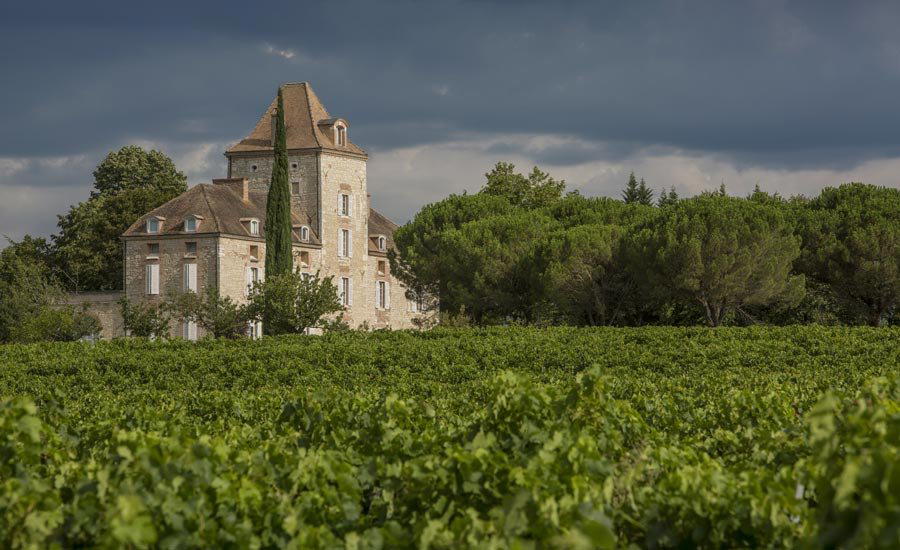
A practical Cahors-area winery pick for travelers who want regional context over luxury polish. Château de Haute-Serre makes the strongest case for visitors already interested in southwest French wine; buy or join only if Cahors fits your cellar, otherwise treat it as a selective tasting stop.
Domaine de Flavigny-Alésia
Flavigny Sur Ozerain, France
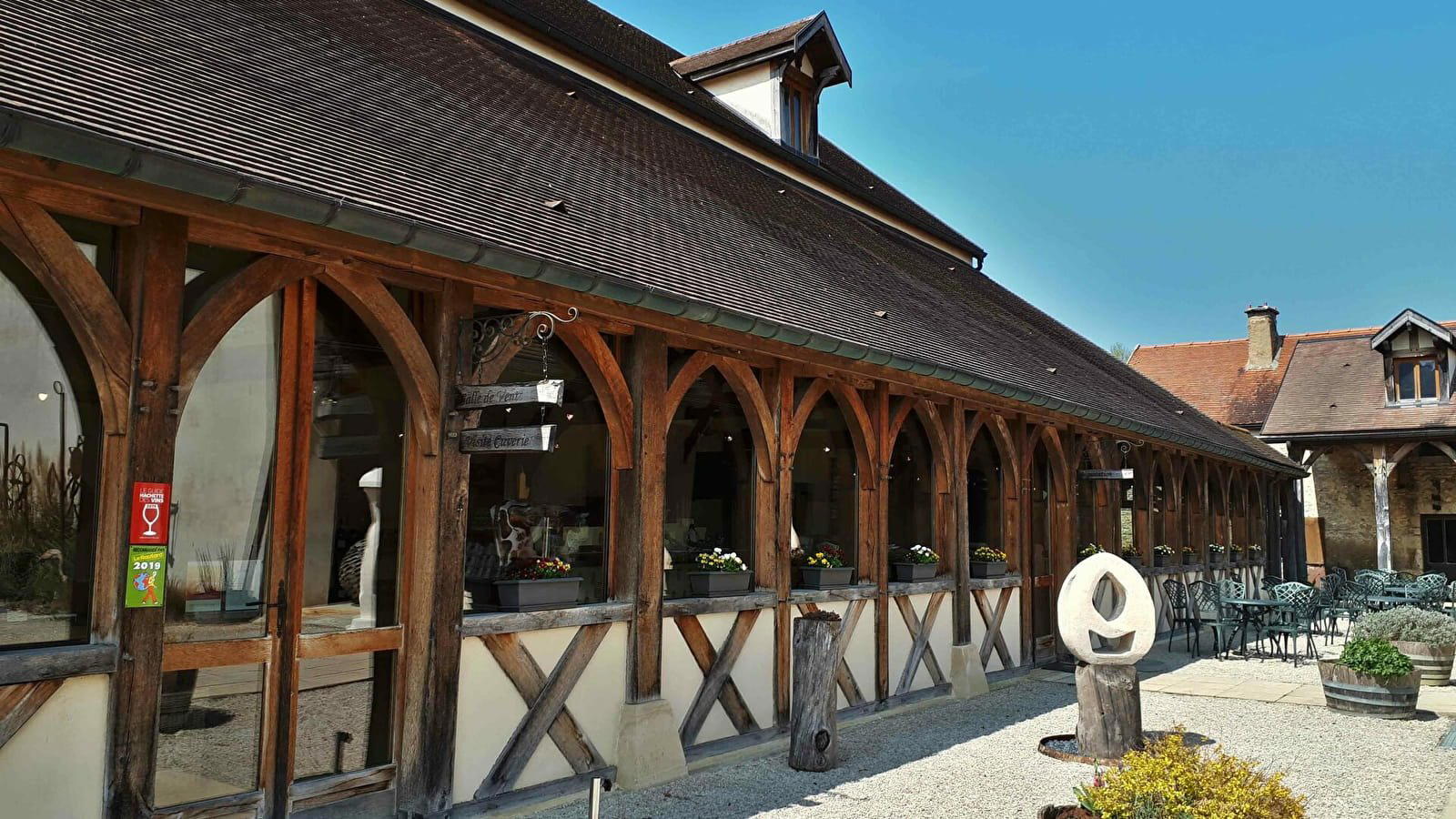
Domaine de Flavigny-Alésia is worth a stop if lesser-known Burgundy is the goal, especially for its César-based red and Auxois setting below medieval Flavigny-sur-Ozerain. Expect a quiet rural estate experience rather than a high-gloss Côte d’Or tasting. Falstaff Listed in 2026, it suits curious drinkers, couples, and Burgundy repeat visitors looking beyond familiar appellations.
Château Haut-Surget
Neac, France
Château Haut-Surget is worth booking if you want a quiet, family-run Lalande-de-Pomerol tasting rather than a high-production château visit. The appeal is practical: appointment-only but easy to arrange, red-wine focused, rustic in style, and backed by a Falstaff Listed 2026 recognition signal.
BIO-Weingut Gessl
Zellerndorf, Austria
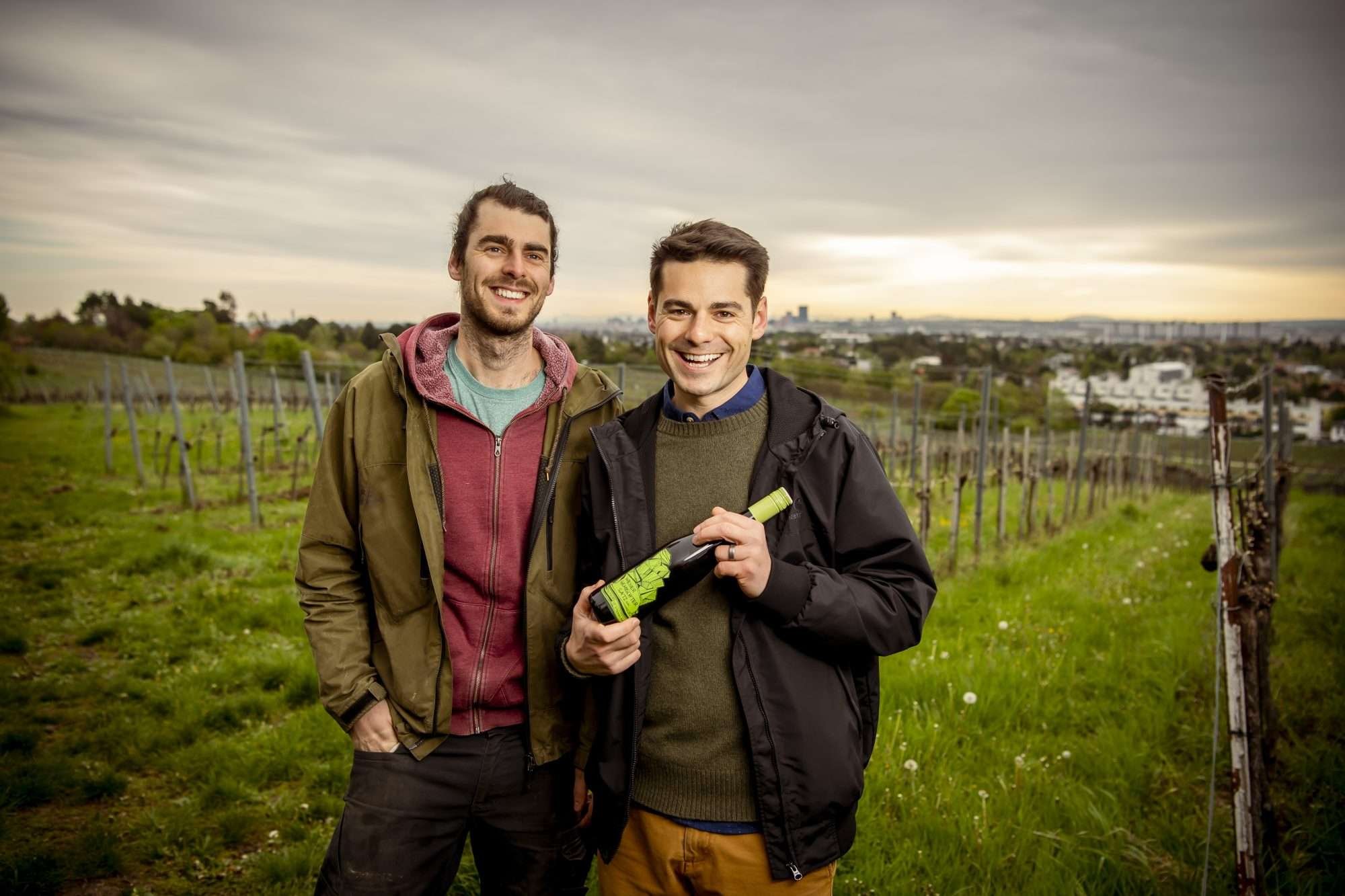
BIO-Weingut Gessl works for a relaxed Zellerndorf winery visit focused on organic farming, family continuity, and characterful Weinviertel wines. Book ahead rather than treating it as a guaranteed walk-in, and go for producer context rather than a polished luxury tasting or formal food experience.
Château Fontfleurie
Saint Hippolyte, France
Worth planning if you want a structured Saint-Émilion Grand Cru visit with biodynamic context, group-ready facilities, and a more serious private tasting format. Château Fontfleurie is less suited to a quick casual stop, but it works well as the anchor for a wine-focused itinerary near Saint Hippolyte.

Buffon Giorgio
San Fior, Italy
Buffon Giorgio works if San Fior is already on a Veneto wine itinerary and the goal is a simple producer-focused stop. Falstaff listing in 2026 gives it a credible external signal, but travelers wanting published tasting details, food service, or a highly structured visit should plan with flexibility.
Jakovac Boutique Winery
Dalj, Croatia
Plan this as a focused Dalj wine stop if Graševina and the Erdut-Danube context are your reason for visiting. The strongest signal is the 2024 Graševina’s blind-tasting recognition, which gives the winery more credibility than a scenic rural address alone. Arrange ahead and treat it as a wine-led visit, not a full dining plan.
Grendelmeier – Weingut Im Tschalär
Zizers, Switzerland
Book Grendelmeier – Weingut Im Tschalär if you want a small, site-driven Graubünden winery with Alpine vineyard context rather than a glossy tasting-room production. Falstaff Listed for 2026, it is strongest for visitors who care about elevation, slope exposure, and a broad grape lineup across whites and reds.
Gusbourne
Ashford, United Kingdom
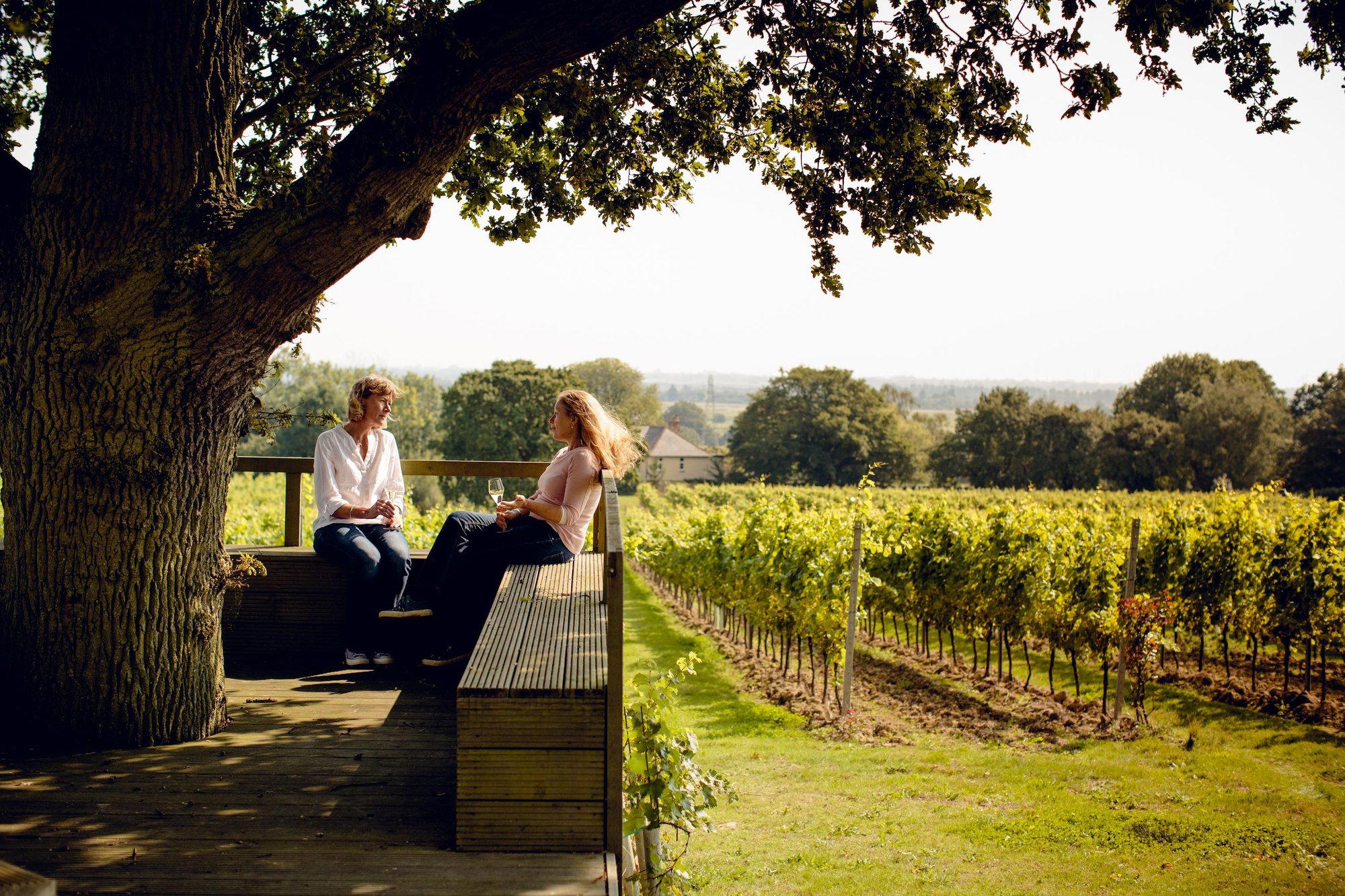
Worth planning around if the goal is a serious Kent wine stop rather than a casual tasting. Gusbourne has 2025 recognition from World's 50 Best Vineyards and Pearl 2 Star Prestige, making it a strong choice for English sparkling context, but less convenient for visitors who need flexible timing or confirmed food details before deciding.
Domaine de Courcel
Pommard, France
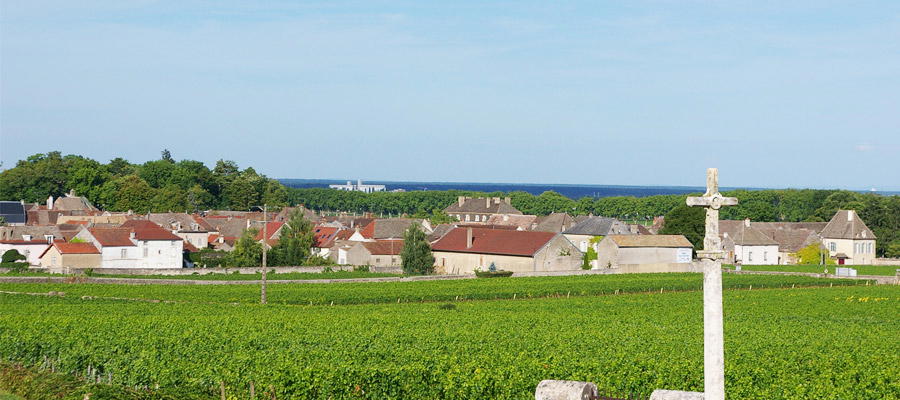
Domaine de Courcel is worth pursuing if your Pommard plans are built around serious Burgundy producer context, not casual tasting. Access should be treated as difficult, so compare it with Château de Pommard for a more predictable visitor experience and Domaine Comte Armand, Domaine Parent, or Domaine Anne-Françoise Gros for a more producer-led Pommard day.
Domaine Vincent Dureuil-Janthial
Rully, France
A strong choice for Burgundy-focused travelers who want Rully depth rather than a broad visitor attraction. Domaine Vincent Dureuil-Janthial carries Falstaff Winery 2 Stars for 2026, which gives it a credible quality signal, but the experience should be planned as part of a tighter wine itinerary rather than treated as a casual walk-in stop.
Maison Nicolas-Jay
Newberg, United States
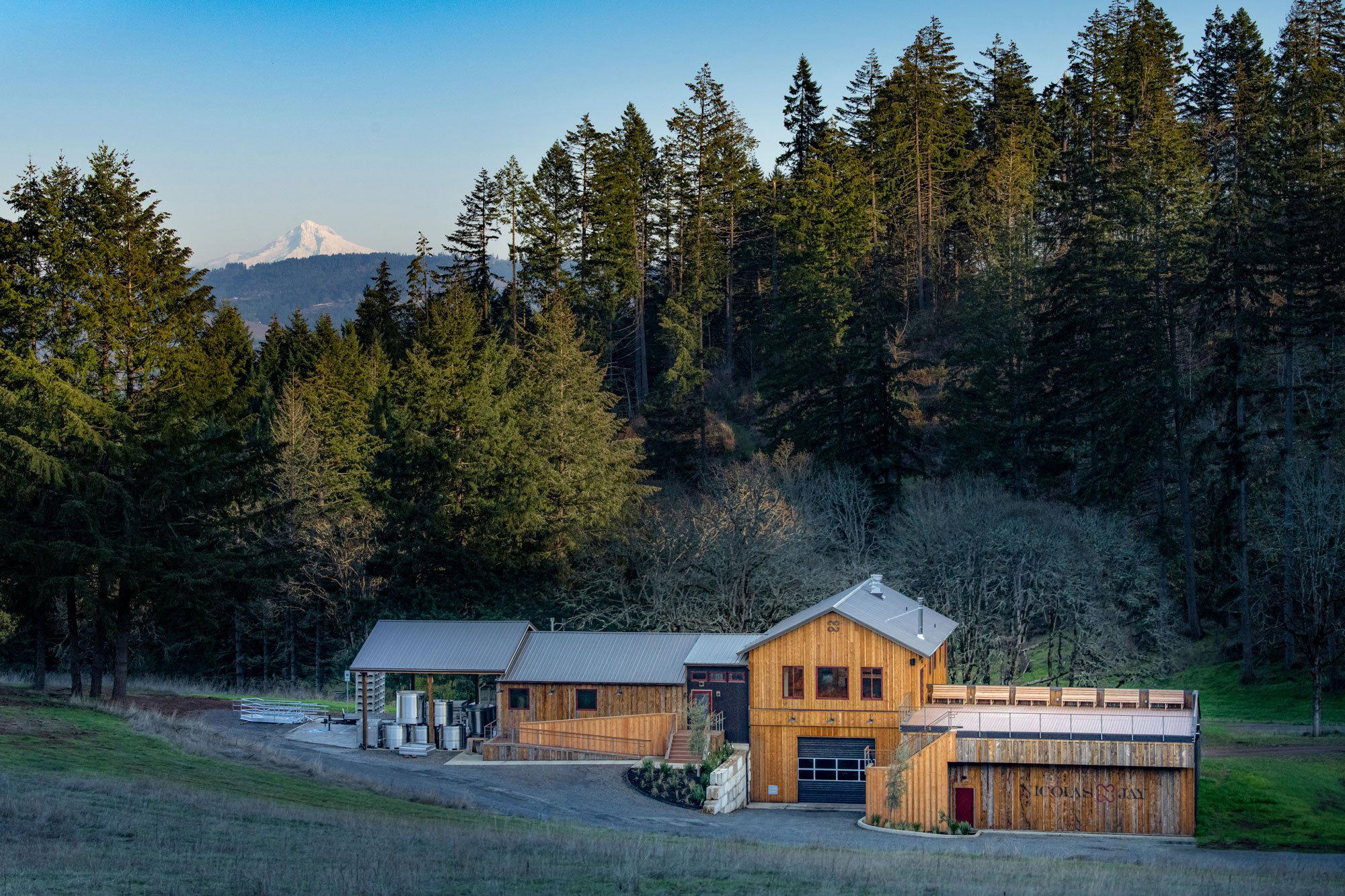
Maison Nicolas-Jay is worth prioritizing for a special-occasion Newberg tasting when the wine, not a food program, is the main reason to go. It is less suitable for large groups, casual drop-ins, or visitors who need a meal-like pairing experience built into the visit.
Weingut Gernot und Heike Heinrich
Gols, Austria
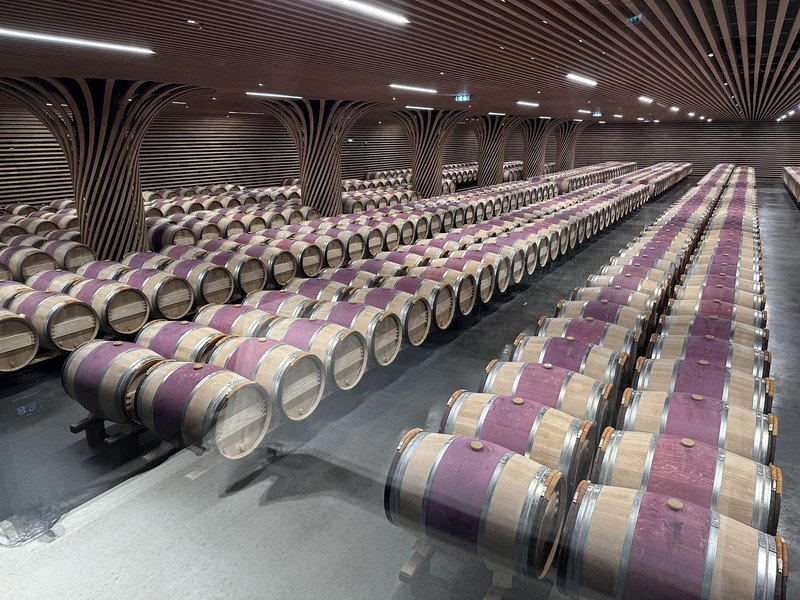
Prioritize Weingut Gernot und Heike Heinrich if the goal is a serious Gols wine visit built around planning, focus, and producer context. It is not the easiest casual add-on, so cross-shop nearby Gols wineries if availability is tight or the group wants a more flexible day.
Bodegas Biniagual
Binissalem, Spain
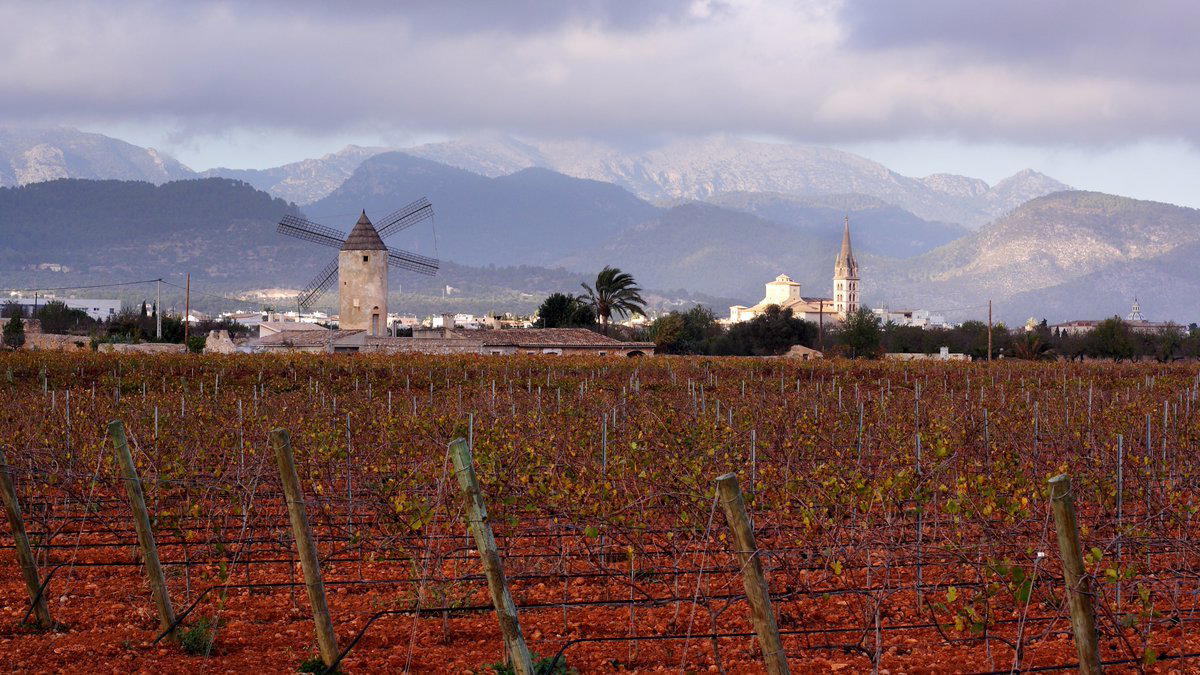
A strong choice for a slower Binissalem wine day, especially if the fuller tasting or tapas format is available. The draw is the preserved hamlet setting, estate-grown wine context and quiet courtyards rather than a quick cellar-door stop, so plan it as the anchor of the day.
Domaine de Valensac
Florensac, France
Domaine de Valensac is worth a stop if the brief is accessible Languedoc wine with more variety than the usual caveau visit. Go for the whites, the original grape mix, and the easy rural format; choose a guided or private tasting if this is meant to anchor a celebration or hosted group.
Blandy's
Funchal, Portugal
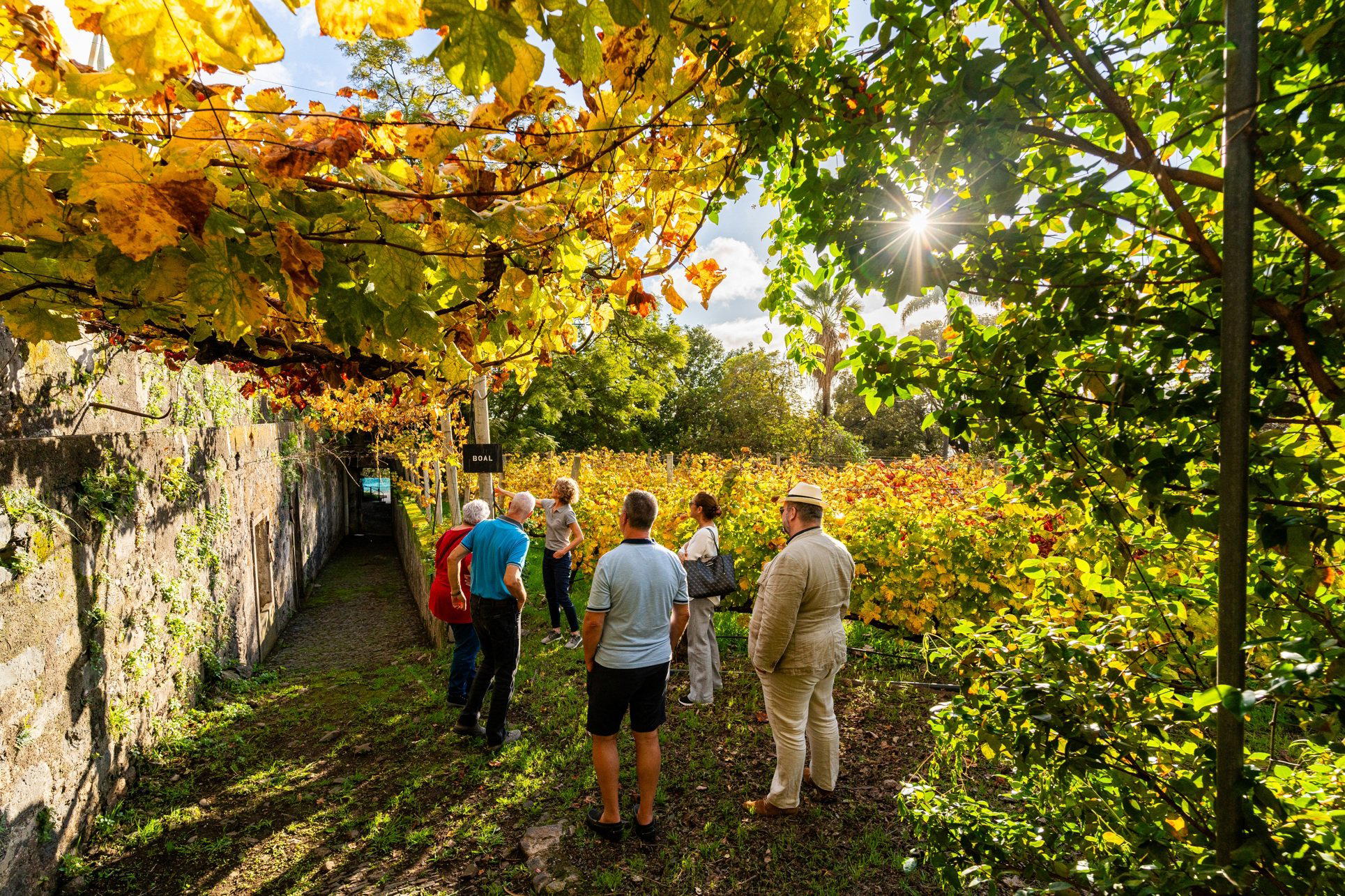
Book this if you want Madeira wine explained through a real Funchal lodge rather than a generic tasting room. The value is in the historic ageing spaces, canteiro context, and guided comparison across classic Madeira styles, making it especially strong for couples, curious wine drinkers, and special-occasion visitors who want substance without leaving the city centre.
Bodega La Azul
Tunuyán, Argentina
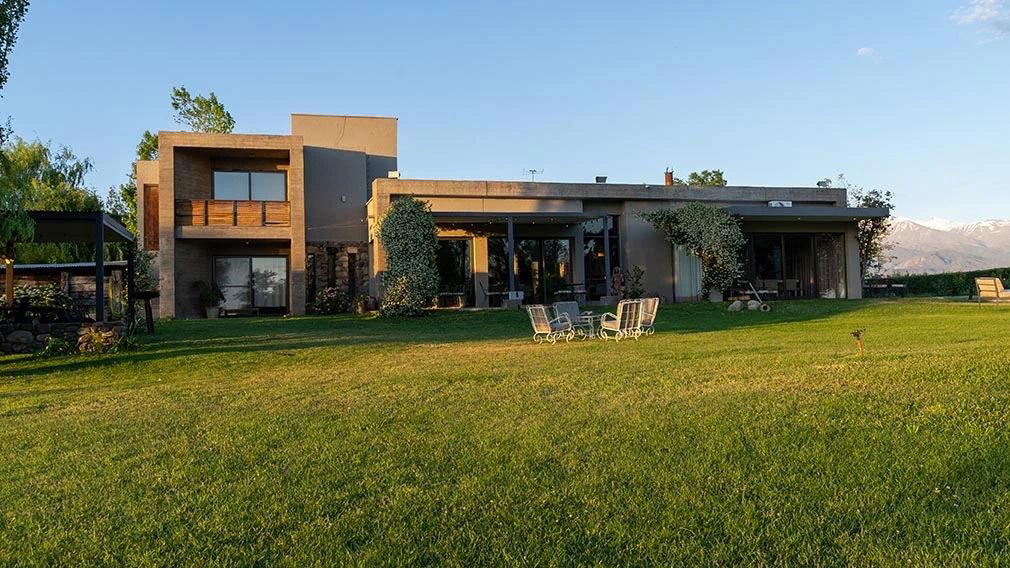
Book Bodega La Azul if the priority is a relaxed Tupungato winery stop with enough atmosphere for a date or celebration. For a more structured estate visit, compare Bodegas Salentein or Andeluna Cellars first; this is better treated as a mood-led Uco Valley anchor than a guaranteed all-in-one tasting plan.
Franz Haas
Montan An Der Weinstrasse, Italy
Book Franz Haas if you want a calm, appointment-only South Tyrol winery visit built around tasting and buying wine rather than elaborate hospitality. The $$ positioning and Falstaff 2026 listing make it a sensible Montan an der Weinstrasse stop for focused wine travelers, especially couples or small groups who prefer an unhurried cellar-door format.
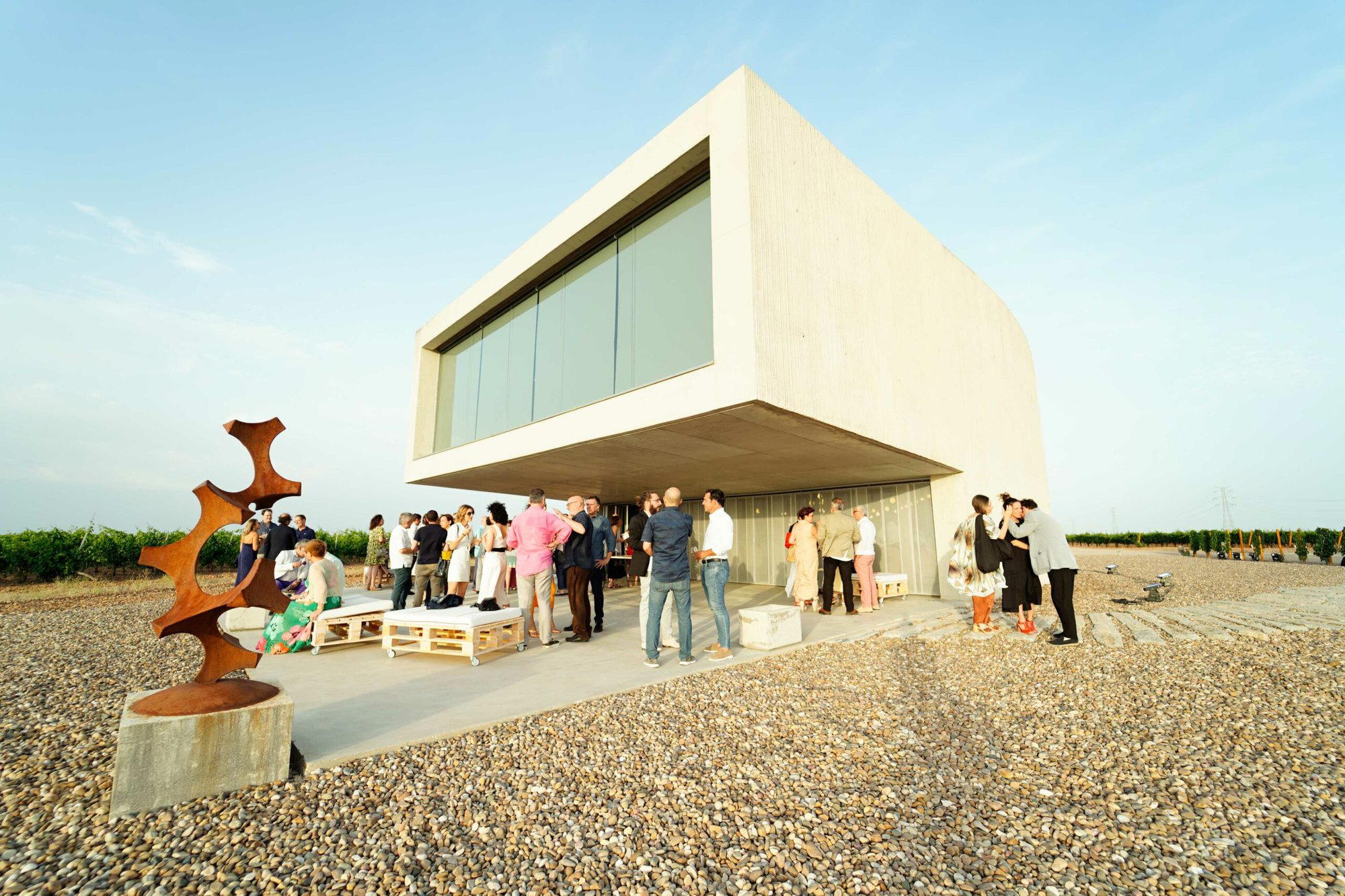
Belondrade
Seca, Spain
Belondrade is a strong choice for a serious wine-focused stop in Seca, especially if the trip is about deciding what to buy rather than filling an afternoon. The appeal is cellar-first: recognised quality, a rural Castilla y León setting, and a visit that makes the most sense for collectors, hosts, or special-occasion travelers.
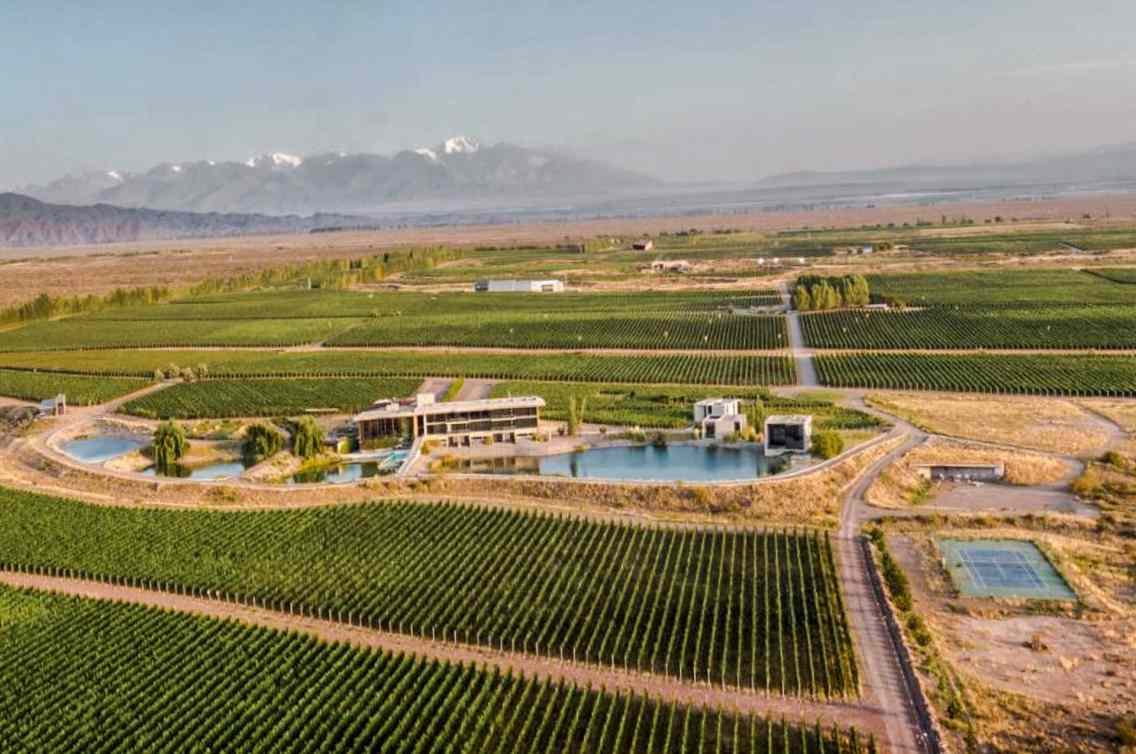
Casa de Uco
Guaymallen, Argentina
Casa de Uco is worth choosing when the wine-country resort is the centerpiece of the trip, not just a place to sleep between tastings. The value is in the combined vineyard setting, contemporary design, winery access, and relaxed luxury atmosphere; travelers chasing a quick, lower-commitment tasting may be better served by a shorter winery visit elsewhere.
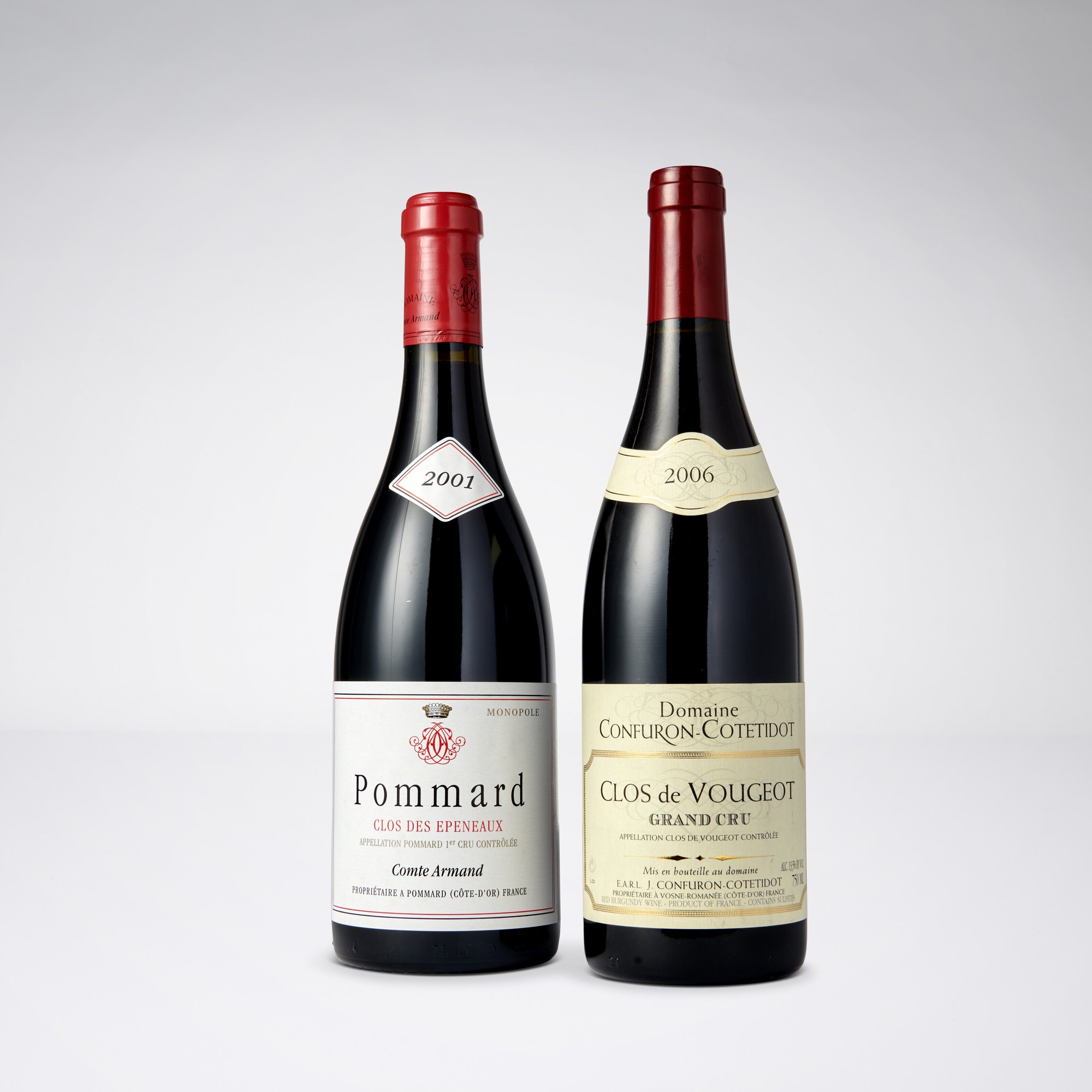
Domaine Comte Armand
Pommard, France
Domaine Comte Armand is worth prioritizing if the goal is a serious Pommard-focused Burgundy visit rather than a casual tasting stop. First-timers should build backup options in the village, especially Château de Pommard for a more visitor-facing experience or Domaine de Courcel and Domaine Parent for producer-led comparisons.
How many of these have you visited?
Find out on Pearl and keep score across every place in 2026 Falstaff Winery Guide.