
Domaine Eleni & Edouard Vocoret
Chablis
Winery in Chablis, France
 Book with Pearl
The Read
Kimmeridgian Limestone Precision
Why go
Prioritise Domaine Eleni & Edouard Vocoret if the Chablis trip is about depth rather than a casual tasting-room circuit. It is a better fit for small, prepared groups than for large itineraries, with Domaine Dauvissat better for trophy collecting and La Chablisienne likely easier for a broader, more accessible visit.
About Domaine Eleni & Edouard Vocoret
Domaine Eleni & Edouard Vocoret is a Chablis venue with Pearl 2 Star Prestige recognition for 2025. The safest way to plan is to confirm directly in advance rather than build a visit around assumptions about visit formats, food, shipping, group capacity, or other services.
For expectations, keep the location broad: this is a Chablis stop; a street-level address or detailed visitor-service profile is not available. Travellers planning time in Chablis can pair the plan with Our full Chablis restaurants guide, Our full Chablis hotels guide, and Our full Chablis wineries guide, confirming details directly.
Essential Information
Domaine Eleni & Edouard Vocoret is in Chablis, has a smart casual dress code, and carries Pearl 2 Star Prestige recognition for 2025. Beyond that, specific visit formats, tasting arrangements, group policies, food options, and purchase logistics should be checked directly with the venue.
If you are building a Chablis itinerary, use this information as a starting point and leave room for direct confirmation. For broader trip planning, keep Our full Chablis experiences guide and Our full Chablis bars guide close, especially if your schedule depends on specific details.
How to compare nearby and regional names
If you are comparing Domaine Eleni & Edouard Vocoret with other names, keep the comparison high-level unless you have confirmed current visit details directly. Domaine Dauvissat, Domaine Billaud-Simon, Domaine Willian Fevre, and La Chablisienne can be considered as other Chablis references; however, their visitor experiences in terms of format, access, pricing, or availability should be confirmed directly.
For travellers considering options beyond Chablis, Domaine François Lamarche is better treated as a separate regional comparison rather than a direct Chablis substitute. Use these names as planning context, then confirm the practical details of each stop before anchoring an itinerary around them.
Planning details
- Location
- 19 rue de Chichée, 89800 Chablis, France
- Website
- vocoret.fr
- Phone
- +33 6 07 02 29 85
The take
The Take
The Vibe
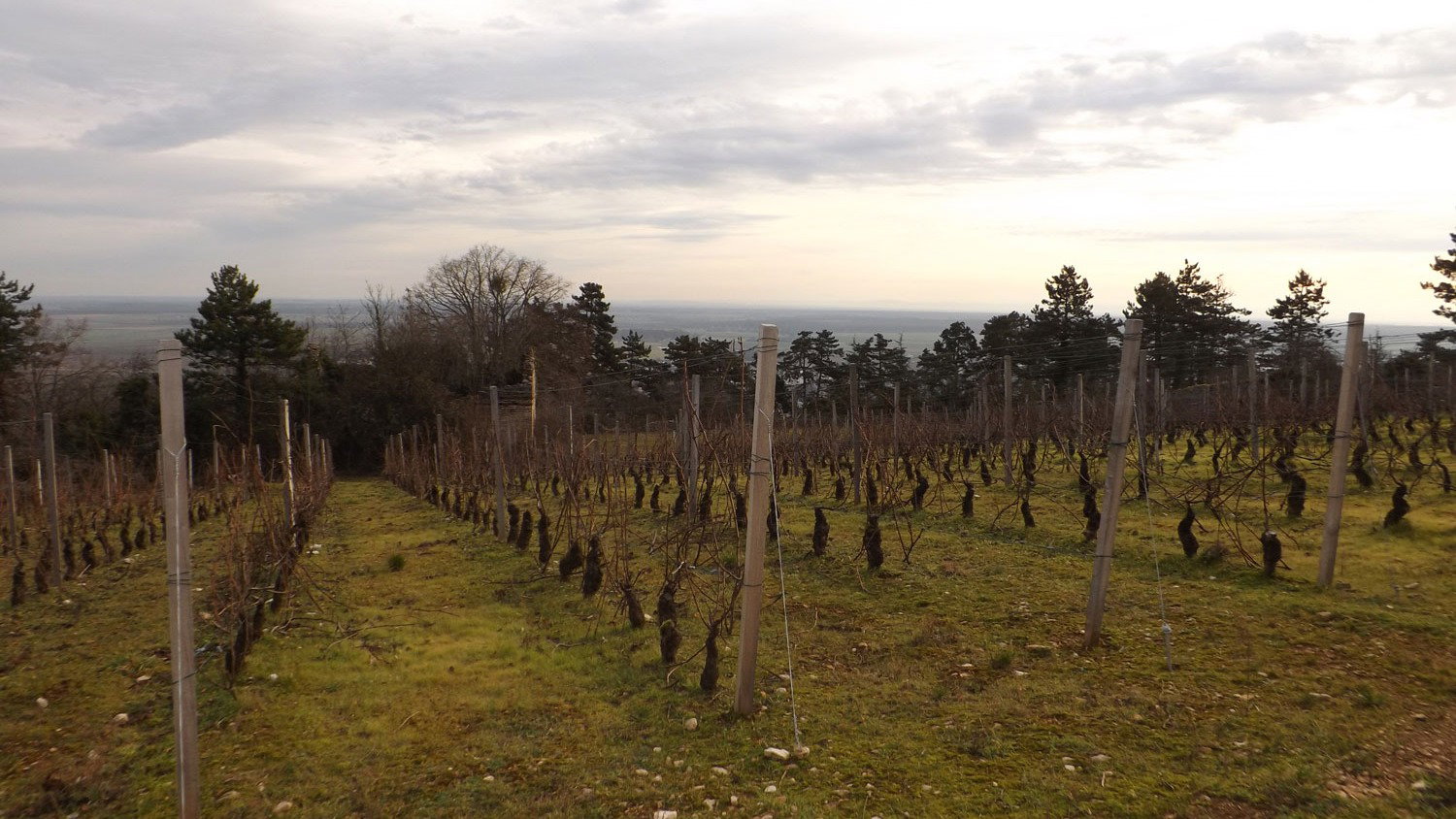
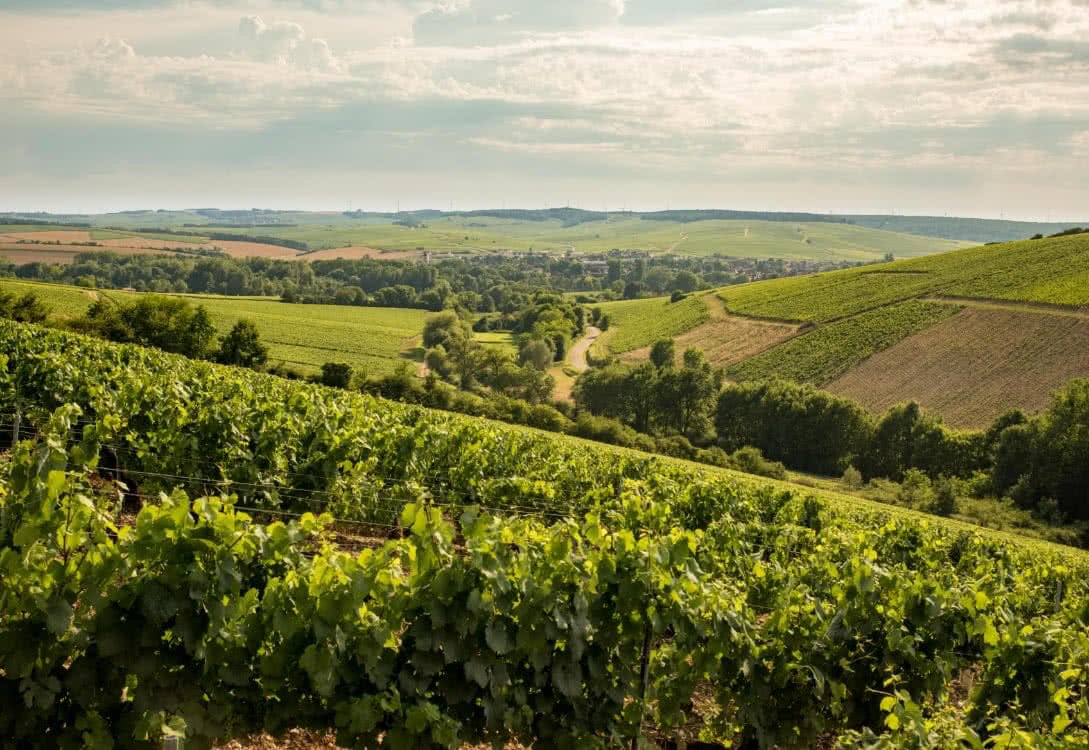
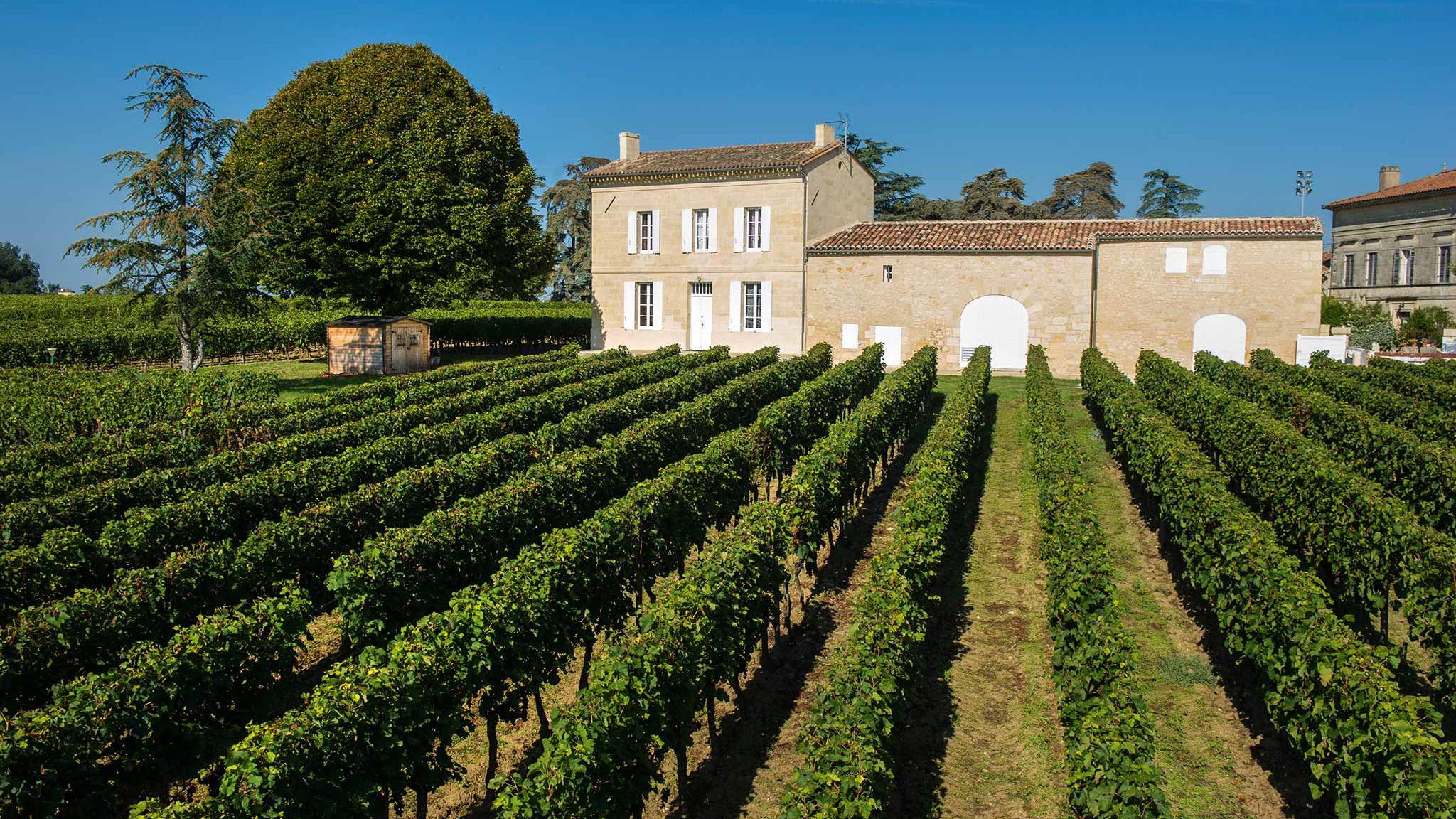
Domaine Eleni & Edouard Vocoret reads as a quietly refined, terroir-forward Chablis producer. The copy foregrounds geological specificity and a measured, traditional approach to Chardonnay, placing the domaine within long-established regional hierarchies. Earning a Pearl 2 Star Prestige recognition in 2025 underscores the producer’s technical seriousness and elevated standing; the tone is less about flash than about provenance and precision. Visitors and readers encounter a composed, classic wine destination—sophisticated without being showy—rooted in village-scale charm and the pale Kimmeridgian limestones that define the appellation.
Best For
This domaine is best for people who want to understand what makes Chablis distinctive: students of terroir, collectors considering ageworthy bottles, and anyone drawn to methodical producers working specific parcels. The narrative emphasizes appellation tiers (Petit Chablis, Chablis, Premier Cru, Grand Cru) and the role of parcel and soil, so it suits visitors intent on focused tasting and comparative study. It also appeals to those seeking a quieter, small-producer perspective on Burgundy rather than a mass-market cooperative or négociant experience.
Tasting Tips
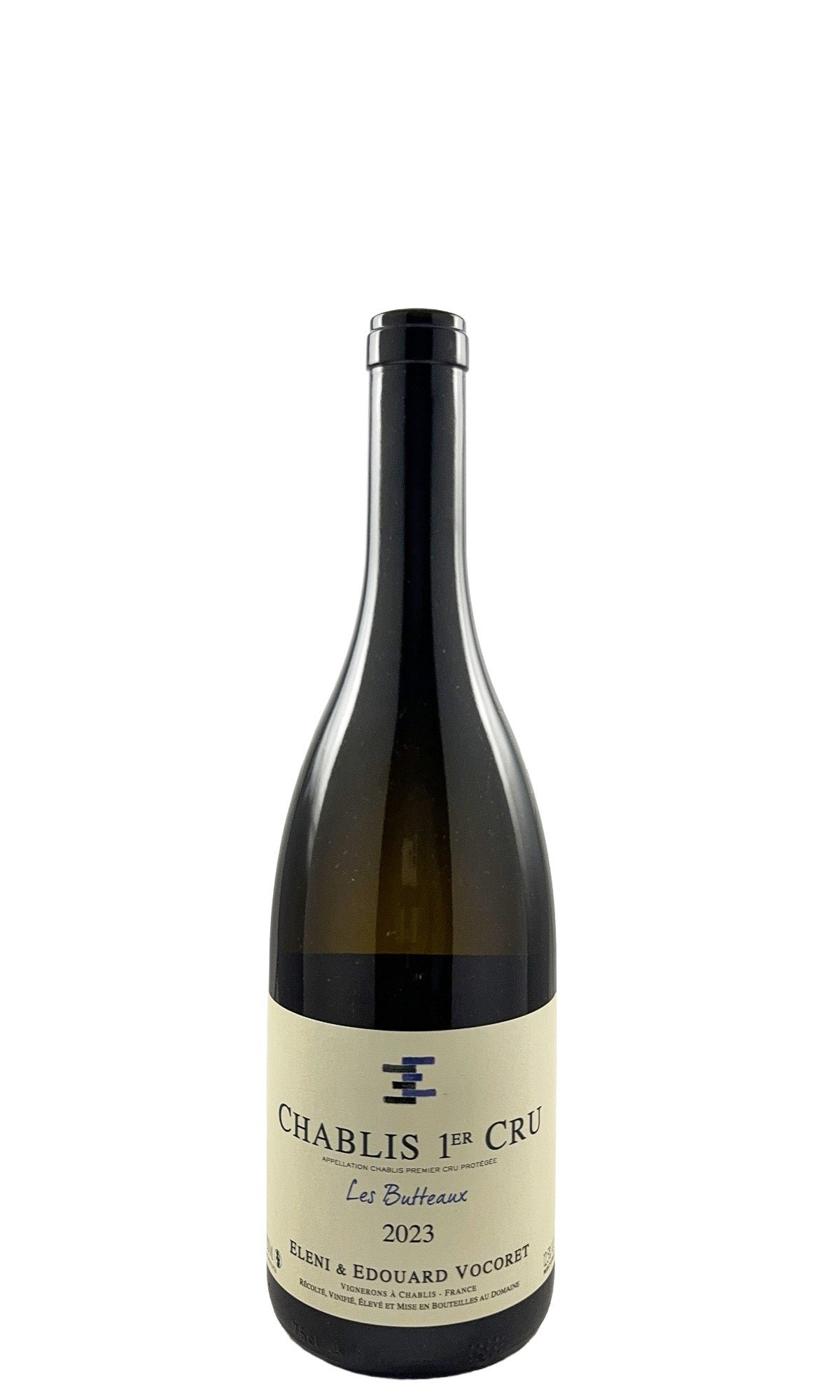
When selecting wines from this producer, use the Chablis hierarchy as your guide: Petit Chablis and Chablis offer immediate drinkability, while Premier Cru and Grand Cru parcels are presented as candidates for longer aging and higher price points. Ask about the specific climat or parcel and the vintage’s expression of Kimmeridgian limestone and acidity. The domaine’s Pearl 2 Star Prestige status signals careful selection and winemaking, so prioritize single-vineyard or Premier/Grand Cru cuvées if you want wines with cellar potential and a clearer sense of place.
Venue details
Ambiance
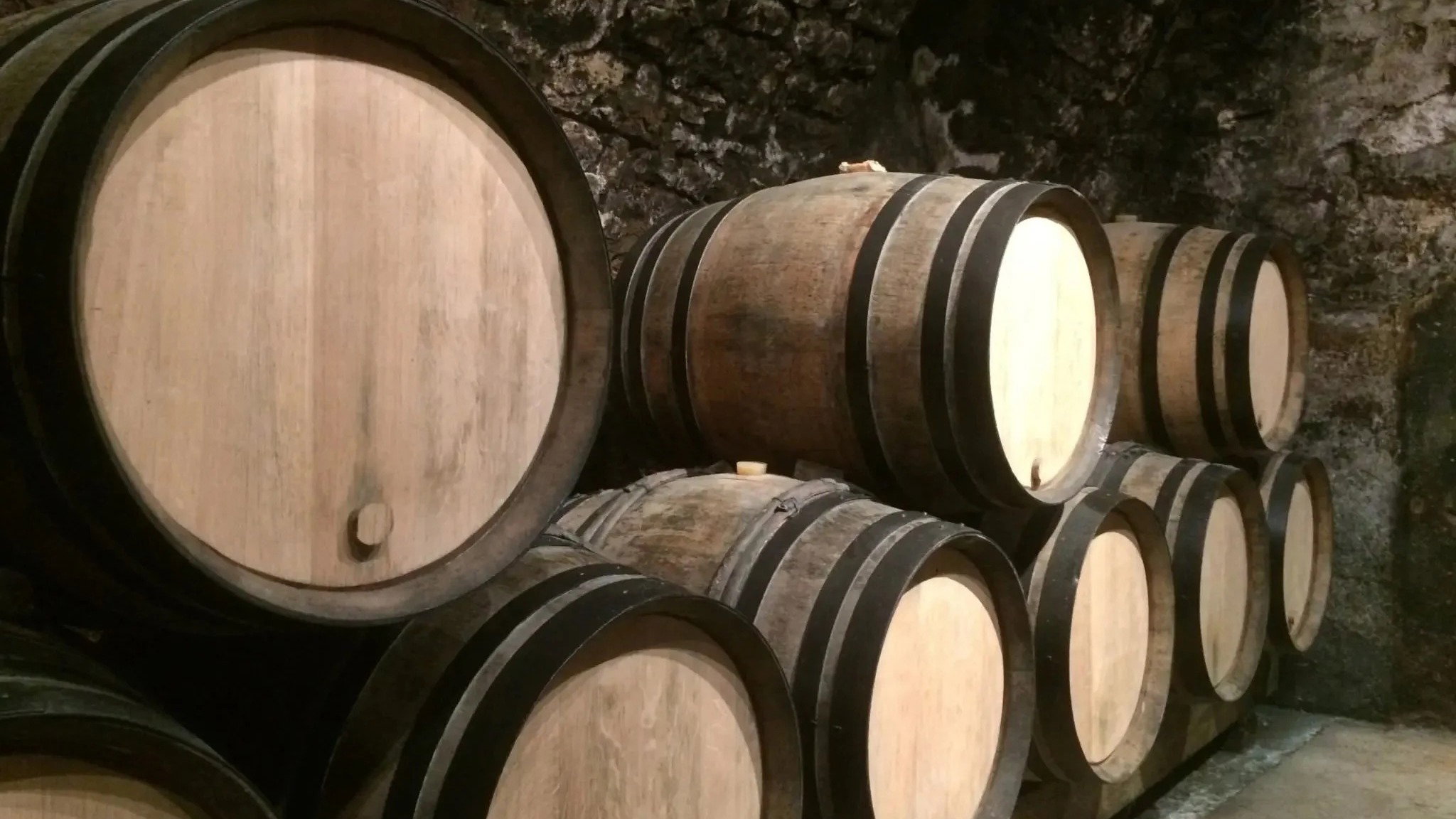
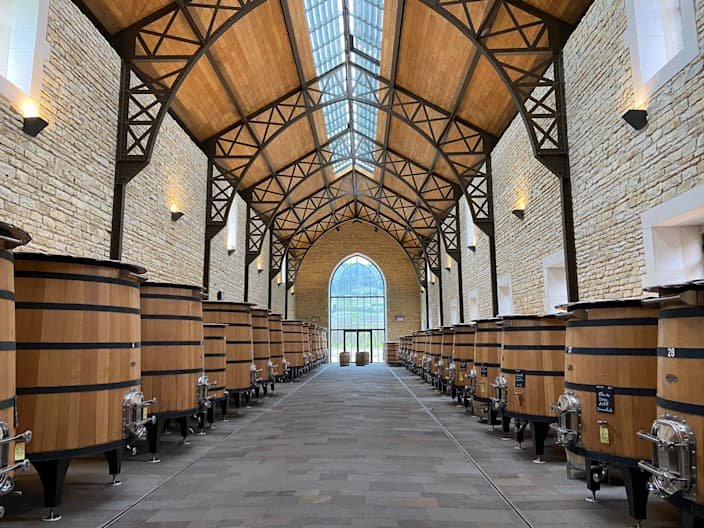
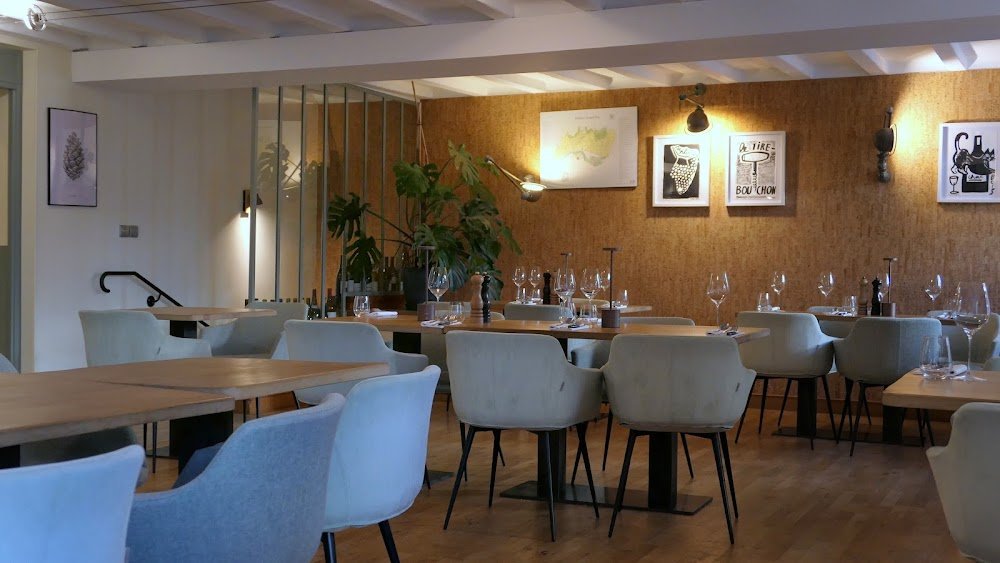
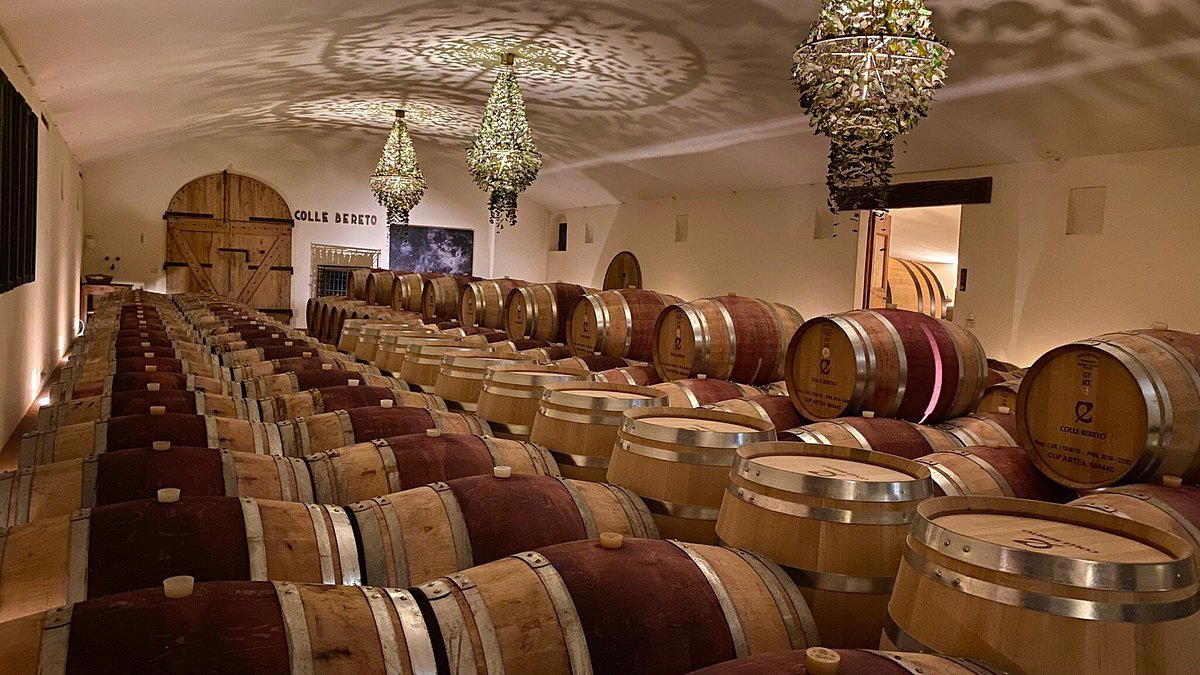
Intimate and rustic with a focus on minimalist winemaking in a small cellar.
Tags
Vibe
Best For
Experience
Sourcing
View
At the Vineyard
- Appellation
- Chablis AOC
- Varietals
- Chardonnay
- Tour Duration
- 60-90 minutes
- Tour Languages
- French, English
- Visits
- By appointment only
- Farming
- Organic
- Wine Styles
- Still White
- Wine Club
- Not available
Know before you go
Know Before You Go
- Getting there
- 19 rue de Chichée, 89800 Chablis, France
Planning details
Location
Recognition and awards

Also consider
Where to Try if This Is Full
If access is the issue, start with La Chablisienne for the easiest Chablis fallback, then look at Domaine Billaud-Simon for a more serious domaine alternative. Domaine Dauvissat is worth pursuing only if the trip can absorb a difficult booking outcome.
Winery context
How It Compares
Against Domaine Dauvissat, Domaine Eleni & Edouard Vocoret is the more sensible target for travellers who want a serious Chablis stop without making the whole trip revolve around one collector address. Dauvissat is the higher-pressure chase; choose it when prestige matters more than ease, and choose Vocoret when the goal is a focused appointment with less trophy signalling.
Domaine Willian Fevre and Domaine Billaud-Simon are stronger cross-shops for visitors who want a broader, more structured Chablis comparison. They make sense if the day needs clearer logistics or a more conventional tasting rhythm. Vocoret is the better pick when ambiance and small-domaine context matter more than breadth.
La Chablisienne is the fallback for accessibility and value if a harder-to-secure appointment falls through. Domaine François Lamarche is useful for Burgundy context, but it is not a like-for-like Chablis alternative; use it when the trip extends beyond the appellation rather than as a same-day replacement.
Explore Chablis
Around this place
Discover more on Pearl
Unlock the full Domaine Eleni & Edouard Vocoret guide in Pearl, including awards, comparisons, FAQs, planning details, and nearby places.
Compare Domaine Eleni & Edouard Vocoret
| Venue | Location | Awards |
|---|---|---|
| Domaine Eleni & Edouard Vocoret | Chablis | 2026 Falstaff Winery Guide |
| Domaine Dauvissat | Chablis | 2026 Falstaff Winery Guide2025 Pearl 4 Star Prestige |
| Domaine François Lamarche | Chablis | 2025 Pearl 3 Star Prestige |
| Domaine Willian Fevre | Chablis | No published awards |
| Domaine Billaud-Simon | Chablis | 2026 Falstaff Winery Guide |
| La Chablisienne | Chablis | 2026 Falstaff Winery Guide |

How Domaine Eleni & Edouard Vocoret Chablis compares with similar nearby venues.
FAQ
Frequently Asked Questions
Does Domaine Eleni & Edouard Vocoret ship wine?
Shipping information for Domaine Eleni & Edouard Vocoret is not available. Confirm any purchase or shipping arrangements directly with the venue before relying on them.
How long should I plan for a visit to Domaine Eleni & Edouard Vocoret?
Visit duration for Domaine Eleni & Edouard Vocoret is not available. Plan with flexibility and confirm the expected timing directly with the venue in Chablis.
Does Domaine Eleni & Edouard Vocoret serve food?
Food-service information for Domaine Eleni & Edouard Vocoret is not available. Plan meals separately in Chablis unless the venue directly confirms otherwise.