
Bodega La Azul
Tunuyán
Winery in Tunuyán, Argentina
 Book with Pearl
The Read
Altitude-Driven Viticulture
Price
$20–30tasting
Why go
Book Bodega La Azul if the priority is a relaxed Tupungato winery stop with enough atmosphere for a date or celebration. For a more structured estate visit, compare Bodegas Salentein or Andeluna Cellars first; this is better treated as a mood-led Uco Valley anchor than a guaranteed all-in-one tasting plan.
About Bodega La Azul
For planning in Tunuyán, Bodega La Azul is located in Tunuyán, has a casual dress code, and holds Pearl 2 Star Prestige (2025). Avoid building an itinerary around assumed services, menus, tasting formats, prices, or group arrangements unless you confirm them directly with the venue.
The most useful reason to keep Bodega La Azul on a shortlist is its recognition and dress expectation. Casual dress makes it easier to fit into a day of travel, while the Pearl 2 Star Prestige (2025) designation gives it a clear quality signal. Details such as food service, reservation requirements, visit length, or beverage format should be checked before making it the centerpiece of a plan.
Making the most of your Bodega La Azul visit
The smart move is to compare Bodega La Azul with other named options before committing the whole itinerary. Andeluna Cellars, Bodegas Salentein, Finca Sophenia, Rutini Wines (La Rural), and Sitio La Estocada are useful comparison venues when you are deciding how to structure a wider plan. Keep the comparison focused on what each venue offers, rather than assuming that every place offers the same format or services.
The safest recommendation is conservative: consider Bodega La Azul if its Tunuyán location, casual dress code, and Pearl 2 Star Prestige (2025) recognition fit your plan. For anything more specific, confirm with the venue before arranging transportation, timing, or a larger outing around it.
Use it as part of a Tunuyán route, with backup options ready
For a Tunuyán stay, pair this decision with broader planning rather than treating any single venue as the whole plan: Our full Tunuyán venue guide is the useful starting point, while Our full Tunuyán restaurants guide, Our full Tunuyán hotels guide, Our full Tunuyán bars guide, and Our full Tunuyán experiences guide help round out the day. You can also compare Bodega La Azul with Andeluna Cellars, Bodegas Salentein, Finca Sophenia, Rutini Wines (La Rural), and Sitio La Estocada when deciding which venues best match your schedule.
Planning details
- Location
- Caminos del Vino, M5561 Tupungato, Mendoza
- Website
- bodegalaazul.com
- Phone
- +54 9 2622 60-3443
The take
The Take
The Vibe
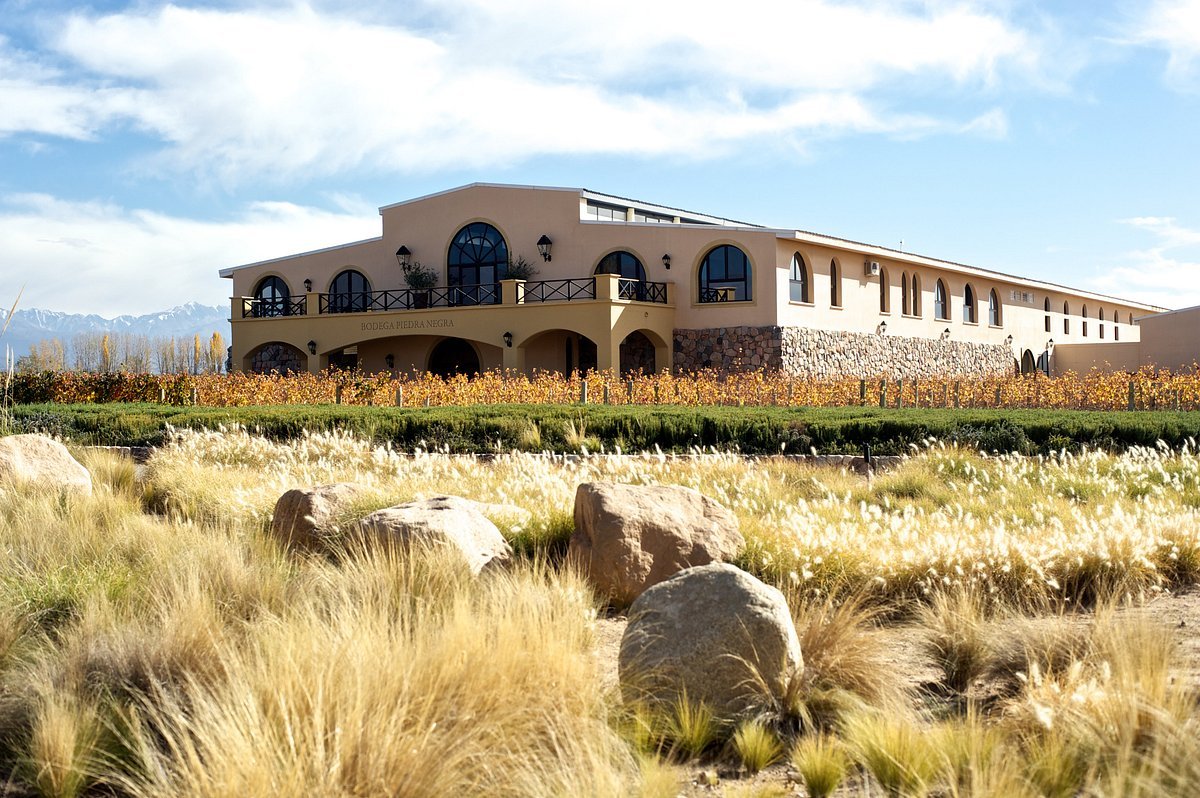
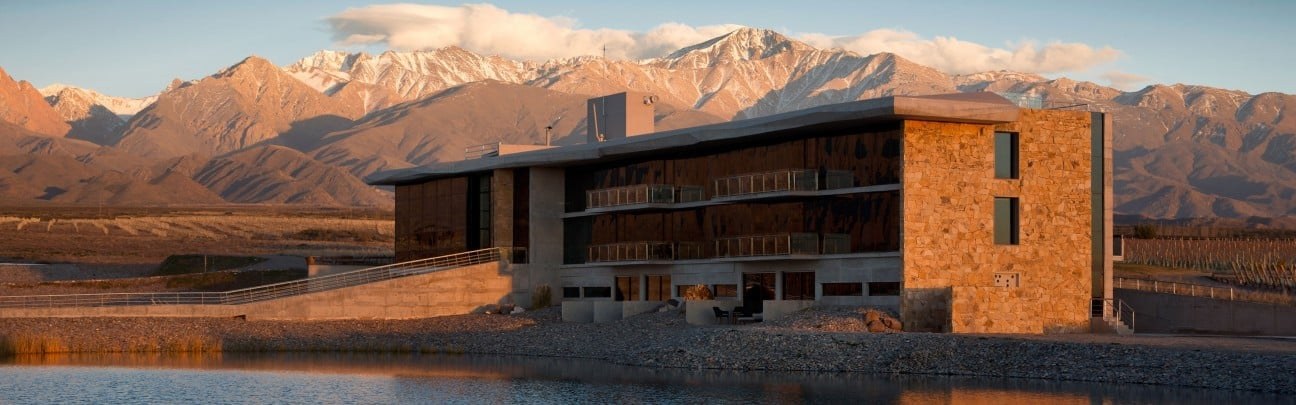
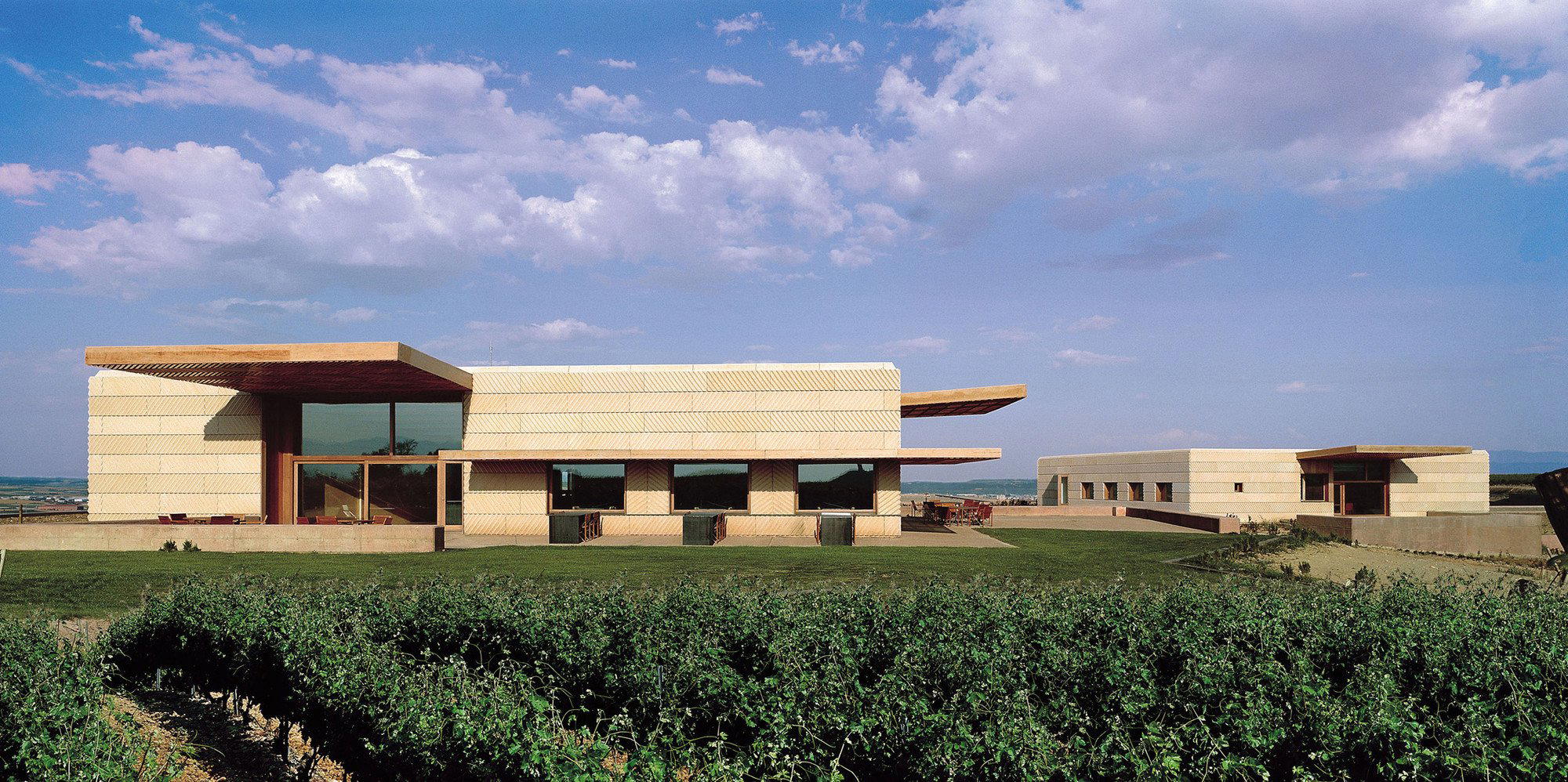
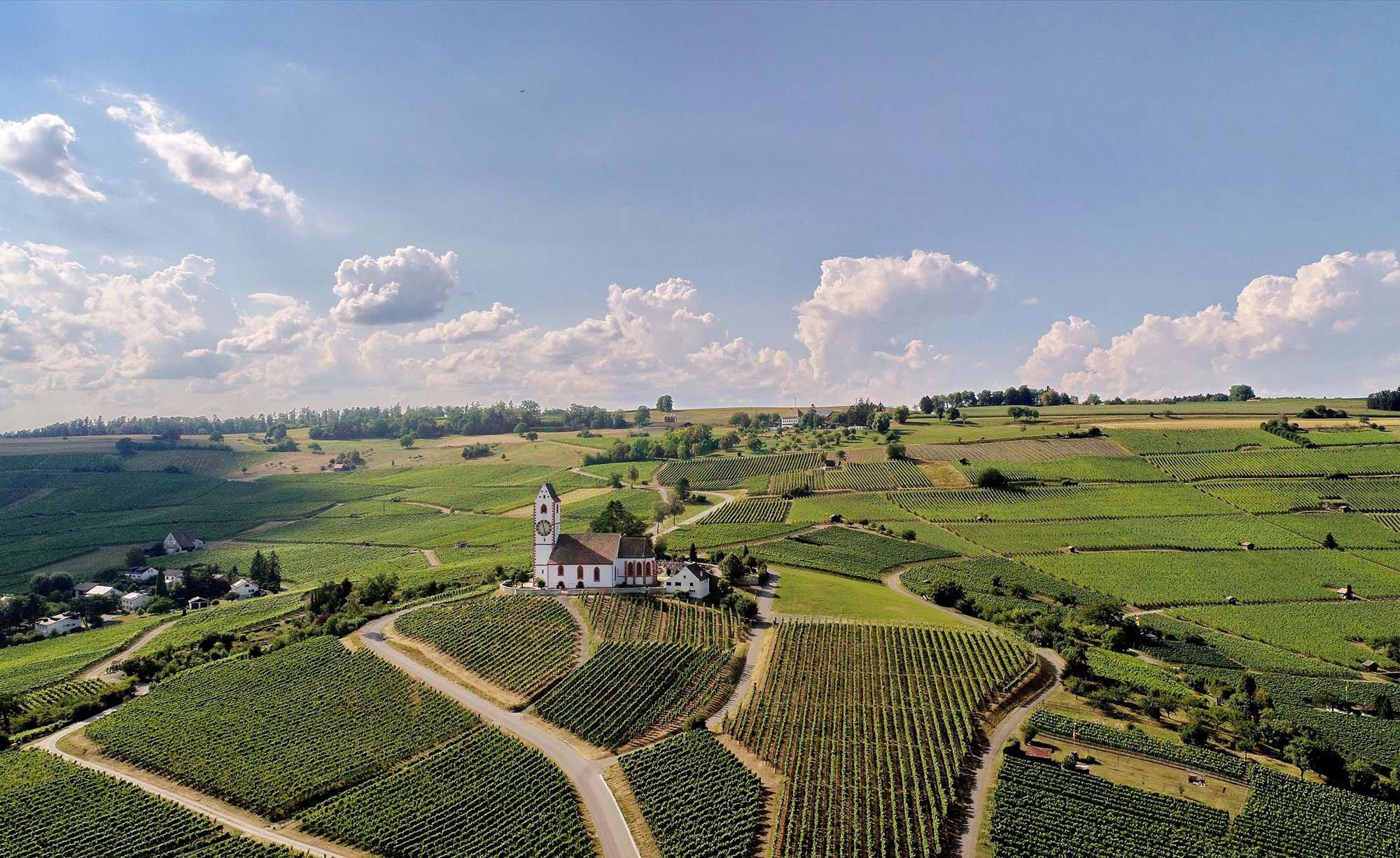
Bodega La Azul reads as a high-altitude winery defined by geography more than décor. It sits in the Valle de Uco where thin air, sharper light and steep diurnal swings shape grapes and the broader aesthetic: purposeful, precise and quietly confident. The writing emphasizes agricultural logic—volcanic ash, alluvial deposits and stressed vines—that gives the place a serious, studied character rather than flash. Visitors encounter an environment where terroir is the protagonist and the wines reflect the restraint and tension of altitude, lending the estate a sophisticated, introspective presence rather than boisterous tourism energy.
Best For
This estate is best for visitors who come to learn and to read landscape into wine. It suits wine-education–minded travelers and small groups tracing the Caminos del Vino through Tupungato who want to compare how elevation and soils shape varietals. The focus on high-altitude viticulture makes Bodega La Azul a destination for those interested in the mechanics of ripeness, acidity and skin development rather than casual tasting-by-the-glass stops. It’s a place to slow down, ask detailed questions about origin and taste wines that are built around structure and clarity.
Tasting Tips
When you taste here, prioritize examples that showcase altitude-driven traits: wines with taut acidity, concentrated aromatics and defined structure. Ask which parcels sit at 900 versus 1,500 metres and how volcanic and alluvial soils influence each bottling. Compare varietal expressions side by side to see how diurnal temperature swings affect skin thickness and phenolic concentration. If staff discuss yields or root depth, listen—those vineyard practices are central to what the text identifies as the estate’s ingredient logic and will help you decode the wines on the table.
Venue details
Ambiance
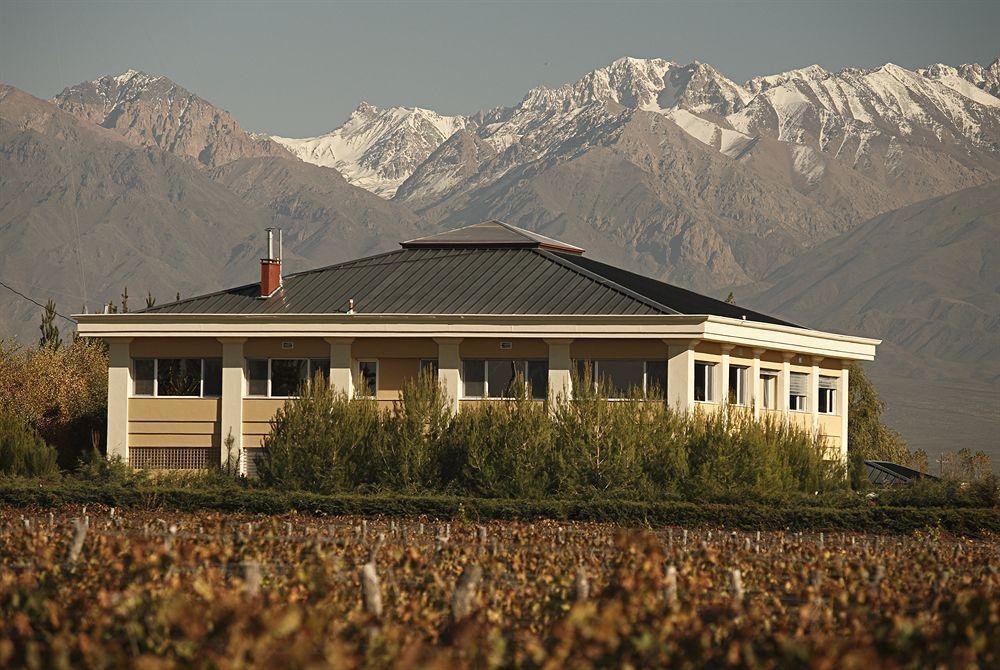
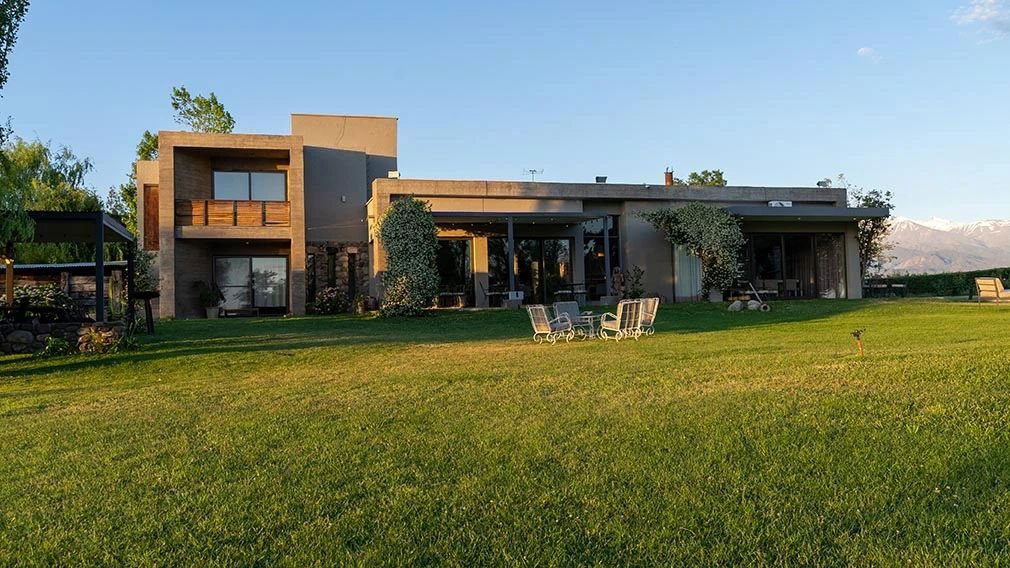
Relaxed and welcoming family atmosphere with warm hospitality, outdoor communal dining under stunning Andean foothills.
Tags
Vibe
Best For
Experience
Sourcing
View
At the Vineyard
- Appellation
- Uco Valley
- Varietals
- Malbec, Cabernet Sauvignon, Syrah, Sauvignon Blanc
- Tour Duration
- 60 minutes
- Visits
- By reservation
- Farming
- Sustainable
- Production
- Small producer
- Wine Styles
- Still Red
- Food Pairing
- Offered
- Wine Club
- Not available
Know before you go
Know Before You Go
- Getting there
- Caminos del Vino, M5561 Tupungato, Mendoza
Planning details
Location
Recognition and awards

Also consider
Where to book if this does not fit
Choose Bodegas Salentein if the group wants a more destination-scale winery experience in Tunuyán. Choose Andeluna Cellars if the day is centered on Tupungato and needs an easier route pairing.
Winery context
How it compares in Tunuyán
Bodega La Azul is the choice for a more relaxed Uco Valley stop, especially if the group wants atmosphere and a slower celebration rhythm. Bodegas Salentein is the stronger pick when the brief is a larger, more polished estate visit, while Andeluna Cellars works better for readers building a broader Tupungato itinerary.
For value, compare the expected format before committing. Finca Sophenia and Sitio La Estocada are sensible backups if availability or logistics do not line up. Rutini Wines (La Rural) is the better cross-shop for readers who want a more established Mendoza name in the plan.
Explore Tunuyán
Around this place
Discover more on Pearl
Unlock the full Bodega La Azul guide in Pearl, including awards, comparisons, FAQs, planning details, and nearby places.
Compare Bodega La Azul
| Venue | Location | Awards |
|---|---|---|
| Bodega La Azul | Tunuyán | 2026 Falstaff Winery Guide |
| Finca Sophenia | Tupungato | 2026 Falstaff Winery Guide |
| Andeluna Cellars | Tupungato | 2026 Falstaff Winery Guide |
| Rutini Wines (La Rural) | Tupungato | No published awards |
| Bodegas Salentein | Tunuyán | 2026 Falstaff Winery Guide2025 World's 50 Best Vineyards · #122025 Decanter Winery Prestige2024 World's 50 Best Vineyards · #182023 World's 50 Best Vineyards · #92022 World's 50 Best Vineyards · #252020 World's 50 Best Vineyards · #232019 World's 50 Best Vineyards · #26 |
| Sitio La Estocada | Tupungato | 2025 World's 50 Best Vineyards · #91 |


How Bodega La Azul Tunuyán compares with similar nearby venues.
FAQ
Frequently Asked Questions
Can Bodega La Azul handle large groups?
If you are planning for more than a small party, contact Bodega La Azul directly before making it part of a Tunuyán itinerary.
When is the best time to visit Bodega La Azul?
Bodega La Azul is in Tunuyán, has a casual dress code, and holds Pearl 2 Star Prestige (2025).
What are the current services at Bodega La Azul?
Review the venue's official channels before deciding.
Does Bodega La Azul serve food?
Do not plan a meal around Bodega La Azul unless the venue confirms current food options directly.
How long should I plan for a visit to Bodega La Azul?
Build flexibility into your Tunuyán plans and confirm timing with Bodega La Azul before you go.