
Domaine Comte Armand
Pommard
Winery in Pommard, France
 Book with Pearl
The Read
Village-Centre Pinot Precision
Price
$50–100tasting
Why go
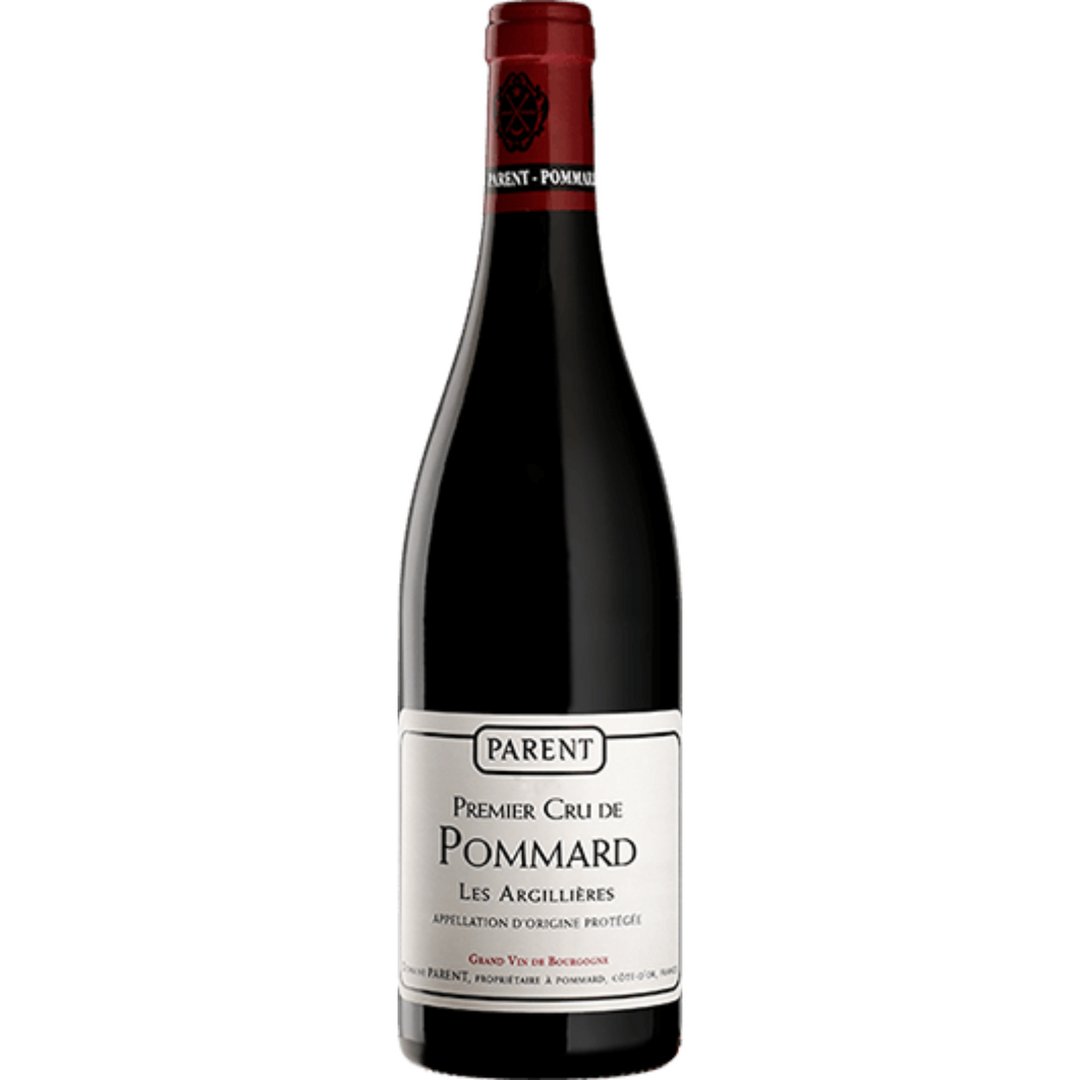
Domaine Comte Armand is worth prioritizing if the goal is a serious Pommard-focused Burgundy visit rather than a casual tasting stop. First-timers should build backup options in the village, especially Château de Pommard for a more visitor-facing experience or Domaine de Courcel and Domaine Parent for producer-led comparisons.
About Domaine Comte Armand
Domaine Comte Armand is a Pommard venue with confirmed Pearl 2 Star Prestige recognition for 2025. Because the public details are limited, the safest way to evaluate it is not to assume a particular visit format, menu, capacity, or service offering. Treat it as a venue to research directly before making plans, especially if your day depends on a confirmed appointment or specific experience.
The confirmed dress code is smart casual. Beyond that, details such as hours, pricing, appointment style, accessibility, and on-site services should be checked with the venue's official channels before you build an itinerary around it.
Prioritize it for a focused Pommard day
The strongest case for including Domaine Comte Armand is simple: it is in Pommard and carries Pearl 2 Star Prestige recognition for 2025. That makes it a meaningful name to consider for travelers planning a Pommard-focused visit, while still leaving important practical details to confirm directly.
For comparisons, Château de Pommard, Domaine de Courcel, Domaine Parent, Domaine Anne-Françoise Gros, and Domaine Marquis d'Angerville are natural reference points. The better decision is not which name is bigger, but which confirmed details fit your plans once you have checked availability, access, and the current visitor information for each venue.
Who should try hardest to get in
Domaine Comte Armand is best treated as a priority for visitors who specifically want to include a recognized Pommard name in their plans. Do not assume suitability for large groups, walk-ins, purchases, or special arrangements unless the venue confirms those details directly.
Plan the rest of the day around Pommard logistics rather than assumptions. Use our full Pommard restaurants guide, our full Pommard hotels guide, our full Pommard bars guide, and our full Pommard experiences guide to keep the surrounding itinerary simple.
Planning details
- Location
- 7 Rue de la Mairie, 21630 Pommard
- Website
- domaine-comte-armand.com
- Phone
- +33 3 80 24 70 50
The take
The Take
The Vibe
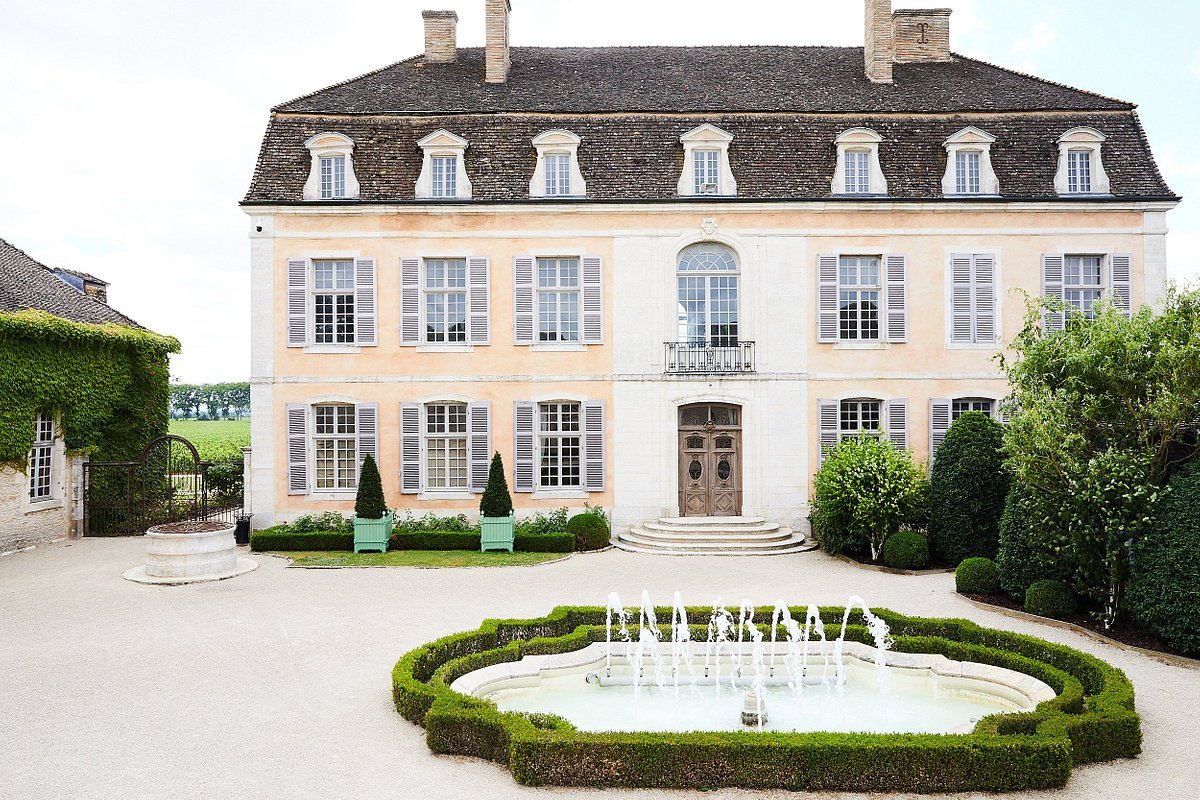
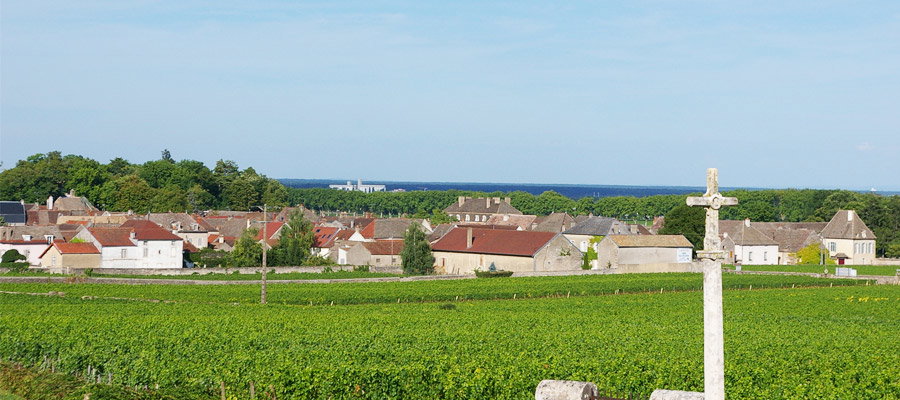
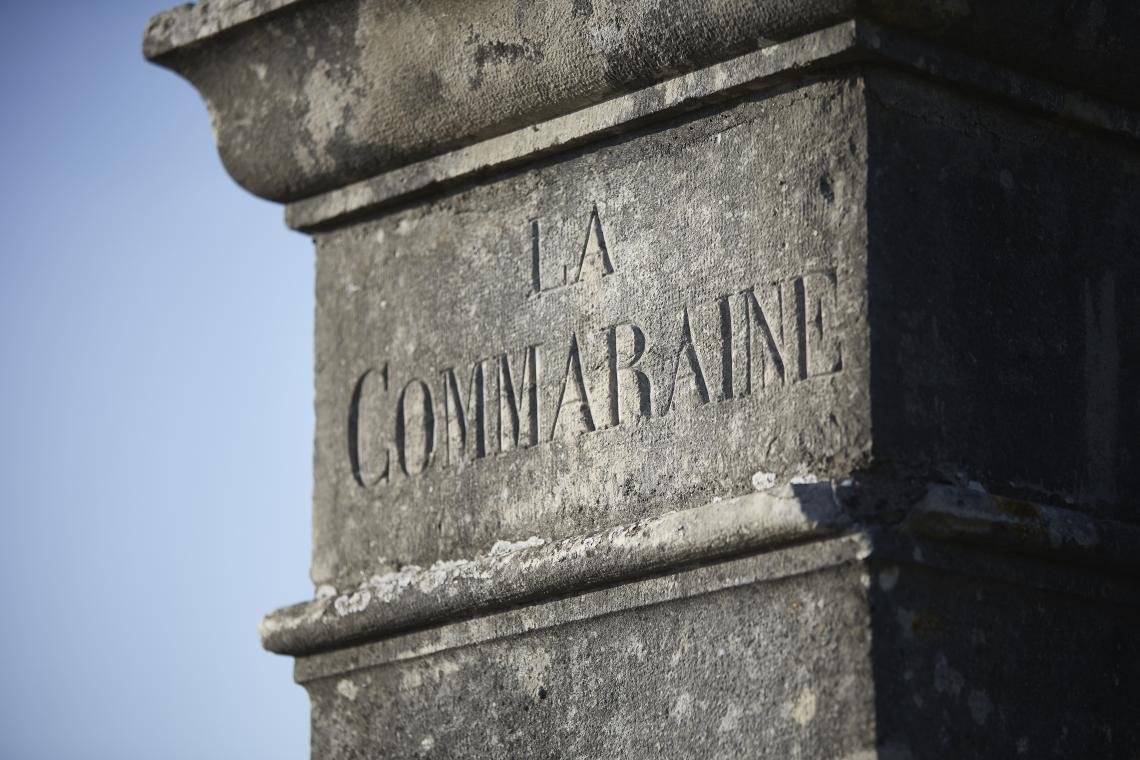
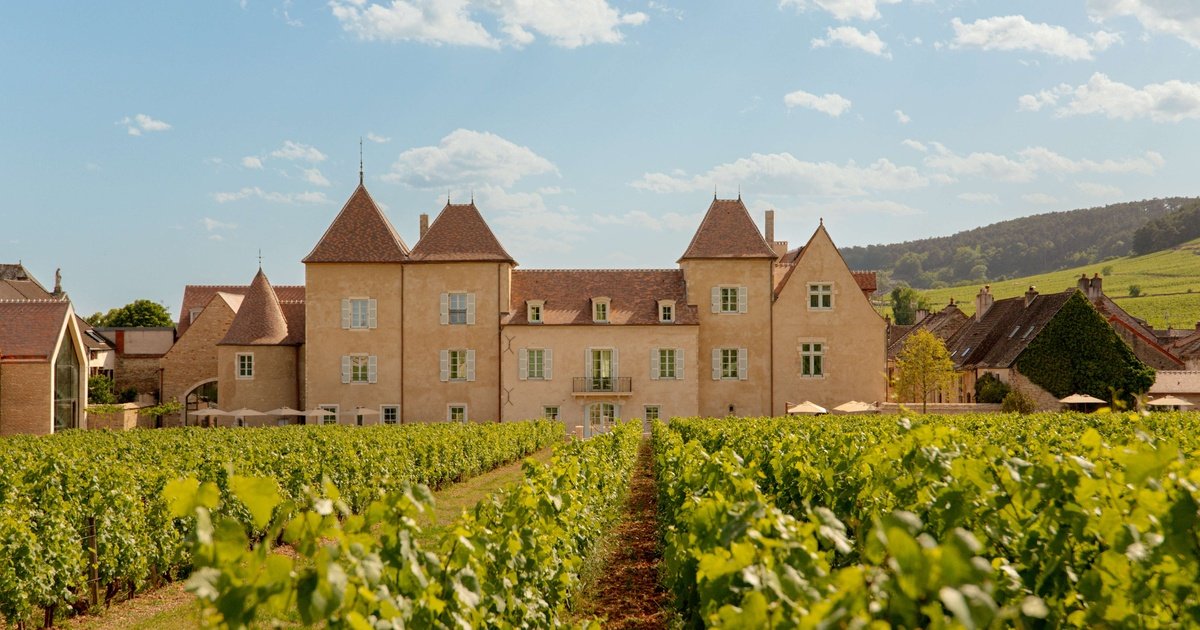
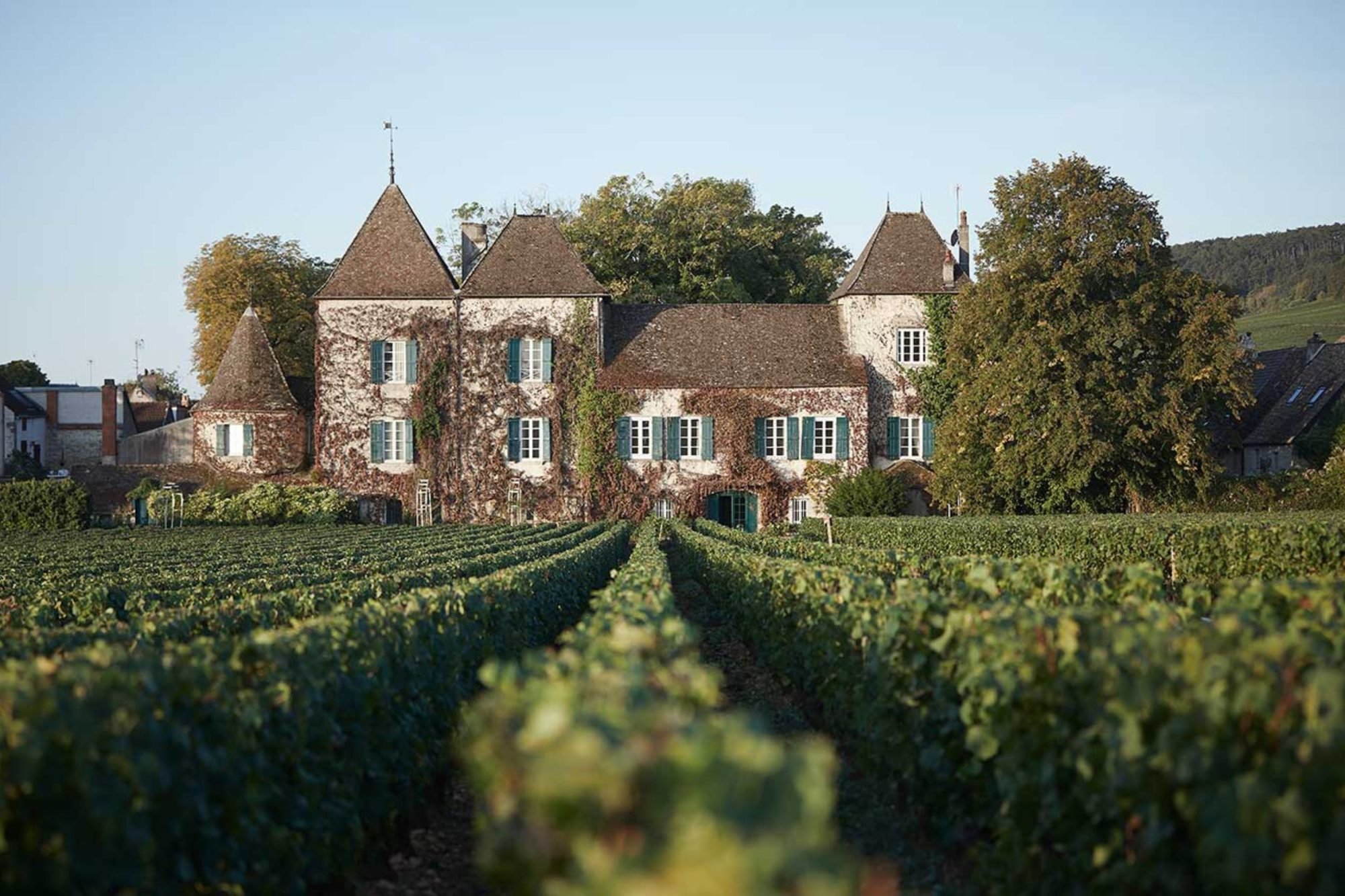
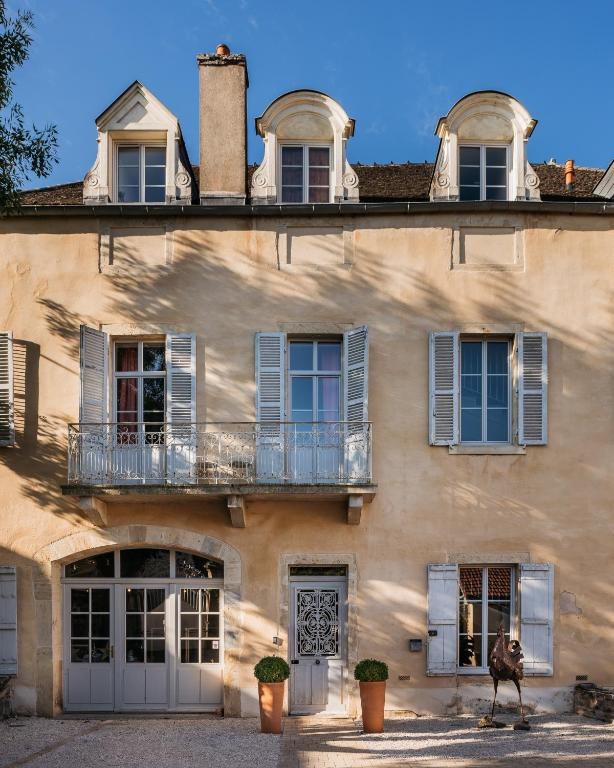
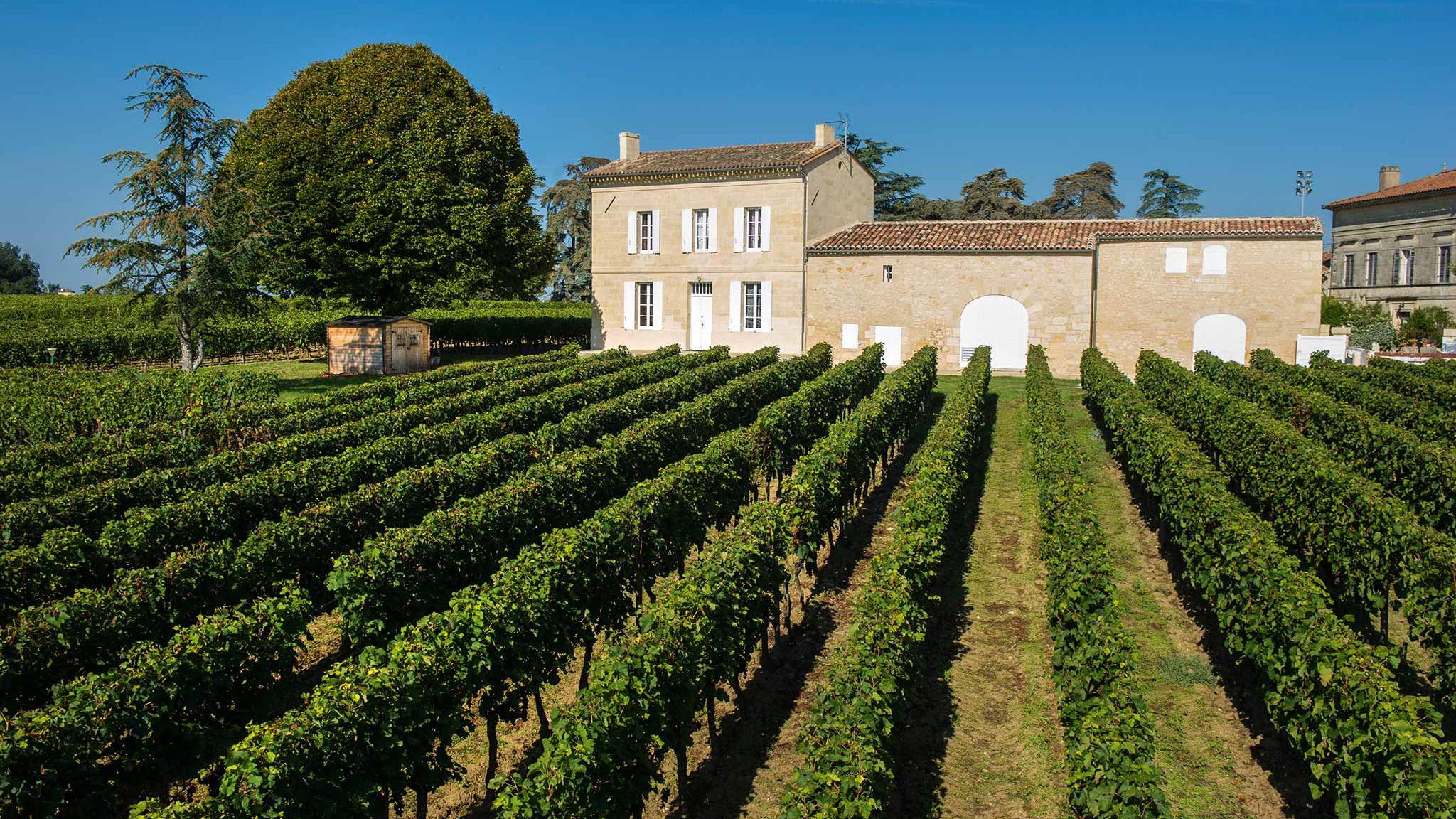
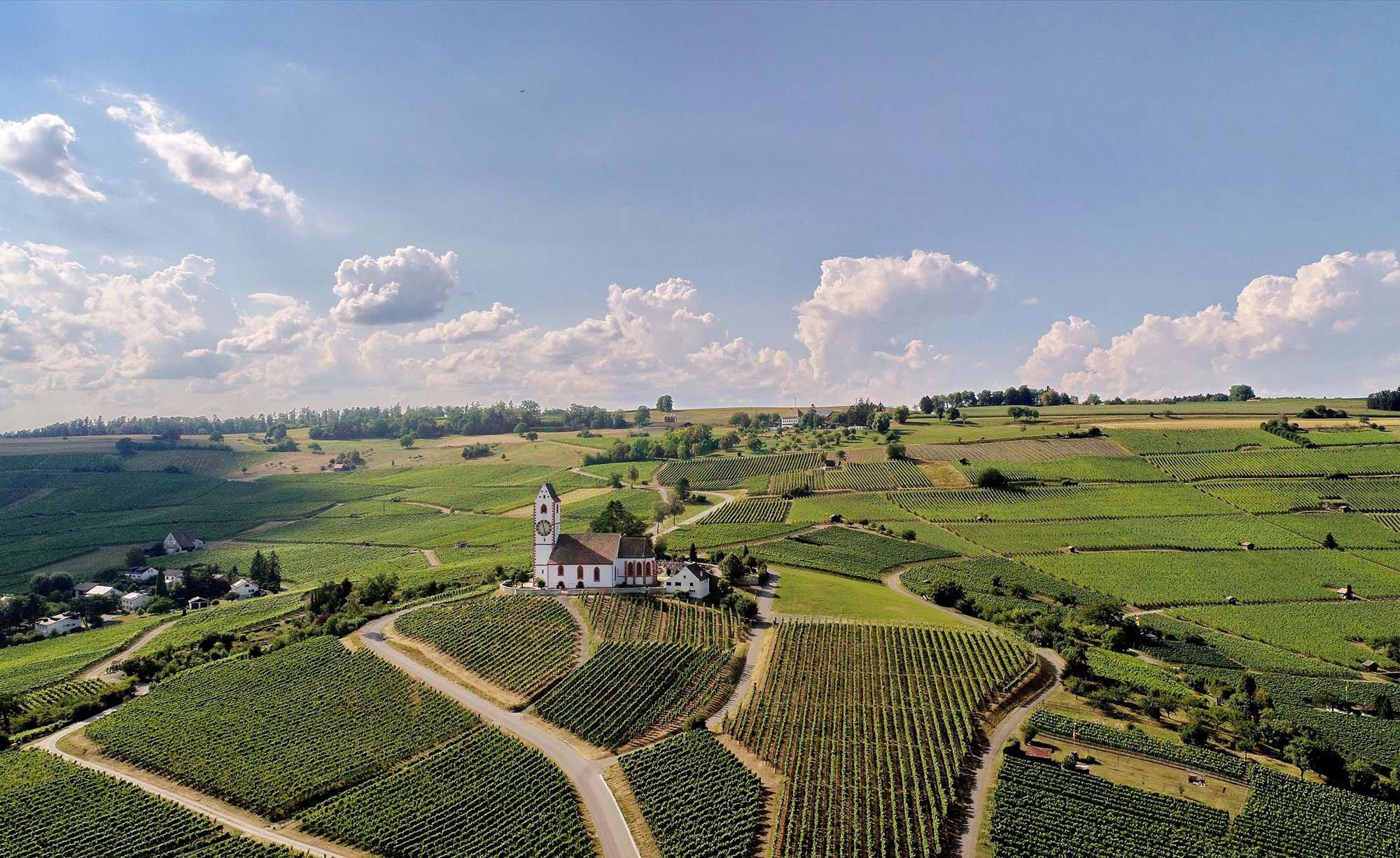
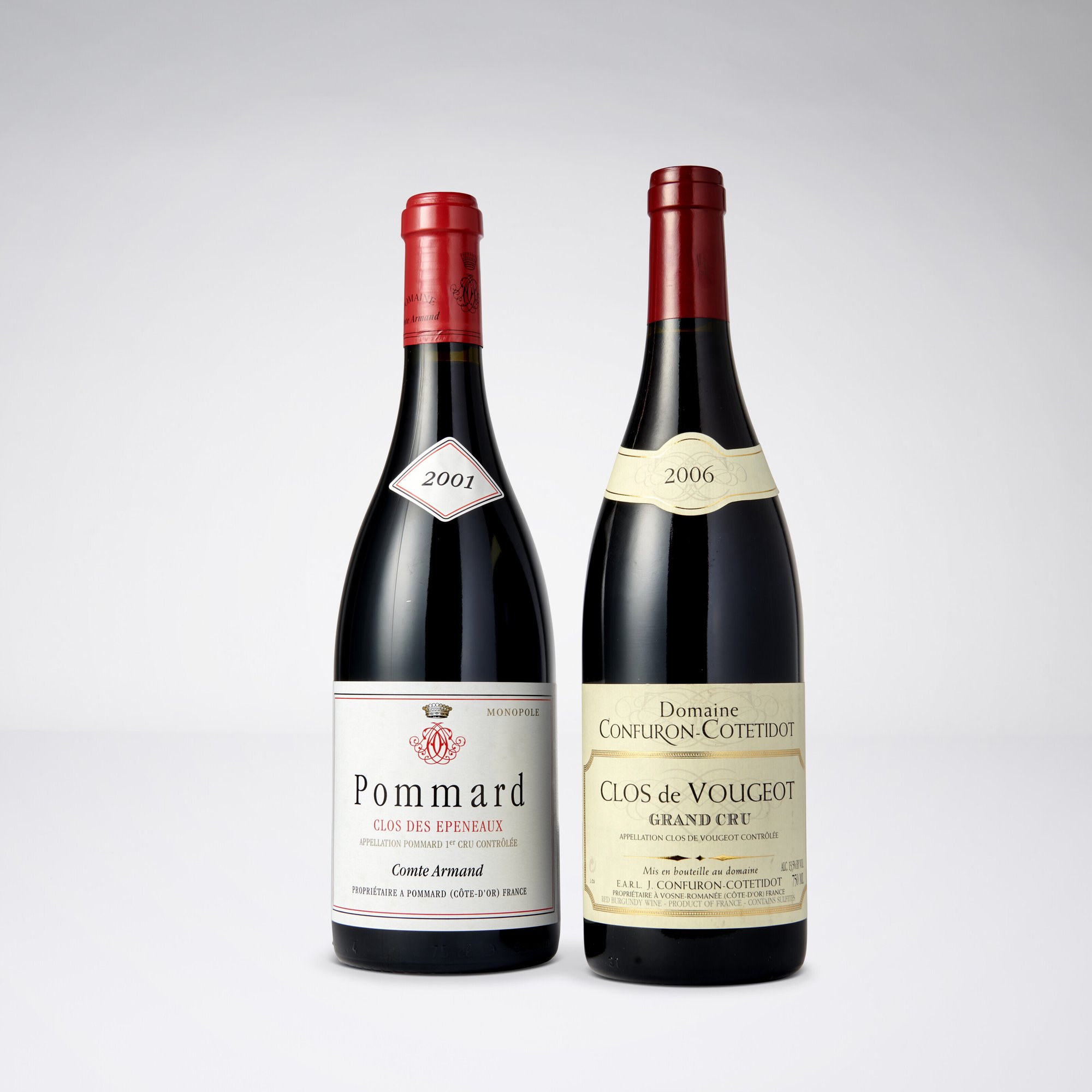
Domaine Comte Armand presents a quiet, intimate face of Pommard. The setting is understated — no tourist-facing signage or theatrical tasting room — and the estate’s identity rests squarely on a single, walled premier cru. Stone walls, closely planted vines and a village-centre address give the property a distinctly historic, small-scale character. Visits read as purposeful and focused: this is not a showy destination but a place where parcel-driven Burgundies and long-standing decisions about élevage and extraction are allowed to speak for themselves.
Best For
This is a place for serious wine-minded visits: education, close study of a monopole vineyard and quiet celebratory moments all fit. The domaine rewards people who come to learn about how one parcel can define a producer’s style — students of terroir, collectors and couples seeking an intimate wine-focused getaway will get the most out of a visit. It is less suited to casual drop-in tastings or high-traffic visitor programmes and more to focused, appointment-style encounters with the wines.
Tasting Tips
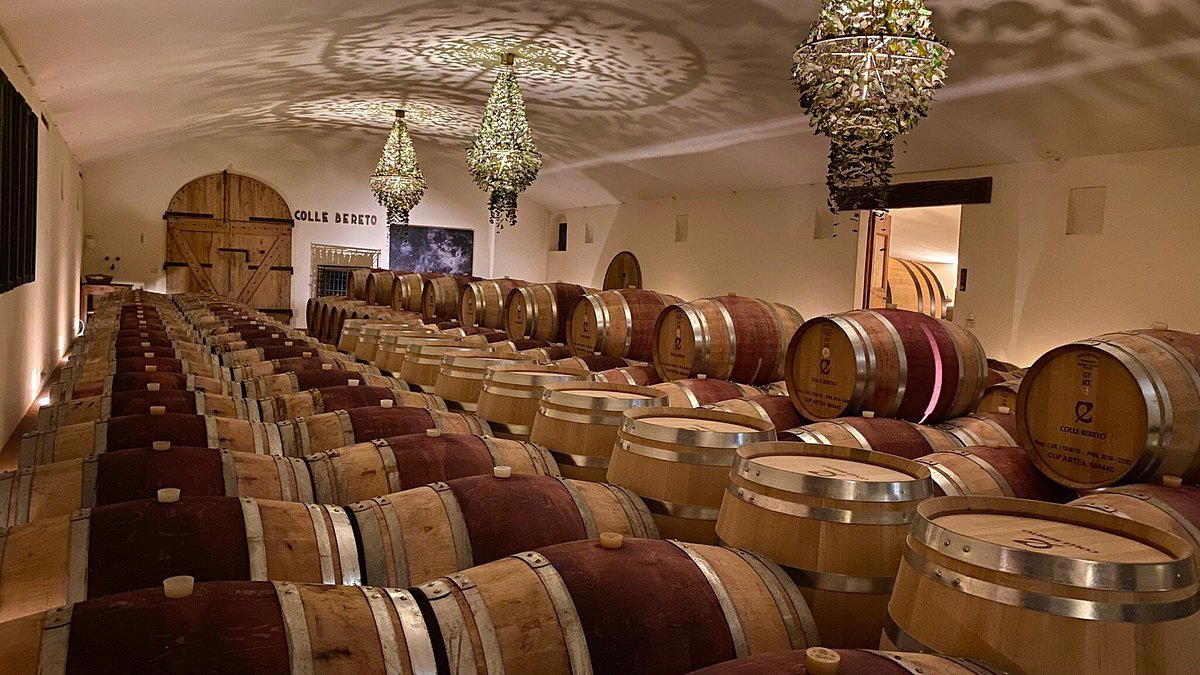
Treat a visit as planned and purposeful: inquire ahead and come ready to discuss the Clos des Epeneaux and the domaine’s vinification choices. The write-up highlights harvest timing, élevage length and extraction weight as the levers that shape the wines, so ask about those specifics and which vintages illustrate them best. Don’t expect a theatrical tasting room aimed at passing trade; instead, look for a focused tasting that foregrounds parcel identity and the monopole argument.
Venue details
Ambiance
Intimate, refined atmosphere in a historic 18th-century estate setting with traditional Burgundian charm and meticulous attention to terroir-driven winemaking.
Tags
Vibe
Best For
Experience
Sourcing
View
At the Vineyard
- Appellation
- Pommard AOC
- Varietals
- Pinot Noir, Chardonnay
- Tour Duration
- 90-120 minutes
- Tour Languages
- French, English
- Visits
- By appointment only
- Farming
- Biodynamic
- Wine Styles
- Still Red, Still White
- Shipping
- Available
- Wine Club
- Available
Know before you go
Know Before You Go
- Getting there
- 7 Rue de la Mairie, 21630 Pommard
Planning details
Location
Recognition and awards

Also consider
If this is not available
For a more visitor-friendly Pommard fallback, try Château de Pommard. For a producer-led alternative in the same village, prioritize Domaine de Courcel or Domaine Parent before widening the itinerary beyond Pommard.
Winery context
How It Compares
Domaine Comte Armand is the choice for visitors who want the day to feel producer-led and tightly focused on Pommard. Château de Pommard is the easier recommendation for mixed groups because it is more visitor-facing, while Domaine de Courcel is the stronger cross-shop for people comparing serious Pommard domaines rather than seeking a broad tourism format.
Against Domaine Anne-Françoise Gros and Domaine Parent, the decision comes down to access and group profile. Small, wine-literate groups should try for the hardest-to-secure producer appointment first, then use the others to round out a village-focused day. Larger or less technical groups should favor whichever visit is clearly structured for guests rather than assuming every domaine can handle the same format.
Domaine Marquis d'Angerville sits outside the immediate Pommard set, so it makes sense only if the itinerary is expanding beyond the village. For a tight Pommard day, stay local; for a wider Côte de Beaune comparison, add it only if timing and transport are already solved.
Explore Pommard
Around this place
Discover more on Pearl
Unlock the full Domaine Comte Armand guide in Pearl, including awards, comparisons, FAQs, planning details, and nearby places.
Compare Domaine Comte Armand
| Venue | Location | Awards |
|---|---|---|
| Domaine Comte Armand | Pommard | 2026 Falstaff Winery Guide |
| Domaine de Courcel | Pommard | 2026 Falstaff Winery Guide |
| Domaine Anne-Françoise Gros | Pommard | No published awards |
| Domaine Parent | Pommard | No published awards |
| Château de Pommard | Pommard | 2026 Falstaff Winery Guide |
| Domaine Marquis d'Angerville | Volnay | 2026 Michelin 1 Grape - Burgundy2026 Falstaff Winery Guide |
How Domaine Comte Armand Pommard compares with similar nearby venues.
FAQ
Frequently Asked Questions
What other venues are useful comparisons for Domaine Comte Armand?
Domaine de Courcel, Domaine Anne-Françoise Gros, Domaine Parent, Château de Pommard, and Domaine Marquis d'Angerville are clear comparisons to consider. Confirm current visitor details directly with each venue before planning a route.
Does Domaine Comte Armand offer delivery or pickup?
Are membership or special-access options available at Domaine Comte Armand?
Base any decision on information confirmed directly by Domaine Comte Armand, and compare with Domaine Marquis d'Angerville or Domaine de Courcel if you want additional reference points for your plans.
Can Domaine Comte Armand handle large groups?
Contact Domaine Comte Armand directly before planning for a group, and compare the fit with Château de Pommard if you are weighing another option.