
Bodegas Martín Códax
Cambados
Winery in Cambados, Spain
 Book with Pearl
The Read
Atlantic-Granite Albariño
Price
$20–30tasting
Why go
Book Bodegas Martín Códax if the priority is a high-profile Albariño stop in Cambados rather than a small, intimate cellar visit. It works well as the orientation tasting for a Rías Baixas wine day, especially before a seafood-focused meal in town. Confirm any food format before planning around pairings.
About Bodegas Martín Códax
Bodegas Martín Códax is a venue in Cambados with Pearl 2 Star Prestige recognition for 2025.
The practical takeaway is simple: consider Bodegas Martín Códax when building a Cambados itinerary, but confirm any operational details directly before you go. The dress code is casual, which makes it an easy fit for a relaxed day in town.
Plan around confirmed recognition, not unverified extras
Bodegas Martín Códax has Pearl 2 Star Prestige recognition for 2025. For specific food service, pairing formats, tasting structures, menus, prices, or schedules, confirm directly for your date. For meals around the same trip, use our full Cambados restaurants guide, and treat dining plans as separate from this venue unless you have direct confirmation.
Keep expectations broad. Plan around the venue's Cambados location, casual dress code, and Pearl 2 Star Prestige status, then verify the rest before committing an itinerary slot.
How to fit it into a Cambados day
For a Cambados-focused day, Bodegas Martín Códax can be considered alongside other named options such as Bodegas Granbazán and Pazo de Señorans. If you are building a wider route beyond Cambados, Palácio da Brejoeira, Soalheiro, and Terras Gauda are also relevant comparison points. Confirm locations, timing, and visit availability directly before arranging transport.
Keep the plan flexible. Avoid assuming a particular format. Choose Bodegas Martín Códax for its Cambados presence and Pearl 2 Star Prestige recognition, then let directly confirmed details shape the final schedule.
Planning details
- Location
- Burgáns, 91, 36633 Vilariño, Cambados, Pontevedra, Pontevedra
- Website
- martincodax.com
- Phone
- +34 986 52 60 40
The take
The Take
The Vibe
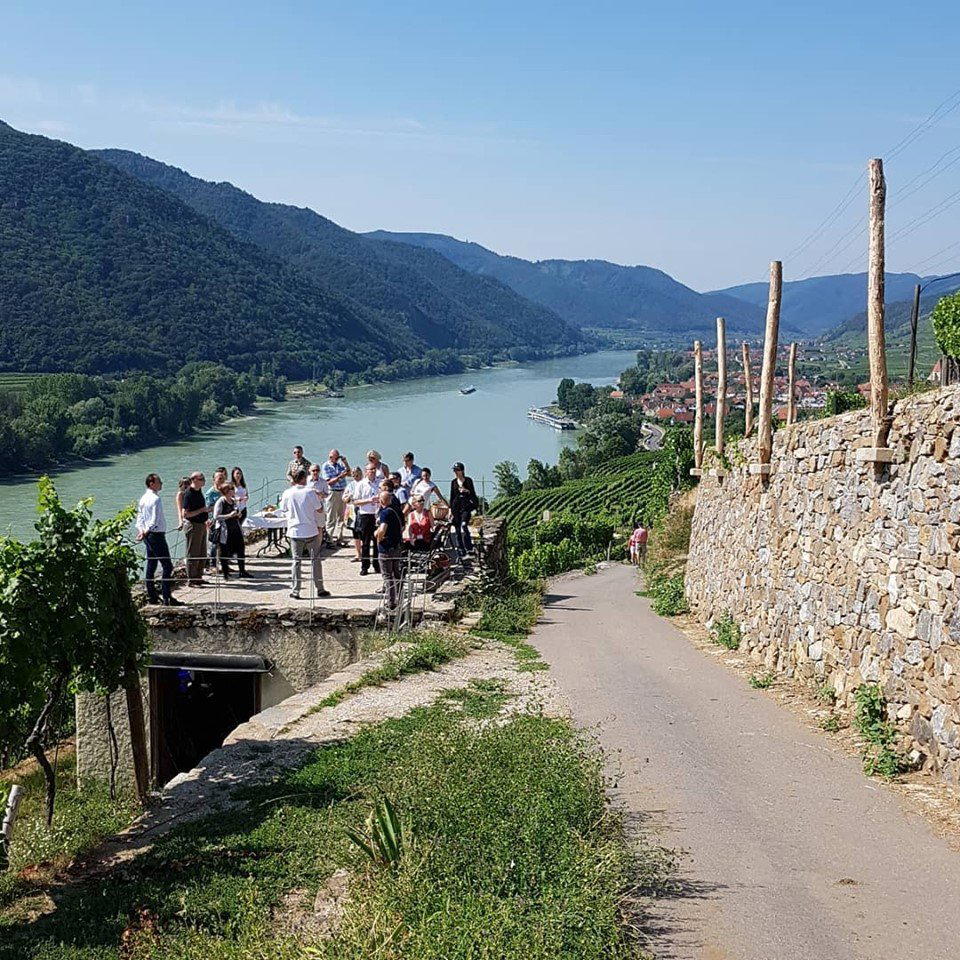
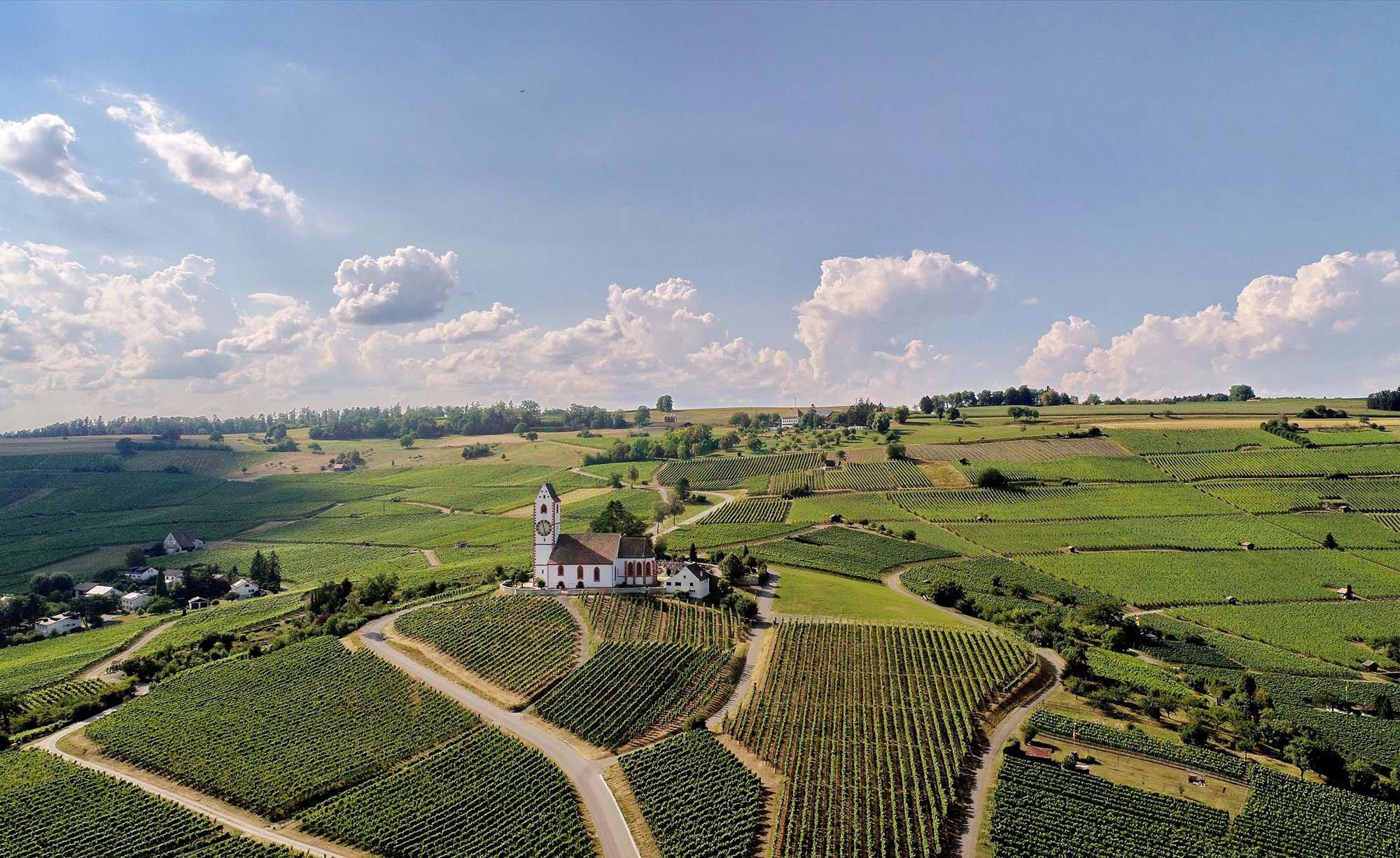
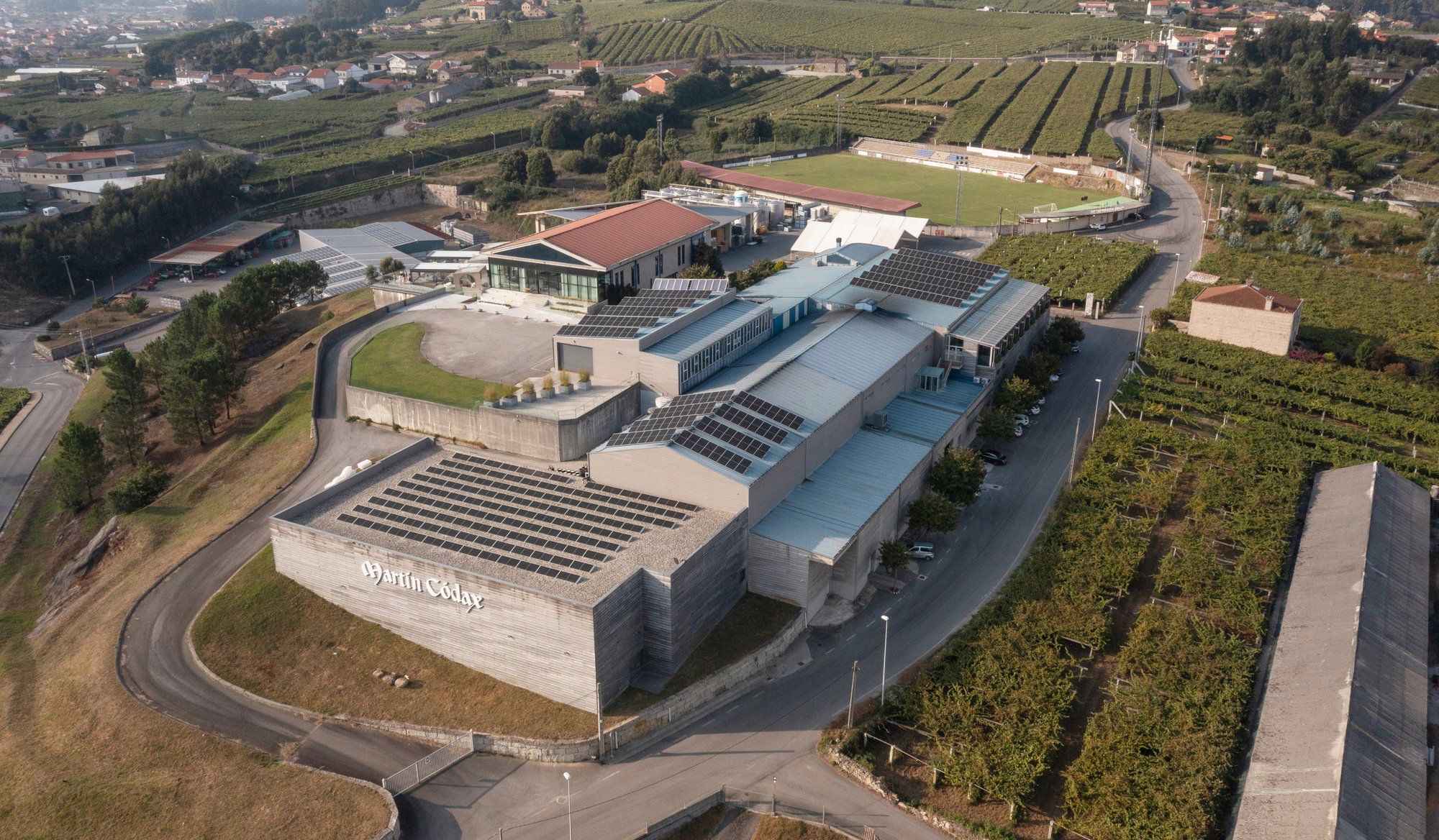
Bodegas Martín Códax sits at the meeting point of Salnés Valley and the Ría de Arousa, and the text leans into that elemental setting. The account emphasizes granite-laden soils, Atlantic weather, and a long history of Albariño cultivation that traces back to Cistercian monks — details that create a quietly historic, classic winery character rather than a flashy tasting-room spectacle. Readers encounter a production-minded estate that still foregrounds terroir: stone underfoot, saline air and a maritime structural fingerprint in the wines, all of which shape a contemplative, place-driven atmosphere.
Best For
This is a visit geared toward people who want to study Albariño and understand Rías Baixas terroir. The copy frames the bodega as a producer serious about site expression, making it a natural stop for wine-education visits and for groups interested in regional identity. It also reads well for solo travelers who want a reflective moment at the edge of the Salnés Valley, where landscape and sea reveal the grape's signature. The EP Club recognition reinforces that this is a producer worth paying attention to for learning and comparative tasting.
Tasting Tips
When tasting here, focus on the Atlantic signature the text highlights: look for dry Albariños with bright natural acidity, moderate alcohol and a saline persistence. Expect aromas that move from stone fruit to citrus peel; ask to sample bottles that showcase Salnés sub‑zone expression. If you want context, reference the bodega's recent Pearl 2 Star Prestige recognition as a prompt for staff to recommend bottles that demonstrate balance between site character and production scale. Prioritize freshness and mineral drive in your pours.
Venue details
Ambiance
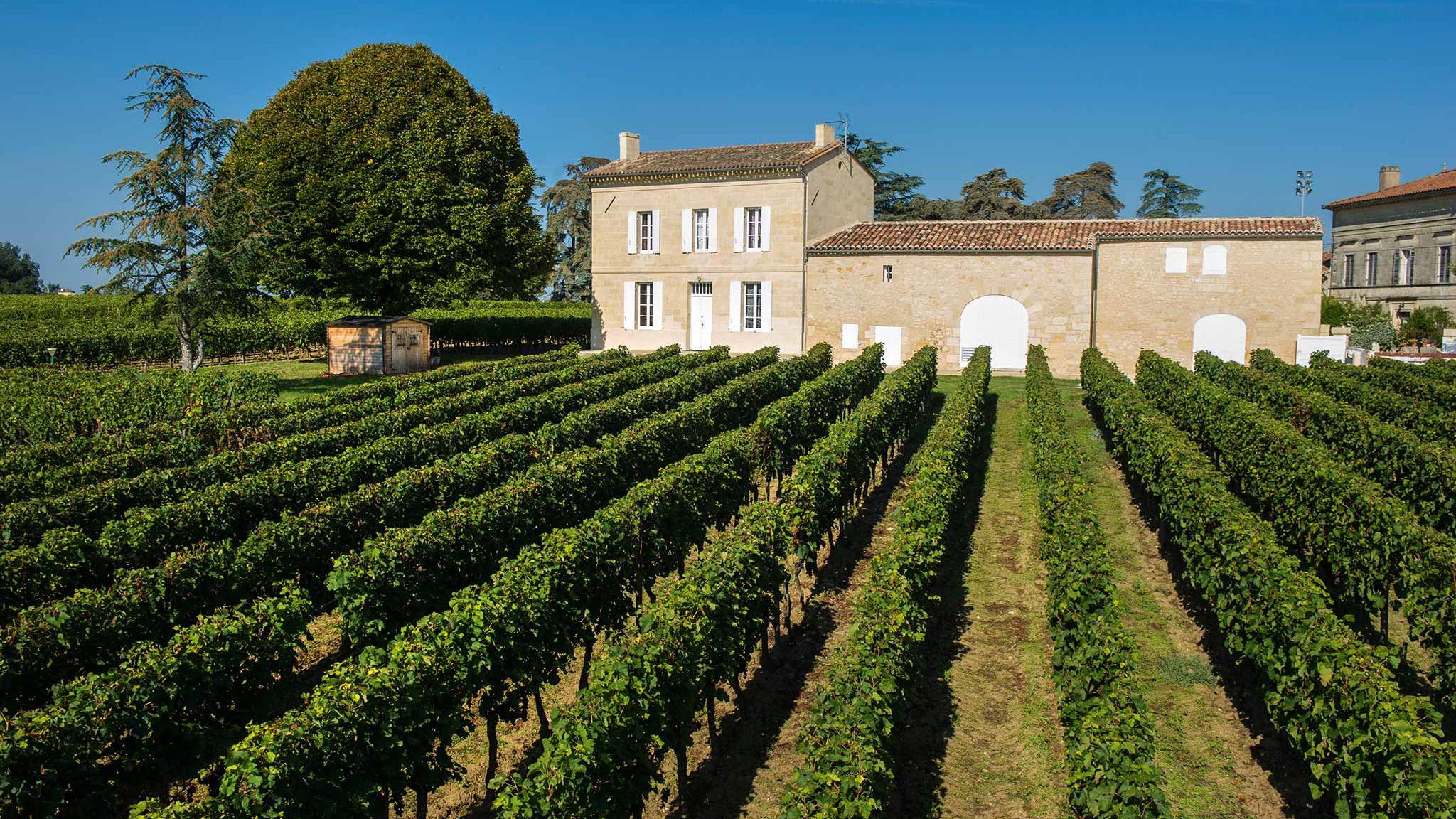
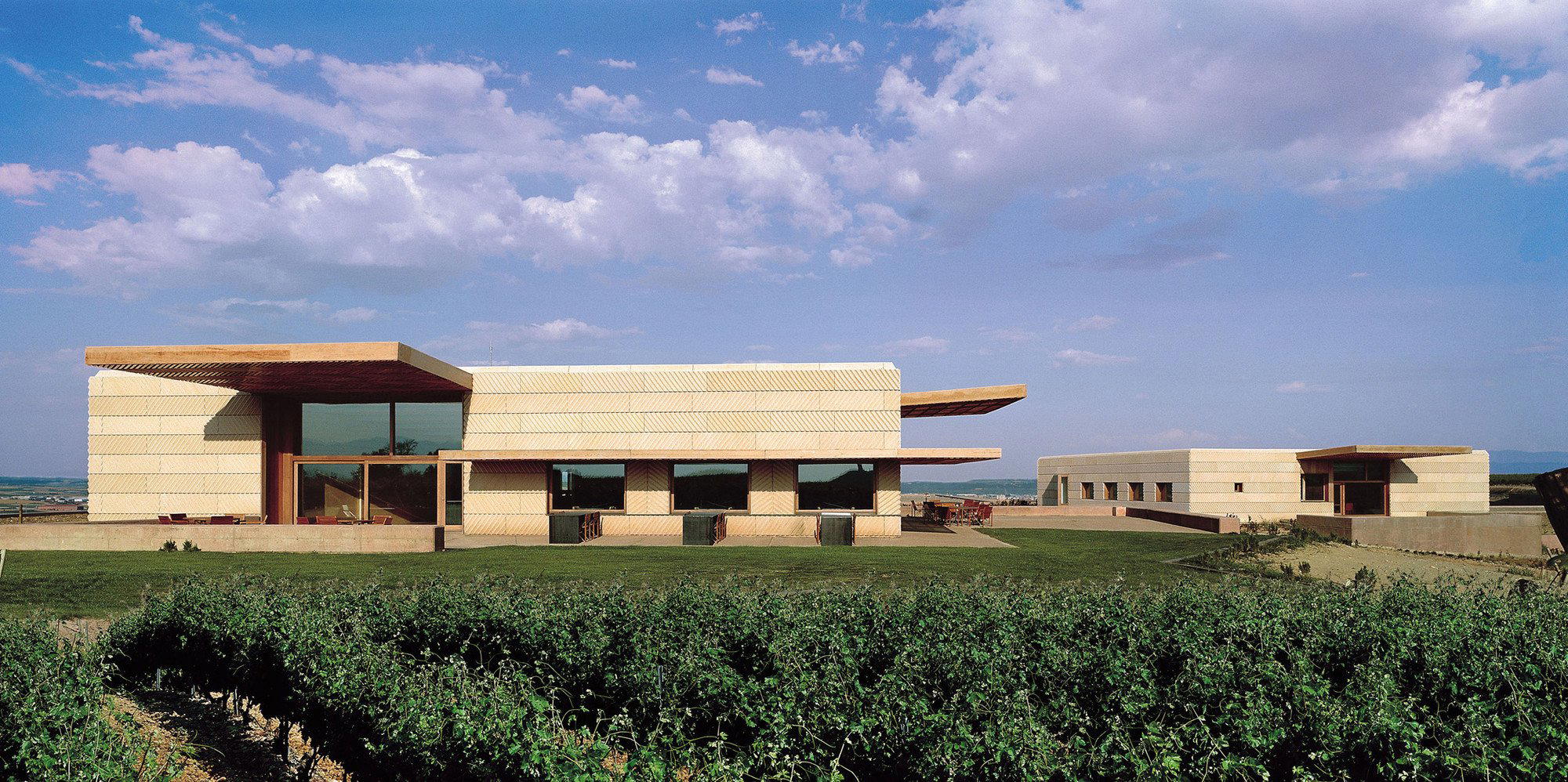
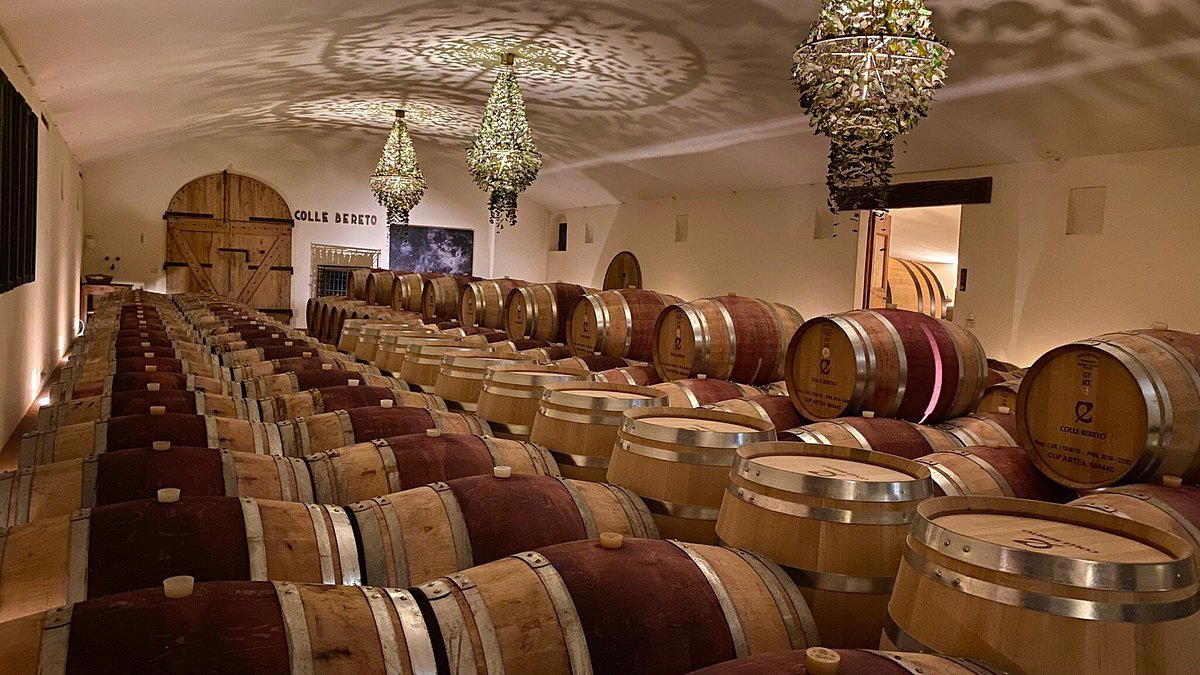
Modern tasting room with terrace offering panoramic views of the Ría de Arousa and traditional vineyards, creating a serene and captivating coastal atmosphere.
Tags
Vibe
Best For
Experience
Sourcing
View
At the Vineyard
- Appellation
- Rías Baixas
- Varietals
- Albariño, Mencía
- Tour Duration
- 60-90 minutes
- Tour Languages
- English, Spanish
- Visits
- By reservation
- Farming
- Sustainable
- Production
- Large producer
- Wine Styles
- Still White, Orange
- Food Pairing
- Offered
- Shipping
- Available
- Wine Club
- Not available
Know before you go
Know Before You Go
- Getting there
- Burgáns, 91, 36633 Vilariño, Cambados, Pontevedra, Pontevedra
Planning details
Location
Burgáns, 91, 36633 Vilariño, Cambados, Pontevedra, Pontevedra · Directions
Recognition and awards

Also consider
Where to Look If This Is Full
If appointments are tight, try Bodegas Granbazán for a nearby alternative with strong setting appeal, or Pazo de Señorans for a more estate-led visit. For a broader route outside Cambados, Terras Gauda is the cleaner backup.
Winery context
How It Compares
Bodegas Martín Códax is the practical anchor for a Cambados wine day: recognisable, region-defining, and useful for travellers who want Albariño context before choosing smaller appointments. Bodegas Granbazán is the better cross-shop if ambiance matters more, while Pazo de Señorans is the stronger fit for estate atmosphere and a more manor-house style of visit.
If the trip can stretch beyond Cambados, Palácio da Brejoeira and Soalheiro make more sense for travellers comparing Albariño across the Galicia and northern Portugal border. Choose them for a broader regional read, not for convenience. Terras Gauda is the better alternative for visitors who want a wider Rías Baixas perspective beyond Cambados itself.
For value, the decision comes down to how much weight is placed on convenience and name recognition. If only one winery fits the schedule, Bodegas Martín Códax is the safer educational pick. If the visit needs to feel more personal, start with Bodegas Granbazán or Pazo de Señorans instead.
Explore Cambados
Around this place
Discover more on Pearl
Unlock the full Bodegas Martín Códax guide in Pearl, including awards, comparisons, FAQs, planning details, and nearby places.
Compare Bodegas Martín Códax
| Venue | Location | Awards |
|---|---|---|
| Bodegas Martín Códax | Cambados | 2026 Falstaff Winery Guide |
| Bodegas Granbazán | Vilanova de Arousa | 2025 World's 50 Best Vineyards · #86 |
| Pazo de Señorans | Meis | 2026 Falstaff Winery Guide |
| Palácio da Brejoeira | Monção | No published awards |
| Soalheiro | Melgaço | 2026 Falstaff Winery Guide2022 World's 50 Best Vineyards · #162021 World's 50 Best Vineyards · #27 |
| Terras Gauda | O Rosal | No published awards |

How Bodegas Martín Códax Cambados compares with similar nearby venues.
FAQ
Frequently Asked Questions
Do I need a reservation at Bodegas Martín Códax?
What other venues can I compare with Bodegas Martín Códax?
For a Cambados-focused plan, compare Bodegas Martín Códax with Bodegas Granbazán and Pazo de Señorans. For a broader route, Palácio da Brejoeira, Soalheiro, and Terras Gauda are also useful points of comparison, with locations and travel time checked directly.
Can Bodegas Martín Códax handle large groups?
Larger parties should contact Bodegas Martín Códax directly before planning around a visit in Cambados.
Are there membership or purchase options at Bodegas Martín Códax?
Contact Bodegas Martín Códax directly for current membership or purchase-option details.
Does Bodegas Martín Códax serve food?
What is Bodegas Martín Códax known for in this guide?
Bodegas Martín Códax is in Cambados, has a casual dress code, and holds Pearl 2 Star Prestige recognition for 2025.