
Akrathos Newlands Winery
Megali Panagia, Panagia
Winery in Panagia, Greece
 Book with Pearl
The Read
Chalkidiki Terroir Expression
Price
$30–50tasting
Why go
Akrathos Newlands Winery is a serious Panagia choice for wine travellers who care more about producer context than easy drop-in logistics. Prioritise it if the winery is the main purpose of the day; choose a broader Halkidiki or Greece drinks route if the group wants a lighter, more casual tasting stop.
About Akrathos Newlands Winery
Akrathos Newlands Winery is a Panagia winery with 2 Star Prestige recognition for 2025. Planning details are limited, so the strongest way to frame a visit is simple: treat it first and foremost as a winery stop in Panagia, not as a restaurant, bar, tasting-menu, or packaged dining experience. That distinction matters, because it keeps expectations aligned with what is offered rather than letting a premium recognition imply services that are not available.
For planning, the dress code is casual, which suggests that visitors do not need to approach the stop as a formal dining reservation or highly dressed occasion. Specific details such as opening hours, tasting formats, bottle lists, food service, prices, shipping, and private-visit arrangements are not available, so travellers should check the venue's official channels before building a day around the stop. In practical terms, it is better used as a flexible candidate on an itinerary than as an anchor unless those details have been confirmed directly.
A serious Panagia winery stop with limited planning detail
Panagia is the location for Akrathos Newlands Winery. Beyond that, a street address, neighbourhood, landmark setting, chef, menu, tasting structure, or drinks programme are not specified. That makes the planning question less about a specific advertised experience and more about whether the winery itself fits the route. If Panagia is already part of the day, the winery can sit naturally within that plan; if it requires a separate detour, the lack of on-the-ground details becomes more important.
The recognition is 2 Star Prestige (2025). That accolade is the main reason to keep Akrathos Newlands Winery on a premium Panagia shortlist, especially for travellers who are weighing wine-focused stops and want some external signal of quality or relevance. At the same time, the recognition should not be read as confirmation of a restaurant format, a guaranteed tasting appointment, a particular level of hospitality, or a published wine list. For broader trip planning, compare it naturally with other winery and drinks options such as Akrathos Newlands Winery, Biblia Chora Estate, Claudia Papayianni Winery, Porto Carras Winery, Tsantali Distillery, and Tsantali Winery, while checking each venue's current details directly.
Who should prioritise it, and who should choose an easier alternative
Prioritise Akrathos Newlands Winery if your itinerary already includes Panagia and you want to include a 2 Star Prestige-recognised winery in the plan. It is also a reasonable pick for travellers who are comfortable confirming logistics directly rather than relying on a restaurant-style format. That kind of traveller will be less frustrated by missing public detail, because the visit can be treated as something to confirm and shape in advance instead of something assumed to run on a fixed, visitor-ready schedule.
Choose a more flexible plan if your group needs confirmed hours, a defined tasting structure, food service, delivery options, or detailed accessibility and dietary information before committing. Those details are not available, and for some travellers they are not minor extras: they determine transport timing, meal planning, group comfort, and whether the stop works at all. The practical verdict: Akrathos Newlands Winery can be worth the detour for a Panagia-focused wine stop, particularly because of its 2025 2 Star Prestige recognition, but the visit should be confirmed directly before travel. Until then, plan around it carefully, keep alternatives in mind, and avoid assuming services that are not available.
Planning details
- Location
- Megali Panagia 630 76
- Website
- akrathoswinery.com
- Phone
- +30 698 054 5466
The take
The Take
The Vibe
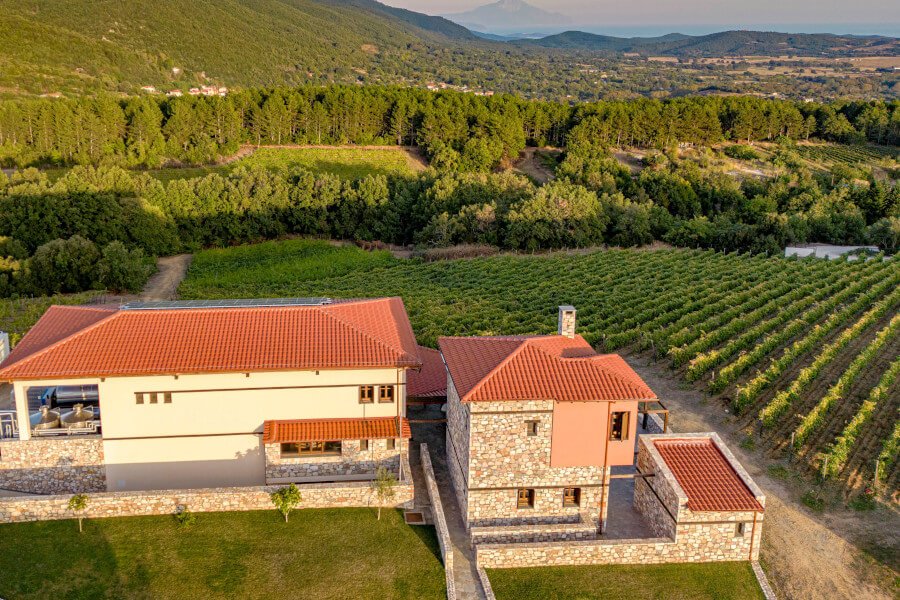
Akrathos Newlands sits inland above Megali Panagia, and the writing emphasizes the landscape as the point: altitude, forest cover and a wide diurnal range shape both the vineyards and the visitor impression. The tone is measured and contemplative rather than flashy—this is a place defined by terroir and structural wines rather than beachside spectacle. Expect a quiet, scenic atmosphere where the land reads through in the bottle; the editorial voice in the description frames the site as purposeful and serious about producing ageworthy, terroir‑driven wines rather than tourist concessions.
Best For
The winery is best for travelers who are primarily interested in understanding place and technique. It suits wine‑minded visitors and small groups who want to explore how inland altitude and night cooling influence acidity and phenolic development. Couples looking for a quiet, scenic escape and curious oenophiles focused on regional context will get the most out of a visit. Because the copy centers on vineyard character and the region’s reappraisal in serious wine circles, it’s a destination for people seeking depth and conversation about terroir and ageing potential.
Tasting Tips
When engaging with Akrathos Newlands, orient tasting time toward wines that demonstrate acidity and structure—the description highlights slow ripening and diurnal range as defining features. Ask staff about the specific vineyard sites and how altitude or forest cover affects each cuvée, and request examples that show ageing potential versus those meant for earlier drinking. If possible, frame questions around vintage variation and cellarability to understand how the winery is defining the sub‑region’s premium tier; the narrative rewards inquisitive tasting and terroir‑focused conversation.
Venue details
Ambiance
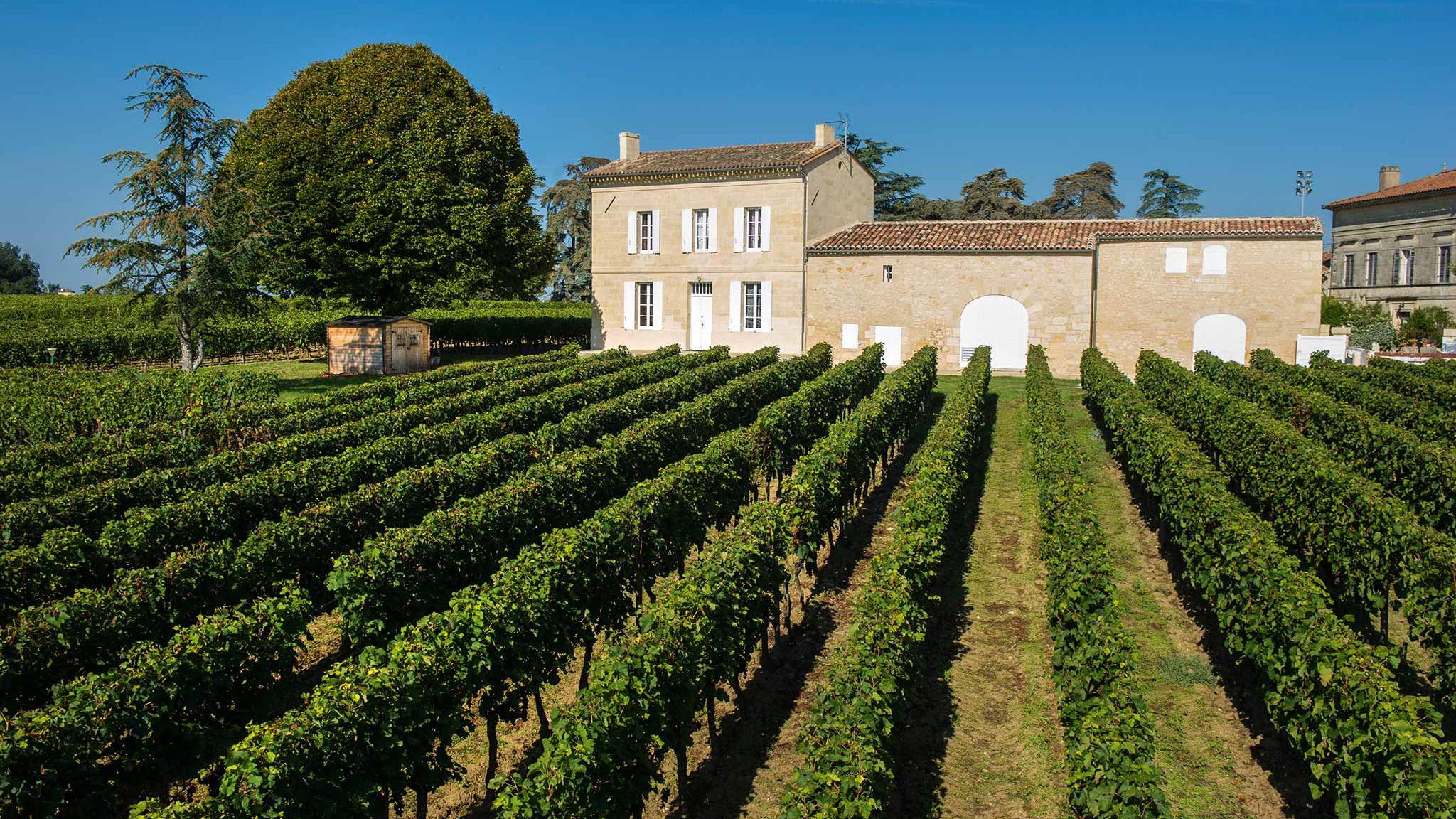
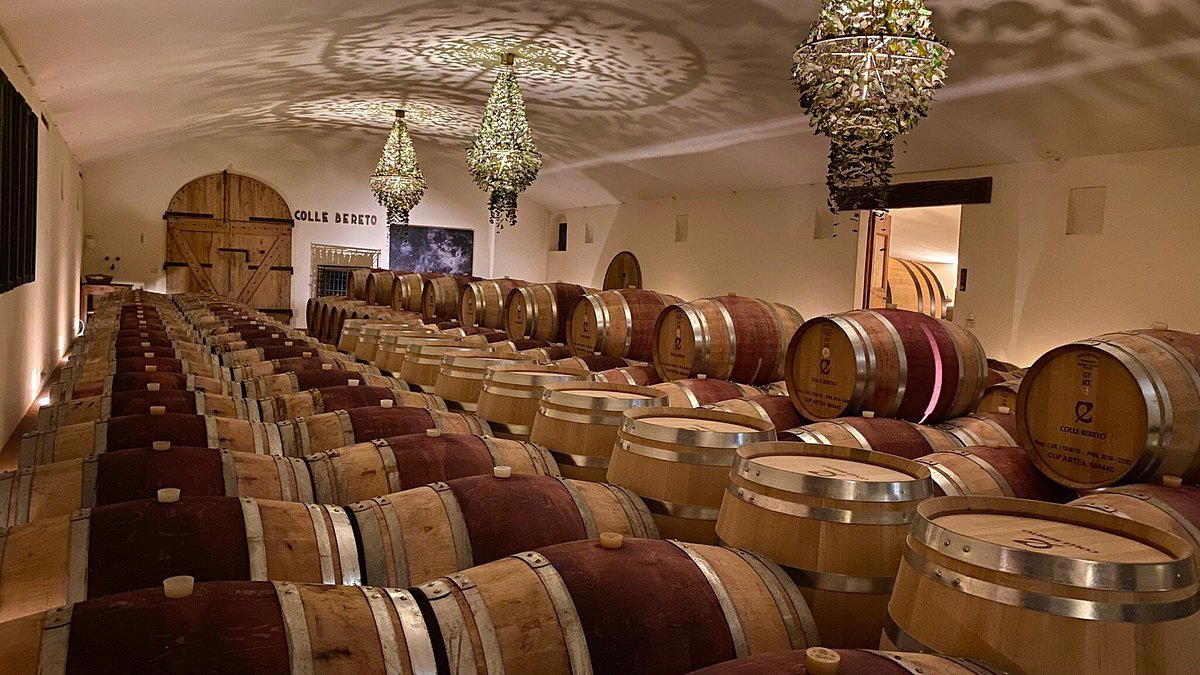
Serene and contemplative atmosphere set among lush organic vineyards with Mediterranean light, cool mountain breezes, and views toward the sacred Mount Athos creating a peaceful, meditative tasting environment.
Tags
Vibe
Best For
Experience
Sourcing
View
At the Vineyard
- Appellation
- Halkidiki PGI
- Varietals
- Assyrtiko, Xinomavro, Agiorgitiko, Sauvignon Blanc, Grenache Rouge
- Tour Duration
- 90 minutes
- Tour Languages
- English, Greek
- Visits
- By appointment only
- Farming
- Organic
- Wine Styles
- Still White, Still Red, Still Rose
- Food Pairing
- Offered
- Wine Club
- Not available
Know before you go
Know Before You Go
- Getting there
- Megali Panagia 630 76
Planning details
Location
Recognition and awards

Also consider
If this does not fit the day
Try Porto Carras Winery if the group wants a more destination-style Halkidiki winery. Choose Biblia Chora Estate if the itinerary is stretching beyond Panagia and the priority is comparing respected northern Greek producers.
Winery context
How it compares with Panagia-area wine options
Choose Akrathos Newlands Winery when the priority is a focused producer visit in Panagia rather than a resort-style wine stop. Porto Carras Winery is the more obvious fit for travellers who want a larger-name Halkidiki reference point and a broader destination feel, while Akrathos is the better match for visitors who prefer a quieter, wine-first plan.
Claudia Papayianni Winery and Biblia Chora Estate make stronger sense for travellers comparing northern Greek producers across a wider route. If the group wants spirits or a different production category, Tsantali Distillery is the more relevant cross-shop; if the goal is a winery name with broader regional recognition, Tsantali Winery is the cleaner comparison.
For value, Akrathos is only the right call if the visit itself is the point of the day. For ease, choose one of the larger or more established-route peers. For ambiance, expect Akrathos to suit quieter, more intent wine travellers rather than groups looking for a social tasting-room circuit.
Explore Panagia
Around this place
Discover more on Pearl
Unlock the full Akrathos Newlands Winery guide in Pearl, including awards, comparisons, FAQs, planning details, and nearby places.
Compare Akrathos Newlands Winery
| Venue | Location | Awards |
|---|---|---|
| Akrathos Newlands Winery | Panagia | 2026 Falstaff Winery Guide |
| Claudia Papayianni Winery | Arnea | No published awards |
| Tsantali Distillery | Thessaloniki | 2026 Falstaff Winery Guide |
| Porto Carras Winery | Halkidiki | 2026 Falstaff Winery Guide |
| Biblia Chora Estate | Kokkinochori | 2026 Falstaff Winery Guide |
| Tsantali Winery | Agios Pavlos | No published awards |
How Akrathos Newlands Winery Panagia compares with similar nearby venues.
FAQ
Frequently Asked Questions
What other winery and drinks venues can I compare with Akrathos Newlands Winery?
For comparison planning, consider Akrathos Newlands Winery alongside Biblia Chora Estate, Claudia Papayianni Winery, Porto Carras Winery, Tsantali Distillery, and Tsantali Winery. Akrathos Newlands Winery makes the most sense if your route already includes Panagia; check current visit details for any venue before travelling.