
Clos Mogador
Gratallops
Winery in Gratallops, Spain
 Book with Pearl
The Read
Llicorella-Rooted Prestige
Price
$20–30tasting
Why go
Prioritize Clos Mogador if the trip is about serious Priorat access, not casual tasting-room convenience. It is a better fit for allocation-minded drinkers and focused wine travelers than for large groups or food-led itineraries; build the Gratallops day around the confirmed slot first, then add meals, lodging, and backup winery options.
About Clos Mogador
Clos Mogador is a Gratallops venue with Pearl 3 Star Prestige recognition for 2025. Because details about services, formats, prices, hours, or access are limited, the safest planning approach is to treat it as a notable stop only if Clos Mogador itself is central to your itinerary.
Plan around Clos Mogador if your goal is to include a recognized Gratallops venue in a carefully organized day. The dress code is smart casual, so arrive polished but not formal. For anything beyond that, timing, availability, visit format, offerings, or purchasing details, confirm directly with the venue before you build the rest of the day around it.
Recognition and planning advice
The value question should be framed around its recognition, location, and your own itinerary priorities. Clos Mogador has Pearl 3 Star Prestige (2025), and that makes it a notable Gratallops name to consider. If you are comparing other venues, Álvaro Palacios is a natural reference point, while Scala Dei, Familia Torres, Bodegas Torres, and Gramona may also be useful depending on the wider route.
Do not assume specific terms, benefits, formats, food service, or visit length unless those details are confirmed directly by Clos Mogador. If the aim is a strictly Gratallops-focused plan, keep Clos Mogador at the center; if the aim is broader regional context, use the other named venues as reference points without treating them as interchangeable stops.
Plan your visit
Gratallops rewards advance planning. Build the day around whatever Clos Mogador confirms directly, then add meals, lodging, and other activities after that. For the rest of the itinerary, use current local planning resources and confirm practical details before finalizing the day.
For a simple comparison set, keep the focus on Clos Mogador, Álvaro Palacios, Scala Dei, Familia Torres, Bodegas Torres, and Gramona. Avoid making decisions based on assumptions about access, pricing, group size, service style, or specific offerings; confirm those practical details with each venue before finalizing the route.
Planning details
- Location
- Cami Manyetes, s/n, 43737 Gratallops, Tarragona
- Website
- closmogador.com
- Phone
- +34 977 83 91 71
The take
The Take
The Vibe
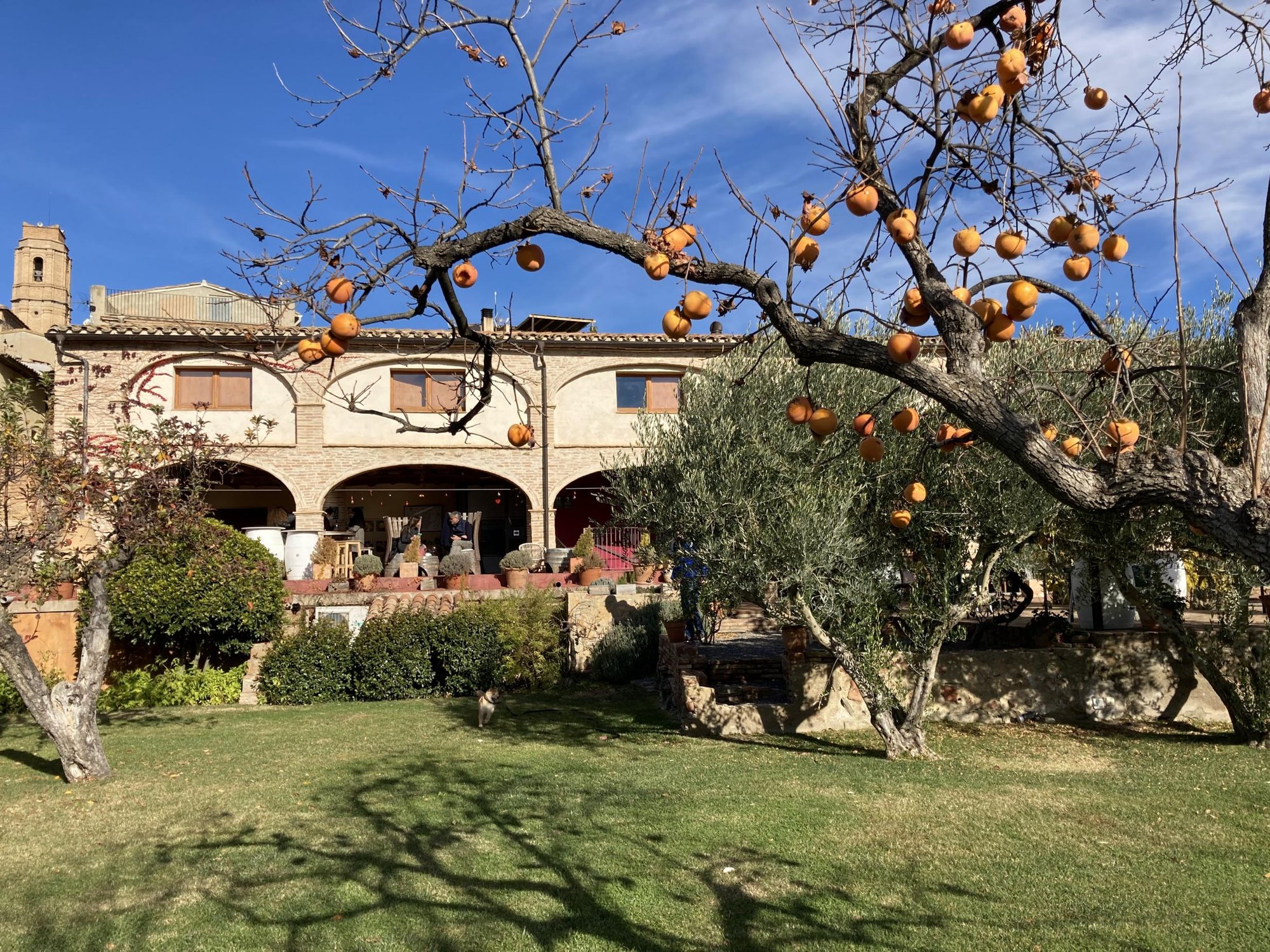
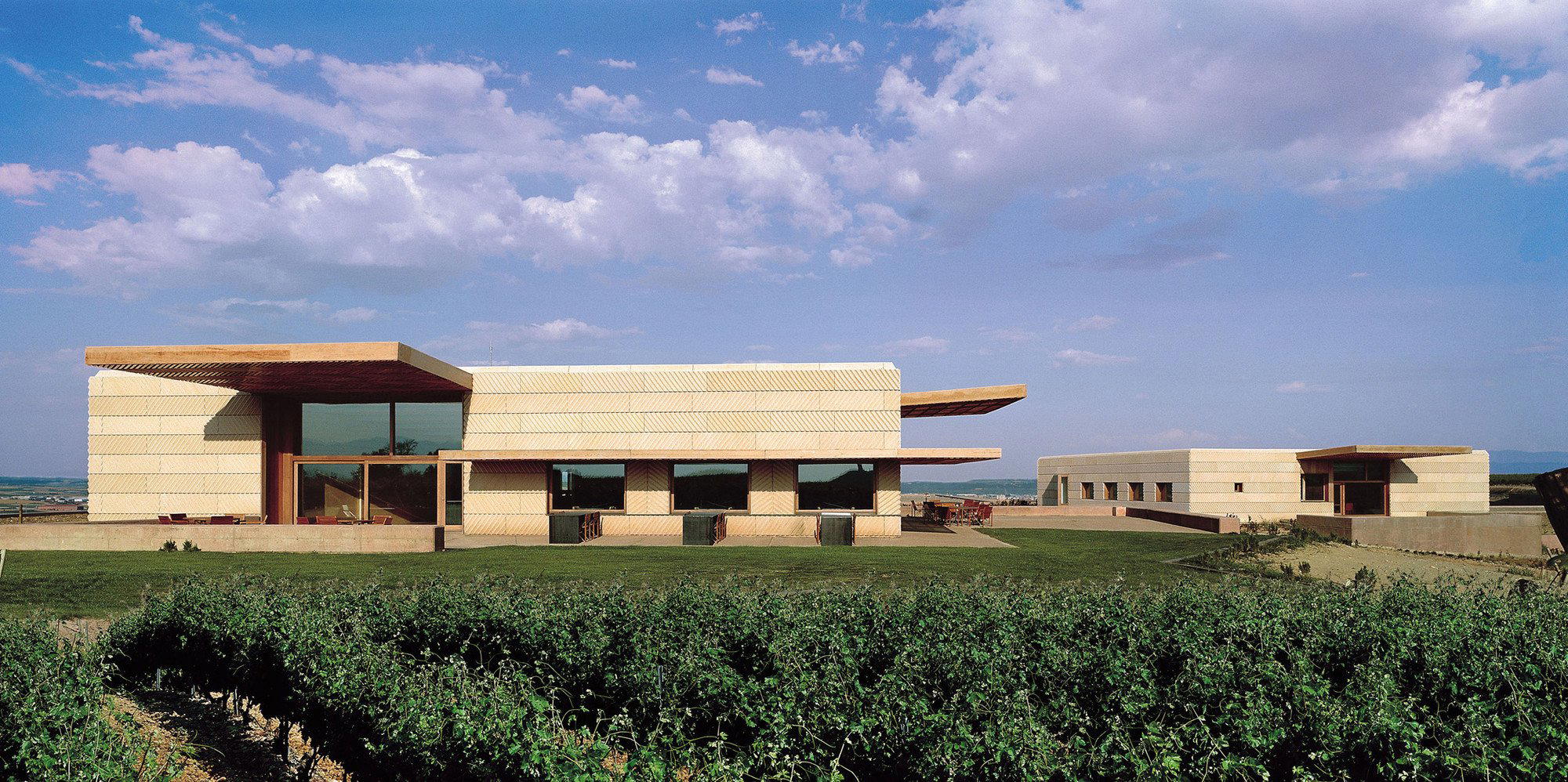
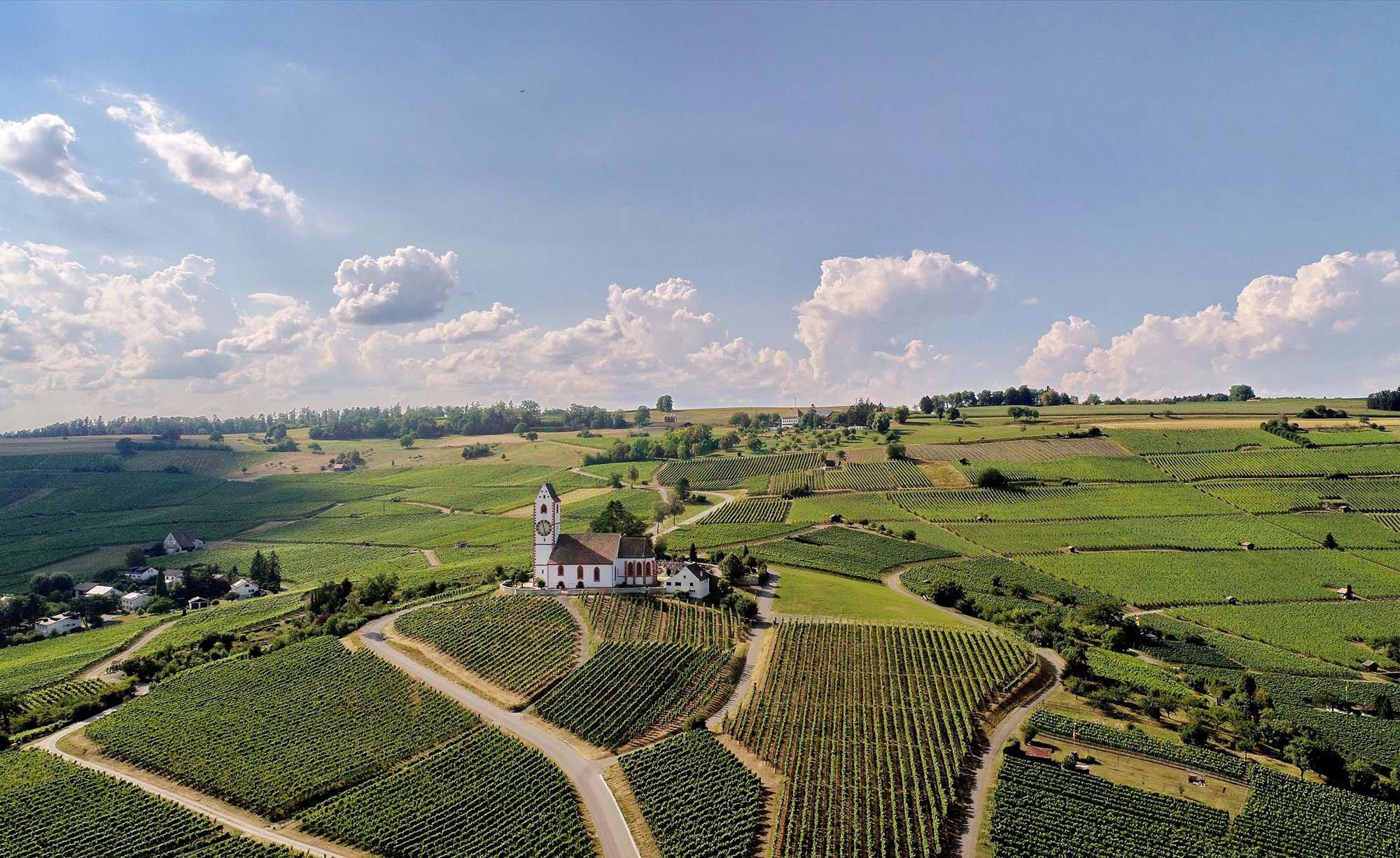
Clos Mogador projects a sober, sophisticated character rooted in terroir rather than flash. The estate sits in Gratallops on steep slopes of llicorella—dark slate and quartz schist—that define both the landscape and the wines. The writing frames the property as part of Priorat’s founding tier, an estate that helped redefine the region’s quality ambitions. That pedigree, paired with the severe, mineral landscape, creates an understated, refined atmosphere: not theatrical, but quietly authoritative, where the land and old vines do the talking.
Best For
This is a destination for people focused on terroir, technique and high-end Spanish reds. The account emphasises low yields, old-vine Grenache and Carignan and the region’s distinctive slate soils, marking Clos Mogador as particularly rewarding for wine-education visits and collectors seeking expressive examples of Priorat. The estate’s standing in the region and recent Pearl 3 Star Prestige rating also make it an appropriate choice for milestone celebrations or any occasion where you want to sample wines that represent the appellation’s upper tier.
Tasting Tips
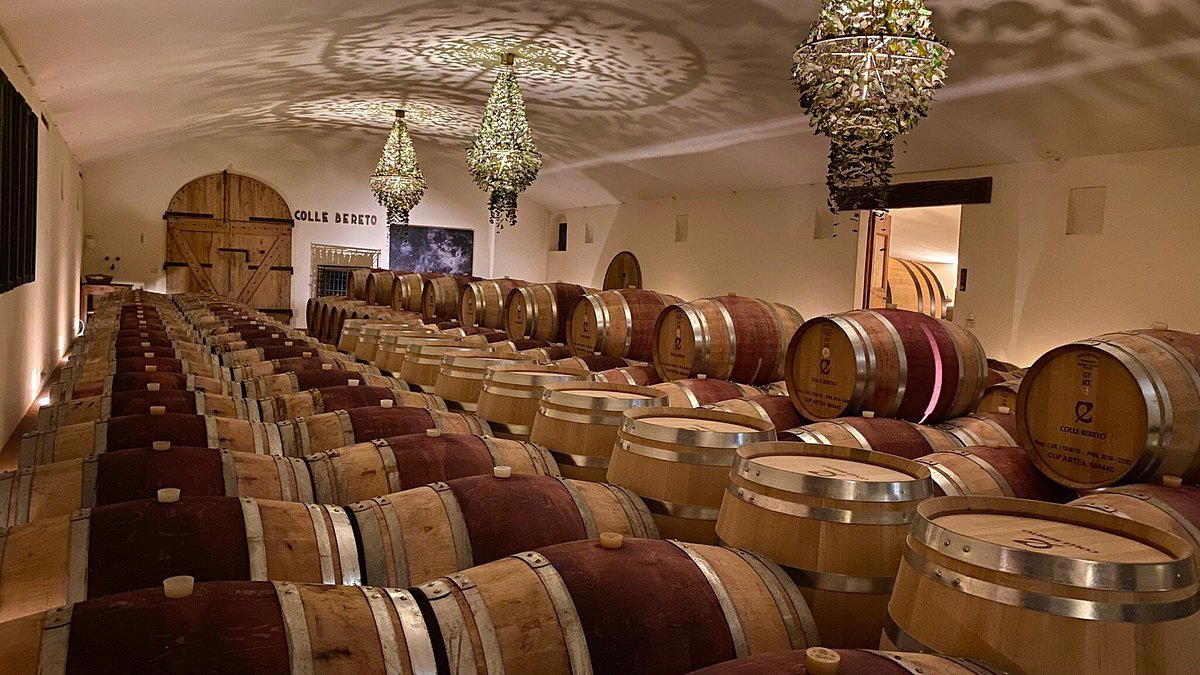
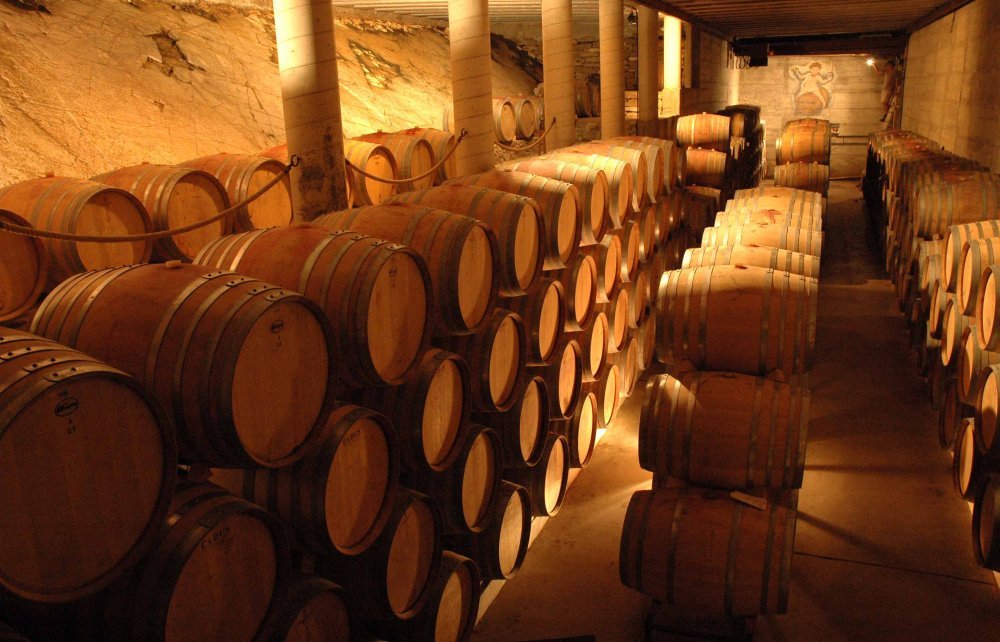
When approaching Clos Mogador’s wines, look for examples that showcase old-vine Grenache and Carignan and the saline, mineral density the text highlights. Priorat bottlings from llicorella soils often show a graphite-edged, savory mineral thread—seek vintages that balance ripe fruit with this saline complexity. The profile described here suggests that stylistic questions—degree of extraction, barrel treatment and ripeness—matter; reference the estate’s Pearl 3 Star Prestige rating and any vintage notes to find wines that emphasize terroir and precision rather than overt manipulation.
Venue details
Ambiance
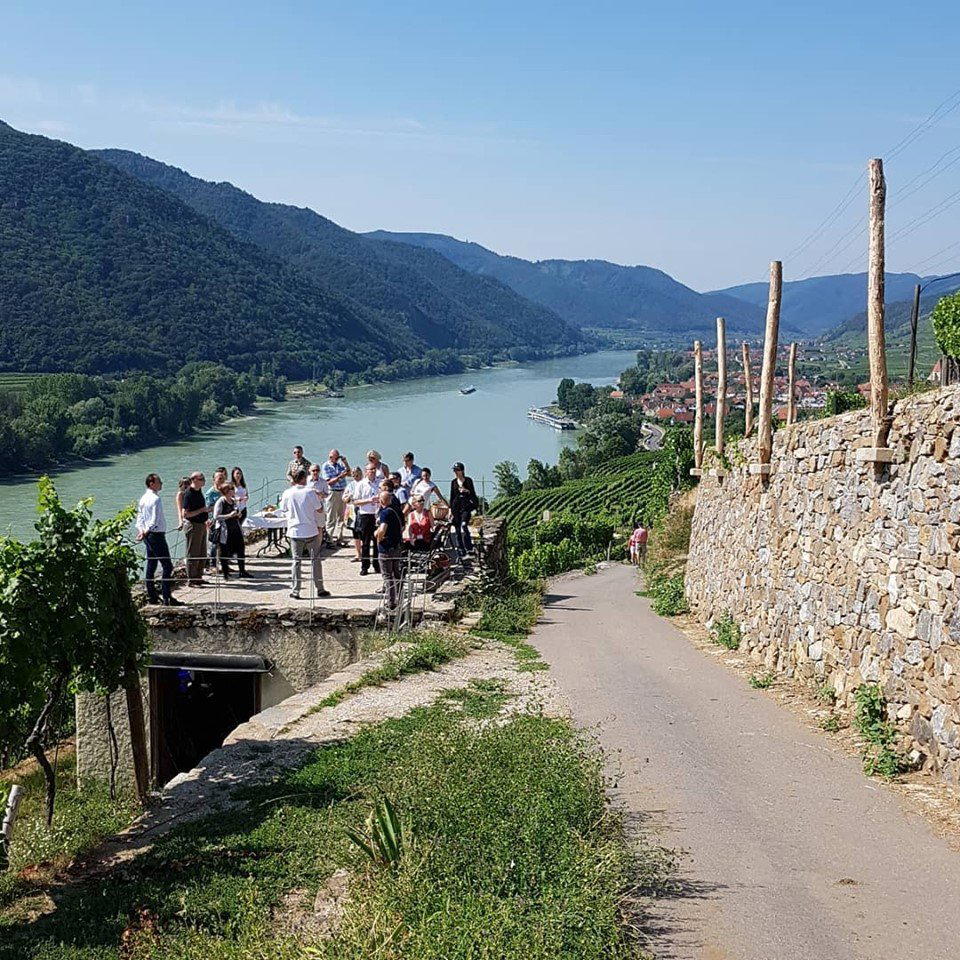
Historic stone amphitheater vineyard surrounded by 1,200-meter mountains with slate terroir; rustic elegance with artisanal winemaking traditions.
Tags
Vibe
Best For
Experience
Sourcing
View
At the Vineyard
- Appellation
- DOQ Priorat
- Varietals
- Garnacha, Carignan, Syrah, Cabernet Sauvignon, Viognier
- Tour Duration
- 60-90 minutes
- Tour Languages
- English, Spanish
- Visits
- By appointment only
- Farming
- Regenerative
- Wine Styles
- Still Red, Still White, Still Rose
- Wine Club
- Not available
Know before you go
Know Before You Go
- Getting there
- Cami Manyetes, s/n, 43737 Gratallops, Tarragona
Planning details
Location
Recognition and awards

Also consider
If Clos Mogador is not available
Try Álvaro Palacios first if staying in Gratallops and the goal is still serious Priorat. If the group needs a more flexible, broader winery day, look at Scala Dei, Familia Torres, or Bodegas Torres instead.
Winery context
How Clos Mogador compares in Gratallops and beyond
Clos Mogador is the choice for a focused Priorat trip where scarcity and producer depth matter more than ease. Álvaro Palacios is the closest peer for serious Gratallops planning, so cross-shop the two first if the trip is built around Priorat rather than general Spanish wine tourism.
Scala Dei is the better fit for travelers who want a broader regional reference point outside Gratallops, while Familia Torres and Bodegas Torres suit visitors who prefer larger-scale winery infrastructure and easier planning. Those options are more forgiving for mixed-interest groups, but less targeted if the aim is Priorat specificity.
Gramona belongs in the comparison only for travelers mapping a wider Catalonia wine route. Choose it when sparkling wine and a broader itinerary matter; choose Clos Mogador when the point of the trip is still red-wine Priorat depth and Gratallops context.
Explore Gratallops
Around this place
Discover more on Pearl
Unlock the full Clos Mogador guide in Pearl, including awards, comparisons, FAQs, planning details, and nearby places.
Compare Clos Mogador
| Venue | Location | Awards |
|---|---|---|
| Clos Mogador | Gratallops | 2026 Falstaff Winery Guide |
| Álvaro Palacios | Gratallops | 2026 Falstaff Winery Guide |
| Scala Dei | Escaladei | 2026 Falstaff Winery Guide |
| Familia Torres | Pacs del Penedès | 2022 World's 50 Best Vineyards · #342021 World's 50 Best Vineyards · #262020 World's 50 Best Vineyards · #422019 World's 50 Best Vineyards · #28 |
| Bodegas Torres | Vilafranca del Penedès | No published awards |
| Gramona | Sant Sadurní d'Anoia | 2026 Falstaff Winery Guide2025 World's 50 Best Vineyards · #252024 World's 50 Best Vineyards · #45 |

How Clos Mogador Gratallops compares with similar nearby venues.
FAQ
Frequently Asked Questions
What other venues can I compare with Clos Mogador?
Álvaro Palacios and Scala Dei are useful comparisons, while Familia Torres, Bodegas Torres, and Gramona may make more sense if you are considering a wider route. Clos Mogador's Pearl 3 Star Prestige (2025) makes it a notable Gratallops venue to consider.
Does Clos Mogador have membership or allocation programs?
Details about membership, allocation, or similar programs are not available. If Clos Mogador offers any such option, judge it only after confirming the current terms directly with the venue. Clos Mogador is in Gratallops, has Pearl 3 Star Prestige (2025), and has a smart casual dress code.
Can Clos Mogador handle large groups?
Group capacity information is not available. If you are planning with several people, contact Clos Mogador directly before assuming what it can accommodate. For location planning, refer to it simply as being in Gratallops.
What specific offerings are available at Clos Mogador?
Specific offerings are not listed here. Treat Clos Mogador itself as the draw, supported by Pearl 3 Star Prestige (2025), and confirm current details directly with the venue.
When is the best time to visit Clos Mogador?
Specific visiting hours and best times are not listed. Plan around the details Clos Mogador confirms directly, then arrange the rest of your Gratallops itinerary after that. If you are comparing it with Álvaro Palacios or Scala Dei, confirm each venue separately.
Does Clos Mogador serve food?
Food service information is not available. Do not assume a meal, pairing, or full food program unless Clos Mogador confirms it directly. Plan separate Gratallops dining if you need a guaranteed meal.
How long should I plan for a visit to Clos Mogador?
A specific visit length is not listed. Ask Clos Mogador directly about the current format and timing before arranging nearby plans in Gratallops.