

2026 Falstaff Winery Guide: The Ultimate Wine Authority — Page 79
Falstaff's 2026 Wineries guide.

Venues on this list
Domaine la Réméjeanne
Sabran, France
A strong choice for a relaxed Sabran wine stop if freshness, organic farming, and high-altitude Southern Rhône character matter more than formal hospitality. The estate suits couples or small groups looking for a rural, wine-first tasting built around Côtes du Rhône reds and whites with real terroir focus.
Bodegas Paniza
Paniza, Spain
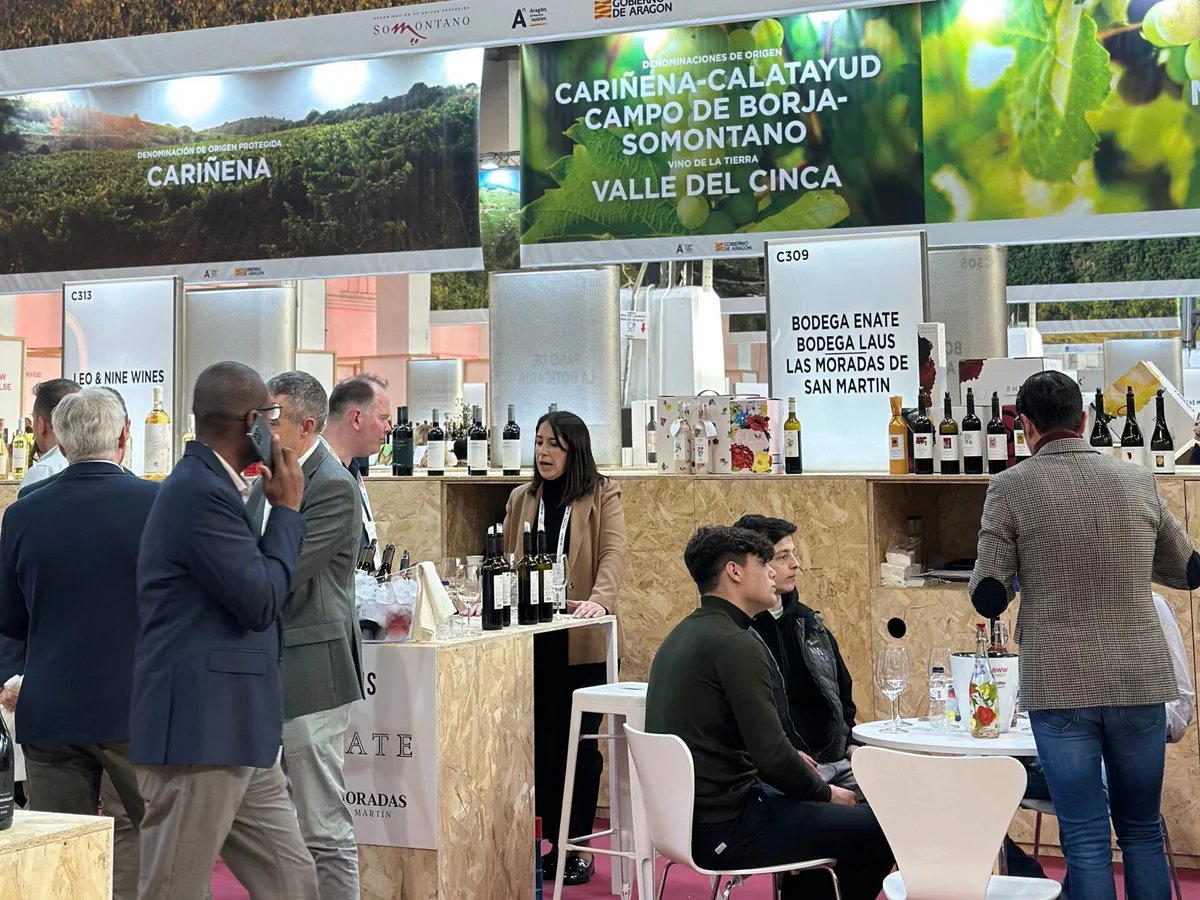
Book Bodegas Paniza if you want a clear, production-led introduction to Cariñena and Garnacha through a large cooperative rather than a small estate visit. The draw is its 360-grower structure, modern facilities, and high-altitude vineyard base; the tradeoff is a more functional winery feel than a boutique tasting-room experience.
Dea Rivalta
Bigolino Di Valdobbiadene, Italy
Dea Rivalta is worth booking if the goal is a calm, appointment-only Prosecco tasting in Bigolino with real range across Conegliano Valdobbiadene styles, including Cartizze. It is better for wine-focused travelers than for anyone seeking a large hospitality complex or restaurant-style estate visit.
Materra, Cunat Family Vineyards
Napa, United States
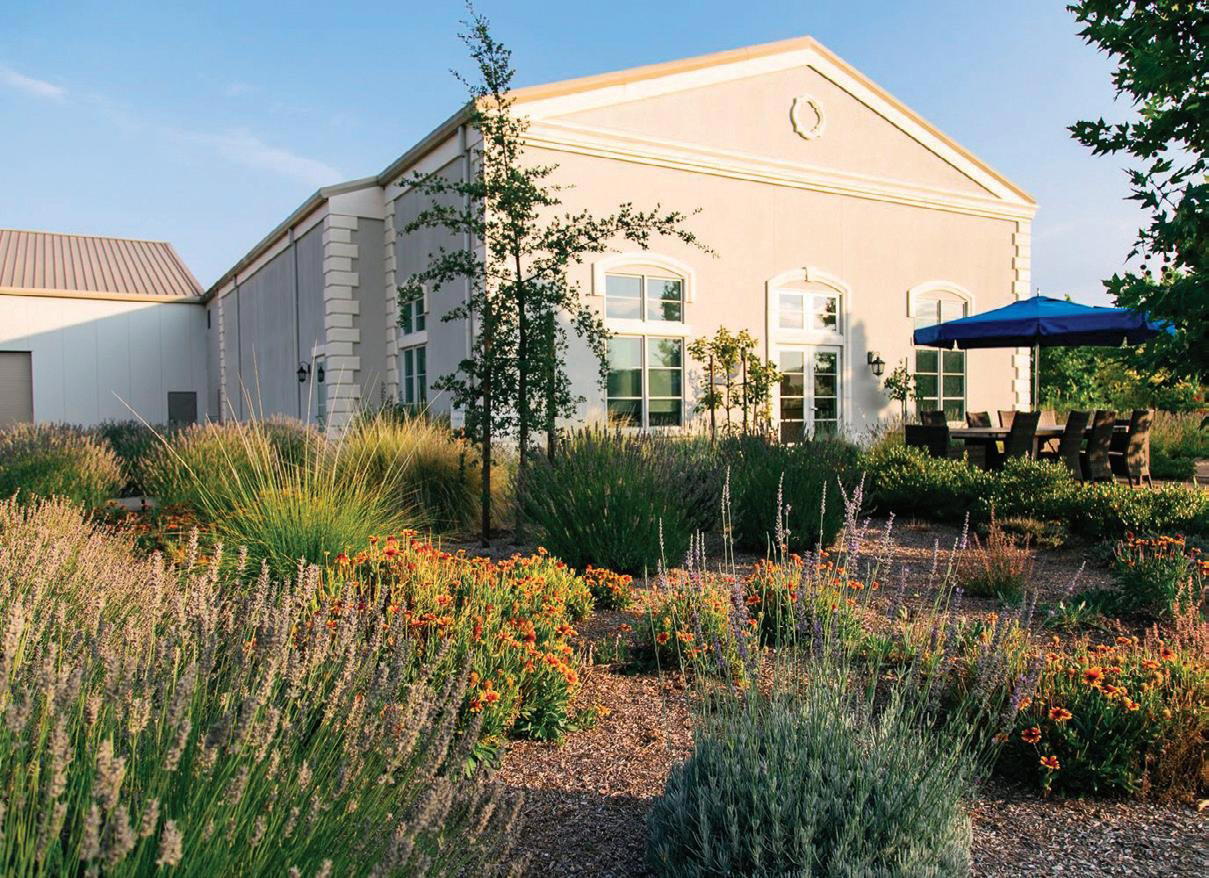
Materra, Cunat Family Vineyards is a better fit for a planned Napa tasting than a spontaneous winery crawl. Choose it for a date, celebration, or client-friendly stop where a composed wine-focused visit matters; look elsewhere if the group needs confirmed food service or a clearly published casual format before committing.
Cramele Recas
Rekasch, Romania
Cramele Recas is worth booking if you want a practical look at modern Romanian wine production rather than a boutique cellar experience. The draw is scale, range, and Recaș DOC context: roughly 1,150 to 1,200 hectares, 45 brands, 25 grape varieties, and a 2026 Falstaff listing. Private tasting value is strongest when it adds structure and access to a focused range.
Craggy Range
Hastings, New Zealand
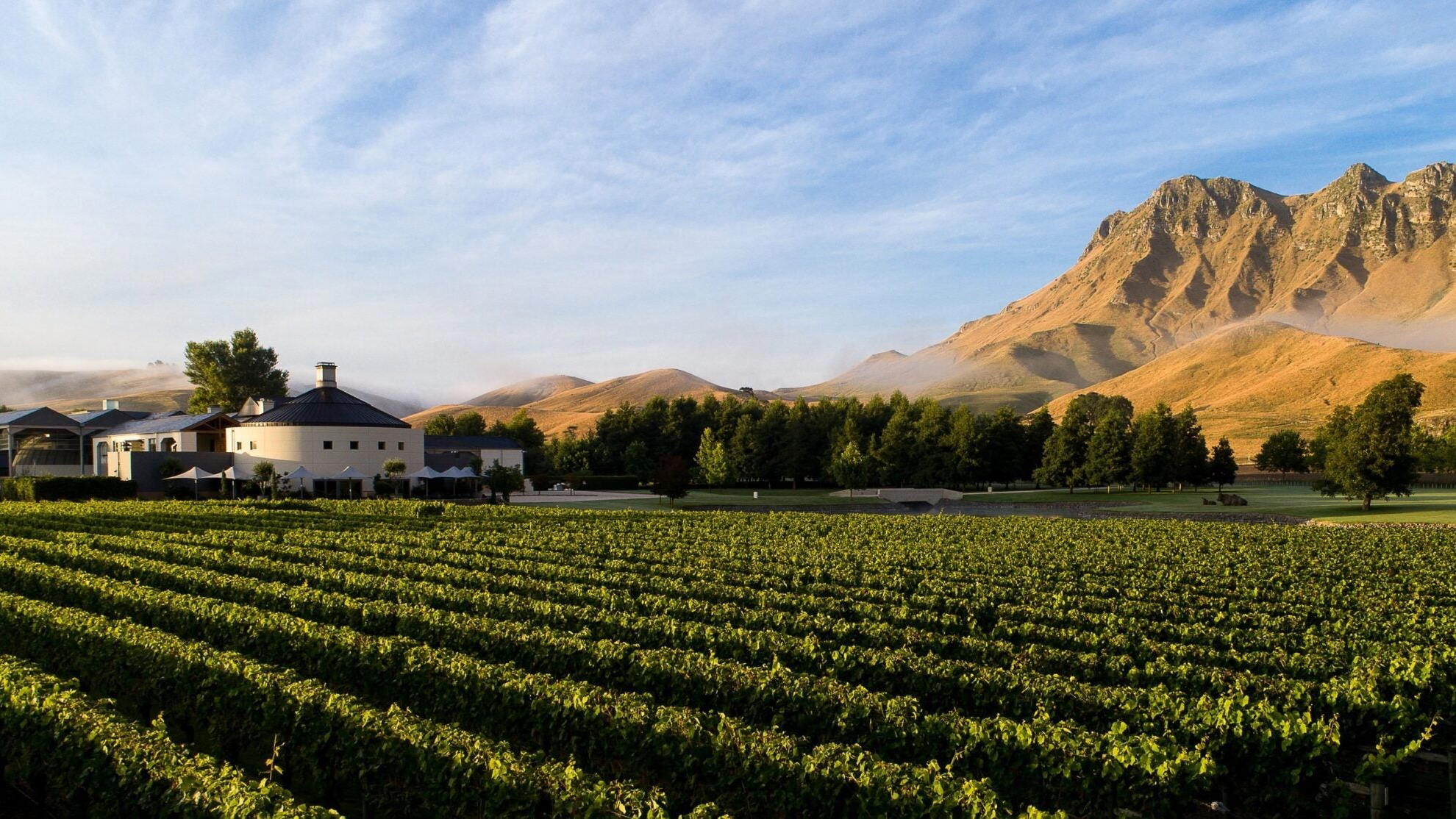
Craggy Range is a winery on Waimarama Road near Havelock North.
Baumhausweine
Gobelsburg, Austria
Baumhausweine works for a Gobelsburg wine route if you want Kamptal context without building the day around one formal tasting. Its Falstaff Listed 2026 recognition gives it a useful trust signal, but the smarter move is to pair it with other Gobelsburg planning rather than treat it as a standalone destination.
Bodegas y Viñedos Gallego Zapatero
Anguix, Spain
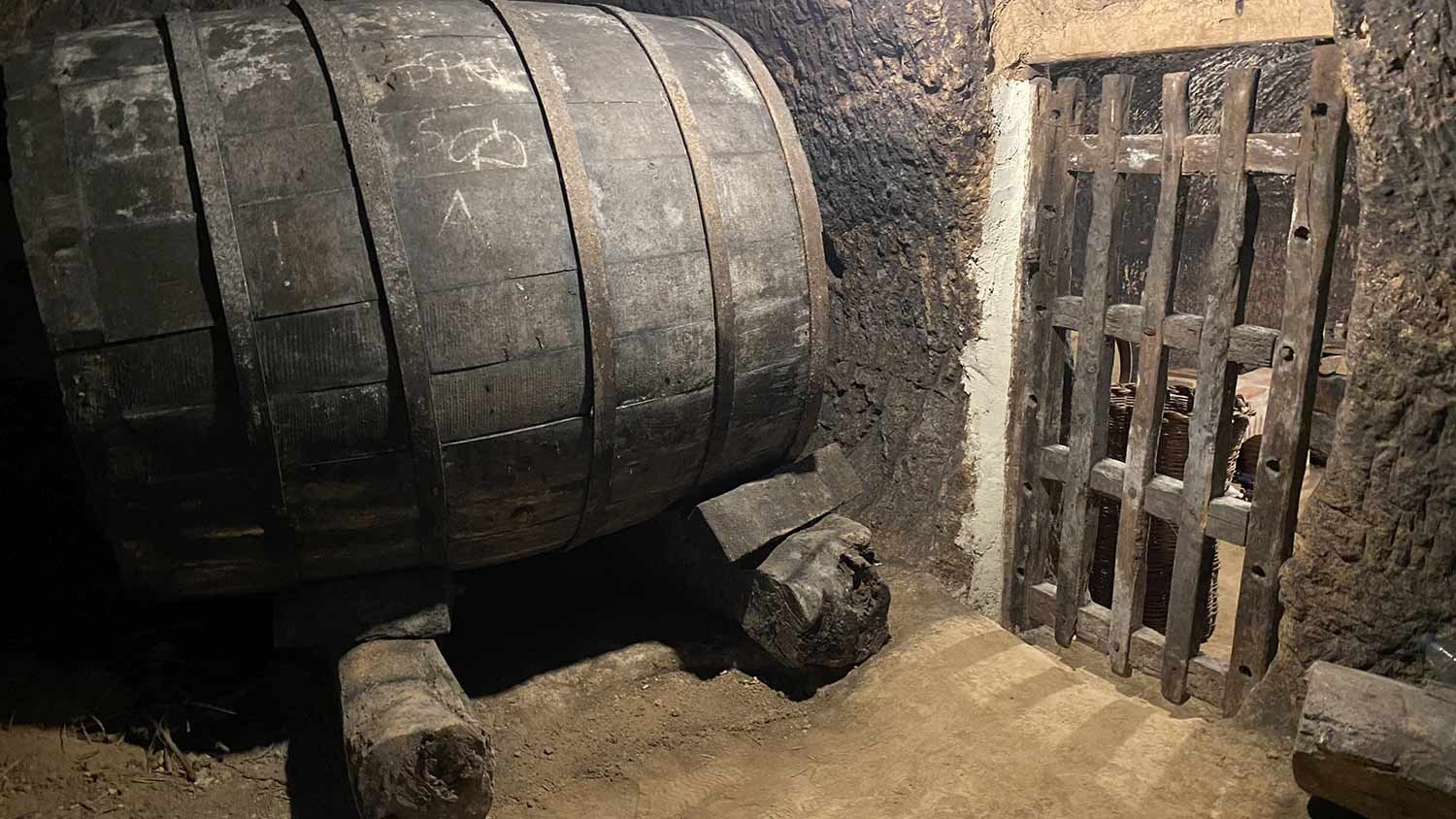
Book Bodegas y Viñedos Gallego Zapatero if the priority is a quiet, terroir-focused Ribera del Duero visit rather than a polished tasting-room production. Its certified organic Anguix vineyards, YOTUEL village wines, and single-vineyard bottlings make the strongest case for visitors who want parcel-level context and family-run winemaking.
Gut Hoflössnitz
Radebeul, Germany
Gut Hoflössnitz is worth booking for a relaxed Saxon winery visit where the historic estate setting matters as much as the tasting. Falstaff listing gives it a credible recognition signal, but the smarter expectation is scenic, cultural wine hospitality rather than a detail-heavy producer appointment.
Demencia
Ponferrada, Spain
Demencia is a wine-first Ponferrada pick for travelers who care more about producer credibility than easy logistics. Its Falstaff 2 Stars recognition in 2026 gives it a useful trust signal, but sparse public practical detail means it suits planners who can confirm access before building a celebration around it.
Domaine Bernard Moreau Et Fils
Chassagne-Montrachet, France
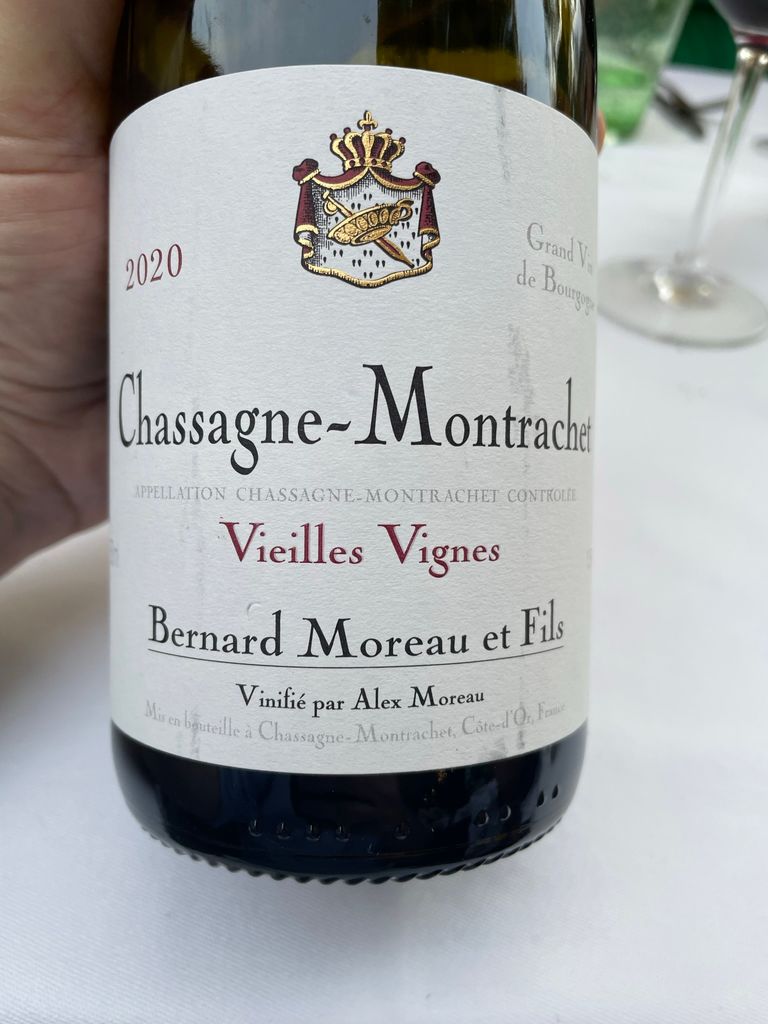
Domaine Bernard Moreau Et Fils is a serious Chassagne-Montrachet address for Burgundy drinkers who care about producer lineage, vineyard specificity, and ageworthy Chardonnay. Prioritize it for white Burgundy and collector context, not for a casual wine-tourism setup; the appeal is the working estate, the village history, and the precision behind the wines.
Domaines Lupier
San Martin De Unx, Spain
Prioritise Domaines Lupier if the trip is about serious Navarra Garnacha rather than a broad tasting-room experience. The draw is old-vine, dry-farmed fruit from small plots around San Martín de Unx, with a concise portfolio led by El Terroir and La Dama. Plan it as an appointment-led wine stop for a small group or special occasion.
Dyrehøj Vingård
Kalundborg, Denmark
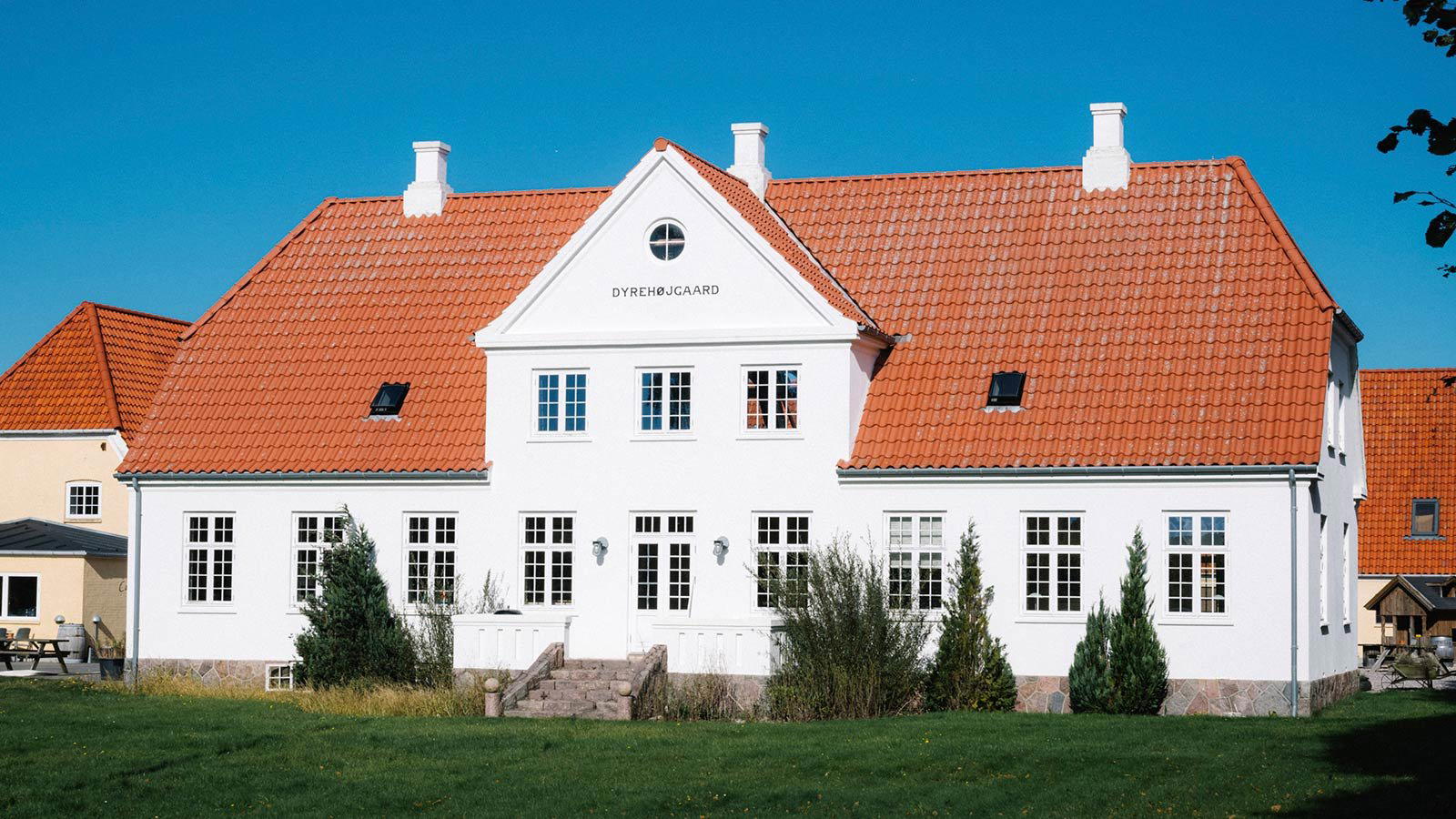
Dyrehøj Vingård is worth shortlisting for a focused Danish vineyard stop in Kalundborg, especially if Falstaff 2026 recognition matters to the occasion. It is less suited to travelers who need confirmed private tasting details, a published flagship wine, or a restaurant-style plan before committing.
Cantina Custodi
Orvieto, Italy
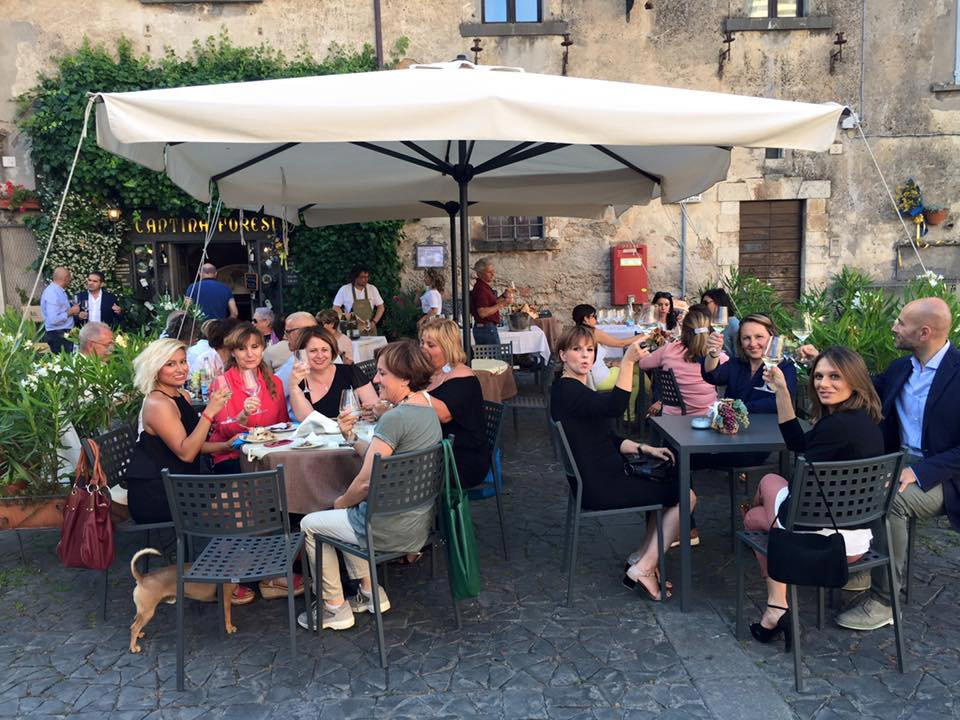
Cantina Custodi is worth booking if you want an approachable Orvieto winery visit with strong value and enough estate context to make the tasting useful. Go for Orvieto Classico, volcanic-soil detail, family-run hospitality, and a relaxed countryside setting; skip it if you only want a fast glass without a guided explanation.
Weingut Zahel
Vienna, Austria
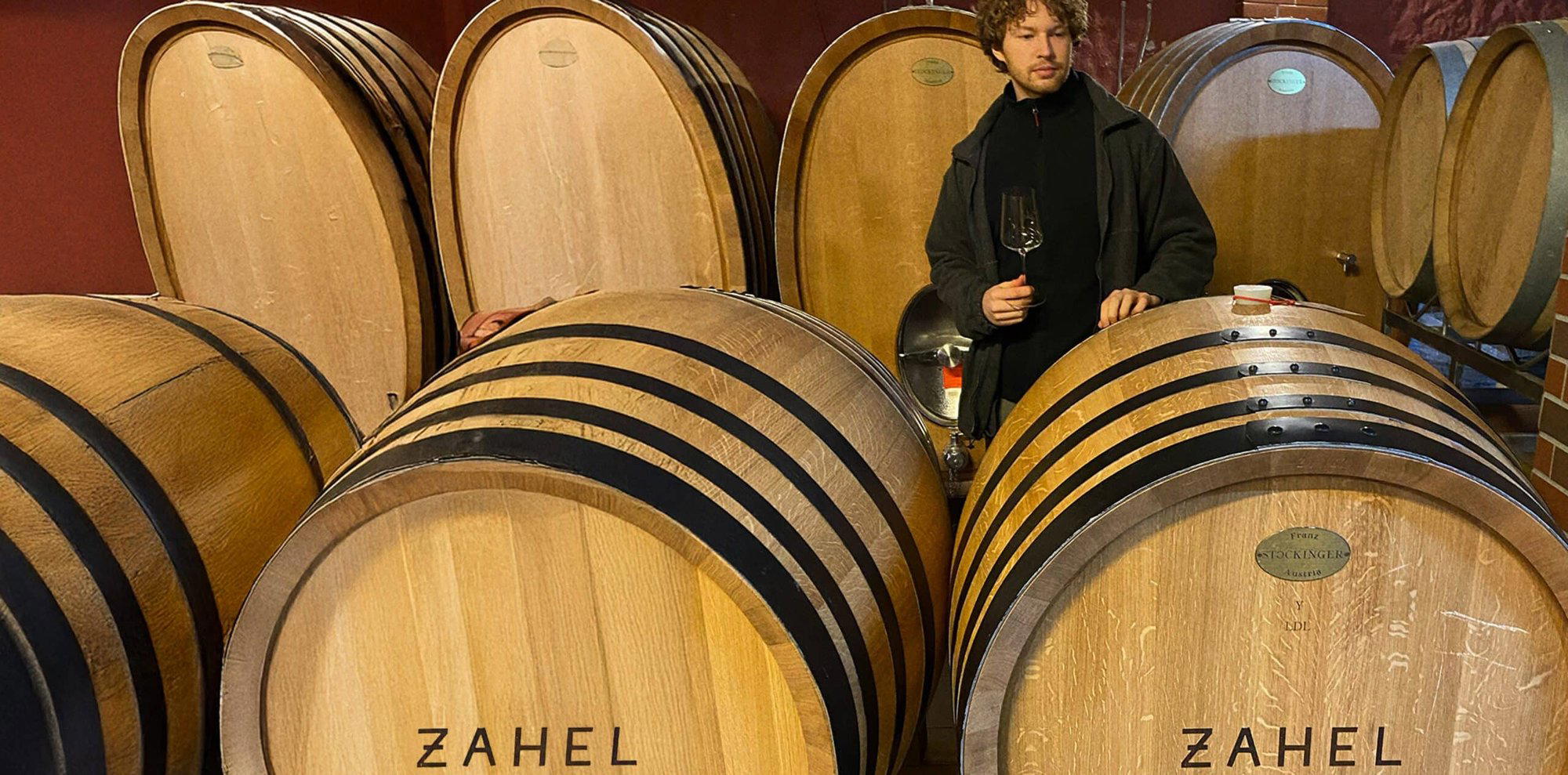
Book Weingut Zahel if the priority is a wine-focused Vienna stop rather than a central drinks crawl. It suits repeat visitors and smaller wine-led groups better than mixed groups looking for the easiest, most central option; compare Weingut Wien Cobenzl or Weingut Fuhrgassl-Huber if convenience matters more.
Azienda Agricola Comparini
Empoli, Italy
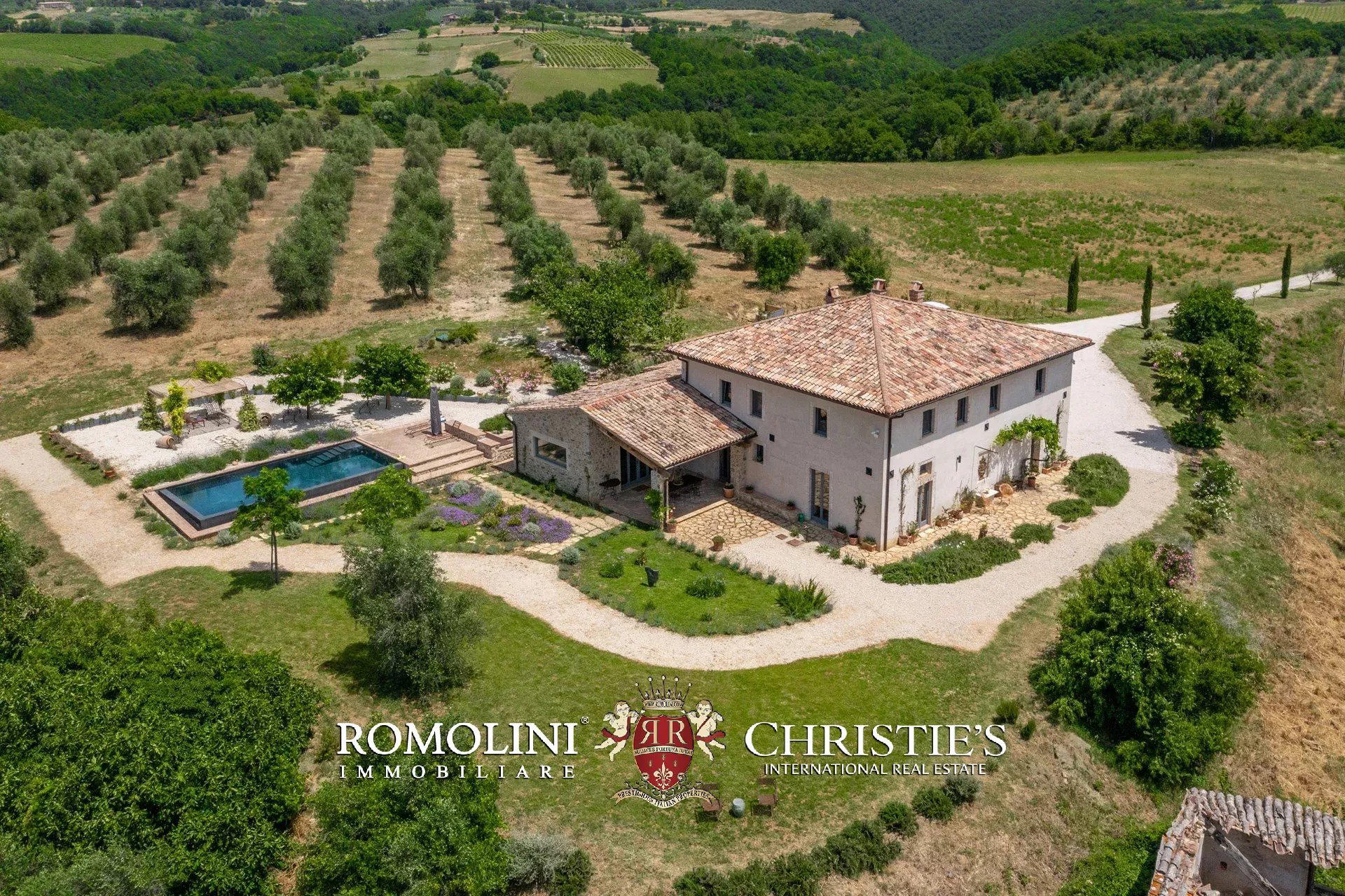
Azienda Agricola Comparini is worth booking if you want a low-cost, appointment-only Empoli winery visit built around small-production IGT Toscana wines. The draw is the compact range: Riesling, a Cabernet-Merlot blend, and Sangiovese from a 12-hectare family estate with Falstaff 2026 recognition.
Cantina La Marchesa
Lucera, Italy
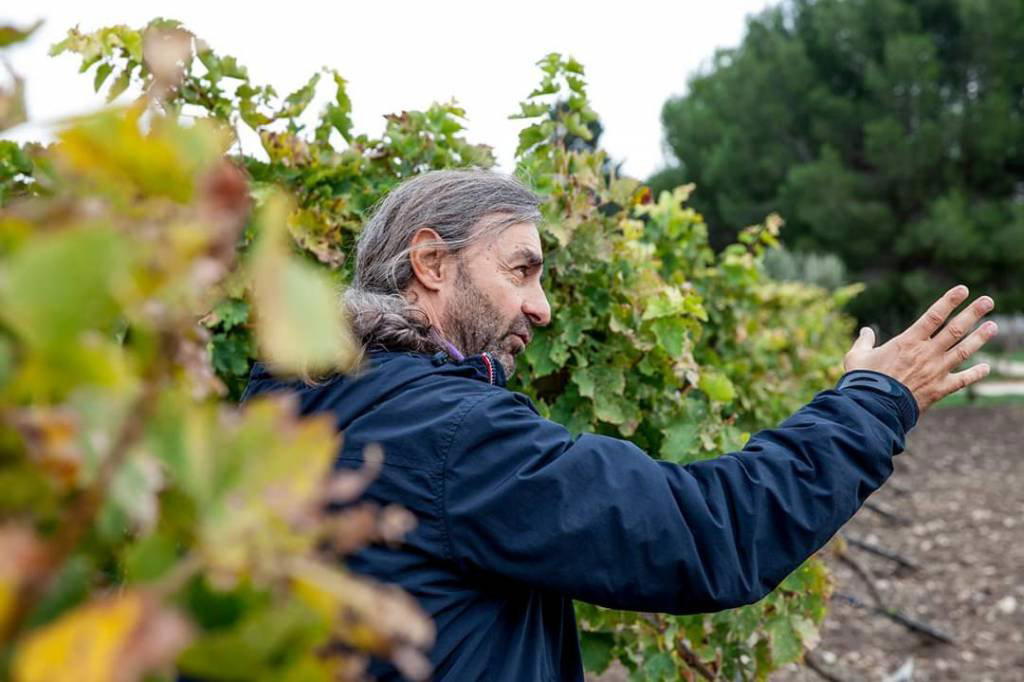
Cantina La Marchesa is a worthwhile Lucera wine stop if the aim is regional discovery rather than a blind club commitment. Falstaff listing for 2026 gives it a credible quality signal, but the smarter play is to taste first, understand shipment terms, and only then decide whether any recurring allocation is worth it.
Château Vrai Canon Bouché
Fronsac, France
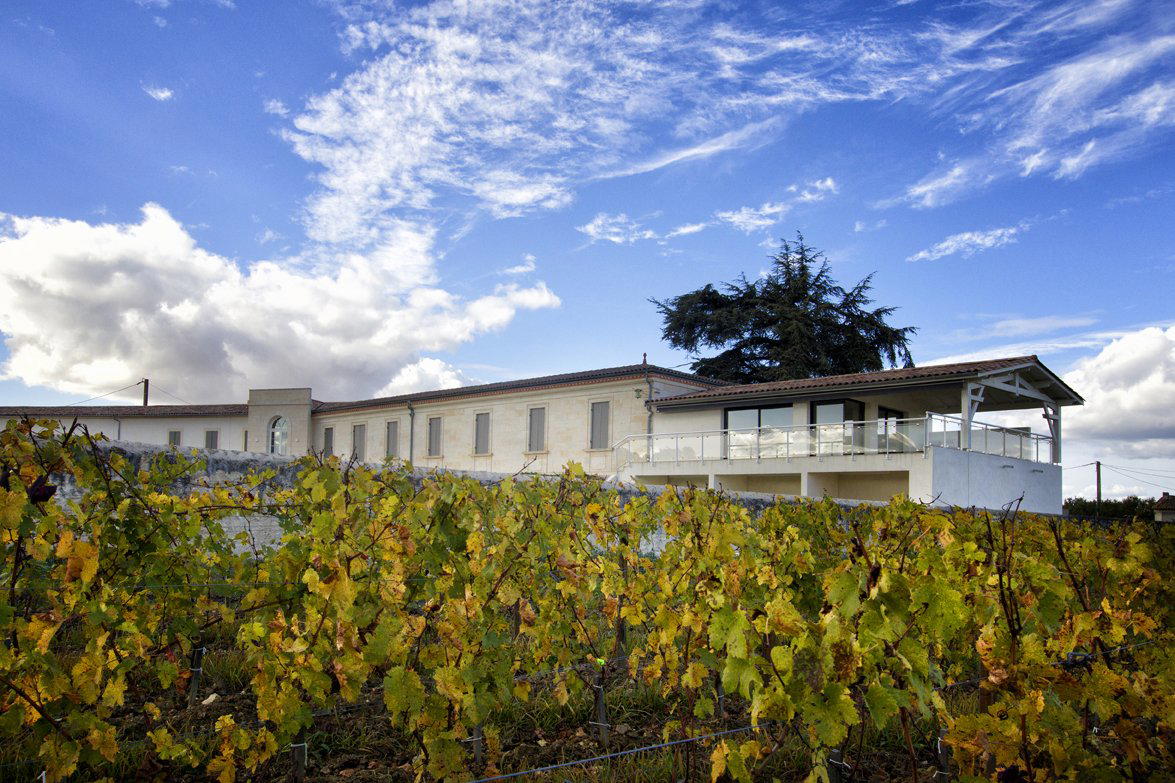
Worth considering if the goal is a focused Canon Fronsac tasting with food-friendly Right Bank reds rather than a high-production hospitality stop. Château Vrai Canon Bouché is strongest for travelers who care about blend, limestone terroir, and dinner-pairing usefulness, especially around duck, lamb, mushrooms, and richer dishes.
DujmoVino
Sulz Im Burgenland, Austria
DujmoVino works if Sulz im Burgenland is already part of a wine-focused itinerary and the priority is producer discovery over a fully published dining setup. The key trust signal is its Falstaff Listed 2026 recognition; confirm food pairing format, hours, pricing, and group suitability before making it the anchor of the day.
Agricola Gian Piero Marrone
La Morra, Italy
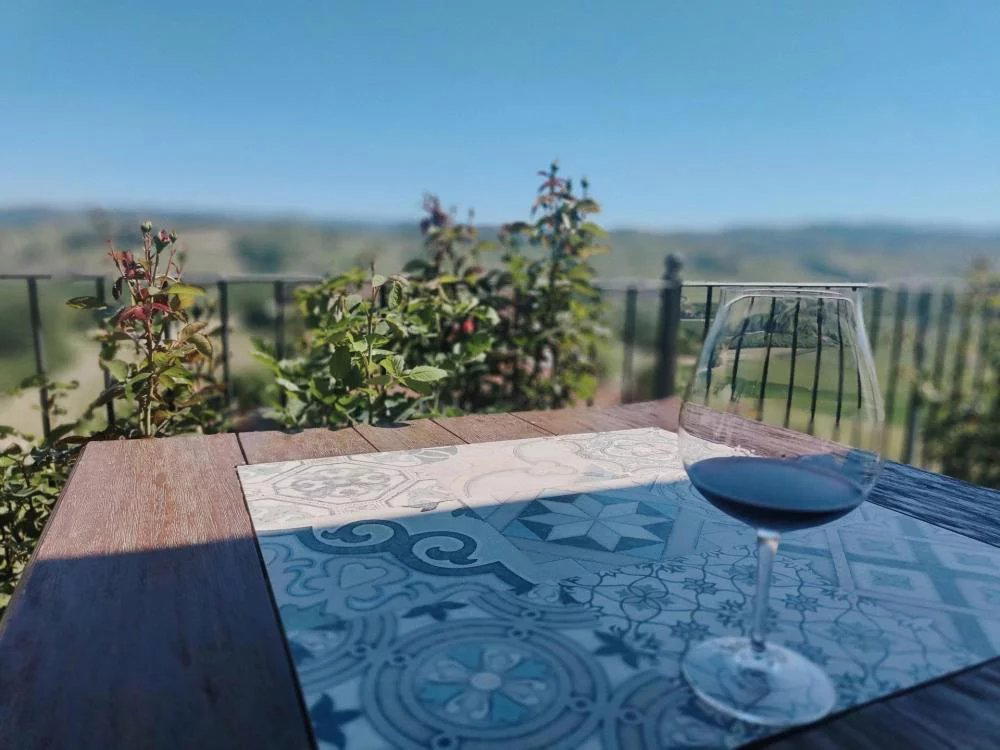
Book Agricola Gian Piero Marrone if you want a warm La Morra winery visit built around Barolo-country context, vineyard views, and a relaxed lunch-tasting style. It is better for couples, celebrations, and small groups than for travelers trying to squeeze in a quick technical tasting between multiple appointments.
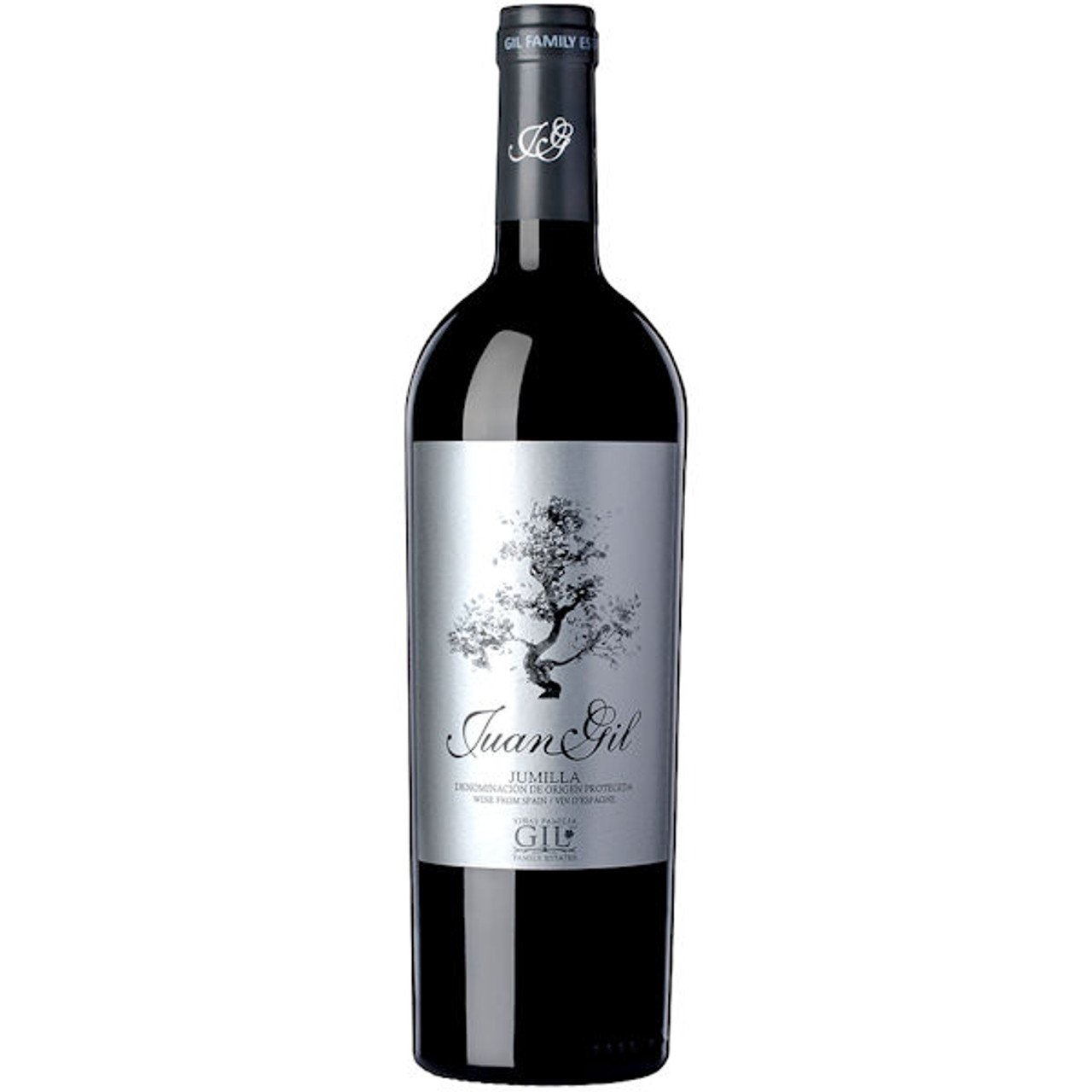
Bodegas Juan Gil
Jumilla, Spain
Book Bodegas Juan Gil only if the winery visit is central to the Jumilla plan, not a casual add-on. Its difficult booking profile makes it better suited to couples, celebrations, or hosted business wine stops where a private tasting is worth the extra planning.
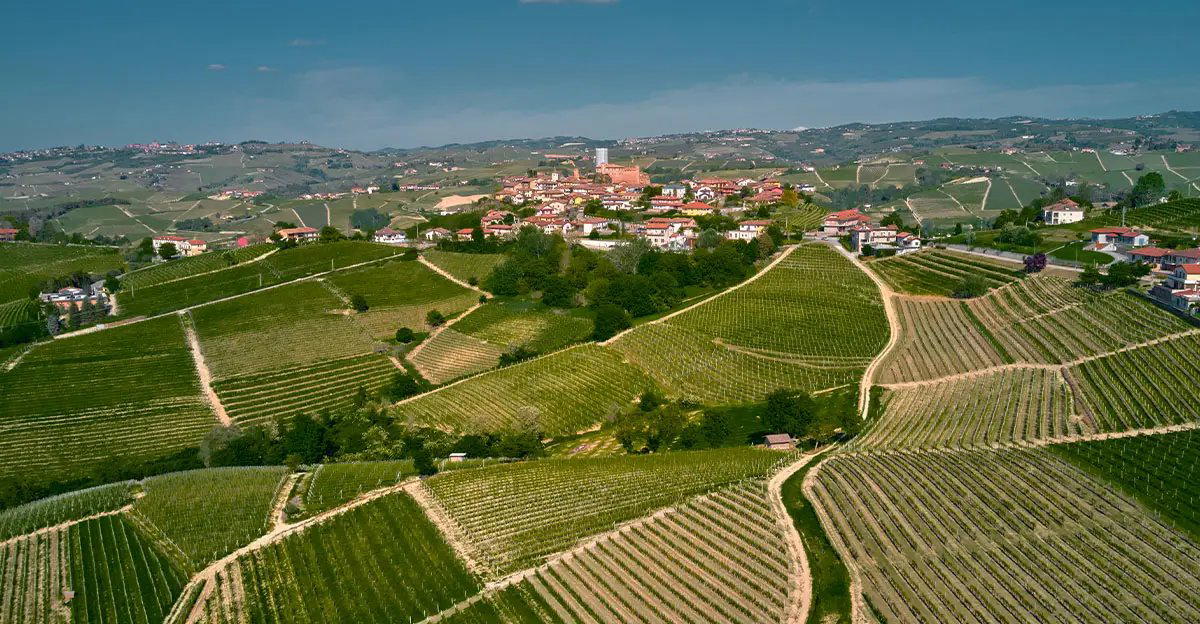
Boroli
Castiglione Falletto, Italy
Boroli is a strong choice for a first serious Barolo tasting in Castiglione Falletto, especially if cru-level Nebbiolo and cellar context matter more than a casual drop-in glass. The value is in the focused portfolio, classic setting and guided structure, not in low pricing or spontaneity.
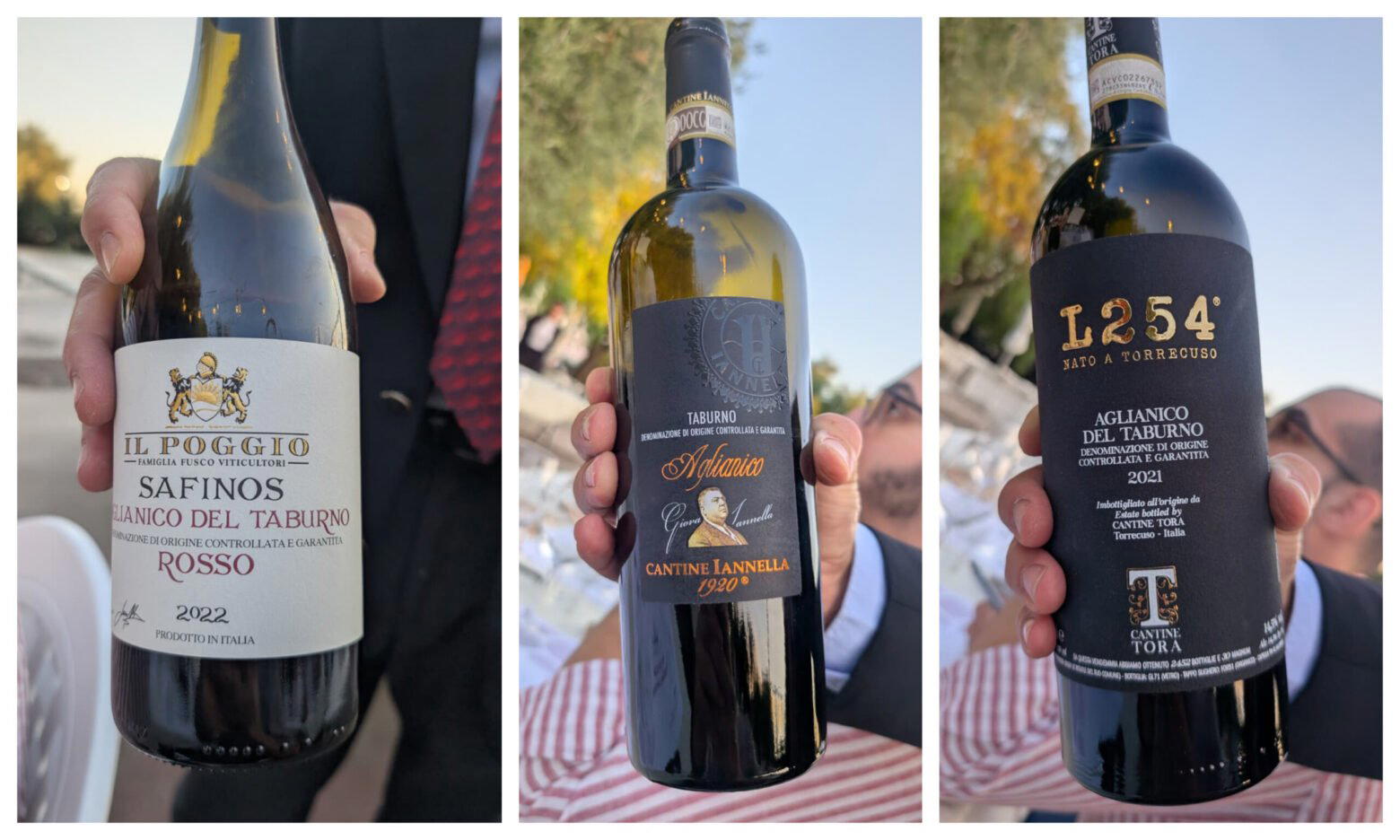
Cantine Tora
Torrecuso, Italy
Book Cantine Tora if you want a focused Torrecuso winery appointment rooted in Aglianico, Falanghina, and Sannio vineyard culture. The value is in the family-run estate context, 12 hectares of clay-soil vineyards, sustainable farming focus, and Falstaff 2026 listing, not in luxury hospitality or a restaurant-style visit.
Gayer & Scheiblhofer
Breitenbrunn, Austria
A serious Breitenbrunn pick for drinkers focused on structured Austrian red wine, not a casual multi-label tasting. Gayer & Scheiblhofer centers on Praittenbrunn, a Cabernet-Merlot Leithaberg cuvée with extended new French barrique aging and Falstaff recognition. Worth prioritizing if the trip is collector-led and appointment planning is realistic.
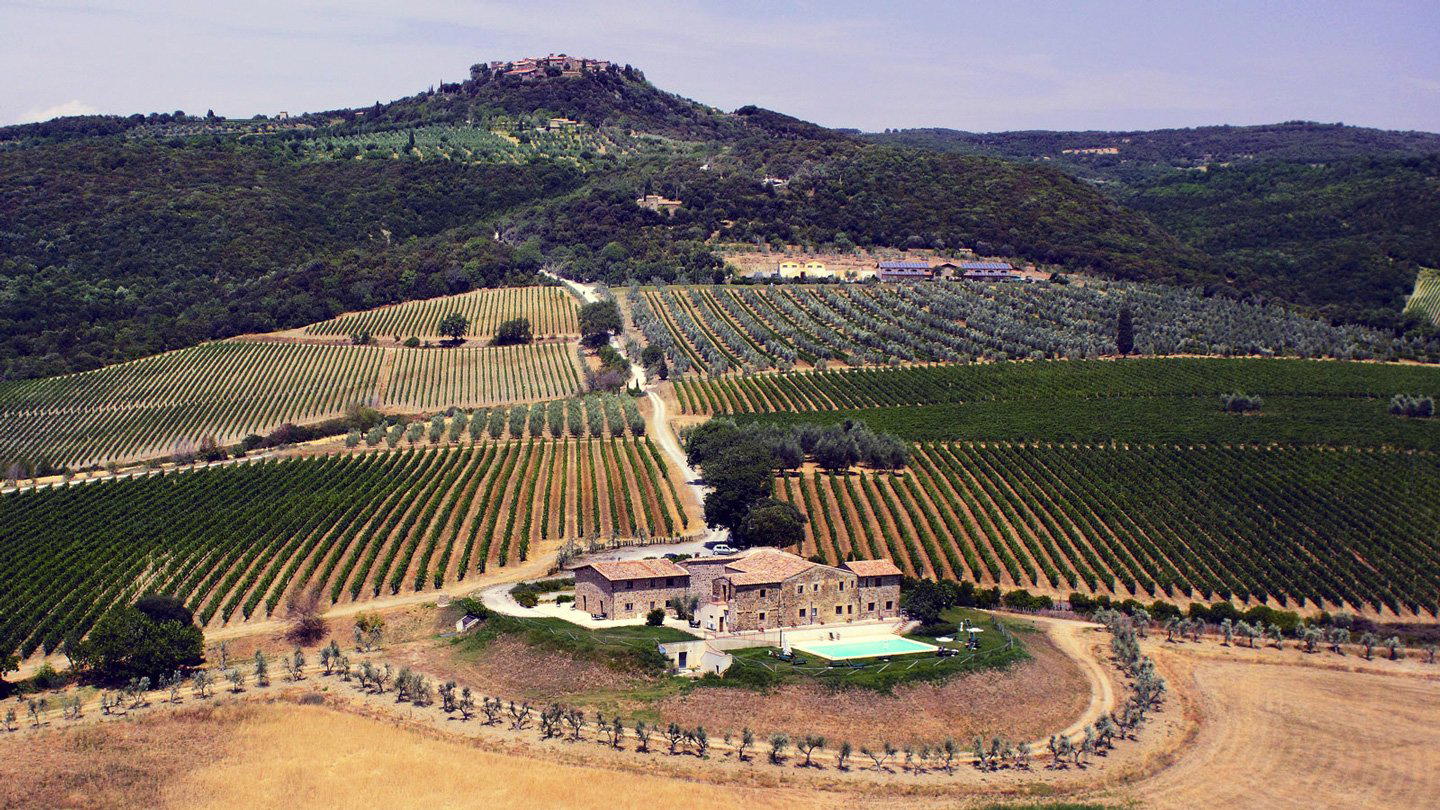
Il Poggione
Montalcino, Italy
Il Poggione is the Montalcino booking to prioritise when the goal is a serious Brunello-focused visit rather than a broad hospitality day. It suits repeat visitors weighing bottles for shipment, especially if they want a southern Montalcino stop to compare against names like Biondi-Santi Tenuta Greppo, Argiano, Castello Banfi, and Poggio di Sotto.
Ixsir - Wines of Lenbanon
Batroun, Lebanon
Prioritize IXSIR if you want a polished Batroun winery visit built around altitude, Lebanese terroir, sustainable architecture, and estate wine pairings. It is better suited to a planned tasting-and-restaurant stop than a quick drop-in, with enough critic and design recognition to justify making it a central part of a first Batroun wine day.
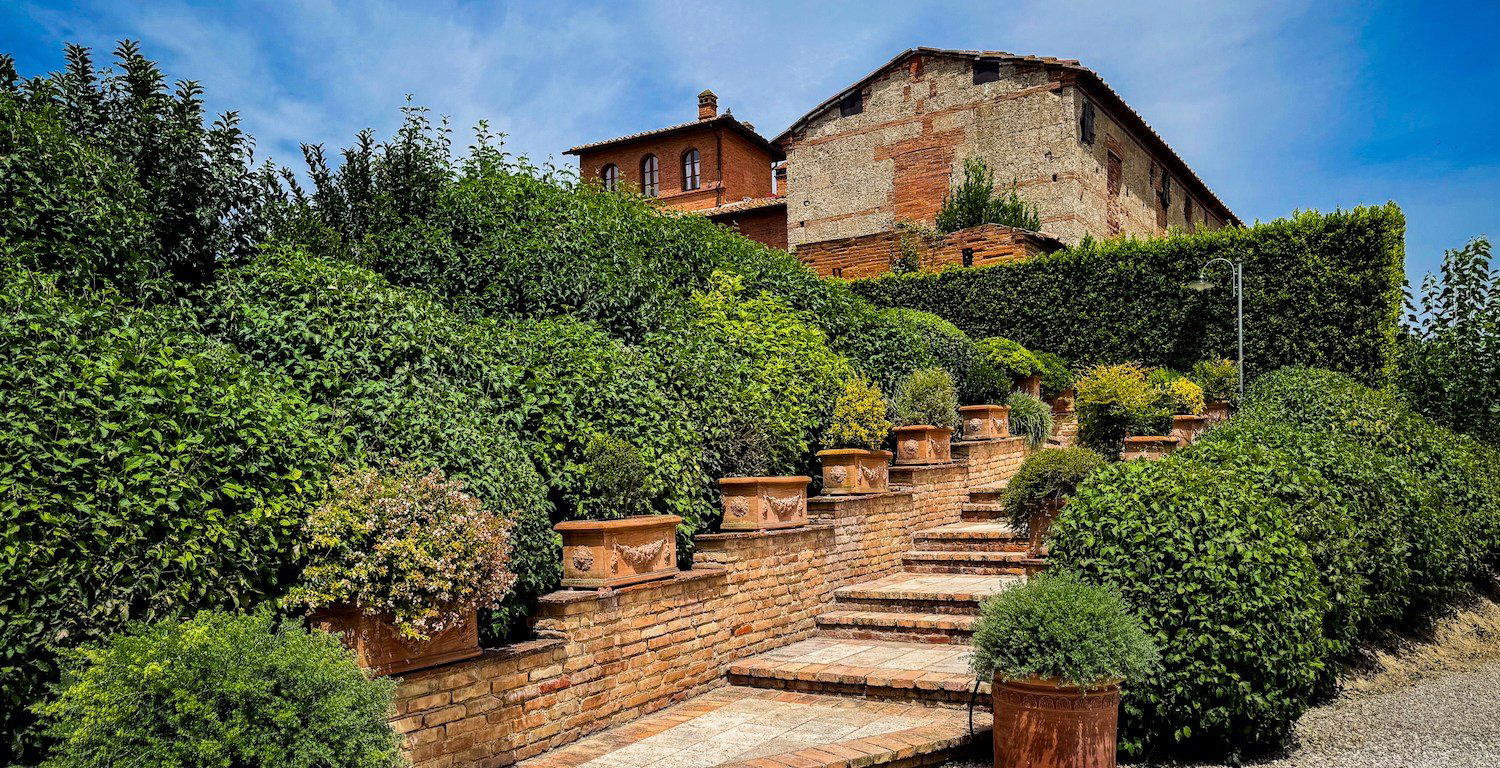
Amaracmand
Roncofreddo, Italy
Amaracmand is a good fit for a wine-led Roncofreddo celebration where the group values a quieter Emilia-Romagna setting over a highly documented restaurant format. The 2026 Falstaff 2 Stars signal helps justify the effort, but plan ahead if pricing, hours, or group logistics need confirmation before committing.
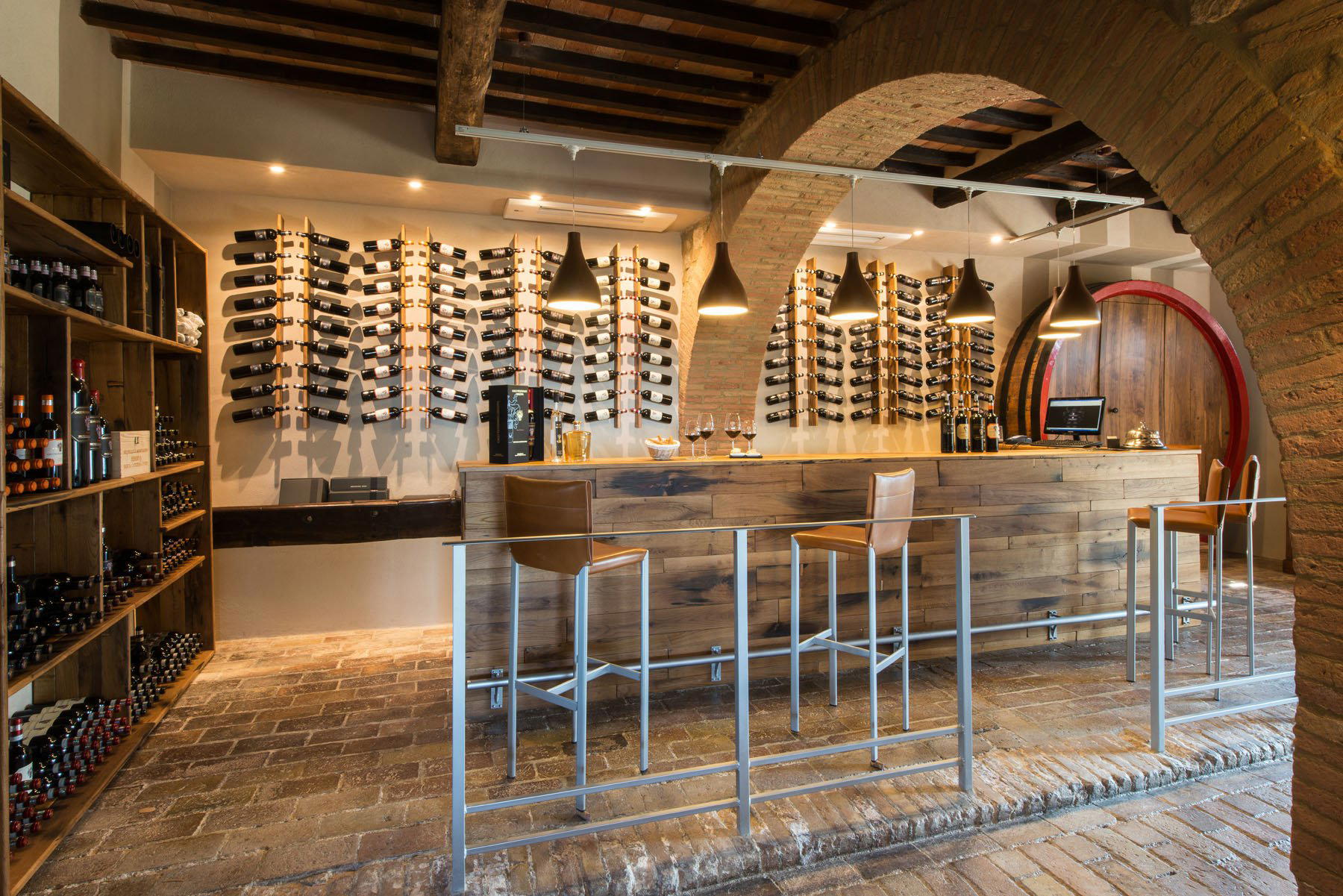
Ciacci Piccolomini d’Aragona
Montalcino, Italy
A strong choice for a serious Brunello-focused visit in Montalcino, especially for a celebration where wine matters more than a casual countryside stop. The draw is cellar credibility and occasion value; keep any food element secondary unless it is clearly part of the visit format you select.
Bodegas Callia
San Juan, Argentina
Bodegas Callia is a practical San Juan winery pick if you want a recognized producer with easy booking rather than a rare-access cellar. The Falstaff Listed 2026 signal helps reduce risk for a celebration or itinerary anchor, but treat wine-club value, shipping, food, and tasting format as details to confirm before committing.
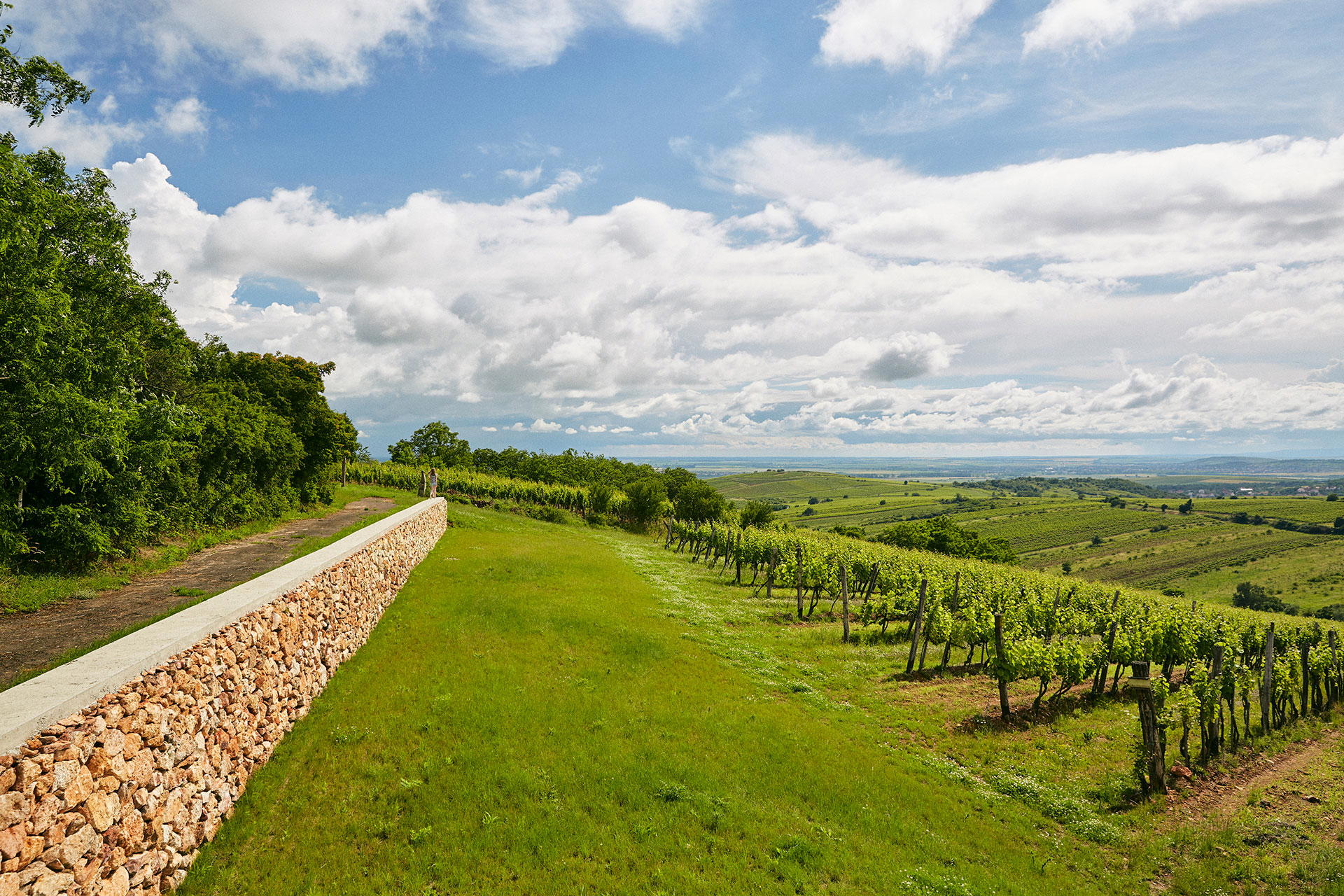
Gizella Pince
Tokaj, Hungary
Gizella Pince is worth prioritizing for a wine-first Tokaj occasion, especially if the group values a calmer cellar visit over a full meal built around pairings. Plan ahead and treat it as an appointment-led stop, not a casual add-on; if food, published logistics, or easy same-day access matter more, cross-shop in-town peers first.
Domaine des Charmes
Satigny, Switzerland
Book Domaine des Charmes if you want a personal Satigny cellar visit focused on organic AOC Genève wines rather than a polished tasting-room production. The strongest reason to go is the estate’s family-run, manual approach and its 1er Cru and barrique bottlings, especially for a quiet celebration or wine-focused afternoon outside Geneva.
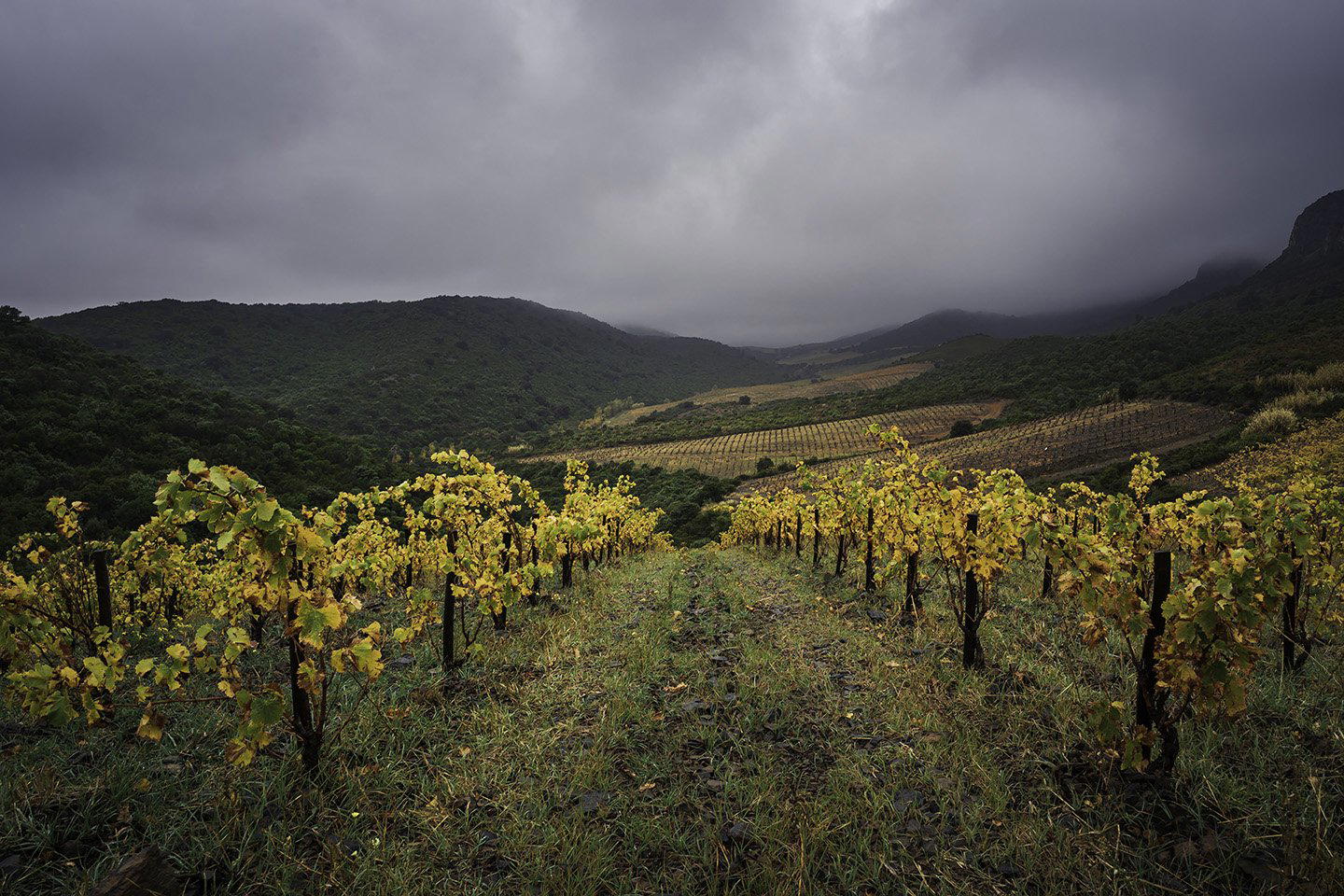
Domaine des Schistes
Estagel, France
Domaine des Schistes is a practical Estagel winery stop for travelers already planning time around Rivesaltes and Occitanie wine country. Booking difficulty is easy, but visitor specifics are sparse, so it works better as part of a flexible local route than as the anchor of a tightly scheduled wine day.
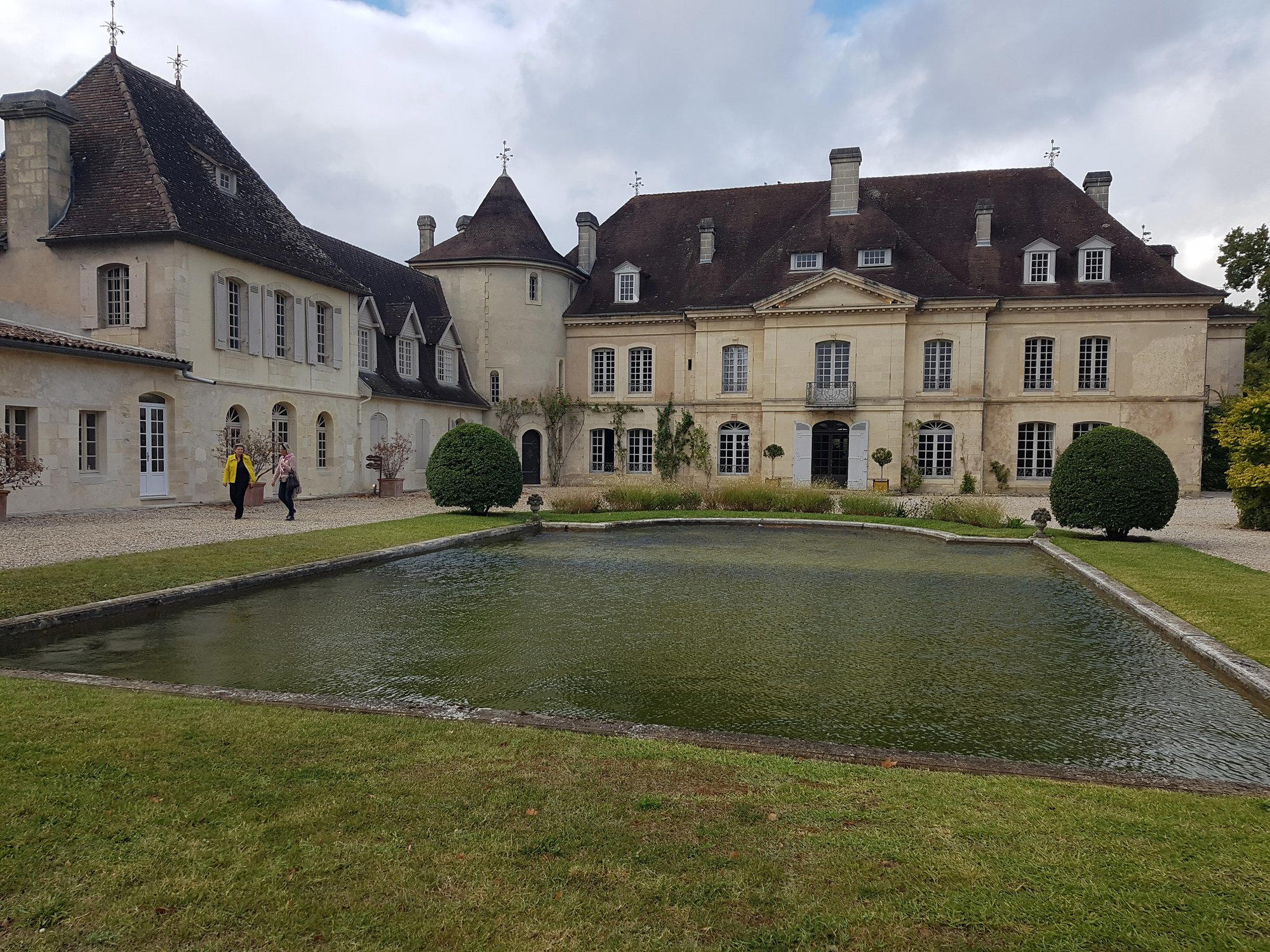
Château Bouscaut
Cadaujac, France
Book Château Bouscaut if the estate setting is part of why Cadaujac is on the itinerary. The case is strongest for wine travelers who want Pessac-Léognan context in a château-and-vineyard environment, backed by Falstaff 2 Stars (2026). It is less compelling for visitors seeking a food-led stop or an easy last-minute tasting plan.

Casa Regalos
Madrid, Spain
Skip Casa Regalos if the goal is a wine tasting, flagship bottle, cellar visit, or special-occasion winery plan in Madrid. The 2026 Falstaff listing is a useful signal, but there is not enough confirmed wine-program detail to justify building an itinerary around it.
Domaine des Lauriers
Castelnau De Guers, France
Book Domaine des Lauriers for a relaxed, family-run Picpoul de Pinet tasting where direct producer access is the point. It suits a wine-curious date, small celebration, or low-key Languedoc itinerary better than a formal food-pairing or luxury cellar-door experience.
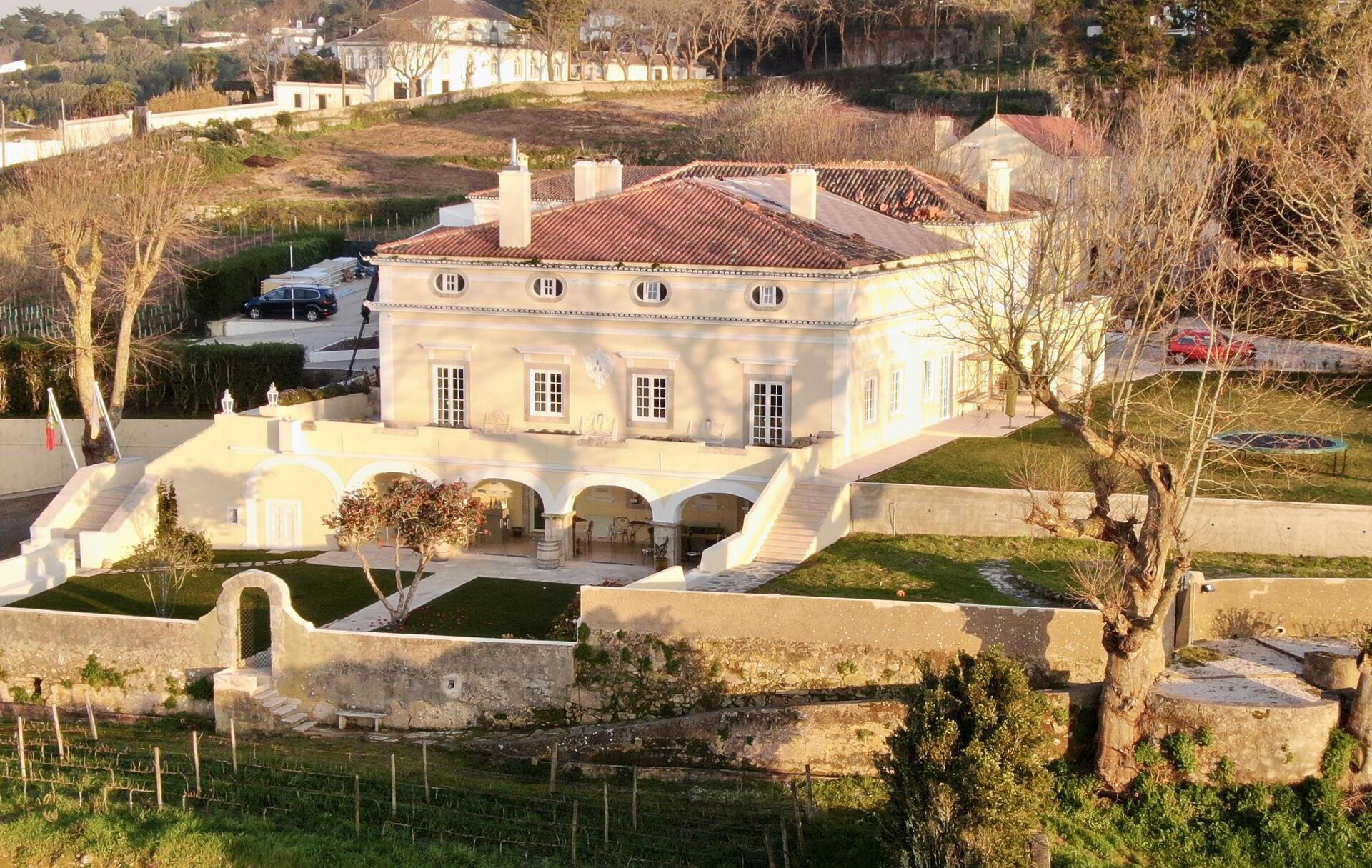
Casa Santa Maria
Sintra, Portugal
Casa Santa Maria is worth booking as a short heritage stop, not as a wine experience. Go for the 1902 house, Portuguese architectural context, azulejo details, and relaxed museum-style pacing; choose a producer-focused winery instead if tastings, cellar access, or food pairings are the point of the day.
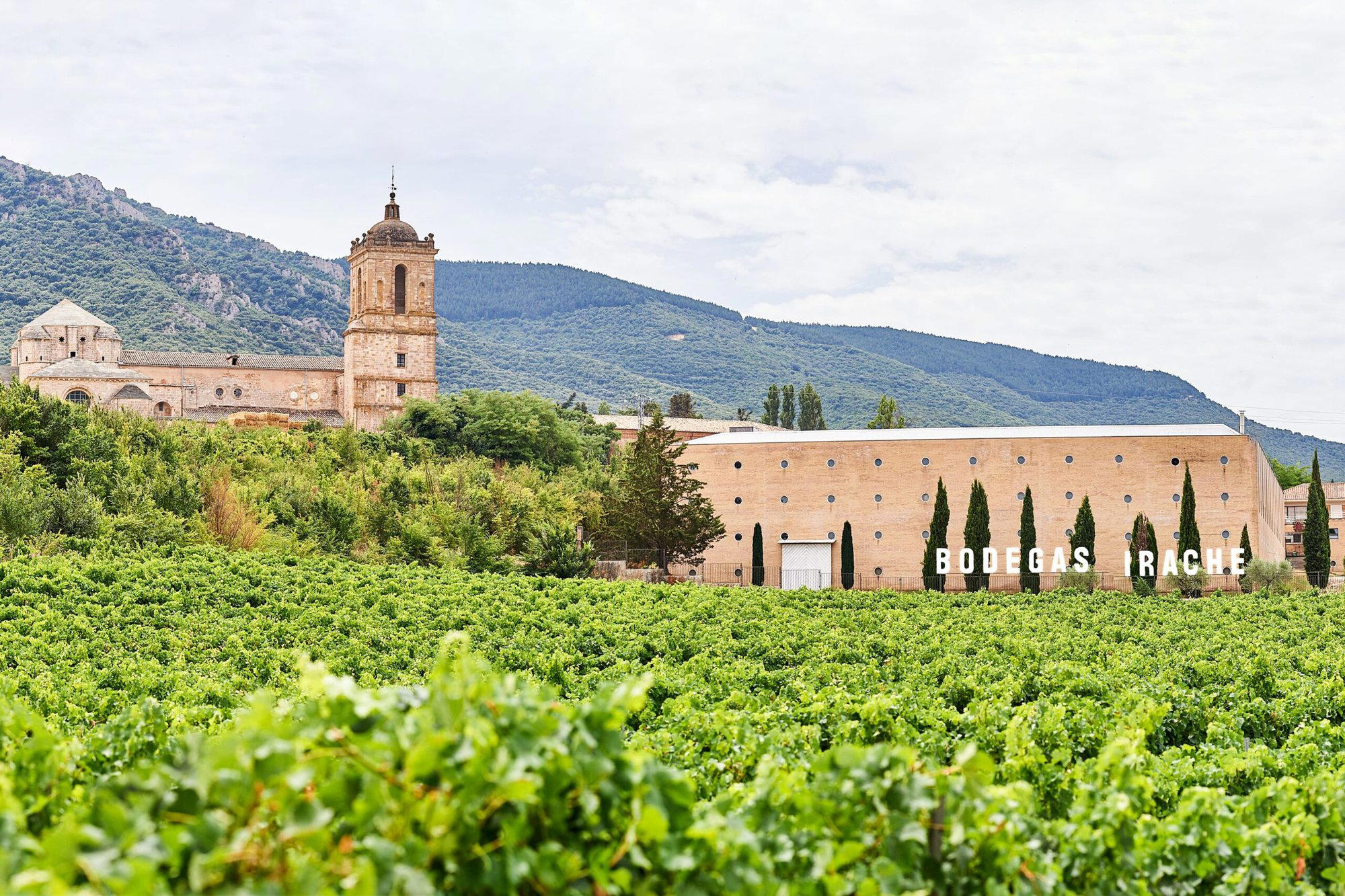
Bodega Viña Tuelda
Villatuelda, Spain
Bodega Viña Tuelda is worth booking if the goal is a focused Ribera del Duero visit centered on estate Tempranillo, manual harvest, and oak-aged structure. It is a better fit for returning Ribera drinkers comparing Roble, Crianza, Reserva, and Vendimia styles than for visitors seeking a broad hospitality production.
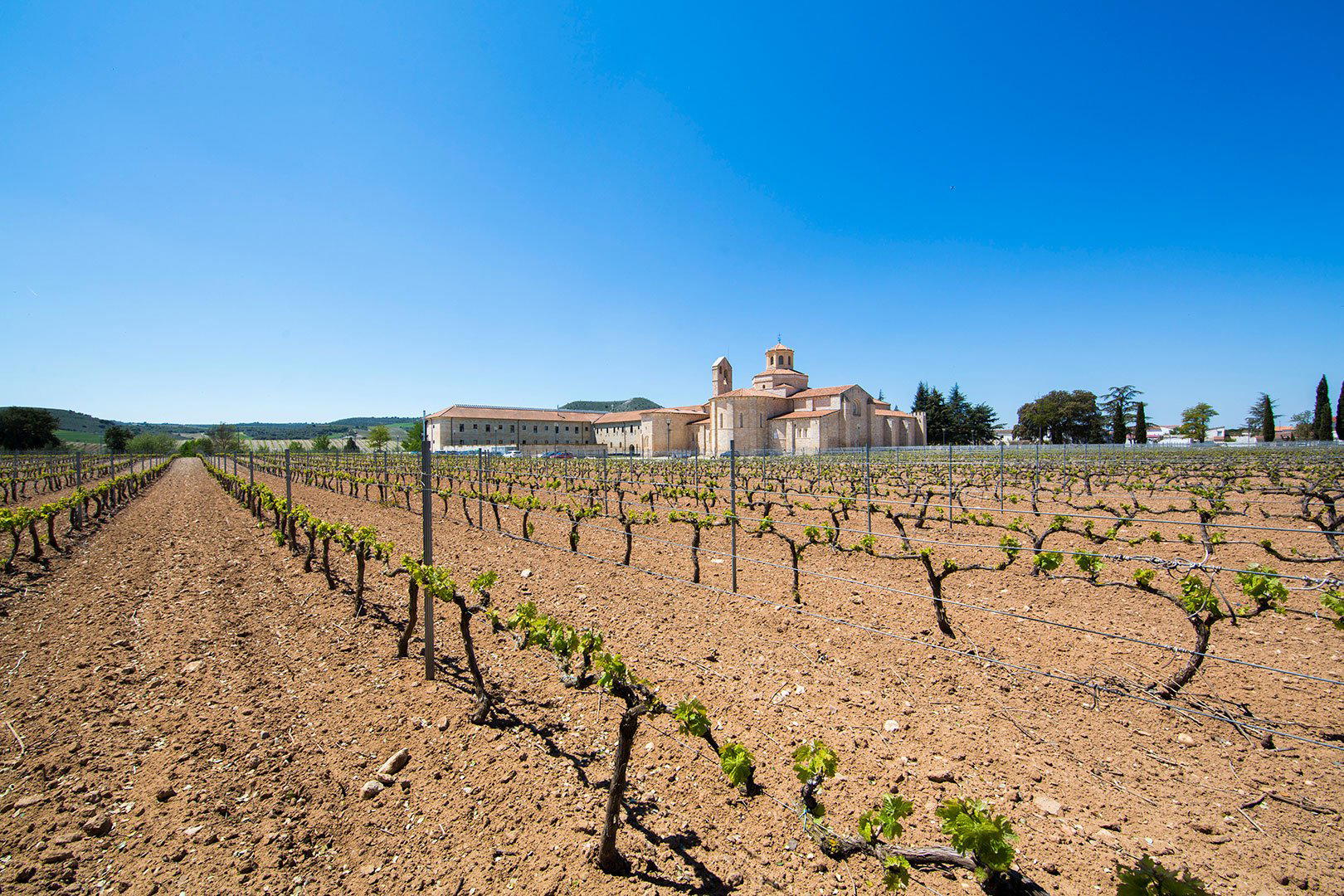
3 Ases Bodegas y Viñedos
Quintanilla De Arriba, Spain
A good choice for visitors who want a quiet, small-production Ribera del Duero tasting rather than a polished estate circuit. The appeal is focused Tempranillo-led reds, a rustic setting, and an appointment-only format; skip it if the group needs food, broad hospitality, or flexible drop-in touring.
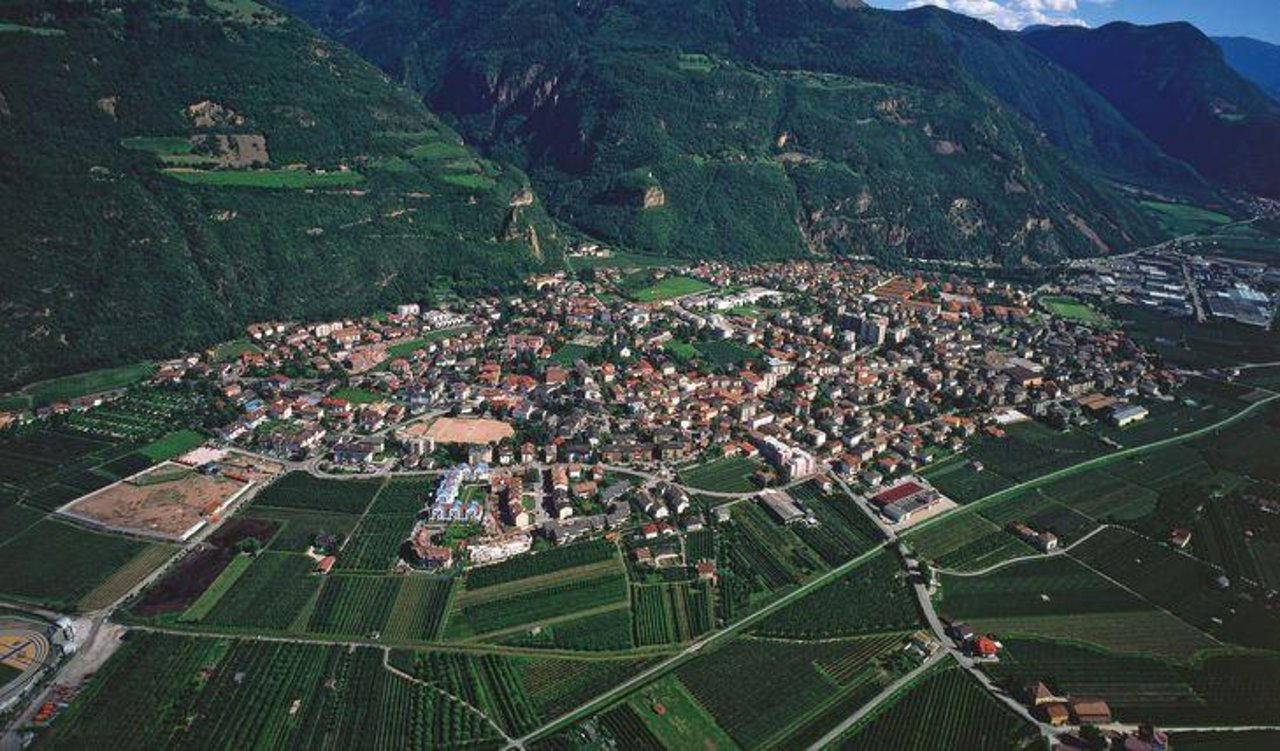
Alpl Sparkling
Laives, Italy
Alpl Sparkling works if you want a lighter South Tyrolean aperitivo stop rather than a classic winery tasting. The draw is apple-based natural sparkling from Laives, with a modern, casual feel and Falstaff recognition in 2026. It is strongest for first-timers curious about Alto Adige’s apple culture, less compelling for visitors chasing cellar depth or a food-led experience.
Domaine Jean-Daniel Porta
Bourg En Lavaux, Switzerland
Worth booking for wine travelers who want a focused Lavaux cellar visit rather than a broad tasting-room experience. Domaine Jean-Daniel Porta is strongest for its Plant Robert, a rare local red grape, and for the way the Bourg-en-Lavaux setting gives the visit real regional context.
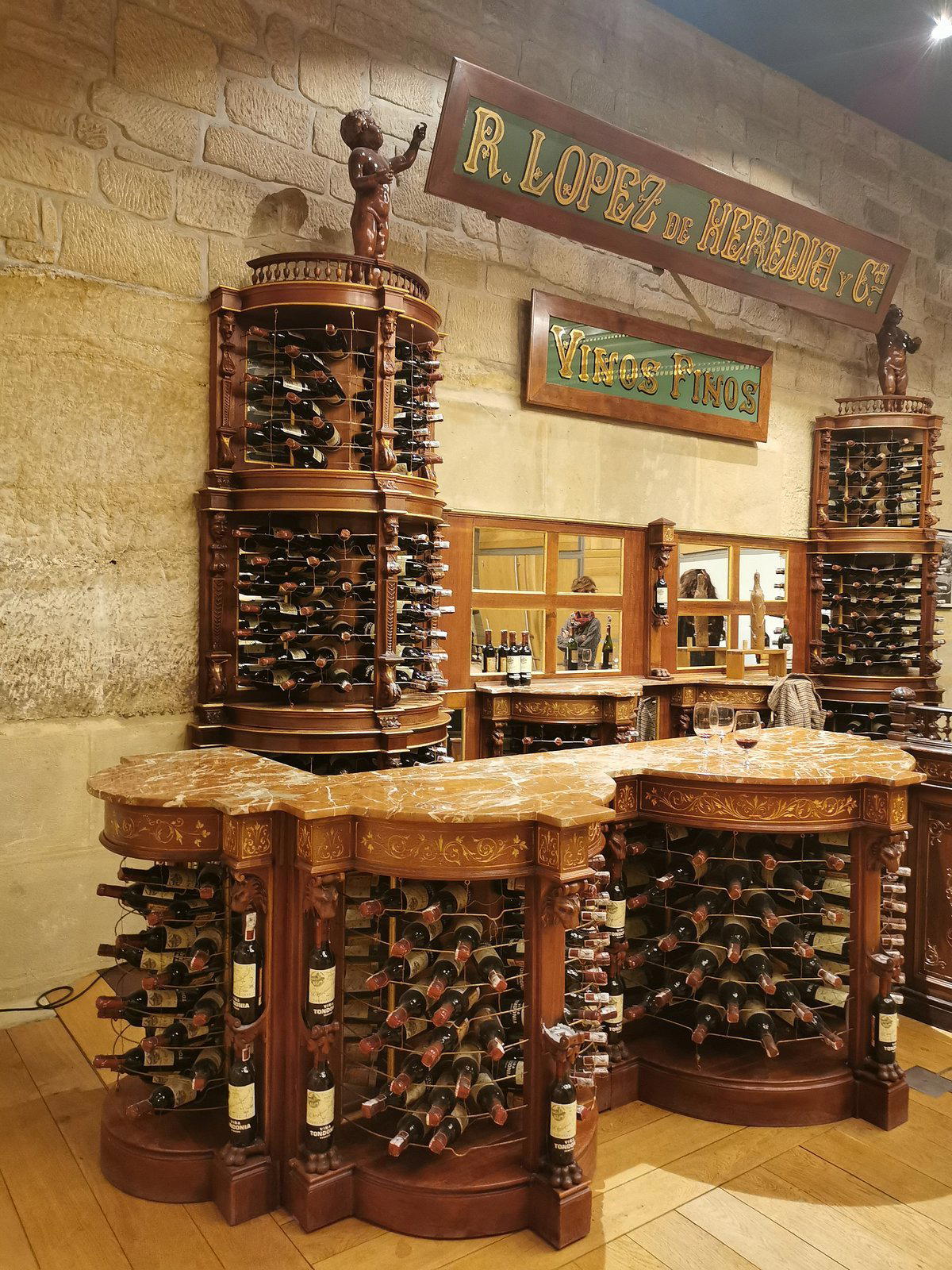
Bodega López
Maipú, Argentina
Bodega López is a strong Maipú choice for a celebration-style winery visit, especially if the priority is a recognized wine experience rather than a food-first outing. Treat it as the anchor of the day and compare it with nearby Maipú wineries before building a packed route.
Istine
Radda in Chianti, Italy
Worth shortlisting if the goal is a focused Chianti Classico winery stop in Radda rather than a fully published tasting program. Falstaff listing for 2026 gives it a credible signal, but plan a backup nearby if the visit is tied to a special occasion.
Die Winzerei – Ringhofer/Pairits
Großhöflein, Austria
Choose Die Winzerei – Ringhofer/Pairits as a planned Großhöflein wine stop, not a spontaneous drop-in or polished destination tasting. The draw is the Burgenland setting near Leithaberg, accessible $$ positioning, and Falstaff-listed credibility; meals, detailed tasting formats, and flagship-bottle expectations should be handled separately.
Gut Kellerstöckl
Ketzelsdorf, Austria
Gut Kellerstöckl is a cautious add-on for a Weinviertel wine-country day, not a venue to anchor an itinerary without more detail. Its 2026 Falstaff listing gives it a useful trust signal, but the lack of published price, food, and tasting-format information means it suits flexible return visitors better than first-timers planning around one confirmed winery experience.
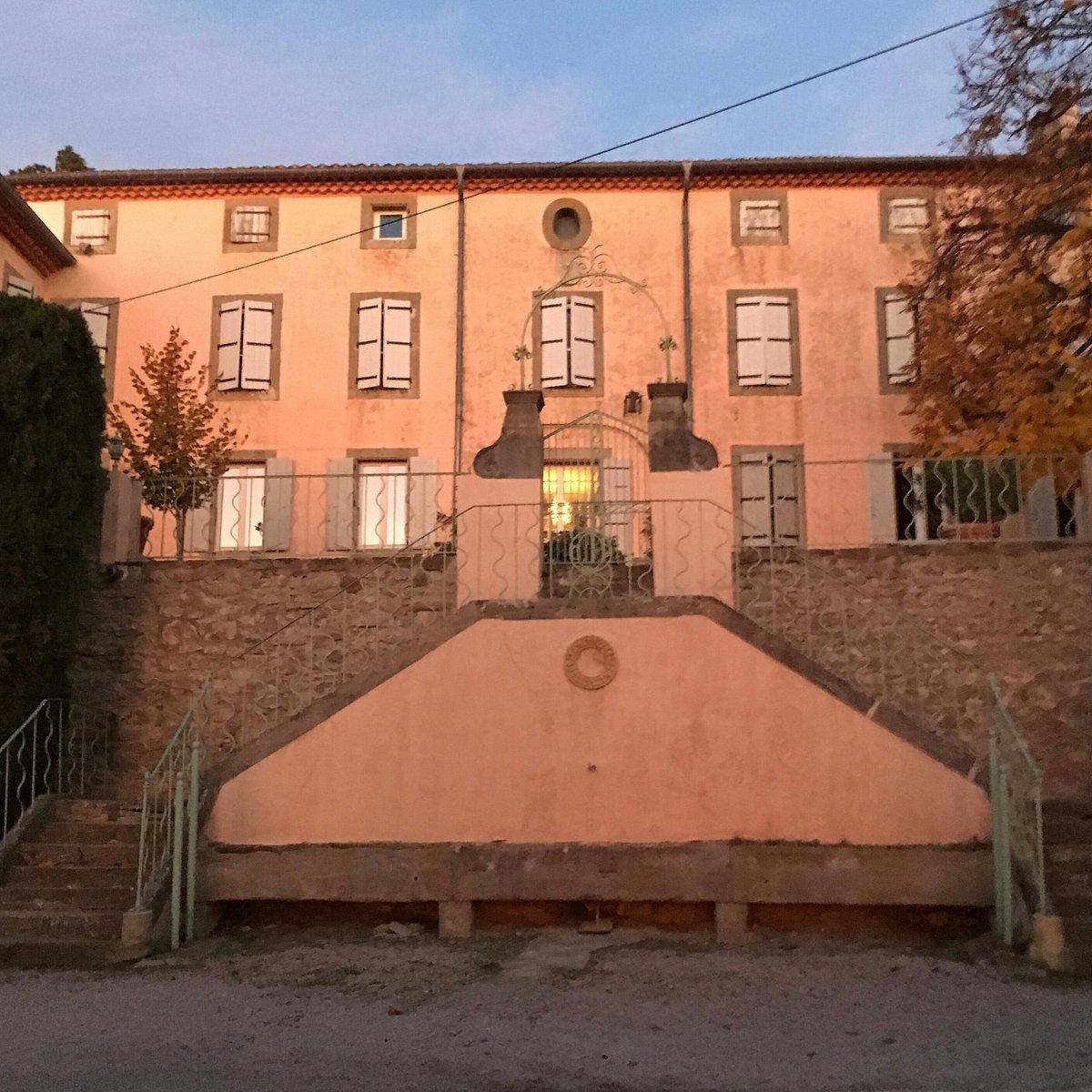
Château Faîteau
La Liviniere, France
Book Château Faîteau if you want a relaxed, family-run Minervois tasting with a clear organic and biodynamic farming story. It is better for wine enthusiasts who care about La Livinière terroir and estate-grown reds than for visitors seeking a luxury cellar-door production.
Domaine du Moulin de Dusenbach
Ribeauvillé, France
Book Domaine du Moulin de Dusenbach if you want a calm, traditional Alsace cellar visit with a useful spread of regional grapes rather than a luxury tasting production. The strongest reason to go is the Riesling and broader Ribeauvillé context, with Crémant d’Alsace adding range for visitors deciding what to take home.
Fattori
Ronca, Italy
Book Fattori if your Veneto plan is about understanding Soave and Lessini Durello through a family-run hillside winery with added Valpolicella range. The appeal is wine depth, volcanic-basaltic context, and recognized production credibility, not a dining-led estate experience. It suits travelers who want a focused tasting stop and are willing to plan ahead.
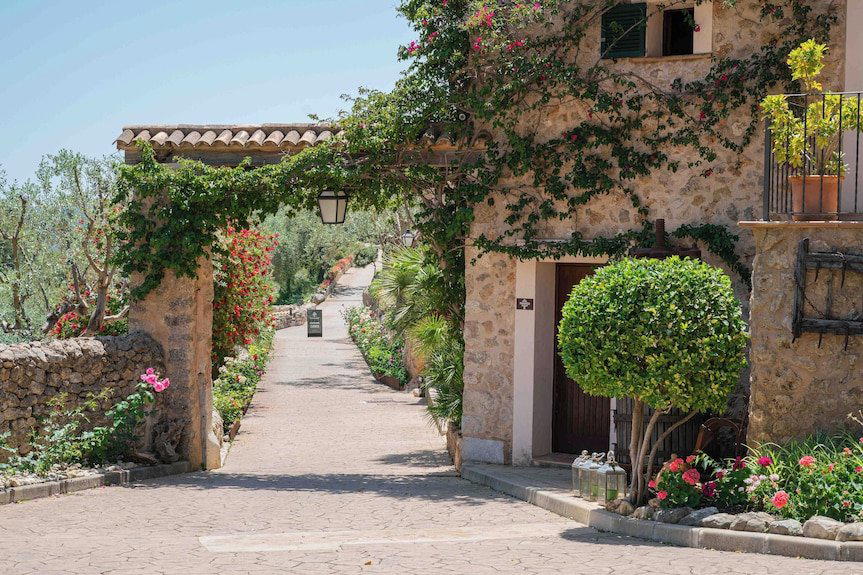
Bodegas Castell Miquel
Alaro, Spain
Book Bodegas Castell Miquel if the goal is a scenic, appointment-led Mallorca tasting with a strong sense of occasion. The hilltop, white-castle setting and Tramuntana views make it better for couples, celebrations, and unhurried groups than for a quick drop-in. Falstaff 3 Stars in 2026 gives the wine side enough credibility to match the setting.
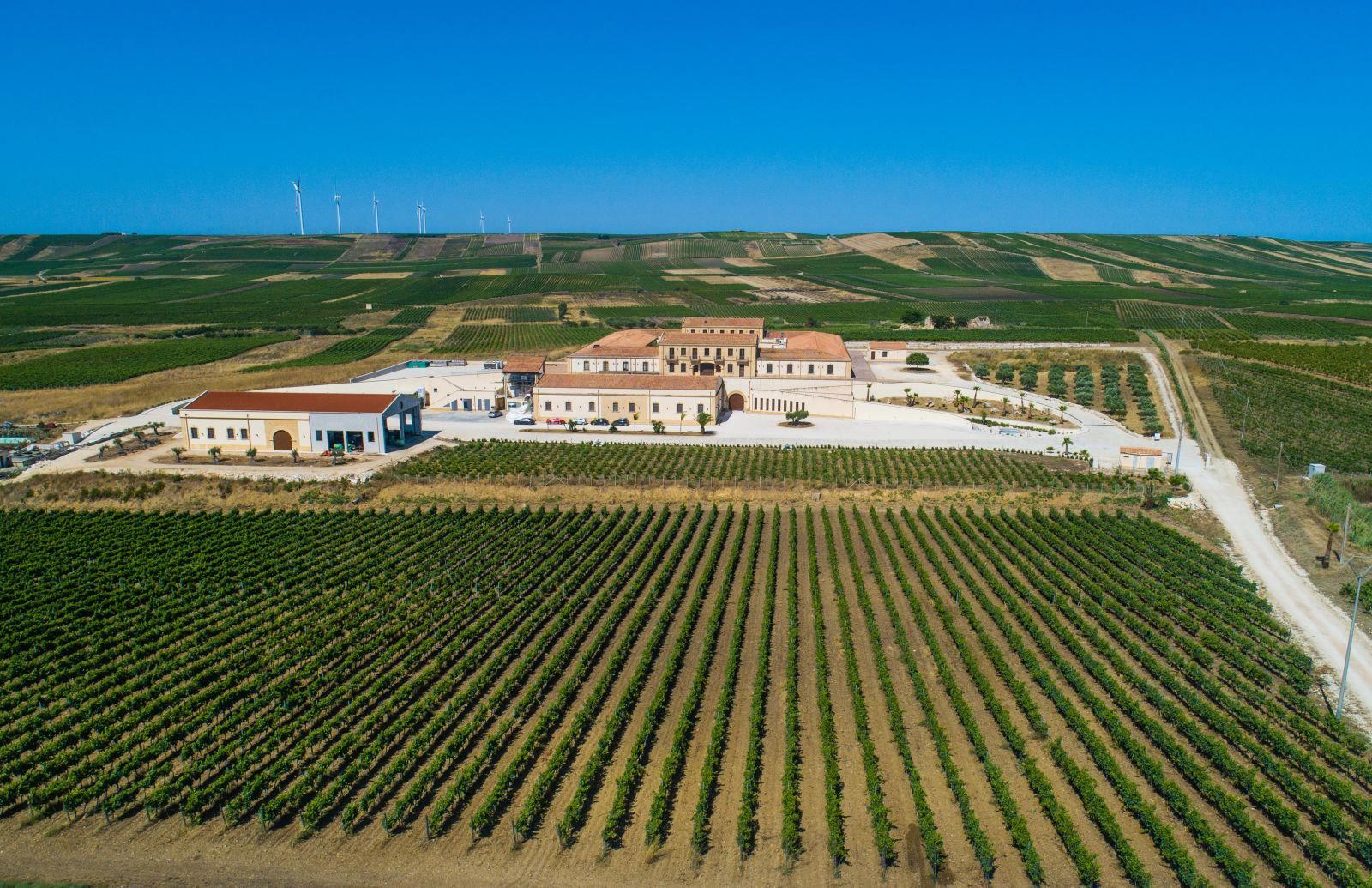
Assuli
Trapani, Italy
Book Assuli if the priority is a focused wine visit in Trapani, especially with a private or guided tasting in mind. It is less useful as a food-led reservation, so plan restaurants separately and use this as the wine anchor of the day. Falstaff recognition in 2026 adds credibility, while booking difficulty is listed as easy.
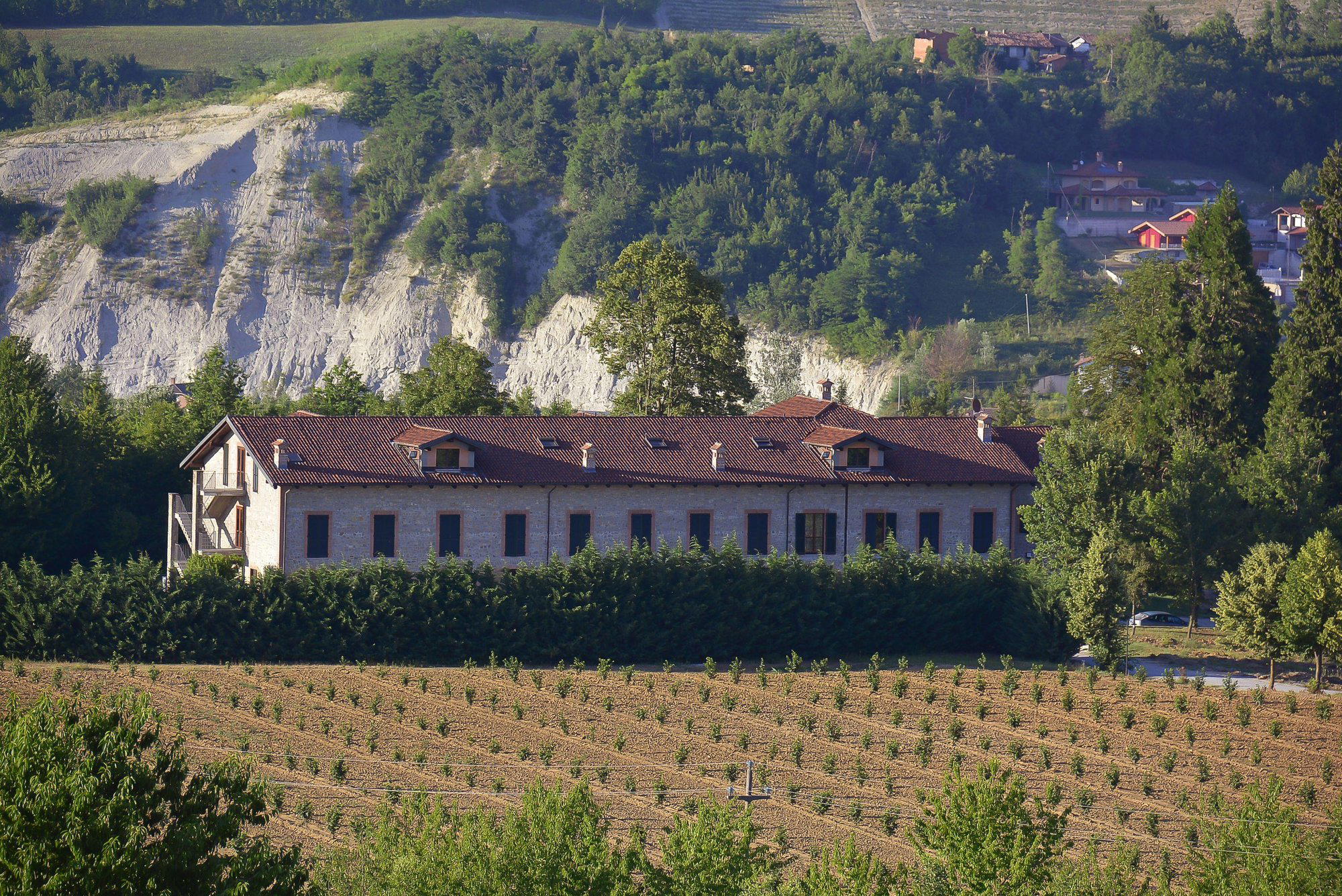
Azienda Agricola Abbona Marziano
Dogliani, Italy
Visit in spring or autumn if the goal is a calm Dogliani tasting with cellar context and a warm, knowledgeable team. Azienda Agricola Abbona Marziano is better for couples, small groups, and celebration trips than for a rushed multi-winery schedule; the experience is wine-led, relaxed, and strongest when paired with a proper Piedmontese meal nearby.
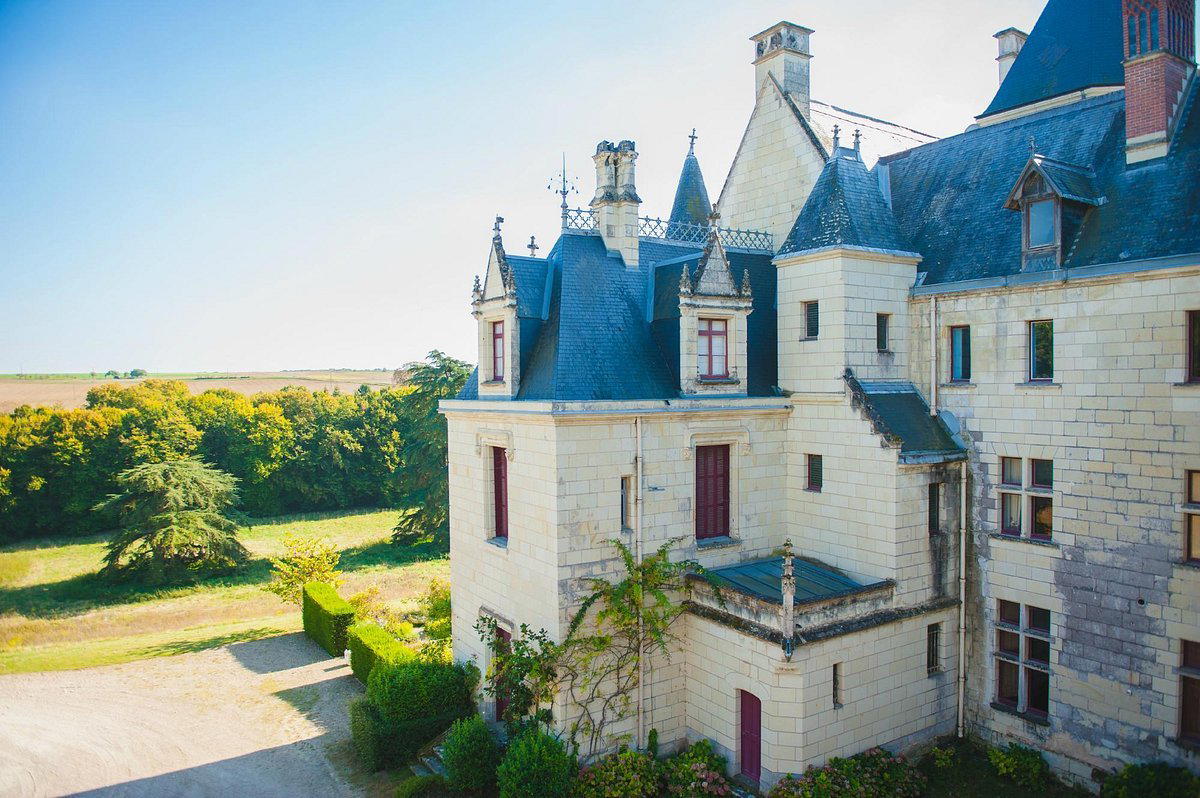
Château du Petit Thouars
Saint Germain Sur Vienne, France
Château du Petit Thouars works if a Saint Germain Sur Vienne wine stop fits a Loire itinerary and you value a château setting with Falstaff Listed recognition in 2026. Treat the wine club as a confirm-before-joining decision: membership value depends on allocation access, shipping terms, and bottle pricing rather than the name alone.
Fratelli Vagnoni
San Gimignano, Italy
Fratelli Vagnoni works for a quiet San Gimignano countryside tasting built around Vernaccia, family continuity, and organic farming. Choose it for rural atmosphere and a slower special-occasion stop; look elsewhere if the priority is a formal food-pairing menu or chef-led wine lunch.
Bussi Piero
Calosso, Italy
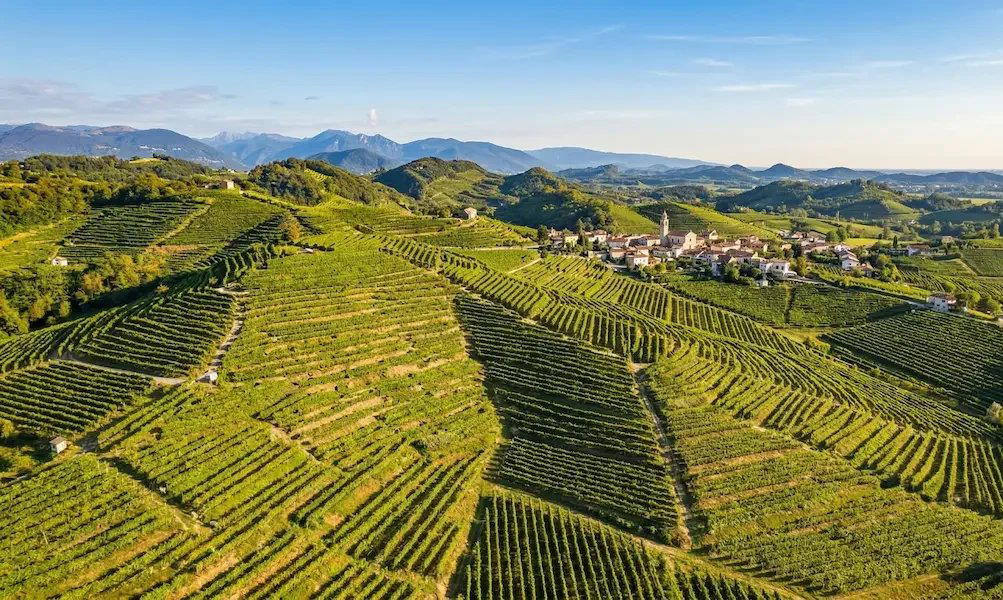
Book Bussi Piero if you want a personal, family-run Calosso winery visit focused on local grapes, vineyard context, and relaxed hosting rather than luxury polish. It is strongest for first-timers who want Piedmont beyond the famous names, with Barbera d’Asti, Moscato d’Asti, Alta Langa, and Calosso DOC giving the tasting real regional range.
Kilikanoon
Clare Valley, Australia
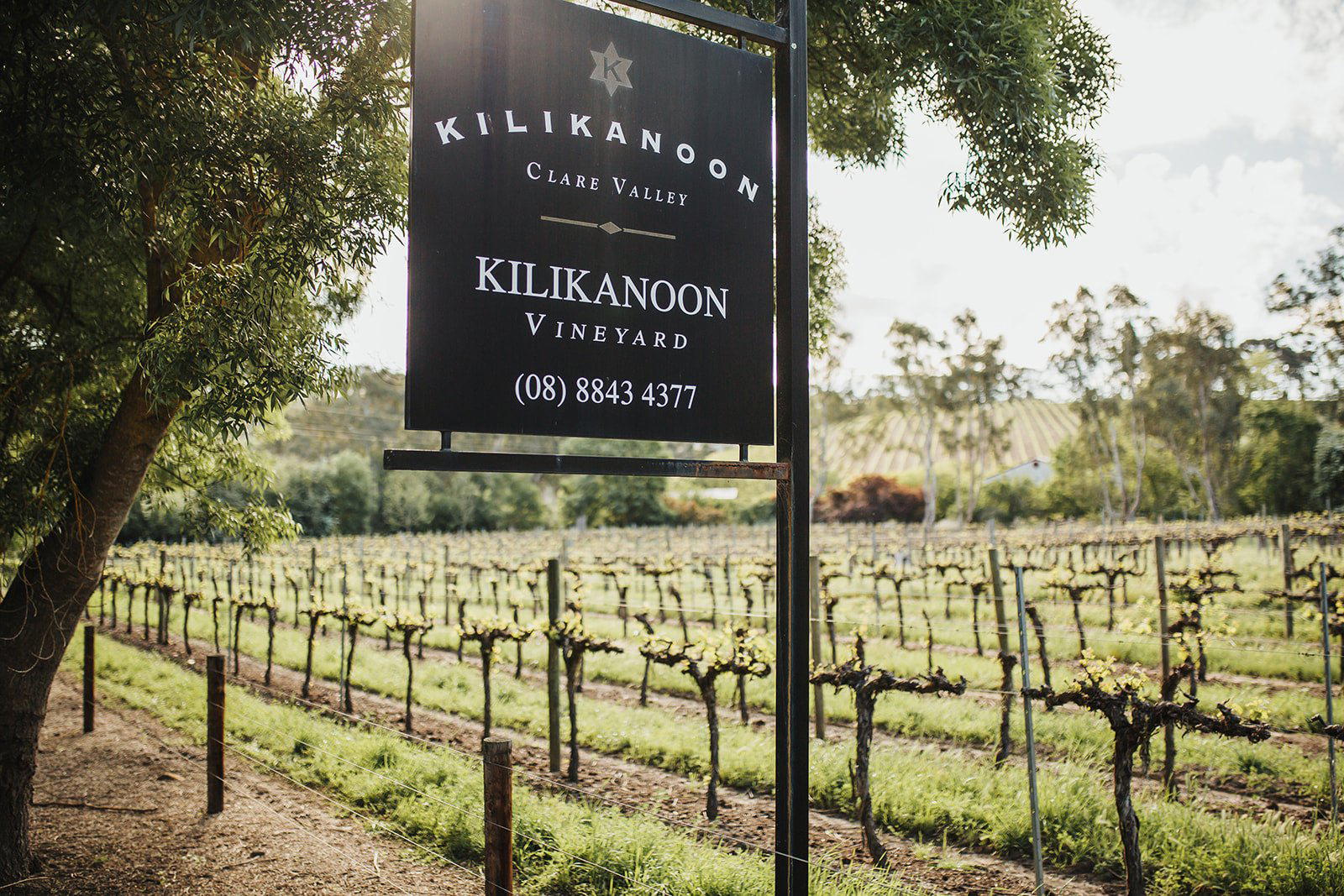
Kilikanoon is worth prioritising for a wine-focused Clare Valley itinerary, especially if recognition and regional context matter more than a casual food-led visit. Build the day around it as a serious cellar-door anchor, then compare with Pikes Wines, Adelina Wines, or Koerner Wine depending on whether the trip needs ease, intimacy, or a different local lens.
Catherine Marshall Wines
Stellenbosch, South Africa
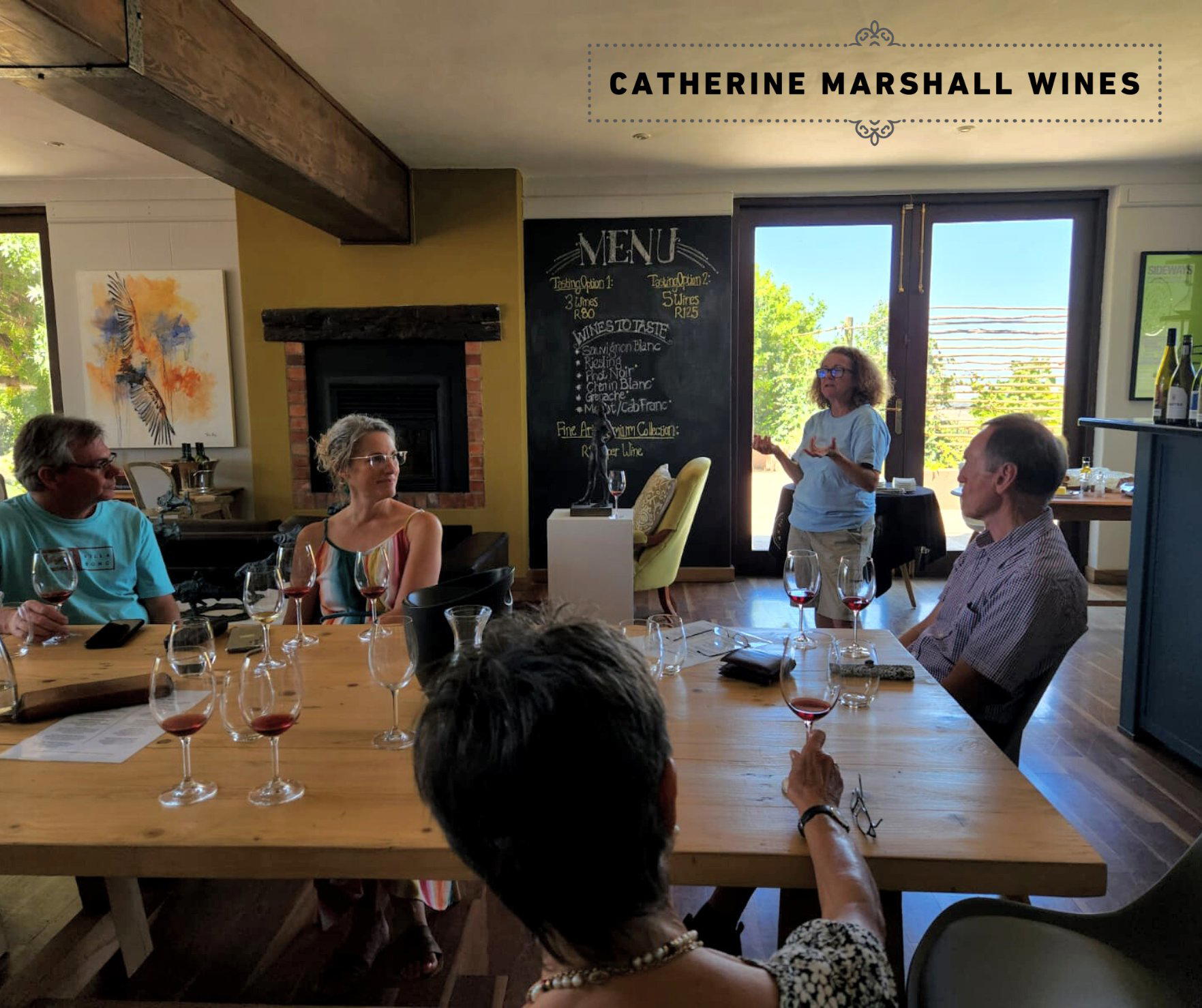
Catherine Marshall Wines is a better fit for a small, wine-focused Stellenbosch stop than for a large celebration itinerary needing confirmed dining, seating, or event structure. Its Falstaff Listed 2026 recognition gives it a credible quality signal, but plan the visit around the wine rather than estate amenities.
Château Le Carré
Saint-Émilion, France
Book Château Le Carré only if the priority is a serious, scarce Saint-Émilion wine rather than a classic château visit. It suits collectors and Right Bank Bordeaux drinkers who value a tiny Merlot-led parcel, quiet mood, and appointment-led planning; casual travelers wanting food, broad hospitality, or a large-group stop should choose a more visitor-oriented winery.
How many of these have you visited?
Find out on Pearl and keep score across every place in 2026 Falstaff Winery Guide.