
Bodegas Juan Gil
Jumilla
Winery in Jumilla, Spain
 Book with Pearl
The Read
Plateau Monastrell Precision
Why go
Book Bodegas Juan Gil only if the winery visit is central to the Jumilla plan, not a casual add-on. Its difficult booking profile makes it better suited to couples, celebrations, or hosted business wine stops where a private tasting is worth the extra planning.
About Bodegas Juan Gil
Bodegas Juan Gil is a venue in Jumilla with a casual dress code and Pearl 2 Star Prestige recognition for 2025. For visitors planning a date, anniversary, or business-hosted stop, the appeal is direct: Bodegas Juan Gil gives the itinerary a specific Jumilla focus. Details such as hours, visit format, food availability, group capacity, and transport requirements should be checked with the venue before committing to a group plan.
For visitors planning a date, anniversary, or business-hosted stop, the appeal is direct: Bodegas Juan Gil gives the itinerary a specific Jumilla focus. Check practical details such as hours, visit format, food availability, group capacity, and transport requirements with the venue before committing a group plan.
Worth considering as a Jumilla stop
The strongest grounded case for Bodegas Juan Gil is its identity as a recognised Jumilla venue, with Pearl 2 Star Prestige recognition in 2025. If the day is being built around Jumilla, it can be a natural anchor, provided the practical details are confirmed in advance. For food planning around the same trip, use the Jumilla restaurants guide rather than assuming dining is part of the visit.
Do not rely on unconfirmed assumptions. Plan around the venue's schedule, visit format, food service, pricing, delivery, club benefits, and large-group capacity by confirming the details directly. For a couple, small group, or hosted outing, contact the venue directly and keep the rest of the Jumilla itinerary flexible until the visit details are clear.
How to think about it against Spanish alternatives
Compared with other Spanish names such as Bodegas Alvear or Marqués de Griñón (Dominio de Valdepusa), Bodegas Juan Gil is the more relevant choice when the trip is specifically centred on Jumilla. Clos Mogador, Álvaro Palacios, and Scala Dei are better treated as broader Spain comparisons rather than Jumilla alternatives.
The verdict: consider Bodegas Juan Gil when you want a recognised venue stop in Jumilla and are comfortable confirming the practical details directly. Skip building a rigid schedule around it until hours, visit format, food availability, and group arrangements are confirmed with the venue.
Planning details
- Location
- Paraje de la Aragona, Carretera de Fuente Alamo, S/N, 30520 Jumilla, Murcia
- Website
- gilfamily.es/contact
- Phone
- +34 968 43 50 22
The take
The Take
The Vibe
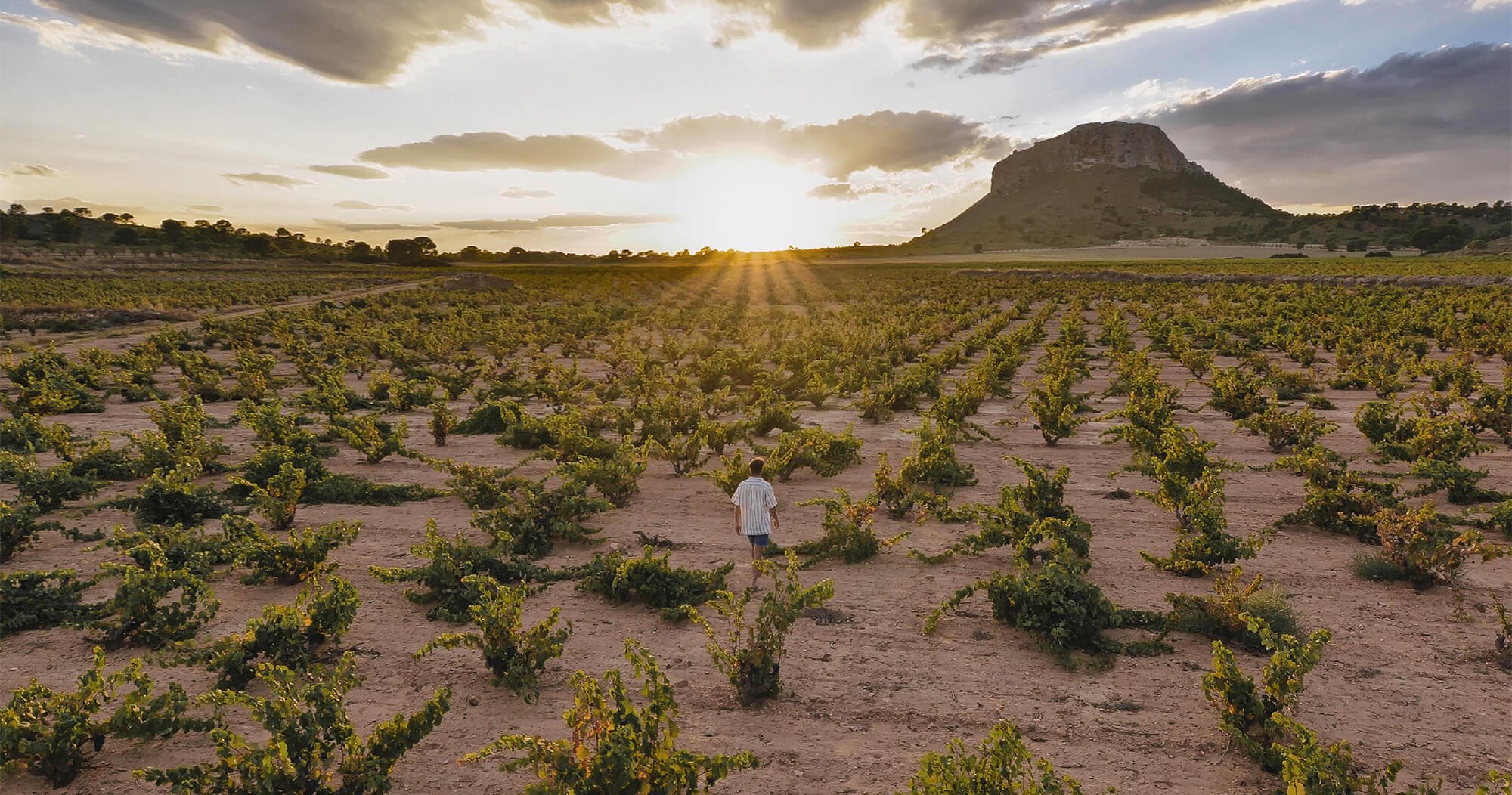
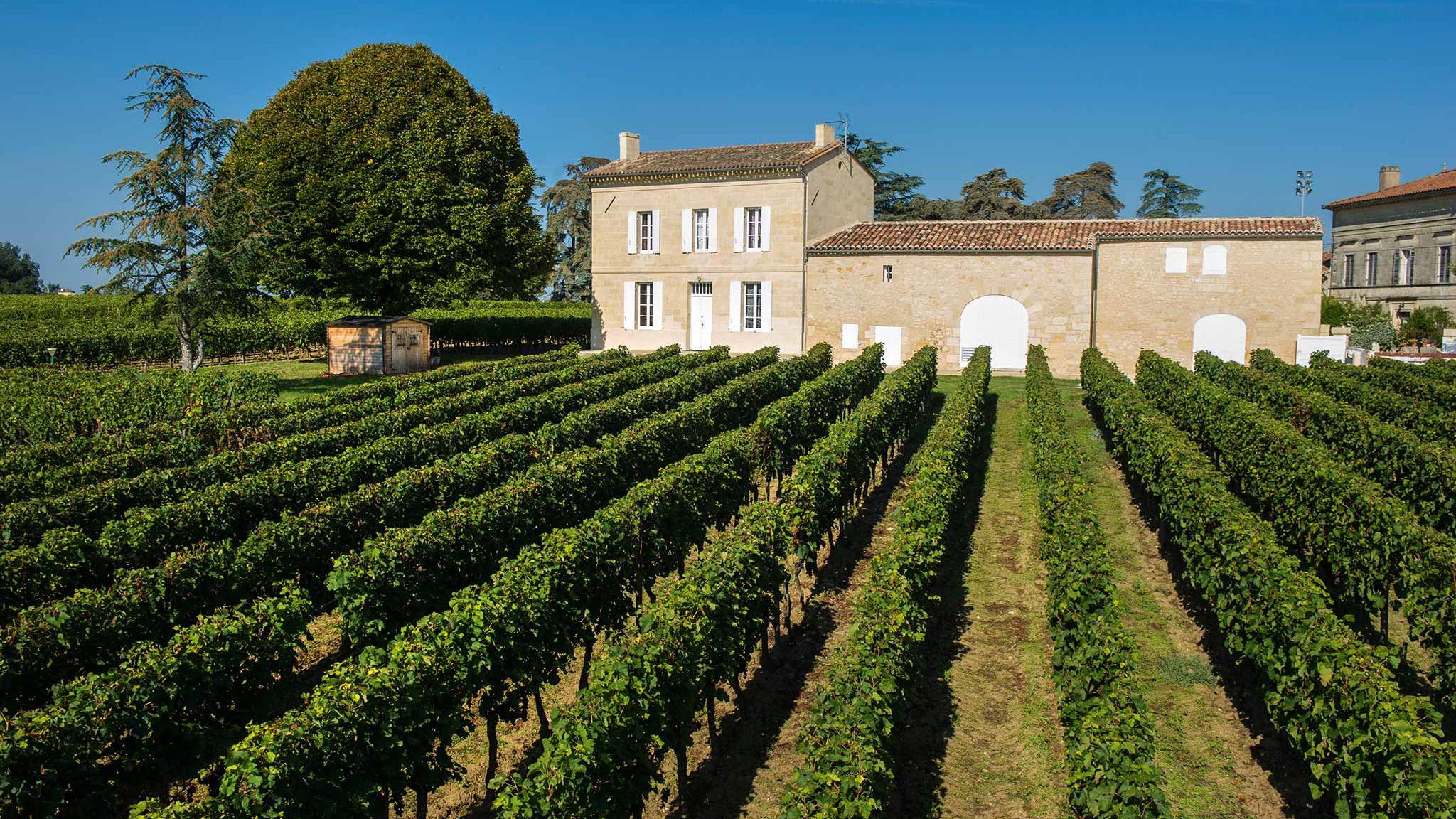
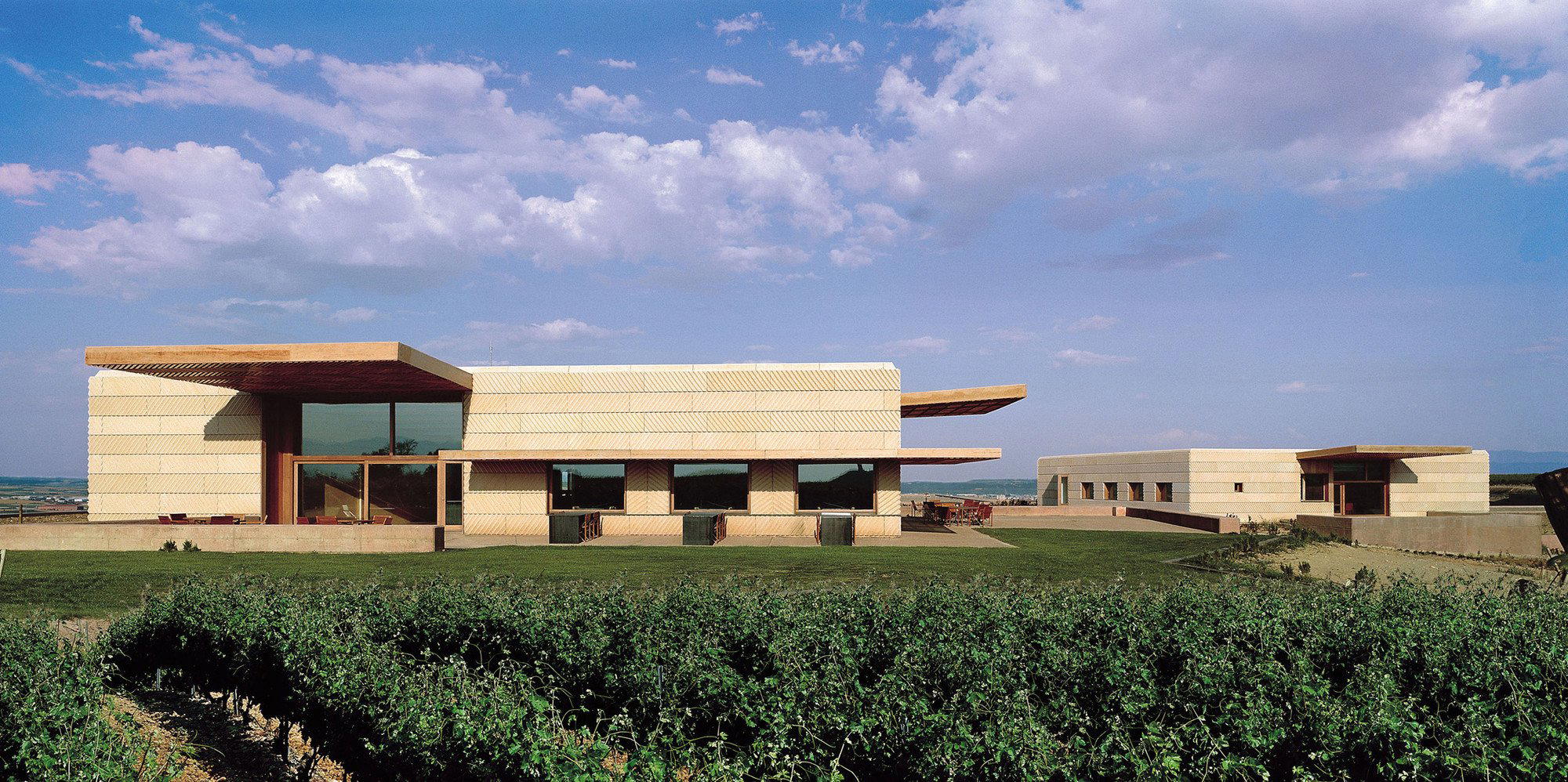
Bodegas Juan Gil presents as a terroir-first winery rooted in a long regional history. The writing foregrounds the landscape — limestone ridges, a high plateau and a dry Mediterranean light — and positions the building as secondary to the land it processes. That framing gives the place a quietly historic, contemplative character: the sense of centuries of viticulture and of wines that are shaped by elevation, heat and chalky soils. The overall impression is restrained and place-focused rather than ornate, a setting for close attention to grape physiology and the austere beauty of Jumilla’s vineyards.
Best For
This is a destination built for people who want to learn about place and grape: it is especially well suited to wine-education visits and solitary exploration. The description emphasizes Monastrell’s regional specificity and the climatic and soil conditions that produce particular structural and aromatic profiles, so visitors who come with curiosity for terroir, viticulture and varietal expression get the most out of a visit. It reads as a spot for thoughtful tasting and study rather than lively socializing, making it a good fit for focused, quiet visits or guided conversations about site and style.
Tasting Tips
When engaging with wines from Bodegas Juan Gil, focus on Monastrell and on bottlings that reference vineyard or altitude. The text stresses a thermal swing, calcareous soils and the grape’s tendency toward deep colour, firm tannin and earthy, dried-herb notes, so ask staff to point out examples that show that structural tension between ripeness and acidity. Seek estate-focused labels that speak to the Aragona plateau and inquire about how elevation and soil influence ageing and extraction. Questions about vineyard sites and vintage conditions will illuminate how place shapes each wine.
Venue details
Ambiance
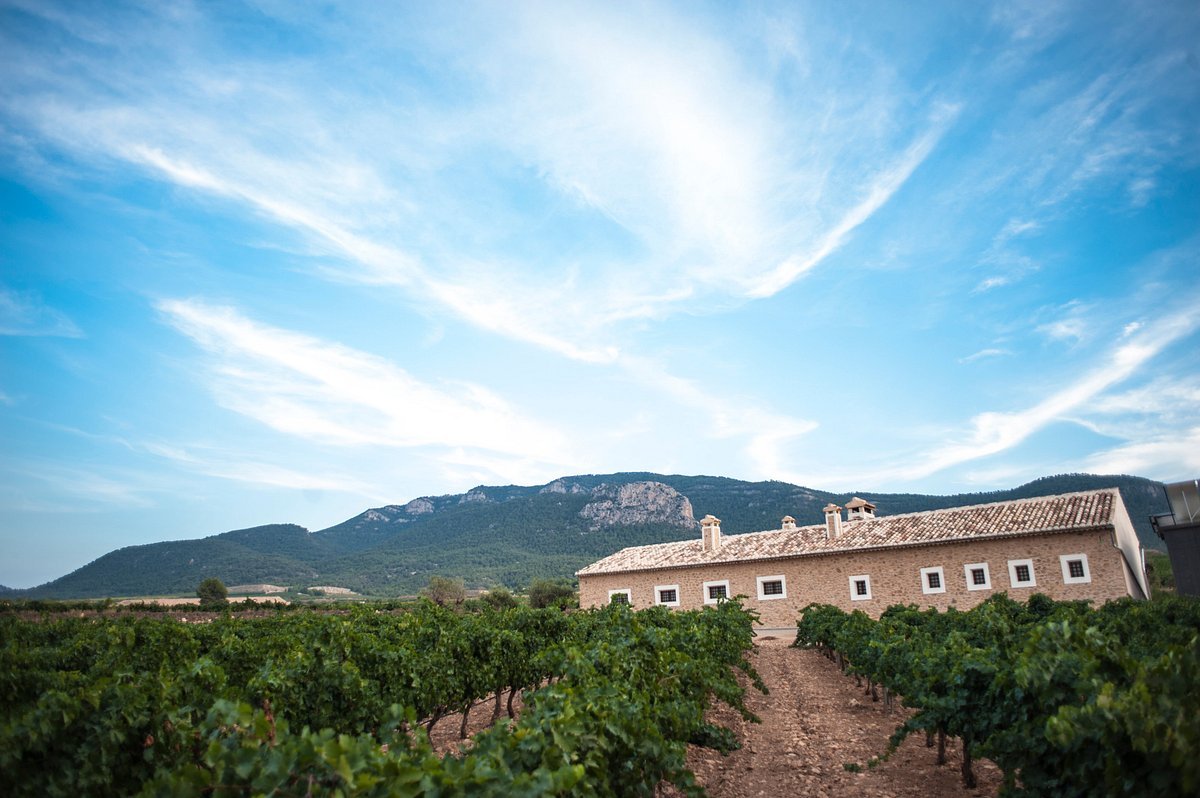
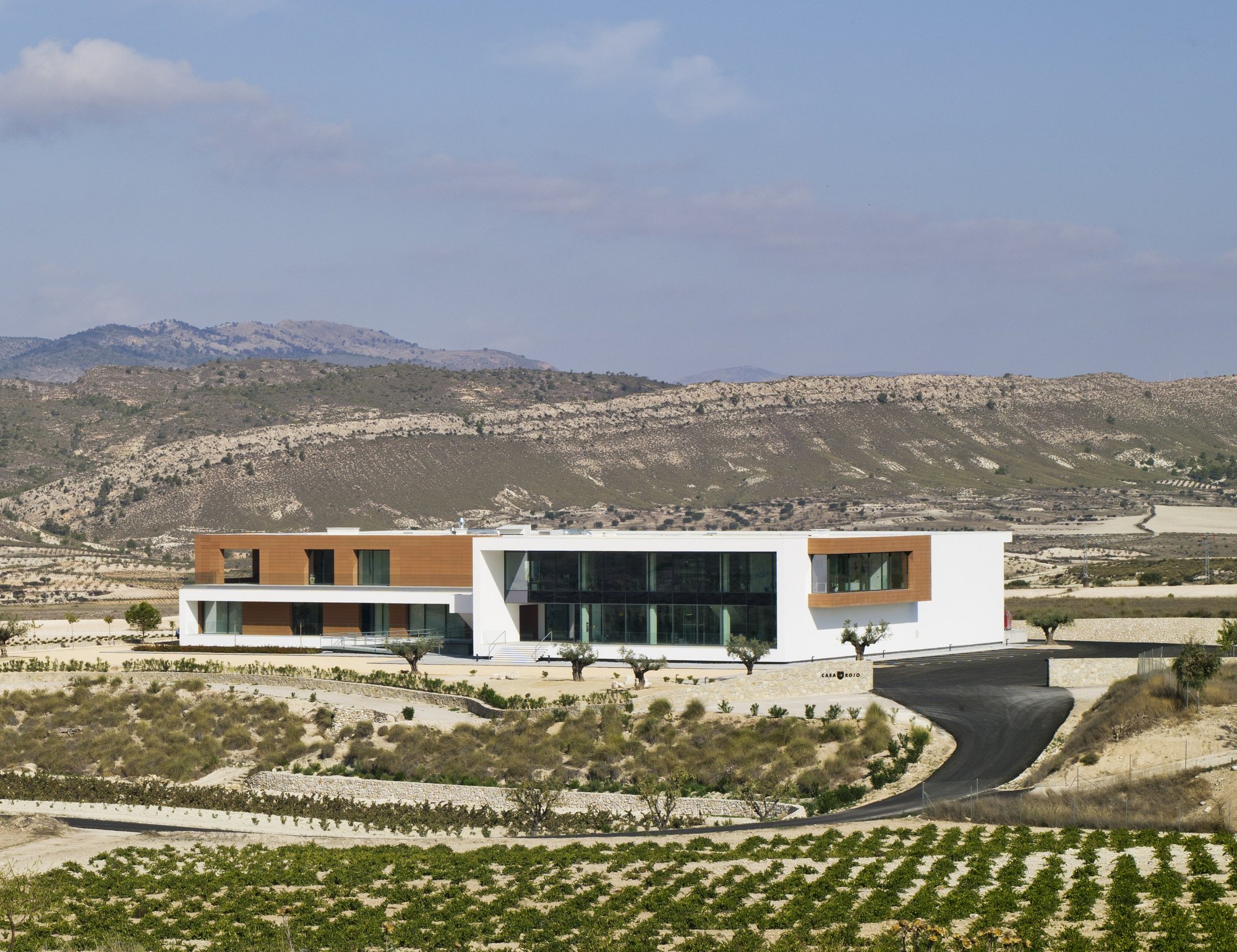
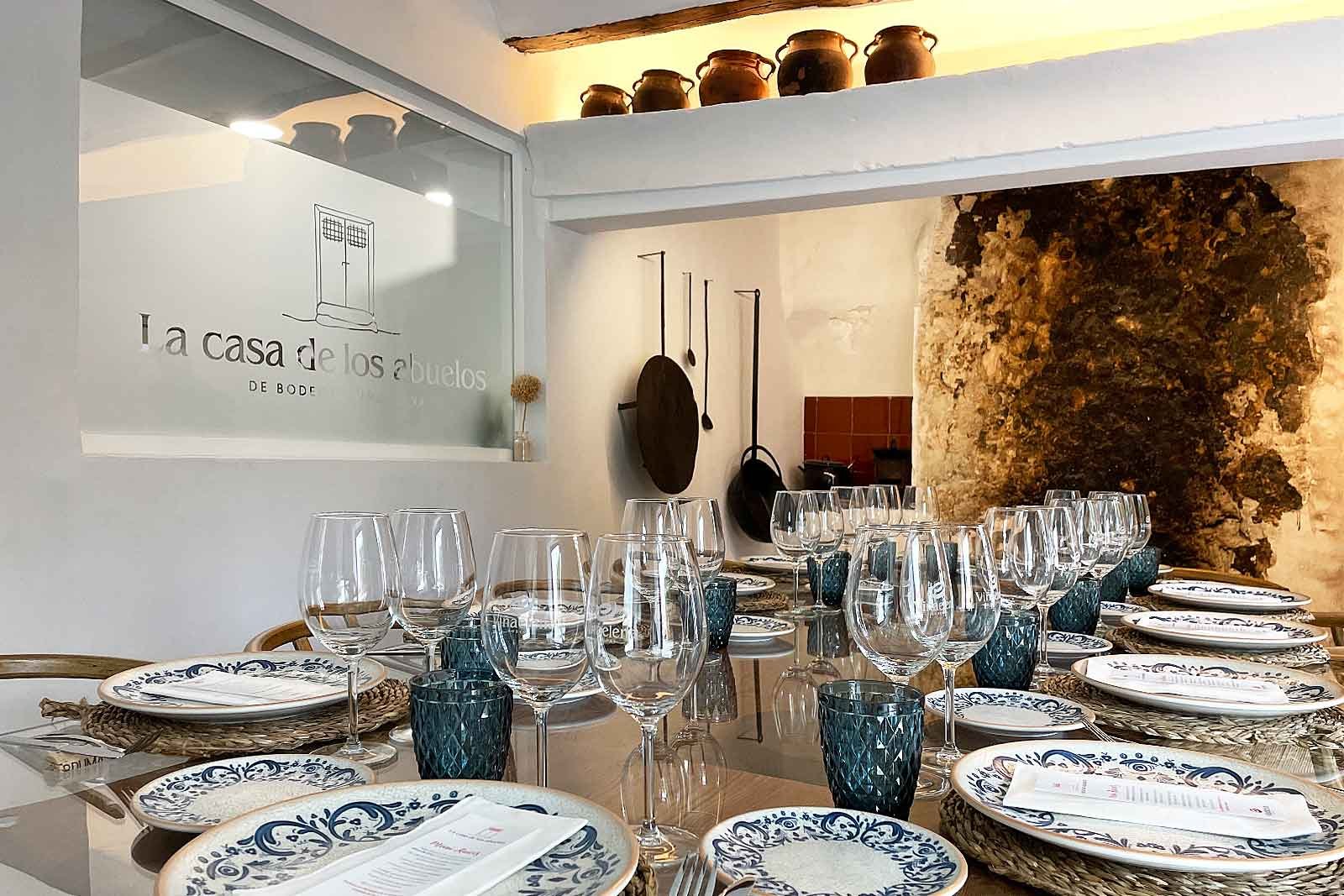
Modern, efficient winery facility surrounded by stark, rocky vineyard landscapes with a focus on quality production.
Tags
Vibe
Best For
Experience
Sourcing
View
At the Vineyard
- Appellation
- Jumilla DO
- Varietals
- Monastrell, Moscatel, Cabernet Sauvignon, Syrah
- Visits
- By appointment only
- Farming
- Sustainable
- Wine Styles
- Still Red
- Food Pairing
- Offered
- Shipping
- Available
- Wine Club
- Not available
Know before you go
Know Before You Go
- Getting there
- Paraje de la Aragona, Carretera de Fuente Alamo, S/N, 30520 Jumilla, Murcia
Planning details
Location
Paraje de la Aragona, Carretera de Fuente Alamo, S/N, 30520 Jumilla, Murcia · Directions
Recognition and awards

Also consider
Where to look if this is not available
If the booking does not work, look first at Bodegas Alvear for a different but serious Spanish winery visit with strong regional identity. For a more destination-led wine trip, Clos Mogador is the cleaner alternative if Priorat fits the travel plan.
Winery context
How it compares in the Spanish winery set
Bodegas Juan Gil is the right choice when the itinerary is anchored in Jumilla and the goal is a focused, appointment-led winery visit. Bodegas Alvear is a better cross-shop for readers building a trip around Andalucía's fortified-wine tradition, while Marqués de Griñón (Dominio de Valdepusa) suits travellers who want a more estate-driven Castilla-La Mancha stop.
For Catalonia-focused wine travel, Clos Mogador, Álvaro Palacios, and Scala Dei are stronger alternatives because the surrounding Priorat context gives the trip a denser wine-country feel. Bodegas Juan Gil makes more sense for travellers already committed to Murcia or specifically interested in Jumilla.
On booking difficulty, treat Bodegas Juan Gil as the least casual option in this set: plan early and do not rely on a same-day visit. If availability is the deciding factor, start with the peers and keep this as the higher-effort, occasion-led target.
Explore Jumilla
Around this place
Discover more on Pearl
Unlock the full Bodegas Juan Gil guide in Pearl, including awards, comparisons, FAQs, planning details, and nearby places.
Compare Bodegas Juan Gil
| Venue | Location | Awards |
|---|---|---|
| Bodegas Juan Gil | Jumilla | 2026 Falstaff Winery Guide |
| Bodegas Alvear | Montilla | 2026 Falstaff Winery Guide |
| Marqués de Griñón (Dominio de Valdepusa) | Malpica de Tajo | 2026 Falstaff Winery Guide |
| Clos Mogador | Gratallops | 2026 Falstaff Winery Guide |
| Álvaro Palacios | Gratallops | 2026 Falstaff Winery Guide |
| Scala Dei | Escaladei | 2026 Falstaff Winery Guide |
How Bodegas Juan Gil Jumilla compares with similar nearby venues.
FAQ
Frequently Asked Questions
Does Bodegas Juan Gil serve food?
Food service is not part of the standard visit unless confirmed directly with the venue. Treat Bodegas Juan Gil as a venue in Jumilla and confirm before planning a meal around the visit.
When is the best time to visit Bodegas Juan Gil?
The best time to visit depends on the venue's current schedule. Contact Bodegas Juan Gil directly and plan your Jumilla itinerary only after the visit timing is confirmed.
How long should I plan for a visit to Bodegas Juan Gil?
Ask the venue directly about the expected duration before arranging transport, meals, or other Jumilla plans around the stop.
Are special visit arrangements available at Bodegas Juan Gil?
What other venues can I compare with Bodegas Juan Gil?
For broader Spanish comparisons, consider names such as Bodegas Alvear, Marqués de Griñón (Dominio de Valdepusa), Clos Mogador, Álvaro Palacios, and Scala Dei. For other options specifically in Jumilla, check current local information before planning a route.
What is Bodegas Juan Gil known for?
Bodegas Juan Gil is in Jumilla, has a casual dress code, and holds Pearl 2 Star Prestige recognition for 2025. Check Bodegas Juan Gil's official channels or ask the venue directly for current details.
Can Bodegas Juan Gil handle large groups?
Contact Bodegas Juan Gil directly before planning a group visit in Jumilla.