
Bodega López
General Gutiérrez, Maipú
Winery in Maipú, Argentina
 Book with Pearl
The Read
Maipú Agricultural Terroir
Why go
Bodega López is a strong Maipú choice for a celebration-style winery visit, especially if the priority is a recognized wine experience rather than a food-first outing. Treat it as the anchor of the day and compare it with nearby Maipú wineries before building a packed route.
About Bodega López
In Maipú, Bodega López is listed with Pearl 2 Star Prestige for 2025, and its dress code is casual. While these points are useful, information beyond them is limited. It is better to plan with restraint rather than assume a particular format, menu, price point, schedule, or service style. In practical terms, approach Bodega López as a recognized Maipú venue, and check the specifics of your visit directly with the venue.
The strongest reason to put Bodega López on a Maipú short list is its Pearl 2 Star Prestige recognition for 2025. That distinction gives the venue a clearer planning signal than an unranked listing, because it suggests the place has been identified within Pearl's framework rather than appearing as a generic mention. A star designation can help with prioritization, but it does not replace current information about what is available on the day you want to visit. For a date, anniversary, or business-hosted outing, treat Bodega López as a recognized Maipú option and confirm the practical details directly before building the day around it. That is especially important when the occasion depends on pacing, hospitality style, or the certainty of a particular experience.
Book it as a focused Maipú stop, not on assumptions
A simple approach is to use Bodega López as a considered Maipú booking and confirm the current experience with the venue before you go. Do not assume a particular service, format, product, price, or length of visit. Those elements may be decisive for your plans, so they should be treated as open questions. Keeping the plan flexible will make the day easier to manage if the current offering differs from what you expected, and it will also help avoid placing too much pressure on one stop to deliver every part of the outing.
If food, timing, accessibility, or a specific style of visit is central to the occasion, confirm those details separately rather than treating them as guaranteed. The casual dress code gives some guidance on how formal the visit needs to feel from the guest side, but it should not be read as a complete description of the experience. Bodega López can be evaluated on its Maipú presence and Pearl 2 Star Prestige recognition for 2025, while any additional stop can be chosen on its merits. This is the most reliable way to use a short profile well: take the signals seriously, then fill in the operational details through direct confirmation rather than inference.
For readers comparing options, Maipú has other venues that may fit different plans. Bodega Antigal is another name to cross-shop, while a broader scan through our full Maipú guide can help you build a more complete route. The value of comparing is not to diminish Bodega López, but to make sure the day is shaped around current needs rather than assumptions. If you also consider Bodega Navarro Correas, Bodega Trapiche, Pascual Toso, or Tierra de Lobo Distillery, confirm each venue's current details directly and avoid overfilling the itinerary. A lighter plan will usually serve Maipú better than a crowded schedule with uncertain expectations.
Planning details
- Location
- Ozamis 375, M5511APG Mendoza
- Website
- bodegaslopez.com.ar
- Phone
- +54 9 261 594-8023
The take
The Take
The Vibe
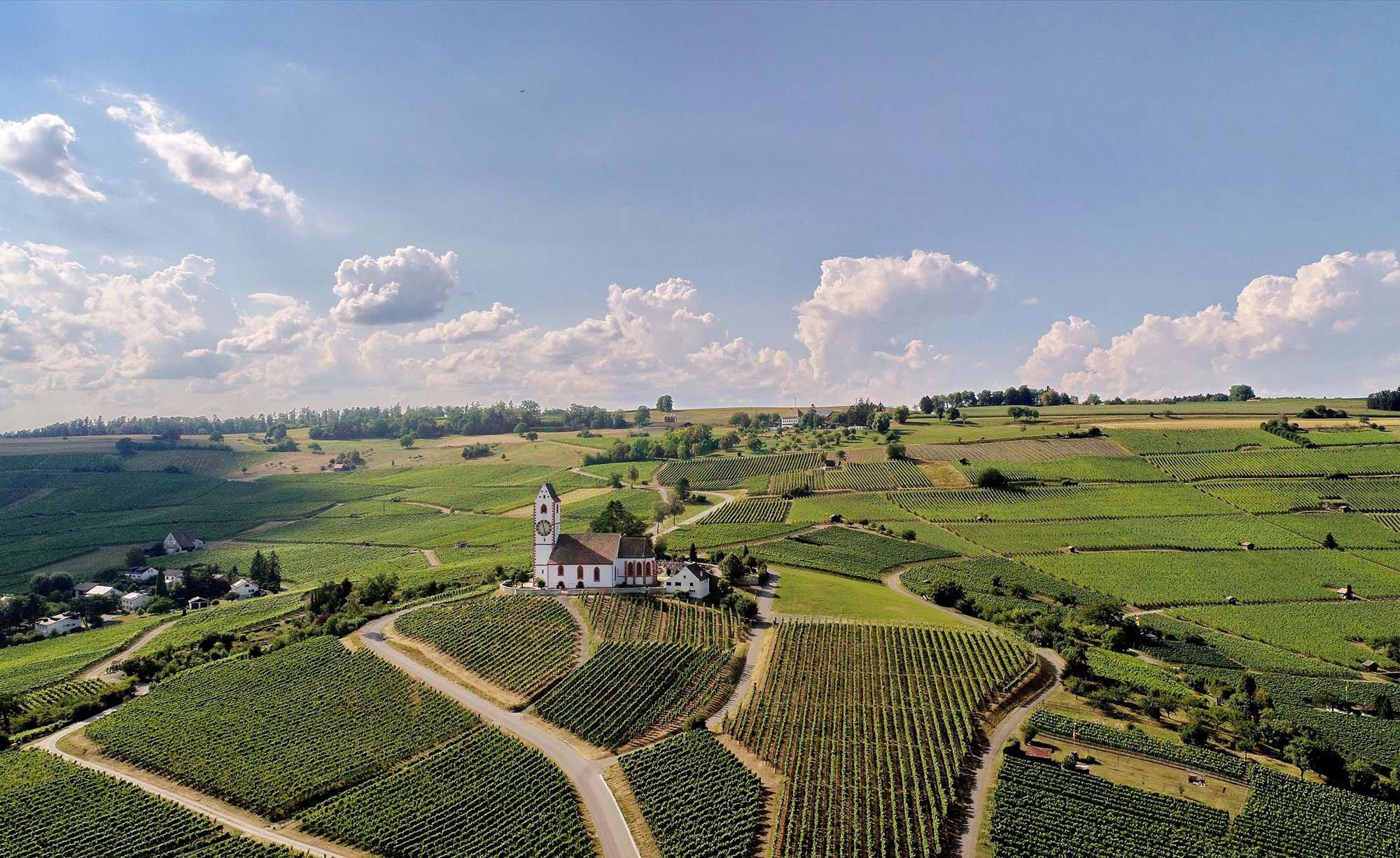
Bodega López reads as a long-established, esteem-bearing Mendoza estate that leans on institutional depth rather than design-led flash. The profile emphasizes continuity: Maipú’s low-lying vineyards, a century-deep knowledge base and a recent Pearl 2 Star Prestige recognition all point to a producer that prioritizes steadiness and craft. The tone is measured and authoritative — this is a place where legacy and consistent quality matter. Visitors can expect a traditional winery atmosphere rooted in the region’s working landscape rather than a boutique, trend-driven tasting-room experience.
Best For
This winery is best for visitors focused on wine education and group outings that probe Mendoza’s production history and regional identity. The piece explicitly frames Bodega López within Maipú’s heritage corridor and highlights its elevated standing among local producers, making it a fit for groups wanting context-rich tastings and comparative perspectives on Malbec and other regional expressions. It is less positioned as a casual cycle-route stop and more as a destination for those seeking depth, provenance and an institutional view of Maipú winemaking.
Tasting Tips
When engaging with Bodega López, center conversations on the estate’s historic role in Maipú and what earned it Pearl 2 Star Prestige recognition; the profile stresses the winery’s place in the region’s export and production arc. Ask staff about the property’s production approach and how Maipú’s lower-altitude vineyards shape the wines, and prioritize the estate’s higher-tier bottlings or older-vintage selections to sample its signature expressions. Frame questions around regional context and institutional practices rather than trendy novelties to get the most revealing tasting notes.
Venue details
Ambiance
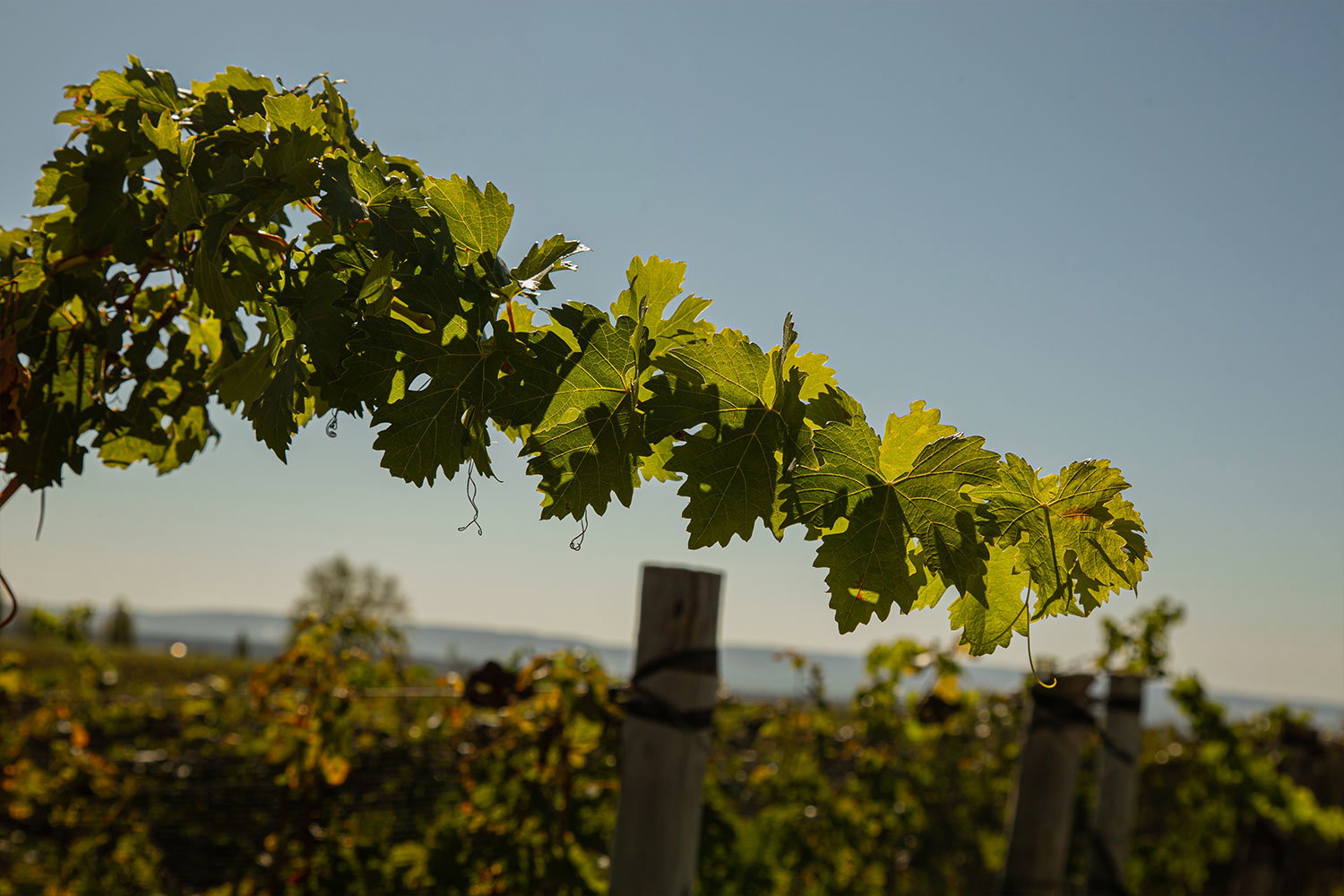
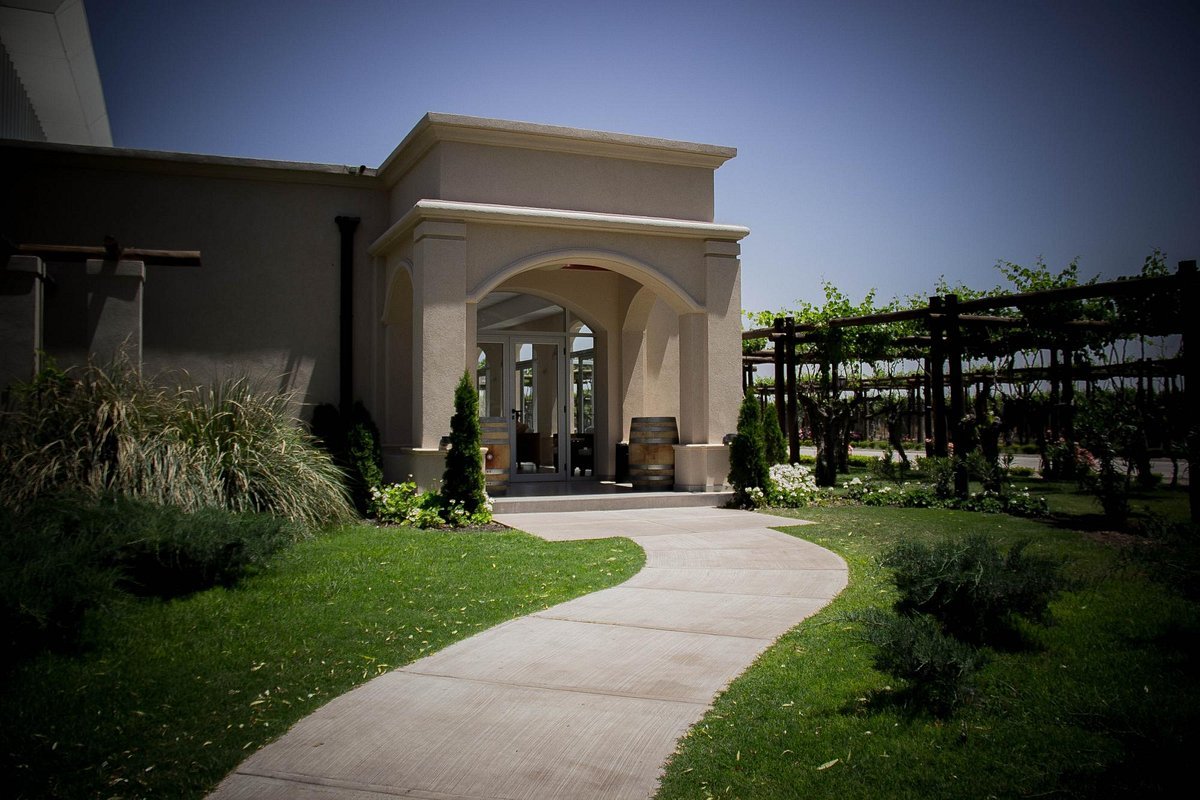
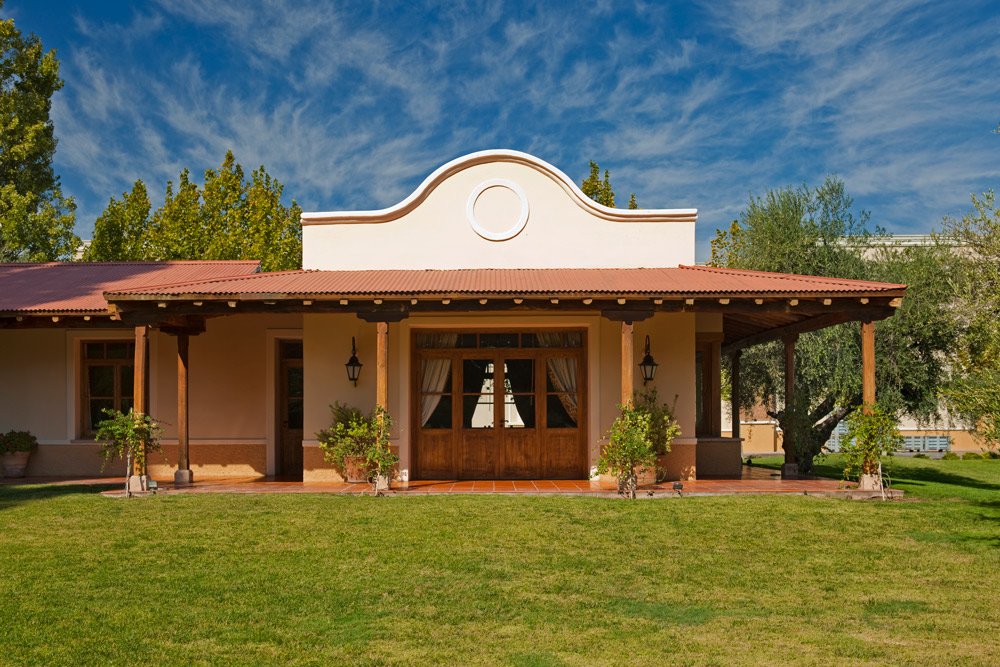
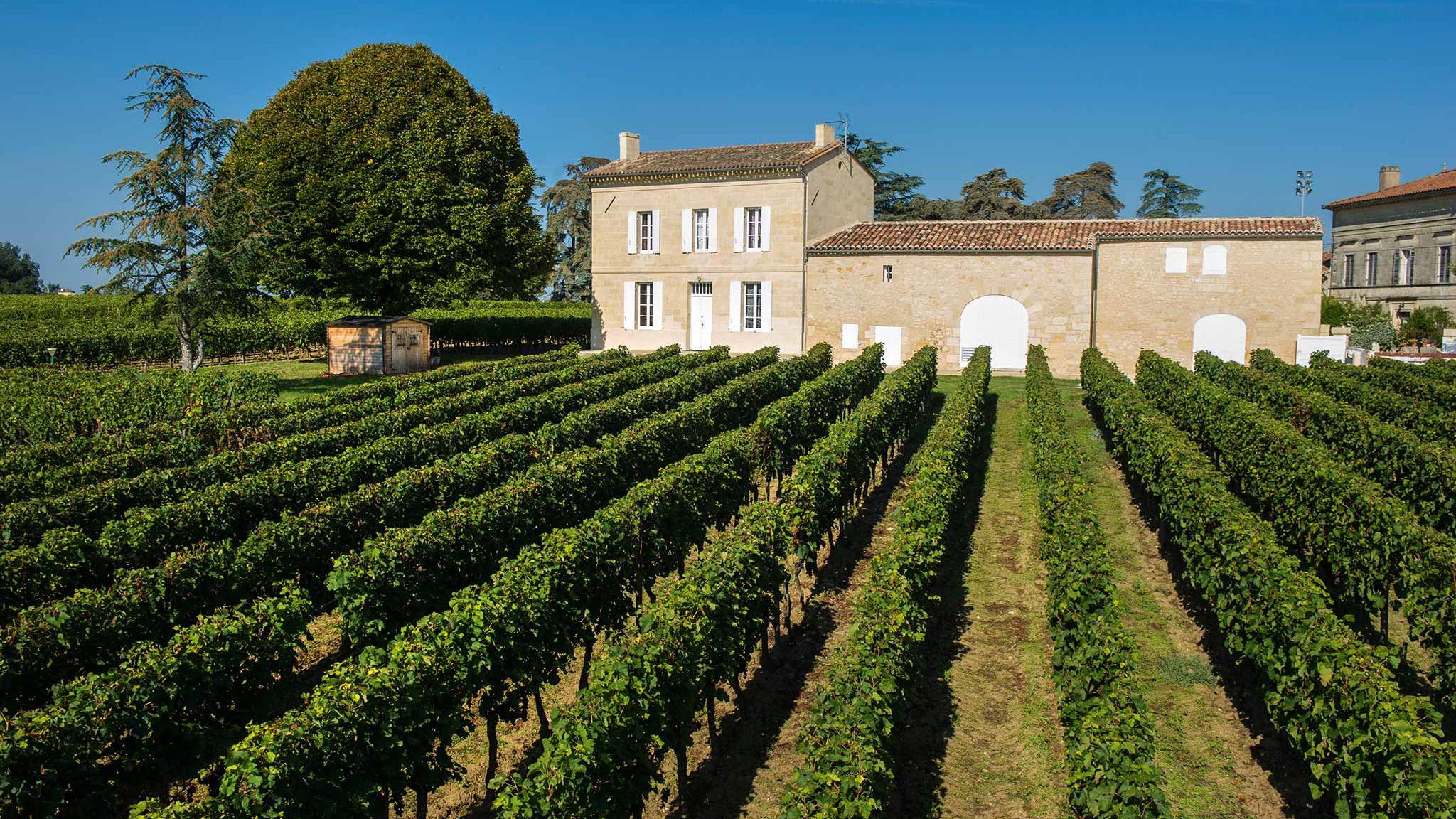
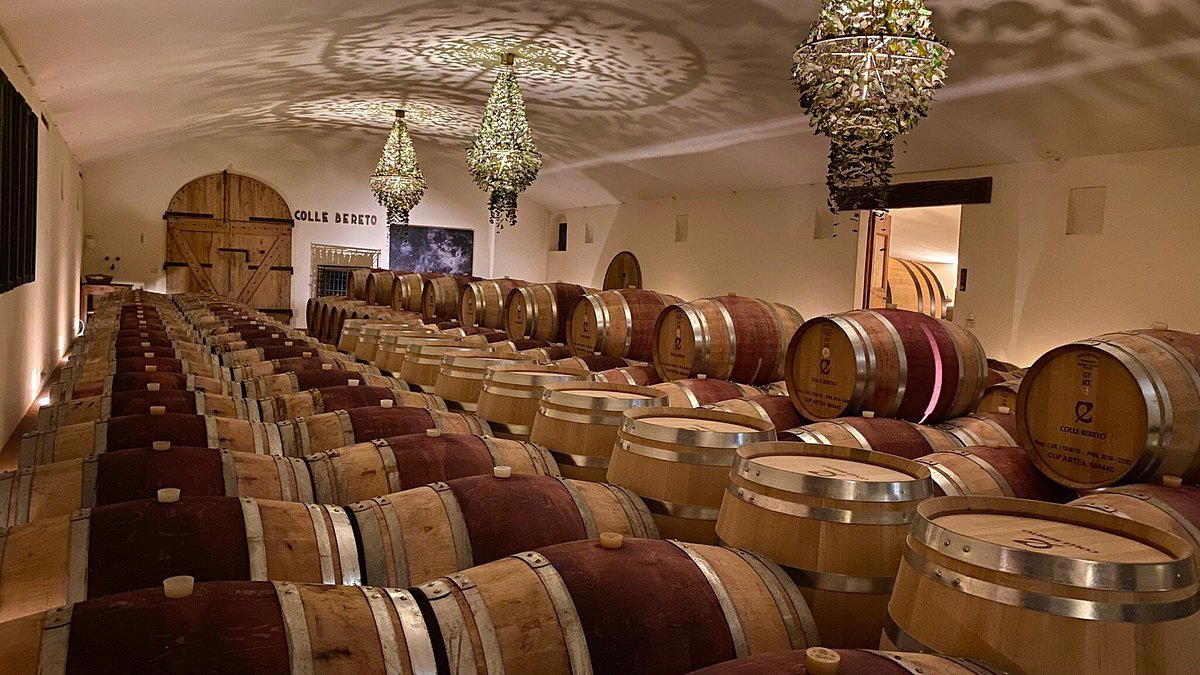
Traditional winery atmosphere with woody aromas from large French oak casks, deep underground cellars at constant temperatures, and open spaces surrounded by vineyards and gardens.
Tags
Vibe
Best For
Experience
View
At the Vineyard
- Appellation
- Maipú
- Varietals
- Malbec, Cabernet Sauvignon, Merlot, Chardonnay, Chenin Blanc
- Tour Duration
- 60-90 minutes
- Tour Languages
- Spanish, English
- Visits
- By reservation
- Production
- Large producer
- Wine Styles
- Still Red, Still White, Still Rose, Sparkling
- Food Pairing
- Offered
- Wine Club
- Not available
Know before you go
Know Before You Go
- Getting there
- Ozamis 375, M5511APG Mendoza
Planning details
Location
Recognition and awards

Also consider
If you cannot make this work
Try Pascual Toso for another wine-led Maipú visit, or Bodega Antigal if staying nearby is the priority. For a group that wants something less winery-traditional, Tierra de Lobo Distillery is the better fallback.
Winery context
How it compares in Maipú
Choose Bodega López if the priority is a recognized, wine-led visit that can carry a special-occasion itinerary. Pascual Toso is the more obvious cross-shop for another classic Maipú winery day, while Bodega Antigal is the safer nearby alternative if the goal is to keep the route compact.
Bodega Trapiche and Bodega Navarro Correas make more sense for readers willing to look beyond the immediate Maipú core for a broader winery comparison. If the group is split between wine and spirits, Tierra de Lobo Distillery is the practical pivot, especially for a less traditional tasting day.
For value, the right choice depends on how much weight the group puts on recognition versus flexibility. Bodega López is the pick when the occasion benefits from a more established-feeling wine stop; Tierra de Lobo Distillery is the change-of-pace option; Bodega Antigal and Pascual Toso are the closest like-for-like alternatives for staying wine-focused in Maipú.
Explore Maipú
Around this place
Discover more on Pearl
Unlock the full Bodega López guide in Pearl, including awards, comparisons, FAQs, planning details, and nearby places.
Compare Bodega López
| Venue | Location | Awards |
|---|---|---|
| Bodega López | Maipú | 2026 Falstaff Winery Guide |
| Pascual Toso | Maipú | No published awards |
| Bodega Trapiche | El trapiche | 2022 World's 50 Best Vineyards · #172021 World's 50 Best Vineyards · #182020 World's 50 Best Vineyards · #50 |
| Tierra de Lobo Distillery | Maipú | No published awards |
| Bodega Navarro Correas | Mendoza | No published awards |
| Bodega Antigal | Maipú | 2026 Falstaff Winery Guide2025 Decanter Winery Prestige |


How Bodega López Maipú compares with similar nearby venues.
FAQ
Frequently Asked Questions
What about Bodega López?
Bodega López is in Maipú, has a casual dress code, and holds Pearl 2 Star Prestige for 2025. Check the venue directly for current visit details before making a decision.
How long should I plan for a visit to Bodega López?
A specific visit length is not available. Plan conservatively, allow time for travel within Maipú, and confirm the current format and timing directly with Bodega López before you go. If you are pairing it with other venues, keep the schedule light rather than packing in too many stops.
Do I need a reservation at Bodega López?
Reservation requirements are not specified. For a planned Maipú outing, contact Bodega López directly to confirm whether booking is needed and what times are available. If you're building a route with Pascual Toso or Bodega Trapiche, confirm each venue's timing before you go.
What specific offering is Bodega López known for?
A specific offering is not available, so do not choose this stop based on an assumed product, menu, or format. Reasons to consider it are its Maipú location, casual dress code, and Pearl 2 Star Prestige for 2025. If you are comparing it with Bodega Navarro Correas or Bodega Antigal, check each venue's official channels for current details.
Does Bodega López serve food?
Food service details are not specified. Do not build lunch or dinner plans around Bodega López unless the venue confirms the current offering directly. For a fuller Maipú day with a different kind of stop in the mix, Tierra de Lobo Distillery is another name to research separately.