

2026 Falstaff Winery Guide: The Ultimate Wine Authority — Page 78
Falstaff's 2026 Wineries guide.

Venues on this list
Domaine Guillaman
Gondrin, France
Domaine Guillaman is a sensible Gondrin stop for travelers who want a low-pressure Occitanie wine-country add-on rather than a heavily programmed winery visit. The case is strongest when the rural setting is part of the appeal; for named flagship wines, dining, or formal tasting details, there is not enough verified public information to make it the anchor of a trip.
Domaine D’Ouréa
Vacqueyras, France
Domaine D’Ouréa works if the goal is a focused Vacqueyras wine stop rather than a polished tourism experience. With Falstaff listing recognition for 2026 but no published visitor details supplied, it suits travelers comparing southern Rhône bottles for buying or cellaring decisions, not groups needing confirmed tasting-room logistics upfront.
Domaine de Fa
Boyer, France
Domaine de Fa is worth shortlisting for a wine-focused stop in Boyer, especially for travelers who already know the region and want a tighter producer visit. The 2026 Falstaff listing adds credibility, but sparse visitor details mean it is better as a flexible winery add-on than the sole anchor of a day.
Château La Croix de Gay
Pomerol, France
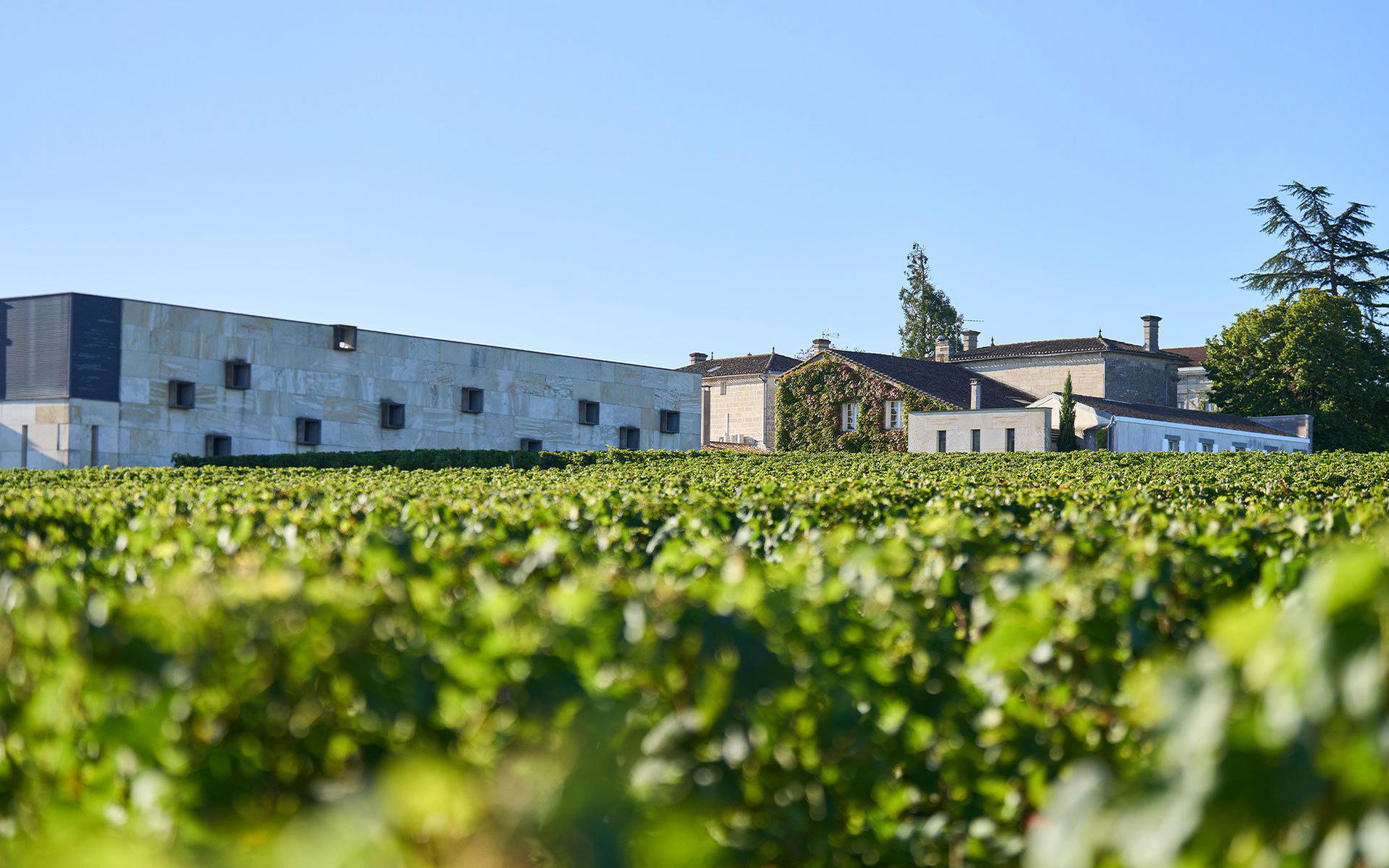
Château La Croix de Gay is worth prioritizing for serious Pomerol drinkers who want a quiet, cellar-focused estate visit rather than a broad hospitality experience. The appeal is strongest for collectors and special-occasion travellers interested in a small Merlot-led property with long family continuity and 2026 Falstaff Winery 3 Stars recognition.
Innviadla Weinbau Wolfgang Költringer
Weilbach, Austria
Worth booking if the goal is a small, appointment-only Austrian winery visit with fresh regional wines, brandies, and juices rather than a formal tasting production. The strongest hook is the 2025 ABHOF Gemischter Satz, supported by a homely, craft-led style and a $$ value signal.
Château Lauriga
Thuir, France
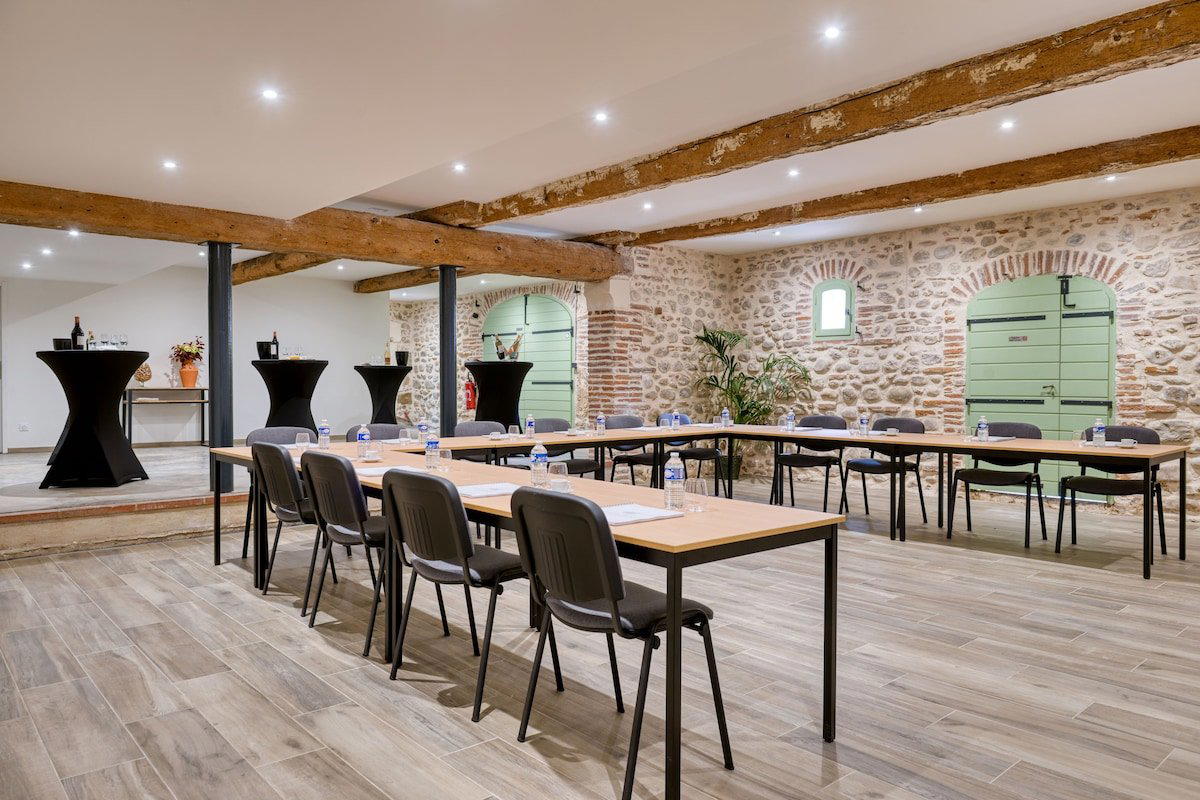
Book Château Lauriga if you want an accessible, context-rich Roussillon tasting in a quiet Catalan farmhouse setting. The value is strongest for travelers interested in Les Aspres terroir, old-vine Grenache Gris, and regional reds, whites, and rosés rather than a luxury château showpiece.
Adega Pazos de Lusco
Salvaterra De Mino, Spain
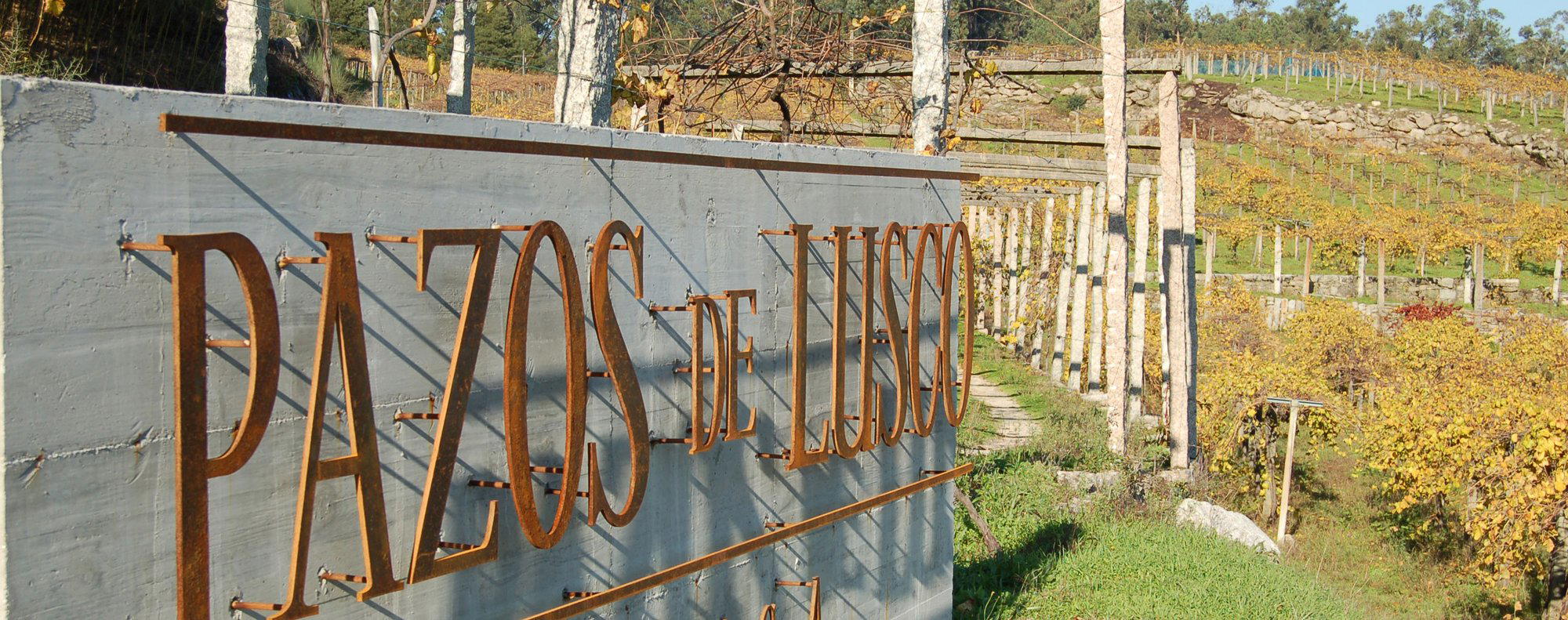
Adega Pazos de Lusco is a targeted Rías Baixas winery shortlist pick for travelers prioritizing wine credibility over a fully documented food or hospitality program. The 2026 Falstaff 3 Stars rating is the main trust signal; plan food and lodging separately in Salvaterra de Miño rather than assuming a full pairing-led visit.
Bodegas Peñalba Lopez
Madrid, Spain
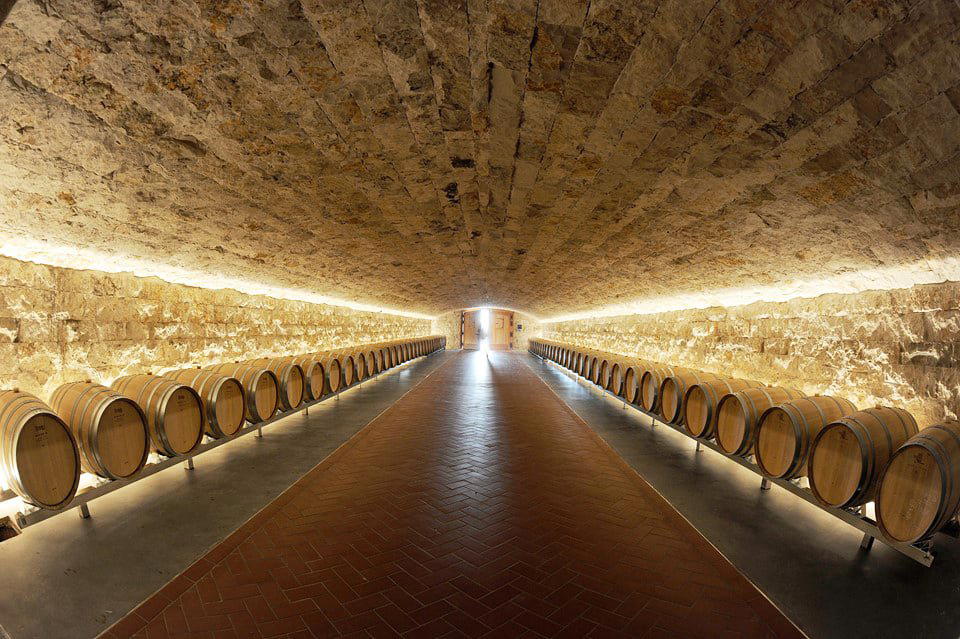
A Madrid wine listing with Falstaff recognition for 2026, Bodegas Peñalba Lopez is better for flexible wine planning than a tightly managed cellar itinerary. Shortlist it if external validation matters and the rest of the day can stay adaptable; choose a more documented option if food, flagship bottles, visitor format, or pricing need to be clear in advance.
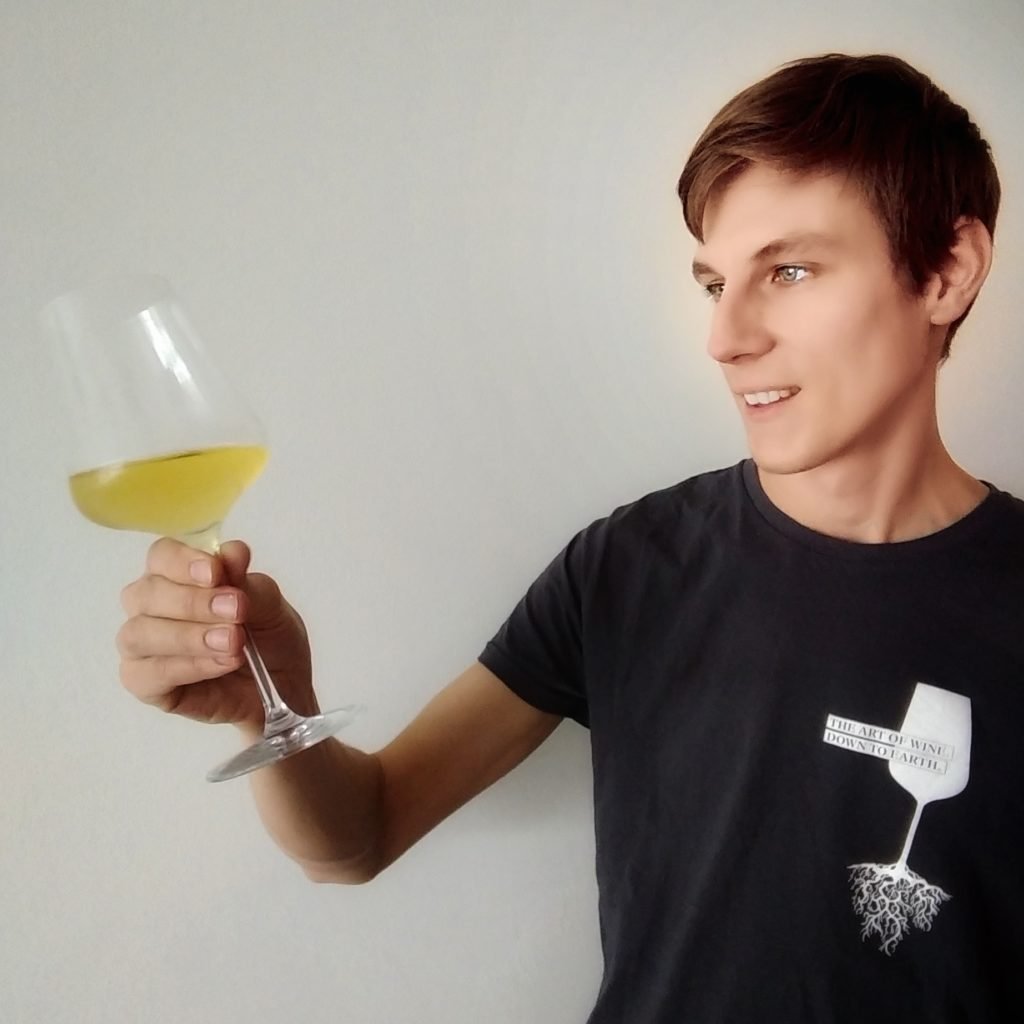
Bio-Weingut Sebastian Angerer
Lengenfeld, Austria
Plan Bio-Weingut Sebastian Angerer as a calm, wine-led Lengenfeld stop rather than a restaurant-style outing. It suits a special occasion when the organic winery setting is part of the appeal, with Falstaff listing in 2026 adding a useful trust signal. Confirm food, shipping, and group details before anchoring a full itinerary around the visit.
Hervé Villemade
41120 Cellettes, France
Hervé Villemade works as a Cellettes wine stop if the Loire setting is already part of the trip. It is better suited to wine-focused visitors than groups needing a fully planned hospitality experience, so pair it with separate dining or hotel plans for a celebration.
Centoterre
Varese, Italy
Centoterre is worth booking if the appeal is a focused, appointment-only tasting built around a modern Italian portfolio rather than a classic single-estate vineyard visit. The value is strongest for small groups, celebrations, or business tastings that want range across styles, with Falstaff recognition adding a useful quality signal.
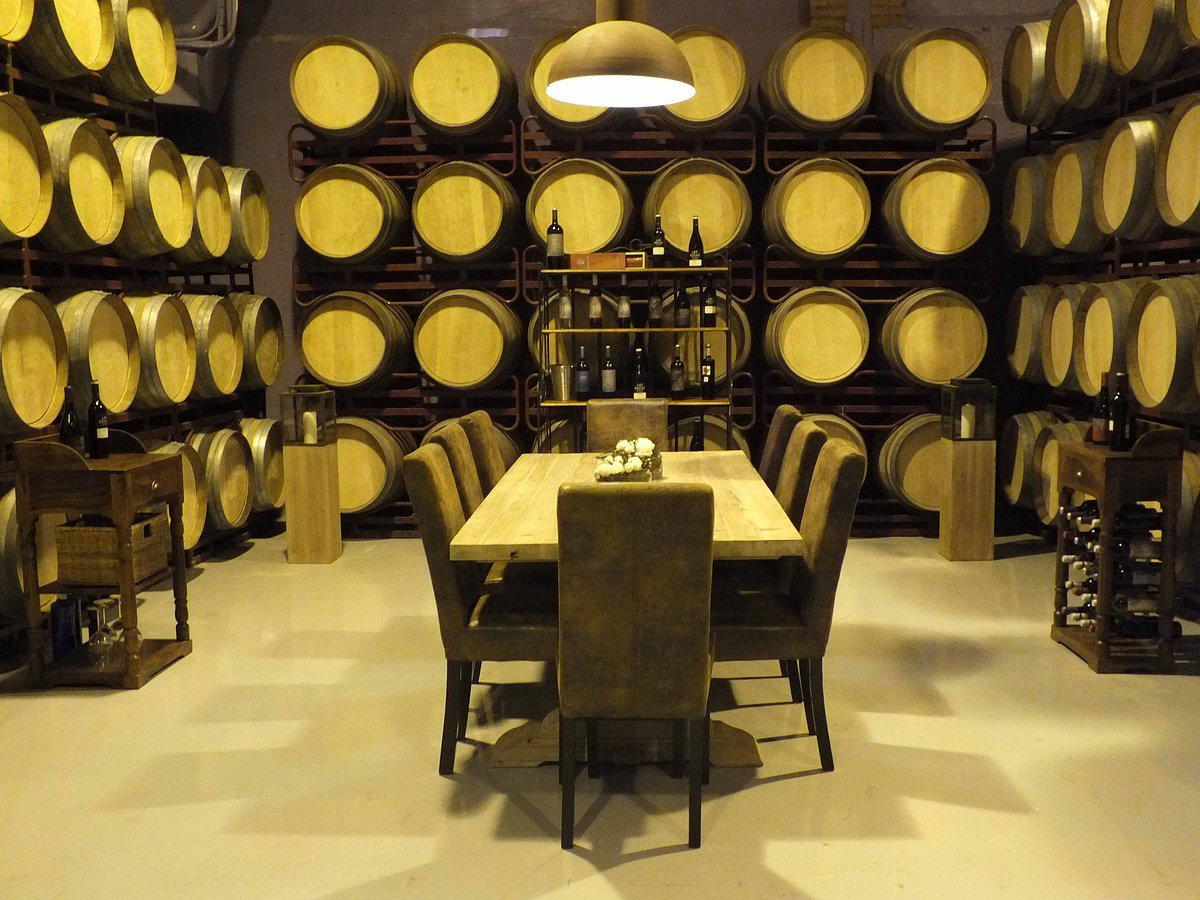
Bodegas San Alejandro
Miedes, Spain
Book Bodegas San Alejandro if you want a structured Calatayud Garnacha visit with modern hospitality rather than a tiny cellar appointment. The value is in the range: cooperative scale, high-altitude vineyards, organic certification, and a clear tasting arc from accessible bottlings to Clos Baltasar.
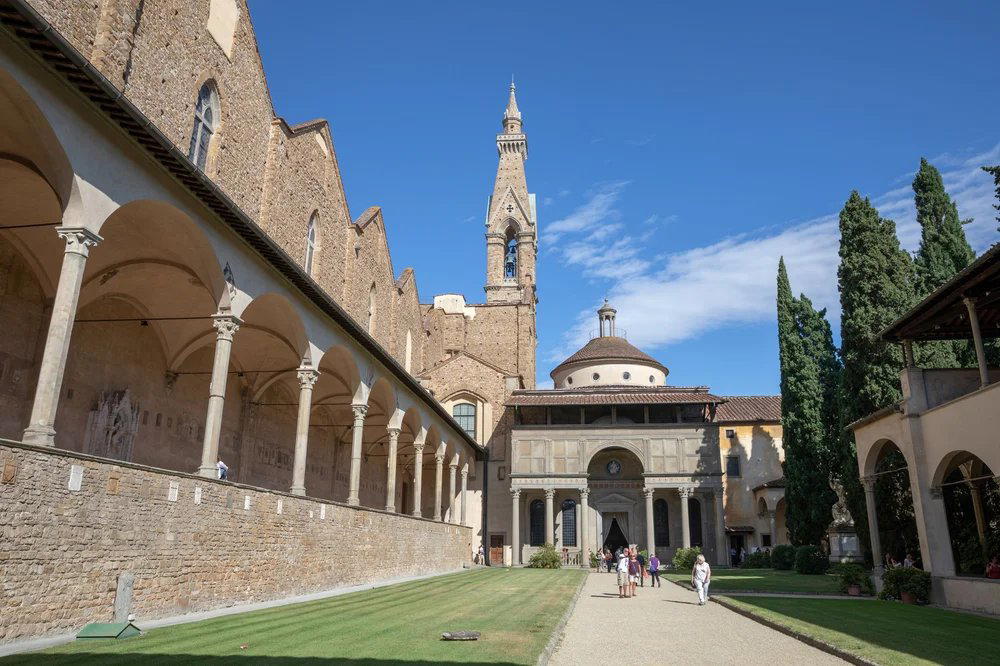
Cantina di Santa Croce
S Croce Di Carpi, Italy
A quiet Emilia-Romagna wine stop for visitors already near S Croce Di Carpi. Cantina di Santa Croce makes sense as a focused tasting or buying errand, helped by Falstaff Listed recognition, but the wine-club value should be judged only after tasting and confirming terms directly.
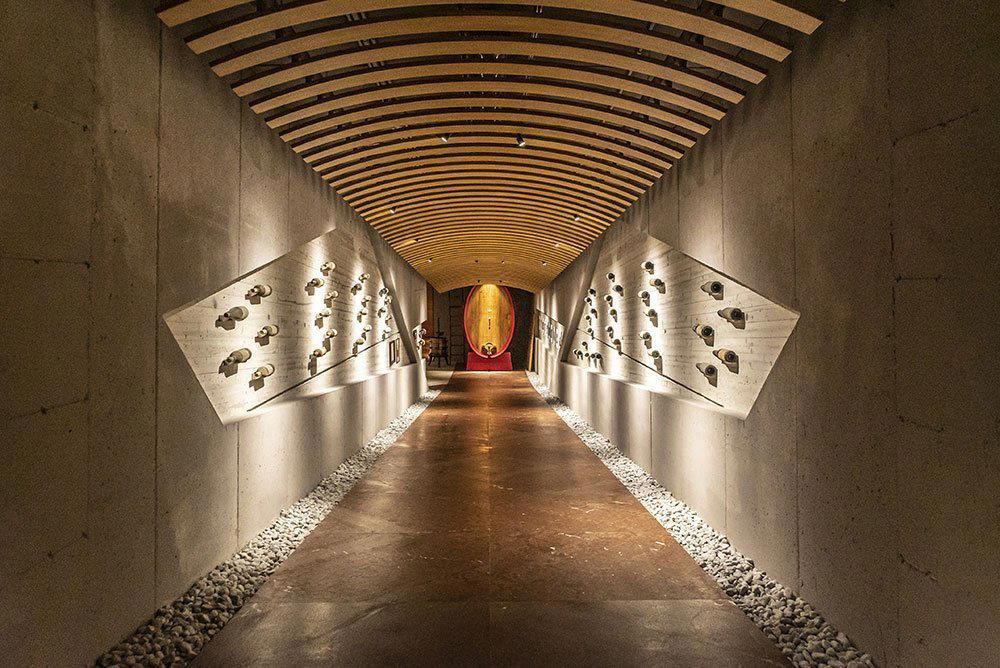
Giuseppe Quintarelli
Negrar, Italy
Prioritise Giuseppe Quintarelli if the Negrar trip is built around serious Valpolicella rather than a casual winery crawl. It suits collectors, celebrations, and focused wine travelers; larger regional peers are easier choices for groups that want a more conventional visitor day.
Domaine Guillot-Broux
Cruzille, France
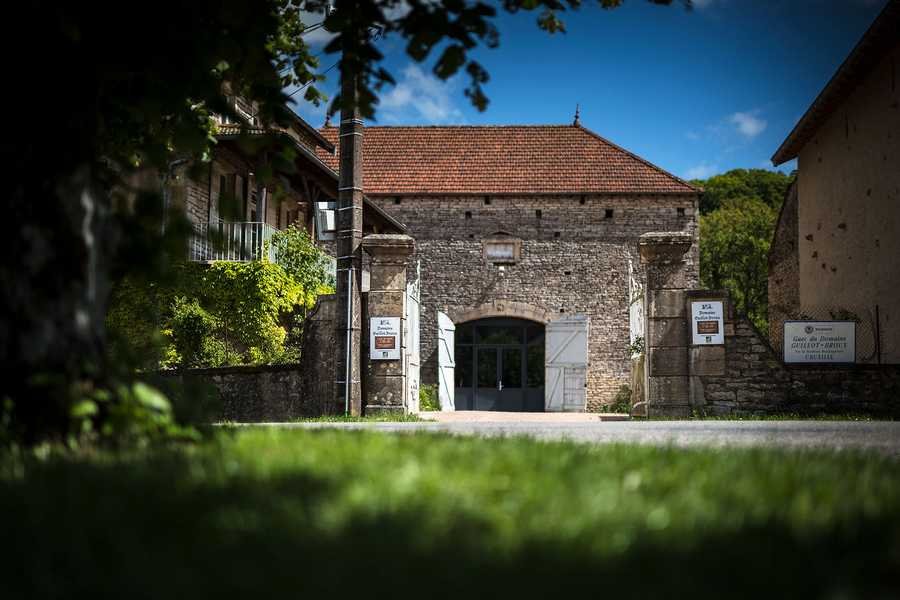
Choose Domaine Guillot-Broux if the goal is serious organic Mâconnais wine in a working Burgundy estate setting, not a polished tourism stop. The appeal is its Cruzille vineyard base, certified organic farming, and focused Chardonnay, Pinot Noir, and Gamay range, with reservations recommended for first-timers planning a winery-led day.
Château Pech-Latt
Lagrasse, France
Worth planning if organic Corbières is the reason for the trip. Château Pech-Latt is strongest as a quiet, vineyard-led estate visit with serious farming credentials, AOC focus, and rustic Lagrasse atmosphere. Skip it for food-led entertaining or a highly produced tasting-room experience.
Collina delle Fate
Fossombrone, Italy
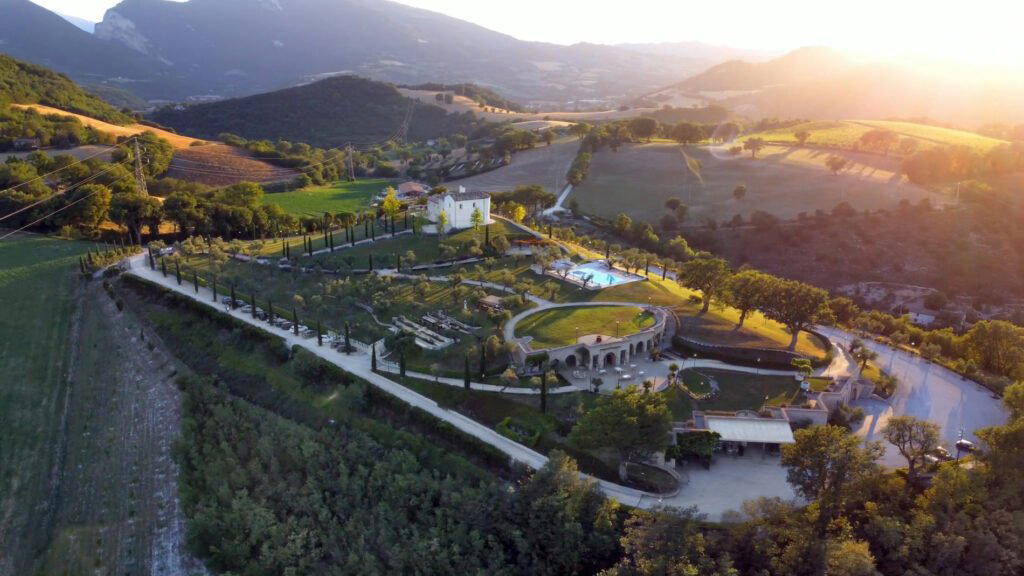
Collina delle Fate is worth booking for a calm Marche winery meal where the restaurant, cellar, vineyards, olive oil, and guest rooms work as one experience. It is strongest for couples or wine-focused travelers planning a slow lunch or overnight stay in Fossombrone, especially in warm weather when the outdoor spaces matter more.
Domaine des Romarins
Domazan, France
Domaine des Romarins is worth booking for a relaxed Domazan tasting focused on organic Southern Rhône wines, family continuity, and Côtes du Rhône Villages Signargues. Choose it for context, value, and an informal cellar atmosphere rather than luxury polish or a formal food-pairing format.
Gramercy Cellars
Walla Walla, United States
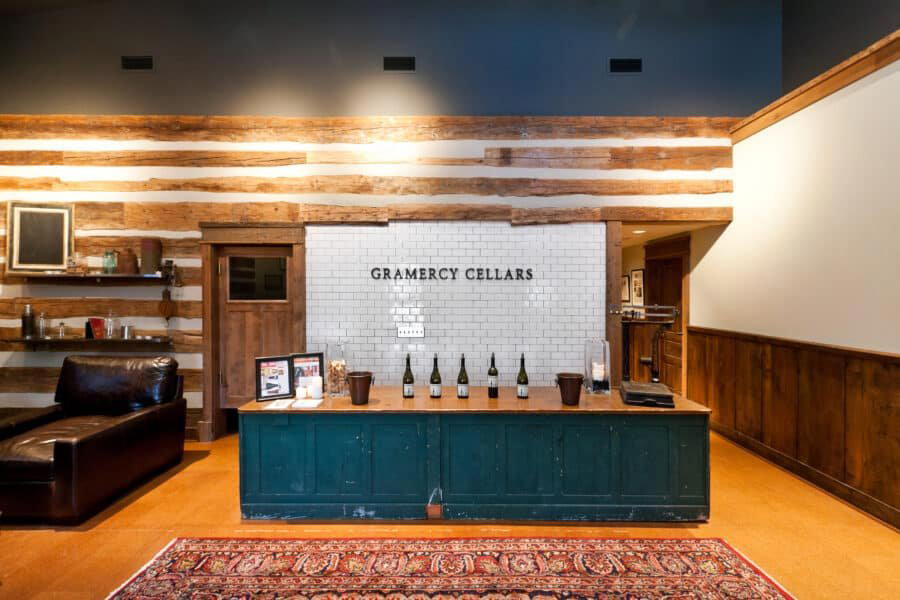
Prioritize Gramercy Cellars if the goal is a serious, wine-led Walla Walla tasting rather than a scenery-first estate stop. With Greg Harrington as winemaker and a first vintage in 2005, it is a strong fit for first-timers who want producer focus and a quieter appointment, but less ideal for large groups seeking a flexible drop-in.
Cantina di Gambellara
Gambellara, Italy
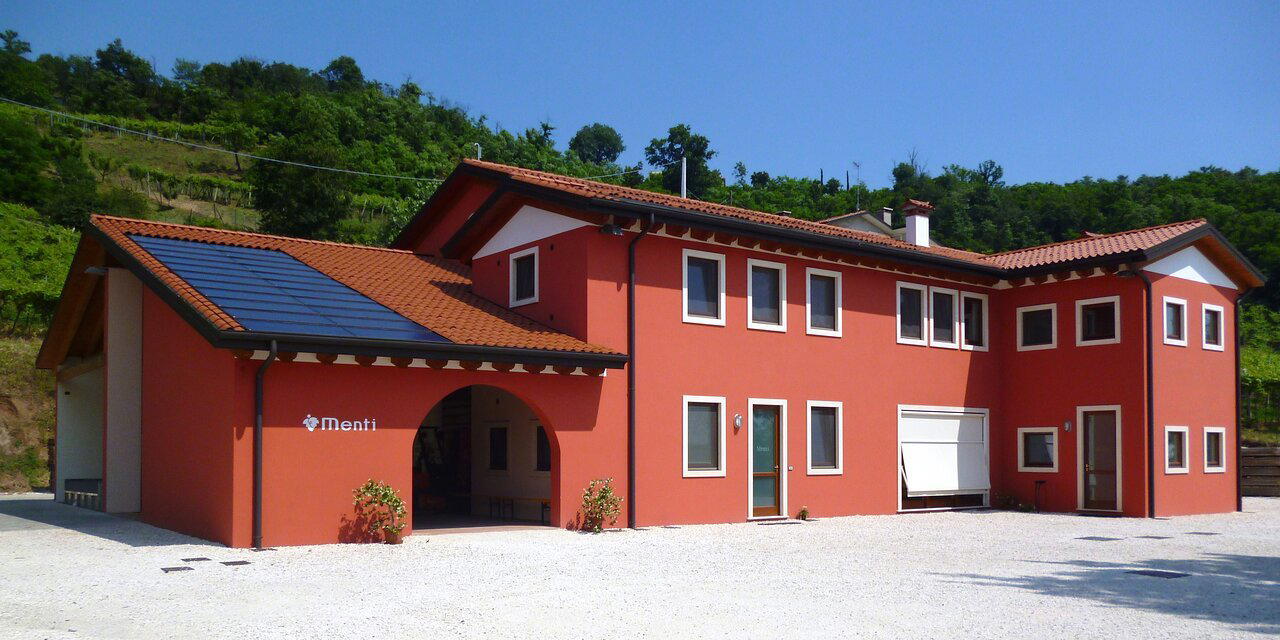
Cantina di Gambellara is worth a stop for travellers who want Garganega, volcanic Veneto soils, and cooperative winemaking context without a difficult booking process. The strongest case is the value-minded portfolio, especially Gambellara Classico Monopolio DOC and regional sparkling wines; skip it if the day needs a polished private tasting format.
Anton Steineder
Maustrenk, Austria
Anton Steineder works for a quiet Weinviertel wine stop in Maustrenk, especially for a date or small celebration where producer context matters more than restaurant-style polish. Falstaff Listed in 2026 gives it a credible recognition signal; confirm visit details before planning a group around it.
Domaine Paul Fahrer
Orschwiller, France
Domaine Paul Fahrer works if Orschwiller is already part of an Alsace wine route, especially for travelers prioritizing bottle research over a polished tasting-room experience. Its Falstaff Listed recognition for 2026 gives it a useful trust signal, but sparse public planning details mean it works better as one stop within a flexible day than as the anchor of the trip.
Domaine de la Brunely
Sarrians, France
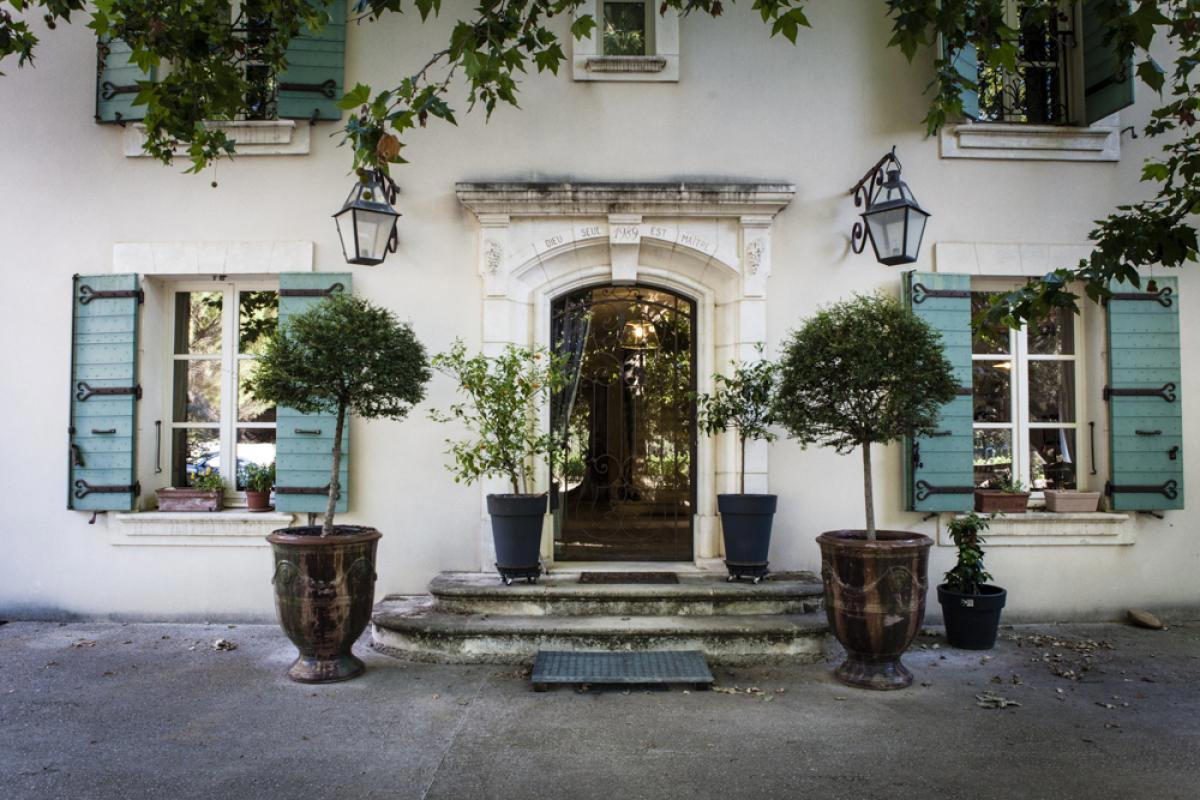
Book Domaine de la Brunely if you want a quiet, working-cellar Rhône stop with broad appellation coverage rather than a polished visitor-center experience. The draw is the Garrigue plateau setting, 70 hectares of family-run vineyards, HVE Level III certification, and wines spanning Vacqueyras, Châteauneuf-du-Pape, Gigondas, Cairanne, Côtes du Rhône, and Ventoux.
Gibbston Valley Winery
Queenstown, New Zealand
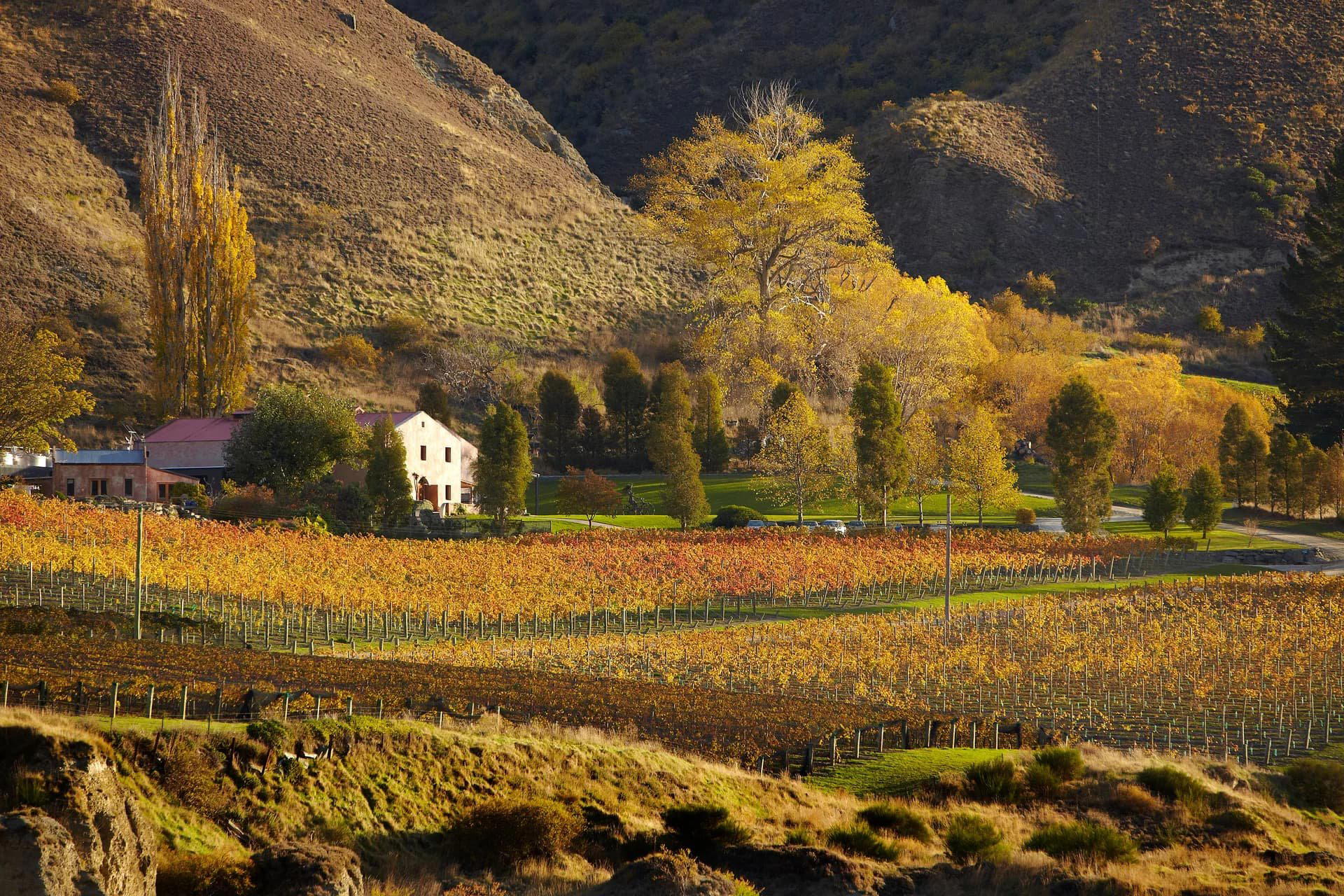
Gibbston Valley Winery is worth booking when the estate setting is part of the point: a polished Central Otago wine-country stop with cellar-door tasting, bike hire, a cheesery, and mountain-and-vine atmosphere. At $25 per person and with Falstaff 2 Stars in 2026, it suits celebrations, dates, and mixed groups who want an organised Queenstown wine day rather than a bare-bones tasting counter.
Château Le Coteau
Arsac, France
A sensible Arsac pick for travelers building a Margaux-area wine day and wanting an easy, low-friction château stop. The Falstaff Listed 2026 recognition gives it a useful quality signal, but value-minded visitors should confirm tasting, club, and shipping terms before making it the anchor of a trip.
Bruwer Vintners
Stellenbosch, South Africa
Bruwer Vintners is a sensible Stellenbosch shortlist pick for wine-focused visitors who care more about bottle discovery than a fully programmed estate day. Its 2026 Falstaff listing gives it a useful trust signal, but plan it as a compact stop and arrange food, group logistics, and broader itinerary needs separately.
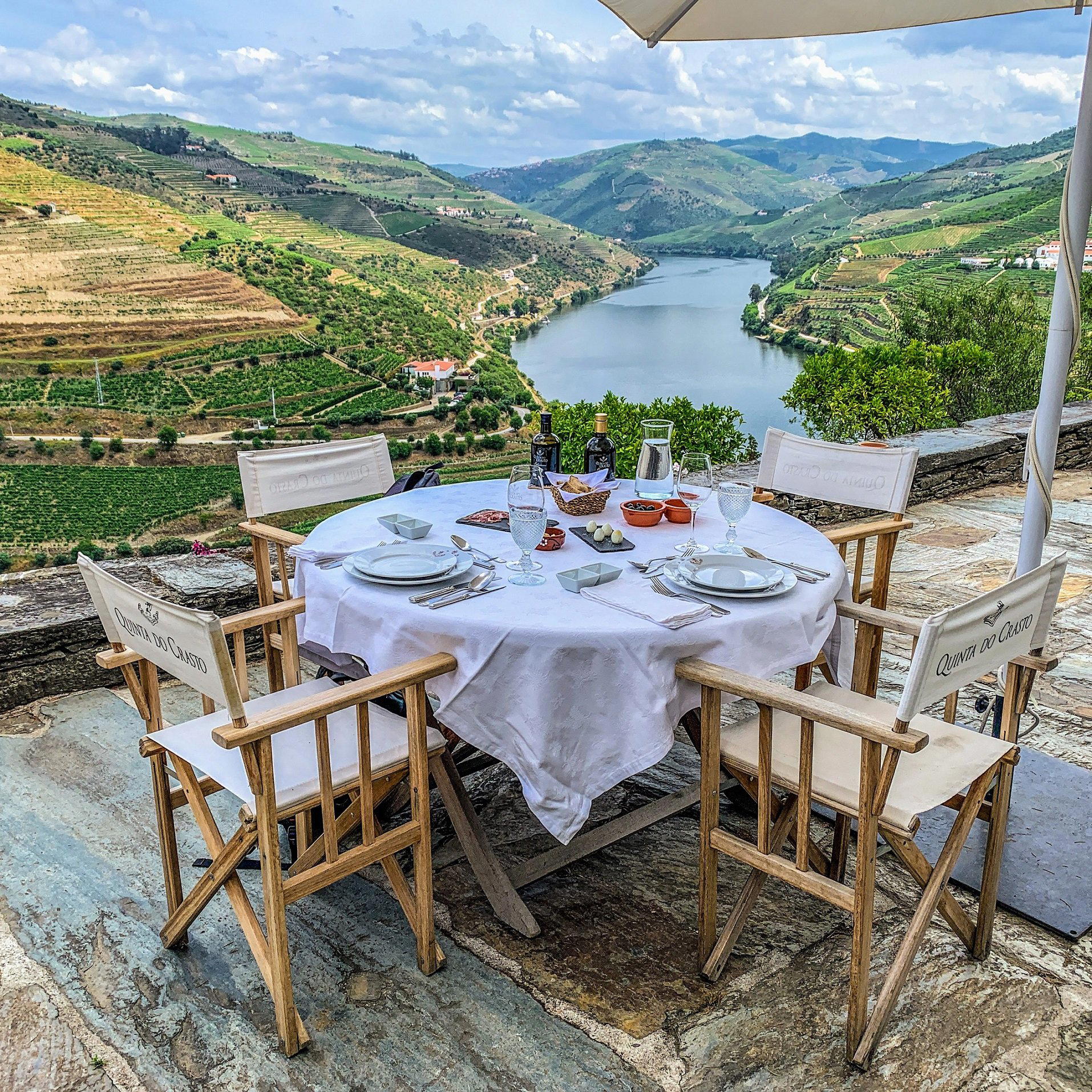
Quinta do Crasto
Sabrosa, Portugal
Quinta do Crasto is a wine estate in Portugal's Douro region near Sabrosa.
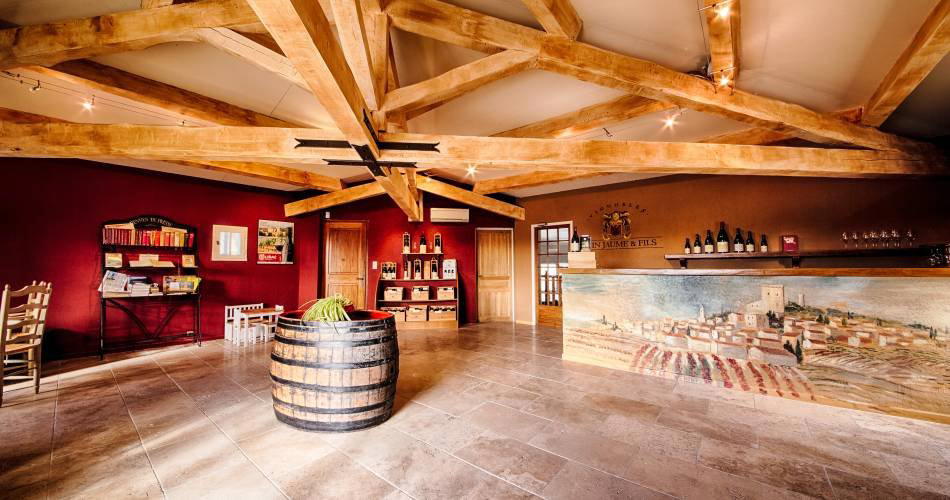
Domaine Grand Veneur – Alain Jaume
Orange, France
A good choice for a relaxed, special-occasion Rhône tasting near Orange if the priority is Châteauneuf-du-Pape context, family-run continuity, and food pairing over design theatrics. The estate’s 75 hectares across four appellations and organic certification since 2012 give the visit enough substance to anchor part of a wine day.
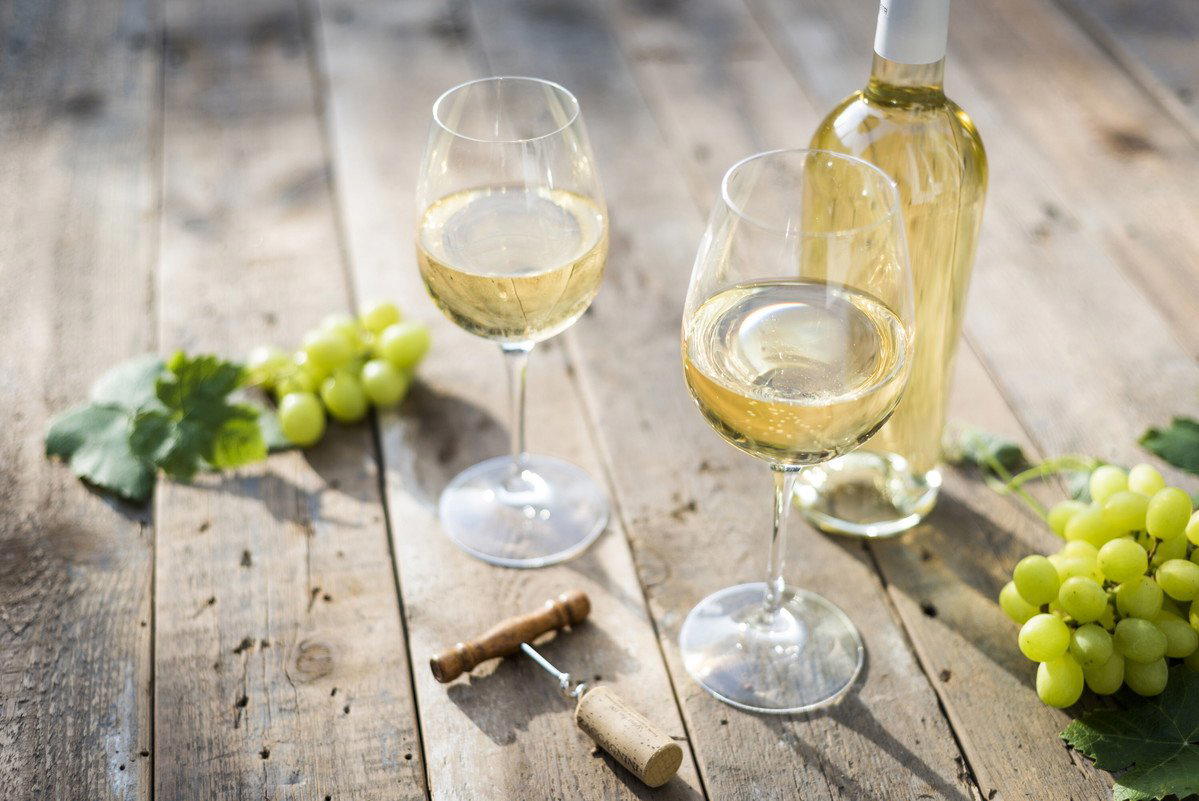
Bio-Weingut Robert Payr
Hoflein, Austria
Worth considering if you are building a serious Carnuntum winery itinerary rather than looking for a casual food stop. Bio-Weingut Robert Payr has a clear quality signal through Falstaff 4 Stars for 2026, but the smarter play is to taste before committing to larger bottle purchases because flagship, pricing, and visit details are not listed here.
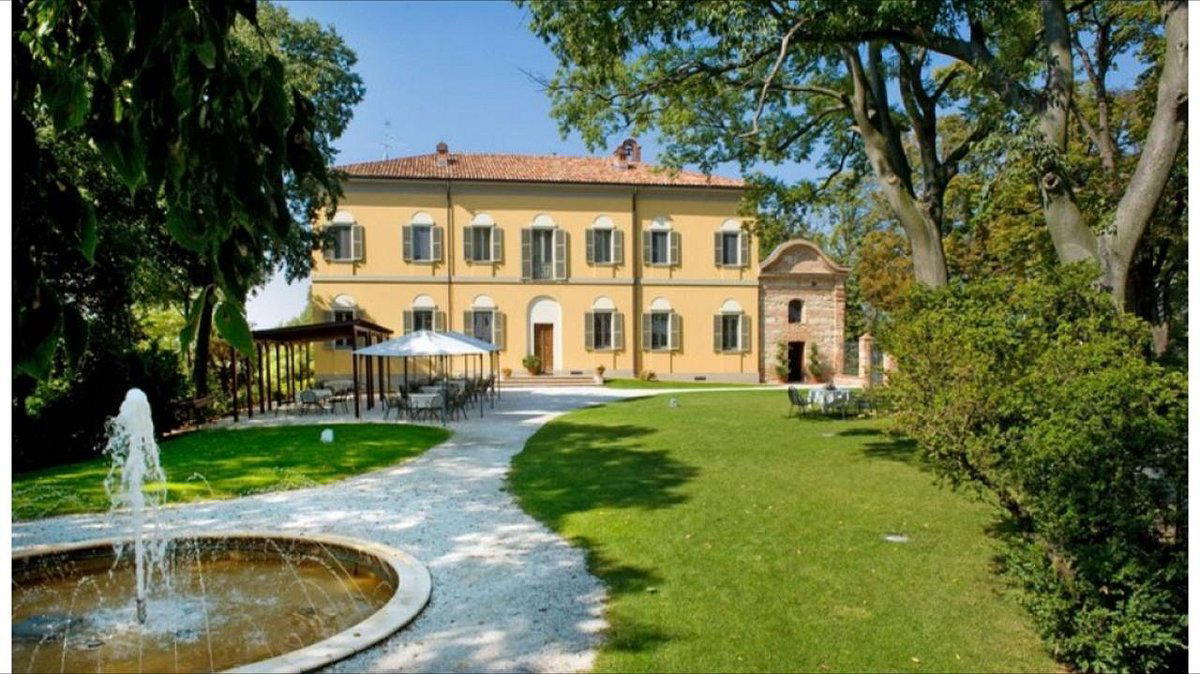
Bricco dei Guazzi
Olivola, Italy
Book Bricco dei Guazzi if you want a quiet Monferrato winery visit with real production substance: Albarossa, historic cellars, a 16th-century villa setting, and a polished rural atmosphere. It is better for couples and wine-focused small groups than for visitors looking for a restaurant-style experience or a fast tasting counter.
Champagne Pierre Mignon
Le Breuil, France
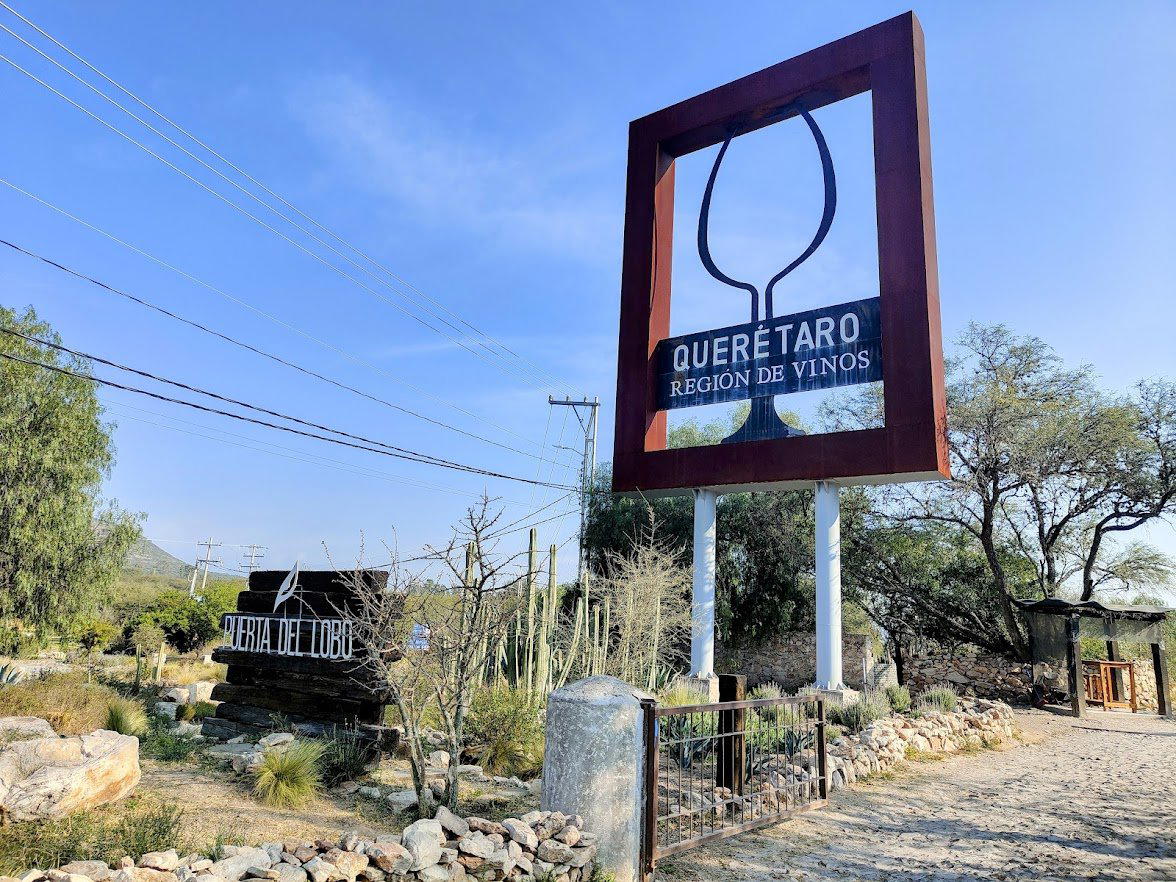
Champagne Pierre Mignon is worth booking for a focused, intimate Champagne tasting with a strong food-pairing angle. The case is strongest for couples or small groups who want guided context across Meunier, Chardonnay, zero-dosage cuvées, and longer-aged releases rather than a broad cellar-tour experience.
Azienda Agricola Guerritore
Baronissi, Italy
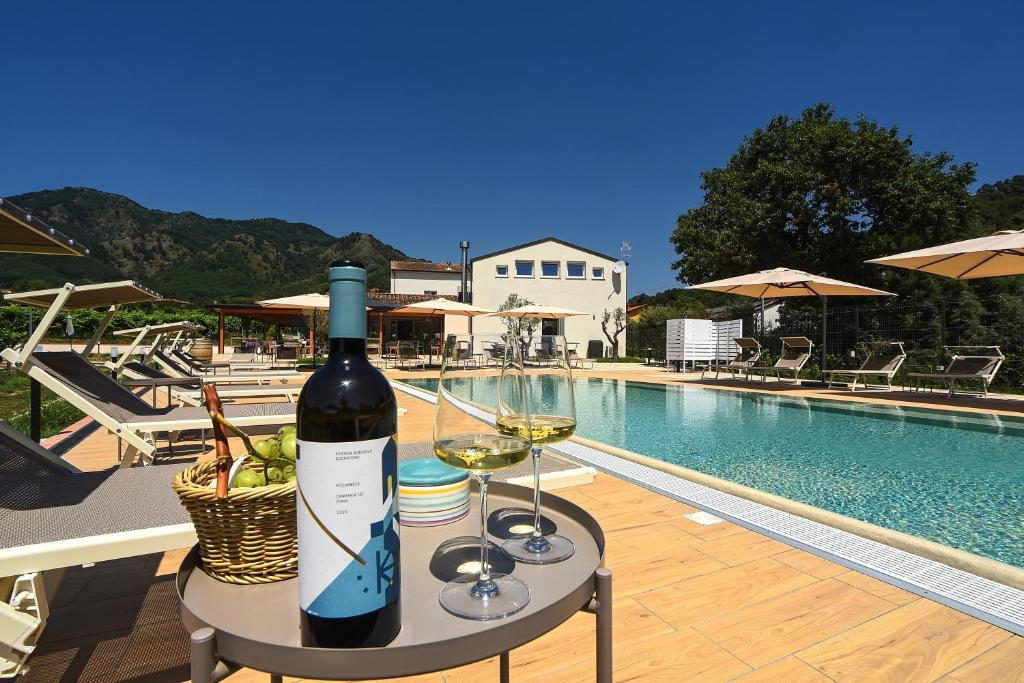
Azienda Agricola Guerritore works if you are already planning a Campania wine day around Baronissi or Salerno. Treat it as a focused winery stop rather than a fully programmed hospitality experience, and use it for regional depth rather than convenience-first planning.
Viña El Principal
Pirque, Chile
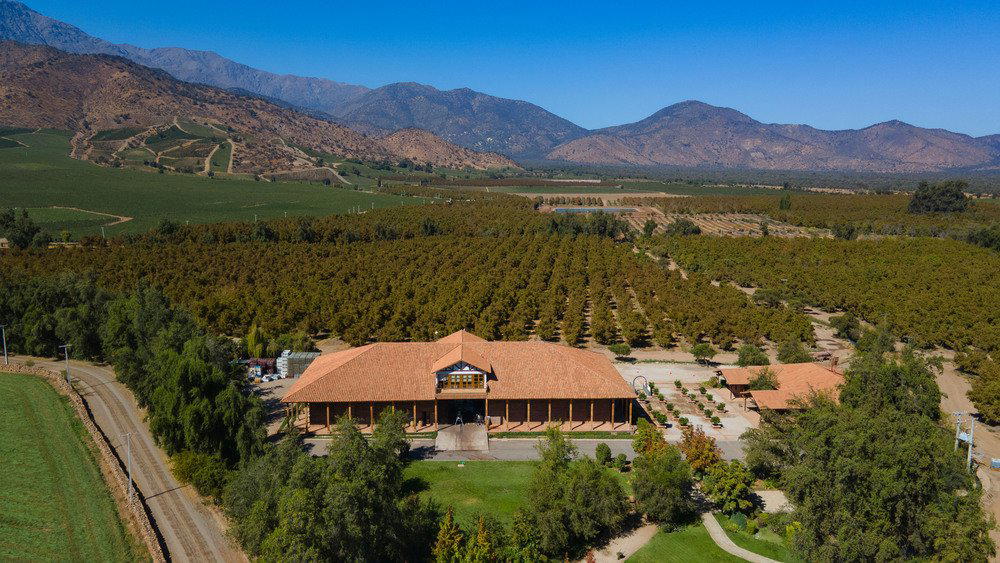
Viña El Principal is the Pirque choice for travelers who want a quieter, more wine-focused Maipo Valley visit rather than a high-throughput tasting stop. The 2025 Pearl 2 Star Prestige signal supports booking it for depth and regional context, but the severe booking-difficulty signal means plans should be built around confirmation, not added casually at the last minute.
Azienda Vitivinicola Ferruccio Deiana
Settimo San Pietro, Italy
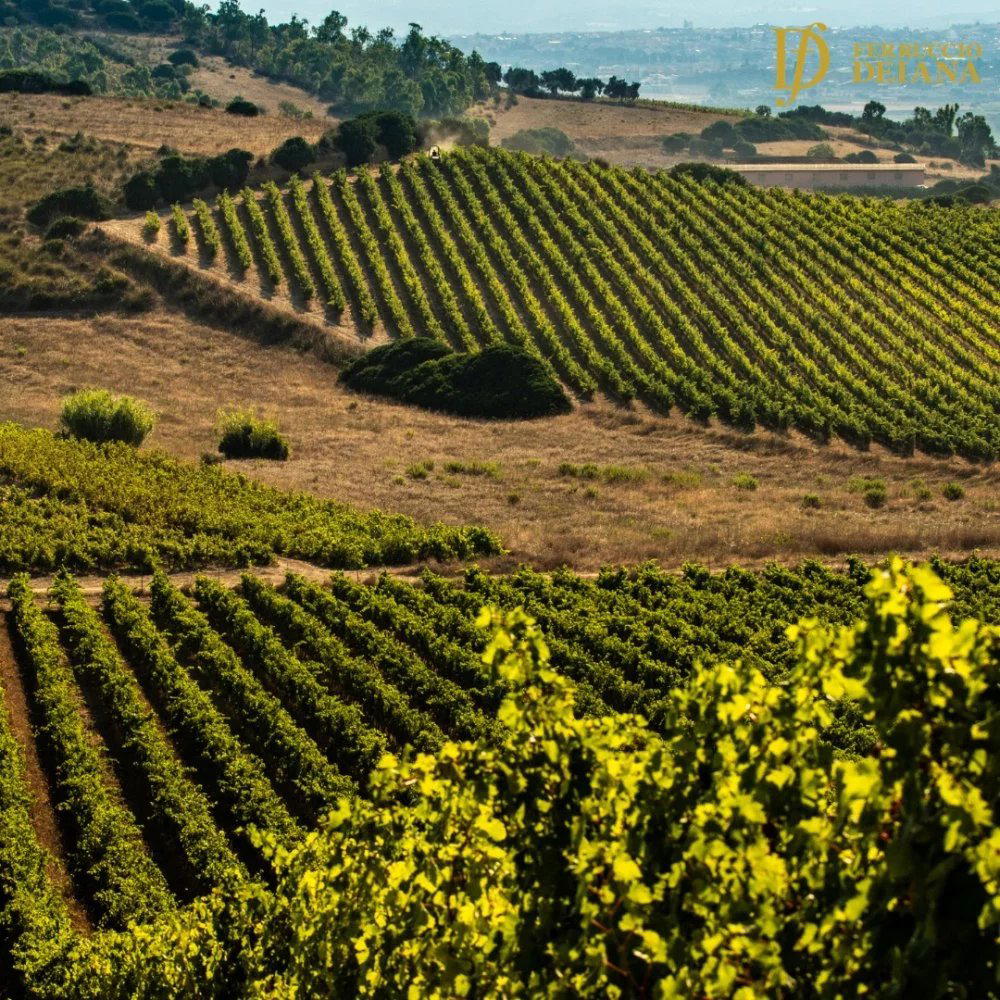
Azienda Vitivinicola Ferruccio Deiana works if Settimo San Pietro is already part of a Sardinian wine itinerary and you are comfortable confirming visit details before going. The 2026 Falstaff listing adds credibility, but the stronger fit is for curious wine travelers seeking regional context rather than a fully pre-packaged tasting experience.
Garmón Continental
Olivares De Duero, Spain
Book Garmón Continental if the priority is serious Ribera del Duero wine context, not a food-pairing afternoon. The draw is a single flagship wine, old-vine small-parcel sourcing, and a modern cellar built around restrained, vineyard-led production; plan meals separately and treat the visit as a focused wine appointment.
Biowein Weingut Erwin Christ
Nordheim, Germany
A quiet Nordheim organic winery suited to visitors who want Franconian wine in a village setting rather than a high-production tasting room. Bioland organic identity, regional grapes, and a 2026 Falstaff listing make it worth arranging for a small celebration or focused wine stop, especially if Silvaner and farming practices matter to the decision.
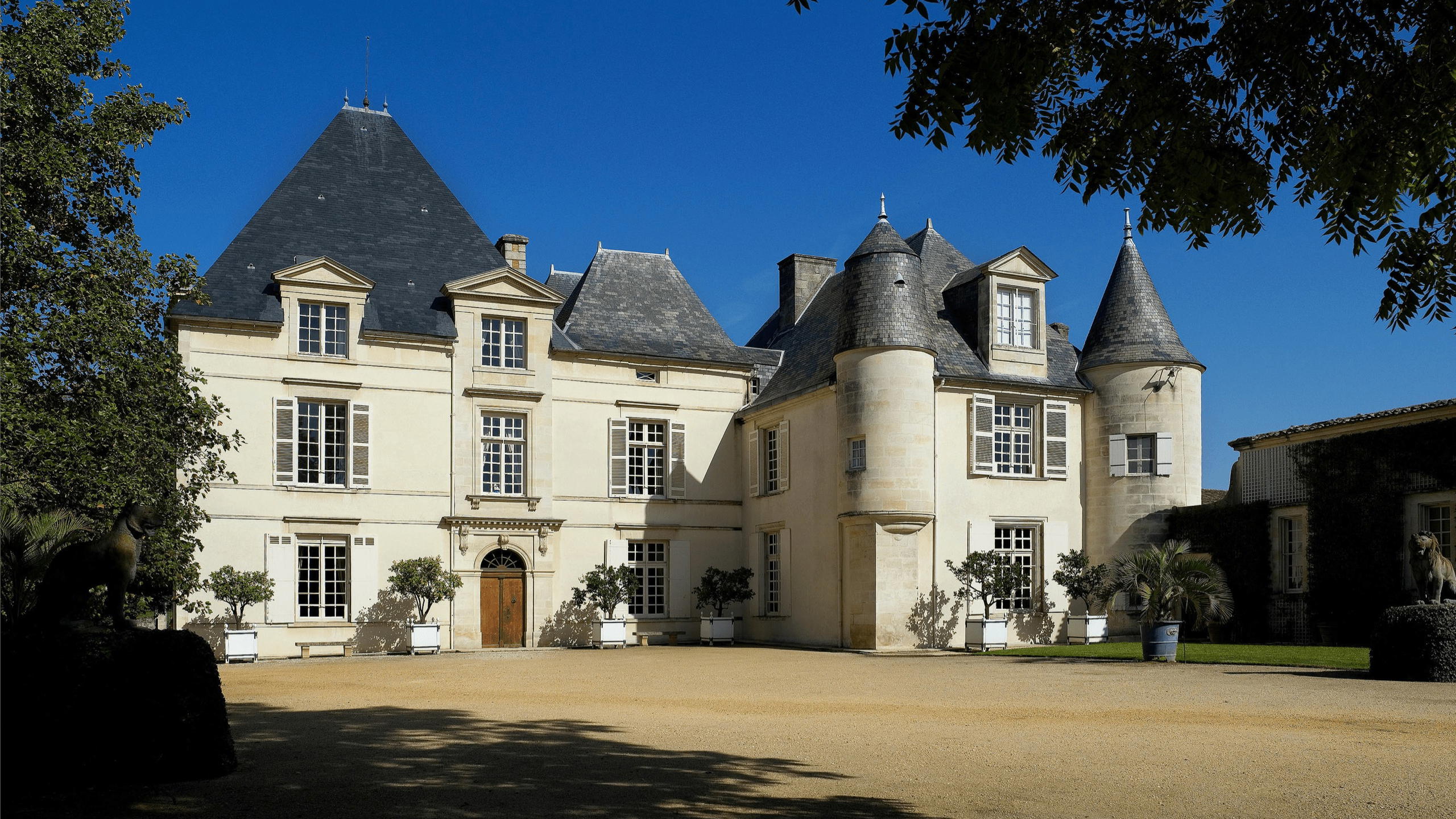
Chateau Haut-Brion
Pessac, France
Château Haut-Brion is a wine estate in Pessac, Bordeaux.
Finca la Capilla
Pedrosa De Duero, Spain
Finca la Capilla is worth booking for a serious, appointment-led Ribera del Duero visit focused on estate fruit, parcel selection, and oak-aged structure. It is a better fit for repeat regional visitors than casual walk-ins, especially if the goal is to understand a modern boutique producer founded in 1998 rather than a broad tourism experience.
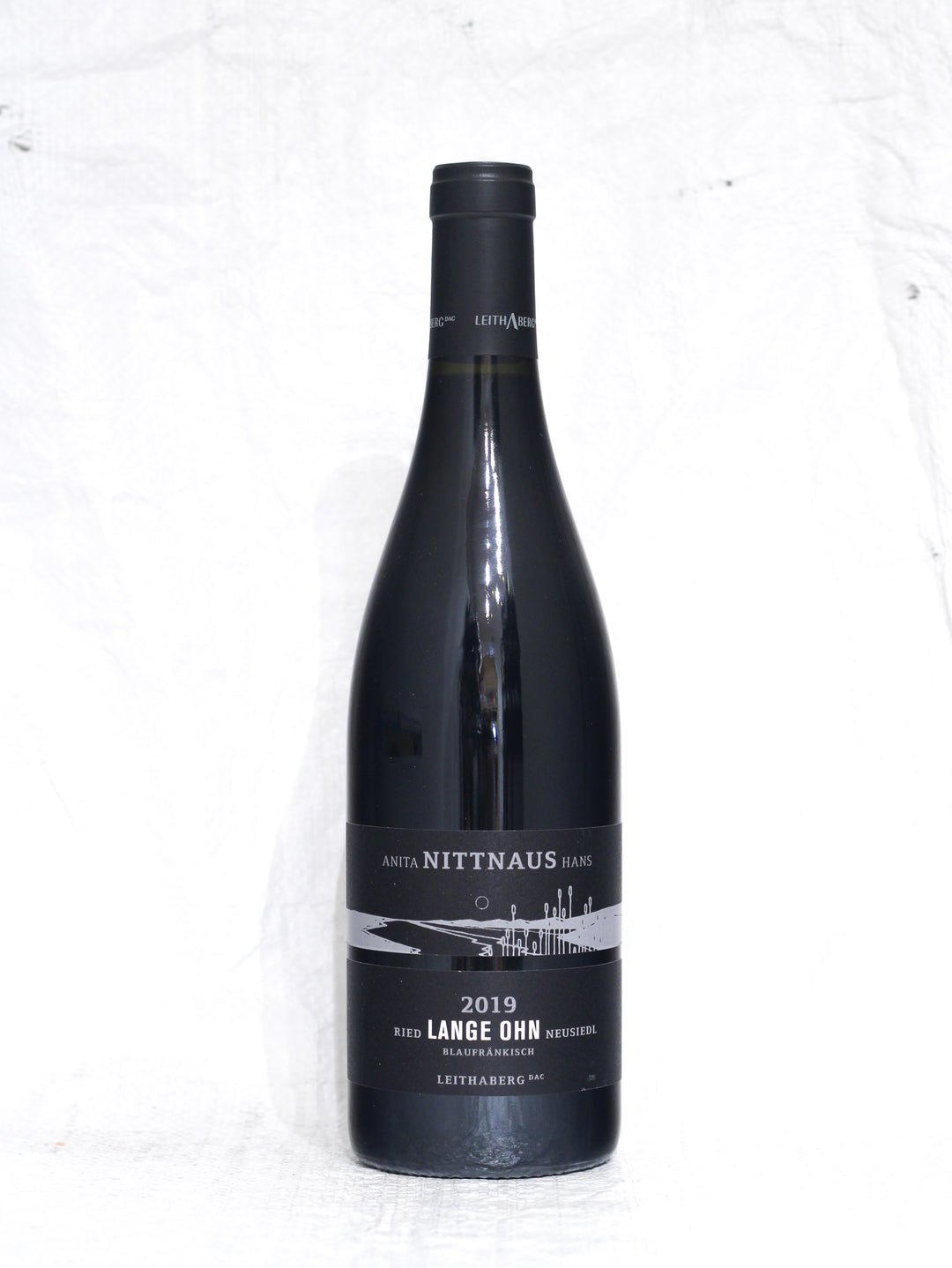
Weingut Anita und Hans Nittnaus
Gols, Austria
A serious Gols winery pick for readers planning a wine-led occasion rather than a casual drop-in. Book it when the estate visit is the anchor of the day; cross-shop nearby Gols peers if the group needs more flexibility around food, large-party logistics, or a broader tasting route.
Delicato Family Vineyards
Napa, United States
Delicato Family Vineyards is a sensible pick for a relaxed Napa tasting when value and flexibility matter more than a formal estate experience. It suits mixed groups, casual celebrations, and visitors who want a broad California portfolio without turning the tasting into the centerpiece of the trip.
Château Les Vieux Ormes
La Reole Cedex, France
Château Les Vieux Ormes works for value-minded Right Bank Bordeaux, especially if Lalande-de-Pomerol and Merlot-led reds are the point of the trip. Expect a classic, quiet wine-estate profile rather than a broad hospitality destination; the Falstaff Listed 2026 recognition and regional competition history add useful credibility at a moderate price tier.
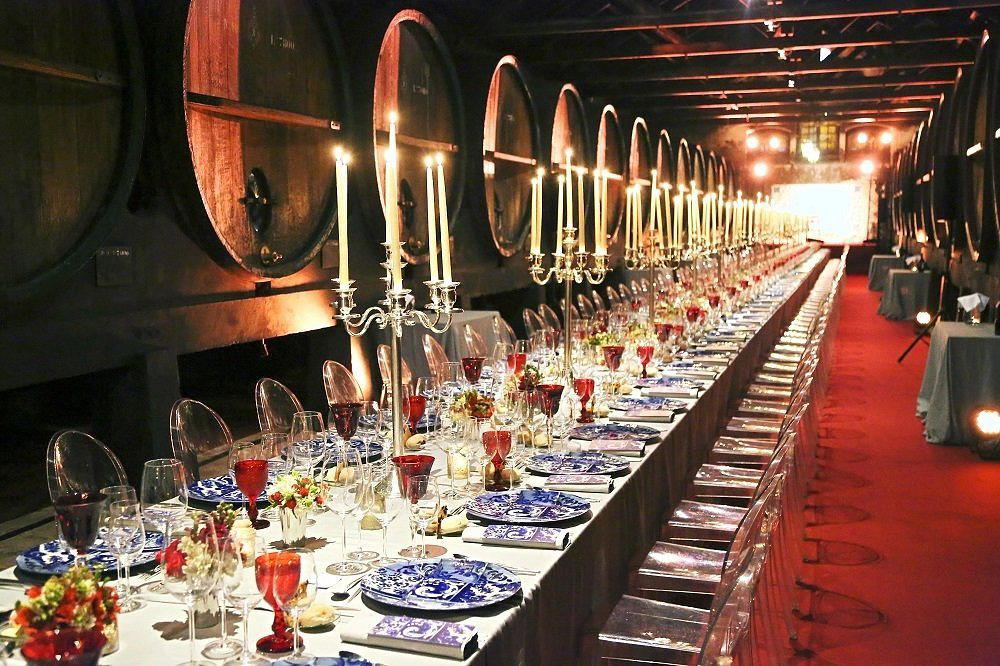
José Maria da Fonseca
Azeitão, Portugal
A strong Azeitão pick for a wine-led celebration or polished day trip, especially if the visit is paired with lunch elsewhere. Choose it for heritage and an in-town setting; cross-shop Bacalhôa Vinhos if the group wants a broader estate-style winery experience in the same area.
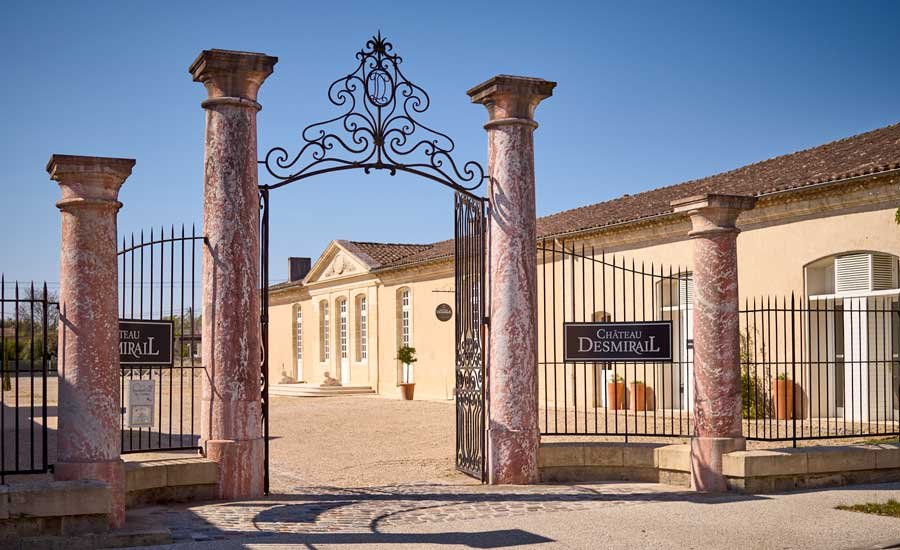
Château Desmirail
Margaux, France
Château Desmirail is worth prioritising for a serious Margaux wine itinerary, especially if the trip is built around comparing producers rather than casual drop-ins. Access is the main filter: plan around a confirmed appointment and keep the day focused, because this is a better fit for wine-depth travellers than groups looking for flexible hospitality.
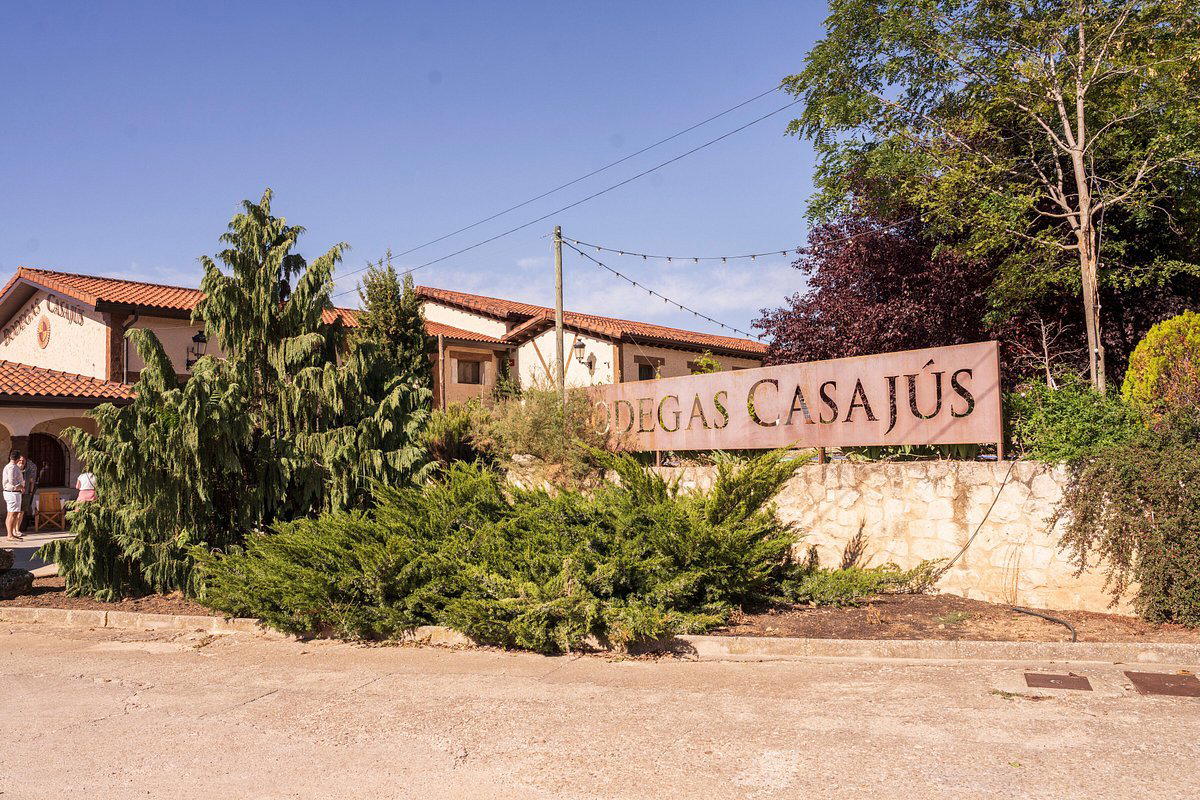
Bodegas Casajús
Burgos, Portugal
Bodegas Calvo Casajús S.L. is worth prioritising for a Burgos wine trip if the goal is a serious Ribera del Duero name with a 2026 Falstaff 3 Stars signal. It is less suitable for visitors who need published hours, clear pricing, food details, or group logistics before committing.
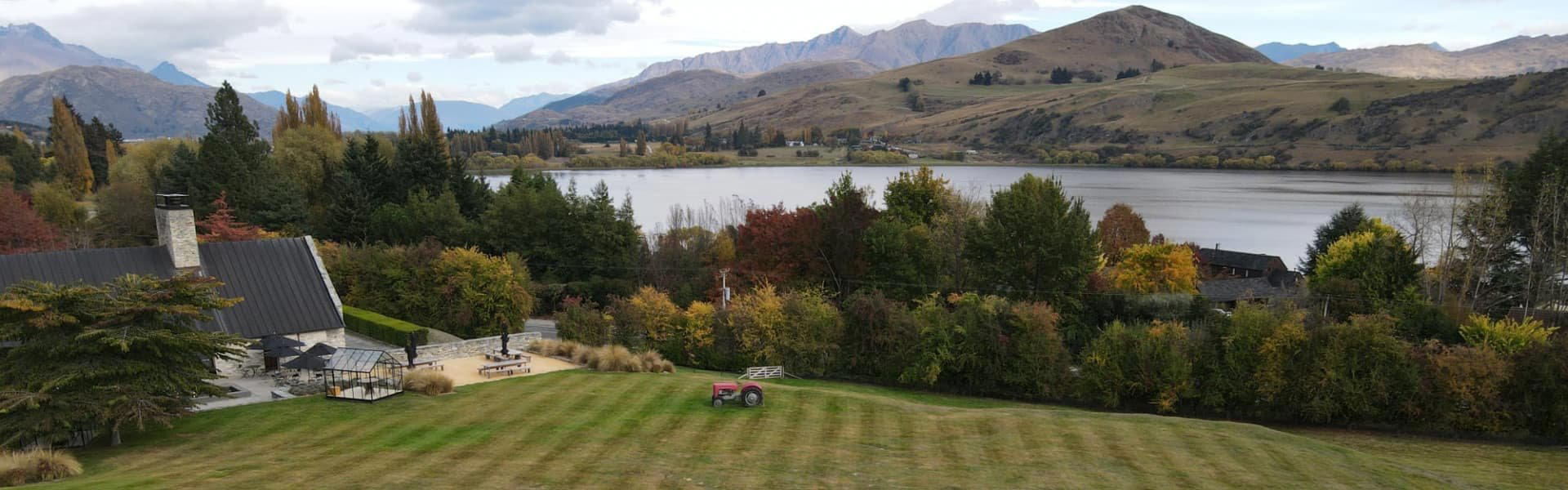
Amisfield Wine
Queenstown, New Zealand
Book Amisfield Wine if the goal is a serious Queenstown wine stop with room for a more structured wine-and-food experience. Falstaff 3 Stars for 2026 gives it a clear credibility signal, but confirm the current visit format before planning the day around it.
Château Fleur Cardinale
Saint Etienne De Lise, France
Château Fleur Cardinale is a strong Saint-Émilion choice for travellers who want a premium tasting with real educational value. Book it for the Grand Cru Classé context, the Merlot-led Right Bank profile, and the modern hospitality format that links wine, design, music and sustainability rather than relying on tradition alone.
Château Pézat
Nouvelle Aquitaine, France
Château Pézat works as a flexible Nouvelle-Aquitaine wine stop, not as a fully confirmed destination tasting. The Falstaff listing gives it a useful trust signal, but first-timers should keep expectations practical: moderate spend, château setting, and limited reason to make it the anchor of the day.
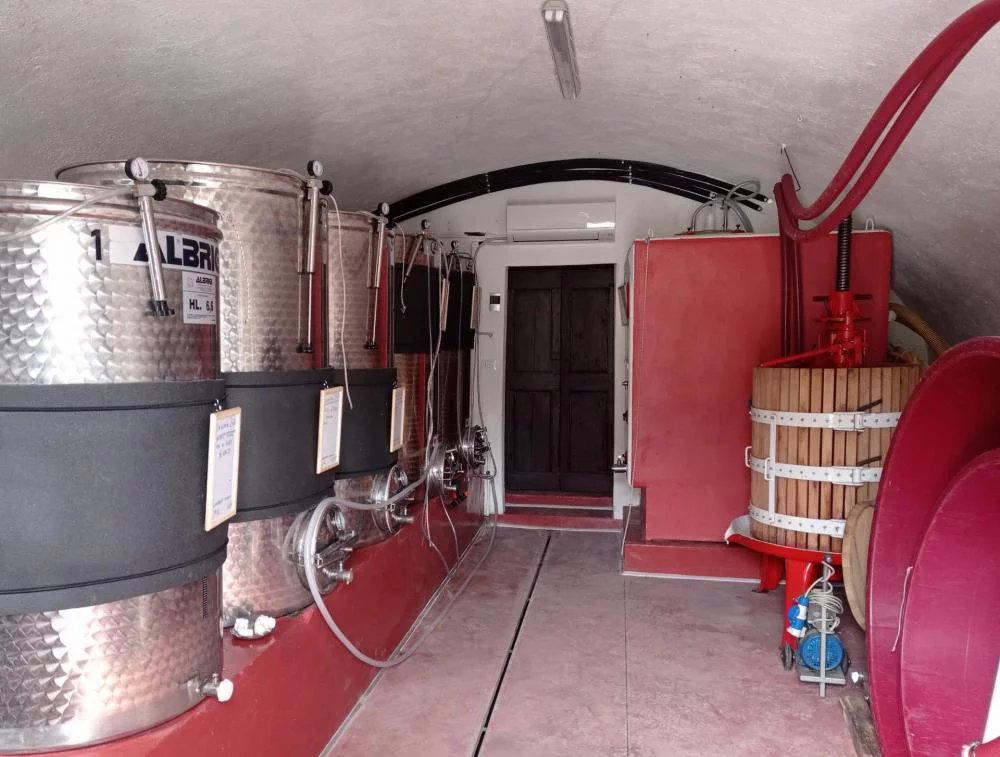
Antico Gelso
Pozzolengo, Italy
Antico Gelso is worth booking for a small, family-run Lugana DOC tasting near Lake Garda, especially if the appeal is a compact cellar and direct vineyard context rather than a large hospitality operation. Go for Turbiana, rustic atmosphere, and a focused portfolio; skip it if the plan needs a full meal or a bigger group setup.
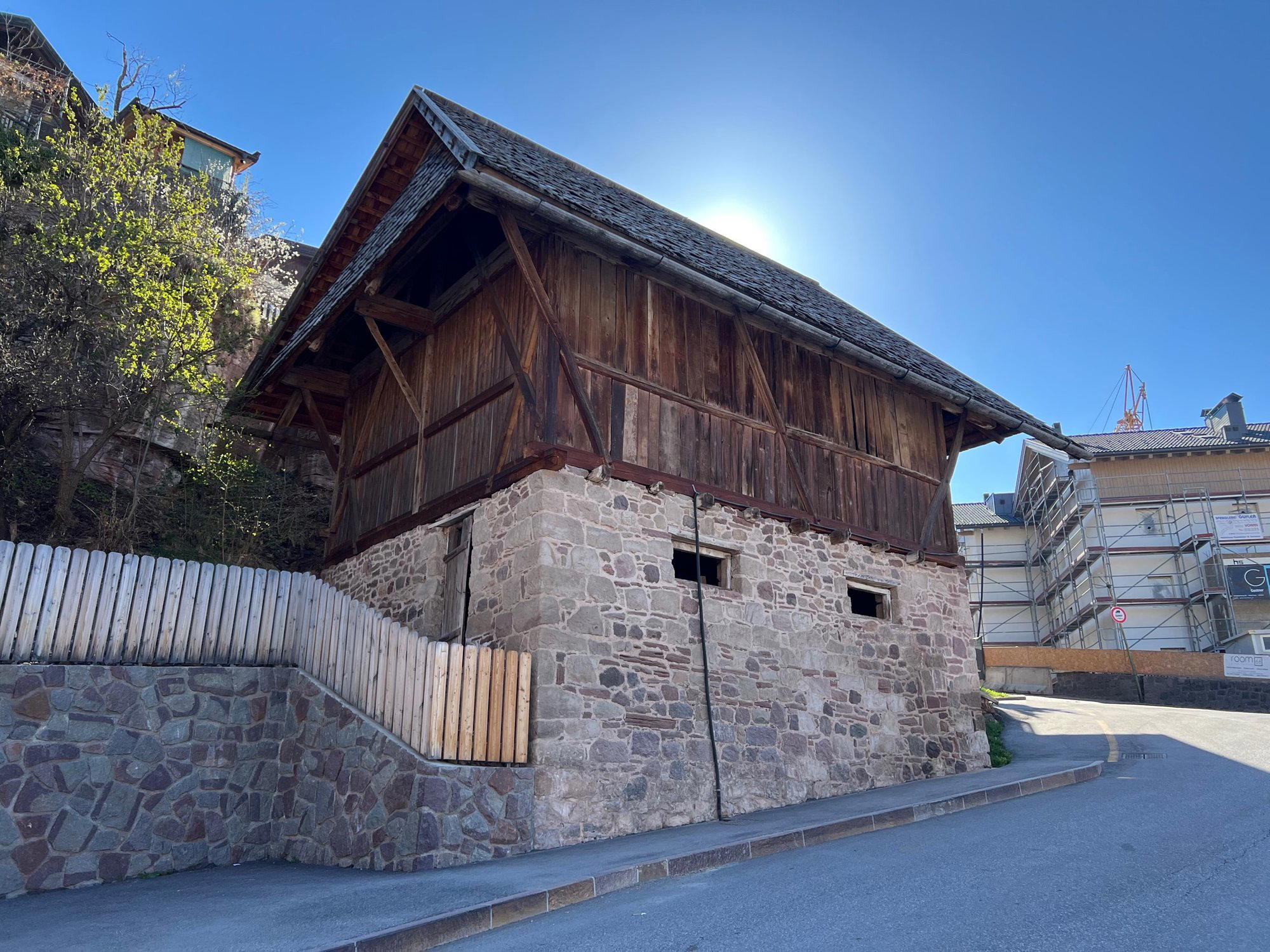
Arunda
Molten, Italy
Book Arunda as a wine-focused Alto Adige stop, not as a substitute for a meal. Its 2026 Falstaff 3 Stars recognition makes it a credible pick for travelers prioritizing estate setting and regional wine context in Molten, especially in daylight when the mountain location adds to the visit.
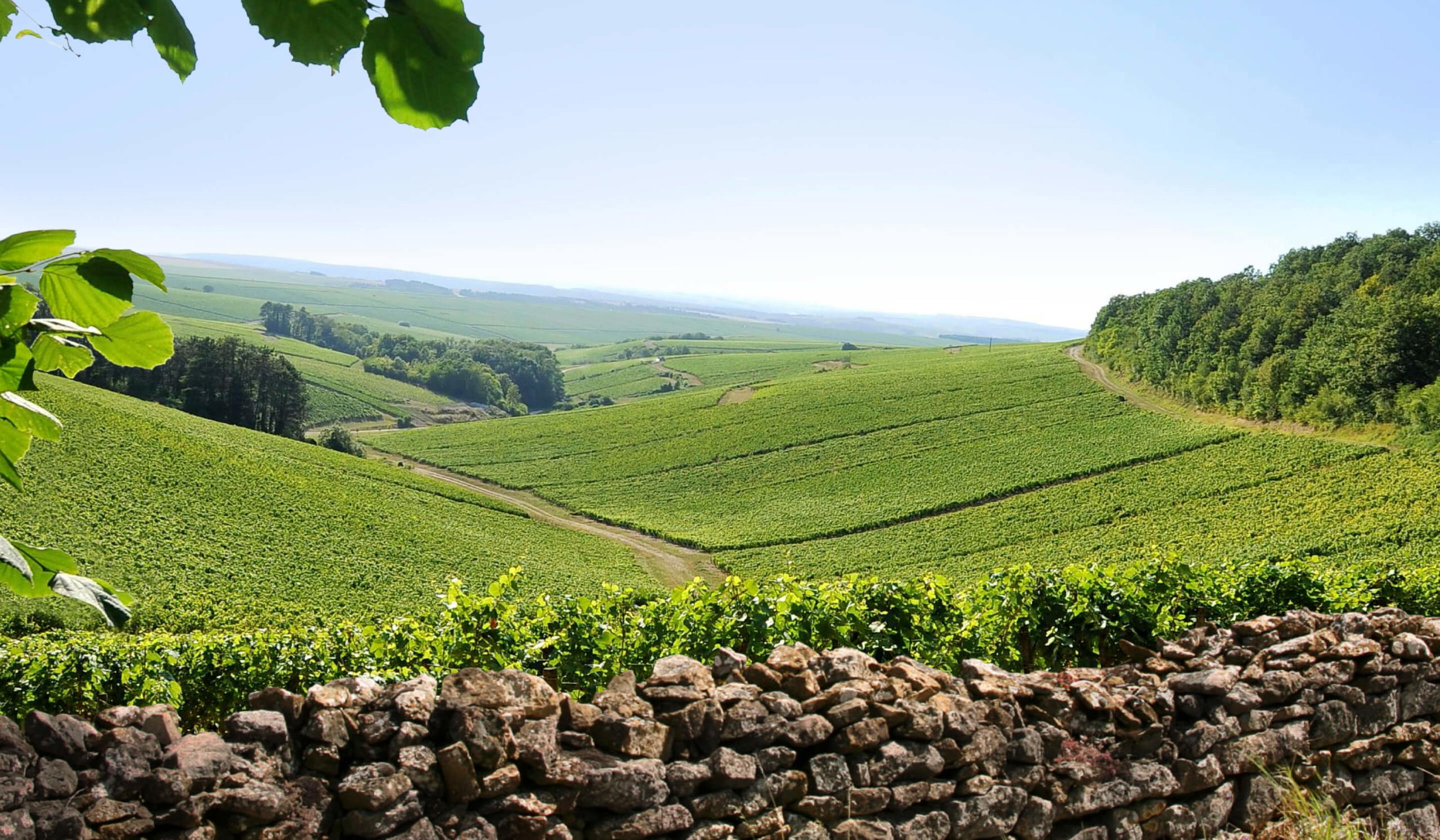
Maison Louis Jadot
Beaune, France
Maison Louis Jadot is a winery on Route de Savigny in Beaune.
Château Magondeau
Saillans, France
Château Magondeau is a quiet Fronsac estate that makes the most sense for wine travelers interested in Merlot and small-property context. The value is in the focused 100% Merlot vineyard, on-site production model, and riverbank setting, not in a highly formal tasting format. Book it as a slower Saillans stop rather than a polished château-tour substitute.
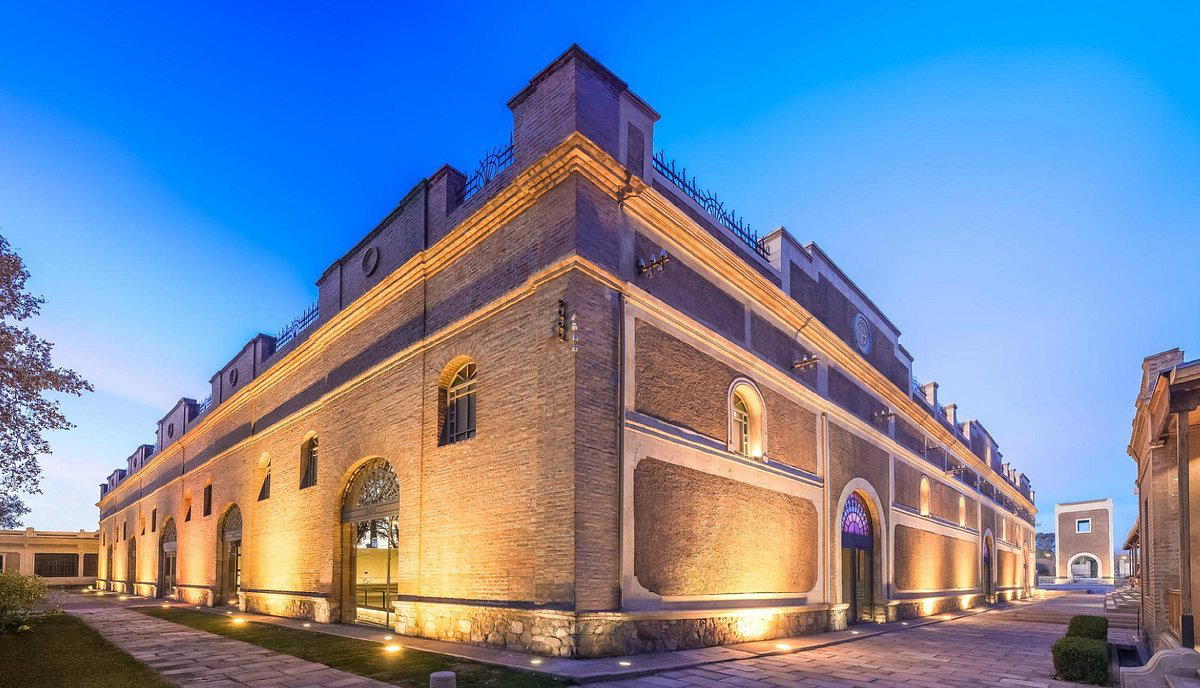
Bodega Los Toneles
Guaymallen, Argentina
Book Bodega Los Toneles if you want a Mendoza wine stop without committing the day to a rural winery route. The draw is the combination of a 1922 Cultural Heritage property, guided tastings through cellar spaces, Familia Millán wine lines, and Michelin-recommended on-site dining. It is better for heritage, hospitality, and convenience than for deep vineyard or technical farming detail.
How many of these have you visited?
Find out on Pearl and keep score across every place in 2026 Falstaff Winery Guide.