
Château Desmirail
Margaux
Winery in Margaux, France
 Book with Pearl
The Read
Gravel-Driven Margaux Precision
Why go
Château Desmirail is worth prioritising for a serious Margaux wine itinerary, especially if the trip is built around comparing producers rather than casual drop-ins. Access is the main filter: plan around a confirmed appointment and keep the day focused, because this is a better fit for wine-depth travellers than groups looking for flexible hospitality.
About Château Desmirail
Château Desmirail is a Margaux venue with Pearl 3 Star Prestige recognition for 2025. Details are limited, so plan around known facts rather than assuming a particular visit format, menu, tasting structure, price point, or service. The dress code is smart casual, which makes it a polished but not overly formal choice for a Margaux itinerary.
Château Desmirail can be considered by travellers focusing on Margaux, but details such as hours, reservation process, food service, group capacity, and visitor format should be checked directly with the venue before making plans.
Better for a planned Margaux day than an assumed walk-in
The practical appeal is strongest for visitors already spending time in Margaux and comparing options with some intention. A stop here can make sense as part of a Margaux-focused itinerary, especially alongside broader planning resources like Our full Margaux wineries guide, Our full Margaux restaurants guide, and Our full Margaux hotels guide. Access details are not always available, so avoid building the day on assumptions about availability or service format.
For travellers who want to compare options, Château Desmirail may be considered alongside names such as Château Boyd-Cantenac, Château Kirwan, Château Pouget, Château Prieuré-Lichine, and Château d'Issan. The most reliable approach is to confirm current arrangements directly before deciding how Château Desmirail fits into the day.
Who should prioritise it, and who should look elsewhere
Prioritise Château Desmirail if the Pearl 3 Star Prestige recognition and Margaux setting are enough reason to investigate further. It is less suitable as a fully planned stop until you have confirmed the details that matter to your group, such as timing, access, and any available visitor services. For broader local planning, use Our full Margaux bars guide and Our full Margaux experiences guide to build the rest of the day around available information.
The verdict: Château Desmirail is a notable Margaux option with Pearl 3 Star Prestige recognition in 2025 and a smart casual dress code. It is advisable to verify other experience details directly.
Planning details
- Location
- 28 Av. de la 5ème République, 33460 Margaux-Cantenac
- Website
- desmirail.com
- Phone
- +33 5 57 88 34 33
The take
The Take
The Vibe
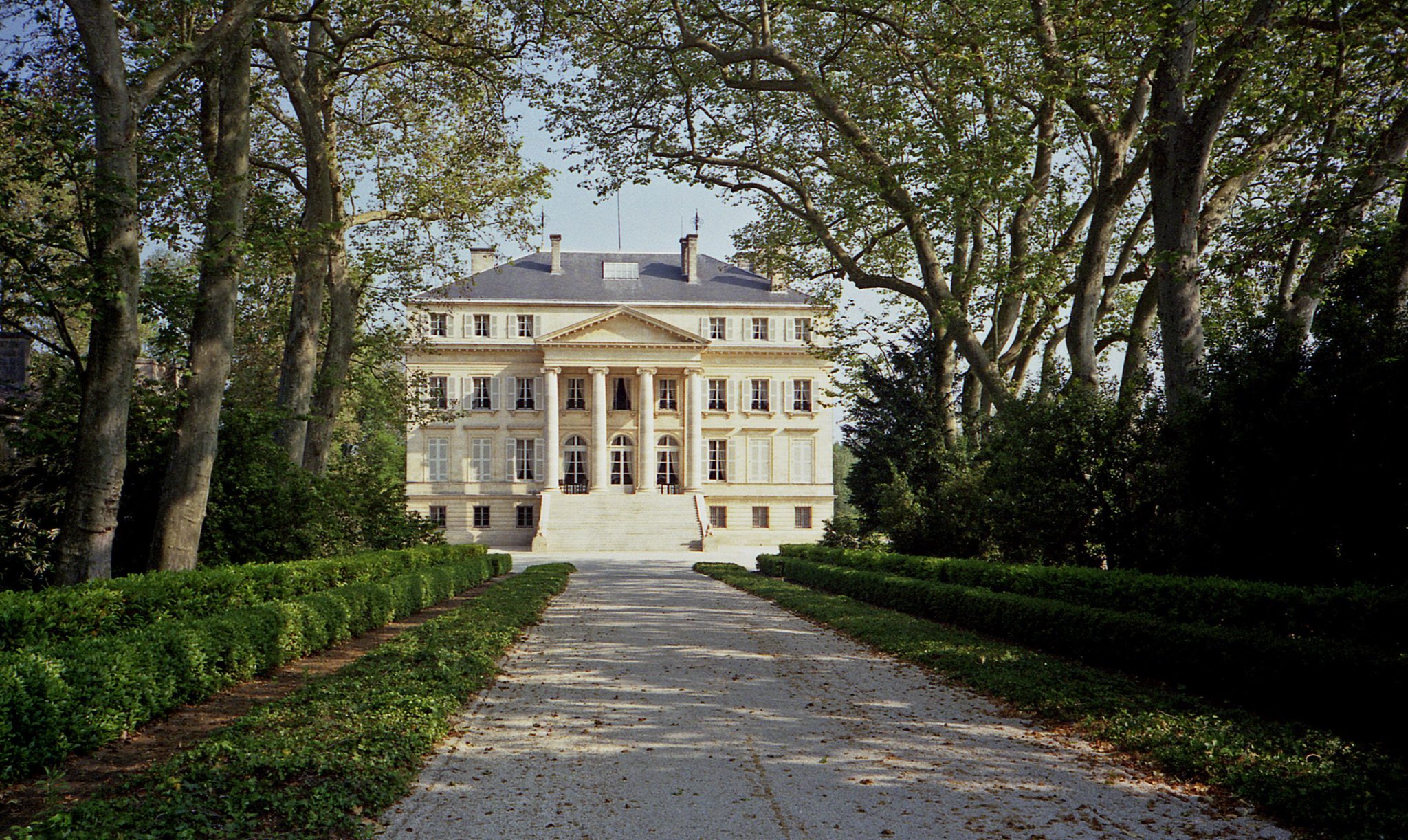
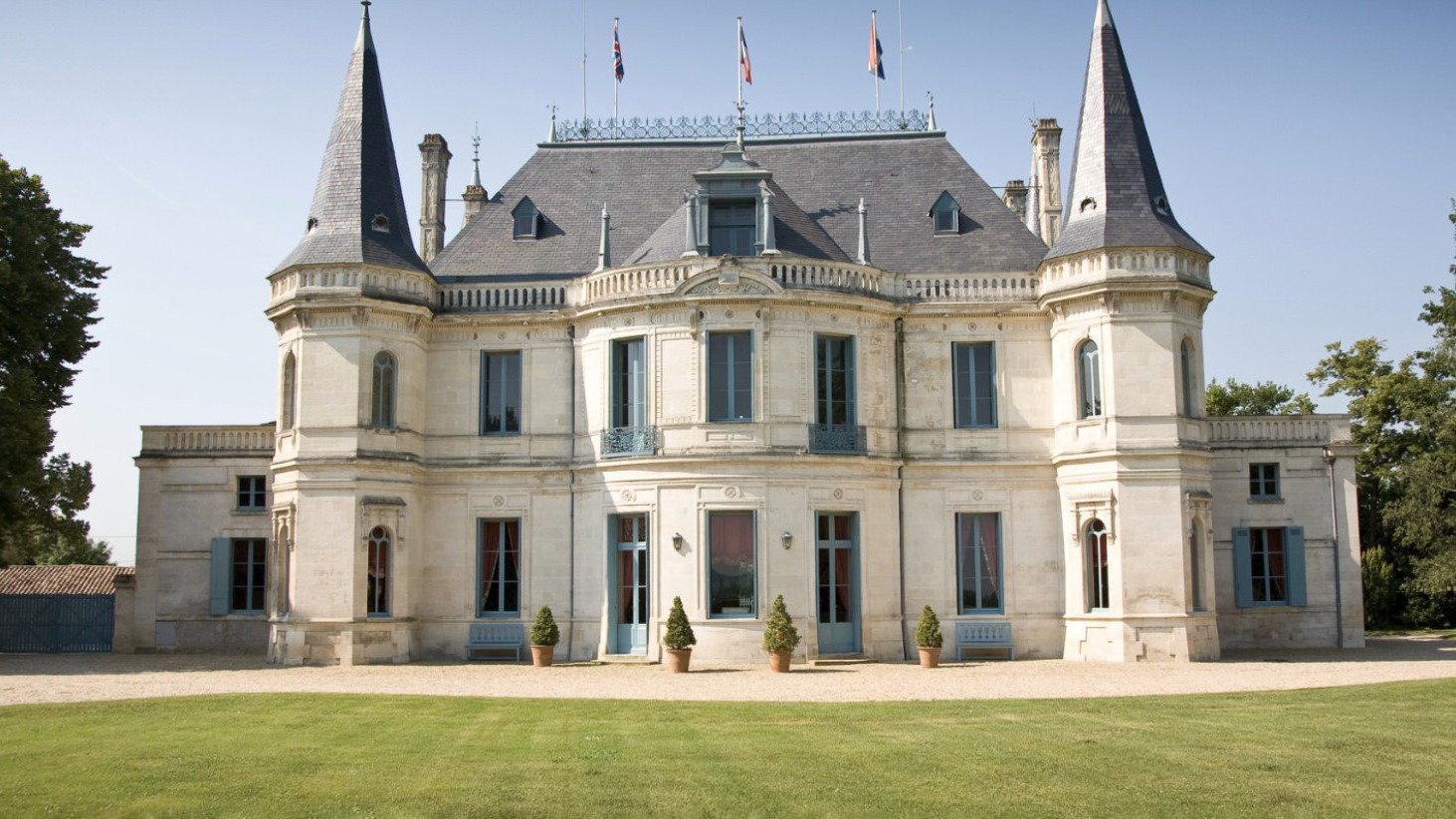
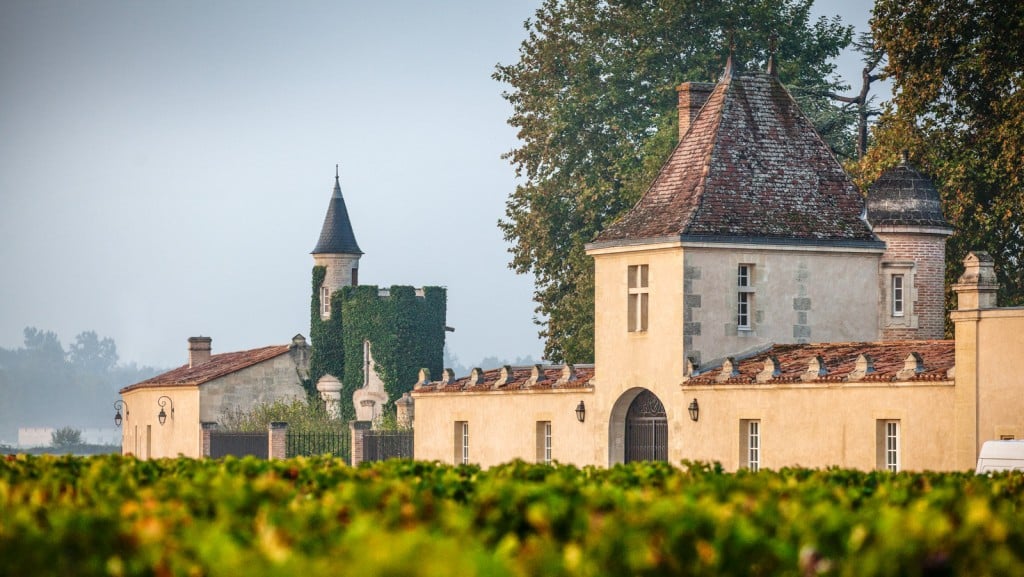
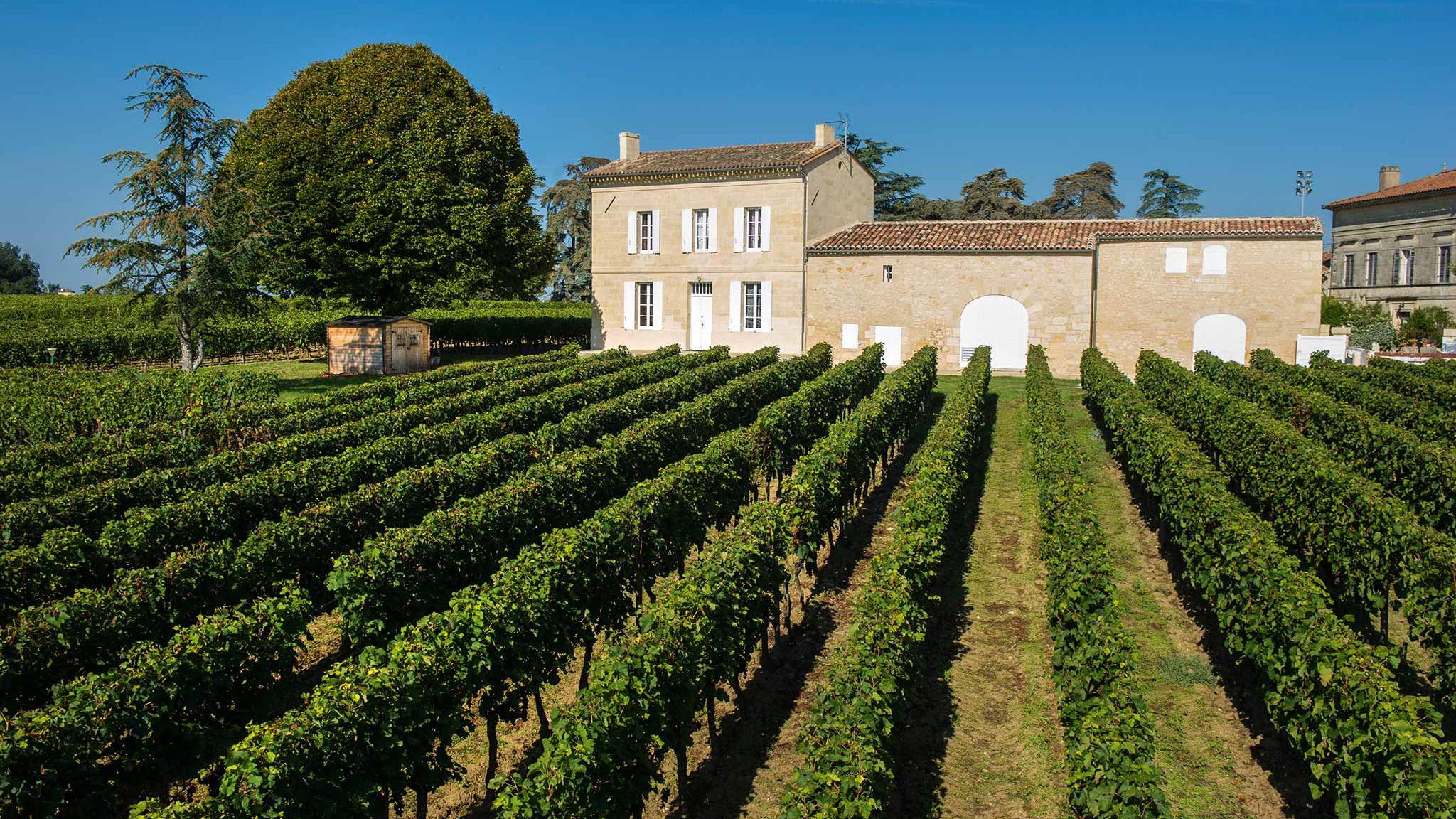
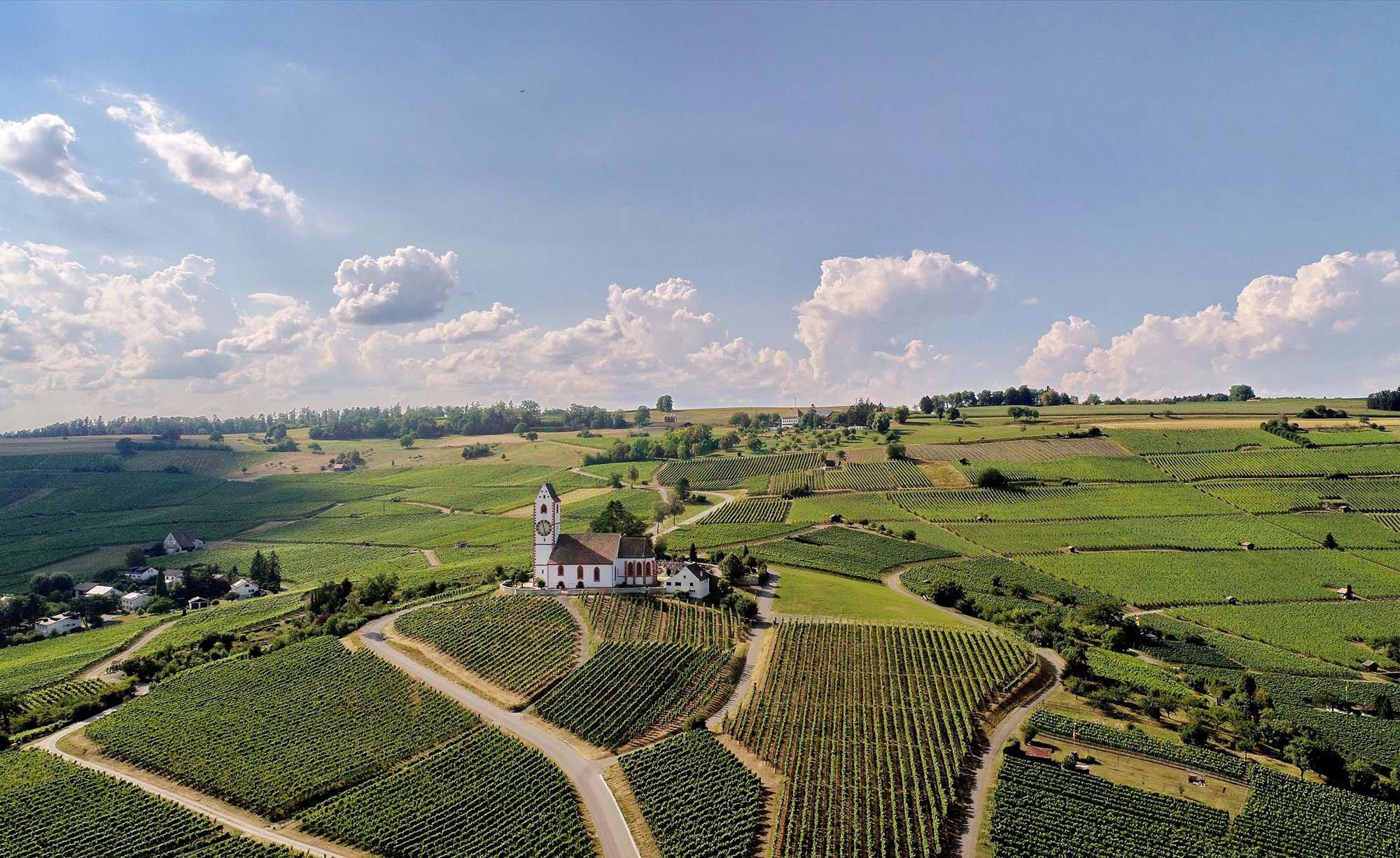
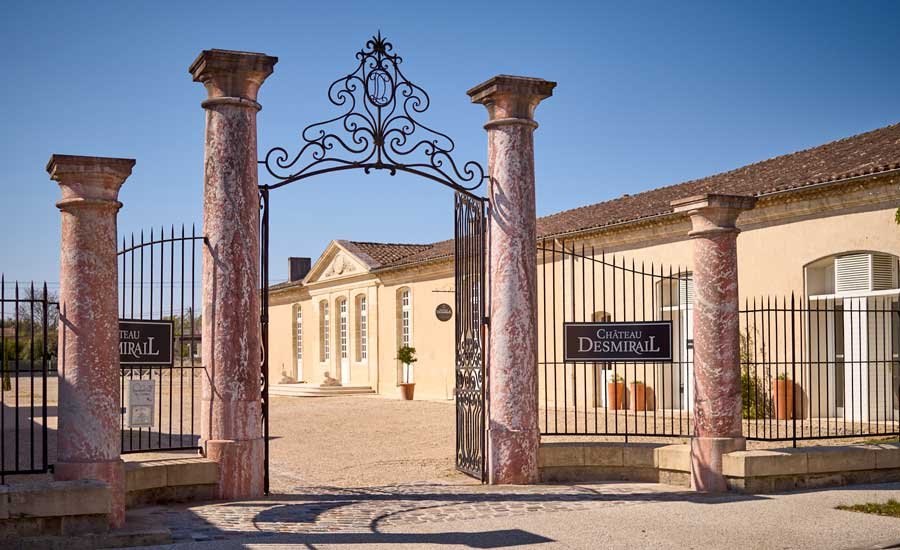
Château Desmirail reads like a quietly authoritative Margaux estate: restrained architecture, neat vineyard rows and a gravel terrace above the Gironde estuary shape an understated, historic atmosphere. The text emphasizes mineral coolness on still mornings and the region’s tendency toward aromatic finesse and silkier tannins, so the property feels calm and refined rather than ostentatious. Its placement as an 1855 third-growth reinforces a sense of lineage and tradition. Visitors can expect a composed, contemplative property where terroir and classification matter more than flash—an elegant, historically grounded stop in the Margaux landscape.
Best For
This estate is best approached as a study in Margaux terroir and a place for considered visits. The copy frames Château Desmirail as part of the appellation’s closely watched third-growth tier, making it especially suitable for wine education—comparative tastings, discussions of vine age and cellar practices—and for special-occasion visits where provenance and subtlety matter. Its credible standing and EP Club recognition suggest an experience aimed at people who appreciate classification context and nuanced wines rather than loud spectacle. It suits focused tasting itineraries and ceremonial stops on a Médoc route.
Tasting Tips
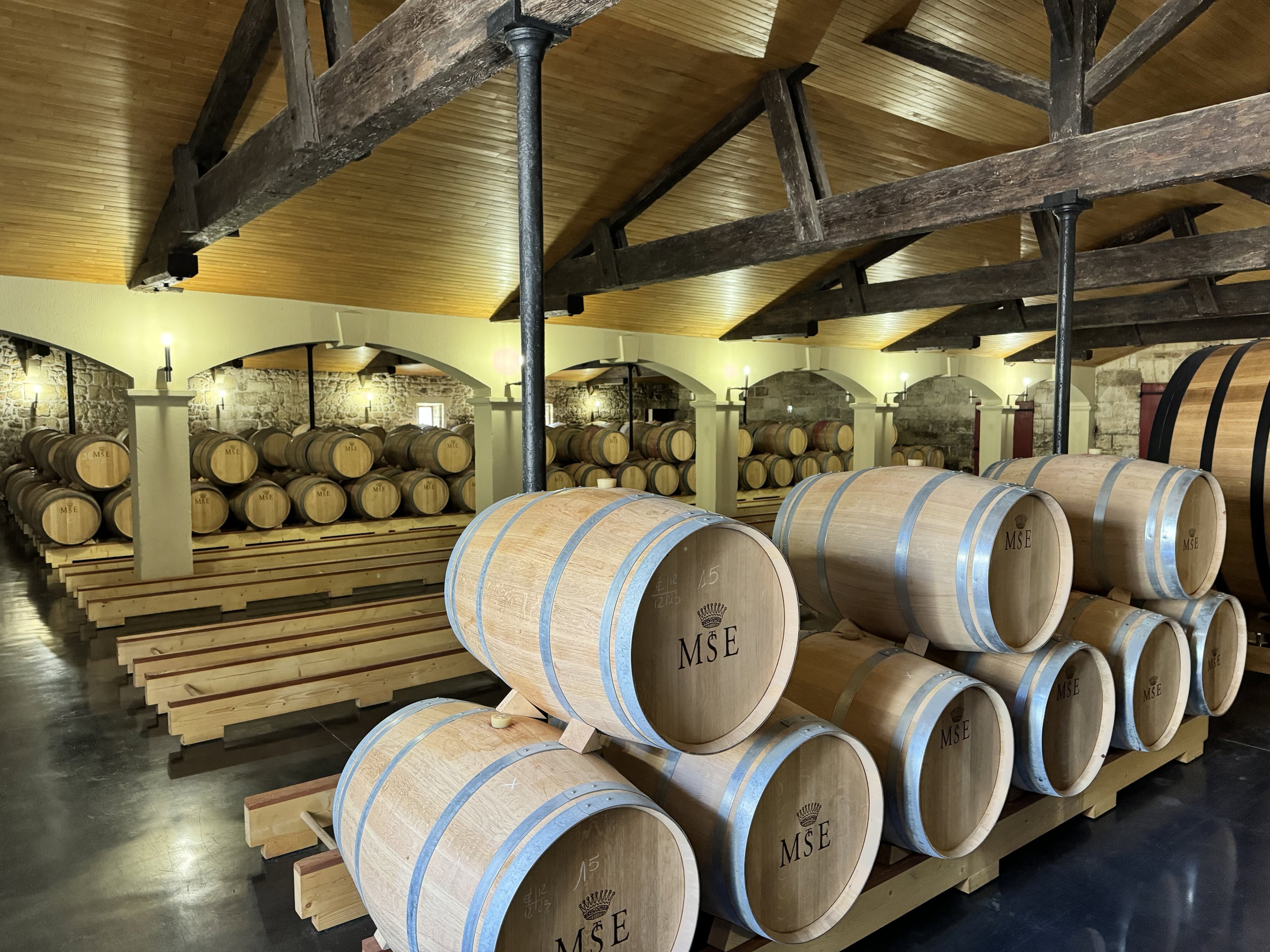
When engaging with Château Desmirail, steer conversation toward terroir, vine age and cellar work—those are the factors the description highlights. Ask to taste recent releases alongside older vintages to gauge how the estate’s mineral gravel soils and the estuary’s moderating influence shape aromatic finesse and tannic silkiness across years. Inquire about vine age and specific cellar practices mentioned in the copy, since consistency through difficult vintages is a noted benchmark for the property. Use comparisons to neighboring appellations (for example Pauillac’s heavier structure) to frame your tasting notes and impressions.
Venue details
Ambiance
Classic and elegant with a historic, refined atmosphere evoking timeless Bordeaux grandeur.
Tags
Vibe
Best For
Experience
Sourcing
View
At the Vineyard
- Appellation
- Margaux AOC
- Varietals
- Cabernet Sauvignon, Merlot, Petit Verdot, Cabernet Franc
- Visits
- By appointment only
- Farming
- Sustainable
- Production
- Small producer
- Wine Styles
- Still Red
- Wine Club
- Not available
Know before you go
Know Before You Go
- Getting there
- 28 Av. de la 5ème République, 33460 Margaux-Cantenac
Planning details
Location
Recognition and awards

Also consider
Also Consider
- Château d'Issan, Notable alternative
- Château Prieuré-Lichine, Notable alternative
- Château Kirwan, Notable alternative
- Château Pouget, Notable alternative
- Château Boyd-Cantenac, Notable alternative
Winery context
How Château Desmirail compares in Margaux
Against Château d'Issan, Château Desmirail is the more selective play for travellers who want a focused Margaux stop and are willing to work around difficult access. Choose d'Issan if the priority is a more broadly recognised name in the commune; choose Desmirail if the itinerary is about producer comparison and a tighter, more deliberate visit.
Château Prieuré-Lichine and Château Kirwan are stronger cross-shops for visitors weighing hospitality comfort and ease. If the group includes casual wine drinkers, those peers may be safer picks. Desmirail makes more sense for guests who care less about a polished visitor format and more about adding another serious Margaux reference point to the day.
For a lower-friction backup, look at Château Pouget or Château Boyd-Cantenac. They are useful alternatives when Desmirail cannot be secured, especially for travellers who would rather keep the Margaux schedule moving than spend the day chasing one hard booking. Desmirail is the higher-commitment choice; the others are better contingency options.
Explore Margaux
Around this place
Discover more on Pearl
Unlock the full Château Desmirail guide in Pearl, including awards, comparisons, FAQs, planning details, and nearby places.
Compare Château Desmirail
| Venue | Location | Awards |
|---|---|---|
| Château Desmirail | Margaux | 2026 Falstaff Winery Guide |
| Château d’Issan | Cantenac | 2026 Falstaff Winery Guide |
| Château Prieuré-Lichine | Cantenac | 2026 Falstaff Winery Guide |
| Château Kirwan | Cantenac | 2026 Falstaff Winery Guide |
| Château Pouget | Cantenac | 2026 Falstaff Winery Guide |
| Château Boyd-Cantenac | Cantenac | 2026 Falstaff Winery Guide |
How Château Desmirail Margaux compares with similar nearby venues.
FAQ
Frequently Asked Questions
How long should I plan for a visit to Château Desmirail?
Confirm specific visit length directly with Château Desmirail in Margaux, especially if you are pairing it with options such as Château d'Issan or Château Kirwan.
Can Château Desmirail handle large groups?
For group capacity, contact Château Desmirail directly. If you are planning for a larger party, compare logistics with other options such as Château Prieuré-Lichine or Château Boyd-Cantenac.
Do I need a reservation at Château Desmirail?
When is the best time to visit Château Desmirail?
Specific best-time guidance is not provided. Château Desmirail is in Margaux and has Pearl 3 Star Prestige recognition for 2025, so confirm current access, timing, and visit details directly before making plans.