
José Maria da Fonseca
Azeitão
Winery in Azeitão, Portugal
 Book with Pearl
The Read
Peninsula Cellar Tradition
Price
$20–30tasting
Why go
A strong Azeitão pick for a wine-led celebration or polished day trip, especially if the visit is paired with lunch elsewhere. Choose it for heritage and an in-town setting; cross-shop Bacalhôa Vinhos if the group wants a broader estate-style winery experience in the same area.
About José Maria da Fonseca
José Maria da Fonseca in Azeitão is recognized with Pearl 3 Star Prestige (2025). The guidance for planning is deliberately limited: treat the location as Azeitão, and use a smart casual dress code for the visit.
Pearl does not have details here for menus, cuisine, prices, hours, formats, group capacity, reservations, or other services, so avoid building a tight itinerary around unconfirmed specifics. Confirm any practical requirements directly before you go.
Choose it for a smart casual Azeitão stop
The clearest confirmed planning point is the dress code: smart casual. That makes José Maria da Fonseca suitable to include in a polished Azeitão itinerary when you want the day to feel considered without relying on unsupported claims about food, service format, or visit length.
If you are comparing options, keep the decision practical.
Where it sits among Portugal itinerary options
For broader Portugal planning, compare José Maria da Fonseca with Adega Cartuxa (Fundação Eugénio de Almeida), Adega Regional de Colares, Herdade do Mouchão, Luis Pato, and Bacalhôa Vinhos. Use those comparisons as itinerary references rather than as claims that the venues offer the same experience.
The verdict: consider José Maria da Fonseca for a smart casual Azeitão visit with Pearl 3 Star Prestige (2025), but confirm practical details directly before making it the centrepiece of the day.
Planning details
- Location
- R. José Augusto Coelho 12a, 2925-538 Azeitão
- Website
- jmf.pt
- Phone
- +351 21 219 8940
The take
The Take
The Vibe
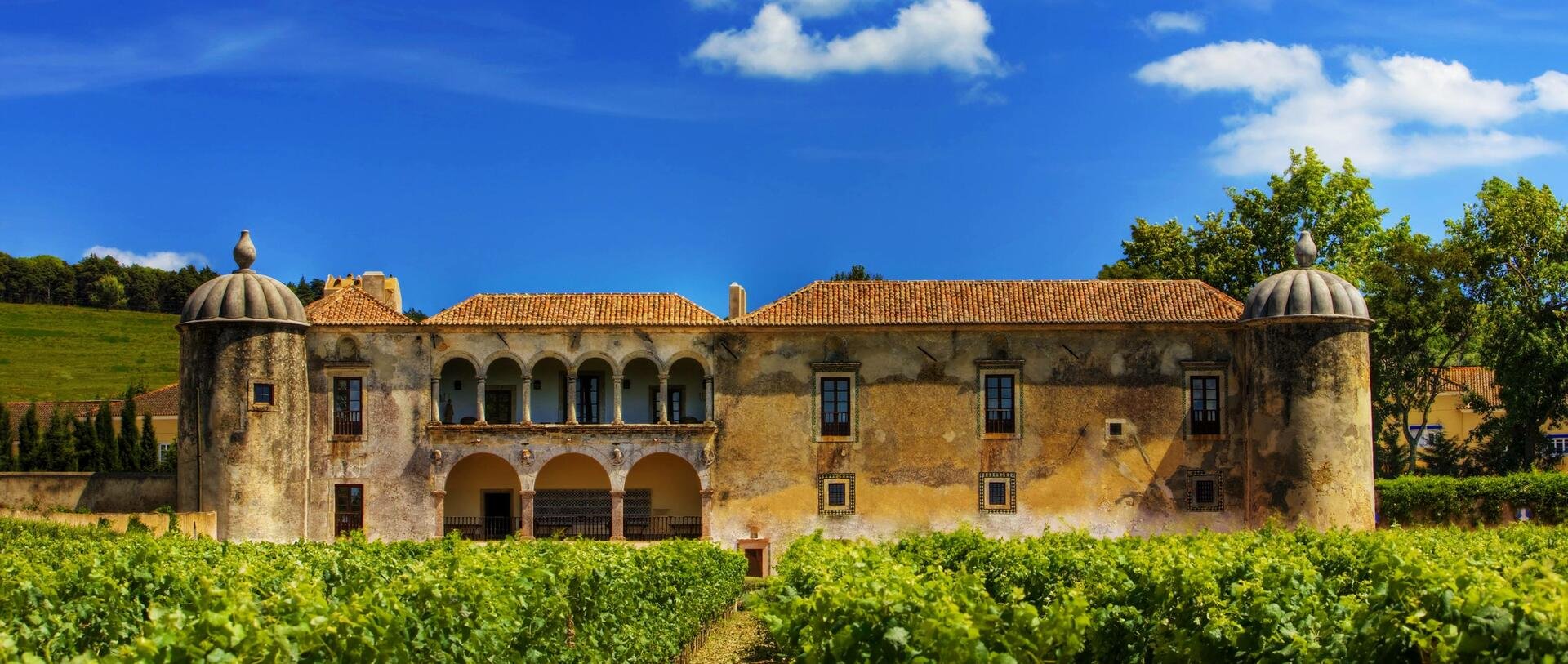
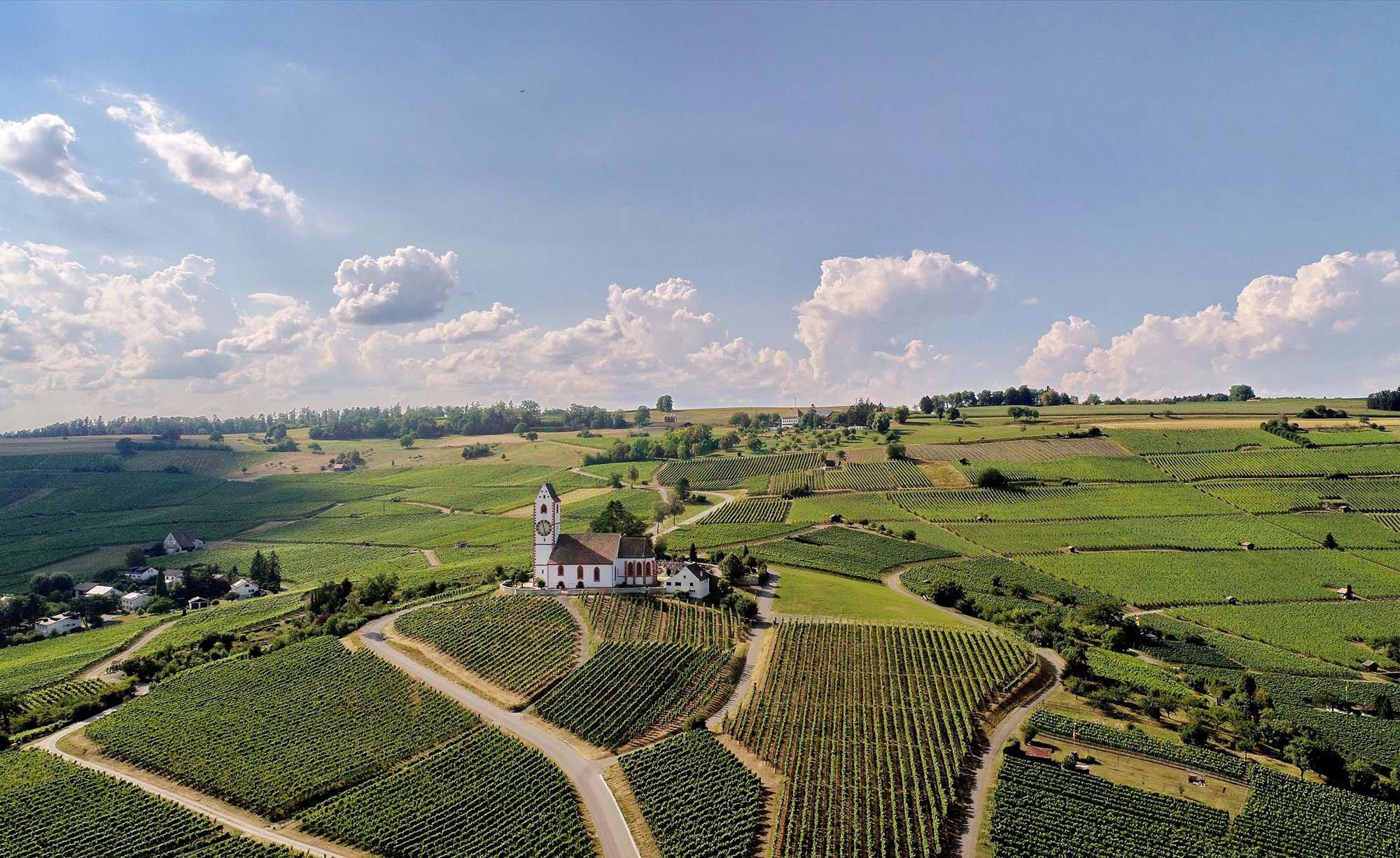
José Maria da Fonseca reads like a foundational estate for the Setúbal Peninsula: a historic property in the centre of Azeitão with cellars and buildings that anchor the town’s vinicultural identity. The setting eases away from Lisbon’s bustle into the Serra da Arrábida foothills, where agricultural land and olive groves create a scenic, tranquil backdrop. The visitor operation leans into legacy rather than trendiness, so the atmosphere feels composed and timeless—appealing to visitors who appreciate history, continuity and the slower rhythms of a working wine region.
Best For
This estate suits visitors who come to learn as much as to taste. The producer’s multi-generational presence and dedicated visitor operation make it a natural stop for wine-education visits, groups exploring regional styles, and special-occasion outings that value provenance and history. It’s less aimed at casual passersby chasing the country’s most publicized routes; instead, it rewards guests who are curious about Moscatel de Setúbal, local grape varieties and the long arc of the region’s production.
Tasting Tips
When you visit, prioritize the region’s signature expressions: taste Moscatel de Setúbal to understand the peninsula’s fortified tradition, and sample offerings made from Castelão (historically known as Periquita) to get a feel for local red varieties. Ask staff about the estate’s cellars and the historical role the property has played in Azeitão—context enhances the tasting. Because the operation emphasizes depth and history, focus on flights or guided tastings that compare styles and vintages rather than one-off samples.
Venue details
Ambiance
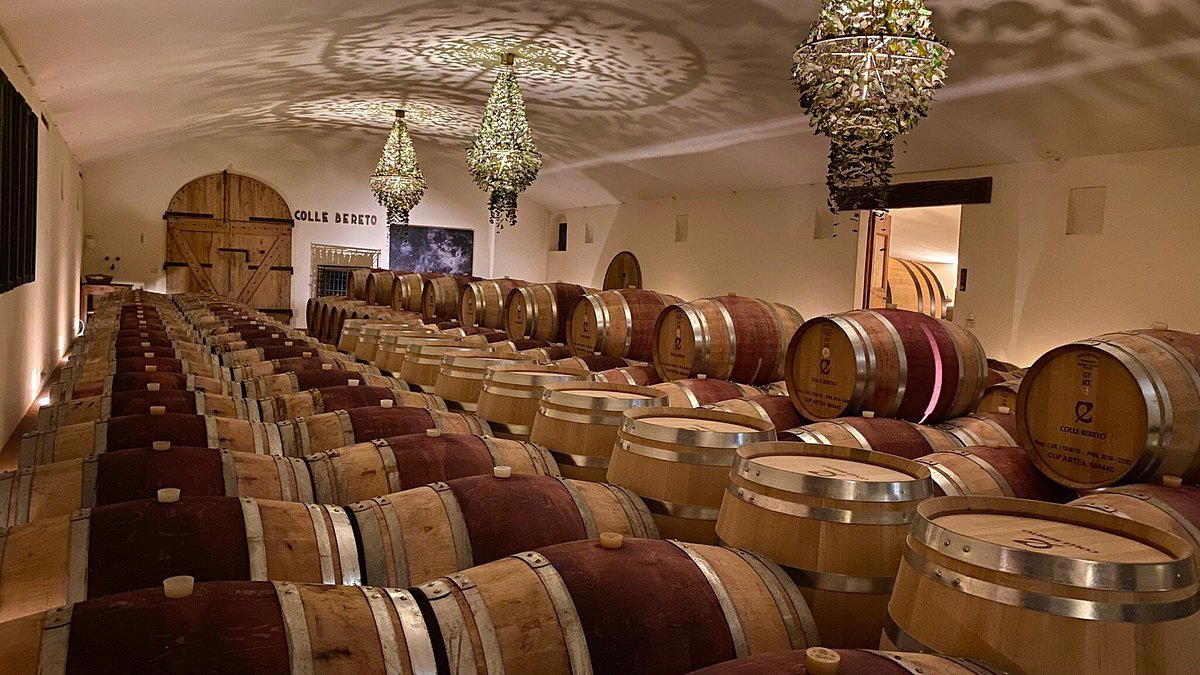
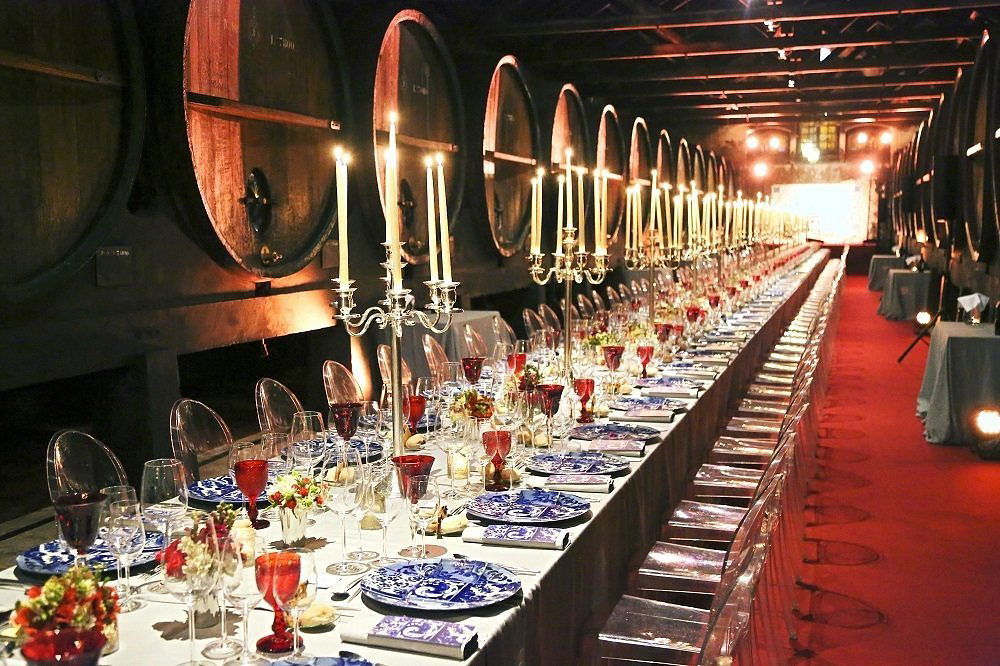
Historic manor house with lush gardens, damp and dark ancient cellars filled with the irresistible aroma of aging wine, and candlelit event spaces among oak barrels.
Tags
Vibe
Best For
Experience
Sourcing
View
At the Vineyard
- Appellation
- Setúbal Peninsula
- Varietals
- Castelão, Moscatel, Touriga Nacional, Trincadeira, Syrah
- Tour Duration
- 60-90 minutes
- Tour Languages
- English, Portuguese
- Visits
- By reservation
- Farming
- Sustainable
- Wine Styles
- Still Red, Still White, Fortified, Dessert
- Food Pairing
- Offered
- Wine Club
- Not available
Know before you go
Know Before You Go
- Getting there
- R. José Augusto Coelho 12a, 2925-538 Azeitão
Planning details
Location
Recognition and awards

Also consider
If this is not the right fit
Try Bacalhôa Vinhos for the closest practical alternative in Azeitão. For a different regional angle, Adega Regional de Colares is the better pick if coastal wine history is the reason for the trip.
Winery context
How it compares in and beyond Azeitão
For Azeitão specifically, José Maria da Fonseca is the more heritage-led, town-centre choice, while Bacalhôa Vinhos is the better cross-shop for visitors who want a larger-feeling winery outing in the same area. If the group is planning a celebration and wants a polished wine stop without building the day around travel time, start here; if the priority is a fuller estate mood, Bacalhôa is the safer alternative.
Adega Regional de Colares is the more compelling pick for coastal wine history, but it is not an Azeitão substitute. Adega Cartuxa (Fundação Eugénio de Almeida) and Herdade do Mouchão make more sense for an Alentejo-focused trip, where the winery visit is part of a broader regional itinerary rather than a Lisbon-area day plan.
Luis Pato is the better fit for drinkers building a producer-led route around a specific wine personality. For most visitors staying near Lisbon or Setúbal, José Maria da Fonseca wins on convenience and occasion-readiness; for a deeper wine-country itinerary, the out-of-metro peers deserve the extra travel time.
Explore Azeitão
Around this place
Discover more on Pearl
Unlock the full José Maria da Fonseca guide in Pearl, including awards, comparisons, FAQs, planning details, and nearby places.
Compare José Maria da Fonseca
| Venue | Location | Awards |
|---|---|---|
| José Maria da Fonseca | Azeitão | 2026 Falstaff Winery Guide |
| Bacalhôa Vinhos | Azeitão | 2025 Decanter Winery Prestige |
| Adega Regional de Colares | Colares | No published awards |
| Adega Cartuxa (Fundação Eugénio de Almeida) | Évora | 2026 Falstaff Winery Guide |
| Luis Pato | Anadia | No published awards |
| Herdade do Mouchão | Casa Branca | 2026 Falstaff Winery Guide |

How José Maria da Fonseca Azeitão compares with similar nearby venues.
FAQ
Frequently Asked Questions
Does José Maria da Fonseca offer shipping?
Do I need a reservation at José Maria da Fonseca?
Can José Maria da Fonseca handle large groups?
Does José Maria da Fonseca offer membership options?
Pearl does not have membership details for José Maria da Fonseca, so they should not be treated as a confirmed planning feature. Ask directly if membership options are important to your visit.
How long should I plan for a visit to José Maria da Fonseca?
Pearl does not have visit-duration information for José Maria da Fonseca. Leave flexibility in your Azeitão plans and confirm timing directly if you need a fixed schedule.
Does José Maria da Fonseca serve food?
Pearl does not have food-service information for José Maria da Fonseca. If dining is important, make a separate Azeitão restaurant plan and confirm details directly.