




Chateau Haut-Brion
Pessac
Winery in Pessac, France
 Book with Pearl
The Read
Graves Gravel Terroir
Why go
Château Haut-Brion is a wine estate in Pessac, Bordeaux.
About Chateau Haut-Brion
For a special-occasion plan in Pessac, Chateau Haut-Brion is best considered when the venue name itself matters as much as the logistics. Jean-Philippe Masclef is listed as technical director, the dress code is smart casual, and the venue holds Pearl 5 Star Prestige recognition for 2025 as well as a #35 placement on World's 50 Best Vineyards in 2022. If the goal is a direct Pessac stop, confirm practical details directly; if the goal is a prestige-led plan built around Chateau Haut-Brion, treat it as the anchor only once access is confirmed.
The venue identity is the point, not a backdrop
The decision here is different from choosing a casual stop. The appeal is the Chateau Haut-Brion name and the recognition attached to it. That makes it better suited to travelers who care about provenance and prestige than to visitors simply looking to fill an open slot.
The strongest trust signal is external recognition: the venue has Pearl 5 Star Prestige recognition for 2025 and appeared at #35 on World's 50 Best Vineyards in 2022. This recognition does not specify particular tour formats, schedules, prices, tasting structures, or public access policies, but it does explain why the venue is treated as a high-prestige Pessac name.
Who should choose this as the fixed point
Choose Chateau Haut-Brion if the plan is meant to feel consequential. For a broader Pessac day, pair the decision with direct confirmation rather than overloading the itinerary: use wider Pessac planning resources for restaurants, hotels, bars, and experiences if Chateau Haut-Brion becomes the fixed point of the day.
For alternatives, Château La Mission Haut-Brion, Château Les Carmes Haut-Brion, and Château Pape Clement are natural comparison points for travelers looking at the Haut-Brion and Pessac orbit. Domaine Clarence Dillon and Domaines Barons de Rothschild (Lafite) can also be useful broader prestige benchmarks, though they should not be treated as identical substitutes for Chateau Haut-Brion.
Reservations: confirm availability and access directly before building plans around the venue. Dress: smart casual is the dress code. Budget: do not evaluate this only as a value stop; the draw is the venue name and recognition. Timing: keep the rest of the day flexible so Chateau Haut-Brion can remain the anchor if access is confirmed.
Planning details
- Location
- 135 Av. Jean Jaurès, 33608 Pessac
- Website
- haut-brion.com
- Phone
- +33 5 56 00 29 30
The take
The Take
The Vibe
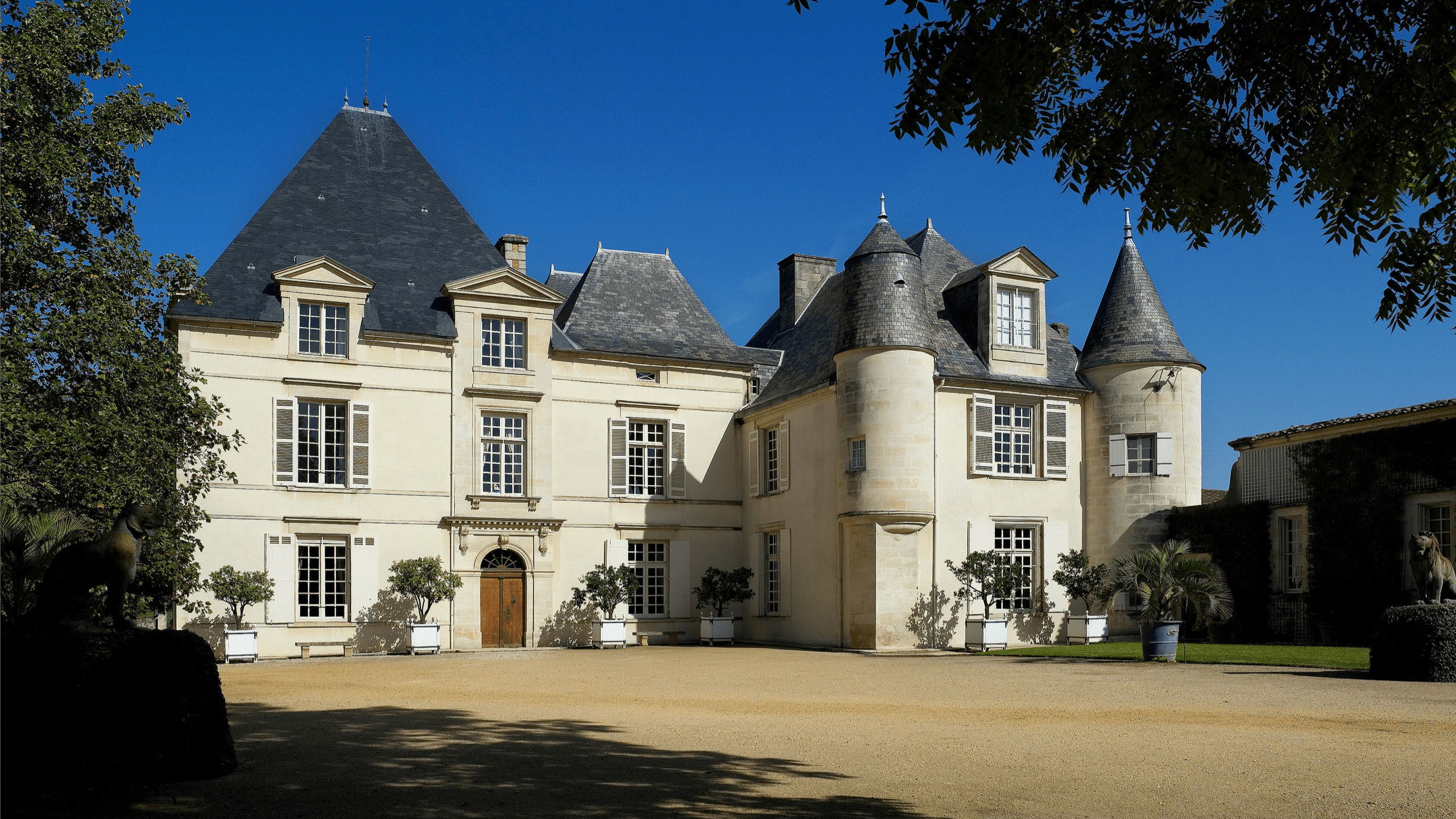
Château Haut-Brion reads like a piece of Bordeaux history set within an ordinary suburban fabric. The estate’s identity is defined by longevity — it predates the 1855 Classification and carries an established authority that feels ancestral rather than conferred. Approaching the property from city streets gives way to walled vineyards that are described as precise and almost defiant, creating a contained, contemplative atmosphere. The combination of urban proximity and secluded vine parcels produces a quietly imposing presence: this is a place where historical weight meets agricultural exactitude, and the mood is measured, dignified and distinctly historic.
Best For
Haut-Brion is best for visitors seeking an instructive and memorable wine experience. Its singular place in Bordeaux history and its Pearl 5 Star Prestige recognition make it a natural stop for focused wine education, where the story of Pessac-Léognan and Graves terroir — gravelly soils and their mineral, occasionally smoky signature — is central. The estate’s stature and cultivated grounds also suit milestone visits and special occasions, when the gravitas of a classification-borne reputation and a venerable terroir add ceremonial weight to a tasting or estate visit.
Tasting Tips
When engaging with Haut-Brion’s wines, center the conversation on the estate’s historical standing and the Graves context it exemplifies. Ask about the classification history and how the gravelly Pessac-Léognan soils influence the wines’ mineral and smoky notes; those are themes the estate’s description emphasizes. When selecting bottles, give precedence to the estate’s flagship bottlings and classified releases that illustrate long-term quality. Use tastings as an opportunity to compare expressions that showcase the property’s signature precision rather than seeking trendy or experimental cuvées.
Venue details
Ambiance
Historic and elegant atmosphere in a renovated chateau surrounded by ancient vineyards.
Tags
Vibe
Best For
Experience
View
At the Vineyard
- Appellation
- Pessac-Léognan
- Varietals
- Cabernet Sauvignon, Merlot, Cabernet Franc, Petit Verdot, Semillon
- Tour Duration
- 60-90 minutes
- Tour Languages
- English, French
- Visits
- By appointment only
- Production
- Small producer
- Wine Styles
- Still Red, Still White
- Wine Club
- Available
Know before you go
Know Before You Go
- Getting there
- 135 Av. Jean Jaurès, 33608 Pessac
Planning details
Location
Recognition and awards


Also consider
Also Consider
- Domaine Clarence Dillon, Notable alternative
- Château La Mission Haut-Brion, Notable alternative
- Château Les Carmes Haut-Brion, Notable alternative
- Château Pape Clement, Notable alternative
- Domaines Barons de Rothschild (Lafite), Notable alternative
Winery context
How it compares in Pessac
Chateau Haut-Brion is the prestige play: choose it when reputation, estate setting, and occasion value matter more than convenience. Domaine Clarence Dillon is the more direct cross-shop for readers focused on the same Pessac orbit, while Château Pape Clement is the more practical backup if the priority is building a workable local itinerary.
Château La Mission Haut-Brion and Château Les Carmes Haut-Brion are stronger comparisons for serious Bordeaux collectors than for casual visitors, because the decision is less about tasting-room value and more about which estate context you want to experience. For a celebration, Haut-Brion has the clearest occasion signal; for a day with less scheduling pressure, Pape Clement is the easier name to test first.
Domaines Barons de Rothschild (Lafite) belongs in the same prestige conversation, but it is not a simple Pessac substitute. Use it as a benchmark for First Growth-level ambition rather than a nearby fallback. If the day needs to stay centered in Pessac, keep the comparison between Haut-Brion, Domaine Clarence Dillon, Château Les Carmes Haut-Brion, and Château Pape Clement.
Explore Pessac
Around this place
Discover more on Pearl
Unlock the full Chateau Haut-Brion guide in Pearl, including awards, comparisons, FAQs, planning details, and nearby places.
Compare Chateau Haut-Brion
| Venue | Location | Awards |
|---|---|---|
| Chateau Haut-Brion | Pessac | 2026 Michelin 2 Grapes - Bordeaux2026 Falstaff Winery Guide2025 Pearl 5 Star Prestige2022 World's 50 Best Vineyards · #35 |
| Domaine Clarence Dillon | Pessac | No published awards |
| Château La Mission Haut-Brion | Bommes | 2026 Michelin 2 Grapes - Bordeaux2026 Falstaff Winery Guide2025 Pearl 5 Star Prestige |
| Château Les Carmes Haut-Brion | Pomerol | 2026 Falstaff Winery Guide2026 Michelin 2 Grapes - Bordeaux2025 Pearl 4 Star Prestige |
| Château Pape Clement | Pessac | 2026 Falstaff Winery Guide2025 World's 50 Best Vineyards · #272025 Pearl 4 Star Prestige2024 World's 50 Best Vineyards · #212023 World's 50 Best Vineyards · #192022 World's 50 Best Vineyards · #26 |
| Domaines Barons de Rothschild (Lafite) | Bordeaux | No published awards |
How Chateau Haut-Brion Pessac compares with similar nearby venues.
FAQ
Frequently Asked Questions
Does Chateau Haut-Brion ship wine?
Check directly with the venue for shipping information. Chateau Haut-Brion is in Pessac and holds Pearl 5 Star Prestige recognition for 2025, along with a World's 50 Best Vineyards #35 placement from 2022.
Do I need a reservation at Chateau Haut-Brion?
Confirm reservation requirements directly before making plans. Because Chateau Haut-Brion is a prestige Pessac venue with Pearl 5 Star Prestige recognition for 2025, it is sensible to plan ahead rather than assume access.
How long should I plan for a visit to Chateau Haut-Brion?
A specific visit length is not provided. If you are planning a Pessac itinerary around Chateau Haut-Brion, leave enough flexibility to account for whatever timing the venue confirms directly.
Is the wine club at Chateau Haut-Brion worth joining?
Wine club details are not provided. For most visitors, the grounded decision is whether Chateau Haut-Brion itself is a priority in Pessac, supported by Pearl 5 Star Prestige recognition for 2025.
What other venues are near Chateau Haut-Brion?
Château La Mission Haut-Brion and Château Les Carmes Haut-Brion are natural comparisons if you want to stay in the Haut-Brion orbit, while Château Pape Clement is another Pessac reference point. For a broader prestige benchmark, Domaines Barons de Rothschild (Lafite) offers a different point of comparison.
When is the best time to visit Chateau Haut-Brion?
What is the flagship wine at Chateau Haut-Brion?
Specific bottle or cuvée details are not provided. The venue is located in Pessac, has a smart casual dress code, holds Pearl 5 Star Prestige recognition for 2025, and was placed #35 on World's 50 Best Vineyards in 2022.